Skalka
Skalka nad Váhom Trenčín county Slovakia
monastery
Skalka
Skalka nad Váhom Trenčiansky kraj Slovakia
kláštor
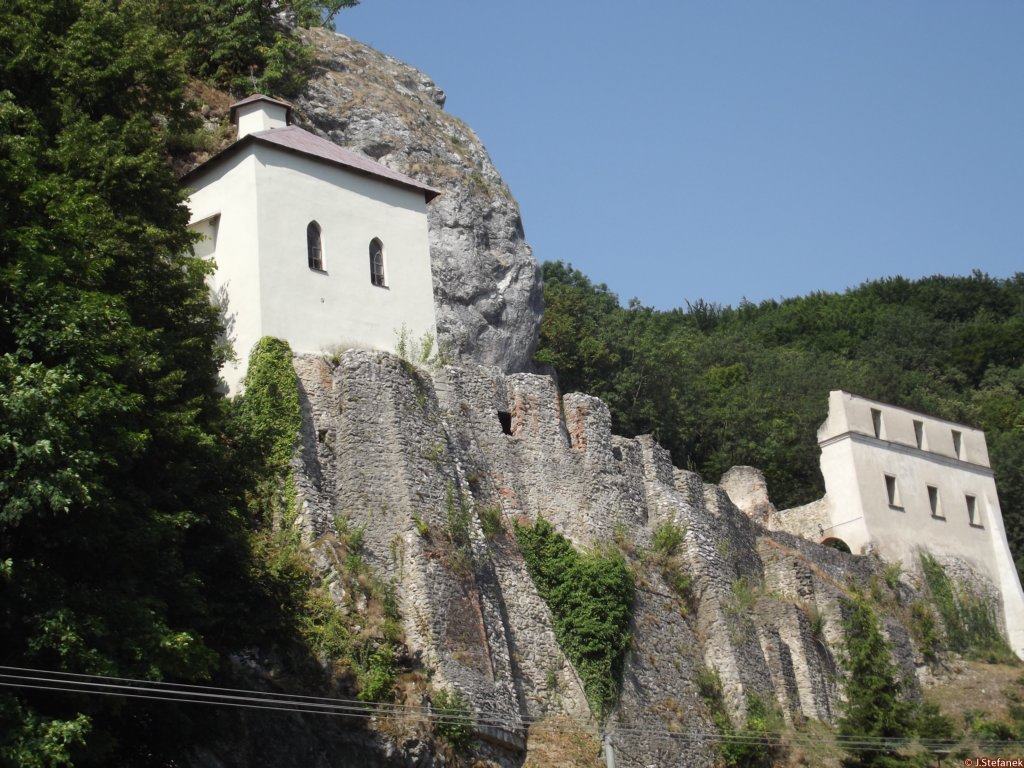
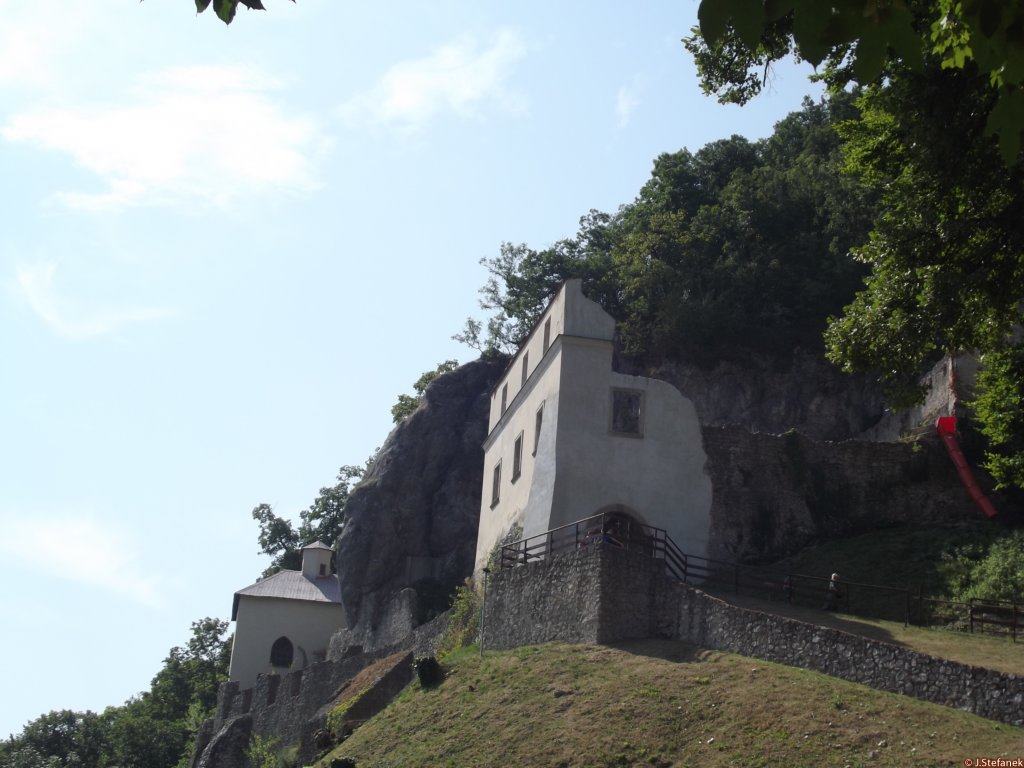
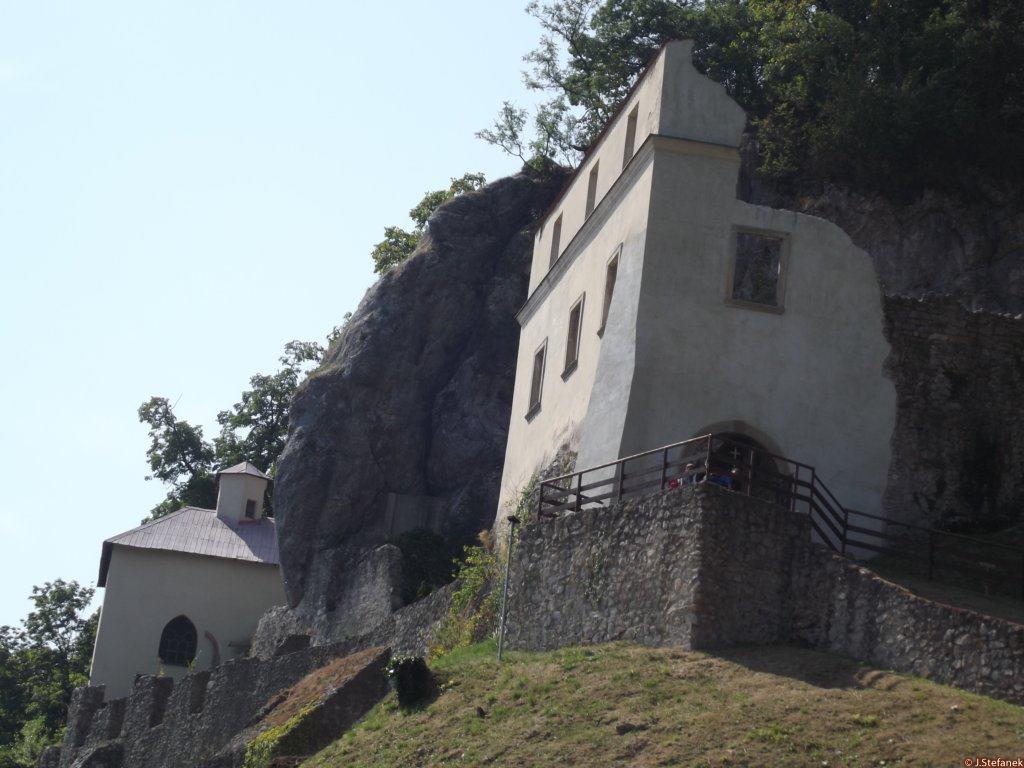
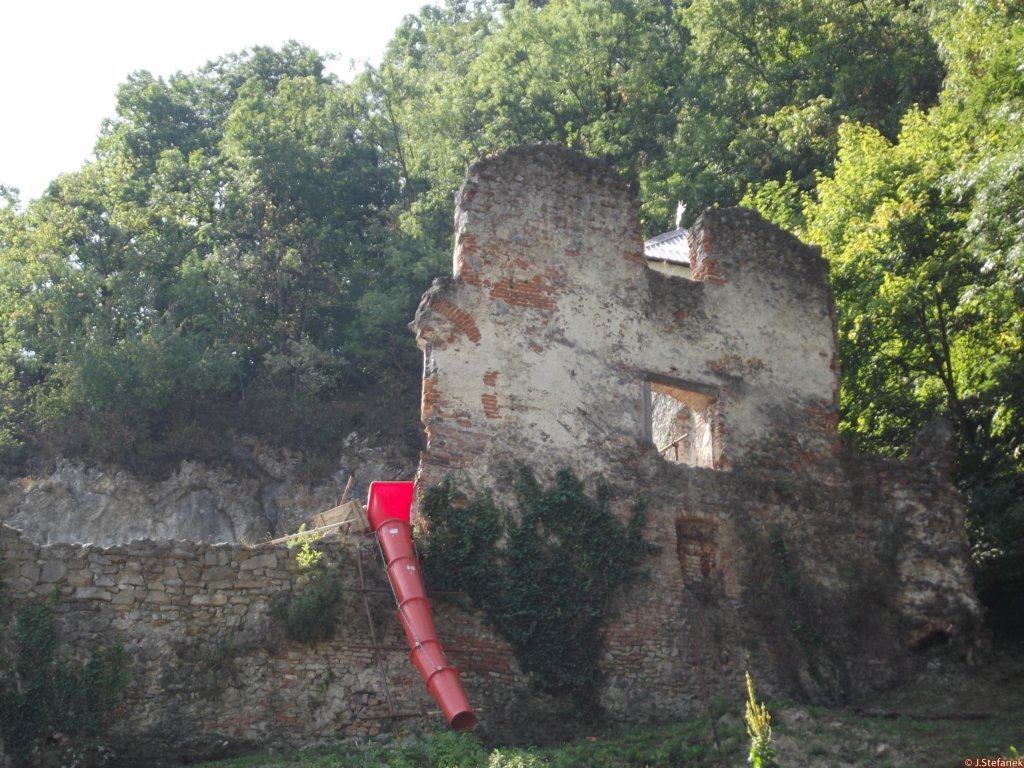
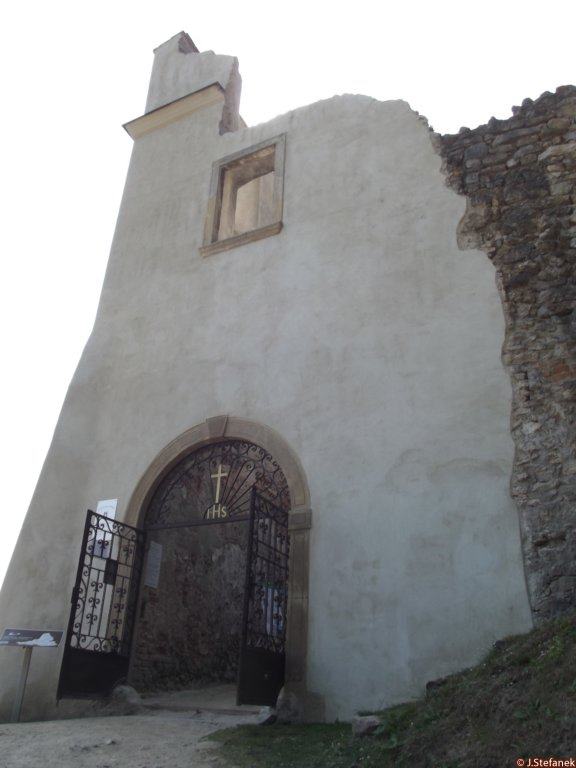
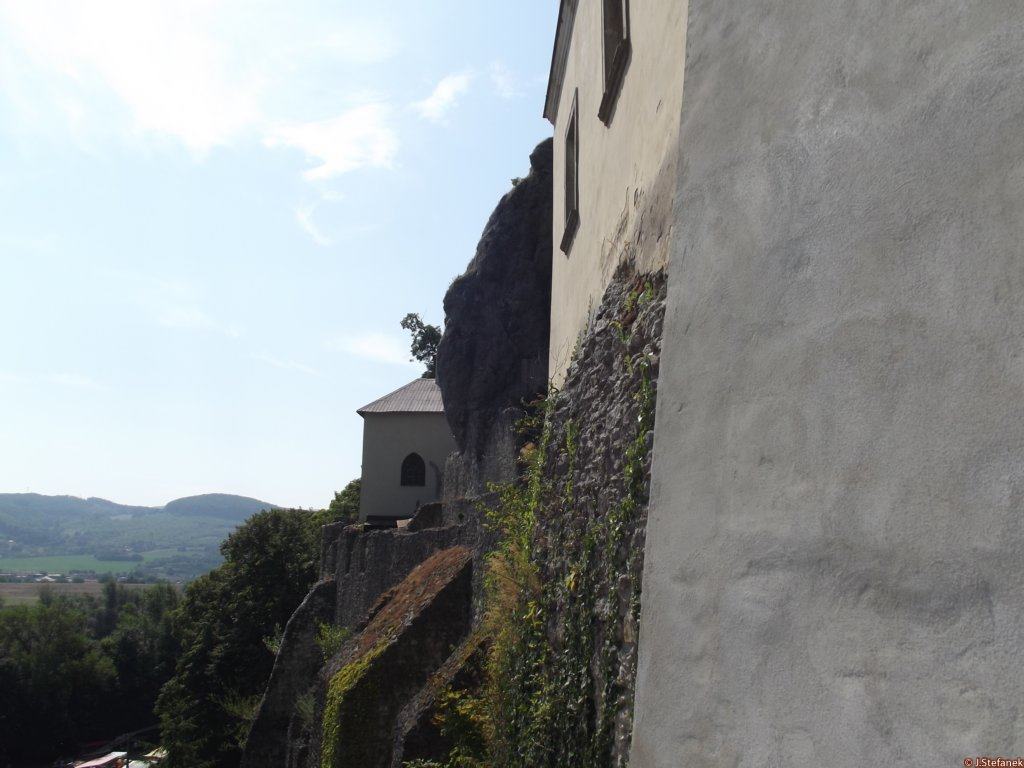
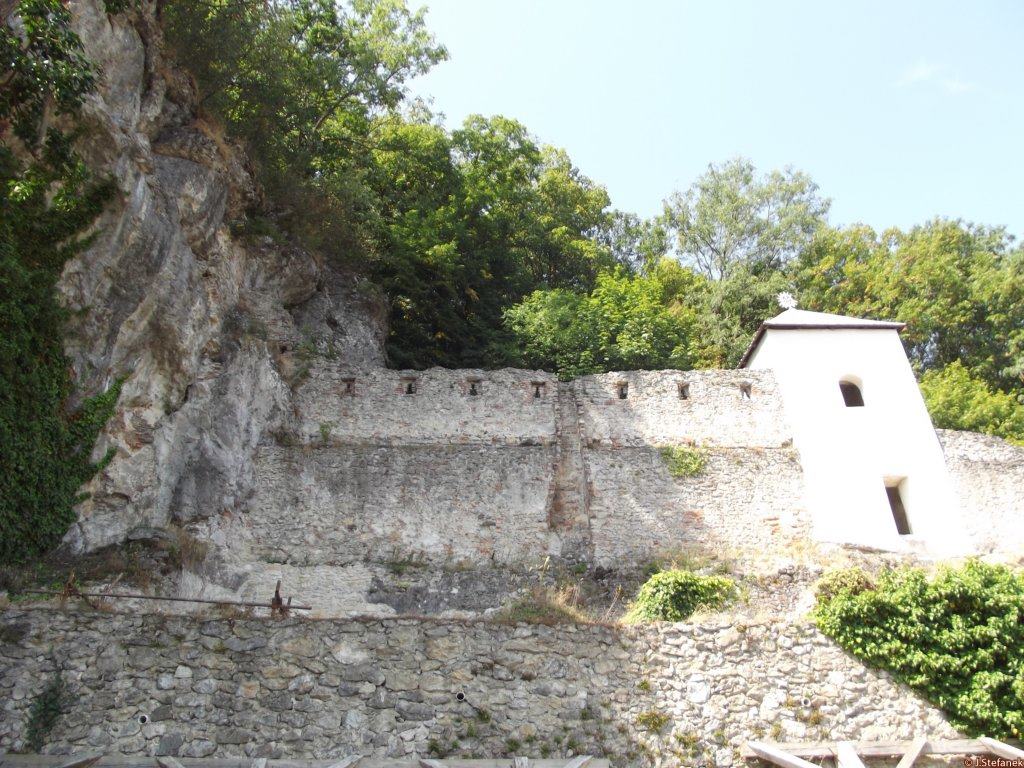
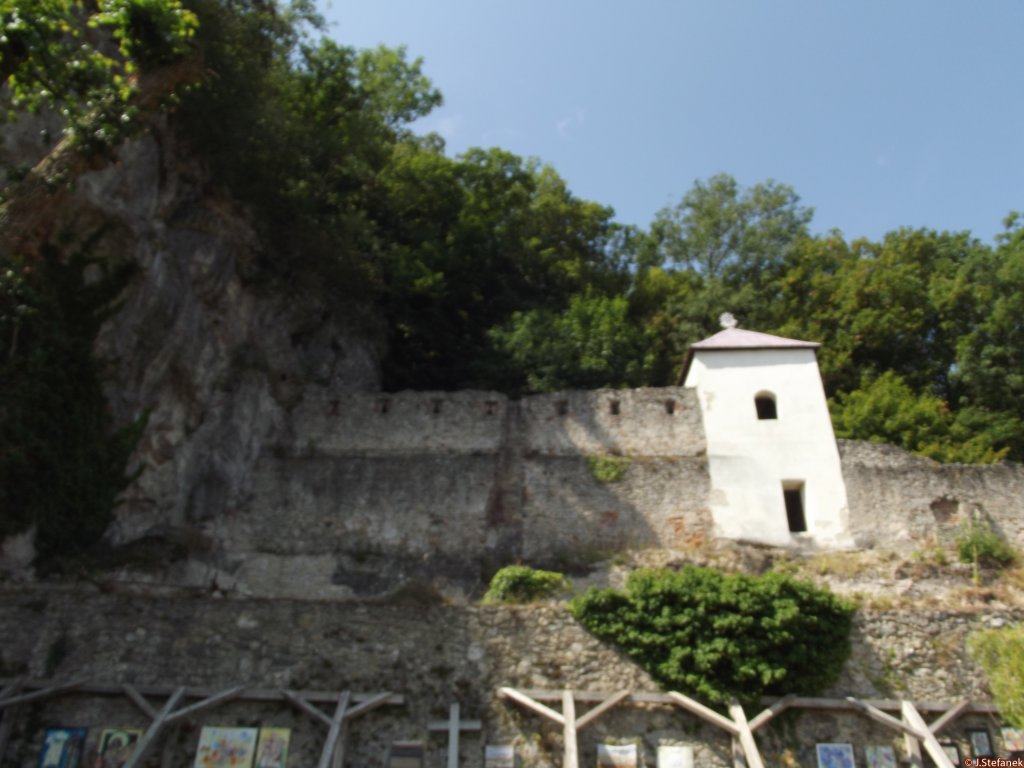
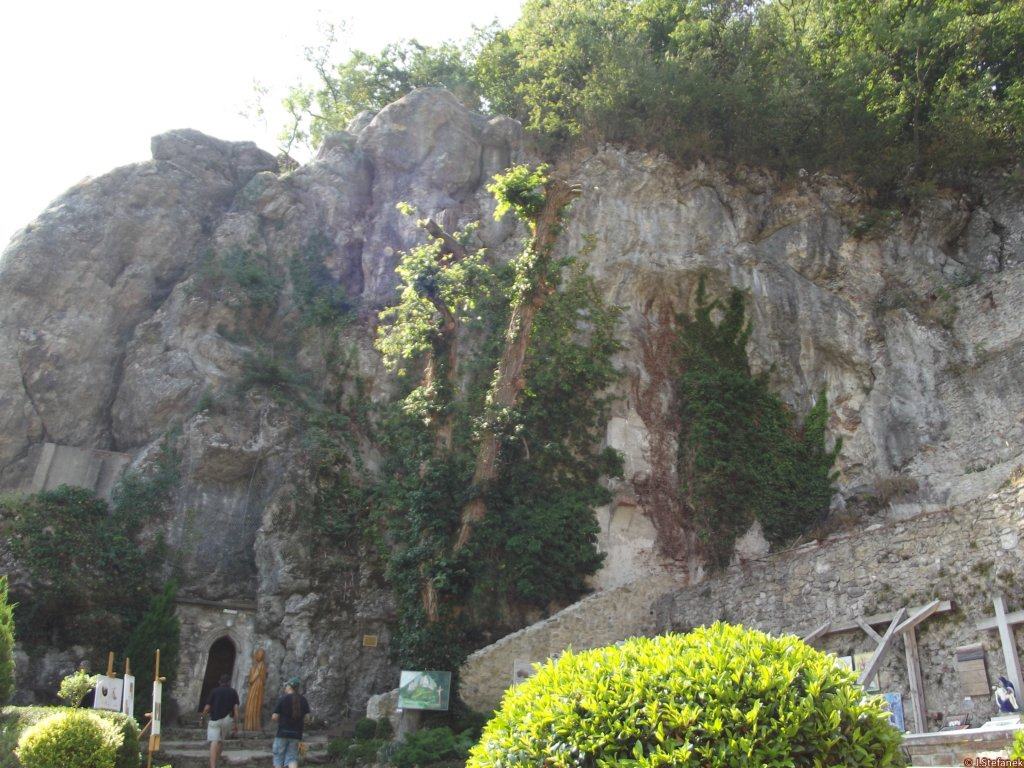
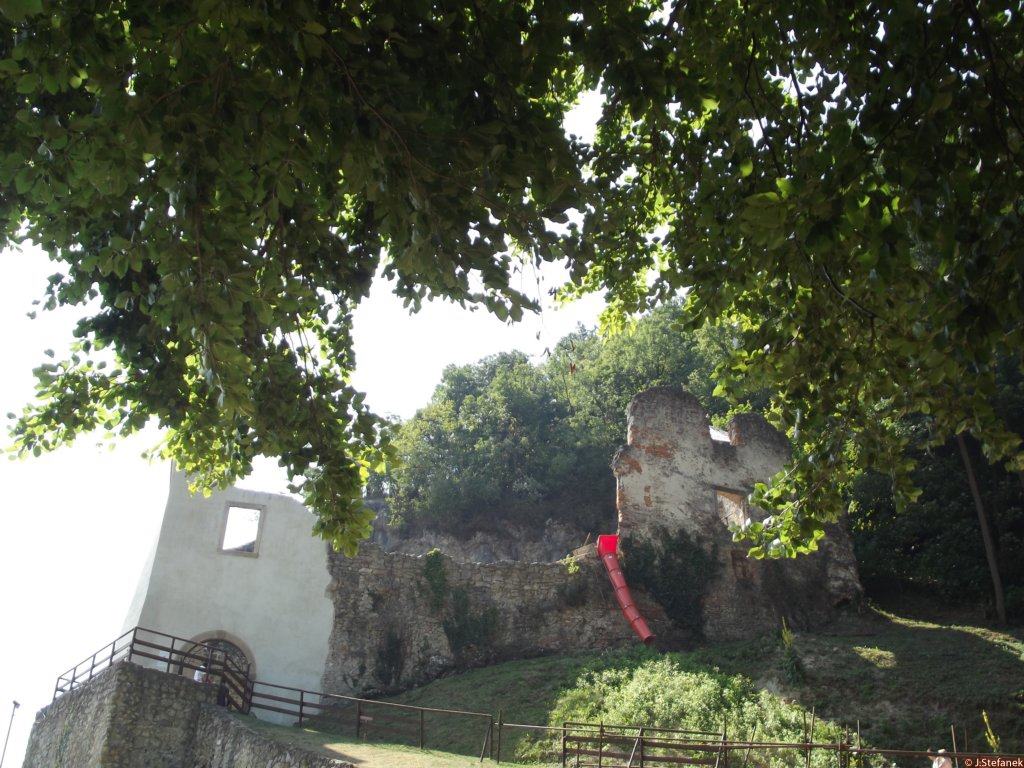
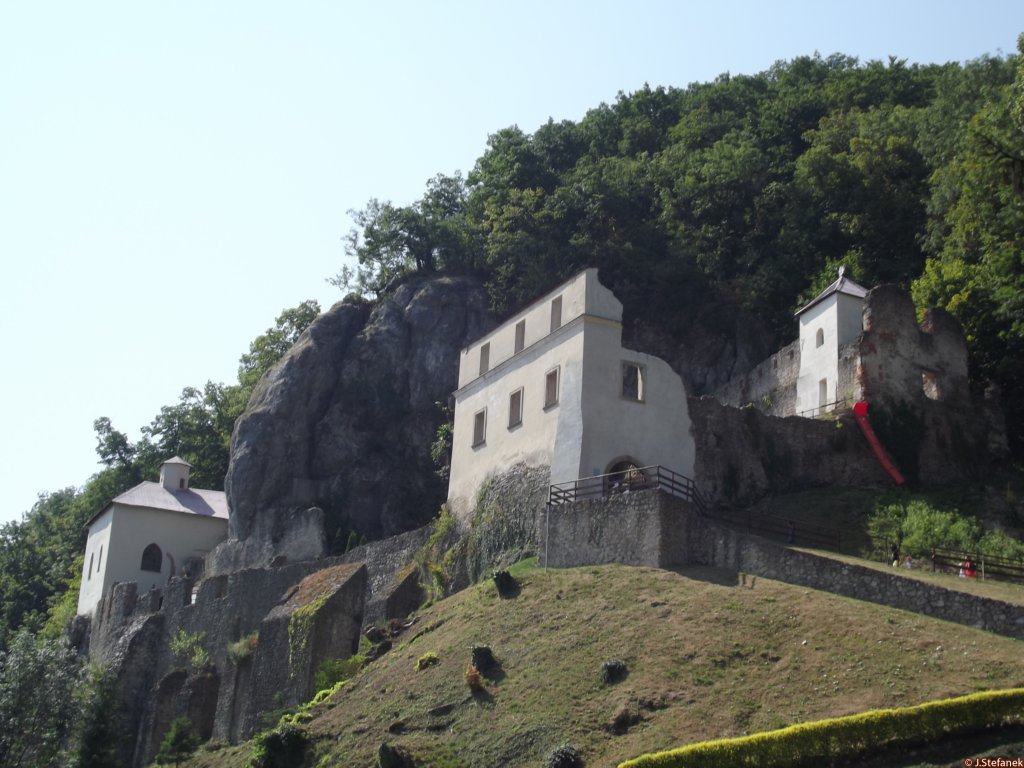
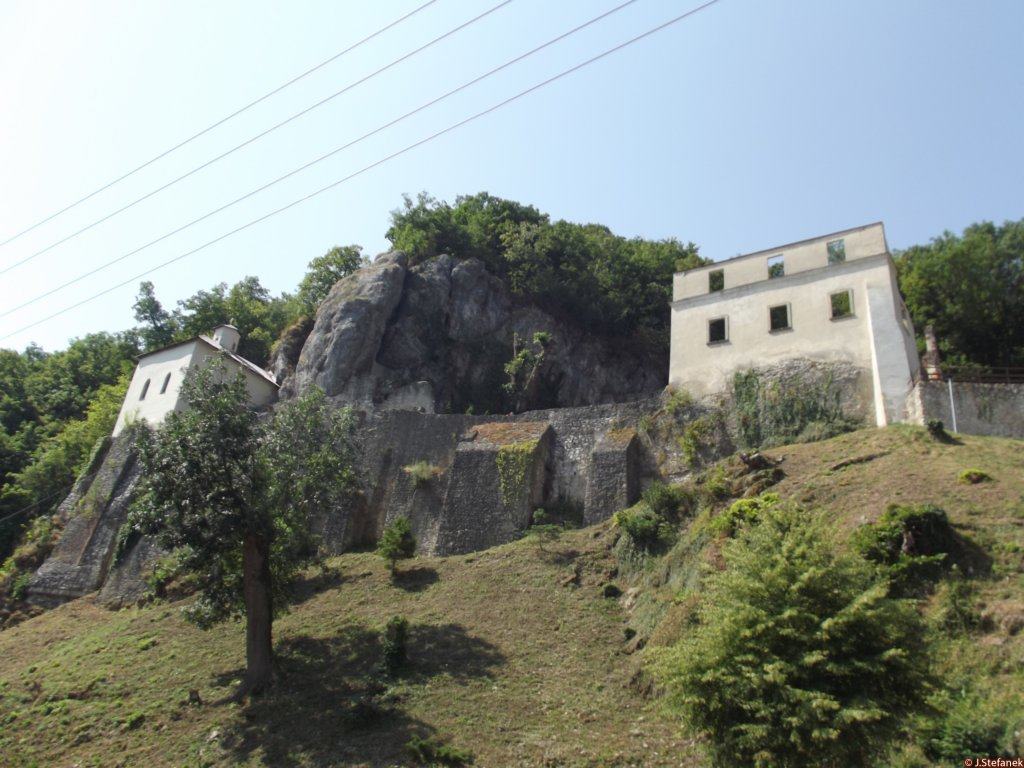
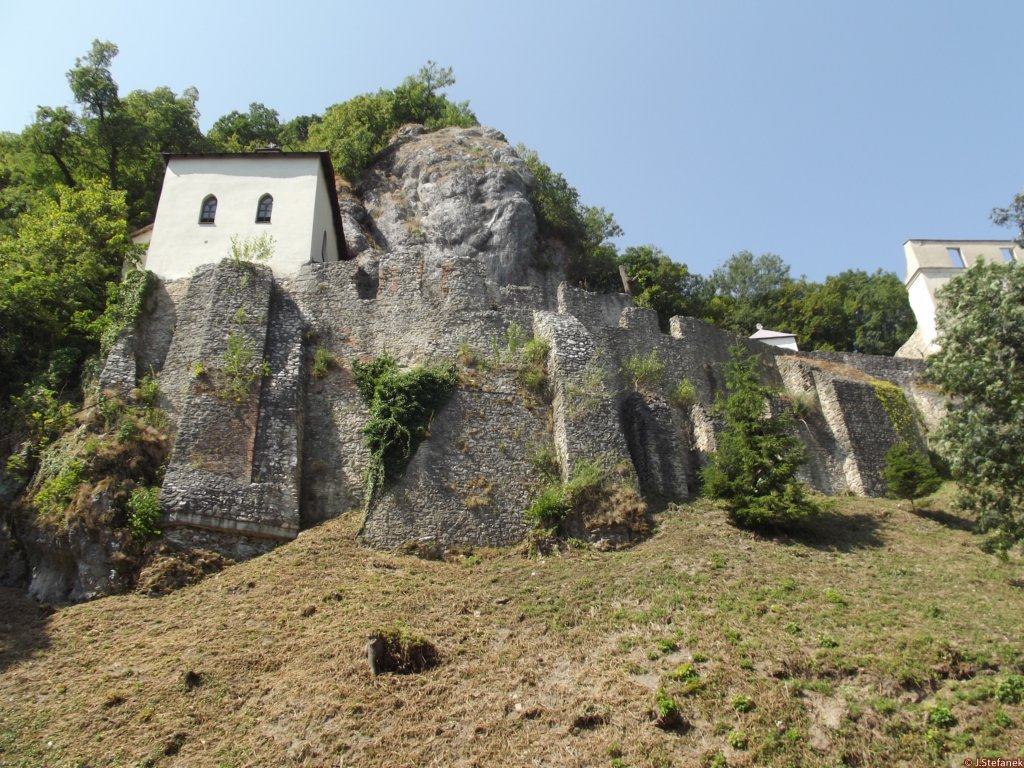
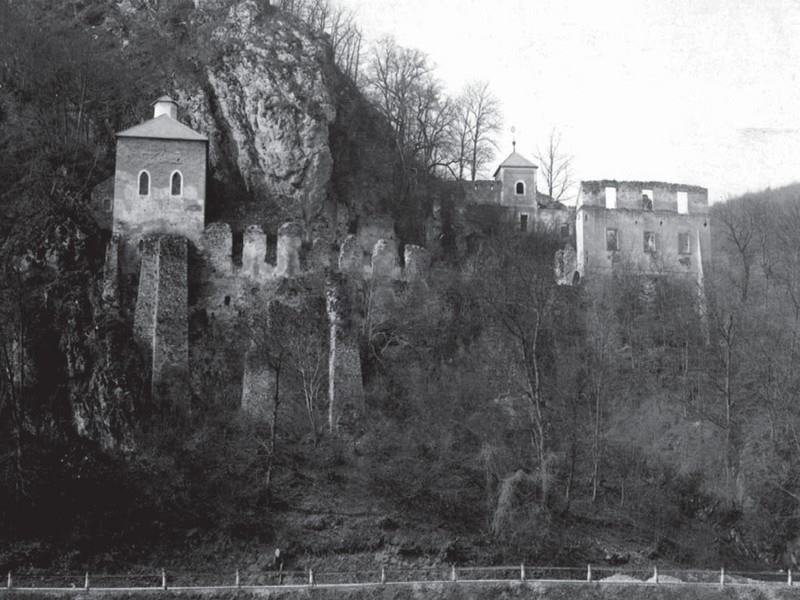
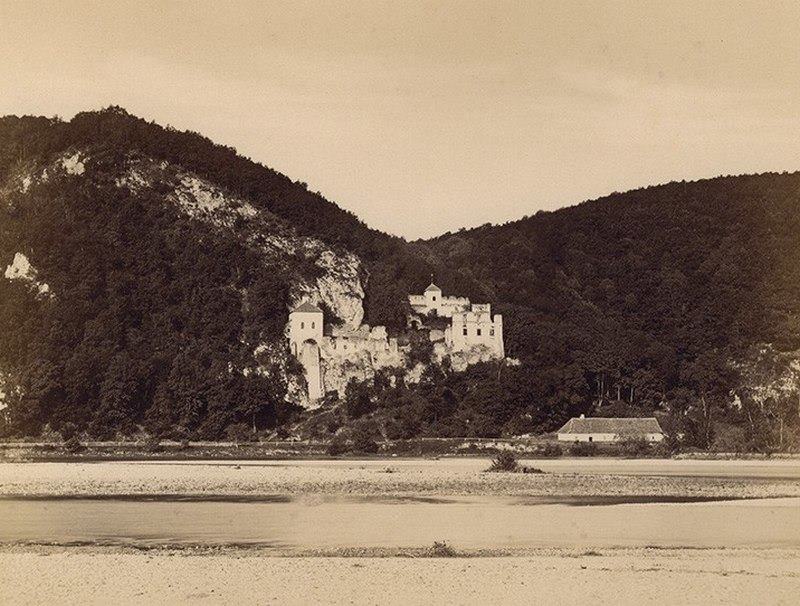
The ruins of the monastery on the hill Skalka, towering over the river Váh along the road between Trenčín part of Zamarovce and Skalka nad Váhom
Zrúcanina kláštora na návrší Skalky, týčiacou sa nad riekou Váh popri ceste medzi Zamarovcami a Skalkou nad Váhom
Previous names
Scala, Szkalka, Skalkan, Sankt Emmerich an der Waag, Vágsziklás, Stará Skalka
Roads
Skalka monastery is situated next to the road leading from Trenčín - part Zamarovce - in the direction of the village Skalka nad Váhom. Whether we go from Zamarovce or Skalka nad Váhom, we cannot miss the monastery. From Zamarovce the monastery is located about 3km along the road 507. By car you can easily park directly under the monastery, from where it takes a minute or two to get a short climb up to the monastery entrance. In July, there is a nationwide pilgrimage in the nearby church, at this time this road is closed and parking is possible at Zamarovske jamy only.
Kláštor Skalka je situovaný hneď popri ceste vedúcej od Trenčína - časť Zamarovce - v smere k obci Skalka nad Váhom. Či už sa vydáme od Zamaroviec alebo od Skalky nad Váhom, kláštor nemôžeme minúť. Od Zamaroviec je kláštor vzdialený zhruba 3km po ceste 507. Autom sa dá bez problémov zaparkovať priamo pod kláštorom, odtiaľ sa peši za chvíľu dostaneme kratučkým stúpaním až k vchodu kláštora. V júli tu každoročne v blízkom kostolíku býva celoslovenská púť, vtedy býva táto cesta uzavretá a parkovanie je za týchto okolností možné pri Zamarovských jamách.
Description
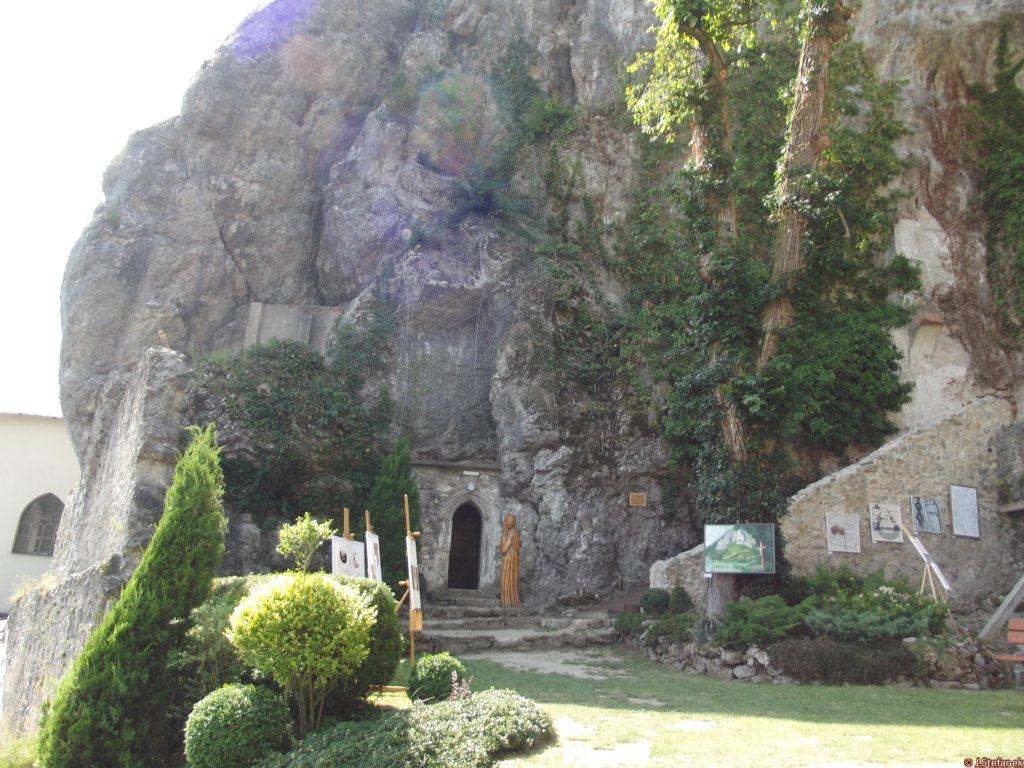
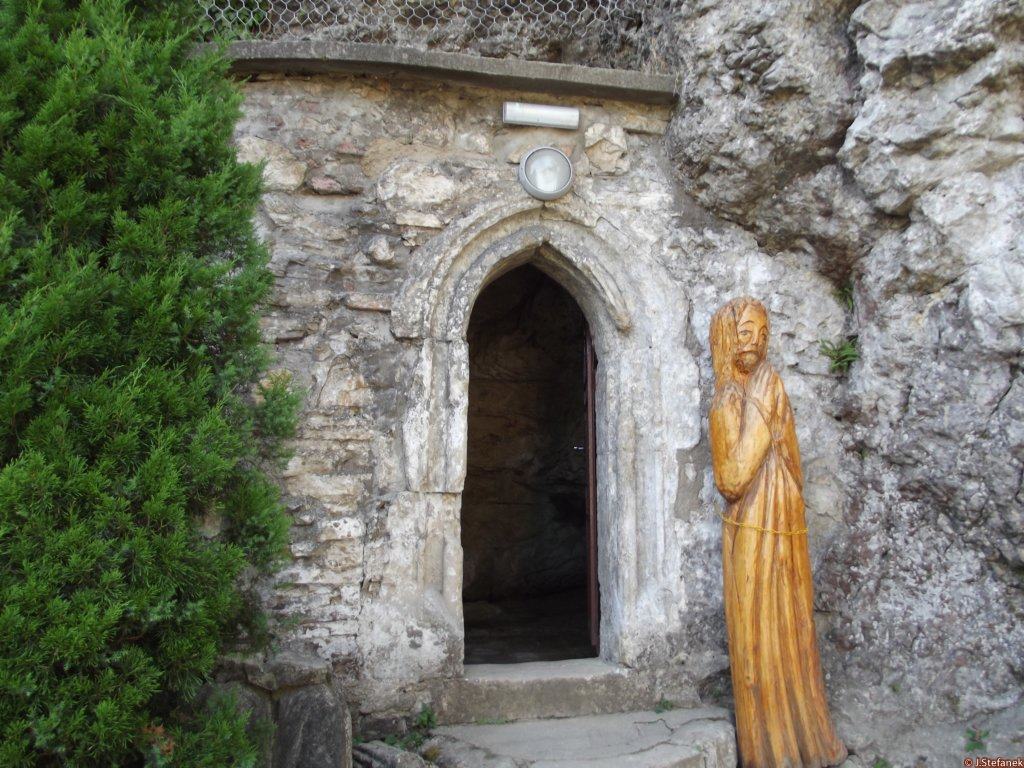
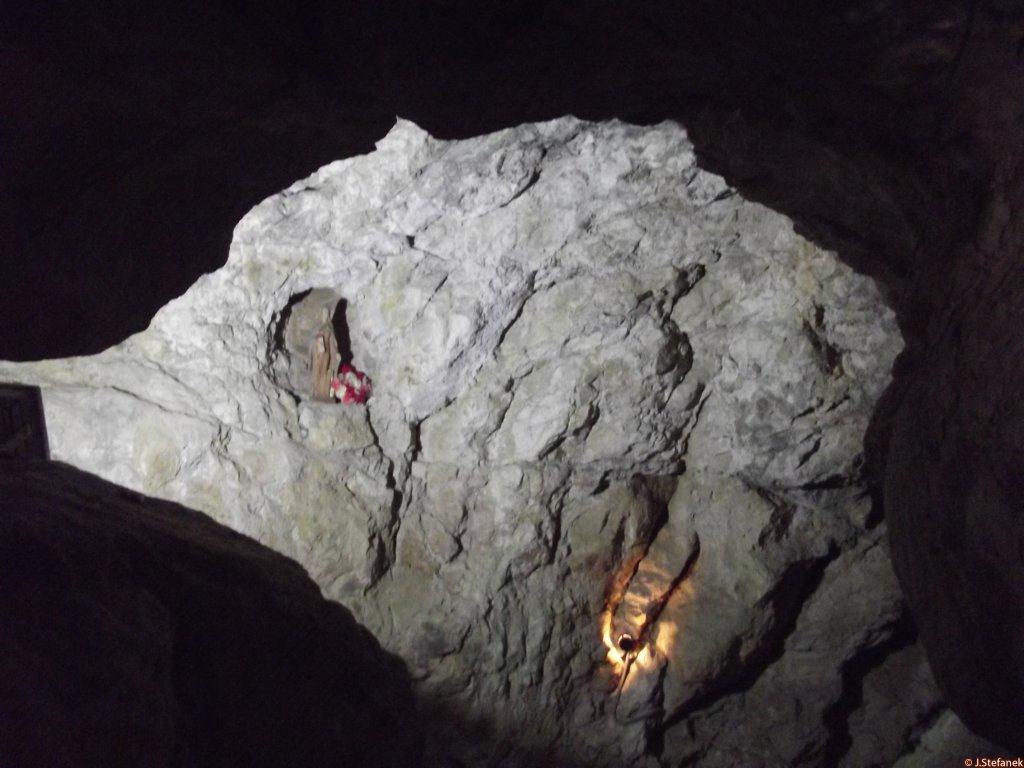
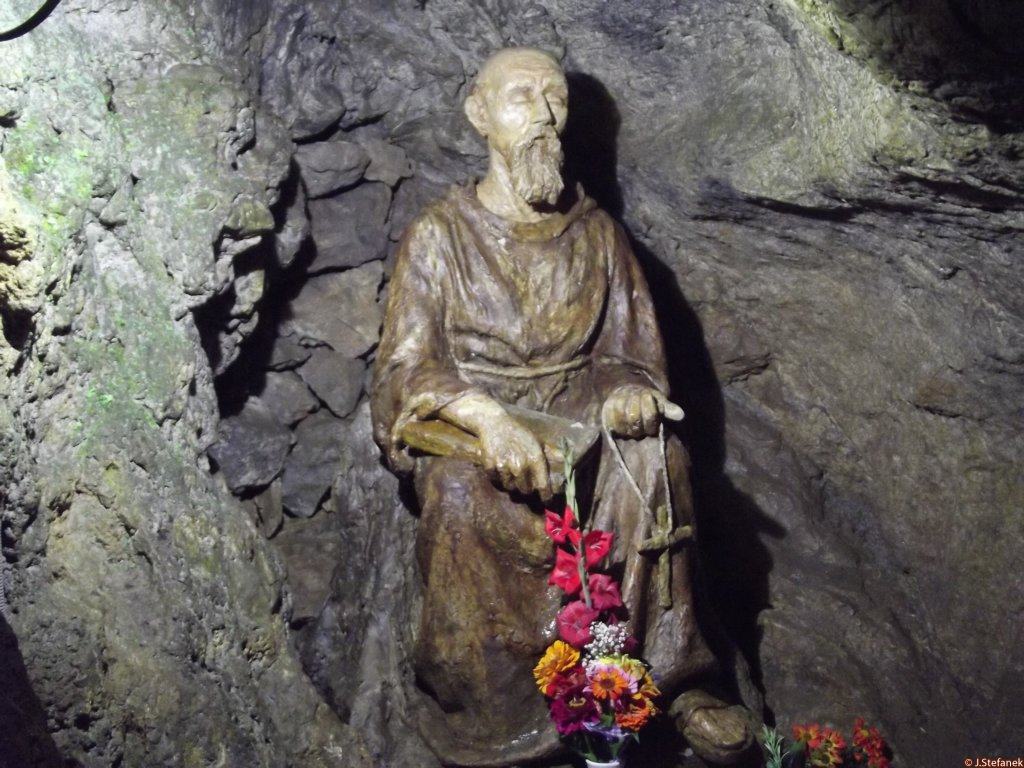
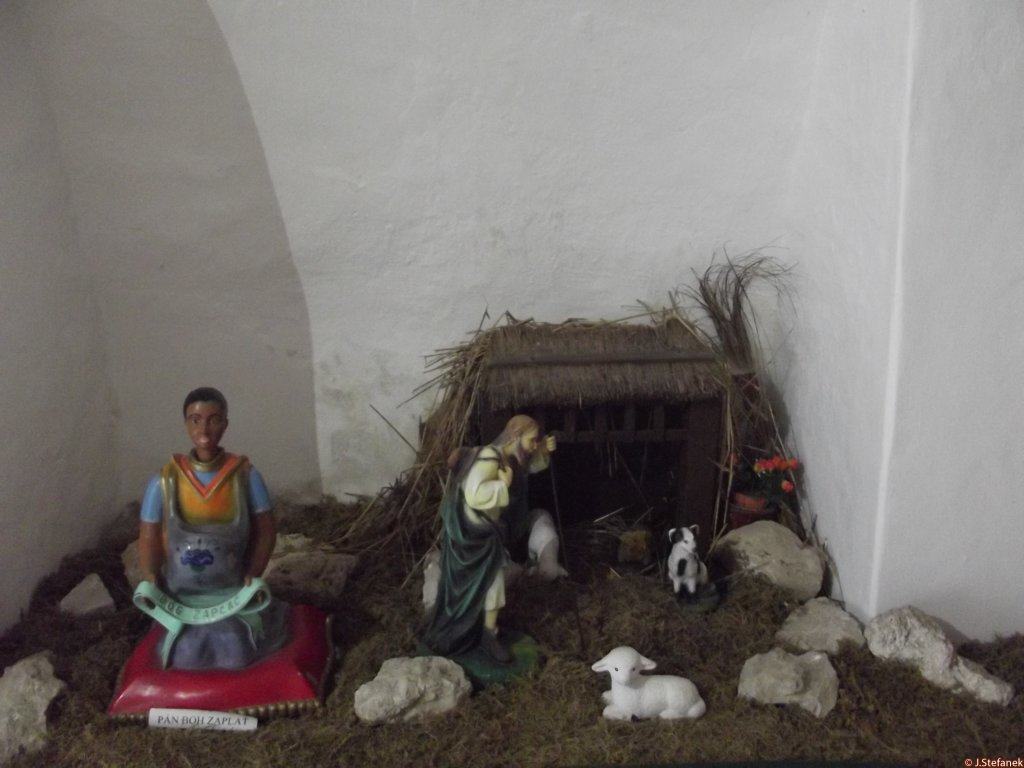
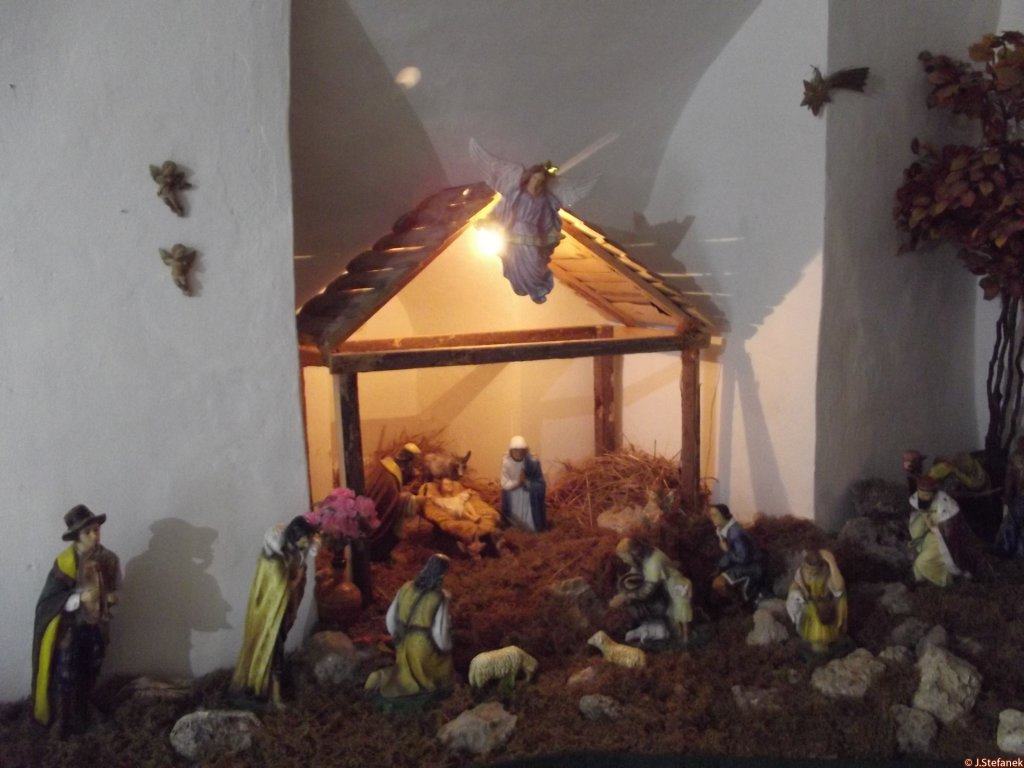
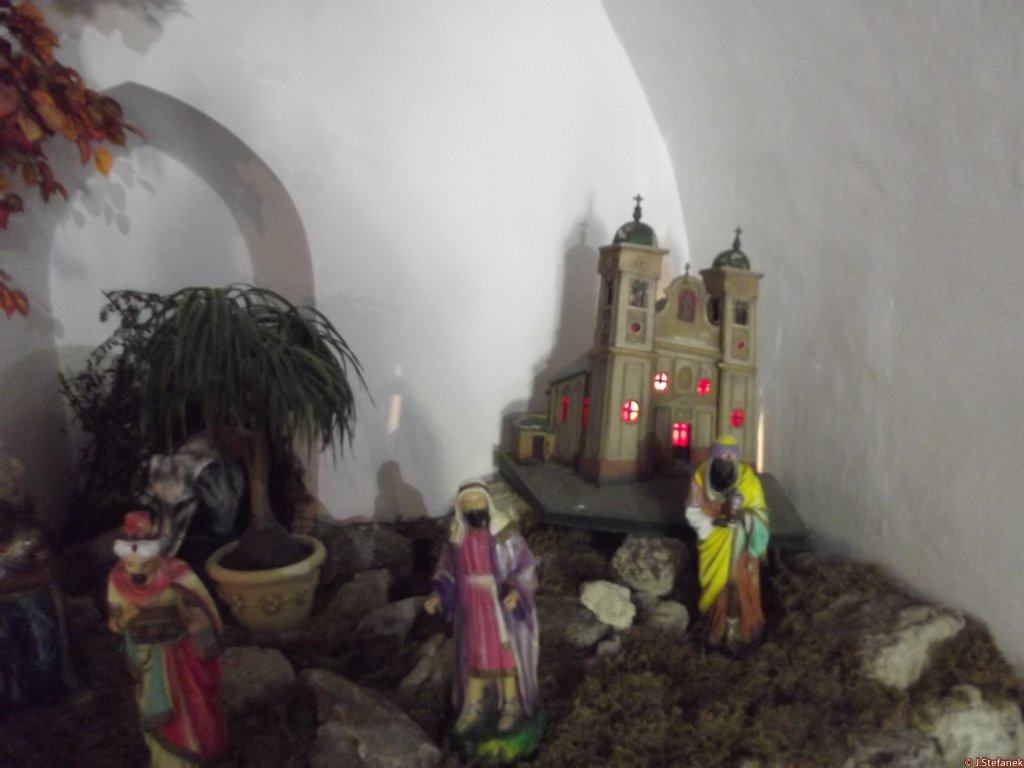
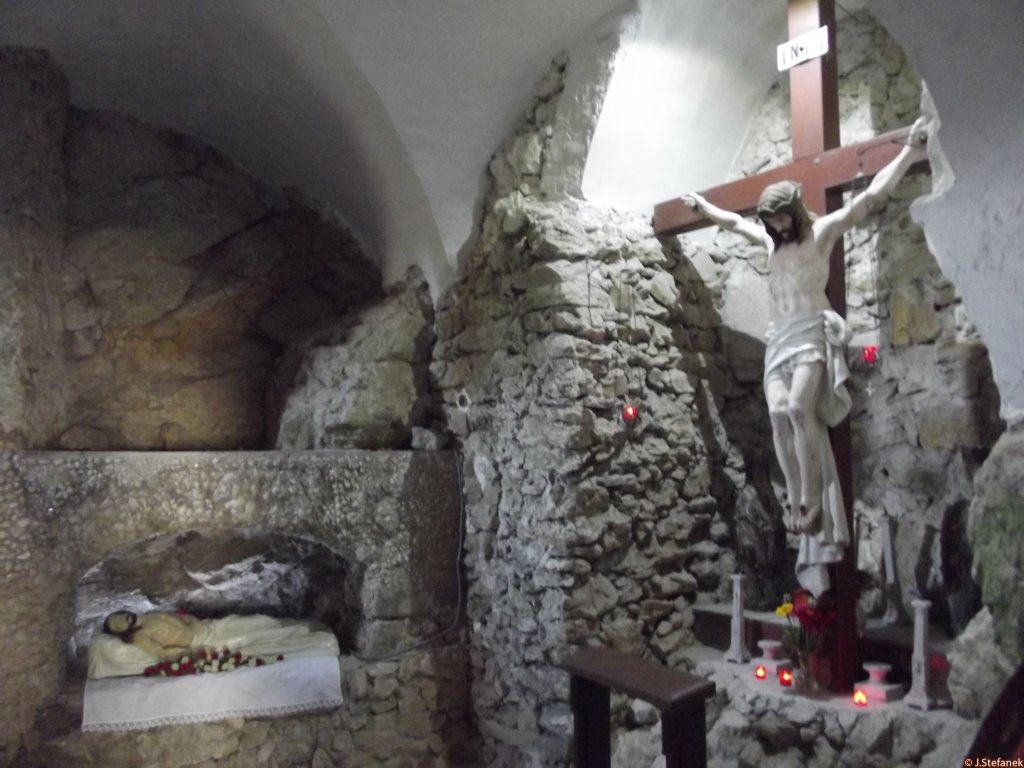
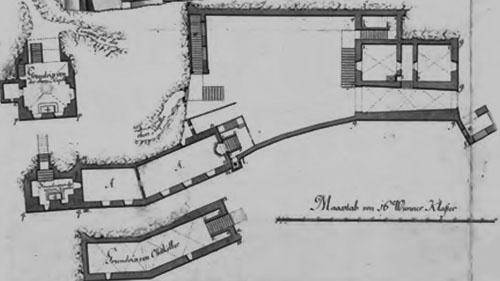
The pilgrimage site with the church and ruins of an ancient monastery is considered to be the oldest in Slovakia. The history of this site is associated with the work of St. Svorad-Andrej and st. Benedict. The main pilgrimage takes place on Saturday and Sunday after 17 July, when it is the feast of St. Svorad and Benedict.The ruins of the Benedictine monastery in Veľká Skalka date back to the beginning of the 13th century. In the premises of the monastery complex there is a small church uniquely set in the cavity of the rock bed. The church was built in r. 1224 in Gothic style. In 1664 the Jesuits reconstructed the whole building and in 1717 the Chapel of st. Andrej-Svorad and Benedict was rebuilt with a new tower. In the monastery building there is an entrance to the original cave of hermits and first saints in Slovakia. From the architectural point of view, the monastery is a unique monument in spite of reconstructions and alterations, especially in the Baroque period. However, it retained its disposition and unusual connection of architecture and natural cave formations.
Pútnické miesto s kostolom a so zrúcaninou starobylého kláštora sa považuje za najstaršie na Slovensku. S históriou tejto lokality je spojené pôsobenie sv. Svorada-Andreja a sv. Benedikta. Hlavná púť sa koná v sobotu a nedeľu po 17. júli, kedy je sviatok sv. Svorada a Benedikta.Zrúcanina benediktínskeho kláštora na Veľkej Skalke pochádza zo začiatku 13. storočia. V priestoroch kláštorného komplexu sa nachádza malý kostolík unikátne vsadený do dutiny skalného brala. Kostolík bol postavený v r. 1224 v gotickom slohu. V r. 1664 jezuiti celý objekt zrekonštruovali a v r. 1717 znovu postavili Kaplnku sv. Andreja-Svorada a Beňadika s novou vežou. V objekte kláštora je vchod do pôvodnej jaskyne pustovníkov a prvých svätcov na Slovensku. Po stavebnohistorickej stránke je kláštor jedinečnou pamiatkou napriek prestavbám a úpravám najmä v období baroka. Zachoval si však svoju dispozíciu a nezvyčajnosť spojenia architektúry a prírodných jaskynných útvarov.
Plan
-
History
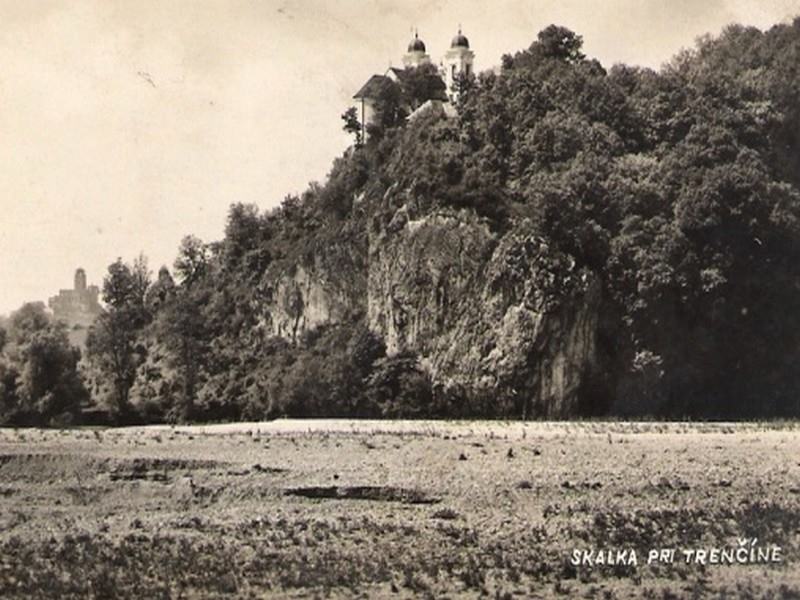
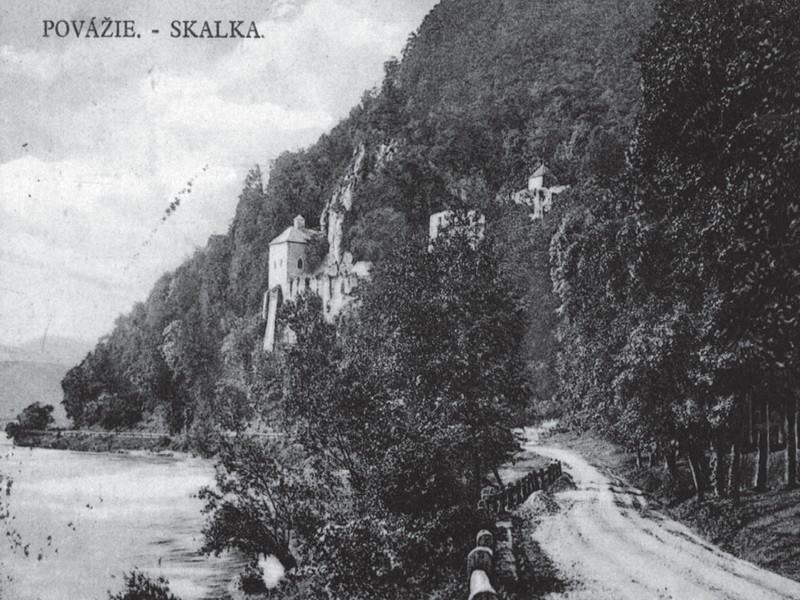
The church and monastery of the abbey in Veľká Skalka was founded by the Bishop of Nitra, Jakub I, in 1224, in memory of the martyrdom of St. Svorad-Andrej and Benedikt in this place. At the cave where St. was murdered. Beňadik had a monastery built and a church on the rock from which his body was thrown into Váh. The Benedictine order settles here. The Benedictines worked here until the beginning of the 16th century. The Benedictines had their masons, who built cells for monks, a common dining room, a kitchen, chambers, craft workshops and other outbuildings. Below were wide, cultivated fields, hummocks, ponds, stables. The superior of the monks was the abbot, who decided on all events in the monastery. The first abbot of Skalka, whose name we know, was the monk Pavel. Bishop Jakub took good care of the economic stand of the monastery's life: he donated to him the villages of Uggezd (Piejazd), Piecho, all the fields that belonged to the Skalan fortified settlement (there half of the fields of the Ľuborča fort (the territory of Klíč).
King Belo IV. he joined the abbey in 1238 with a village called Geszte (today's Opatová). The flourishing of the monastery was given great importance - it became the spiritual center of Považie. The development of the monastery was interrupted in 1241 by the invasion of the Tatars. At the end of June, their northern hordes defeated by the Czech King Wenceslas I rolled across the Vlára Pass to Hungary. They devastated villages and towns with fire and sword, and their actions affected the monastery. In r. 1300-1321, the hard fist of Matúš Čák fell on the life of the local people and the monastery.
In the years 1321-1421, ie for a hundred years, no one disturbed the quiet and godly life of the monks. They preached the word of God, did missions. In 1421 came the Hussite wars, which did not escape even the rich Skalka. From 1528 to 1545, the property of the monastery was in various hands.
The Jesuits came to Skalka in 1665, when the Bishop of Nitra, Ján Püsky, gave them an abbey, and since then a new spiritual flourishing has taken place. Associated with their name is the most famous time of Skalka. In 1667 they began the restoration of the monastery and adjacent buildings, they built Calvary. They gradually reconstructed Malá and Veľká Skalka. The Jesuits were the spreaders of a new artistic style - Baroque. They paid very close attention to agriculture. In the gardens they grew the most beautiful types of fruit, which was rare and known not only in the whole Považie but also outside Moravia. In 1713 they built an oven for drying plums and other fruits. They also had a nursery for fruit trees. Behind the gardens were mountains, where they kept herds of the best sheep with very high quality wool. they took care of the ponds, even built a cellar for ice. In 1772, the monks dug a well in front of the monastery. July 21, 1773 Pope Clement XIV. abolished the Jesuit order. In r. In 1755, 180 new stone steps were built, leading from the road to the monastery gate. The last major reconstruction of Skalka was in 1768, when the roof was replaced. It was only five years since the abolition of the order. The monastery on Skalka lost its significance and began to fall into disrepair.
Partial alterations to Veľká Skalka were carried out under the parish priest of Trenčín - Abbot Ľudovít Stárek in 1852-1853 and under the royal pastors: Pavel Uhrín in 1892, Ján Haver r. 1911 and Jozef Púchovský r. 1914. Larger modifications and stabilization of the building took place after 2000. In In 2011, a shelter for tourists was added to the Veľká Skalka building.
Kostol a kláštor opátstva na Veľkej Skalke založil nitriansky biskup Jakub I. v roku 1224, na pamiatku mučeníctva Sv.Svorada-Andreja a Benedikta na tomto mieste. Pri jaskyni, kde bol zavraždený Sv. Beňadik dal vystavať kláštor a na skale, z ktorej bolo jeho telo zhodené do Váhu – kostol. Tu sa usadzuje rád Benediktínov. Benediktíni tu pôsobili do začiatku 16. storočia. Benediktíni mali svojich murárov, ktorí vybudovali cely pre mníchov, spoločnú jedáleň, kuchyňu, komory, remeselnícke dielne a iné hospodárske budovy. Dolu boli široké, obrábané polia, humná, rybníky, maštale. Predstaveným mníchov bol opát, ktorý rozhodoval o všetkom dianí v kláštore. Prvým z opátov na Skalke, ktorého meno poznáme, bol rehoľník Pavel. Biskup Jakub sa dobre postaral o hospodársku stánku života kláštora: daroval mu dediny Uggezd (Újazd), Piecho, všetky polia, čo patrili k hradisku skalanskému (patril tam chotár zamarovský, istebnícky, lesy medzi Dolnou Súčou a Záblatím až po drietomský potok) ako aj polovicu polí hradiska Ľuborča (územie Kľúčového).
Kráľ Belo IV. pripojil k opátstvu v r.1238 dedinu zvanú Geszte (dnešná Opatová). Rozkvetu kláštora sa pripisoval veľký význam – stal sa duchovným centrom Považia. Rozvoj kláštora prerušil v r.1241 vpád Tatárov. Koncom júna sa ich severné hordy porazené českým kráľom Václavom I. valili cez Vlársky priesmyk do Uhorska. Ohňom a mečom pustošili dediny, mestá, ich vyčíňanie postihlo i kláštor. V r. 1300-1321 doľahla na život tunajšieho ľudu i kláštora tvrdá päsť Matúša Čáka.
V rokoch 1321-1421, teda celých sto rokov už nik nevyrušoval tichý a bohabojný život rehoľníkov. Hlásali slovo božie, konali misie. V r.1421 prišli husitské vojny, ktorým sa nevyhla ani bohatá Skalka. Od r.1528 – 1545 bol majetok kláštora v rozličných rukách.
Na Skalku v r.1665 prišli jezuiti, keď im nitriansky biskup Ján Püsky daroval opátstvo a od tohto času nastáva jej nový duchovný rozkvet. S ich menom je spojená najslávnejšia doba Skalky. V r.1667 začali s obnovou kláštora a priľahlých budov, vystavali Kalváriu. Postupne zrekonštruovali Malú i Veľkú Skalku. Jezuiti boli šíriteľmi nového umeleckého slohu – baroka. Veľmi dôkladne sa venovali poľnohospodárstvu. V záhradách pestovali najkrajšie druhy ovocia, ktoré bolo vzácne a známe nielen na celom Považí ale aj za Moravou. V r.1713 vystavali pec na sušenie sliviek a iného ovocia. Mali aj škôlku na ovocné stromčeky. Za záhradami sa rozprestierali hory, kde chovali stáda najlepších oviec s veľmi kvalitnou vlnou. starali sa o rybníky, dokonca vybudovali pivnicu pre ľad. V r.1772 vykopali mnísi pred kláštorom studňu. 21.júla 1773 pápež Klement XIV. rehoľu jezuitov zrušil. V r. 1755 bolo vybudovaných 180 nových kamenných schodov, vedúcich od cesty až k bráne kláštora. Posledná veľká rekonštrukcia Skalky bola v r. 1768, kedy sa uskutočnila výmena strechy. Bolo to len päť rokov od zrušenia rehole. Kláštor na Skalke tým stratil na význame a začal pustnúť.
Čiastočné úpravy na Veľkej Skalke boli prevedené za trenčianskeho farára – opáta Ľudovíta Stáreka v r. 1852-1853 a za skalských farárov: Pavla Uhrína v r. 1892, Jána Havera r. 1911 a Jozefa Púchovského r. 1914. Väčšie úpravy a stabilizácia objektu sa uskutočnili po r. 2000. V r. 2011 v objekte Veľkej Skalky pribudol prístrešok pre turistov.
Myths and legends
Life of St.Andrew - Svorad and St.Benedict
The oldest preserved legend about the life of our saints is the legend "The Life of the Holy Hermits Svorad-Confessor and Benedict-Martyr" by the five-church Bishop Maurus from the mid-11th century. He saw the monk Svorad as a novice in the Zobor monastery of St. Hypolitus with his own eyes and later became friends with his disciple Beňadik. A few years later, as a bishop, he learned from the abbot of Nitra, Philip, about the very strict austerity of the hermit Svorad, his death, the miracles of his intercession, and the assassination of Beňadik.
Bishop Maurus dedicates most of the legend to St. Svorad. points to his peculiar martyrdom, extraordinary self-denial and torment of the body, to the wonderful distortion of the heart. When this man retreated to hermit loneliness on Skalka, he often fasted to strengthen his spiritual life. At the time of the great 40-day fast, he was satisfied with only 40 nuts. These days as well as others, he also practiced prayers, took an ax in his hands and went to work in the forest. Once, when he was fainting when he was chopping wood up, a beautiful young man approached him, looking like an angel, and loaded him onto a cart, taking him to his cave. When the hermit recovered from his ecstasy, he confessed to his disciple Beňadik what he had experienced and swore an oath not to tell anyone about the incident until he died.
After a hard day working all day (apart from prayers, the hermits devoted themselves to teaching the surrounding people, cultivating the land and clearing the forest), Svorad lay down to rest in an oak-hollowed log, which he fenced off with thorns. In addition, he placed a wooden crown on his head, on which he hung heavy stones from four sides, so that when the sleepy head tilted to either side, it struck the stone and he immediately took over. Read more...
Shortly before his death, he retreated to the Zobor monastery. In the last moments of his life, he asked the monks present not to take him off when he was done until Abbot Philip came. And then his martyrdom was revealed. On the stripped body, they found an iron chain deeply embedded in the flesh. When they wanted to pull it down, the sound of cracking ribs could be heard loudly. After the death of his teacher, St. Benadik lived on Skalka for another three years. In 1033, robbers attacked him and demanded money. Since they found no money, they pulled him out of the cave, killed him, and threw the dead body off a rock into Vah. Since then, people have seen a large eagle sitting on the shore as if watching something. A year later, they pulled Beňadik's body out of the water intact.
The legend mentions the miracles that happened after the death of the saints: once the bandits, whose gangs were inhabited by mountain solitudes, were killed so much that they severely wounded one. When they found out that he was no longer breathing, they took him to the cave where the hermits once lived and wanted to bury him there. However, he suddenly took over and began to get up. The others got scared and ran away. The bandit called them back and said that St. Svorad had raised him to life. He no longer left the cave, he lived there as a hermit.
Another miracle happened in Nitra. There they hanged a criminal who had been miraculously freed, and then he himself came to see Abbot Philip to tell him what had happened: when he was convicted, he called on the name of the hermit Andrei, and when they raised him to the gallows, he held him with his hands. When all bystanders returned home, thinking he was dead, he untied him and released him.
Život sv.Andreja - Svorada a sv.Beňadika
Najstaršou zachovanou legendou o živote našich svätcov je legenda "Život svätých pustovníkov Svorada-vyznavača a Benedikta-mučeníka" od päťkostolného biskupa Maurusa z pol.11.stor. Ako novic v zoborskom kláštore sv.Hypolita na vlastné oči videl mnícha Svorada a neskôr sa spriatelil s jeho učeníkom Beňadikom. Po niekoľkých rokoch sa už ako biskup dozvedel od nitrianskeho opáta Filipa o veľmi prísnej askéze pustovníka Svorada, o jeho smrti, o zázrakoch na jeho príhovor, ako aj o zavraždení Beňadika.
Biskup Maurus väčšiu časť legendy venuje sv.Svoradovi. poukazuje na jeho zvláštne mučeníctvo, neobyčajné sebazapieranie a trýznenie tela, na úžasnú skrúšenosť srdca. Keď sa tento muž utiahol do pustovníckej samoty na Skalke, na posilnenie svojho duchovného života často zachovával pôst. V čase veľkého 40 dňového pôstu sa uspokojil len so 40 orechmi. V tieto dni ako aj v iné, rovnako sa venoval modlitbám, bral do rúk sekeru a chodil pracovať do lesa. Raz, keď pri rúbaní dreva v hore zoslabnutý zamdlel, pristúpil k nemu krásny mládenec, na pohľad ako anjel, a naložiac ho na vozík, zaviezol ho do jeho jaskyne. Keď sa pustovník prebral z vytrženia, priznal sa svojmu učeníkovi Beňadikovi, čo zažil a prísahou o zaviazal, aby o tejto udalosti nikomu nepovedal, kým on nezomrie.
Po celodennej ťažkej robote (okrem modlitieb sa pustovníci venovali vyučovaniu okolitého ľudu, obrábaniu pôdy a klčovaniu lesa) ukladal sa Svorad na odpočinok do dubového vydlabaného kláta, ktorý ohradil tŕním. Okrem toho si dal na hlavu drevenú korunu, na ktorú zo štyroch strán zavesil ťažké kamene, takže keď sa ospalá hlava na ktorúkoľvek stranu naklonila, udrela sa o kameň a on sa hneď prebral. Čítaj ďalej...
Krátko pred smrťou sa znova utiahlo do zoborského kláštora. V posledných chvíľach života požiadal prítomných mníchov, aby ho – až skoná, nevyzliekli z rúcha, kým nepríde opát Filip. A vtedy sa ukázalo jeho mučeníctvo. Na vyzlečenom tele našli železnú reťaz hlboko vrastenú do mäsa. Keď ju chceli stiahnuť, silne bolo počuť zvuk praskajúcich rebier. Po smrti svojho učiteľa žil sv.Beňadik na Skalke ešte tri roky. V r.1033 ho prepadli zbojníci a žiadali peniaze. Keďže žiadne peniaze nenašli, vytiahli ho z jaskyne, zabili a mŕtve telo zhodili zo skaly do Váhu Odvtedy ľudia vídali veľkého orla sedávať na brehu akoby čosi pozoroval. Po roku vytiahli Beňadikovo telo z vody neporušené.Pltníci plaviaci sa po Váhu okolo Skalky uctievali sv.Beňadika ako svojho patróna a ochrancu.
V legende sa spomínajú zázraky, ktoré sa stali po smrti svätcov: raz zbojníci, ktorých tlupy obývali horské samoty, pobili sa tak, až jedného ťažko zranili. Keď zistili, že už nedýcha, odniesli ho do jaskyne, kde kedysi žili pustovníci a chceli ho tam pochovať. On sa však odrazu prebral a začal vstávať. Ostatní sa zľakli a utekali preč. Zbojník ich volal nazad a hovoril, že ho sv.Svorad vzkriesil k životu. Z jaskyne už neodišiel, žil tam ako pustovník.
Ďalší zázrak sa stal v Nitre. Obesili tam jedného zločinca, ktorý bol zázračne vyslobodený a sám prišiel potom za opátom Filipom, aby mu porozprával, čo sa stalo: keď bol odsúdený, vzýval meno pustovníka Andreja, a keď už ho dvíhali na šibenicu, on ho svojimi rukami pridržal. Keď sa všetci okolostojaci vrátili domov v domnienke, že je mŕtvy, on ho odviazal a prepustil.
Useful information
Opening hours and admission
Otváracia doba a vstupné
External links
Nearby castles
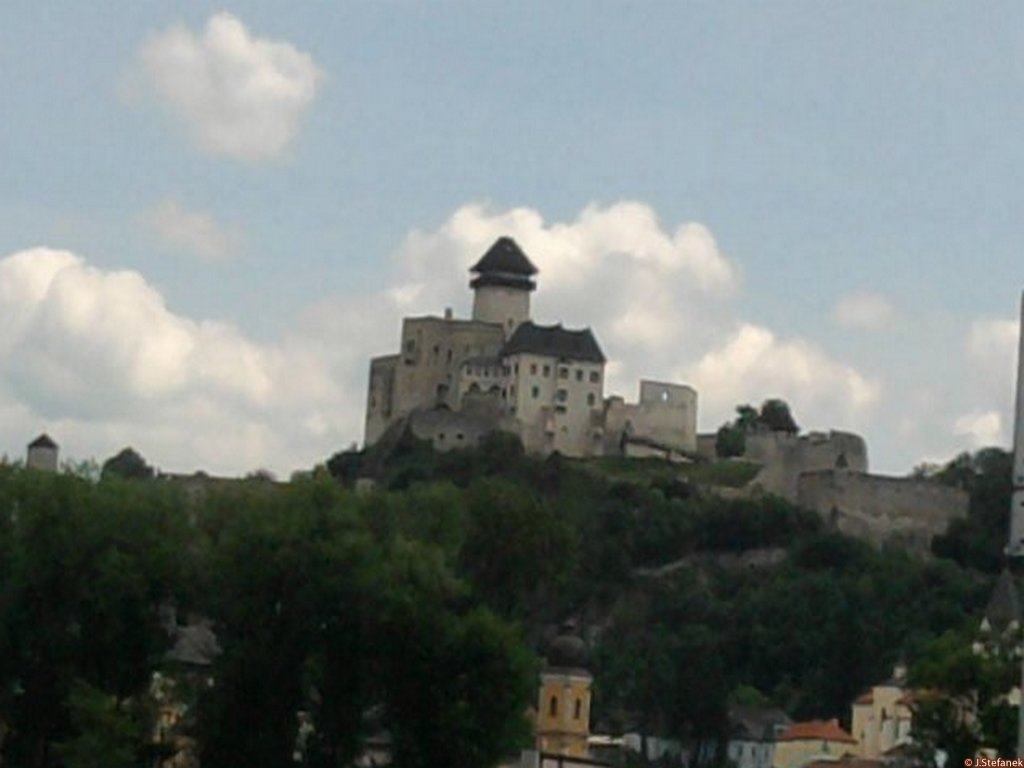
Trenčín castle
Trenčín
3.0km
castle, chateau
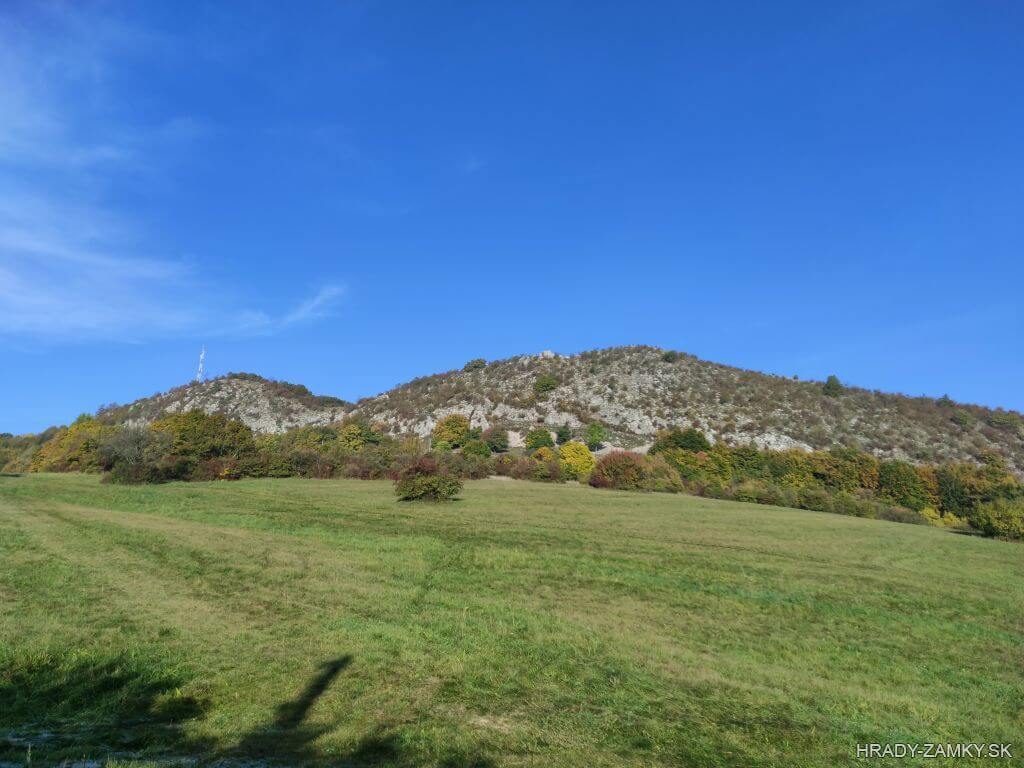
Súča
Dolná Súča
6.7km
castle ruin
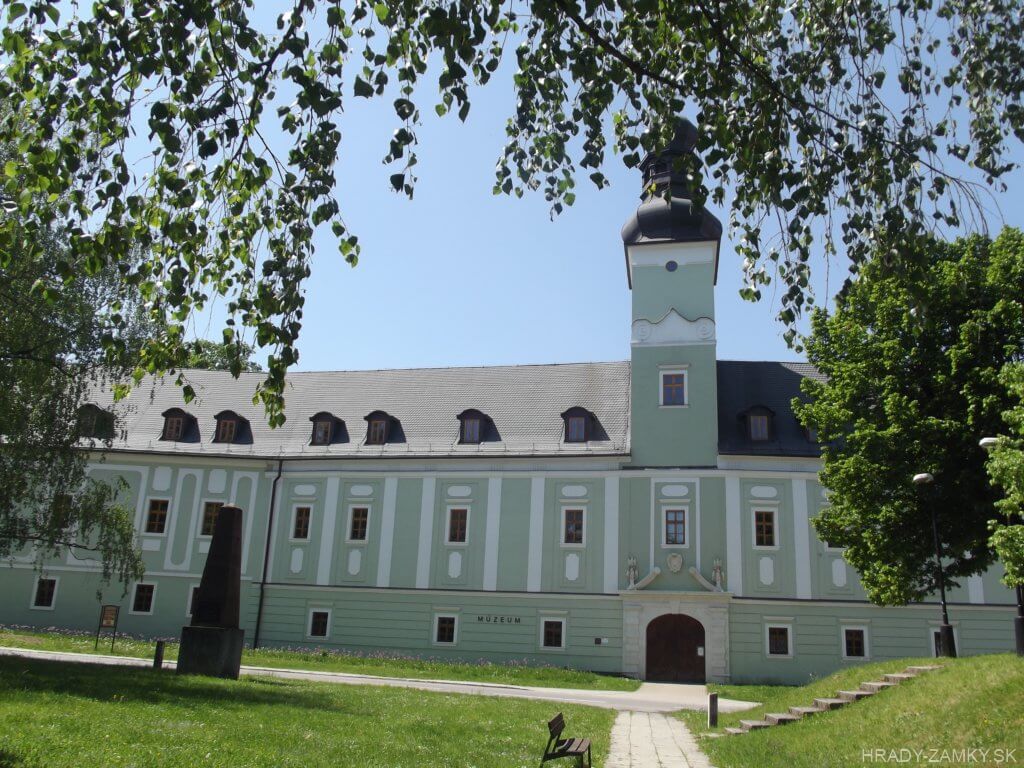
Dubnica mansion
Dubnica nad Váhom
8.8km
manor, mansion
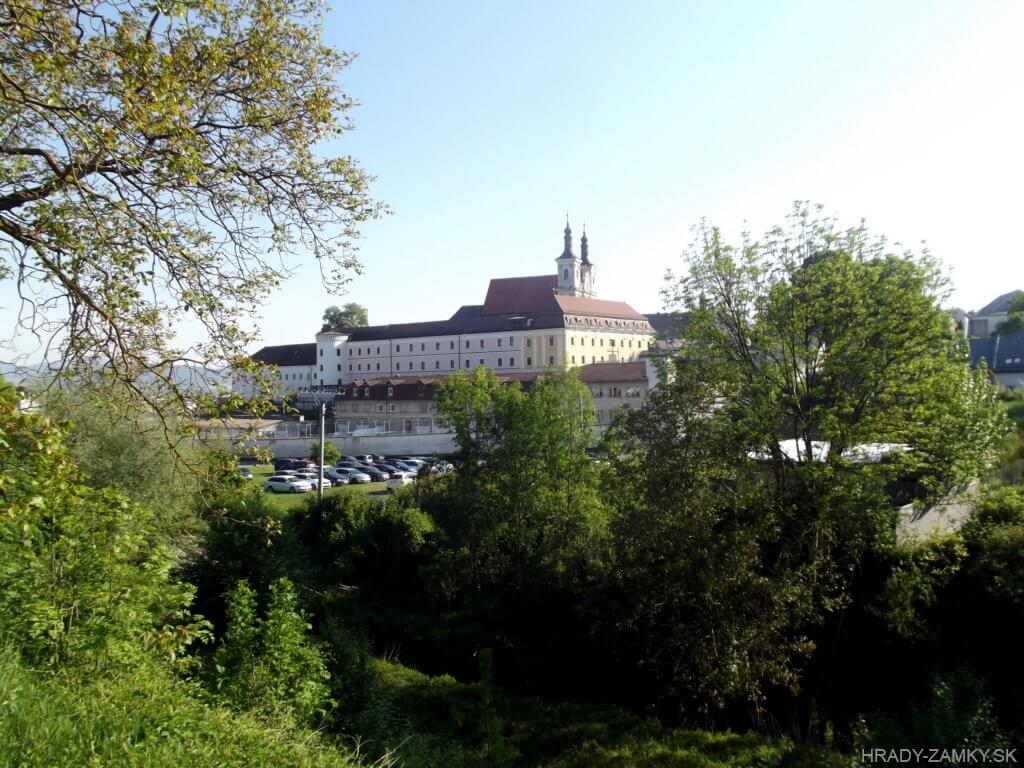
Ilava castle
Ilava
14.9km
castle, chateau
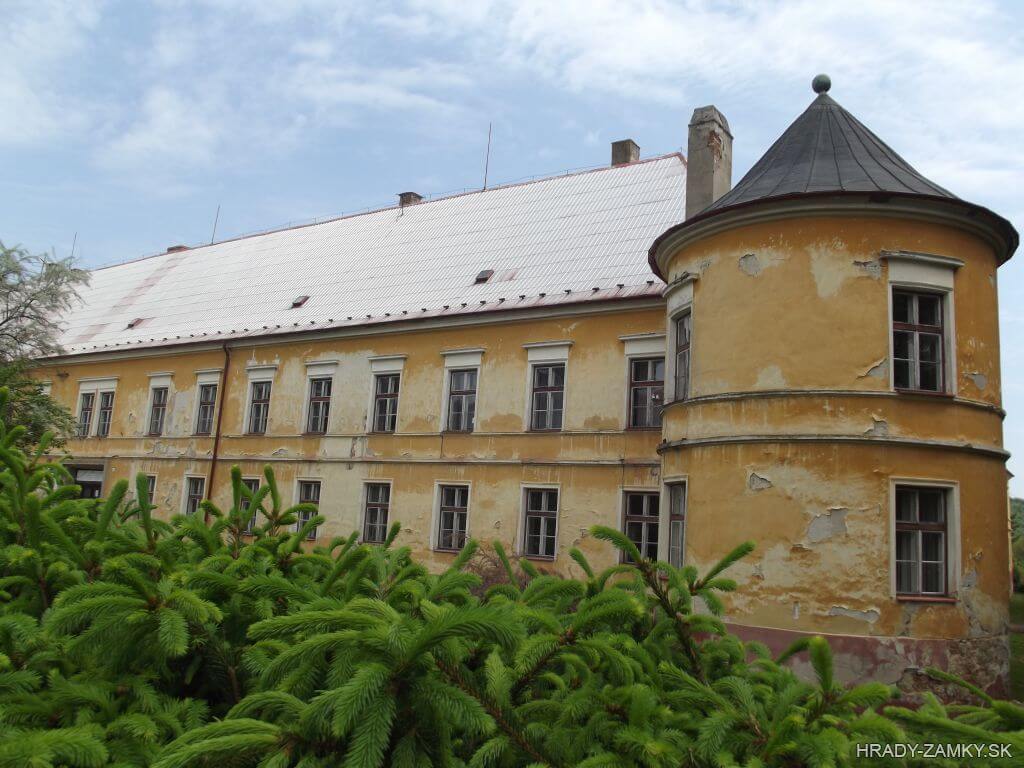
Pruské manor
Pruské
16.1km
manor, mansion
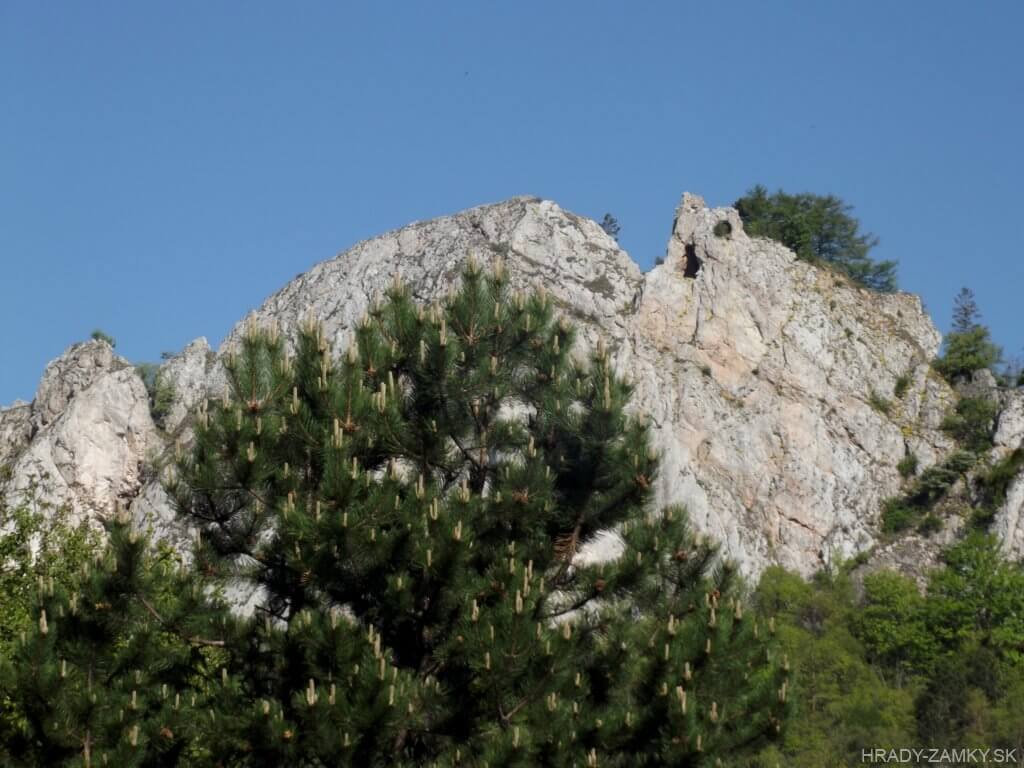
Vršatec
Vršatské Podhradie
17.8km
castle ruin
Košeca
Košecké Podhradie
18.4km
castle ruin