Trenčín castle
Trenčín Trenčín county Slovakia
castle, chateau
Trenčín
Trenčín Trenčiansky kraj Slovakia
hrad, zámok
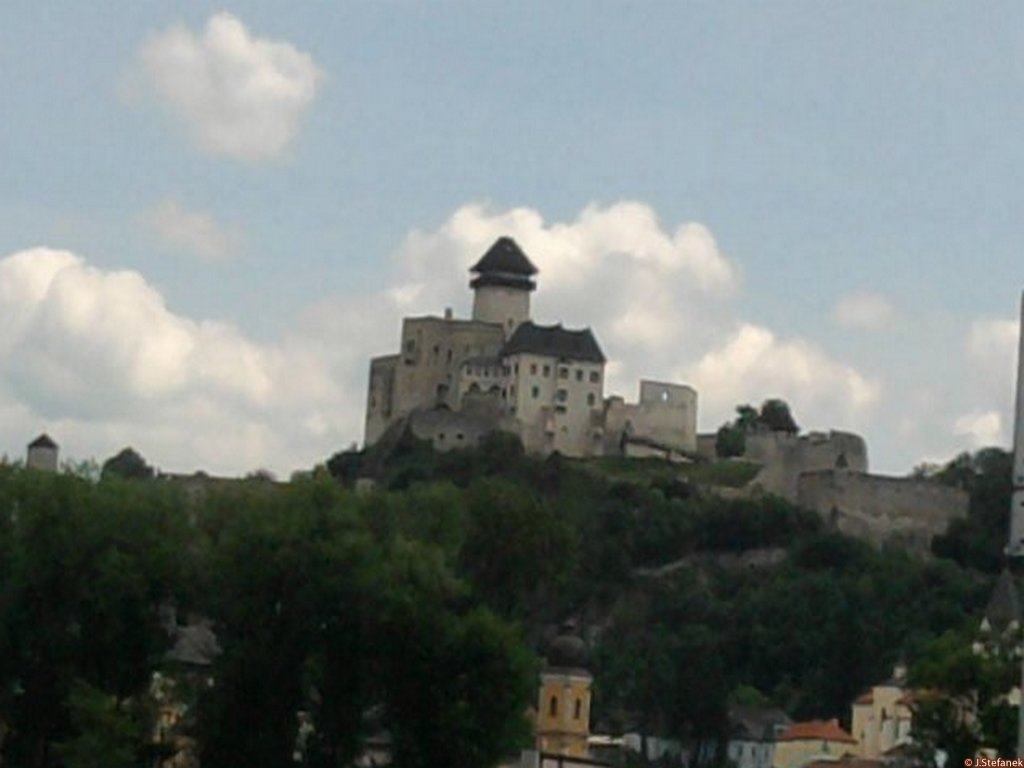
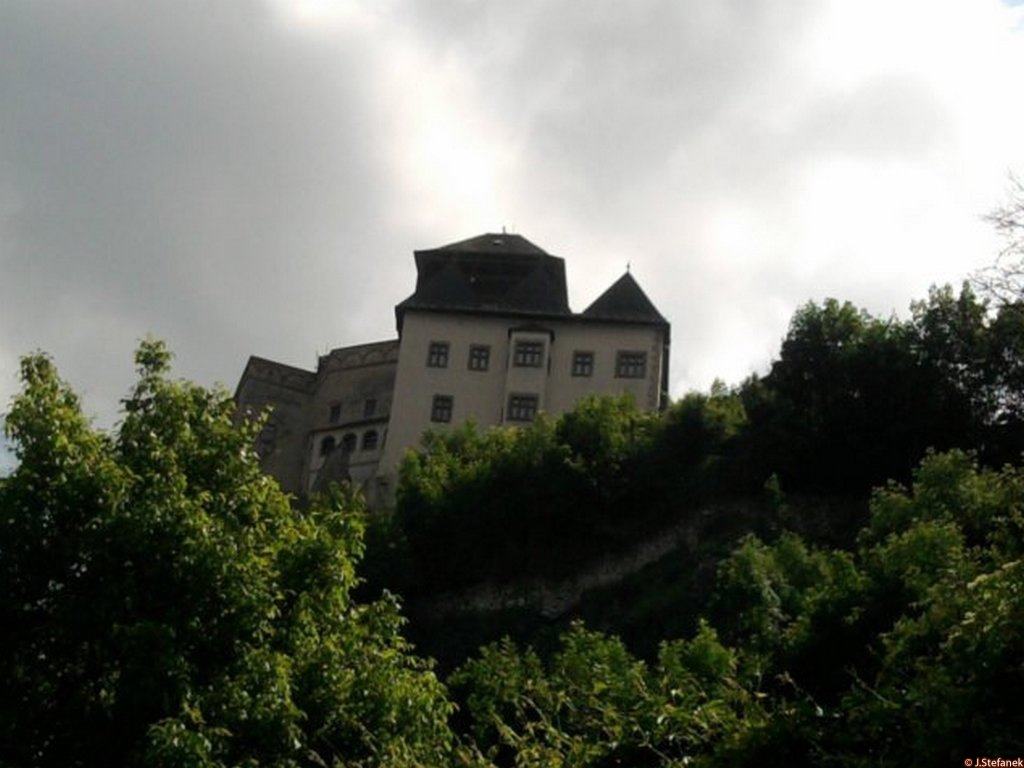
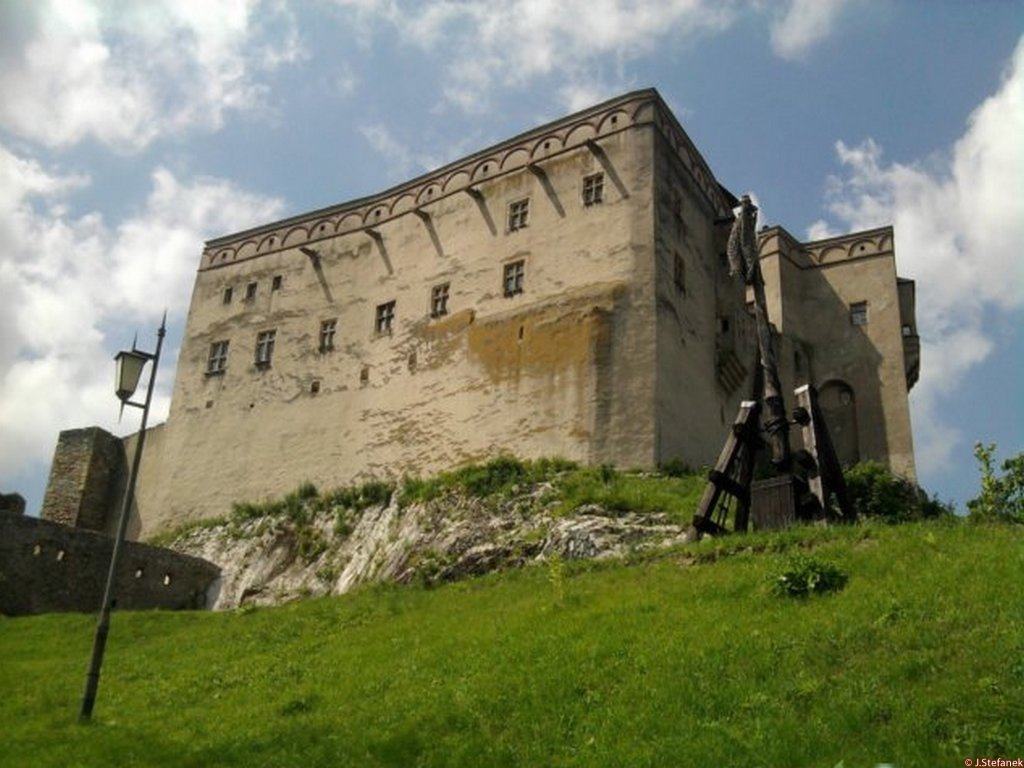
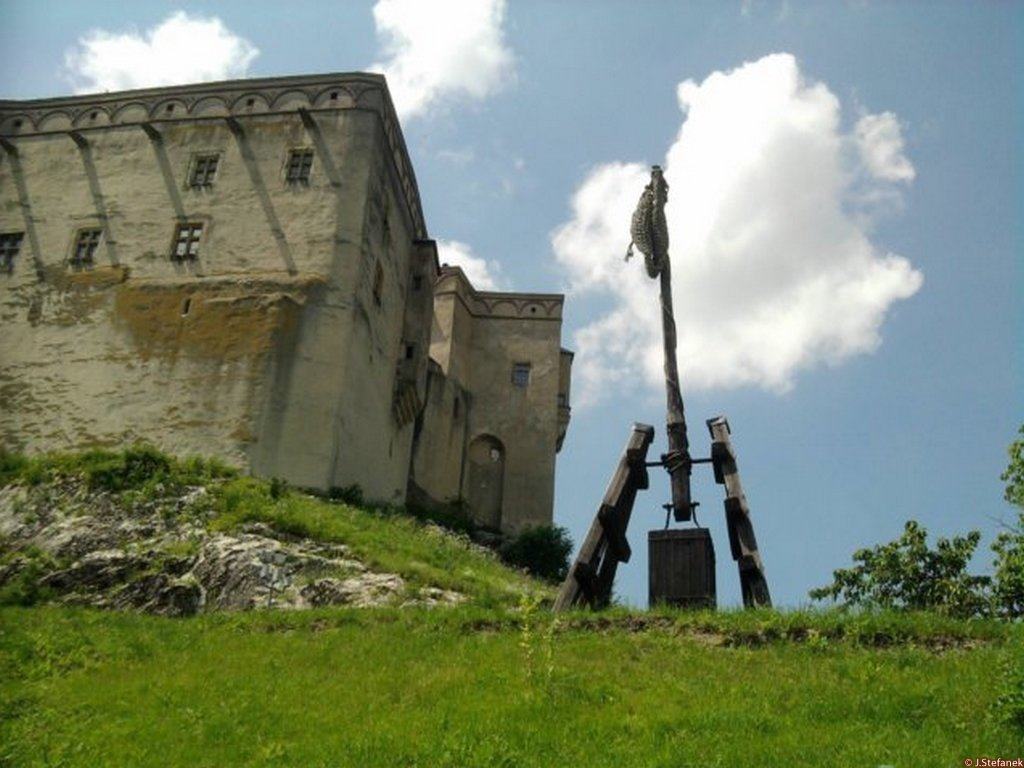
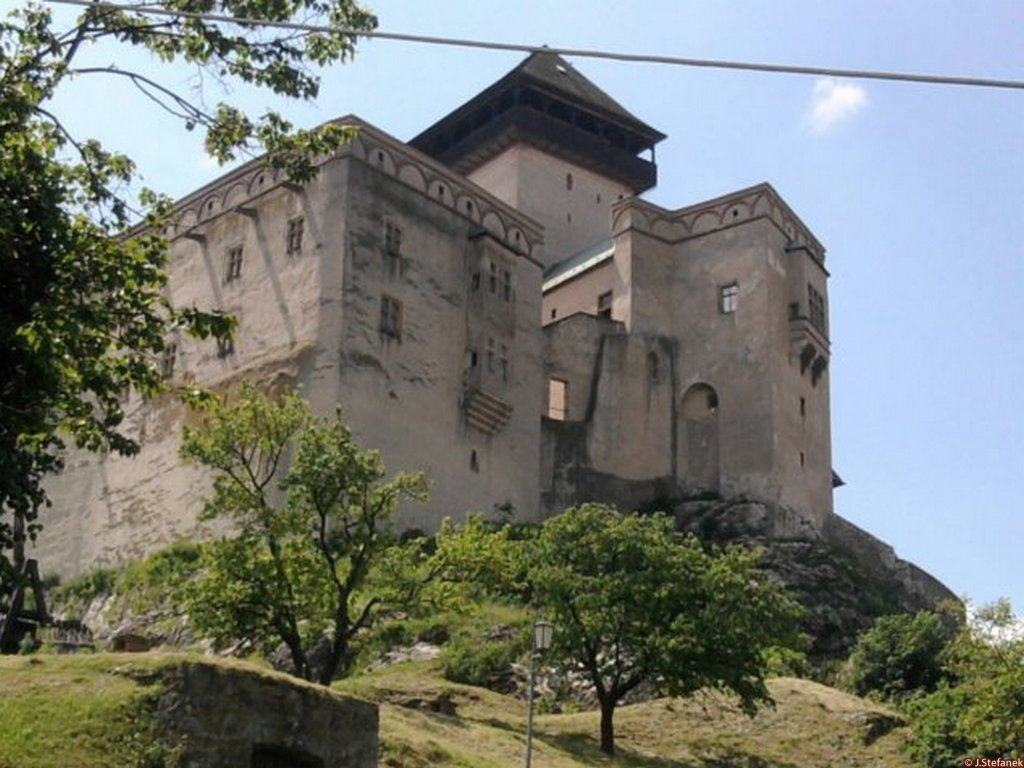
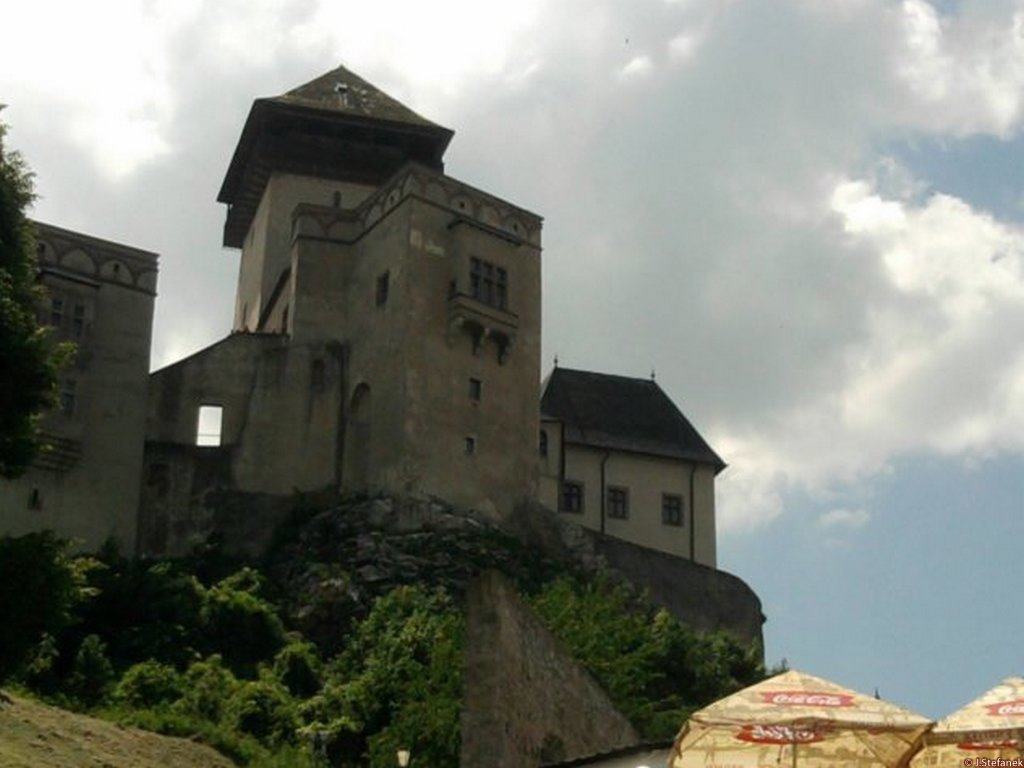
The extensive reconstructed castle is situated on the extended hill of Strážovské vrchy in the town of Trenčín
Rozsiahly zrekonštruovaný hrad sa nachádza na vysunutom bralnom kopci Strážovských vrchov priamo v meste Trenčín.
Previous names
castrum de Trenchin, Trincinensis, Trinchiniensis, Trencyn, Trencsen
Roads
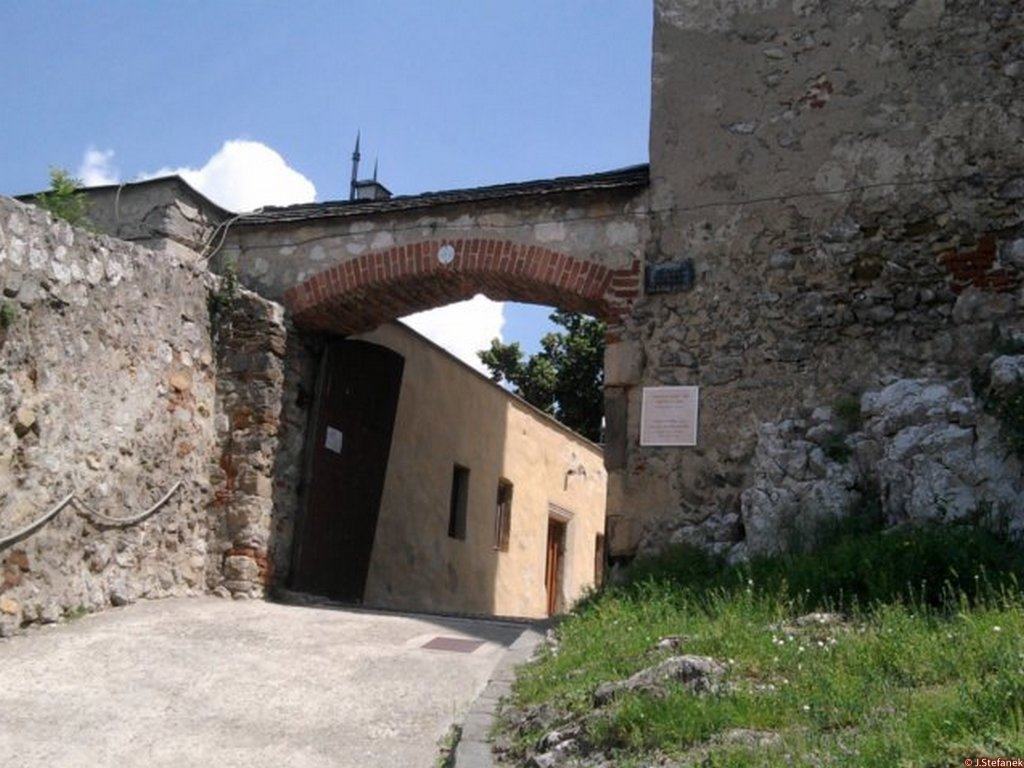
Trenčín castle is visible from a distance, located in the city of Trencin. We can park in the city center, for example, in a paid parking lot on Palackého street, or in one of the other parking lots. From there, we can walk either through Farská Street or through Mierové námestie to Matúšová Street, which will lead us to the castle.
Trenčiansky hrad je viditeľný už z diaľky, nachádza sa priamo v meste Trenčín. Zaparkovať môžeme v centre mesta napríklad na platenom parkovisku na Palackého ulici, alebo na niektorom z ďalších parkovísk. Odtiaľ sa peši dostaneme buď cez Farskú ulicu alebo cez Mierové námestie na Matúšovu ulicu, ktorá nás dovedie až k hradu.
Description
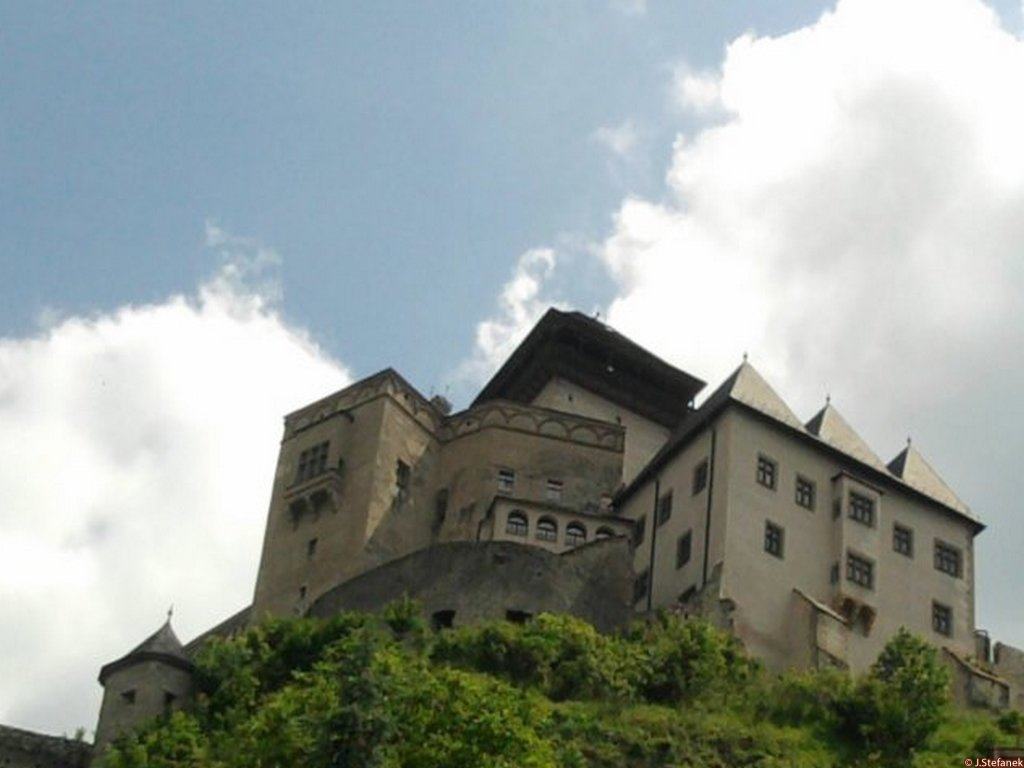
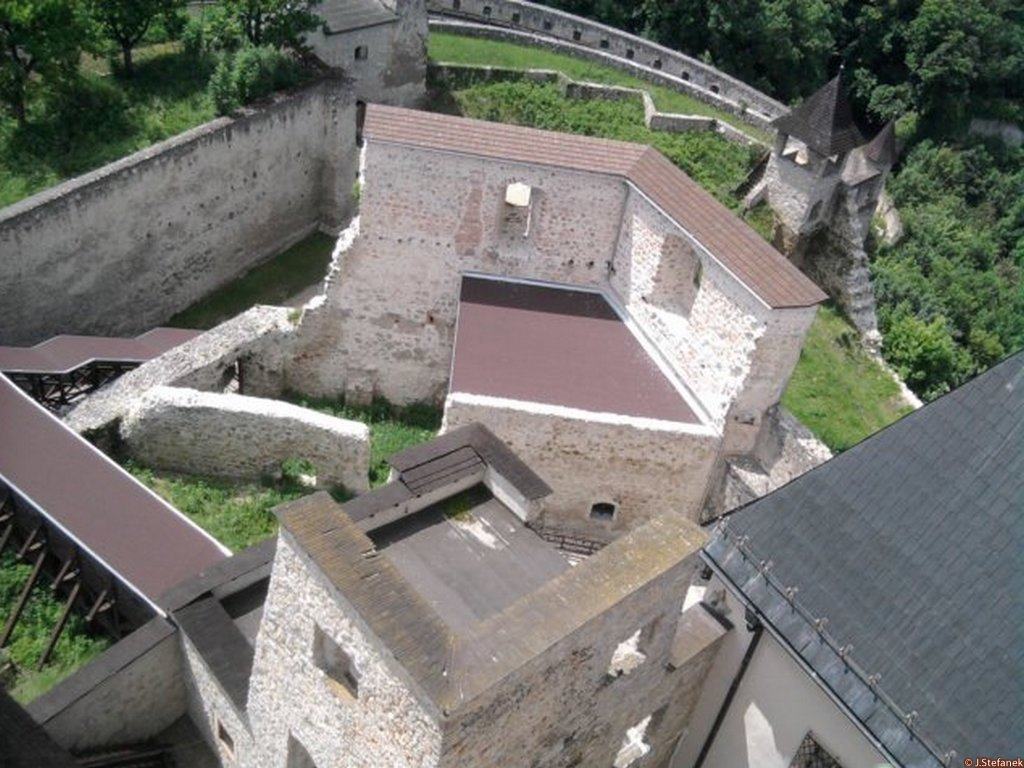
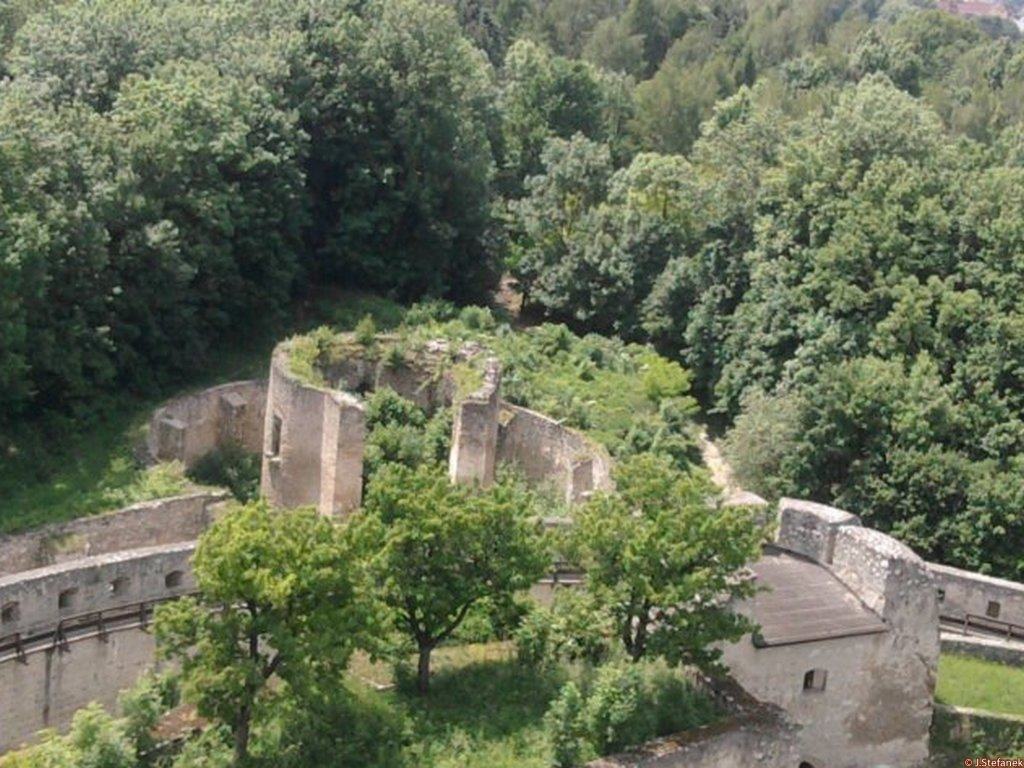
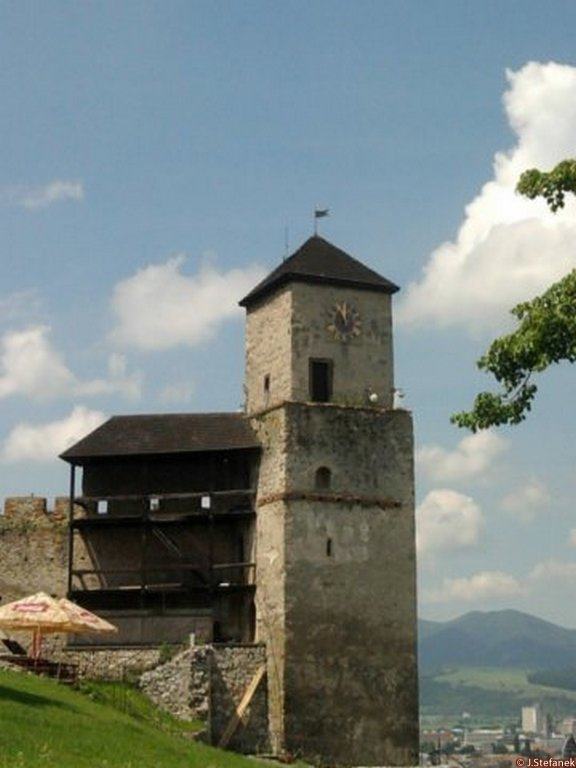
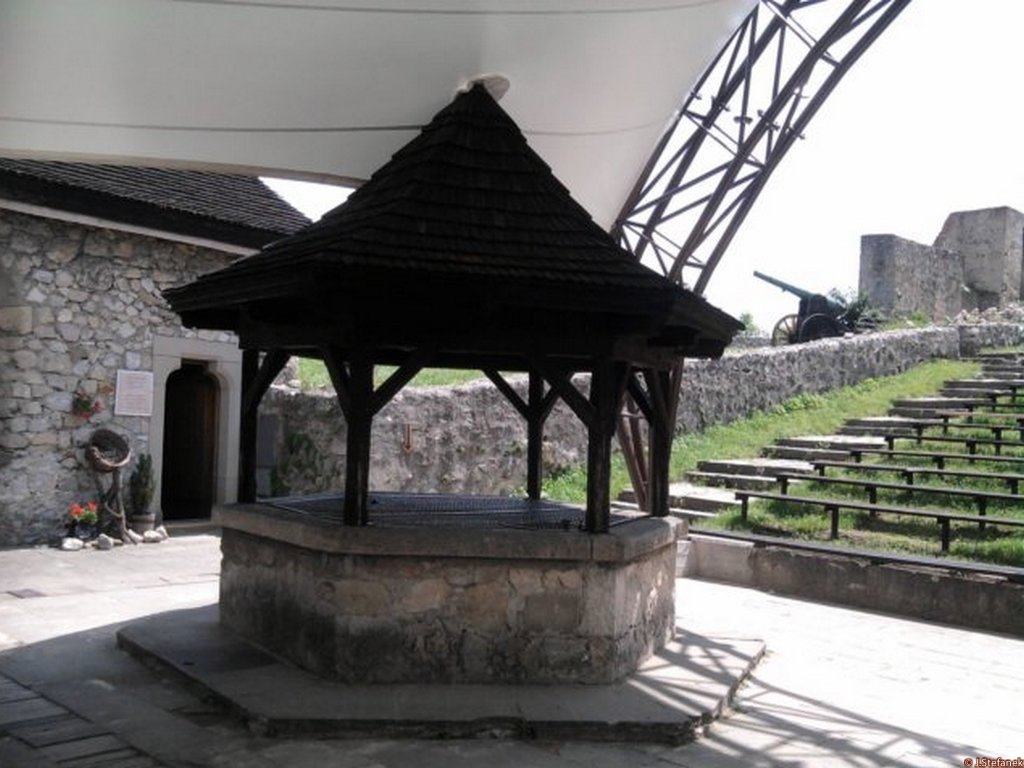
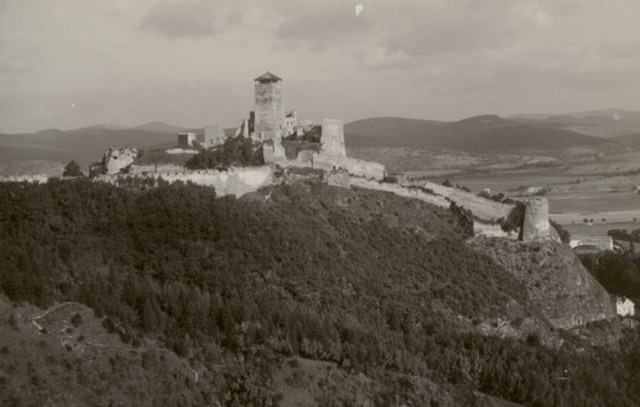
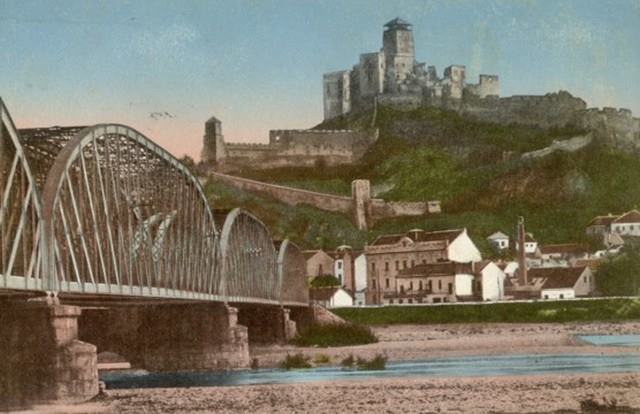
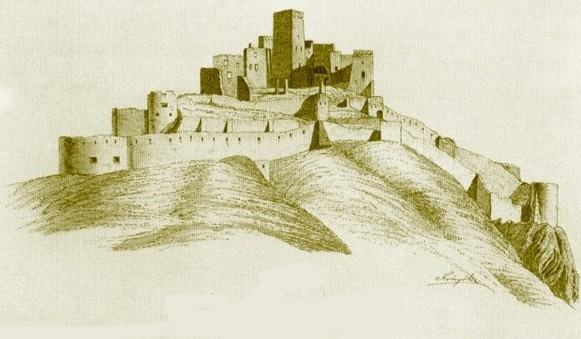
The castle was rebuilt and reconstructed many times. In connection with the anti-Turkish defense, fortifications are underway. Several new positions were created for cannons, bastions and in the northern outskirts farm buildings and barracks. Star bastion fortification in the south of the fort complex was the last important fortification.On the eastern corner there is a solid and tall building, slightly protruding from the line of the wall. It resembles a bastion in shape, but it differs in height and use of several floors of the interior from a real bastion. The area of Trenčín Castle consists of a characteristic set of castle palaces with the dominating tower of Matúš, which is adjoined by representative Gothic palaces - Matúš, Ľudovít, Barbora's, and a chapel. The foundations of the pre-Romanesque karner and the remains of a circular rotunda, which probably disappeared at the beginning of the 15th century, have been preserved in the courtyard. The buildings in the lower part of the castle were characterized mainly by defense and economic functions. It is dominated by a cannon bastion added to the chapel and the remains of farm buildings and a mill. The legendary well of Omar was preserved in the courtyard, but despite the rumors, Katzianer soldiers began to excavate it around 1557.There are expositions of Trenčín Museum in the castle.
Hrad bol mnohokrát prestavaný a zrekonštruovaný. Ešte v súvislosti s protitureckou obranou dochádza k opevňovacím prácam. Vzniklo niekoľko nových postavení na delá, bašty a v severnom predhradí hospodárske budovy a kasárne. Hviezdicová bastiónová fortifikácia na juhu pevnostného komplexu bola posledným dôležitým opevnením.Na východnom nároží predhradia stála masívna a vysoká stavba, mierne vystupujúca z línie hradby. Tvarovo pripomína bastión, ale výškou a využitím niekoľkých poschodí interiéru sa od skutočného bastiónu odlišuje. Areál Trenčianskeho hradu pozostáva z charakteristického súboru hradných palácov s dominujúcou Matúšovou vežou, ku ktorej priliehajú reprezentačné gotické paláce - Matúšov, Ľudovítov, Barborin, a kaplnka. Na nádvorí sa zachovali základy predrománskeho karnera a pozostatky kruhovej rotundy, ktorá zanikla pravdepodobne začiatkom 15. storočia. Budovy v dolnej časti hradu charakterizovala predovšetkým obranná a hospodárska funkcia. Dominuje tu delová bašta pristavaná ku kaplnke a zvyšky hospodárskych budov a mlyna. Na nádvorí sa zachovala povestná Omarova studňa, ktorú však navzdory povesti začali hĺbiť Katzianerovi vojaci okolo roku 1557.Na hrade sa nachádzajú expozície Trenčianskeho múzea.
Plan
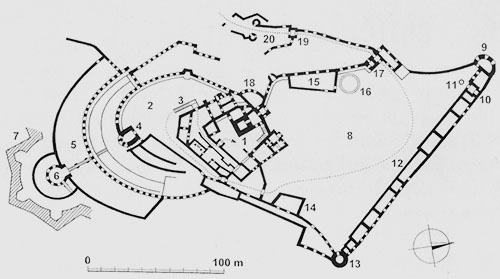
Legend to the ground plan
- 1-upper castle
- 2-middle castle
- 3-access ramp to the upper castle
- 4-Jeremiah's tower
- 5-south defense system
- 6-Mill tower
- 7-star fortification
- 8-lower castle
- 9-cannon bastion
- 10 -captain
- 11-well
- 12-outbuildings
- 13-famine
- 14-battery bastion
- 15-barracks
- 16-mill
- 17-hour tower
- 18-arch bastion
- 19-entrance tower
- 20-gate with a pair of bastions
Legenda k pôdorysu
- 1-horný hrad
- 2-stredný hrad
- 3-prístupová rampa na horný hrad
- 4-Jeremiášova veža
- 5-južný obranný systém
- 6-Mlynská veža
- 7-hviezdicové opevnenie
- 8-dolný hrad
- 9-delová bašta
- 10-kaplnka
- 11-studňa
- 12-hospodárske budovy
- 13-hladomorňa
- 14-batériová bašta
- 15-kasáreň
- 16-mlyn
- 17-Hodinová veža
- 18-oblúková bašta
- 19-vstupná veža
- 20-predbránie s dvojicou baštíc
History
The fortified seat of Trenčín is connected to the early medieval castle from the 9th century called Trusun. In other sources, however, the castle is not mentioned until the 12th century. New brick buildings in the 11th century were concentrated on the top of the highest rock. It was mainly a four-encapsulated rotunda and a stone residential tower.
In 1241 the castle withstood the onslaught of the Mongols. More fundamental reconstructions took place after the departure of the Tatars. A square fortified area of the castle core was defined. In 1296, the castle became the seat of Matúš Čák. During his reign, they focused mainly on improving the castle's defenses. Its construction activity can be observed especially during the expansion and modification of the block residential tower from the 11th century, to which a residential palace in a massive fortification was added. The tower, still called Matúšova, is a defining element and dominant feature of the wide silhouette. Later building transformations were caused mainly by the devastating siege of the castle in 1321, already after the death of Matúš Čák. During the reconstruction of the upper castle, King Louis I the Great expanded its residential development with a two-storey palace, which was connected to the rotunda. In the 15th century, the castle fell into the hands of Queen Barbora Cejlská. A spacious two-winged palace was built, and the demolition of the old palace and rotunda created a courtyard in front of the new palace. The last medieval reconstruction of the castle was carried out by the Zápoľský family in the years 1475-1528. They supplemented the upper castle with another palace and built a unique defensive complex, which also included an extended horseshoe-shaped tower with a moat. With this modification, the castle became one of the best fortified castles in Upper Hungary.
After the destructive siege and burning of the castle by the army of King Ferdinand of Habsburg in 1528, the necessary modifications were made, but they no longer affected the main structure of the castle and its defense system. The changes were made by the new owner of the castle, Alexej Thurzo, in 1535-1540, who built several artillery positions and cannon bastions. There was a deepening of the famous "well of love" and the construction of a barrier. Imrich Forgách undertook further reconstructions in 1583-1592 and Gašpar Illésházy in 1610-1648. In 1663, fortification work took place in connection with the anti-Turkish defense. In 1673 they built a star bastion fortification in the south of the fortress complex. However, this fortification had only a short duration and already in this period, the decline of the castle began to manifest itself. The decline was helped by a large fire in 1790. Since then, the castle has been in ruins, but in the 19th century, security work began on the castle and continued after the middle of the 20th century. The castle is currently partially renovated.
Opevnené sídlo trenčianskej stolice svojou polohou nadviazalo na ranostredoveký hrad z 9.storočia zvaný Trusun. V iných zdrojoch sa však hrad menovite uvádza až v 12.storočí. Na temene najvyššieho skaliska sa koncentrovala nová murovaná zástavba v 11.storočí. Išlo hlavne o štvorapsidovú rotundu a kamennú obytnú vežu.
V r.1241 hrad odolal náporu Mongolov. K zásadnejším prestavbám došlo po odchode Tatárov. Bol vymedzený štvorcový opevnený areál hradného jadra. V r.1296 sa hrad stal sídlom Matúša Čáka. Počas jeho panovania sa zamerali hlavne na zdokonalenie obranyschopnosti hradu. Jeho stavebnú činnosť môžeme sledovať predovšetkým pri rozšírení a úprave blokovej obytnej veže z 11. storočia, ku ktorej pristaval aj obytný palác v mohutnom opevnení. Veža, dodnes nazývaná Matúšova, je určujúcim prvkom a dominantou širokej siluety. Neskoršie stavebné premeny vyvolalo hlavne pustošivé obliehanie hradu v r.1321, už po smrti Matúša Čáka. Kráľ Ľudovít I. Veľký pri rekonštrukcii horného hradu rozšíril jeho obytnú zástavbu o dvojposchodový palác, ktorý prepojil s rotundou. V 15.storočí sa hrad dostal do rúk kráľovnej Barbore Cejlskej. Bol postavený priestranný dvojkrídlový palác, pričom zbúraním starého paláca a rotundy vzniklo pred novým palácom nádvorie. Poslednú stredovekú prestavbu hradu uskutočnil rod Zápoľských v rokoch 1475-1528. Horný hrad doplnili ďalším palácom a vybudovali ojedinelý obranný komplex, ktorého súčasťou bola aj vysunutá podkovovitá veža s priekopou. Totuto úpravou sa hrad stal jedným z najlepšie opevnených hradov v Hornom Uhorsku.
Po ničivom obliehaní a vypálení hradu vojskom kráľa Ferdinanda Habsburského v r.1528 došlo k nevyhnutným úpravám, ale tie už nezasiahli do hlavnej štruktúry hradu a do jeho obranného systému. Zmeny vykonal až nový vlastník hradu Alexej Thurzo v r.1535-1540, ktorý vybudoval viacero delostreleckých pozícií a delových bášt. Došlo k hĺbeniu povestnej "studne lásky" a k vybudovaniu predbránia. Ďalšie prestavby podnikol v r.1583-1592 Imrich Forgách a v r.1610-1648 Gašpar Illésházy. V r.1663 dochádza v súvislosti s protitureckou obranou k opevňovacím prácam. V r.1673 vybudovali hviezdicovú bastiónovú fortifikáciu na juhu pevnostného komplexu. Toto opevnenie však malo len krátke trvanie a už v tomto období sa začal prejavovať úpadok hradu. Úpadku napomohol rozsiahli požiar v r.1790. Od tých čias hrad ležal v ruinách, avšak už v 19.storočí začali na hrade zabezpečovacie práce a pokračovali po polovici 20.storočia. Hrad je v súčasnosti čiastočne zrekonštruovaný.
Myths and legends
The grave of Matúš Čák Trenčiansky
Matúš came from a powerful family of Čákovci, whose members faithfully served the Hungarian kings of Arpad for centuries. The Hungarian chronicles derive the origin of the Čákov family from the old Hungarian Sabolč. The first Čák was said to be Sabolč's grandson.
Matúš, the third name in the family, called Trenčiansky, also served the last Arpádovec Ondrej III. with a gun in the offices. He became a governor of Bratislava and later a Trenčín. The culmination of his career was the rank of Hungarian palatine, the second man in the kingdom, right after the monarch. However, his unbridled and greedy nature eventually led him to conflict with royal power. After Ondrej's death and the extinction of the Arpád family, there was a period of interregno (anarchy), which Matúš Čák took full advantage of. By alternating the support of individual pretendants to the throne, from which he had his violent occupations and robberies confirmed and legalized, he gained enormous wealth and power. At the peak of his reign he owned (according to various sources) about 40-90 castles and about 12-26 capitals and 24 towns and cities, he controlled almost the whole of present-day Slovakia, part of Transdanubia and had property in Moravia. His unofficial title, Dominus Vagi et Tatrae, or "Lord of Vah and the Tatras," was certainly not just an empty compliment. He made Trenčín Castle the center of his extensive states with his own court and allegedly minted his own coins here. However, none was ever found, so it is probably just a slander of his many enemies. And Matthew had more than enough of them. From his battered neighbors to the king and church authorities. As he not only spared the property of his weaker neighbors, but also plundered and occupied crown and church goods, he immediately fell into a church curse twice. An interdict, or ecclesiastical ban on the administration of the sacraments, was declared over his property. Although the young Hungarian king Karol Róbert of Anjou proved to be a capable adversary for Matúš as well, the mutual struggle seemed rather indecisive. When Matthew died in the spring of 1321, his power was unbroken, but without a worthy heir and successor.
The grave of Matúš Čák Trenčiansky was never found. This must have bothered his contemporaries, and all the more fascinated by later researchers, mysteries and romantics of all kinds.
It seemed inconceivable that such a powerful and wealthy nobleman would not take care of the magnificent place of his last rest. Therefore, the legend of a hidden tomb was born, in which the castle lord of Trenčín is buried with many treasures in an iron, silver and gold chest. However, it is suspiciously reminiscent of the legend of the death of Hun's Attila, the Whip of God.
Especially in the romantic 18th and 19th centuries, many treasure hunters tried to find Matthew's grave. They searched for him once in the basement of Matthew's Tower, other times under a plum tree in the lower courtyard, or in a secret shaft at Jeremiah's bastion. Others believe that he is buried under the Váh riverbed or somewhere in the Cherry Orchard in Brezina. According to another legend, he escaped from the castle in front of the royal army through a secret corridor and lived in the monastery on Velká Skalka, where he is also buried.
The reality is probably more sober. Matúš probably really died at Trenčín Castle at a time when he was besieged by the king's army or when he was still approaching the castle. Given the number of his staunch enemies, the hatred of the church, and the dubious allegiance of some of his fellows (many had already betrayed him), he sensed that he could not hope for leniency even after death. Apparently he did not even believe in the ability of his designed successor Štefan Čech, so he let several of his faithful people be buried in secret and ordered the place of his last rest to be kept secret. And Štefan was not wrong, he did not keep the castle, and shortly after Matúš's death, his logs fell apart in a flash. Who could seek mercy from the king. Those who buried Matthew may have fallen during the last defense of the castle, or if they survived, they kept their secret until his death. We can only speculate about this.
It probably won't be so hot with those treasures either. Despite the church curses (nothing unusual at the time), Matúš considered himself a good Christian, as evidenced by the fact that, according to some data, despite the interdict, the abbot of Skalský Ján secretly went to serve him at Trenčín Castle. As Christians know, no treasures are placed in the tomb. And so the treasures were apparently stolen by those who had access to them after Matthew's death, and what was left was seized by the royal army. Only a legend remained.
Well of love
One of the oldest, but also the most beautiful Slovak legends about Omar, Fatima and the Well of Love is connected with the period of the estate of the Zápoľský family at Trenčín Castle. It talks about the love of the Turkish Pasha Omar for the beautiful Fatima, a prisoner of Štefan Zápoľský at Trenčín Castle.
For her freedom, Omar promised to dig a well in the castle to make it truly impregnable. With his 300 species, he allegedly tried to dig precious water out of hard rock for three years. He succeeded in this at the cost of death of almost all species. With the words "Zápoľský, you have water, but your heart does not" he took Fatima home. As he left, Fatima's veil was allegedly caught on the bushes on the bend of the road to the castle. The inn, which was established on this site in the 16th century, was called the Veil and is now called Fatima.
In fact, it was the original building of the rectory, belonging to the Church of the Nativity of the Virgin Mary. Even with the well, it was not as it does. In fact, in the early 1930s, it was started by the soldiers of the Habsburg garrison of the castle and the subjects of the Trenčín estate. It took them about forty years to reach a level almost 80 meters below the surface of the rock. The work was completed by Alexius Thurzo around 1570. Although they did not encounter the spring, the level of condensed rainwater in this artificial reservoir reached a satisfactory level. To this day, it fluctuates between 12 and 15 meters.
The permanent Well of Love is also dedicated to the permanent exhibition located in the nearby Gothic chapel.
Hrob Matúša Čáka Trenčianskeho
Matúš pochádzal z mocného rodu Čákovcov, ktorého príslušníci po celé stáročia verne slúžili uhorským arpádovským kráľom. Uhorské kroniky odvodzujú pôvod Čákovcov od staromaďarského Sabolča. Prvý Čák bol vraj Sabolčovým vnukom.
I Matúš, toho mena v rode už tretí, zvaný Trenčiansky, slúžil poslednému Arpádovcovi Ondrejovi III. so zbraňou i v úradoch. Stal sa bratislavským a neskôr trenčianskym županom. Vrcholom jeho kariéry bola hodnosť uhorského palatína, druhého muža v kráľovstve, hneď po panovníkovi. Jeho neskrotná a chamtivá povaha ho však nakoniec doviedla ku konfliktu s kráľovskou mocou. Po Ondrejovej smrti a vymretí Arpádovcov nastalo obdobie interregna (bezvládia), ktoré Matúš Čák naplno využil. Striedavou podporou jednotlivých pretendentov na trón, od ktorých si nechal potvrdzovať a legalizovať svoje násilné zábory a lúpeže, sa domohol obrovského majetku a moci. Na vrchole svojej vlády mu patrilo (podľa rôznych prameňov) okolo 40 – 90 hradov a asi 12 až 26 stolíc a 24 miest a mestečiek, ovládal takmer celé dnešné Slovensko, časť Zadunajska a majetky mal i na Morave. Jeho neoficiálny titul Dominus Vagi et Tatrae čiže „Pán Váhu a Tatier“, rozhodne nebol iba prázdnym lichotením. Z Trenčianskeho hradu urobil centrum svojich rozsiahlych dŕžav s vlastným dvorom a razil tu vraj aj vlastné mince. Žiadna sa však nikdy nenašla, a tak ide asi len o ohováranie jeho premnohých nepriateľov. A tých mal Matúš viac ako dosť. Od svojich ozbíjaných susedov až po kráľa a cirkevnú vrchnosť. Keďže nešetril nielen majetky svojich slabších susedov, ale plienil a obsadzoval i korunné a cirkevné zbožie, dostal sa hneď dva razy do cirkevnej kliatby. Nad jeho majetkami bol vyhlásený interdikt, čiže cirkevný zákaz výsluhy sviatostí. I keď mladý uhorský kráľ Karol Róbert z Anjou sa ukázal byť schopným protivníkom i pre Matúša, vzájomný boj sa zdal byť skôr nerozhodný. Keď Matúš na jar roku 1321 zomieral, jeho moc bola nezlomená, ale bez dôstojného dediča a nástupcu.
Hrob Matúša Čáka Trenčianskeho sa nikdy nenašiel. To muselo vŕtať hlavou už jeho súčasníkom, a o to viac fascinovalo neskorších bádateľov, záhadológov a romantikov všetkého druhu.
Že by sa takýto mocný a bohatý veľmož nepostaral o veľkolepé miesto svojho posledného odpočinku, sa zdalo nepredstaviteľné. Zrodila sa preto povesť o skrytej hrobke, v ktorej je trenčiansky hradný pán pochovaný s mnohými pokladmi v železnej, striebornej a zlatej truhle. Podozrivo to však pripomína legendu o smrti hunského Attilu, „Biča božieho“.
Najmä v romantickom 18. a 19. storočí sa mnohí hľadači pokladov pokúšali nájsť Matúšov hrob. Hľadali ho raz v podzemí Matúšovej veže, inokedy pod slivkou na dolnom nádvorí, či v tajnej šachte pri Jeremiášovej bašte. Iní veria, že je pochovaný pod korytom Váhu, alebo niekde v Čerešňovom sade na Brezine. Podľa inej povesti unikol pred kráľovským vojskom z hradu tajnou chodbou a dožil v kláštore na veľkej Skalke, kde je aj pochovaný.
Skutočnosť je asi triezvejšia. Matúš zrejme naozaj zomrel na Trenčianskom hrade v období, keď ho obliehalo kráľovo vojsko, alebo keď sa ešte len k hradu blížilo. Vzhľadom k množstvu svojich zarytých nepriateľov, nenávisti cirkvi a pochybnej vernosti niektorých svojich druhov (viacerí ho už zradili) tušil, že ani po smrti nemôže dúfať v zhovievavosť. Zrejme neveril ani v schopnosti svojho designovaného nástupcu Štefana Čecha, a tak sa nechal niekoľkými svojimi vernými pochovať v tajnosti a miesto svojho posledného odpočinku prikázal utajiť. A nemýlil sa Štefan, hrad neudržal a krátko po Matúšovej smrti sa bleskurýchle rozpadli jeho dŕžavy. Kto mohol hľadal milosť u kráľa. Tí ktorí Matúša pochovali možno padli pri poslednej obrane hradu, alebo ak prežili zachovali svoje tajomstvo až do smrti. O tom sa môžeme iba dohadovať.
Ani s tými pokladmi to asi nebude také horúce. Matúš sa napriek cirkevným kliatbam (v tom čase nič neobvyklé) pokladal za dobrého kresťana, o čom svedčí i to, že podľa niektorých údajov mu napriek interdiktu chodil tajne na Trenčiansky hrad skalský opát Ján slúžiť omše. Kresťanom, ako je známe, žiadne poklady do hrobu nevkladajú. A tak poklady zrejme rozkradli tí, čo k nim mali po Matúšovej smrti prístup a čo zostalo, toho sa zmocnilo kráľovské vojsko. Zostala iba legenda.
Studňa lásky
K obdobiu panstva rodu Zápoľských na Trenčianskom hrade sa viaže jedna z najstarších, ale i najkrajších slovenských povestí o Omarovi, Fatime a Studni lásky. Rozpráva o láske tureckého pašu Omara ku krásnej Fatime, zajatkyni Štefana Zápoľského na Trenčianskom hrade.
Za jej slobodu sľúbil Omar vykopať na hrade studňu, aby sa stal skutočne nedobytným. So svojimi 300 druhmi sa vraj po tri roky snažil z tvrdej skaly vykopať vzácnu vodu. To sa mu za cenu smrti takmer všetkých druhov i podarilo. So slovami „Zápoľský, vodu máš, ale srdce nie“ si Fatimu odviedol domov. Pri odchode sa vraj Fatimin závoj zachytil o krovie na zákrute cesty na hrad. Hostinec, ktorý vznikol na tomto mieste asi v 16. storočí niesol preto meno Závoj a dnes sa volá Fatima.
V skutočnosti išlo o pôvodnú budovy fary, prináležiacej ku kostolu Narodenia Panny Márie. Ani so studňou to nebolo tak, ako podáva povesť. V skutočnosti ju asi začiatkom tridsiatych rokov 16. storočia začali kopať vojaci habsburskej posádky hradu a poddaní trenčianskeho panstva. Trvalo im to okolo štyridsať rokov a dostali sa na úroveň takmer 80 metrov pod povrch skaly. Prácu dokončil Alexius Thurzo okolo roku 1570. Na prameň síce nenarazili, ale úroveň stečenej dažďovej vody v tomto umelom rezervoári dosiahla uspokojivú úroveň. Dodnes kolísa v rozmedzí 12 –15 metrov.
Hradnej Studni lásky je venovaná i stála expozícia umiestnená v neďalekej gotickej kaplnke.
Useful information
Opening hours and admission
Otváracia doba a vstupné
External links
Nearby castles
Skalka
Skalka nad Váhom
3.0km
monastery
Súča
Dolná Súča
7.6km
castle ruin
Dubnica mansion
Dubnica nad Váhom
11.8km
manor, mansion
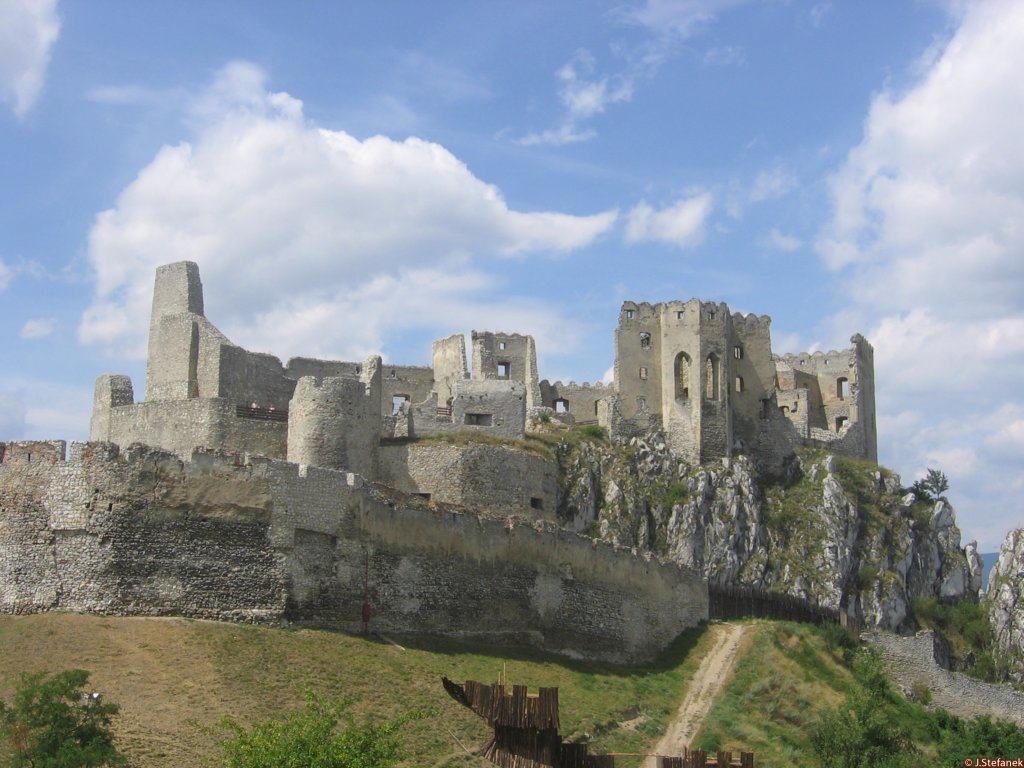
Beckov
Beckov
15.8km
castle ruin
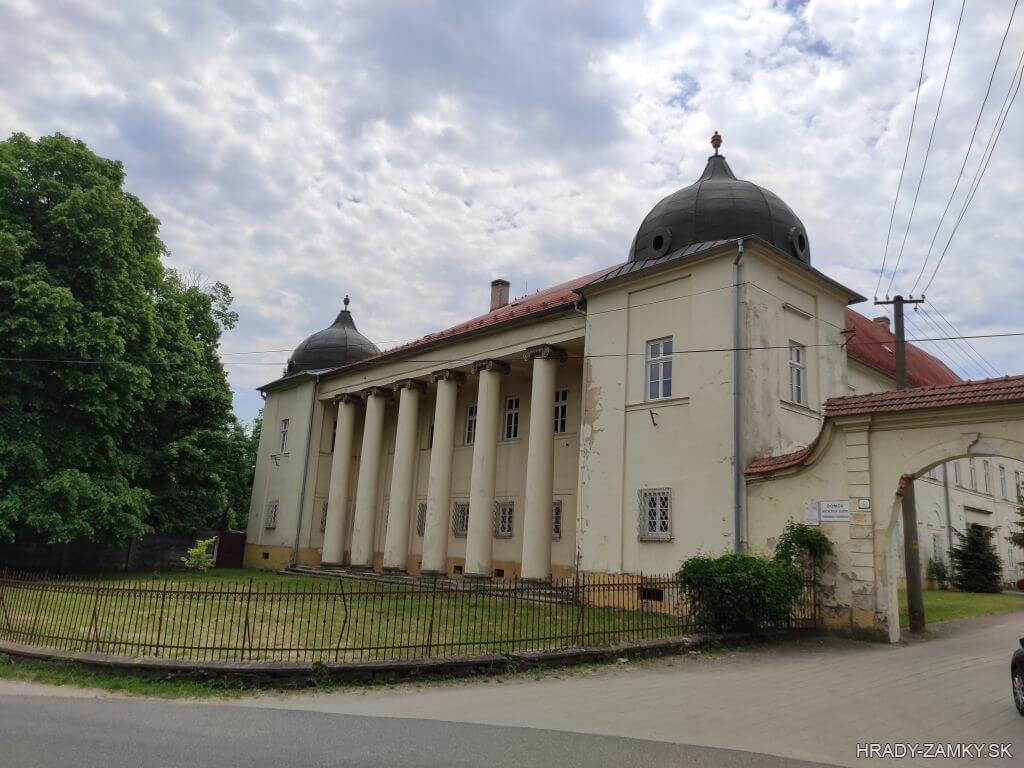
Zemianske Podhradie
Zemianske Podhradie
16.6km
manor, mansion
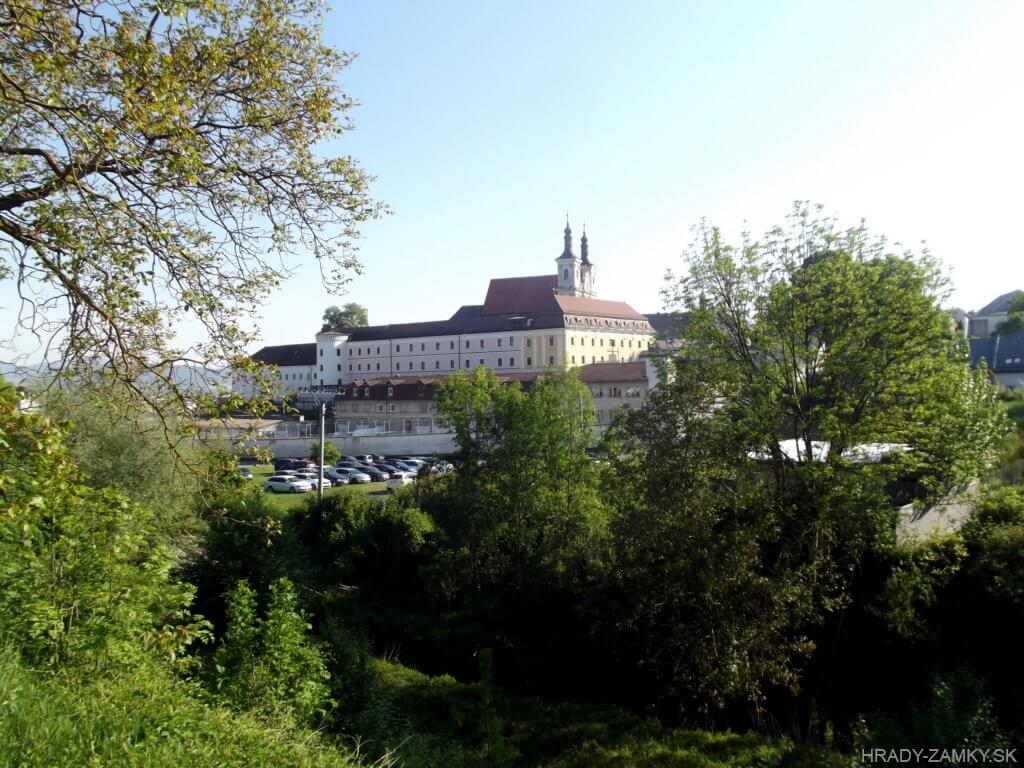
Ilava castle
Ilava
17.9km
castle, chateau
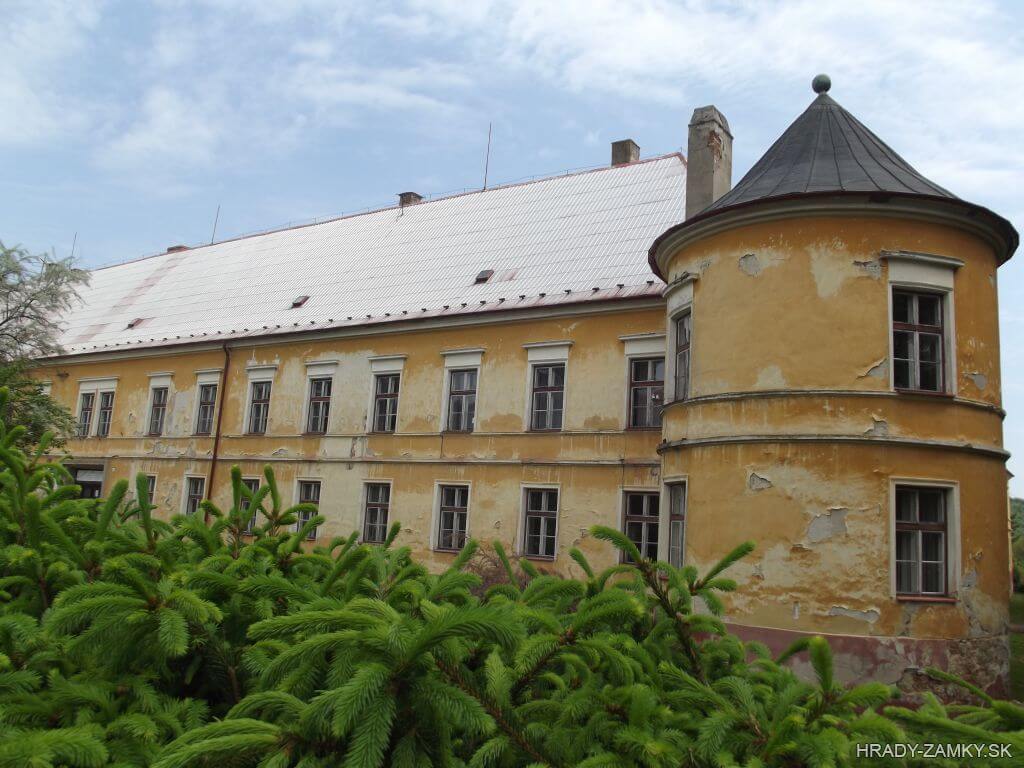
Pruské manor
Pruské
19.1km
manor, mansion