Pruské manor
Pruské Trenčín county Slovakia
manor, mansion
Pruské
Pruské Trenčiansky kraj Slovakia
kaštieľ
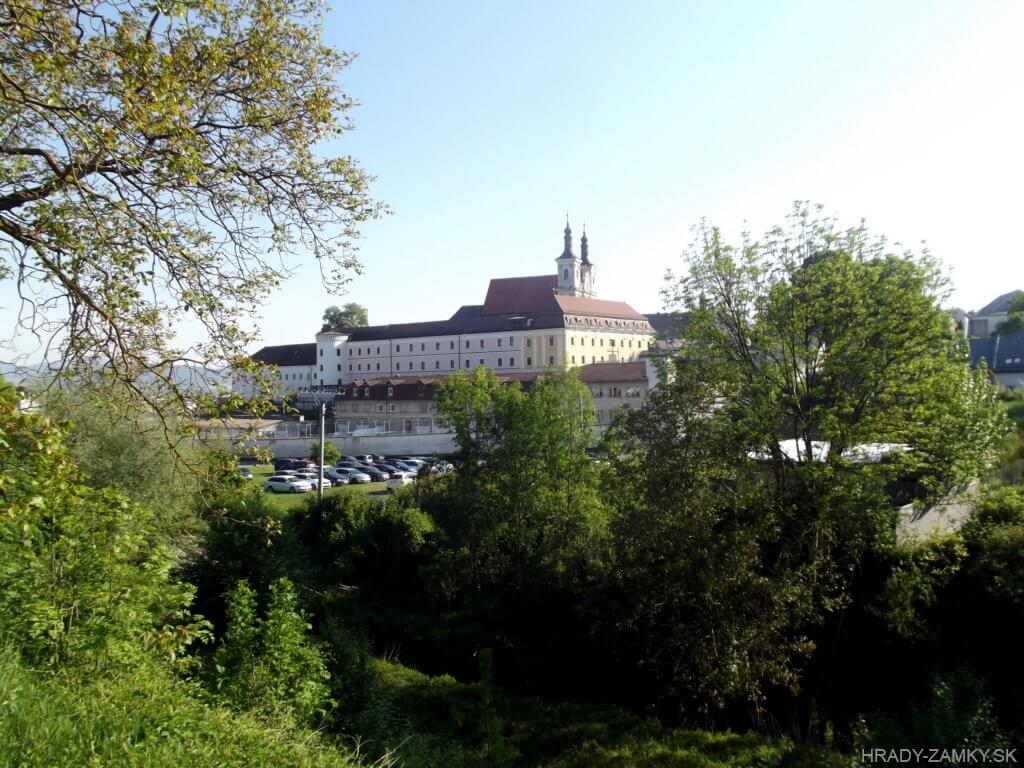
The manor is located in the village of Pruské, which lies in the White Carpathians, on the right bank of the Váh, 4 km from the district town of Ilava.
Kaštieľ sa nachádza v obci Pruské, ktorá leží v oblasti Bielych Karpát, na pravom brehu Váhu, 4 km od okresného mesta Ilava
Previous names
Presca, Prusca, Possessio seu villa Pruschene, Pruske, Prozka, Prwska, Possessio Prwzka, Pryska, Possessio Pruske, Prwsk, Poroszka
Roads
The village of Pruské is located near Ilava town. From the main road that leads through the village, we turn right behind the church to street no. 1923, where after a while on the right side we find a parking lot at the health center. From there we continue on foot a few meters straight to the manor house.
Obec Pruské sa nachádza blízko Ilavy. Z hlavnej cesty, ktorá vedie cez obec, odbočíme hneď za kostolom na ulicu č. 1923, kde po chvíli na pravej strane nájdeme parkovisko pri zdravotnom stredisku. Odtiaľ pokračujeme peši pár metrov rovno až ku kaštieľu.
Description
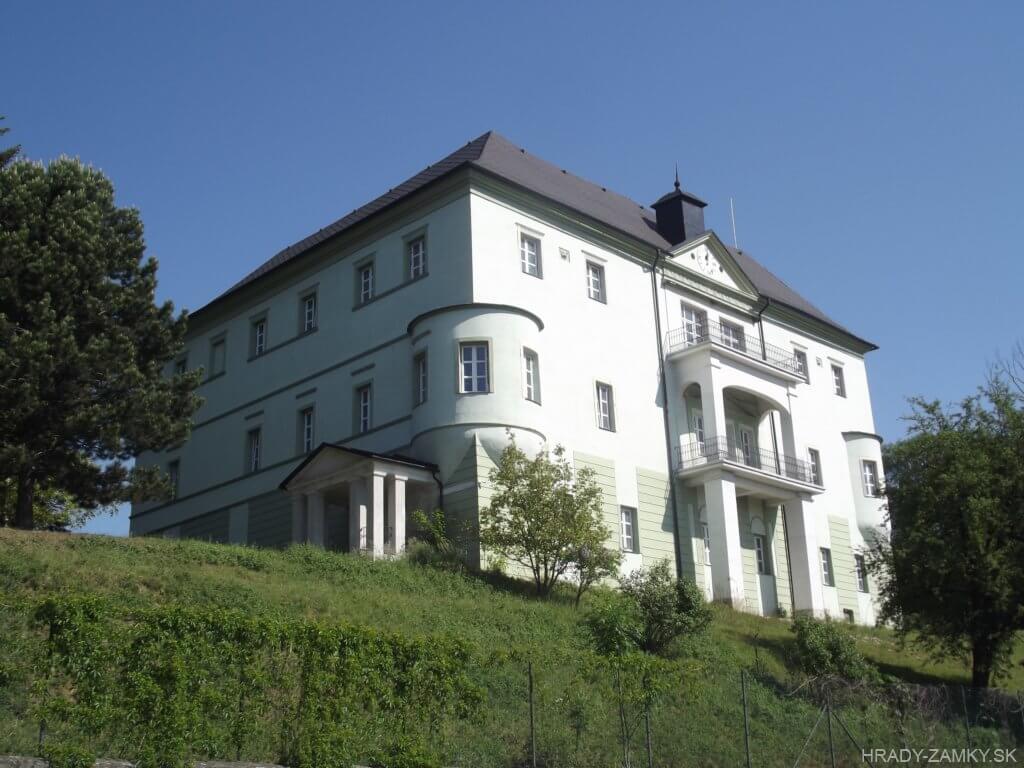
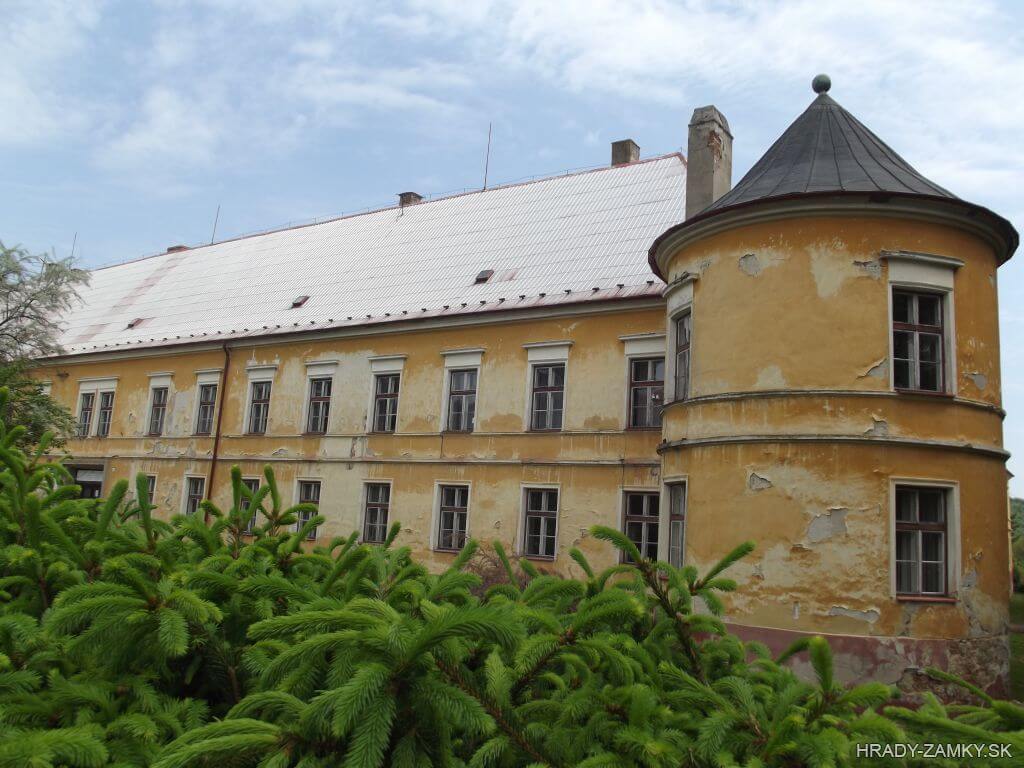
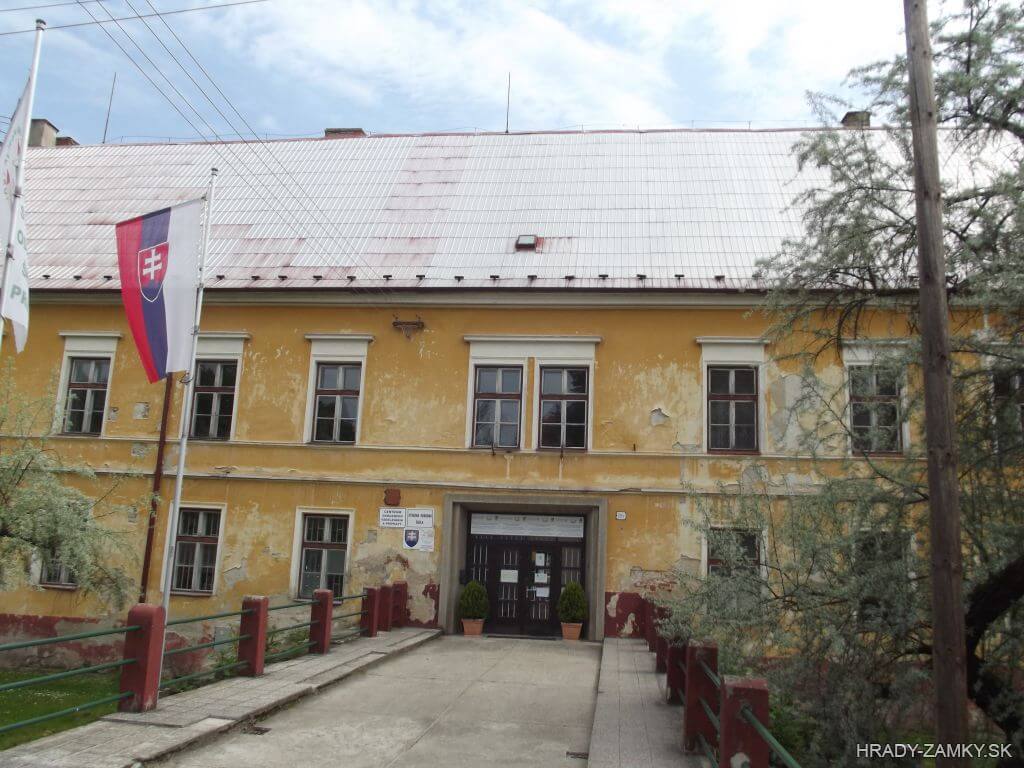
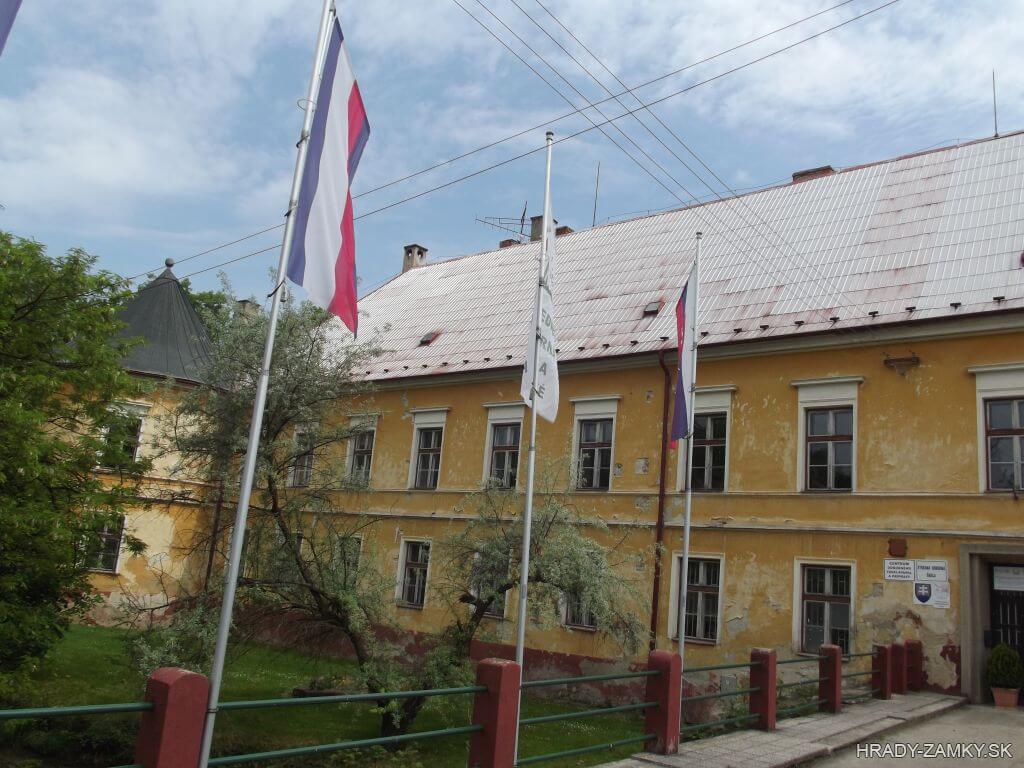
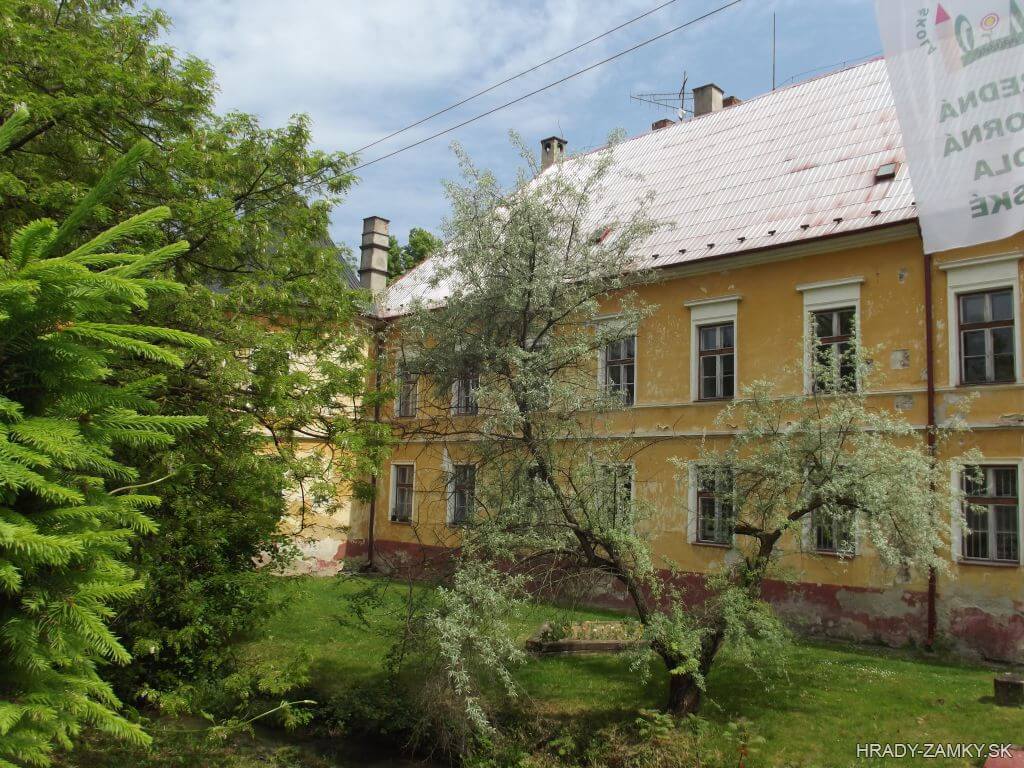
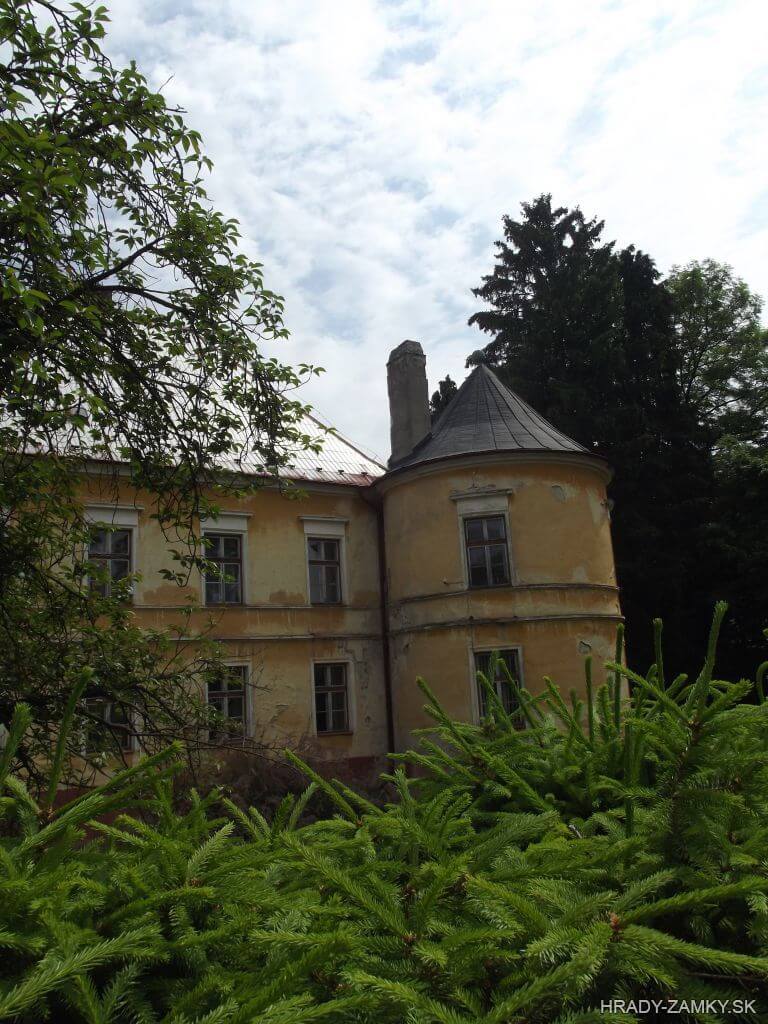
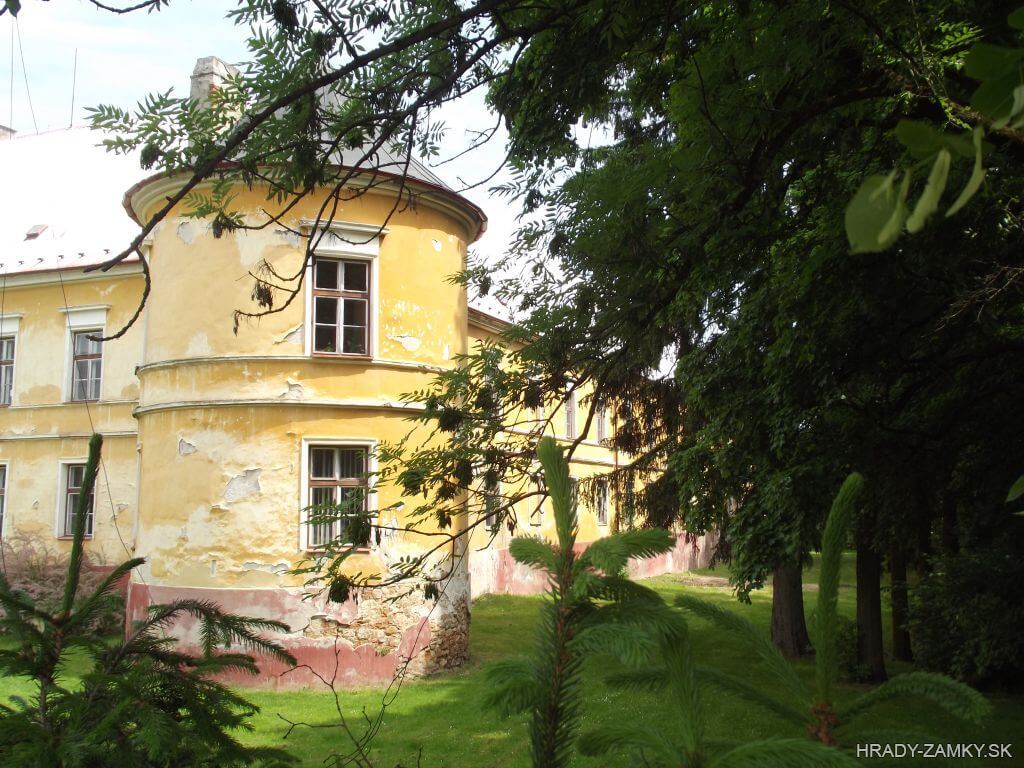
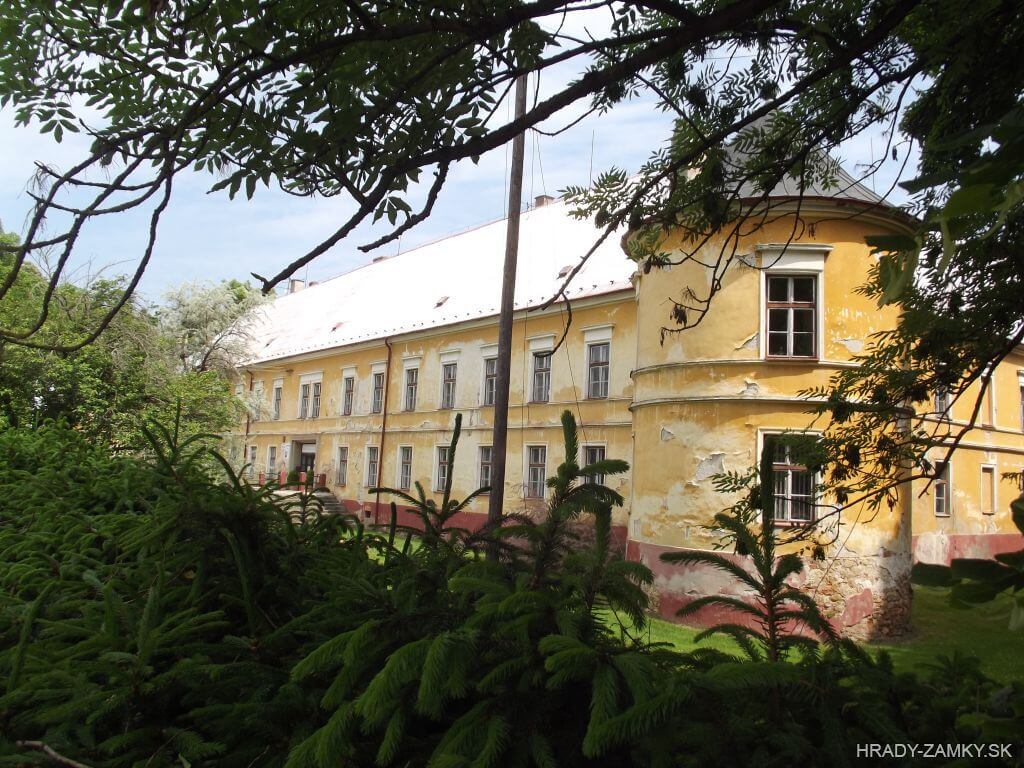
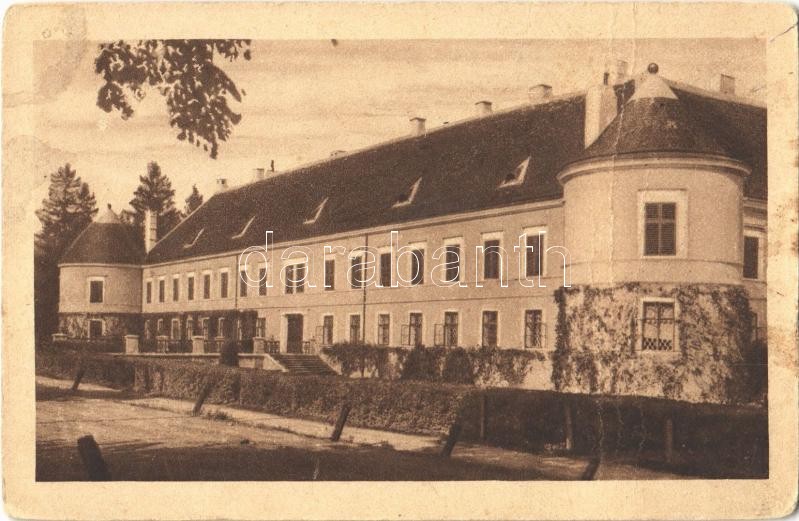
The manor is a two-aisled building with an entrance hall, from which a representative staircase leads to the first floor. The connecting arcade corridors are vaulted with cross ridge vaults. In the corner room in the north-eastern wing of the manor house there is a Renaissance stucco net vault and a stone coat of arms from the 16th century. The facade of the manor is Baroque - Classicist, its surroundings form a former English park.There are two corner towers on the facade. The manor was once surrounded by a moat, today partially covered.
Kaštieľ je dvojtraktová budova s vstupným vestibulom, z ktorého na poschodie vedie reprezentačné schodisko. Spojovacie arkádové chodby sú zaklenuté krížovými hrebienkovými klenbami. V nárožnej miestnosti v severovýchodnom krídle kaštieľa je renesančná štuková sieťová klenba a kamenný erb zo 16. storočia. Fasáda kaštieľa je barokovo - klasistická, jeho okolie tvorí bývalý anglický park.Na priečelí sú dve nárožné veže. Kaštieľ kedysi obklopovala priekopa, dnes čiastočne zasypaná.
History
Originally a Renaissance manor house with a large English park, it was built at the end of the 16th century as a two-storey four-wing building with two corner towers. There was originally a moat around the manor.
In 1787 it was modified in the Baroque - Classicist style. The reconstruction was initiated by Baron Andrej Jakusics. In 1663 the manor house was destroyed by Ottoman troops and the owners moved to Vršatec Castle. After the death of Imrich Jakusics, the manor fell into the hands of the Hungarian Chamber and the emperor Leopold I. in 1695 he donated the Vršatec estate to Count Kristof Sigfried Breuner and his wife. Since they already owned the Ilava estate, this merged the two estates.
The new owner of the manor became Karol Königsegg, the grandson of Krištof Breuner, who later bequeathed the manor to his son František Xaver Königsegg.
In 1787, the manor house was renovated in the Baroque and Classicist style. A chapel was built, the brick arcades of the courtyard were built, a moat was filled in and an English park was created around it. Further modifications took place in the years 1843-1845.
The last owner of the Königsegg family, Count Francis, had to hand over part of the manor to the state after the First World War as a result of land reform, pay off another debt, and the other property was eventually acquired by the banks.
In the years 1946 - 1952, the manor was used by the Congregation of the Sisters of the Great Savior. In 1954, a gardening school was established in the manor house, currently the Secondary Vocational School is located in the premises of the building.
In 2012, architectural-historical, art-historical and archival research took place.
Pôvodne renesančný kaštieľ s rozľahlým anglickým parkom bol postavený koncom 16. storočia ako poschodová štvorkrídlová budova s dvoma nárožnými vežami. Okolo kaštieľa bola pôvodne vodná priekopa.
V roku 1787 bol barokovo - klasicisticky upravený. Prestavbu inicioval barón Andrej Jakusics. V roku 1663 kaštieľ zničili osmanské vojská a majitelia sa presunuli na hrad Vršatec. Po smrti Imricha Jakusicsa sa panstvo dostalo do rúk Uhorskej komory a cisár Leopold I. daroval v roku 1695 panstvo Vršatec grófovi Krištofovi Sigfriedovi Breunerovi a jeho manželke. Keďže už vlastnili Ilavské panstvo, týmto došlo k spojeniu oboch panstiev.
Novým majiteľom panstva sa stal Karol Königsegg, vnuk Krištofa Breunera, ktorý neskôr odkázal panstvo svojmu synovi Františkovi Xaverovi Königseggovi.
V roku 1787 bol kaštieľ upravený v barokovom i klasicistickom štýle. Bola vybudovaná kaplnka, zamurované arkády nádvoria, zasypaná priekopa a okolo vznikol anglický park. Ďalšie úpravy prebehli v rokoch 1843-1845.
Posledný majiteľ rodu Königseggov, gróf František, musel po prvej svetovej vojne v dôsledku pozemkovej reformy časť panstva odovzdať štátu, ďalšou splatil dlh a ostatný majetok nakoniec získali banky.
V rokoch 1946 - 1952 kaštieľ využívala Kongregácia sestier Najväčšieho Spasiteľa. V roku 1954 bola v kaštieli zriadená záhradnícka škola, v súčastnosti v priestoroch objektu sídli Stredná odborná škola.
V roku 2012 prebehol architektonicko-historický, umelecko-historický a archívny výskum.
Myths and legends
There are no myths available.
K tomuto objektu nie sú dostupné žiadne povesti
Useful information
The manor is not open to the public, there is a school in it
Kaštieľ nie je prístupný verejnosti, je v ňom škola
Nearby castles