Súča
Dolná Súča Trenčín county Slovakia
castle ruin
Súča
Dolná Súča Trenčiansky kraj Slovakia
zrúcanina hradu
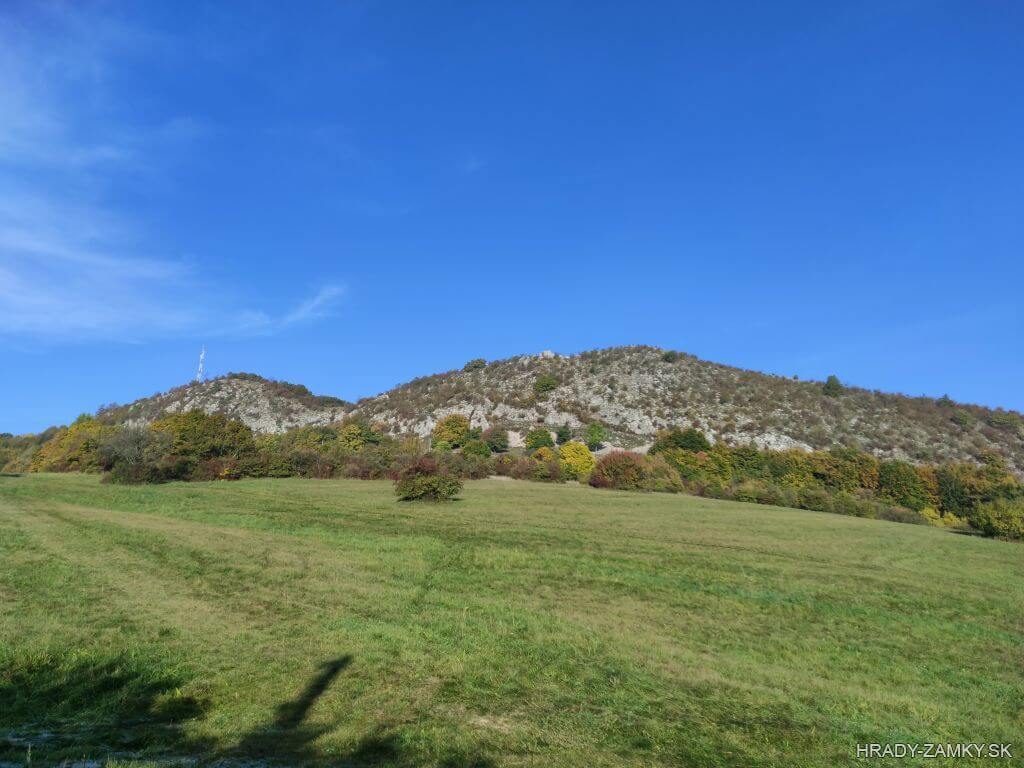
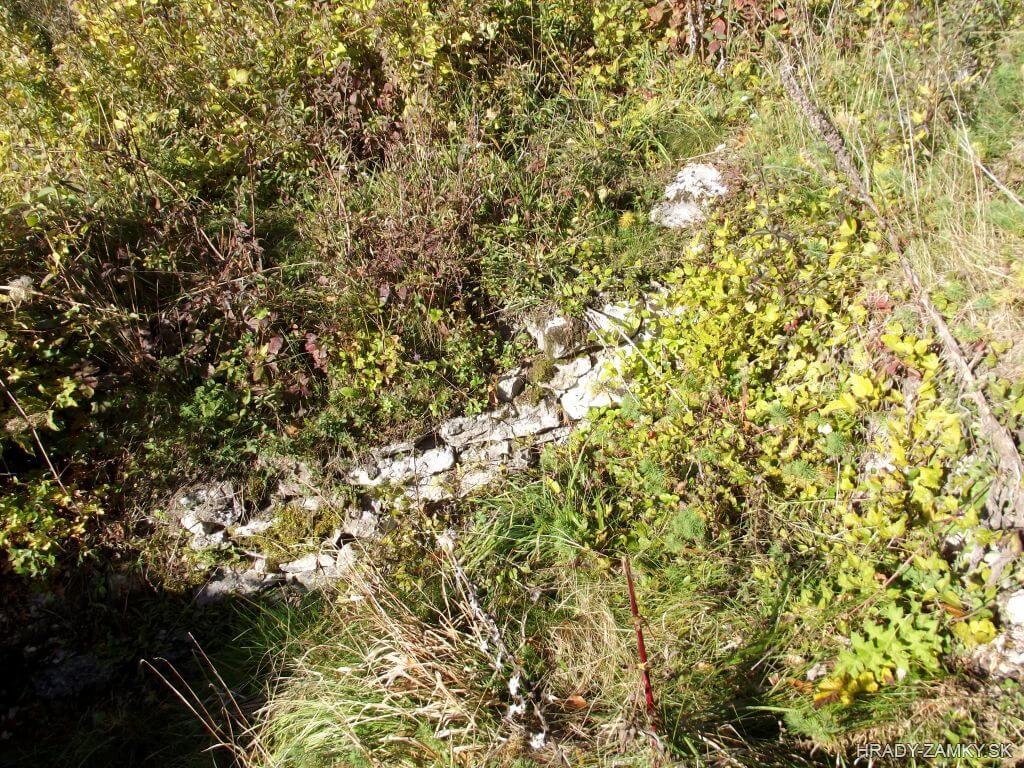
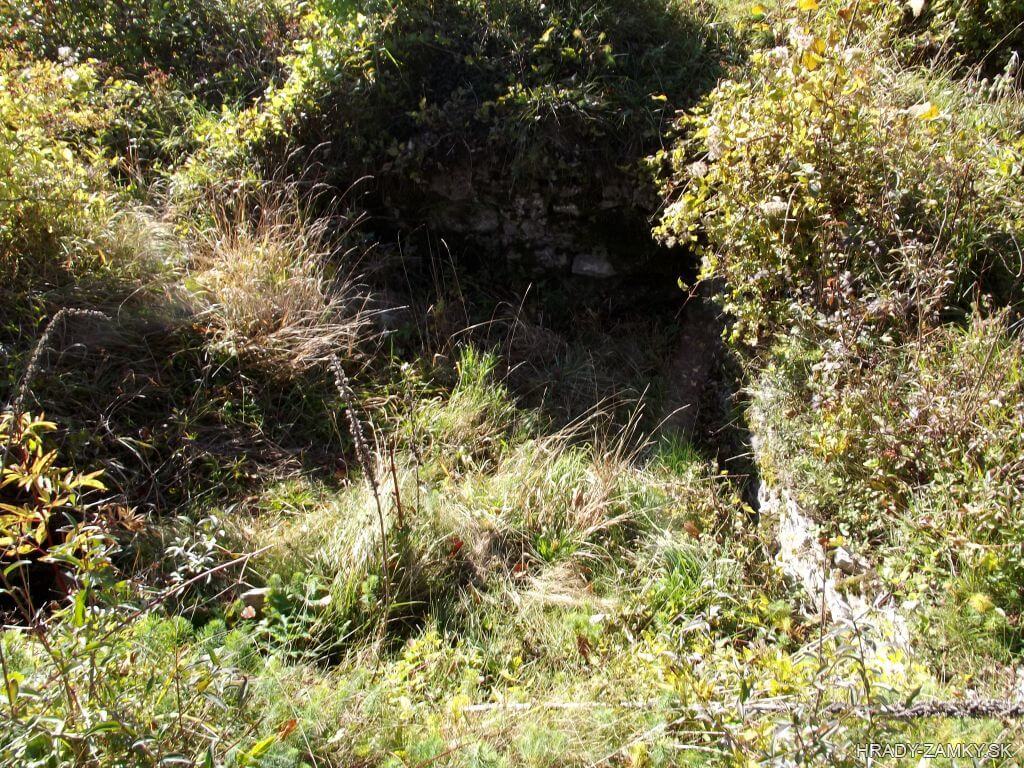
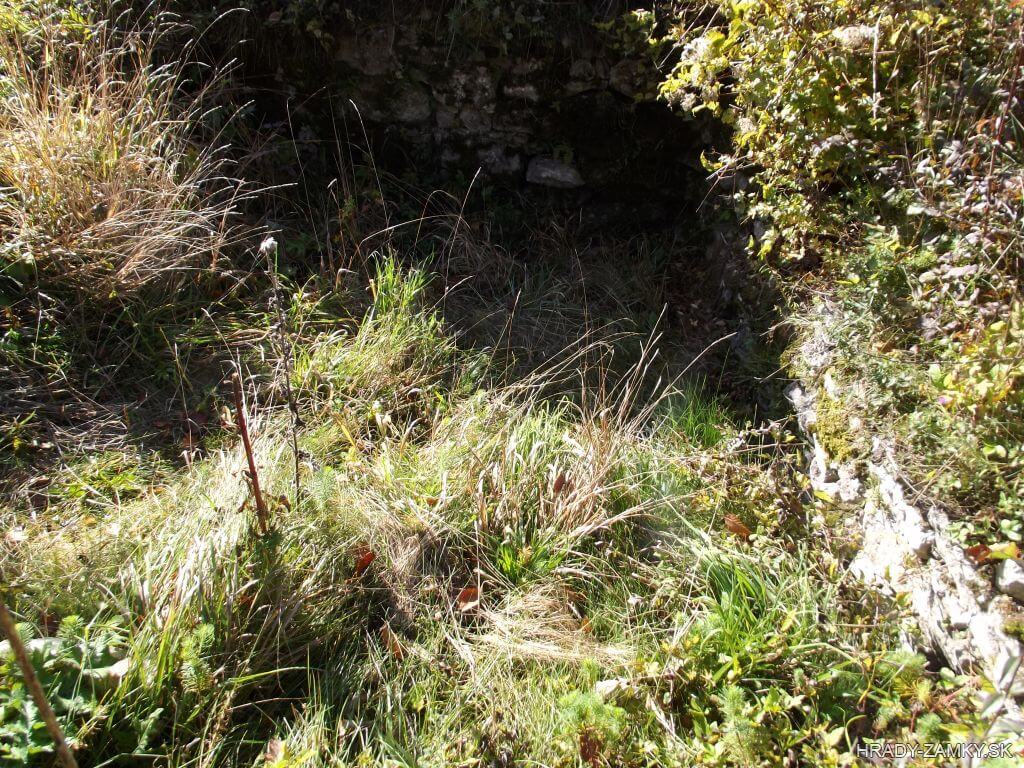
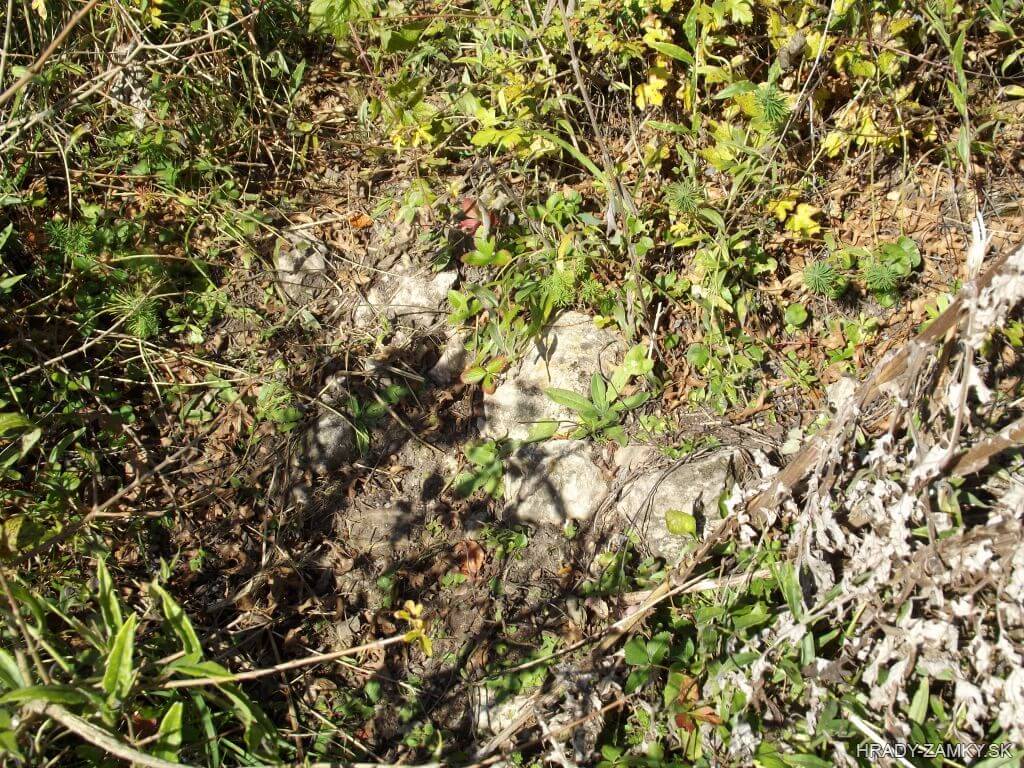
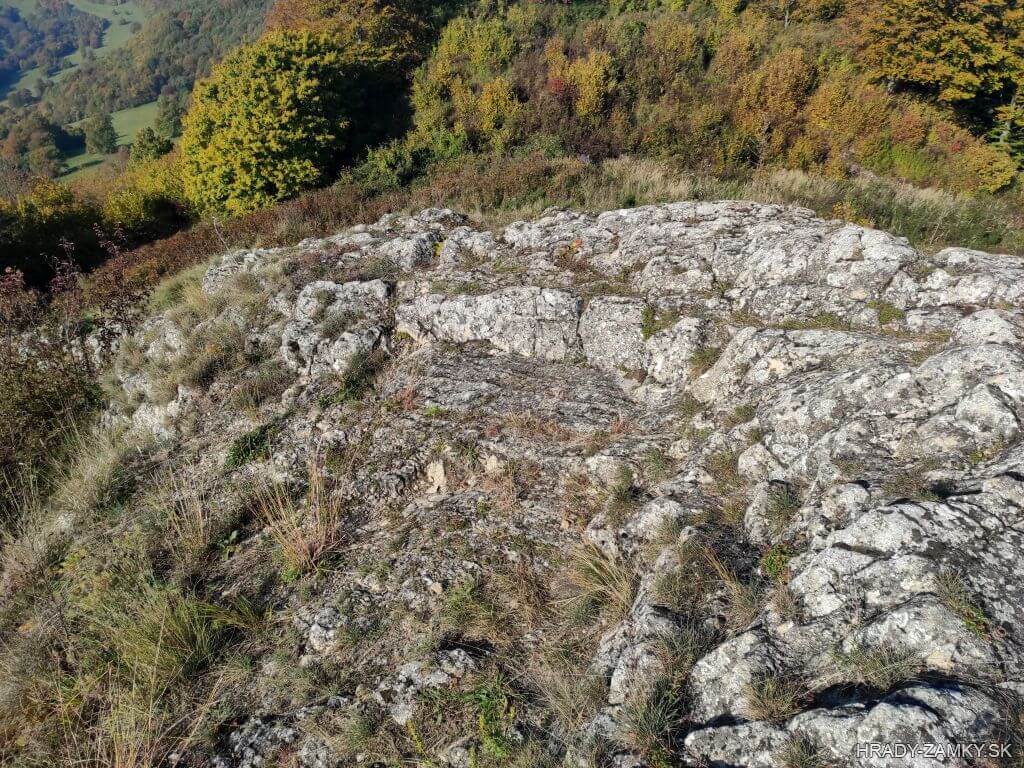
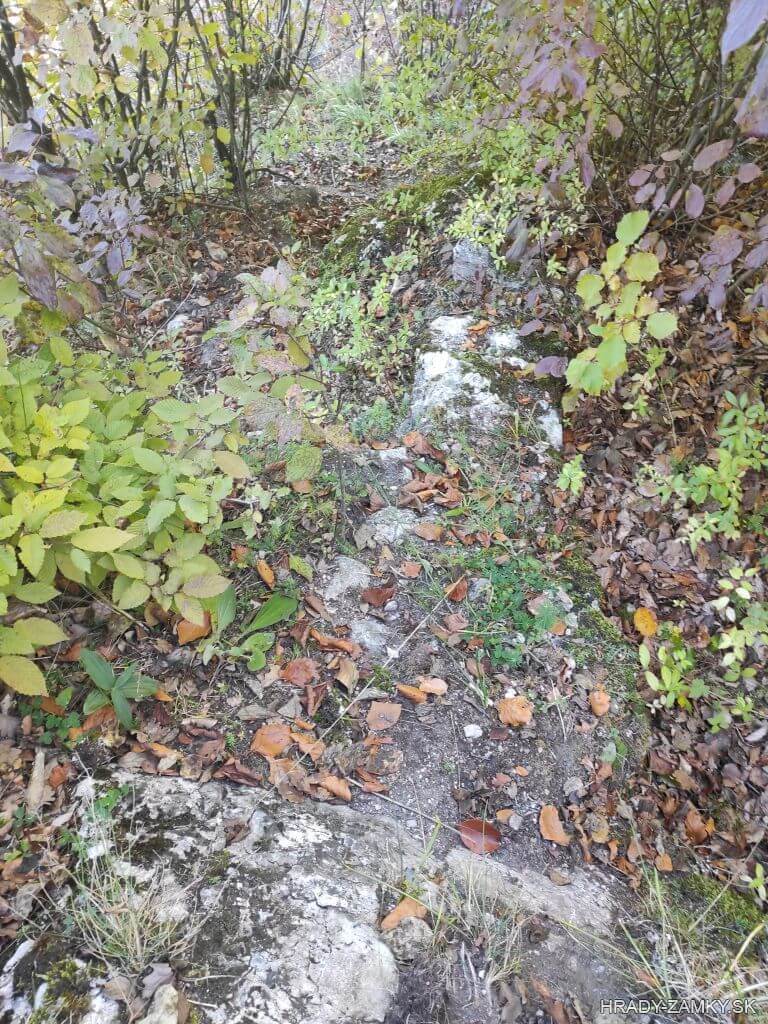
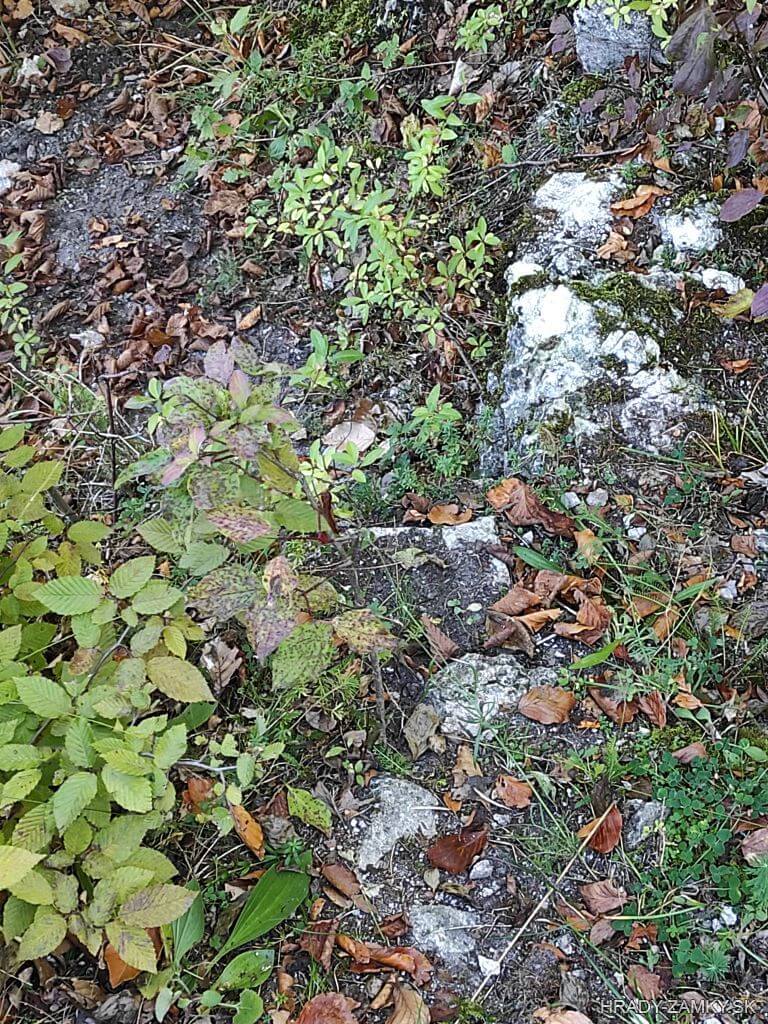
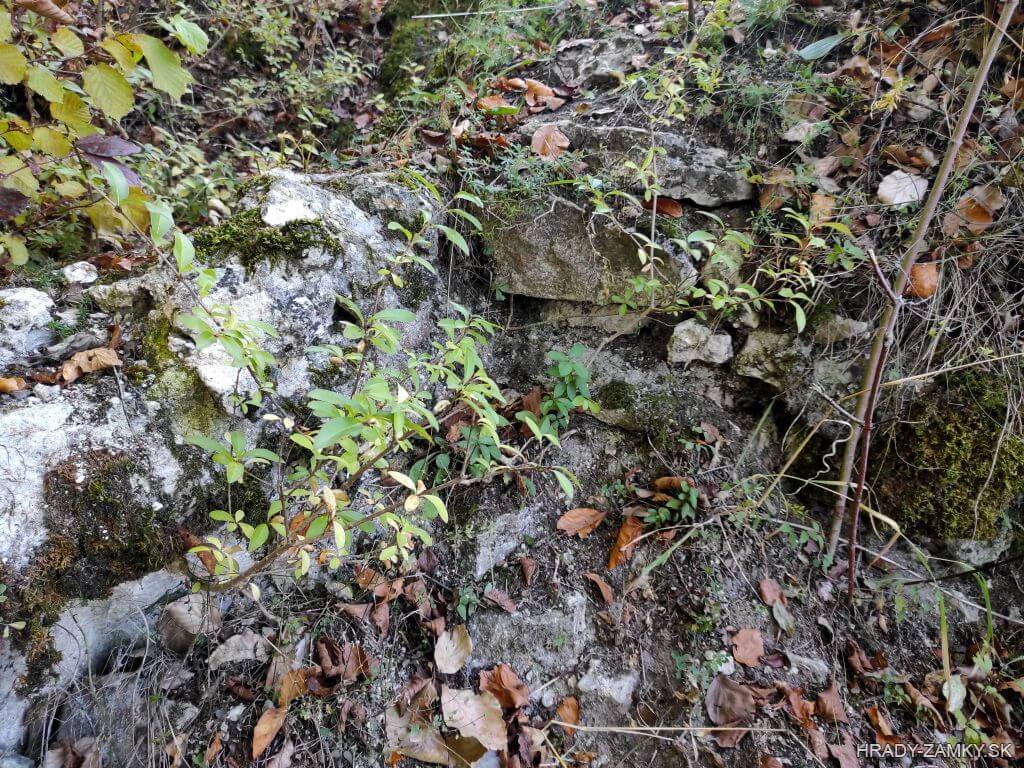
Slight remnants of the walls of the extinct castle above the village of Dolná Súča, on the western top of the Krásin ridge massif, in the marginal position of the White Carpathians
Nepatrné zvyšky múrov zaniknutého hradu nad obcou Dolná Súča, na západnom vrchole hrebeňovitého masívu Krásin, v okrajovej polohe Bielych Karpát
Previous names
Sucza, Zucchan, Sudcze, Zudcze, Sudcza, Swcza, Súčanský hrad
Roads
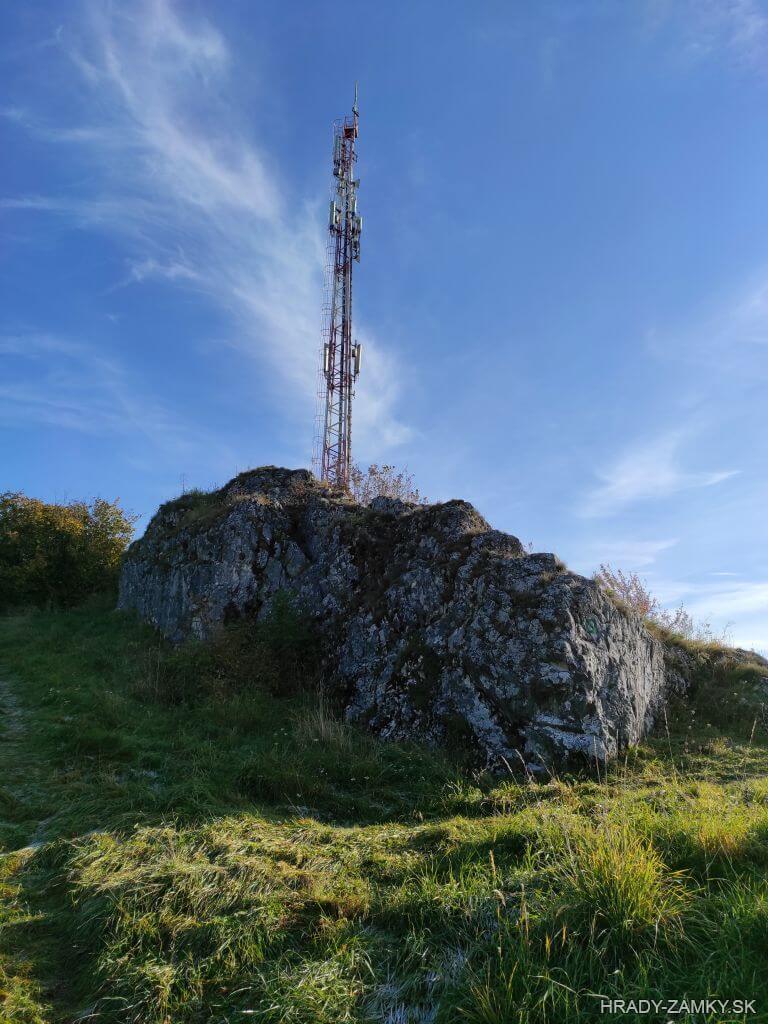
The castle location is above the village Dolná Súča. If we come to the village from Skalka nad Váhom, we will soon pass the Municipal Office on the left and the crossroads. We continue straight on and at the next crossroads we turn left into a narrow alley. We will continue straight along this alley to its end, where we can park the car at the side of the road. Here we will walk on foot to the educational trail of Jan Miklas (green route). The ascent is enriched by educational boards or springs. In about 30-40 minutes we will reach the top of Krásin, where the courtyard was located and today there is a transmitter. We get to the site of the former upper castle if we cross the former moat in the direction west of the transmitter, go up the hill and discover slight remnants of walls in the vegetated terrain.
Lokalita hradu sa nachádza nad obcou Dolná Súča. Ak prichádzame do obce zo Skalky nad Váhom, čoskoro minieme Obecný úrad na ľavej strane a križovatku. Pokračujeme stále rovno a na ďalšej križovatke odbočíme do úzkej uličky vľavo. Po tejto uličke pôjdeme stále rovno až na jej koniec, kde môžeme na okraji cesty odstaviť auto. Tu sa už peši napojíme na náučný chodník Janka Miklasa (zelená trasa). Stúpanie nám spestria náučné tabule či pramene. Zhruba za 30-40 minút prídeme na vrchol Krásin, kde sa nachádzalo nádvorie a dnes tu stojí vysielač. K lokalite bývalého horného hradu sa dostaneme ak v smere na západ od vysielača prejdeme cez niekdajšiu priekopu, vyjdeme hore kopcom a vo vegetáciou zarastenom teréne objavíme nepatrné zvyšky múrov.
Description
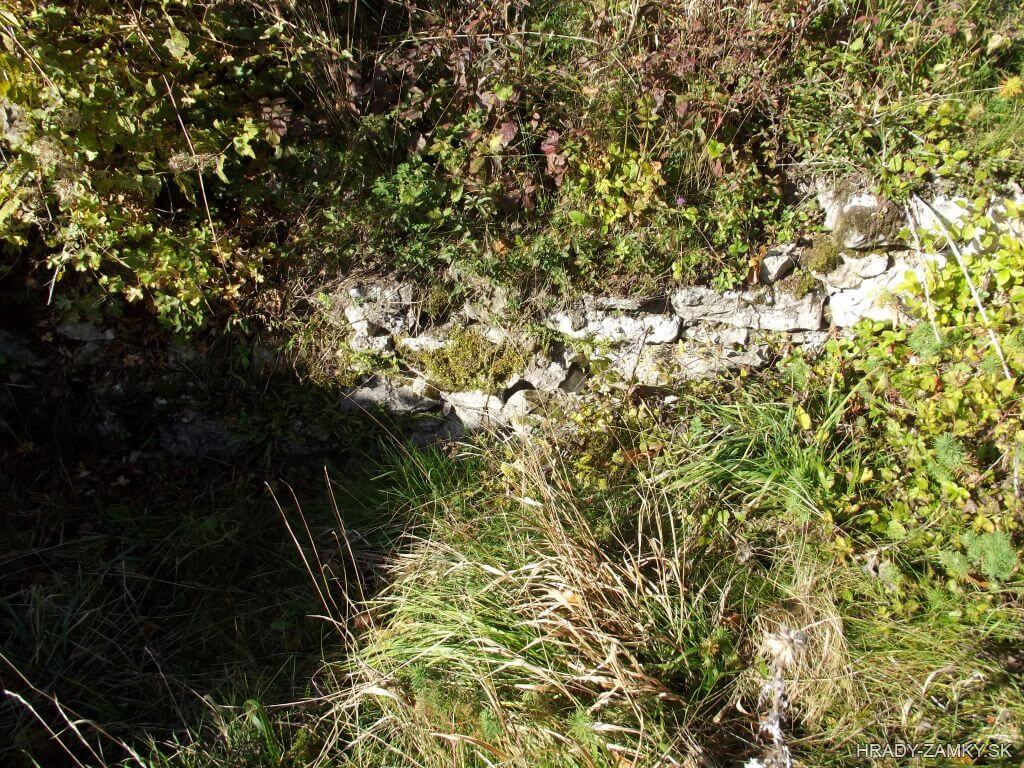
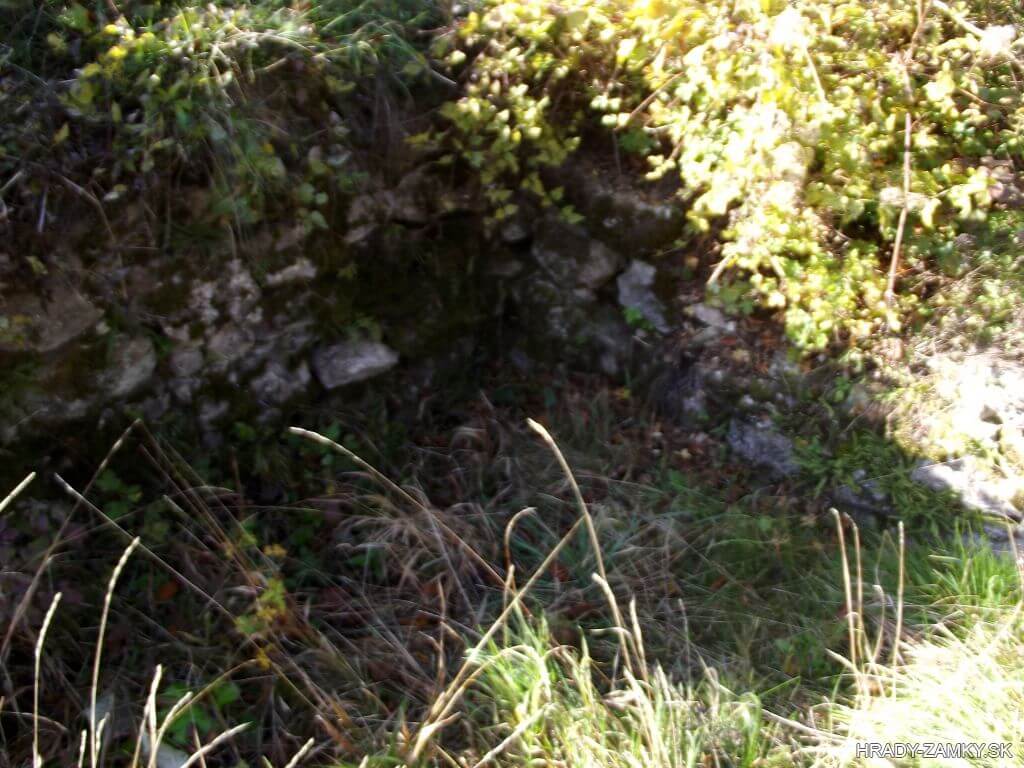
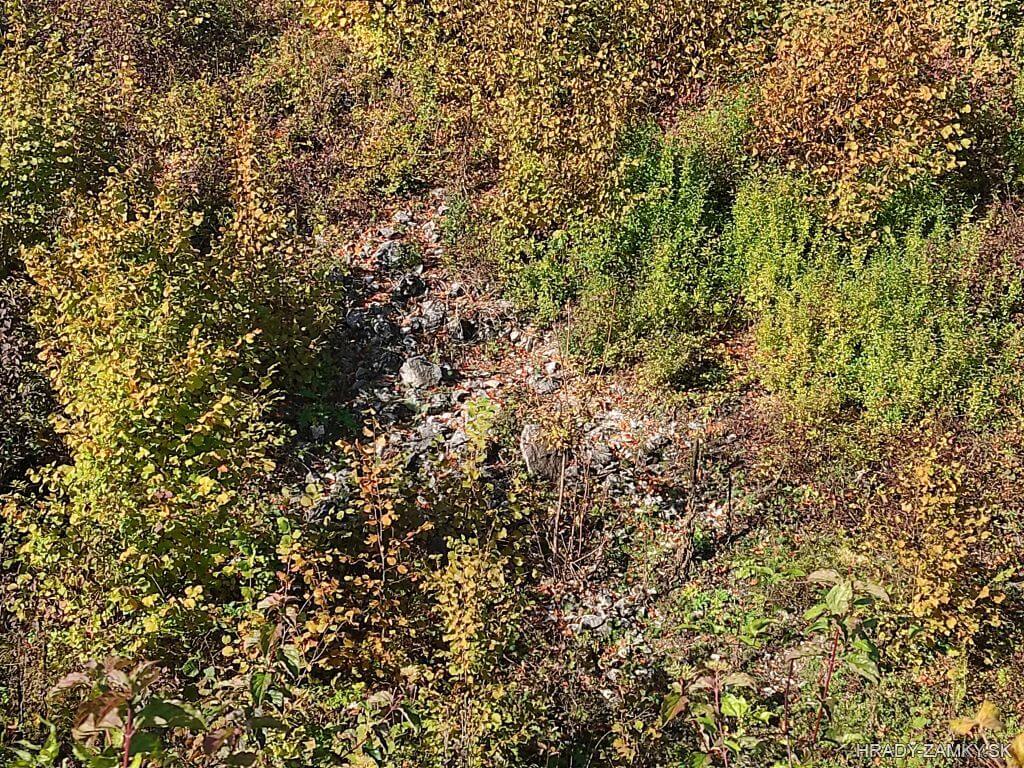
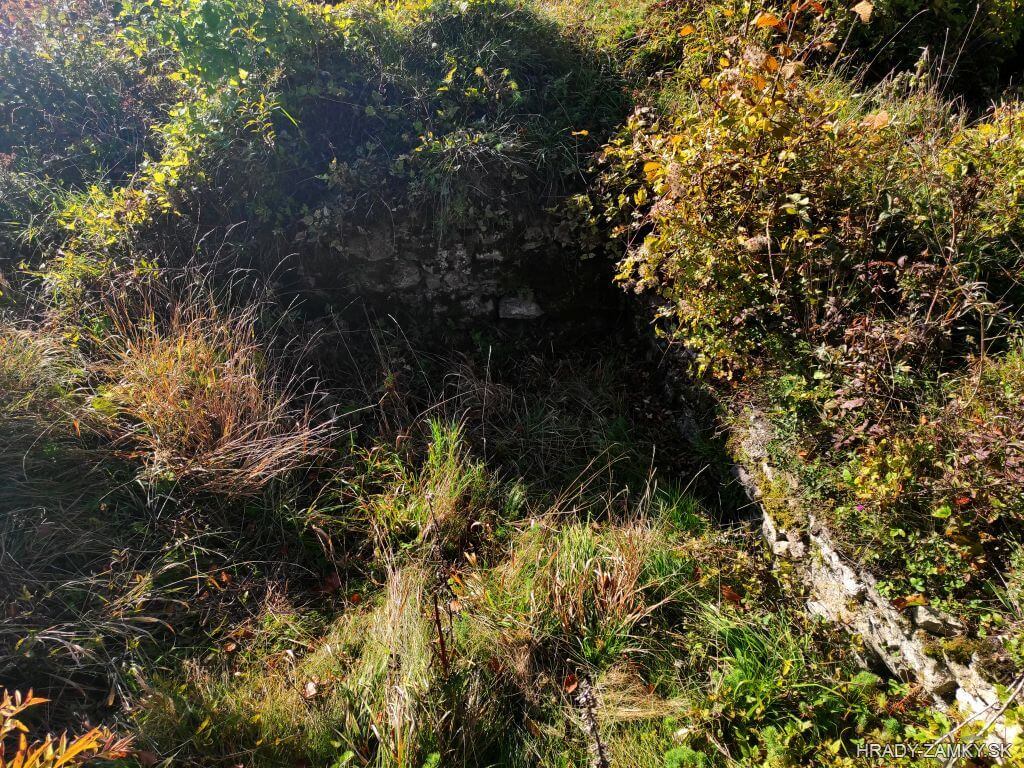
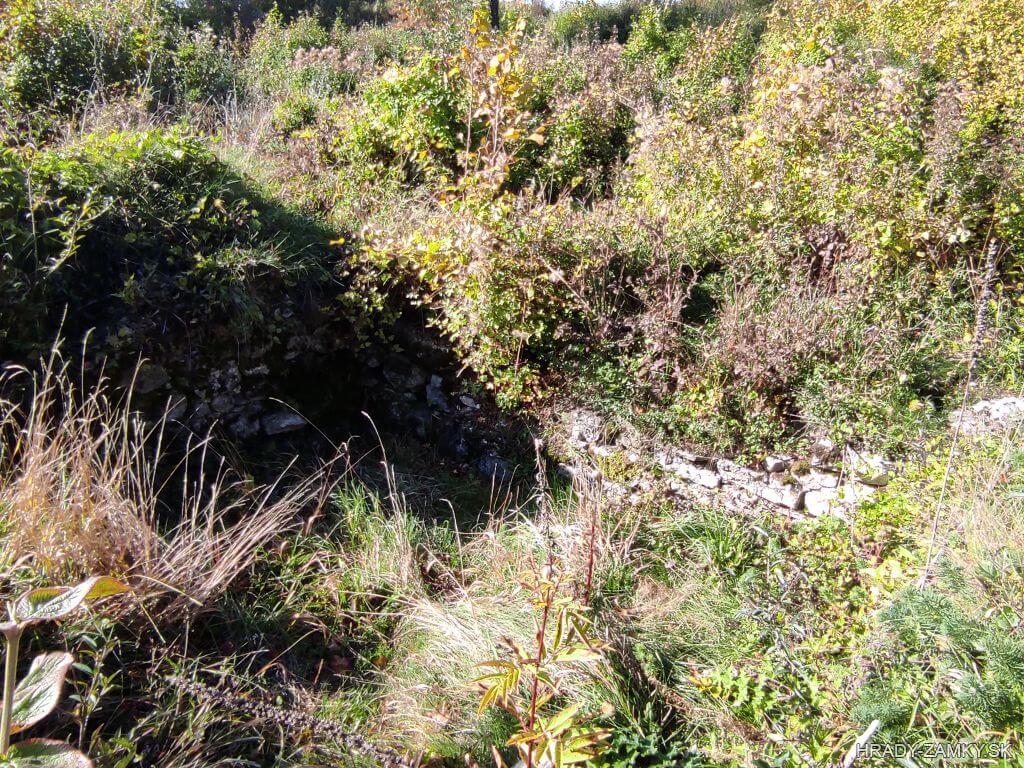
The castle was intentionally destroyed and the remains of the castle were almost completely dismantled. It is therefore not possible to recognize its development and its disposition is also indistinct. The castle hill is overgrown with vegetation, which covers the remains of fortifications and small remnants of masonry. The access road leading to the plateau between the upper castle and the rock with the transmitter, where the fort was separated from the upper castle by a neck ditch, is obvious. In the NE tip of the approximately pentagonal floor plan, a corner of the ground floor space, probably a prismatic tower, is preserved. The perimeter of the castle is delimited by carved rocks and rubble of crumbling walls and in the south there is another fragment of a matching wall.In the middle of the slightly rising surface of the courtyard, a well was documented, after which a depression remained. The jamming, modification of the plateau and the vertically parted face of the rock under the transmitter are probably the work of Kremnica miners.
Hrad bol úmyselne zničený a pozostatky hradu boli takmer úplne rozobrané. Nie je preto možné rozpoznať jeho vývoj a aj jeho dispozícia je nezreteľná. Hradný vrch je zarastený vegetáciou, ktorá zakrýva zvyšky fortifikácií i nepatrné zvyšky muriva. Zreteľná je prístupová cesta s vyústením na plošinu medzi horným hradom a skalou s vysielačom, kde bolo predhradie, oddelené od horného hradu šijovou priekopou. V SV cípe približne päťbokého pôdorysu je v múre zachovaný kút prízemného priestoru, pravdepodobne hranolovej veže. Obvod hradu vymedzujú pritesané skaly a sutiny rozpadnutých múrov a na juhu je ďalší fragment lícovaného múru.Uprostred mierne stúpajúcej plochy nádvoria bola doložená studňa, po ktorej zostala priehlbina. Zásek, úprava plošiny a zvisle okresané čelo skaly pod vysielačom sú pravdepodobne dielom kremnických baníkov.
Plan
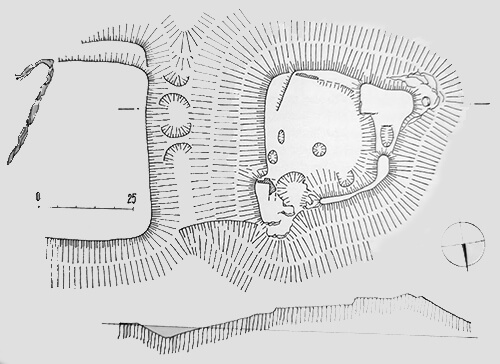
Legend to the ground plan
- Source: PLAČEK M.
- BÓNA M.
- Encyklopédia slovenských hradov
Legenda k pôdorysu
- Zdroj: PLAČEK M.
- BÓNA M.
- Encyklopédia slovenských hradov
History
Krásin Hill was inhabited as early as the Bronze Age. In 1208, the castle is not mentioned in the deed of the mayor of Nitra, but the territory of Sucza is mentioned for the first time when defining the boundaries of the property of the bishop of Nitra.
The guard castle in Krásin was probably built by the mayor of Trenčín, Bogomír, the son of Sebeslav of the Ludanický family, in the 13th century. The castle guarded the trade route and the border crossing from Hungary to Moravia. In the years 1267-1321, the castle was owned by the Čák family, most recently Matúš Čák. The first undoubted mention of the castle is a document from 1318, which mentions the castellan (castelanus de Zucchan) Dionysus called Levo. After the death of Matúš Čák, the castle was occupied by the royal troops of Karol Róbert and was in royal hands until 1393. After that, King Sigismund of Luxembourg founded it for his faithful and devoted warrior, Stibor of Stiborice.
In 1421, Sigismund donated Súča Castle, together with Bystrica, Vršatec, Starhrad, Strečno and Žilina, to his wife Barbora Celjská, who contributed to strengthening the castle fortifications, expanding and deepening the moat. The castellan was then Mikuláš Soboňa, who, however, became an ally of the Hussites, against whom the castle was to defend. After Sigismund's death in 1437, several owners changed in Súča. Albrecht of Habsburg confiscated his testine's property and donated it to his wife Elizabeth. Then the castle fell into the hands of Elizabeth's cousin Ulrich Celjsky.
Ulrich, Count of Záhorie and Ban of Slavonia, owned the castle and the estates of Súča until his violent death in 1456, when he was assassinated by friends of Ladislav Hunyadi. The castle then fell to the crown.
In 1475, Matej Korvín gave the castle together with Trenčín, to Duke Štefan Zápoľský, as a reward for his faithful services. Vladislav II. upon his accession to the throne in 1490, he confirmed the reserve property to Zápoľský and in February 1493 he donated the castles of Trenčín and Súča to him. Zápoľský was already the palatine of Hungary at that time.
The special history of Súča and the castle was the period of the Podmanický landowners, when after the defeat of Ján Zápoľský near Tokaj on September 25, 1527, King Ferdinand I., financially exhausted by long wars with the Turks, gave Súča Castle in 1527 with the villages to the bishop of Nitra Štefan Podmanický. His nephews Ján and Rafael Podmanický became heirs. Rumors of their robberies forced the monarch to transfer the lien of the Súča to the palatine Alexej Thurzo in 1534. However, the castle did not pass into its permanent ownership, because Ján Podmanický conquered Súča in 1536 by a sudden attack and Thurzo did not regain it even after a long siege.
The Podmanický brothers experienced the greatest expansion around 1540, when they owned Bystrica, Súča, Košec, Budatín, Lednica, Hričov and Palota Castle, where the elder Ján lived. However, at the instigation of many complaints, the Hungarian Parliament in 1542 decided on their exile if they did not return the property to the original owners. Although the brothers took an oath of allegiance to Ferdinand I, in reality they did not rush to return the property. By changing the situation in Hungary, the council pardoned the brothers and King Ferdinand again accepted Raphael among his faithful. Ján Podmanický has died in the meantime.
The ownership of Súča Castle caused a lot of controversy at that time, as the castle was owned illegally by both brothers all the time. Rafael promised to hand over the castle with all its armaments and accessories by November 1549, if the king compensates him. However, the castle was taken over by a commission in 1549, in which, in addition to the chief mayor Ján Ostrožič, the governor was Pavol Baračkay, the chief collector of the thirties Tomáš Francisci and the captain of Trenčín Castle Krištof Görtschacker with 80 soldiers. The Commission described precisely the military potential, as well as all the food and items there.
The castle was damaged during the war and gradually fell into disrepair. There was no interest in its reconstruction. Shortly after Rafael's property was taken away, the fate of the castle in Krásin was also decided. In 1550, King Ferdinand I of Hungary and Czech ordered his military commander Mikuláš of Salm to demolish the castle. Probably for fear that it would be seized again by other resistance fighters. Rafael's marriage to Jana, the daughter of Adam of Lomnica, caused a turnaround in his actions and the thinking of a robber knight. However, he died in 1558 while preparing for an expedition against the Turks.
In 1582, Imrich Forgách received the Sučany estate, by this time the castle was mentioned already as a ruin. The destroyed castle served the locals as an easily accessible building material.
Vrch Krásin bol osídlený už v dobe bronzovej. V roku 1208 sa v listine nitrianskeho župana Tomáša hrad ešte nespomína, no pri vymedzovaní hraníc majetkov nitrianskeho biskupa sa prvýkrát spomína územie Súče - terra Sucza.
Strážny hrad na Krásine dal pravdepodobne postaviť trenčiansky župan Bogomír, syn Sebeslava z rodu Ludanických v 13. storočí. Hrad strážil obchodnú cestu a hraničný prechod z Uhorska na Moravu. V rokoch 1267-1321 bol hrad v držbe rodu Čákovcov, naposledy Matúša Čáka. Prvou nepochybnou zmienkou o hrade je listina z roku 1318, kde sa spomína kastelán hradu (castelanus de Zucchan) Dionýz zvaný Levo. Po smrti Matúša Čáka hrad obsadili kráľovské vojská Karola Róberta a bol v kráľovských rukách až do roku 1393. Potom ho kráľ Žigmund Luxemburský založil svojmu vernému a oddanému bojovníkovi, Stiborovi zo Stiboríc.
V roku 1421 daroval Žigmund hrad Súča, spolu s Bystricou, Vršatcom, Starhradom, Strečnom i Žilinou svojej manželke Barbore Celjskej, ktorá sa zaslúžila o zosilnenie opevnenia hradu, rozšírenie a prehĺbenie priekopy. Kastelánom bol vtedy Mikuláš Soboňa, ktorý sa však stal spojencom husitov, proti ktorým mal hrad brániť. Po Žigmundovej smrti v roku 1437 sa na Súči vystriedalo niekoľko vlastníkov. Albrecht Habsburský odobral svoje majetky testinej a daroval ich svojej manželke Alžbete. Potom sa hrad dostal do rúk Alžbetinho bratanca Ulricha Celjského.
Ulrich, gróf zo Záhoria a bán zo Slavónska, vlastnil hrad a majetky Súče až do jeho násilnej smrti v roku 1456, keď ho zavraždili priatelia Ladislava Hunyadiho. Hrad vtedy pripadol odúmrťou korune.
V roku 1475 ho Matej Korvín založil spolu s Trenčínom vojvodcovi Štefanovi Zápoľskému ako odmenu za jeho verné služby. Vladislav II. pri svojom nástupe na trón v roku 1490 potvrdil záložný majetok Zápoľskému a vo februári 1493 mu hrady Trenčín aj Súču daroval. Zápoľský bol už vtedy palatínom Uhorska.
Osobitné dejiny Súče i hradu tvorilo obdobie zemepánov Podmanických, keď po porážke Jána Zápoľského pri Tokaji 25. septembra 1527 panovník Ferdinand I., finančne vyčerpaný dlhotrvajúcimi vojnami s Turkami, v roku 1527 založil hrad Súča aj s obcami nitrianskemu biskupovi Štefanovi Podmanickému. Dedičmi sa stali jeho synovci Ján a Rafael Podmanický. Povesti o ich lúpežných činoch nútili panovníka, aby v roku 1534 preniesol záložné právo Súče na palatína Alexeja Thurzu. Hrad však do jeho trvalého vlastníctva neprešiel, pretože Ján Podmanický Súču v roku 1536 náhlym útokom dobyl a Thurzo ho ani po dlhšom obliehaní nezískal späť.
Najväčší rozmach zažili bratia Podmanickí okolo roku 1540, keď vlastnili Bystricu, Súču, Košecu, Budatín, Lednicu, Hričov a hrad Palota, kde sídlil starší Ján. Avšak na podnet mnohých sťažností Uhorský snem v roku 1542 rozhodol o ich vyhnanstve, ak nevrátia majetky pôvodným vlastníkom. Hoci bratia zložili prísahu vernosti Ferdinandovi I., v skutočnosti sa však s vrátením majetku veľmi neponáhľali. Zmenou situácie v Uhorsku snem bratov v roku 1545 omilostil a kráľ Ferdinand Rafaela opäť prijal medzi svojich verných. Ján Podmanický totiž medzičasom zomrel.
Vlastníctvo hradu Súča vyvolalo v tom čase mnoho sporov, keďže hrad vlastnili obaja bratia celý čas protiprávne. Rafael sľúbil, že hrad do novembra 1549 odovzdá s celou výzbrojou aj príslušenstvom, ak ho kráľ odškodní. Hrad ale v roku 1549 prevzala poverená komisia, v ktorej boli okrem hlavného župana Jána Ostrožiča podžupan Pavol Baračkay, hlavný vyberač tridsiatkov Tomáš Francisci a kapitán Trenčianskeho hradu Krištof Görtschacker s 80 vojakmi. Komisia presne popísala vojenský potenciál, ale i všetky potraviny a predmety, ktoré sa tam nachádzali.
Hrad bol počas vojnových časov poškodený a postupne chátral. O jeho prestavbu nebol záujem. Krátko potom, ako Rafaelovi odňali majetky, rozhodlo sa aj o osude hradu na Krásine. V roku 1550 prikázal uhorský a český kráľ Ferdinand I. svojmu vojenskému veliteľovi Mikulášovi zo Salmu hrad zbúrať. Pravdepodobne z obavy, aby sa ho znovu nezmocnili ďalší odbojníci. Rafaelovo manželstvo s Janou, dcérou Adama z Lomnice, spôsobilo obrat v jeho konaní a myslení lúpežného rytiera. Zomrel však v roku 1558 v čase, keď sa pripravoval na výpravu proti Turkom.
V roku 1582 dostal súčanské panstvo do zálohu Imrich Forgách, vtedy sa už hrad spomína ako spustnutý. Zničený hrad poslúžil miestnym obyvateľom ako ľahko dostupný stavebný materiál.
Myths and legends
The rumor says...
Robbers lived in Súča. They were stealing as a law of robbery preached until the captain brought his beloved wife to the castle. Woman like a sting. Her modesty was foreign to her, so the thefts in the area began to multiply. One day, when there was too much steals, an army approached Súča. As soon as the bandits noticed the ranks lined up in the distance, they raced out of the castle. The last to gallop on the horse was the pretty captain girl. The girl's long hair fluttered in the wind like a comet's tail, and it ruined her. The mane caught the beauty by the branch of a bushy tree and she fell from the horse. The soldiers caught up with her and hung her on a fateful tree. It happened where one of the settlements of Horná Súča is still called Beautiful Oak.
Povráva sa...
Na Súči žili lupiči. Zbíjali ako zbojnícky zákon káže, pokým si kapitán nedoviedol do hradu milú. Žena ako žihadlo. Skromnosť jej bola cudzia a tak sa krádeže na okolí začali množiť. Jedného dňa, keď už bolo zbojstva priveľa, k Súči sa blížilo vojsko. Len čo zbojníci zbadali v diaľke zoradené šíky, uháňali z hradu. Posledná cválala na koni švárna kapitánka. Dlhé vlasy dievke plápolali vo vetre ako chvost kométy a to jej privodilo skazu. Hriva sa kráske zachytila o konár košatého stromu a ona spadla z koňa. Vojaci ju dostihli a na osudnom strome obesili. Stalo sa to tam, kde jedna z osád Hornej Súče sa dodnes volá Krásny Dub.
Useful information
The remains of the walls are freely accessible
Zvyšky múrov sú voľne prístupné
Nearby castles
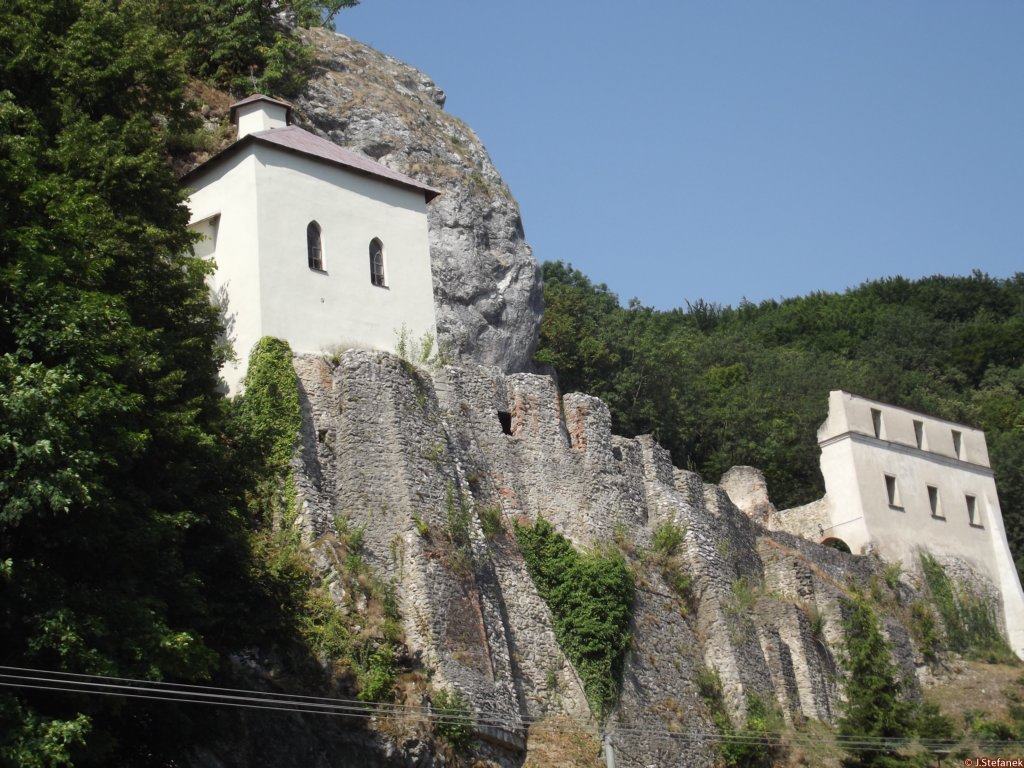
Skalka
Skalka nad Váhom
6.7km
monastery
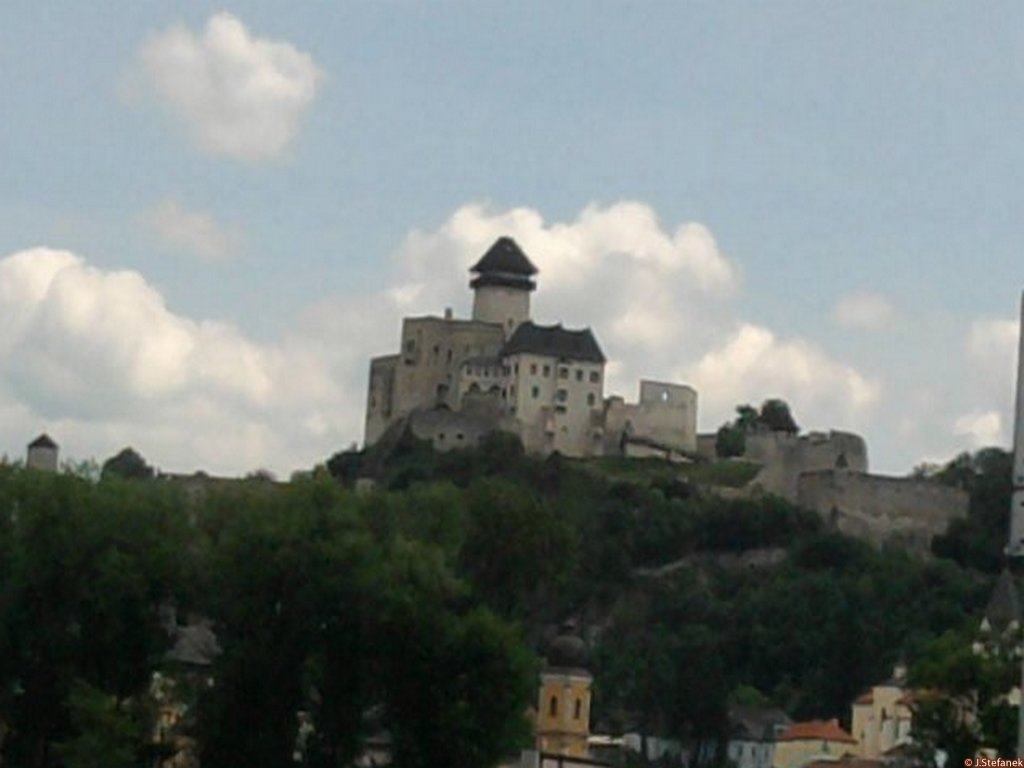
Trenčín castle
Trenčín
7.6km
castle, chateau
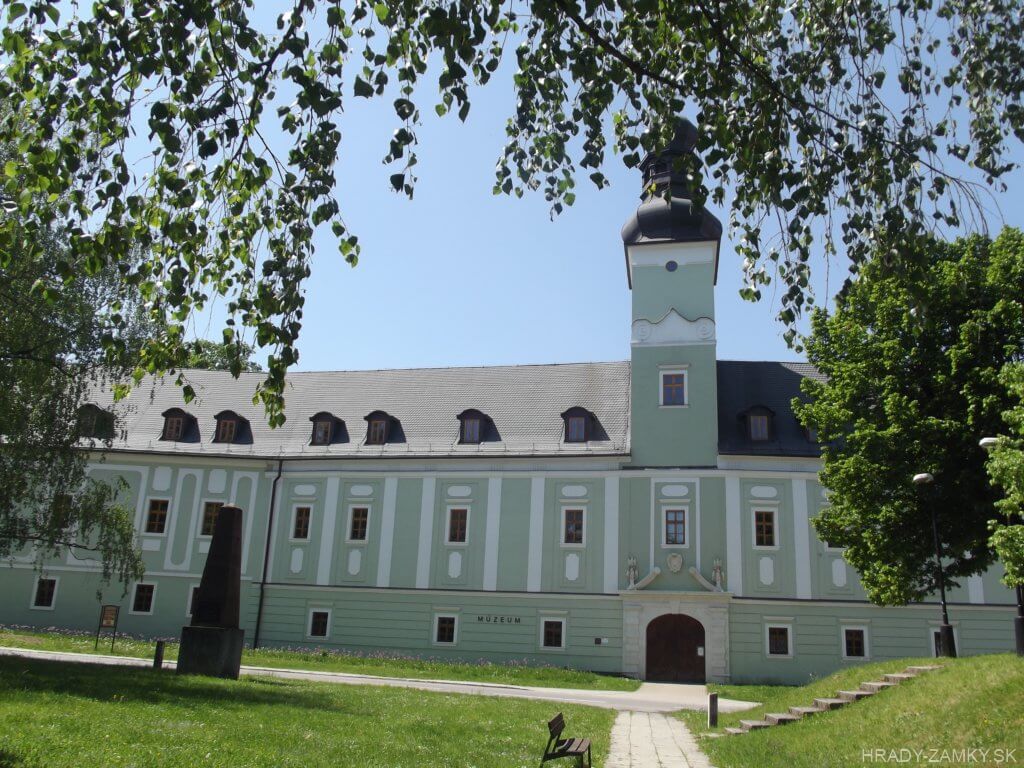
Dubnica mansion
Dubnica nad Váhom
11.3km
manor, mansion
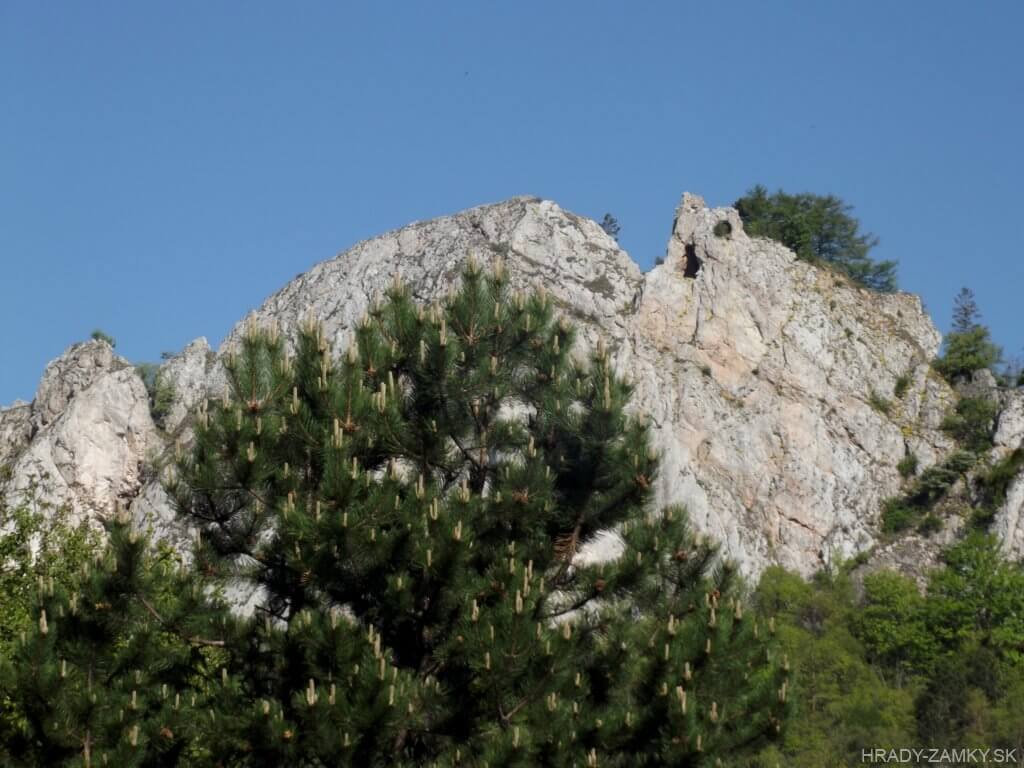
Vršatec
Vršatské Podhradie
15.4km
castle ruin
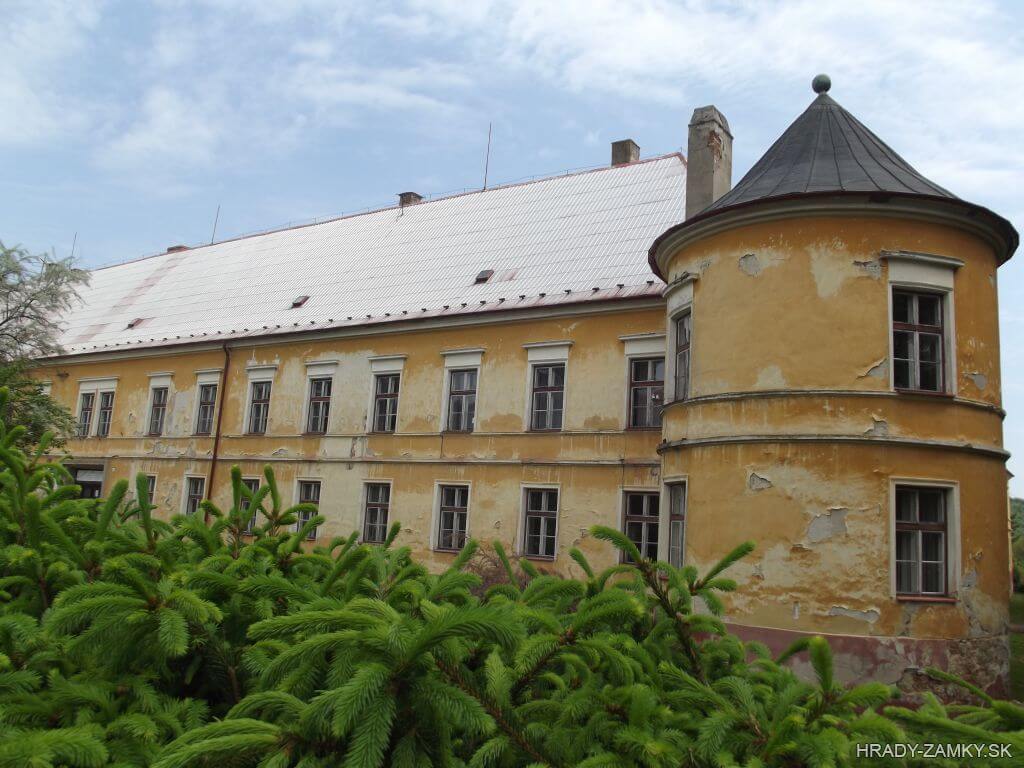
Pruské manor
Pruské
16.1km
manor, mansion
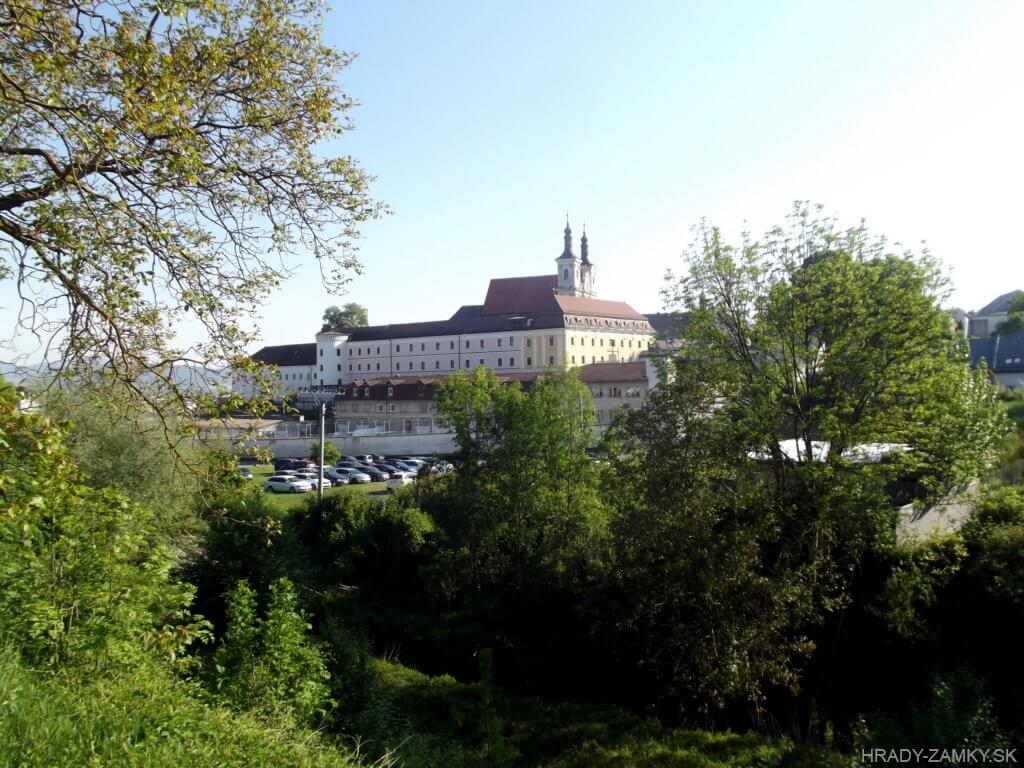
Ilava castle
Ilava
16.5km
castle, chateau
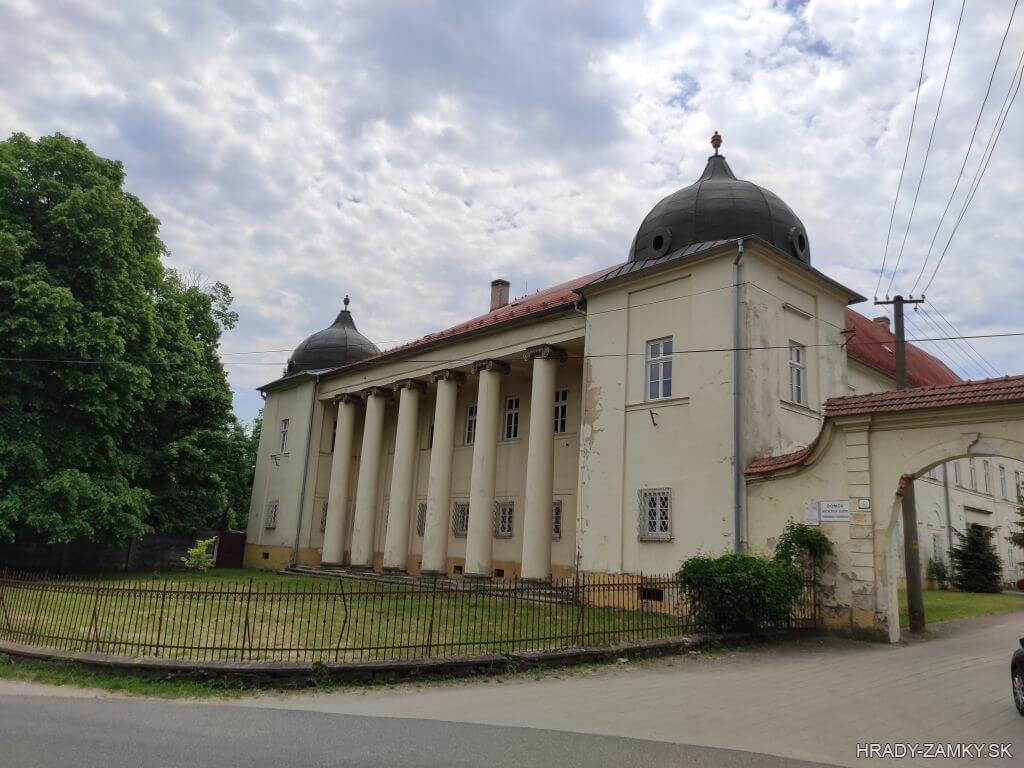
Zemianske Podhradie
Zemianske Podhradie
18.8km
manor, mansion