Lednica
Lednica Trenčín county Slovakia
castle ruin
Lednica
Lednica Trenčiansky kraj Slovakia
zrúcanina hradu
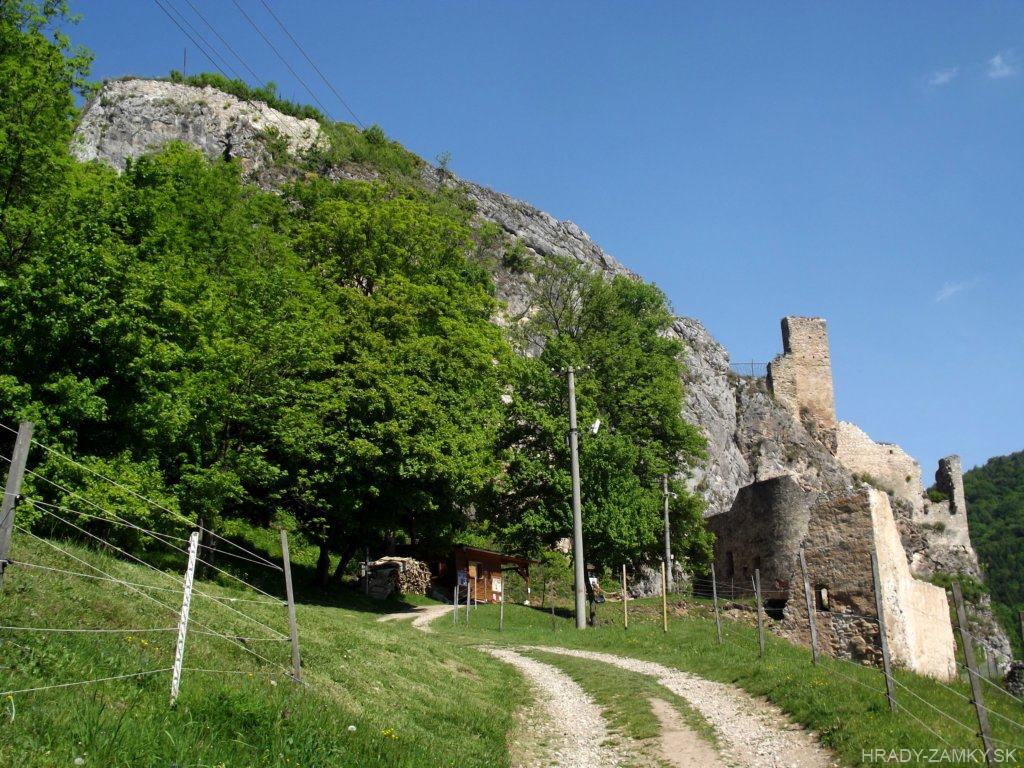
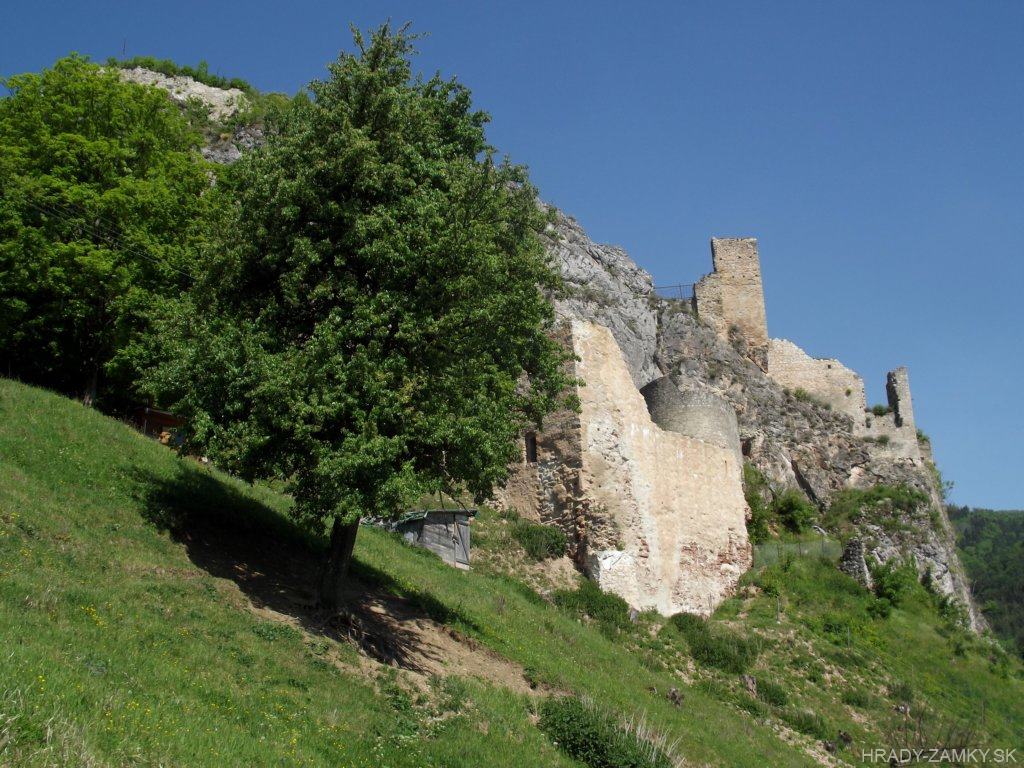
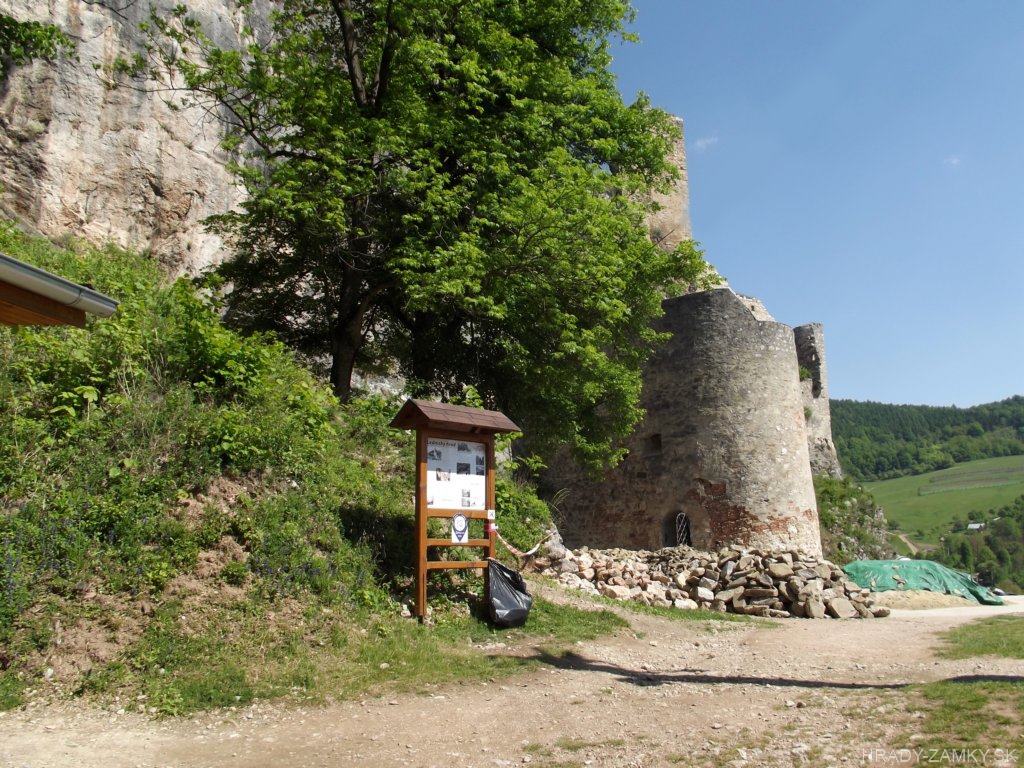
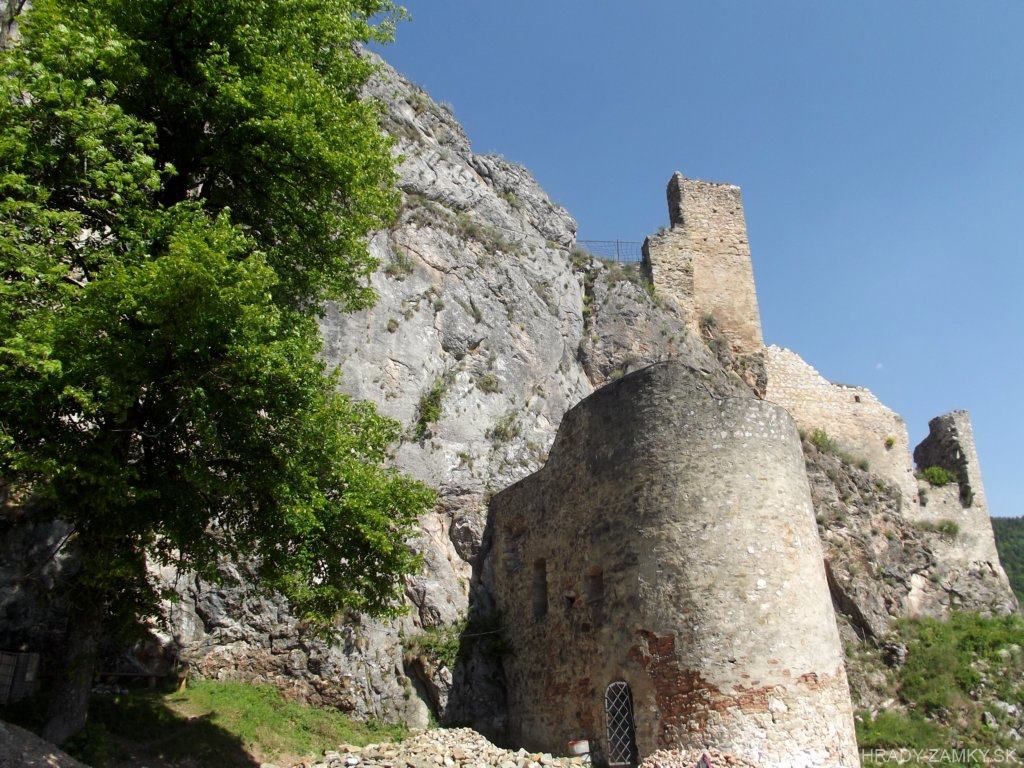
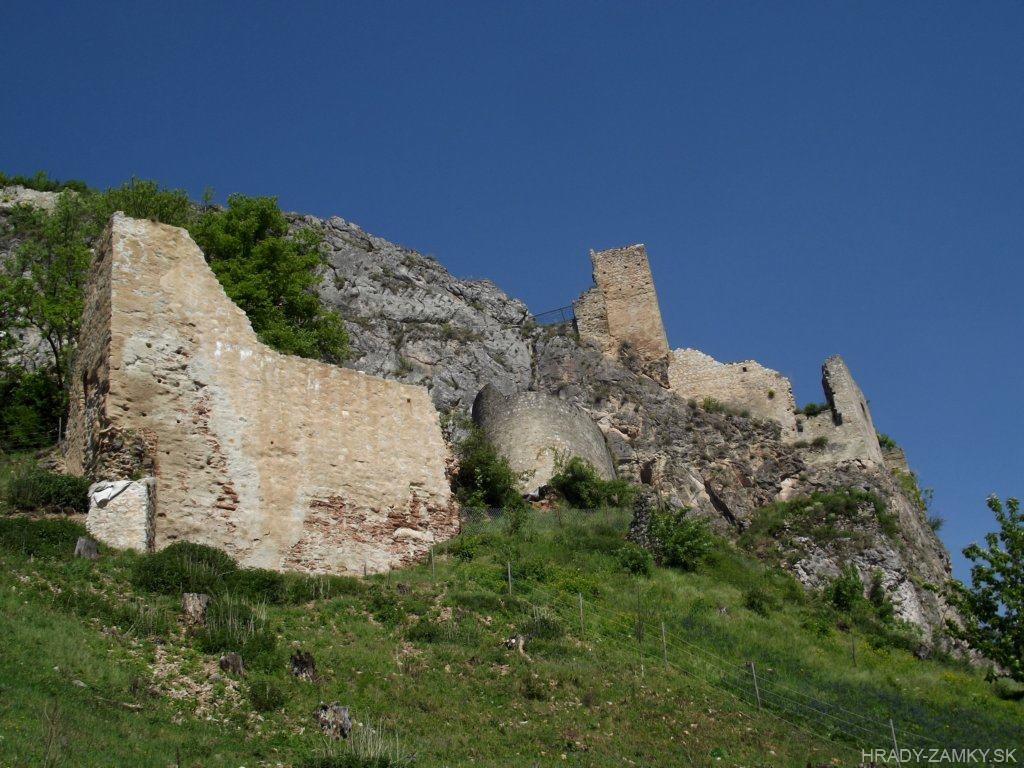
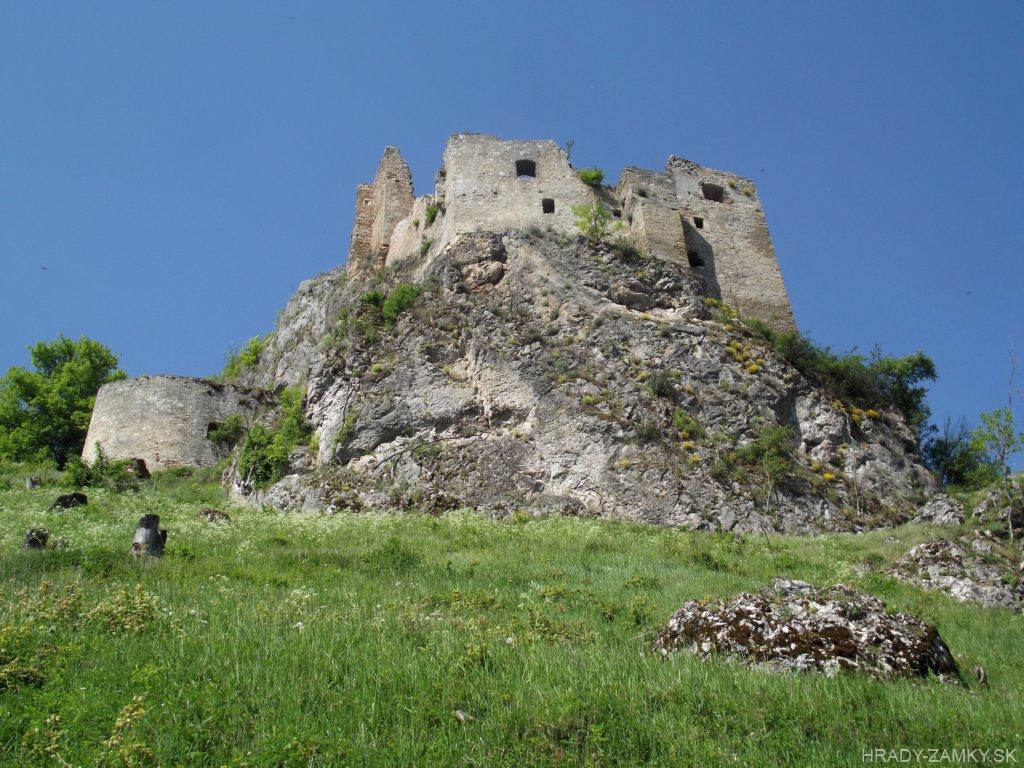
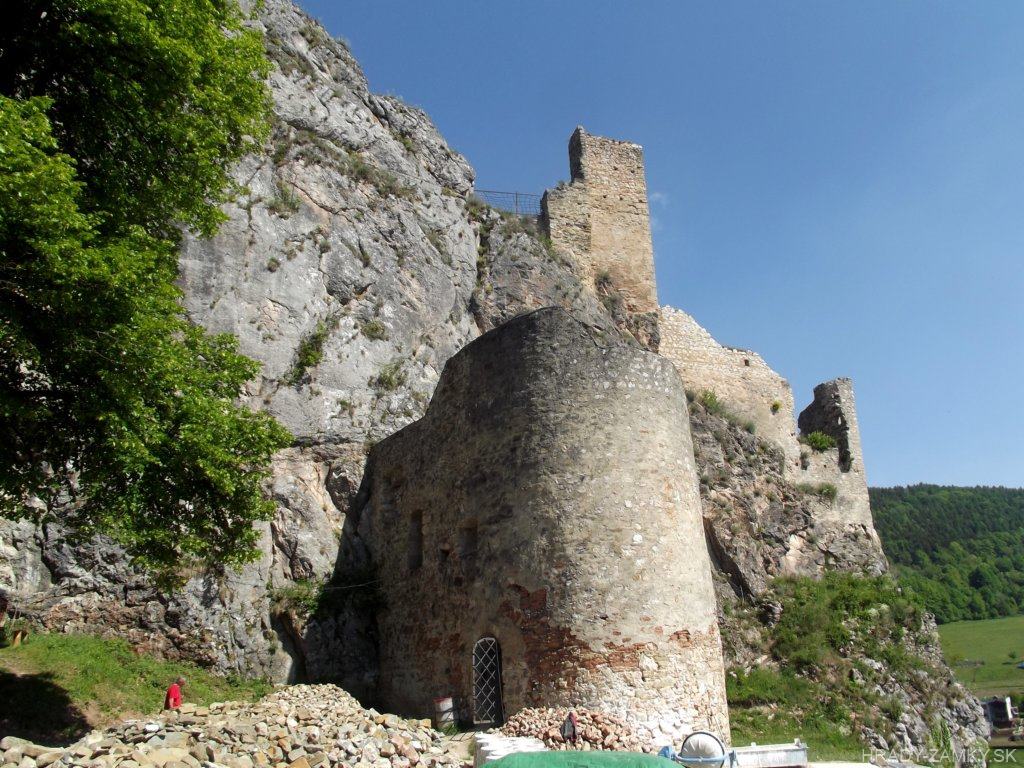
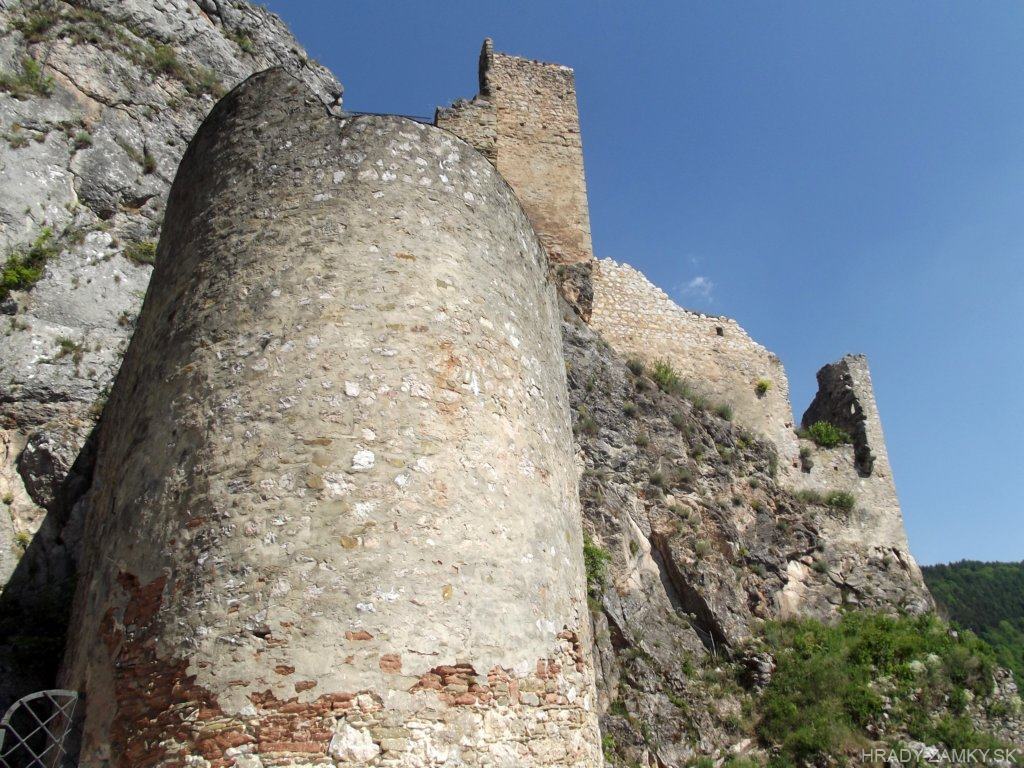
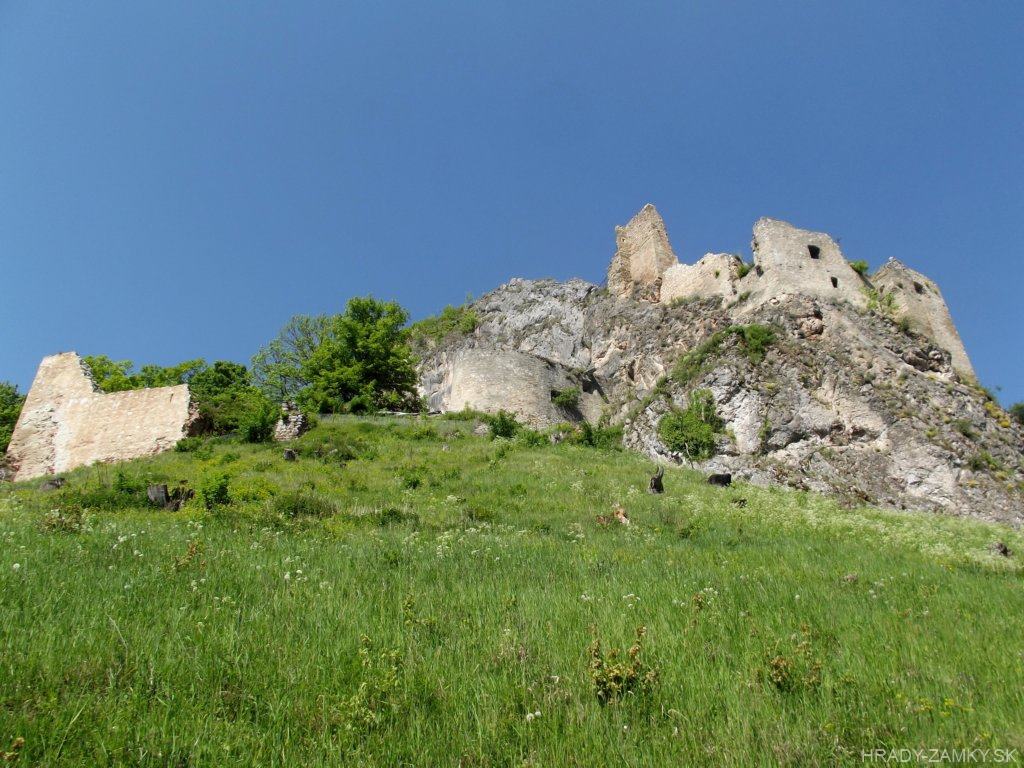
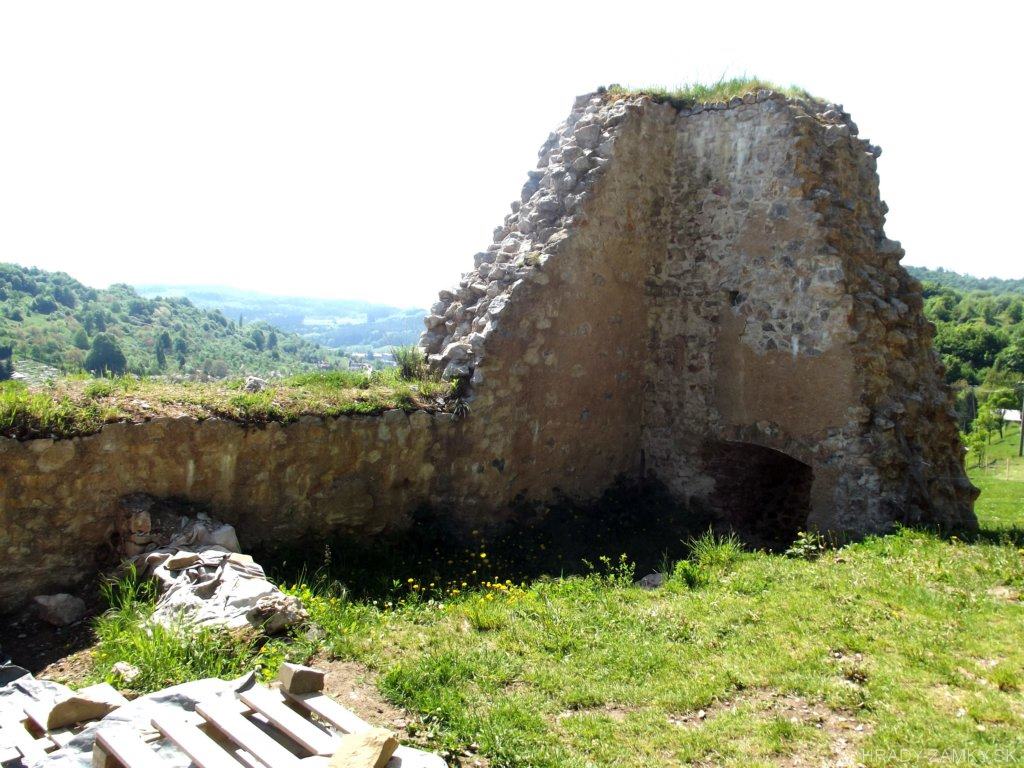
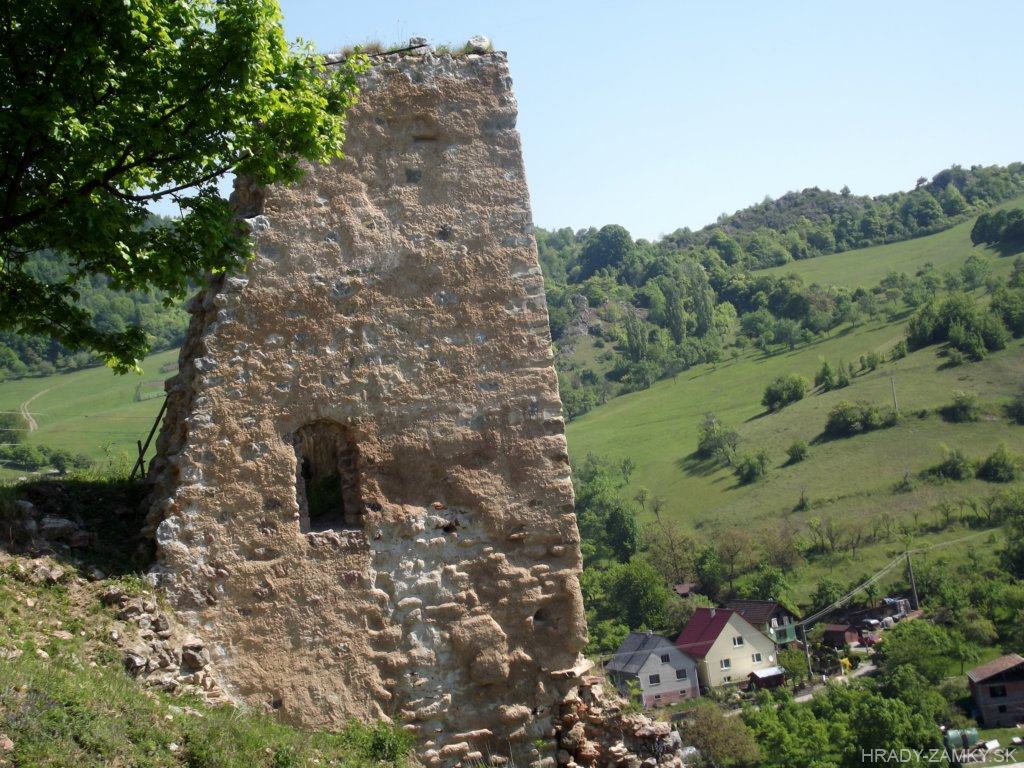
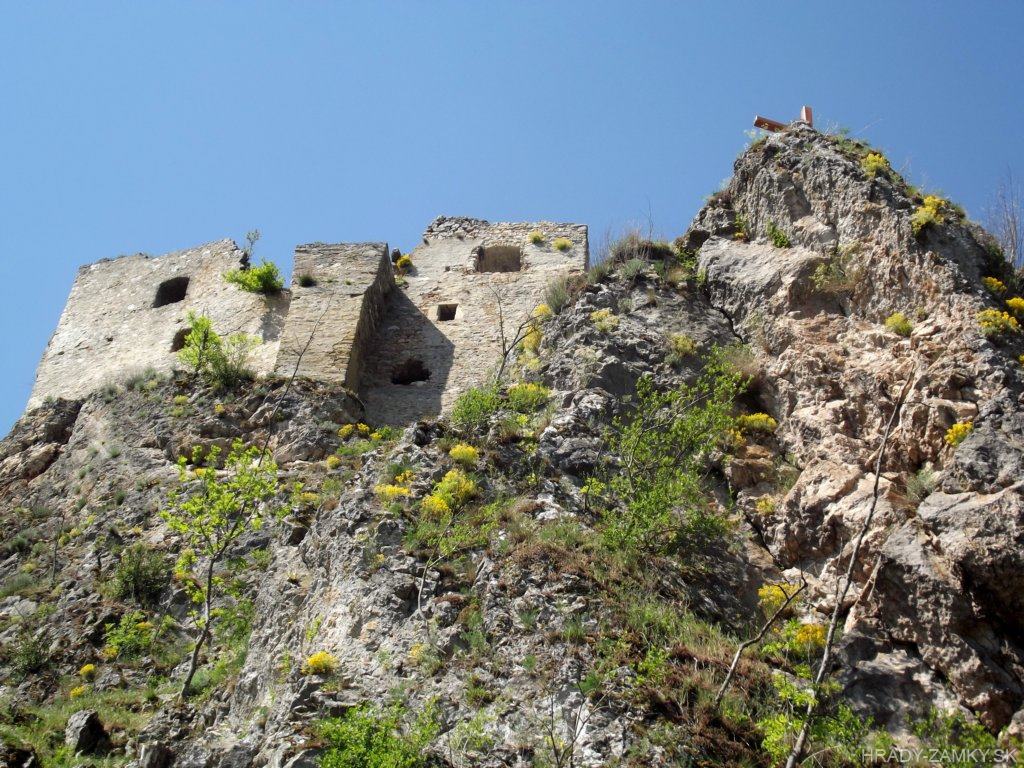
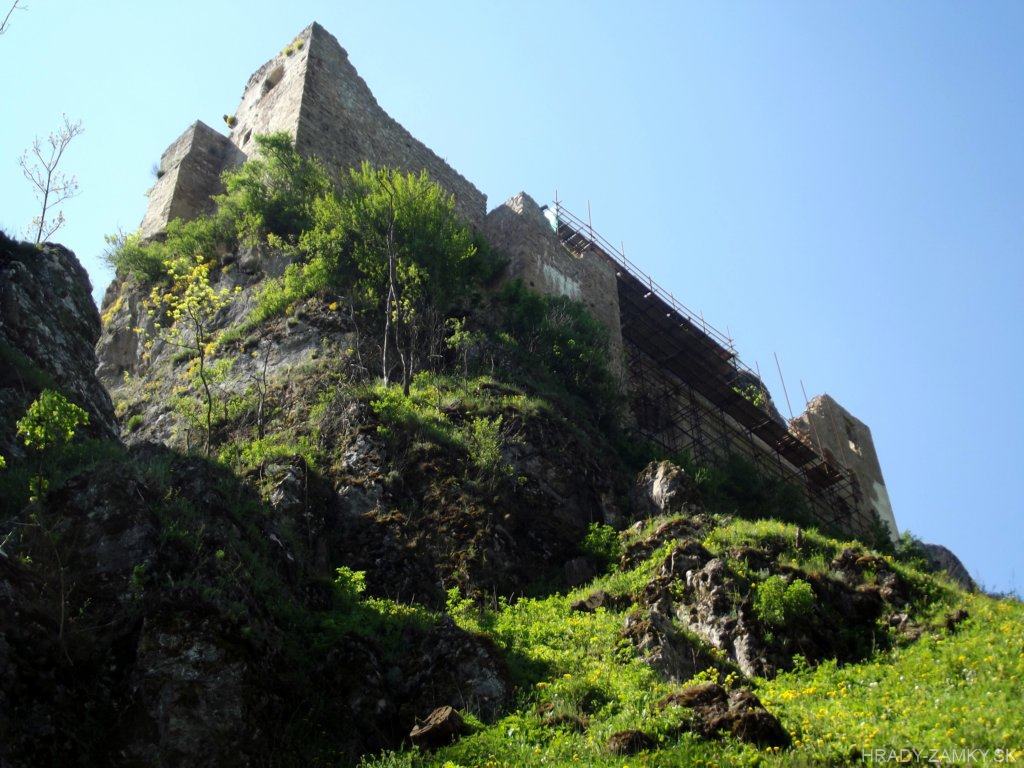
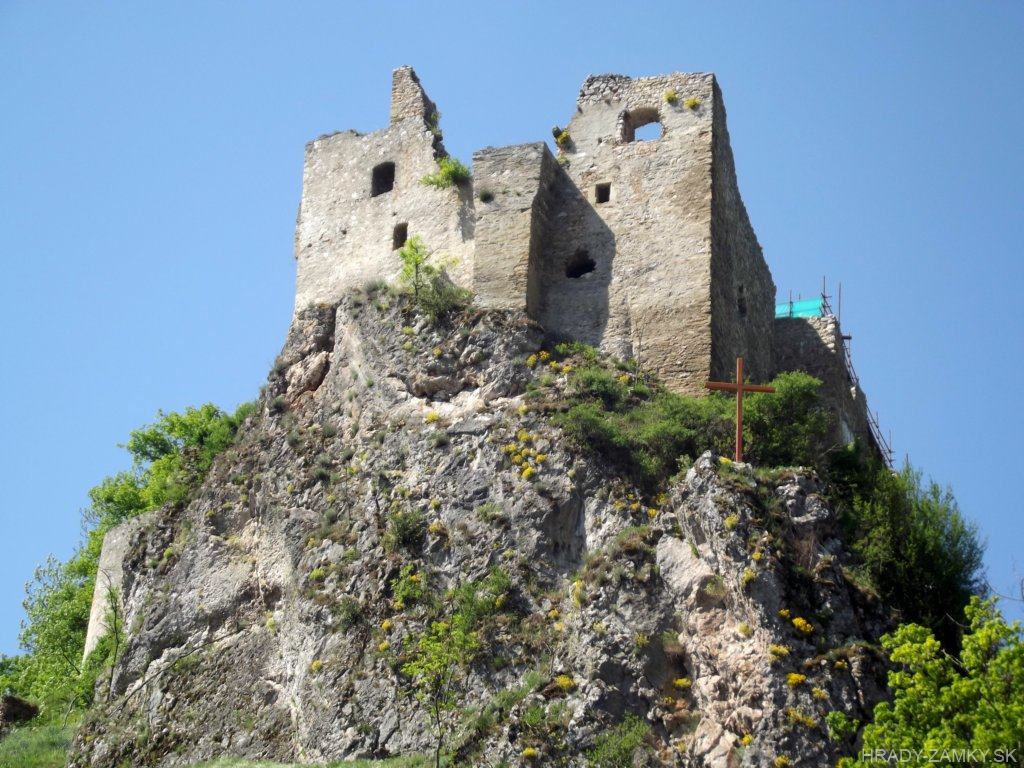
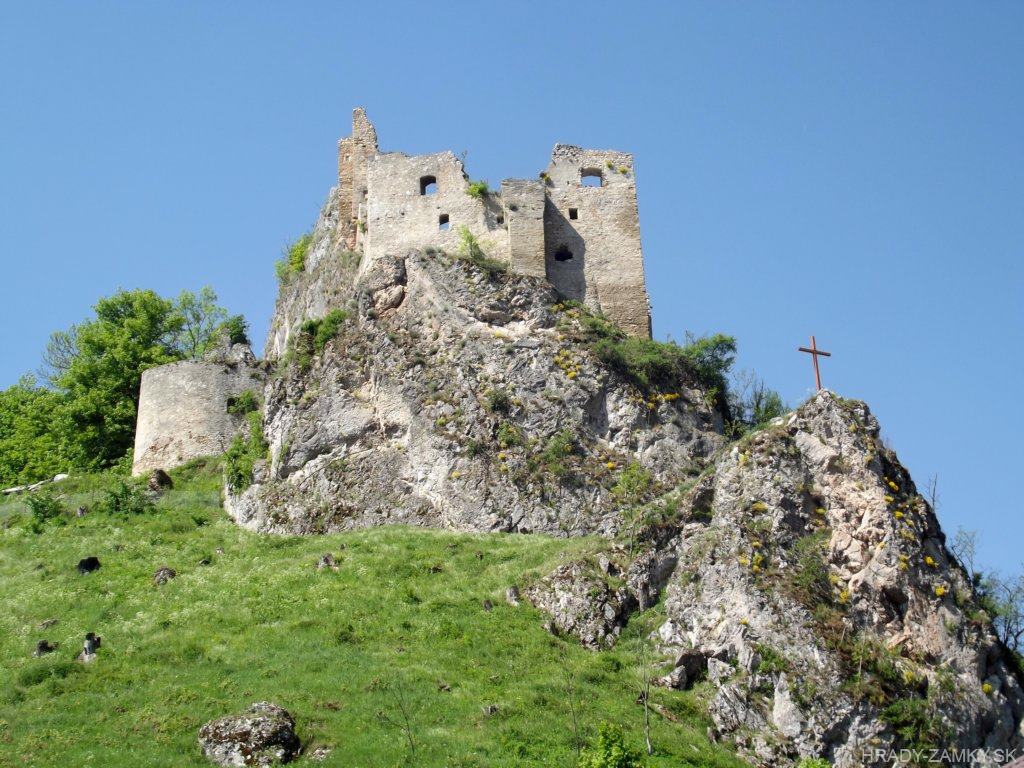
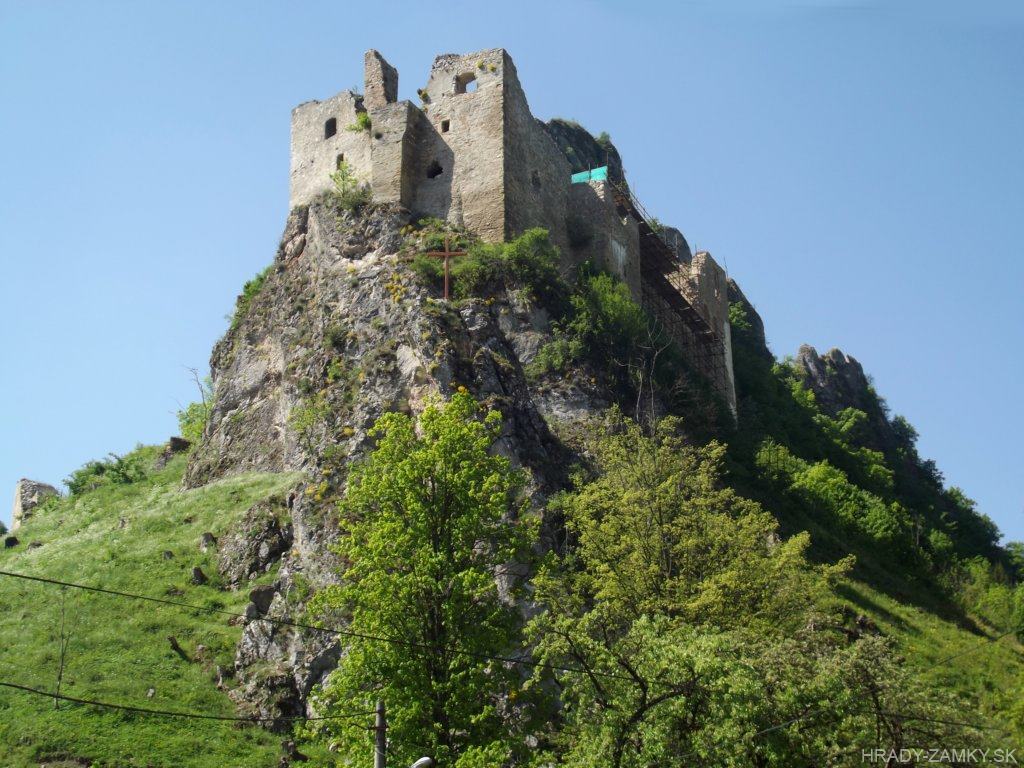
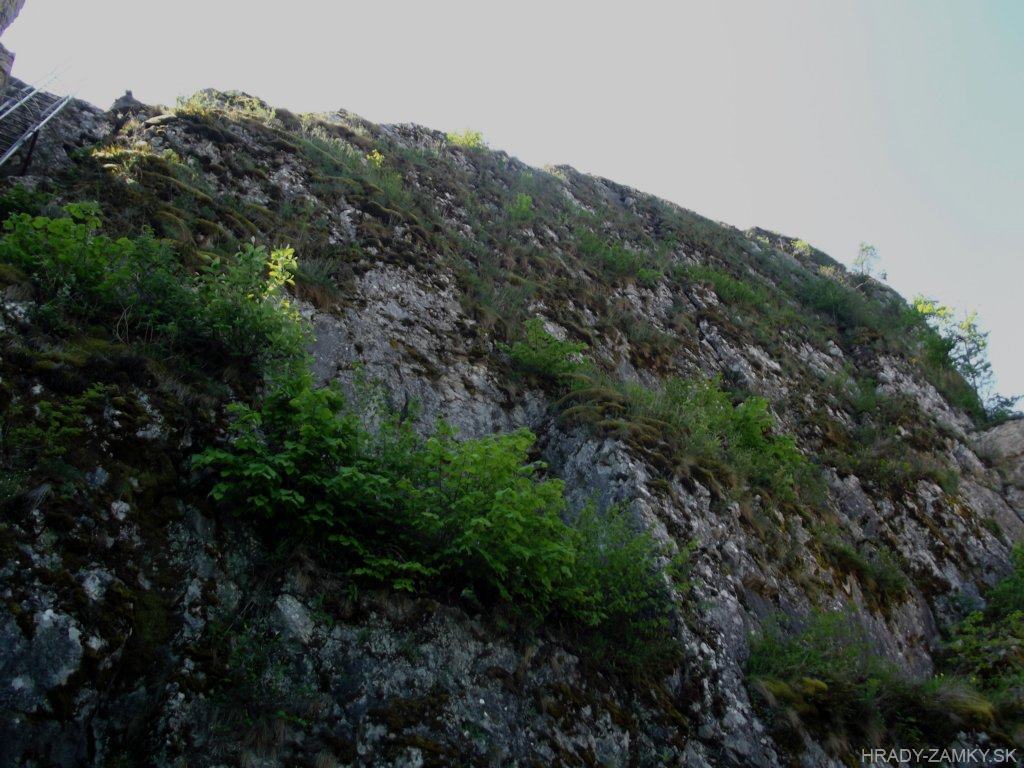
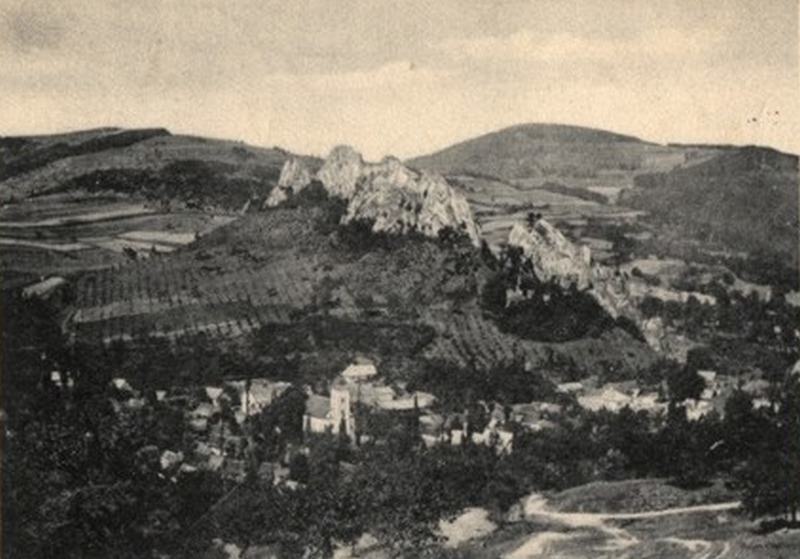
Castle ruin in Biele Karpaty mountain, on a limestone ledge, directly above the village of Lednica
Zrúcanina hradu v Bielych Karpatoch, na vápencovom bradle, priamo nad obcou Lednica
Previous names
Lednicz, Lednica, Lednyche, Lednitz, Lednicz, Lednic
Roads
Trasa 1: We will go through the village Lednica until we see a church on the left side. Just before it, we turn left into a narrow alley and after a while we come to the inn, where we can park. From there straight across the field with a shortcut and join the road to the castle on the right.
Trasa 1: Prejdeme obcou Lednica až kým na ľavej strane neuvidíme kostol. Tesne pred ním odbočíme do úzkej uličky vľavo a po chvíli prídeme k hostincu, kde môžeme zaparkovať. Odtiaľ rovno cez pole skratkou a napojíme sa na cestu na hrad vpravo.
Trasa 2: From the inn we continue along the asphalt road (blue trail) further, to the section where the field road begins. Here we park the car and continue along the road, where also route No. 1 takes us.
Trasa 2: Od hostinca pokračujeme po asfaltovej ceste (modrá TZT) ďalej, až po úsek, kde začína poľná cesta. Tu odstavíme auto a pokračujeme po ceste, na ktorú nás navedie aj trasa č.1.
Trasa 3: This route leads along Katarínka's spring. We can park at the old house in front of the turn to the castle road, or anywhere else in the village. We will walk along the path next to the spring, and after the spring we will turn left onto the sidewalk, which leads slightly up the slope, and after a slight ascent we will connect to the right to the path to the castle.
Trasa 3: Táto trasa vedie popri Katarínkinom prameni. Zaparkovať môžeme pri starom dome pred odbočkou na hradnú cestu, prípadne kdekoľvek inde v obci. Peši pôjdeme cestou popri prameni, za prameňom odbočíme vľavo na chodník, ktorý vedie mierne do svahu a po miernom stúpaní sa napojíme vpravo na cestu na hrad.
Description
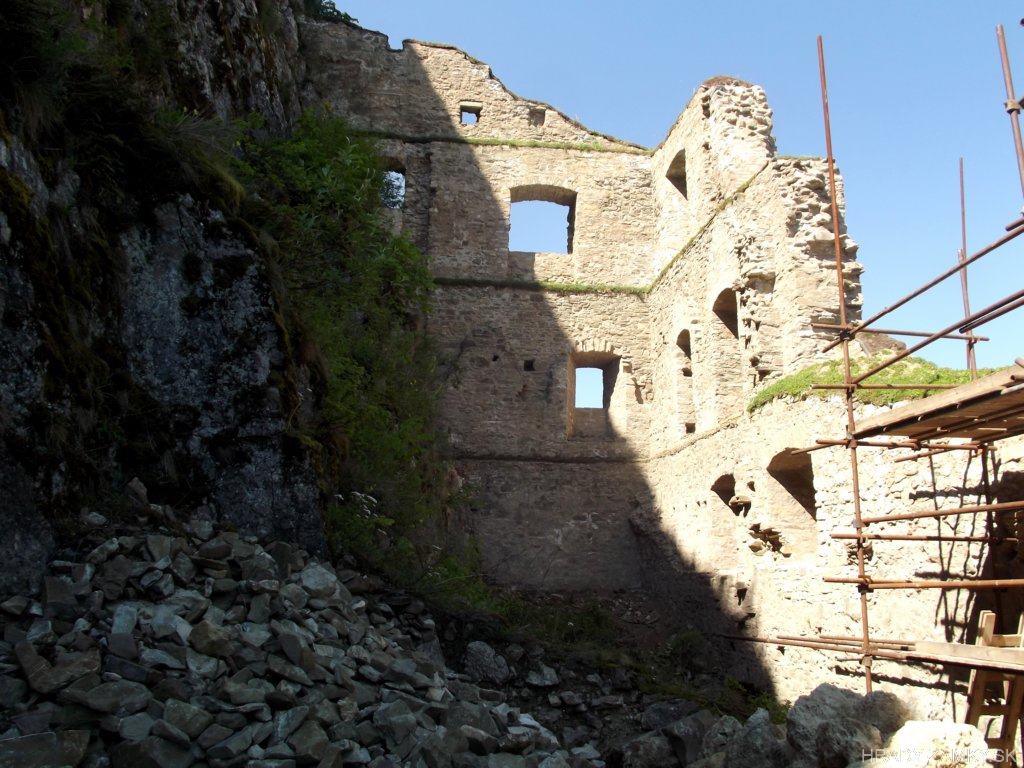
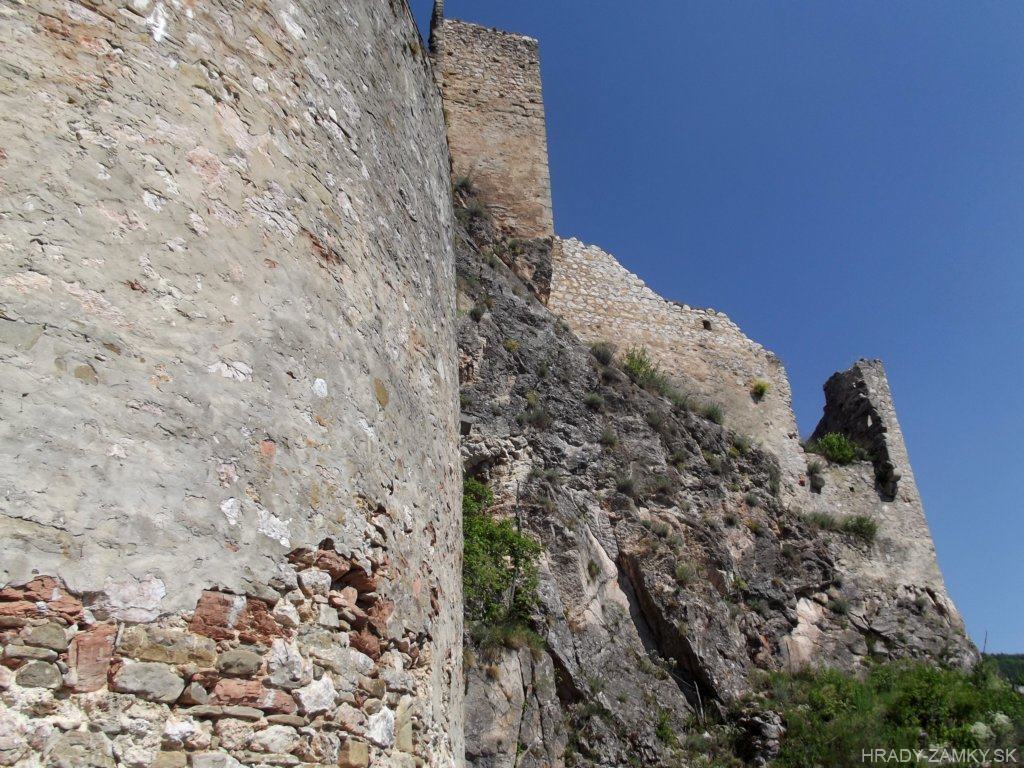
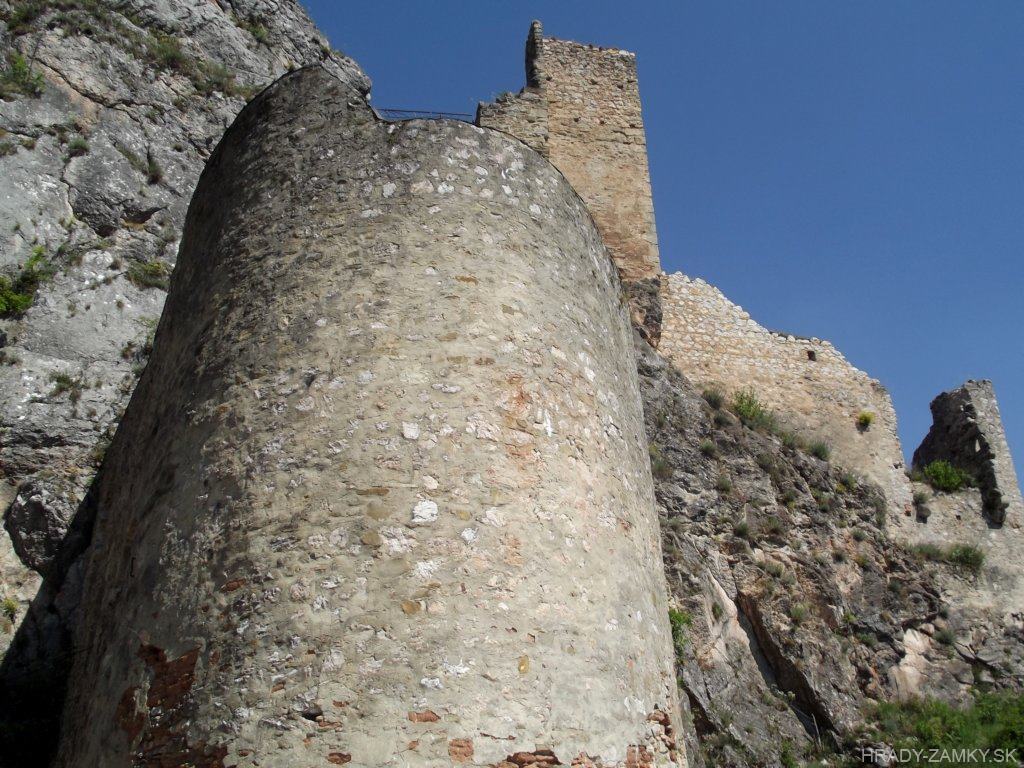
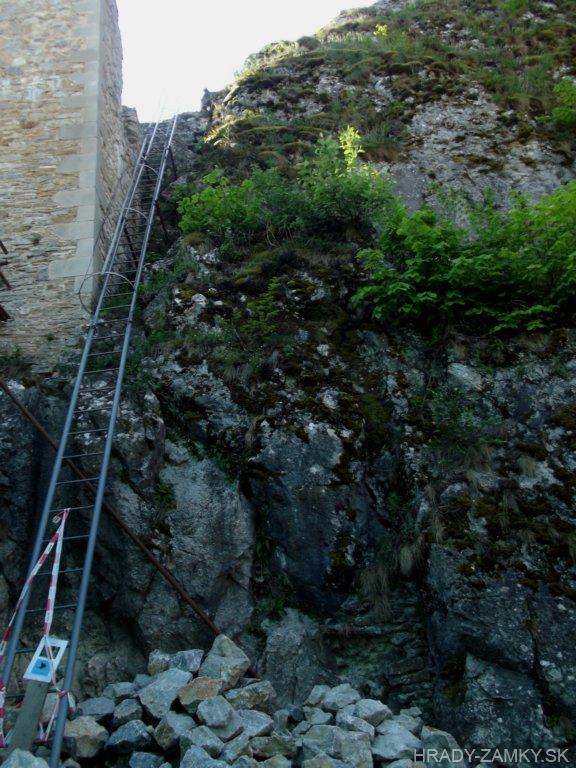
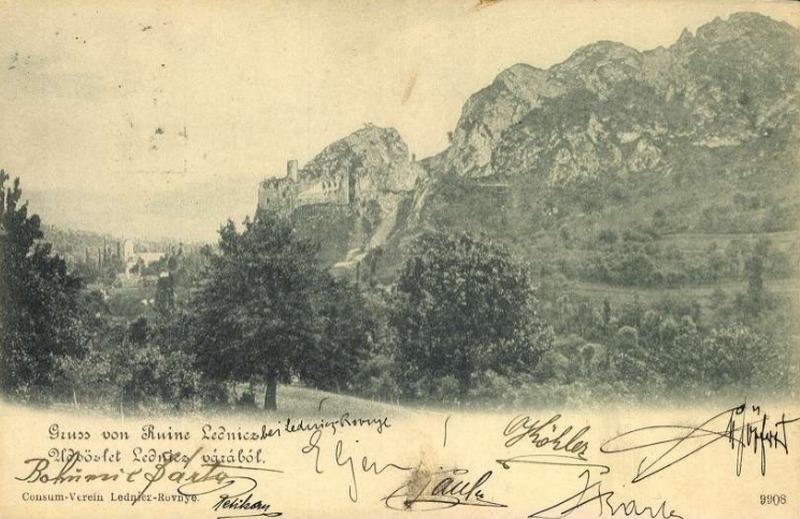
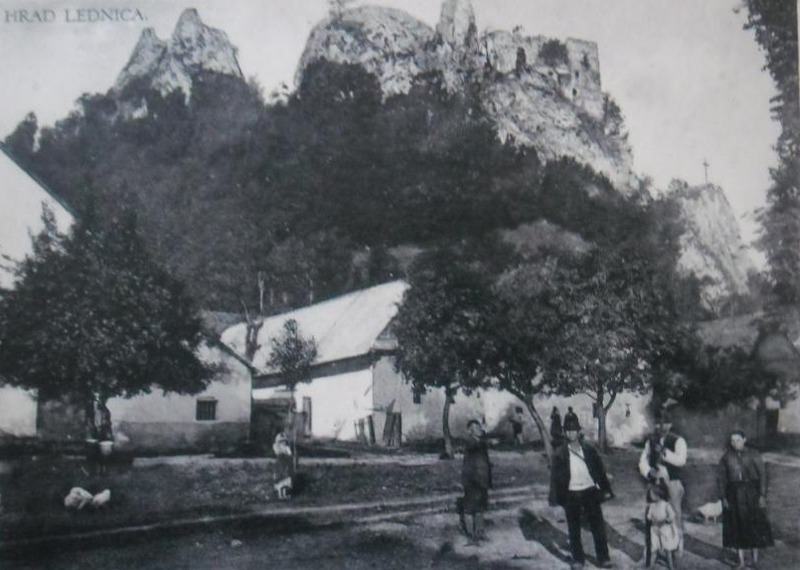
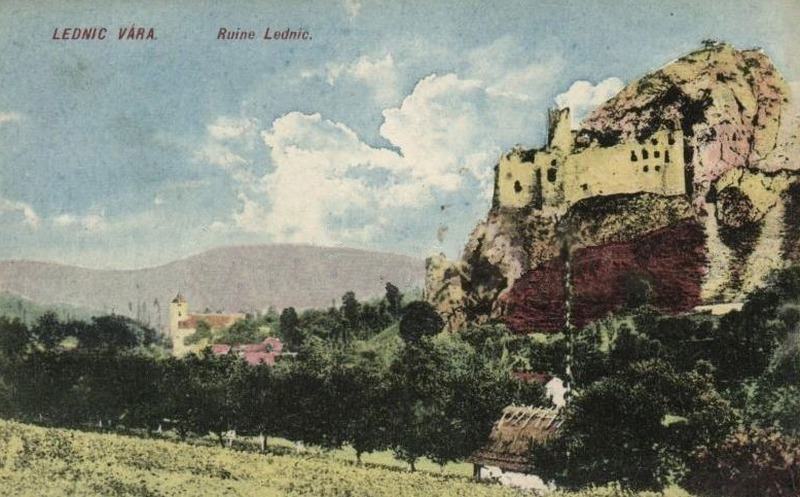
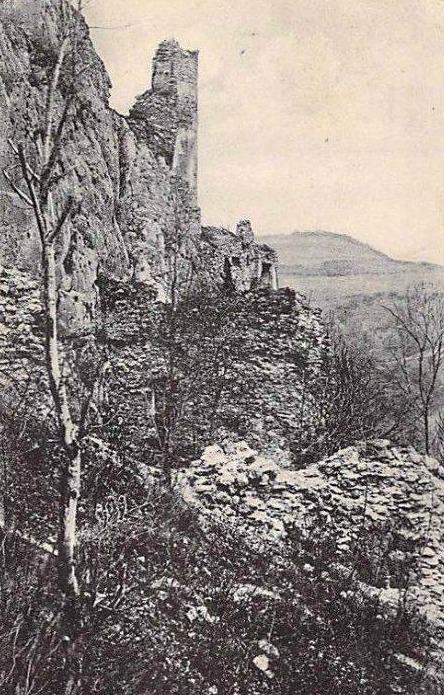
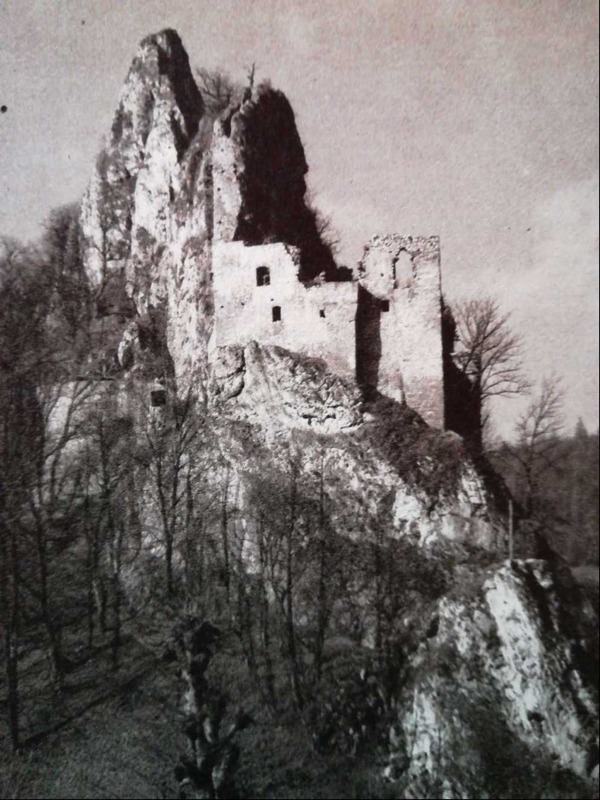
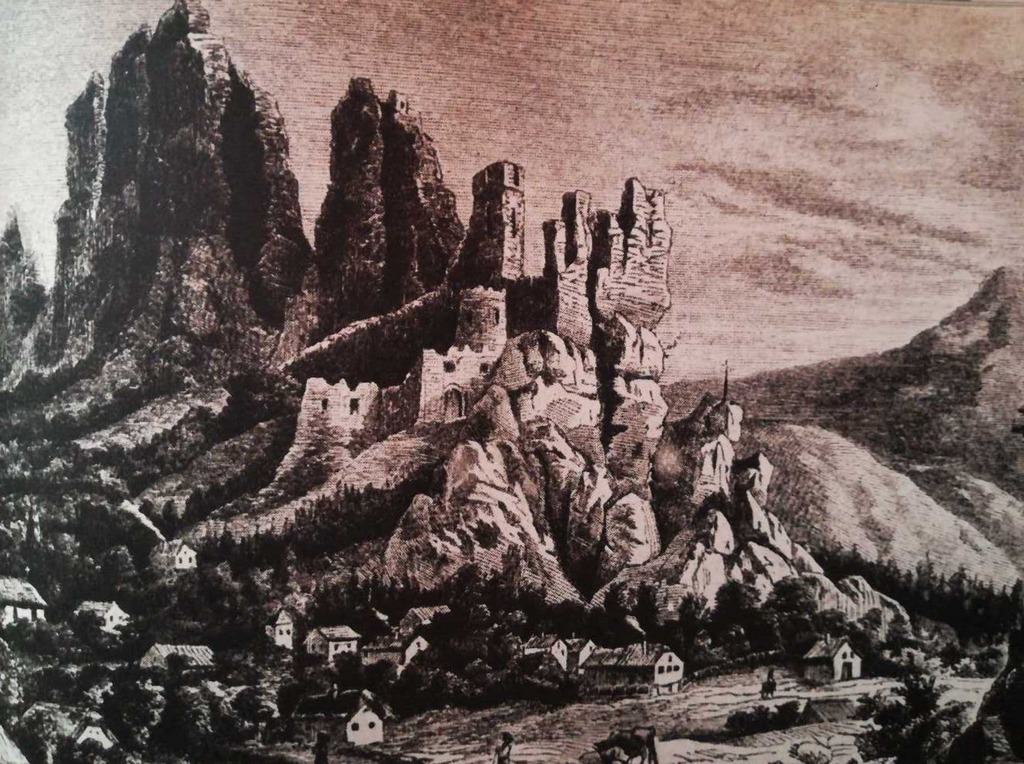
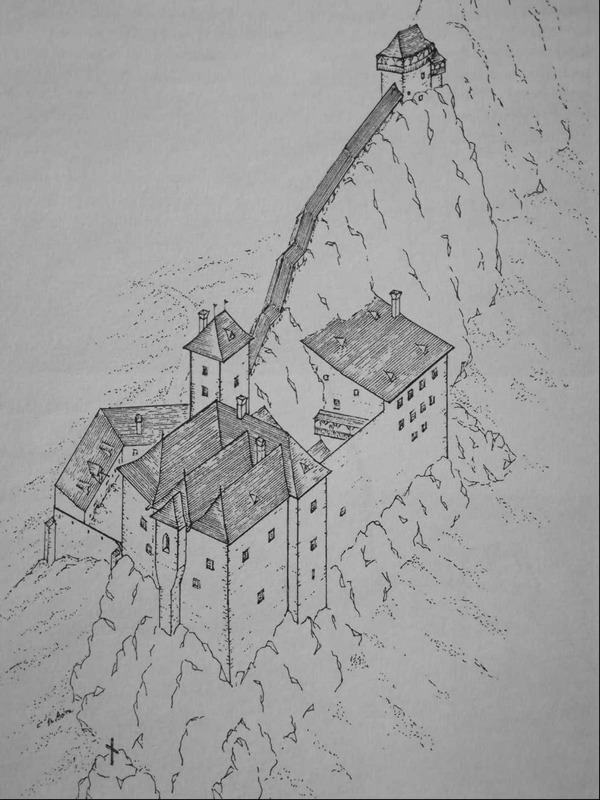
The castle was built on a steep cliff and consisted of three levels. At the highest point was a permanent observatory, which was connected by narrow stairs carved in the cliff to the central castle, where stood a palace, residential buildings and a tower. In the lowest part, in the forecourt, was the entrance, which was protected by the barbican. The fort was connected to the middle castle by a tunnel cut into the rock.In 1999, part of the northern wall collapsed. In 2011, about 300 kilograms of stone mass tore off the front palace. The castle has been taken care of since 2004 and the Historical-Astronomical Society is trying to save it in cooperation with the municipality of Lednica.
Hrad bol postavený na strmom brale a pozostával z troch úrovní. Na najvyššom bode brala stála pozorovateľňa, ktorá bola spojená v brale vytesanými úzkymi schodmi so stredným hradom, kde stál palác, obytné budovy a veža. V najnižšej časti, v predhradí, bol vstup, ktorý chránil barbakan. Predhradie so stredným hradom spájal tunel vysekaný v skale.V roku 1999 sa zrútila časť severného múru. V roku 2011 sa z prednej palácovej časti zrúcaniny odtrhla asi 300-kilogramová kamenná masa. O hrad sa od roku 2004 stará a o jeho záchranu sa pokúša Historicko-astronomická spoločnosť v spolupráci s obcou Lednica.
Plan
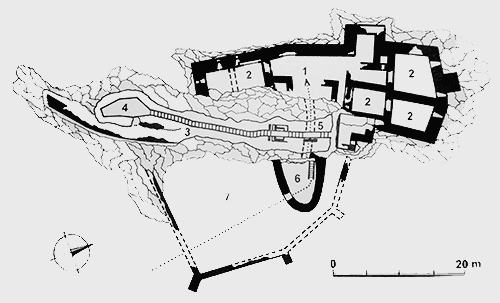
Legend to the ground plan
- 1 - courtyard of the middle castle
- 2 - residential and operational buildings
- 3 - narrow staircase carved into the rock
- 4 - observatory
- 5 - entrance tunnel
- 6 - barbican
- 7 - fortSource: BÁRTA V.
- BARTA V.
- NEŠPOR J. Hrady a zámky na Slovensku. Banská Bystrica : AB ART press
Legenda k pôdorysu
- 1 - nádvorie stredného hradu
- 2 - obytné a prevádzkové objekty
- 3 - úzke schodisko vysekané v skale
- 4 - pozorovateľňa
- 5 - vstupný tunel
- 6 - barbakan
- 7 - predhradieZdroj: BÁRTA V.
- BARTA V.
- NEŠPOR J. Hrady a zámky na Slovensku. Banská Bystrica : AB ART press
History
Lednica Castle was probably built in the middle of the 13th century and its function was mainly to protect the northwestern border of Hungary. The list of provinces of the Middle Považie from 1316 already mentions the castle, but it is assumed that in the years 1259 - 1269 it was already in the possession of Marek, the mayor of Lednica (Mark de Lednyche). Based on a document from 1259, however, it is not entirely clear whether the name was associated with a castle or a village. At the beginning of the 14th century, Matúš Čák seized the castle and after his death in In 1321 the castle returned to the hands of the monarch.
From 1347, the castle was owned by the Pakšiov family, who in 1392 gave it as a lien to Henk, a nobleman of Czech origin. Lednica Castle was often the seat of robber knights. In the 14th century, several owners from the Kaplonov family changed in the castle. At the beginning of the 15th century, King Sigismund handed over the castle to the brothers Sobek and Matej Bielikovec from Kornice in Silesia. The castle was briefly occupied by Hussite troops in 1432, but their dominion was not endangered.
In 1466, the right of lien passed to Blažej Podmanický, but Matej Korvín granted this right in 1475 to his follower Peter Nehéz, for which the Podmanický family was tried in vain. Therefore, members of the family, the robber knights Ján and Rafael, occupied the castle by force in 1533. At the same time, they concluded an agreement with the imperial military commander Katzianer, who acknowledged their claims. The refrigerator remained in the hands of the Podmanick family until 1558. After Rafael's death in 1558, the castle and manor were acquired by the monarch, as Rafael had no descendants. The king immediately sold the castle to Imrich Telekesy (Thelekessi). However, Imrich soon died in 1560 and the castle was inherited by his son Štefan. Their only son, Michal, was not even four years old when his mother died, and he was only ten years old when he lost his father. He grew up without training in the rough gaps, which was reflected in his life. He became a robber knight, committing various offenses and robbing people, which he was avenged of when he robbed the imperial caravan. Therefore, in 1600, a military intervention took place against Lednica Castle under Thurz's leadership. Michal's property was confiscated and he was executed in 1601, dying the sword of the Telekesa family. In the same year, the Lednica estate was bought by František Dobó, the mayor of Tekov, who, however, died without descendants the following year, and the inheritance right to the estate was transferred to his relatives.
In 1616, the Lednica estate was acquired by Prince Juraj I. Rákóczi of Transylvania, who married Zuzana Lorantfiová, but due to his alliance with the Swedes, the emperor in 1648 betrayed the castle with treason. After the battle of Trenčín in 1708, Lednica, like other surrounding castles, fell to the imperial army. In the last anti-Habsburg uprising, the castle was occupied by the Kurucs of František Rákóczi II. and after the suppression of the uprising, the imperial army burned the castle in 1710.
In 1746, the castle was already owned by Bishop Ladislav Maťašovský and his brother Mikuláš, who made the last repairs here. However, they lived more or less in the castle in Lednické Rovne. After the extinction of the family in 1754, the property of Lednica was taken over again by the royal chamber. A few years later, the manor was taken over by the son of Juliana Rákóczi and Ferdinand Gobert Aspremont, Ján Gobert Aspremont. An open uprising took place in 1798, when Aspremont took the land from the people of Lednica. The Aspremont family no longer cared for the castle. They died by the sword in 1819 and their property was inherited by their daughter Mária Anna. In 1890, her son Filip sold the Lednica property to the factory owner Jozef Schreiber, who continued to have the castle abandoned.
Since 2004, the Historical-Astronomical Society has been taking care of saving the castle in cooperation with the municipality of Lednica.
Lednický hrad bol pravdepodobne postavený v polovici 13. storočia a jeho funkcia spočívala predovšetkým v ochrane severozápadnej hranice Uhorska. V súpise provincií stredného Považia z roku 1316 sa hrad už spomína, avšak predpokladá sa, že v rokoch 1259 – 1269 ho už mal v držbe Marek, župan z Lednica (Mark de Lednyche). Na základe písomnosti z r. 1259 však nie je úplne zrejmé, či sa dané meno viazalo na hrad alebo na dedinu. Začiatkom 14. storočia sa hradu zmocnil Matúš Čák a po jeho smrti v r. 1321 sa hrad vrátil do rúk panovníka.
Od roku 1347 hrad vlastnila rodina Pakšiovcov, ktorá ho v roku 1392 dala do záložnej držby Henkovi, šľachticovi českého pôvodu. Lednický hrad bol často sídlom lúpežných rytierov. V 14. storočí sa na hrade vystriedalo viacero majiteľov z rodu Kaplonovcov. Na začiatku 15. storočia dal hrad kráľ Žigmund do rúk bratom Sobkovi a Matejovi Bielikovcom zo sliezskej Kornice. Hrad v roku 1432 nakrátko obsadili husitské vojská, no ich panstvo to neohrozilo.
V r.1466 prešlo zálohové právo na Blažeja Podmanického, avšak Matej Korvín udelil toto právo v roku 1475 svojmu prívržencovi Petrovi Nehézovi, kvôli čomu sa rod Podmanických márne súdil. Preto príslušníci rodu, lúpežní rytieri Ján a Rafael, hrad v r.1533 násilím obsadili. Súčasne uzavreli dohodu s cisárskym vojenským veliteľom Katzianerom, ktorý uznal ich nároky. Lednica zostala v rukách Podmanickovcov až do roku 1558. Po smrti Rafaela v roku 1558 hrad a panstvo získal panovník, keďže Rafael nemal žiadneho potomka. Kráľ hrad vzápätí predal Imrichovi Telekesymu (Thelekessi). Imrich však onedlho, v roku 1560, zomrel a hrad zdedil jeho syn Štefan. Ich jediný syn Michal nemal ešte ani štyri roky, keď mu zomrela matka, a mal iba desať rokov keď stratil otca. Vyrastal bez výchovy pri drsných dráboch, čo sa odrazilo na jeho živote. Stal sa lúpežným rytierom, páchal rôzne priestupky a okrádal ľudí, čo sa mu vypomstilo, keď okradol cisársku karavánu. Preto sa v roku 1600 uskutočnil vojenský zásah proti Lednickému hradu pod Thurzovým vedením. Michalovi bol zabavený majetok a v roku 1601 bol popravený, čím rod Telekesy vymrel po meči. V ten istý rok lednické panstvo odkúpil tekovský župan František Dobó, ktorý však v nasledujúcom roku zomrel bez potomkov a dedičské právo na panstvo sa prenieslo na jeho príbuzných.
V roku 1616 získal lednické panstvo sedmohradské knieža Juraj I. Rákóczi, ktorý sa oženil so Zuzanou Lorantfiovou, avšak kvôli jeho spojenectvu so Švédmi dal cisár v r.1648 hrad zradou obsadiť. Po bitke pri Trenčíne v roku 1708 Lednica podobne ako ostatné okolité hrady pripadla cisárskemu vojsku. V poslednom protihabsburskom povstaní obsadili hrad kuruci Františka Rákócziho II. a po potlačení povstania cisárske vojsko roku 1710 hrad vypálilo.
V roku 1746 boli vlastníkmi hradu už biskup Ladislav Maťašovský a jeho brat Mikuláš, ktorí tu spravili posledné opravy. Bývali však viacmenej v zámku v Lednických Rovniach. Po vymretí rodu v roku 1754 lednické majetky prevzala opäť kráľovská komora. O niekoľko rokov neskôr dostal panstvo do držby syn Juliany Rákócziovej a Ferdinanda Goberta Aspremonta, Ján Gobert Aspremont. V roku 1798 došlo k otvorenej vzbure, keď Aspremont odobral Ledničanom pozemky. Aspremontovci sa o hrad už nestarali. Vymreli po meči v roku 1819 a ich majetok zdedila dcéra Mária Anna. Jej syn Filip v roku 1890 lednický majetok predal továrnikovi Jozefovi Schreiberovi, ktorý naďalej nechal hrad pustnúť.
Od roku 2004 sa stará o záchranu hradu Historicko-astronomická spoločnosť v spolupráci s obcou Lednica.
Myths and legends
The rumor says
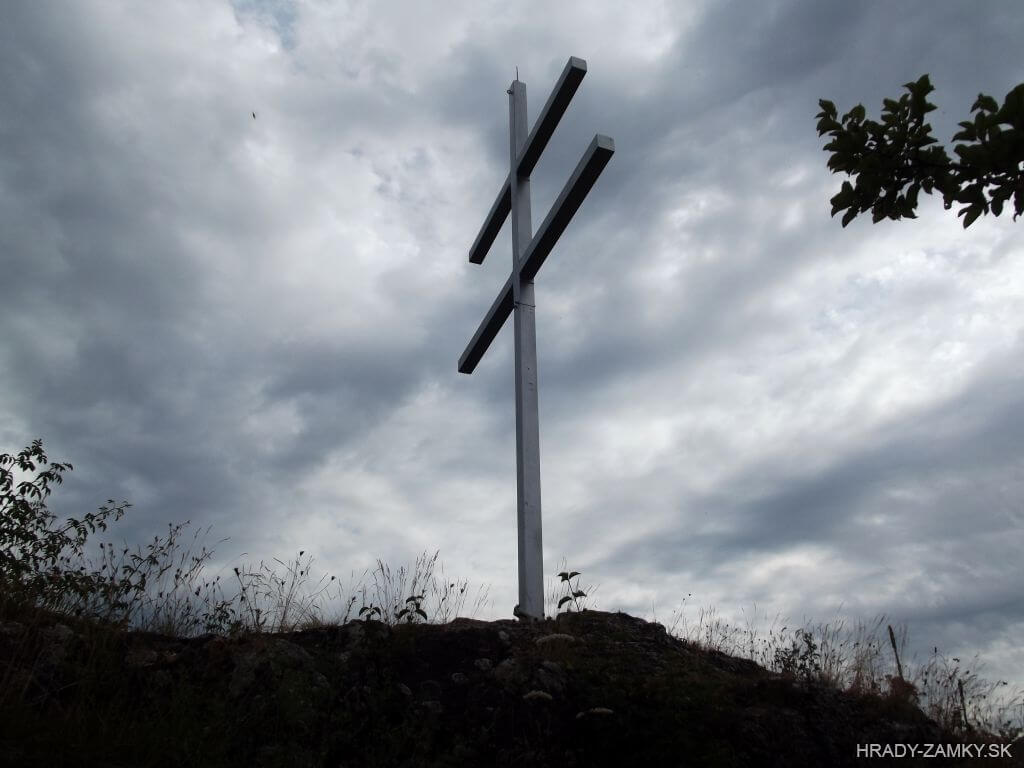
A cross rises on one of the teeth of the castle cliff. It is said to be there in memory of the unfortunate sacrifice of the lord of Lednice, who rightly had the bride walked to the castle right from the altar. Katarínka, faithful to her dear grave, jumped into the climber by jumping into the depths.
Robber brothers and beautiful Hedwig
Brothers Ján and Rafael Podmanicki once again went on a fight. One went to Moravia to rob buyers, the other cut on the Silesian road. Here he beat up the treasure. Rafael captured the beautiful Polish, the Virgin Hedwig, and intended to exchange her and Ján for a whole chest of robbed ducats. While the brothers were negotiating, the spies came with the news that the Szunyog lords of Budatín were gathering in Trenčín. As they had outstanding accounts with them, they were chosen against them. However, they sat on the glue of Hedwig's brother, who deftly pushed the message to them and, during their absence, looted Fridge with his people and took his sister to safety.
Povráva sa
Na jednom zo zubov hradného útesu sa týči kríž. Je tam vraj na pamäť nešťastnej obete lednického pána, ktorý právom prvej noci nevestu rovno od oltára dal došikovať na hrad. Katarínka, milému verná po hrob, ubzikla chlipníkovi skokom do hlbiny.
Lúpežní bratia a krásna Hedviga
Bratia Ján a Rafael Podmanickovci sa zasa raz vybrali na zboj. Jeden šiel na Moravu kupcov okrádať, druhý striehol pri sliezskej ceste. Tu naďabil na poklad. Rafael zajal krásnu Poľku, pannu Hedvigu a mienil ju s Jánom vymeniť za celú truhlicu nalúpených dukátov. Kým sa bratia jednali, špehúni prišli so správou, že budatínski páni Szunyogovci sa zberajú do Trenčína. Keďže s nimi mali nevyrovnané účty, vybrali sa im oproti. Sadli však na lep Hedviginmu bratovi, ktorý im túto správu šikovne podstrčil a počas ich neprítomnosti so svojimi ľuďmi vyplienil Lednicu a sestru odviedol do bezpečia.
Useful information
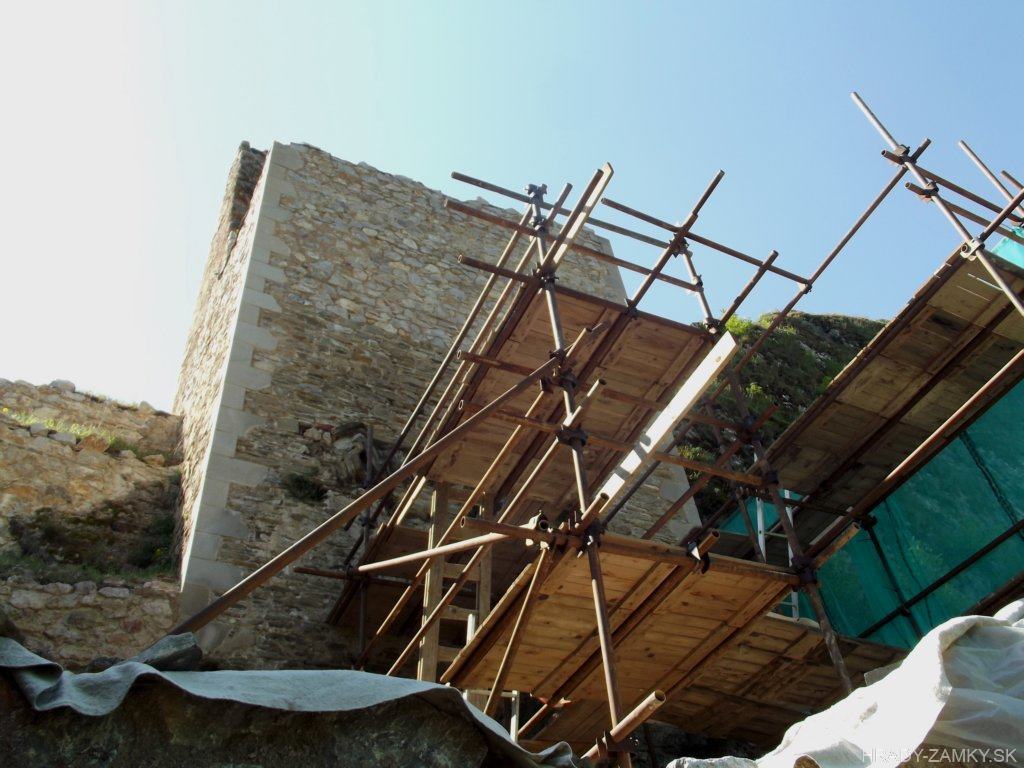
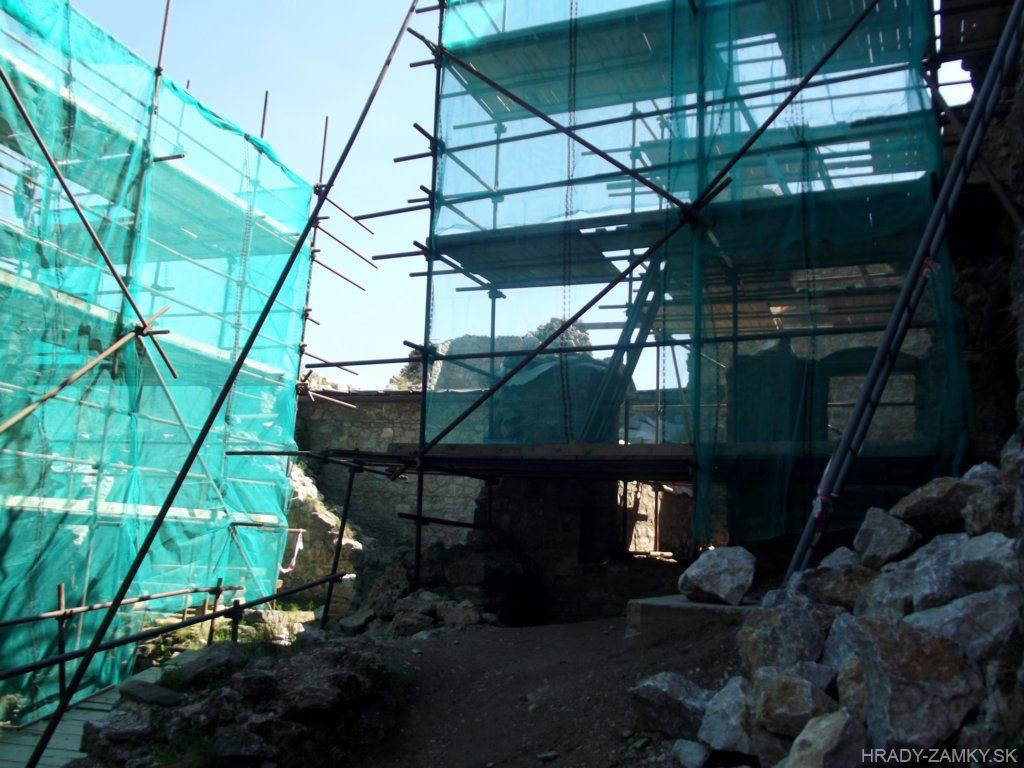
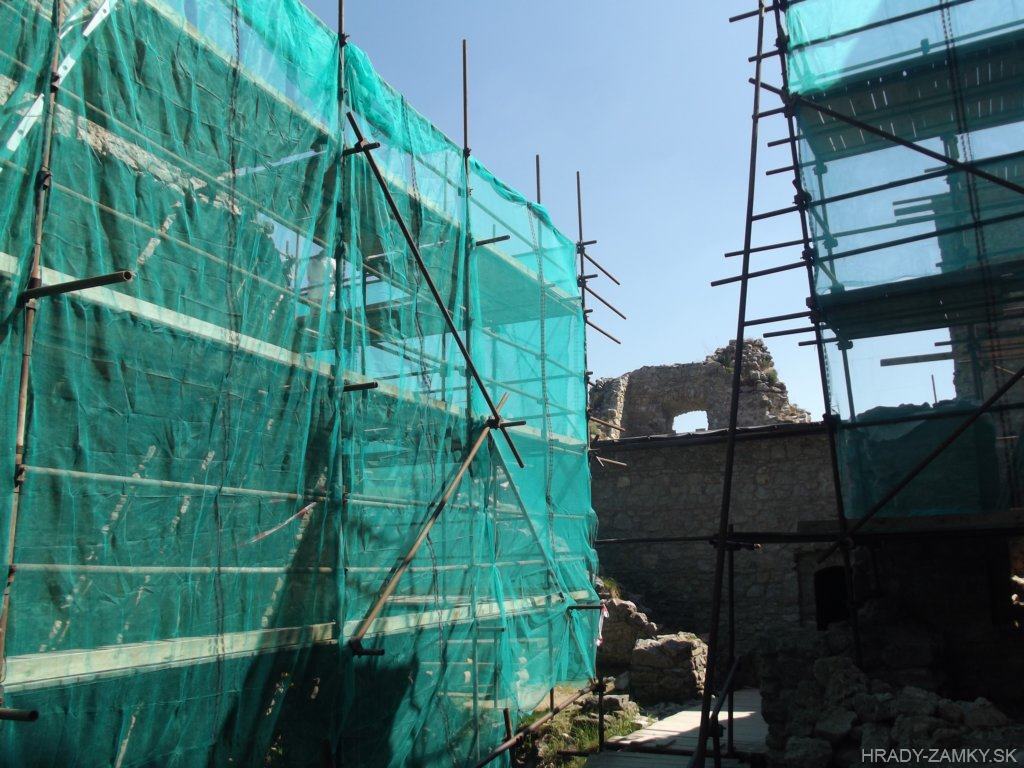
The castle is accessible, but reconstruction is underway.Opening hours and admission
Hrad je prístupný, ale prebieha rekonštrukcia.Otváracia doba a vstupné
External links
Nearby castles
Vršatec
Vršatské Podhradie
6.6km
castle ruin
Horovce mansion
Horovce
7.7km
manor, mansion
Pruské manor
Pruské
9.1km
manor, mansion
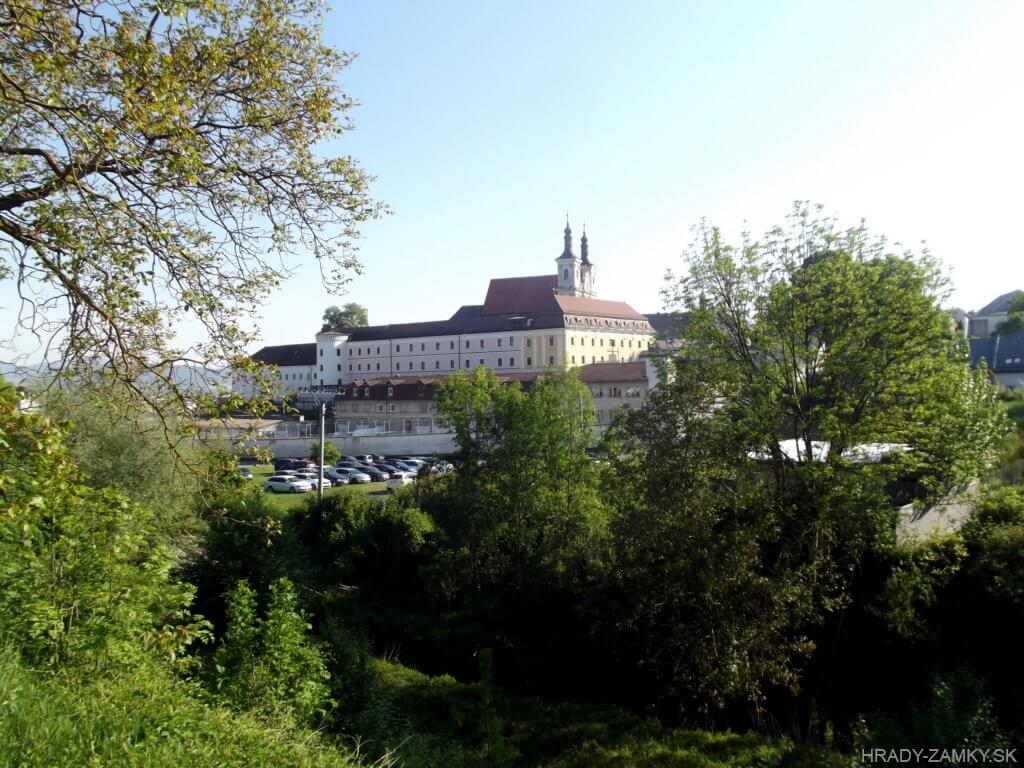
Ilava castle
Ilava
12.6km
castle, chateau
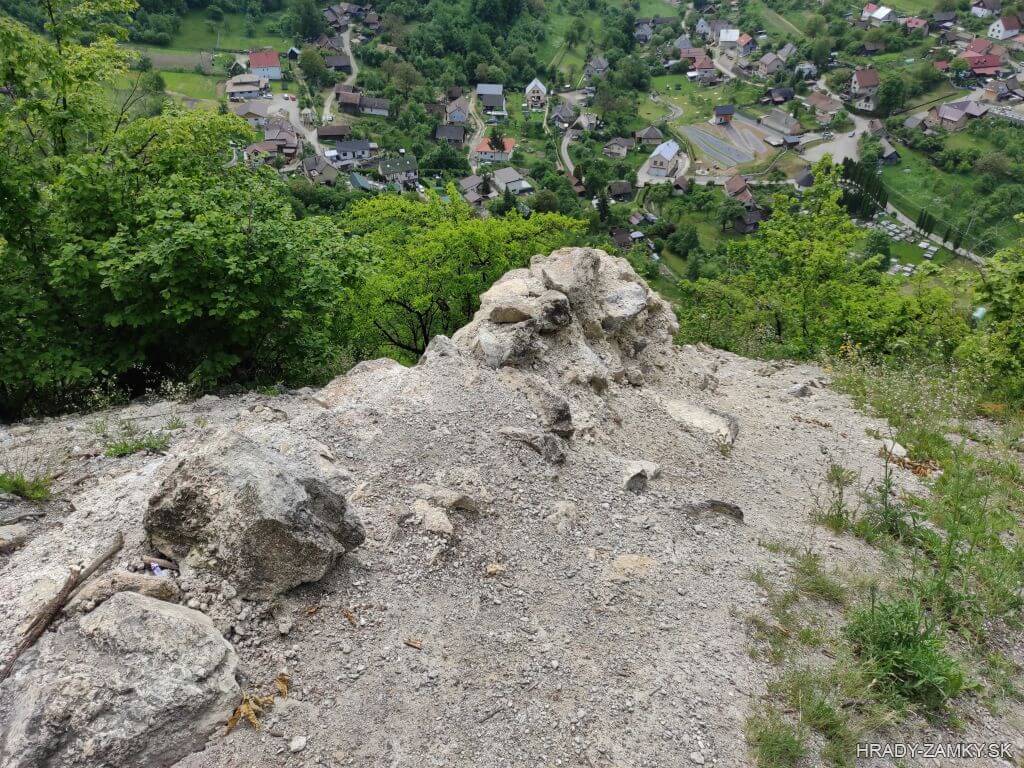
Hatné
Hatné
14.9km
castle ruin
Košeca
Košecké Podhradie
16.5km
castle ruin
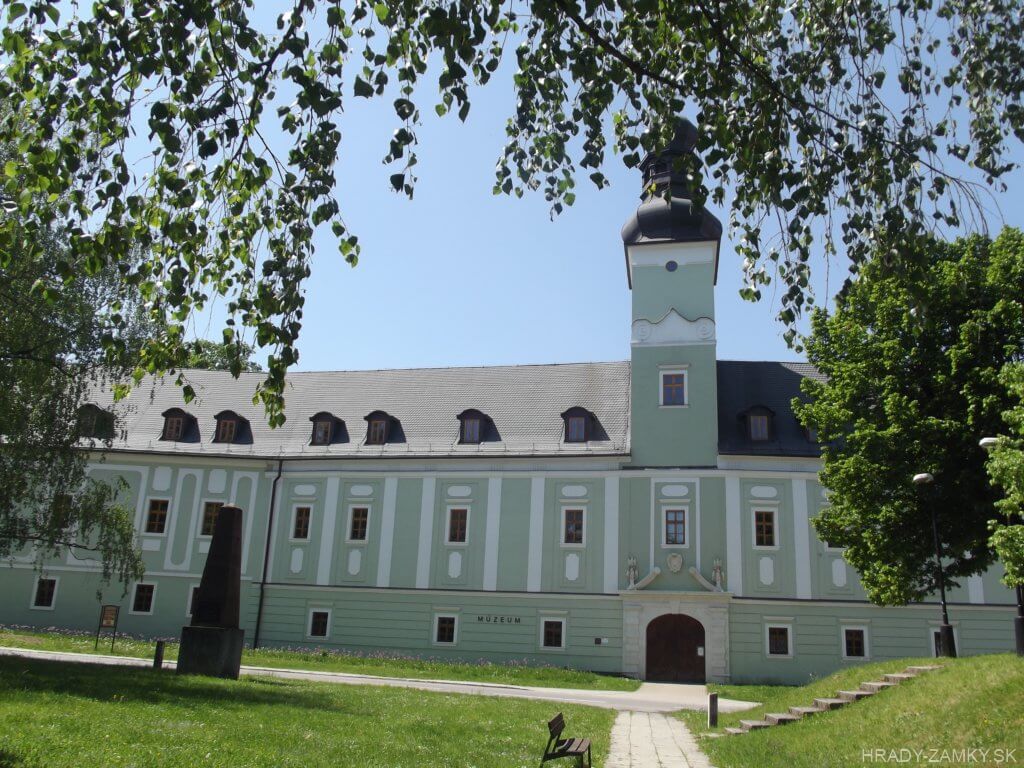
Dubnica mansion
Dubnica nad Váhom
16.7km
manor, mansion