Castle of Senhora da Luz
Luz Faro Portugal
castle, chateau
Castelo da Senhora da Luz
Luz Faro Portugal
castle, chateau
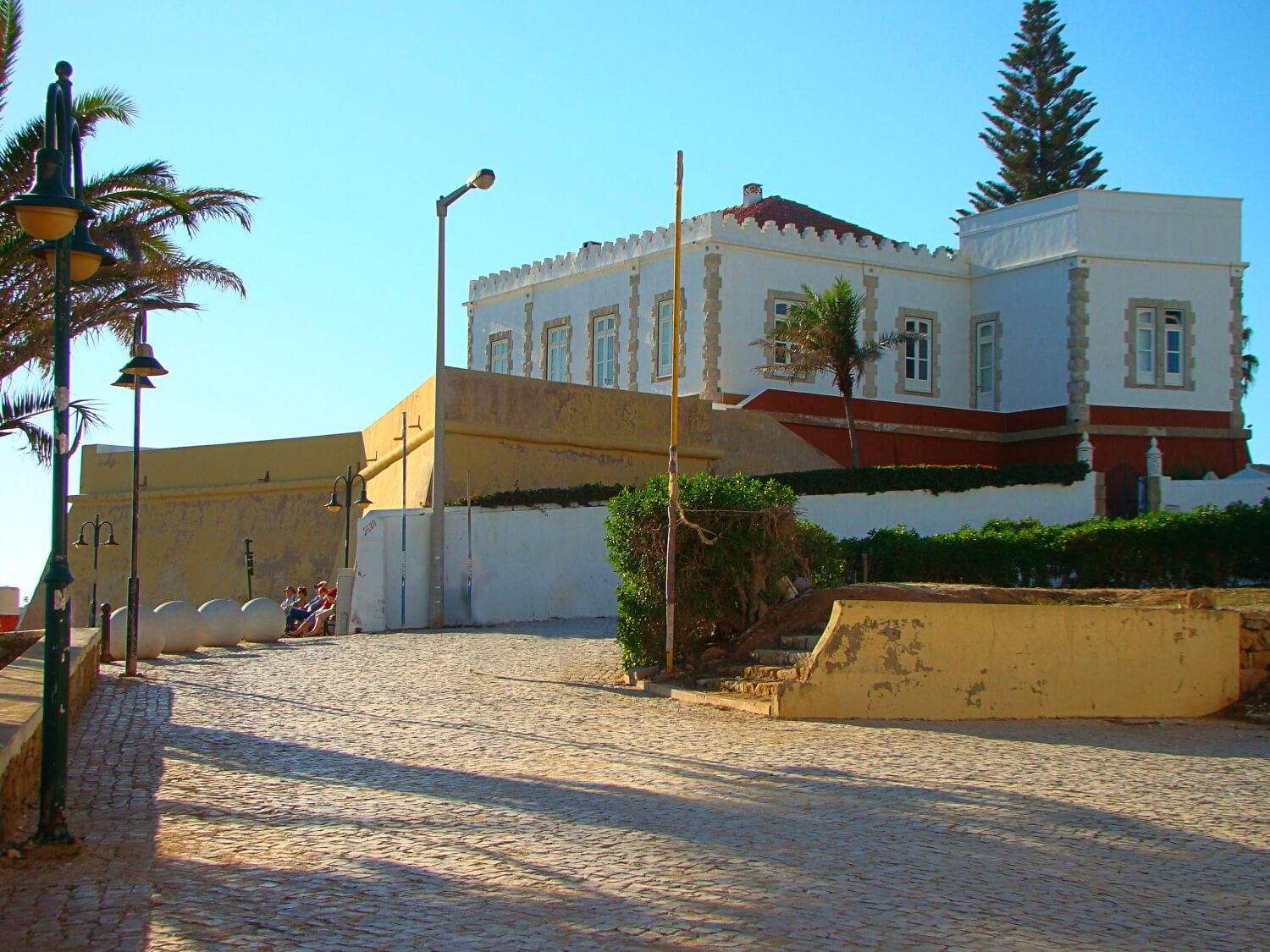
The Castle of Senhora da Luz (Portuguese: Castelo da Senhora da Luz/Fortaleza de Nossa senhora da Luz) is a former-medieval castle/fort in the civil parish of Luz, municipality of Lagos in the Portuguese Algarve, classified as a Property of Public Interest (Imóvel de Interesse Público)
O Castelo da Senhora da Luz, igualmente denominado de Fortaleza de Nossa Senhora da Luz, é um monumento militar na vila da Luz, parte do concelho de Lagos, na região do Algarve, em Portugal
Previous names
Castle of Senhora da Luz, Castelo da Senhora da Luz
Description
The Castle of Senhora da Luz (Portuguese: Castelo da Senhora da Luz/Fortaleza de Nossa senhora da Luz) is a former-medieval castle/fort in the civil parish of Luz, municipality of Lagos in the Portuguese Algarve, classified as a Property of Public Interest (Imóvel de Interesse Público).
History
The fort is one of the most important examples of 17th century military architecture on the Algarve coast; it illustrates the Portuguese Restoration's concern to provide defense to the southern territory. Although there were fortifications in the region before 1640, there are few remnants.
It is unclear when the first primitive stronghold was constructed on the site: a medieval fortress built in 1575. During the course of the construction, a circular watchtower was erected within the fortress in 1624.
The first fortification along Ponta da Calheta occurred during the Philippine Dynasty, and its ongoing construction is seen as an extension of Spanish policy to protect the Algarve when the great European armadas and privateers pillaged Spanish/Portuguese fleets. The modern fort has little of these Philippine influences: it is the product of a vast process of militarization and fortification of the country, following the Portuguese Restoration of Independence (1640) and the Wars then carried out by the two peninsular kingdoms.
Unlike the small watchtower, the post-Restoration changes saw the construction of a stronghold. The polygonal plan, with four angular bastions defines the typical irregular quadrilateral approaching the star-shape fortresses used in numerous other fortifications. The fact that the works lasted until (at least) 1670 is an indicator of the importance of this fortress and the care with which it was built. Unfortunately, its current state belies the grand project of the 16th century. The walls, which were initially 5 metres (16 ft) high, were partially submerged by sand dunes (except to the sea). Its interior was also occupied by a two-story, eclectic building that functioned as a restaurant.
Decades of construction and remodelling in the interior have washed-away the real organization of the interior spaces that in 1821 incorporated two great pavilions.
Architecture
The 200 square metres (2,200 sq ft) fort is situated on Ponta da Calheta in an isolated, urban area extending out to the south and west over the sea. To the east is a roadway and to the north urban buildings, while to the northeast is the Church of Nossa Senhora da Luz.
The polygonal castle includes bastions at its angles, with articulated volumes covered in tile and northern central doorway.
The interior of the primitive military construction were repurposed for tourist use.
O Castelo da Senhora da Luz, igualmente denominado de Fortaleza de Nossa Senhora da Luz, é um monumento militar na vila da Luz, parte do concelho de Lagos, na região do Algarve, em Portugal. Foi construído no Século XVII, a partir da ampliação de uma torre mais antiga, tendo sido classificado como Imóvel de Interesse Público em 1977.
Descrição
A fortaleza está construída num local conhecido como a Ponta da Calheta, estando virada a Sul e a Oeste para o oceano. Situa-se nas proximidades da igreja.
É considerada um dos melhores exemplos da arquitectura militar do Século XVII, na região do Algarve. Apresenta uma planta de forma poligonal com quatro baluartes angulosos, solução arquitectónica que foi igualmente utilizada em diversos outros fortes ao longo da costa portuguesa. No interior da antiga estrutura militar situa-se um palacete no estilo romântico, com vários elementos que lhe dão a aparência de um castelo.
História
A primeira fortificação neste sítio terá sido um castelo medieval, sobre cujas ruínas foi construída uma torre, em 1575 ou em 1624, já durante o período filipino. Esta torre era de planta redonda, e tinha uma grande altitude. Poucos anos depois, foi necessário organizar um sistema de fortes ao longo da costa portuguesa, que protegessem as povoações dos ataques dos piratas e corsários, e das forças islâmicas e espanholas. Neste sentido, em 1670 o governador Nuno de Mendonça ordenou que fosse construída uma nova fortificação na Luz, em redor da torre de vigia já existente. O novo edificio contava com uma bateria no lado marítimo, dois baluartes virados para o interior, e salas para albergar a guarnição e armazenar as várias peças de armamento.
Nos finais do Século XVIII, o autor de um mapa e descrição da organização defensiva do Algarve referiu a fortaleza da Luz como «um pequeno quadrado com huma vigia no meio» e comentou que «necesita de reparações no seu recinto e nos quartéis», danos estes causados pelo Sismo de 1755. Com efeito, a fortaleza ficou muito destruída durante o sismo, tendo desaparecido a torre original e restado apenas o baluarte marítimo e parte dos muros nos lados nascente e poente. Devido à importância do forte como defesa da povoação, o autor aconselhou que fossem feitas obras de reparação.
Em 2 de Julho de 1894, a fortaleza foi vendida em hasta pública, tendo sido adquirida por um particular. No interior foi construída uma casa, que foi feita de forma a integrar-se com a arquitectura original da fortaleza, tendo por exemplo sido instalados pequenos merlões na parte superior das paredes e uma moldura no portal de entrada, e deixadas as pedras à vista nalguns ângulos e no embasamento.
O Castelo da Senhora da Luz foi classificado como Imóvel de Interesse Público pelo Decreto n.º 129/77, de 29 de Setembro.
Posteriormente, o edifício foi reutilizado como um estabelecimento de restauração.
Useful information
Free
Free
- Great view
- WC
info@fortalezadaluz.com
It is used as a private residence and a cafe
-
External links
Nearby castles
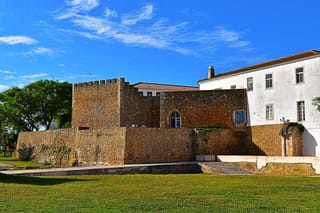
Castle of Lagos
Lagos
5.6km
castle, chateau
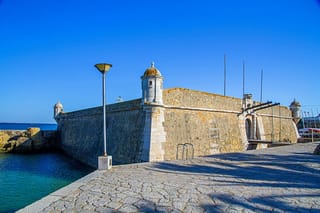
Forte da Ponta da Bandeira
Lagos
5.7km
fortress
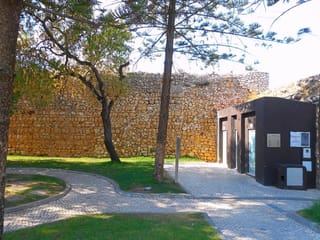
Castle of Alvor
Alvor
13.1km
castle, chateau

Forte de Santa Catarina (Portimão)
Portimão
18.2km
fortress
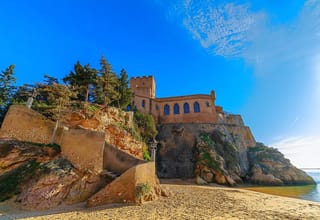
Forte de São João do Arade
Ferragudo
18.9km
fortress
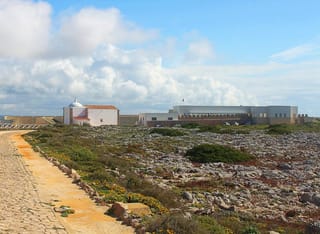
Fortaleza de Sagres
Sagres
21.5km
fortress
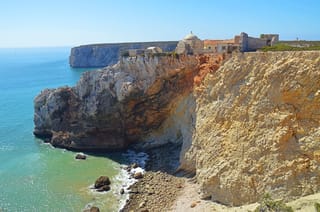
Fortaleza de Belixe
Sagres
23.2km
fortress