Beckov
Beckov Trenčín county Slovakia
castle ruin
Beckov
Beckov Trenčiansky kraj Slovakia
zrúcanina hradu
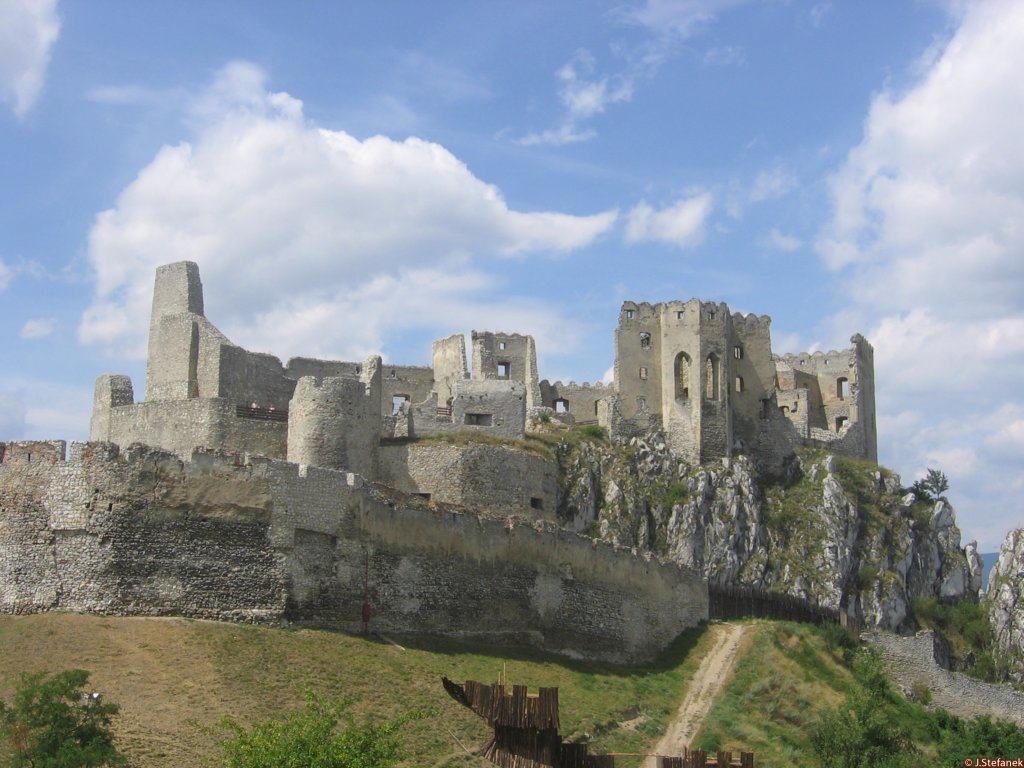
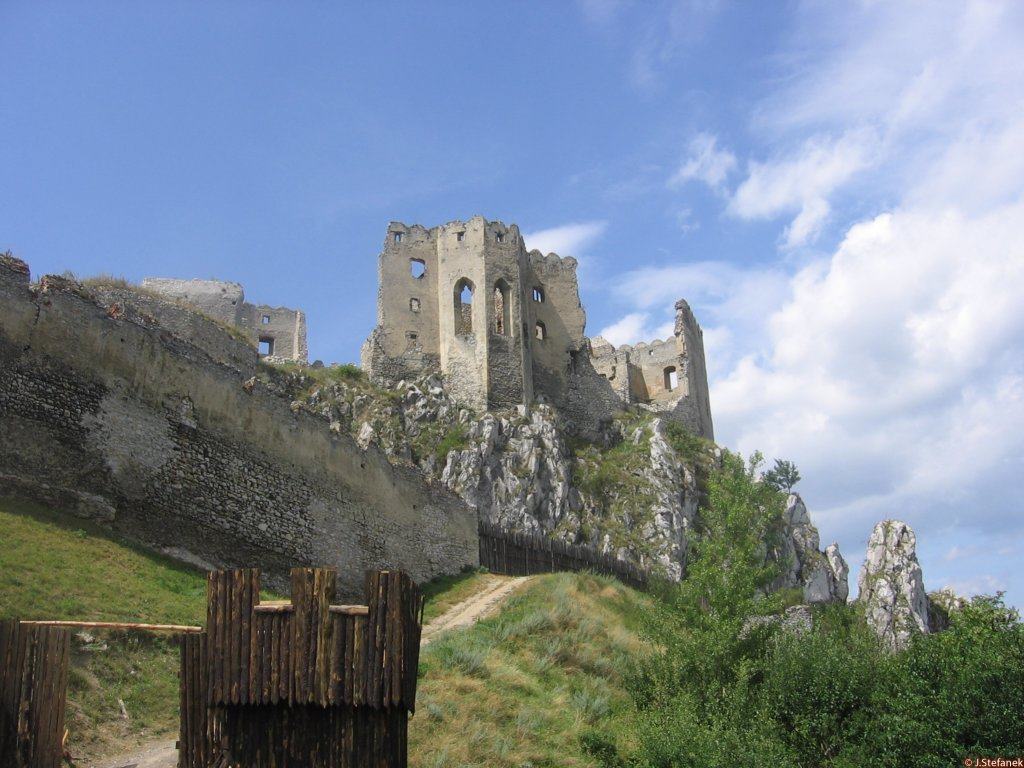
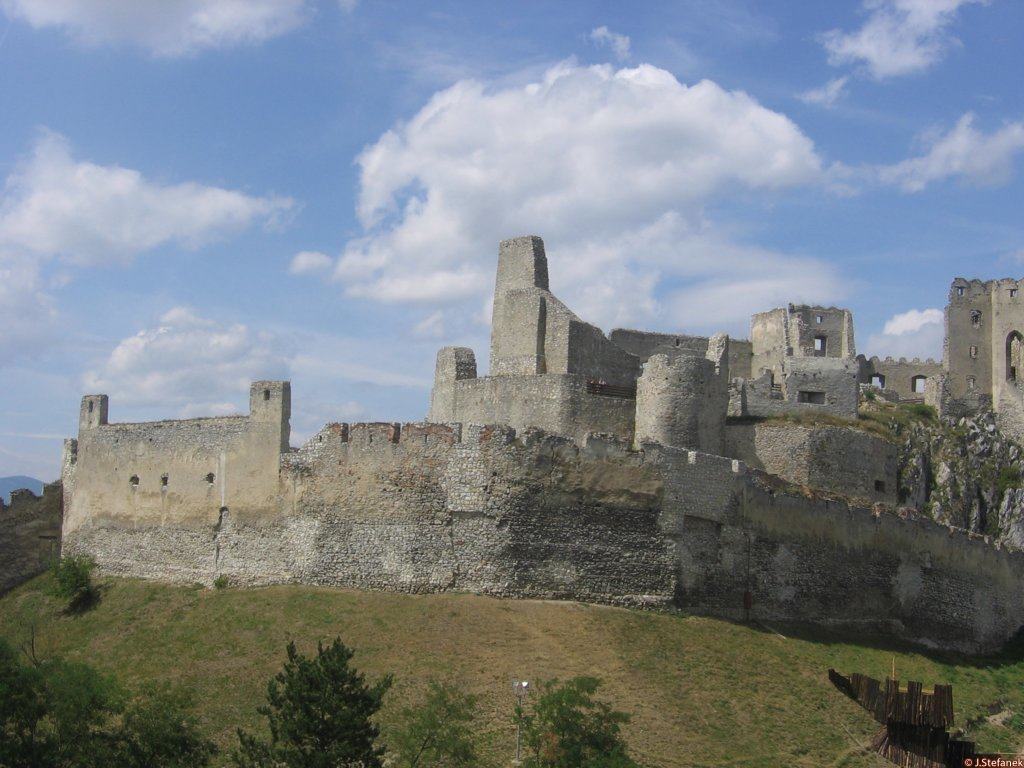
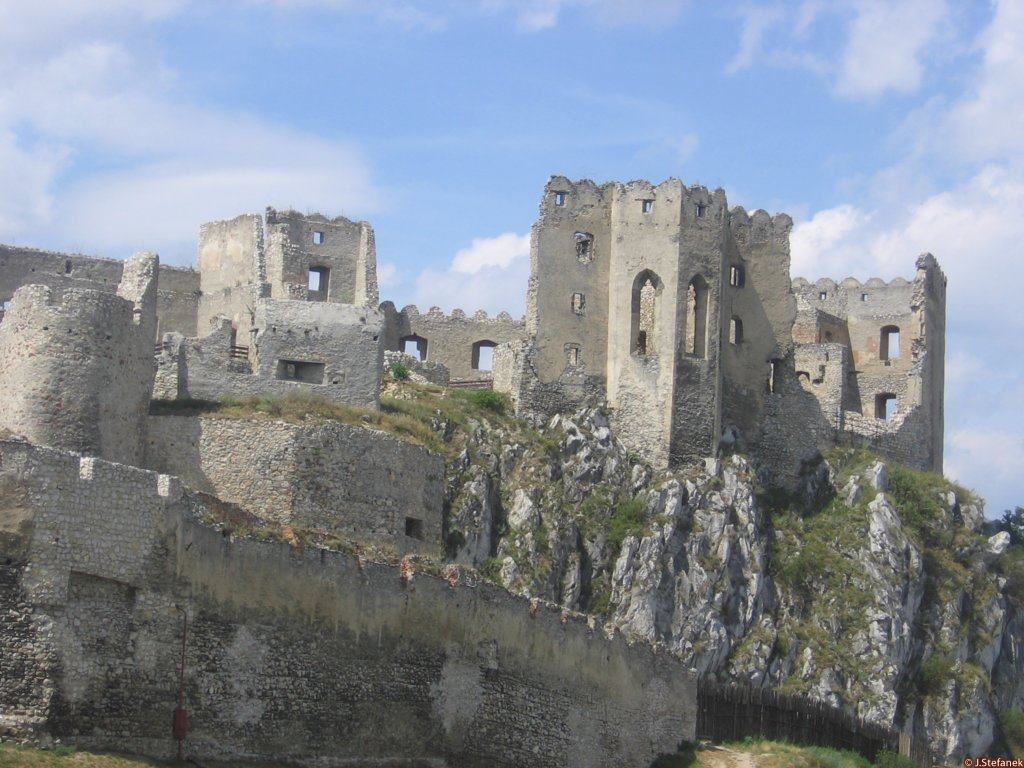
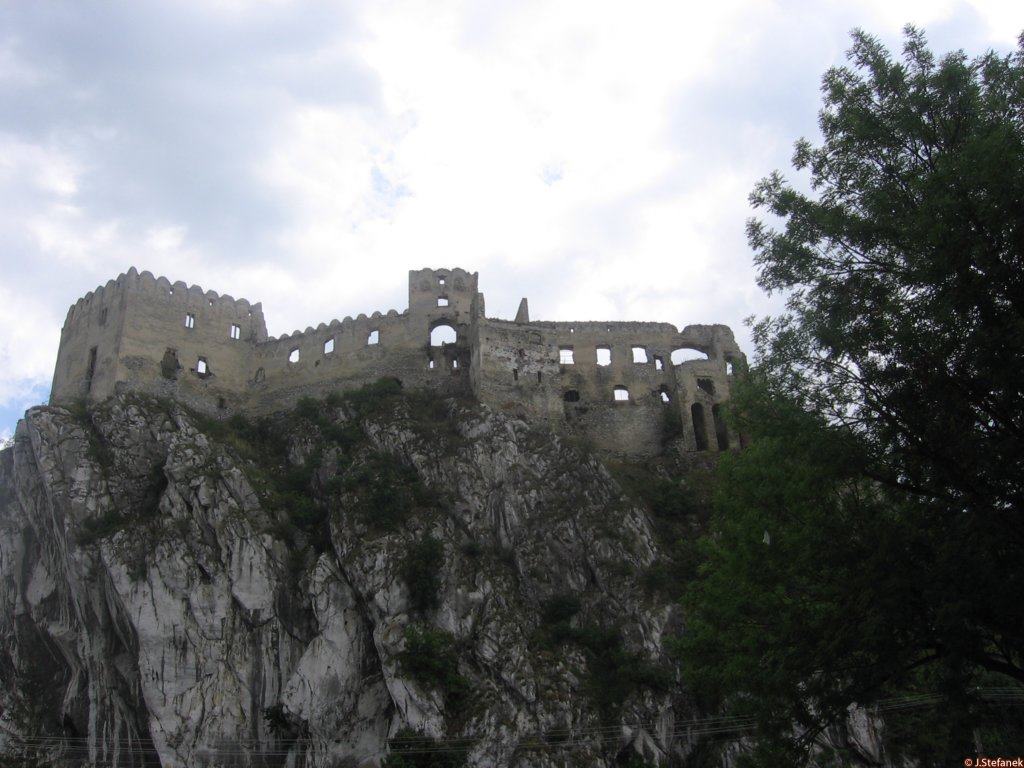
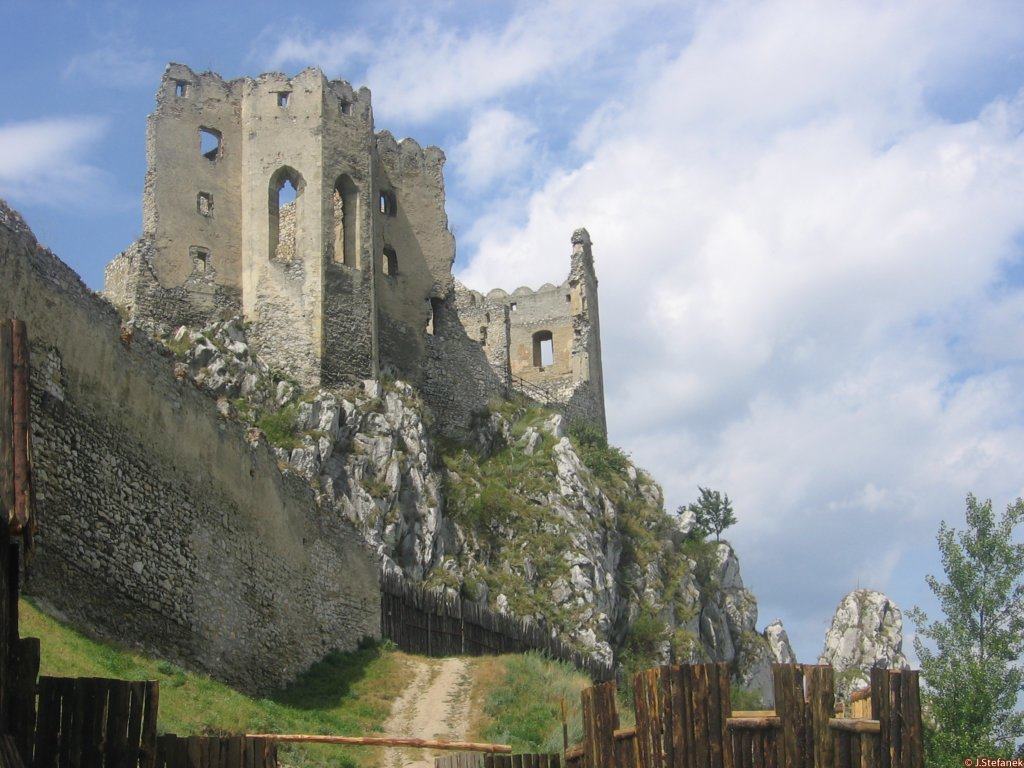
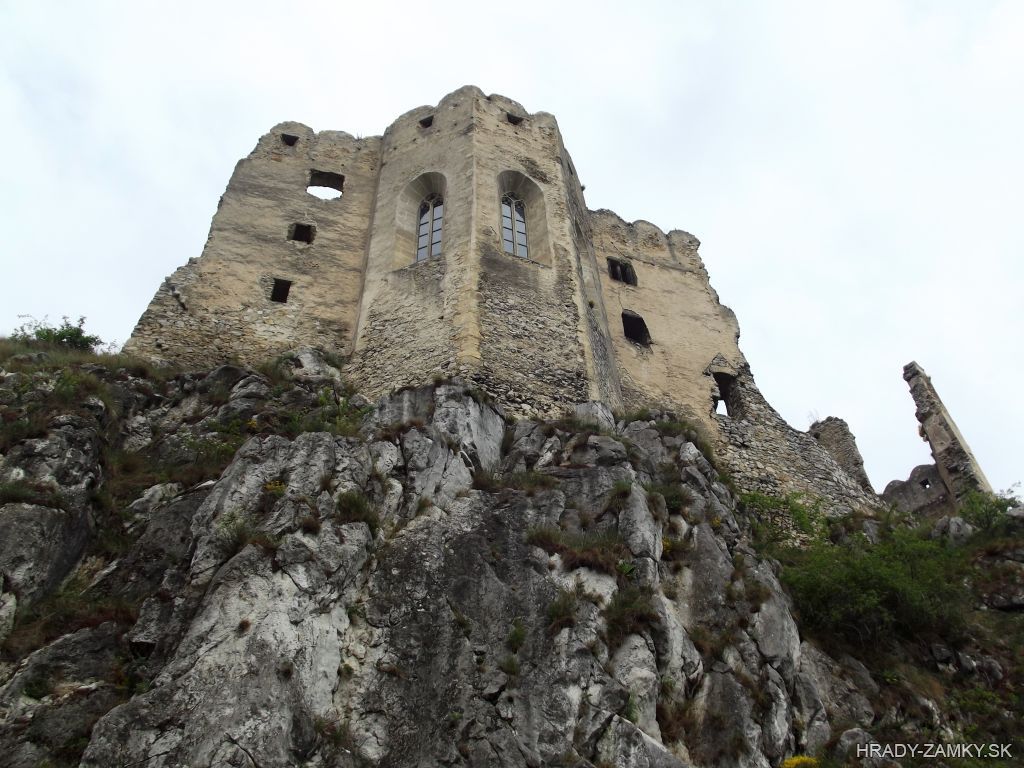
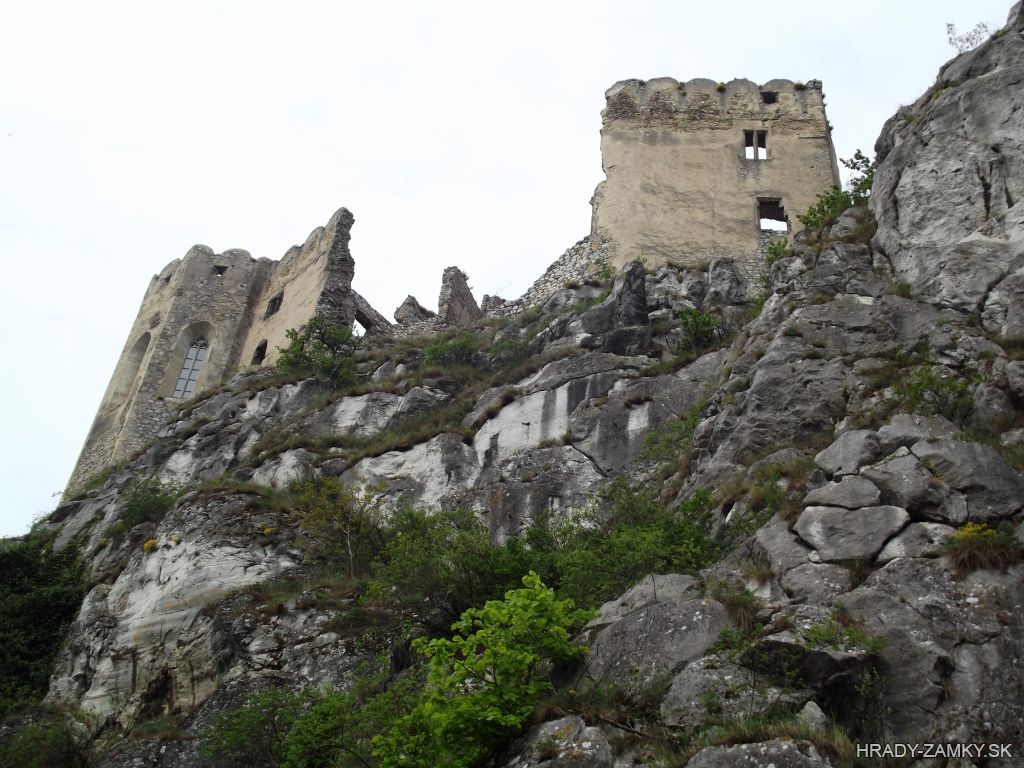
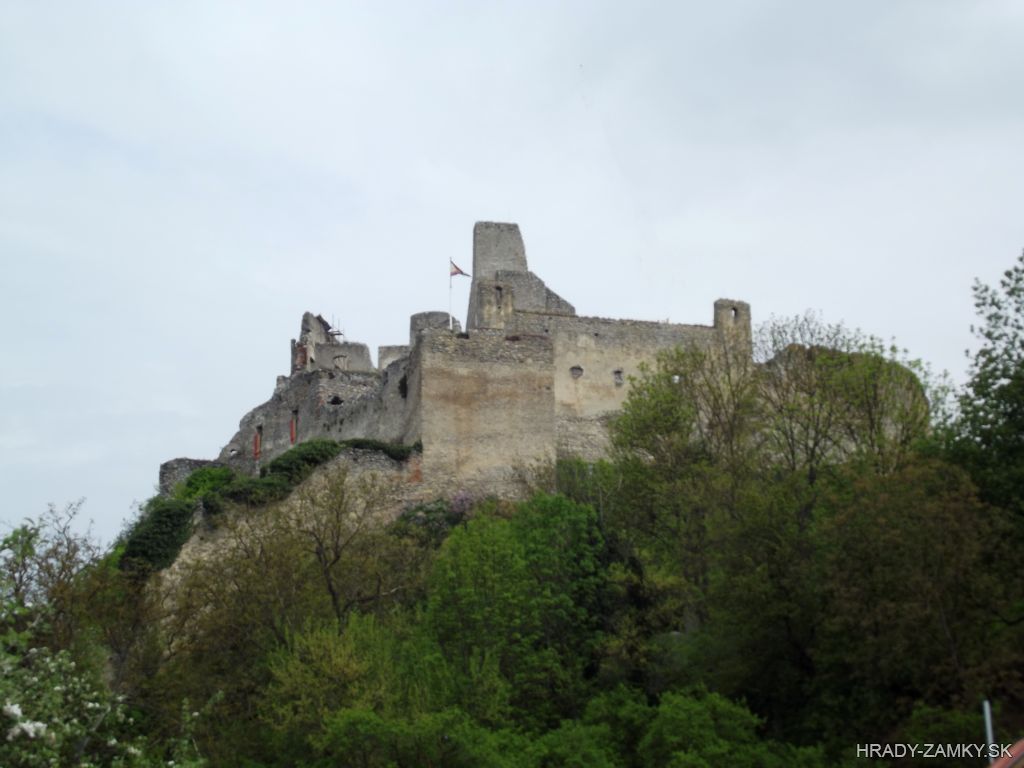
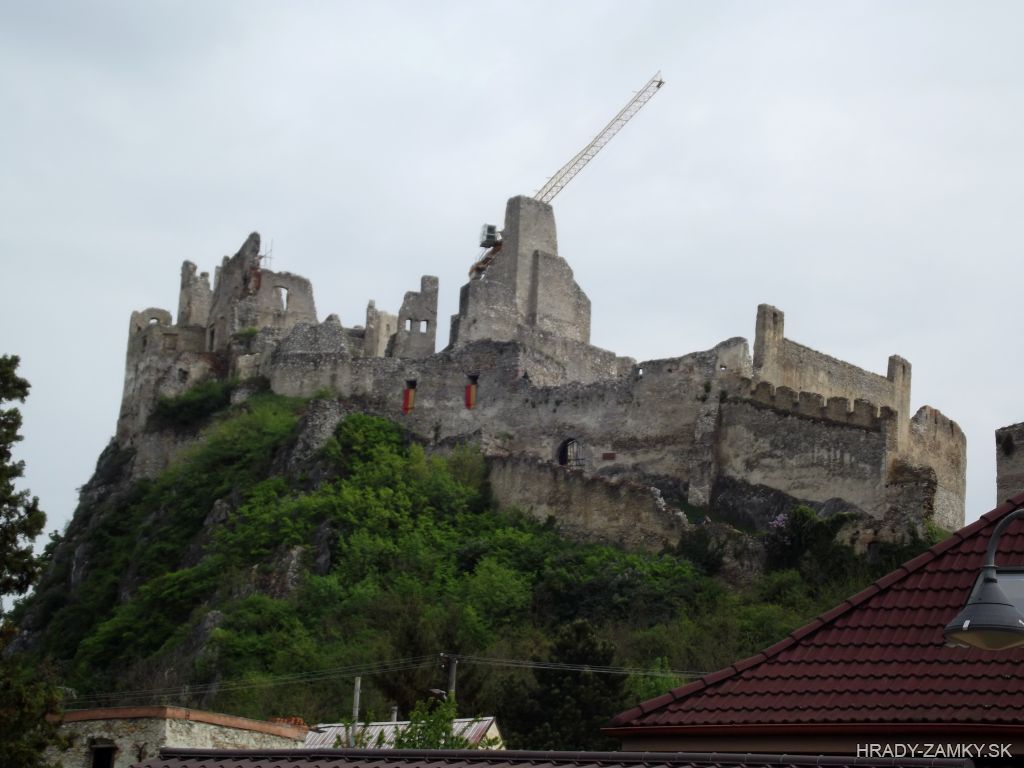
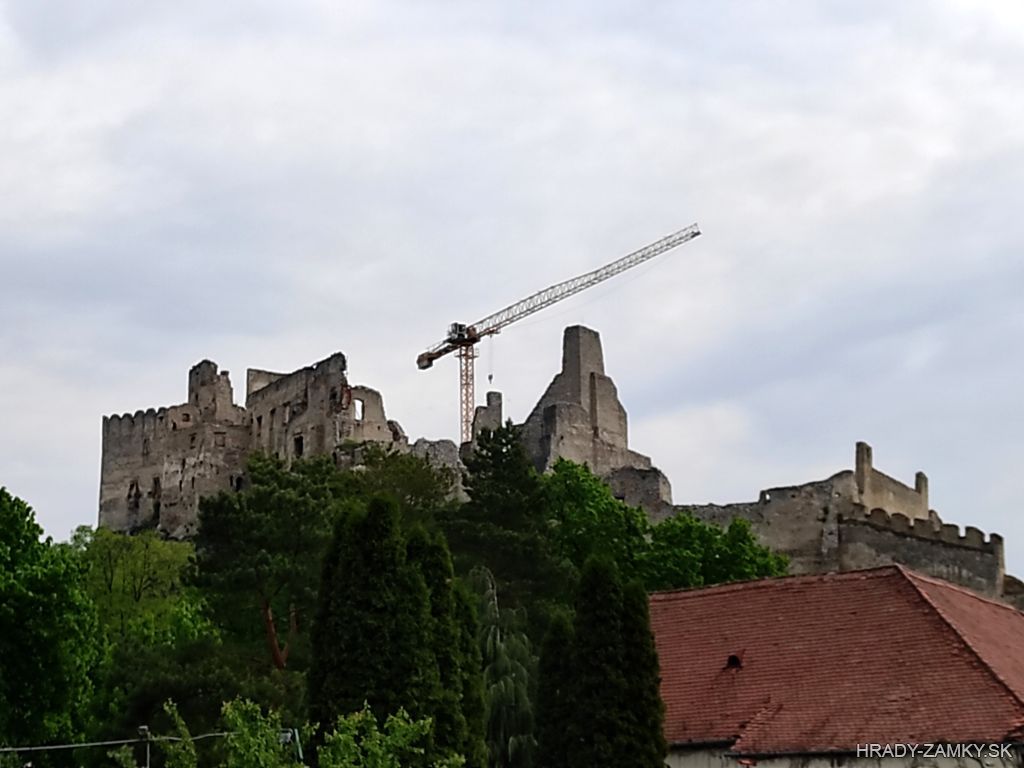
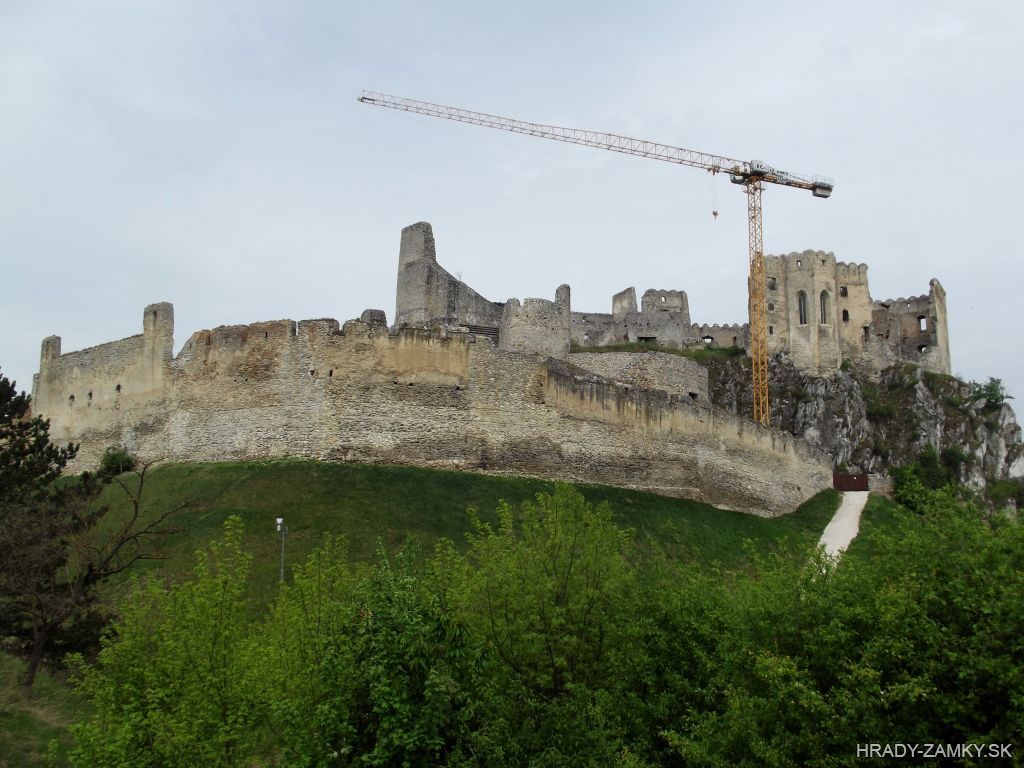
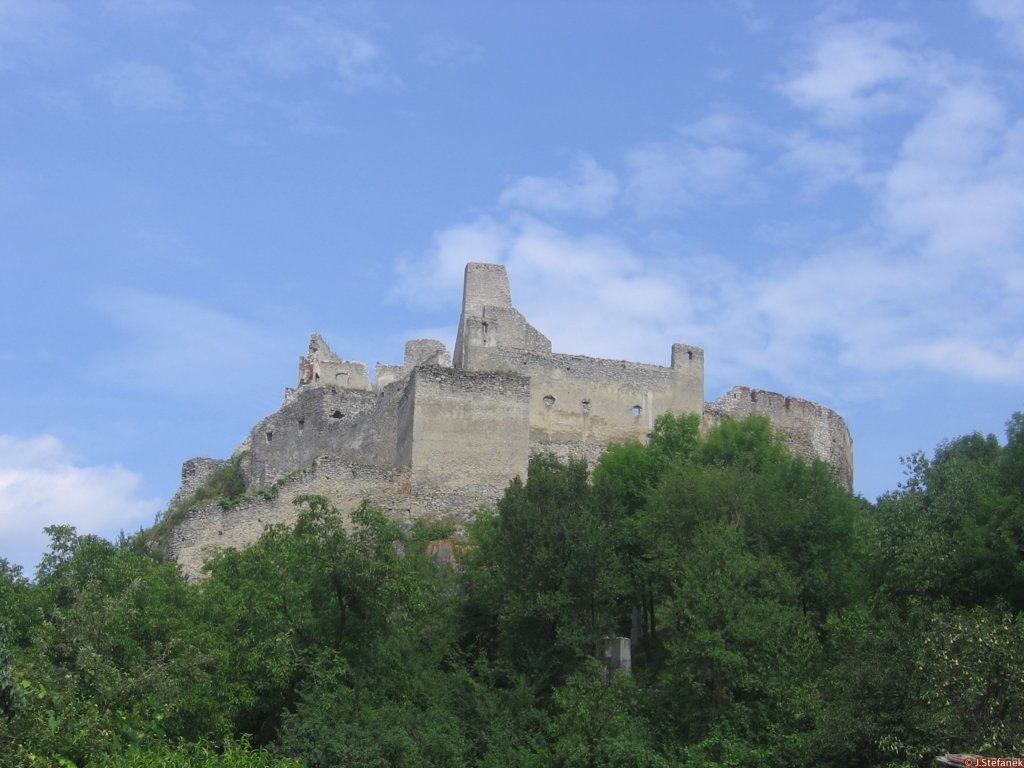
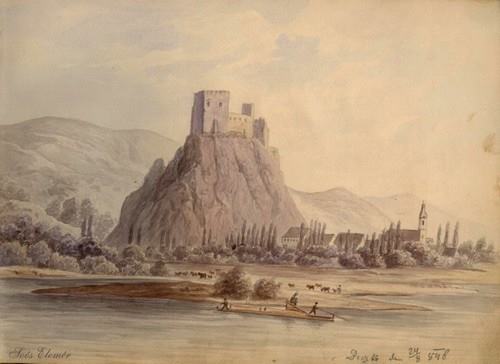
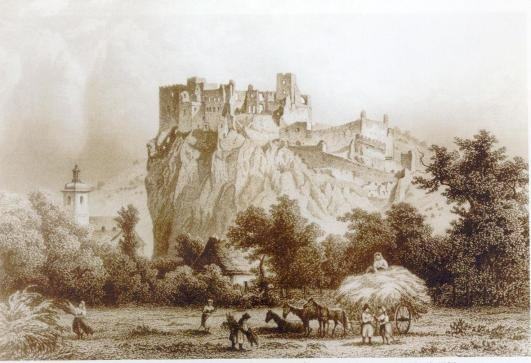
The massive, partially preserved castle ruins are located above the Považské podolie, on the edge of the Považský Inovec right in the village of Beckov
Mohutná konzervovaná zrúcanina hradu sa nachádza nad Považským podolím na okrajovom útese Považského Inovca priamo v obci Beckov
Previous names
Blundus, Bolondos, castrum Blundix, Blonduch, Blondich, Bolonduch, Bolunduch, Galancz sive Beczkow, Blantsch, Bolondóc, Bolondócz
Roads
Beckov Castle is located directly in the village Beckov near Nové mesto nad Váhom and Trenčín. You can park in a nearby parking lot, or if possible anywhere in the village. Only pedestrian access is possible to the castle. From the triangular square with the sculpture, we continue along the paved path along Ctiborova Street next to the Church of St. Štefan and then a comfortable climb on the asphalt road to the castle.
Hrad Beckov sa nachádza priamo v obci Beckov blízko Nového mesta nad Váhom a Trenčína. Zaparkovať možno na relatívne priestrannom parkovisku popri hlavnej ceste, prípadne podľa možností na ďalších menších parkoviskách v obci. Na hrad je možný len peší prístup. Z trojuholníkového námestia so súsoším pokračujeme vydláždenou cestou po Ctiborovej ulici popri kostole sv. Štefana a ďalej pohodlným stúpaním asfaltovou cestou až k hradu.
Description
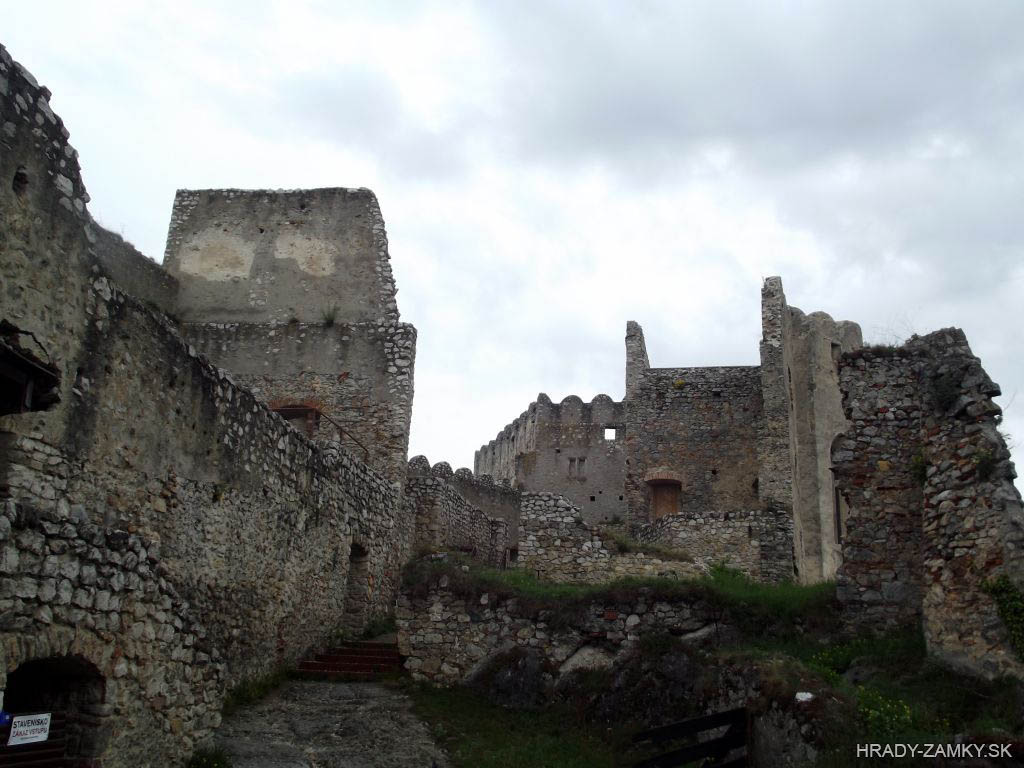
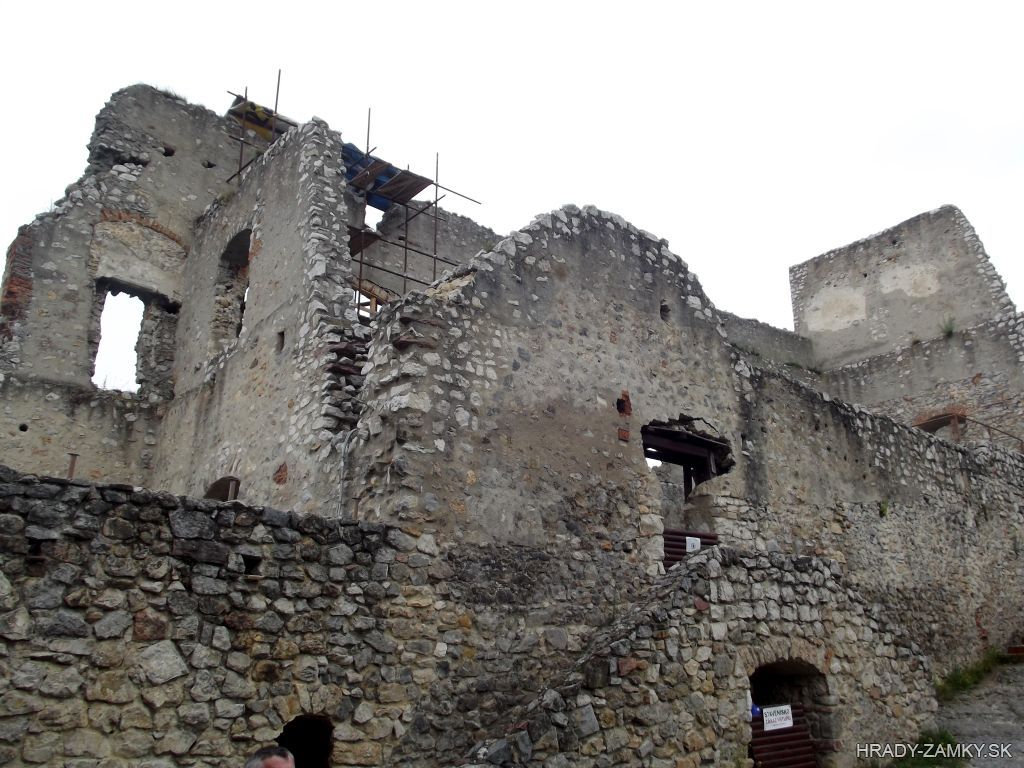
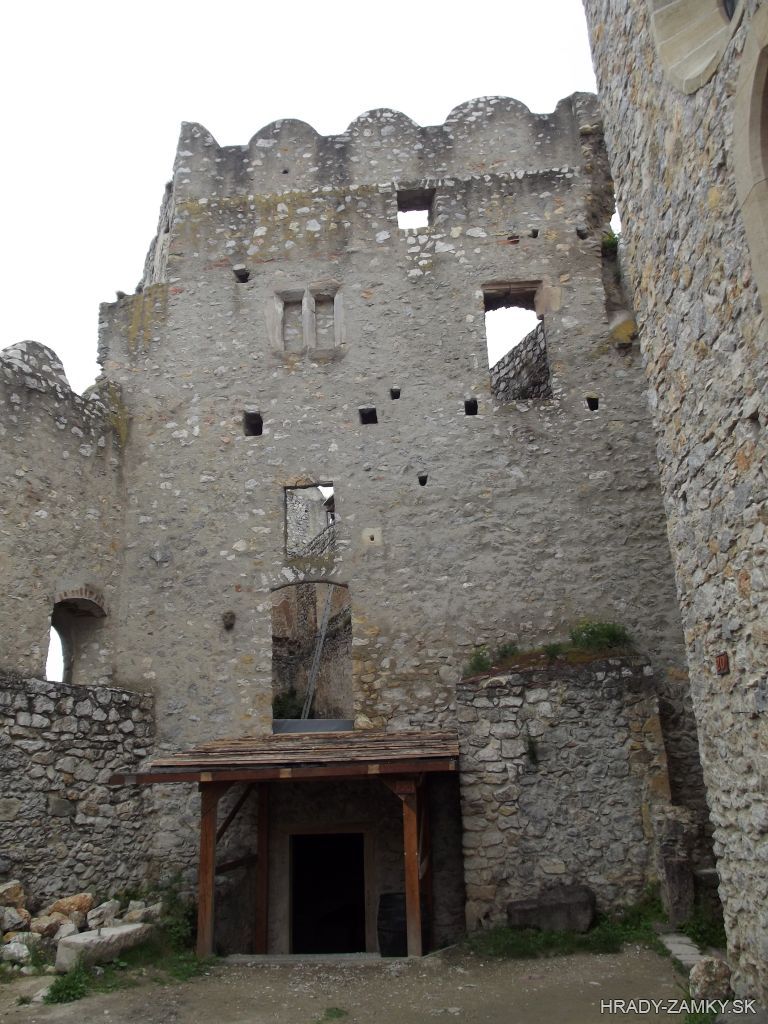
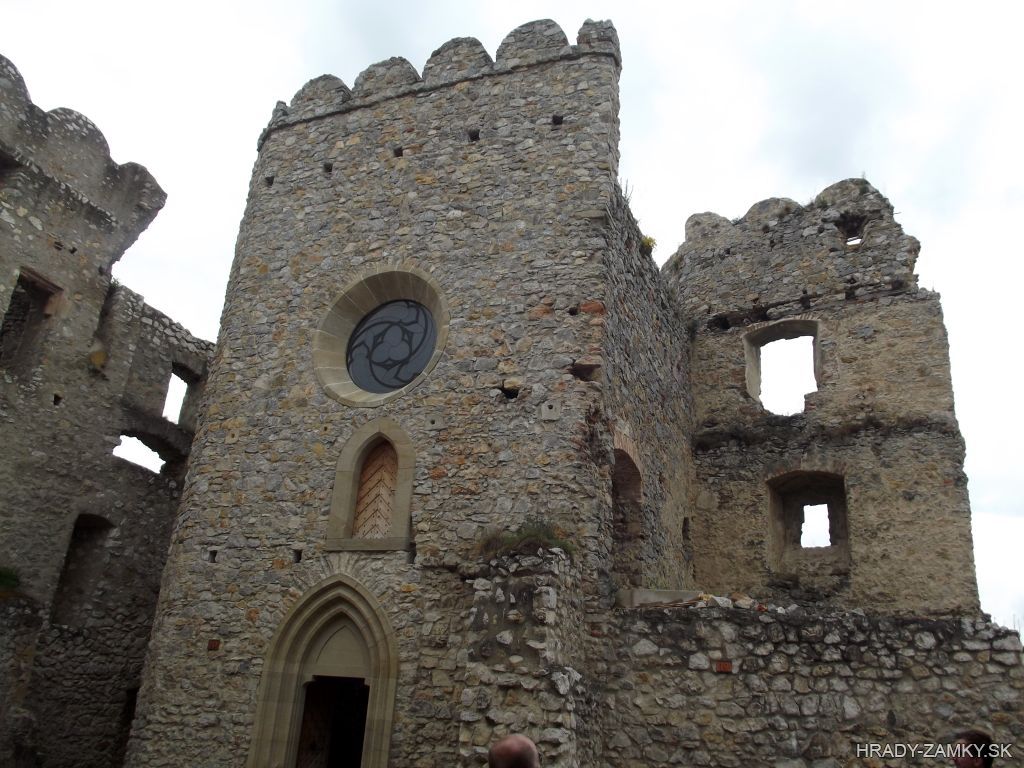
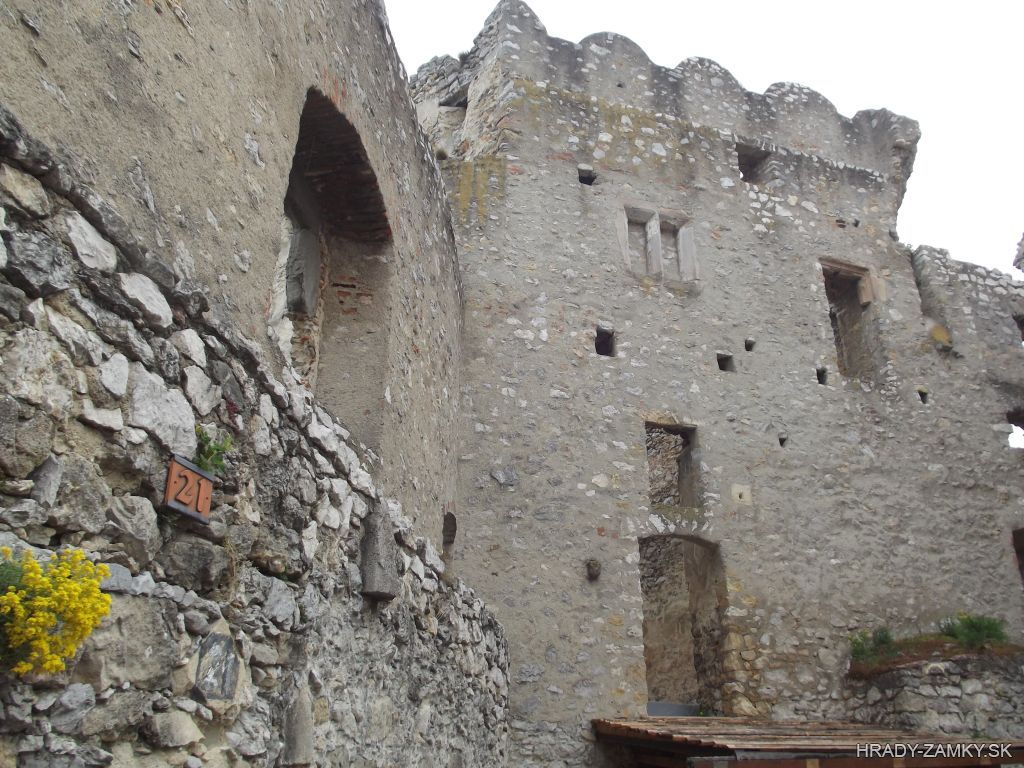
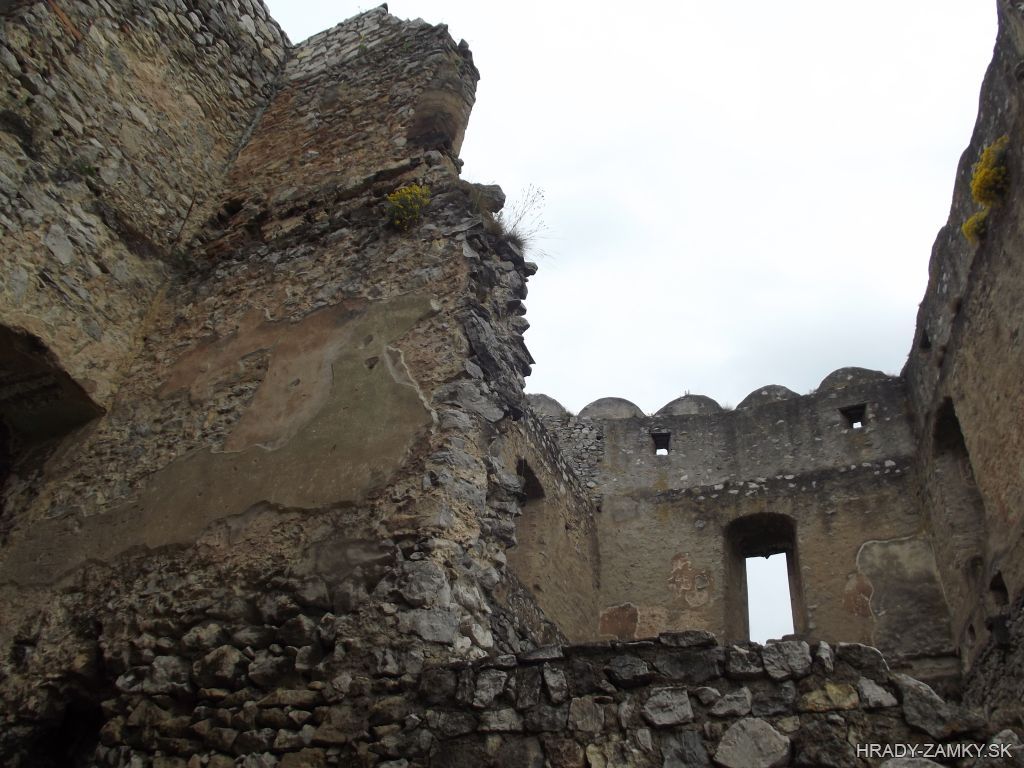
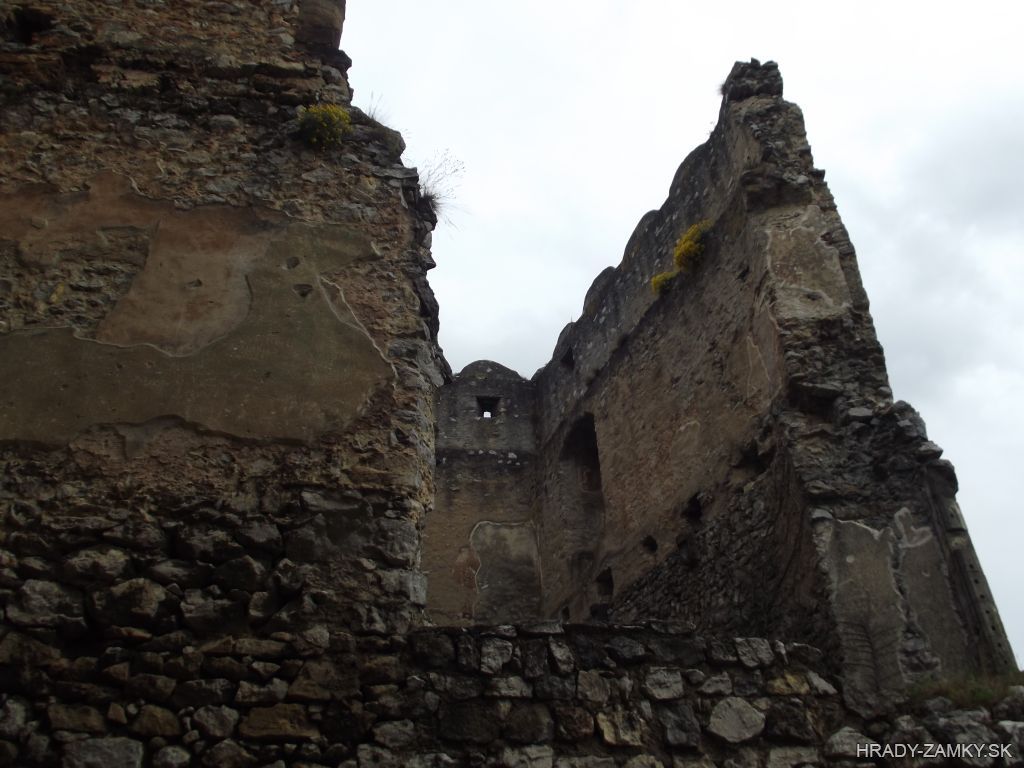
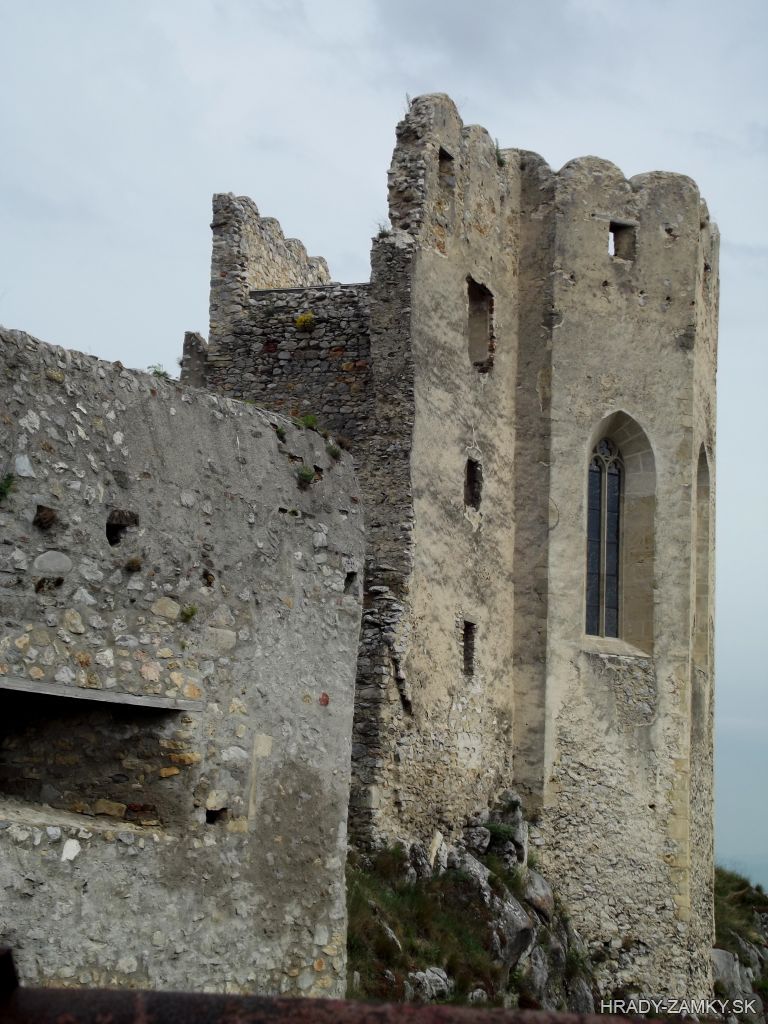
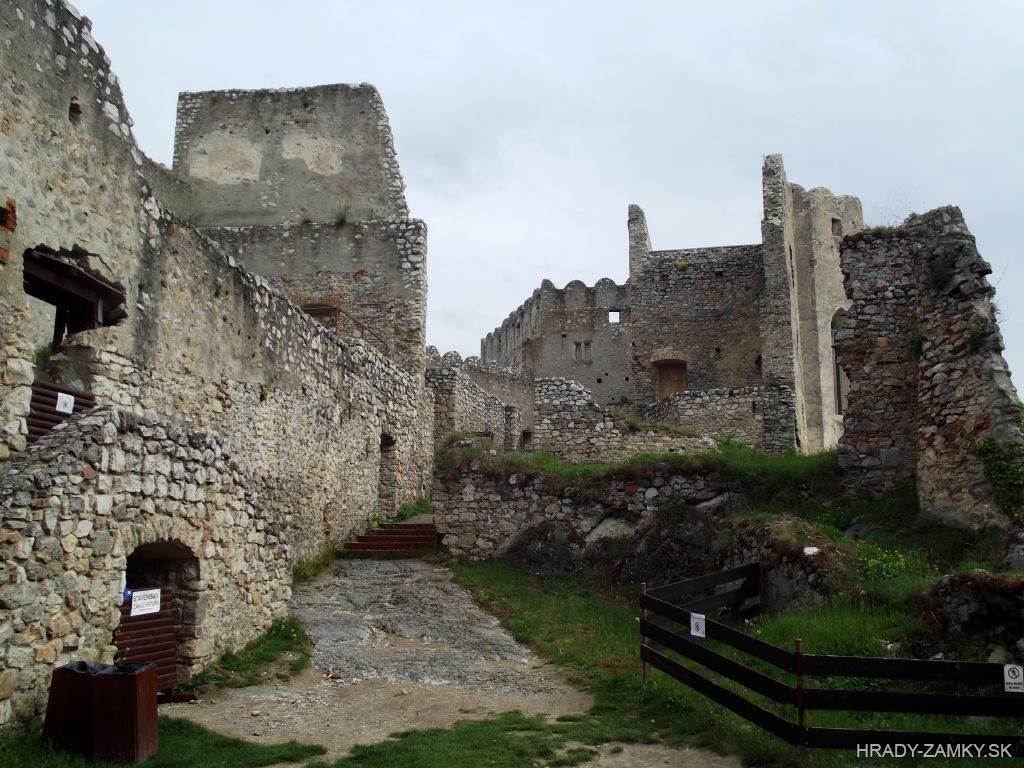
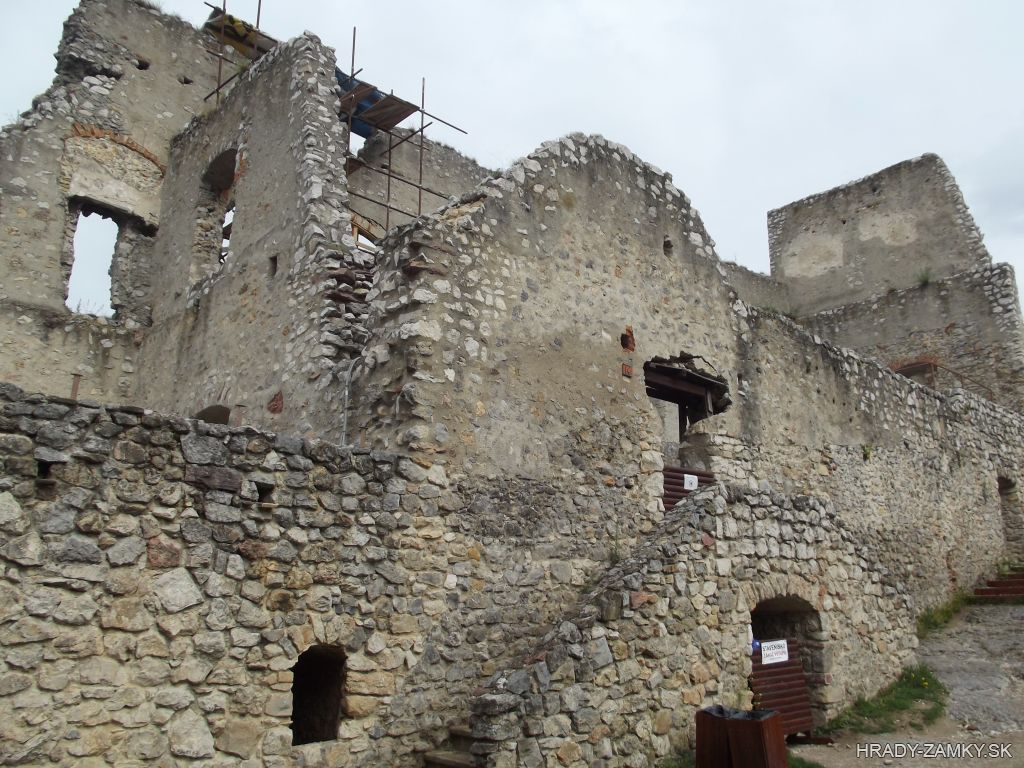
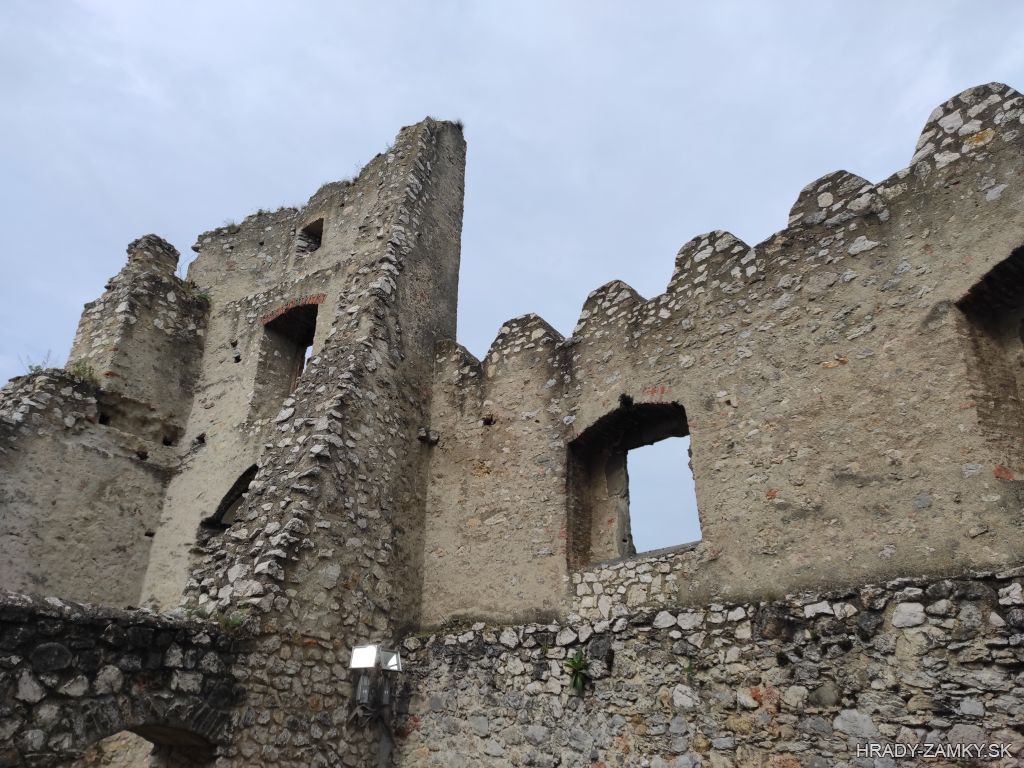
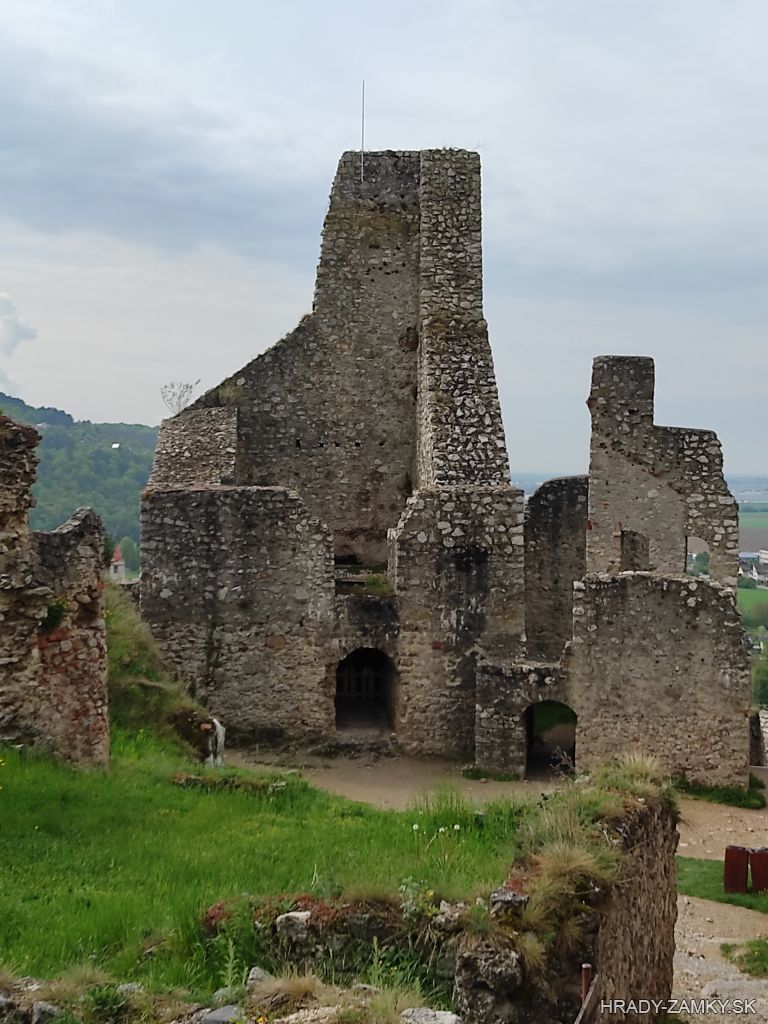
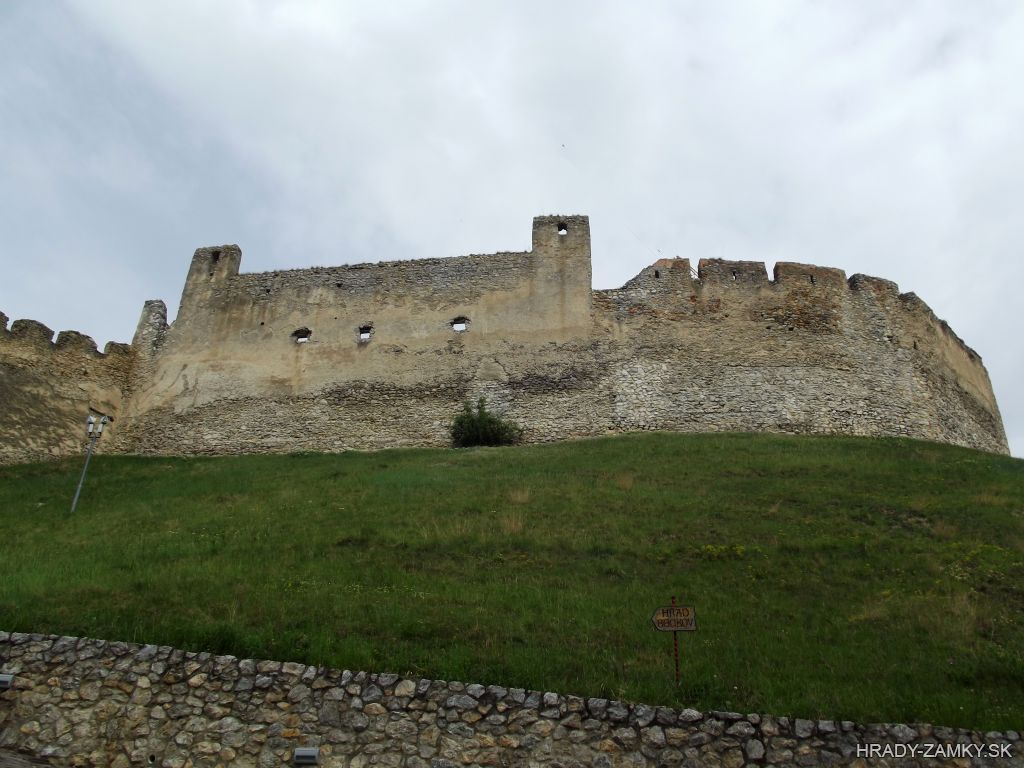
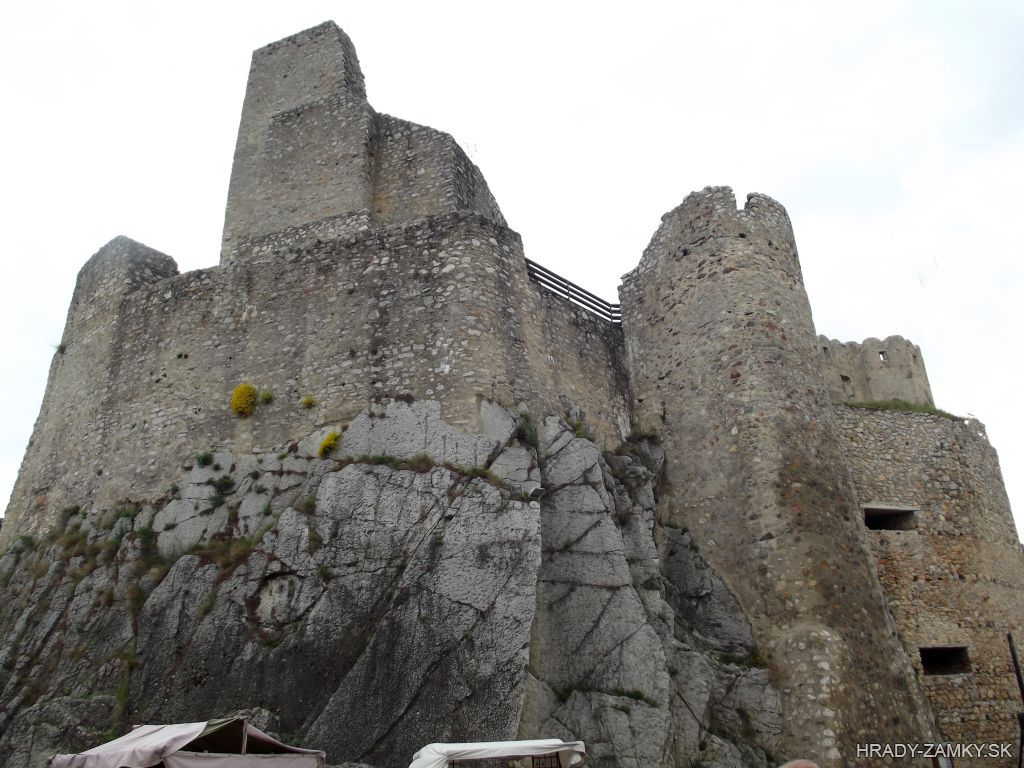
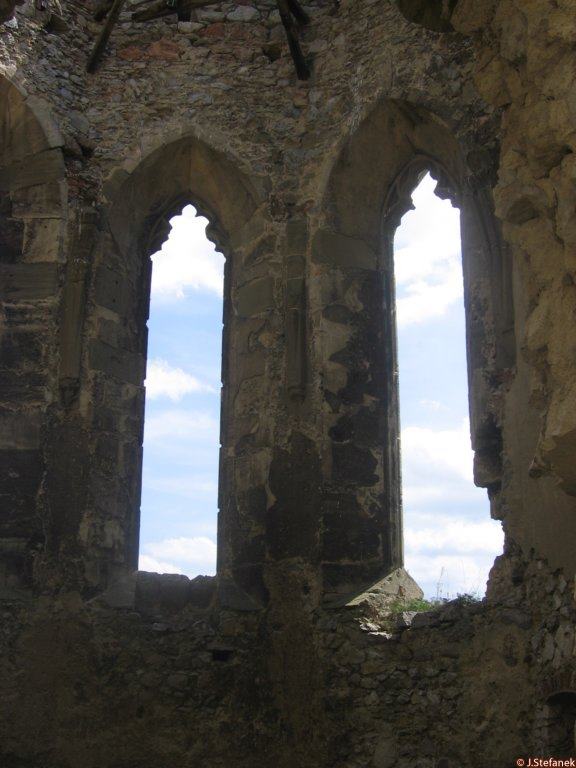
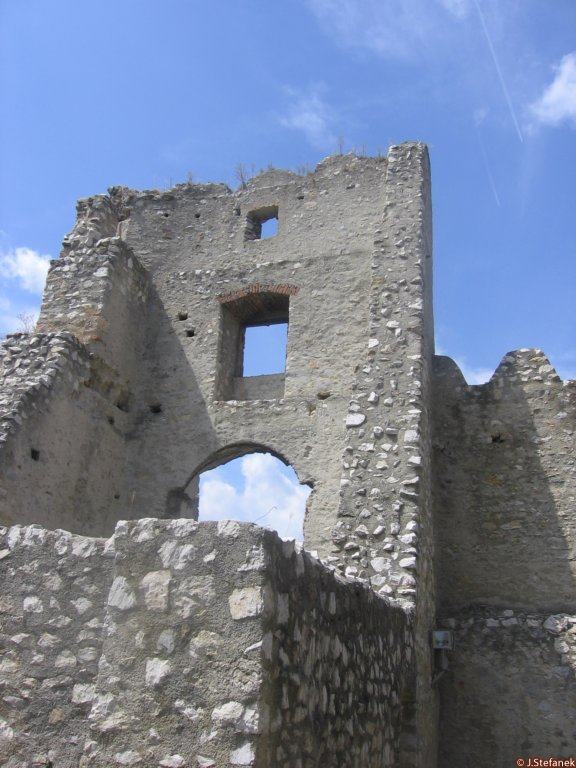
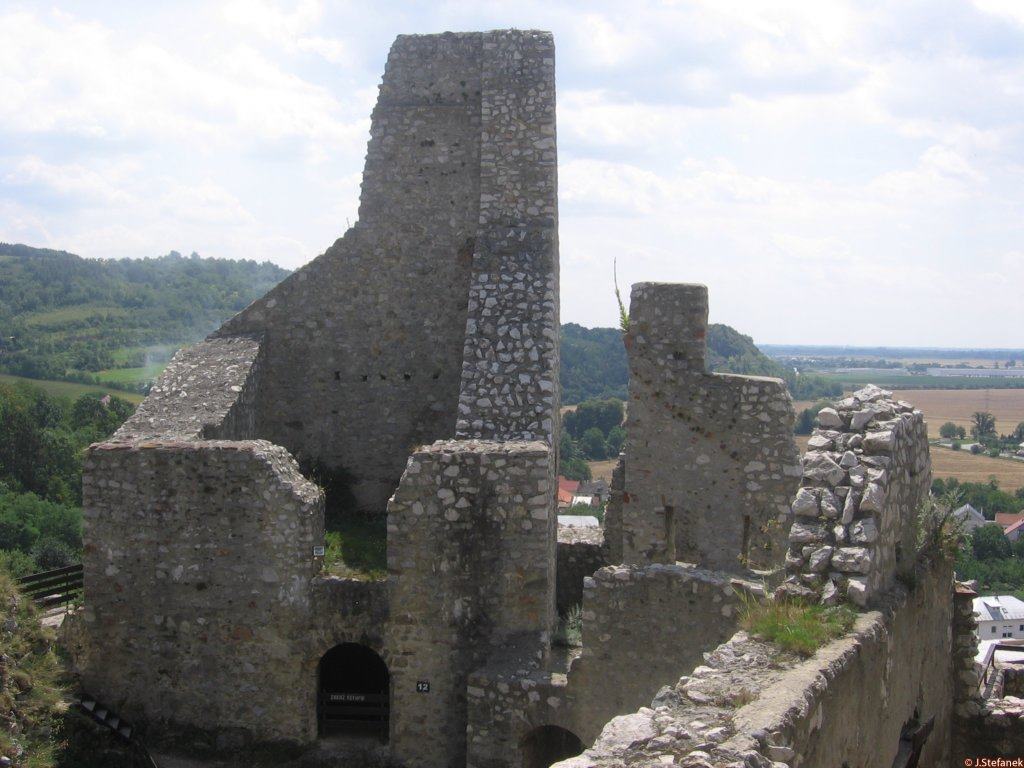
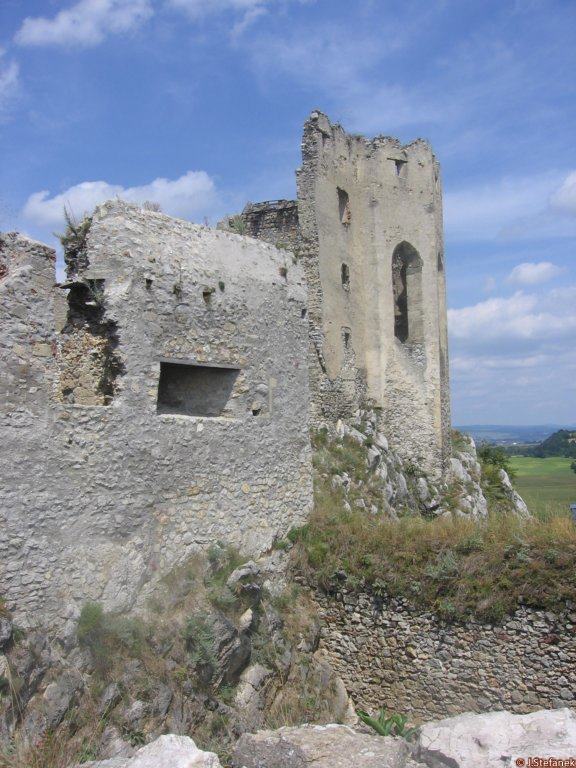
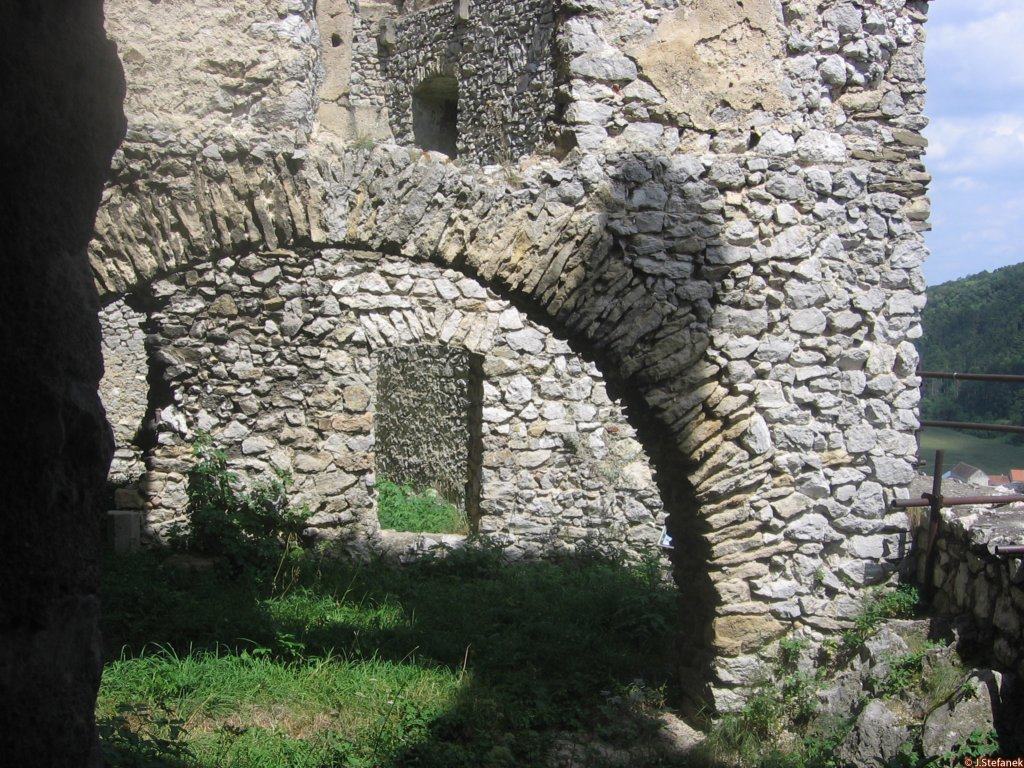
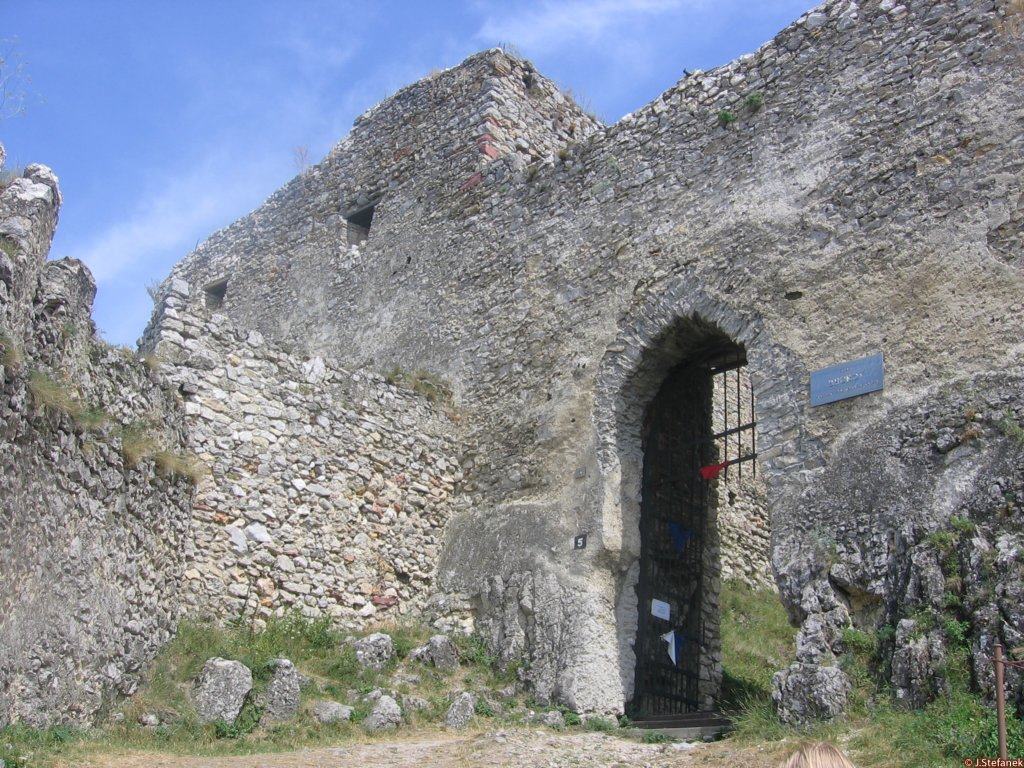
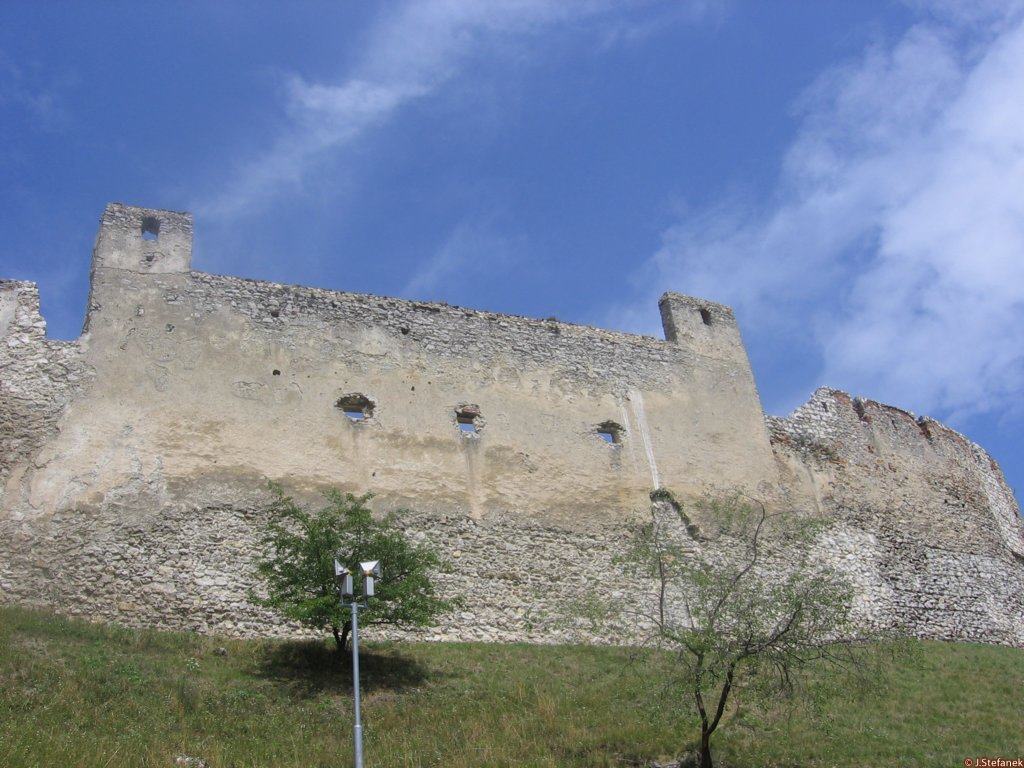
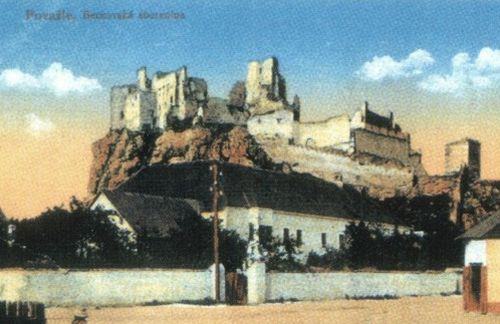
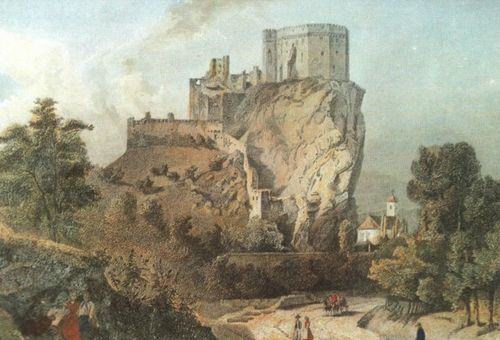
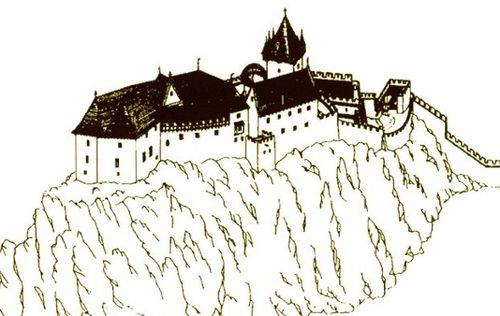
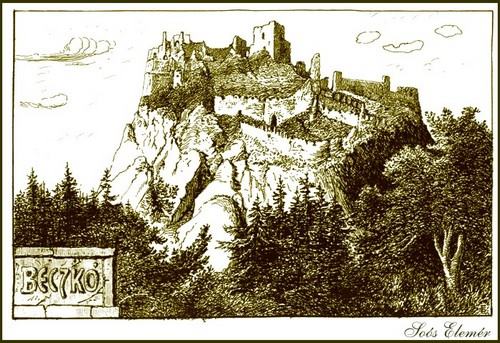
Significant architectural features have preserved mainly the buildings of the upper castle. These are mainly parapets, fragments of window frames and tracery, portals and also the remains of vaults or wall paintings. The ruins of the upper and lower castle are the remains of a set of palaces, farm buildings, defensive buildings and fortifications.Interesting is the open, unfinished cannon bastion in the lower courtyard and also the upper, regularly delimited courtyard, surrounded on three sides by the remains of palaces and the former entrance facade to the chapel. The medieval architecture is also emphasized by the about 70 m high castle gate, which forms a compositional unit with the ruins.
Výrazné architektonické prvky si zachovali hlavne budovy horného hradu. Jedná sa predovšetkým najmä o atiku, fragmenty okenných obrúb a kružieb, portály a tiež aj zvyšky klenieb, či nástenných malieb. Ruiny horného a dolného hradu sú pozostatkom súboru palácov, hospodárskych budov, obranných stavieb a opevnenia.Zaujímavá je otvorená, neukončená delová bašta v dolnom nádvorí a tiež aj horné, pravidelne vymedzené nádvorie, obklopené z troch strán zvyškami palácov a niekdajšou vstupnou fasádou do kaplnky. Stredovekú architektúru zvýrazňuje aj asi 70 m vysoké hradné bralo, ktoré tvorí so zrúcaninou kompozičný celok.
Plan
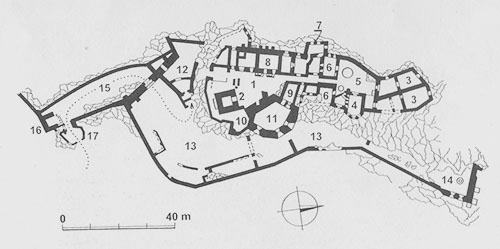
Legend to the ground plan
- 1-upper castle
- 2-main tower
- 3-gothic palace
- 4-gothic chapel
- 5-representative part of the castle
- 6-transverse palace
- 7-west tower
- 8-renaissance palace
- 9-farm buildings
- 10-east tower
- 11-cannon bastion
- 12-entrance to the upper castle
- 13-lower castle
- 14-well
- 15-fort
- 16-defense tower
- 17-entrance barbican
Legenda k pôdorysu
- 1-horný hrad
- 2-hlavná veža
- 3-gotický palác
- 4-gotická kaplnka
- 5-reprezentačná časť hradu
- 6-priečny palác
- 7-západná veža
- 8-renesančný palác
- 9-hospodárske budovy
- 10-východná veža
- 11-delová bašta
- 12-vstup do horného hradu
- 13-dolný hrad
- 14-studňa
- 15-predhradie
- 16-obranná veža
- 17-vstupný barbakan
History
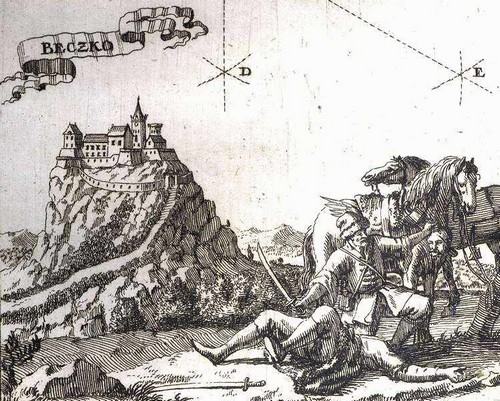
According to some historians, as early as 896, a wooden fortress was located on this site, but so far no traces have been found. The first preserved mention of the castle is the Anonymous Chronicle from the 12th century. Anonymus wrote about the castle after 1205. During its existence, Beckov Castle faced many enemy raids, although the distance from the Turkish enemy was a great advantage. In 1241 the castle gunmen repulsed the attack of the Mongol cavalry. At the beginning of the 14th century, however, the troops of Matúš Čák, as well as other castles near Váh, also occupied Beckov. After the death of Matúš Čák in 1321 the castle fell into the hands of King Karel Róbert. Later, in 1388, Beckov Castle was donated to Stibor from Stiborice, a baron of Polish origin, who rebuilt the austere military fortress into a comfortable knight's castle with an improved defense system. During the reconstruction in the rear part of the upper castle, they separated the closed manor sector with a palace, a chapel and a courtyard by a transverse building, accessible only by a well-defended narrow passage. After the death of Stibor the castle was acquired by his son Stibor II., but after his death in 1434 the castle belonged to his daughter Katarína Margita. Katarína then married Pavel Bánffy - a royal rider, and from 1437 the castle belonged to the Bánffy family. The Bánffy family turned the castle into a Renaissance manor house. One of the Beckov Bánffy family member, Ján Bánffy, fell in 1595 in a fight against the Turks. In 1599 the castle was attacked by Tatar riders, but their attack was eliminated.
Beckov Castle was not considered a militarily important place, it was not as fortified as some other castles at that time. The upper castle had a single cannon bastion. In 1646 after the extinction of the last member of the Bánffy family - Krištof Bánffy, the castle and the manor were divided by their successors. However, they cared more or less about the surrounding subjects and not about the maintenance and repairs of the castle. So the castle began to decay slowly. The last military event at Beckov Castle took place in 1707, when Ladislav Ocskay of Kuruk's cavalry attacked and occupied a stone-walled small town and headed for the castle. Here, however, they encountered strong resistance from defenders and the insurgents suffered a bloody defeat. However, as a revenge they plundered and destroyed the town, the churches, and even, according to some sources, stripped the local women naked and drove them into the snowy streets. After the defeat of Rákóczi's troops in 1708 near Trenčín, all anti-Habsburg insurgents disappeared from this area. In 1711 Beckov Castle bypassed the order to destroy the Hungarian castles, probably due to the emperor's faithful owners of the castle. A great fire engulfed the entire castle in 1729 and its restoration would cost a huge fortune. Because of this, its owners did not restore it, but moved to more comfortable surrounding mansions.
Since then, the castle has been deserted and weathered. In 1970 began historical research and restoration of the castle. Since 2002, conservation work continued and the castle was closed in places. The extensive reconstruction of the castle took place in the years 2010-2012, when the lower part of the castle, the entrance area, the walls, the cannon bastion and the castle well were restored as part of the first stage of the comprehensive reconstruction. New infrastructure and engineering networks were also built, and the chapel was roofed and its western façade was remodeled.
In the years 2015 to 2018, further restoration work on the Gothic windows and the restoration of the chapel's entrance portal took place. At the same time, in 2018, there was an architectural-historical research of the Western Palace, the reconstruction of which began in May 2022.
Podľa niektorých historikov už pred rokom 896 sa na tomto mieste týčila drevená pevnosť, avšak doteraz sa nezistili žiadne stopy. Prvou zachovanou zmienkou o hrade je Anonymova kronika z 12. storočia. Anonymus písal o hrade po r. 1205. Hrad Beckov počas svojej existencie čelil mnohým nájazdom nepriateľov, i keď vzdialenosť od tureckého nepriateľa bola veľkou výhodou. V r. 1241 hradní ozbrojenci odvrátili útok mongolských jazdcov. Na začiatku 14. storočia však vojská Matúša Čáka, tak ako aj ostatné hrady pri Váhu, obsadili aj Beckov. Po smrti Matúša Čáka v r. 1321 sa hrad dostal do rúk kráľa Karla Róberta. Neskôr, v r. 1388 dostal do daru Beckovský hrad Stibor zo Stiboríc, barón poľského pôvodu, ktorý strohú vojenskú pevnosť prestaval na komfortný rytiersky hrad so zdokonalenou obrannou sústavou. Pri prestavbe v zadnej časti horného hradu priečnou budovou oddelili uzavretý panský sektor s palácom, kaplnkou a nádvorím, prístupný iba dobre brániteľným úzkym priechodom. Po smrti Stibora hrad získal jeho syn Stibor II., avšak po jeho smrti v r. 1434 hrad pripadol jeho dcére Kataríne Margite. Katarína sa potom vydala za Pavla Bánffyho - kráľovského jazdca, a od r. 1437 už hrad patril rodu Bánffyovcov. Bánffyovci vytvorili z hradu renesančné panské sídlo. Jeden z rodu beckovských Bánffyovcov, Ján Bánffy padol v roku 1595 v boji proti Turkom. V r. 1599 hrad napadli tatárski jazdci, ale ich útok bol eliminovaný.
Hrad Beckov nebol pokladaný za vojensky dôležité miesto, nebol natoľko opevnený, ako niektoré ostatné hrady v tej dobe. Horný hrad mal jedinú delovú baštu. V r. 1646 po vymretí posledného z rodu Bánffyovcov - Krištofa Bánffyho, si hrad a panstvo rozdelili ich nástupcovia. Tí sa však starali viac menej o okolité poddanstvá a nie o údržbu a opravy hradu. Hrad teda začal pomaly chátrať. Posledná vojenská udalosť sa na Beckovskom hrade udiala v r. 1707, keď kurucké jazdecké vojská Ladislava Ocskaya napadli a obsadili kamennou stenou ohradené malé mestečko a smerovali k hradu. Tu však narazili na silný odpor obrancov a povstalci utrpeli krvavú porážku. Kuruci však z pomsty vyrabovali a zničili mestečko, kostoly, ba dokonca podľa niektorých prameňov vyzliekli miestne ženy do naha a vyhnali ich do zasnežených ulíc. Po porážke Rákócziho vojsk v r. 1708 pri Trenčíne, vymizli z tejto oblasti všetci protihabsburskí povstalci. V r. 1711 hrad Beckov obišiel príkaz na zničenie uhorských hradov, pravdepodobne kvôli cisárovi verným majiteľom hradu. Veľký požiar zachvátil celý hrad v r. 1729 a jeho obnova by bola stála obrovský majetok. Práve kvôli tomu ho už jeho vlastníci neobnovili, ale presťahovali sa do pohodlnejších okolitých kaštieľov.
Odvtedy hrad pustol a podľahol poveternostným vplyvom. V r. 1970 začal historický výskum a reštaurovanie hradu. Od r. 2002 pokračovali konzervačné práce a hrad bol miestami uzavretý. K rozsiahlej rekonštrukcii hradu došlo v rokoch 2010-2012, keď bola v rámci prvej etapy komplexnej rekonštrukcie obnovená najmä dolná časť hradu, vstupný areál, hradby, delová bašta a hradná studňa. Vybudovala sa aj nová infraštruktúra a inžinierske siete a došlo k zastrešeniu kaplnky a premurovaniu jej západnej fasády.
V rokoch 2015 až 2018 prebiehali ďalšie reštaurátorské práce na gotických oknách a obnovenie vstupného portálu kaplnky. Zároveň v roku 2018 došlo k architektonicko-historickému výskumu západného paláca, ktorého rekonštrukcia začala v máji v roku 2022.
Myths and legends
The legend of the castle
The ghost of a lady wanders through the ruins of the night. He seeks a man of pure soul to help her from suffering for the sins committed during her life, when the wicked one ruled the castle with a hard hand.
Legend about Ctibor and Beckov
Ctibor once rested on a hunt with a group of vassals, with hounds and dogs just on the opposite side of the gate, which flowed from the thicket at that time still quite bare, unused and worthless. Everyone tried as hard as he could to cheer up the master with jokes and flattery, but not one with as much success as the court fool Becko, whose joking frightened his strict seriousness. Here, with a rare smile of kindness on his face, he was willing to fulfill everyone's wishes. When the fool's turn came, he expressed the wish that the lord on the opposite gate had the castle built and gave it to him. The courts laughed out loud at the senseless and unfulfillable request. But laughter was on their faces when Ctibor promised in a thunderous voice that he would grant the request because he did not know the word impossible.
Within a year, the lord was handling the first feast at the new castle, which with its splendor could compete with any castle in the kingdom. As the castle was pleasant and completely safe in many ways, Ctibor chose it as his seat, even though it was named after a fool he richly compensated. In this castle, which became the scene of many festivities and delights, the cruel and cruel Ctibor also suffered a fatal devastation, when he reached the place where the avenging fate inscribed the deadly words "no more steps!". He did not pay his affection to a woman or a child, but to a hunting dog of extraordinary beauty and dexterity. He was having lunch once when his darling with a scattered paw came into the hall, crooked and howling. Those present were embarrassed when the fury began to scurry, spewing terrible threats at the head of the perpetrator, the old slave, who was hard-fought against the attack of a spoiled and vicious animal. But there were no excuses, pleas, or years of loyalty. Ctibor ordered the unfortunate man to be thrown from the steepest wall of the gate and laughed at him when he called him in mortal terror at the edge of the abyss within a year and a day before the Supreme Judge's seat.
The crime was forgotten, the games, the singing and the hurray of the entertaining guests resounded in the chambers, and no one remembered that a year had passed since that murder. Here, the wine-drenched Ctibor could be taken to his favorite shady corner in the garden where he often rested. As soon as the bully fell asleep, a whirlwind crept up on him - the usual instrument of the goddess Nemesis in all myths, and quickly crossed her eye to the brain of her victim. The unbearable pain drove Ctibor in a wild frenzy from place to place, until he reached the top of the cliff, suddenly into a bloody glow, stained with the blood of a servant a year ago, from where the rage collapsed into an abyss and scattered. His wife Dobrochna wanted to jump after him, and when her servants prevented her from doing so, she stabbed herself with a dagger.
Povesť o hrade
Rozvalinami nocou blúdi prízrak panej. Hľadá človeka s čistou dušou, aby jej pomohol od trápenia za hriechy spáchané počas života, keď zlomyseľná na hrade vládla tvrdou rukou.
Povesť o Ctiborovi a Beckove
Ctibor odpočíval raz na poľovačke s družinou vazalov, s honcami a psami práve na náprotivnej strane brala, ktoré čnelo z húšťavy vtedy ešte celkom holé, nevyužité a bezcenné. Každý sa usiloval ako len vedel rozveseliť pána žartmi a lichôtkami, no ani jeden s toľkým úspechom ako dvorný blázon Becko, ktorého vtipkovanie odplašilo jeho prísnu vážnosť. Tu so zriedkavým úsmevom dobrotivosti na tvári bol ochotný každému splniť jeho želanie. Keď došiel rad na blázna, ten vyslovil želanie, aby pán na náprotivnom brale dal postaviť hrad a daroval mu ho. Dvorania sa nahlas rozosmiali nad nezmyselnou a nesplniteľnou prosbou. No smiech im zmeravel na tvári, keď Ctibor hromovým hlasom prisľubil prosbe vyhovieť, lebo nepoznal slovo "nemožné".
Do roka odbavoval pán prvú hostinu na novom hrade, ktorý svojou nádherou mohol súperť s hociktorým hradom v kráľovstve. Keďže bol hrad z mnohých stránok príjemný a úplne bezpečný, zvolil si ho Ctibor za sídlo, aj keď bol pomenovaný podľa blázna, ktorého bohato odškodnil. Na tomto hrade, ktorý sa stal dejiskom mnohých slávností a radovánok, stihla surového a ukrutného Ctibora aj osudná skaza, keď došiel až k miestu, kde pomstiaci sa osud vpísal smrtiace slová "ďalej už ani krok!". Svoju náklonnosť nevenoval ani žene, ani dieťaťu, ale poľovníckemu psovi nevšednej krásy a šikovnosti. Raz práve obedoval, keď vošiel do siene jeho miláčik s rozdrúzganou labou, krívajúci a zavýjajúci. Prítomní stŕpli od zdesenia, keď zúrivec začal vyčínať, chrliac strašné hrozby na hlavu privedeného páchateľa, starého otroka, ktorý sa bol vonku len horko-ťažko ubránil útoku rozmaznaného a zlomyseľného zvieraťa. No nezapôsobilo ospravedlnenie, prosby ani dlhoročná vernosť. Ctibor rozkázal nešťastníka zhodiť z najstrmšej steny brala a vysmieval sa mu, keď ho v smrteľnej hrôze na okraji priepasti volal do roka a do dňa pred súdnu stolicu najvyššieho sudcu.
Na zločin sa pozabudlo, hry, spev a hurhaj zabávajúcich sa hostí ozývali sa v komnatách a nik si nespomenul, že od onej vraždy uplynul práve rok. Tu sa dal vínom omámený Ctibor odviesť do svojho obľúbeného tienistého zákutia v záhrade kde často odpočíval. Len čo tyran zaspal, prikradla sa k nemu vretenica - zvyčajný nástroj bohyne Nemesis vo všetkých bájach a rýchlo sa cez oko prehrýzla k mozgu svojej obete. Neznesiteľná bolesť hnala Ctibora v divom šialenstve z miesta na miesto, až sa dostal na vrchol brala, zrazu do krvava rozžiareného, pred rokom takto sfarbeného krvou sluhovou, odkiaľ sa zúrivec zrútil do priepasti a rozdrúzgal. Jeho manželka Dobrochna chcela skočiť za ním a keď jej v tom sluhovia zabránili, prebodla sa dýkou.
Useful information
Opening hours and admission
Otváracia doba a vstupné
External links
Nearby castles
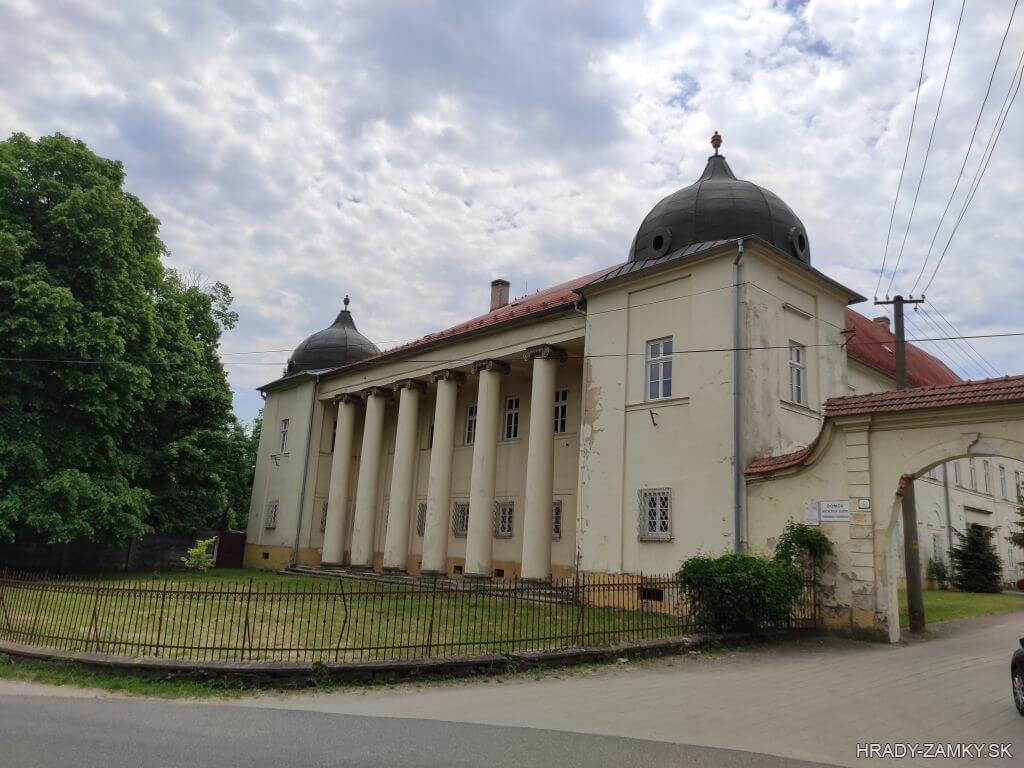
Zemianske Podhradie
Zemianske Podhradie
7.2km
manor, mansion
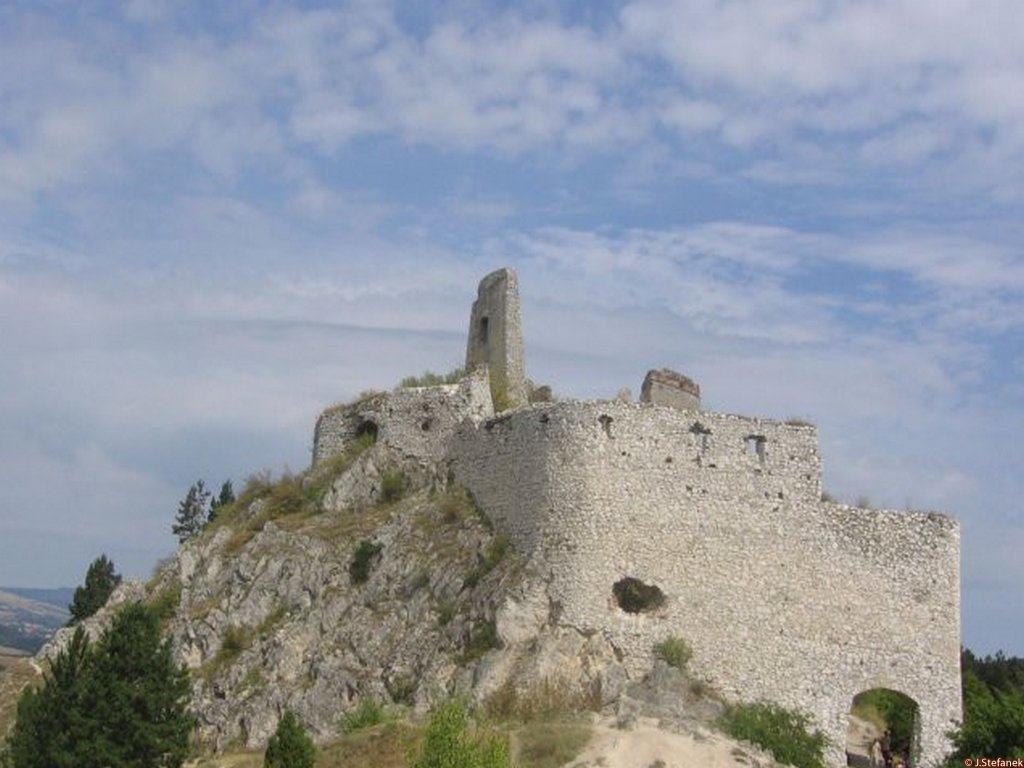
Čachtice castle
Čachtice
12.5km
castle ruin
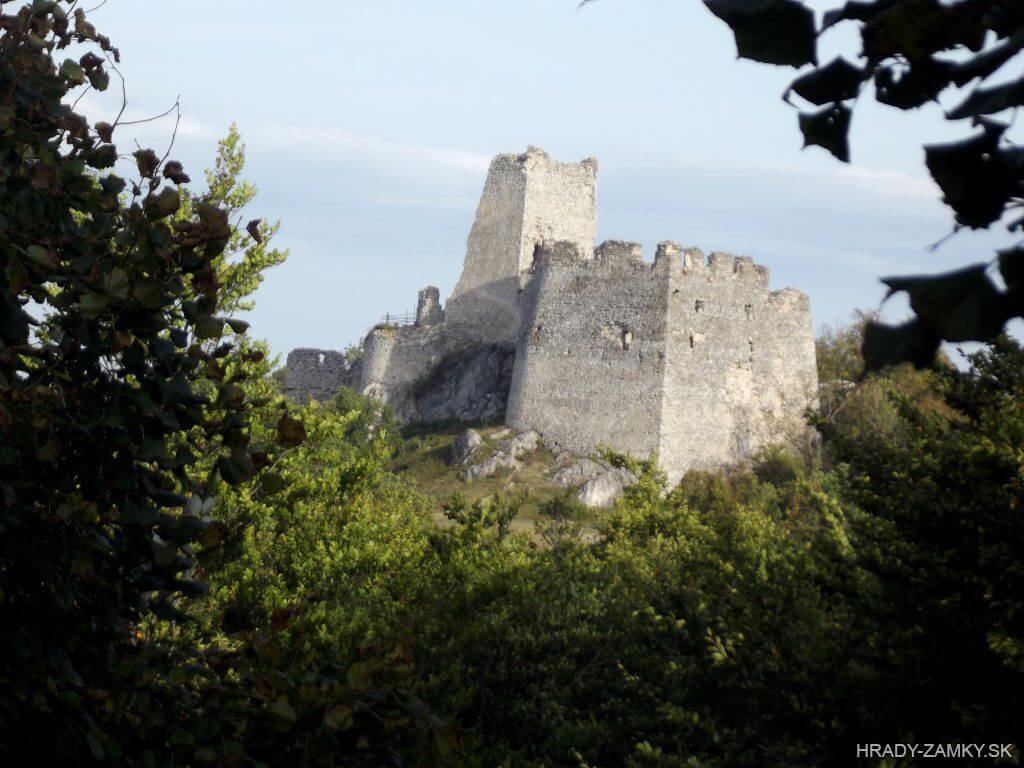
Tematín
obec Hrádok
12.8km
castle ruin
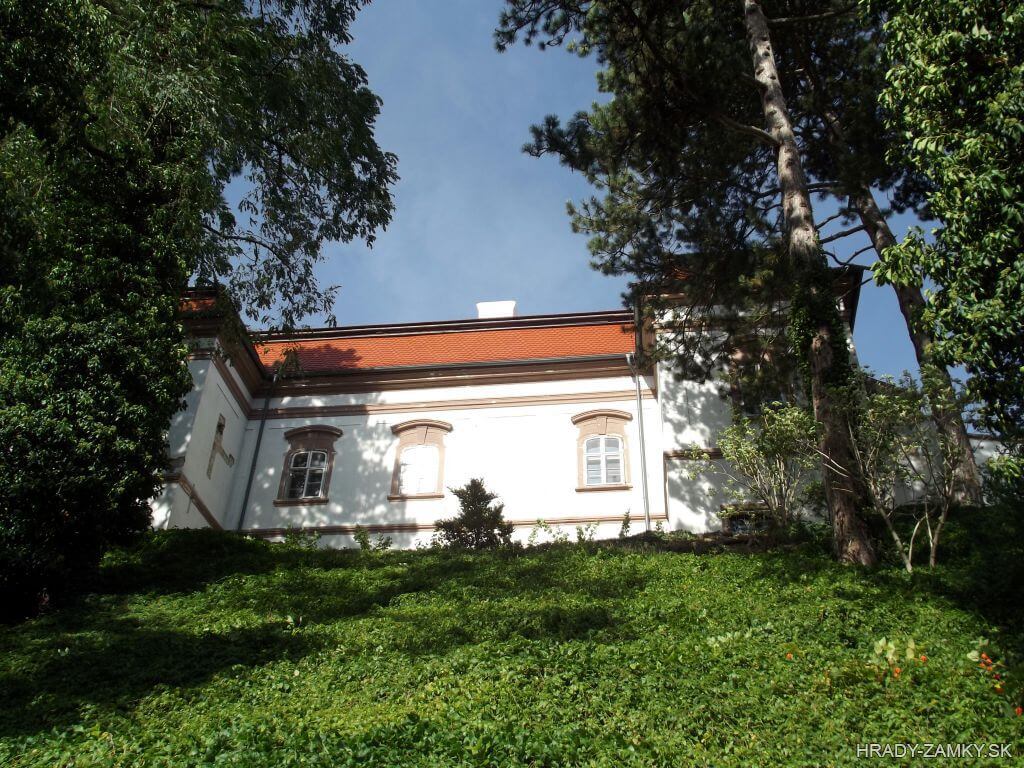
Lúka mansion
Lúka
14.8km
manor, mansion
Trenčín castle
Trenčín
15.8km
castle, chateau
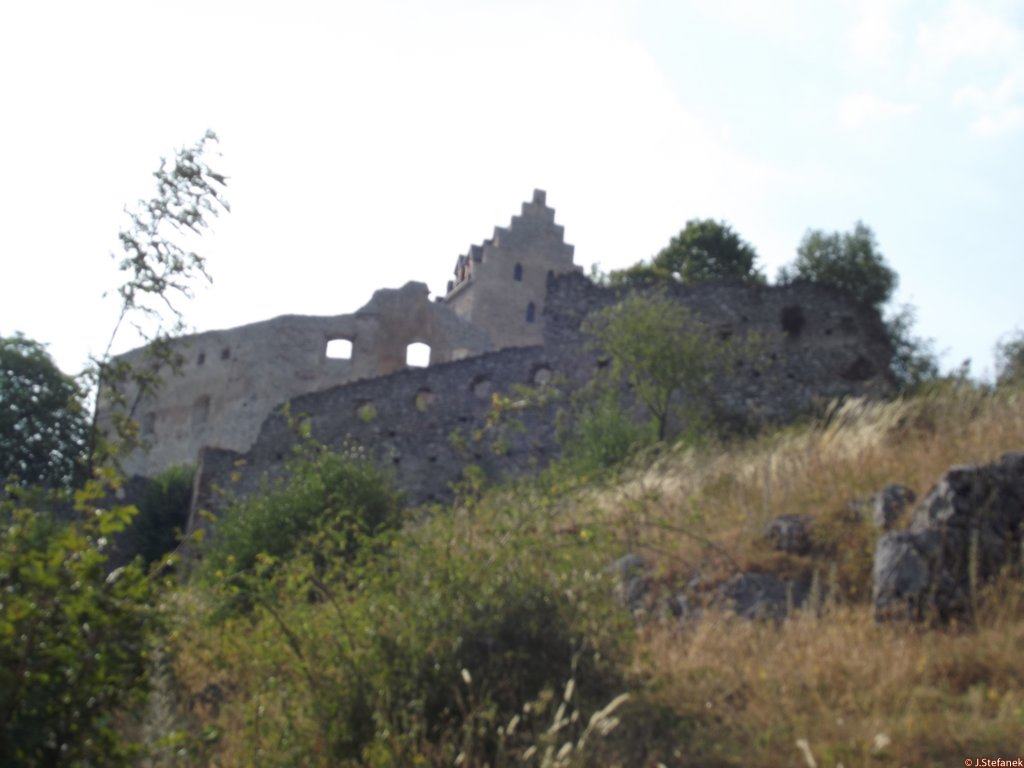
Topoľčany castle
Podhradie okr. Topoľčany
18.4km
castle ruin
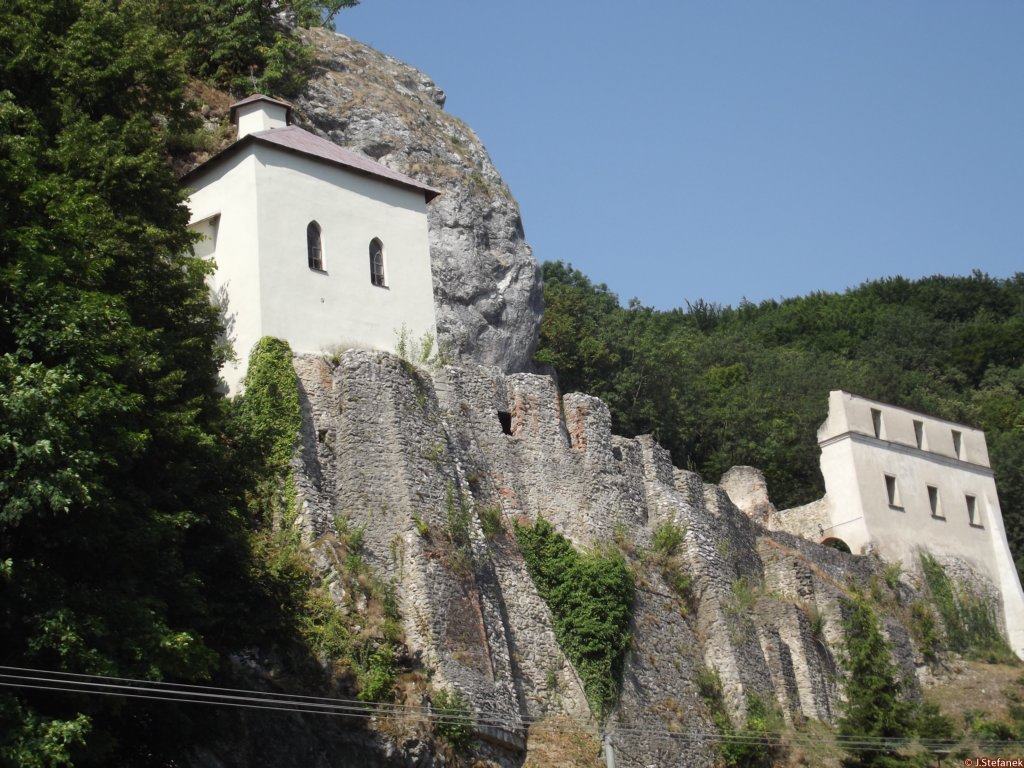
Skalka
Skalka nad Váhom
18.8km
monastery