Stupava
Stupava Bratislava county Slovakia
manor, mansion
Stupava
Stupava Bratislavský kraj Slovakia
kaštieľ
Baroque mansion with later romantic modifications, probably built on the site of a water castle, situated on the edge of a park in the historical center of Stupava
Barokový kaštieľ s neskoršími romantickými úpravami, pravdepodobne postavený na mieste vodného hradu, situovaný na okraji parku v historickom centre Stupavy.
Previous names
Ztumpa, Stumpa, Stampha, Stompa, Sthomffa, Stupawa, Stomfa
Roads
Stupava mansion is located in the center of Stupava. It is surrounded by a castle park. It is located on the right side of Hlavna Street, which crosses the city (from Záhorská Bystrica). In the center of town, we pass the church of Sv. Stephen and the mansion is located next door. You can park directly in front of the mansion on the edge of Hlavna Street.
Kaštieľ v Stupave sa nachádza v centre mesta Stupava. Je obklopený zámockým parkom. Leží na pravej strane Hlavnej ulice, ktorá prechádza mestom (od Záhorskej Bystrice). V centre mesta minieme kostol Sv. Štefana a kaštieľ sa nachádza hneď vedľa. Zaparkovať je možné bezprostredne pred kaštieľom na okraji Hlavnej ulice.
Description
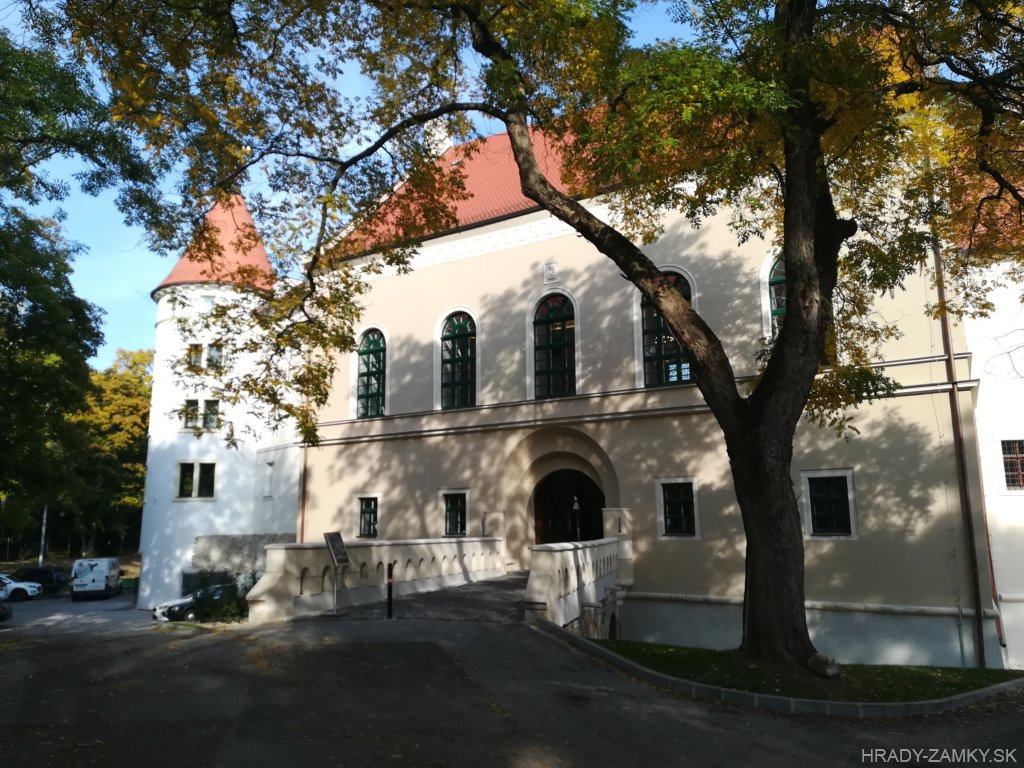
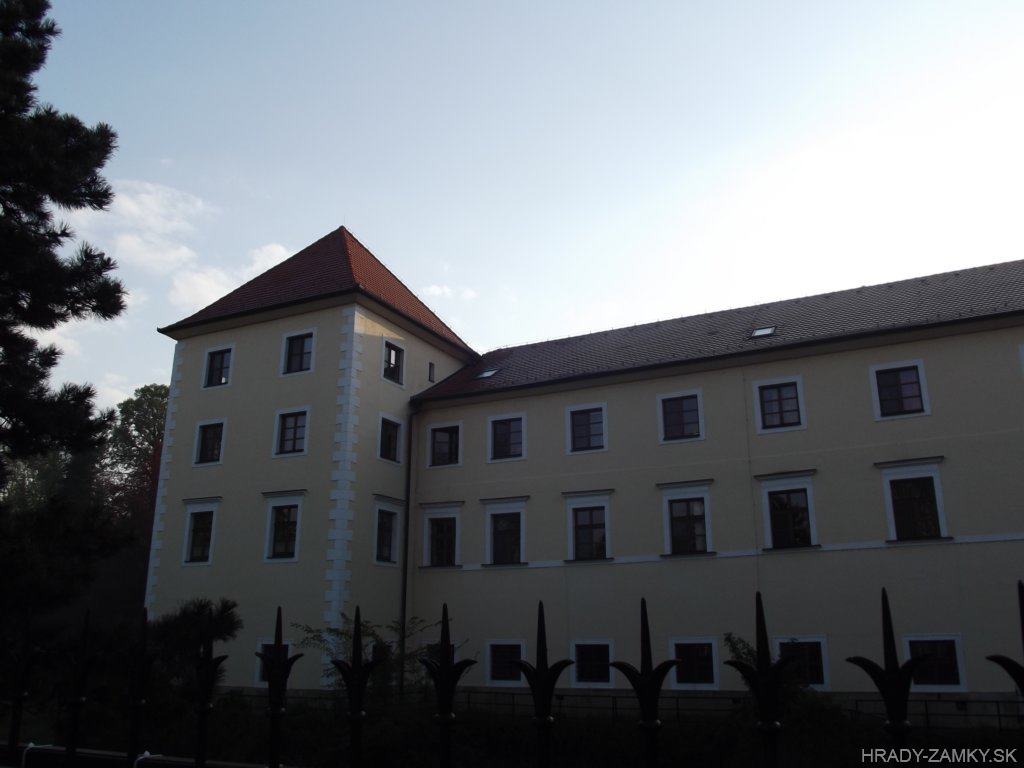
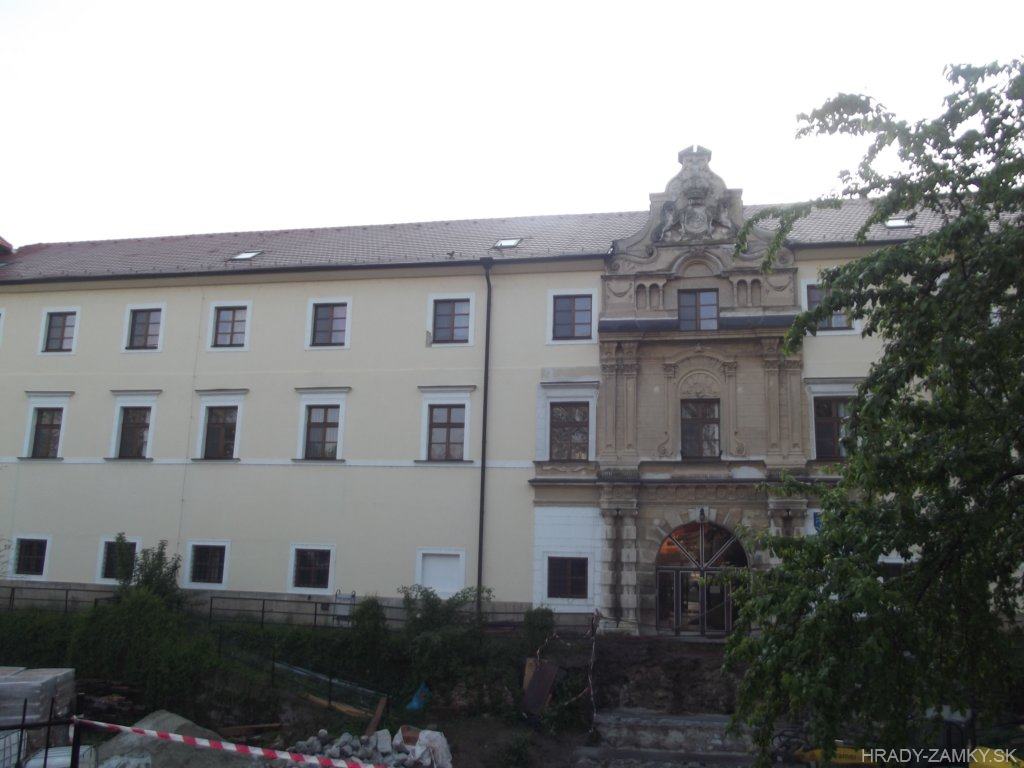
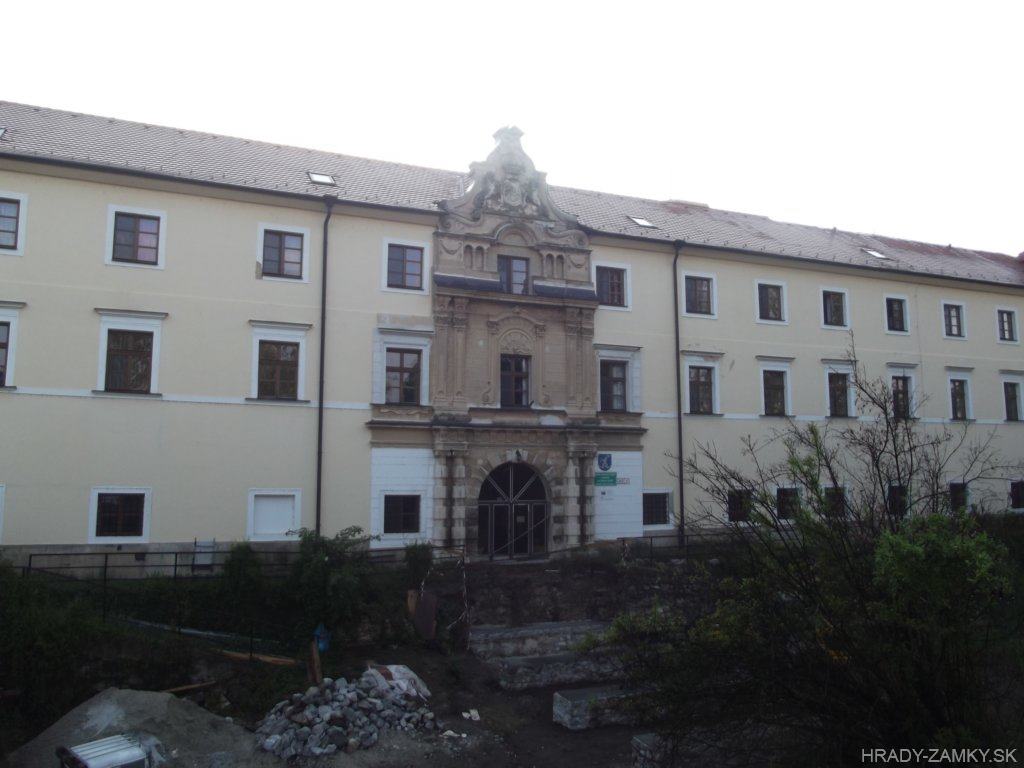
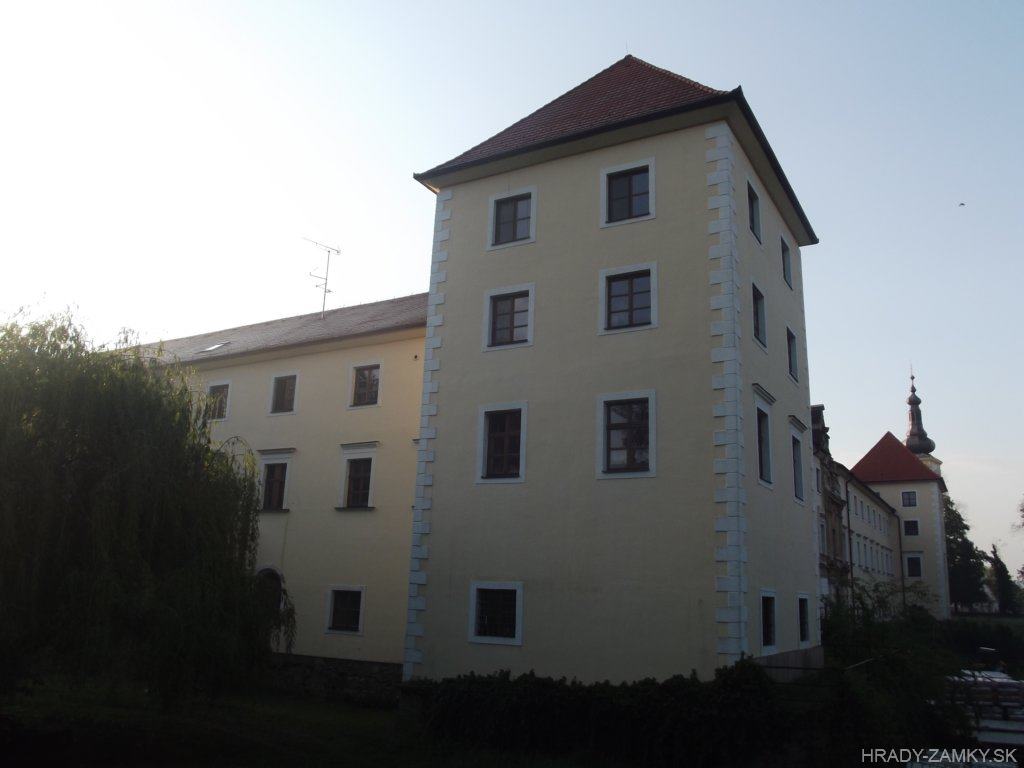
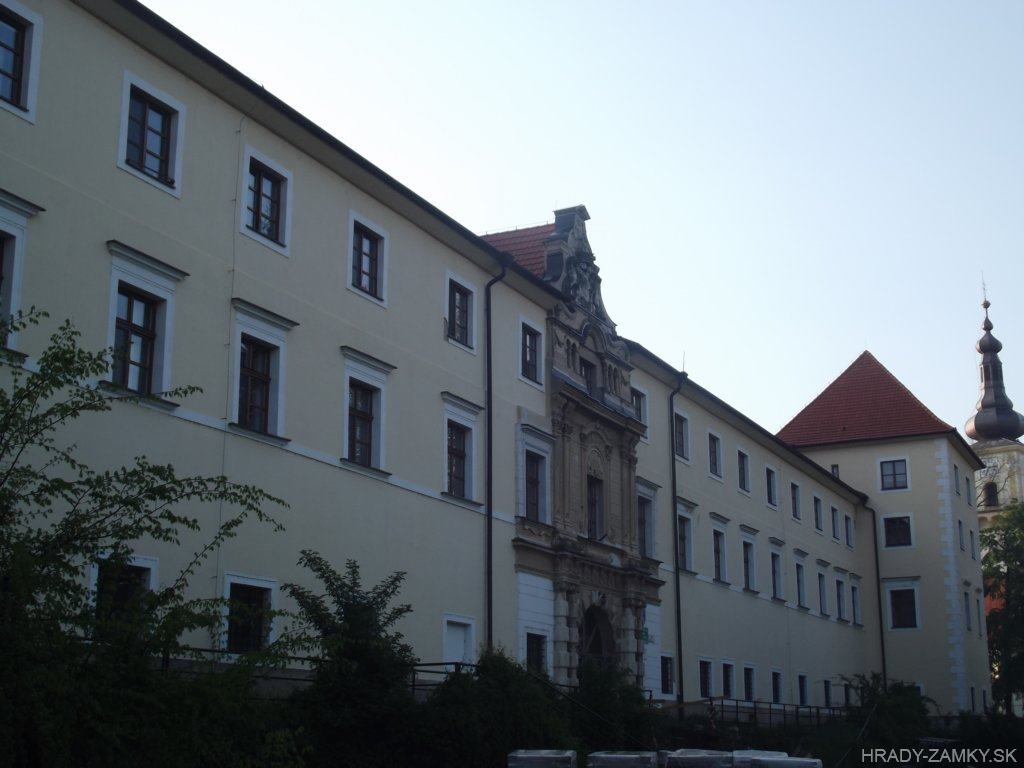
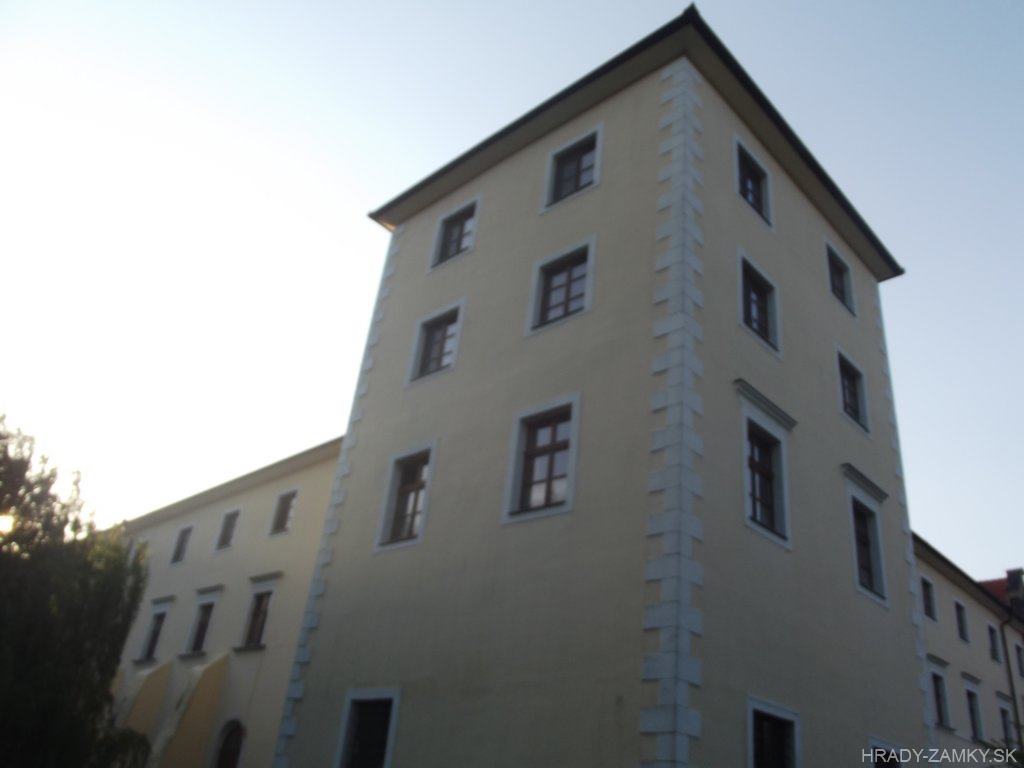
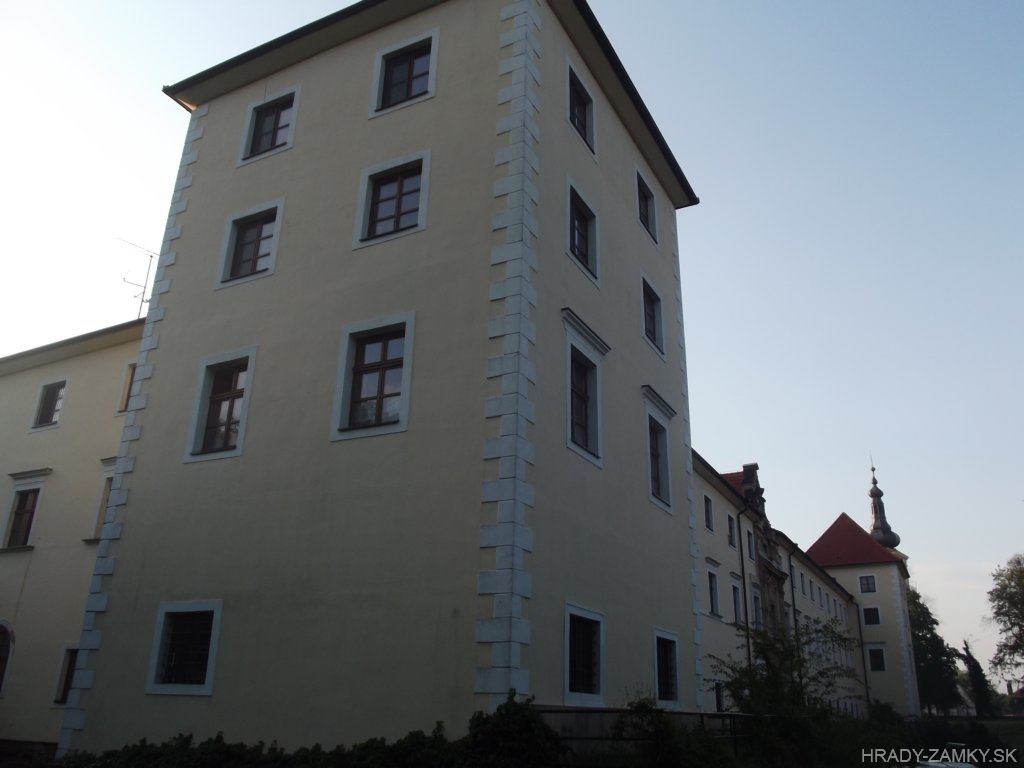
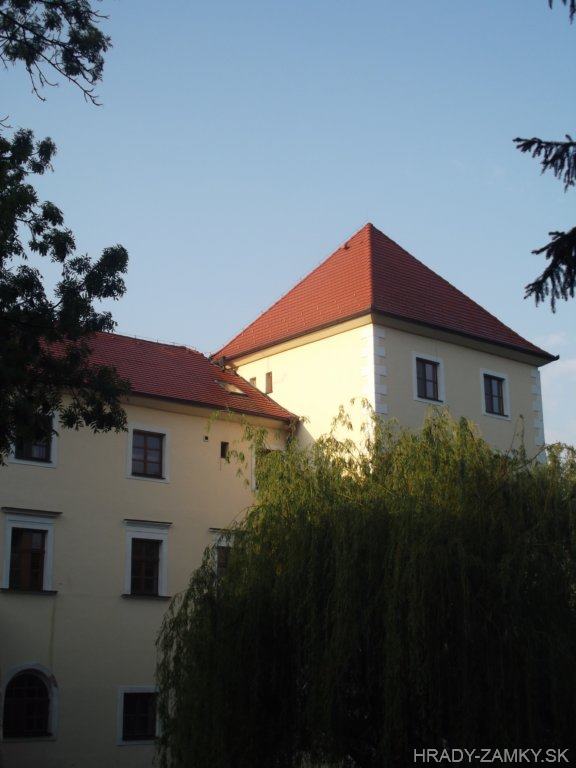
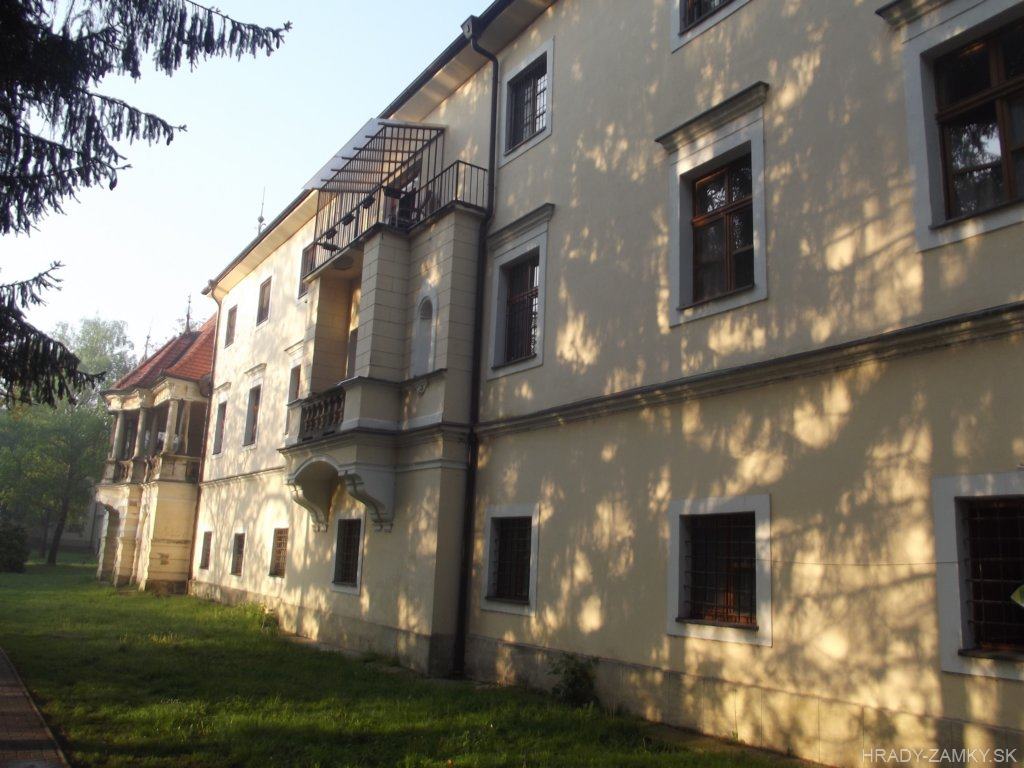
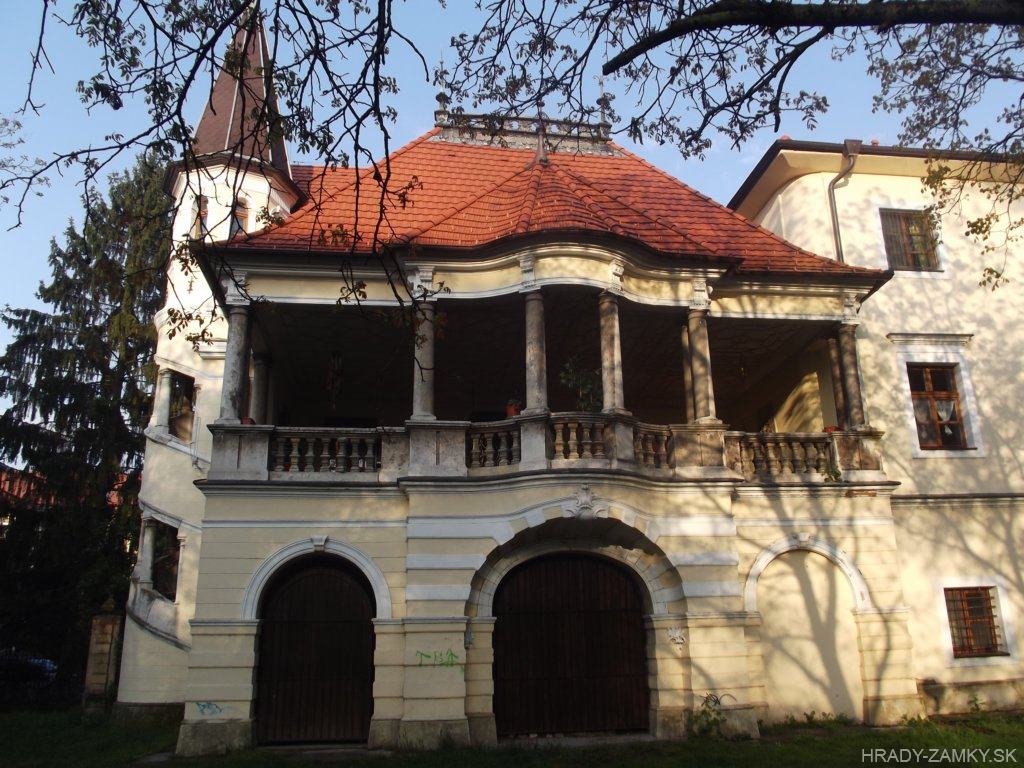
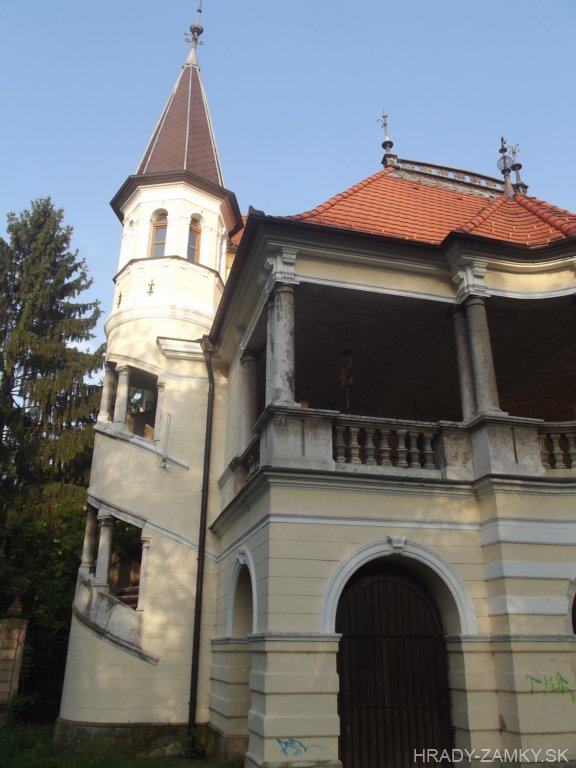
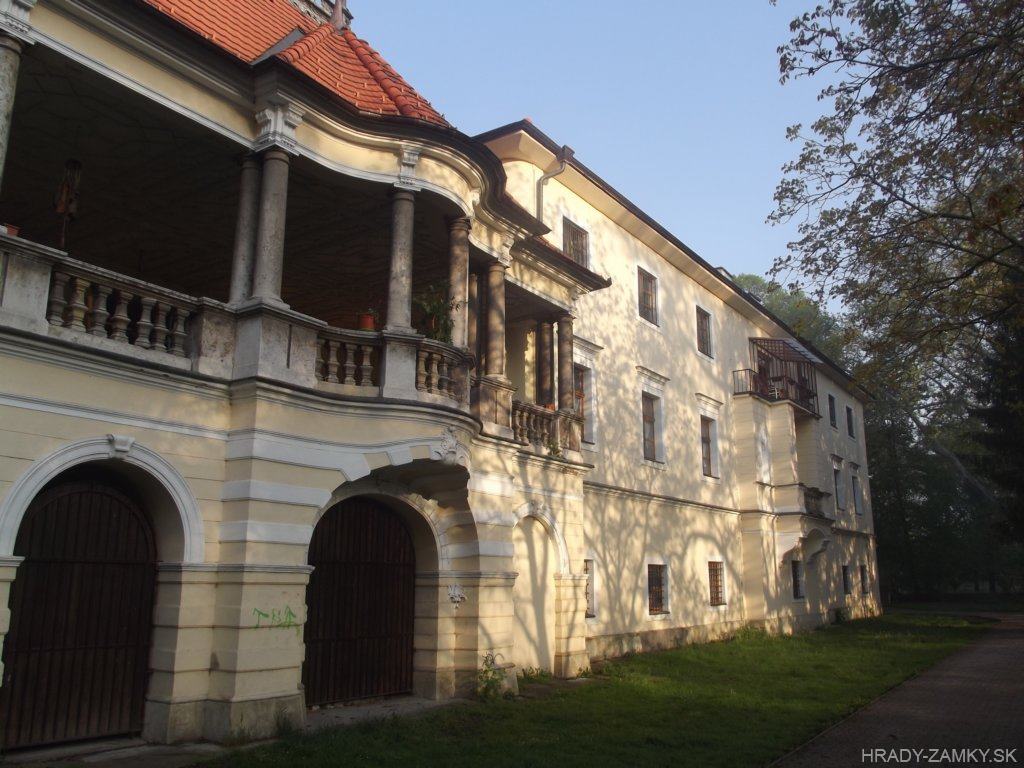
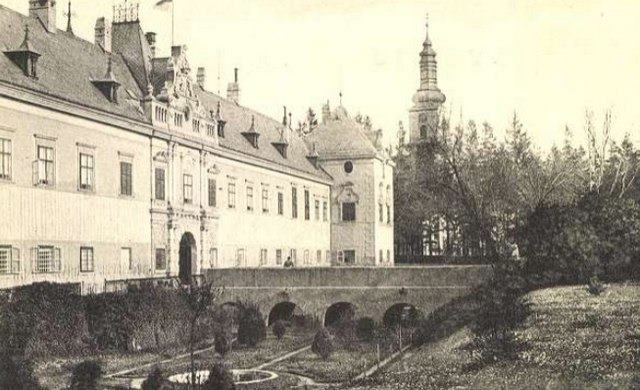
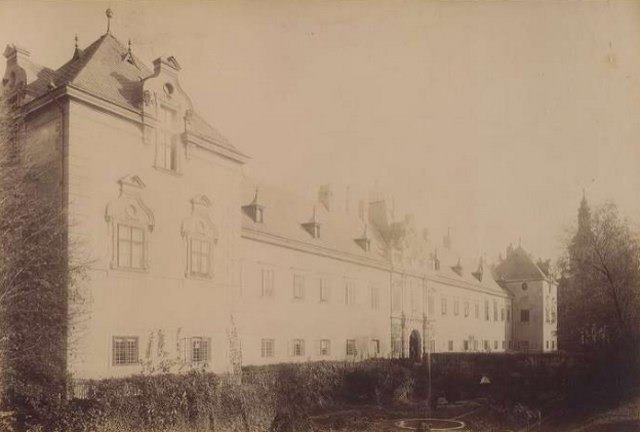
The mansion is a storeyed building with a three-wing layout with corner prismatic towers and a chapel at the end of the side wing. The façade in the historicist styles draws on Baroque-Rococo patterns, in places modified after the turn of the century, bears the signs of Art Nouveau. The accentuated central three-axis splendid part of the layout is also in the facades.The entrance portal has a stone bossage. Above it is a cordon cornice that separates the first floor from the second. At the top there is a parapet with a gable and a pedestal, the middle part with a risalit in a romantic spirit using rococo patterns. There is an arched corridor around the courtyard, Renaissance vaults on the ground floor. The chapel occupies two floors.
Kaštieľ je poschodová budova s trojkrídlovou dispozíciou s nárožnými hranolovými vežami a kaplnkou na konci bočného krídla. Fasáda v historizujúcich slohoch čerpá z barokovo-rokokových vzorov, miestami po úpravách na prelome storočí, nesie znaky secesie. Zdôraznená stredná trojosová honosná časť dispozície je aj vo fasádach.Vstupný portál má kamennú bosážu. Nad ňou je kordónová rímsa, ktorá oddeľuje prvé podlažie od druhého. Vo vrchole je atika so štítom a nádstavcom, stredná časť je s rizalitom v romantickom duchu s použitím rokokových vzorov. Okolo nádvoria obieha klenutá chodba, na prízemí sa zachovali renesančné klenby. Kaplnka zaberá dve poschodia.
History
Many sources state that the manor house stands on the site of the defunct Stupava water castle. However, there is also a theory that claims that it was built on the site of a manor house from the 16th century, and the location of Stupava Castle is assumed on the site of Dračí hrádok.
Despite the disputed location, the original water castle is mentioned as early as 1271. In 1280 it was the center of the Pajštún estate. It belonged to the royal castles, but later changed owners. From 1441 to 1519 it was the property of the counts of St. Jura. In 1519 it passed into the ownership of the Serédy family and in 1553 it was acquired by the counts of Salm and Neuburg. In 1592, Count Mikuláš Pálffy became the owner of the manor. The castle remained the property of this important family until 1867.
In the middle of the 17th century, Pavol Pálffy rebuilt the original building into an early Baroque fortified manor house. Further changes to the building were taken care of in the 18th century by Mikuláš V. Pálffy and his grandson Leopold II., When a courtyard and a chapel were built.
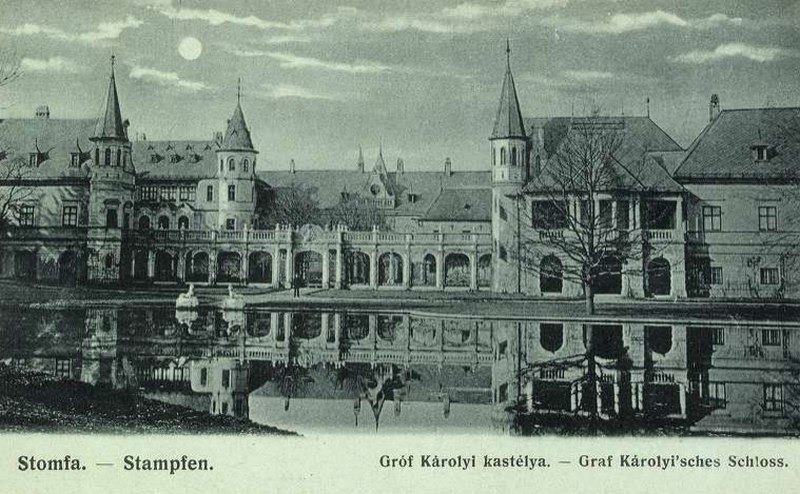
One of the most important owners since 1867 was the Károlyi family, who rebuilt the manor in a romantic spirit. The last owner of the manor, Count Ľudovít Károlyi, left his estate on April 2, 1945. During World War II, the manor was abandoned and damaged. After the 2nd st. During the war, a municipal police was set up in the manor. The damaged mansion later became the property of the state. In 1947 the mansion burned down. It was renovated in 1956-58 and today serves as a home for social services.
Mnohé zdroje uvádzajú, že kaštieľ stojí na mieste zaniknutého Stupavského vodného hradu. Avšak existuje aj teória, ktorá tvrdí, že bol postavený na mieste kúrie zo 16. storočia a polohu Stupavského hradu predpokladajú na mieste Dračieho hrádku.
Napriek spornej polohe sa pôvodný vodný hrad spomína už v r.1271. V roku 1280 bol strediskom pajštúnskeho panstva. Patril medzi kráľovské hrady, neskôr však menil majiteľov. Od roku 1441 do roku 1519 bol majetkom grófov zo Sv. Jura. V roku 1519 prešiel do vlastníctva rodu Serédyovcov a v roku 1553 ho získali grófi zo Salmu a Neuburgu. V roku 1592 sa majiteľom panstva stal gróf Mikuláš Pálffy. Hrad zostal majetkom tohto významného rodu až do r.1867.
V polovici 17. storočia Pavol Pálffy prestaval pôvodný objekt na ranobarokový opevnený kaštieľ. O ďalšie zmeny na objekte sa postaral v 18.storočí Mikuláš V. Pálffy a jeho vnuk Leopold II., keď vzniklo nádvorie a kaplnka.
Jedným z najvýznamnejších majiteľov boli od roku 1867 Károlyiovci, ktorí prestavali kaštieľ v romantickom duchu. Posledný majiteľ kaštieľa gróf Ľudovít Károlyi opustil svoje panstvo 2. apríla 1945. V čase 2. svetovej vojny bol kaštieľ opustený a poškodený. Po 2. sv. vojne bola v kaštieli zriadená obecná polícia. Poškodený kaštieľ sa neskôr stal majetkom štátu. V roku 1947 kaštieľ vyhorel. V rokoch 1956-58 bol zrekonštruovaný a dnes slúži ako domov sociálnych služieb.
Myths and legends
There are no myths available.
K tomuto objektu nie sú dostupné žiadne povesti
Useful information
The mansion houses the social services. The park is open to the public
V kaštieli je domov sociálnych služieb. Areál parku je prístupný verejnosti
Nearby castles