Pajštún
Borinka Bratislava county Slovakia
castle ruin
Pajštún
Borinka Bratislavský kraj Slovakia
zrúcanina hradu
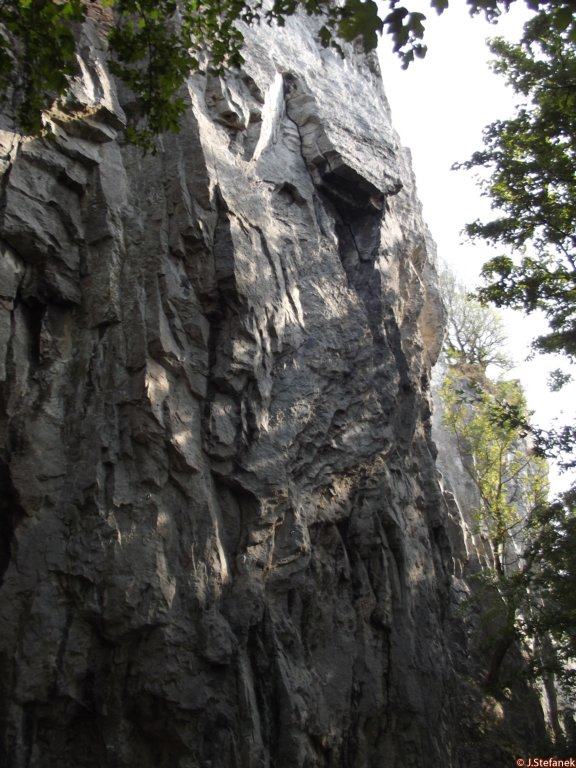
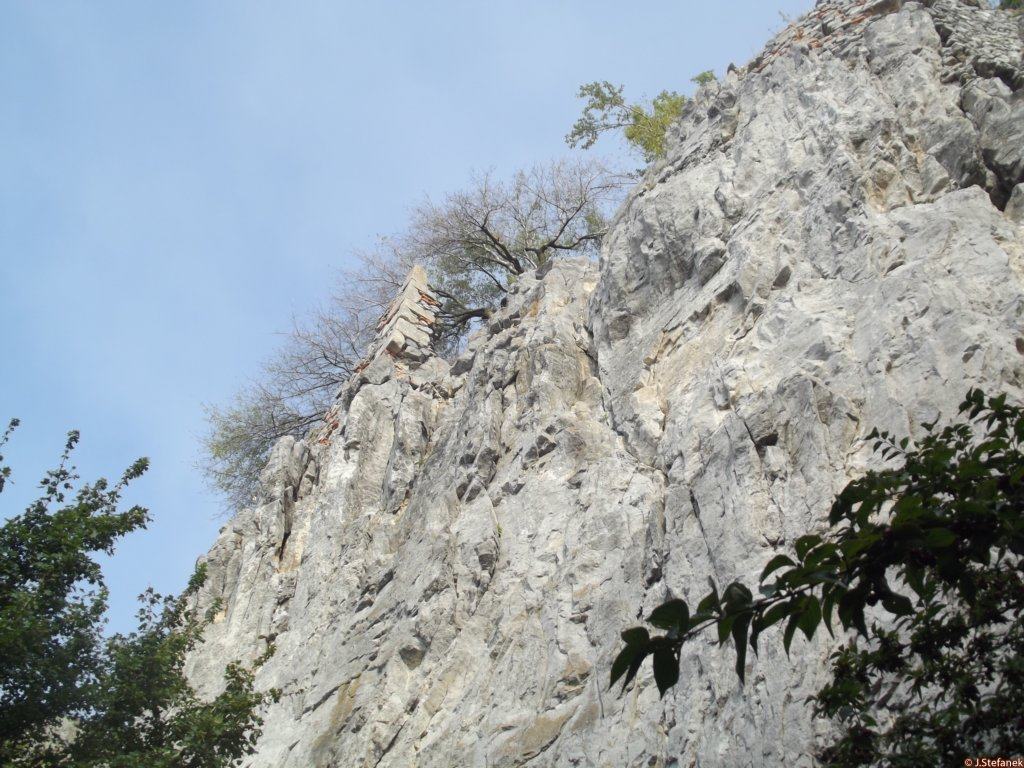
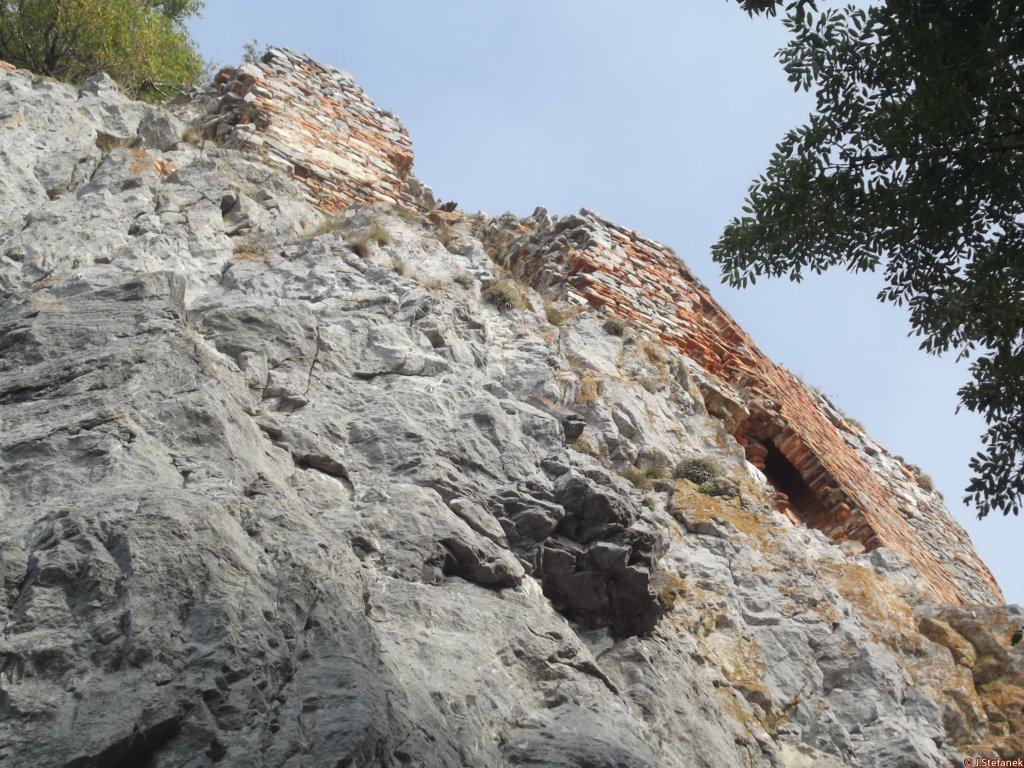
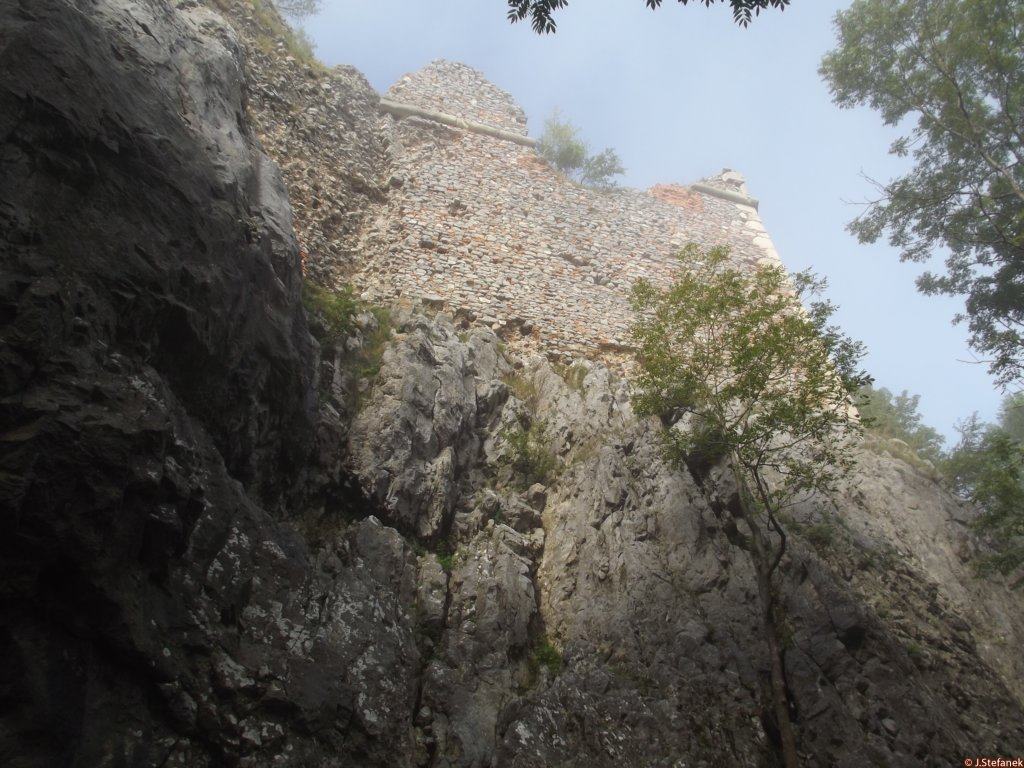
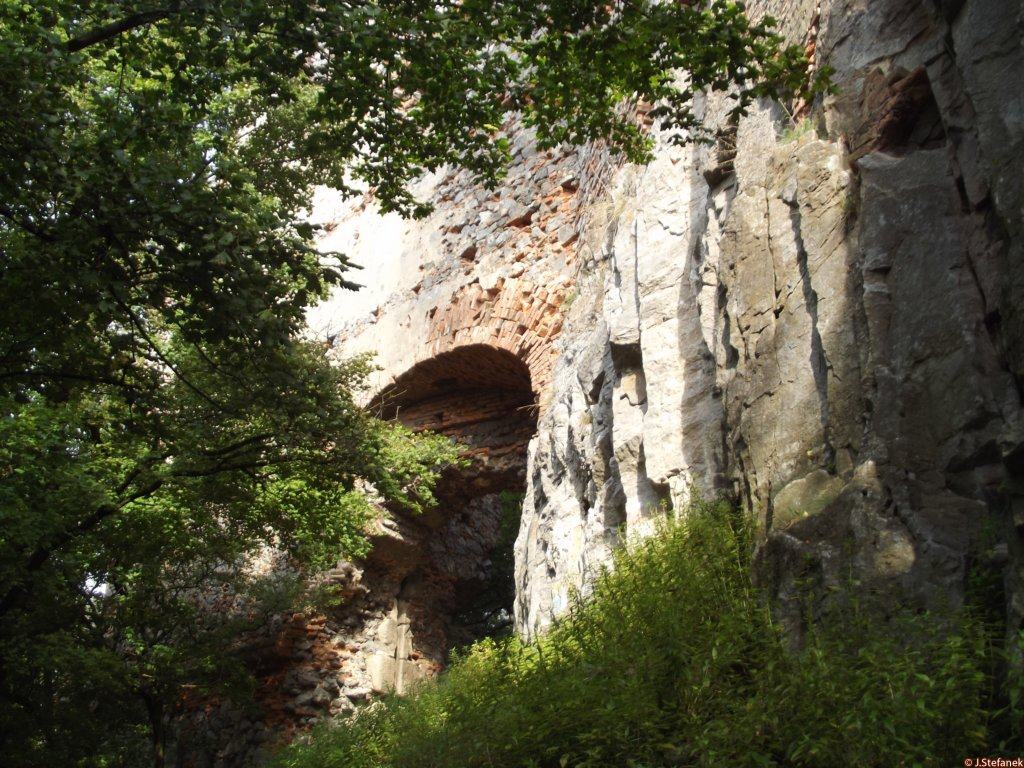
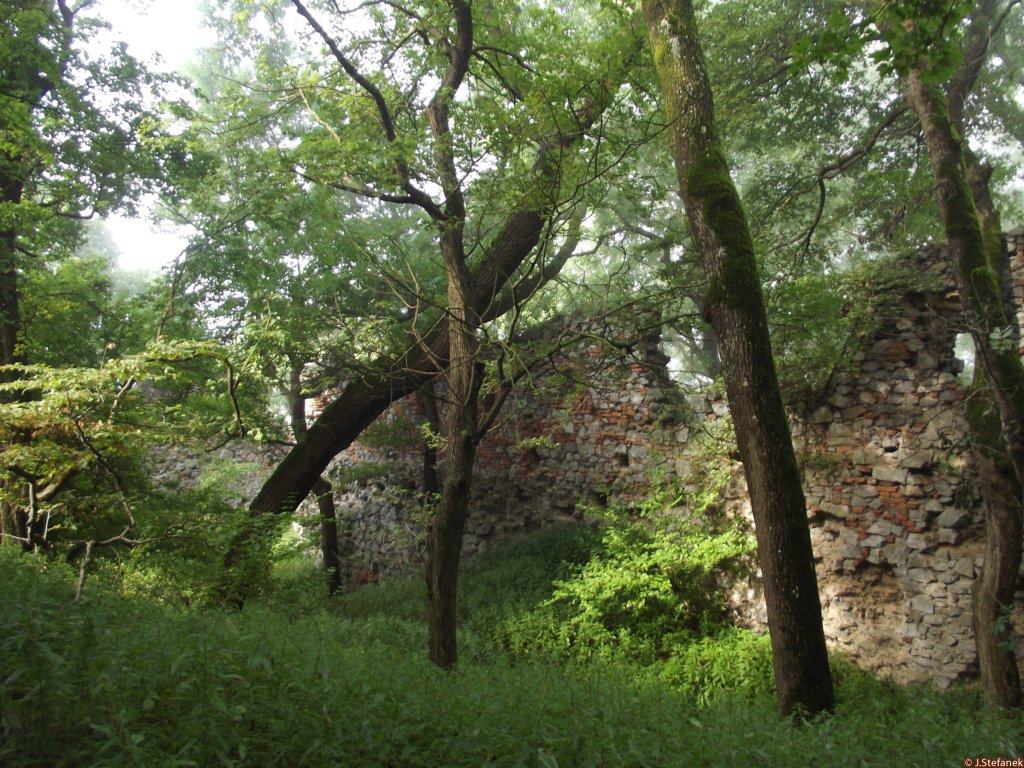
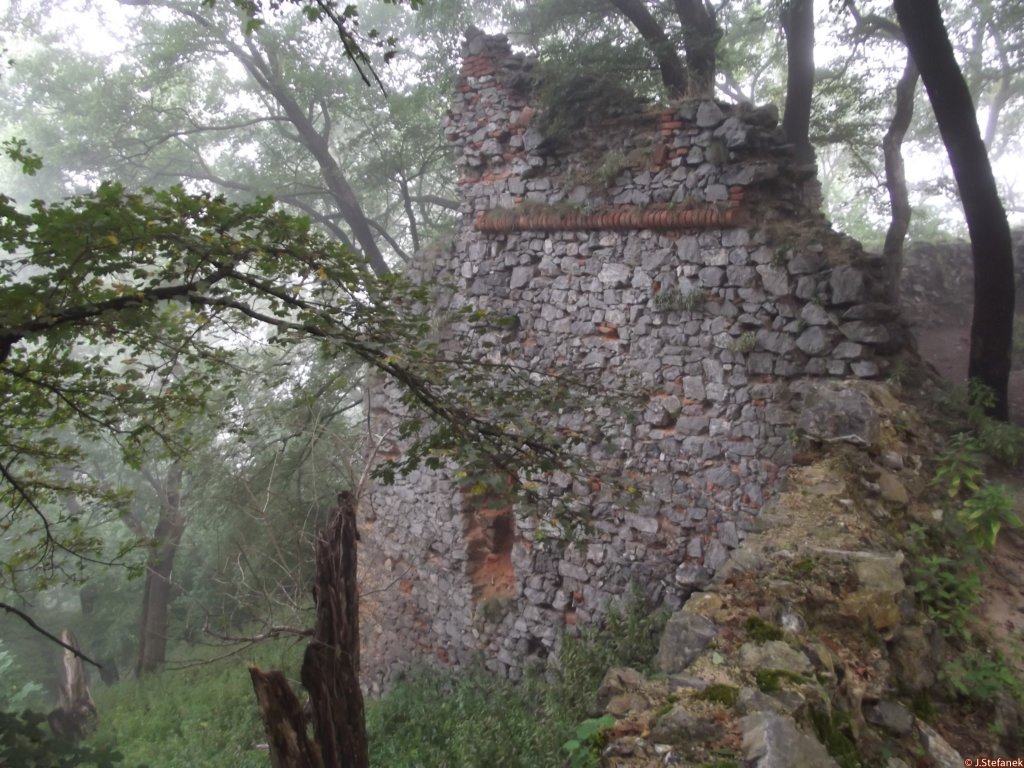
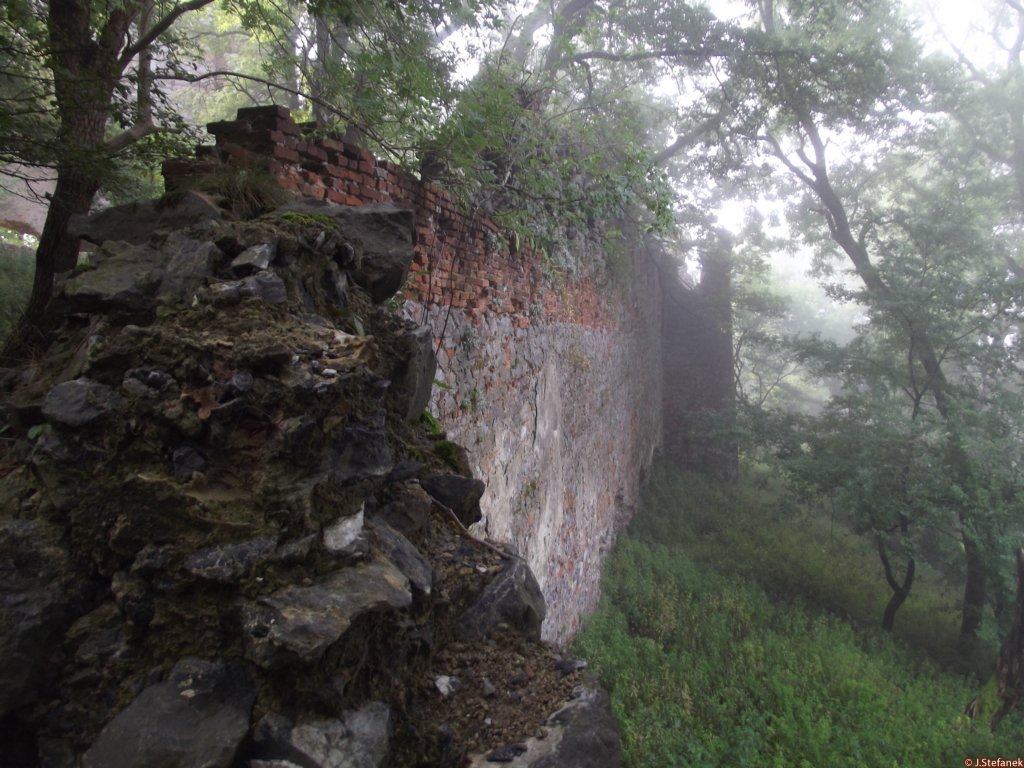
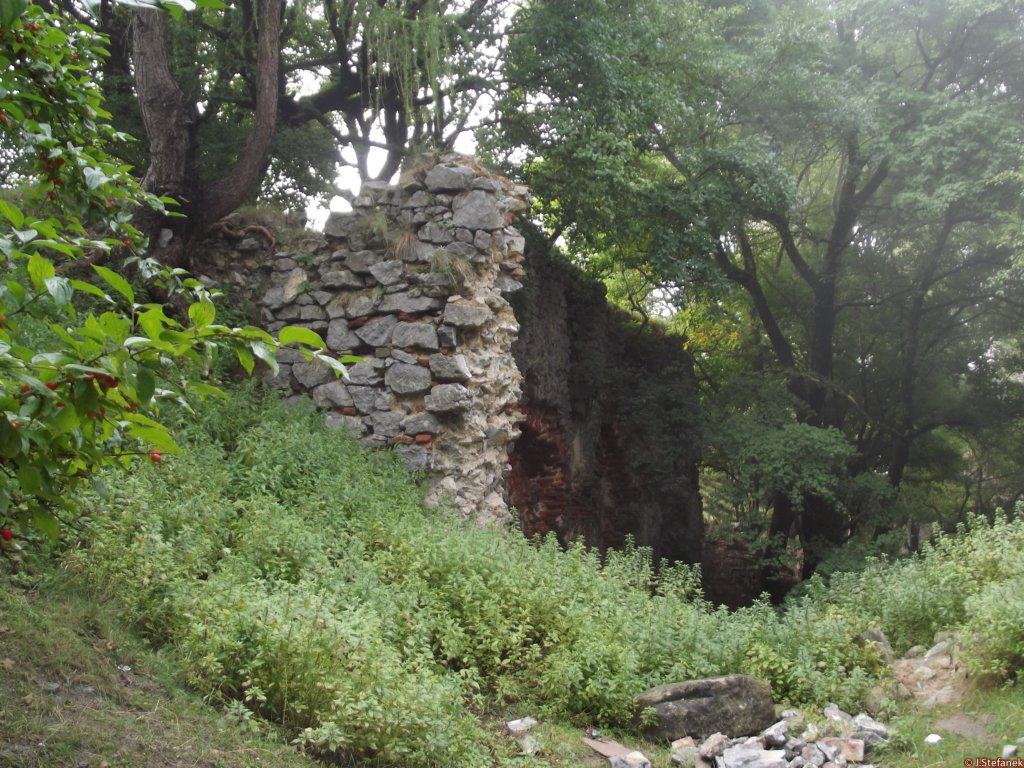
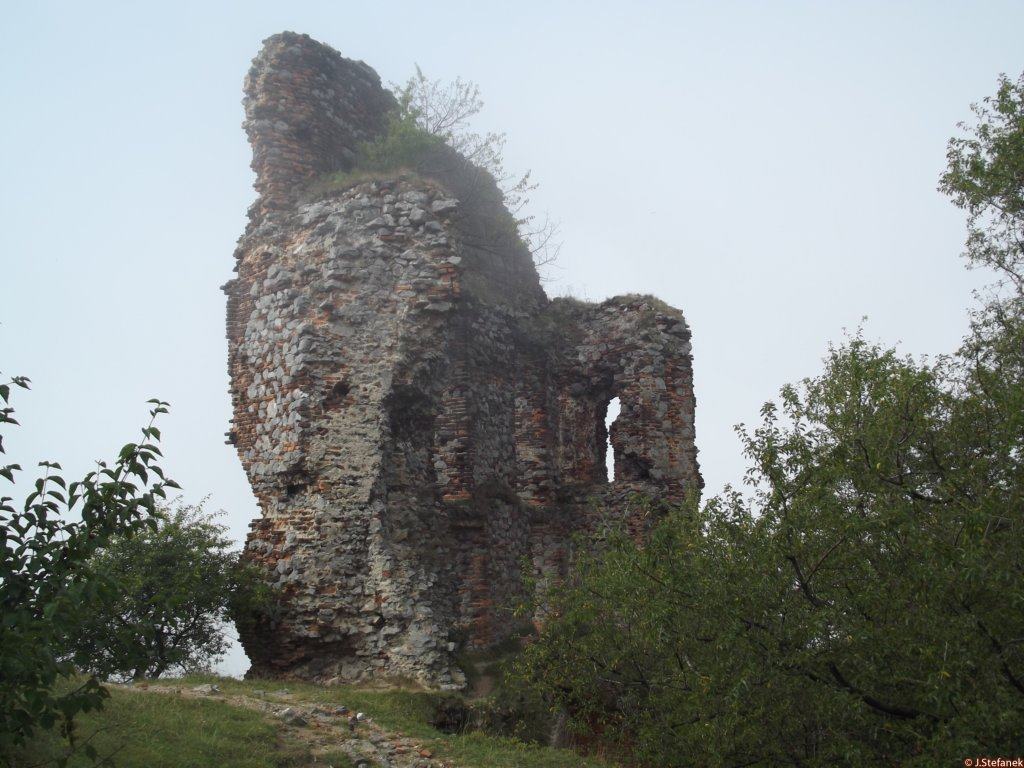
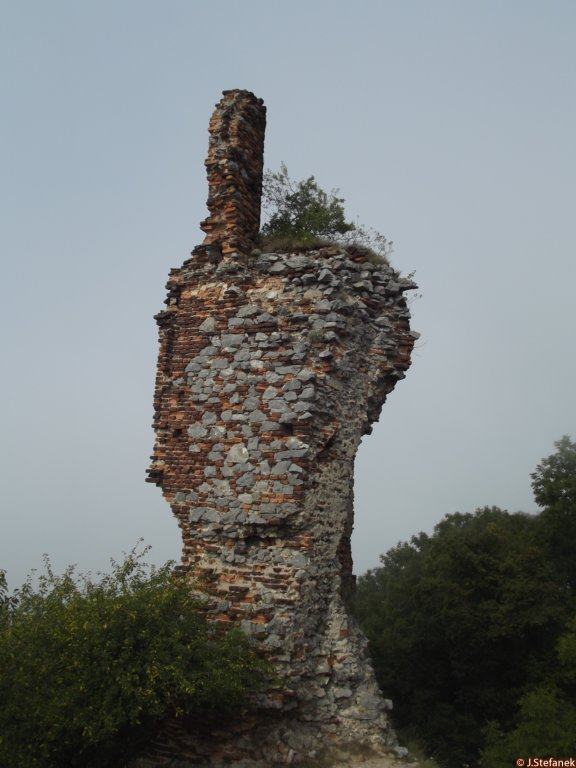
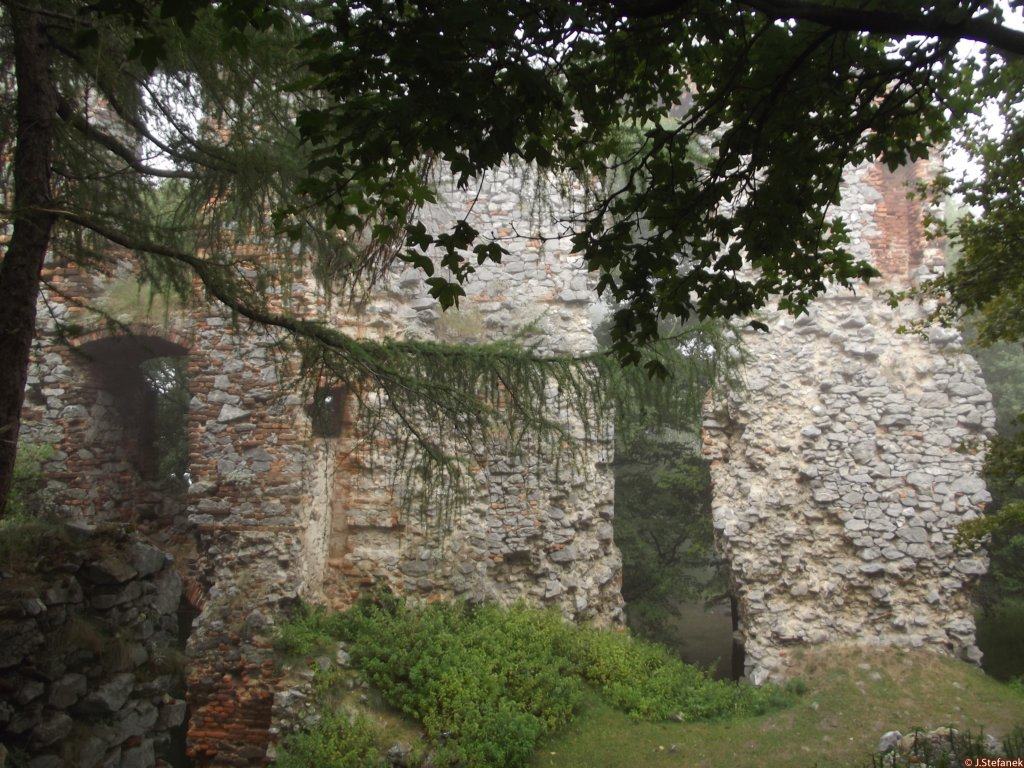
The ruins of the castle on the limestone rock of the Little Carpathians, situated above the village of Borinka near Bratislava
Zrúcanina hradu na vápencovom brale Malých Karpát, situovaná nad obcou Borinka neďaleko Bratislavy.
Previous names
Perostyan, Paylstain, Prostyan, Porustyan, Porostyan, Pailnstain, Paistun, Paulenstein, Borostyánkő, Plauenstein, Stupawský Podzámek, Ballenstein vulgo Paulenstein
Roads
Trasa 1: The starting point can be a parking lot in front of the church, or right next to the church in the village of Borinka. Here it is possible to park the car and just opposite the red tourist road begins, at the beginning of which you can also see the directional signs on the pole. We do not recommend continuing by car, the streets are very narrow and you will have a problem parking somewhere, so from there only on foot. After a few tens of meters we turn left, there is a no entry sign and at the same time an inconspicuous arrow pointing the direction to the castle. We always follow the red markings, sometimes only in the form of an arrow until we come to a wooden information board. From there we continue along the red route, the ascent is more difficult later. In the last section we still have a direct, really steep ascent, which can be bypassed from the left by a detour, and we recommend this detour especially on rainy days or in winter, when the terrain is slippery and it is dangerous to go straight up.
Trasa 1: Východiskovým bodom môže byť parkovisko pred kostolom, prípadne hneď vedľa kostola v obci Borinka. Tu je možné auto zaparkovať a hneď oproti začína červená turistická cesta, na začiatku ktorej je vidieť aj smerové značky na stĺpe. Neodporúčame ďalej pokračovať autom, uličky sú tu veľmi úzke a budete mať problém niekde zaparkovať, takže odtiaľto už len peši. Po pár desiatkach metrov odbočíme doľava, je tam značka zákaz vjazdu a zároveň nenápadná šípka ukazujúca smer k hradu. Sledujeme vždy červené značenie, niekedy len vo forme akejsi šípky až prídeme k drevenej informačnej tabuli. Odtiaľ pokračujeme ďalej po červenej trase, stúpanie je neskôr už náročnejšie. V poslednom úseku nás čaká ešte priamy, naozaj strmý výstup, ktorý sa však dá obísť zľava obkľukou a odporúčame túto obchádzku hlavne v daždivých dňoch či v zime, keď je terén šmykľavý a je nebezpečné sa vydať priamo hore.
Trasa 2: Access from Stupava, where we get to Medzipotočná Street, where we can park. From there we continue along the yellow marked sidewalk, which only at the very end feeds to the red sign leading from Borinka.
Trasa 2: Prístup zo Stupavy, kde sa dostaneme na Medzipotočnú ulicu, kde môžeme zaparkovať. Odtiaľ pokračujeme po žltom značenom chodníku, ktorý sa až v samom závere napája na červenú značku vedúcu z Borinky.
Description
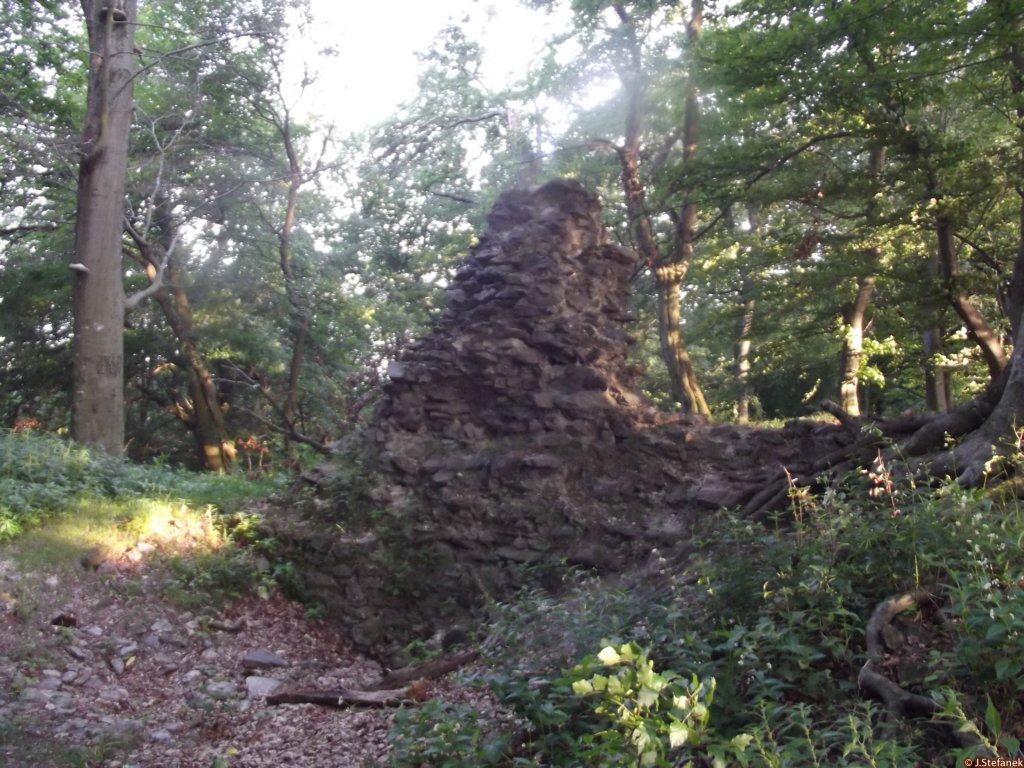
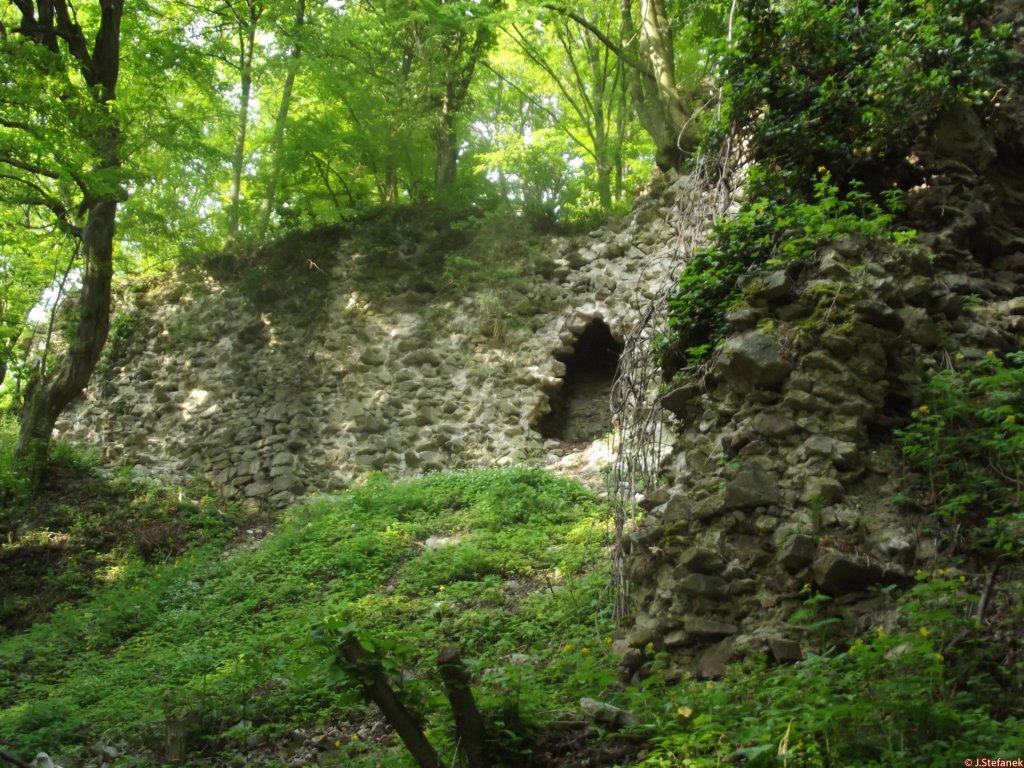
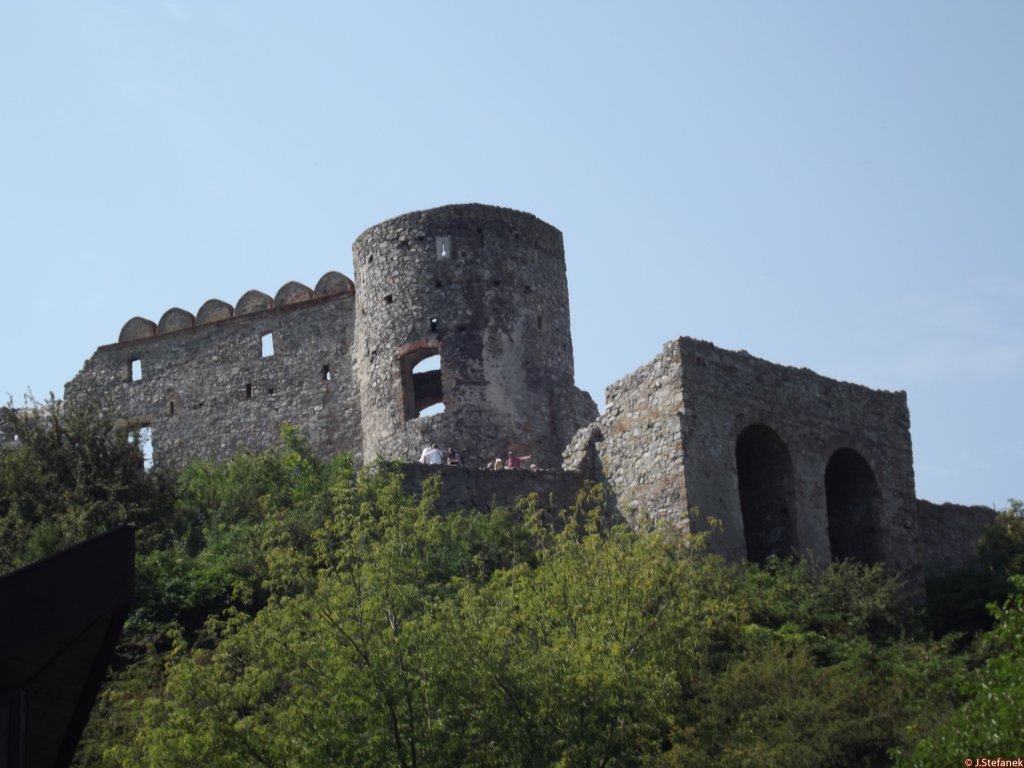
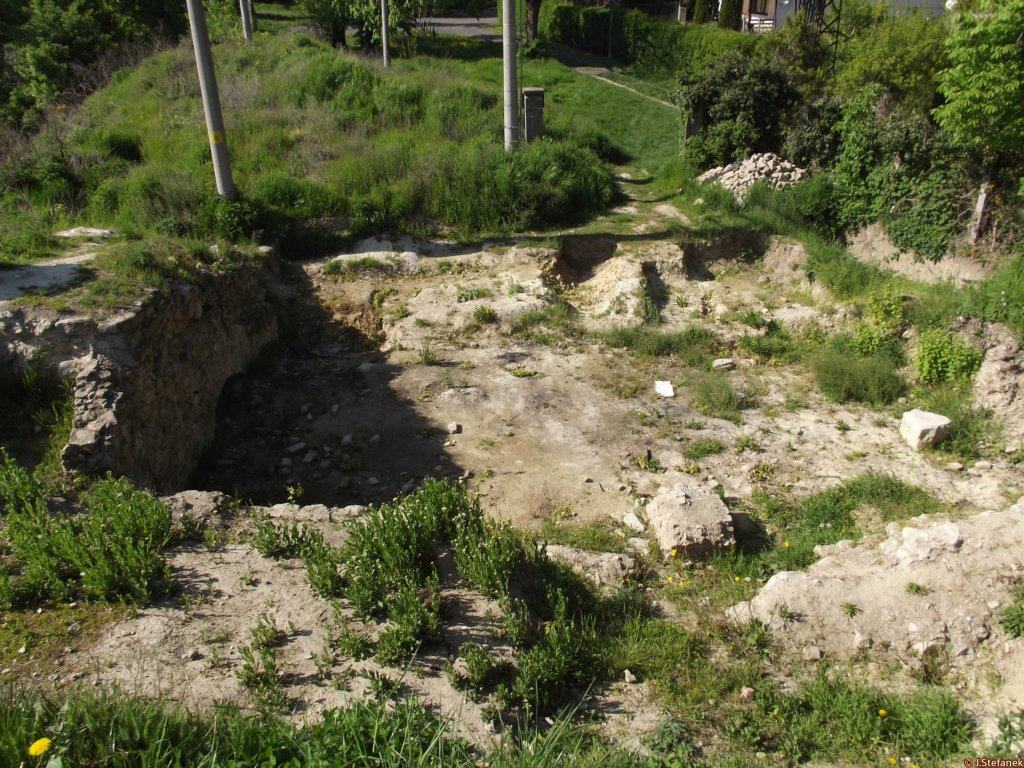
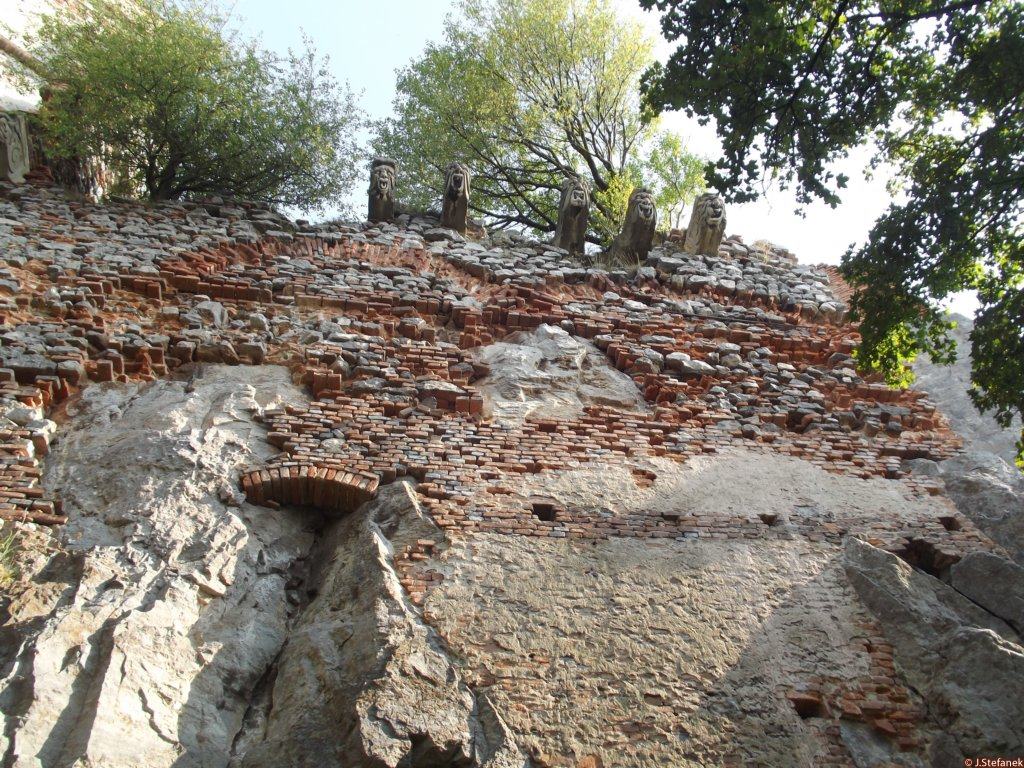
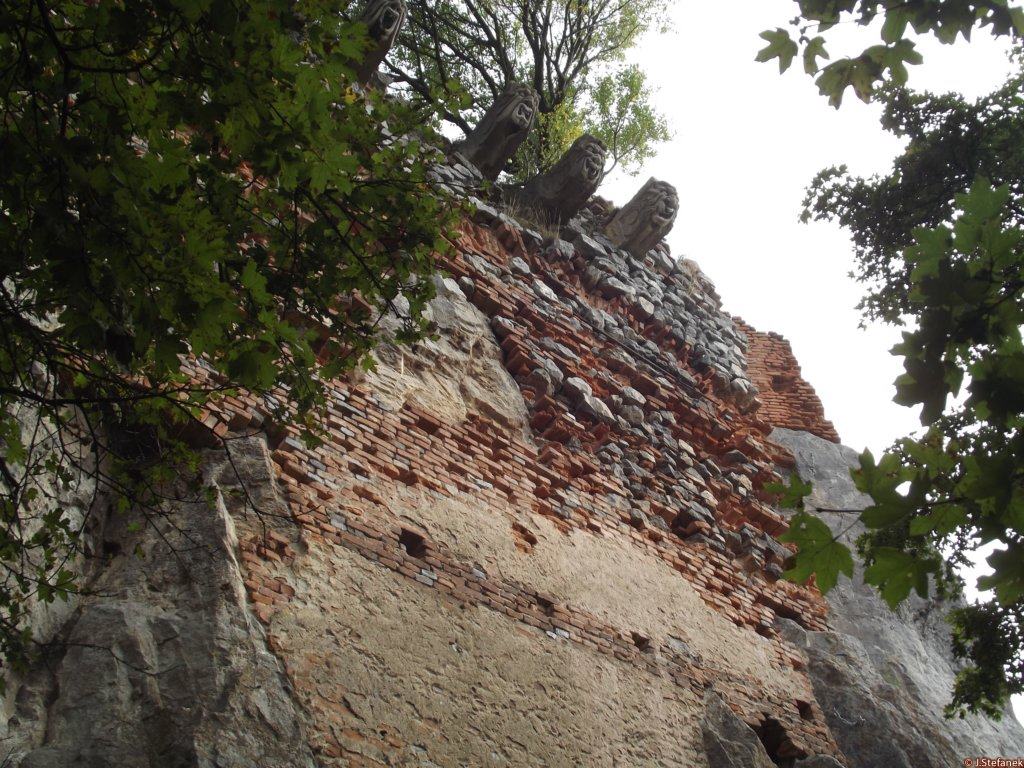
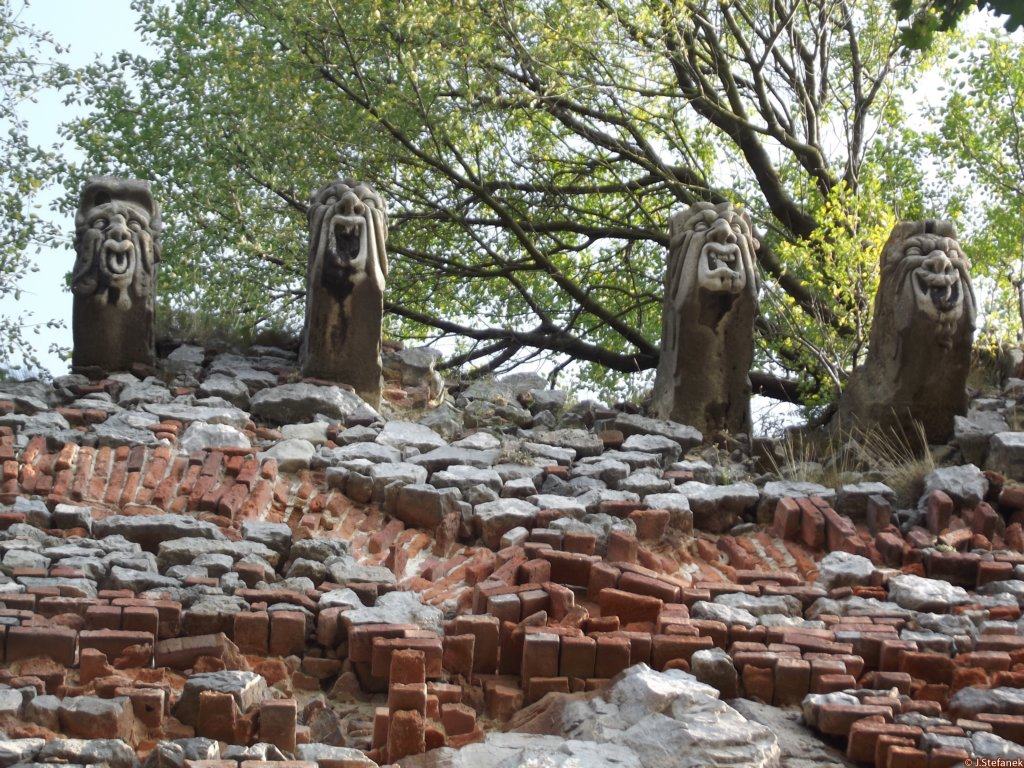
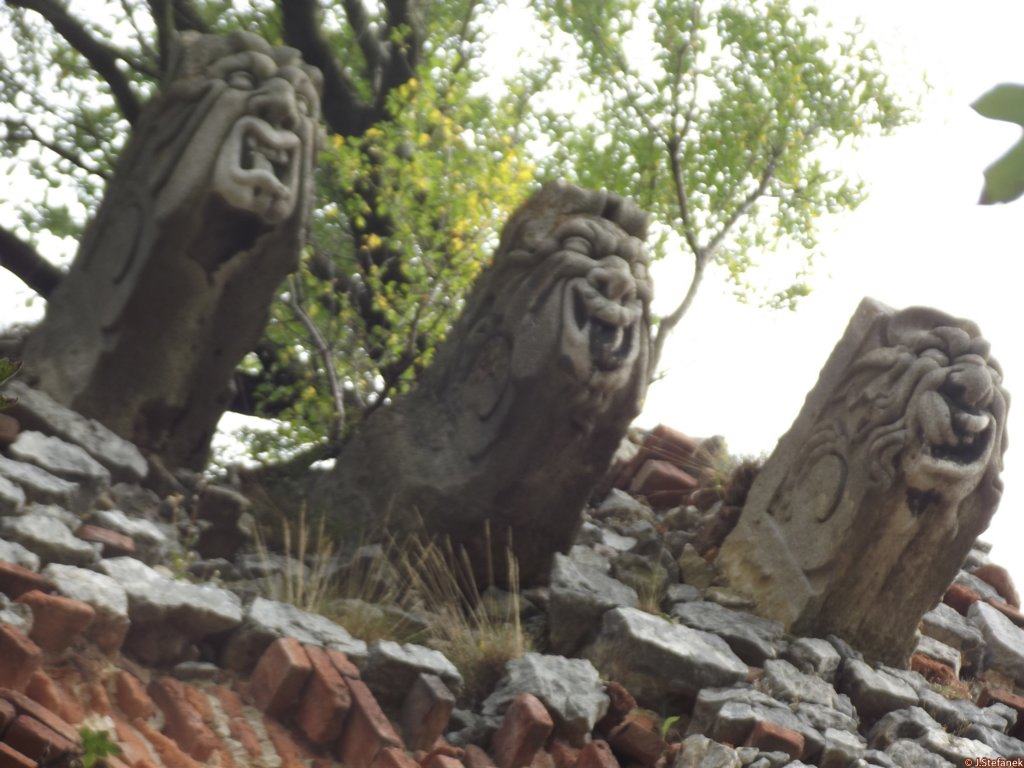
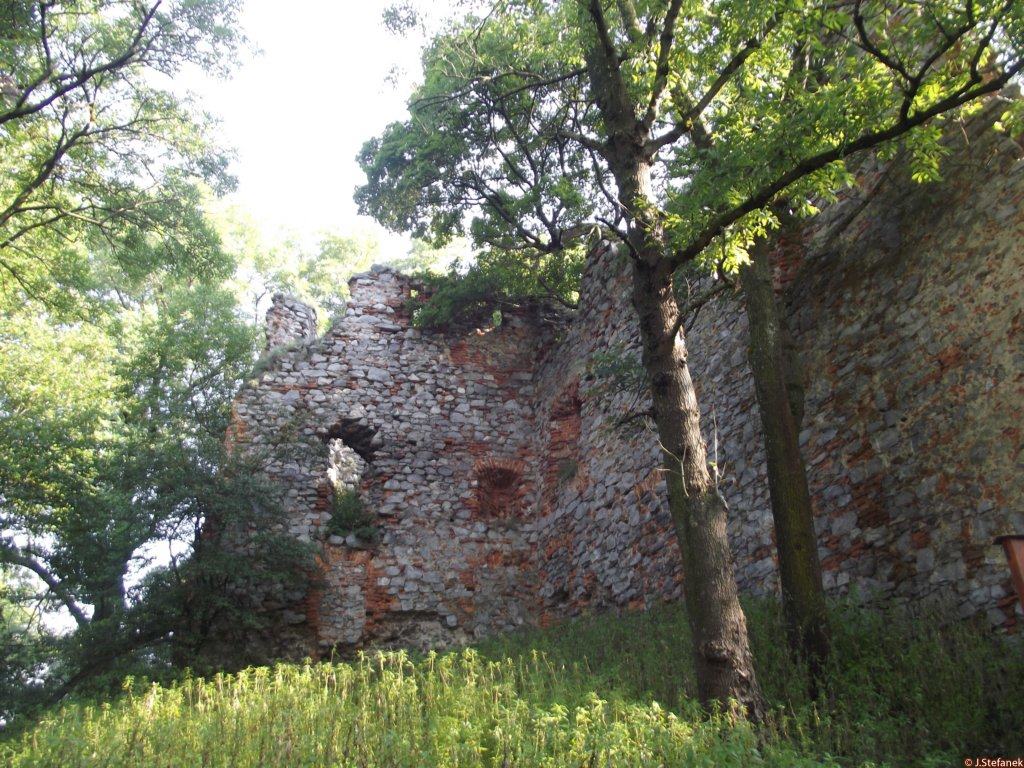
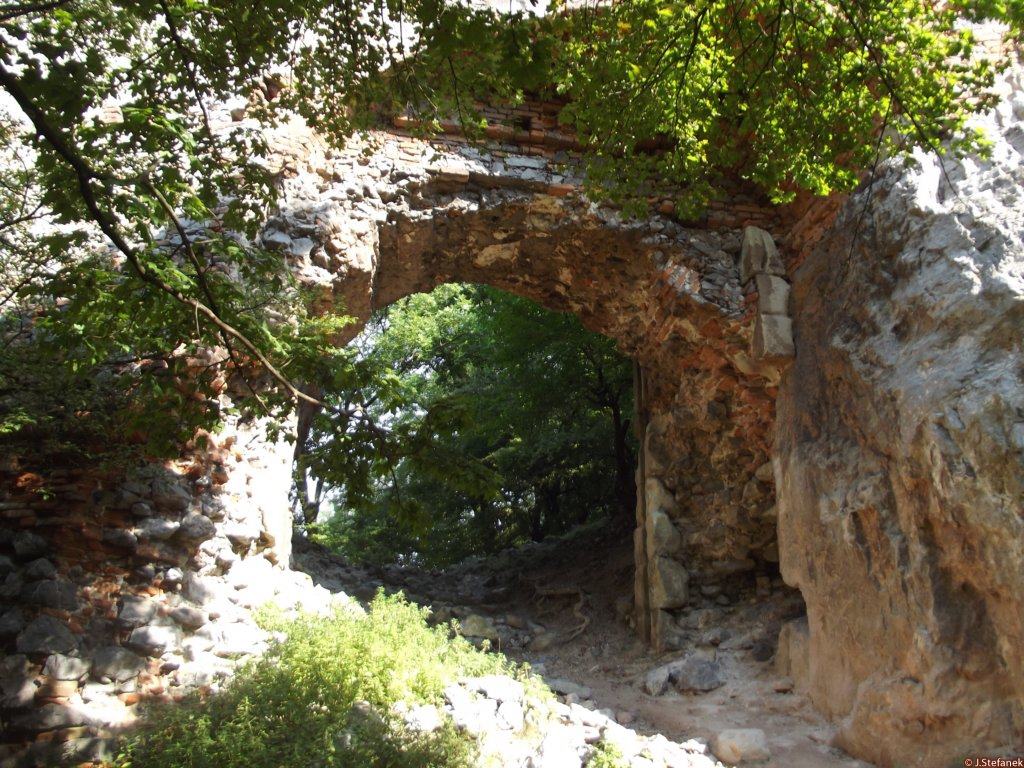
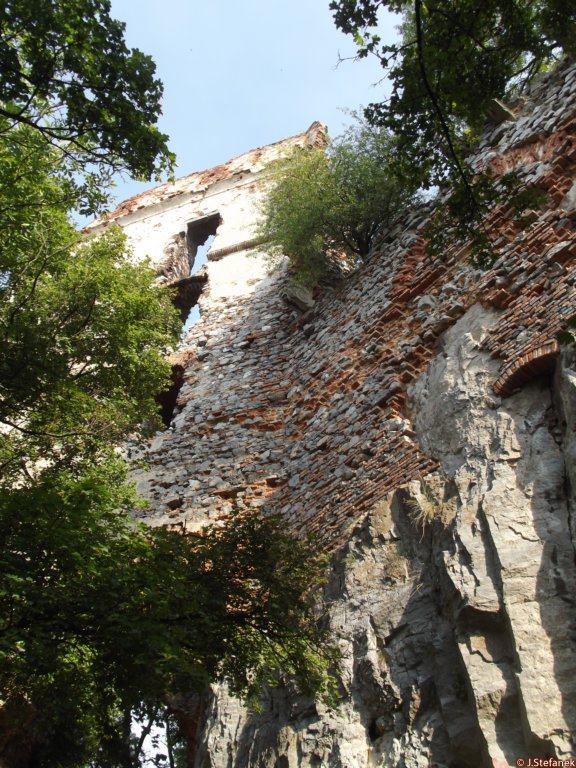
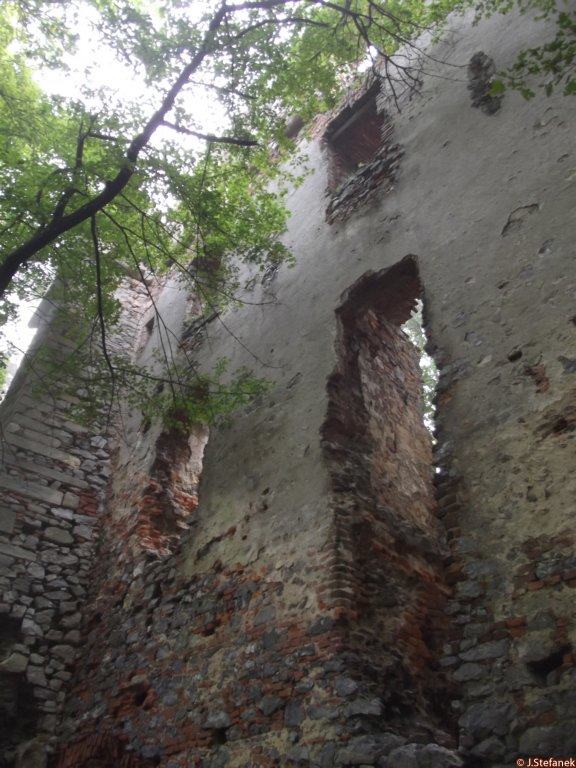
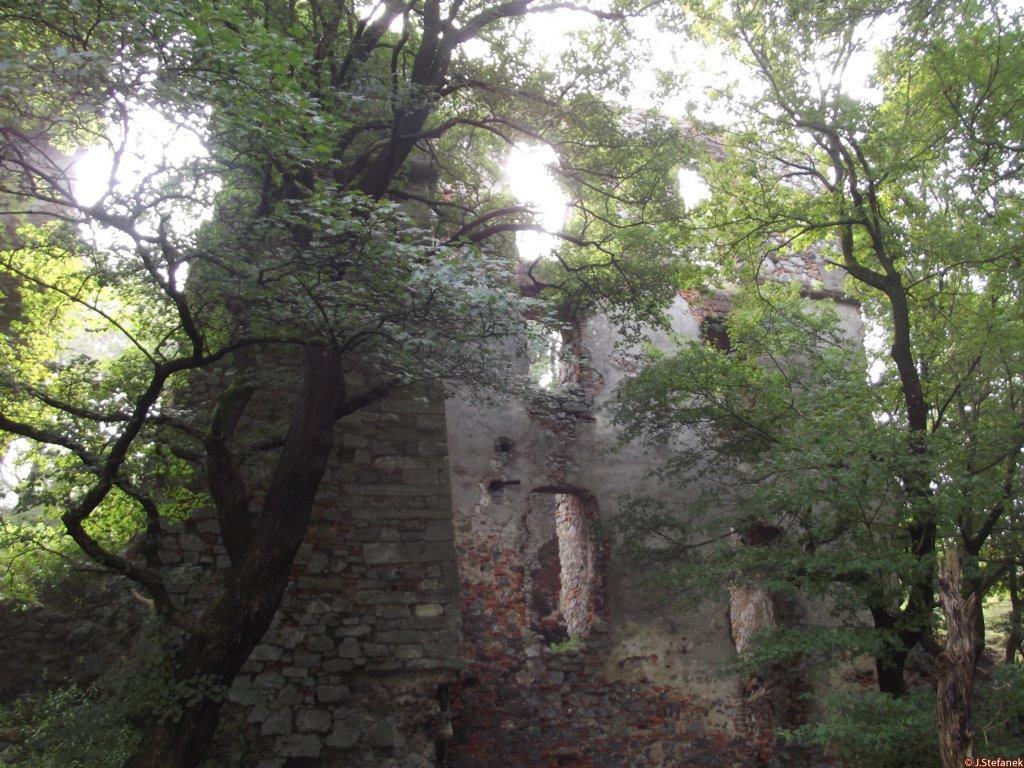
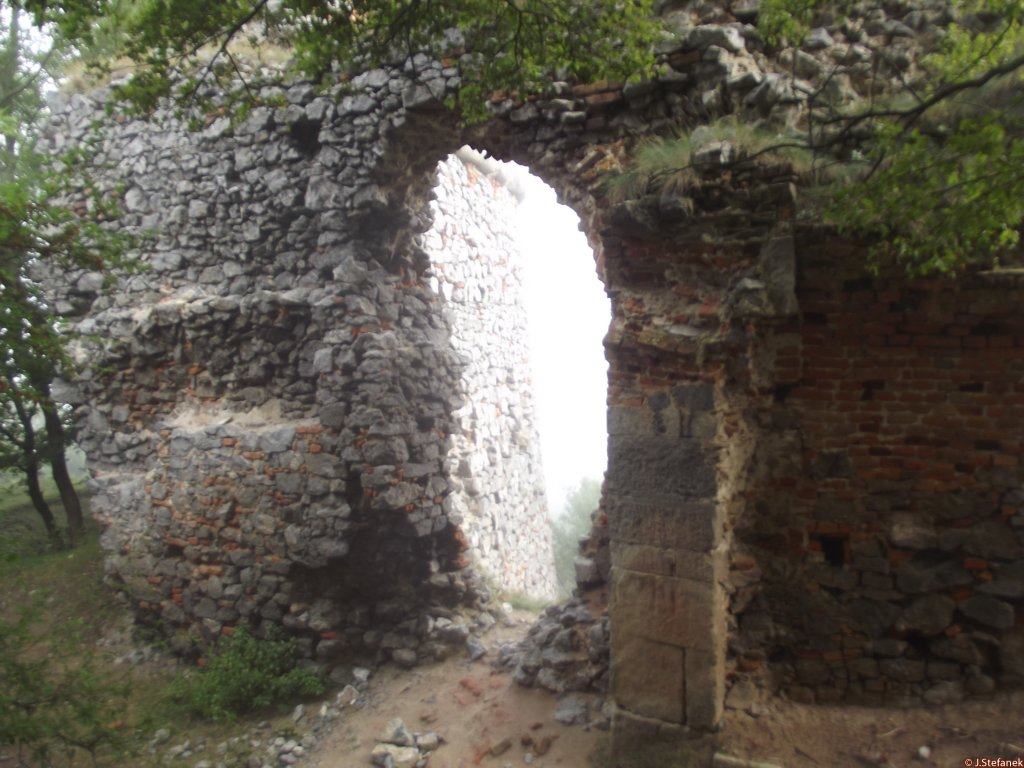
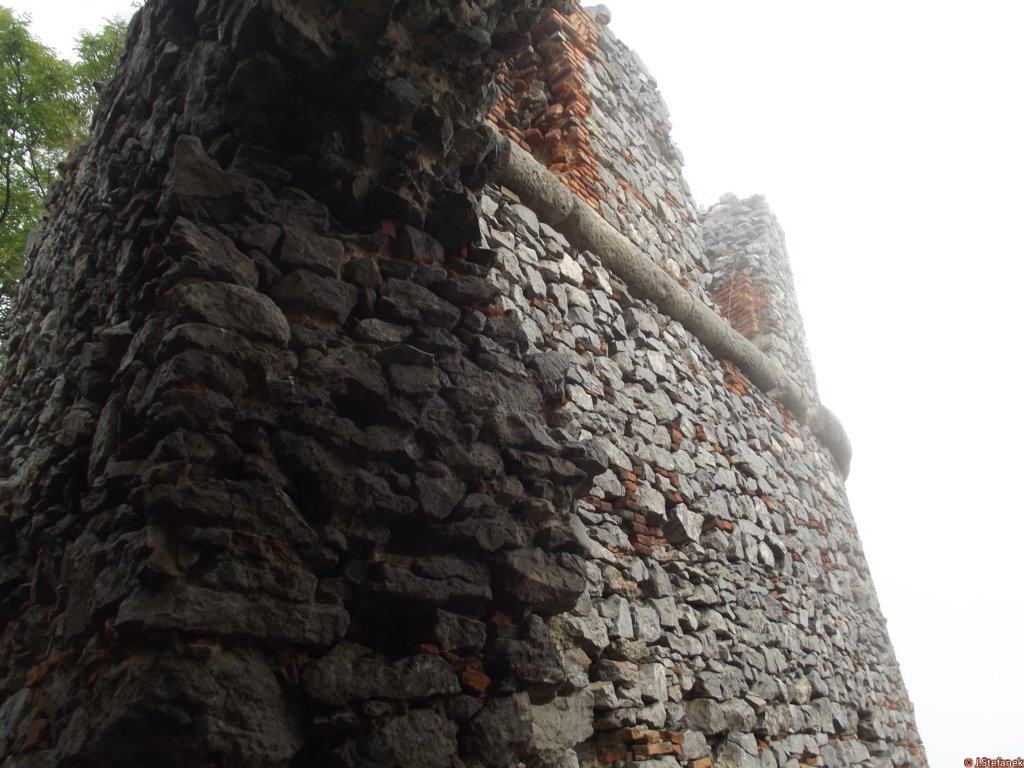
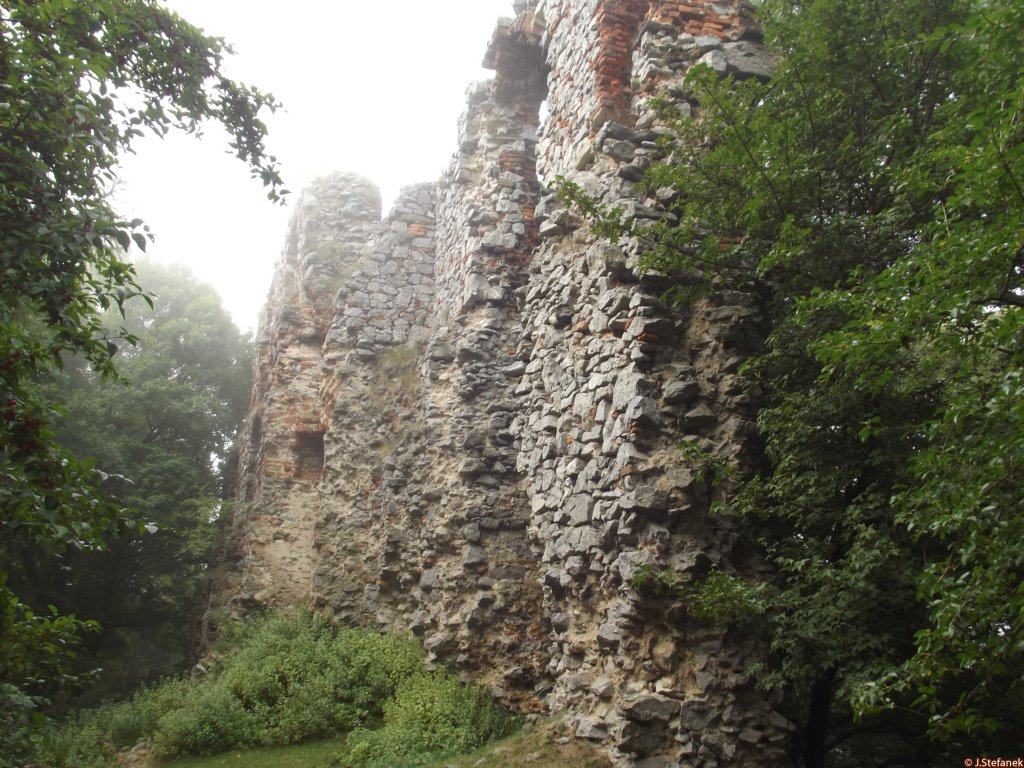
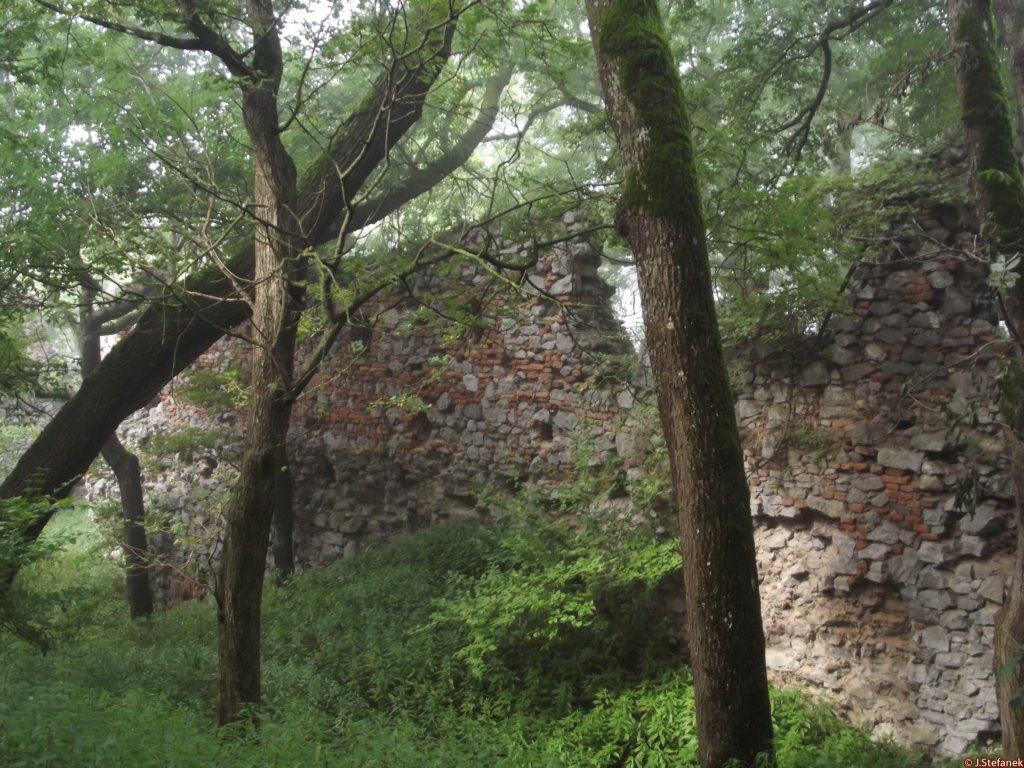
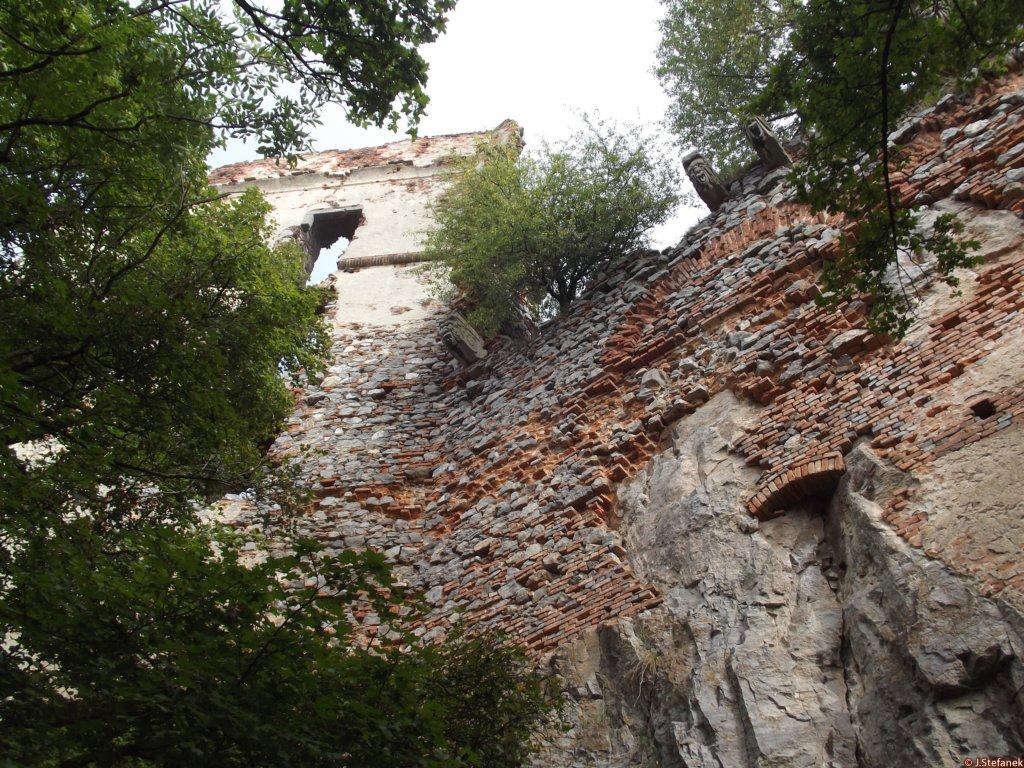
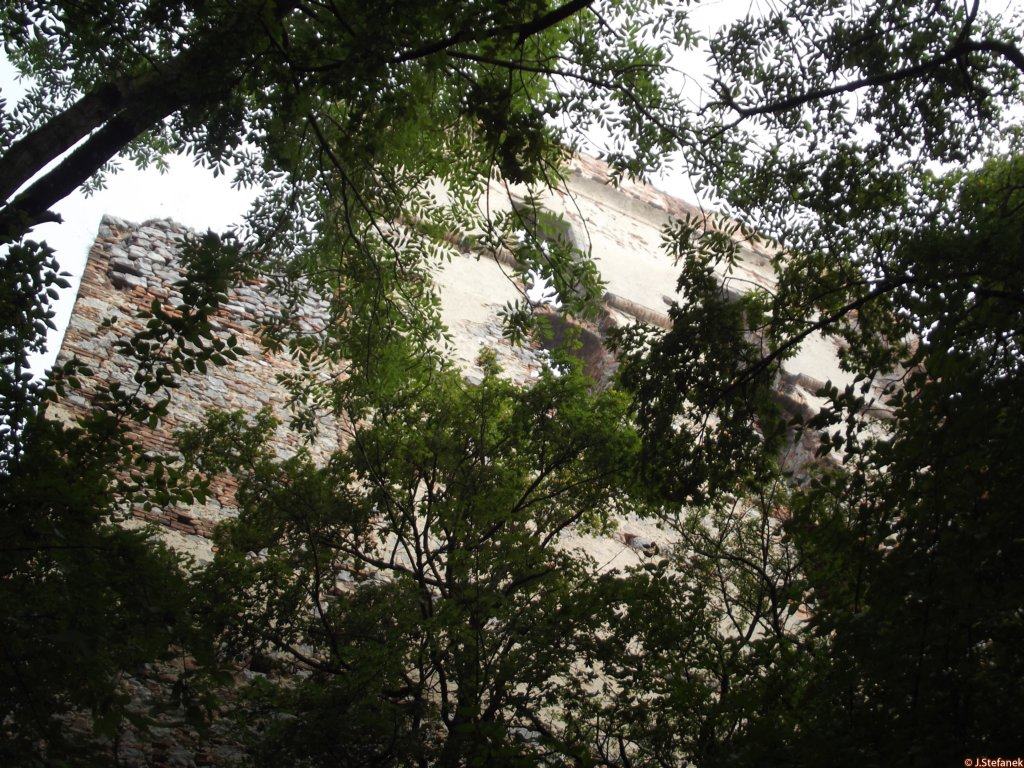
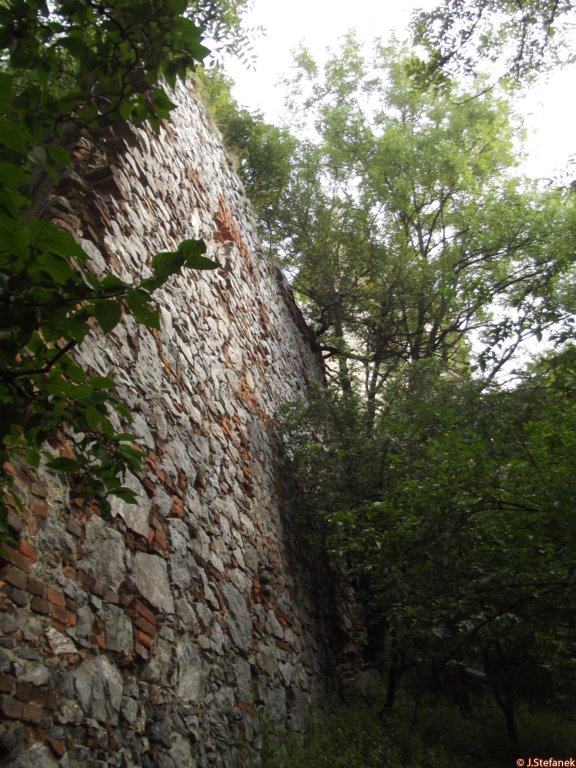
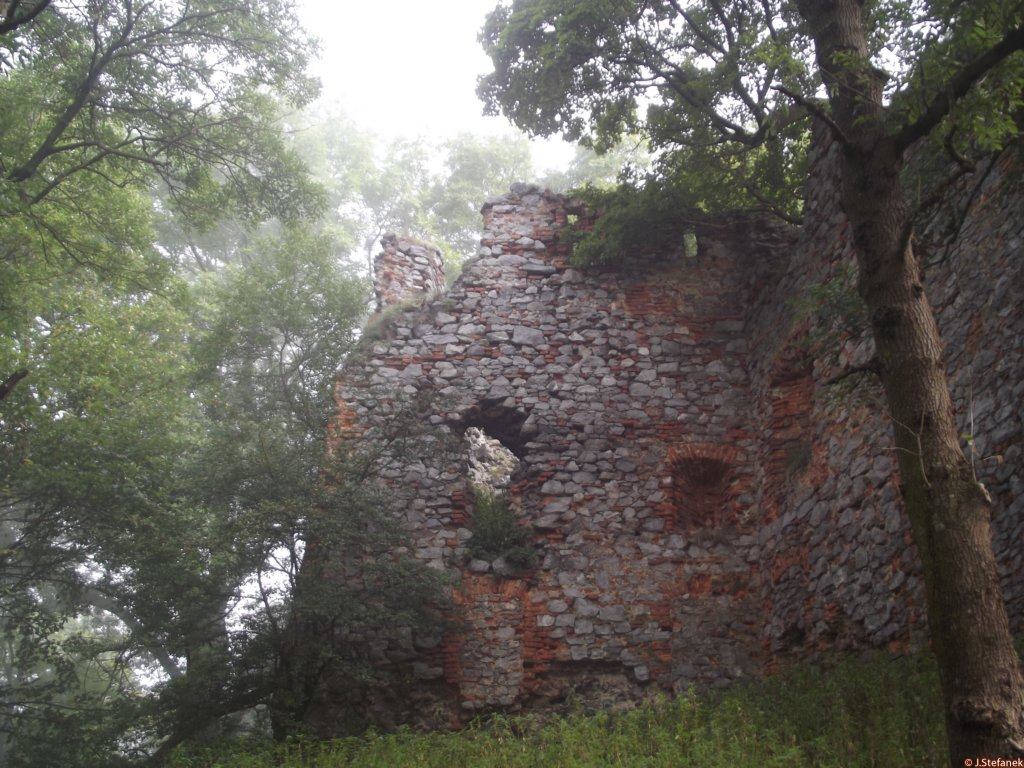
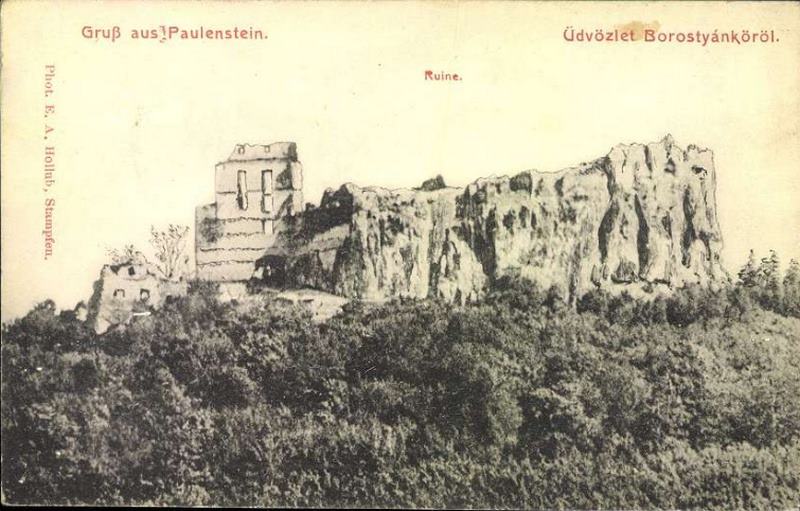
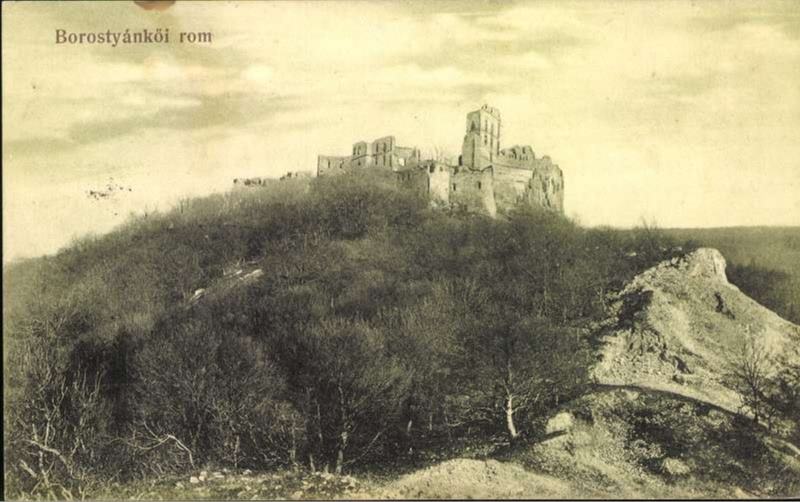
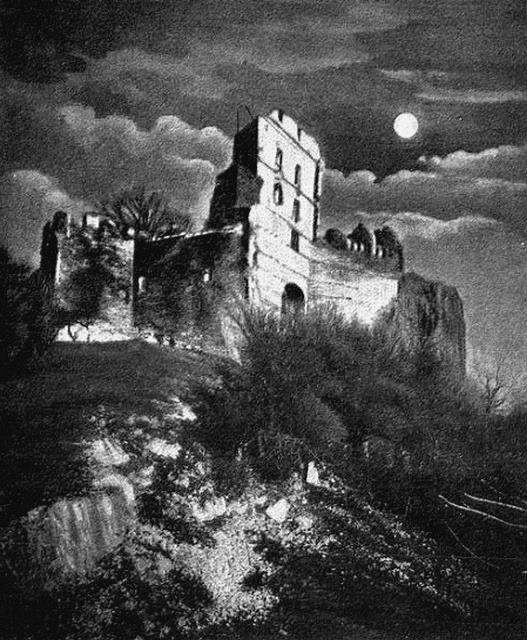
The original medieval castle stood on the top plateau and only a part of the masonry above the eastern cliff has been preserved. From the time of rebuilding in the 16th century comes semicircular cannon bastion in the northern part of the fortifications. During the Palffy rebuilding, they closed the top plateau in the west with a palace, in front of which they built a bastion with a system of bastions. The remains of a vaulted underground cistern with a brick cloak have been preserved on the upper platform of the castle from this construction stage, while the southern palace above the rock wall is reminded only of fragments of masonry.The castle buildings have been preserved in fragments around the central courtyard, whose area is covered by embankment of damaged masonry. The most related is the peripheral masonry of palaces and fortifications built into the massif of the castle castle, with preserved windows, bay windows, entrances, masonry with relief arches and traces of vaults. The most impressive are the cantilevers of the former porch over the entrance with late Renaissance decoration in the form of mascarons from 1619, which by their diversity, document the builder's demands for architecture and its artistic representation.
Pôvodný stredoveký hrad stál na vrcholovej plošine a zachovala sa z neho len časť murív nad východným zrázom. Z čias prestavby v 16.storočí pochádza polkruhová delová bašta v severnej časti opevnenia. Počas pálffyovskej prestavby uzavreli vrcholovú plošinu na západe palácom, pred ktorým vybudovali predhradie so sústavou bastiónov. Z tejto stavebnej etapy sa na hornej plošine hradu zachovali aj zvyšky zaklenutej podzemnej cisterny s tehlovým plášťom, kým južný palác nad skalnou stenou pripomínajú už len fragmenty muriva.Hradné budovy sa zachovali vo fragmentoch okolo ústredného nádvoria, ktorého plochu prekrýva násyp z poškodených murív. Najsúvislejšie je obvodové murivo palácov a opevnení vstavaných do masívu hradného brala, so zachovanými otvormi okien, arkierov, vstupov, v murive s odľahčovacími oblúkmi a stopami po klenbách. Najpôsobivejšie sú krakorce niekdajšej pavlače nad vstupom s neskororenesančnou výzdobou v podobe maskarónov z r.1619, ktoré svojou rôznorodosťou dokumentujú nároky staviteľa na architektúru a jej umelecké stvárnenie.
Plan
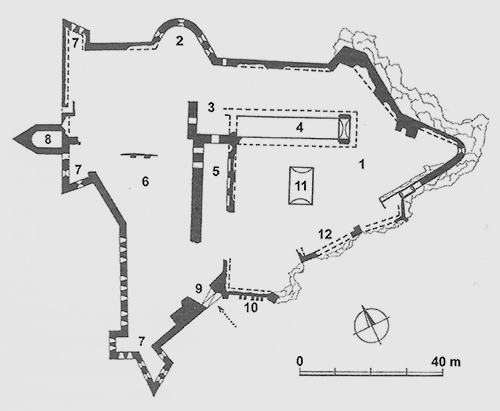
Legend to the ground plan
- 1 - top platform
- 2 - cannon bastion
- 3 - castle gate
- 4
- 5 - palace
- 6 - fortification
- 7 - bastions
- 8 - pointed cannon bastion
- 9 - arched gate
- 10 - entrance building with consoles with mascarons
- 11 - cistern
- 12 - south palace
Legenda k pôdorysu
- 1 - vrcholová plošina
- 2 - delová bašta
- 3 - hradná brána
- 4
- 5 - palác
- 6 - predhradie
- 7 - bastióny
- 8 - zahrotená delová bašta
- 9 - zaklenutá brána
- 10 - vstupná budova s konzolami s maskarónmi
- 11 - cisterna
- 12 - južný palác
History
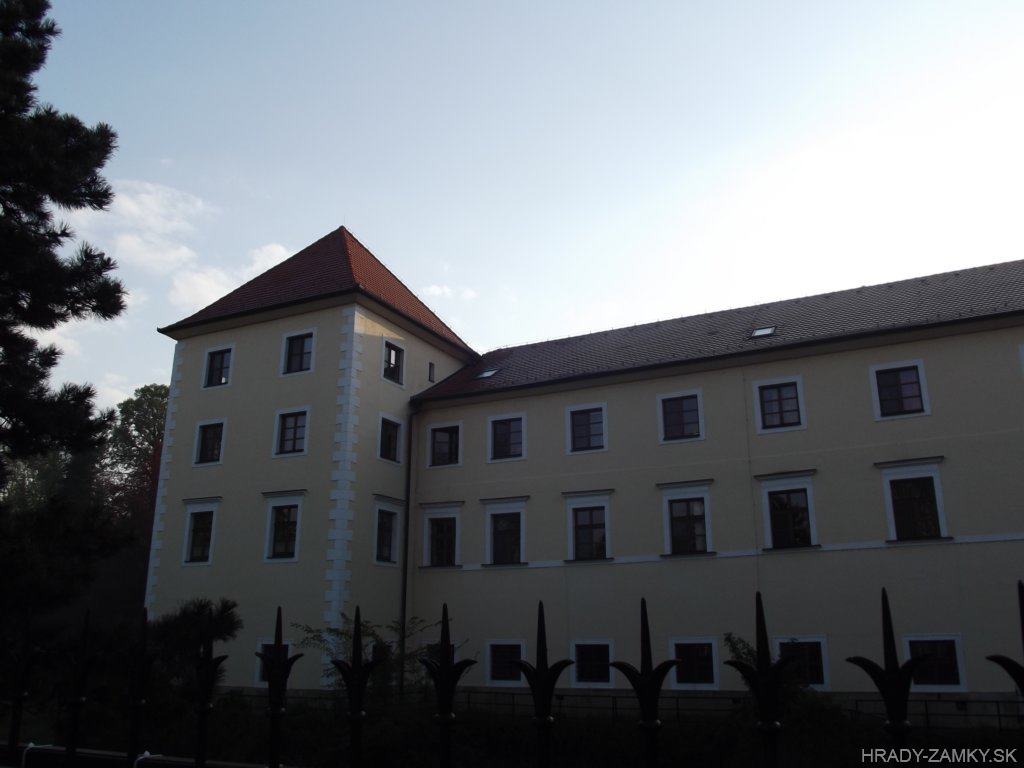
The origin of the castle is still unclear, there are many inaccuracies in the literature. The confusing situation is complicated mainly by the former Stupava water castle, which is often mentioned in historical sources. During the 13th century, it was called the Stupava Castle as the seat of this estate. About a hundred years later it is referred to as "Pelistan" or "Porustan", in the 16th century it is again referred to as Stupava Castle. In professional historiography, a unified opinion does not prevail even in its localization. Some researchers identify it with today's Stupava manor house, others with Pajštún castle, and some even look for its location around the village of Borinka. In general, however, the prevailing opinion is that the former water castle stood on the site of today's manor house in Stupava and Pajštún castle is the second building identical to today's castle.
The founder of the castle is mentioned in some publications by the Czech queen Constanta (Kunhuta), daughter of Bela III., In 1230. A more probable version is that the castle was built by Rugerius of Tallesbrunn in the last third of the 13th century. He probably gave it a German name in its basic form written as Peilenstein. It is certain, however, that the castle existed before 1390, when King Sigismund donated Pajštún to Peter of the Szentgyörgy family [Peter III. Svätojurský]. After the extinction of this family in 1543, the castle was in the temporary reserve of Gašpar Seréda. In 1552, the castle was commissioned by King Ferdinand I, a supporter of the Bratislava county Eck Salm, and in 40 years the castle was exchanged with the Salmovcians by Mikuláš Pálffy. A few years after his death in 1600, his widow Mária Fugger received a royal donation to Pajštún with her sons, and in 1619 the castle belonged to Pavel during the division of property. Pavol Pálffy reached the rank of Hungarian palatine. In the 17th century, he had the castle generously rebuilt.
During its existence, the castle had many castellans. Despite the fire after a lightning strike, the castle was still habitable in the middle of the 18th century. It was not until the Napoleonic Wars that he became fatal. In June 1809, during the campaign against Vienna, French troops occupied Bratislava and the surrounding area. Although castles were no longer of strategic importance in the 19th century, the French blew up the castle before leaving.
Vznik hradu je stále nejasný, v literatúre je veľa nepresností. Neprehľadnú situáciu komplikuje predovšetkým bývalý stupavský vodný hrad, ktorý sa v historických prameňoch často uvádza. V priebehu 13. storočia vystupuje pod názvom stupavský hrad ako sídlo tohto panstva. Zhruba o sto rokov neskôr býva označovaný ako "Pelistan" alebo "Porustan", v 16. storočí sa uvádza opäť ako stupavský hrad. V odbornej historiografii neprevláda jednotný názor ani v jeho lokalizácii. Niektorí bádatelia ho stotožňujú s dnešným stupavským kaštieľom, iní s hradom Pajštún, ba niektorí jeho polohu hľadajú v okolí obce Borinka. Všeobecne však prevláda názor, že bývalý vodný hrad stál na mieste dnešného kaštieľa v Stupave a hrad Pajštún je druhým objektom, totožným s dnešným hradom.
Ako zakladateľ hradu sa v niektorých publikáciách uvádza česká kráľovná Konštancia (Kunhuta), dcéra Bela III., v roku 1230. No pravdepodobnejšia verzia je, že hrad nechal vybudovať Rugerius z Tallesbrunnu v poslednej tretine 13.storočia. Dal mu zrejme nemecký názov v základnej podobe písané ako Peilenstein. Isté je však, že hrad jestvoval pred r.1390, keď kráľ Žigmund daroval Pajštún do dedičného vlastníctva Petrovi z rodu Szentgyörgyi [Peter III. Svätojurský]. Po vymretí tohto rodu v r.1543 mal hrad v prechodnom zálohu Gašpar Serédy. V r.1552 dostal hrad do užívania prívrženec kráľa Ferdinanda I. bratislavský župan Eck Salm a o 40 rokov hrad vymenil so Salmovcami Mikuláš Pálffy. Pár rokov po jeho smrti v r.1600, jeho vdova Mária Fugger získala so svojimi synmi na Pajštún kráľovskú donáciu a v r.1619 pri delení majetku hrad pripadol Pavlovi. Pavol Pálffy dosiahol hodnosť uhorského palatína. V 17.storočí dal hrad veľkoryso prestavať.
Za svojej existencie mal hrad mnohých kastelánov. Hrad napriek požiaru po zásahu bleskom bol v polovici 18.storočia ešte stále obývateľný. Osudným sa mu stali až napoleonské vojny. V júni 1809 počas ťaženia proti Viedni francúzske vojská obsadili Bratislavu a okolie. Hoci hrady v 19.storočí už nemali strategický význam, francúzi pred odchodom vyhodili hrad do povetria.
Myths and legends
The rumor says
Always at midnight the ozlomkrk rides around the ruins of a knight on a white horse. He jumps to the highest wall and then disappears into the abyss.
Sad Gašpar
Nothing could cheer the sad - sad nobleman Gašpar Serédy. Kastelán Strajchel was already worried about his life, so he and his Pajštún mayor Noth put their heads together and chased something unseen. They sent Lucifer a letter signed with his own blood to hell to send them a gas cap that would make their master laugh at least once. The devil Rumo came to the castle, disguised as a court fool, and endured the devils until Mr. Seréda burst out laughing. When Rumo excelled, he took those who wrote the request to hell as a reward. Who knows, perhaps even after the name of the castle lord, since then the court jash has also been called gašparko.
Cruel castellan
In the village below the castle, a poor village farmer Lack Mikulík dies. The last hope was the castle doctor, but the castellan Tupík, disturbed from his sleep at night, refused to help him. The midnight trumpet could be heard, during which the Pajštún spirit came to life. A villager turned to him for help. The midnight bastion was flooded with light, it thundered, and when Mikulík returned home from the castle, his wife was healthy. Administrator Tupík wanted revenge on Lack. He sent him a letter to Count Erdődy and ordered him to answer an hour back. However, the spirit of Pajštún provided Lack with the help of a magical carriage with a devil, who helped him complete the task and took Tupík to hell as a reward.
Povráva sa
Vždy o polnoci ozlomkrk jazdí okolo zrúcanín rytier na bielom koni. Vyskočí na najvyšší múr a potom zmizne v priepasti.
Smutný Gašpar
Smutného - presmutného veľmoža Gašpara Serédyho nevedelo nič rozveseliť. Kastelán Strajchel sa už bál aj o jeho život a tak s pajštúnskym richtárom Ničom dali hlavy dokopy a vyhútali čosi nevídané. Luciferovi do pekla poslali list podpísaný vlastnou krvou, aby im poslal takého gašpara, čo by ich pána aspoň raz rozosmial. Na hrad tak prišiel čert Rumo, prevlečený za dvorného blázna a vystrájal také čertoviny, až pán Serédy pukal od smiechu. Keď sa Rumo vyšantil, tých čo spísali žiadosť si za odmenu vzal do pekla. Ktovie, možno i podľa mena hradného pána sa odvtedy dvorným šašom hovorí aj gašparkovia.
Krutý kastelán
V obci pod hradom chudobnému dedinčanovi Lackovi Mikulíkovi zomiera žena. Poslednou nádejou bol hradný lekár, ale kastelán Tupík vyrušený v noci zo spánku, mu odmietol pomôcť. V tom bolo počuť polnočné trúbenie, počas ktorého ožíval pajštúnsky duch. K nemu sa obrátil dedinčan s prosbou o pomoc. Polnočnú baštu zalialo svetlo, zahrmelo, a keď sa Mikulík vrátil z hradu domov, jeho žena bola zdravá. Správca Tupík sa chcel Lackovi pomstiť. Poslal ho s listom ku grófovi Erdődymu a prikázal mu, aby bol s odpoveďou o hodinu späť. Pajštúnsky duch však vystrojil Lackovi na pomoc čarovný koč s čertom, ktorý mu pomohol úlohu splniť a za odmenu si odviedol Tupíka do pekla.
Useful information
The ruins are freely accessible
Zrúcanina je voľne prístupná
Nearby castles