Devín castle
Bratislava Bratislava county Slovakia
castle ruin
Devín
Bratislava Bratislavský kraj Slovakia
zrúcanina hradu
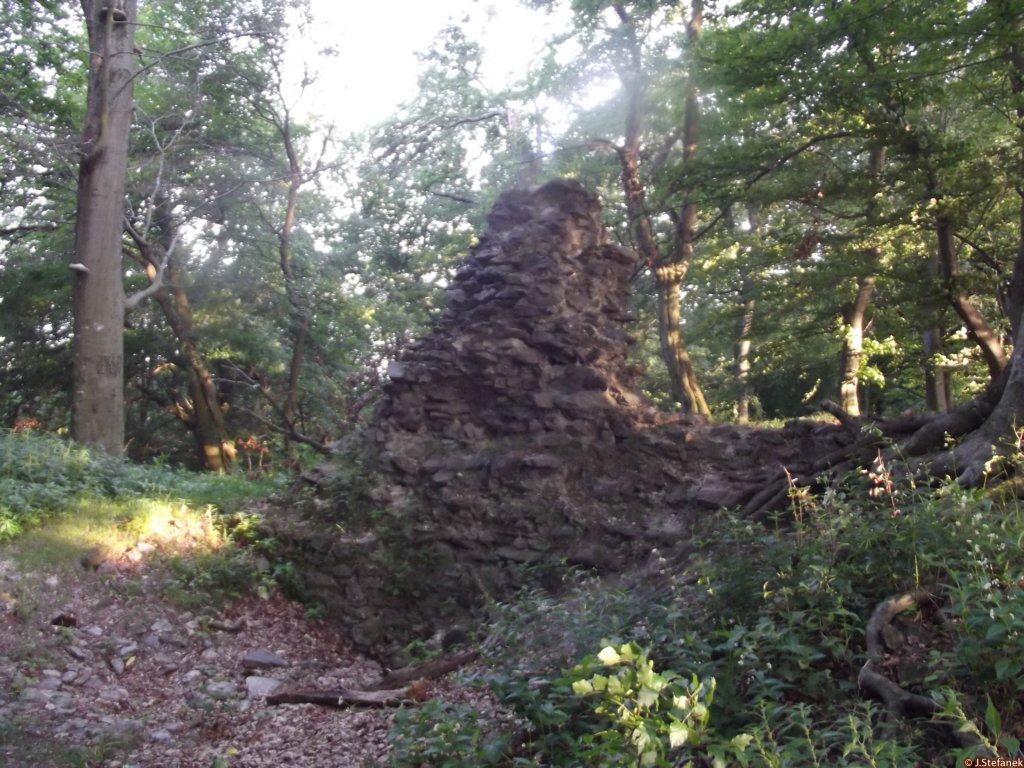
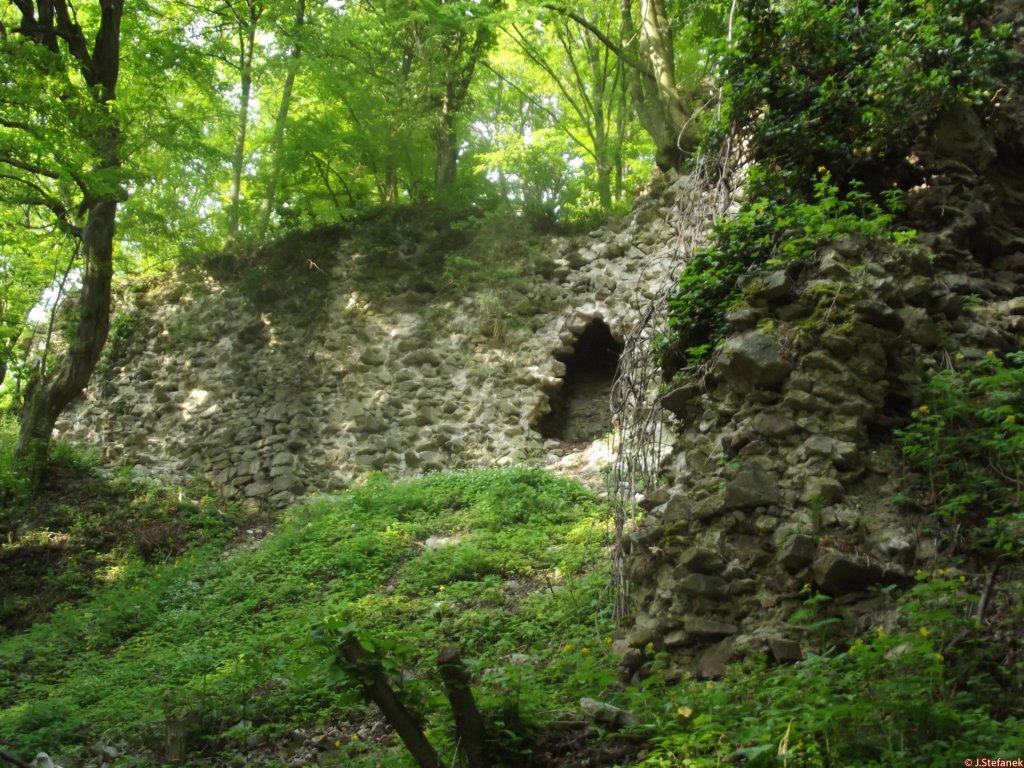
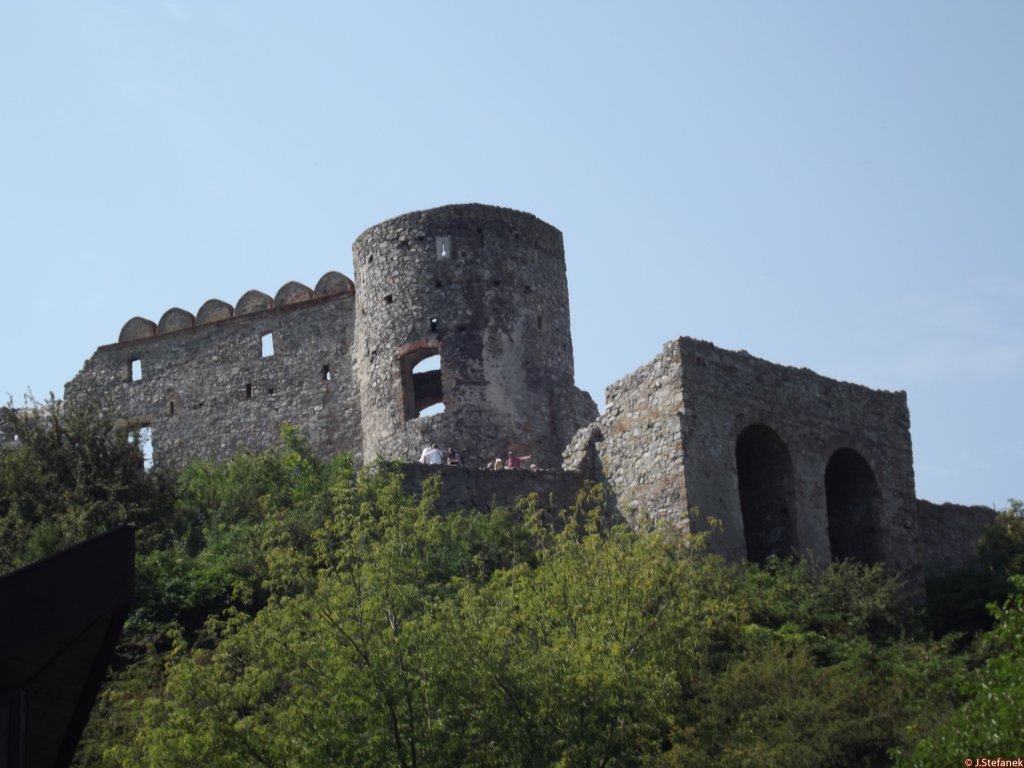
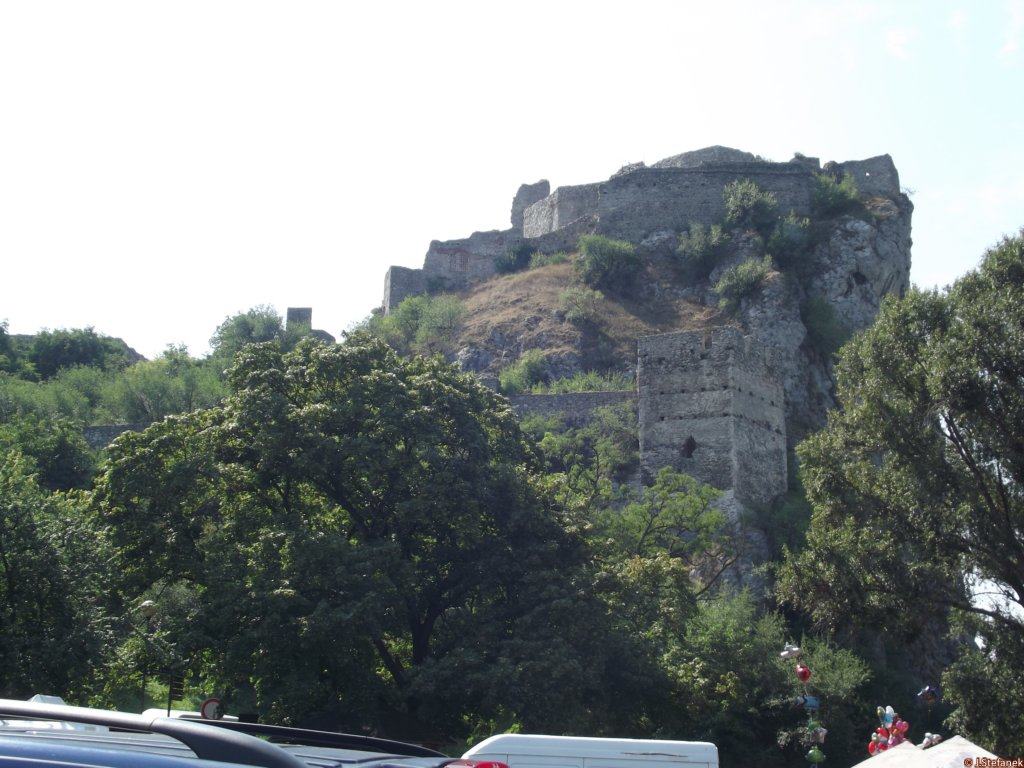
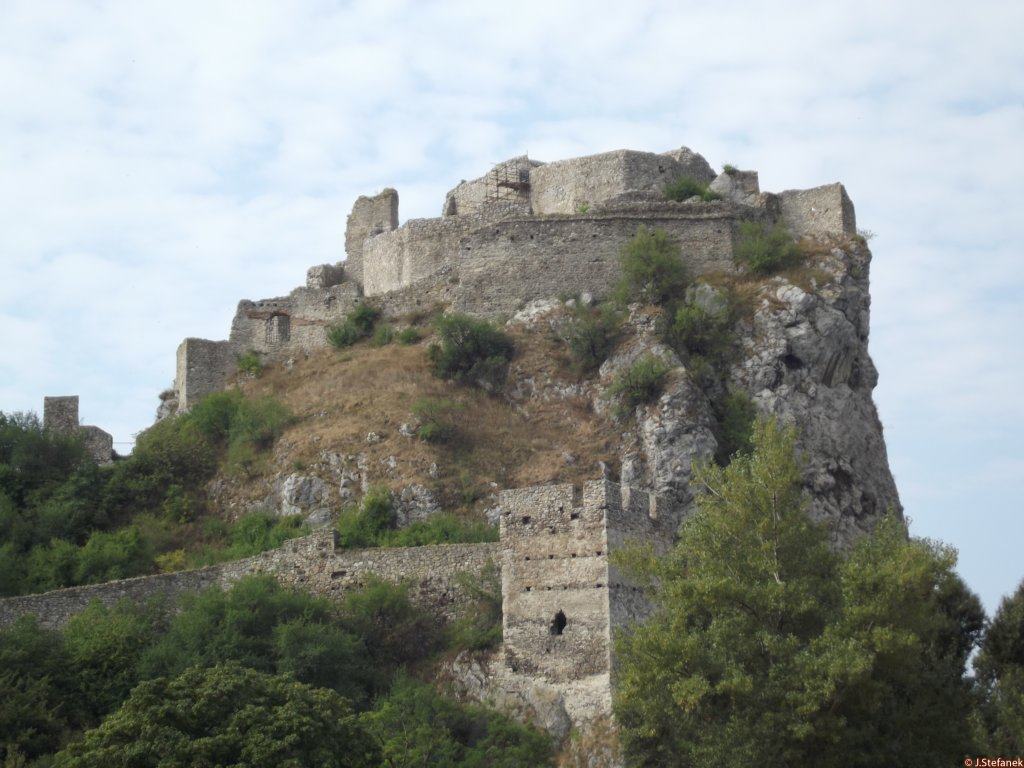
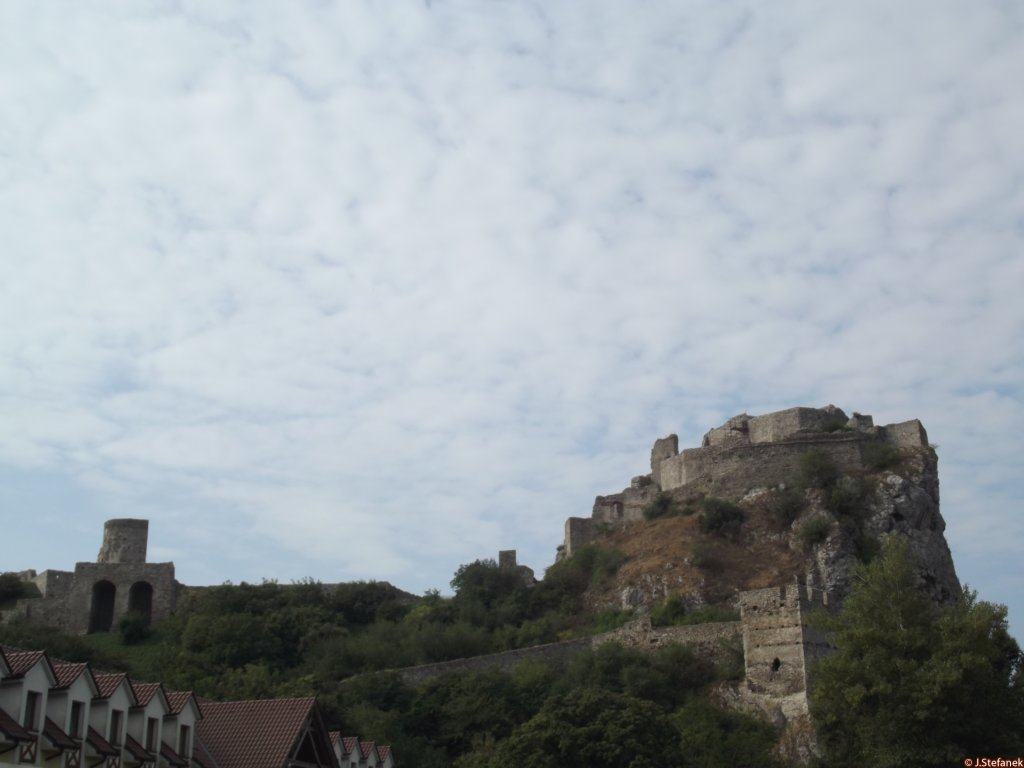
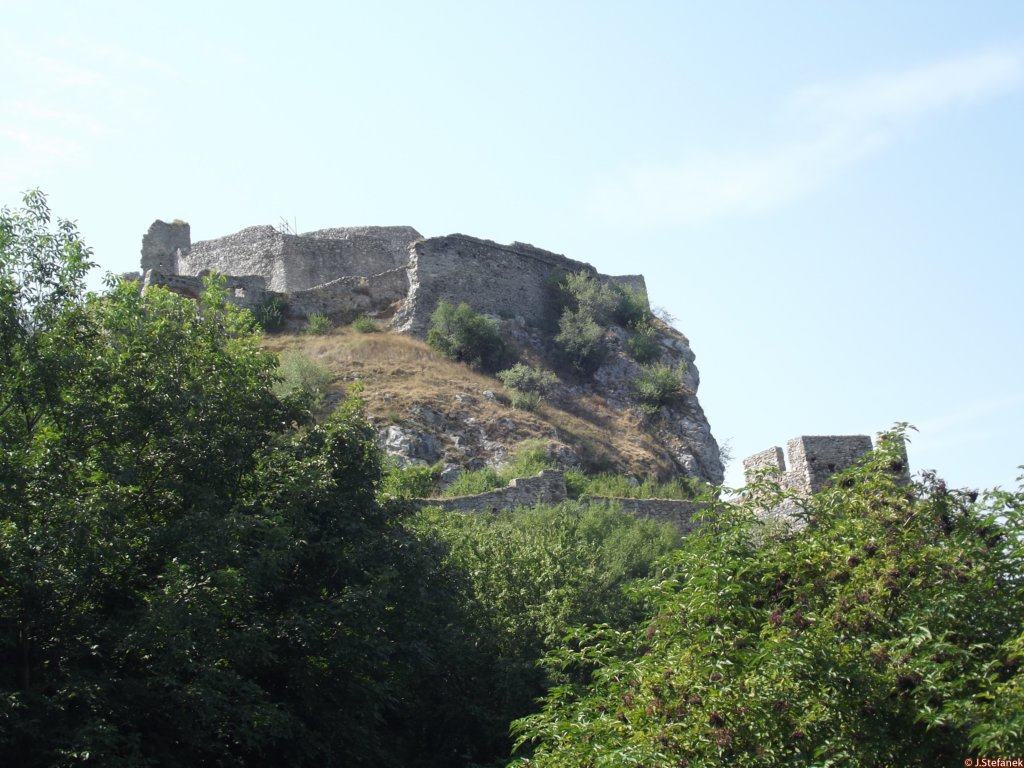
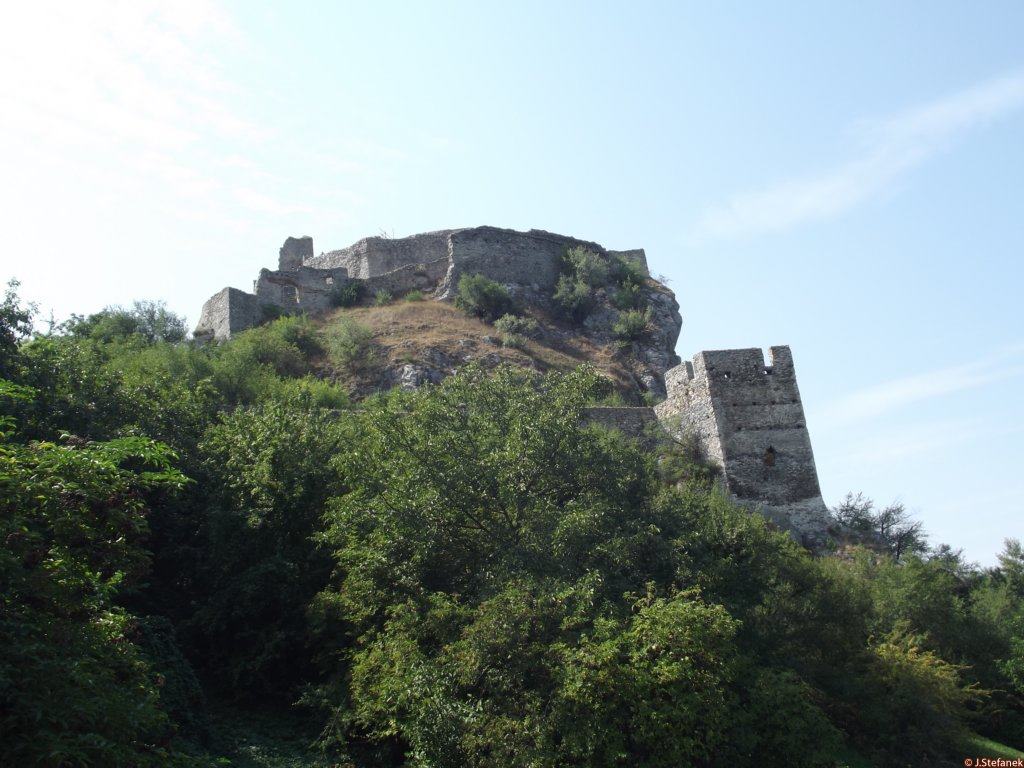
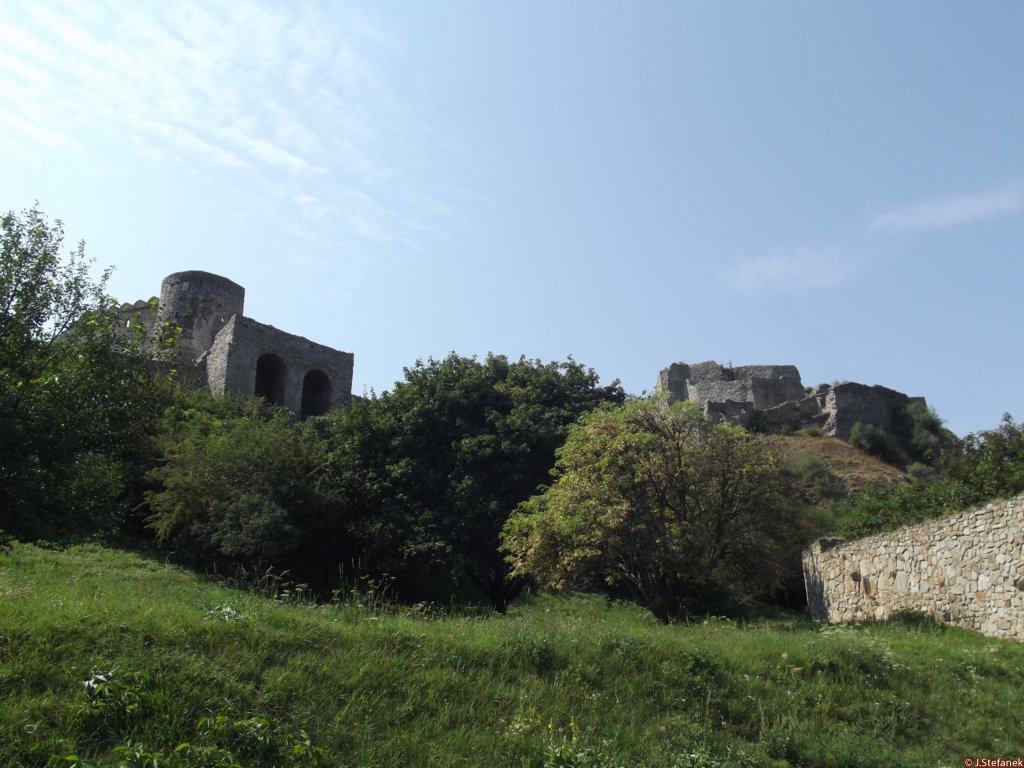
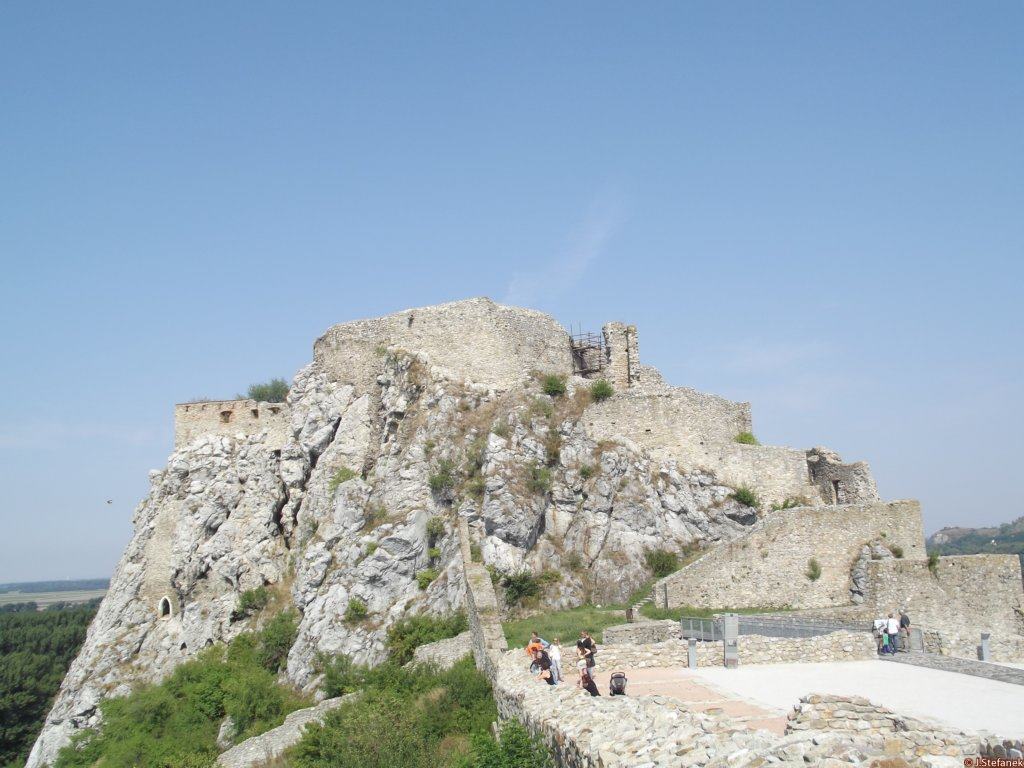
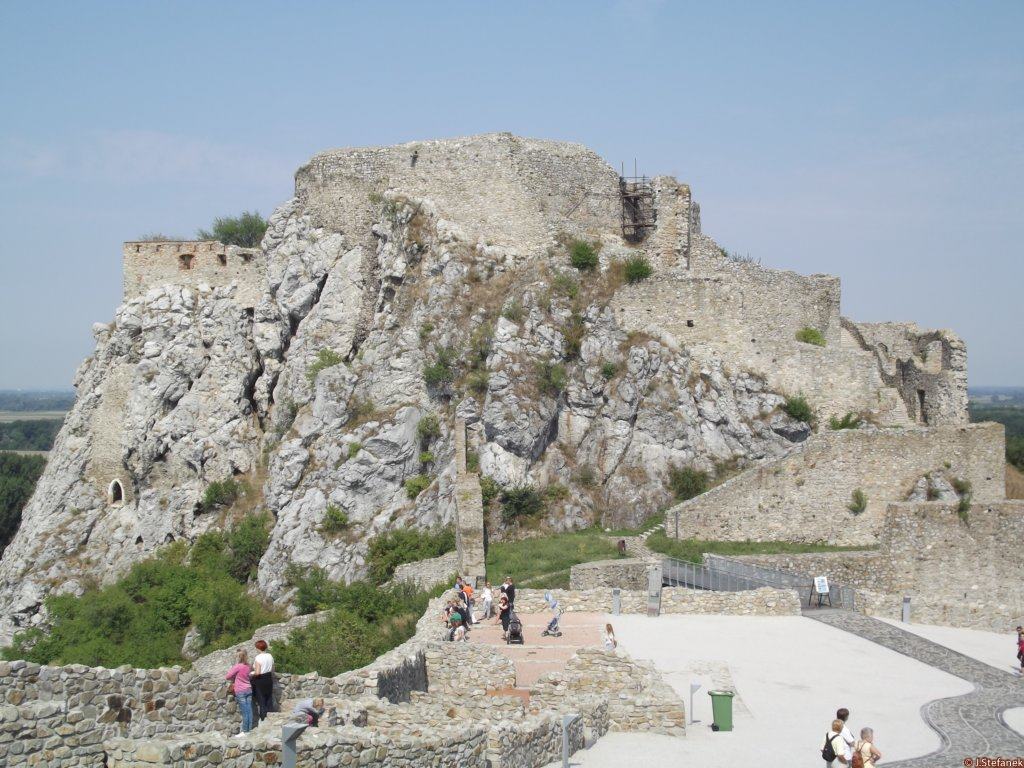
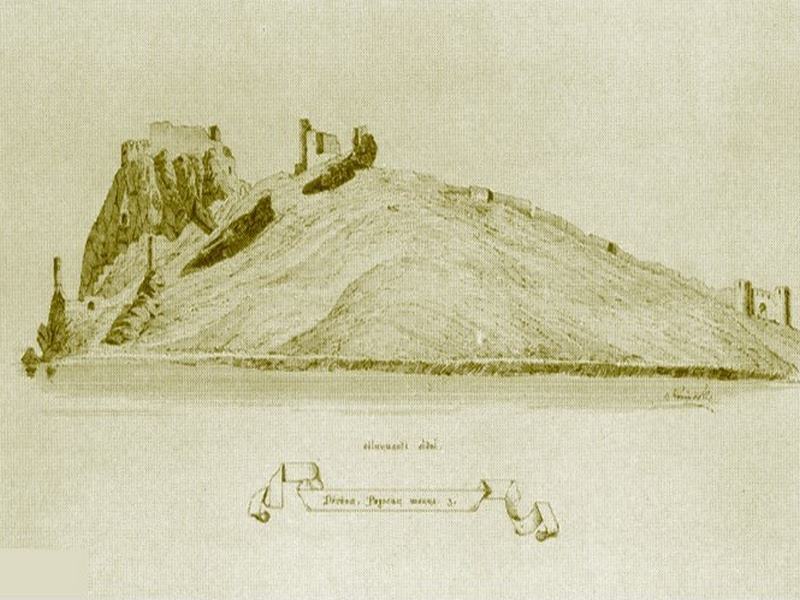
Preserved ruins of Devín Castle and Slavic fortified settlement on a limestone hill with a cliff, through which the Little Carpathians in the territory of the capital Bratislava, city district Devín, belong to the confluence of the rivers Danube and Moravia
Pamiatkovo upravená zrúcanina hradu Devín a slovanské hradisko na vápencovom návrší s útesom, ktorým Malé Karpaty na území hlavného mesta Bratislava, mestská časť Devín, spadajú k sútoku riek Dunaja a Moravy.
Previous names
Dowina, Dévény, Theben
Roads
It is necessary to get to Bratislava - city district of Devín, specifically on Muránska Street. In the place where this street meets Slovienska Street, there is a large parking lot just below the castle, where we can park the car. Directly on the parking lot is also a bus stop, where we can also get from the city center to the castle with a bus without any problems. The way from parking to the Devín castle is very short and simple.
Je potrebné sa dostať v Bratislave do mestskej časti Devín, konkrétne na Muránsku ulicu. V mieste, kde sa stretáva táto ulica so Slovienskou ulicou, sa nachádza rozsiahle parkovisko priamo pod hradom na Slovanskom nábreží, kde môžeme zaparkovať. Priamo na parkovisku sa nachádza aj zastávka MHD, ktorou sa z centra mesta taktiež bez problémov k hradu dostaneme. Prístup od parkoviska k hradu Devín je veľmi jednoduchý a krátky.
Description
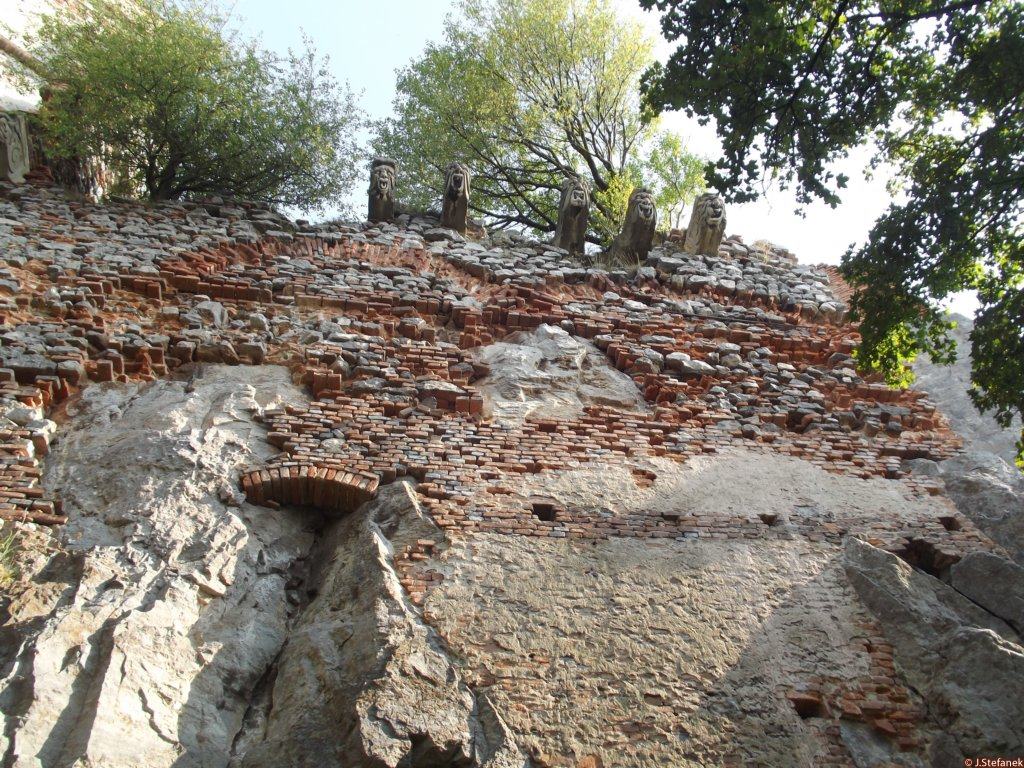
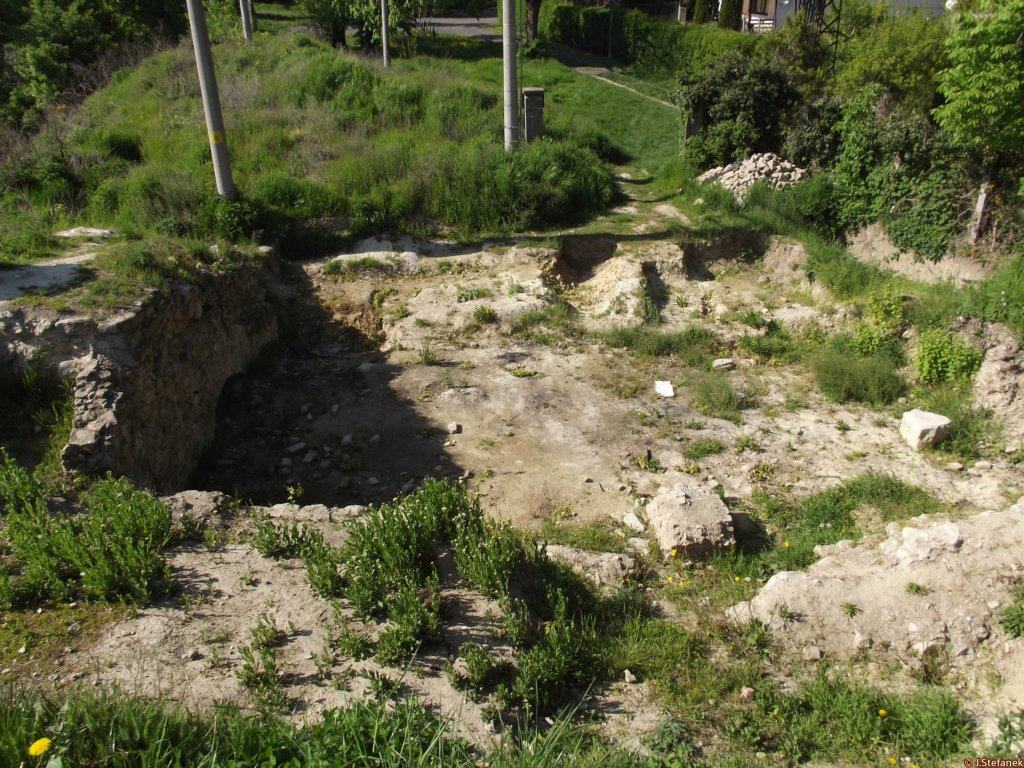
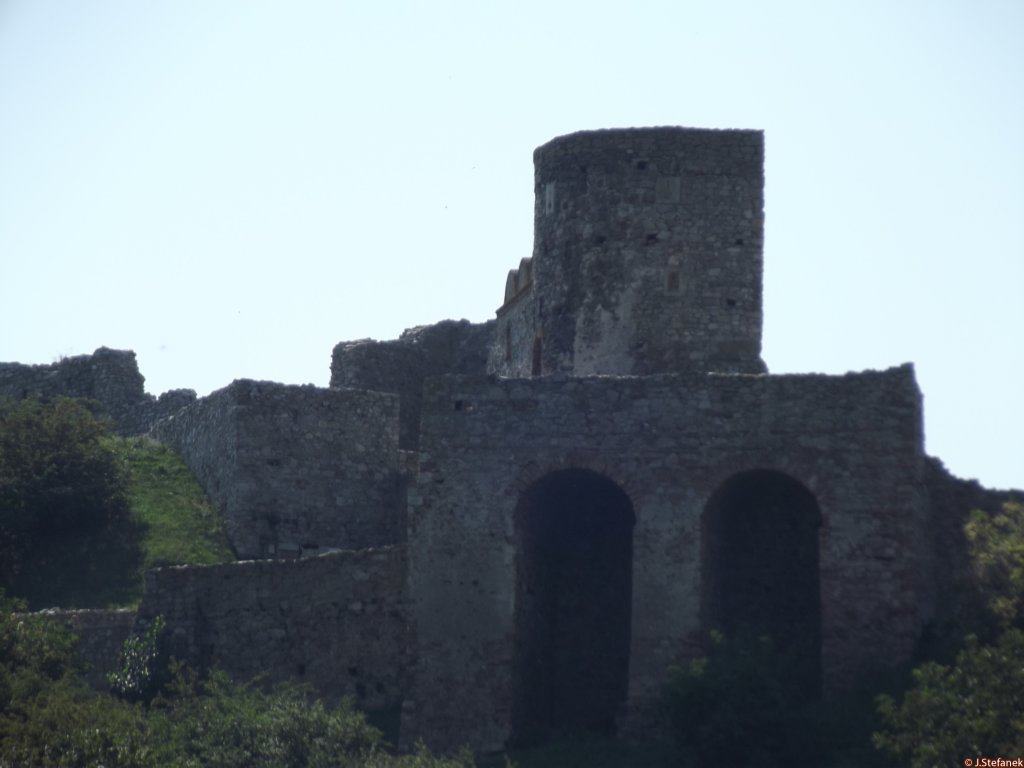
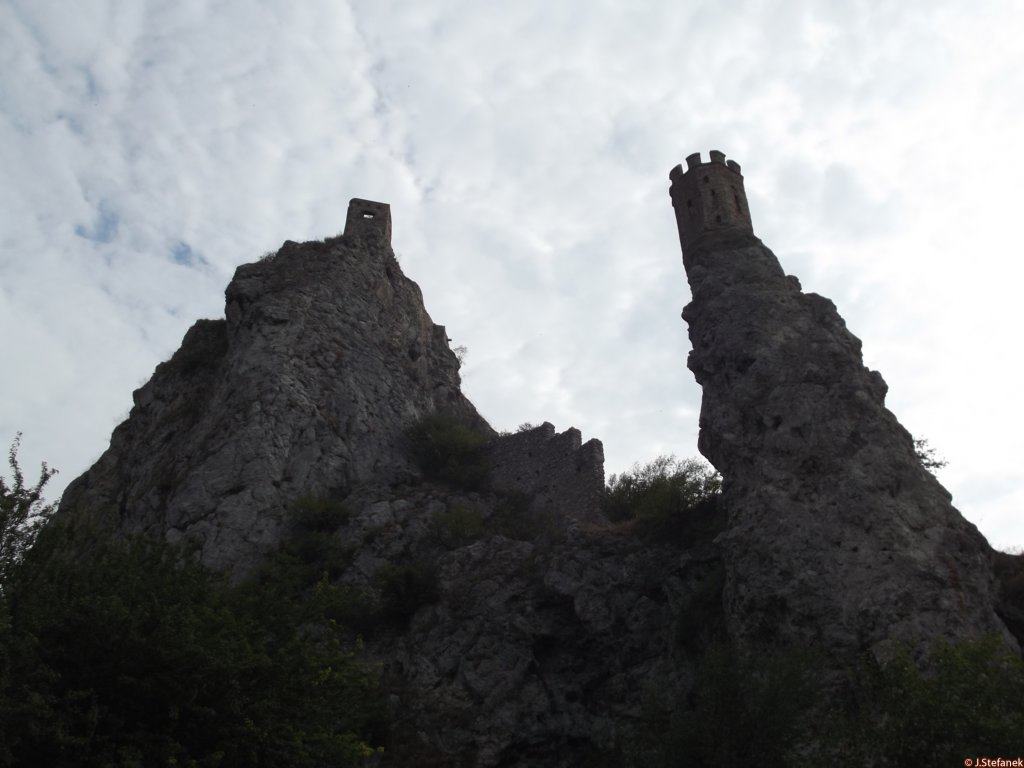
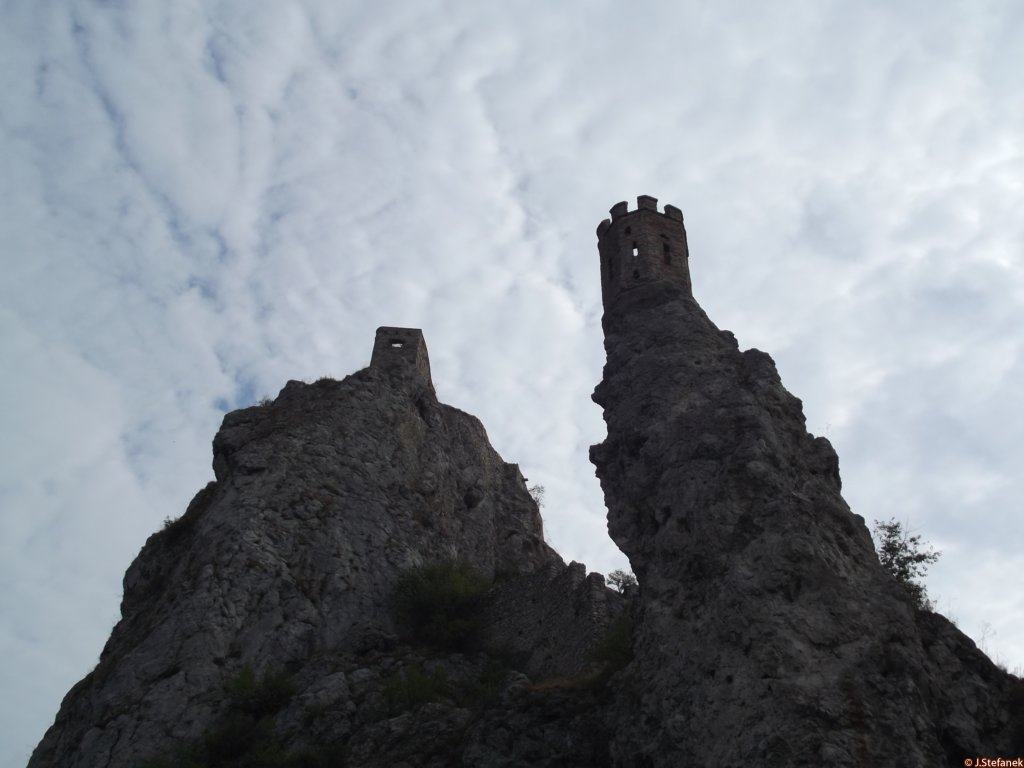
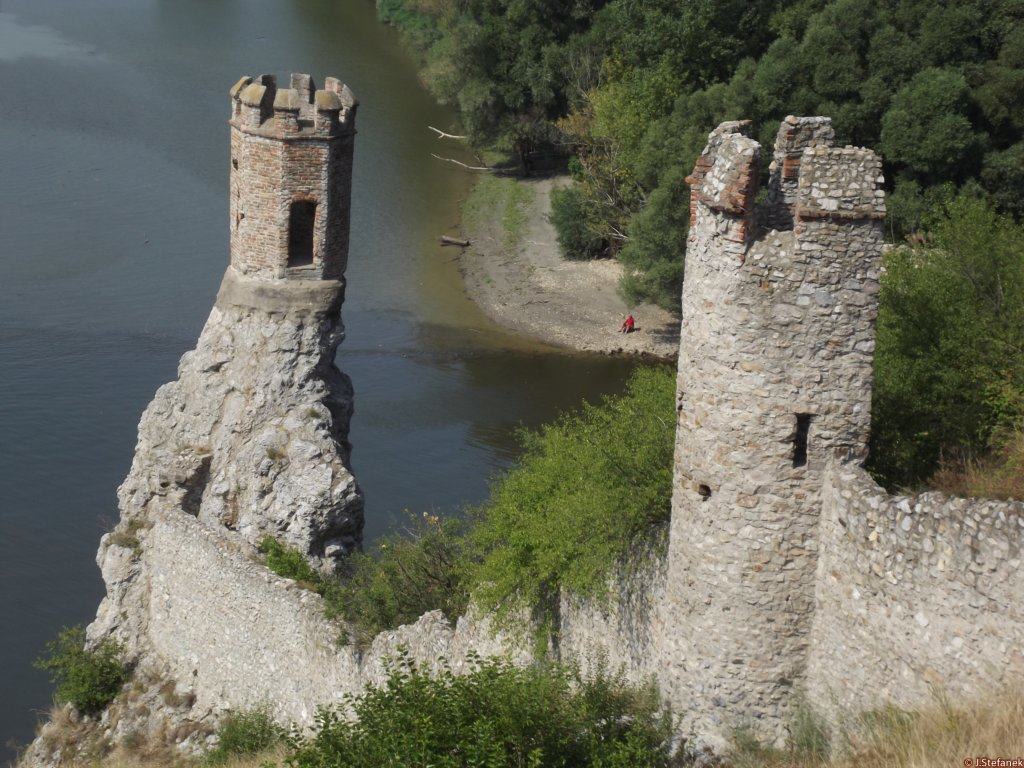
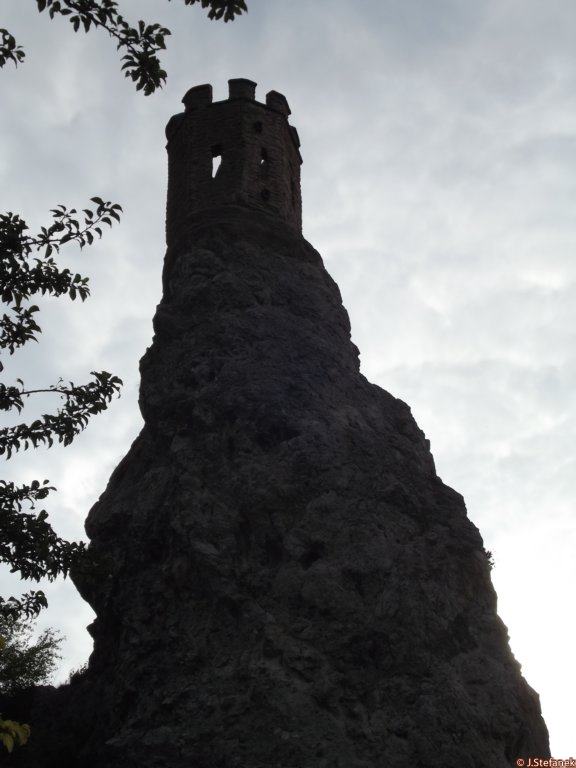
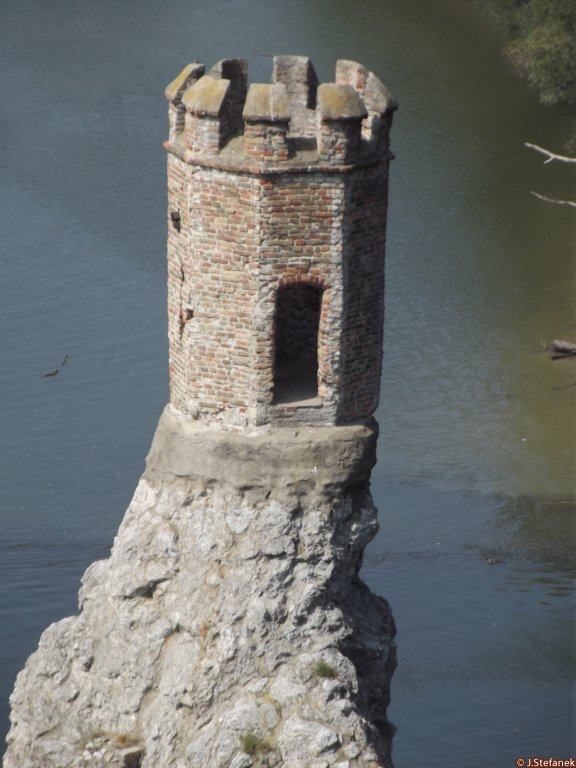
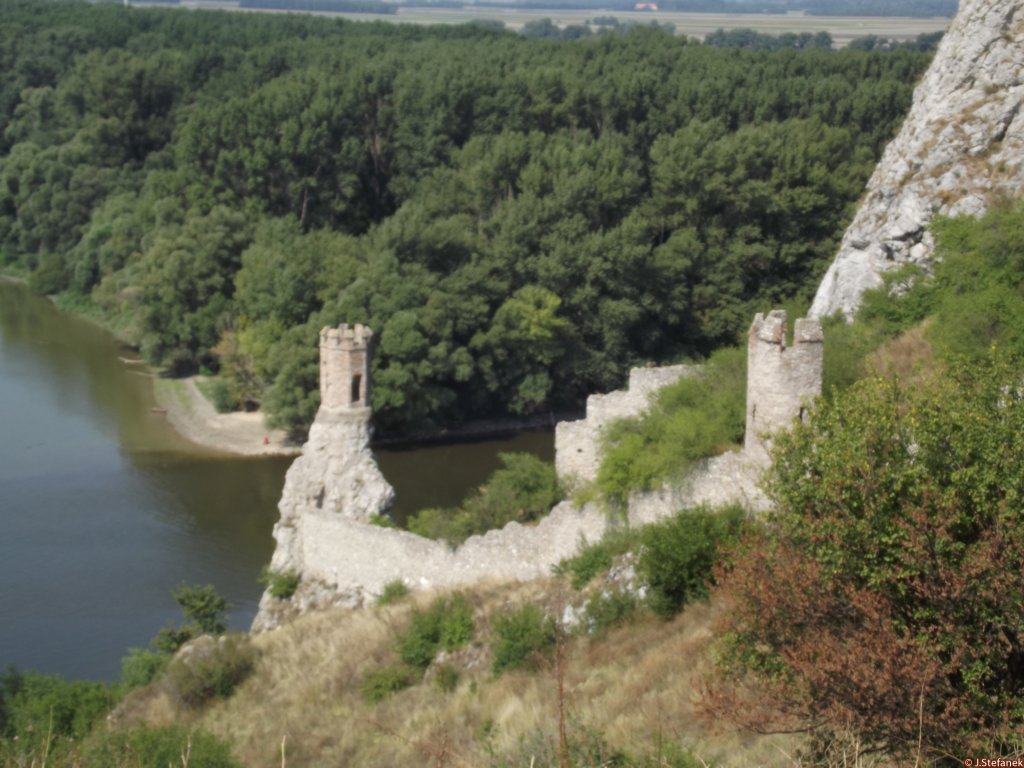
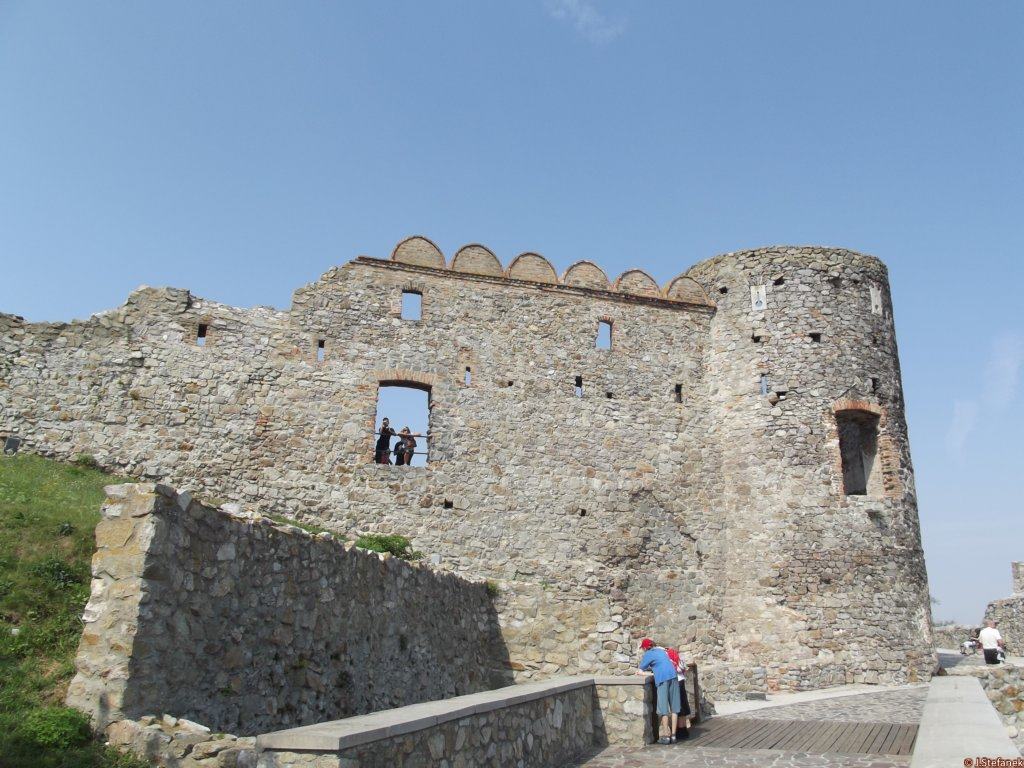
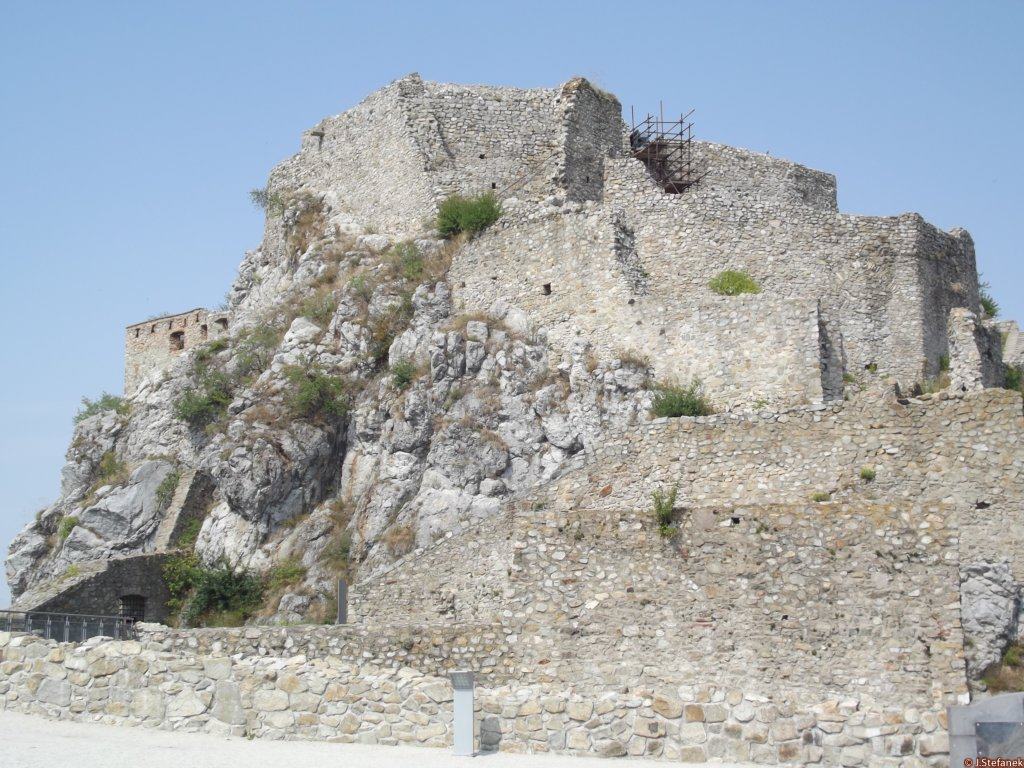
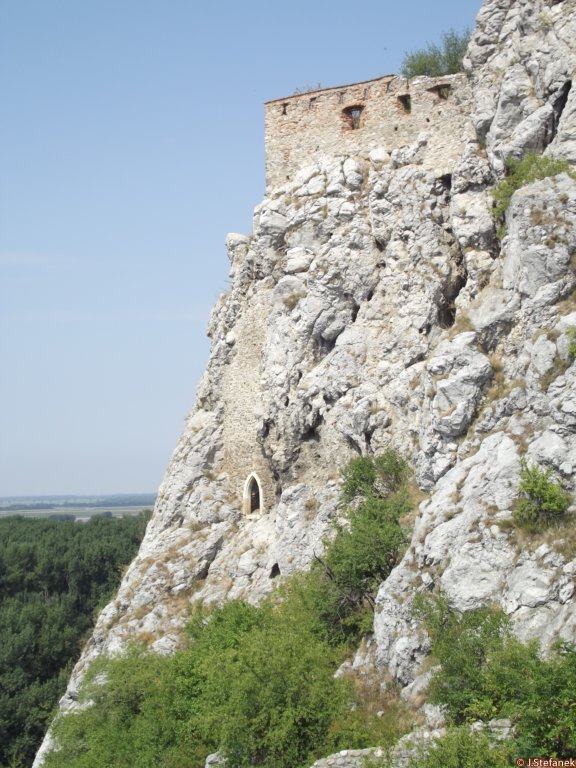
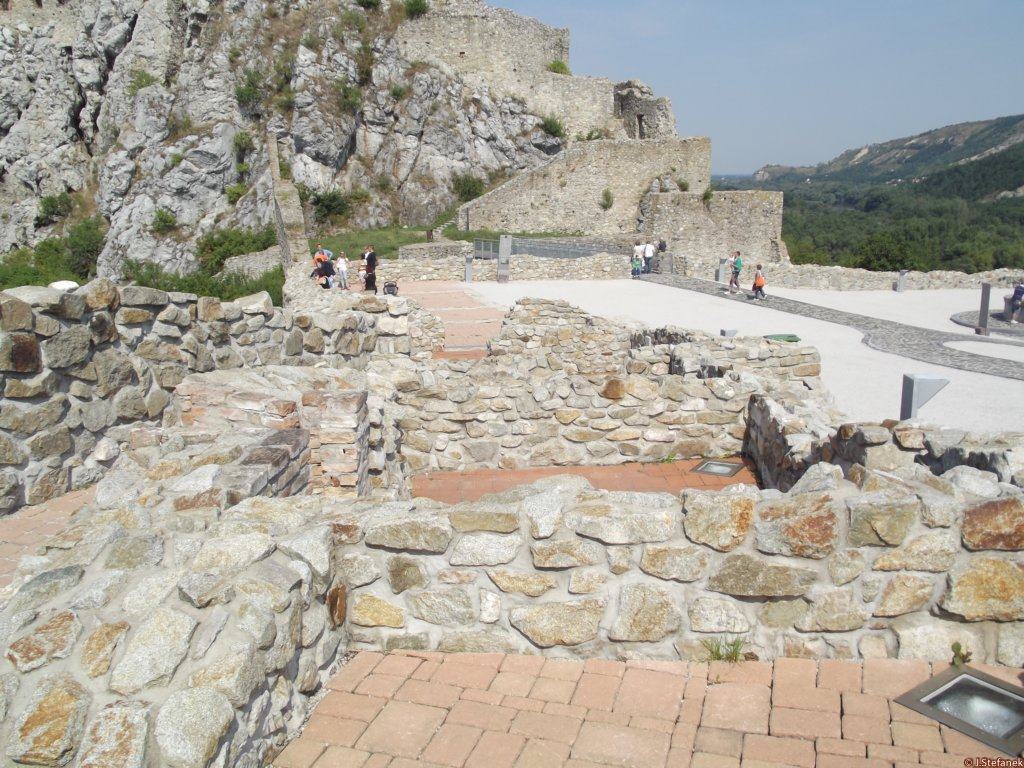
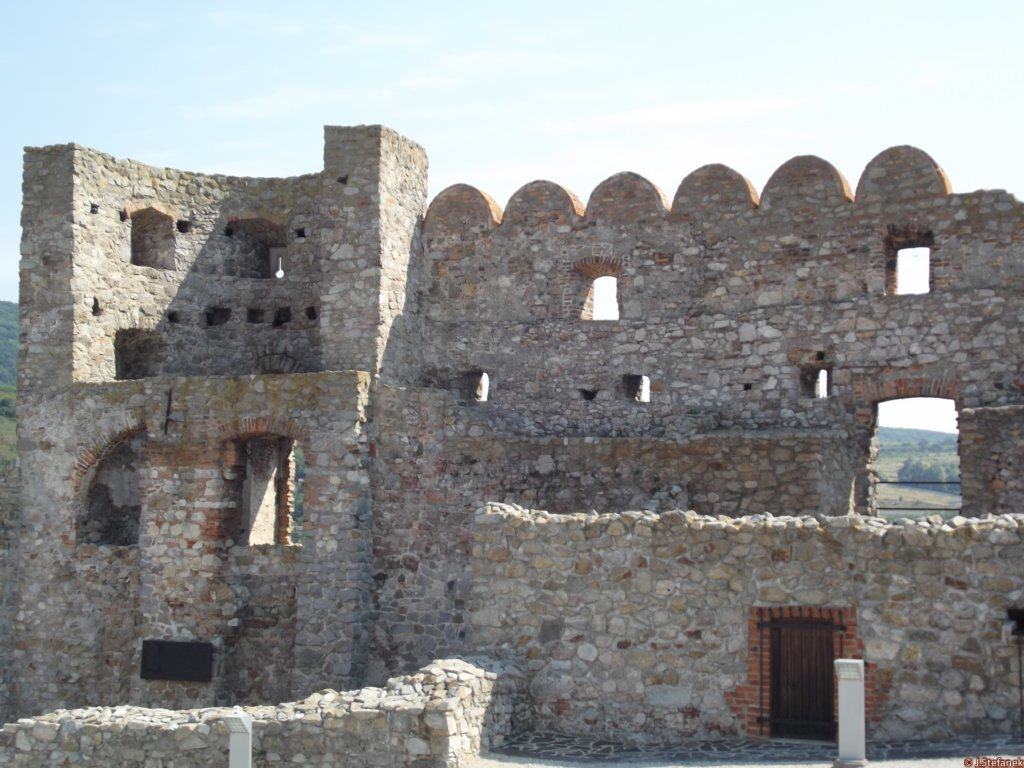
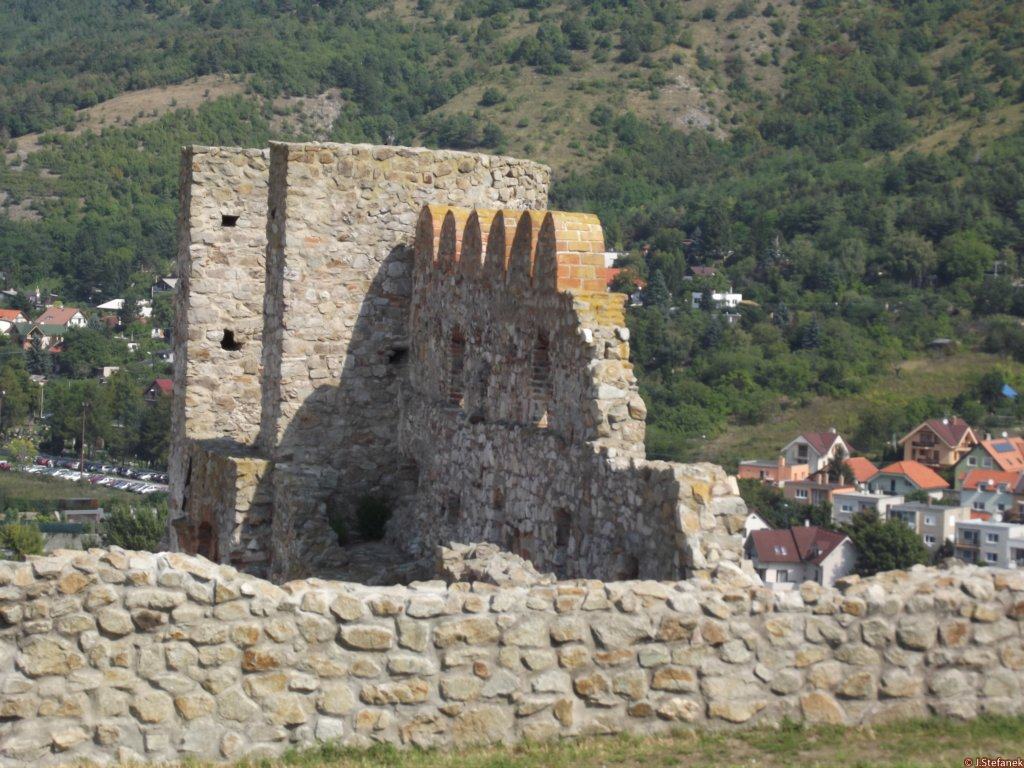
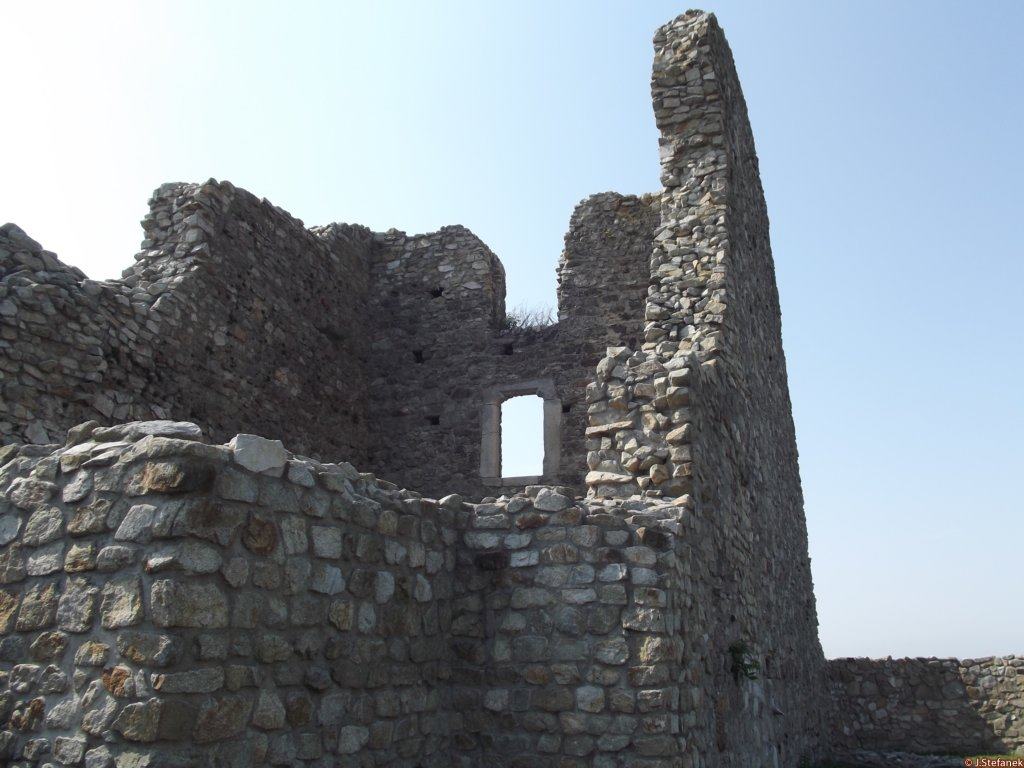
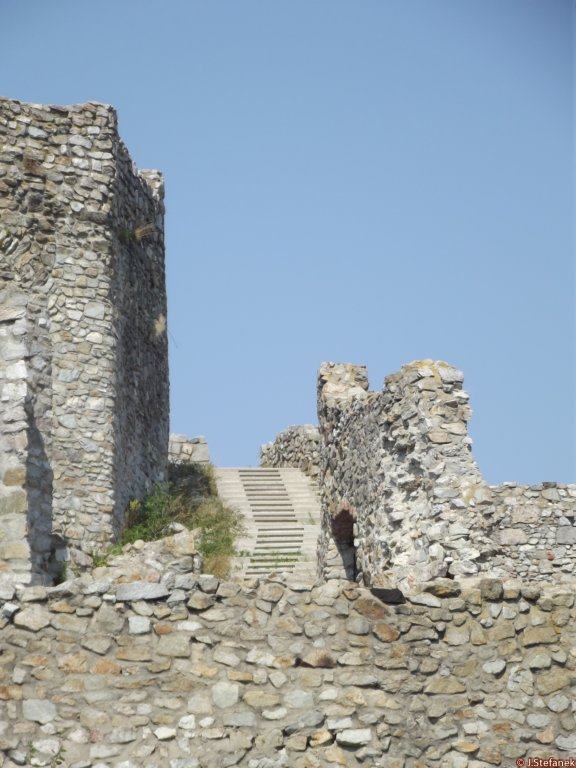
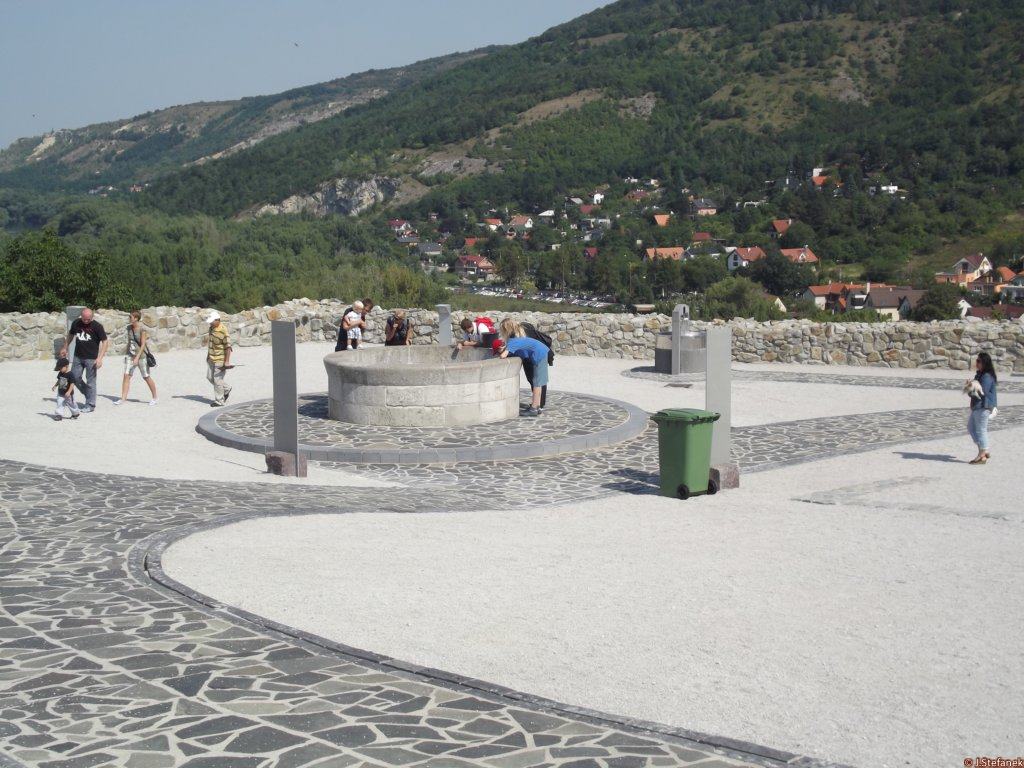
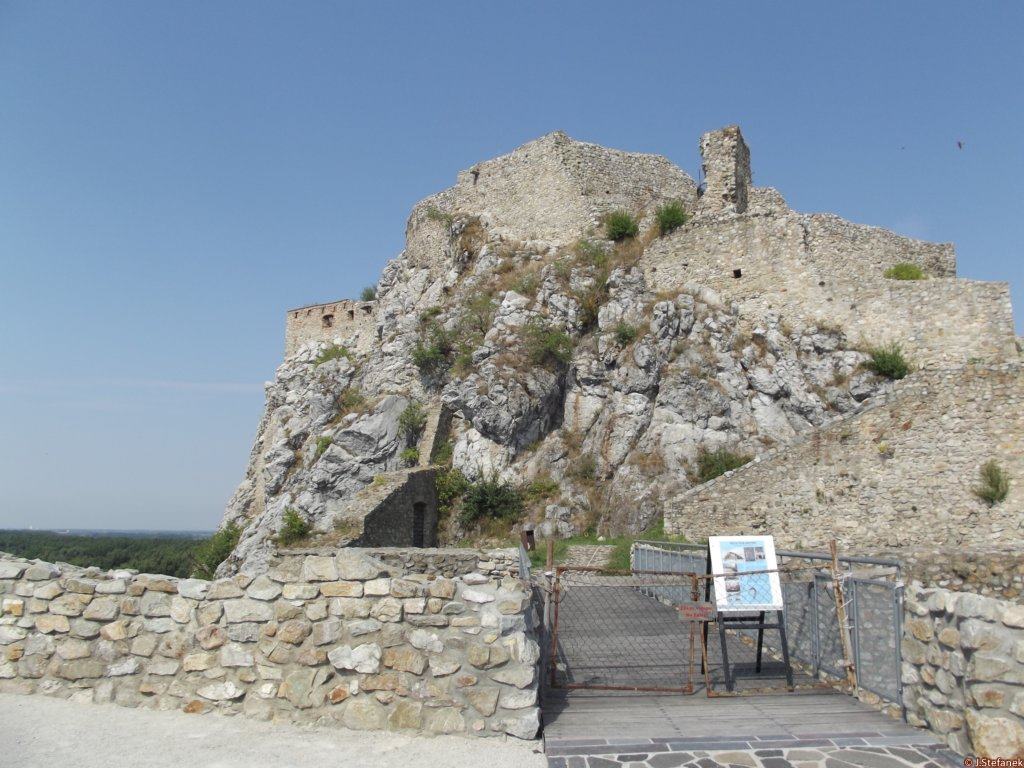
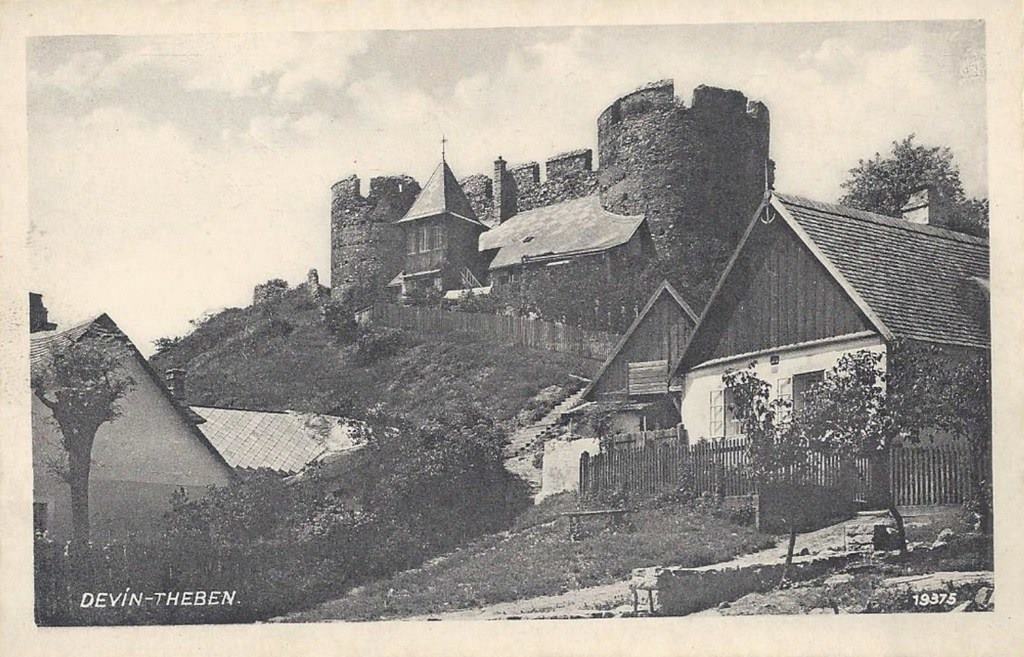
The most interesting part of the castle is the middle castle. It is dominated by the preserved masonry of Renaissance palaces of Báthory and Garay. In addition, the foundations of a Roman building, uncovered during archaeological excavations in the 1930s, as well as the remnants of residential and commercial premises, are uncovered here. The large area of the central castle is dominated by a 60-meter-deep castle well in its north-western part. Its upper part is built of sandstone blocks, the center is carved into the rock, the lower part is reinforced similarly as the upper. In the basement of the Renaissance palace is an exhibition hall used for seasonal exhibitions on the history of the castle. On the wall of the palace there is a commemorative plaque from 1936 commemorating the centenary of a historical trip of Slovak youth to Devín, organized in 1836 by Ľudovít Štúr.Above the confluence of the Danube with the Morava River, we will not miss the view of a small tower called Mníška (also known as the Virgin Tower), which stands alone on a steep rocky tip. To the right of it on the southern slope of the castle a spiky gothic portal indicates the entrance to the tunnel cave. It reaches a length of 11.5 meters and a height of almost nine meters. It goes through the whole castle hill. The oldest part - the upper castle - consists of the remains of hexagonal, probably a two-storey stone tower and two fortified areas placed one above the other. Access to the upper castle leads through a short bridge over the defensive ditch. After the archaeological research and reconstruction, the Upper Castle has been open to the public since 2017. The buildings or foundations of the castle buildings are preserved and the whole castle is relatively easy to read in the field.
Najzaujímavejšia časť hradu je stredný hrad. Jeho dominantou sú zakonzervované murivá renesančných palácov Báthoryovcov a Garayovcov. Okrem toho sú tu odkryté základy rímskej stavby, objavené počas archeologického výskumu v 30-tych rokoch 20. storočia ako aj zvyšky obytných a hospodárskych priestorov. Rozsiahlemu priestranstvu stredného hradu dominuje 60 metrov hlboká hradná studňa v jeho severozápadnej časti. Jej horná časť je vybudovaná zo pieskovcových kvádrov, stred je vytesaný do skaly, dolná časť je spevnená podobne ako horná. V suteréne renesančného paláca sa nachádza výstavná sieň využívaná na sezónne výstavy s tematikou histórie hradu. Na múre paláca je umiestnená pamätná tabuľa z roku 1936 pripomínajúca storočnicu historického výletu slovenskej mládeže na Devín, ktorú organizoval v roku 1836 Ľudovít Štúr.Nad sútokom Dunaja s riekou Morava nám neunikne pohľad na malú vežičku zvaná Mníška (tiež Panenská veža), osamotene sa vypínajúcu na strmom skalnom hrote. Vpravo od nej na južnom svahu hradného brala hrotitý gotický portál naznačuje vstup do tzv. tunelovej jaskyne. Dosahuje dĺžku 11,5 metra a výšku takmer deväť metrov. Prechádza celým hradným vrchom. Najstaršia časť – horný hrad – pozostáva zo zvyškov šesťbokej, pravdepodobne dvojpodlažnej kamennej veže a dvoma nad sebou umiestnenými opevnenými plochami. Prístup na horný hrad vedie krátkym mostíkom ponad obrannú priekopu. Horný hrad je po archeologickom výskume a rekonštrukcii od r.2017 otvorený pre verejnosť. Budovy, alebo základy objektov hradu sú zachované a celý hrad je pomerne dobre čitateľný v teréne.
Plan
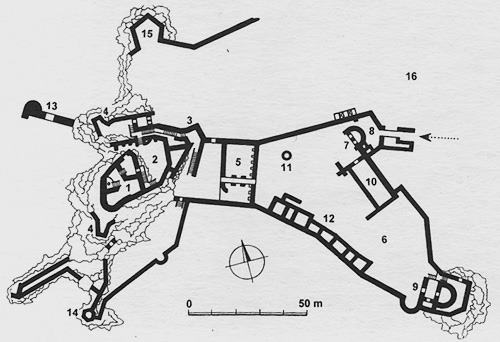
Legend to the ground plan
- 1 - acropolis of the upper castle
- 2 - courtyard
- 3 - the rest of the prismatic entrance tower
- 4 - longitudinal bastions
- 5 - neck moat
- 6 - middle castle
- 7 - defensive bastion
- 8 - forecourt
- 9 - Gorjanskovcov palace
- 10 - Báthoryov palace
- 11 - well
- 12 - operational building
- 13 - gate of the defense zone
- 14 - watchtower (Panenská or Mníška)
- 15 - cannon bastion
- 16 - lower castle
Legenda k pôdorysu
- 1 - akropola horného hradu
- 2 - nádvorie
- 3 - zvyšok hranolovej vstupnej veže
- 4 - pozdĺžne bašty
- 5 - šijová priekopa
- 6 - stredný hrad
- 7 - obranná bašta
- 8 - predbránie
- 9 - palác Gorjanskovcov
- 10 - palác Báthoryovcov
- 11 - studňa
- 12 - prevádzková budova
- 13 - brána obranného pásma
- 14 - strážna vežička (Panenská
- alebo Mníška)
- 15 - delová bašta
- 16 - dolný hrad
History
Devín Hill has been inhabited since ancient times. In the 2nd to 4th century, the Romans included it in the Limes Romanus fortification system, which protected the borders of the Roman Empire from barbarians. The defensive wall they left was later used by the Slavs.
In the middle of the 13th century, a stone castle was built on a rock above the confluence of the Danube and Moravia, first mentioned in written sources in 1271. The stone castle probably replaced the fortifications, which were conquered and destroyed in 1233 by the Austrian duke Friedrich Babenberg, called the warrior. In 1301, the castle was again seized by the Austrian duke, this time Rudolf, and for some time the royal castellans took turns here. Even under Sigismund of Luxembourg in 1411, the castle was in reserve by the Austrian knight Hering Lessel and in 1414 it was bought by the palatine Nicholas II. Garai. Thanks to the Garai family, they fortified the castle and expanded it with a middle castle.
After the death of Mikuláš's son Ladislav, King Matej Korvín donated Devín to the counts of Svätý Jur and Pezinok, who continued the fortifications of the lower castle. However, around 1500, the reconstruction was probably suspended for financial reasons. In this form, the castle withstood the attack of a smaller section of Turks in 1529. The castle already belonged to Štefan Báthory at this time, from 1527. When the Báthory family became extinct, Ján Keglevich temporarily seized the castle, which forced the attack of his subjects. The Devinians conquered the castle in 1616 with the help of the left-wing landowner Siegfried Kolonich. Four years later, Devín could not resist Gabriel Bethlen's rebel army.
In 1635, the castle was inherited by Pavol Pálffy, but in this period the castle mostly served only as an administrative and economic center. During Thököly's and during Rákóczi's uprising, he still successfully resisted repeated attacks.
The fame of the feudal castle declined and the Great Moravian tradition of Devín, which became one of the symbols of the national revival, came to the fore. In 1836, Ľudovít Štúr and his followers took a memorable walk to the castle, which is now commemorated by a memorial plaque on the castle.
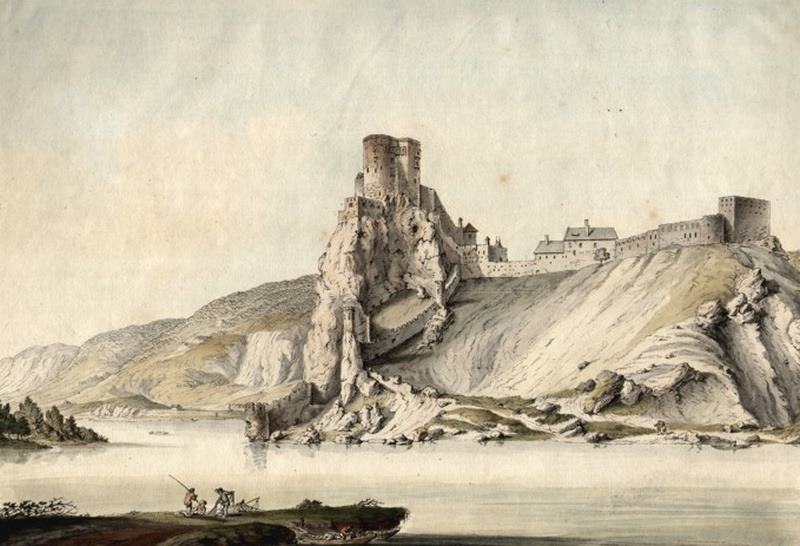
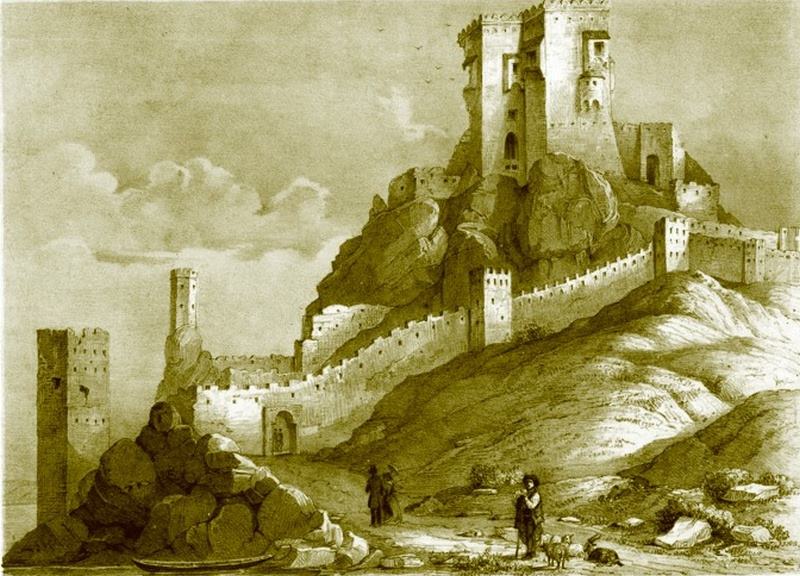
The destruction of the castle core was brought about by the preparation of the magnificent celebrations of the St. Stephen's Millennium, when at the end of the 19th century it was partially collapsed and concreted as a pedestal for the monument to Prince Arpad. Since the end of the 1960s, systematic research has been carried out at the castle.
Devínske návršie bolo osídlené od pradávna. V 2. až 4. storočí ho Rimania zahrnuli do pevnostného systému Limes Romanus, ktorý chránil hranice Rímskej ríše pred barbarmi. Obranný val, ktorý zanechali, využili neskôr Slovania.
V polovici 13.storočia bol na skalisku nad sútokom Dunaja a Moravy postavený kamenný hrad, prvýkrát v písomných prameňoch spomínaný v r.1271. Kamenný hrad zrejme nahradil opevnenie, ktoré v r.1233 dobyl a zničil rakúsky vojvodca Fridrich Babenberský, zvaný bojovný. V r.1301 sa hradu opäť zmocnil rakúsky vojvodca, tentoraz Rudolf, a istý čas sa tu striedali kráľovskí kasteláni. Aj za Žigmunda Luxemburského v r.1411 mal hrad v zálohu rakúsky rytier Hering Lessel a v r.1414 ho odkúpil palatín Mikuláš II. Garai. Zásluhou Garaiovcov hrad opevnili a rozšírili o stredný hrad.
Po smrti Mikulášovho syna Ladislava kráľ Matej Korvín daroval Devín grófom zo Svätého Jura a Pezinka, ktorí pokračovali v započatom opevňovaní dolného hradu. Avšak okolo r.1500 bola prestavba pravdepodobne z finančných dôvodov pozastavená. V tejto podobe odolal hrad v r.1529 útoku menšieho oddielu Turkov. Hrad v tomto čase už patril Štefanovi Báthorymu, od r.1527. Keď rod Báthoryovcov vymrel, hradu sa dočasne zmocnil Ján Keglevich, ktorý nátlakom vyvolal útok poddaných. Devínčania za pomoci levárskeho zemepána Siegfrieda Kolonicha v r.1616 hrad dobyli. O štyri roky neskôr Devín neodolal ani povstaleckému vojsku Gabriela Bethlena.
V r.1635 dostal hrad do dedičného vlastníctva Pavol Pálffy, no hrad v tomto období zväčša plnil iba funkciu správneho a hospodárskeho centra. Za Thökölyho i počas Rákócziho povstania ešte úspešne vzdoroval opakovaným útokom., no v r.1809 už výrazne schátraný hrad takmer bez boja obsadili oddiely Napoleona a zachované budovy čiastočne vyhodili do vzduchu.
Sláva feudálneho hradu upadla a na výslnie sa tisla veľkomoravská tradícia Devína, ktorý sa stal jedným zo symbolov národného obrodenia. V r.1836 podnikol Ľudovít Štúr so svojimi stúpencami pamätnú vychádzku Štúrovcov na hrad, ktorú dnes pripomína pamätná tabuľa na hrade.
Skazu jadra hradu priniesla príprava veľkolepých osláv svätoštefanského milénia, keď ho na konci 19.storočia čiastočne zrútili a zabetónovali ako podstavec pre pomník kniežaťa Arpáda. Od konca šesťdesiatych rokov 20.storočia prebiehajú na hrade systematické výskumy.
Myths and legends
The legend of the Maiden's Tower
It is rumored that Knight Nicholas, lord of Devín Castle, went to the quarries as far as Carinthia. The Virgin Magdalene from a wealthy family caught his eye. However, the girl's father refused Mikuláš's request, the knight kidnapped Magdalena. The Virgin Margaret did not defend herself too much, because she liked the young knight and after arriving in Devín, she also liked his beautiful castle. Before the wedding, however, Margaret's uncle Rafael, the abbot of Isenburg, visited Devín Castle. His gunmen seized the girls and headed back to Carinthia. However, Knight Mikuláš caught up with them and got Margaret back after the fight. After returning to the castle, preparations for the wedding began. As soon as they said yes in the chapel, guns rattled again in the courtyard of the castle. Abbot Rafael tricked the guard with a lie and broke into the castle. This time, the Carinthians were in the lead and forced the knight Nicholas to retreat to a slender tower on a rocky promontory overlooking the confluence of the Danube and Moravia. When, due to the onslaught of troops, the door to the tower was released, Knight Nicholas fell in an unequal battle. His young bride jumped into the Danube from grief. The mighty waters of the Virgin Margaret River were buried on her wedding day, and the tower on the rocky promontory has since been called the Virgin Tower.
The legend of the castle well
Water has been missing from Devín Castle for a long time. And so the lord of the castle chose the most powerful of his subjects and promised them that if they dug a well on Devín, they would get freedom. They actually dug a well and found a lump of gold from which they made a brooch. The castle lord was given water and his wife the jewel. At that time, the devil in the form of a ugly clown whispered to the castle lord that even more gold was possible. Instead of freedom, the diggers earned a dungeon and eventually threw them from the cliff into the Danube. Before his death, the poor cursed the castle lord and his clown, who then accidentally collapsed from the same place into the Danube exactly one year and one day later.
Povesť o panenskej veži
Povráva sa, že sa rytier Mikuláš, pán Devínskeho hradu, vybral na pytačky až do Korutánska. Do oka mu padla panna Magdaléna z bohatej rodiny. Otec dievčaťa však Mikulášovu prosbu odmietol, no rytier Magdalénu uniesol. Panna Margaréta sa ani príliš nebránila, lebo sa jej mladý rytier páčil, a po príchode do Devína aj jeho krásny hrad. Pred svadbou však zavítal na Devínsky hrad Margarétin strýc Rafael, opát z Isenburgu. Jeho ozbrojenci sa zmocnili dievčiny a vydali sa späť do Korutánska. Rytier Mikuláš ich však dostihol a po boji Margarétu získal späť. Po návrate na hrad sa začali konať prípravy na svadbu. Len čo si v kaplnke povedali svoje áno, na nádvorí hradu opäť zarinčali zbrane. Opát Rafael ľsťou oklamal stráž a vtrhol do hradu. Korutánci boli tentoraz v prevahe a rytiera Mikuláša donútili ustúpiť do štíhlej veže na skalnej ostrohe čnejúcej nad sútokom Dunaja a Moravy. Keď vplyvom náporu vojsk dvere do veže povolili, rytier Mikuláš v nerovnom boji padol. Jeho mladá nevesta od žiaľu skočila do Dunaja. Mútne vody rieky pannu Margarétu v jej svadobný deň pochovali a veža na skalnej ostrohe od tých čias nesie meno Panenská veža.
Povesť o hradnej studni
Na hrade Devín dlho-predlho chýbala voda. A tak hradný pán vybral najmocnejších zo svojich poddaných a sľúbil im, že keď vykopú na Devíne studňu, tak dostanú slobodu. Tí skutočne studňu vykopali a našli pritom aj hrudu zlata, z ktorého dali zhotoviť brošňu. Hradnému pánovi odovzdali vodu a jeho manželke šperk. Vtedy diabol v podobe mrzkého šaša našuškal hradnému pánovi, že zlata bolo možno aj viac. Kopáči si namiesto slobody vyslúžili žalár a nakoniec ich vrhli z brala do Dunaja. Úbožiaci pred smrťou prekliali hradného pána i jeho šaša, ktorí sa potom presne o rok a jeden deň nešťastnou náhodou zrútili z toho istého miesta do Dunaja.
Useful information
Since 2017 the upper castle has been open to the public.Opening hours and admission
Od r.2017 je verejnosti prístupný aj horný hrad.Otváracia doba a vstupné
External links
Nearby castles