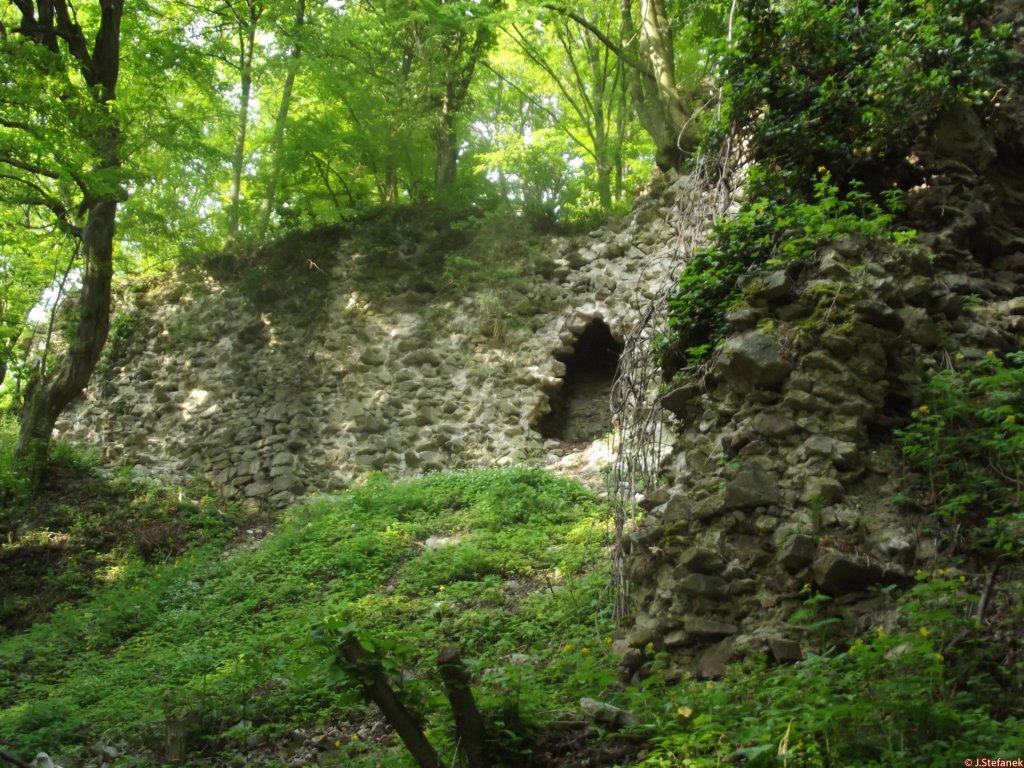
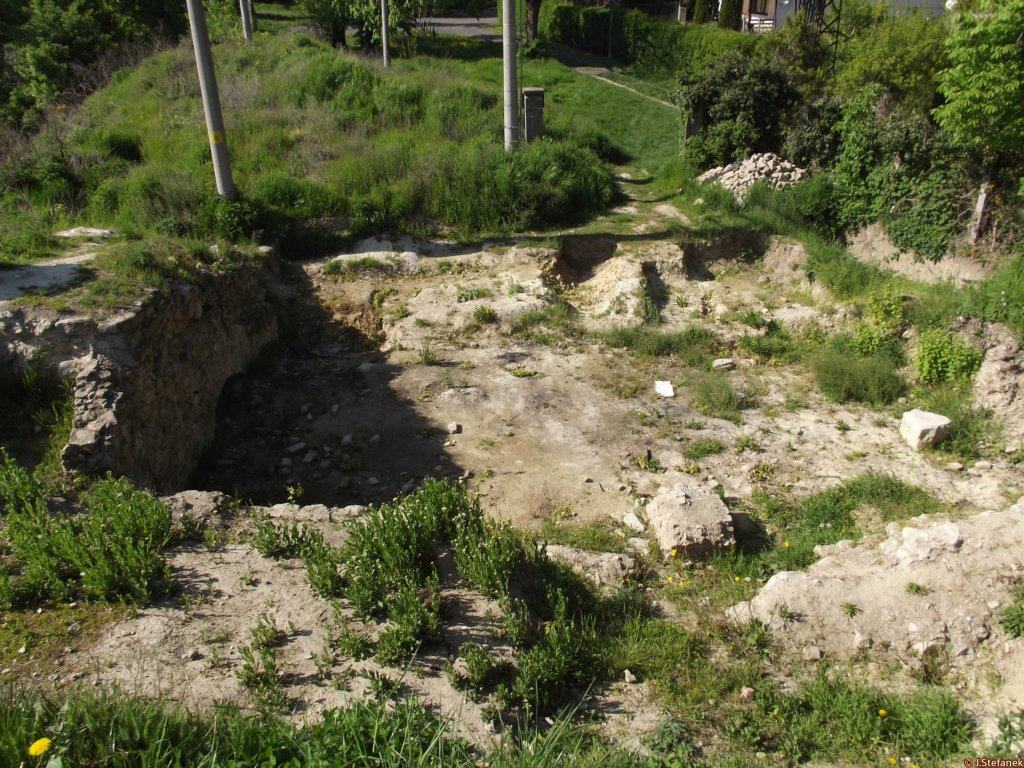
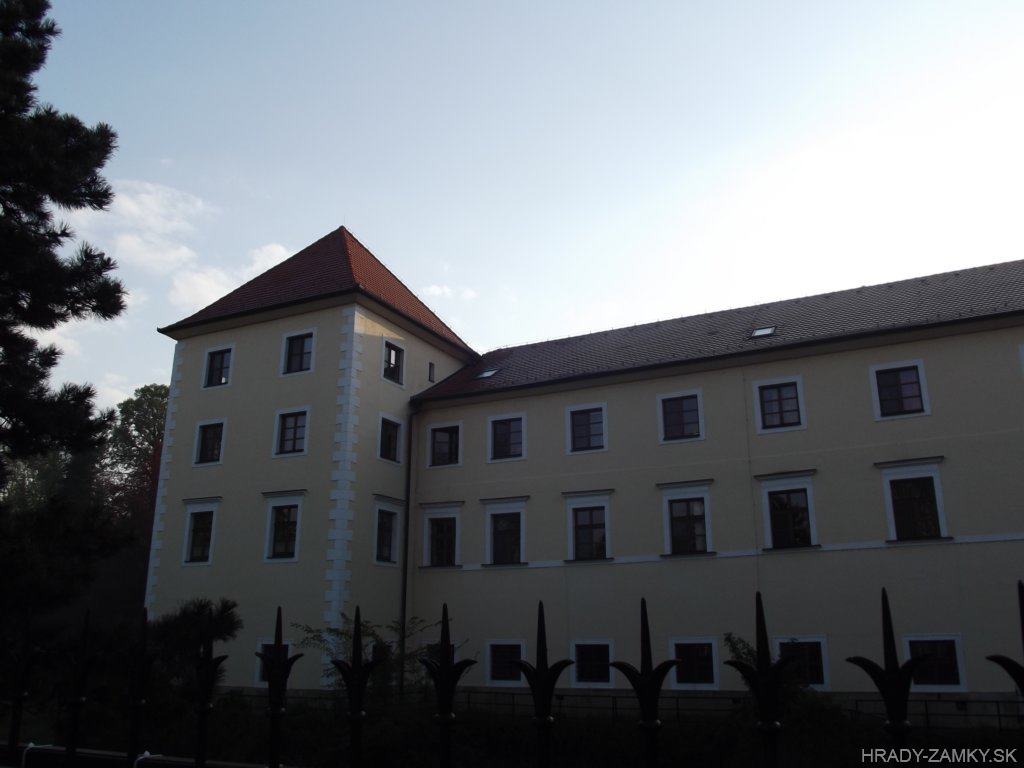
Bratislava castle
Bratislava Bratislava county Slovakia
castle, chateau
Bratislavský hrad
Bratislava Bratislavský kraj Slovakia
hrad, zámok
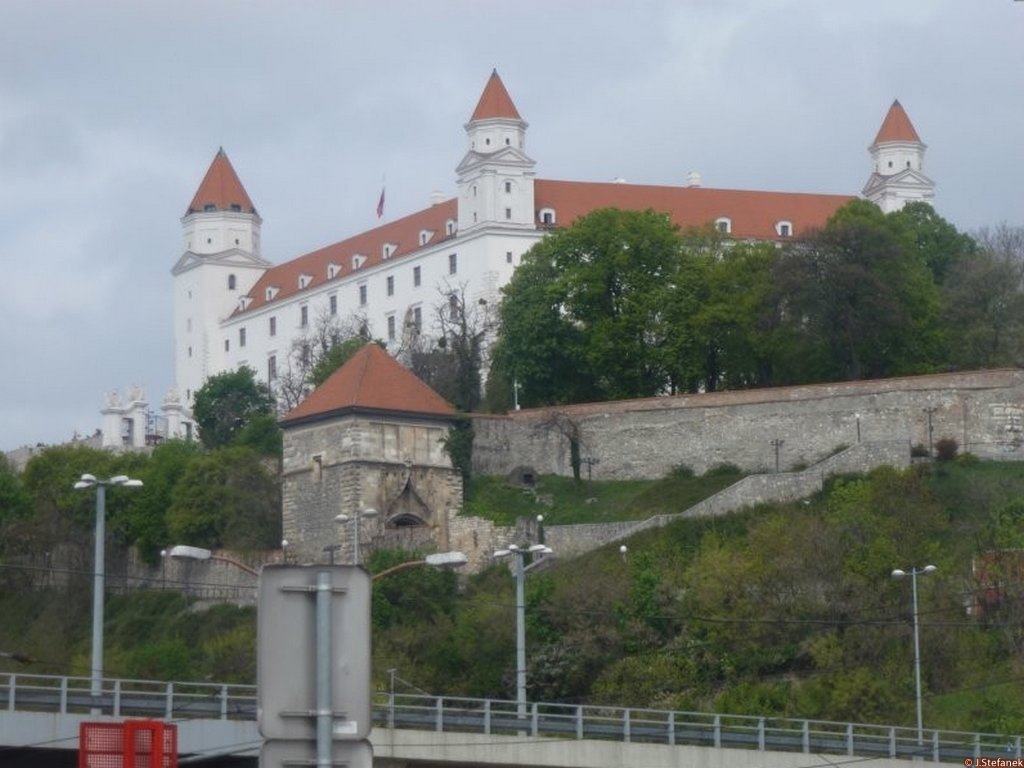
The restored castle is located on the rocky hill of the Little Carpathians and creates an important landmark of the capital of Slovakia Bratislava
Reštaurovaný hrad sa nachádza na skalnom návrší Malých Karpát a vytvára významnú dominantu hlavného mesta Slovenska Bratislavy.
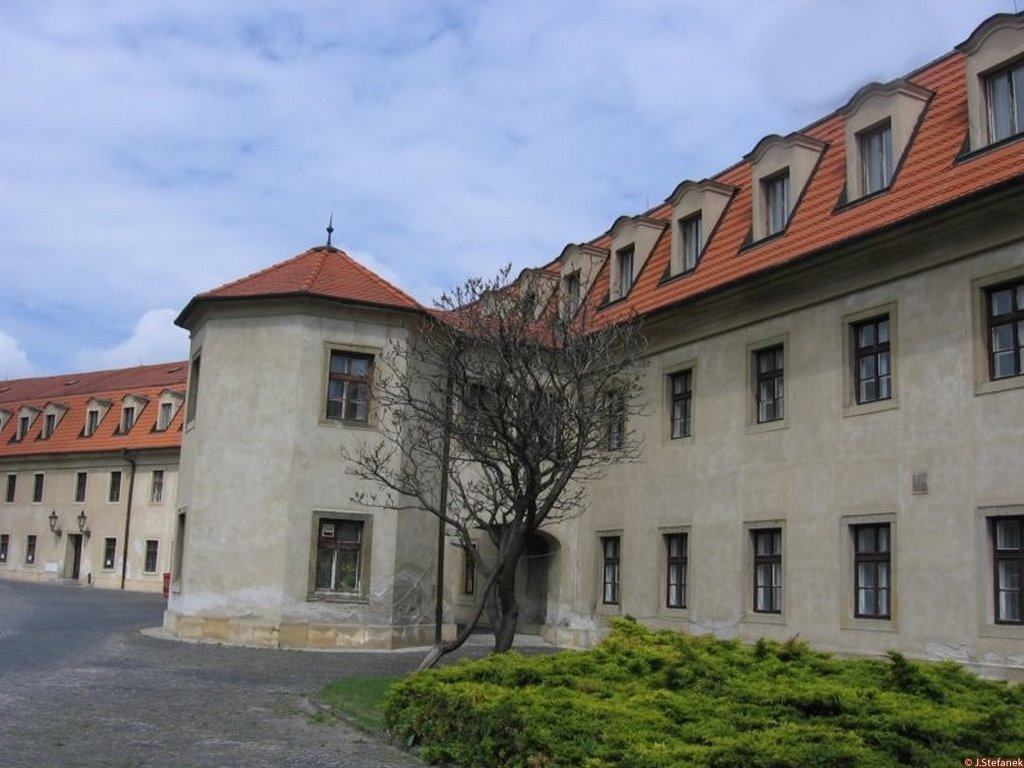
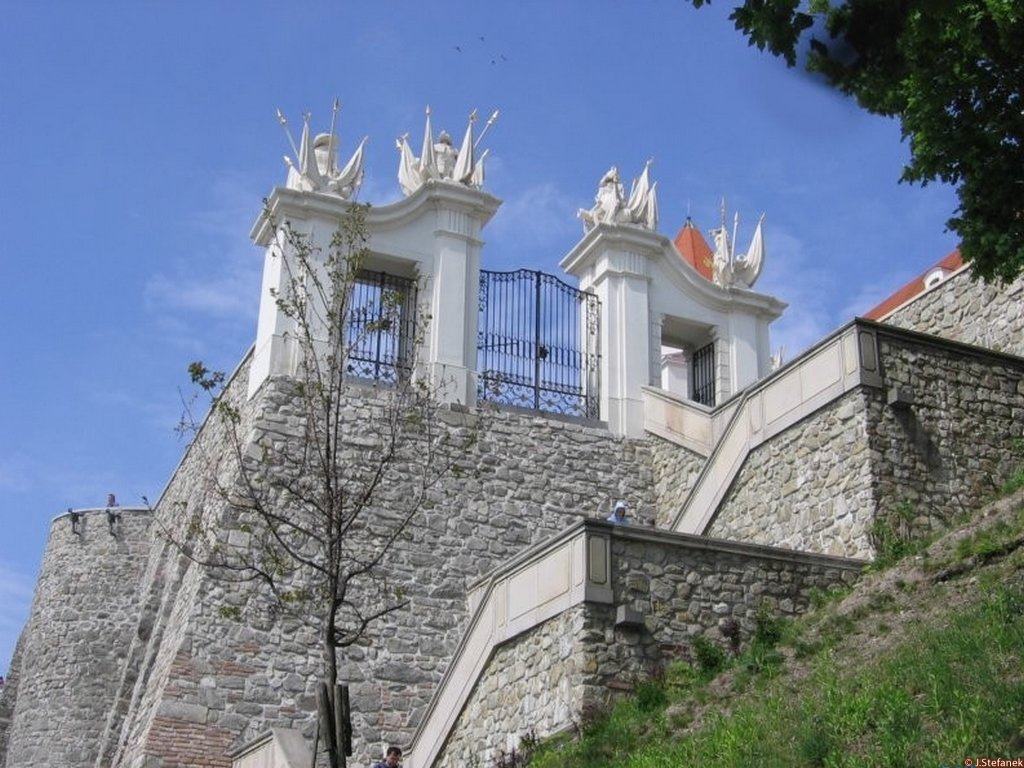
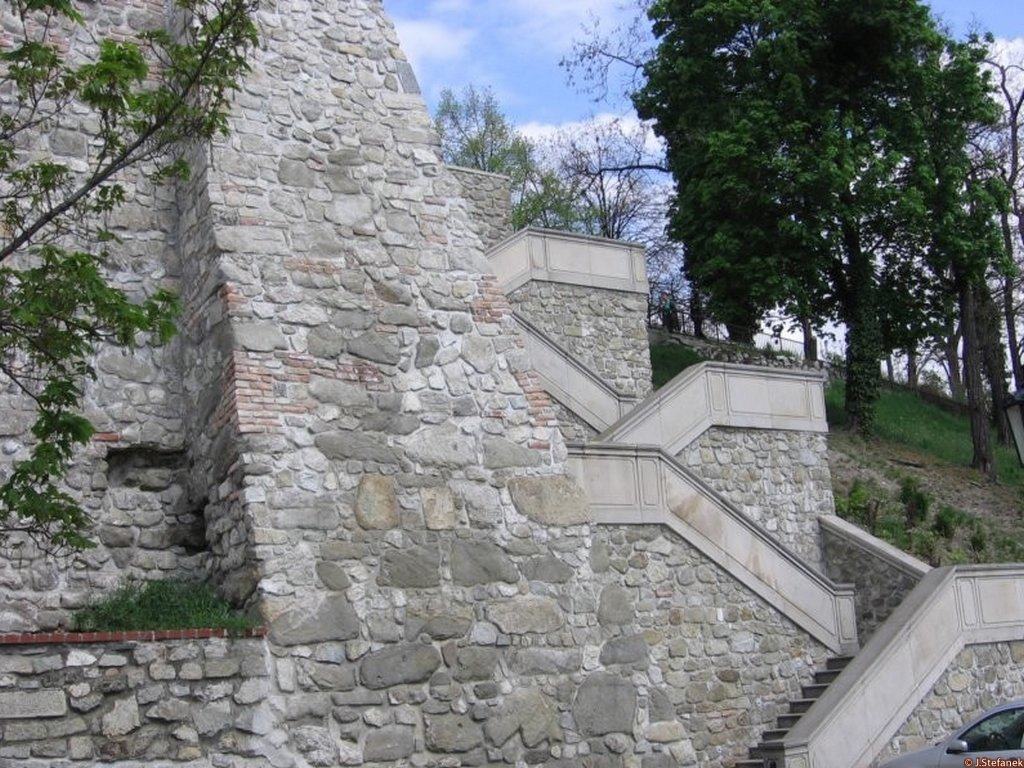
Previous names
Brezalauspurch, Braslavepurch, Brezalauspurc, Poson, Posonium, Castrum Bosan, Prezesburg, Preslavvaspurch, Bosenburg, Brecesburg, Brezezburg, Bresburg, Pozsony, Pressburg, Prešporok
Roads
Trasa 1: We will drive to Palisády Street almost to the castle, where there is a paid underground car park. From here, walk a few meters to Vienna Castle Gate.
Trasa 1: Autom prídeme na ulicu Palisády takmer až k hradu, kde je platené podzemné parkovisko. Odtiaľ peši pár metrov k Viedenskej hradnej bráne. Využiť môžeme aj spoje MHD, ktoré premávajú až na zastávku Hrad.
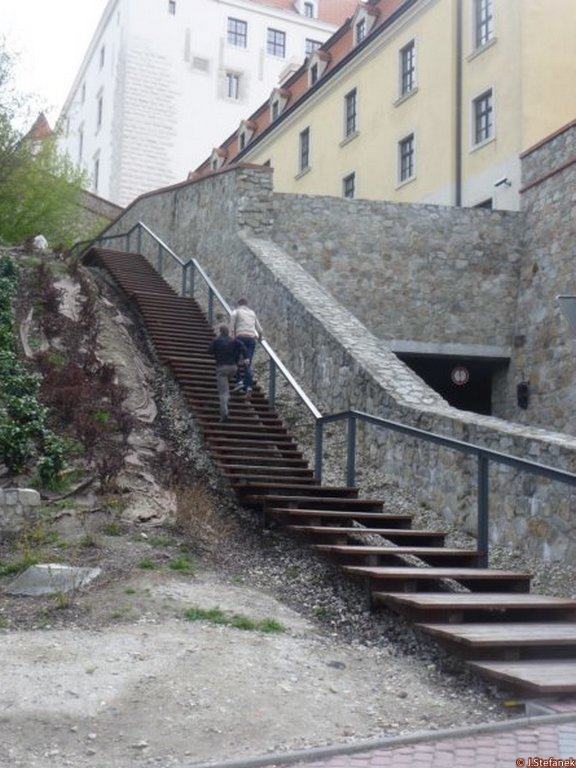
Trasa 2: The castle can also be reached from the other side via Sigismund's Gate. We can park on the edge of the Zámocká Street, from there on foot along the Židovská, Beblavého Street, or Castle Stairs to the Sigismund Gate. We can also use public transport that runs up to the Hrad bus stop.
Trasa 2: Do hradu sa dá dostať aj z druhej strany cez Žigmundovu bránu. Zaparkovať môžeme aj na okraji Zámockej cesty, odtiaľ peši po Židovskej, Beblavého, alebo po Zámockých schodoch až k Žigmundovej bráne.
Description
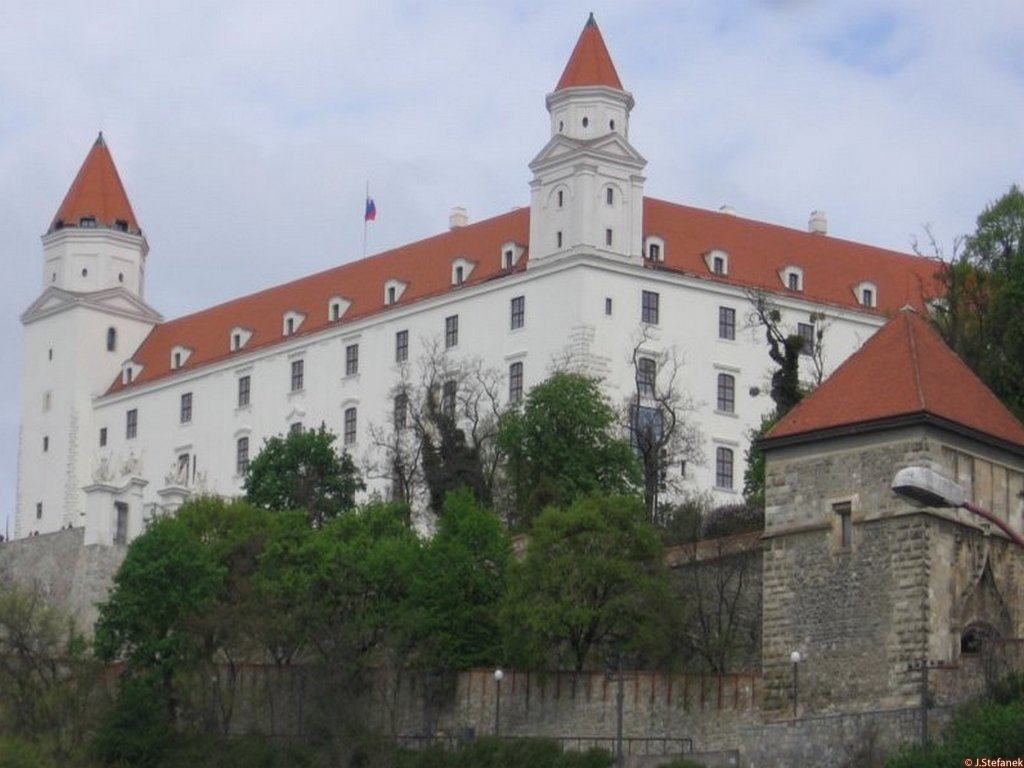
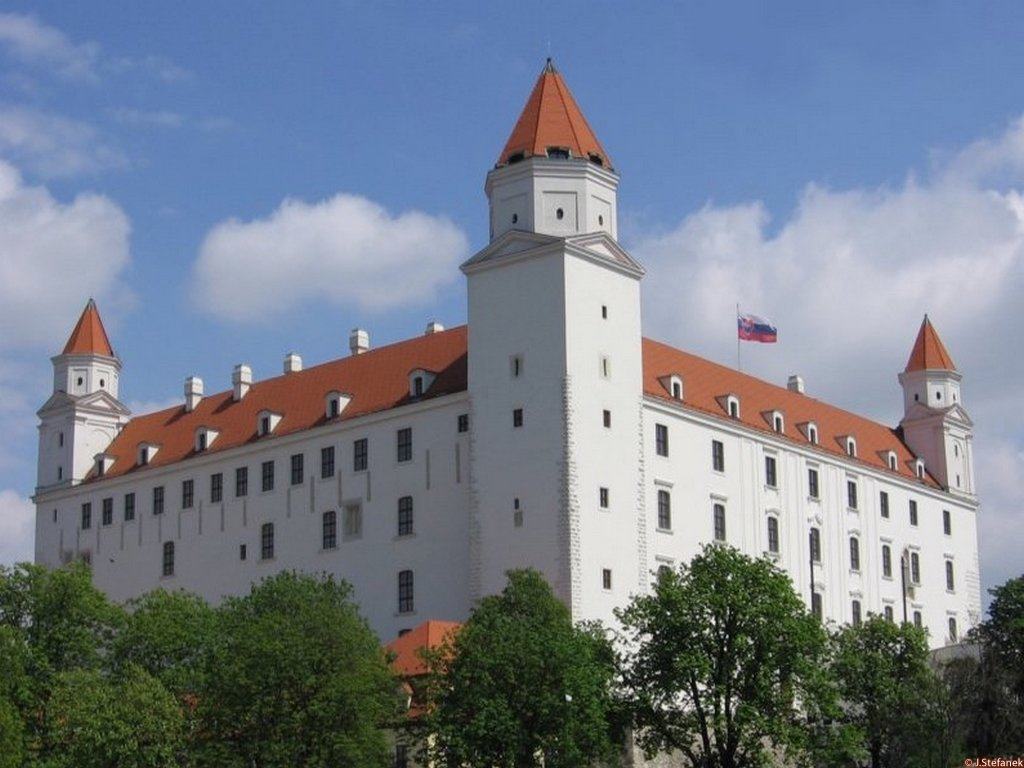
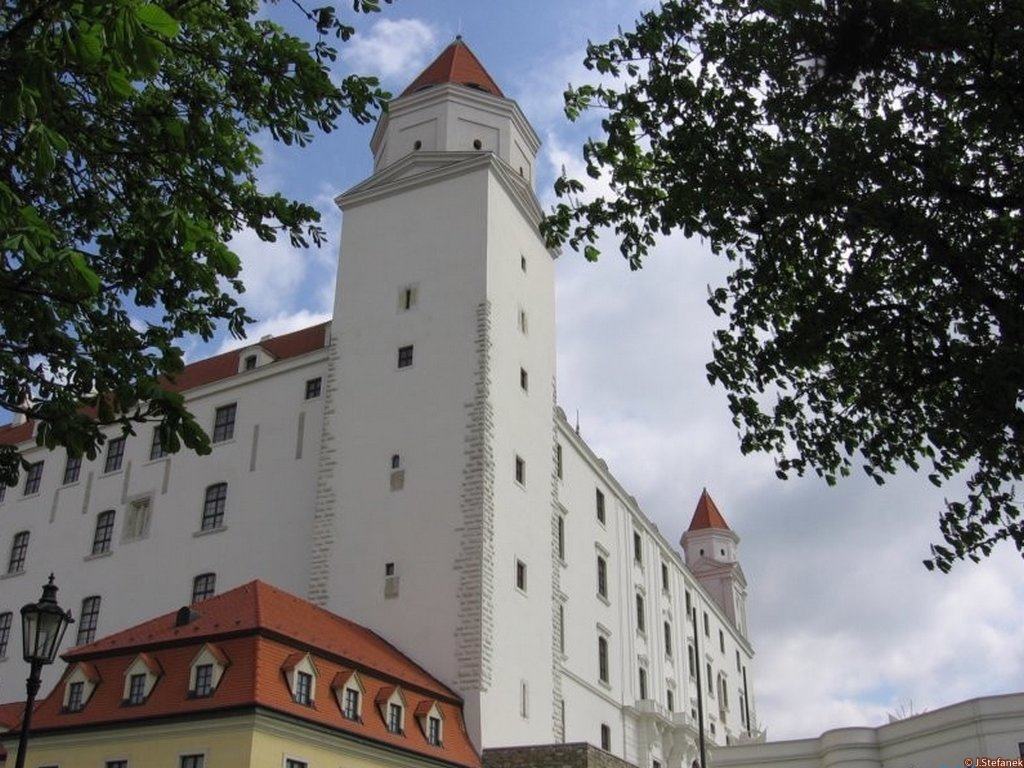
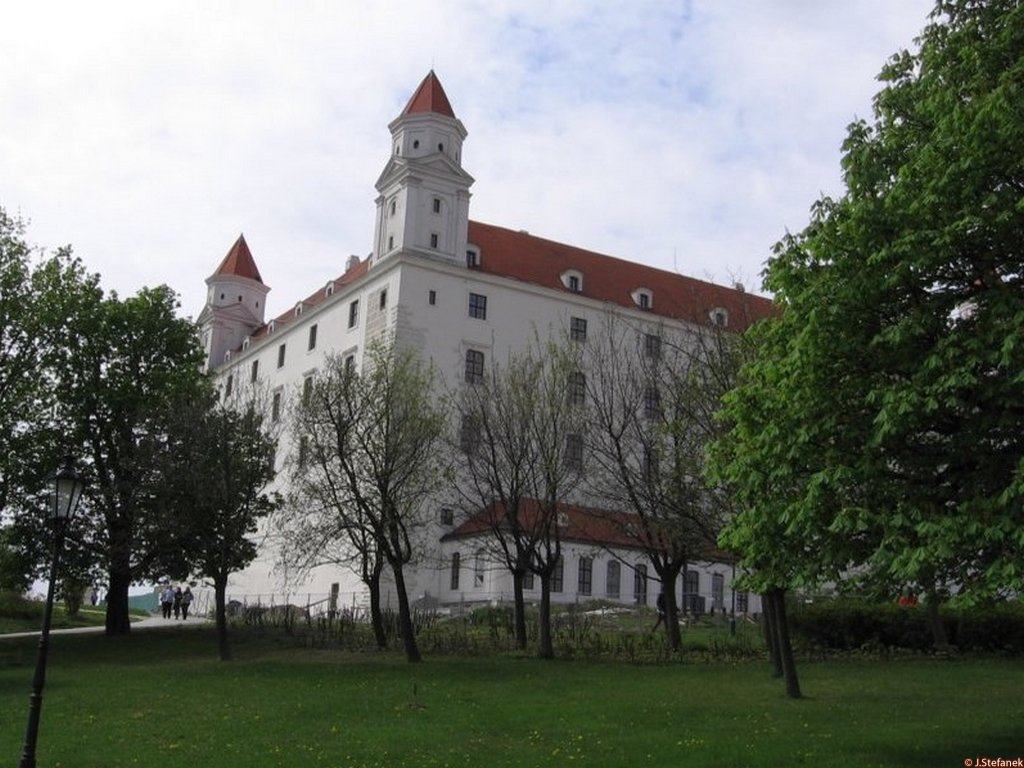
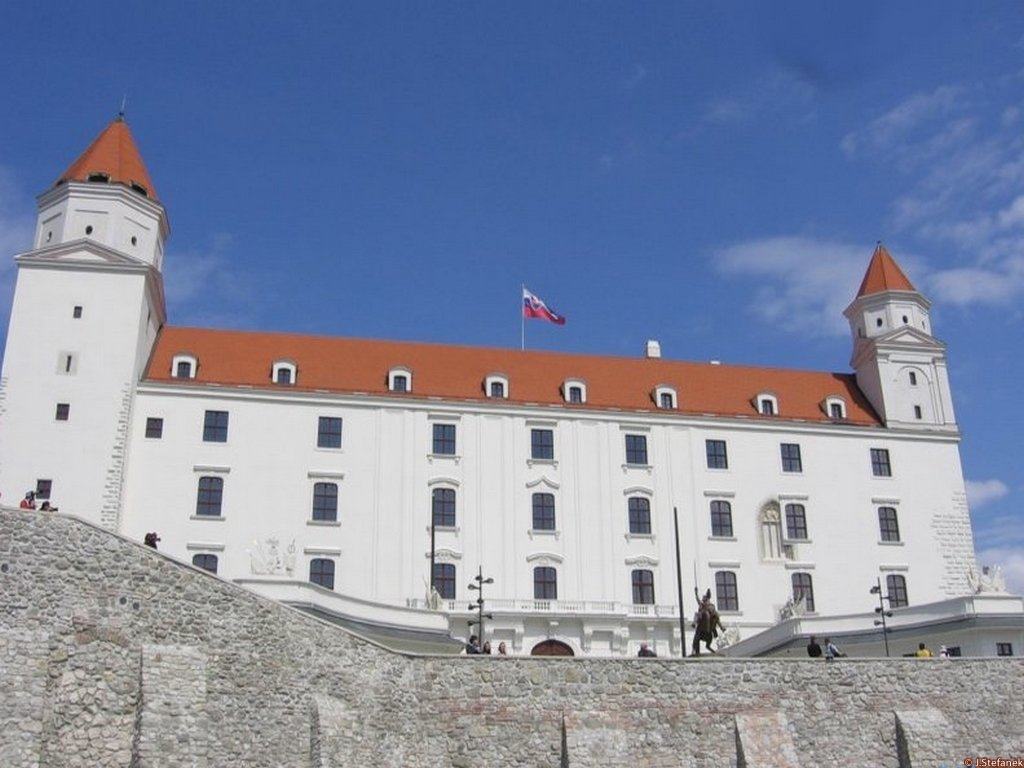
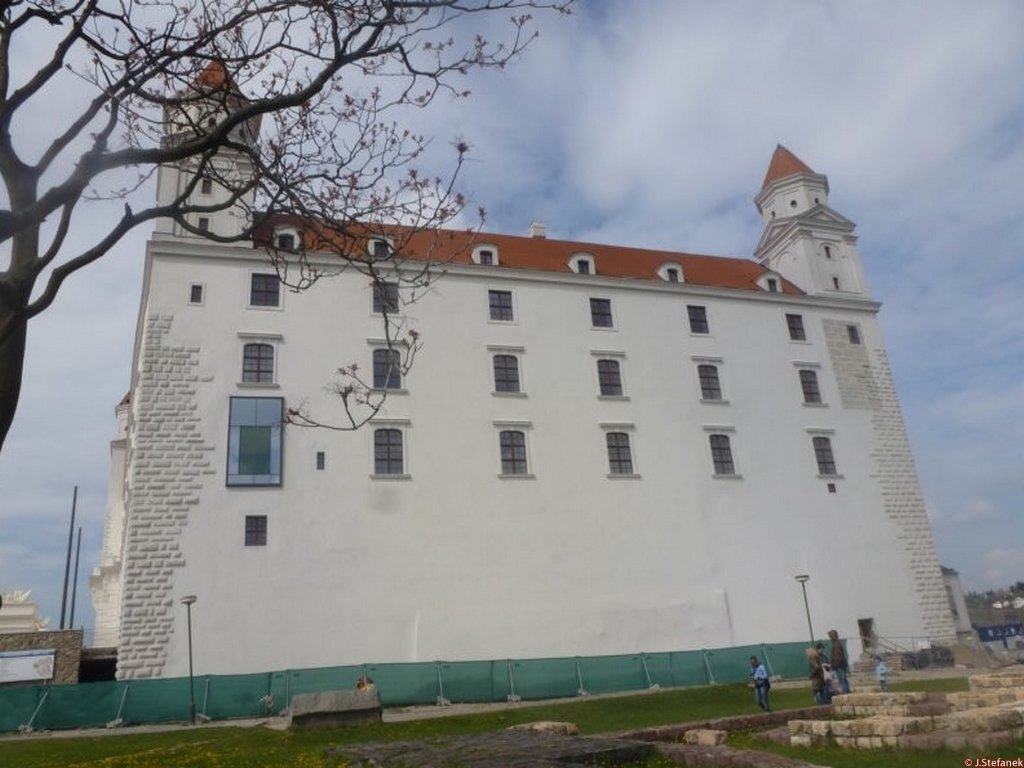
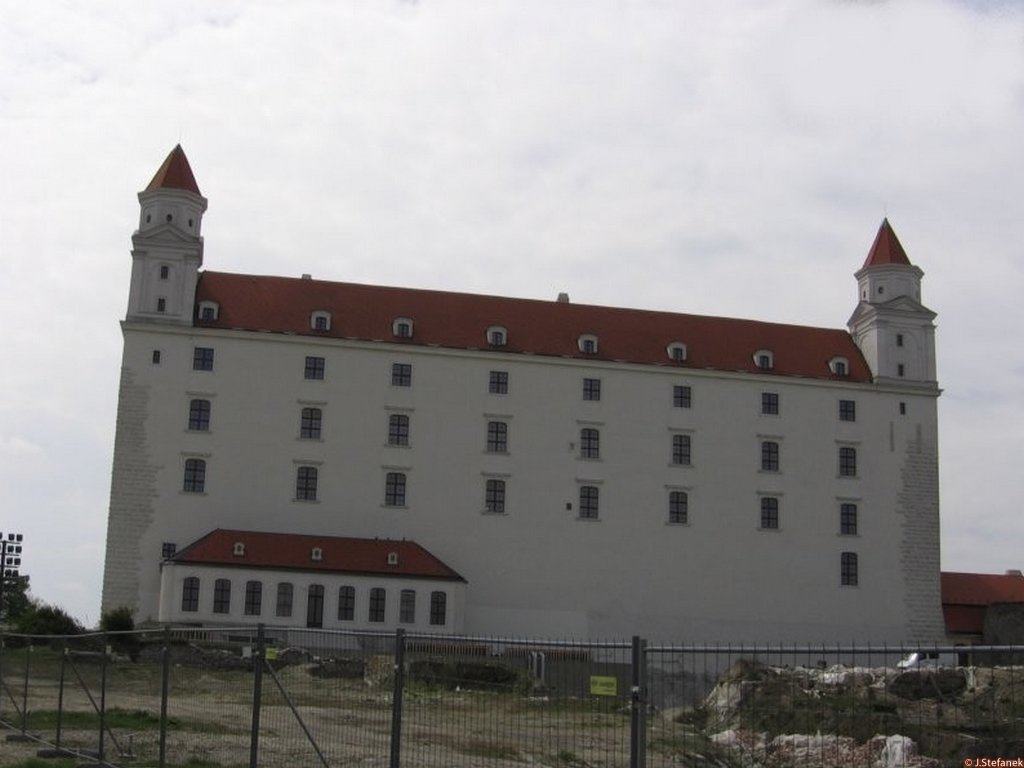
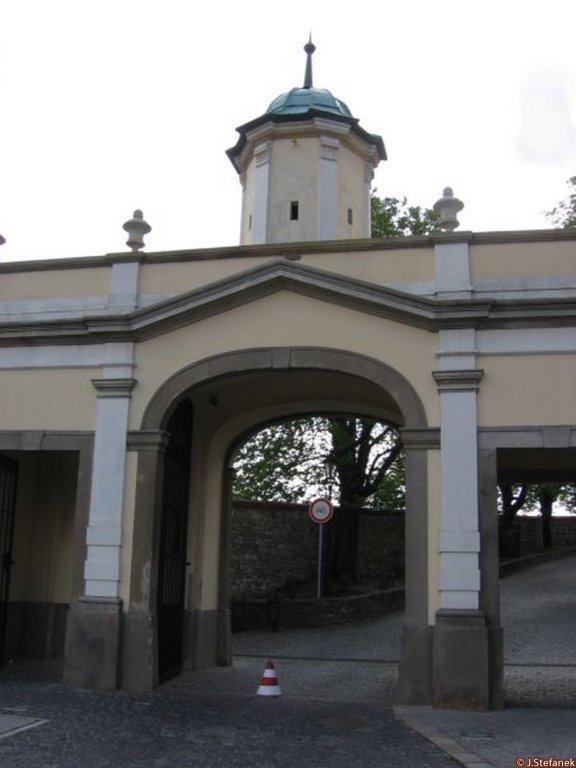
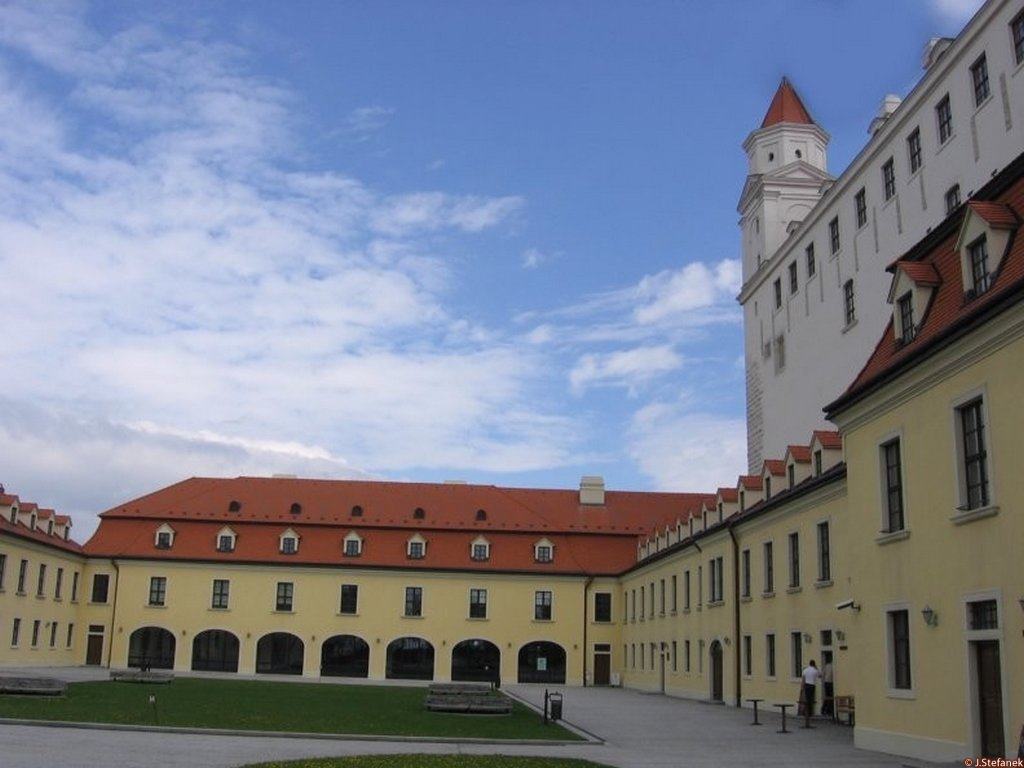
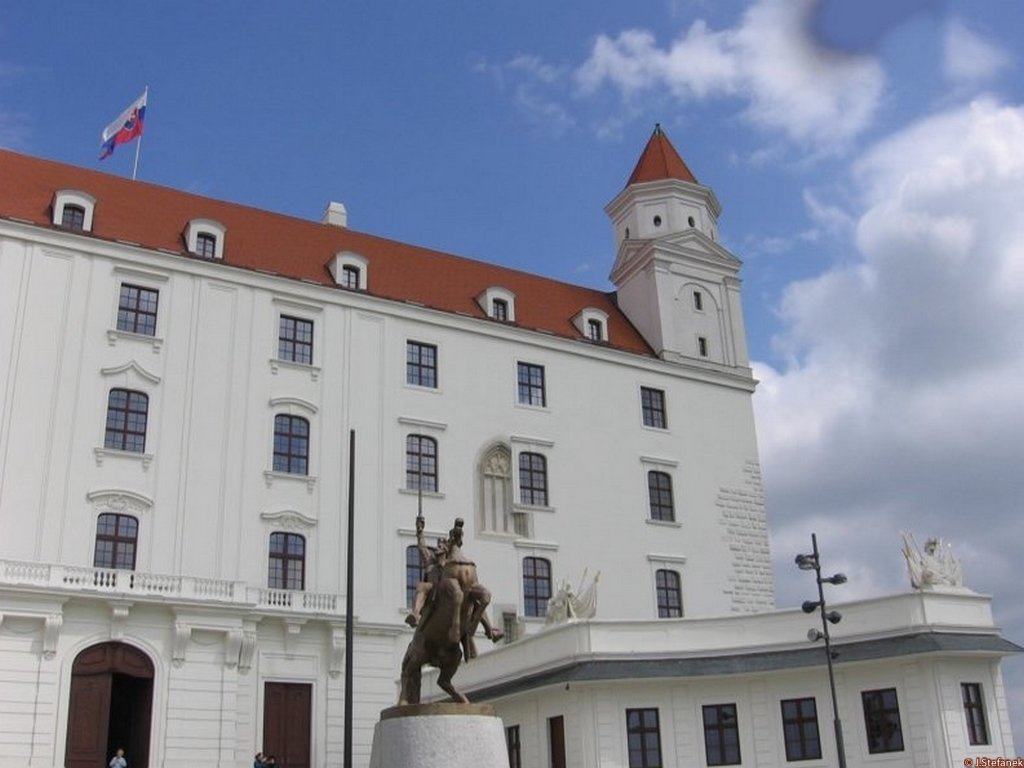
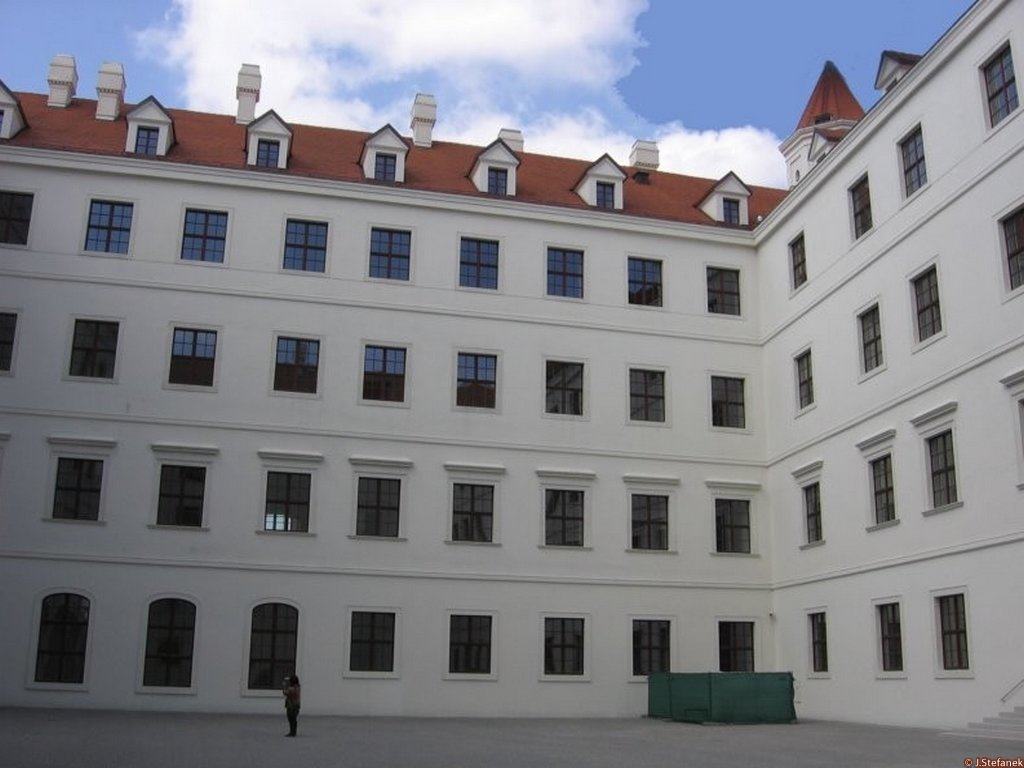
The castle palace has preserved elements from the period of Žigmund Gothic and Theresian Baroque. From the Renaissance elements mainly fragments in the SE corner with a rich stucco painted vault and with plant and figural ornaments on the walls of the former bay were preserved. The ceremonial rooms are decorated with a wide range of works by prominent Slovak artists.The castle is dominated by a massive acropolis, the silhouette of which is emphasized by the protruding prism of the Coronation Tower on the SW side and the elevated towers on three corners above the cornice of the castle palace. Several windows, stone portals and fragments of stonework have been preserved from the Žigmund building. A significant element is the Gothic-Renaissance fortification with two horseshoe bastions. The Žigmund Gate (incorrectly referred to as the Corvinus in the past) on the southern side of the fortification, which led to the town and the ford, was fully preserved. From the Renaissance period is an interesting part of the fortification with a bastion and Renaissance Leopold Gate. The Baroque Theresian rebuilding was reflected on the façade by a period architectural division with a high number of pilasters and a balcony in front of the representative wing on the first floor. From these times comes a change in the solution of the entrance from the Vienna Gate (former Charles Gate) to the main entrance to the palace, lined with two ground buildings and ceremonial gates. Several buildings preserved in the area, freestanding or connected to the castle wall, are the remainder of solving the various functions of the Baroque area, especially farm buildings and stables with three-nave columned vaulted spaces.In 2008 began an extensive reconstruction of the castle and the current shape acquired the castle in 2011. Today's use of Bratislava Castle dignifiedly follows its historical legacy. In addition to the exhibitions of the Historical Department of the Slovak National Museum, part of the space is used for representational and state purposes.
Hradný palác má zachované prvky z obdobia žigmundovskej gotiky a tereziánskeho baroka. Z renesančných prvkov sa zachovali hlavne fragmenty v JV nároží s bohatou štukovou maľovanou klenbou a s rastlinnou i figurálnou ornamentikou na stenách niekdajšieho arkiera. Slávnostné miestnosti zdobí celý rad výtvarných diel od popredných slovenských umelcov.Hradu dominuje mohutná akropola, ktorej siluetu zdôrazňuje vystupujúci hranol Korunovačnej veže na JZ strane a nadstavené veže na troch nárožiach nad korunnou rímsou hradného paláca. Zo žigmundovskej stavby sa zachovali viaceré okná, kamenné portály a fragmenty kamenárskych prác. Výrazným prvkom je goticko-renesančné opevnenie s dvoma podkovovitými baštami. V plnej miere sa zachovala Žigmundova brána (v minulosti nesprávne označovaná ako Korvínova) na južnej strane opevnenia, ktorá viedla do mesta a k brodu. Z obdobia renesančných úprav je zaujímavá časť opevnenia s bastiónom a renesančnou Leopoldovou bránou. Baroková tereziánska prestavba sa prejavila na priečelí dobovým architektonickým členením s vysokým radom pilastrov a s balkónom pred reprezentačným krídlom na prvom poschodí. Z týchto čias pochádza aj zmena riešenia nástupu od Viedenskej brány (bývalá Karlova brána) k hlavnému vstupu do paláca, lemovanému dvoma prízemnými budovami a slávnostnými bránami. Viaceré stavby zachované v areáli, voľne stojace alebo primknuté k hradnému múru, sú zvyškom riešenia rôznorodých funkcií barokového areálu, najmä hospodárske budovy a koniarne s trojloďovými stĺpovými klenutými priestormi.V r.2008 začala rozsiahla rekonštrukcia hradu a súčasný tvar nadobudol hrad v r.2011. Dnešné využitie Bratislavského hradu dôstojne nadväzuje na jeho historický odkaz. Okrem expozícií Historického oddelenia Slovenského národného múzea je časť priestorov využívaná na reprezentačné a štátne účely.
Plan
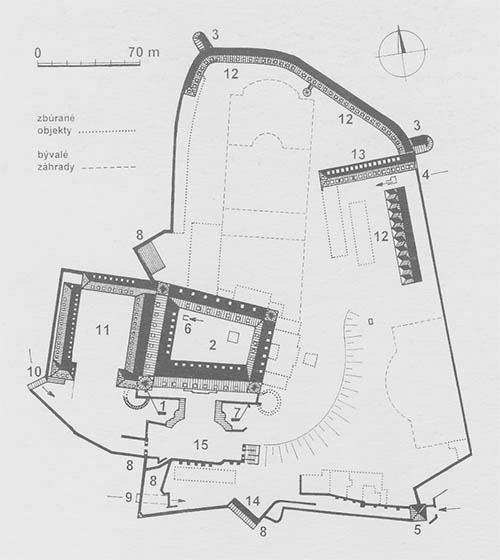
Legend to the ground plan
- 1-Crown Tower
- 2-four-winged palace
- 3-cannon bastions
- 4-attack gate
- 5-Sigmund's gate
- 6-entrance to the basement with a well
- 7-defense terrace
- 8-artillery bastions
- 9-Leopold's gate
- 10- Vienna Gate
- 11-Baroque farm buildings
- 12-stables and farm buildings
- 13-barracks
- 14-officer's flats
- 15-honorary courtyard
Legenda k pôdorysu
- 1-Korunná veža
- 2-štvorkrídlový palác
- 3-delové bašty
- 4-výpadová bránka
- 5-Žigmundova brána
- 6-vstup do podzemia so studňou
- 7-obranná terasa
- 8-delostrelecké bastióny
- 9-Leopoldova brána
- 10-Viedenská brána
- 11-barokové hospodárske budovy
- 12-stajne a hospodárske budovy
- 13-kasáreň
- 14-dôstojnícke byty
- 15-čestné nádvorie
History
The site of the present castle was once a Celtic oppidum, which was later replaced by a Roman border fortress.
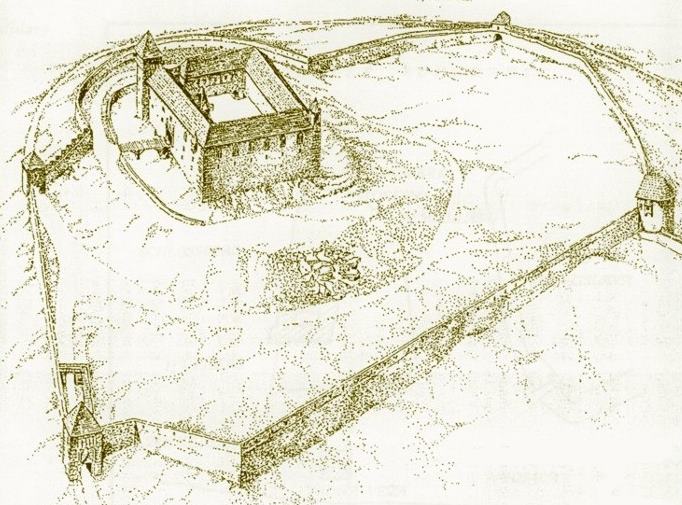
The first written mention of the castle dates from 907, when the building is mentioned under the name Pressalauspruch. The period of the Mojmírovce and Great Moravia is documented by the remains of an old Slavic fortified settlement with a three-nave basilica. From the princely castle, through several reconstructions and modifications, a medieval and, from the middle of the 11th century, also a county castle gradually emerged. The fortress was later supplemented with new buildings. Written documents confirm that in the first quarter of the 13th century, a Romanesque residential tower with separate walls and defensive towers stood on the highest terrain point of the complex, the so-called Crown Tower. According to some sources, Alžbeta Durínska, the daughter of King Andrew II of Hungary, was born at Bratislava Castle during this period. During the reign of King Sigismund of Luxembourg, the appearance of the castle began to change radically from 1427, and the reconstruction gave it its present-day character as a block monumental building. The monarch had almost all the buildings of that time demolished and in their place he had a magnificent building with a disposition of a square Italian mansion, built with a corner to the older defensive tower. Of the previous buildings, only the south-western defensive Crown Tower still stands. During this period, two entrance gates to the castle grounds were created, of which only the eastern one, the so-called Sigismund's Gate is preserved.
After the Battle of Mohács in 1526, the castle became the coronation seat of the Hungarian kings, whose Turkish troops expelled from the original center of the Hungarian Empire in Buda. The castle went through renaissance modifications and gained its unmistakable silhouette in 1635-1649. The reconstructions were not only focused on improving the castle fortifications, but also on its modernization. The palace was built on the third floor, two more towers were added to the two original towers, the interiors were rebuilt and the defensive elements were rebuilt. They built bastions on the southern fortifications of the castle and in 1674 the Leopold's Gate was added.
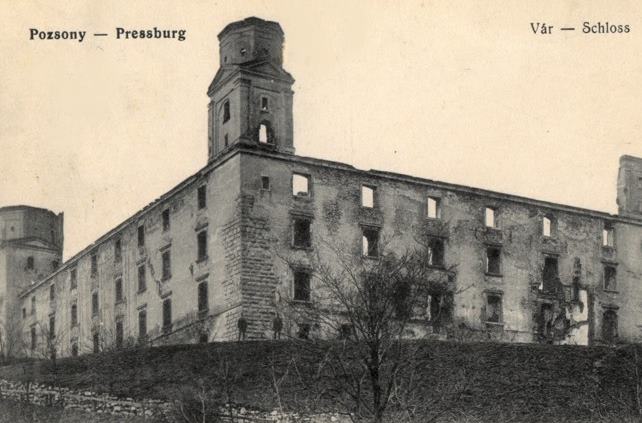
After the retreat of the Ottomans from the country, the castle lost its defensive function and in the 18th century a number of Baroque purpose-built buildings with gardens were erected on the terraces of the outer courtyards. While the Rococo adaptations during the reign of Maria Theresa, an honorary courtyard was built before entering the palace. They built a new staircase in the western seat of the castle. After the death of Maria Theresa and the transfer of the central Hungarian authorities to Buda, Bratislava Castle fell sharply. Son of Maria Theresa and successor to the throne Joseph II. set up a training center and a seminar for the Catholic clergy, where important scholars of the time studied, including Anton Bernolák. During the Napoleonic Wars in the early 19th century, the castle buildings served as barracks. On May 28, 1811, a great catastrophe occurred, from which the castle no longer recovered. Bratislava Castle was engulfed in a large fire. It was said that two soldiers handled fireworks carelessly. Virtually the whole castle burned down and a strong wind spread the fire to the castle grounds. For more than 140 years, Bratislava Castle has been a ruin. The inhabitants of the town gradually dismantled it into building material and the castle fell into disrepair.
After many attempts, the castle went through a major reconstruction, which was decided in 1953. The authors of the concept were the architects Alfréd Piffl and Dušan Martinček. After the restoration, the castle acquired the form it was after the so-called Theresian reconstruction at the end of the 18th century. In 1961, Bratislava Castle was declared a national cultural monument. In 2008 another extensive reconstruction of the castle began and the castle acquired its current shape in 2011.
Na mieste súčasného hradu stálo kedysi keltské oppidum, ktoré neskôr nahradila rímska hraničná pevnosť.
Prvá písomná zmienka o hrade pochádza z roku 907, keď sa objekt spomína pod názvom Pressalauspruch. Obdobie Mojmírovcov a Veľkej Moravy dokumentujú pozostatky staroslovanského hradiska s trojloďovou bazilikou. Z kniežacieho hradu viacerými prestavbami a úpravami postupne vznikol stredoveký a od polovice 11. storočia aj župný hrad. Pevnosť bola neskôr doplnená novými stavbami. Písomné doklady potvrdzujú, že v prvej štvrtine 13. storočia stála na najvyššom terénnom bode areálu obytná románska veža so samostatnými hradbami s obrannými vežami, z ktorých sa do dnešných čias napriek prestavbám zachovala tzv. Korunná veža. Podľa niektorých zdrojov sa v tomto období na Bratislavskom hrade narodila Alžbeta Durínska, dcéra uhorského kráľa Ondreja II. Za kráľa Žigmunda Luxemburského sa od roku 1427 začal vzhľad hradu radikálne meniť, prestavba mu vtlačila dnešný charakter blokovej monumentálnej stavby. Panovník dal zbúrať takmer všetky vtedajšie stavby a na ich mieste dal vystavať honosný objekt s dispozíciou štvorhranného talianskeho kaštieľa, pristavaného nárožím k staršej obrannej veži. Z predchádzajúcich objektov zostala len dodnes stojaca juhozápadná obranná Korunná veža. V tomto období vznikli aj dve vstupné brány do hradného areálu, z nich sa zachovala len východná, tzv. Žigmundova brána.
Po bitke pri Moháči v roku 1526 sa hrad stal korunovačným sídlom uhorských kráľov, ktorých turecké vojská vyhnali z pôvodného centra uhorskej ríše v Budíne. Hrad prešiel renesančnými úpravami a svoju nezameniteľnú siluetu získal v r.1635-1649. Prestavby neboli orientované len na zlepšenie opevnenia hradu, ale aj na jeho modernizáciu. Palác bol nadstavaný o tretie podlažie, k dvom pôvodným vežiam pribudli ďalšie dve, boli prestavané interiéry a prebudované obranné prvky. Na južnom opevnení hradu vybudovali bastióny a v roku 1674 pribudla Leopoldova brána.
Po ústupe Osmanov z krajiny hrad stratil obrannú funkciu a v 18.storočí na terasách vonkajších nádvorí vyrástol celý rad barokových účelových budov so záhradami. Pri rokokových úpravách za vlády Márie Terézie vzniklo pred vstupom do paláca čestné nádvorie. V západnom sídle hradu vybudovali nové reprezentačné schodisko. Bratislavský hrad po smrti Márie Terézie a preložení centrálnych uhorských úradov do Budína výrazne upadol. Syn Márie Terézie a nástupca na tróne Jozef II. v ňom zriadil školiace stredisko a seminár pre katolícke duchovenstvo, kde študovali významní vzdelanci vtedajších čias, medzi nimi aj Anton Bernolák. V období napoleonských vojen začiatkom 19. storočia slúžili hradné budovy ako kasárne. 28. mája 1811 došlo k veľkej katastrofe, z ktorej sa hrad už nespamätal. Bratislavský hrad zachvátil veľký požiar. Hovorilo sa, že dvaja vojaci neopatrne zaobchádzali s ohňostrojom. Prakticky celý hrad vyhorel a silný vietor rozšíril požiar aj na podhradie. Vyše 140 rokov bol Bratislavský hrad zrúcaninou. Obyvatelia mesta ho postupne rozoberali na stavebný materiál a hrad chátral.
Po mnohých pokusoch hrad zažil veľkú rekonštrukciu, o ktorej sa rozhodlo v roku 1953. Autormi koncepcie boli architekti Alfréd Piffl a Dušan Martinček. Po obnove nadobudol hrad podobu, aká bola po tzv. tereziánskej prestavbe koncom 18. storočia. V roku 1961 bol Bratislavský hrad vyhlásený za národnú kultúrnu pamiatku. V r.2008 začala ďalšia rozsiahla rekonštrukcia hradu a súčasný tvar nadobudol hrad v r.2011.
Myths and legends
The daughter of the lord of Bratislava Castle in love
During the Turkish wars, the proud lord of the castle decided to marry his daughter. However, she rejected all the interrogators and it turned out that she was in love with the leader of the Turks - Nakič Husseim. The castle lord was annoyed and had her locked in a dungeon. However, the castle lord's daughter was secretly loved by the commander of the castle, Zjeravič, who was willing to do everything for her. So she sent him a letter of love to the Turkish commander. He laughed at him in front of his party and insulted the girl. Therefore, Zjeravič challenged him to a duel, defeated him and cut off his head. When he brought it in response, the virgin realized his love and their wedding was blessed by a happy castle lord. It is said that the place where the castle maiden devoted herself to her guard remained cursed.
Secret corridors of the castle
When Queen Maria Theresa learned of the conspiracy of nobles who did not want a wife to be the queen, she invited them to the castle and organized a feast at which their witches turned to stones. They threw stones into the castle well and forever covered the secret corridors that led from there. In fact, there are really underground passages under the castle, which according to legend connect the castle with the Russians, and according to other sources lead across the Danube to Austria. The corridors are still unexplored and buried in many places.
Zamilovaná dcéra pána Bratislavského hradu
V čase tureckých vojen si pyšný hradný pán predsavzal vydať svoju dcéru. Tá však odmietla všetkých pytačov a vyšlo najavo, že je zaľúbená do vodcu Turkov - Nakiča Huseima. Hradného pána to nasrdilo a dal ju zatvoriť do temnice. Dcéru hradného pána však tajne ľúbil veliteľ hradu Zjeravič, ktorý bol pre ňu ochotný vykonať všetko. A tak po ňom poslala zaľúbený list tureckému veliteľovi. Ten sa z neho pred svojou družinou vysmial a dievčinu pourážal. Preto ho Zjeravič vyzval na súboj, porazil a odsekol mu hlavu. Keď ju priniesol ako odpoveď, panna si uvedomila jeho lásku a ich svadbe požehnal i šťastný hradný pán. Hovorí sa, že miesto, kde sa hradná panna oddávala svojmu strážcovi, ostalo prekliate.
Tajné chodby hradu
Keď sa panovníčka Mária Terézia dozvedela o sprisahaní šľachticov, ktorí nechceli za vládkyňu ženu, pozvala ich na hrad a usporiadala hostinu, na ktorej ich bosorky premenili na kamene. Kamene nahádzali do hradnej studne a navždy tak zahatali tajné chodby, ktoré odtiaľ viedli. V skutočnosti sa pod hradom naozaj nachádzajú podzemné chodby, ktoré podľa legendy spájajú hrad s Rusovcami, ba podľa iných zdrojov vedú cez Dunaj až do Rakúska. Chodby sú dodnes neprebádané a na mnohých miestach zasypané.
Useful information
Opening hours and admission
Otváracia doba a vstupné
External links
Nearby castles