Pezinok chateau
Pezinok Bratislava county Slovakia
castle, chateau
Pezinský zámok
Pezinok Bratislavský kraj Slovakia
hrad, zámok
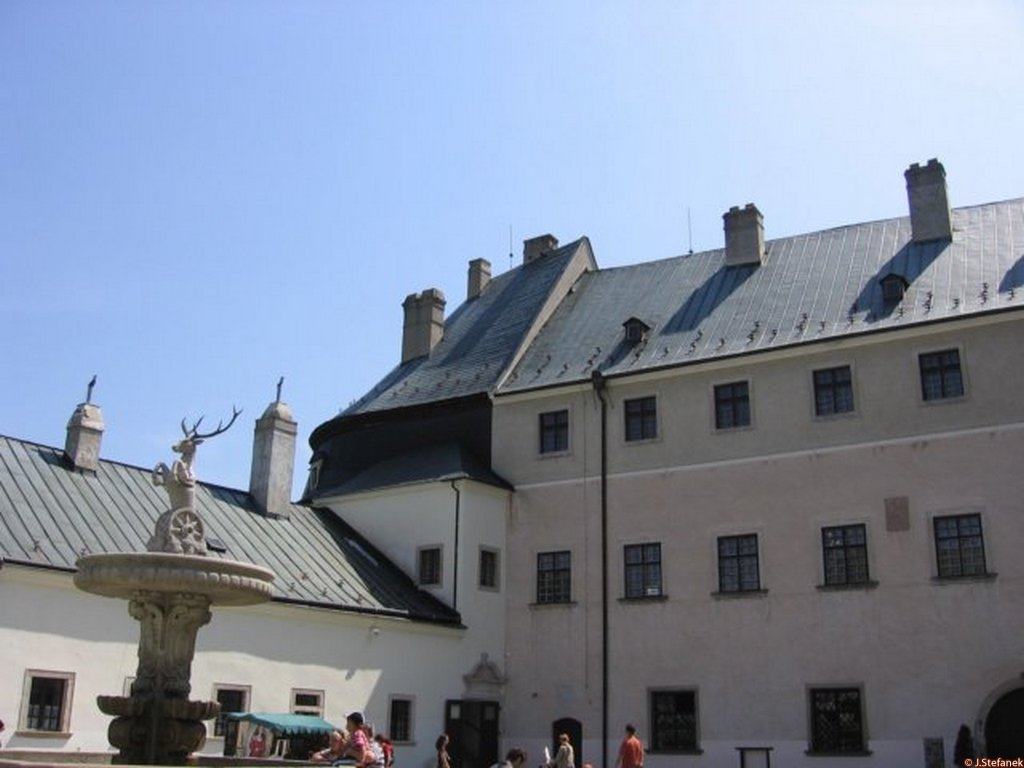
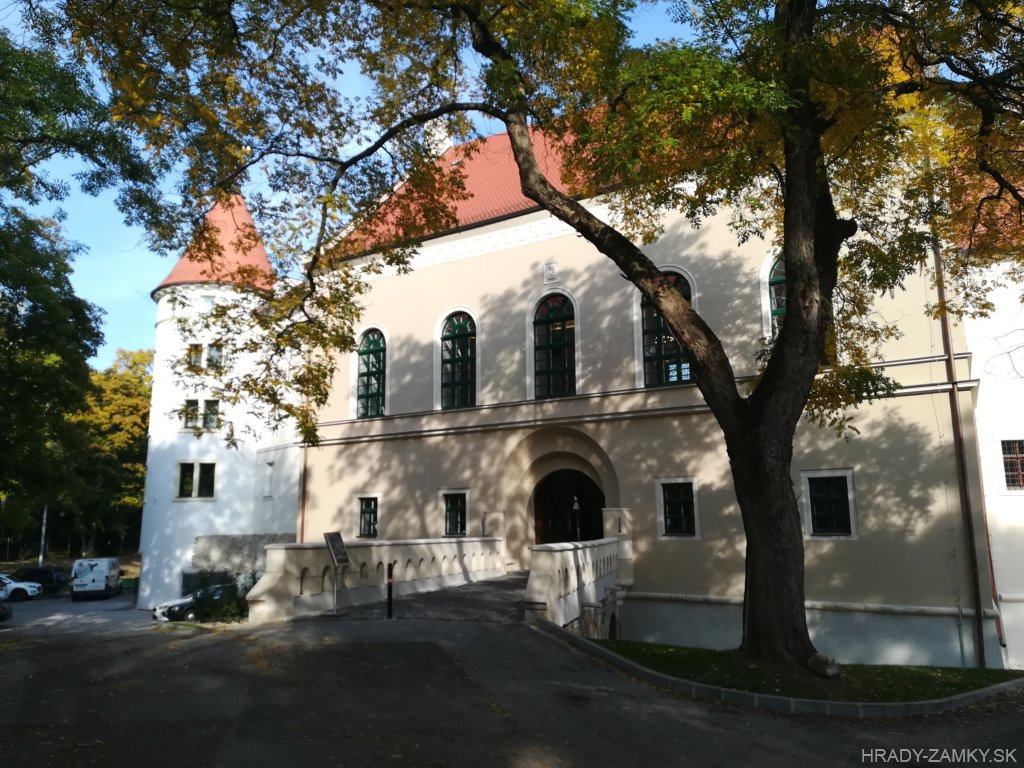
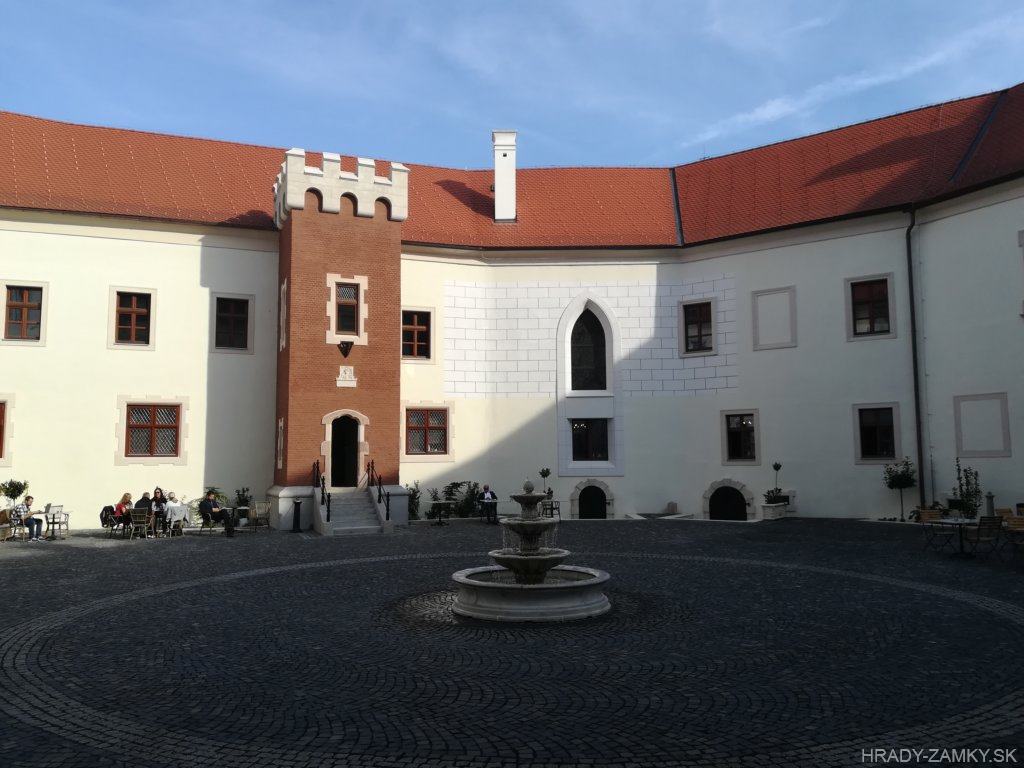
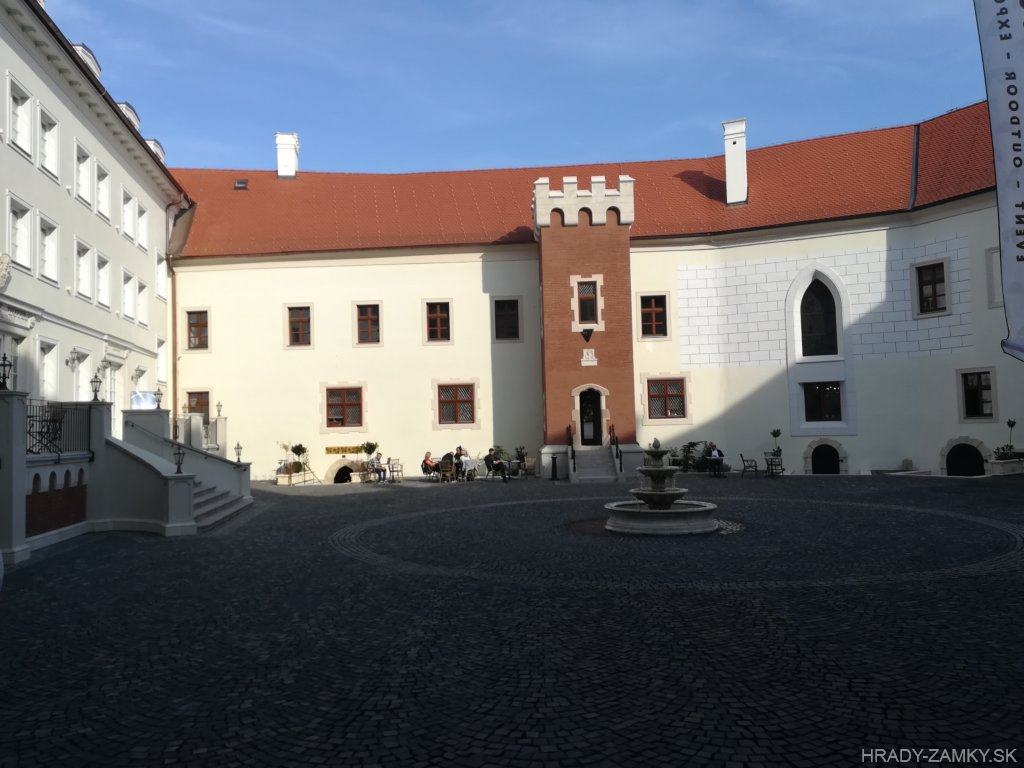
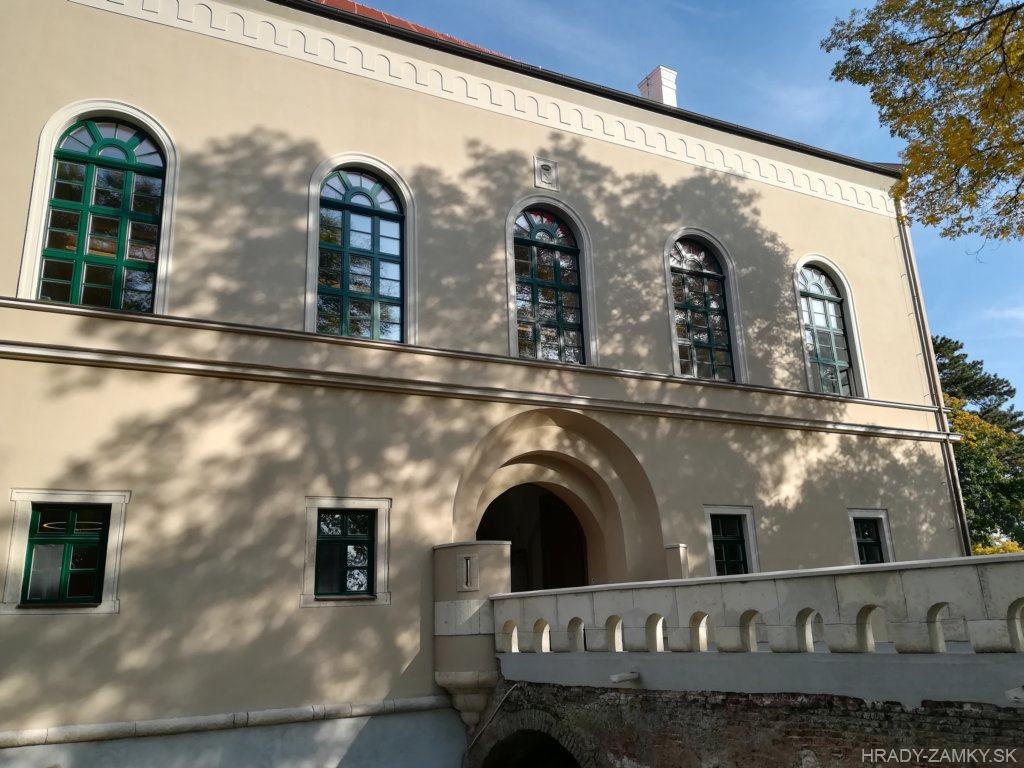
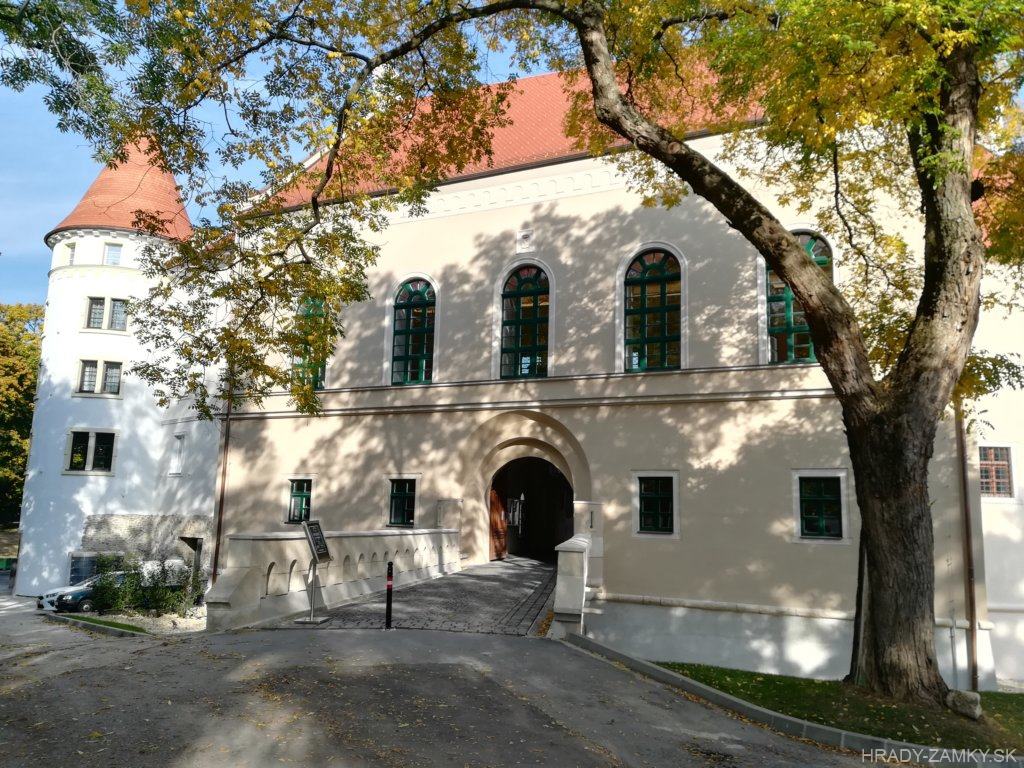
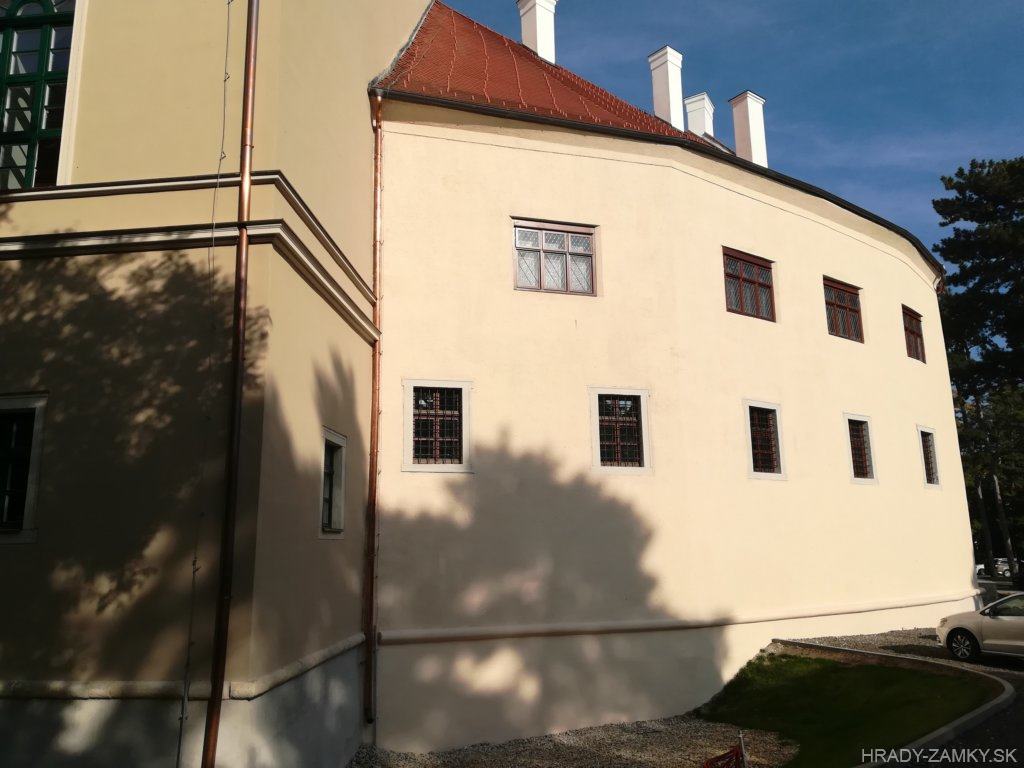
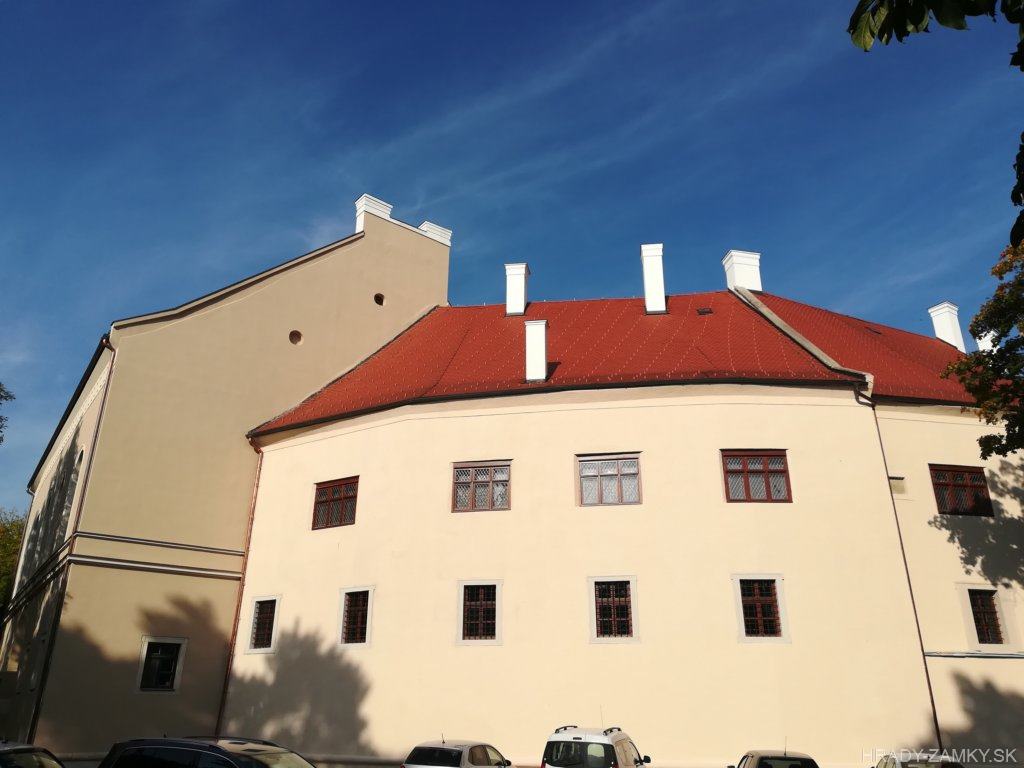
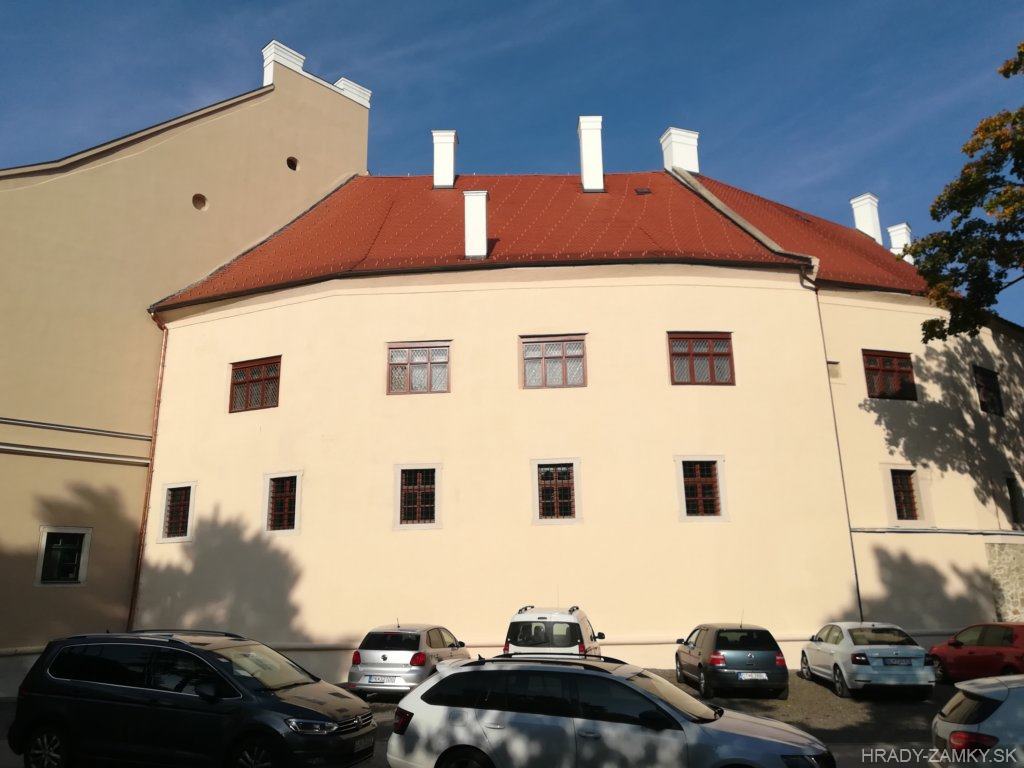
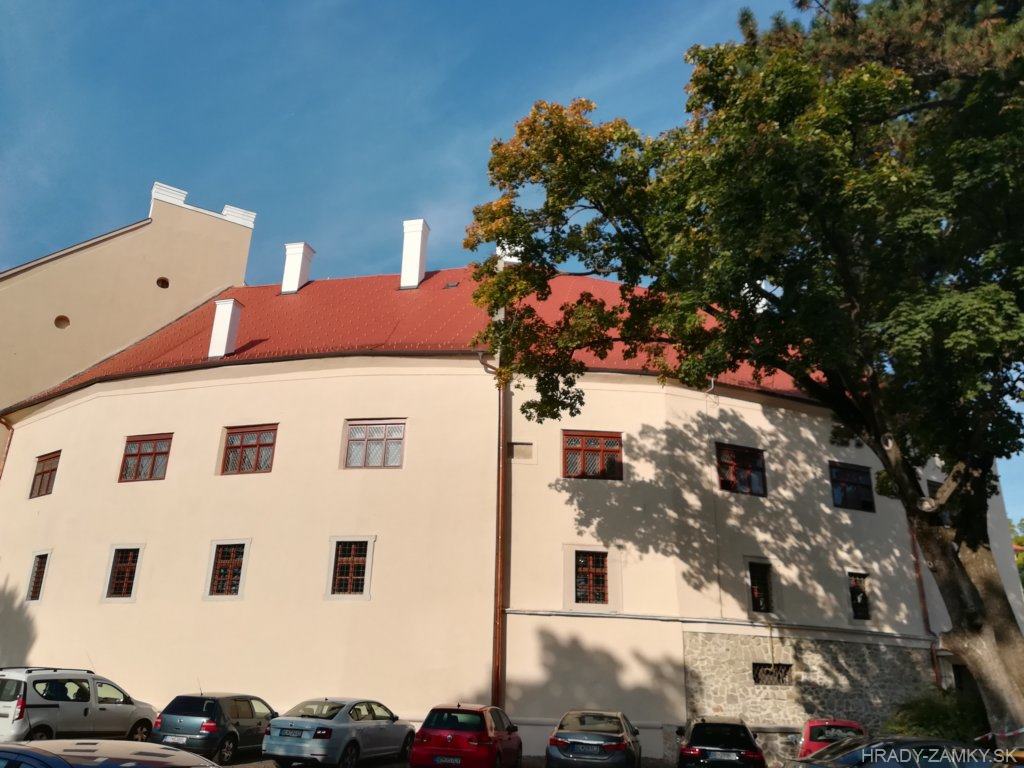
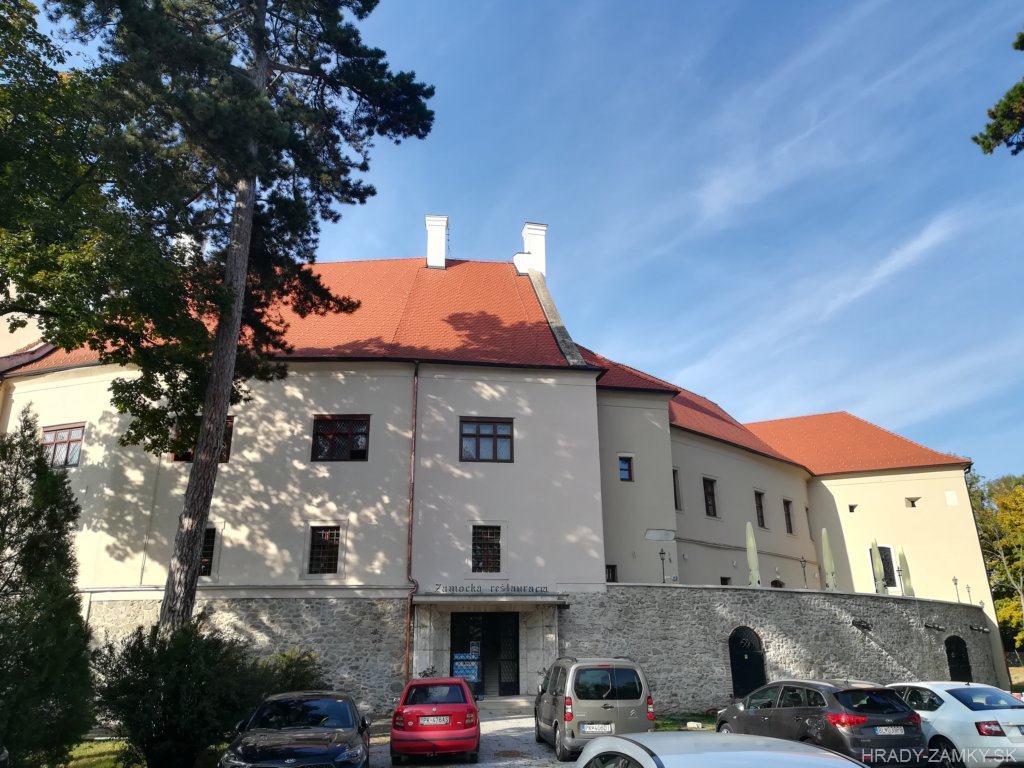
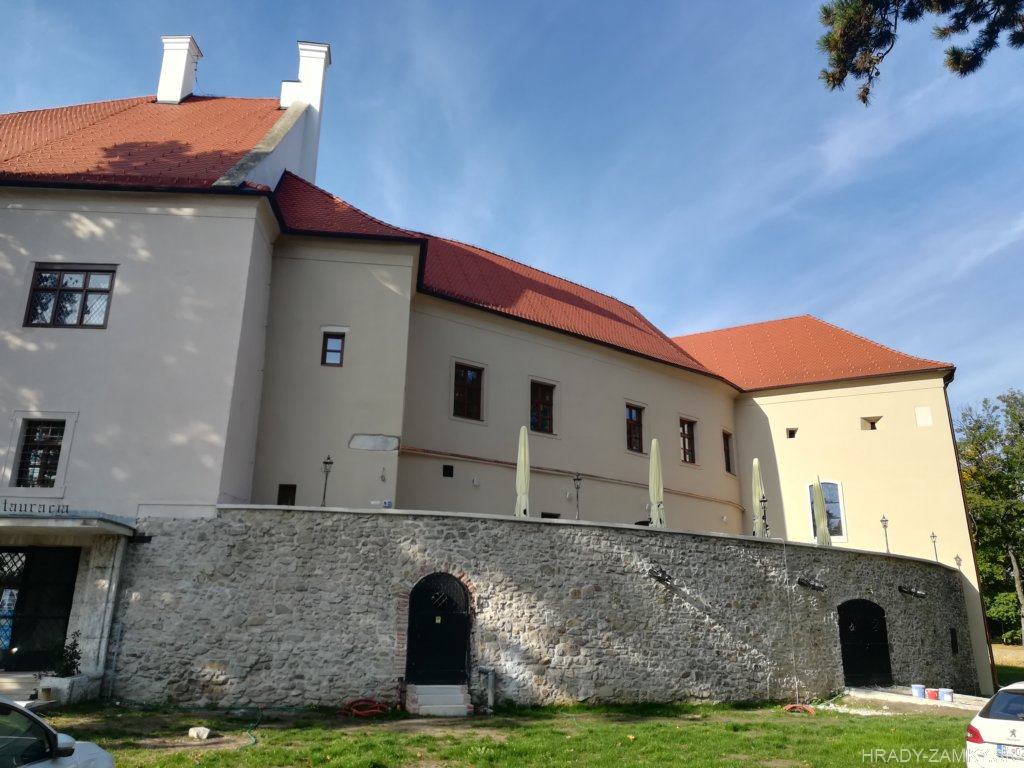
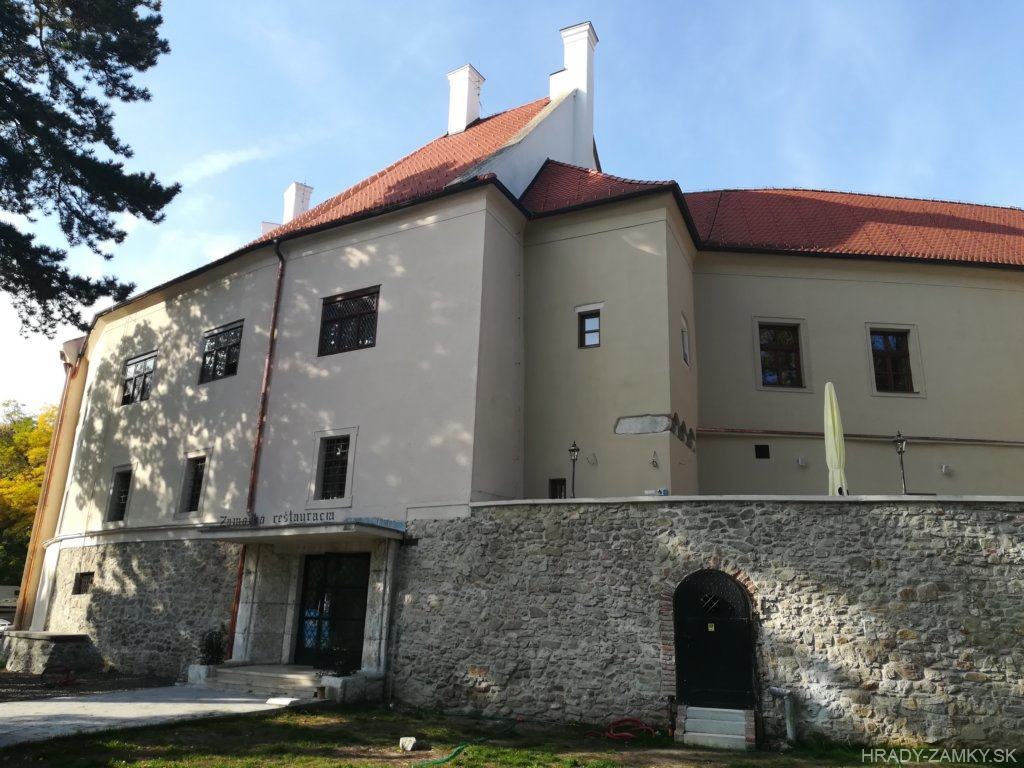
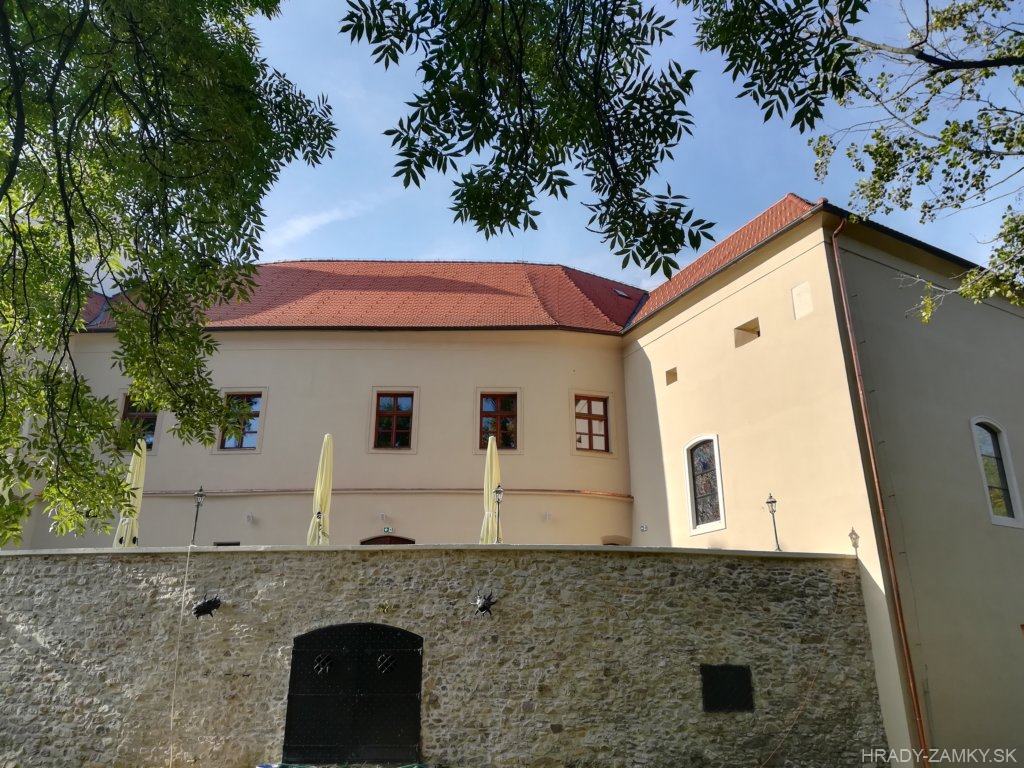
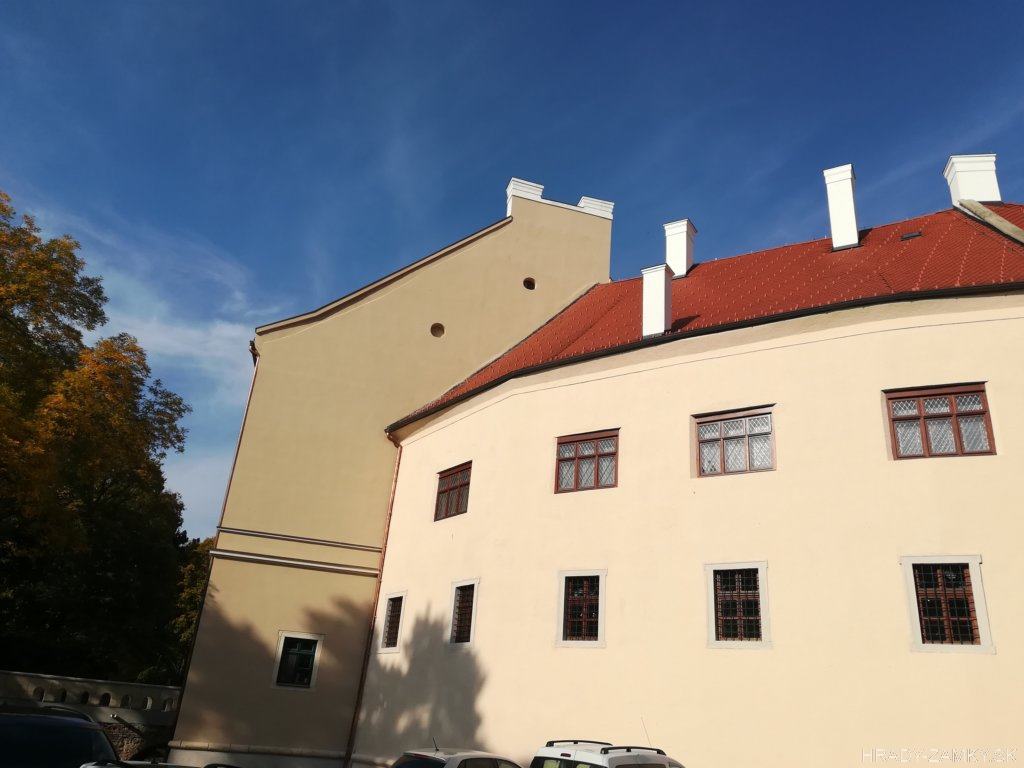
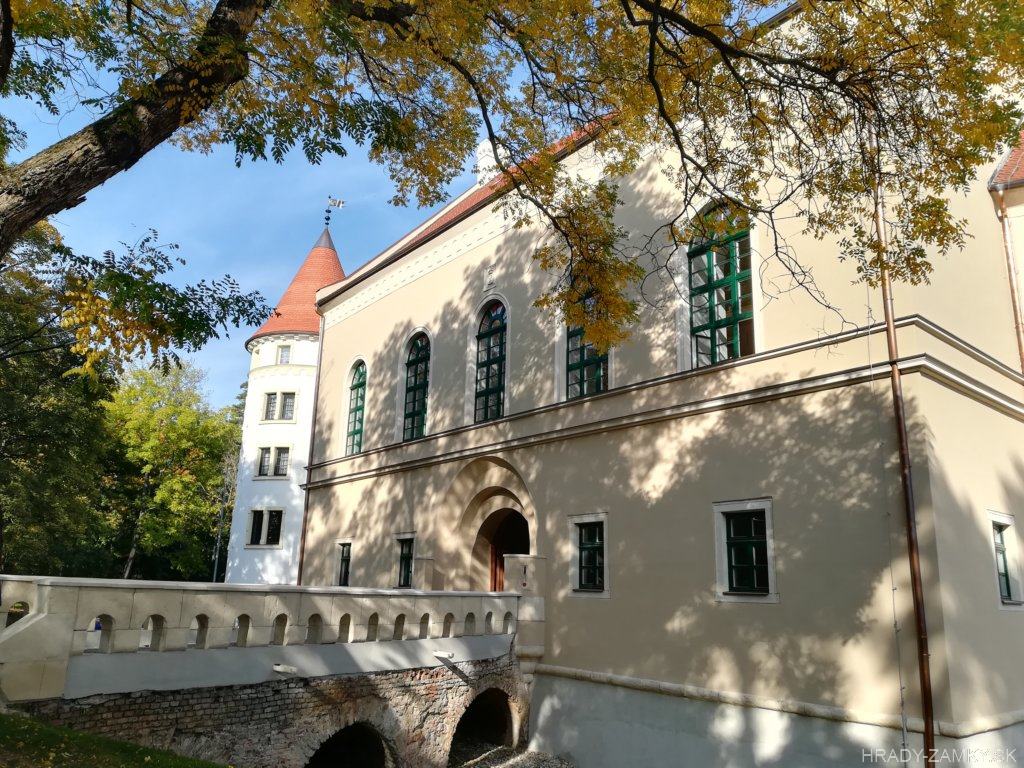
Originally a water castle, partly hidden in a round renaissance-baroque chateau at the southeastern foot of the Malé Karpaty Mountains, in the town of Pezinok
Pôvodne vodný hrad čiastočne ukrytý v okrúhlom renesančno-barokovom zámku na juhovýchodnom úpätí pohoria Malé Karpaty, v meste Pezinok
Previous names
Bozin, Bazin
Roads
Pezinok chateau is located in the castle park in the town of Pezinok. We will get there from Mladoboleslavská street, the entrance to the area is directly opposite the street M.R.Štefánika. But if this entrance is closed, access to the parking lot is from the next street before the roundabout. If we come by car from Sv. Jur or Modra, from the main Bratislavská road turn to Holuby Street and then from the roundabout we go to Mladoboleslavská, or from Bratislavská turn to Kollárova, which continues as M.R.Štefánika, until we get to Mladoboleslavská. There is a large parking lot right before the chateau, but it is usually full on weekdays.
Pezinský zámok sa nachádza v zámockom parku priamo v meste Pezinok. Dostaneme sa tam z Mladoboleslavskej ulice, vstup do areálu je priamo oproti ulici M.R.Štefánika, no v prípade, že je tento vstup uzavretý, prístup na parkovisko je hneď z ulice vedľa ešte pred kruhovým objazdom. Ak prichádzame autom od Sv. Jura alebo Modry, z hlavnej Bratislavskej cesty odbočíme na Holubyho a potom z kruhového objazdu vyjdeme na Mladoboleslavskú, prípadne z Bratislavskej odbočíme na Kollárovu, ktorá pokračuje ako M.R.Štefánika, až sa dostaneme na Mladoboleslavskú. V areáli zámku je veľké parkovisko, v pracovných dňoch ale býva väčšinou plné.
Description
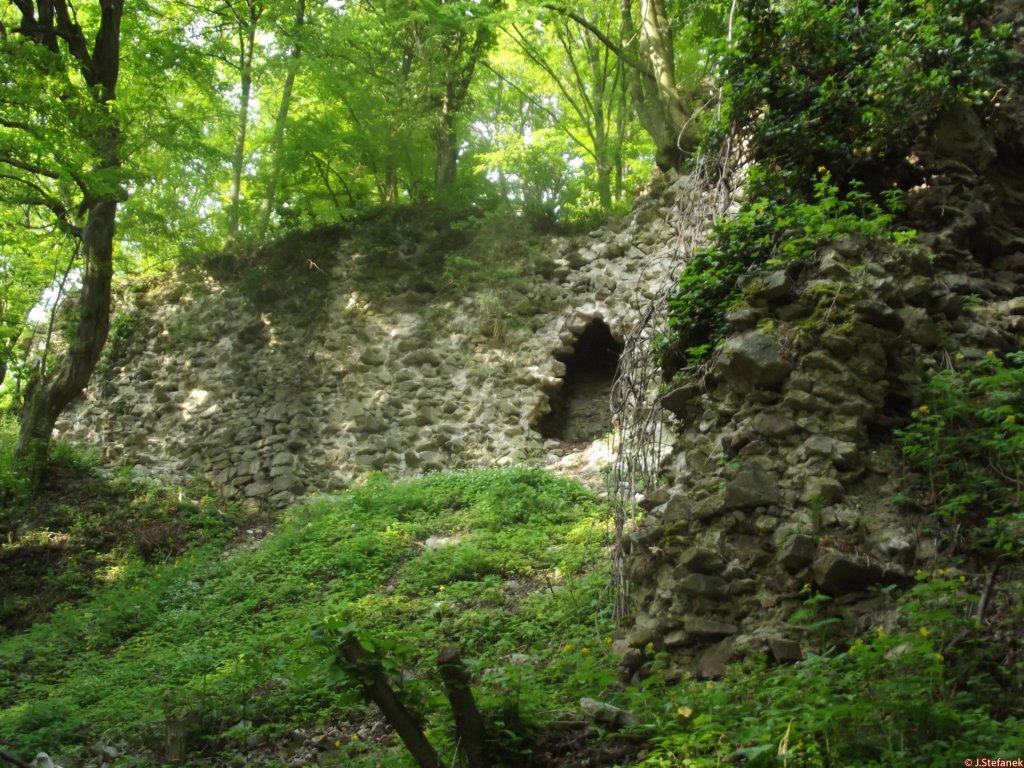
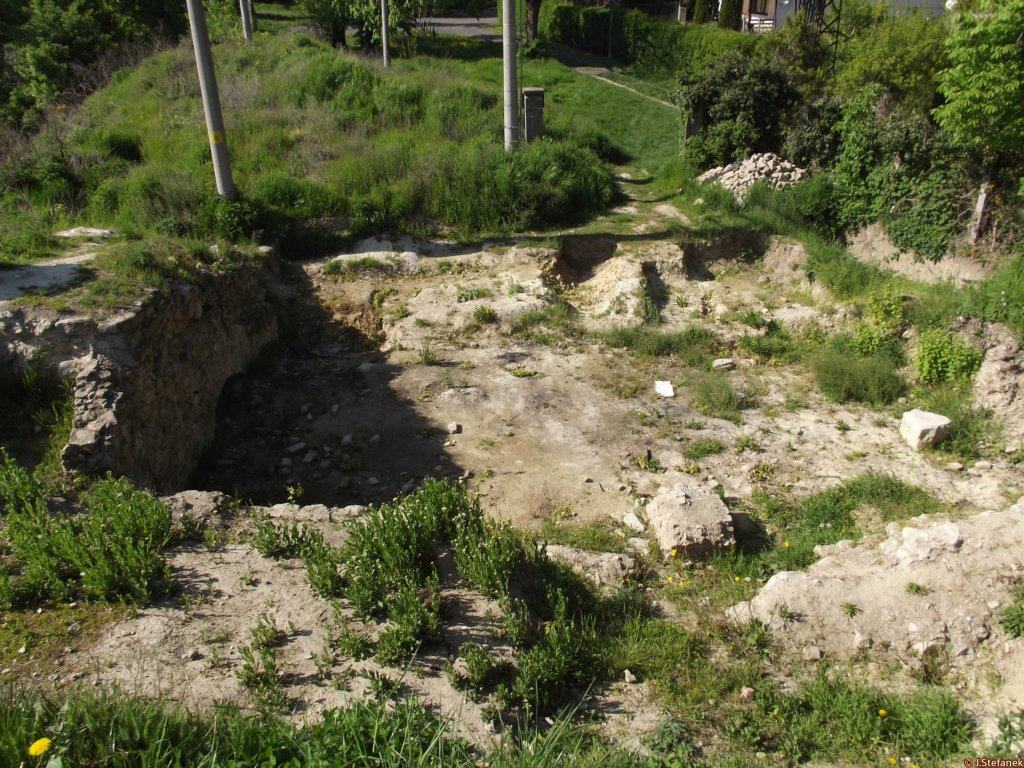
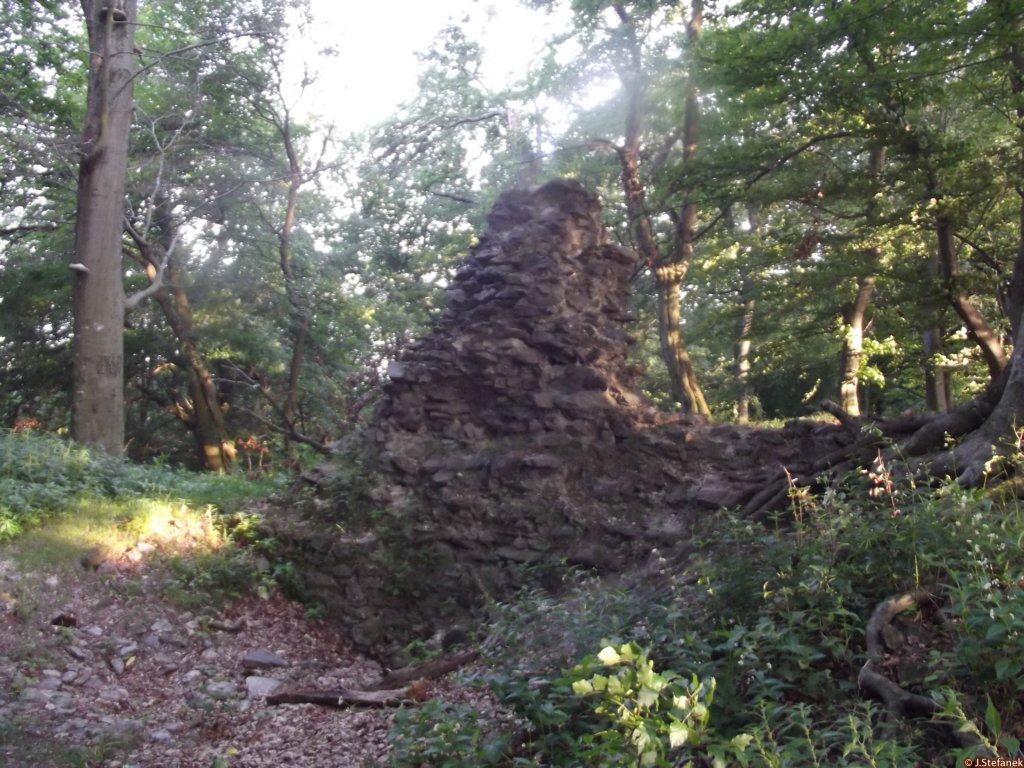
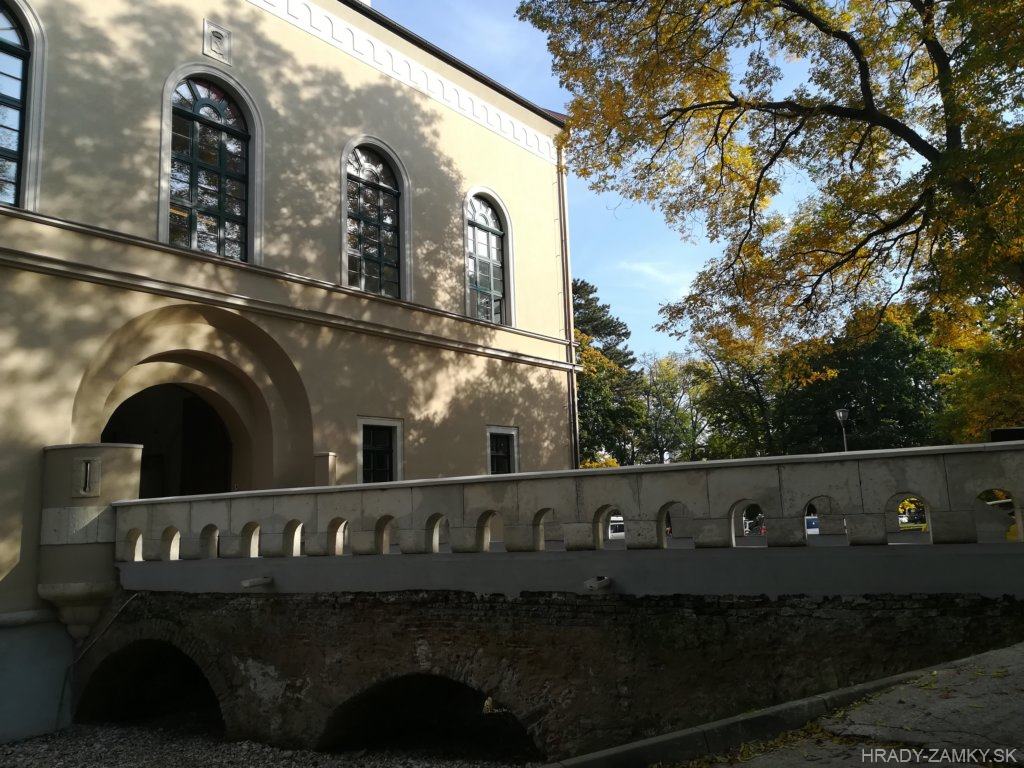
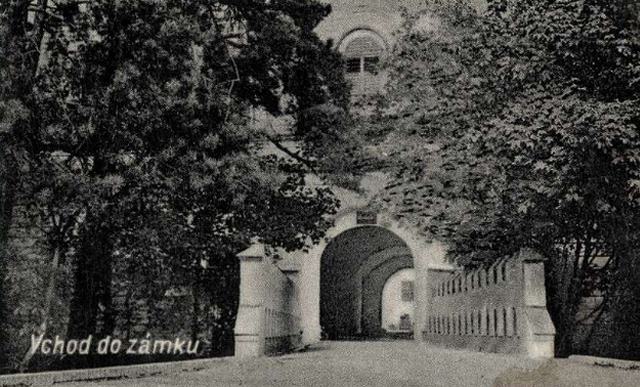
The oldest core of today's castle dates back to the beginning of the 14th century and consisted of a type of water castle. The castle was surrounded by a double wall. The outer wall had a gate over which was a tower. The inner part of the circular ground plan was filled with a tower and residential buildings. It was closed by a defensive wall and its gate was entered across the bridge over the moat. Later reconstructions completely destroyed this appearance of the castle.Baroque reconstruction changed the castle into a circular closed mansion, which lost its original fortress character. Reconstruction of the former medieval water castle began after its purchase by the Šimák family and in 2019 was completed and the castle was opened to the public.
Najstaršie jadro dnešného hradu pochádza zo začiatku 14. storočia a tvoril ho typ vodného hradu. Areál hradu obklopoval dvojitý múr. Vonkajší múr mal bránu, nad ktorou bola veža. Vnútornú časť kruhovitého pôdorysu vypĺňala veža a obytné budovy. Uzatváral ju obranný múr a do jeho brány sa vstupovalo cez most ponad priekopu. Neskoršie prestavby túto podobu hradu úplne zotreli.Baroková prestavba zmenila hrad na kruhovo uzavretý kaštieľ, ktorý stratil svoj pôvodný pevnostný charakter. Rekonštrukcia bývalého stredovekého vodného hradu sa začala po jeho odkúpení rodinou Šimákovcov a v r.2019 bola dokončená a zámok bol otvorený pre verejnosť.
Plan
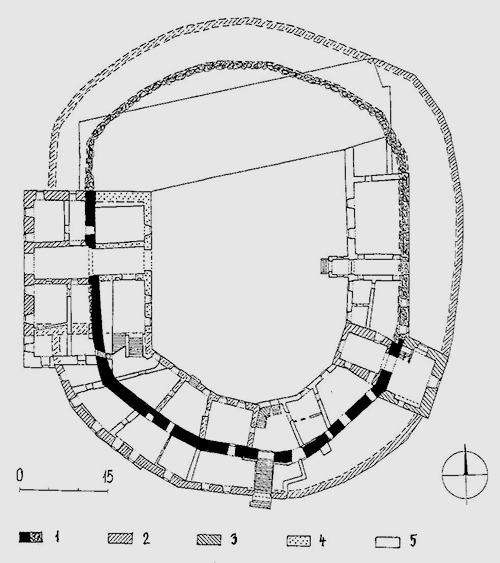
Legend to the ground plan
- An attempt at a rough analysis of the floor plan of the chateau: 1 - perimeter walls
- 2 - masonry probably before 1425
- 3 - late Gothic tower
- 4 - hypothetical origin
- 5 - other
- unclassifiable
Legenda k pôdorysu
- Pokus o hrubú analýzu pôdorysu zámku: 1 - obvodové hradby
- 2 - murivo pravdepodobne pred r.1425
- 3 - neskorogotická veža
- 4 - hypotetický pôvod
- 5 - ostatné
- nezaraditeľné
History
The existence of the castle is reported in a report from 1271, when the castle was attacked and occupied by the troops of the Czech King Přemysl Otakar II. Another siege took place in 1295, when the Austrian duke Albrecht attacked the area. In 1334, the Pezinok branch (Bazini) split from the St. George's family. There were irregularities in the division of their property. The disputes lasted until 1429. Count Juraj and his brother Mikuláš, who were among the richest and most influential aristocratic families in Hungary, then shared the castle and the town of Pezinok. Later, when the domestic aristocratic family died out, Ferdinand I donated the Habsburg castle to Gašpar Serédy and subsequently to Eck of Salm, who, however, in In 1575 he gave an advance to the Imperial Duke Ján Krusitch. The coat of arms of this year still testifies to its construction modifications of the castle. Further work was already done by Štefan Illésházy, who married his widow Katarína Pálffy after Krusitch's death. The castle got a new, renaissance, look, residential and farm buildings were expanded and modified.
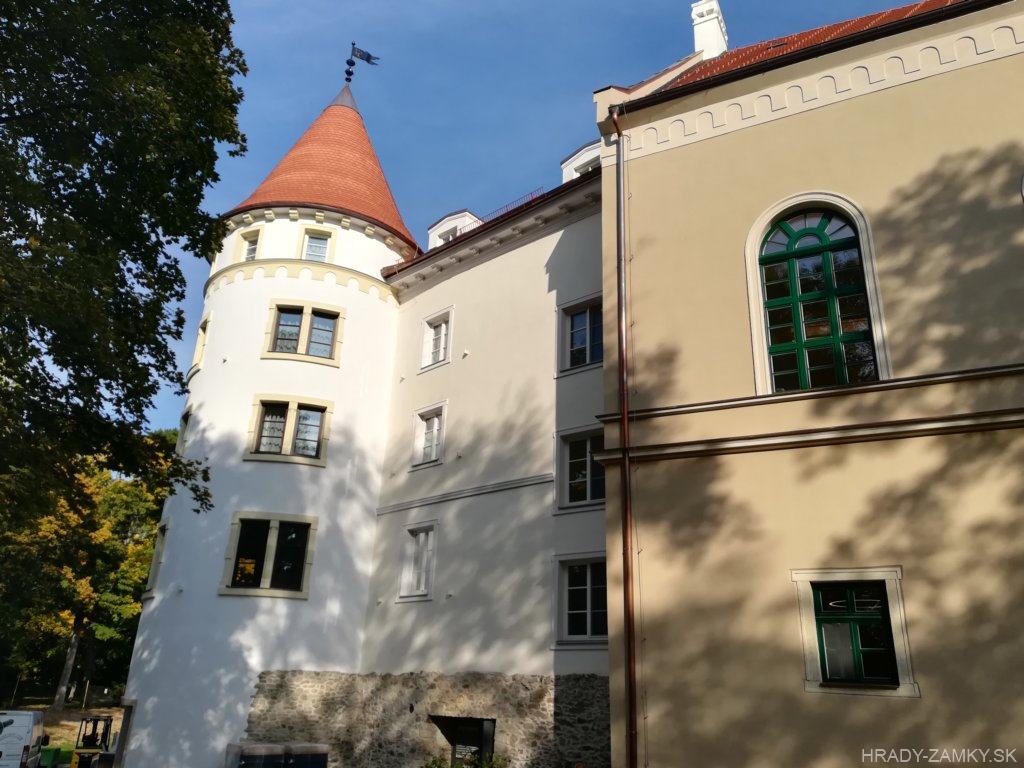
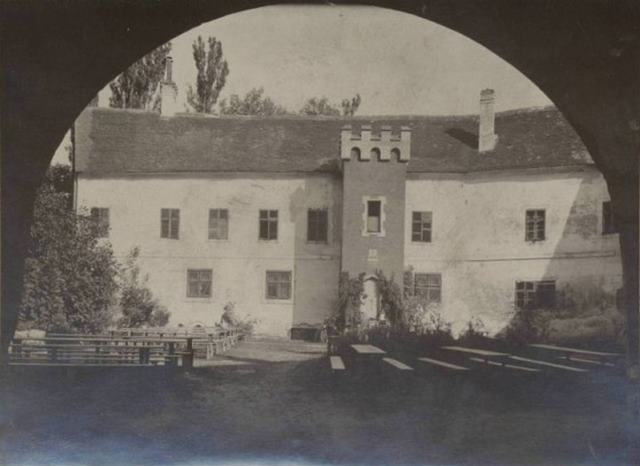
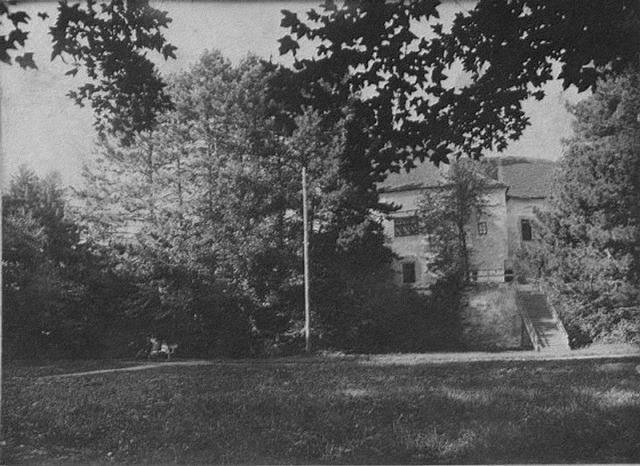
In 1618, the castle and manor fell into the hands of Štefan Pálffy. In the 17th century, the castle was abandoned and repaired in 1718 by Ján Pálffy. Another major construction intervention took place in 1844, when Count František Pálffy had a large hall set up on the floor of the output residential tower and, by removing the moat, created a precondition for extensive landscaping. In essence, the transformation of the seat into a castle was completed. In 1875, lightning burned down the buildings in the north, which had not been restored, but the rest of the buildings were renovated in the spirit of late Romanticism.
After 1936, the operation of a winegrowing cooperative and a wine cellar was located in the chateau. The chateau underwent major alterations in the years 1940-43, when the new owner - Slovenské vinohradnícke družstvo - adapted the cellars and added an administrative building in the inappropriate style on the site of the burnt-out part. The building has preserved a large historic hall, which is decorated with paintings by Pezinok painters Bártovce. Despite many reconstructions, the castle has preserved the medieval appearance of a water castle, now unique in Slovakia. Reconstruction of the former medieval water castle began after its purchase by the Šimákov family and in 2019 it was completed and the castle was opened to the public. The cellar and later the other premises were reconstructed first.
O existencii hradu hovorí správa z roku 1271, keď hrad napadli a obsadili vojská českého kráľa Přemysla Otakara II. K ďalšiemu obliehaniu došlo v r.1295, keď na túto oblasť útočil rakúsky vojvoda Albrecht. V r.1334 sa od svätojurského rodu odštiepila pezinská vetva (Bazini). Dochádzalo k nezrovnalostiam pri delení ich majetku. Spory trvali až do r. 1429. Gróf Juraj a jeho brat Mikuláš, ktorí patrili medzi najbohatšie a najvplyvnejšie šľachtické rody v Uhorsku, si vtedy delili hrad i mestečko Pezinok. Neskôr, keď domáci šľachtický rod vymrel, daroval Ferdinand I. Habsburský hrad Gašparovi Serédymu a následne Eckovi zo Salmu, ktorý ho však v r. 1575 dal do zálohu cisárskemu vojvodcovi Jánovi Krusitchovi. O jeho stavebných úpravách hradu dosiaľ svedčí erbová doska s týmto letopočtom. Ďalšie práce už dal robiť Štefan Illésházy, ktorý sa po Krusitchovej smrti oženil s jeho vdovou Katarínou Pálffy. Hrad dostal novú, renesančnú, podobu, rozšírili sa a upravili obytné a hospodárske budovy.
V r.1618 sa hrad a panstvo dostalo do rúk Štefana Pálffyho. V 17.storočí hrad pustol a opraviť ho dal v r.1718 Ján Pálffy. K ďalšiemu veľkému stavebnému zásahu došlo v r.1844, keď gróf František Pálffy dal na poschodí vystupnej obytnej veže zriadiť veľkú sálu a zrušením priekop vytvoril predpoklad na rozsiahle parkové úpravy. V podstate sa tak dokončila premena sídla na zámok. V r.1875 zásahom blesku vyhoreli budovy na severe, ktoré už neboli obnovené, no v duchu neskorého romantizmu boli upravené zvyšné budovy.
Po r.1936 bola do zámku umiestnená prevádzka vinohradníckeho družstva a vínne pivnice. Veľké úpravy zažil zámok v rokoch 1940 – 43, kedy nový majiteľ – Slovenské vinohradnícke družstvo – zadaptovalo pivnice a pristavilo na mieste vyhorenej časti v nevhodnom slohu administratívnu budovu. V objekte je zachovalá veľká historická sála, ktorú zdobia maľby pezinských maliarov Bártovcov. Zámok si napriek mnohým prestavbám zachoval stredovekú podobu vodného hradu, teraz už na Slovensku ojedinelú.
Rekonštrukcia bývalého stredovekého vodného hradu sa začala po jeho odkúpení rodinou Šimákovcov a v r.2019 bola dokončená a zámok bol otvorený pre verejnosť. Ako prvá bola zrekonštruovaná pivnica a neskôr ostatné priestory.
Myths and legends
There are no myths available.
K tomuto objektu nie sú dostupné žiadne povesti
Useful information
Opening hours and admission
Otváracia doba a vstupné
External links
Nearby castles