Dračí hrádok
Borinka Bratislava county Slovakia
castle ruin
Dračí hrádok
Borinka Bratislavský kraj Slovakia
zrúcanina hradu
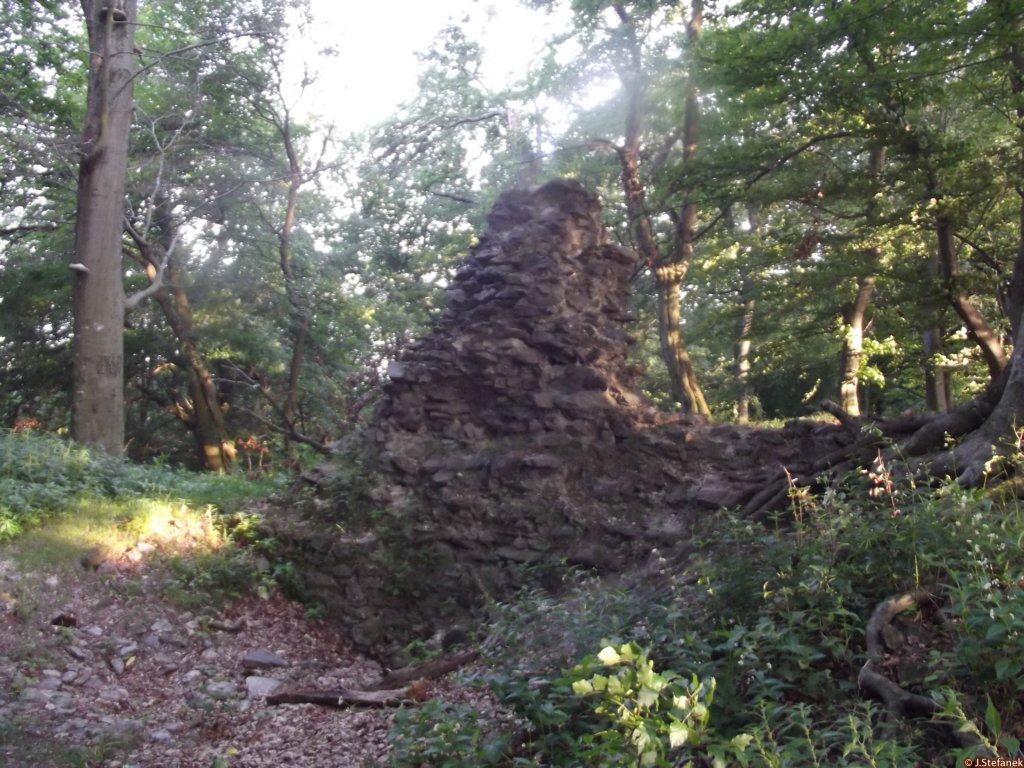
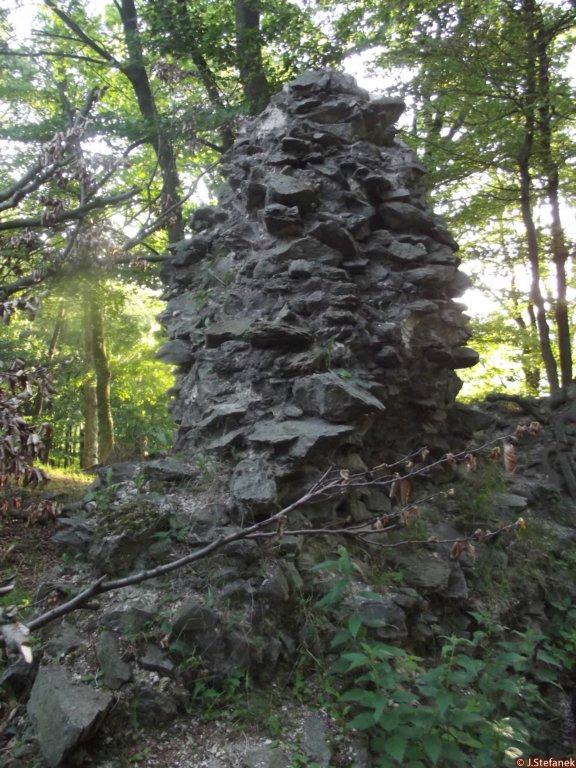
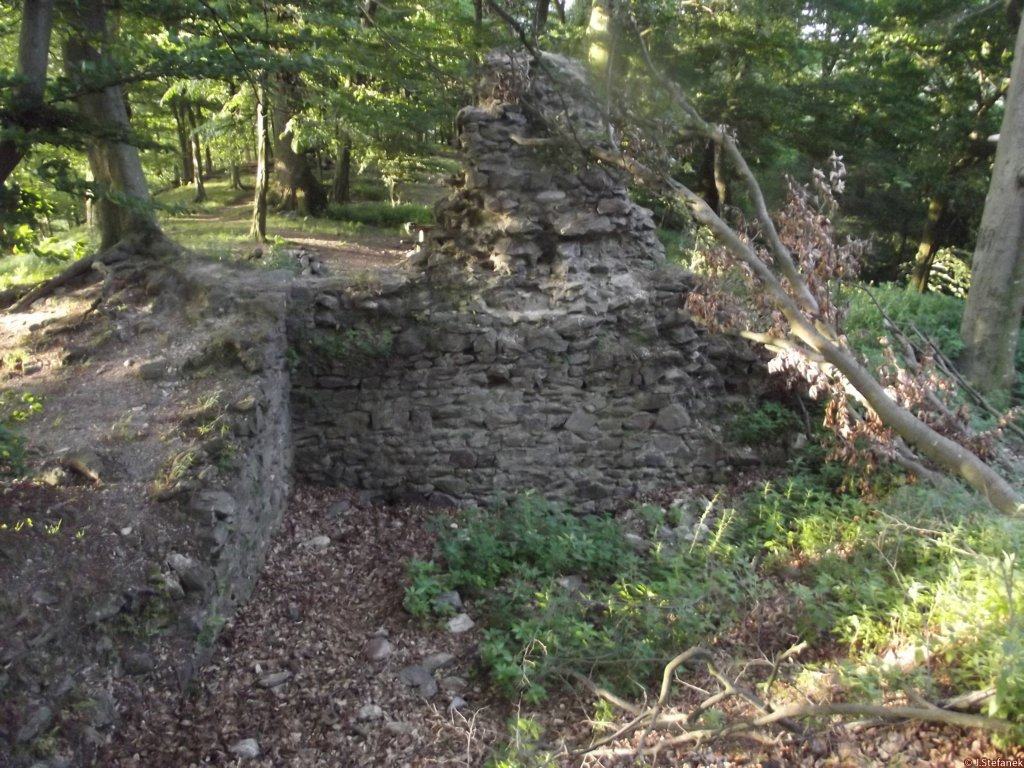
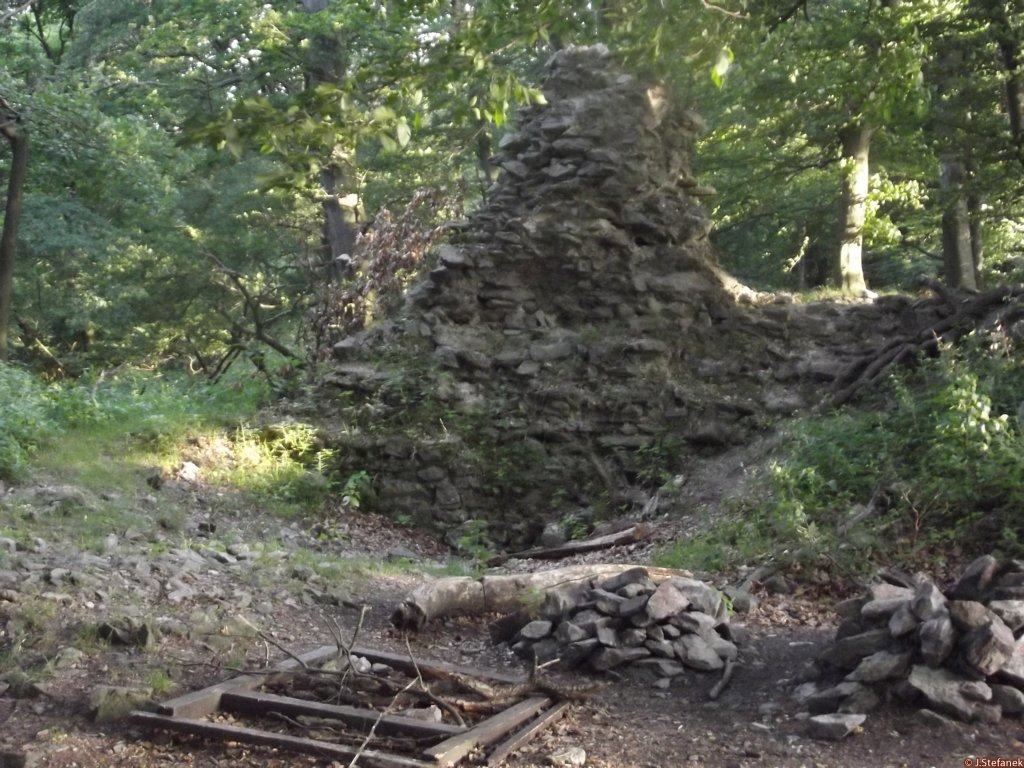
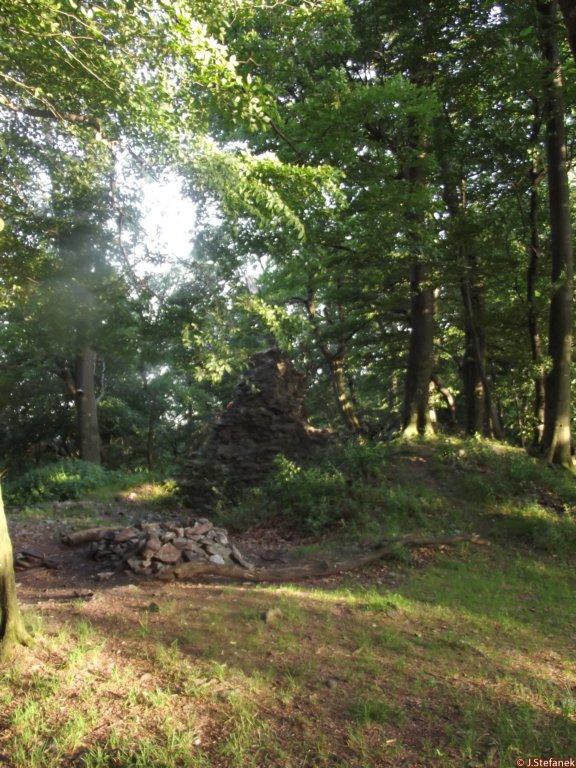
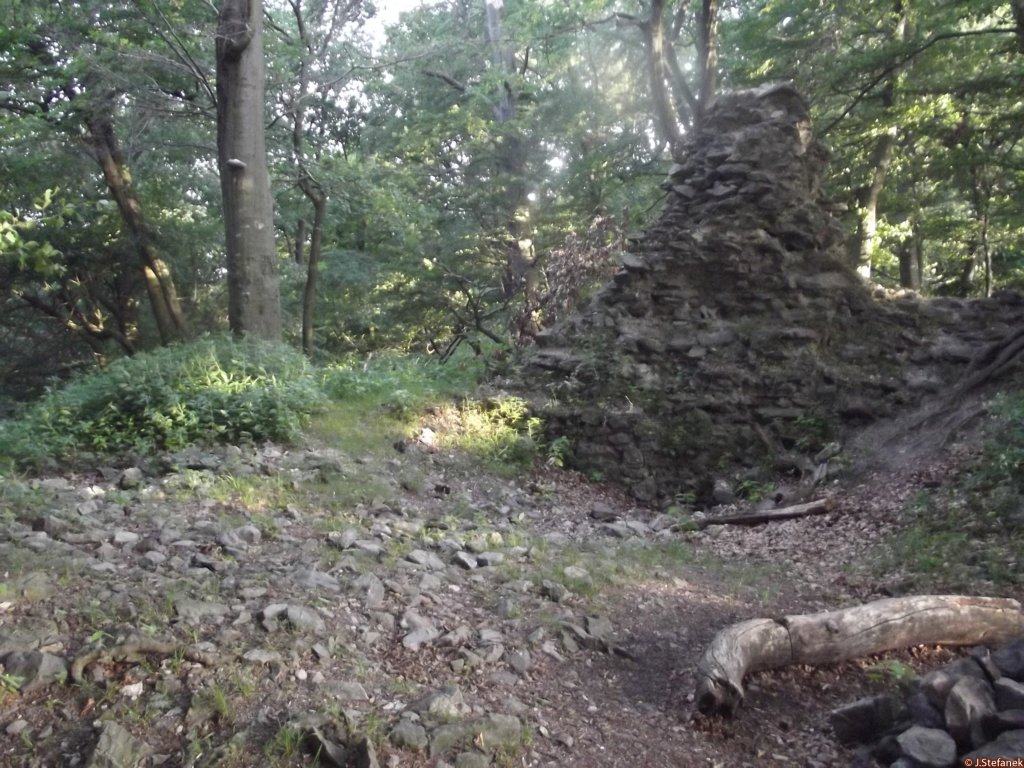
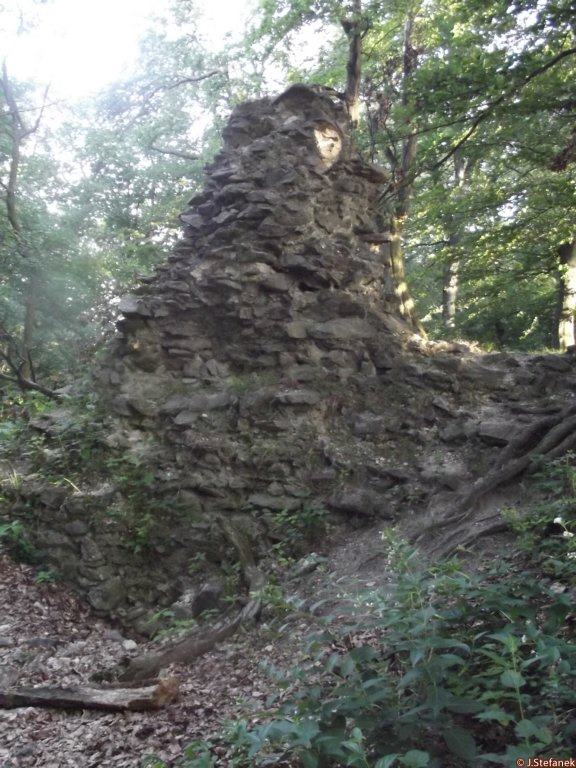
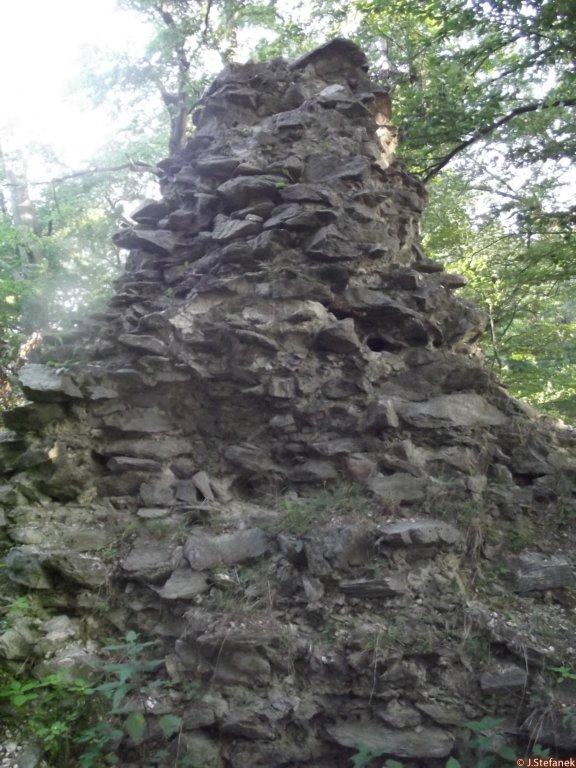
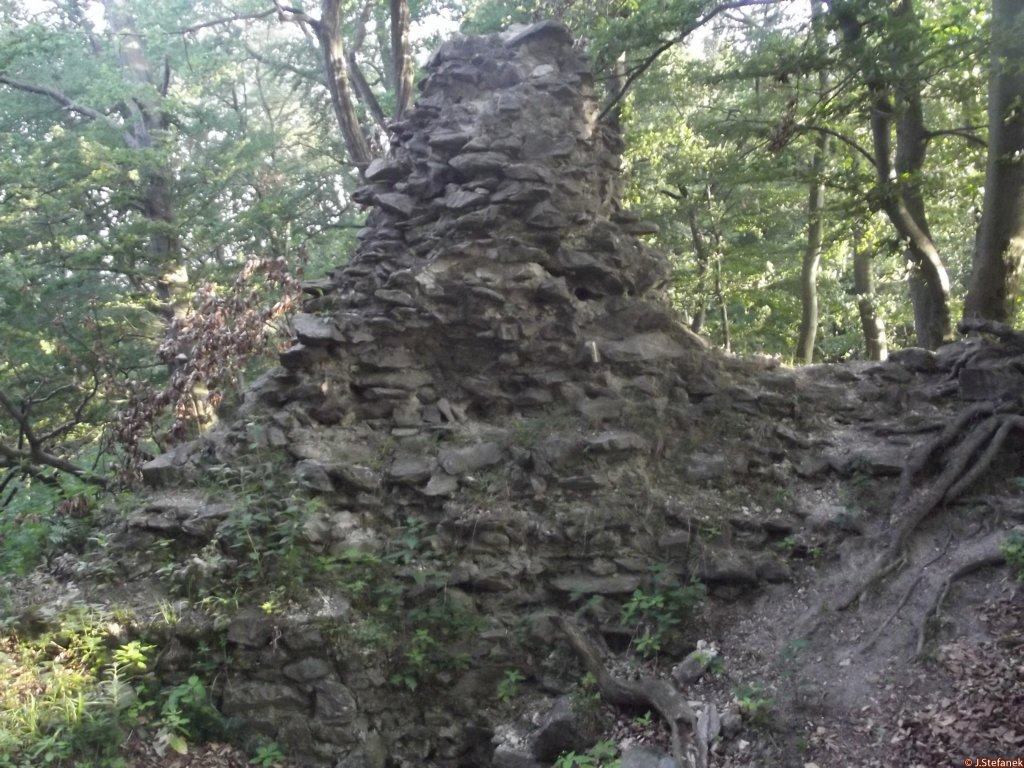
The remains of the castle at the end of a long off-road tongue that extends into the valley of Červený potok about 2km east of the village Borinka
Zvyšky hradu na konci dlhého terénneho jazyka, ktorý zasahuje do údolia Červeného potoka asi ľkm na východ od obce Borinka


Previous names
Hadí hrad, Sárkánykő
Roads
Trasa 1: To the remains of the Dračí hrádok the easiest way is to get through the village of Borinka.We pass through the whole village on the road No. 1108 and we continue straight on the narrow asphalt road, which soon passes through the forest. After about 800 m, we come across a free space next to the path, where they will fit approx. 2-3 cars. We can park here and a short, only slightly demanding ascent to the castle along the yellow route begins right opposite.
Trasa 1: K zvyškom Dračieho hrádku sa najjednoduchšie dostaneme cez obec Borinka.Prejdeme cez celú obec po ceste č.1108 a pokračujeme stále rovno po úzkej asfaltke, ktorá onedlho prechádza lesom. Asi po 800 m natrafíme na voľný priestor vedľa cestičky, kde sa zmestia cca. 2-3 autá. Tu môžeme zaparkovať a hneď oproti začína krátky, len mierne náročný výstup na hrad po žltej trase.
Trasa 2: You can park also a little further, about 300-400 m from the mentioned place on the road, where there is a slightly larger place for parking and from there we continue on foot for another about 300 m, until we come to a small bridge, before which we turn left into the forest. This path will also take us to the castle.
Trasa 2: Zaparkovať sa dá aj trochu ďalej, asi 300-400 m od spomínaného miesta po ceste, kde je o niečo väčšie miesto na parkovanie a odtiaľ pokračujeme peši ešte ďalších asi 300 m, až prídeme k malému mostíku, pred ktorým odbočíme vľavo do lesa. Táto cesta nás tiež zavedie k hradu.
Description
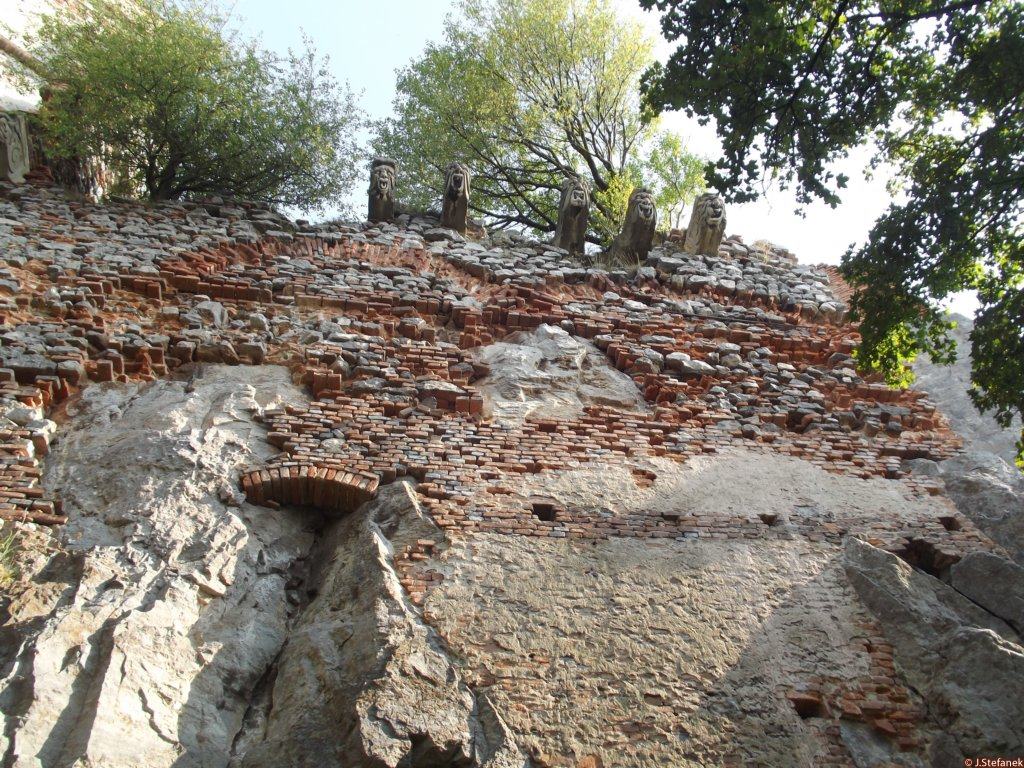
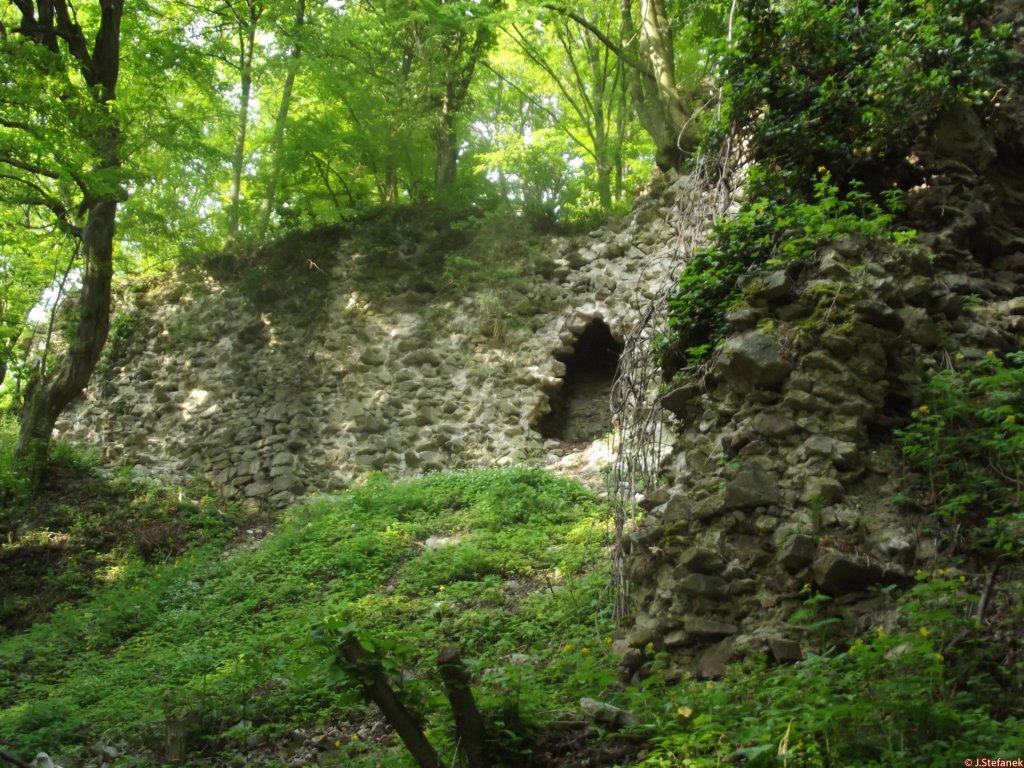
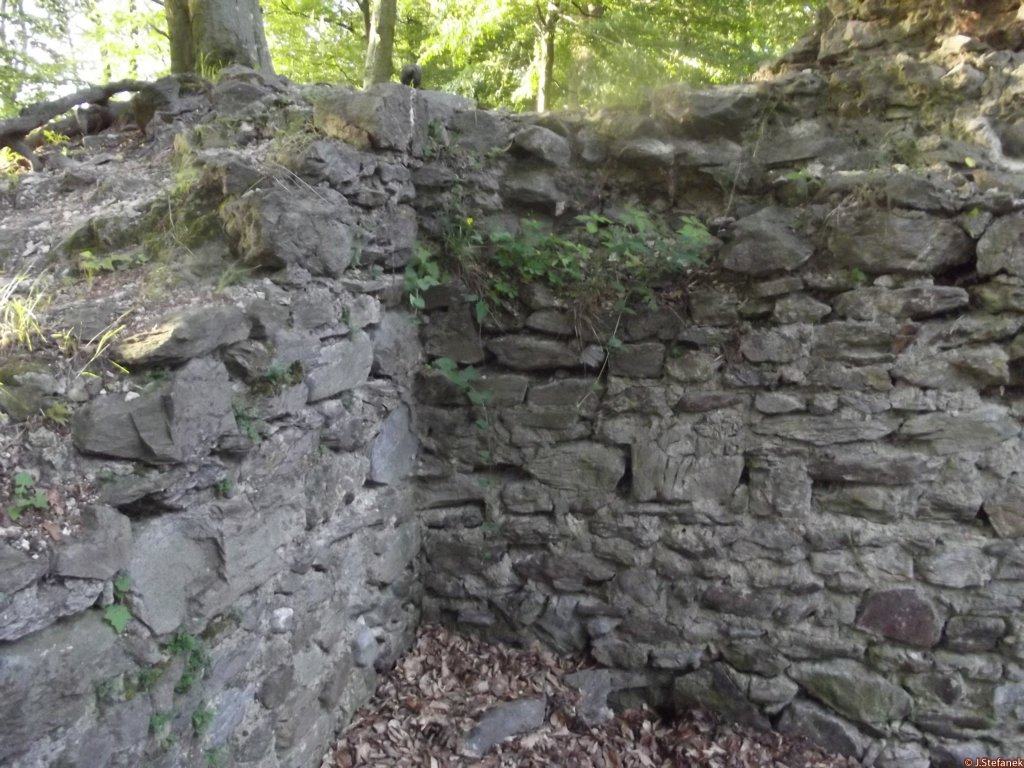
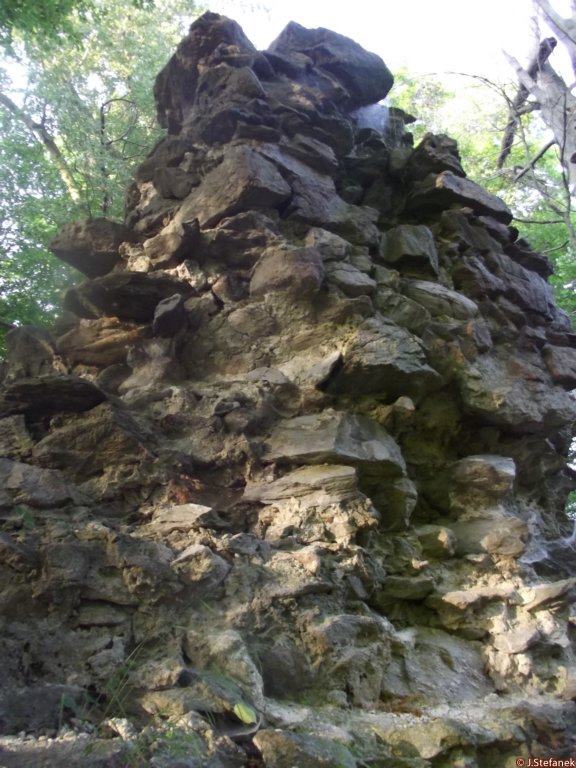
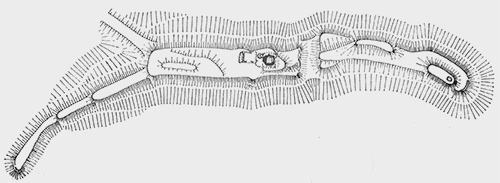
The castle consists of a ridge 15 meters wide and 115 meters long, separated from the surrounding terrain by a low wall and a second ridge (south of the first) 20 meters wide and 112 meters long, separated from the first ditch. The central prism tower with external dimensions of 10x10 meters was built after 17 meters wide and 6 meters deep, carved by a moat.The remains of this tower have been preserved to this day. On the outer part of the ditch have been preserved modest remnants of the brick installation of the entrance bridge.
Hrádok sa skladá z vyvýšeniny širokej 15 metrov a dlhej 115 metrov, oddelenej od okolitého terénu nízkym valom a druhej vyvýšeniny (na juh od tej prvej) širokej 20 metrov a dlhej 112 metrov, oddelenej od prvej priekopou. Centrálna hranolová veža s vonkajšími rozmermi 10x10 metrov bola postavená za 17 metrov širokou a 6 metrov hlbokou, do skaly vytesanou priekopou.Zvyšky tejto veže sa zachovali dodnes. Na vonkajšej časti priekopy sa zachovali skromné zvyšky murovaného osadenia vstupného mosta.
Plan
-
History
The Dragon Castle was most probably built on the basis of a royal initiative in the 13th century, at a time when the owners of the royal castle in Pajštún were the counts of Svätý Jur and Pezinok. He probably served as a guard over the road between Stupava and Sv. Jur, between the castles of Pajštún and Biely kameň.
However, historians differ on their views on the origin of the castle. Slivka and Plaček identify the Dragon Castle with the Drach-Kugel-Schloss building from Meyer's engraving from 1563, which depicts the coronation of Emperor Maximilian II. in Bratislava. However, this assumption is rejected by Fiala (1972) and also by Farkaš (1993). Andrej Fiala writes in the magazine Pamiatky a príroda 2/1972: Another object in the form of a castle is drawn above Bratislava and is called DRACH KUGEL SCHLOSS according to the designation. Based on the appearance, it could be a protective tower of an unknown castle from the 13th century. with advanced Renaissance fortifications. Since it is difficult to assume the complete extinction of the object, which in the second half. 16th century it stands intact and at the same time there are no mentions of historical castle in historical sources, it is probably only a temporary building. It could serve a special purpose only during the festivities, similar to the coronation bridge over the Danube. It is possible that this was only a backdrop as a background for knight games. Below the building, a large training ground with riders and the inscription TURNIER PLATZ is clearly depicted.
Also on the basis of archaeological research, it is possible that the Dragon Castle is not only a watchtower, as was assumed for many years, but the Stupava Castle, which is mentioned in historical documents and which was built together with other castles in the area.
Also interesting is the form of the name Dragon's Castle called Dragon's Order, which was founded in 1408 by King Sigismund of Luxembourg, and concentrated in it the most powerful and influential personalities of the then Hungary (Stibor from Stiborice, Peter Čech from Levice, Nicholas Garaj from Devín). From 1409 its members were even the Austrian duke and 24 Knights of Styria. His task was to protect the trade route through the Little Carpathians. It was never the seat of a native estate, as evidenced by the absence of palace buildings. The castle was destroyed by fire in the first half of the 15th century. It was probably destroyed during the Hussite invasions of western Slovakia.
Dračí hrádok bol s najväčšou pravdepodobnosťou postavený na základe kráľovskej iniciatívy v 13. storočí, v čase keď majiteľmi kráľovského hradu na Pajštúne boli grófi zo Svätého Jura a Pezinka. Pravdepodobne plnil strážnu funkciu nad cestou medzi Stupavou a Sv. Jurom, medzi hradmi Pajštún a Biely kameň.
Historici sa však v názoroch o pôvode hradu rozchádzajú. Slivka a Plaček stotožňujú Dračí hrádok s objektom Drach-Kugel-Schloss z Meyerovej rytiny z roku 1563, na ktorej je zachytená korunovácia cisára Maximiliána II. v Bratislave. Tento predpoklad však odmieta Fiala (1972) a tiež Farkaš (1993). V časopise Pamiatky a príroda 2/1972 píše Andrej Fiala: Ďalší objekt vo forme hradu je nakreslený nad Bratislavou a podľa označenia sa volá DRACH KUGEL SCHLOSS. Na základe vzhľadu by mohlo ísť o ochrannú vežu neznámeho hradu z 13.stor. s predsunutým renesančným opevnením. Keďže ťažko možno predpokladať úplný zánik objektu, ktorý v druhej pol. 16.stor. stojí neporušený a zároveň ani v historických prameňoch sa nenašli zmienky o takto situovanom hrade, ide pravdepodobne iba o provizórnu stavbu. Tá mohla slúžiť zvláštnym účelom iba počas slávností, podobne ako korunovačný most cez Dunaj. Nie je vylúčené, že to bola iba kulisa ako pozadie rytierskych hier. Pod stavbou je zreteľne vyobrazené veľké cvičisko s jazdcami a nápisom TURNIER PLATZ.
Aj na základe archeologického výskumu je možné, že Dračí hrádok nie je len strážnou vežou, ako sa dlhé roky predpokladalo, ale Stupavským hradom, ktorý sa spomína v historických písomnostiach a ktorý bol postavený spolu s ďalšími hradmi v okolí.
Zaujímavá je tiež podoba názvu objektu Dračí hrádok s názvom Dračieho rádu, ktorý založil v roku 1408 kráľ Žigmund Luxemburský, a sústredil v ňom najmocnejšie a najvplyvnejšie osobnosti vtedajšieho Uhorska (Stibor zo Stiboríc, Peter Čech z Levíc, Mikuláš Garaj z Devína). Od 1409 bol jeho členom dokonca rakúsky vojvoda a 24 štajerských rytierov. Jeho úlohou bolo chrániť obchodnú cestu cez Malé Karpaty. Nikdy nebol sídlom urodzeného panstva, o čom svedčí absencia palácových stavieb. Hrádok zanikol požiarom v prvej polovici 15. storočia. Pravdepodobne bol zničený počas husitských vpádov na západné Slovensko.
Myths and legends
There are no myths available.
K tomuto objektu nie sú dostupné žiadne povesti
Useful information
The ruin is freely accessible
Zrúcanina je voľne prístupná
Nearby castles