Smolenice chateau
Smolenice Trnava county Slovakia
castle, chateau
Smolenice
Smolenice Trnavský kraj Slovakia
hrad, zámok
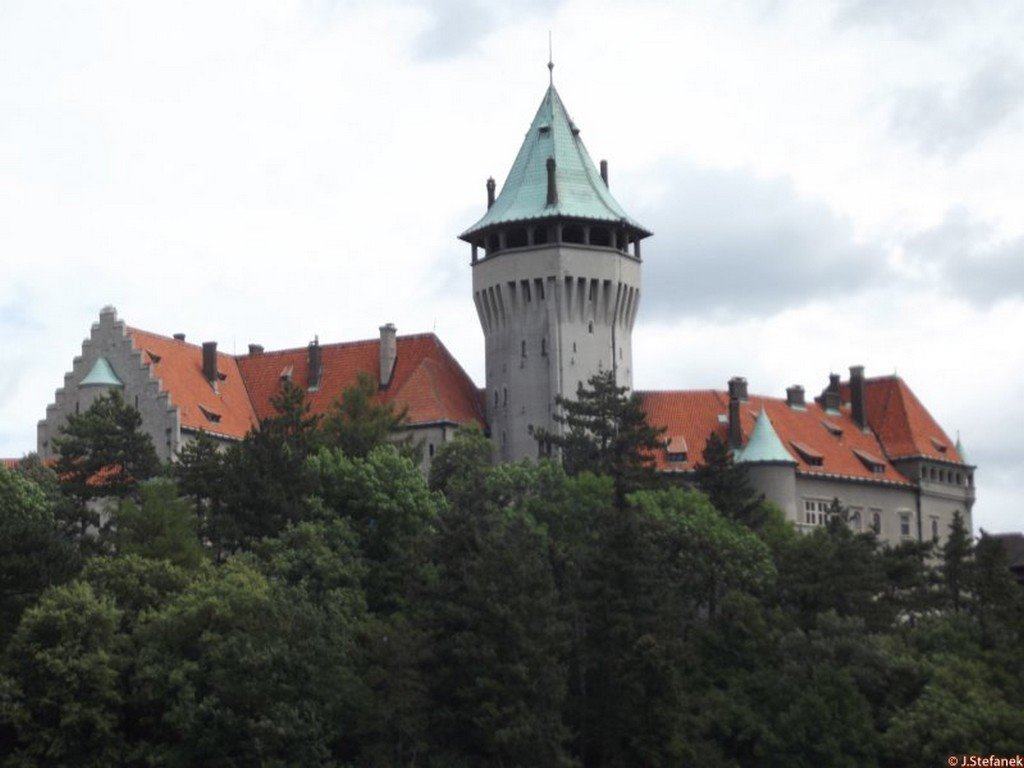
Romantic chateau rebuilt from the original castle is located on the border of the Little Carpathians and Trnava Uplands, on a rocky hill near the village Smolenice
Romantický zámok prestavaný z pôvodného hradu sa nachádza na rozhraní Malých Karpát a Trnavskej pahorkatiny, na skalnom pahorku pri obci Smolenice.
Previous names
Solmus, Smolenitz, Szomolány
Roads
Access to the Smolenice chateau is not difficult - in the village of Smolenice we get to Zámocká Street (there is also a Roman Catholic church). On this street next to the church and the cemetery we can park the car. The asphalt road continues to the castle, but there is a ban on entry, so we recommend parking on the street before the ban and enjoy a very pleasant walk through the park to the castle.
Prístup k Smolenickému zámku je nenáročný - v obci Smolenice sa dostaneme na Zámockú ulicu (nachádza sa tu aj rímsko-katolícky kostol). Na tejto ulici popri kostole a cintoríne môžeme auto zaparkovať. Asfaltová cesta síce pokračuje až k zámku, avšak je tu zákaz vjazdu, tak odporúčame zaparkovať na spomínanej ulici ešte pred zákazom a vychutnať si veľmi príjemnú prechádzku parkom až k zámku.
Description
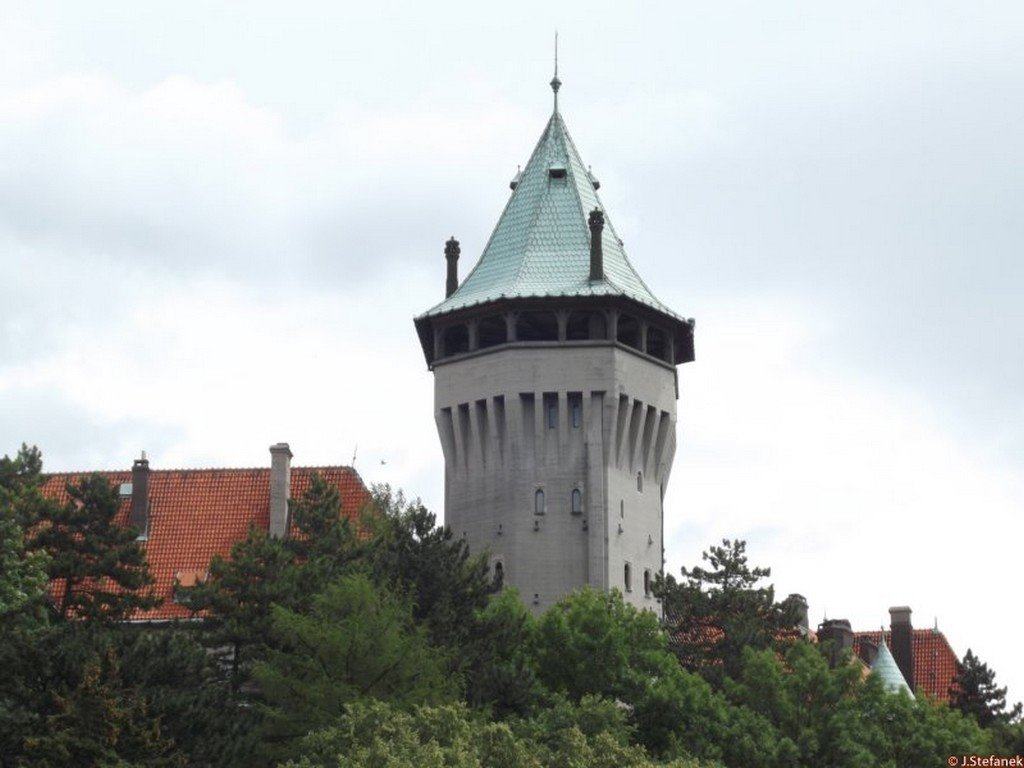
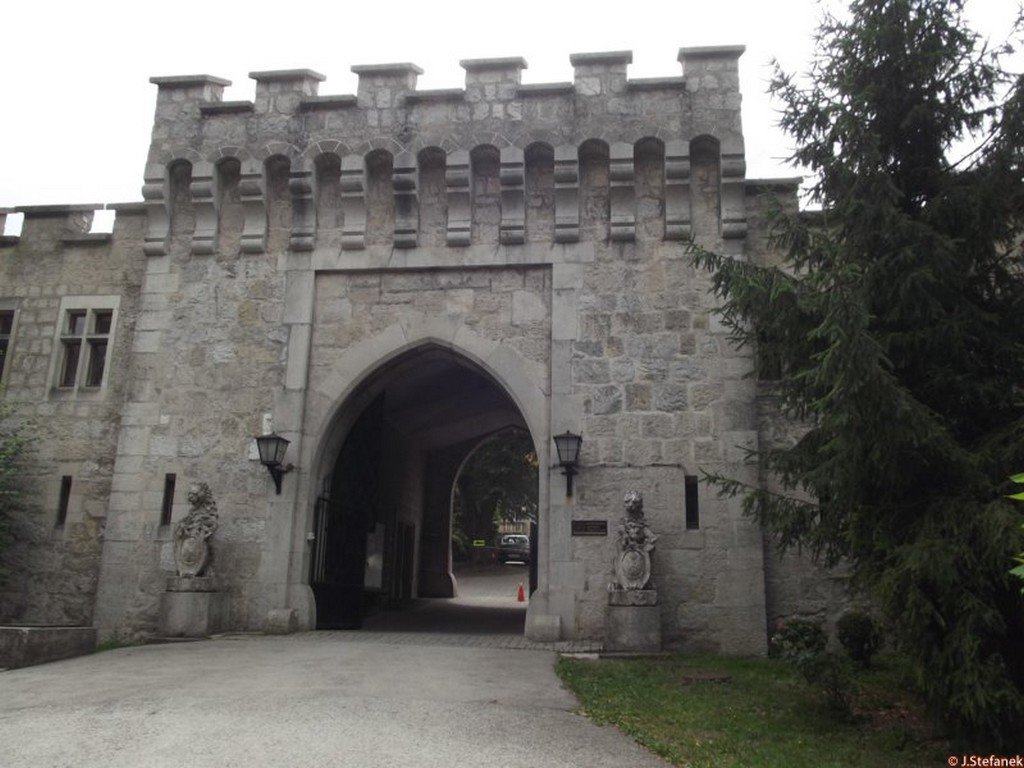
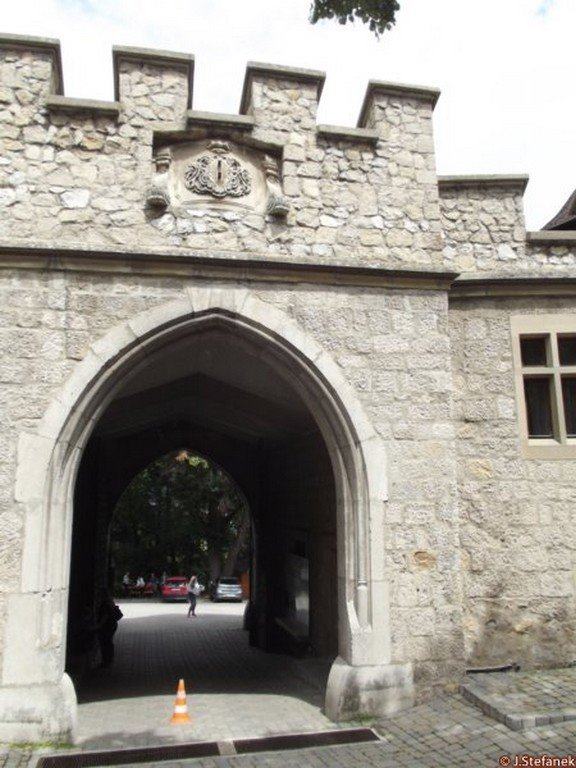
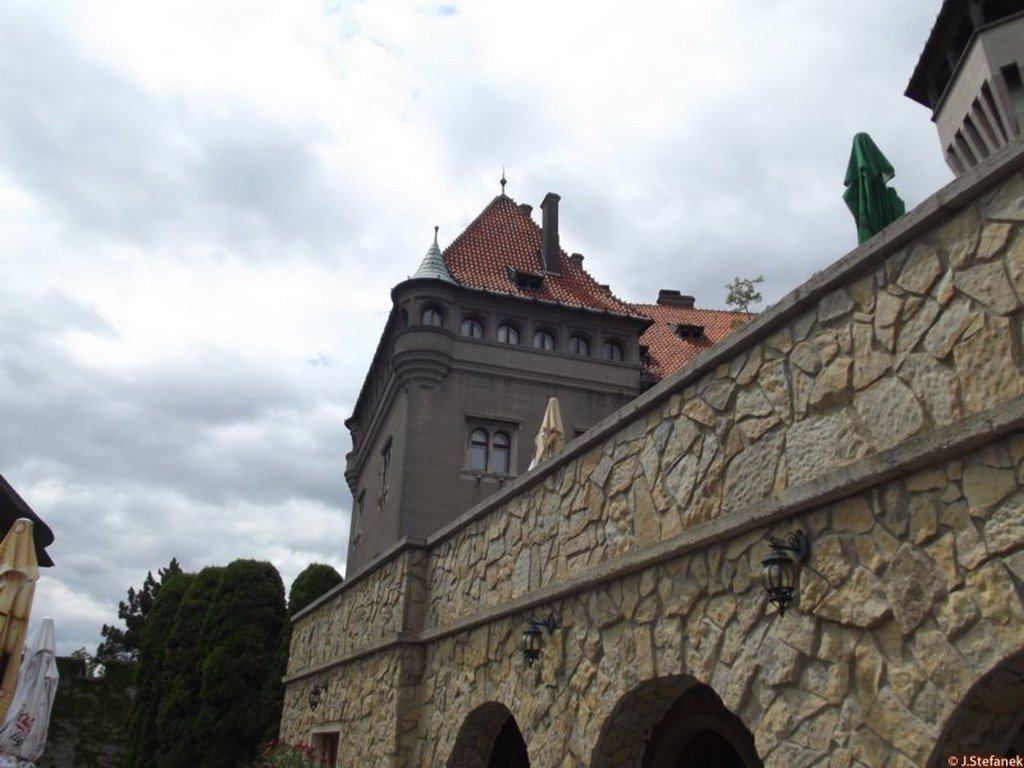
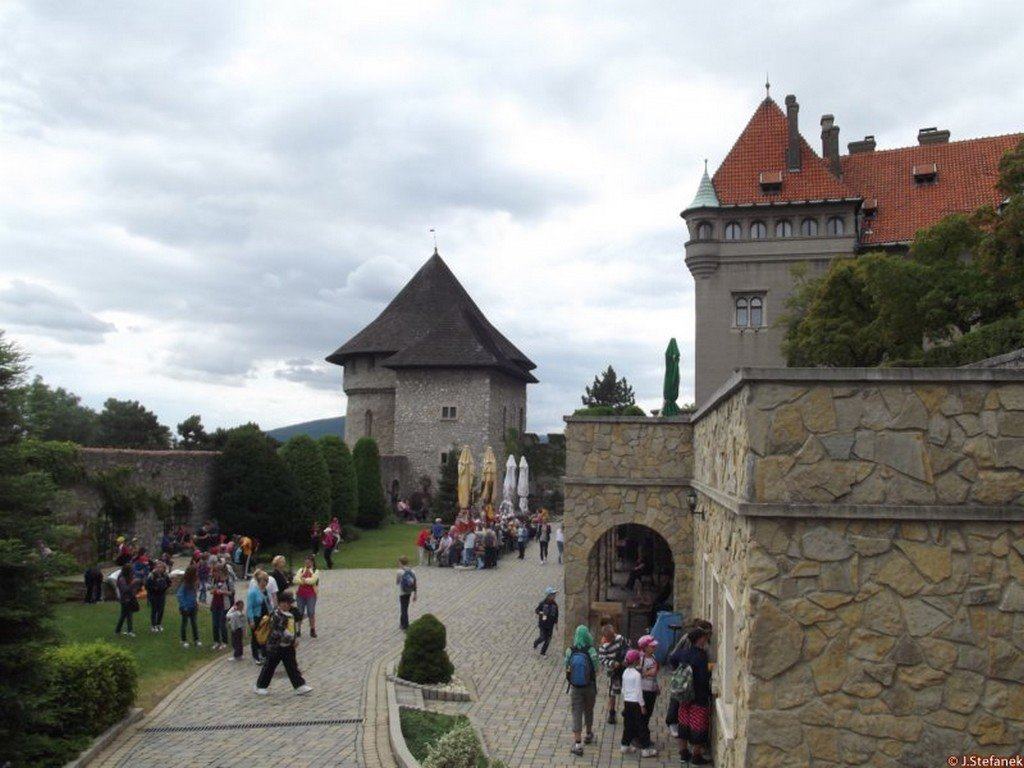
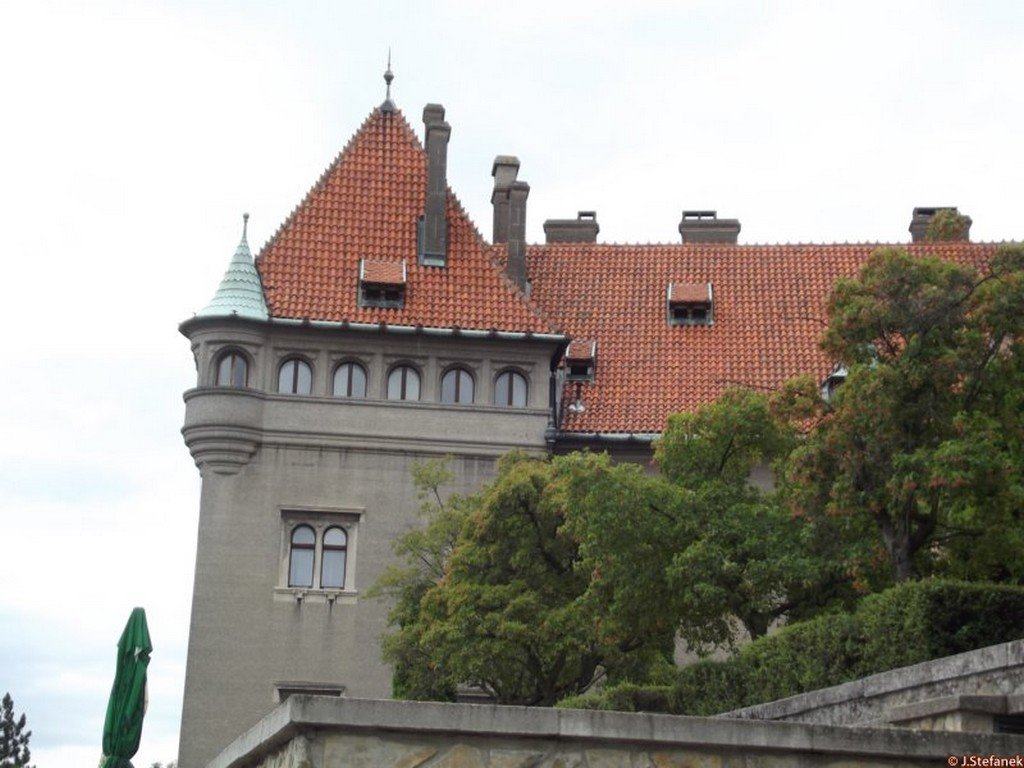
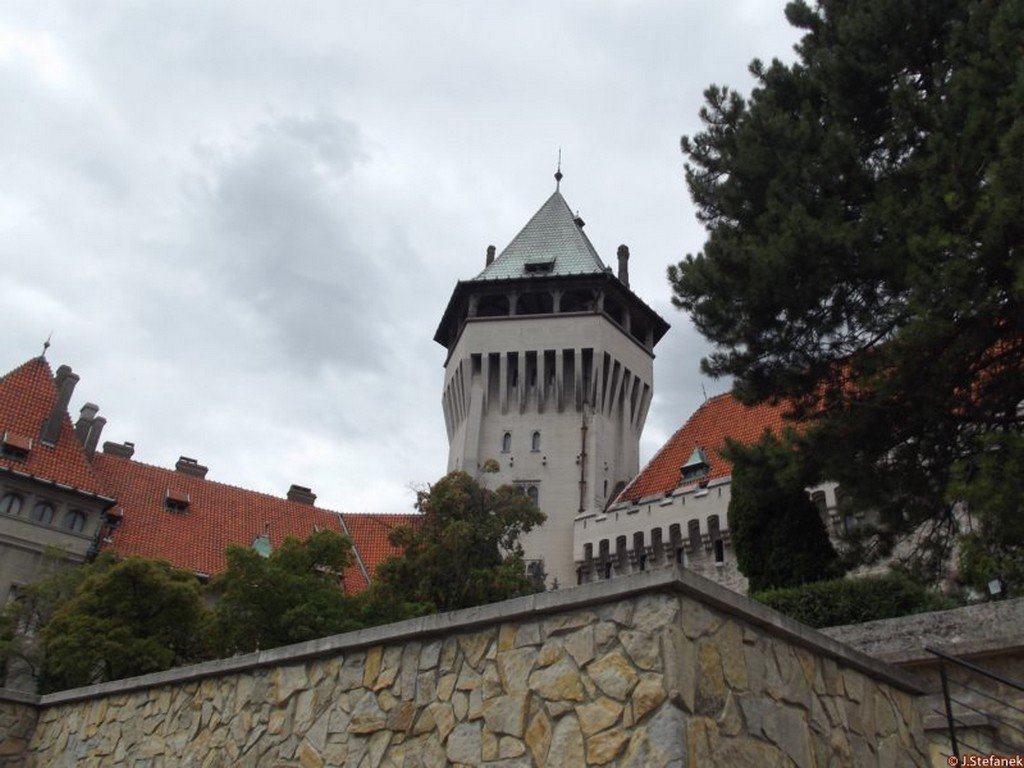
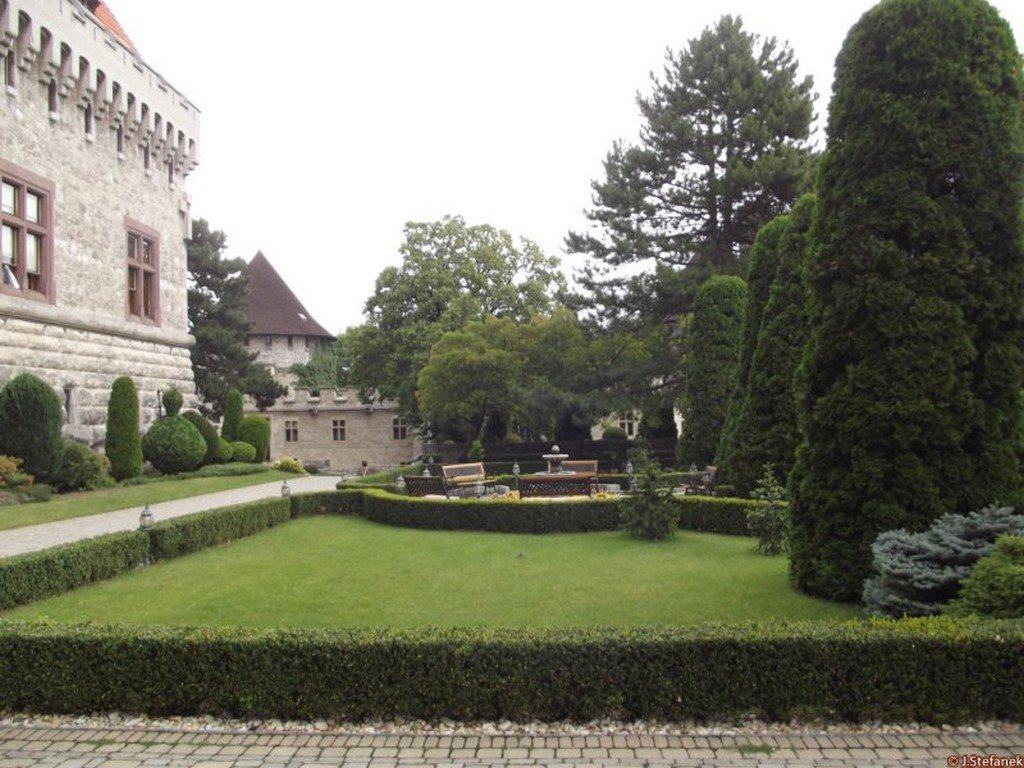
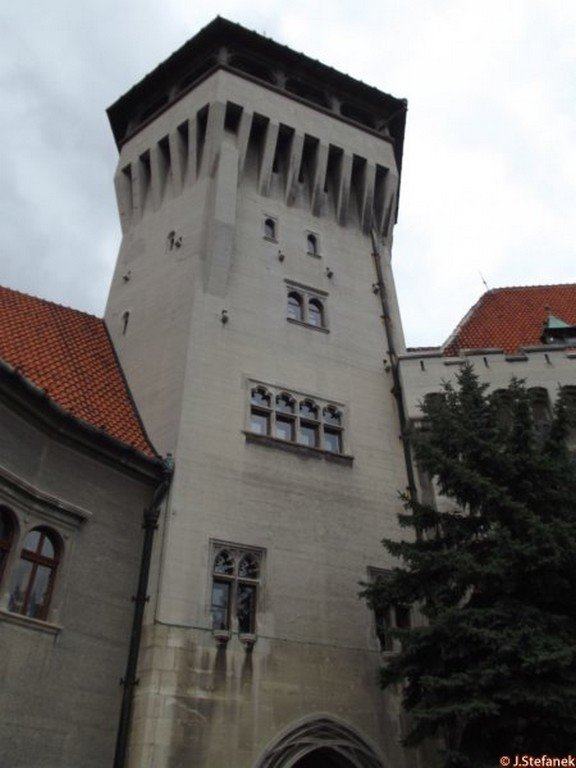
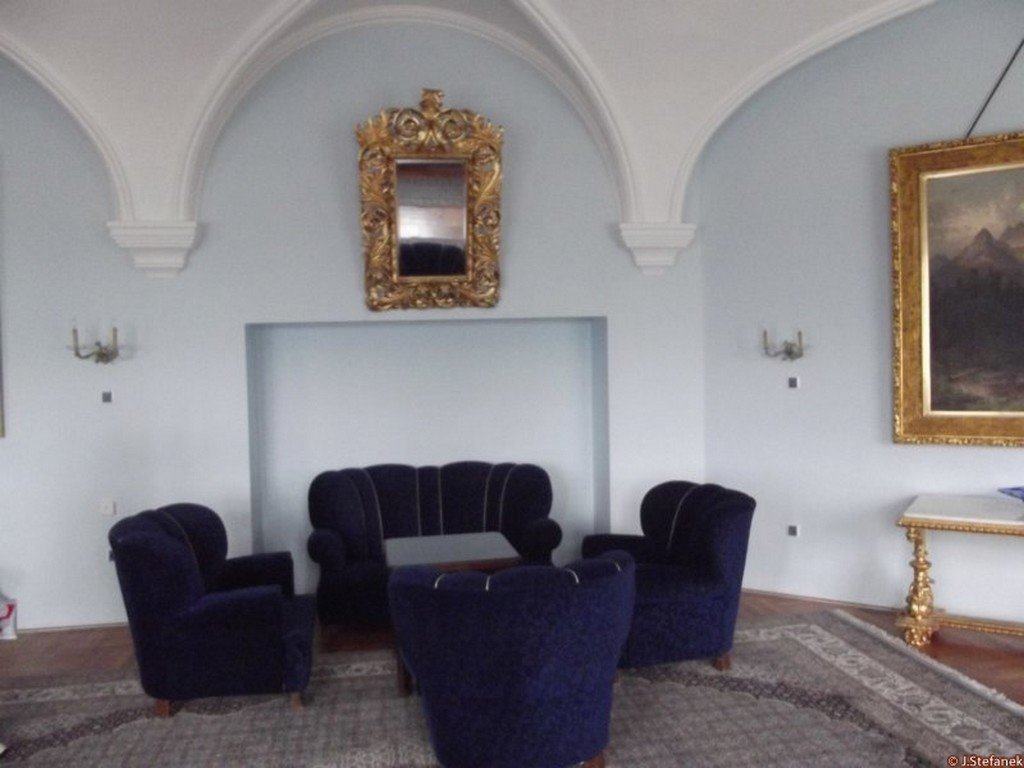
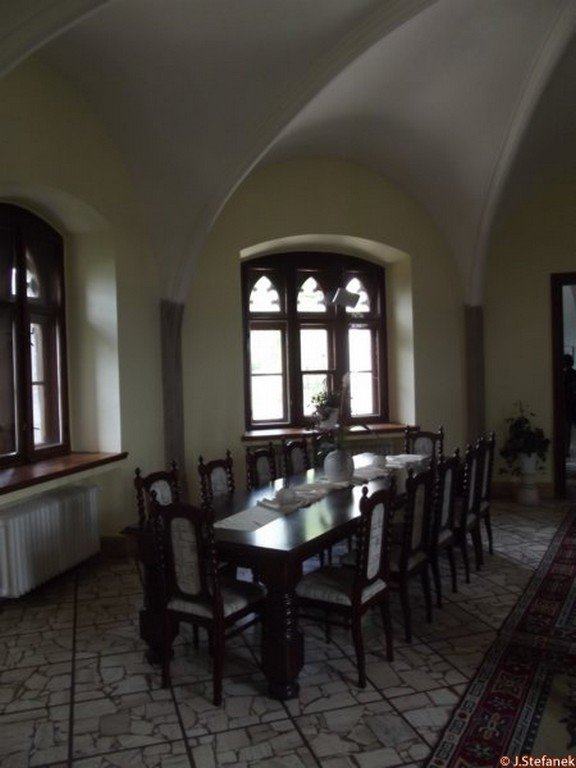
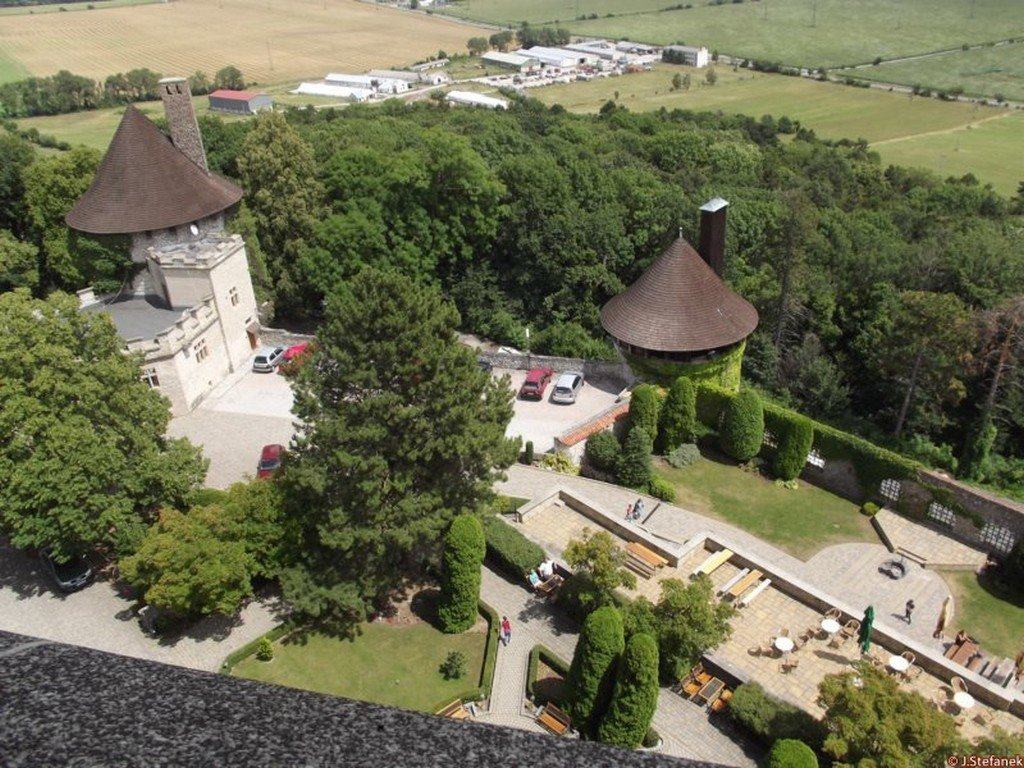
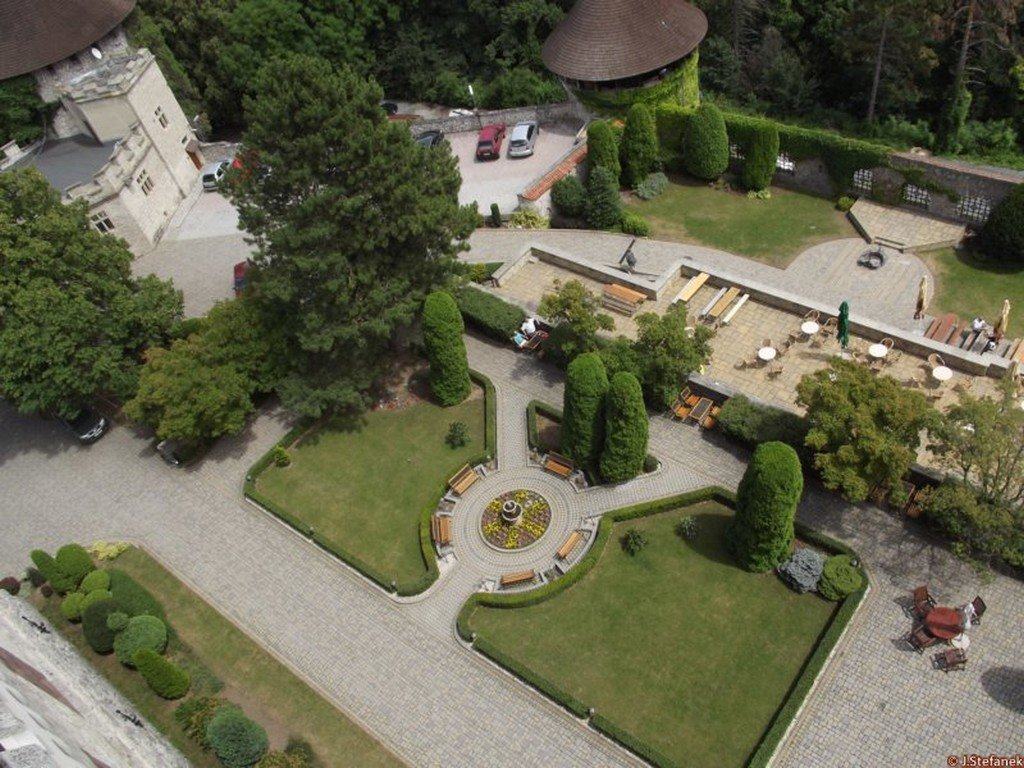
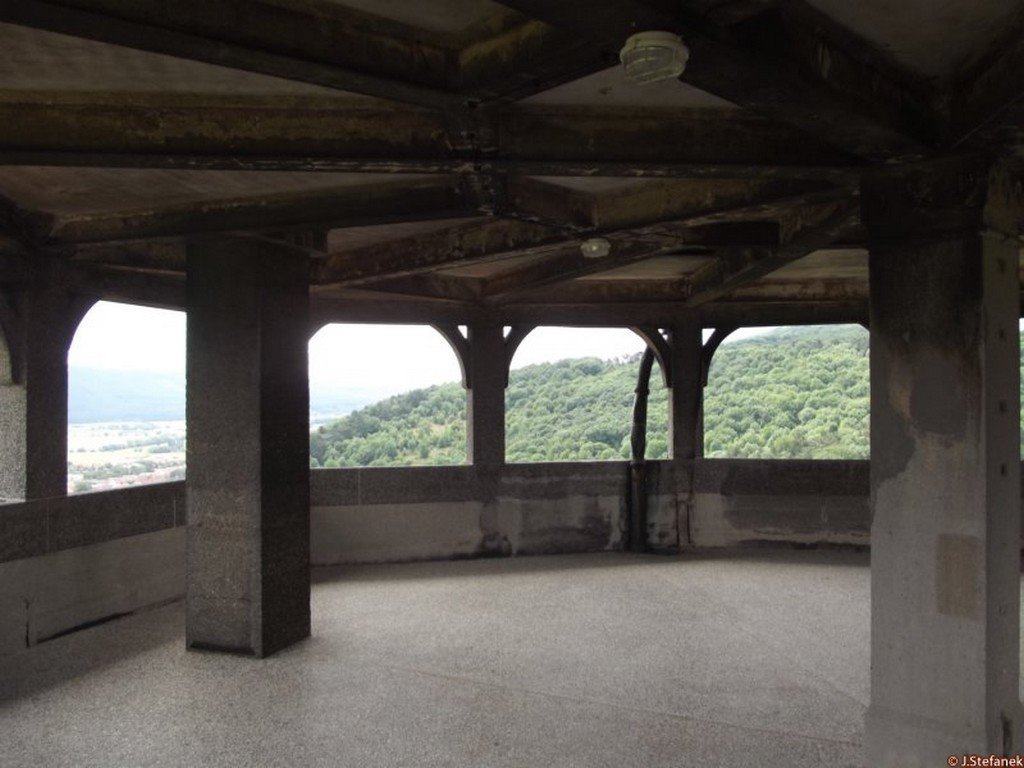
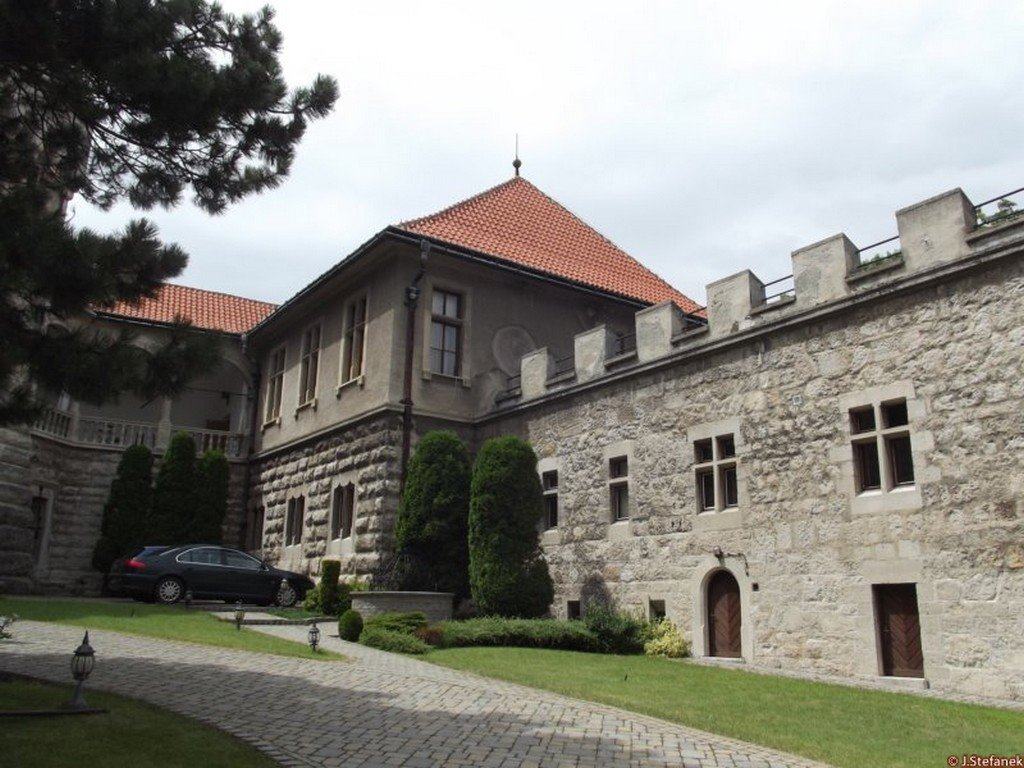
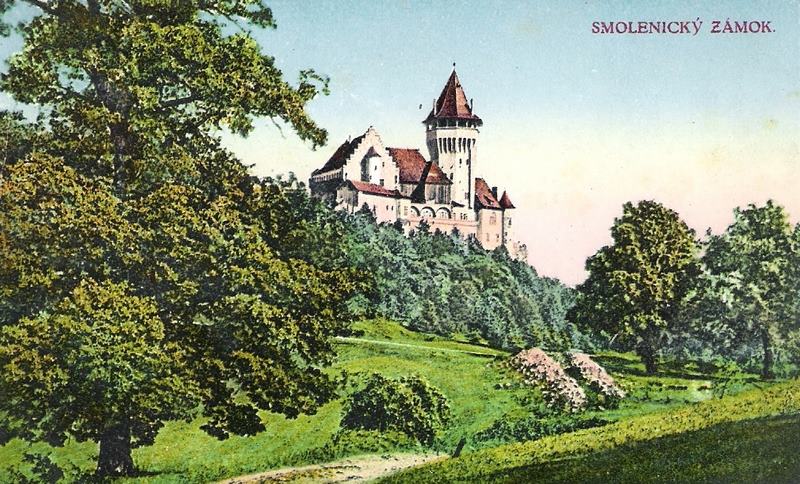
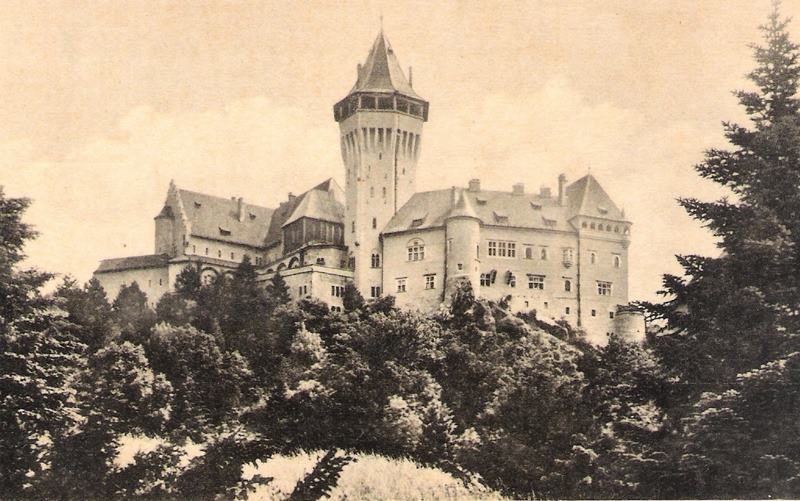
The massive building of the main building consists of two wings: the left wing faces from the tower to the southeast and the right wing faces northeast. The entire building with the tower is made of reinforced concrete. Portland cement was allegedly used for the first time in the construction of the castle. The architectural design of the castle is based on a romantic concept based on medieval models of European architectures. The complex of buildings is dominated by a massive central tower, with an observation deck in its roof. The mass of the castle palace is accentuated by gables, steep roofs and towers. The fortified front yard with chapel and bastions forms the framework of the romantic shaping of green. An integral part of Smolenice Castle is a large English park.The completed and modernized chateau was handed over to Slovak Academy of Sciences on the day of its birth, on June 26, 1953. Since then, the Smolenice chateau has become the home of the SAS researchers.
Mohutná stavba hlavnej budovy zámku sa skladá z dvoch krídel: ľavé krídlo smeruje od veže na juhovýchod a pravé krídlo smeruje severovýchodne. Celá budova s vežou je zhotovená zo železobetónu. Na stavbe zámku bol vraj použitý po prvýkrát portlandský cement. Architektonické riešenie hradu vychádza z romantickej koncepcie čerpajúcej zo stredovekých vzorov európskych architektúr. Komplexu budov dominuje mohutná ústredná veža, v jej podstreší je vyhliadková terasa. Hmotu hradného paláca zvýrazňujú štíty, strmé strechy a veže. Opevnené preddvorie s kaplnkou a baštami tvorí rámec romantickej úpravy tvarovanej zelene. Neoddeliteľnou súčasťou Smolenického zámku je rozľahlý anglický park.Dobudovaný a zmodernizovaný zámok bol odovzdaný Slovenskej akadémii vied v deň jej zrodu, 26. júna 1953. Smolenický zámok sa odvtedy stal Domovom vedeckých pracovníkov SAV.
Plan
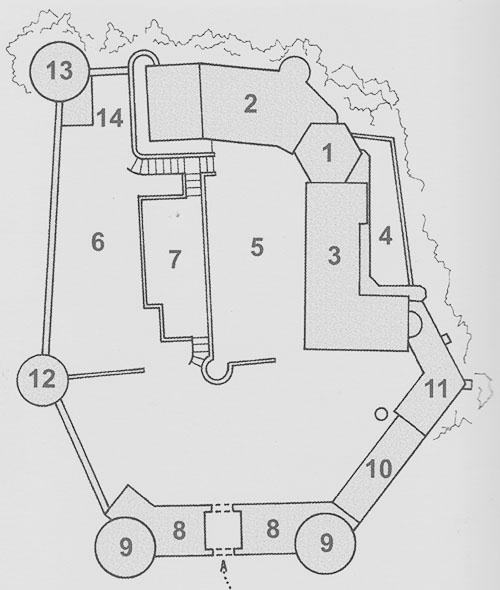
Legend to the ground plan
- 1 - hexagonal tower
- 2 - residential wing
- 3 - two-wing building
- 4 - terrace
- 5 - upper courtyard with fountain
- 6 - lower courtyard
- 7 - outbuilding with terrace
- 8 - residential entrance wing. 9 - round bastion
- 10 - residential building
- 11 - hunting salon
- 12 - round bastion
- 13 - corner bastion
- 14 - outbuilding with wine shop
Legenda k pôdorysu
- 1 - šesťboká veža
- 2 - obytné krídlo
- 3 - dvojtraktová budova
- 4 - terasa
- 5 - horné nádvorie s fontánou
- 6 - dolné nádvorie
- 7 - prístavba s terasou
- 8 - obytné vstupné krídlo. 9 - kruhová bašta
- 10 - obytný objekt
- 11 - poľovnícky salón
- 12 - kruhová bašta
- 13 - nárožná bašta
- 14 - prístavok s vinotékou
History
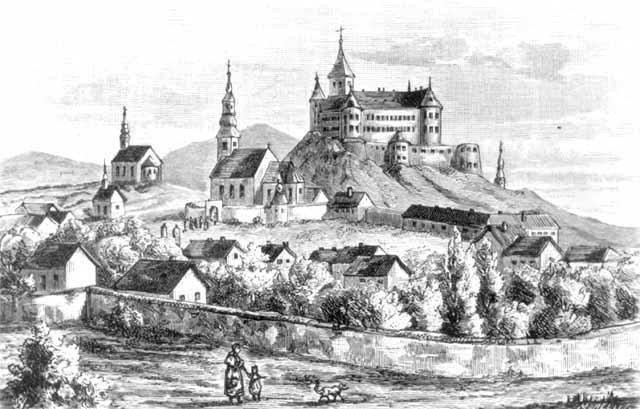
The first written mention of the castle dates from 1457, but it is possible that the castle existed in 1438. The threat of the Hussites was a sufficient reason to start construction during this period. Smolenický Castle belonged to the Counts of St. George and Pezinok from 1438, until the beginning of the 16th century, when it was acquired by the Országh family, although it is not assumed that they lived here because they had a well-equipped seat in Pezinok. In 1567, after the male line, the Országh family died out and the castle was deposited by Krištof Ungnad. At the end of the 16th century, Tomáš Erdődy became the owner of the castle, but due to excessive debts, the Erdődy family later lost the castle. The Erdődy family rebuilt the castle (they added floors especially above the inner main building). At the beginning of the 18th century, when František Rákóczi rose up against the emperor and wanted to gain Hungarian independence, Smolenický Castle became the scene of many battles between the Kurucs and the imperial army. At the beginning of 1705, about 3,000 insurgents gathered near Smolenice, but on January 7, 1705, a general Heister dispersed them before they reached the castle. Nevertheless, Rákoczi's insurgents kept Smolenice Castle under siege and cut it off from the town of Smolenice. The serfs sympathized with and supported the insurgents. In addition, the great drought caused a lack of water in the castle, so the imperial soldiers were forced to use wine instead of water while the supply was sufficient. Finally, on July 10, 1705, exhausted, Castelli and Haslinger, together with the guard, left Smolenický Castle. The castle fell into the hands of Count Bercsényi, who occupied it with an observation unit. The insurgents held Smolenický Castle for two years and did not leave it until July 7, 1707, when it was again occupied by a section of the imperial army.
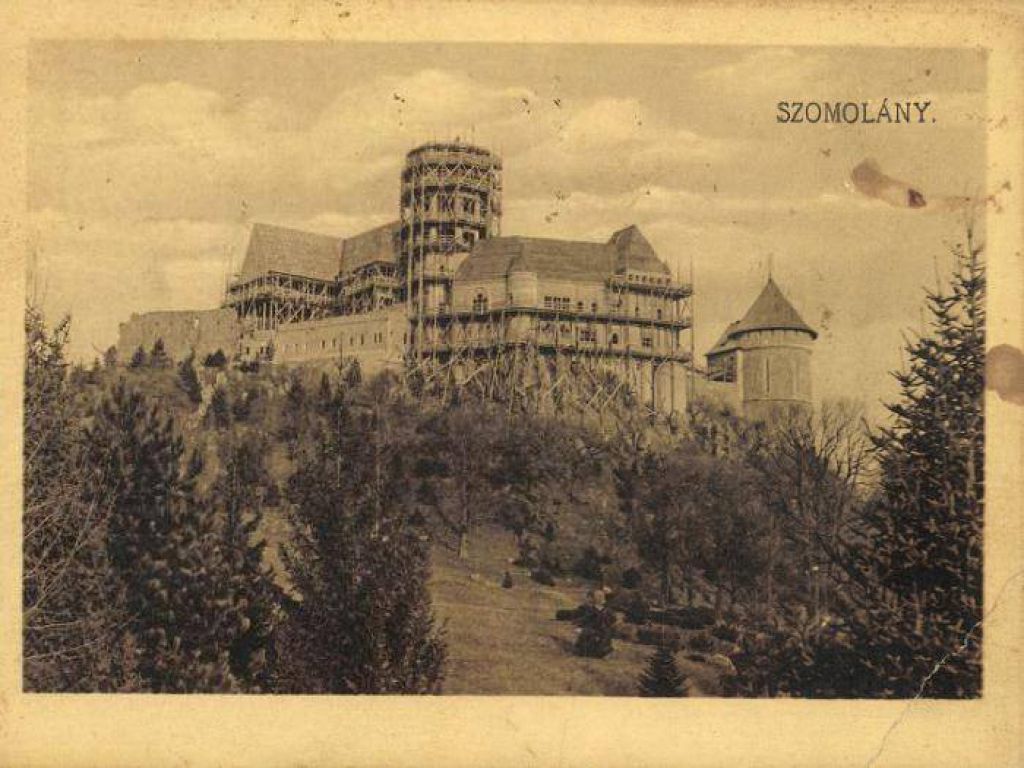
As the last Erdődy family was very indebted to the Smolenice estate, this had an adverse effect on the maintenance of the castle. They stopped caring for the castle, they didn't repair it. In 1777 the castle fell into the hands of the Pálffy family. The new owners, the Pálffys, had a lot of worries about paying their debts, and the castle surrendered to fate. During the Napoleonic Wars, the castle burned down, and over time it turned into a castle rubble. Long-standing disputes over hereditary rights ended in 1864, when Móric Pálffy and his son Jozef took over the Smolenický estate. After removing the inner ruin, the new owners built a romantic castle into the modified fortifications of the lower castle, according to the architect Jozef Hubert. Construction work was interrupted by the death of Jozef Pálfi after the First World War.
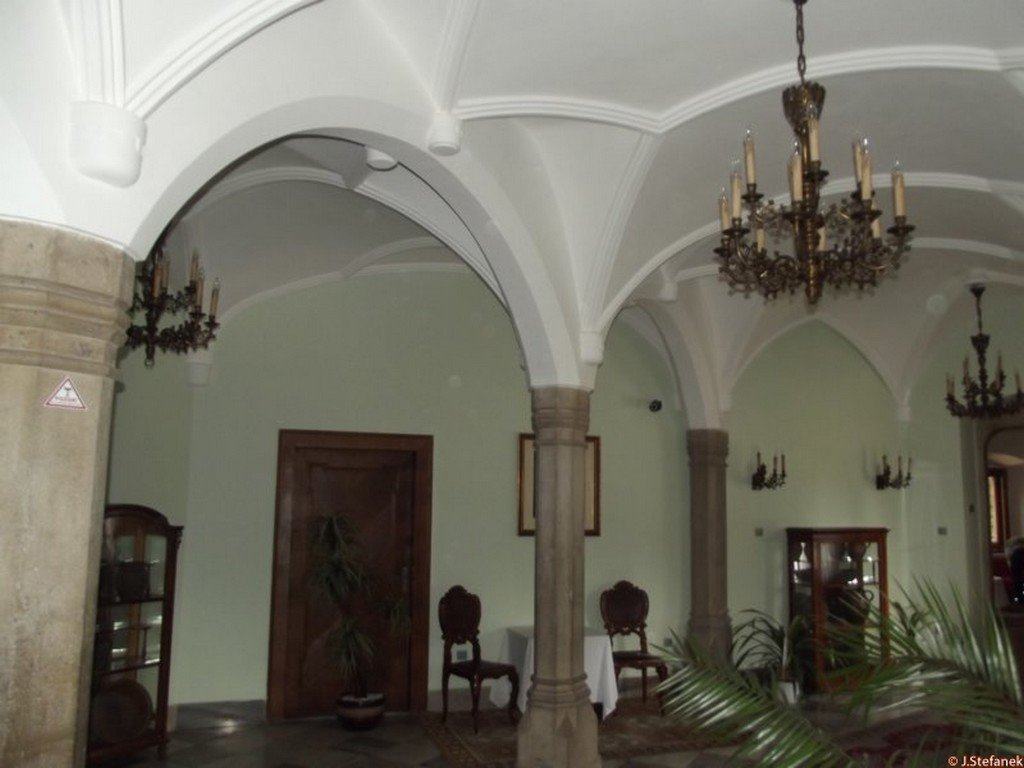
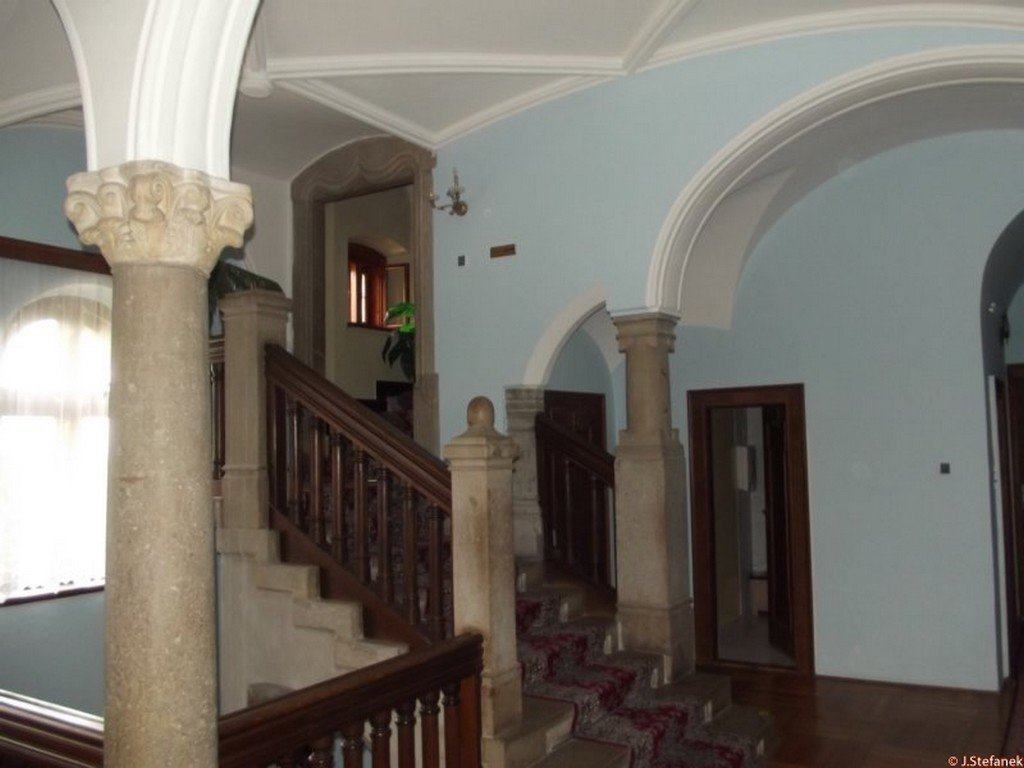
The castle was reconstructed into the current form of a romantic chateau only in the years 1949 to 1957, when the interior of the castle was renewed and modernized for the needs of the Academy of Sciences. At present, the castle serves as a cultural center of the Slovak Academy of Sciences.
Prvá písomná zmienka o hrade pochádza z roku 1457, je však možné, že hrad existoval už v r.1438. Ohrozenie husitmi totiž bol dostatočným dôvodom na začatie stavby v tomto období. Smolenický hrad patril od r.1438 svätojurským a pezinským grófom, až do začiatku 16. storočia, keď ho získali Országhovci, hoci sa nepredpokladá, že tu bývali, lebo mali dobre vybavené sídlo v Pezinku. V roku 1567 po mužskej línii rod Országhovcov vymrel a hrad dostal do zálohu Krištof Ungnad. Koncom 16.storočia sa vlastníkom hradu stáva Tomáš Erdődy, avšak pre nadmerné dlhy rod Erdődyovcov o hrad neskôr prišiel. Erdődyovci hrad prestavali (najmä nad vnútornou hlavnou budovou pristavili poschodia). Na začiatku 18. storočia, keď František Rákóczi povstal proti cisárovi a chcel vydobyť Uhorsku samostatnosť, stal sa Smolenický hrad dejiskom bojov medzi kurucmi a cisárskym vojskom. Začiatkom roku 1705 sa pri Smoleniciach zhromaždilo okolo 3 000 povstalcov, ale generál Heister ich 7. januára 1705 rozprášil skôr, ako by sa boli dostali k hradu. Napriek tomu však Rákocziho povstalci držali Smolenický hrad v obkľúčení, a odrezali ho od mestečka Smolenice. Poddanské obyvateľstvo sympatizovalo s povstalcami a podporovalo ich. Okrem toho veľké sucho spôsobilo nedostatok vody na hrade, takže cisárski vojaci boli prinútení, kým zásoba stačila, používať namiesto vody víno. Nakoniec 10. júla 1705 vyčerpaní Castelli a Haslinger spolu so strážnym oddielom opustili Smolenický hrad. Hrad padol do rúk grófa Bercsényiho, ktorý ho obsadil pozorovacím oddielom. Povstalci držali Smolenický hrad celé dva roky a opustili ho až 7. júla 1707, keď ho opäť obsadil oddiel cisárskeho vojska.
Keďže poslední Erdődyovci veľmi zadĺžili smolenické panstvo, malo to neblahý vplyv na údržbu hradu. O hrad sa prestali starať, neopravili ho, a preto spustol. V r.1777 sa hrad dostáva do rúk Pálffyovcov. Noví majitelia Pálffyovci mali veľa starostí s vyplácaním dlžôb, a hrad ponechali svojmu osudu. Za napoleonských vojen hrad vyhorel, a časom sa zmenil na hradné rumovisko. Dlhoročné spory o dedičný nárok sa skončili v r.1864, keď sa Smolenického panstva ujal Móric Pálffy a po ňom syn Jozef. Noví vlastníci po odstránení vnútornej rozvaliny do upraveného opevnenia dolného hradu vstavali romantický zámok podľa architekta Jozefa Huberta. Stavebné práce boli prerušené úmrtím Jozefa Pálfiho po prvej svetovej vojne.
Do súčasnej podoby romantického zámku bol hrad zrekonštruovaný až v rokoch 1949 až 1957, keď bol interiér hradu obnovený a zmodernizovaný pre potreby akadémie vied. V súčasnosti zámok slúži ako kultúrne centrum Slovenskej akadémie vied.
Myths and legends
The legend of the castle
The cruel castellan ordered Ďuro – a poor man to take the letter to Bratislava Castle and return back with the answer till the evening. A kind-hearted ploughboy helped the poor man, who brought him there and back in a miraculous chariot pulled by three crows. When the courier returned within the time limit, the traitor was dead, and then the miraculous carriage got two pairs of black horses.
Smolenice
The place where Smolenice is now situted was the forest in past . A path led through the forest. Once there was a pitcher, he drove pitch in the car. The lords hunted for game in the forest. They chased a beautiful deer, which ran scared on the road and straight into the pitch! The car turned over so the pitch spilled on the ground. The pitcher shouted all over, "SMOLA NIC!" And so they started calling this place SMOLENICE. The lords paid for the damage and accepted the pitcher into their service. They built him a house in an unfortunate place, where he lived as a guardian of the surrounding forests. His house was the first house in SMOLENICE. Later, the number of houses was added, and so the famous SMOLENICE with a beautiful castle was created.
The rumor of a robber
Several legends about bandits have been preserved in Smolenice and its surroundings. One of them talks about Hrajnoh, who came from the Myjava diggers. After being caught, the Trnava court sentenced him to death on June 27, 1768, by quartering and hanging him out as a warning. A legend says that he was buried behind the town walls of Smolenice and the fence of the cemetery near the road to Boleráz. They rolled a large stone on his grave, which can still be seen in the park in front of the K + H restaurant.
Povesť o hrade
Krutý kastelán prikázal Ďurovi odniesť list na Bratislavský hrad a do večera sa vrátiť s odpoveďou. Úbožiakovi pomohol pohonič-dobrý duch, ktorý ho tam i späť doniesol na zázračnom voze ťahanom trojicou vrancov. Keď sa kuriér v lehote vrátil, zlostníka porazilo a vtedy divotvorný koč dostal záprah čiernych koní v dvoch pároch.
Smolenice
Miesto, kde sú teraz Smolenice, bol v minulosti samý les. Cez ten les viedla cesta. Raz tade šiel smoliar, na voze viezol smolu. V lese poľovali páni na zver. Hnali sa za krásnym jeleňom, ktorý splašený vbehol na cestu a rovno do smoliara! Skočil mu do voza a prevrátil ho. Smola sa rozliala po zemi. Smoliar celý preľaknutý skríkol: "SMOLE NIC!" A tak toto miesto začali nazývať SMOLENICAMI. Páni za škodu zaplatili a prijali smoliara do svojich služieb. Dali mu postaviť na nešťasnom mieste domček, kde ako strážca-hájnik okolitých lesov býval. Jeho dom bol prvým domom v SMOLENICIACH. Neskôr domov pribúdalo, a tak vznikli slávne SMOLENICE s nádherným zámkom.
Povesť o zbojníkovi
V Smoleniciach a okolí sa zachovalo niekoľko povestí o zbojníkoch. Jedna z nich hovorí o Hrajnohovi, ktorý pochádzal z myjavských kopaníc. Po dolapení ho Trnavský súd 27. júna 1768 odsúdil na smrť rozštvrtením a vyvesením na výstrahu. Ľudová povesť hovorí, že vraj ho pochovali za mestské hradby Smoleníc i ohradu cintorína neďaleko cesty do Boleráza. Na jeho hrob privalili veľký kameň, ktorý je ešte aj dnes vidieť v parčíku pred reštauráciou K+H. Aká je pravda, ťažko dnes zistiť.
Useful information
The castle is open to the public only in certain months.Opening hours and admission
Zámok je otvorený pre verejnosť len v určitých mesiacoch.Otváracia doba a vstupné
External links
Nearby castles
Trstín manor
Trstín
2.8km
manor, mansion
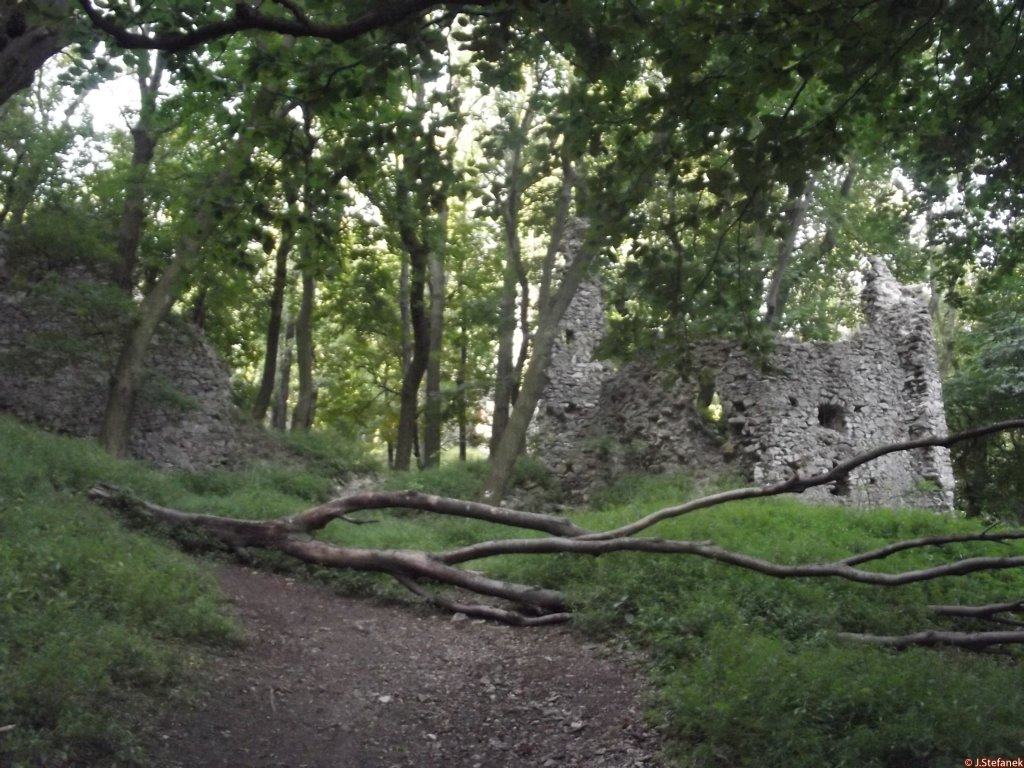
Ostrý Kameň
Buková
4.6km
castle ruin
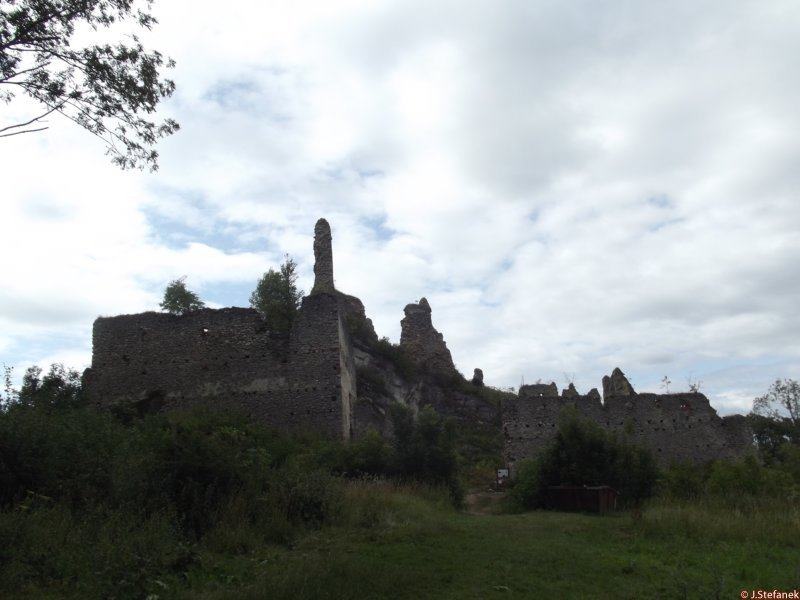
Korlátka
Cerová
7.7km
castle ruin
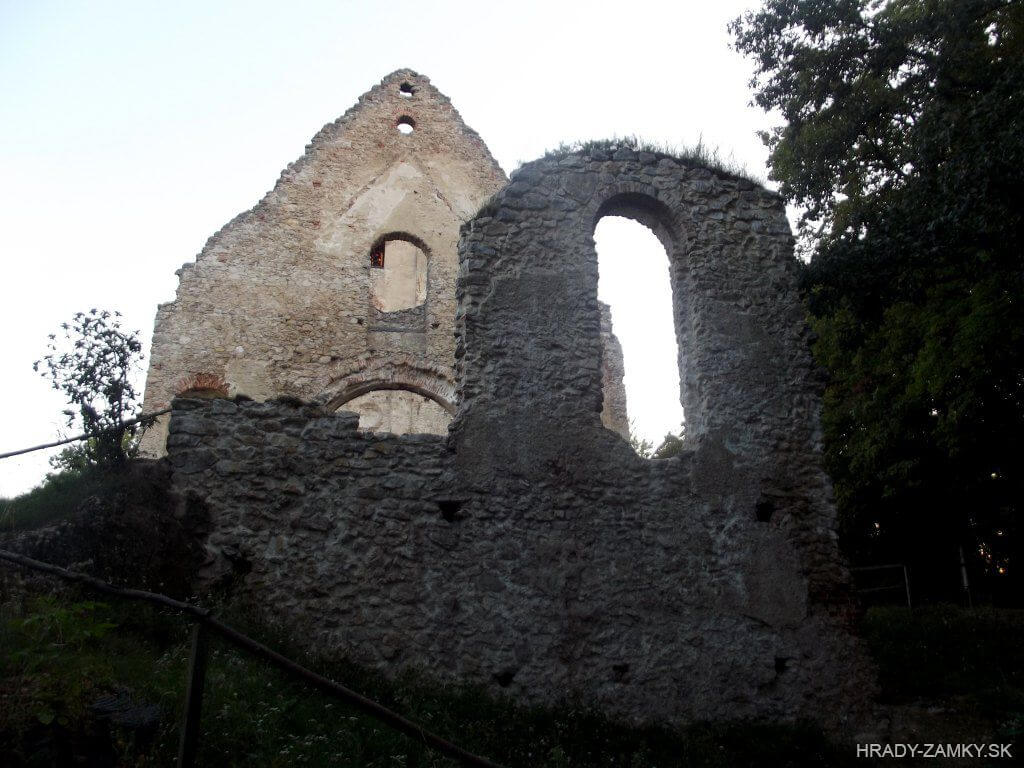
Katarínka monastery
Dechtice
8.9km
monastery
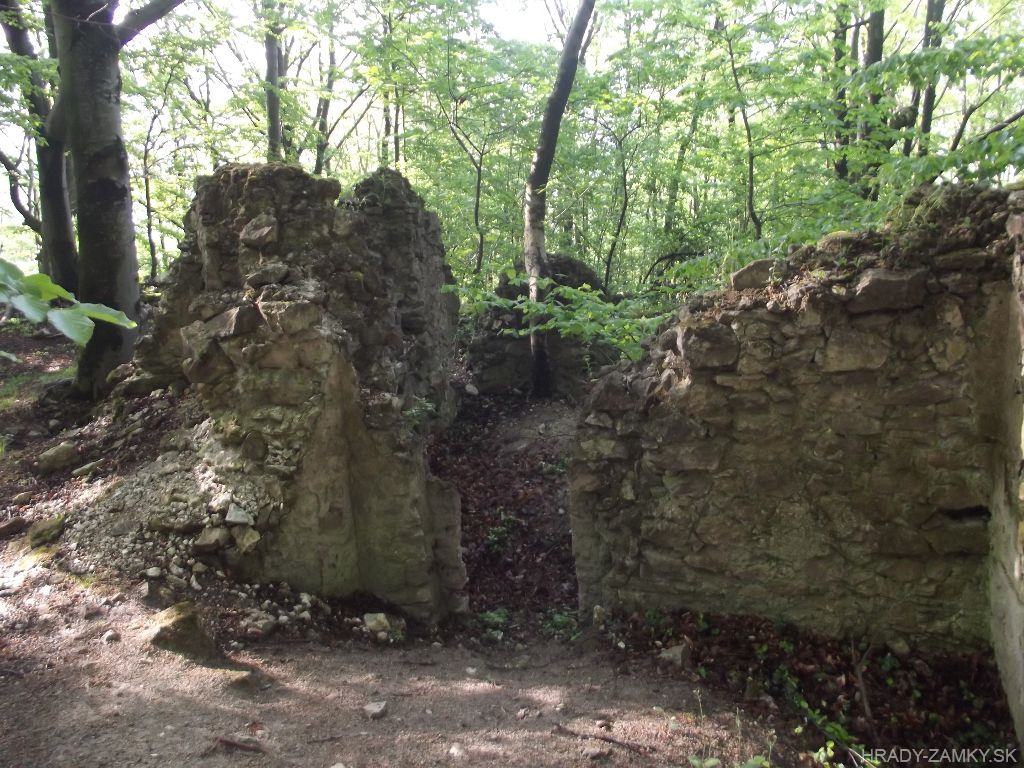
Plavecké Podhradie
Plavecké Podhradie
12.2km
monastery
Plavecký castle
Plavecké Podhradie
12.3km
castle ruin
Dobrá Voda
Dobrá Voda
12.8km
castle ruin