Ostrý Kameň
Buková Trnava county Slovakia
castle ruin
Ostrý Kameň
Buková Trnavský kraj Slovakia
zrúcanina hradu
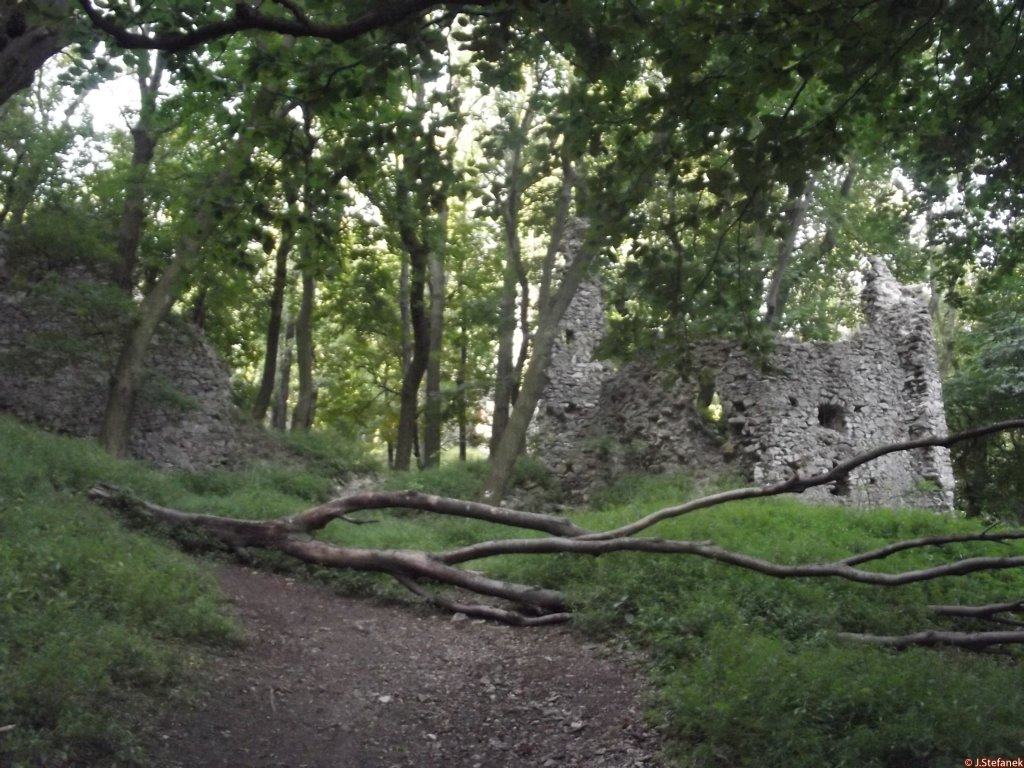
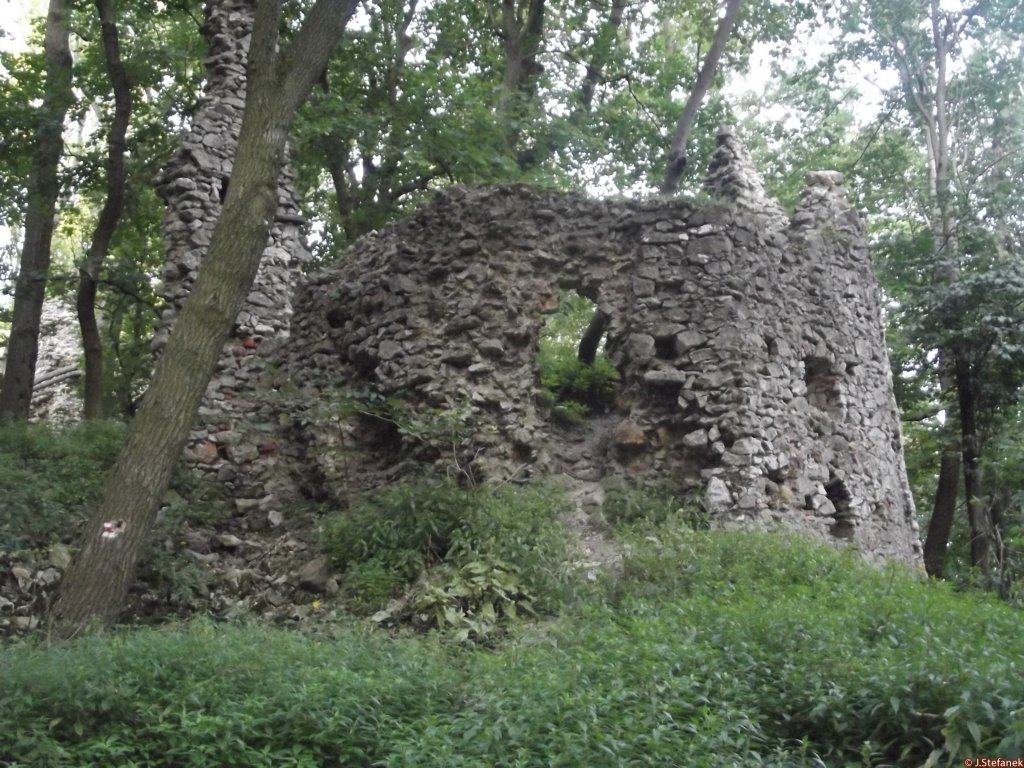
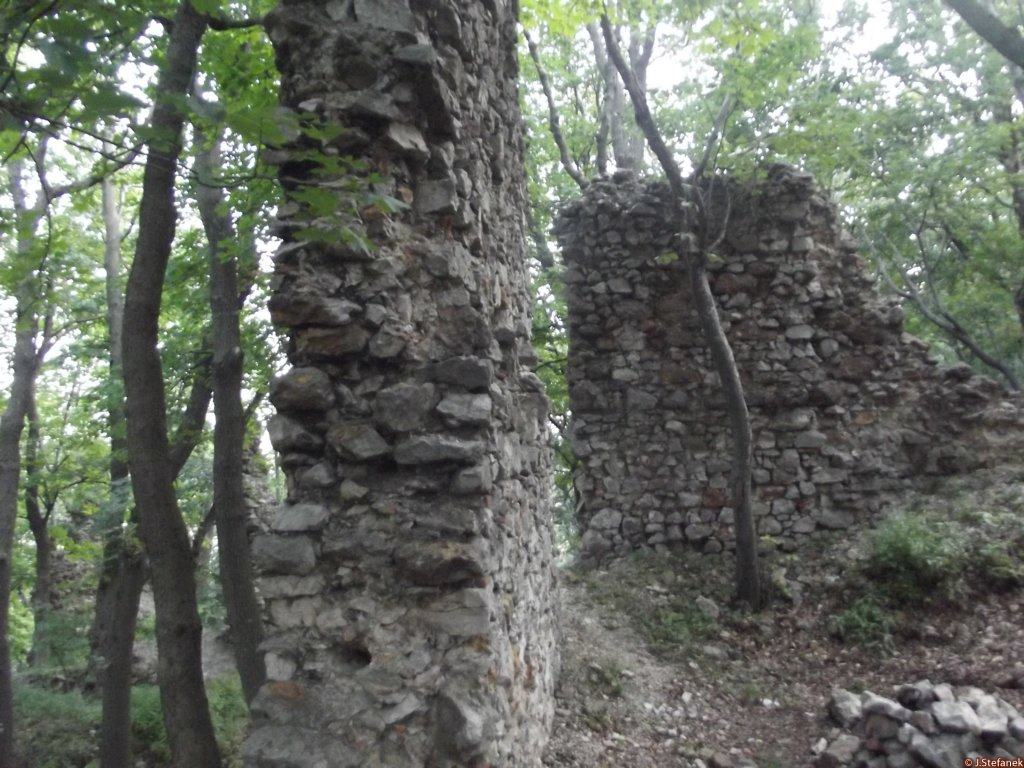
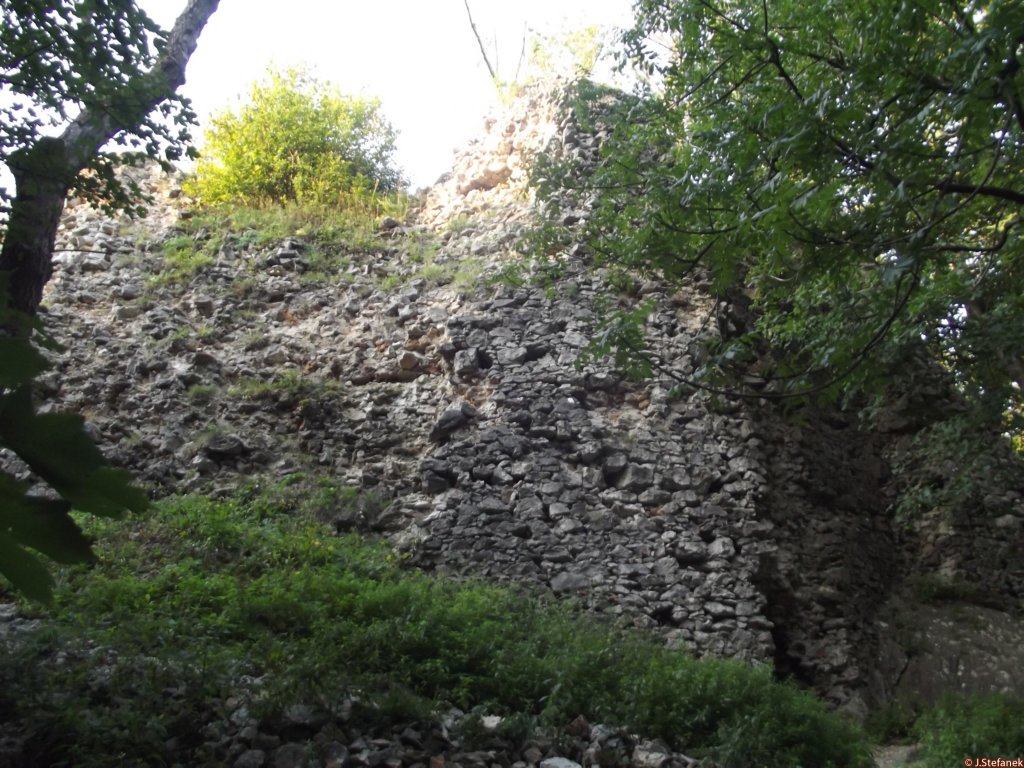
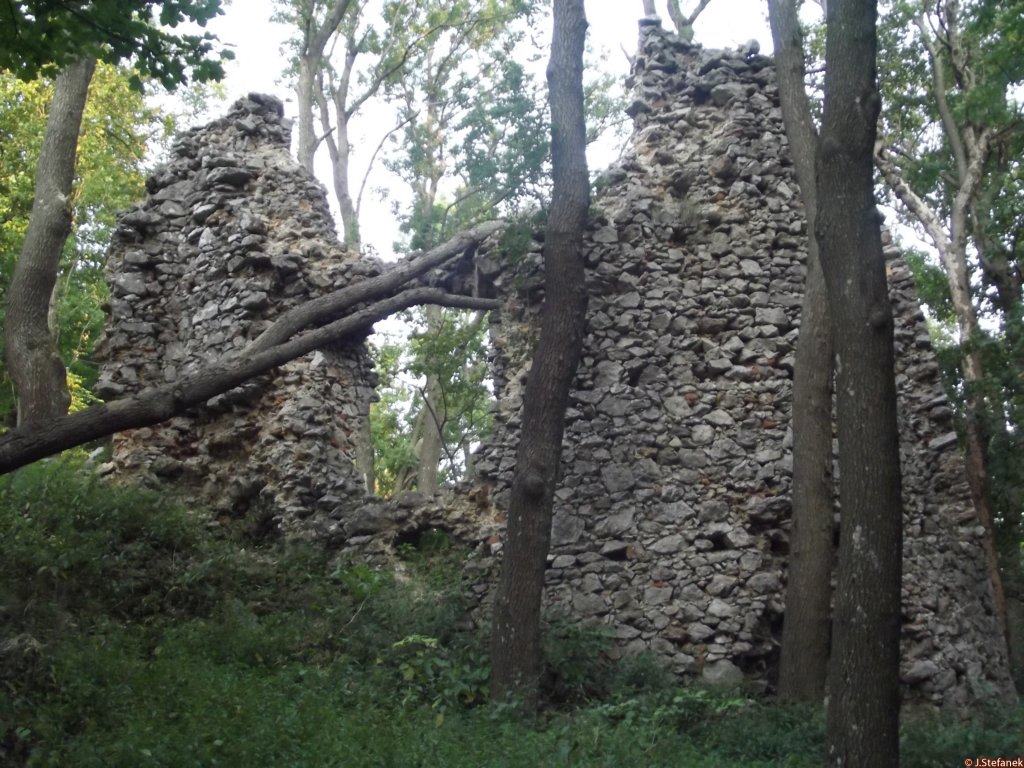
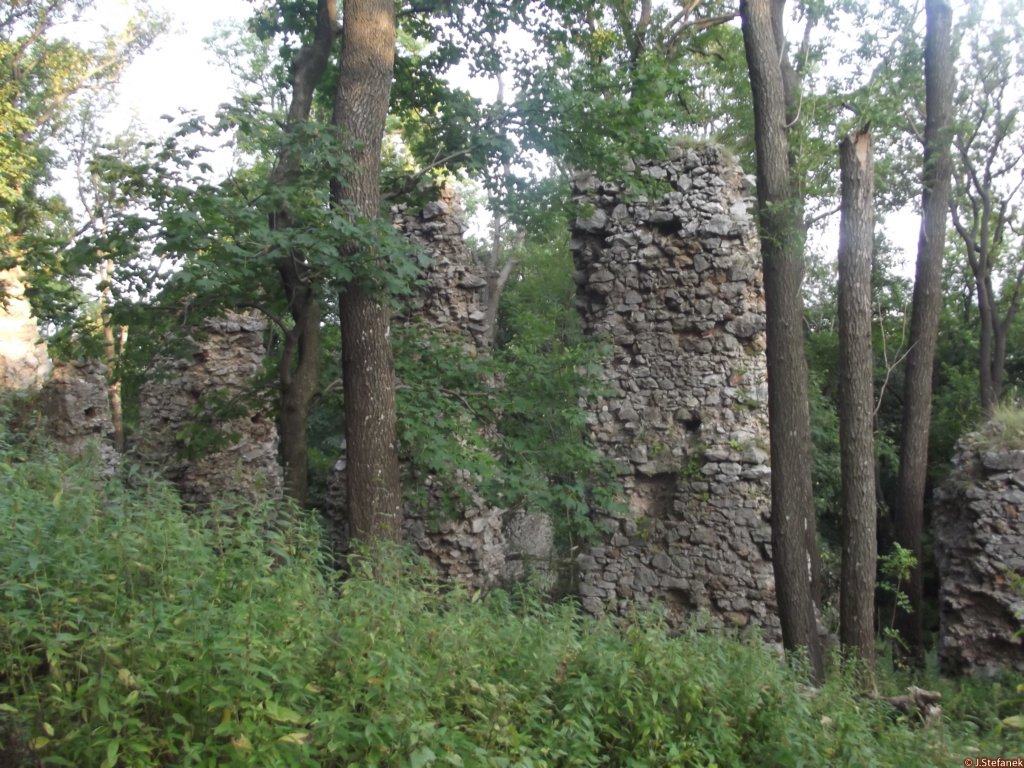
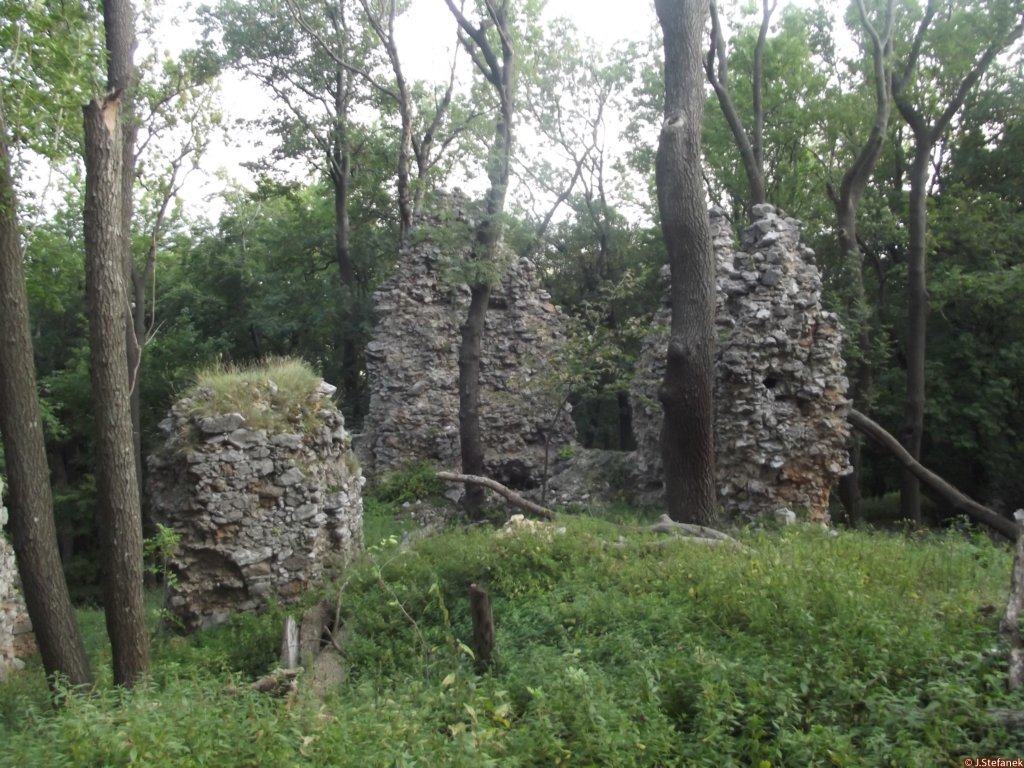
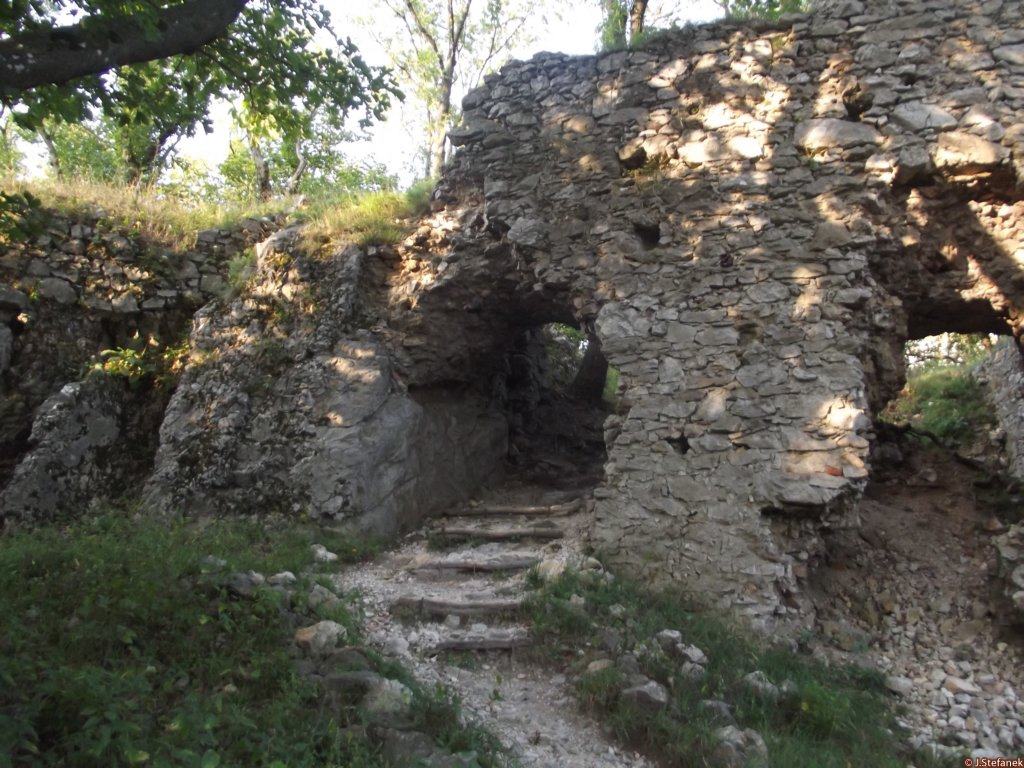
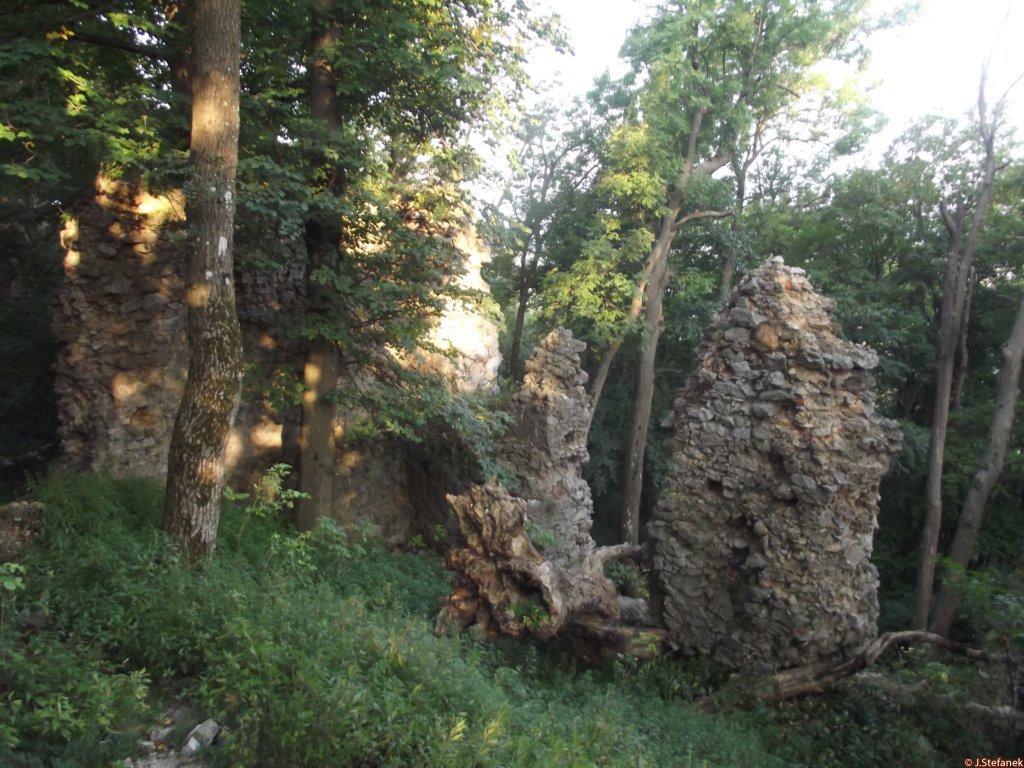
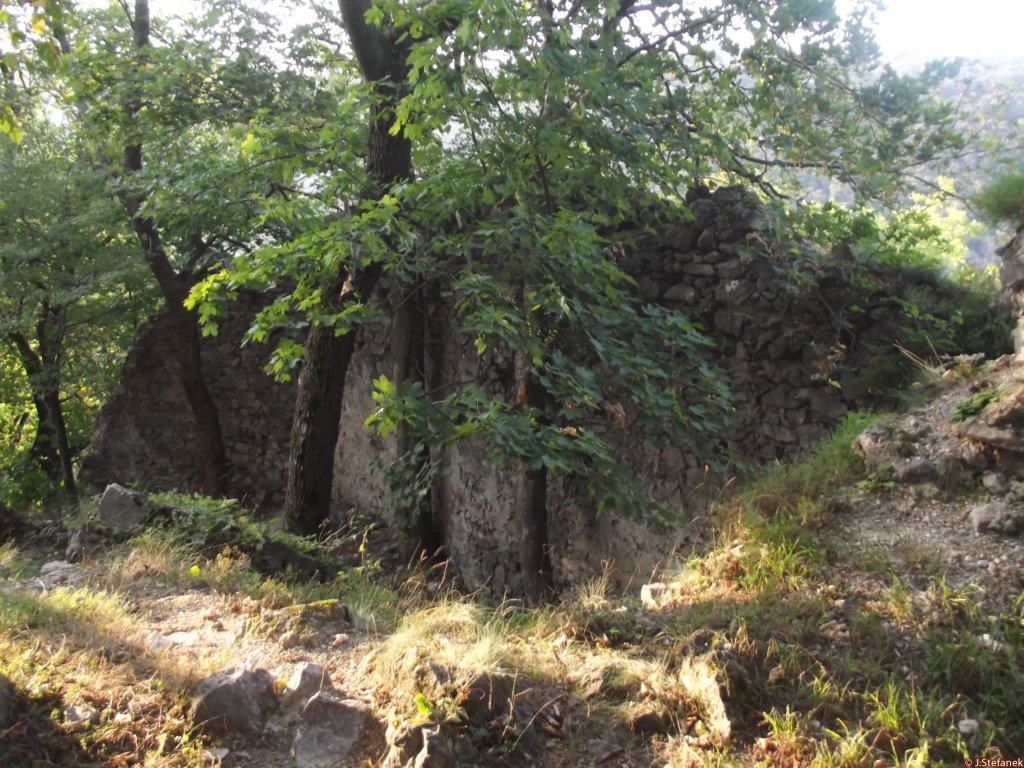
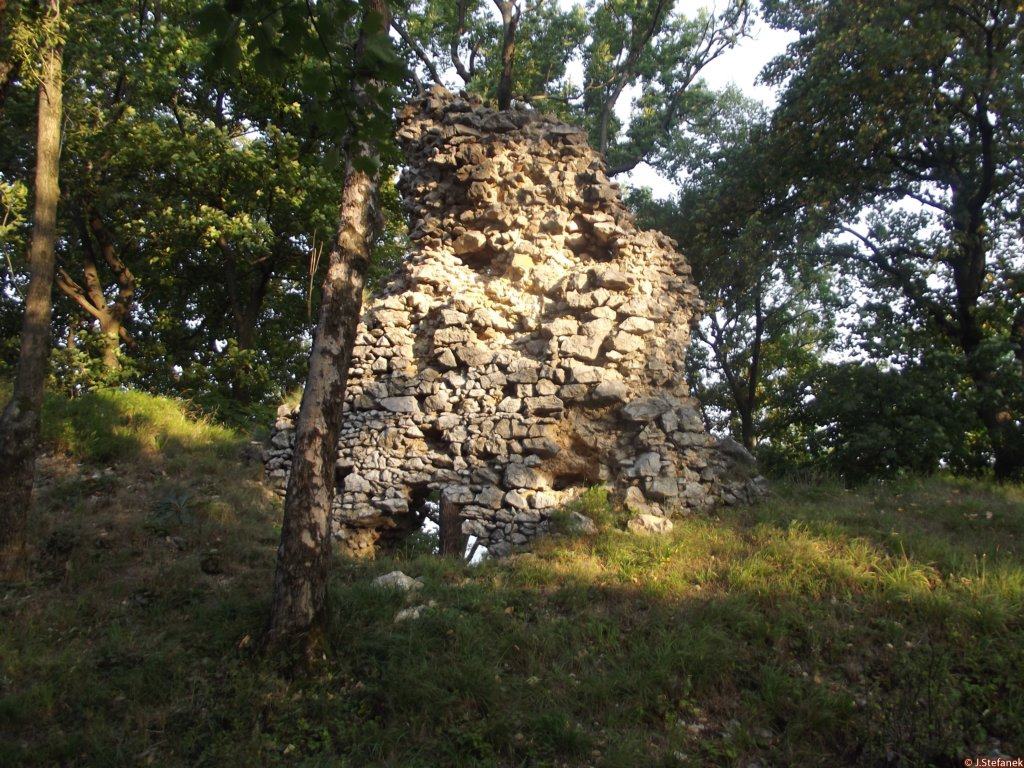
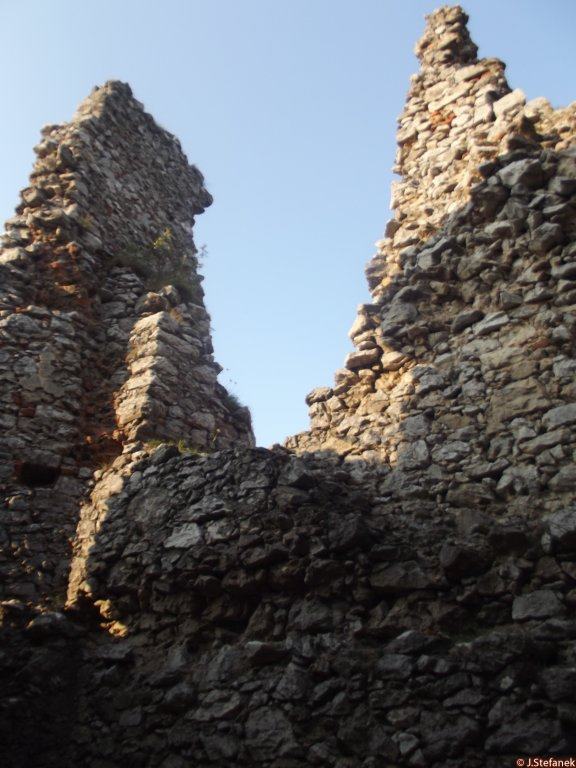
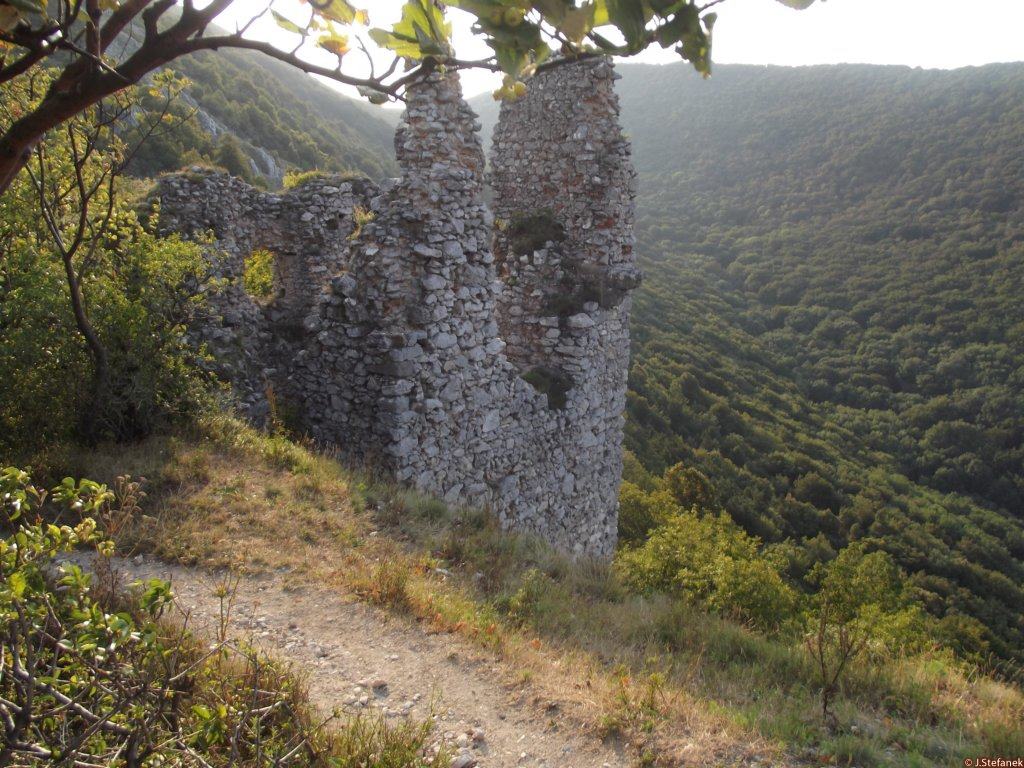
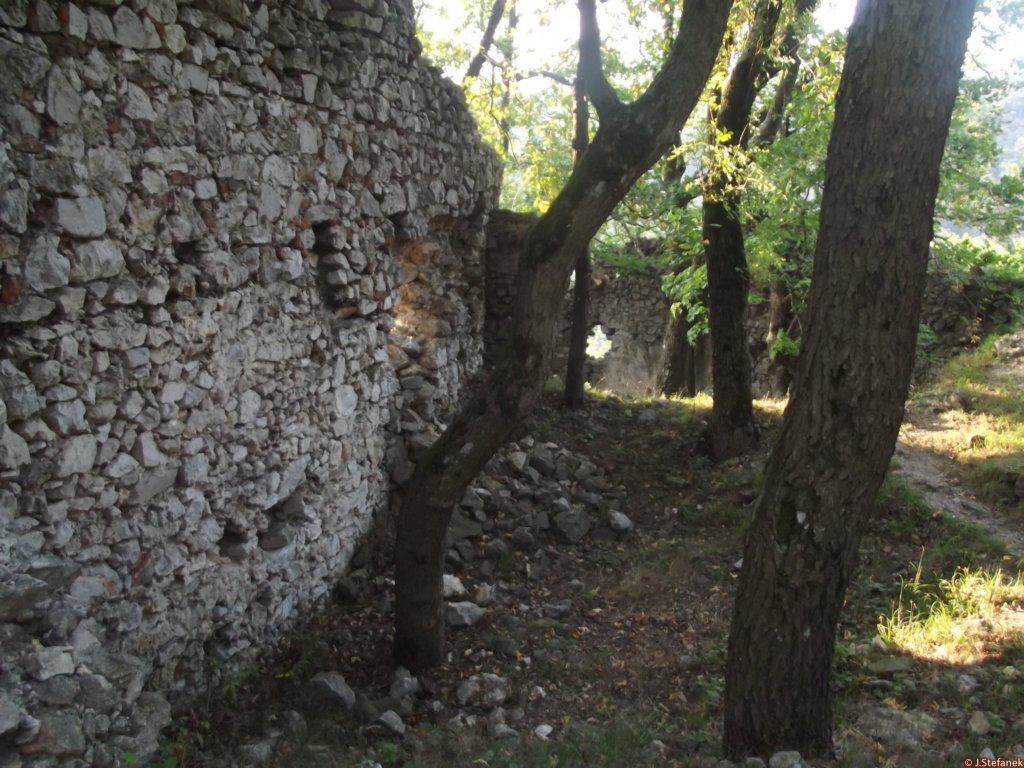
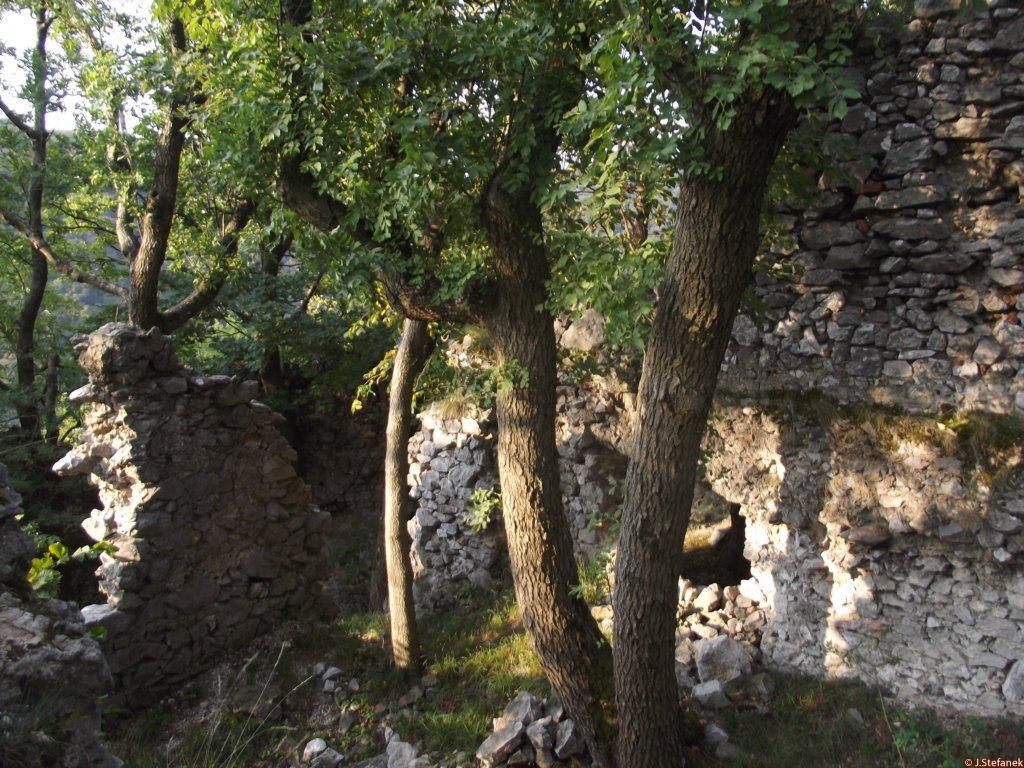
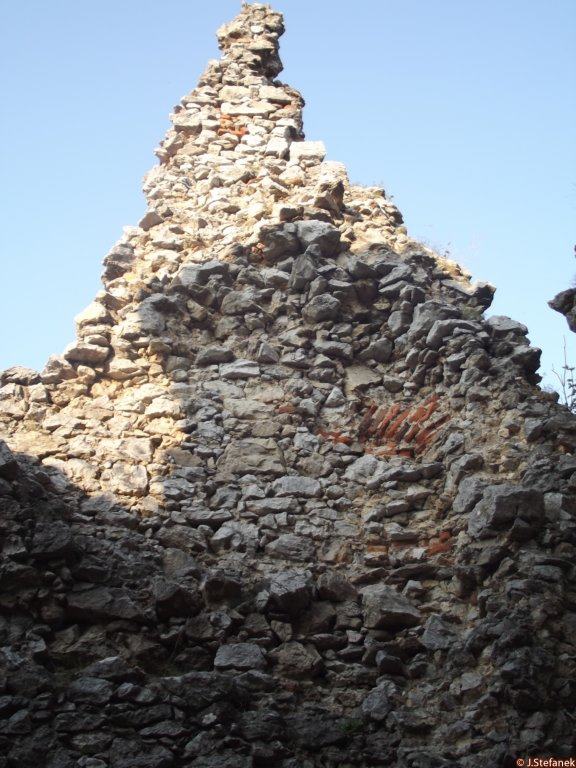
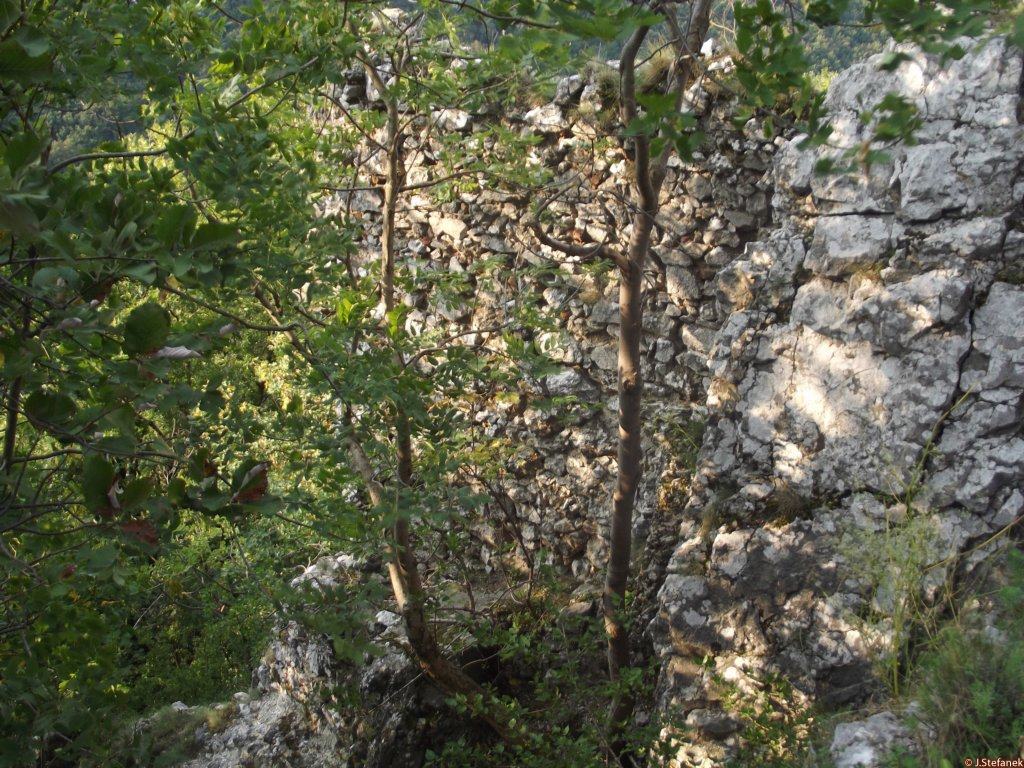
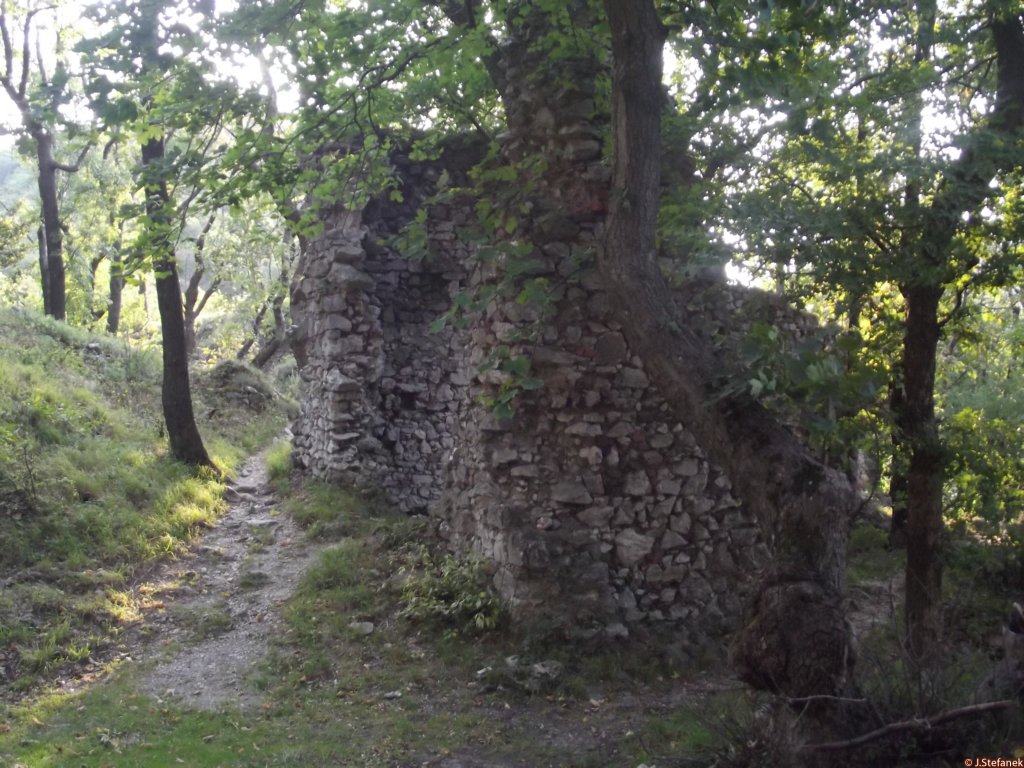
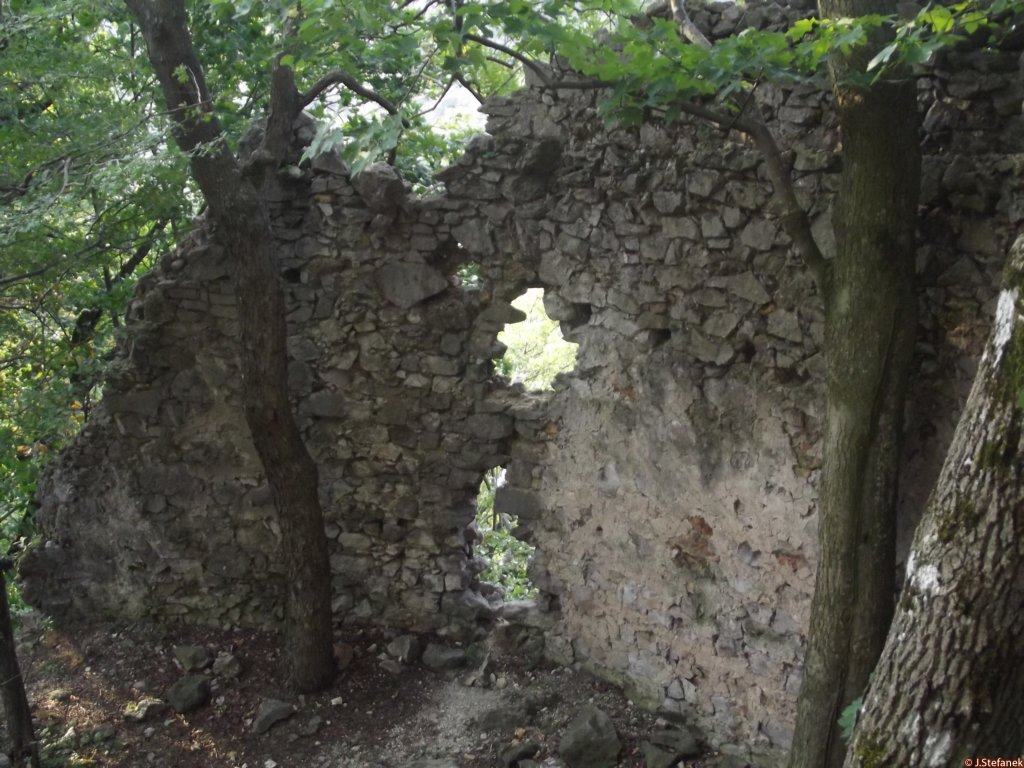
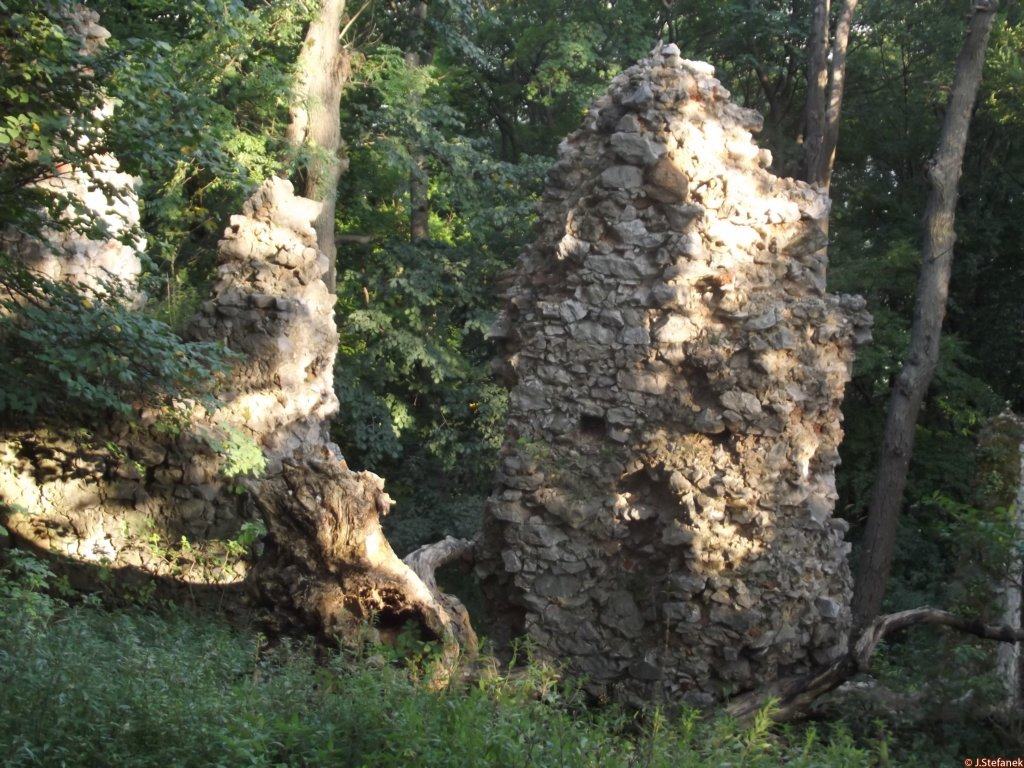
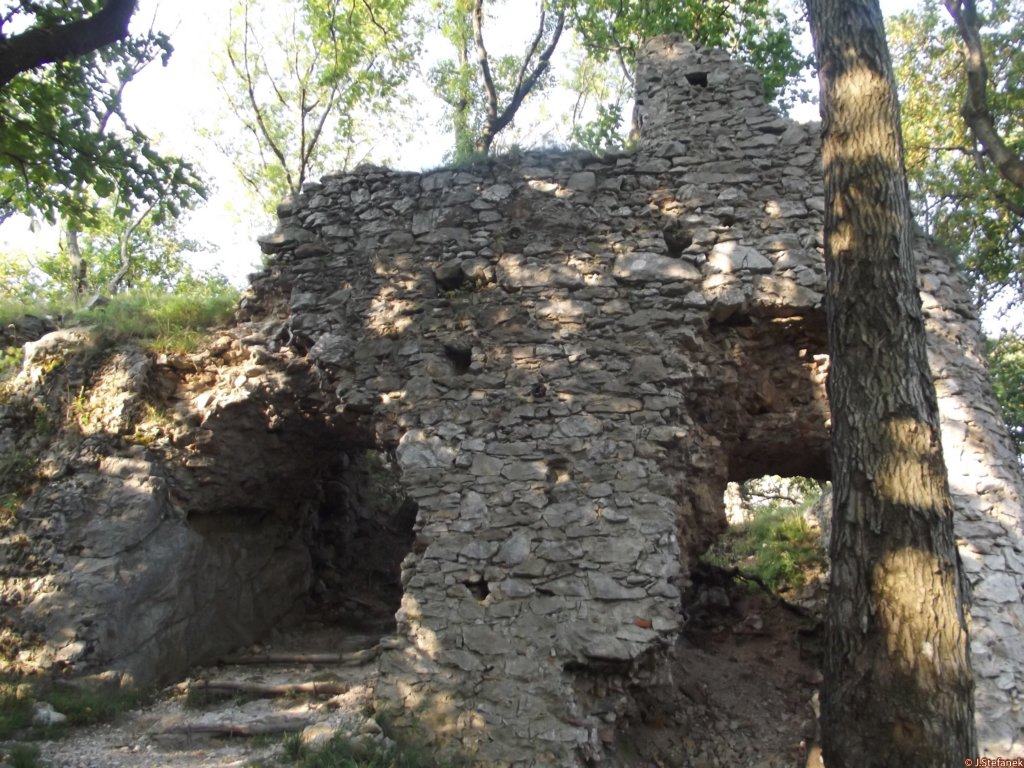
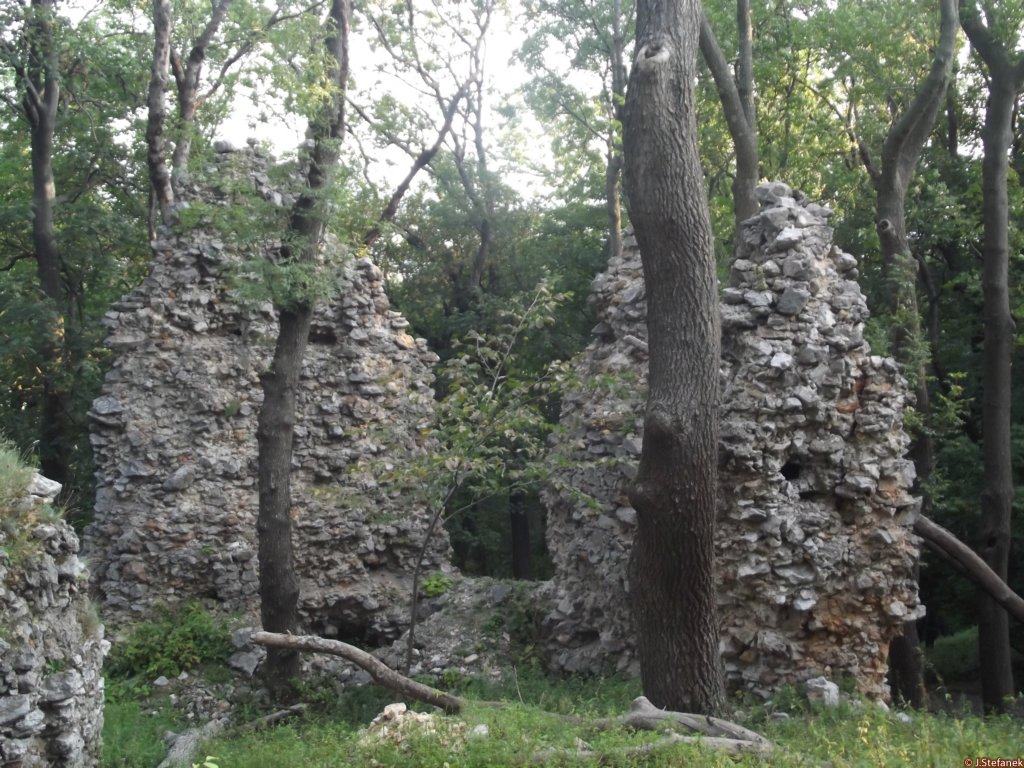
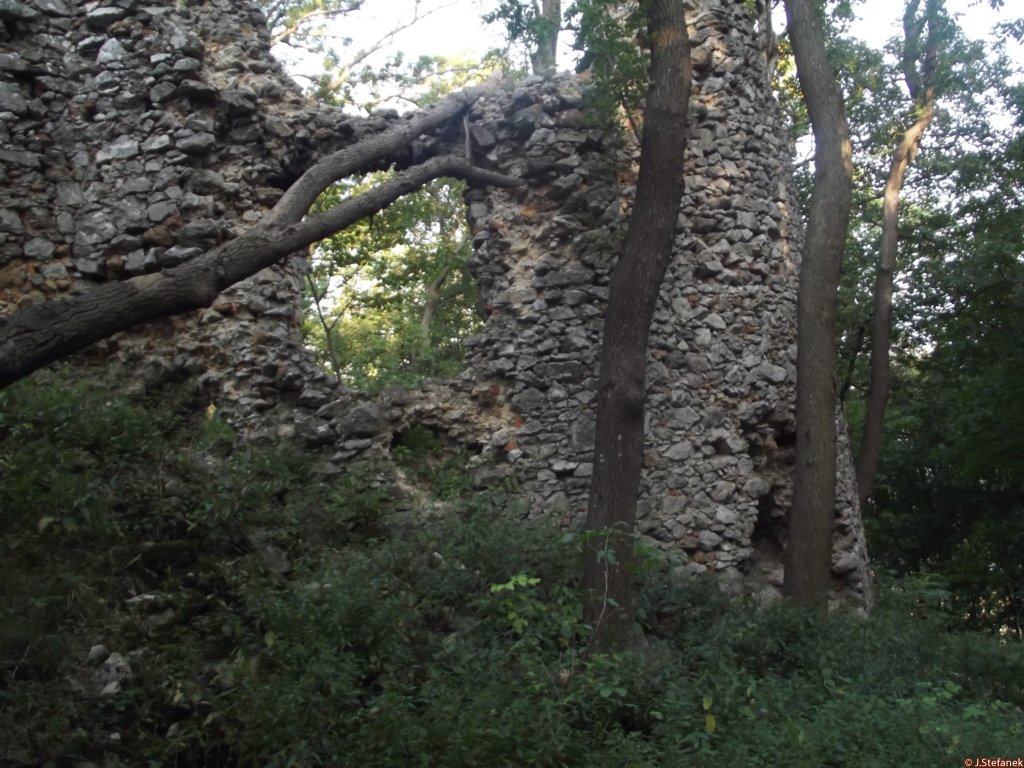
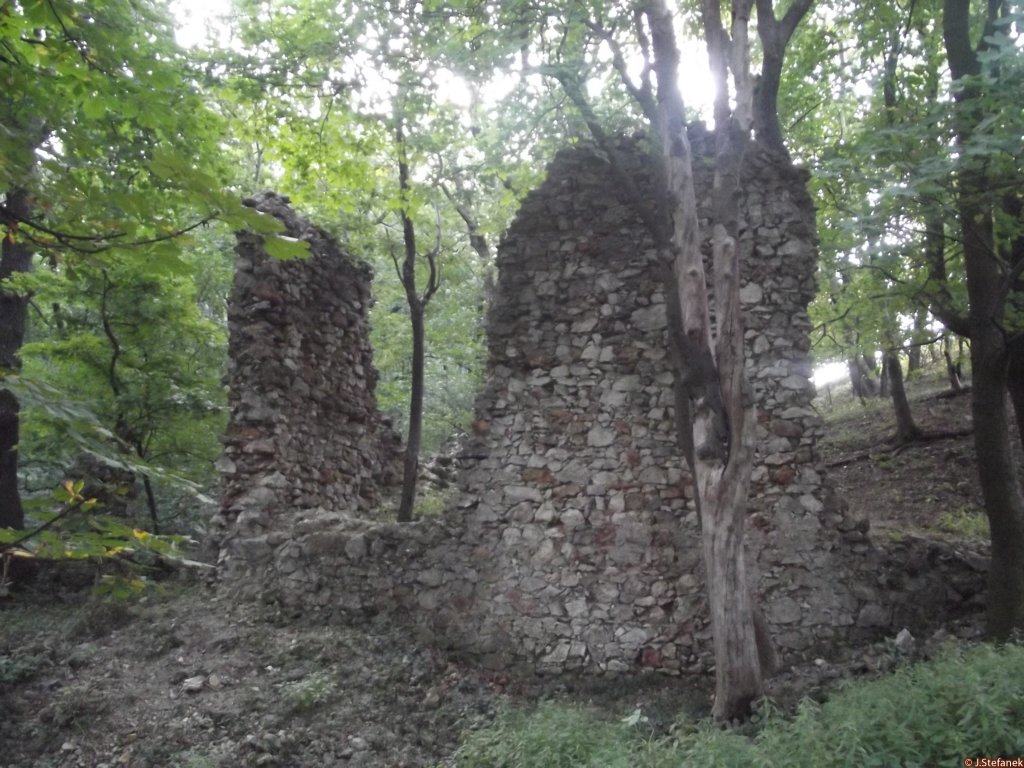
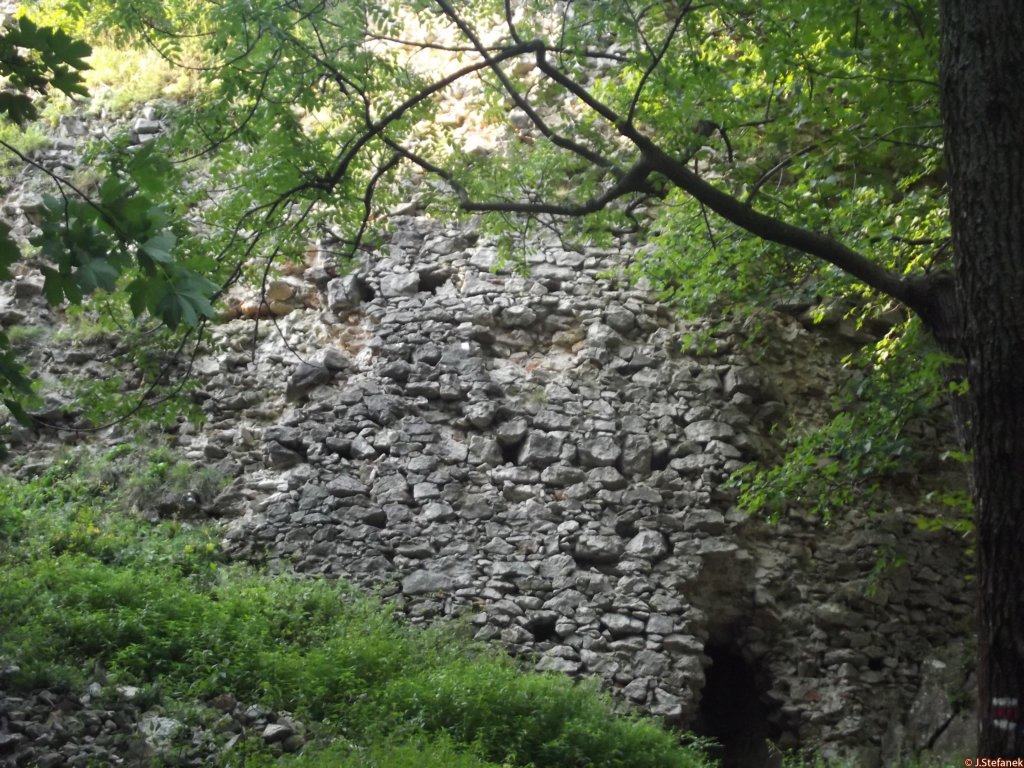
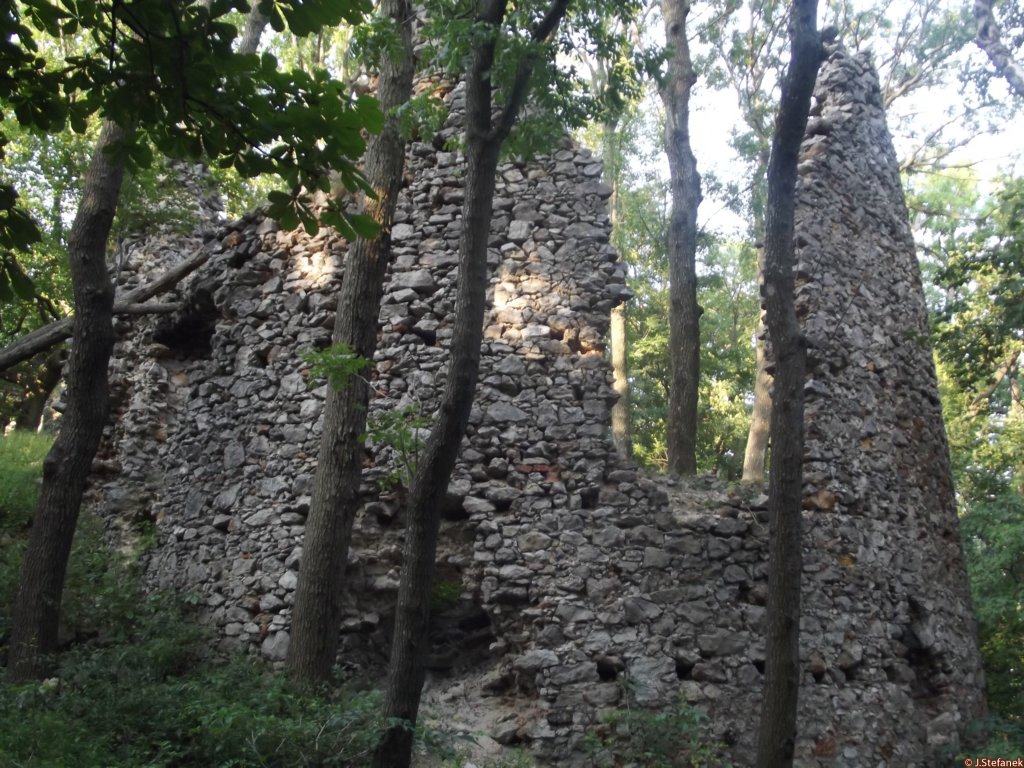
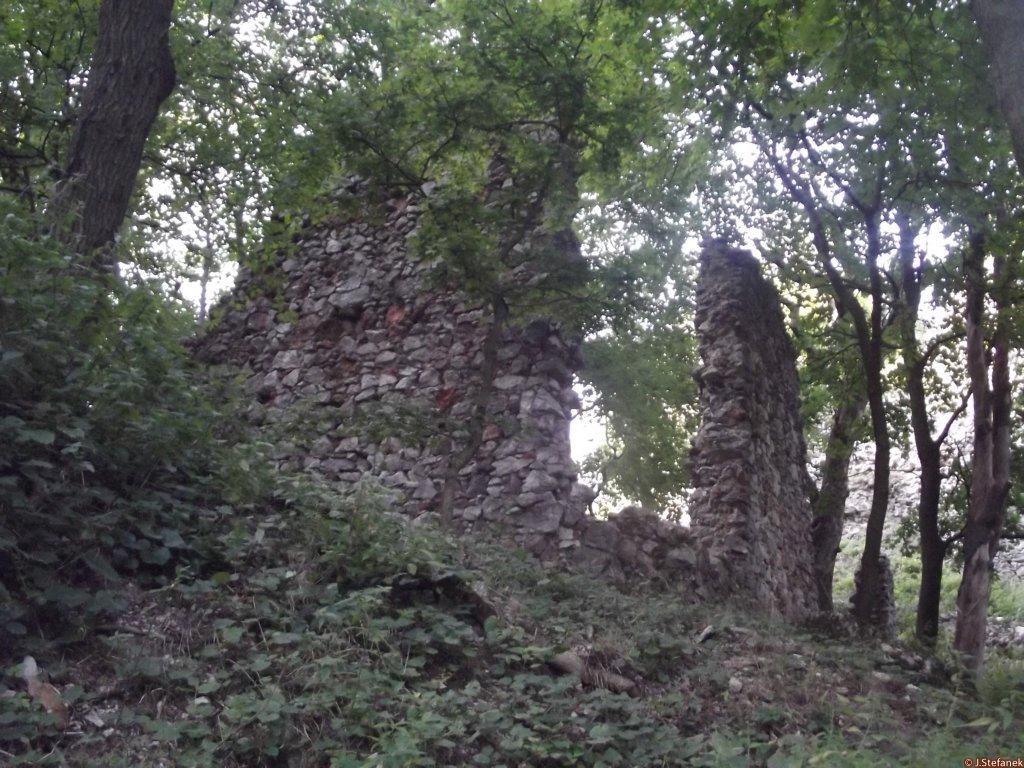
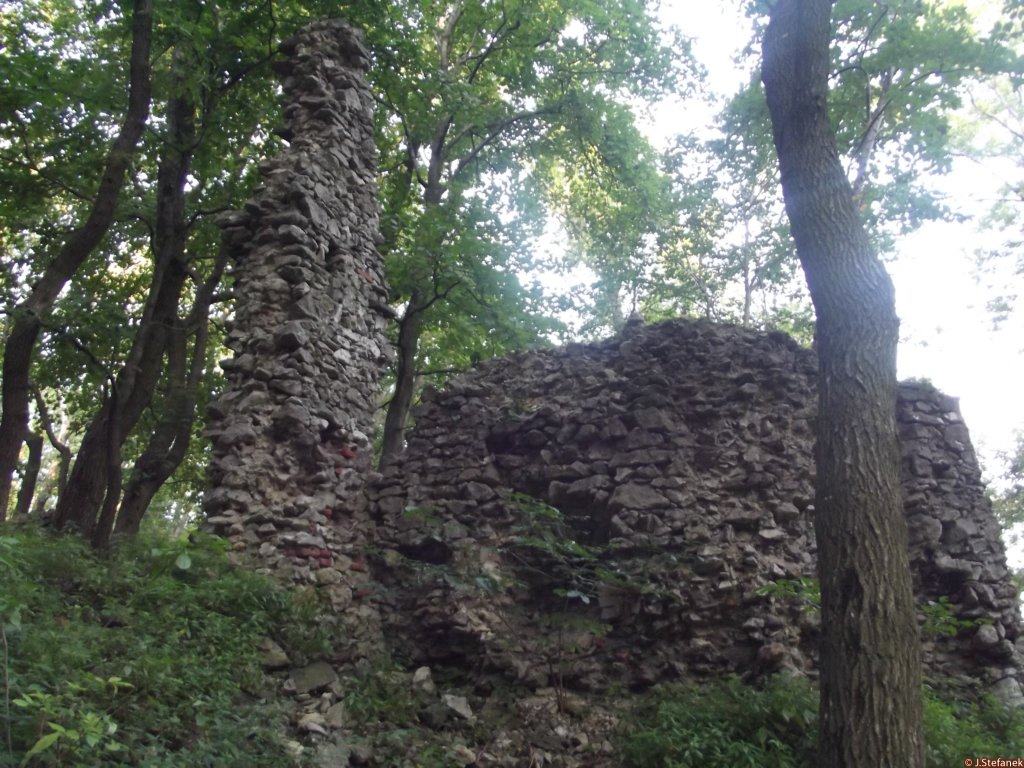
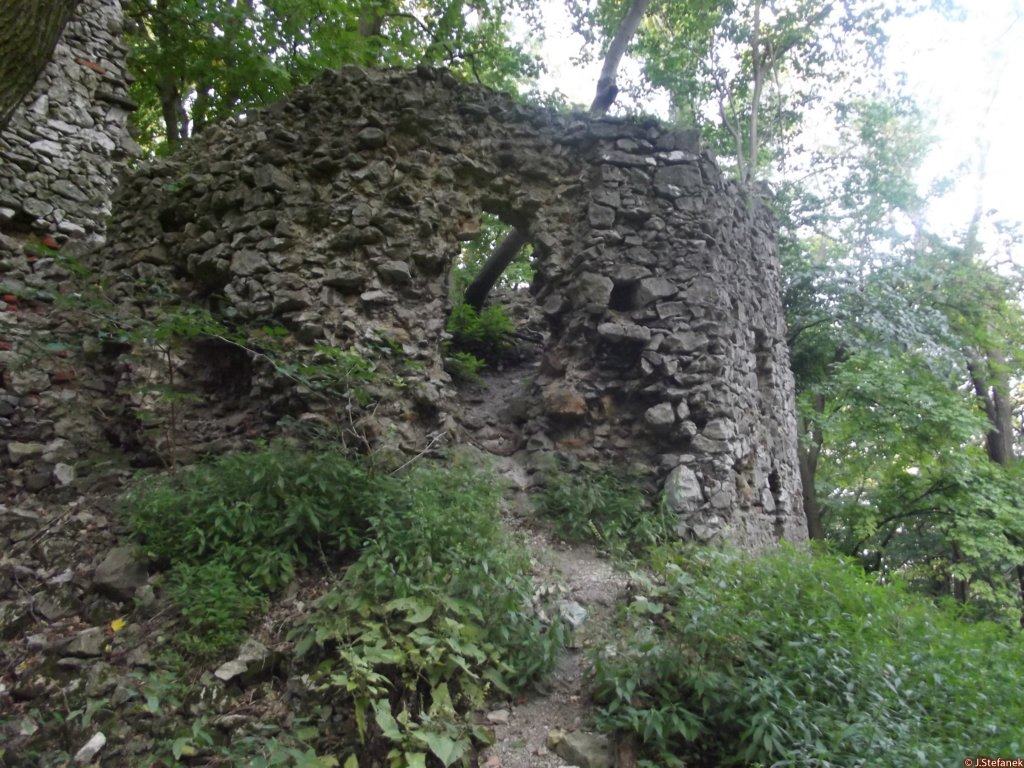
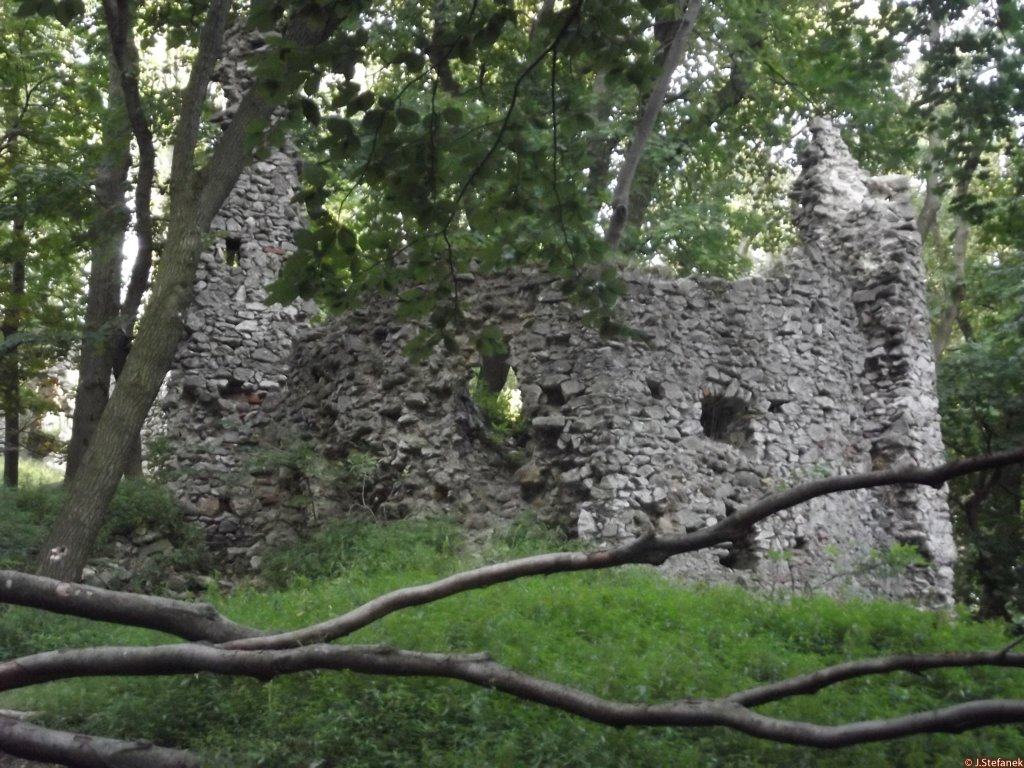
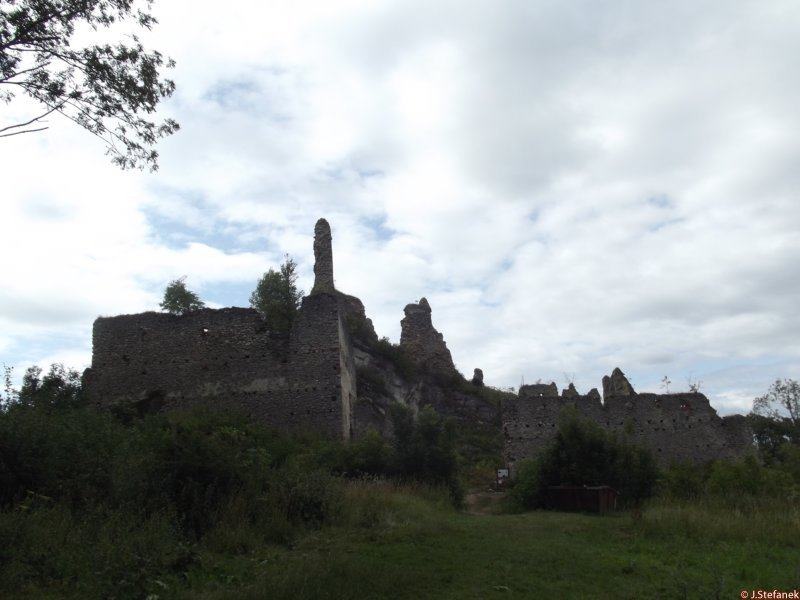
The ruins of the castle on the rocks of the western part of the limestone ridge Záruby above the village of Buková, near Smolenice
Zrúcanina hradu na bralách západnej časti vápencového hrebeňa Zárub nad obcou Buková, neďaleko Smoleníc.
Previous names
Ostriež, Ostriežsky hrad, Biksárdsky hrad, Eleskw, Eleskw in wlgari theutonico Scharfessteyn, Eleskew, Ostrziess, Ozthris alias Elecskew, Éleskő, Scharfenstein
Roads
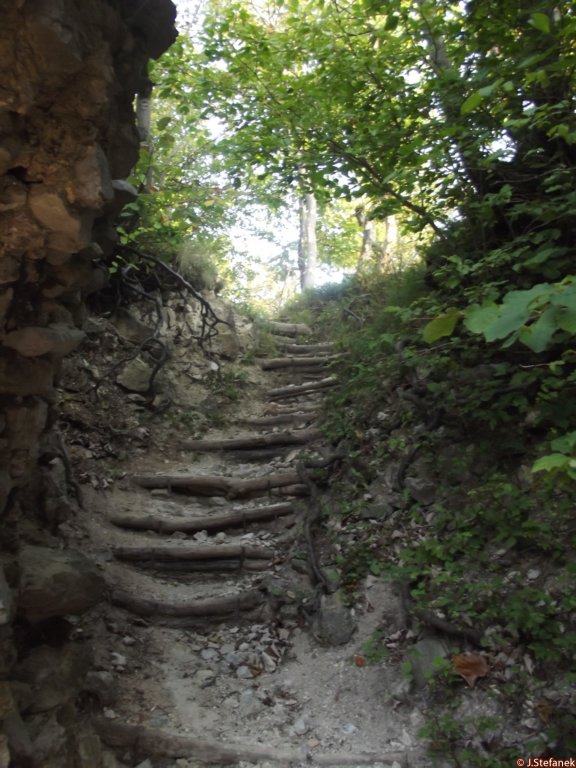
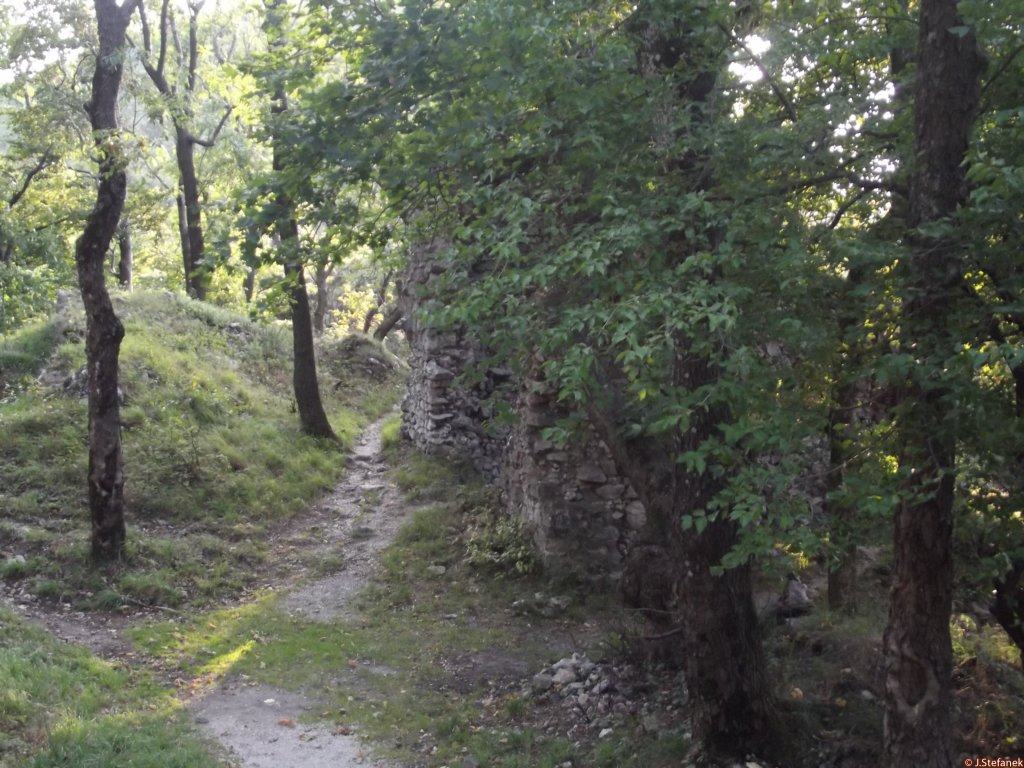
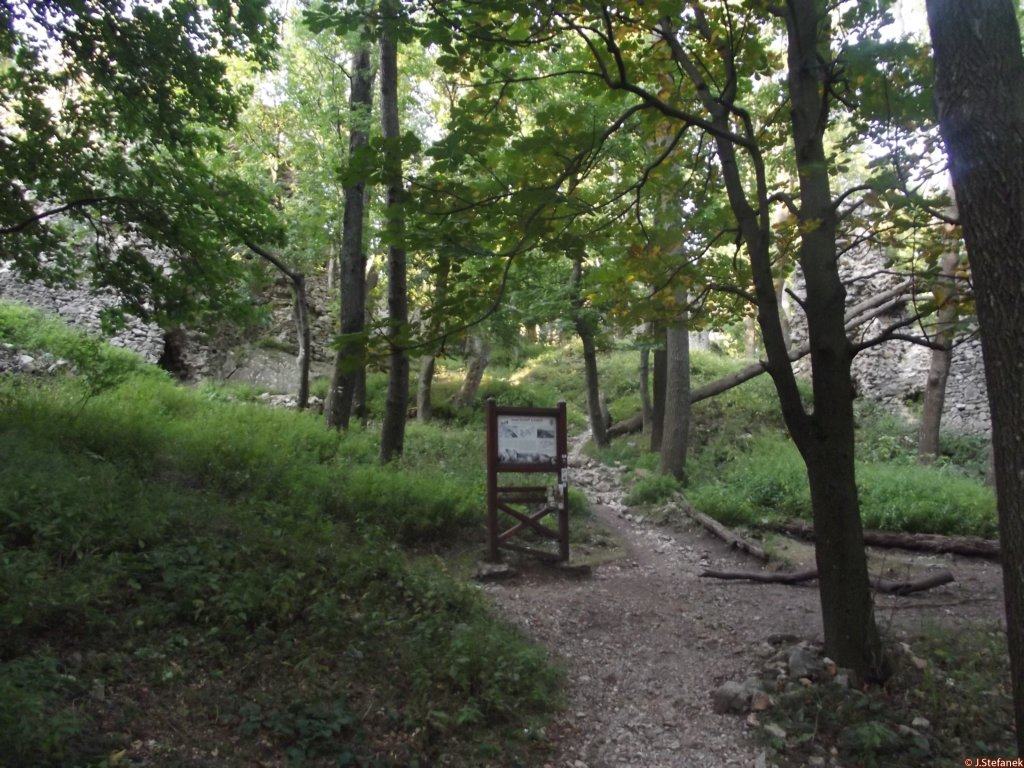
Trasa 1: Probably the shortest route is the route from the village of Buková, where we can come by car next to the agricultural building on the asphalt road almost to the crossroads of Pod Ostrým Kameňom. Almost, because there is already a ban on entry, so we park along the road somewhere on the grass or a promontory before the ban. From there, we will walk to the left before the crossroads to the left through the forest, where we will connect to the red route - the SNP Heroes' Path. This is followed by a relatively steep ascent through the forest, and after a while we come to a smaller clearing. From there, able-bodied tourists can head straight up the forest to the castle, but we recommend continuing on the upper red route to the left, which turns and is milder. The route then sharply bends to the right and after a while takes us to the castle.
Trasa 1: Asi najkratšou trasou je trasa od obce Buková, kde môžeme autom prísť popri poľnohospodárskom objekte po asfaltke takmer k rázcestiu Pod Ostrým Kameňom. Takmer, pretože tam už je zákaz vjazdu, takže zaparkujeme popri ceste niekde na tráve alebo výbežku ešte pred zákazom. Odtiaľ sa vyberieme peši ešte pred rázcestím doľava cez les, kde sa napojíme na červenú trasu - Cestu hrdinov SNP. Nasleduje pomerne strmý výstup cez les až po čase prídeme na menšiu čistinku. Odtiaľ sa zdatní turisti môžu vydať priamo hore strmo cez les k hradu, ale odporúčame pokračovať vrchnou červenou trasou vľavo, ktorá sa zatáča a je miernejšia. Trasa sa potom ostro zalamuje doprava a po chvíli nás zavedie k hradu.
Trasa 2: From the Buková reservoir, where we park along the road, we can walk along the yellow route to the Pod Ostrým Kameňom crossroads. From there, turn left along the red route until we continue along the same section as in route No. 1 to the castle.
Trasa 2: Od vodnej nádrže Buková, kde zaparkujeme popri ceste, sa po žltej trase peši dostaneme až k rázcestiu Pod Ostrým Kameňom. Odtiaľ vľavo po červenej trase až pokračujeme rovnakým úsekom ako v trase č.1 až k hradu.
Description
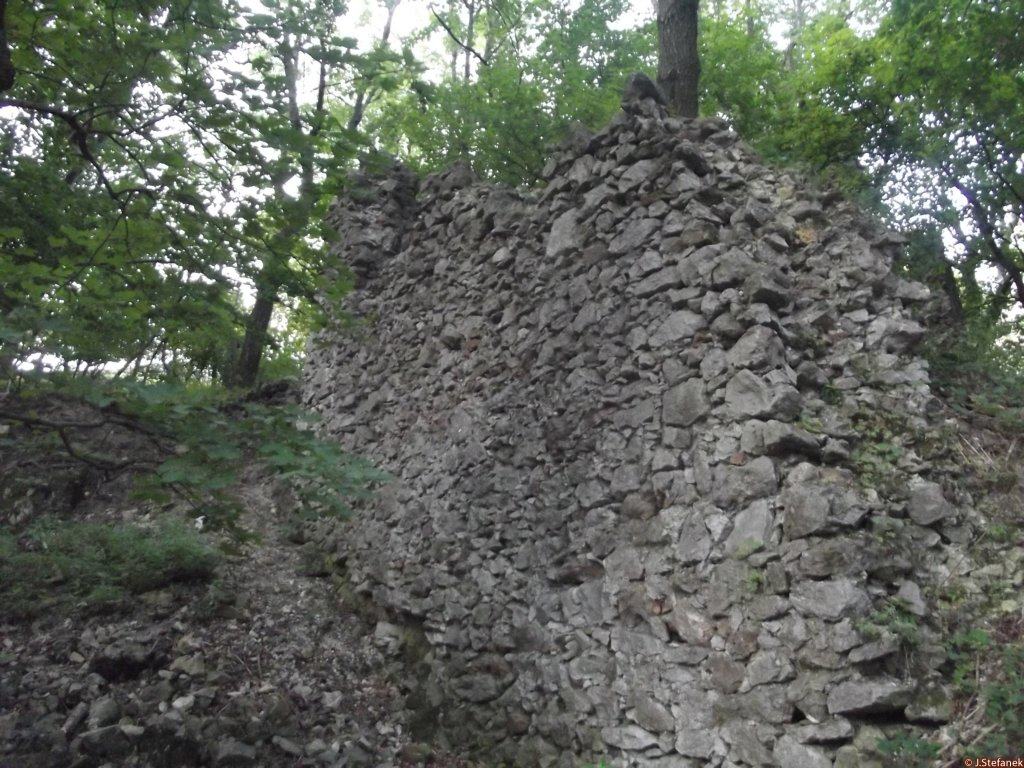
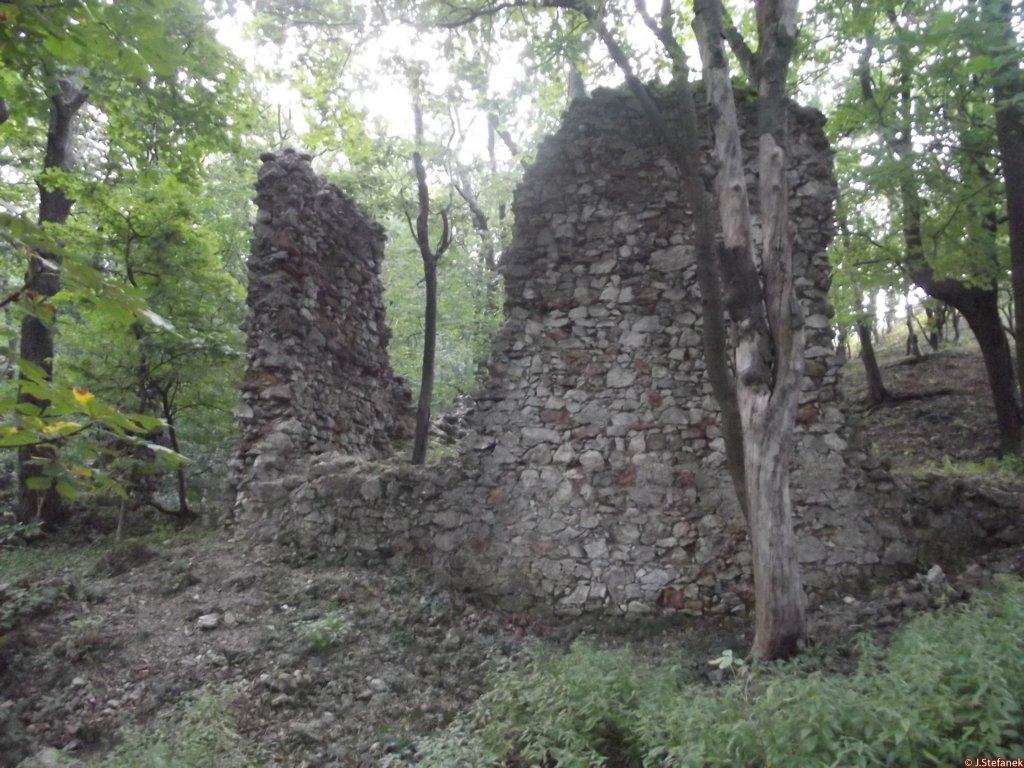
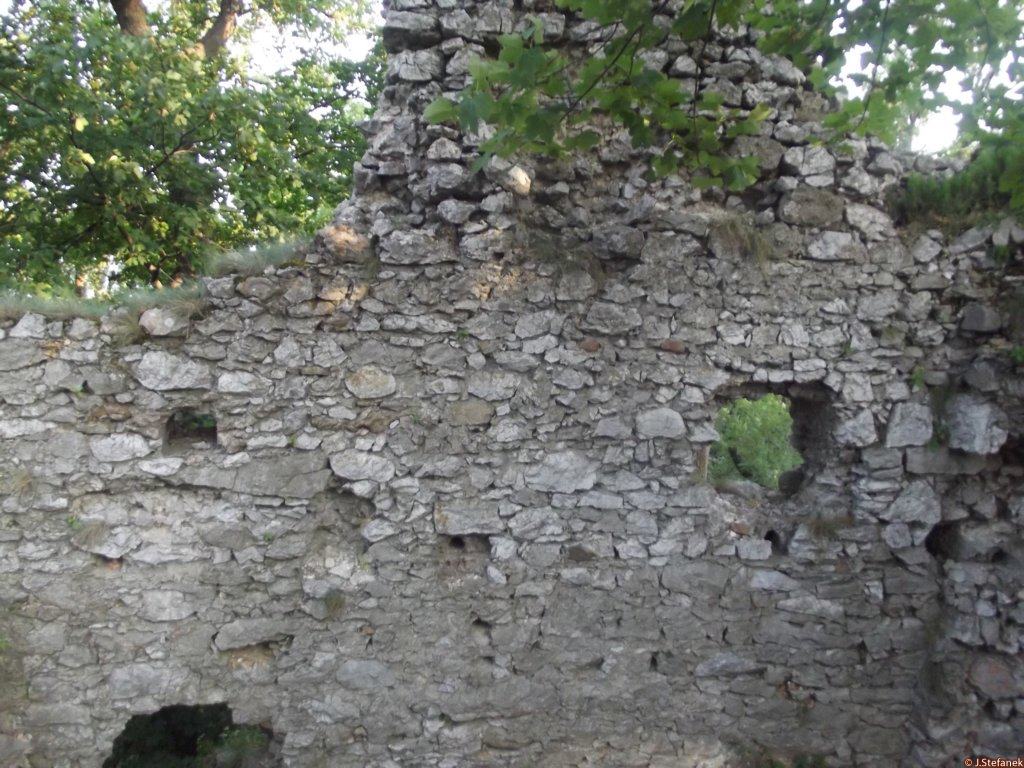
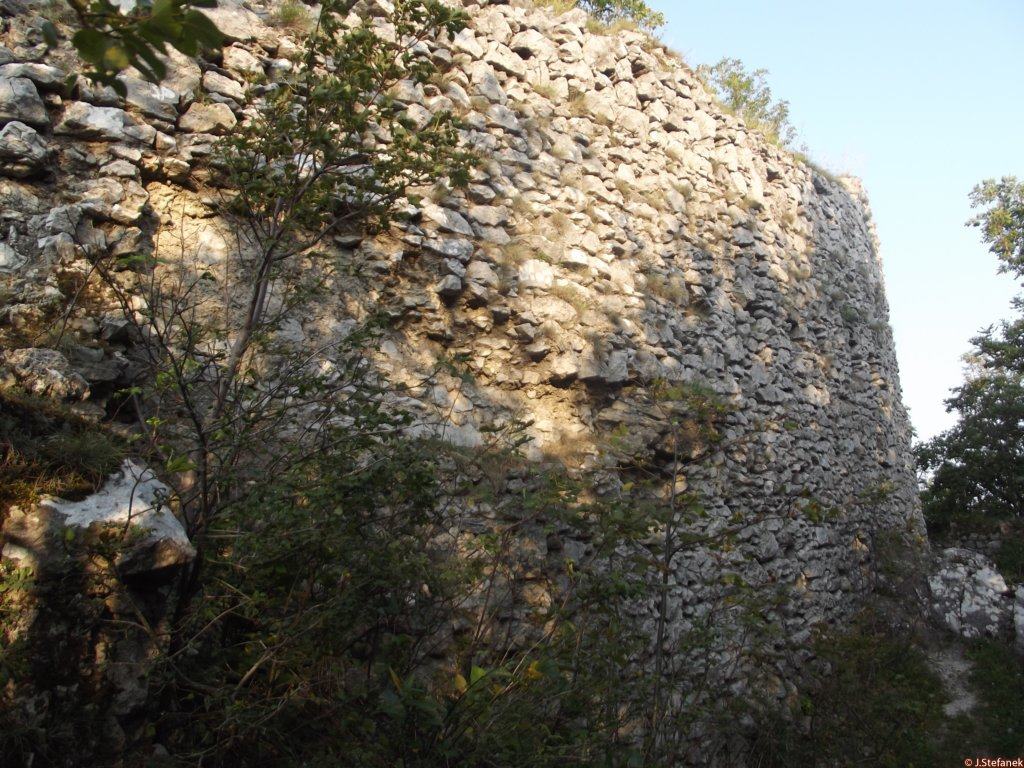
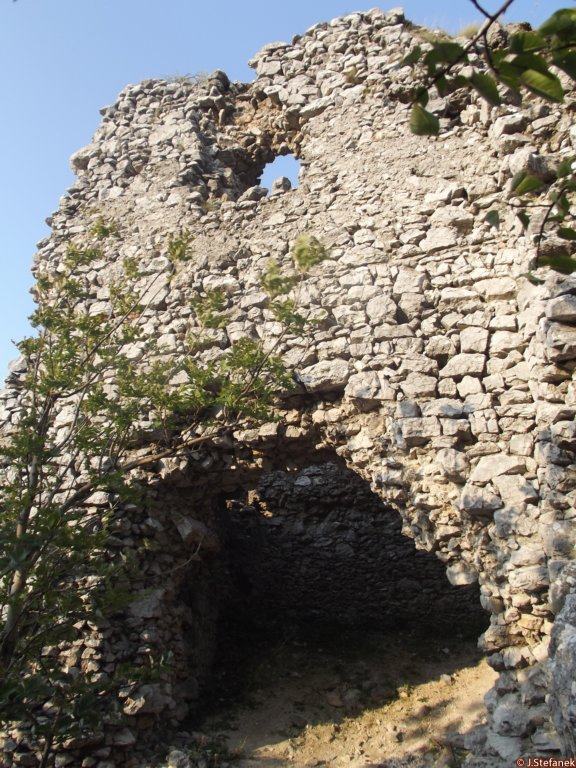
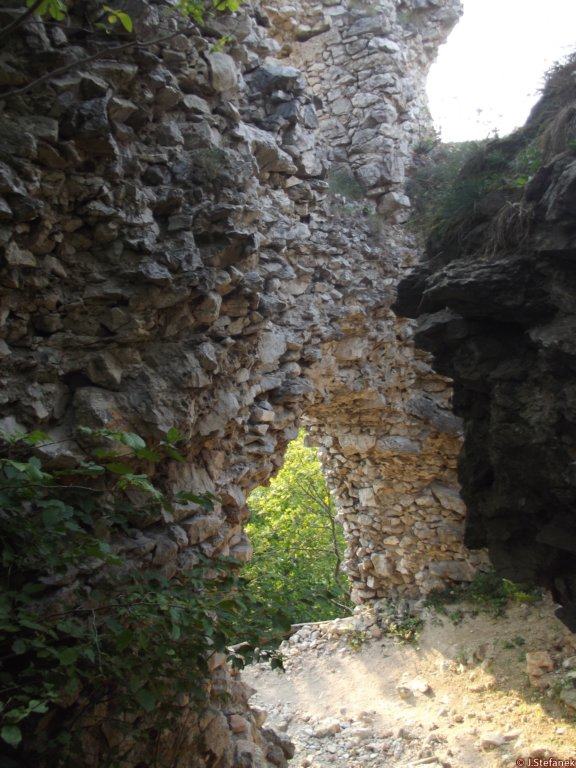
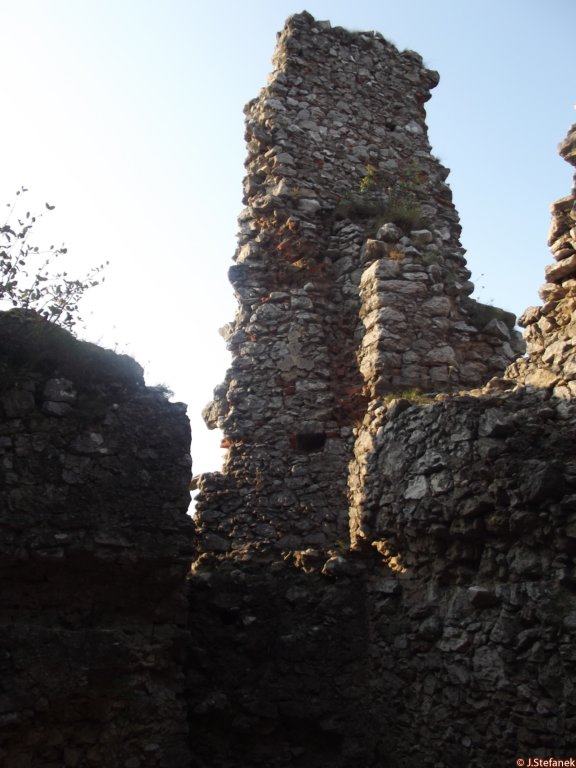
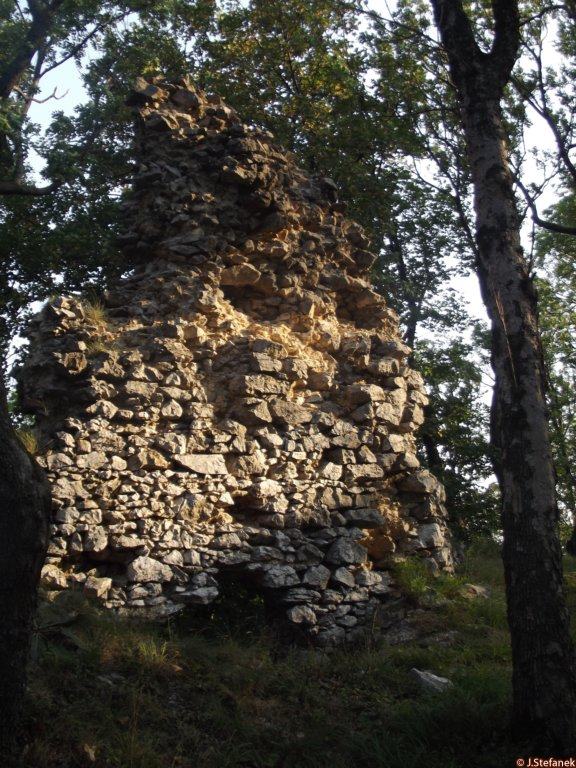
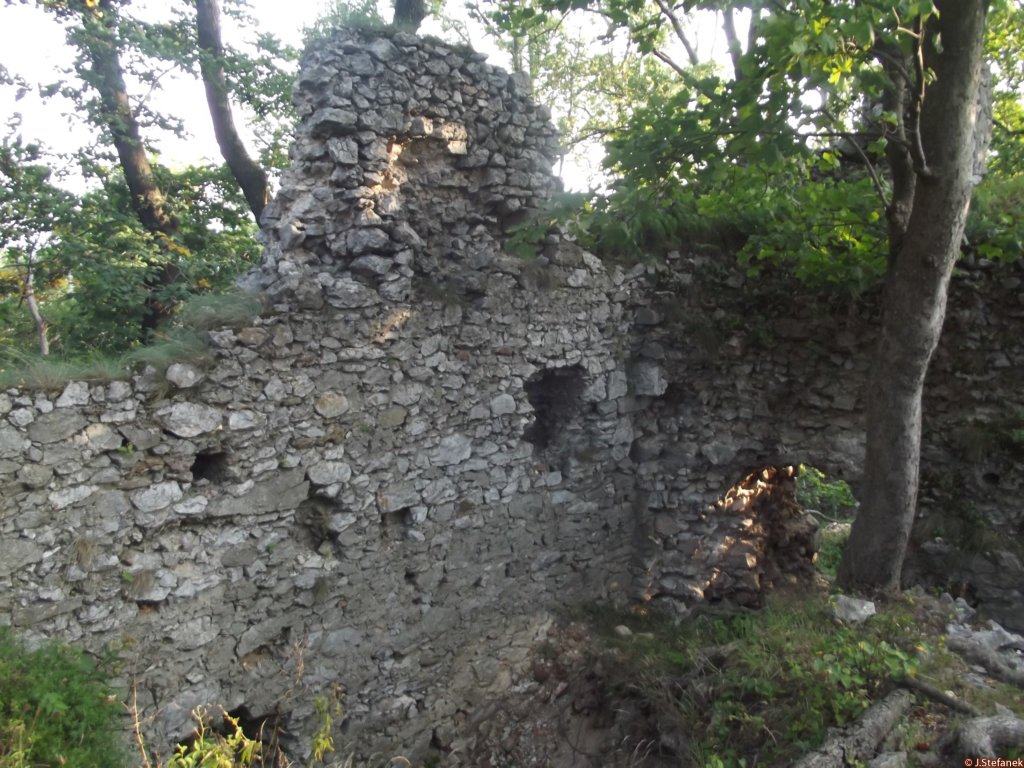
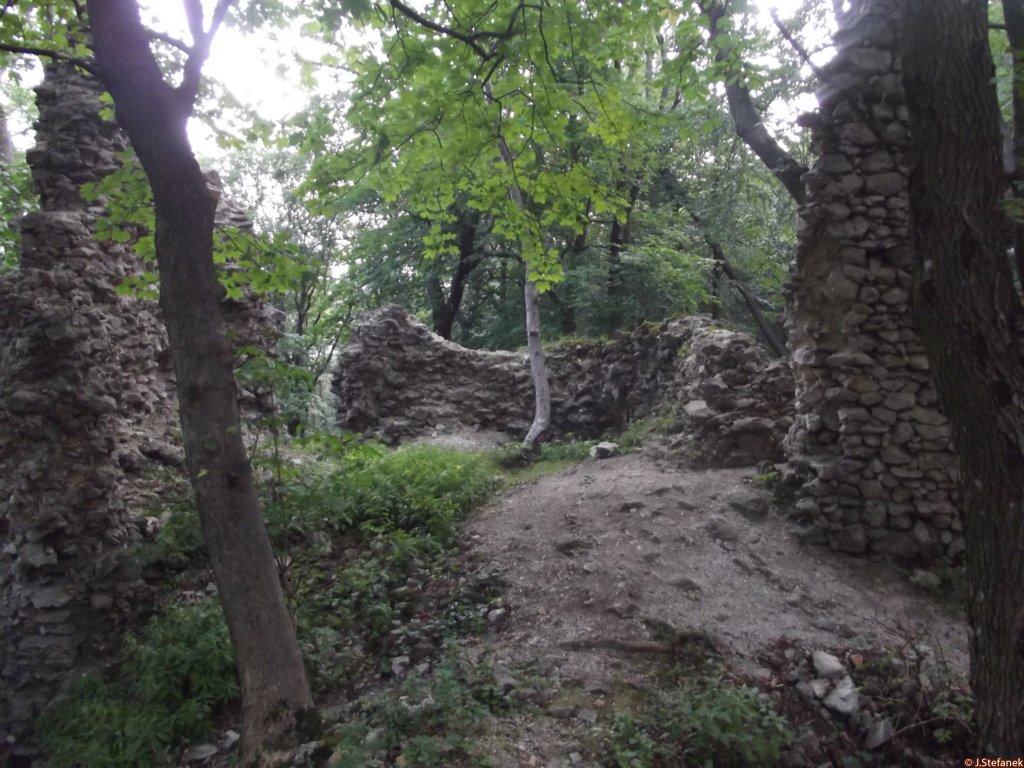
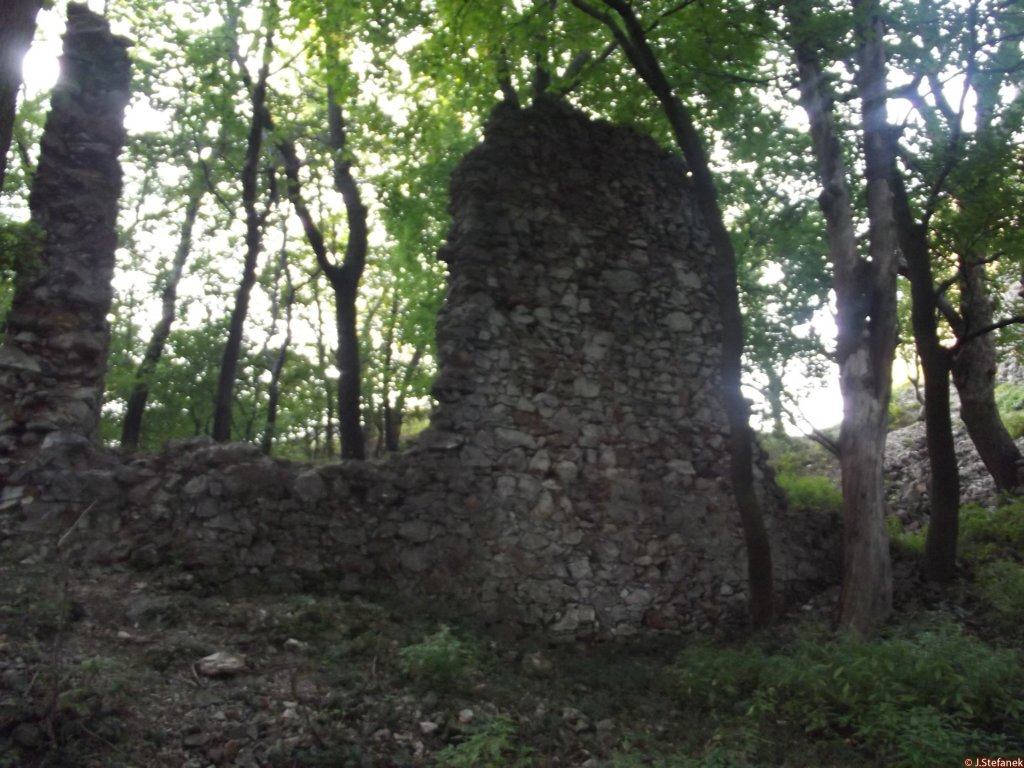
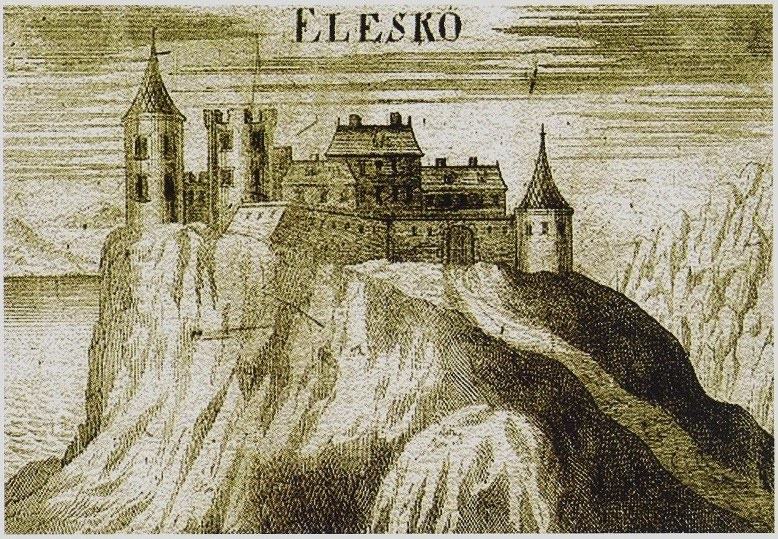
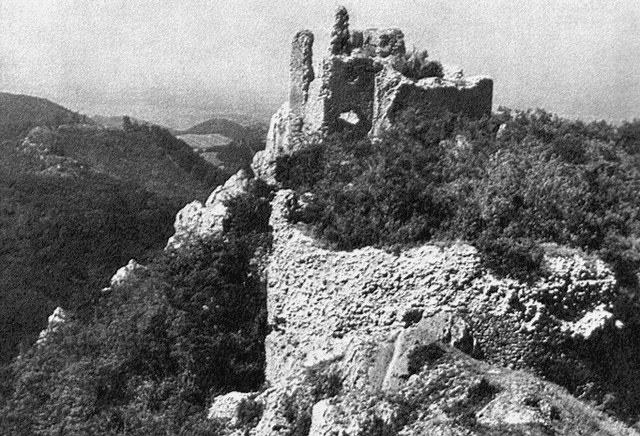
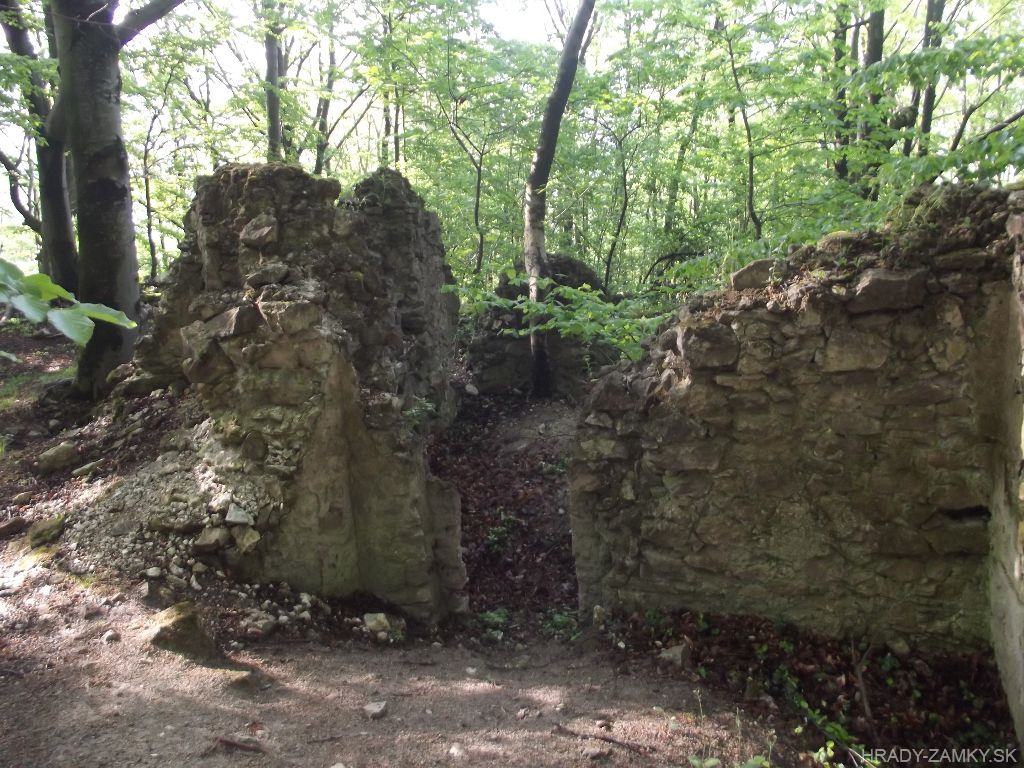
The castle ruin is compositionally tightly connected with the limestone bedrock, stone masonry and remains of the former walls of palaces, farm buildings and bastions grow from the rugged bedrock. The Renaissance twin bracket, key loophole and side lining are some of the few preserved architectural elements.The remains of the walls and the side prism tower have been preserved from the fortress, which formed the original castle. Later, the castle was extended with a barracks with farm buildings and a tank. At the turn of the 15th-16th century, they built a massive fortress and, at the time of the Turkish invasions, another bailey with a circular bastion.
Hradná ruina je kompozične pevne spätá s vápencovým podložím, kamenné murivá a zvyšky niekdajších múrov palácov, hospodárskych stavieb a bášt vyrastajú z členitého podložia. Renesančná zdvojená konzola, kľúčová strieľňa a bočné ostenie sú jedny z mála zachovaných architektonických článkov.Z pevnôstky, ktorá tvorila pôvodný hrad sa zachovali zvyšky múrov a bočná hranolová veža. Neskôr bol hrad rozšírený o predhradie s hospodárskymi budovami a cisternou. Na prelome 15.-16.storočia vybudovali mohutnú predsunutú pevnôstku a v čase tureckých nájazdov aj ďalšie predhradie s kruhovou baštou.
Plan
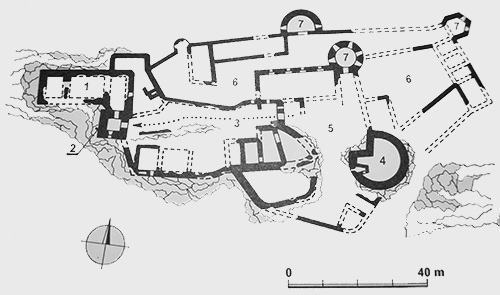
Legend to the ground plan
- 1 - palace of the upper castle
- 2 - tower
- 3 - fortification
- 4 - advanced fortress
- 5 - lower castle
- 6 - extension of the lower castle
- 7 - bastions of the lower castle
Legenda k pôdorysu
- 1 - palác horného hradu
- 2 - veža
- 3 - predhradie
- 4 - predsunutá pevnôstka
- 5 - dolný hrad
- 6 - rozšírenie dolného hradu
- 7 - bašty dolného hradu
History
The origins of Ostrý Kameň Castle are not exactly known, but they were probably built in the 13th century. As one of the border castles, its task was to protect a long-distance trade route leading from Buda through western Slovakia through a pass to the Czech lands, which is generally known as the so-called Czech way. Initially, the castle was a royal property, but already in 1366 the king donated the castle to Mikuláš of Seč, which put him in private possession of Hungarian feudal families. In 1394 King Sigismund donated the castle to the famous Duke Stibor of Stiborice. After the death of his son Stibor II. in 1434 the castle returned to royal hands for a while. Since 1453, several holders from the ranks of the nobility have changed. For a time it belonged to the Keglevich family, the Thurz family, the Forgách family and from the 15th century also to the counts of Svätý Jur and Pezinok.
In 1496 it was acquired by Imrich and Martin Czoborovci together with the feudal estate that belonged to it, but from 1507 only Martin remained at the castle, while Imrich left for Holíč. From 1535 the castle was owned by Imrich's son, Gašpar Czobor. After his unexpected death in 1539, he was left with debts and left his wife here with five dependent sons. His debts have been the subject of a long-running dispute over Czoborov property. Brothers Peter and Pavol Bakičovci and the magnate Révay family applied for them as creditors. The disputes ended with the direct intervention of the monarch in 1554, when the Czoborovs, Bakič family and Révay divided the property among themselves. In 1579 Rudolf II. he released the manor from the deposit, the property continued to be fragmented. The property, which was confiscated by the rebel Imrich Thököly, was given to Count Krištof Erdődy in 1689.
In 1704, a large battle of Kuruk took place in the vicinity of the castle, during which the castle was probably also damaged. 3 years later the castle was occupied by the Imperial General Starhemberg. At that time, the Czech road already led through Bratislava and the castle lost its function. At the end of the 18th century, the castle and the manor were inherited by the Pálffy family, who transferred the seat of the manor from the castle to the town of Moravský Svätý Ján. Since then, the castle was deserted and only ruins remain.
Počiatky hradu Ostrý Kameň nie sú presne známe, no postavili ho zrejme v 13. storočí. Ako jeden z pohraničných hradov mal za úlohu chrániť diaľkovú obchodnú cestu, vedúcu z Budína cez západné Slovensko priesmykom do českých krajín, ktorá je všeobecne známa ako tzv. česká cesta. Spočiatku bol hrad kráľovským majetkom, no už v roku 1366 daroval kráľ hrad Mikulášovi zo Seče, čím sa dostal do súkromnej držby uhorských feudálnych rodín. V r.1394 kráľ Žigmund daroval hrad známemu vojvodovi Stiborovi zo Stiboríc. Po smrti jeho syna Stibora II. v r.1434 sa hrad načas vrátil do kráľovských rúk. Od r.1453 sa vystriedalo viacero držiteľov z radov šľachty. Načas patril Keglevichovcom, Thurzovcom, Forgáchovcom a od 15. storočia aj grófom zo Svätého Jura a Pezinka.
V r.1496 ho získali Imrich a Martin Czoborovci spolu i s feudálnym panstvom, ktoré k nemu prislúchalo, ale od roku 1507 na hrade zostal už len Martin, zatiaľ čo Imrich odišiel do Holíča. Od r.1535 hrad vlastnil Imrichov syn, Gašpar Czobor. Po jeho nečakanej smrti v r.1539 zostali po ňom dlžoby a zanechal tu svoju ženu s piatimi nezaopatrenými synmi. Jeho dlžoby sa stali predmetom dlhoročného sporu o czoborovské majetky. Ako veritelia sa o ne uchádzali bratia Peter a Pavol Bakičovci a magnátsky rod Révayovcov. Spory sa skončili až na priamy zásah panovníka v r.1554, keď si majetky medzi sebou Czoborovci, Bakičovci a Révayovci rozdelili. V r.1579 Rudolf II. prepustil panstvo zo zálohu, majetok sa naďalej rozdroboval. Majetok, ktorý zhabali vzbúrencovi Imrichovi Thökölymu, v r.1689 dostal gróf Krištof Erdődy.
V roku 1704 sa v okolí hradu odohrala veľká kurucká bitka, pri ktorej bol pravdepodobne poškodený aj hrad. O 3 roky neskôr hrad obsadil cisársky generál Starhemberg. Česká cesta v tom čase viedla už cez Bratislavu a hrad stratil svoju funkciu. Koncom 18. storočia získali hrad i panstvo do dedičnej držby Pálffyovci, ktorí preniesli sídlo panstva z hradu do mestečka Moravský Svätý Ján. Od toho času hrad pustol a zostali z neho len ruiny.
Myths and legends
Rumor of an evil widow and her treasure
An envious widow lived in a hut below the castle. She was very bad and hated anyone who had more than she herself. One day, while collecting rye, the widow reached the ruins of Ostrý Kameň Castle and found herself in an underground chamber full of gold. She rolled her eyes at the treasure like a goat on cabbage. She immediately ran after her sons to help her take away the golden treasure. As the sons picked up the gold in the pots, they saw an old man in the corner of the chamber, who drove them out. They told their mother and ran away in fear. However, the evil widow neglected nothing and continued to collect gold. Suddenly, however, the underground and part of the castle collapsed and buried the insatiable widow. Since then, no one has ever found a treasure chest here.
Croatian at the castle
One day a Croat came to Bukova. According to the coat of arms and the dress of the nobles. He settled in the weathered walls and began to rebuild the castle. And wonder at the world, he paid people to work as a robot. It shook the surrounding gentlemen the most, who accused Bakič of robbery. However, this was proved by a document, which the emperor gave him Ostrý kameň castle as a replacement for the destroyed property and the murdered family in his homeland. He took only what they owed him from the Turks in an honorable fight, and he liked to repay those who helped him restore the castle. Bakic's subjects helped restore the castle and eventually received the last ducat as a servant at his wedding in the renovated castle.
Povesť o zlej vdove a jej poklade
V chatrči pod hradom žila závistlivá vdova. Bola veľmi zlá a nenávidela každého, kto mal viac ako ona sama. Jedného dňa sa vdova pri zbieraní raždia dostala až k ruinám hradu Ostrý Kameň a ocitla sa v pod-zemnej komnate, kde bolo plno zlata. Vyvaľovala oči na poklad ako koza na kapustu. Vzápätí utekala po svojich synov, aby jej pomohli zlatý poklad odniesť. Ako synovia naberali zlato do hrncov, uvideli v kúte komnaty starca, ktorý ich vyháňal von. Povedali to svojej matke a zo strachu utiekli. Zlá vdova však na nič nedbala a zlato naberala ďalej. Zrazu sa však podzemie aj s časťou hradu zrútilo a nenásytnú vdovu pochovalo. Odvtedy tu už nikto nikdy žiadnu komnatu s pokladom nenašiel.
Chorvát na hrade
Jedného dňa do Bukovej prišiel akýsi Chorvát. Podľa erbu i šiat šľachtic. Usadil sa v ošarpaných múroch a začal hrad obnovovať. A čuduj sa svete, za robotu ľuďom aj platil. Najviac to škrelo okolitých pánov, ktorí Bakiča obvinili zo zbojstva. Ten sa však preukázal listinou, ktorou mu cisár hrad Ostrý kameň daroval ako náhradu za zničený majetok a vyvraždenú rodinu vo svojej domovine. On si od Turkov v čestnom boji vzal iba to, čo mu dlhovali a z toho sa rád odvďačil tým, ktorí mu pomáhali pri obnove hradu. Bakičovi poddaní pomohli obnoviť hrad a nakoniec dostali ešte aj posledný dukát ako výslužku na jeho svadbe vo vynovenom hrade.
Useful information
The ruins are freely accessible
Zrúcanina je voľne prístupná
Nearby castles
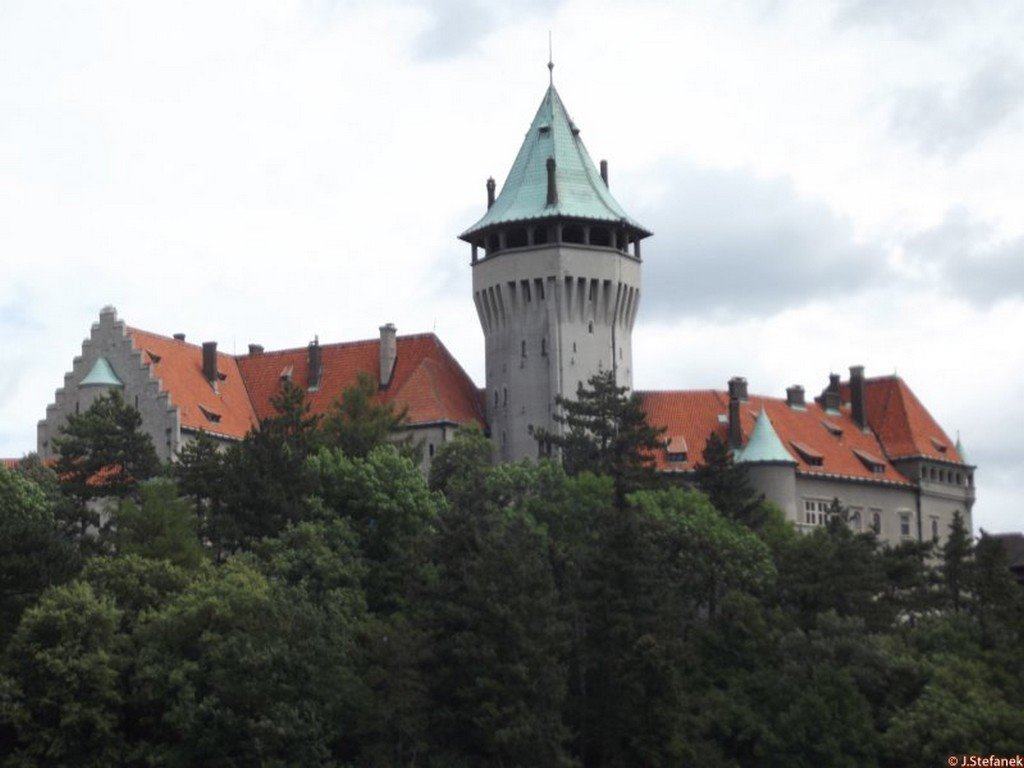
Smolenice chateau
Smolenice
4.6km
castle, chateau
Korlátka
Cerová
6.0km
castle ruin
Trstín manor
Trstín
6.9km
manor, mansion
Plavecký castle
Plavecké Podhradie
8.2km
castle ruin
Plavecké Podhradie
Plavecké Podhradie
8.3km
monastery
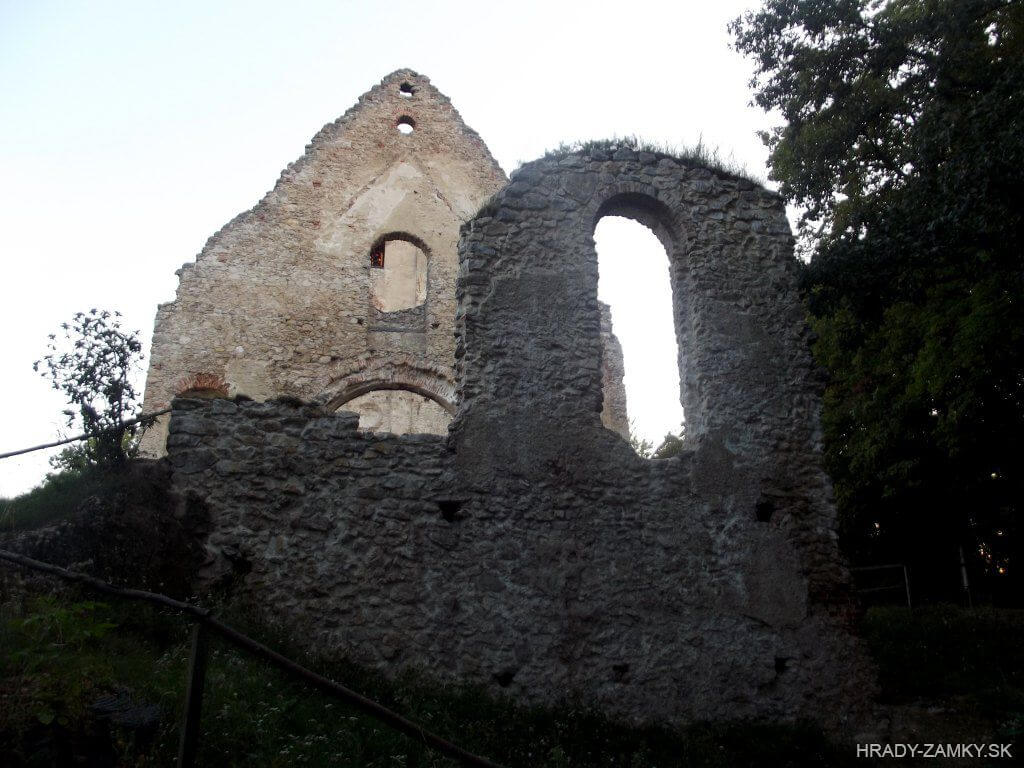
Katarínka monastery
Dechtice
12.6km
monastery
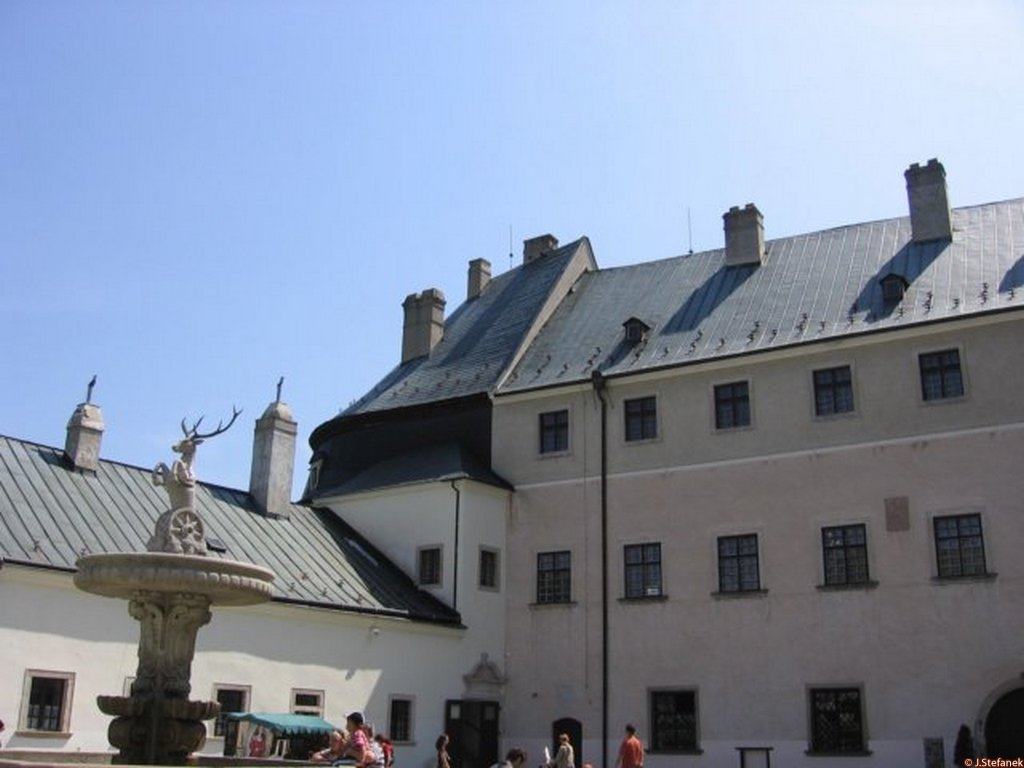
Červený Kameň
Častá
14.7km
castle, chateau