Plavecký castle
Plavecké Podhradie Bratislava county Slovakia
castle ruin
Plavecký hrad
Plavecké Podhradie Bratislavský kraj Slovakia
zrúcanina hradu
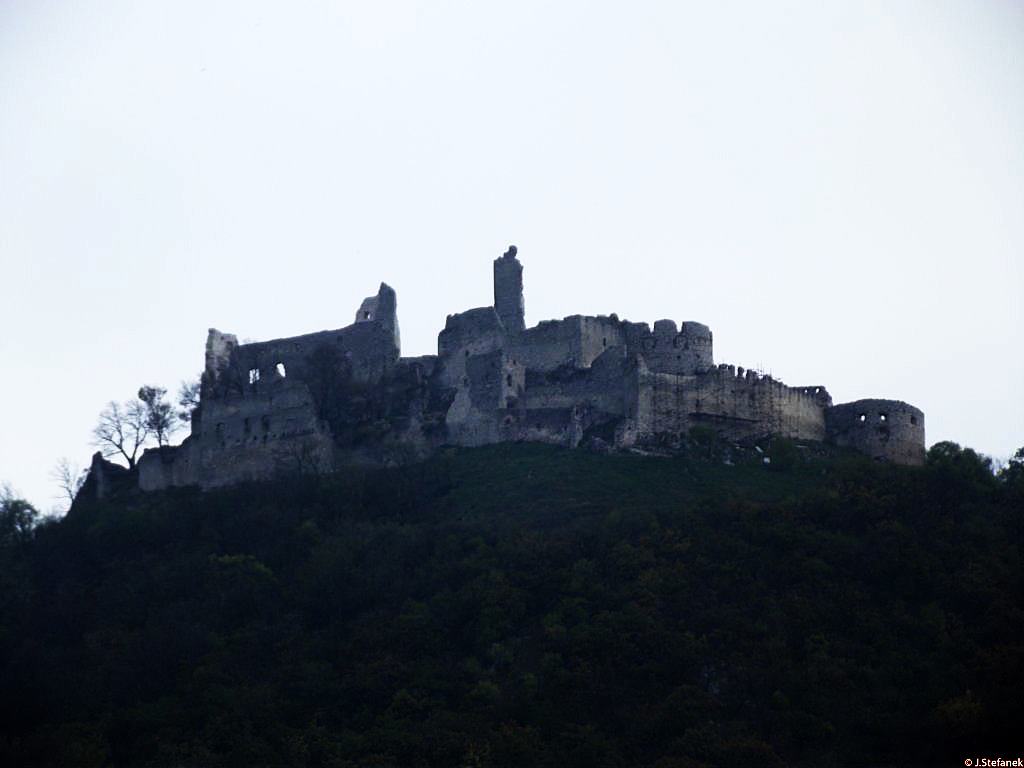
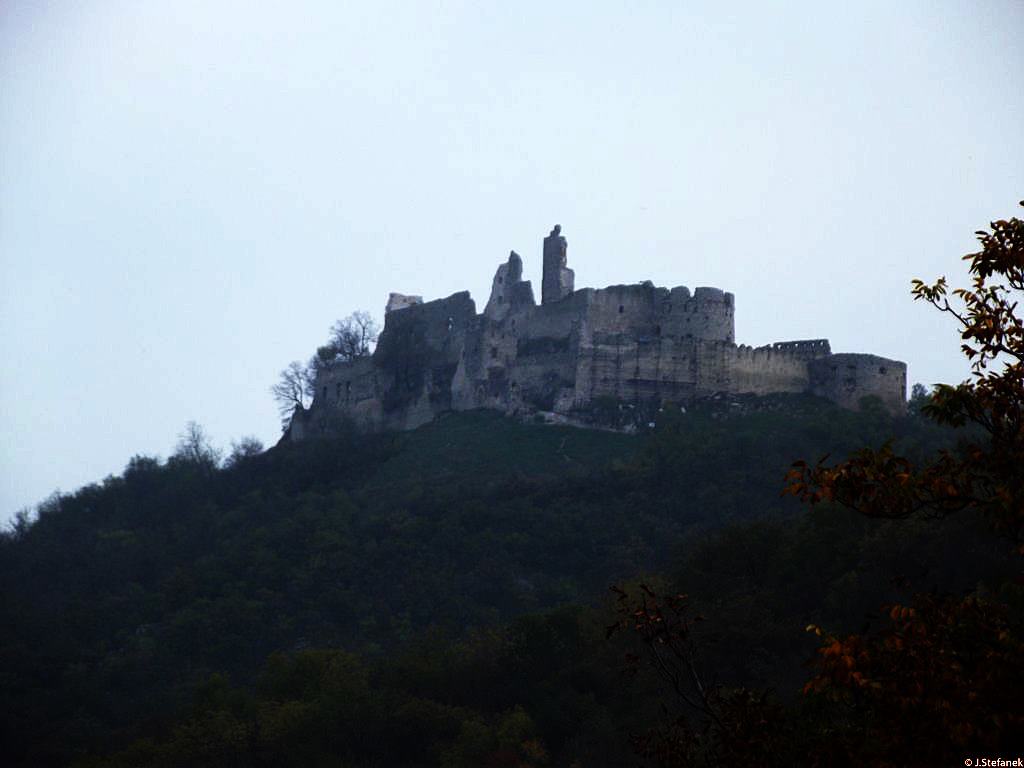
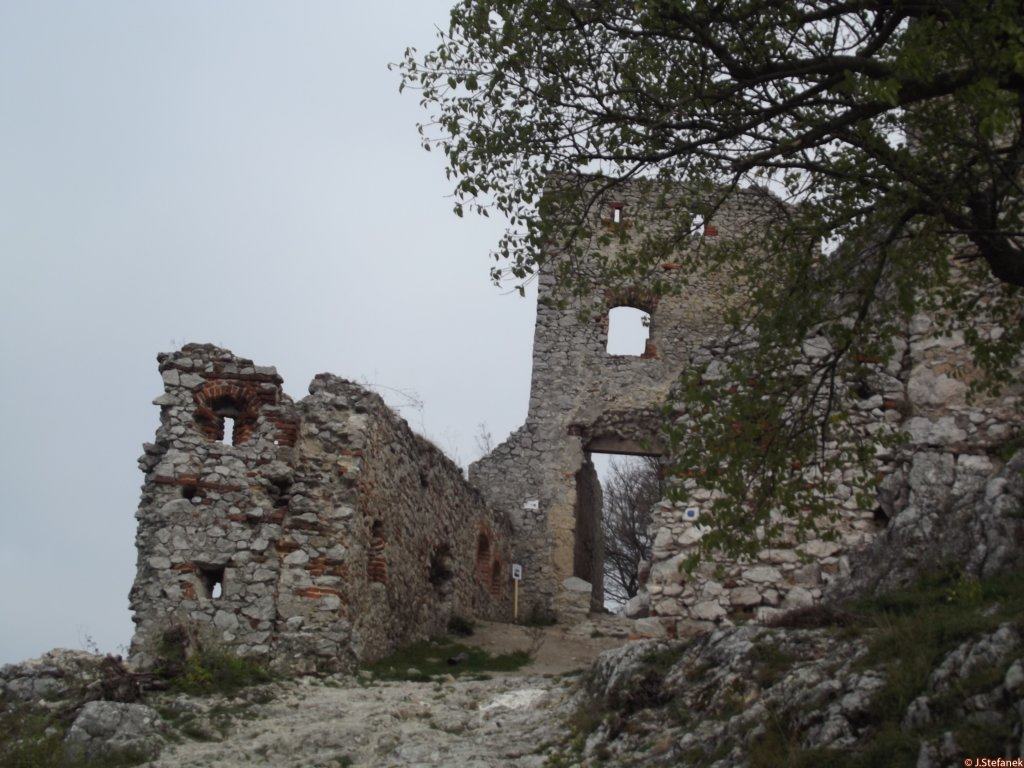
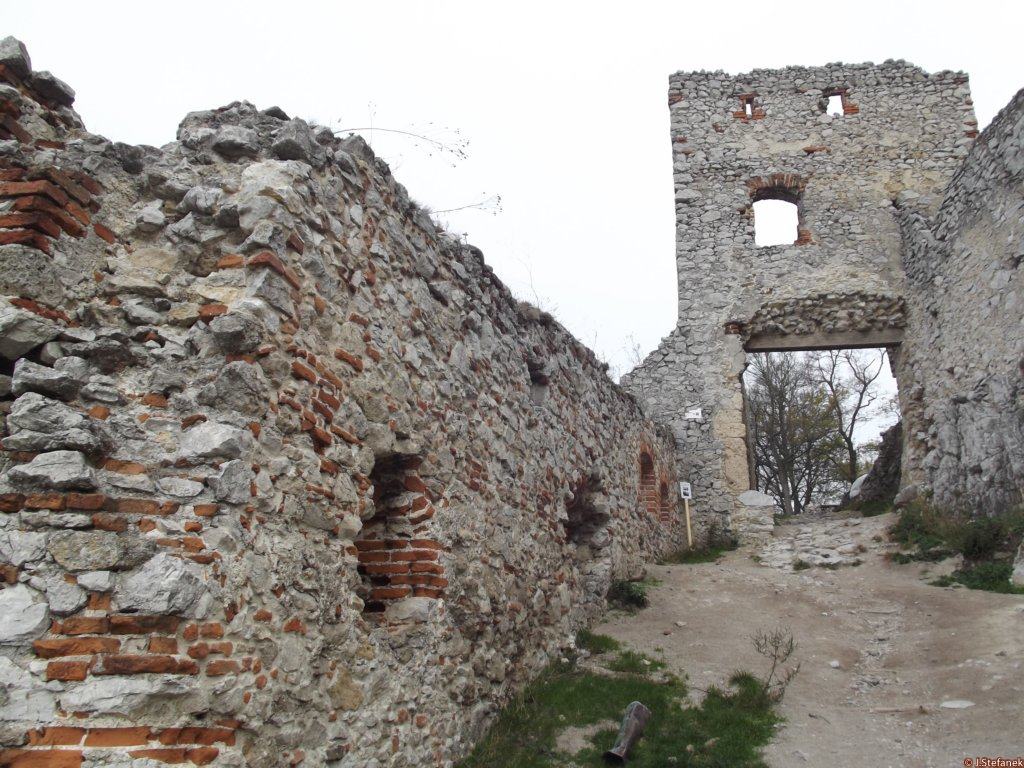
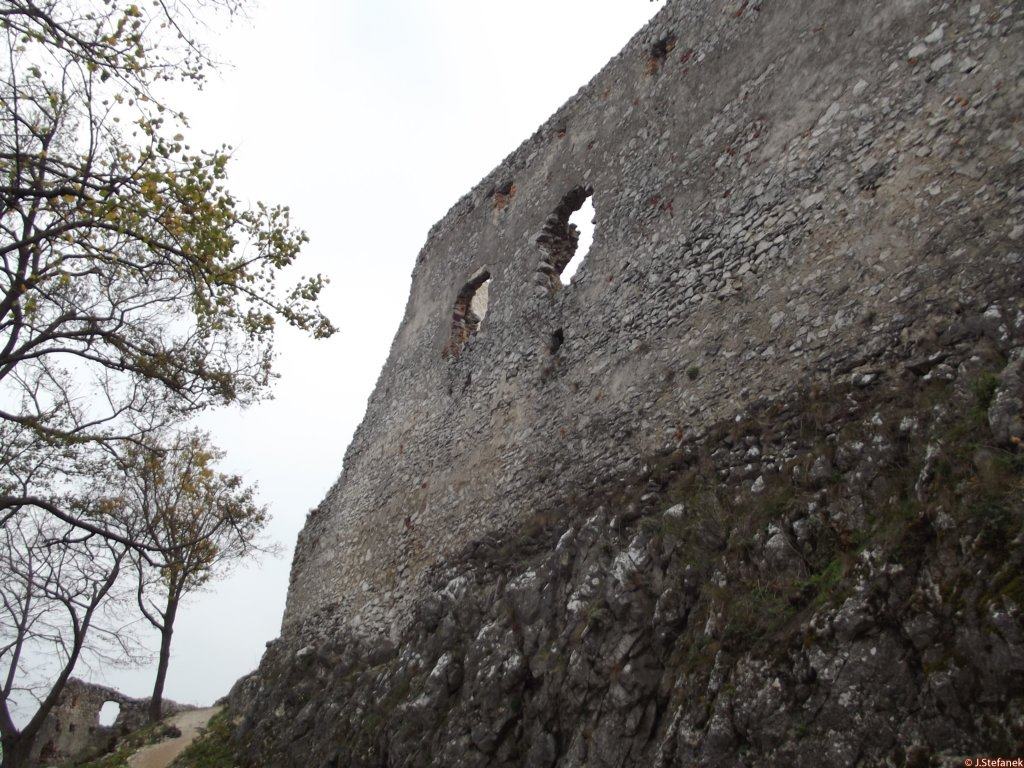
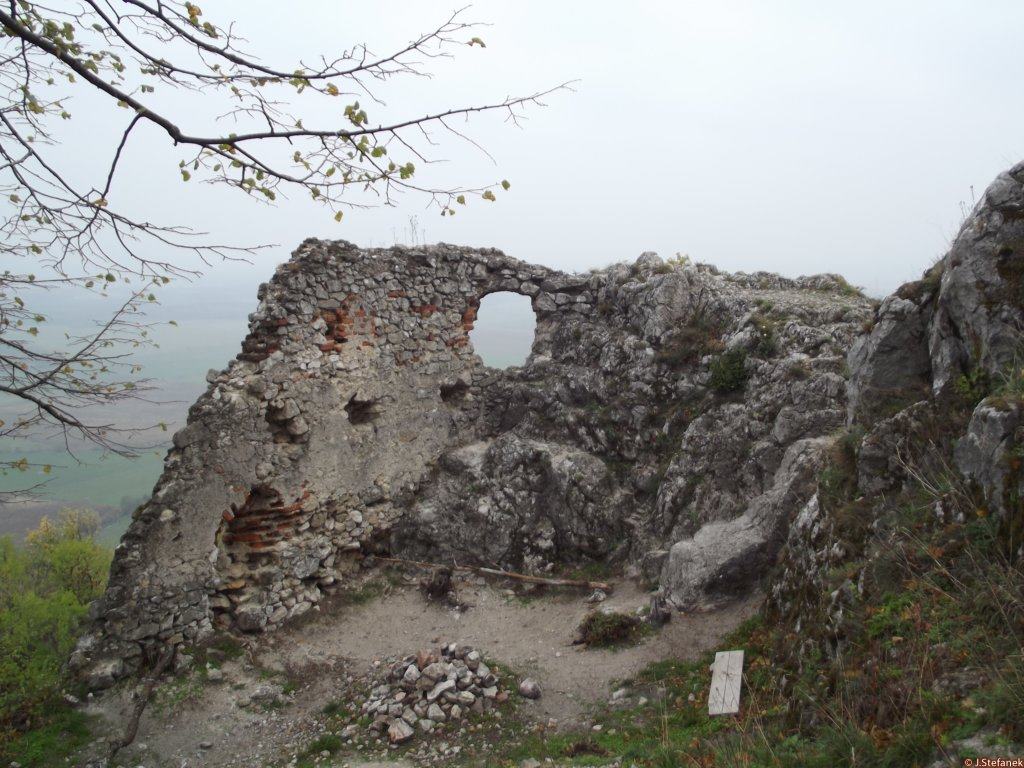
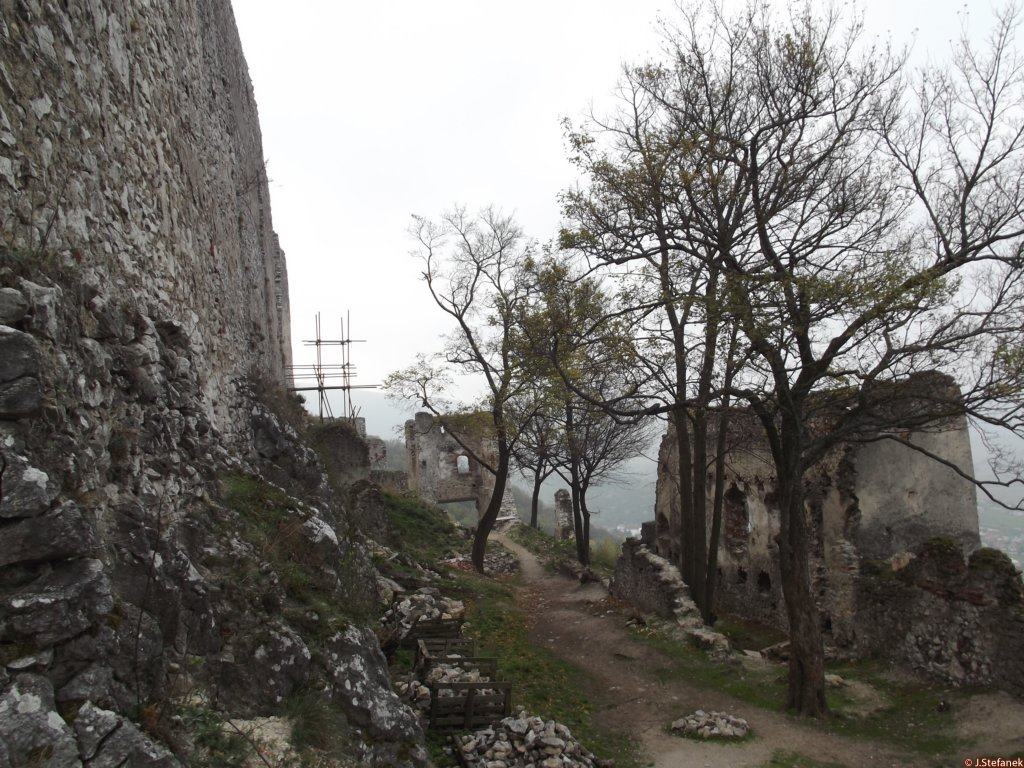
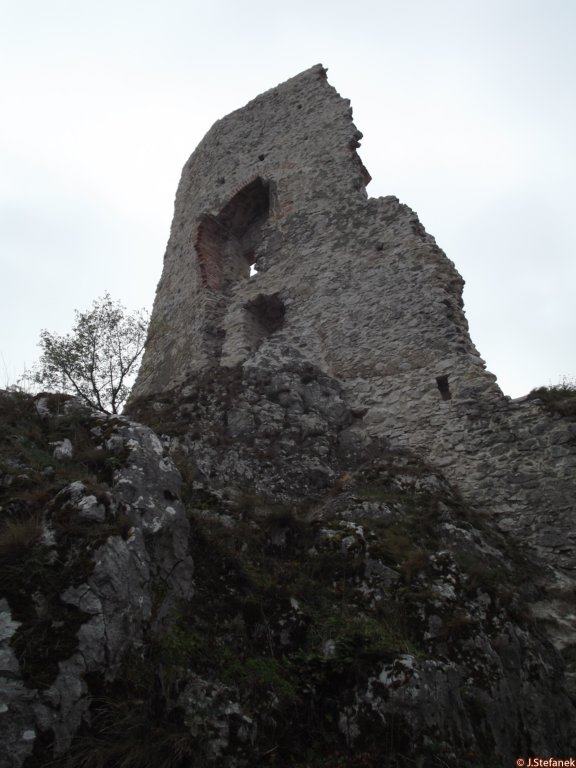
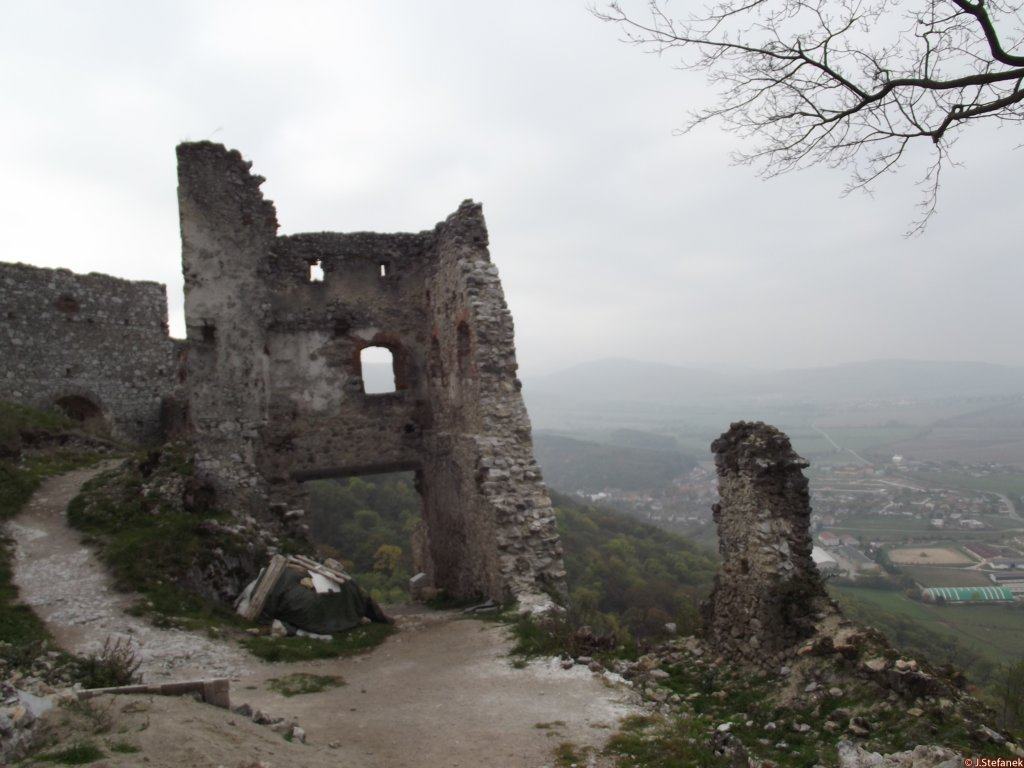
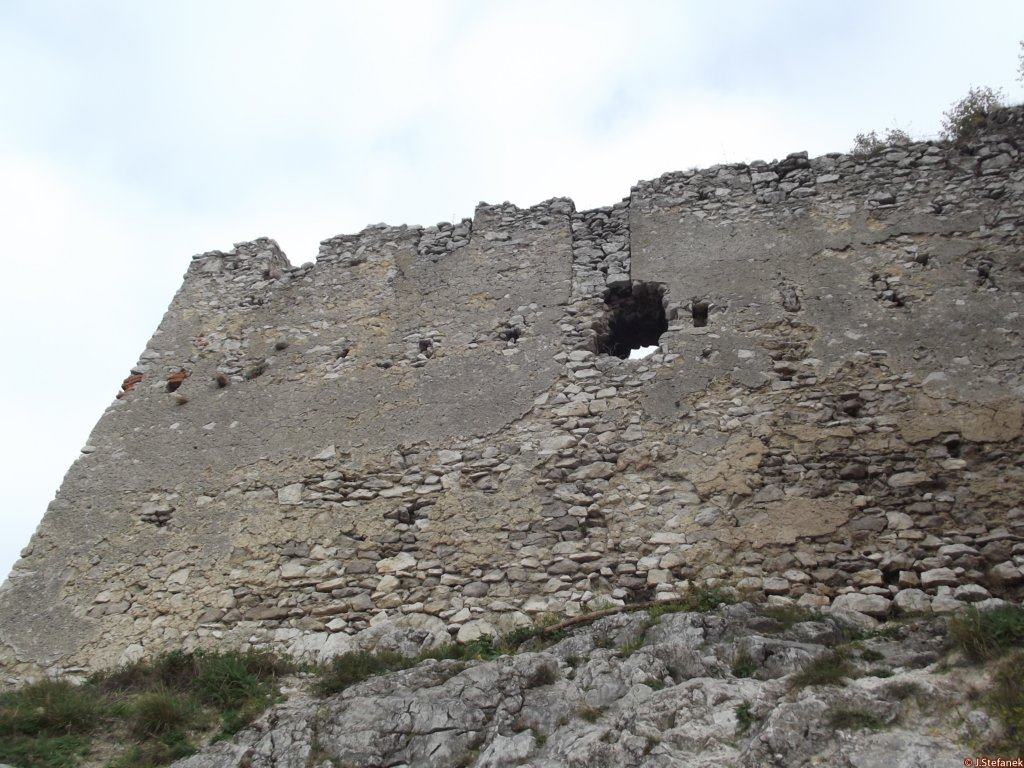
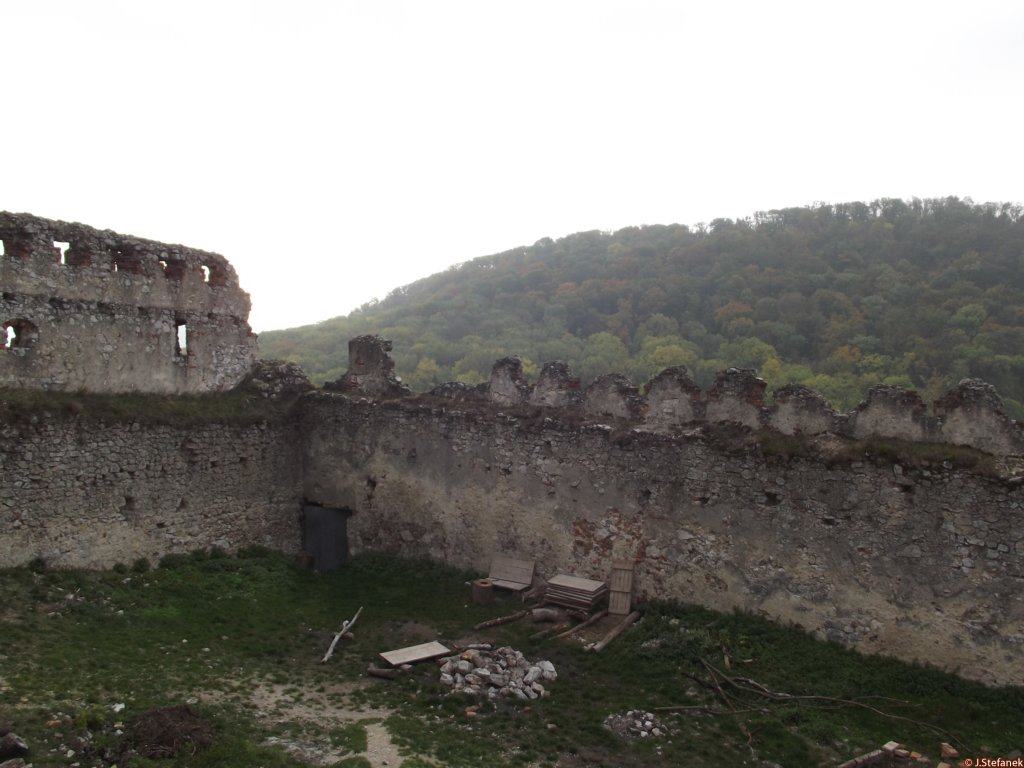
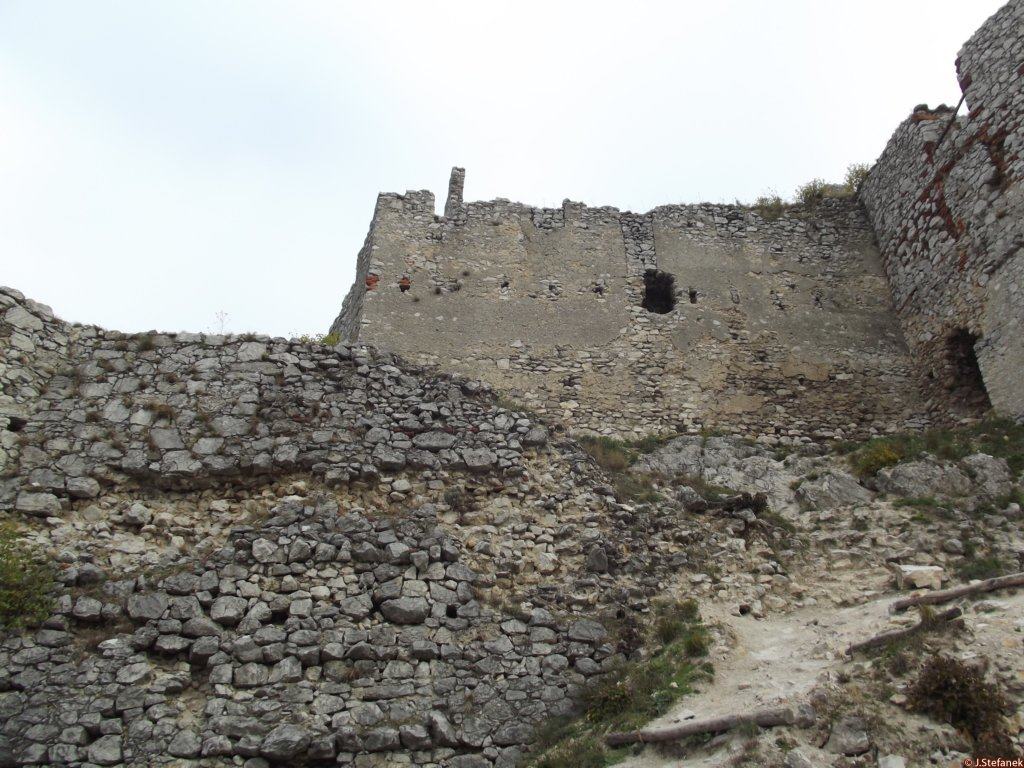
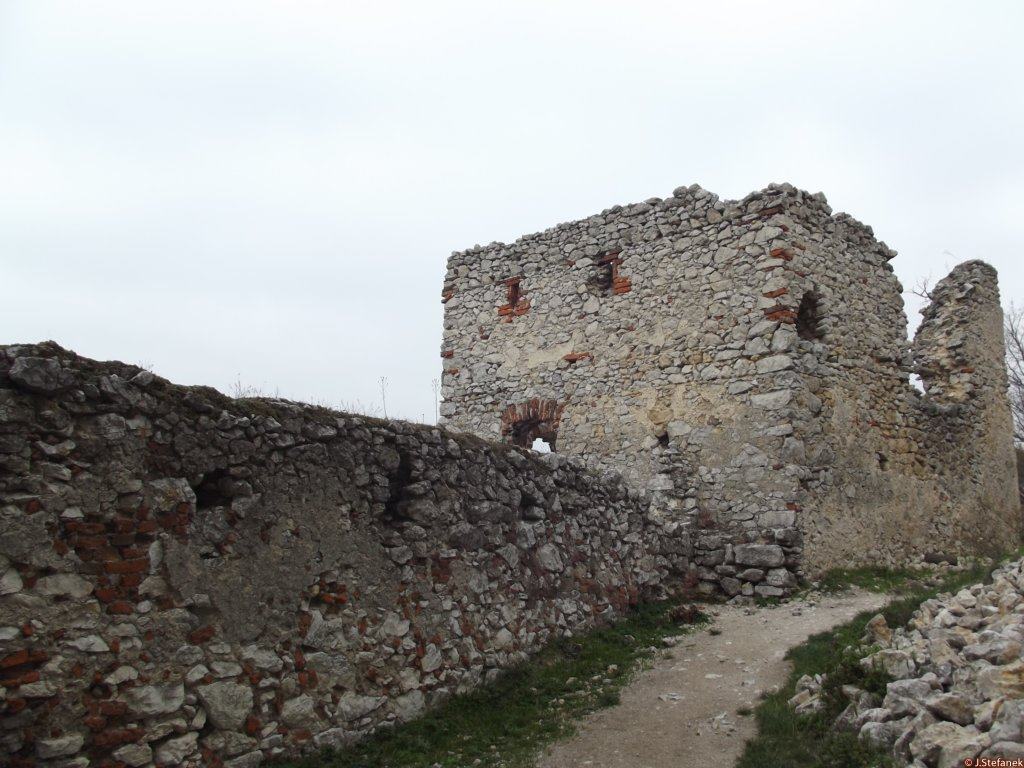
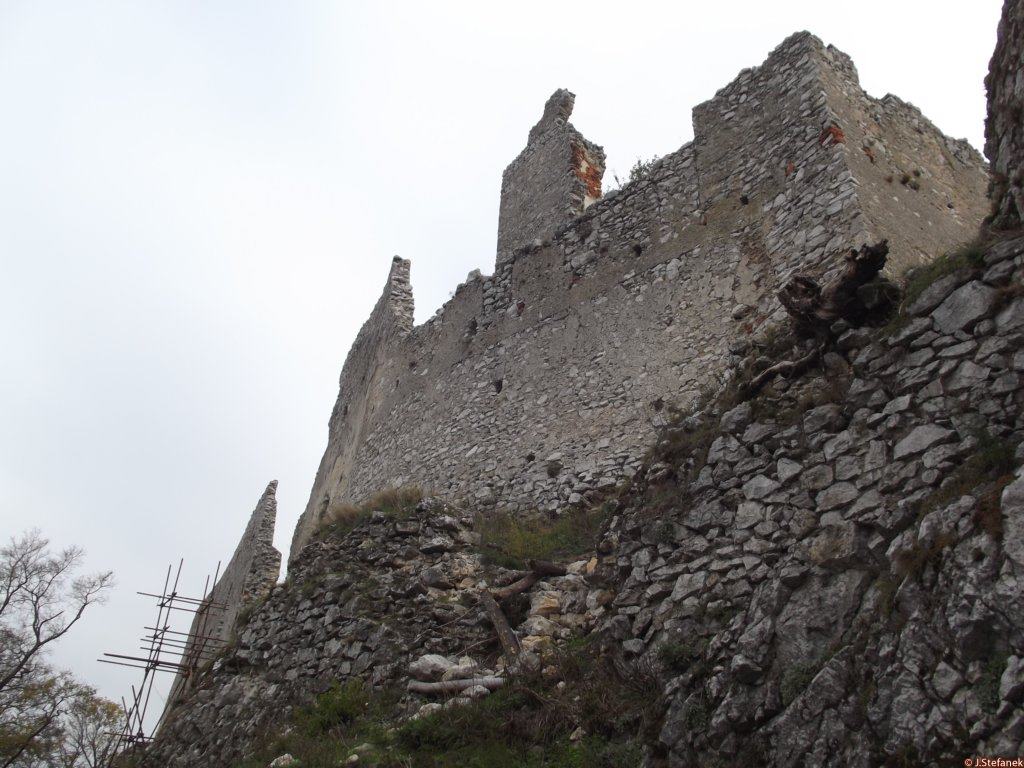
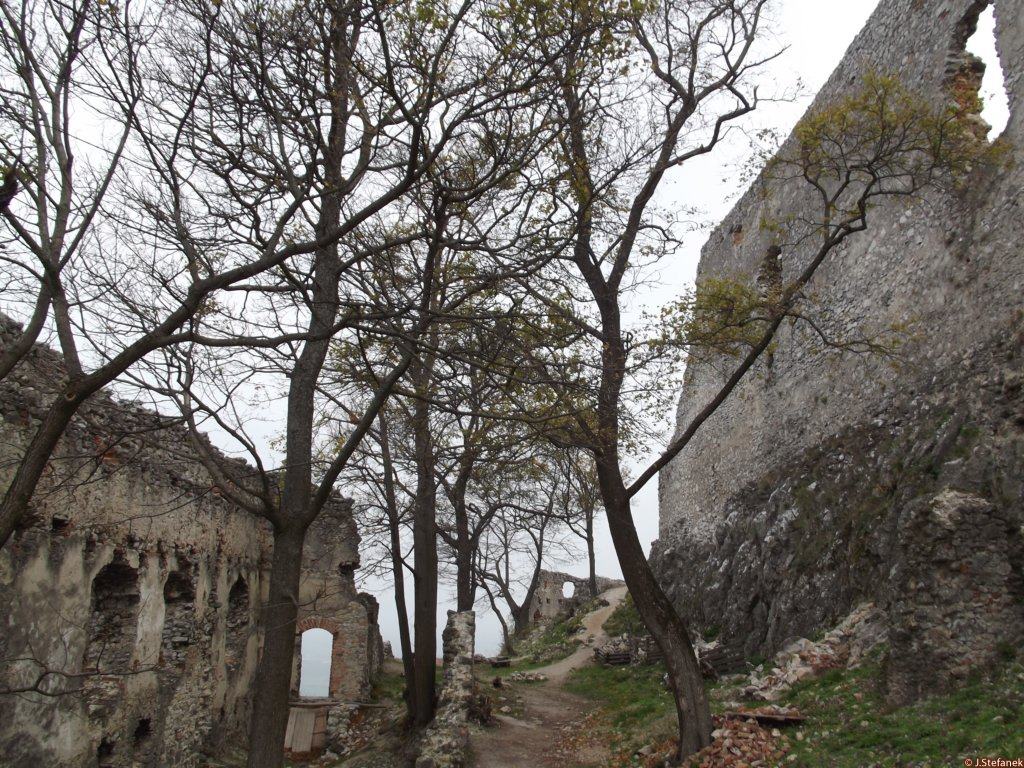
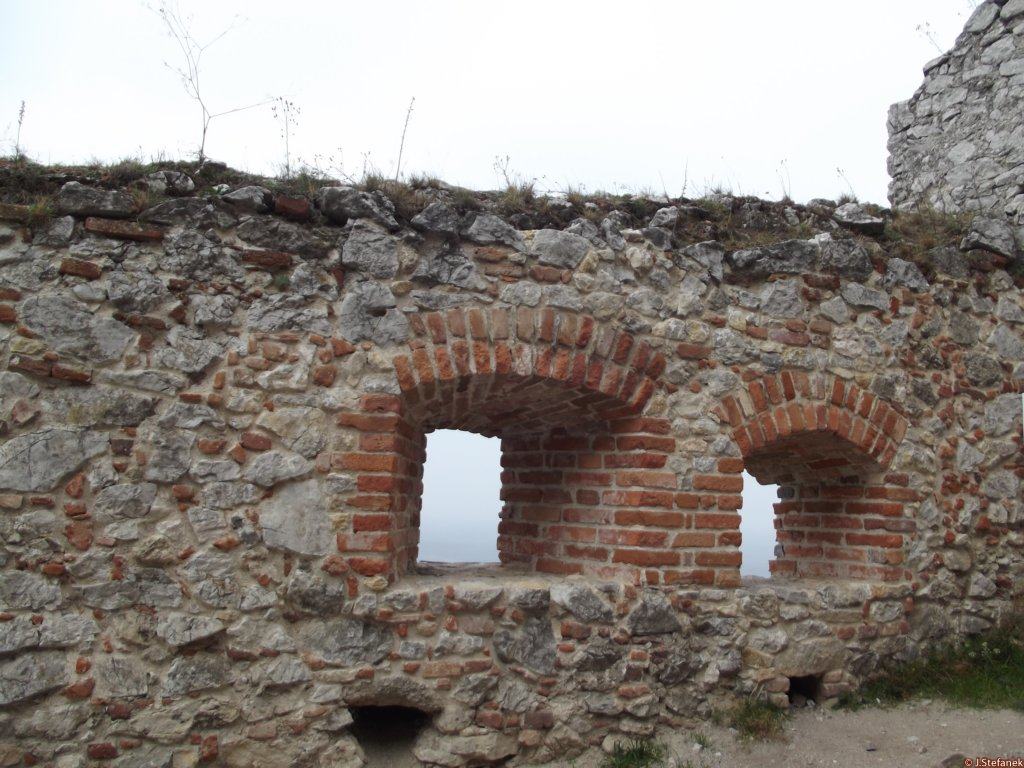
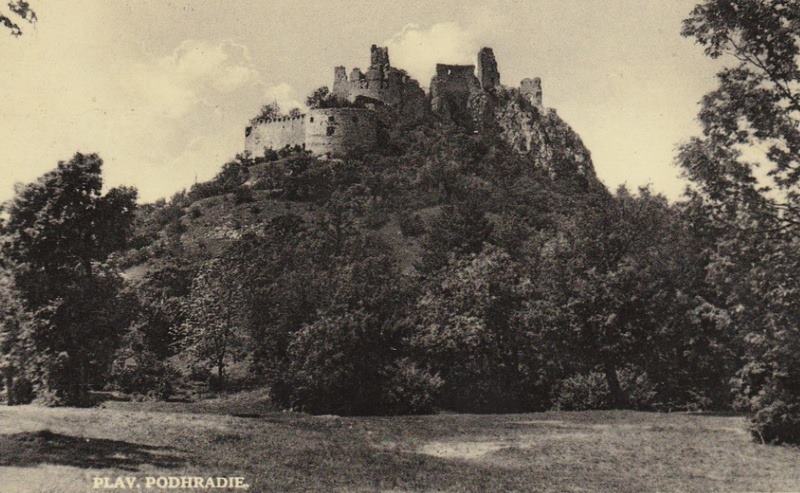
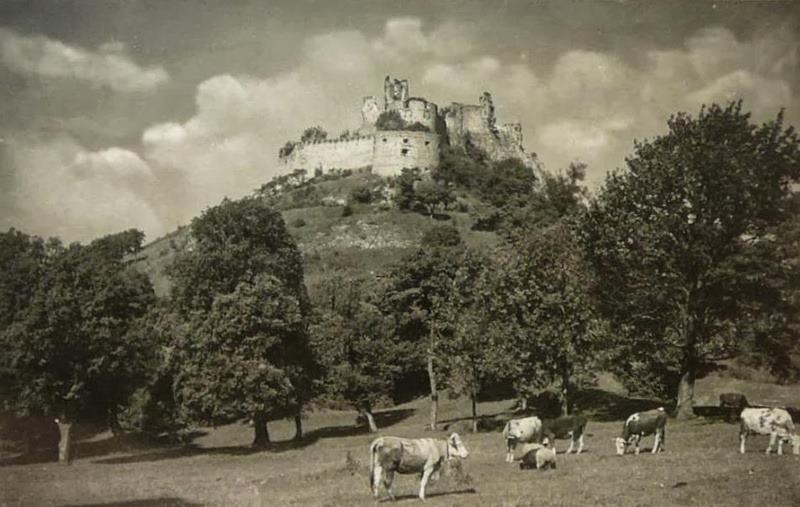
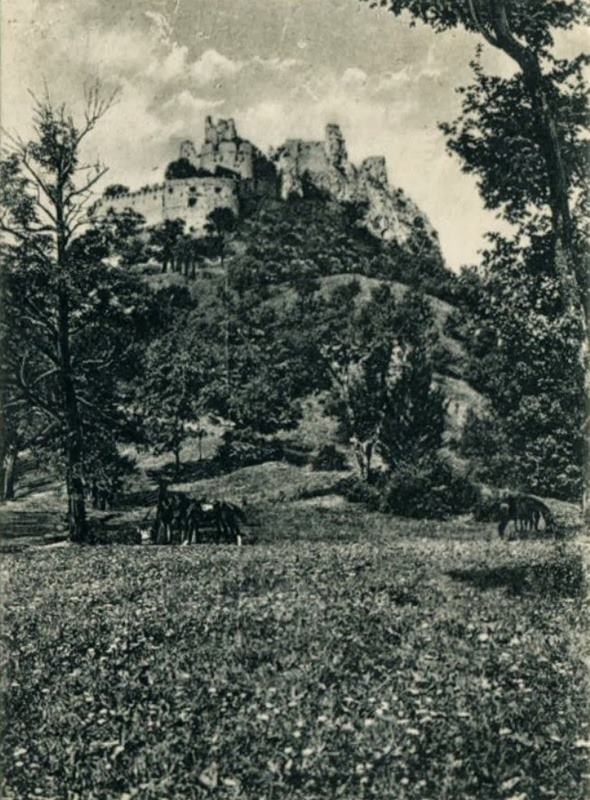
The ruins of the castle on the marginal limestone hill of the Little Carpathians, overlooking the Záhorie lowland, directly above the village of Plavecké Podhradie
Zrúcanina hradu na okrajovom vápencovom vrchu Malých Karpát, čnejúcom nad Záhorskou nížinou, priamo nad obcou Plavecké Podhradie.
Previous names
Detrech, hrad Polovcov, Podplšec, Detreh, Dethruh, Detrvh, Plosenstein, Plawcz, Detrehkw, Plozsten, Plawcž, Detrekő, Blasenstein, Plasenstein
Roads
The road No. 501 passes through the village of Plavecké Podhradie, from which we turn to the road No. 1110 at the municipal crossroads and continue almost to the manor house, but a few meters before it we turn left next to the apartment building. We continue across the tree alley along the road until we come to a smaller parking lot on a meadow next to the forest. The path to Plavecký castle from the mentioned parking lot along the blue route is not demanding, but it is necessary to take into account the constant slight ascent, in places along the rocky forest path. After about 20 minutes we get to the crossroads with direction signs. From there we continue to the castle only about 5 minutes to the left and at the next crossroads we turn left again and in a minute we are at the castle.
Cez obec Plavecké Podhradie prechádza cesta č.501, z ktorej na obecnej križovatke odbočíme na cestu č.1110 a pokračujeme až takmer ku kaštieľu, avšak pár metrov pred ním odbočíme popri bytovke doľava. Pokračujeme cez stromovú alej po ceste, až prídeme na menšie parkovisko na lúke popri lese. Výstup na Plavecký hrad od spomínaného parkoviska po modrej TZT nie je náročný, no treba počítať s neustálym miernym stúpaním, miestami po skalistej lesnej cestičke. Asi po 20 minútach sa dostaneme k rázcestiu so smerovými tabuľami. Odtiaľ pokračujeme na hrad už asi len 5 minút vľavo a na ďalšom rázcestí sa opäť dáme doľava a za minútku sme na hrade.
Description
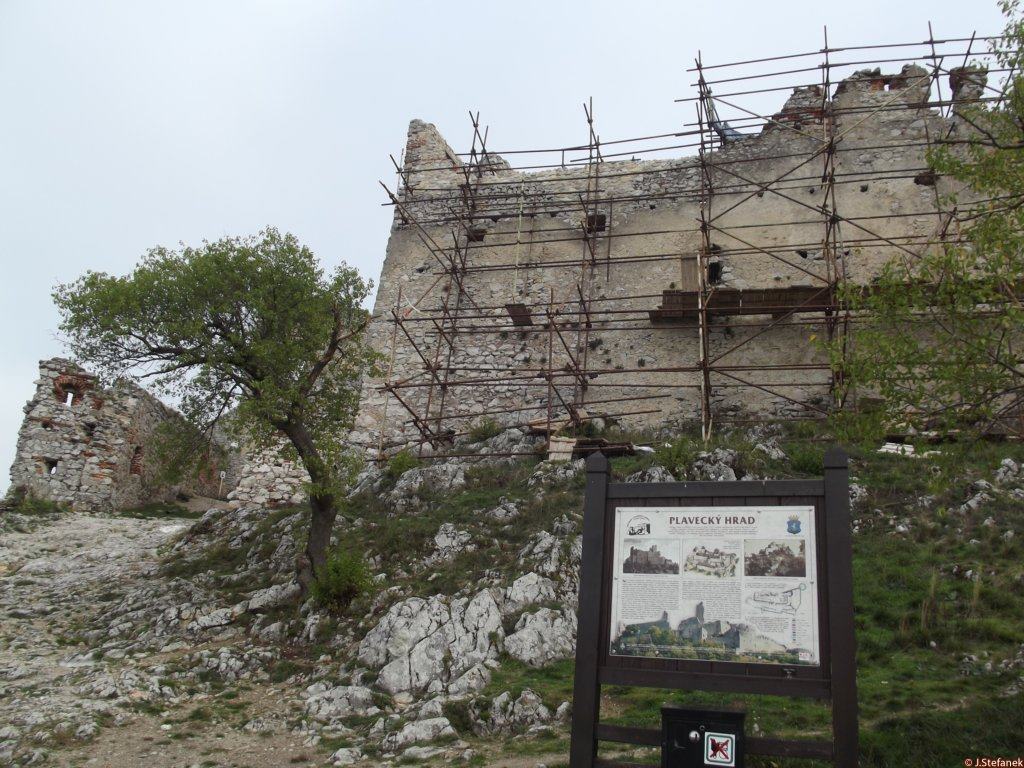
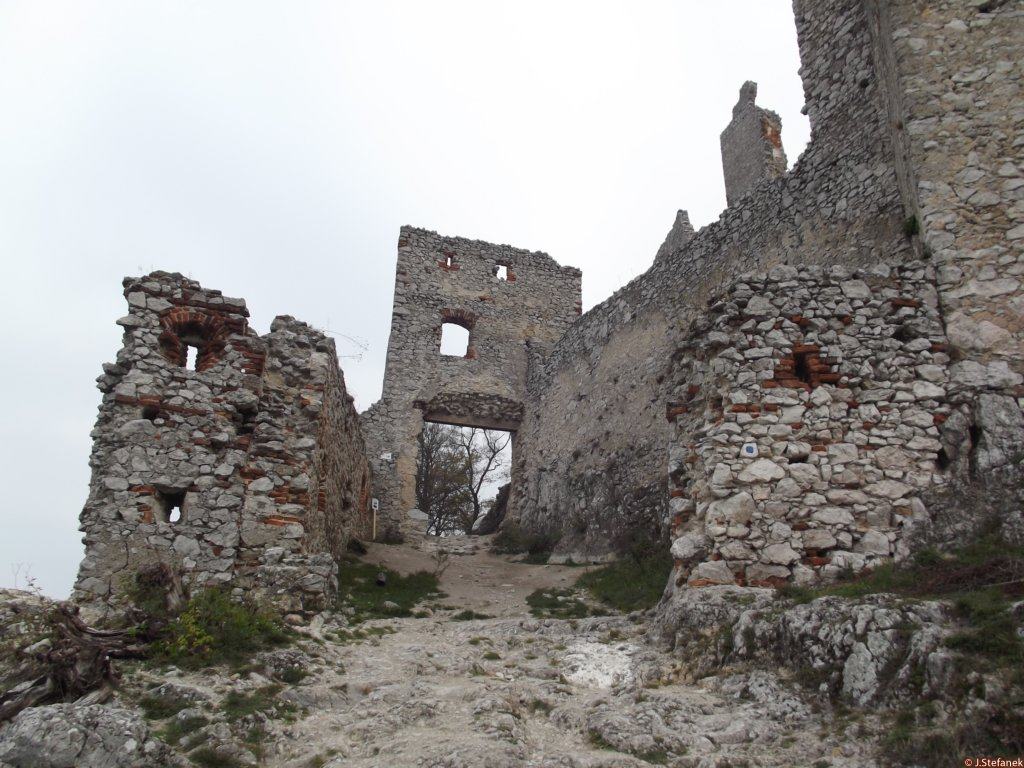
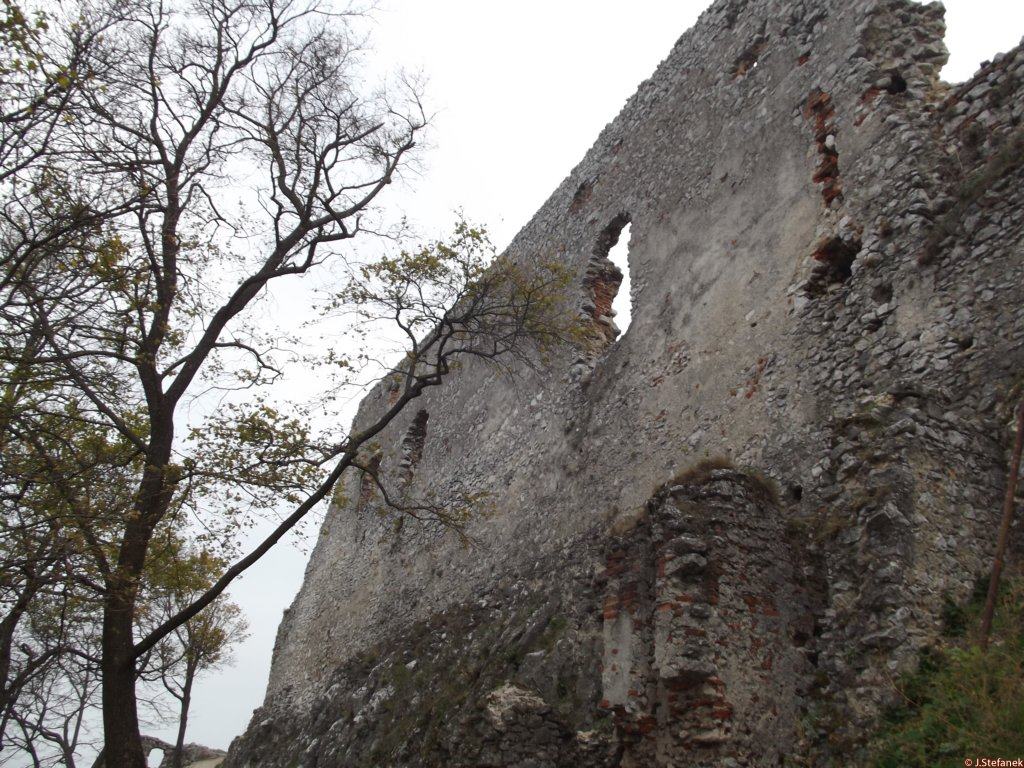
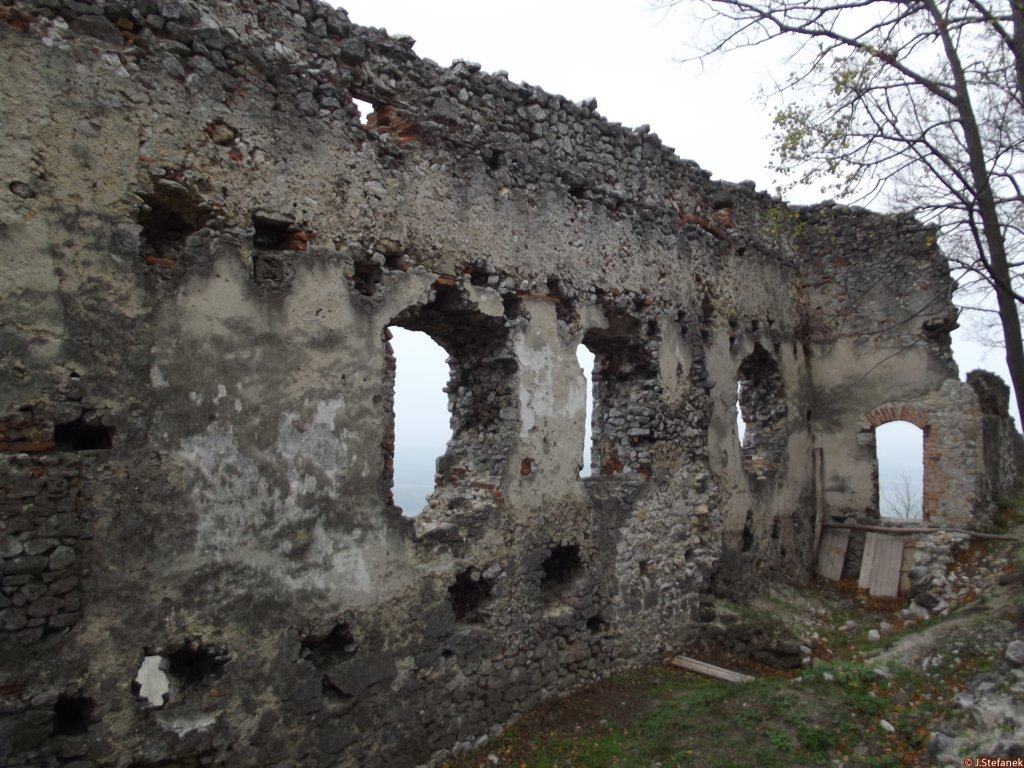
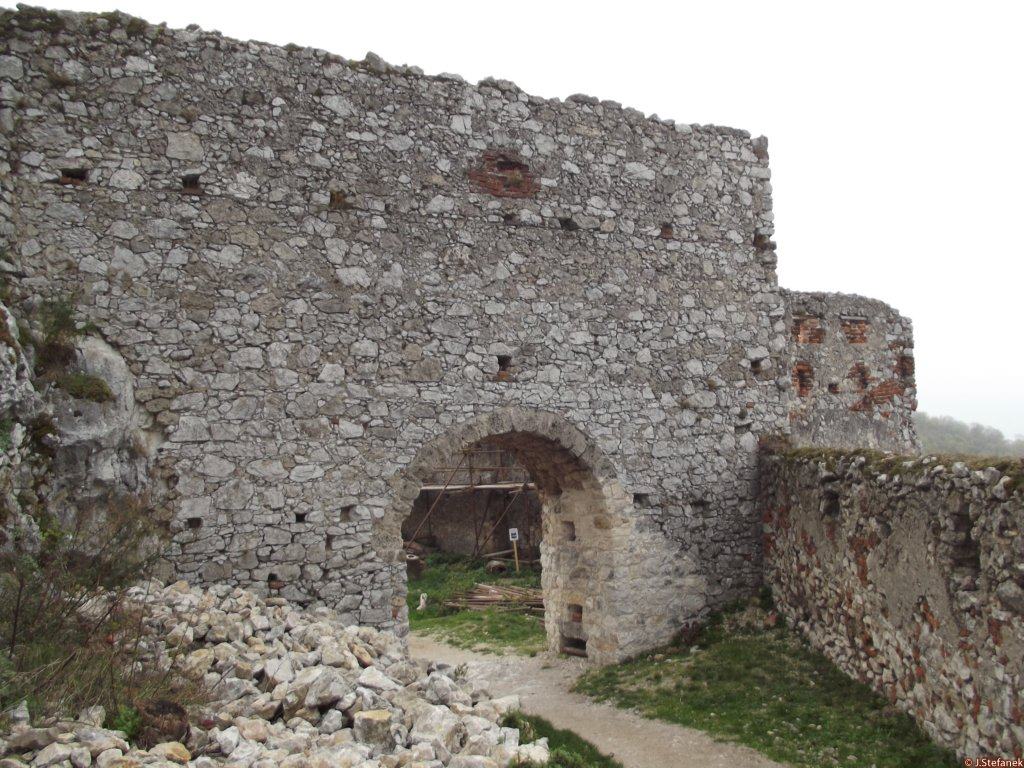
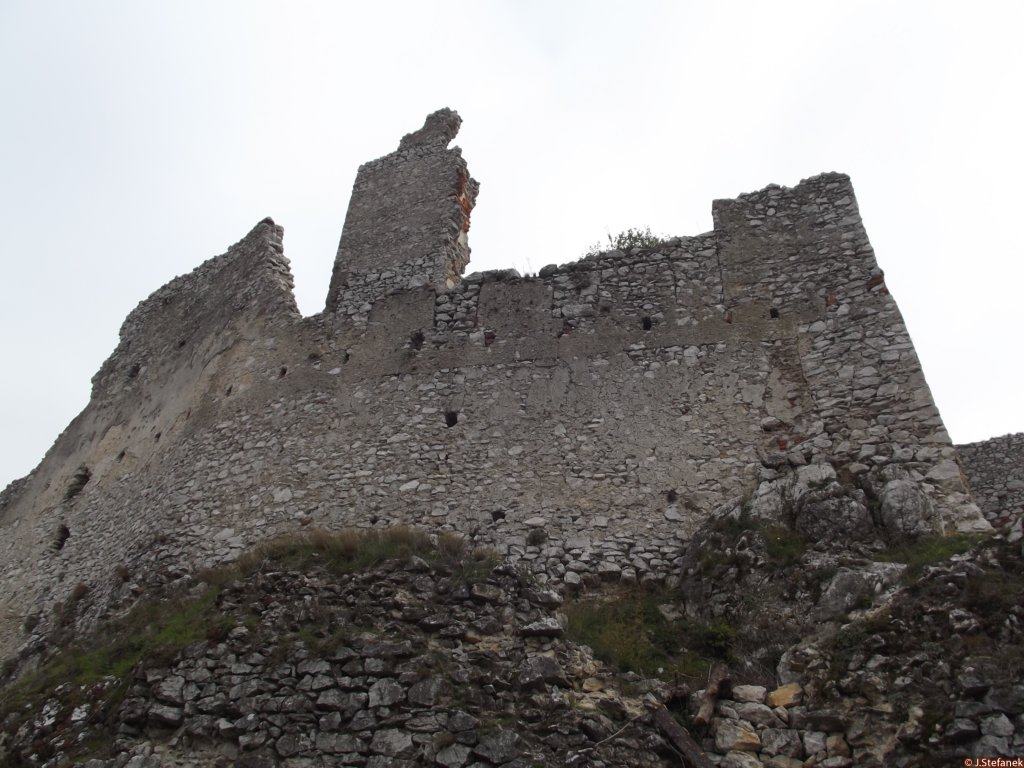
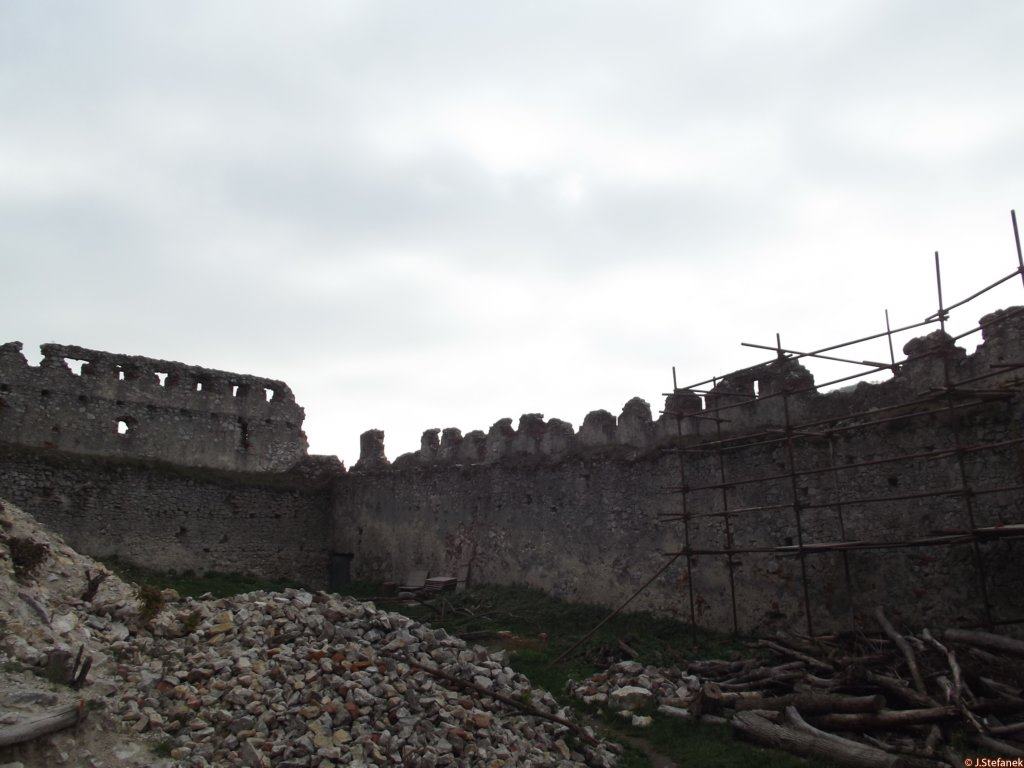
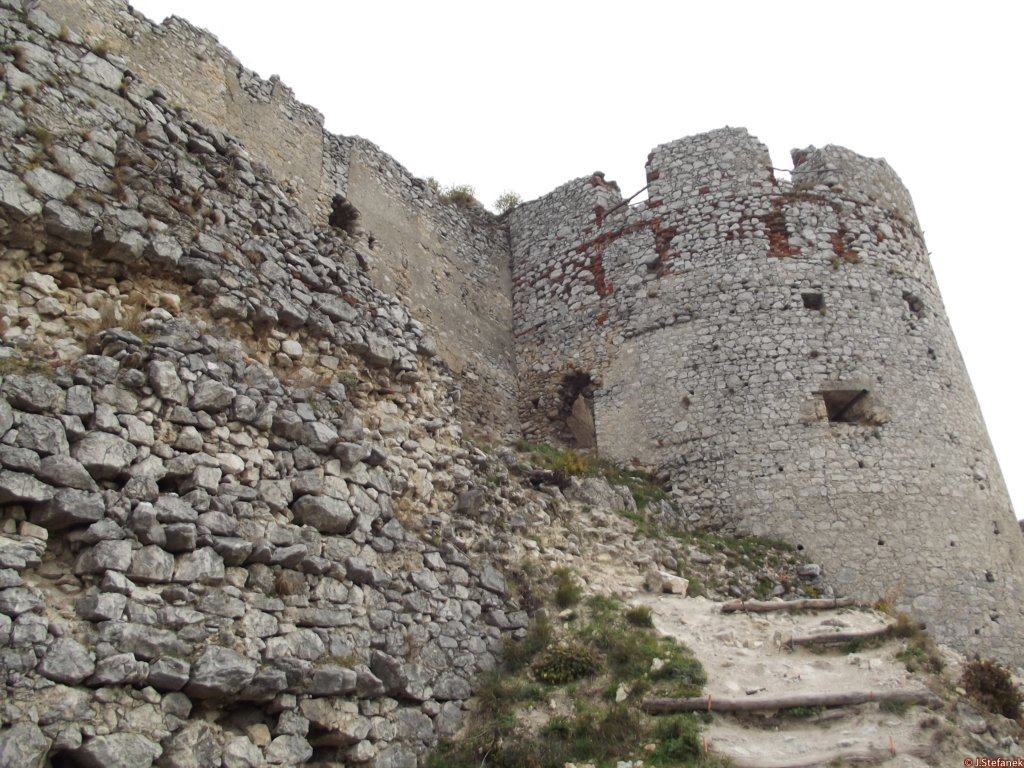
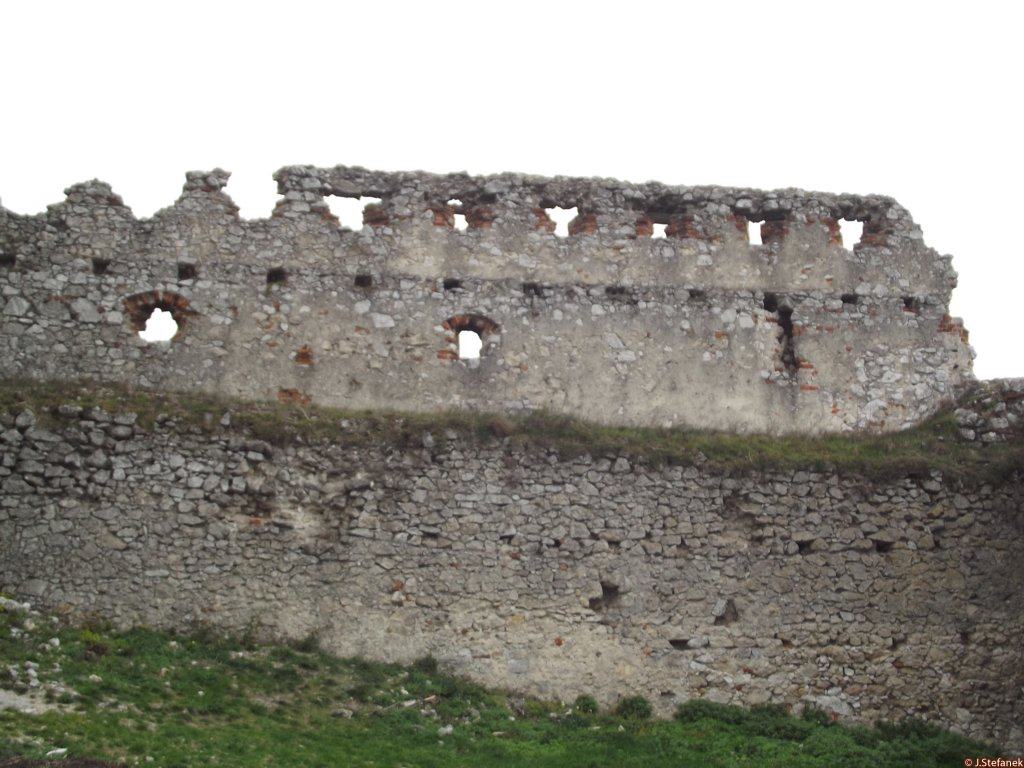
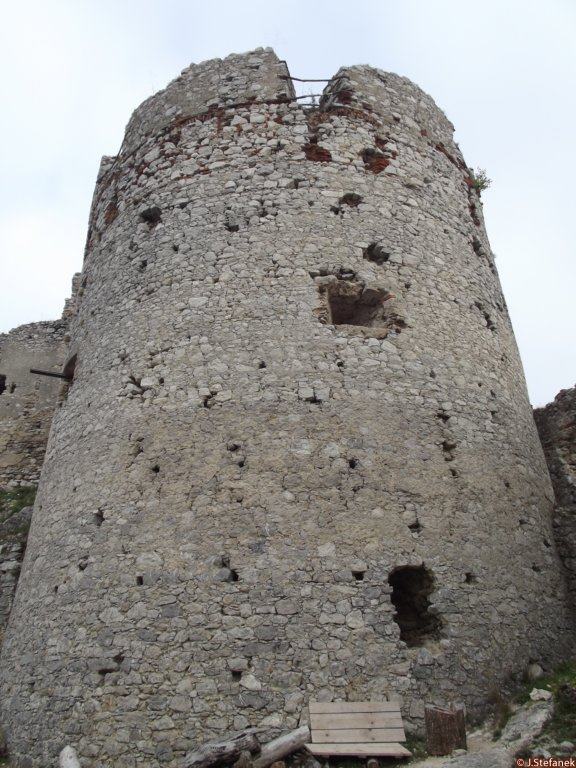
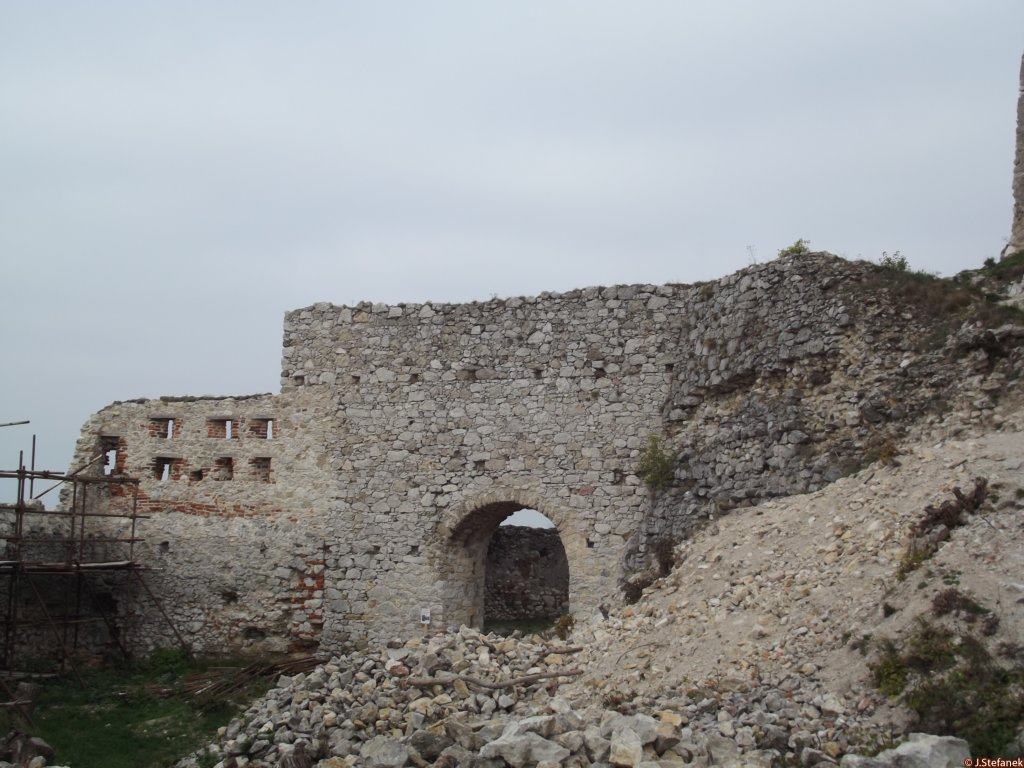
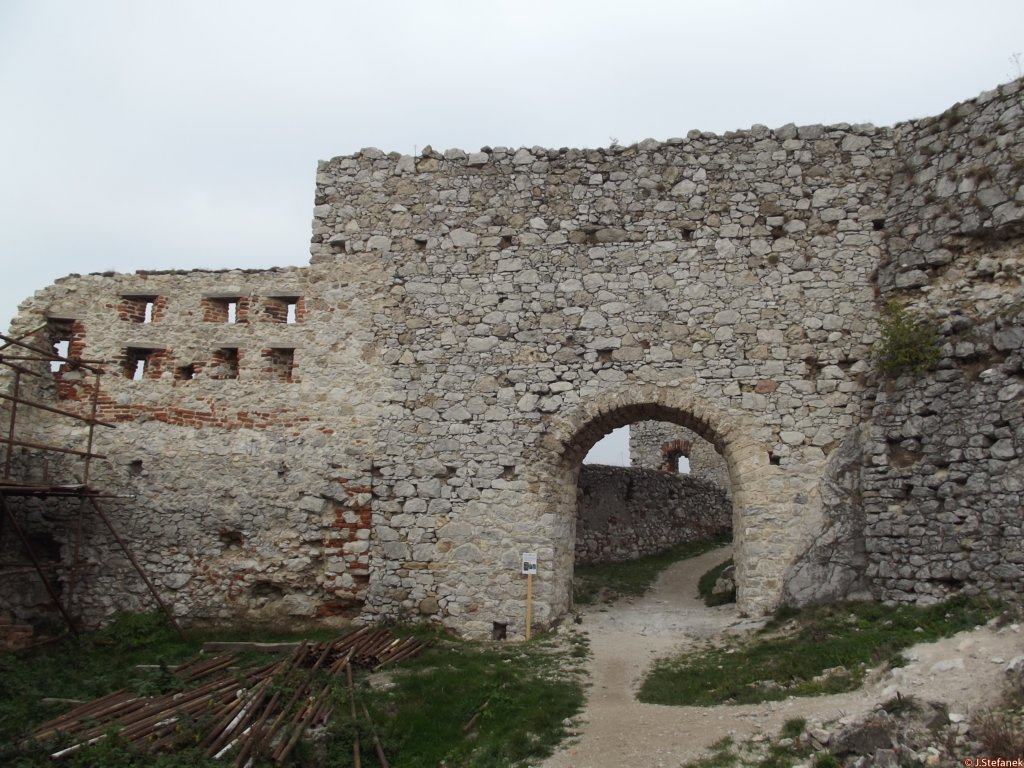
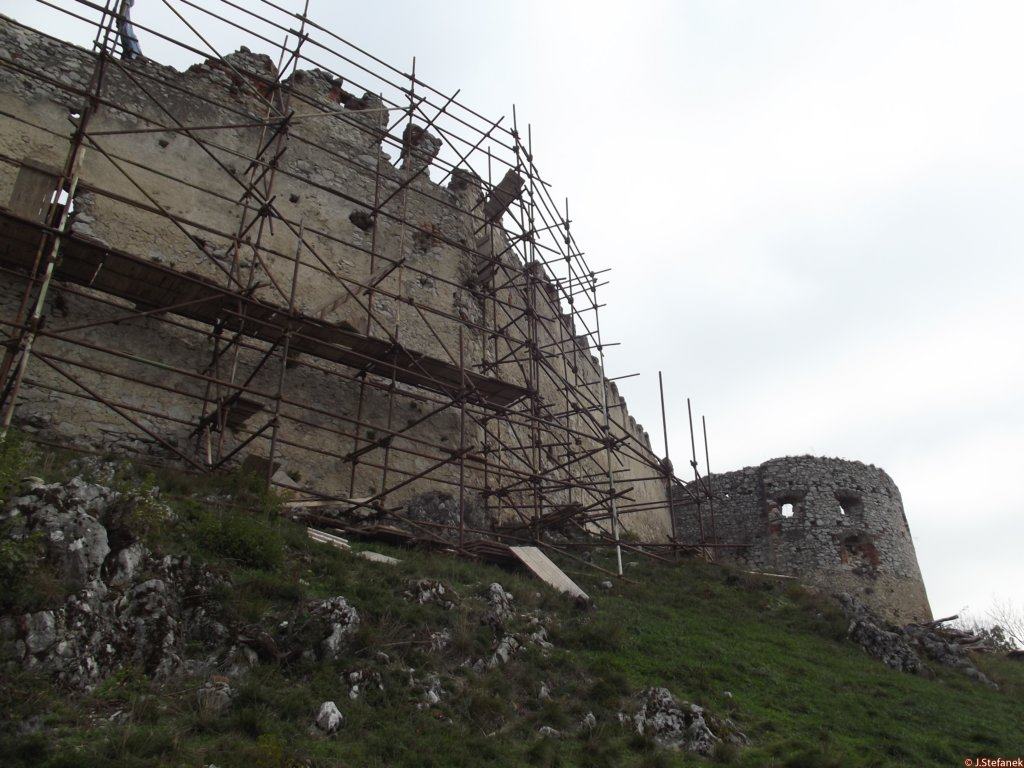
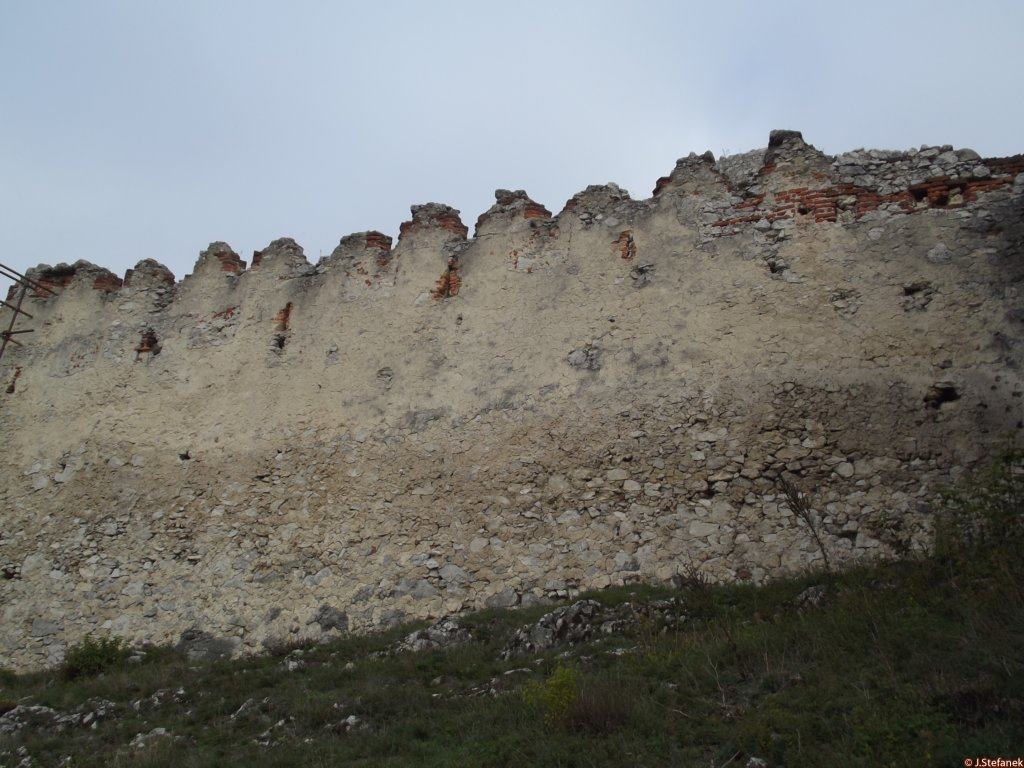
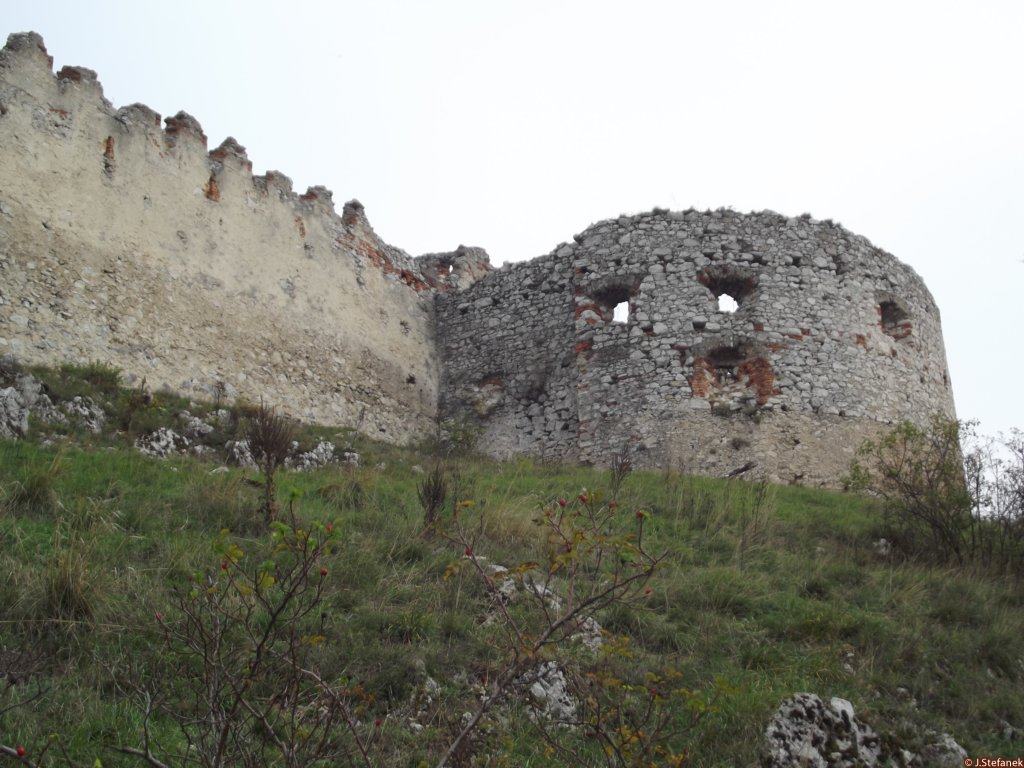
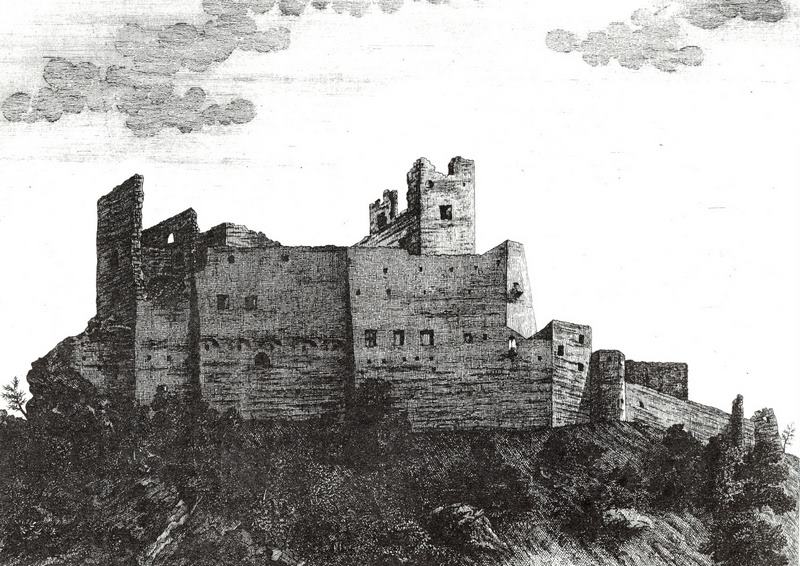
The original Gothic castle consisted of a prismatic tower and a palace. In the middle of the 16th century the castle was rebuilt into a Renaissance fortress with courtyards, later supplemented with cannon bastions.At present, the exterior masonry of the extensive fortifications, a significant cannon bastion and the masonry of the palace and the central tower have been preserved. A stone Renaissance gate has been preserved in the eastern bastion.
Pôvodný gotický hrad pozostával z hranolovej veže a paláca. V polovici 16.storočia bol hrad prestavaný na renesančnú pevnosť s nádvoriami, neskôr doplnený o delové bašty.V súčasnosti sa zachovalo vonkajšie murivo rozsiahleho opevnenia, výrazná delová bašta a murivo paláca i ústrednej veže. Vo východnej bašte sa zachovala kamenná renesančná brána.
Plan
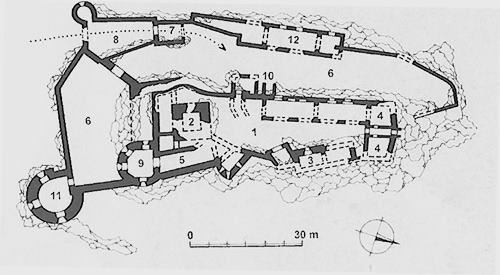
Legend to the ground plan
- 1 - upper castle
- 2 - residential tower
- 3 - eastern palace
- 4 - northern palace
- 5 - original entrance corridor
- 6 - lower courtyard
- 7 - entrance tower
- 8 - forecourt
- 9 - cannon bastion
- 10 - access ramp pillars
- 11 - cannon bastion
- 12 - farm buildings
Legenda k pôdorysu
- 1 - horný hrad
- 2 - obytná veža
- 3 - východný palác
- 4 - severný palác
- 5 - pôvodný vstupný koridor
- 6 - dolné nádvorie
- 7 - vstupná veža
- 8 - predbránie
- 9 - delová bašta
- 10 - piliere prístupovej rampy
- 11 - delová bašta
- 12 - hospodárske objekty
History
Plavecky castle was probably built as a royal border fortress sometime between the years 1256 - 1273. The circumstances of its origin are in more detail described in a document from 1291 talking about events dating back almost half a century. According to the document , Detrich (Depreht), the son of the Bratislava mayor Kunt, received a desolate and uninhabited area called Kitchen from King Bel IV on which the church of St. Nicholas stood. Detrich was responsible for the settlement of the area and built a castle on it, named after him. Detrich Castle enters history more significantly in 1273 in connection with the battle of Hungarian and Czech troops in the field directly below it. The beginning of the 14th century probably became part of the property domination of Matúš Čák Trenčianský. After his death, the castle belonged to the king and until almost the end of the 14th century it was administered by royal castellans. In 1398 it was acquired by the favorite of King Sigismund of Luxembourg, Duke Stibor of Stiborice.
Until the 16th century, it was owned by counts from Svätý Jur and Pezinok. After the death of the last descendant of the family from Jur and Pezinok, the castle again belonged to the crown, from which it was acquired by Gašpar Serédy. However, he released the castle in a short time to the reserve possession of Krištof Salm, from whom the castle was acquired by the Fugger family. The Fugger family owned it in the period 1553 - 1575. The castle was paid for by Ferdinand I from the advance, who donated it to Melicher Balass for proven services. In the years 1579 - 1582, the printer of the preacher P. Borzemisz was known at the Plavecky Castle. Calendars and religious books with Protestant sermons were printed here. After the extinction of the Balass family, Peter Bakič became the new owner, who allegedly freed Zuzana Forgáchová from Holíč Castle and protected her at the Plavecky Castle. In 1641 the castle was acquired by Pavol Pálffy and the Pálffy family was its owner continuously until the 20th century. In the second half of the 16th century, the castle was rebuilt into a Renaissance fortress with lower courtyards. It was gradually fortified again and maintained during the 17th century, when it was supplemented with new cannon bastions. In 1706, the castle was shelled by the imperial army for three days, which damaged it and captured it from the hands of the Kuruk insurgents. They haven't restored it since. The seat of the manor moved to Malacky in the middle of the 17th century.
Since 2014, the castle has been undergoing conservation and partial restoration.
Plavecký hrad bol postavený pravdepodobne ako kráľovská pohraničná pevnosť niekedy medzi rokmi 1256 - 1273. O okolnostiach jeho vzniku bližšie vypovedá listina z roku 1291 hovoriaca o udalostiach starých takmer polstoročie. Podľa nej dostal Detrich (Depreht), syn bratislavského richtára Kunta, od kráľa Bela IV. pusté a neosídlené územie Kuchyňa, na ktorom stál kostol sv. Mikuláša. Detrich sa zaslúžil o osídlenie územia a postavil na nom aj hrad,ktorý nazval svojim menom. Detrichov hrad výraznejšie vstupuje do dejín v roku 1273 v súvislosti s bitkou uhorských a českých vojsk na poli priamo pod ním. Začiatok 14.storočia sa zrejme stal súčastou majetkového domínia Matúša Čáka Trenčianskeho. Po jeho smrti pripadol hrad kráľovi a takmer až do konca 14.storočia ho spravovali kráľovskí kasteláni. V roku 1398 ho získal obľúbenec panovníka Žigmunda Luxemburského, vojvoda Stibor zo Stiboríc.
Do 16.storočia ho vlastnili grófovia zo Svätého Jura a Pezinka. Po smrti posledného potomka rodu z Jura a Pezinka pripadol hrad opäť korune, od ktorej ho získal Gašpar Serédy. Ten však hrad v krátkom čase prepustil do záložnej držby Krištofovi Salmovi, od ktorého potom hrad získali Fuggerovci, ktorí ho vlastnili v období 1553 – 1575. Zo zálohu hrad vyplatil Ferdinand I., ktorý ho za preukázané služby daroval Melicherovi Balassovi. Na Plaveckom hrade bola v rokoch 1579 - 1582 známa tlačiareň kazateľa P. Borzemiszu. Tlačili sa tu kalendáre a náboženské knihy s protestanstkými kázňami. Po vymretí rodu Balassovcov sa stal novým majiteľom Peter Bakič, ktorý údajne oslobodil z Holíčskeho hradu Zuzanu Forgáchovú a chránil ju na Plaveckom hrade. V r.1641 hrad získal Pavol Pálffy a Pálffyovci boli jeho vlastníkmi nepretržite až do 20.storočia. V druhej polovici 16.storočia hrad prestavali na renesančnú pevnosť s dolnými nádvoriami. Postupne ho znovu opevňovali a udržiavali aj v priebehu 17.storočia, keď ho doplnili o nové delové bašty. V roku 1706 hrad počas troch dní ostreľovalo cisárske vojsko, ktoré ho poškodilo a dobylo z rúk kuruckých povstalcov. Odvtedy ho už neobnovili. Sídlo panstva prešlo v polovici 17.storočia do Malaciek.
Od r.2014 prebieha na hrade konzervácia a čiastočná obnova hradu.
Myths and legends
The rumour says
The castle is the scene of a story, due to which the new Trojan War almost broke out in Hungary. In 1607, Peter Bakič kidnapped František Révay's wife, whom his husband, a drunkard and a cruel, kept under a rubble. Zuzana Forgách then lived at the Plavecky Castle next to her gavalier.
The King and the Pálffys
The king was once a guest of the lord of the Plavecky Castle and they went hunting together. A deer hunted by the king frightened Paul in the woods of a pony pulling a chariot. The truck overturned, Paul rolled over the car and his son sitting next to his father just saved himself. The king felt sorry for the king and entrusted him to the care of the childless master of the Plavecky Castle. He adopted it and donated the castle estate on his deathbed to an already grown-up and current young man, the founder of the Pálffy family (in Hungarian Pál fia = Paul's son).
Povráva sa
Hrad je dejiskom príbehu, kvôli ktorému v Uhorsku takmer vypukla nová Trójska vojna. Peter Bakič v r.1607 uniesol Františkovi Révaymu ženu, ktorú manžel, pijan a krutáň, držal pod feruľou. Zuzana Forgách potom žila na Plaveckom hrade po boku svojho gavaliera.
Kráľ a Pálffyovci
Kráľ bol raz hosťom pána Plaveckého hradu a spolu išli na poľovačku. Kráľom štvaný jeleň vyplašil v lese koníka ťahajúceho voz smoliara Pavla. Fúra sa prevrátila, Pavla voz privalil a jeho syn sediaci pri otcovi sa len tak-tak zachránil. Kráľovi sa šuhaja uľútostilo a zveril ho do opatery bezdetnému pánovi Plaveckého hradu. Ten si ho osvojil a na smrteľnej posteli hradné panstvo daroval už odrastenému a súcemu mládencovi, zakladateľovi rodu Pálffyovcov (v maďarčine Pál fia = Pavlov syn).
Useful information
The ruins are freely accessible
Zrúcanina je voľne prístupná
Nearby castles
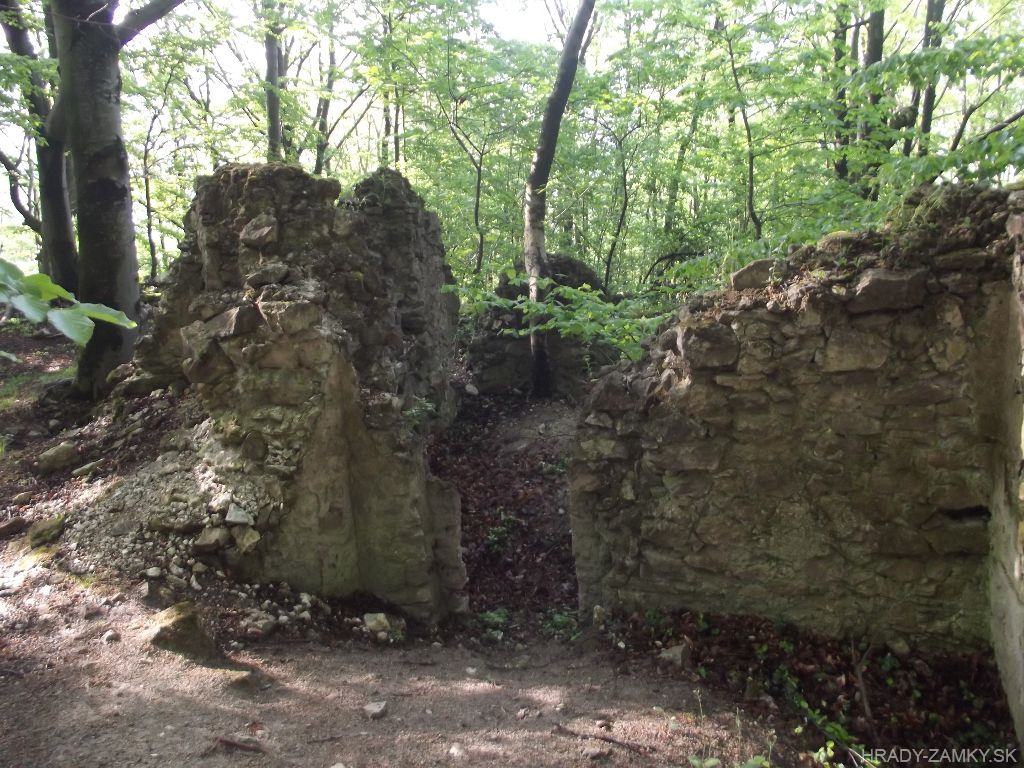
Plavecké Podhradie
Plavecké Podhradie
0.9km
monastery
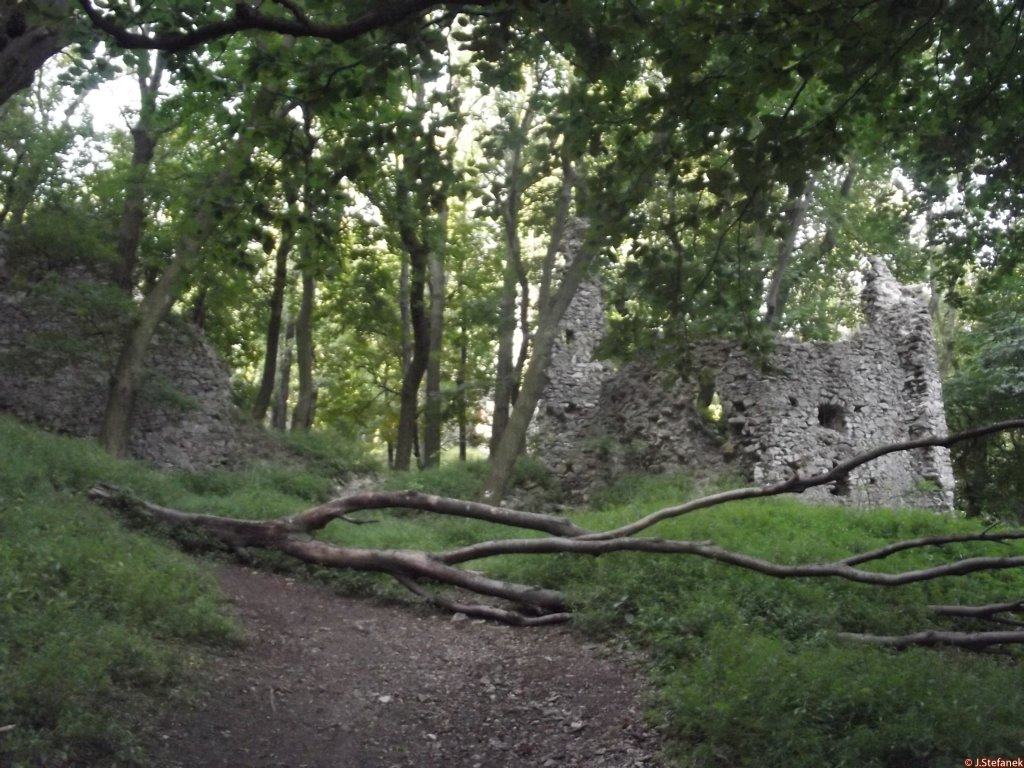
Ostrý Kameň
Buková
8.2km
castle ruin
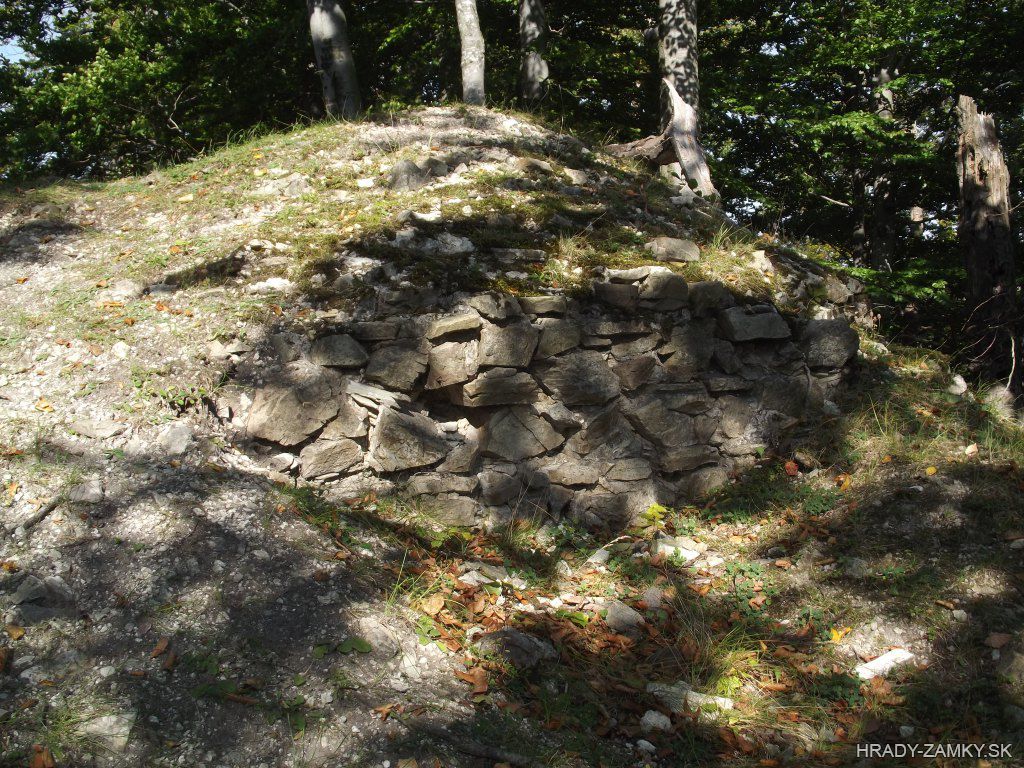
Kuchyňa castle
Kuchyňa
9.6km
castle ruin
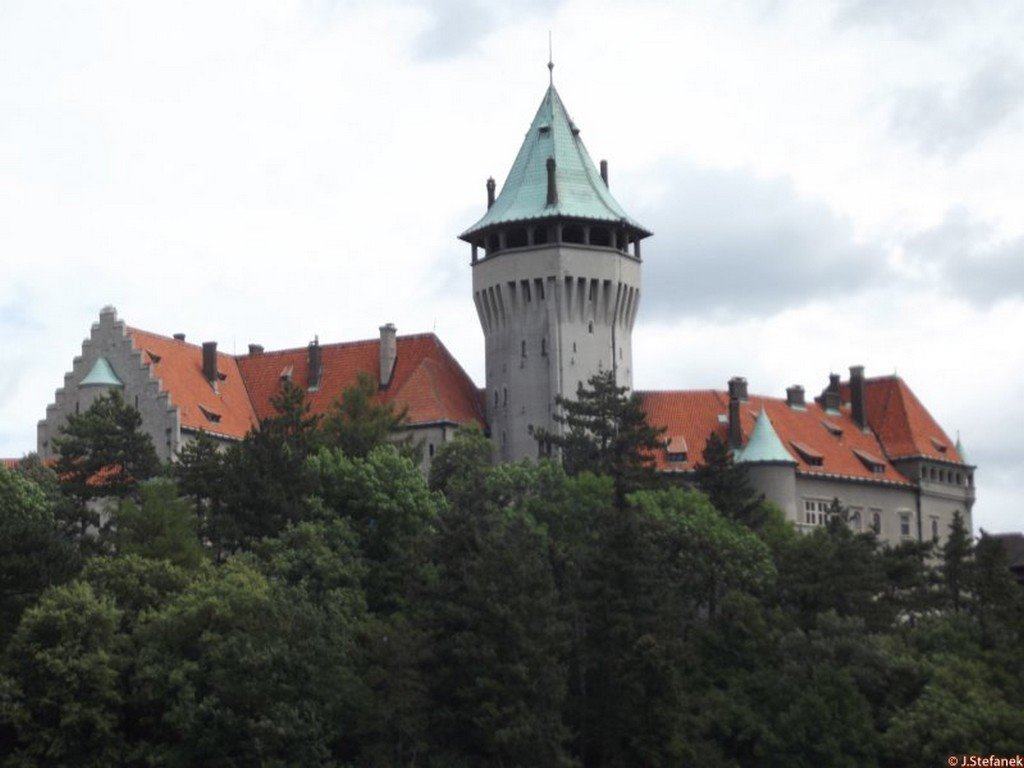
Smolenice chateau
Smolenice
12.3km
castle, chateau
Červený Kameň
Častá
12.4km
castle, chateau
Korlátka
Cerová
12.5km
castle ruin
Trstín manor
Trstín
14.9km
manor, mansion