Korlátka
Cerová Trnava county Slovakia
castle ruin
Korlátka
Cerová Trnavský kraj Slovakia
zrúcanina hradu
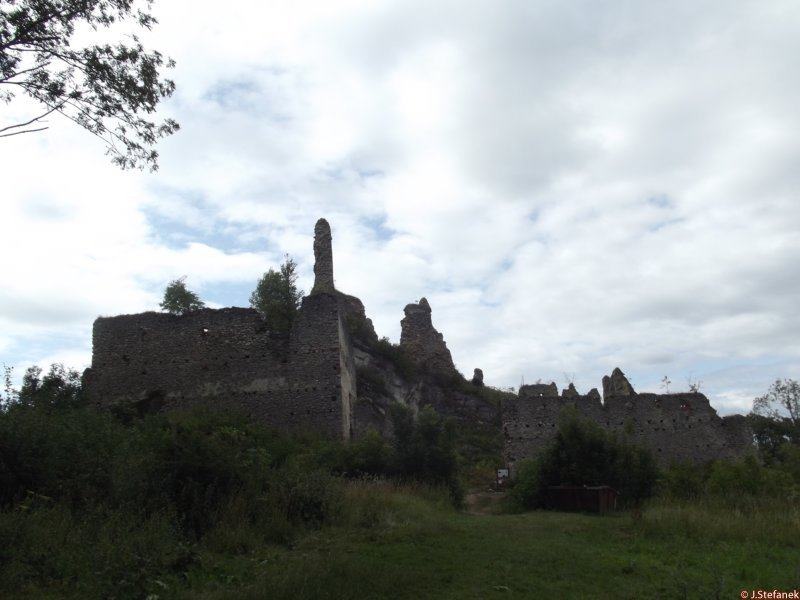
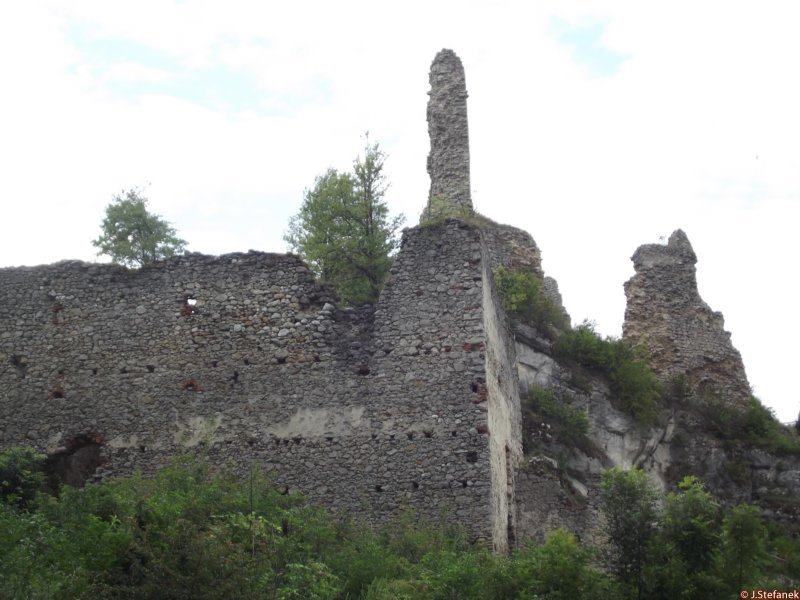
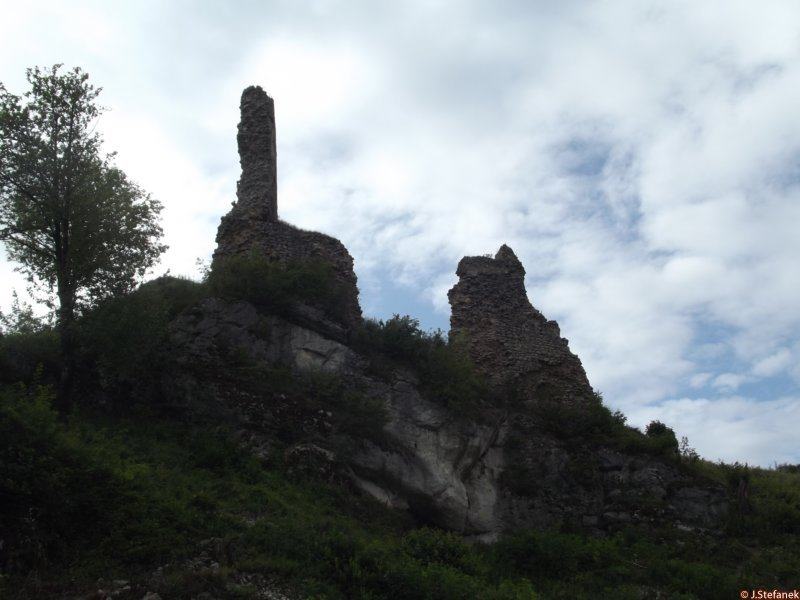
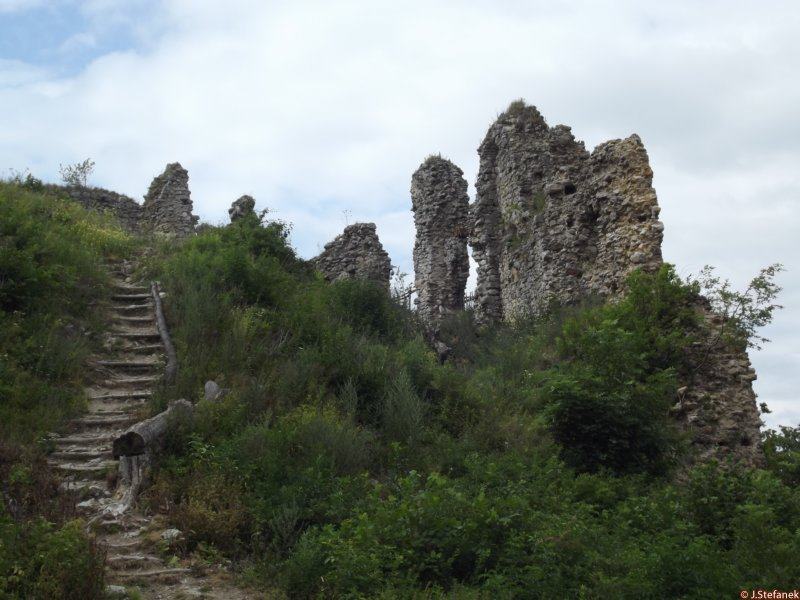
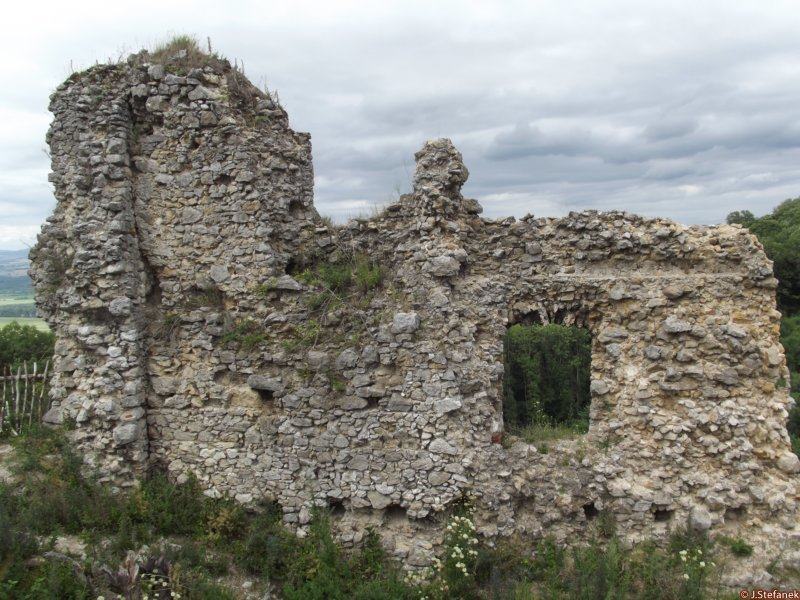
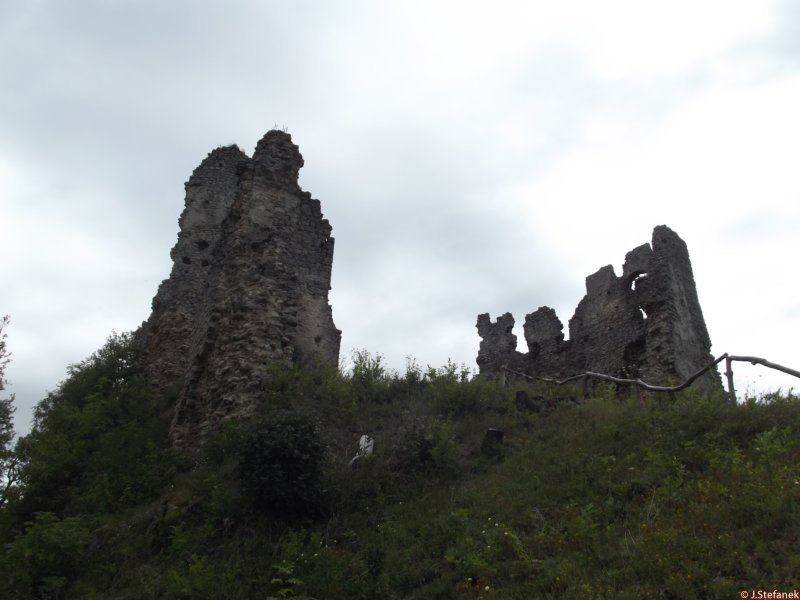
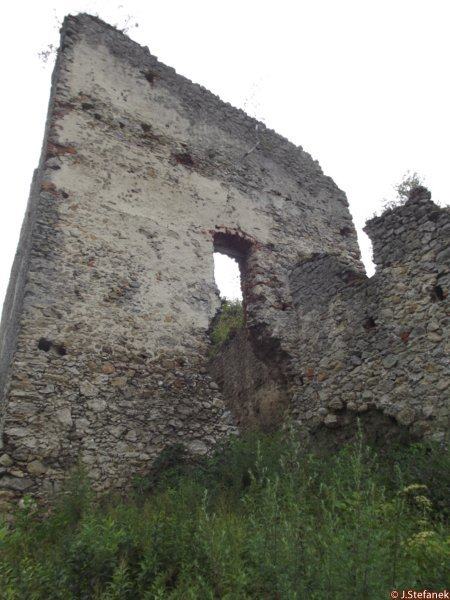
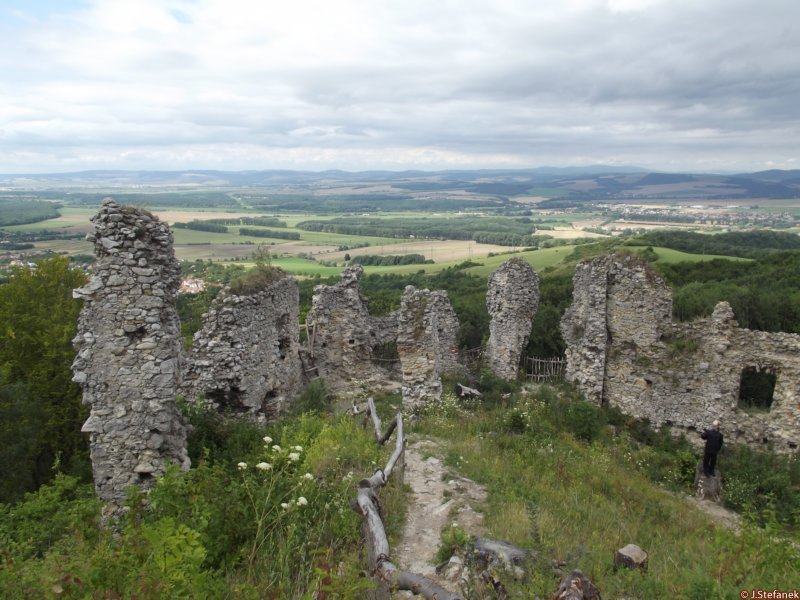
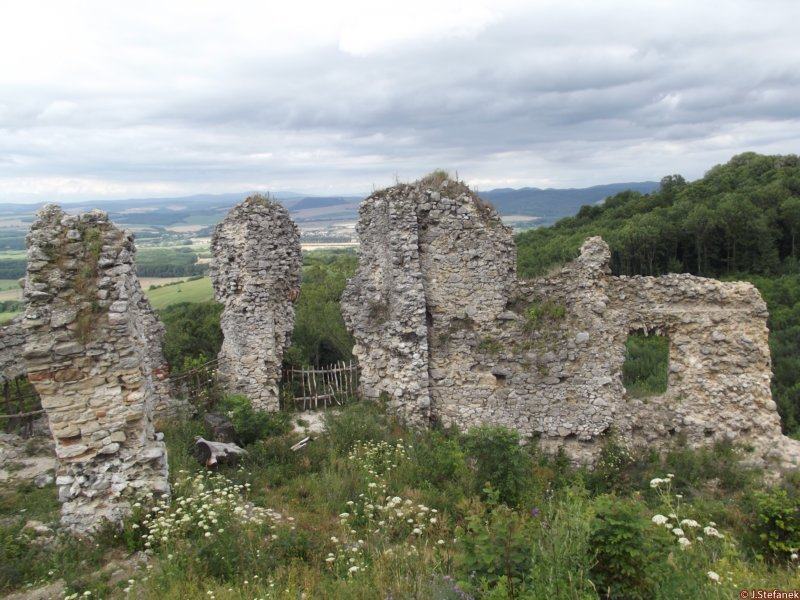
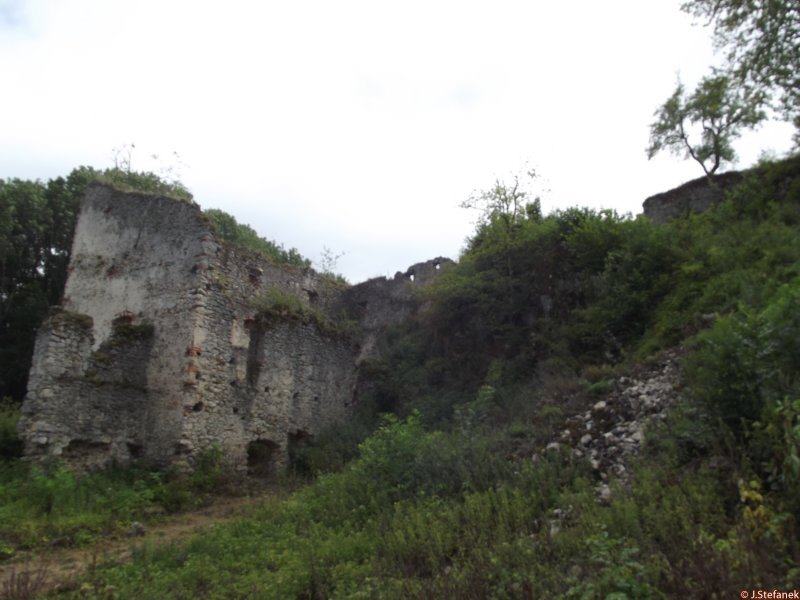
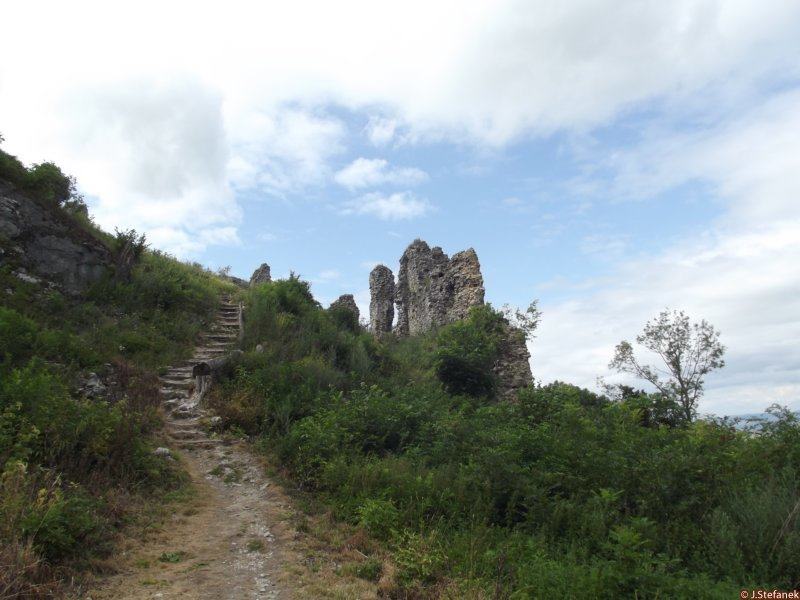
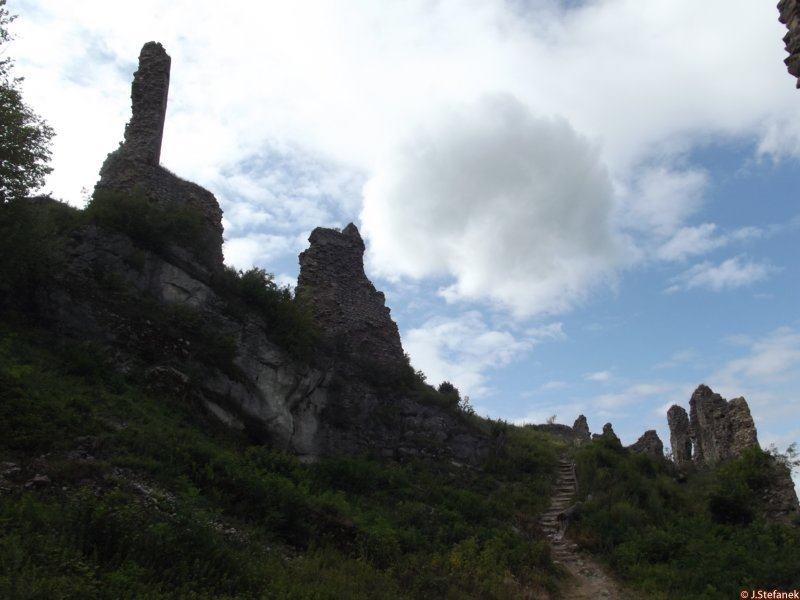
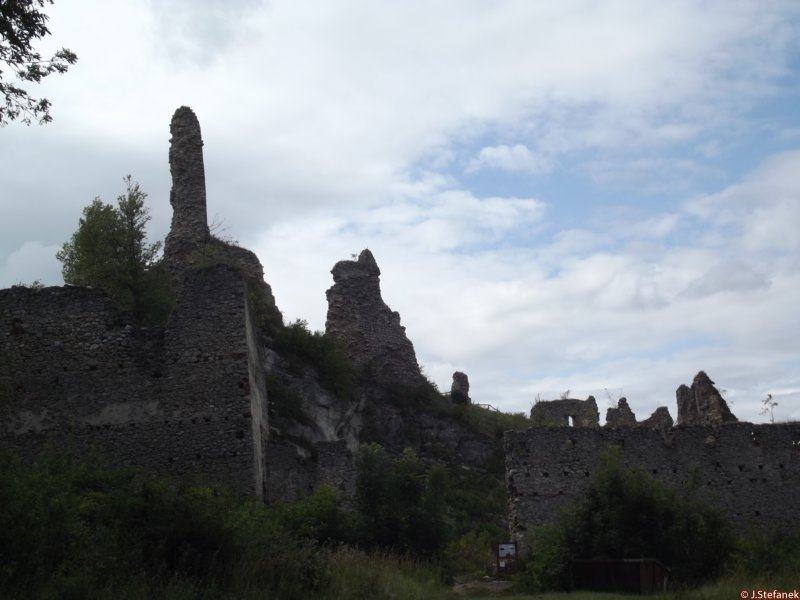
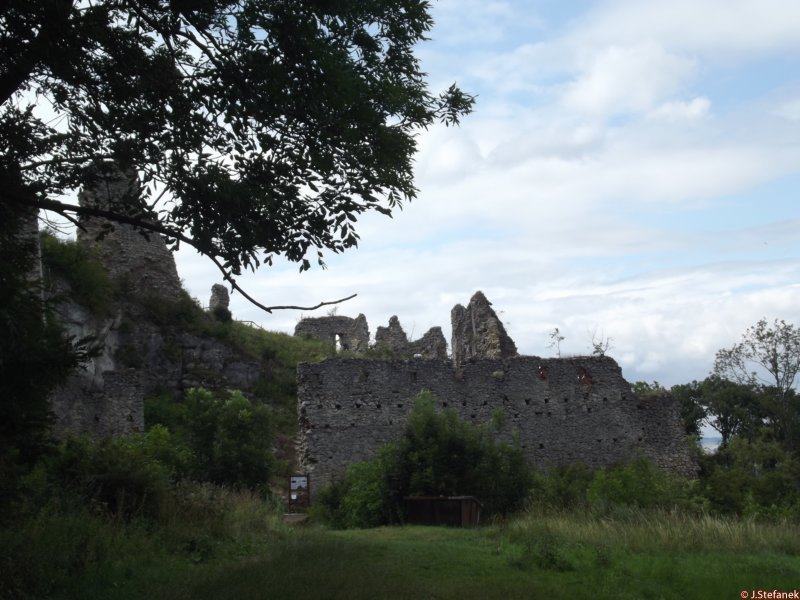
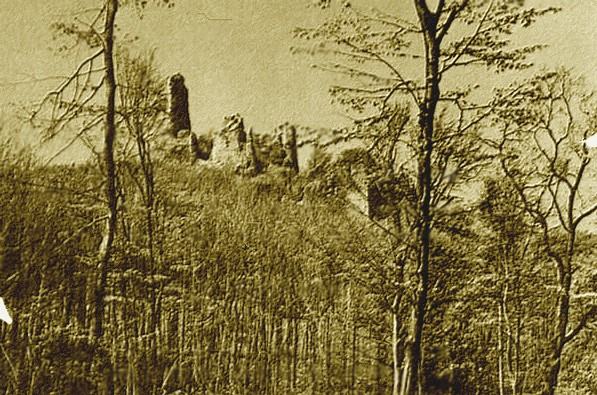
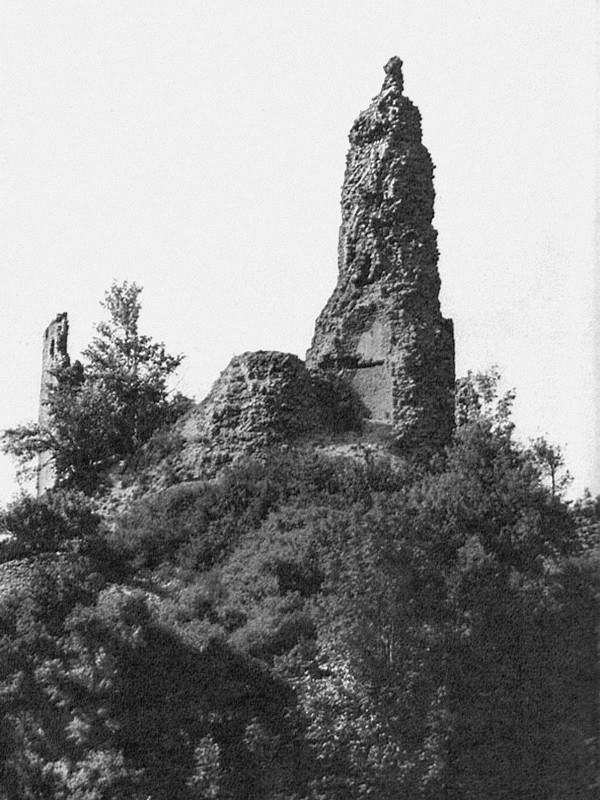
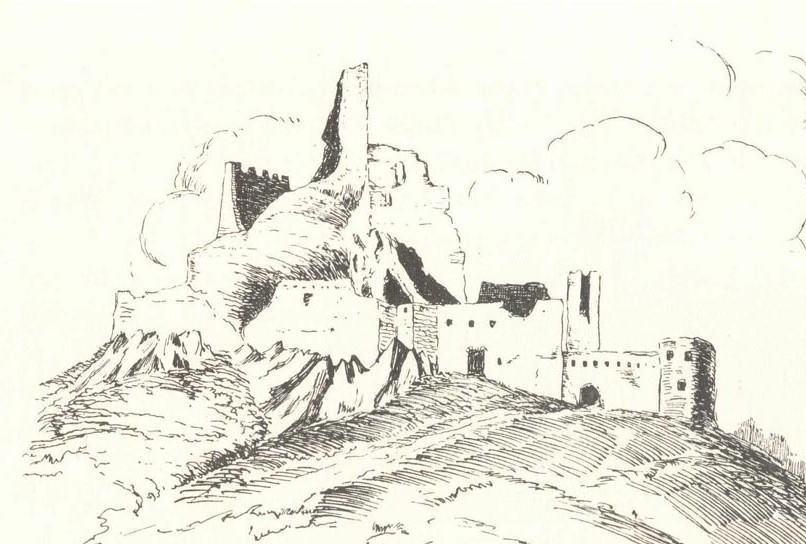
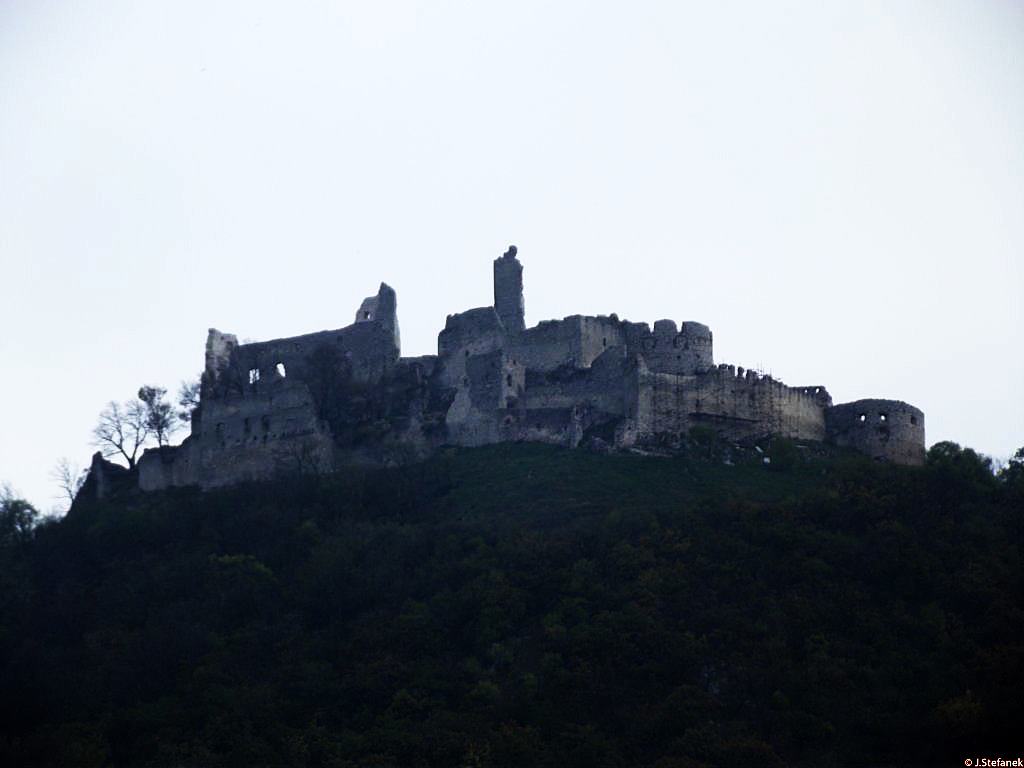
The ruins of a gothic castle right next to the village Cerová - part of Rozbehy, situated on a rocky tooth in the marginal position of the Small Carpathians
Zrúcanina hradu bezprostredne pri obci Cerová - časť Rozbehy, situovaná na skalnom zube v okrajovej polohe Malých Karpát.
Previous names
Korlátko, Korlátkő, Korlátky, Korlathkeu, Korlathkw, Kunradstayn, Korlatowe Kameny, Kunradi Lapide, Konradstein
Roads
Trasa 1: By car we get to the village Rozbehy (Cerová, part Rozbehy), which we pass to the end. We continue along the cemetery, along the road leading next to the lookout tower and after a few meters we will see a signpost with a turn to the right on the meadow. Here, along the road, we can park the car and continue across the meadow, a small part of forest and again across the meadow with a relatively short descent to the castle Korlátka.
Trasa 1: Autom sa dostaneme do obce Rozbehy (Cerová, časť Rozbehy), ktorou prejdeme až na koniec. Ďalej pokračujeme popri cintoríne, po ceste vedúcej popri rozhľadni a po pár metroch uvidíme smerovú tabuľu aj s odbočkou vpravo na lúku. Tu popri ceste môžeme odstaviť auto a pokračovať cez lúku, malý kúsok lesa a opäť cez lúku relatívne krátkym klesaním až na hrad Korlátka.
Trasa 2: From the mentioned turn to the meadow, we continue a few meters by car to the cottage, where we can park. We continue on foot with a short walk along the yellow trail directly opposite the cottage to the castle.
Trasa 2: Od spomínanej odbočky na lúku pokračujeme ešte pár metrov autom až ku chate, kde môžeme zaparkovať. Pokračujeme peši skratkou po žltej TZT priamo oproti chate až na hrad.
Trasa 3: A more demanding and longer route is from the village of Prievaly, where after the yellow trail through the forest we get to the mentioned cottage and from there straight to the castle.
Trasa 3: Náročnejšia a dlhšia trasa je z obce Prievaly, kde sa po žltej TZT cez les dostaneme k spomínanej chate a odtiaľ rovno oproti na hrad.
Description
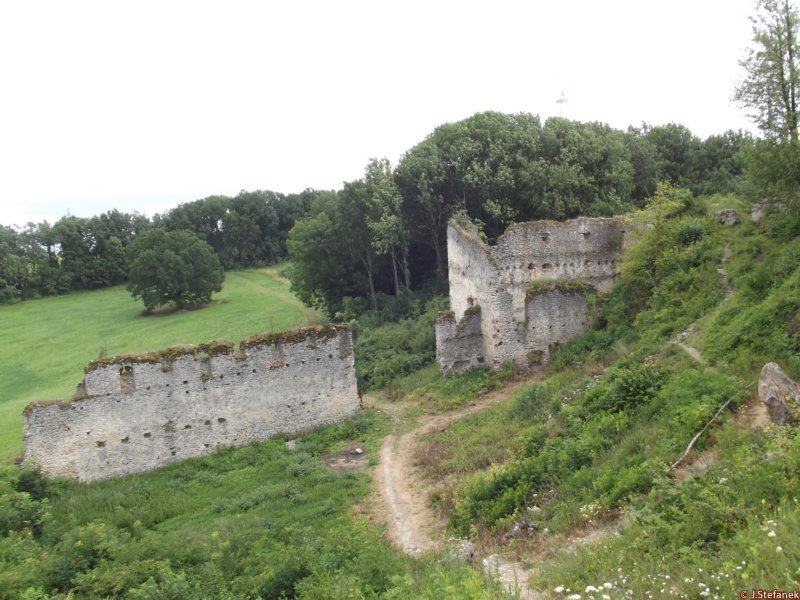
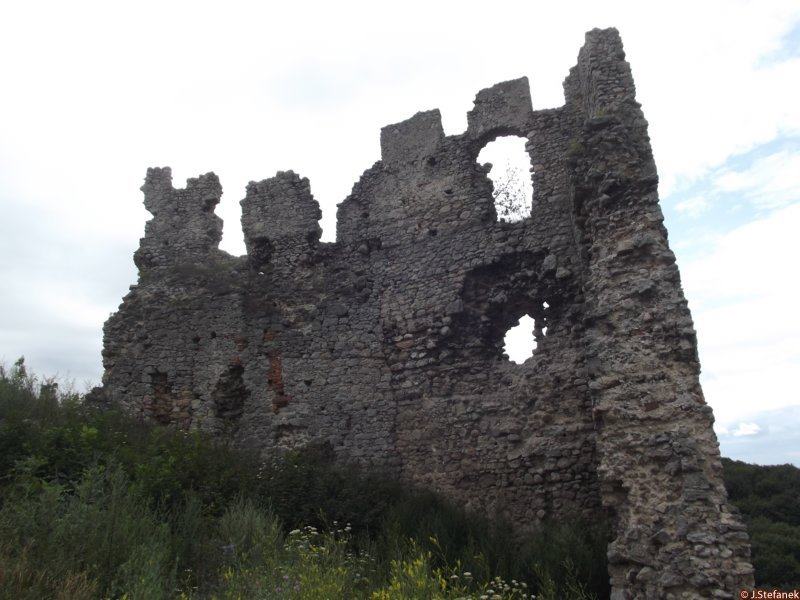
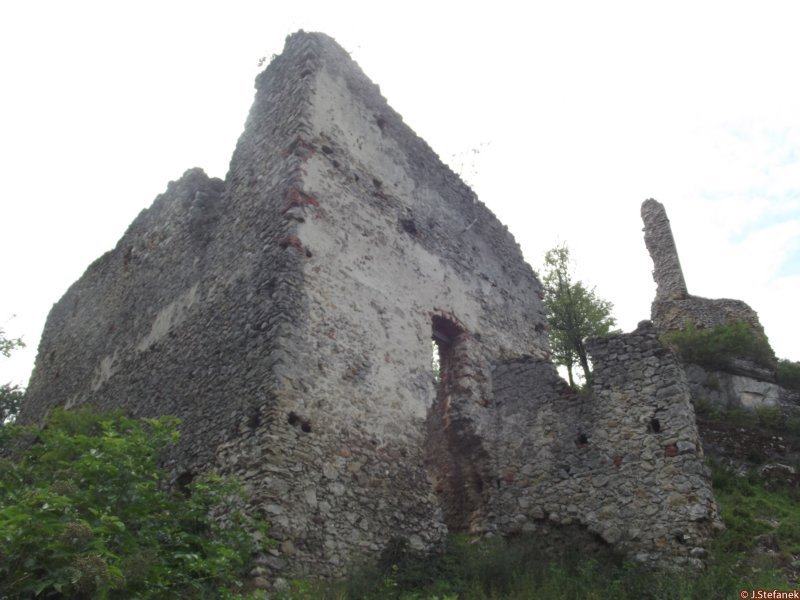
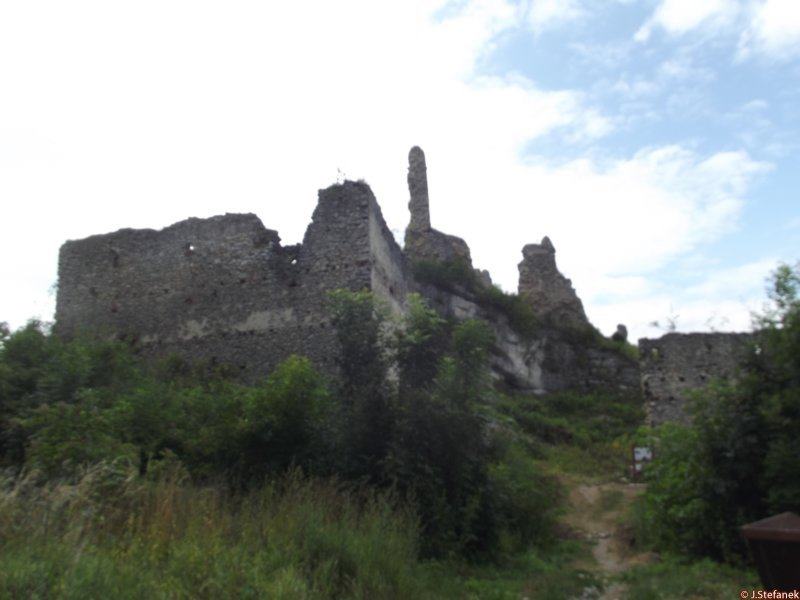
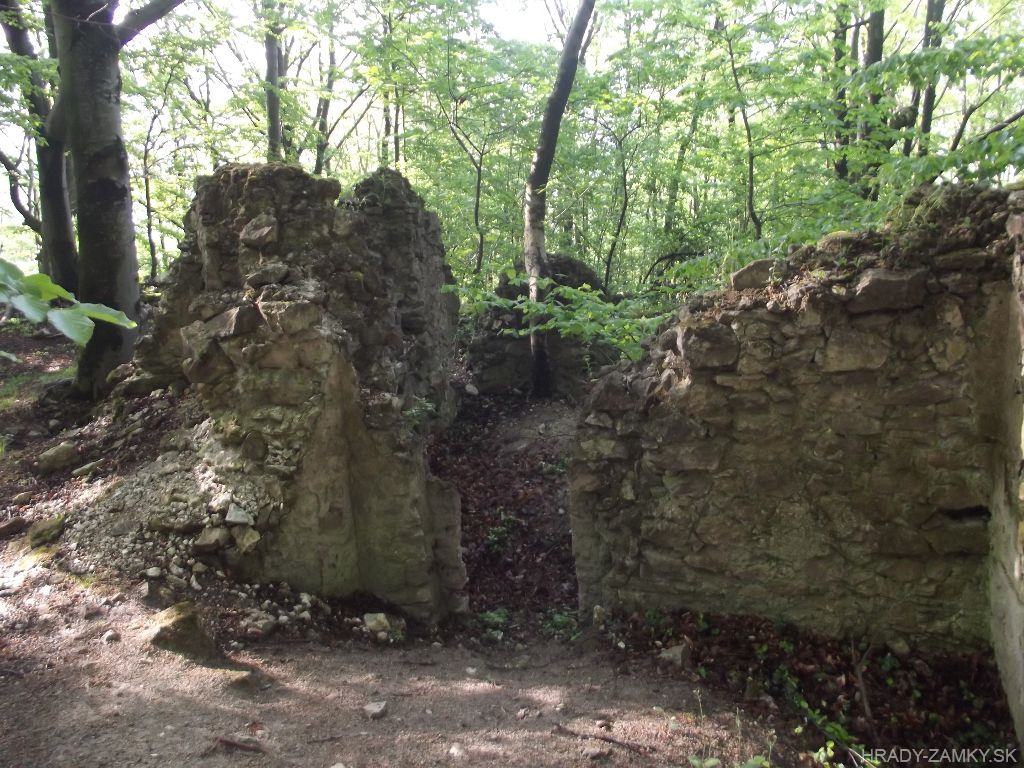
Relatively preserved remnants of the lower castle with a quadrilateral building, perimeter walls and a distinct castle moat with a supporting wall of the falling gate. In the upper, older Gothic part, we find several architectural details.Limited view of the surrounding country, dominated by the nearby four wind farms on the east side. Noticeable are the remains of the perimeter walls of the upper castle and sections of the lower fortifications, as well as the remains of the circular tower.
Pomerne zachované zvyšky spodného hradu so štvorstennou budovou, obvodových múrov a zreteľnou hradnou priekopou s podporným múrom padacej brány. Vo vrchnej, staršej gotickej časti, nájdeme niekoľko architektonických detailov.Obmedzený výhľad do okolitej krajiny, ktorej na východnej strane dominuje blízka štvorica veterných elektrární. Badateľné sú zvyšky obvodových múrov horného hradu a úseky dolného opevnenia, tiež aj zvyšky kruhovej veže.
Plan
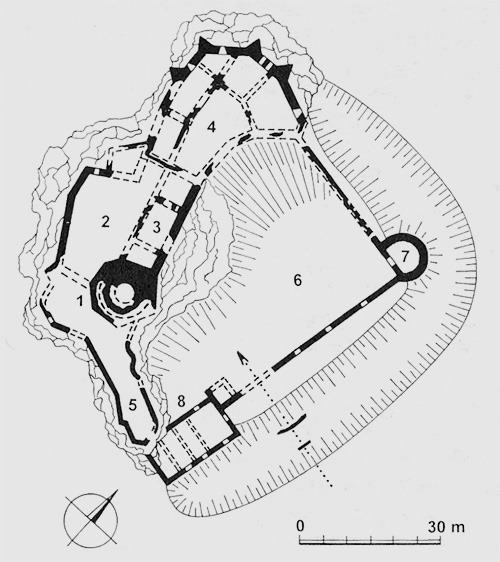
Legend to the ground plan
- 1 - round tower
- 2 - courtyard of the upper castle
- 3 - palace
- 4 - first fortification
- 5 - western fortification
- 6 - second fortification
- 7 - bastion
- 8 - late renaissance building
Legenda k pôdorysu
- 1 - okrúhla veža
- 2 - nádvorie horného hradu
- 3 - palác
- 4 - prvé predhradie
- 5 - západné opevnenie
- 6 - druhé predhradie
- 7 - bašta
- 8 - neskororenesančná budova
History
The first mention of the castle from 1289, which has not been verified by documents, is connected with Ugrin from the Hont-Pázmány family. However, the use of the cylindrical shape of the tower or the purpose of the castle suggest its origin in the second half of the 13th century. At the beginning of the 14th century, the castle was the property of Ulving of Harzendorf, to whom Mr. Váh and the Tatras, Matúš Čák Trenčiansky, had to pay severance pay in 1317. During the battle with the Hungarian King Charles I, Korlat Castle became a royal property in 1321. In 1394 the castle was acquired from Sigismund of Luxembourg by Stibor of Stiborice. After Stibor's death, in 1414 the castle and the whole estate were inherited by his son Stibor II. As he died without descendants in 1434, the castle again became a royal property.
King Sigismund himself was at the castle several times. In the turbulent Hussite period, the castle was occupied by rebellious governors such as John of Moravia (1444). Mikuláš Ujlaki freed the castle from his hands, who immediately handed it over to Osvald of Bučany in 1452. His descendants settled in the castle, but Oswald's son became an unfaithful ruler, so they confiscated all his property, including the castle of Cerov, and annexed it to the royal property. In 1485, King Matej Korvín released the castle for 6,000 ducats to a member of the Knights, Ján Plakner. However, this did not come into force, because in the future the castle was used by the lord of Bučiany. After the extinction of the family, the castle was inherited by the mayor František Nyáry. In 1578, Gašpar Pongrácz and his brother Ján of Oponice were the co-owners. Until 1700, the Pongrácz family and the Apponyi took turns here. During the rule of the Apponyi family in 1645, the castle was briefly occupied by insurgents of Juraj Rákoczi, who soon withdrew. For some time, the aristocratic Windischgrätz family also had an ownership share in the castle.
Despite the fact that the castle was still preserved, the manor left it and moved to more comfortable mansions in Jablonice and Lieskov.
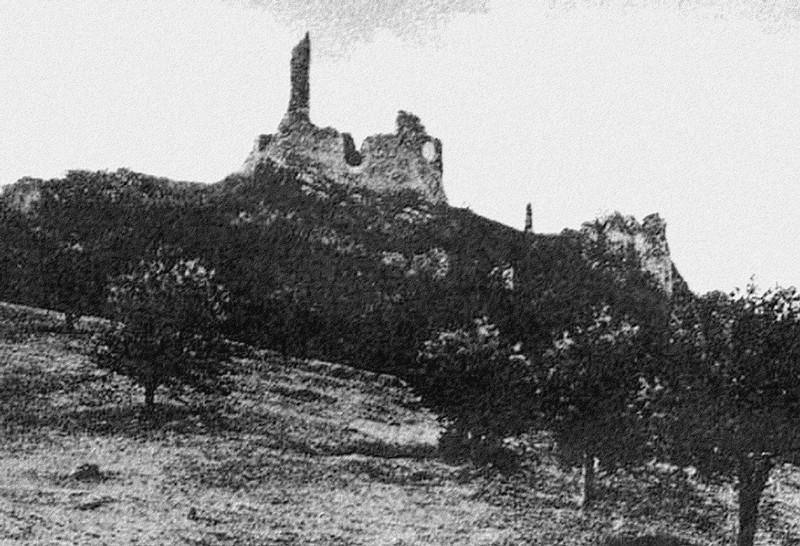
The castle has been slowly abandoned since the middle of the 18th century. Remains of the walls of the upper castle and more continuous sections of the lower fortifications have been preserved from the individual buildings.
Listinami neoverená prvá zmienka o hrade z r.1289 je spojená s Ugrinom z rodu Hont-Pázmányovcov. Avšak použitie valcového tvaru veže či účel hradu napovedajú vznik už v druhej polovici 13.storočia. Na začiatku 14.storočia bol hrad majetkom Ulvinga z Harzendorfu, ktorému mal pán Váhu a Tatier, Matúš Čák Trenčiansky vyplatiť v r.1317 odstupné. Pri bitke s uhorským kráľom Karolom I. sa Korlátsky hrad stal v r.1321 kráľovským majetkom. V r.1394 hrad získal od Žigmunda Luxemburského Stibor zo Stiboric. Po Stiborovej smrti, v roku 1414 zdedil hrad i celé panstvo jeho syn Stibor II. Keďže on v roku 1434 zomrel bez potomkov, hrad sa opäť stal kráľovským majetkom.
Niekoľkokrát bol na hrade aj sám kráľ Žigmund. V búrlivom pohusitskom období obsadili hrad odbojní hajtmani ako napr. Ján z Moravian (1444). Z jeho rúk hrad vyslobodil Mikuláš Ujlaki, ktorý ho vzápätí v r.1452 odovzdal Osvaldovi z Bučian. Jeho potomkovia sa na hrade usadili avšak Osvaldov syn sa stal neverným panovníkom a preto mu skonfiškovali všetky majetky, teda aj cerovský hrad a pripojili ho ku kráľovským majetkom. V r.1485 kráľ Matej Korvín prepustil hrad za 6000 dukátov členovi rytierskeho rádu, Jánovi Plaknerovi. Toto však nenadobudlo platnosť, lebo i v budúcnosti užíval hrad pán z Bučian. Po vymretí rodiny ho zdedil župan František Nyáry. V roku 1578 bol spolumajiteľom hradu Gašpar Pongrácz a jeho brat Ján z Oponíc. Do roku 1700 sa tu vystriedali Pongráczovci i Apponyiovci. Počas vlády Apponyiovcov v r.1645 hrad nakrátko obsadili povstalci Juraja Rákocziho, ktorí však zakrátko odtiahli. Istý čas mal na hrade majetkový podiel i šľachtický rod Windischgrätzovcov.
V roku 1740 bývalo na hrade už len niekoľko panských hajdúchov, ktorí strážili väzňov v hradných pivniciach. Napriek tomu, že bol hrad ešte zachovalý, panstvo ho opustilo a odsťahovalo sa do pohodlnejších kaštieľov v Jablonici a na Lieskovom.
Hrad od polovice 18.storočia pomaly pustol. Z jednotlivých stavieb sa zachovali zvyšky múrov horného hradu a súvislejšie úseky dolného opevnenia.
Myths and legends
The legend of the castle
If you would like to dig into the treasures in the castle's flooded cellars, you must renounce Father´s prayer without hesitation all the time, and no matter what happens, you must not say a word aloud.
Hajdúsi at the Korlátka - Cerovo castle
A lord lived in the Cerovo castle, people called him a villain. This was because he mistreated his subjects really badly. Once a subject, called Mišo, did not come to work. The lord ordered to bring him with a wagon to the castle and punish him with beating up. The Pandurs performed as the lord commanded them. When the charged Mišo was loaded onto a wagon, twelve upper men came, led by Jánošík. The robbers tied the cops and dressed in their clothes. The part with Jánošík went to the lord's castle. They tied the Lord to a hole and beated him up until he promised in front of his own subjects that he and his pandurs would treat the people better. Since then, people have been relieved and the lord of Cerov Castle has softened his manners.
Povesť o hrade
Kto by sa chcel prekopať k pokladom v zavalených pivniciach hradu, musí po celý čas odriekať bez mýlky pospiatky otčenáš a nech by sa dialo čokoľvek, nesmie hlasno preriecť ani slovo.
Hajdúsi na cerovskom hrade
Na cerovskom hrade žil pán, ktorého ľud iba zloduchom nazýval. To preto, že zle zaobchádzal s poddanými, nechával ich palicovať na dereši. Raz jeden poddaný, menom Mišo, neprišiel do roboty na panské. Prikázal pán svojim drábom, aby chorého na kravách na jeho hnojnom voze doviezli do hradu a aby ho strestali tridsiatimi palicami. Pandúri vykonali, ako im pán nakázal. Keď dobitého Miša nakladali na voz, prišlo dvanásť hôrnych chlapov na čele s Jánošíkom. Zbojníci poviazali pandúrov a obliekli sa do ich šiat. Časť s Jánošíkom šla k pánovmu hradu. Pána priviazali na dereš a dávali mu na zadok dosiaľ, kým pred vlastnými poddanými nesľúbil, že aj on sám i jeho pandúri budú lepšie s ľudom zaobchádzať. Odvtedy sa ľuďom uľavilo a pán cerovského hradu zmäkol.
Useful information
The ruins are freely accessible
Zrúcanina je voľne prístupná
Nearby castles
Ostrý Kameň
Buková
6.0km
castle ruin
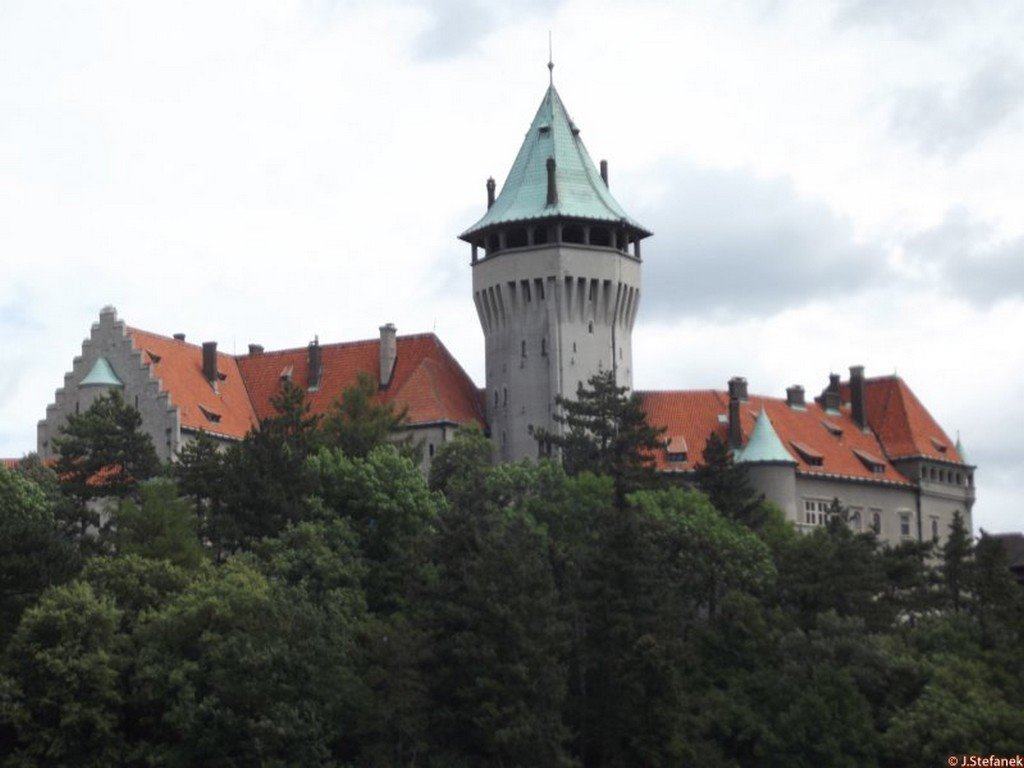
Smolenice chateau
Smolenice
7.7km
castle, chateau
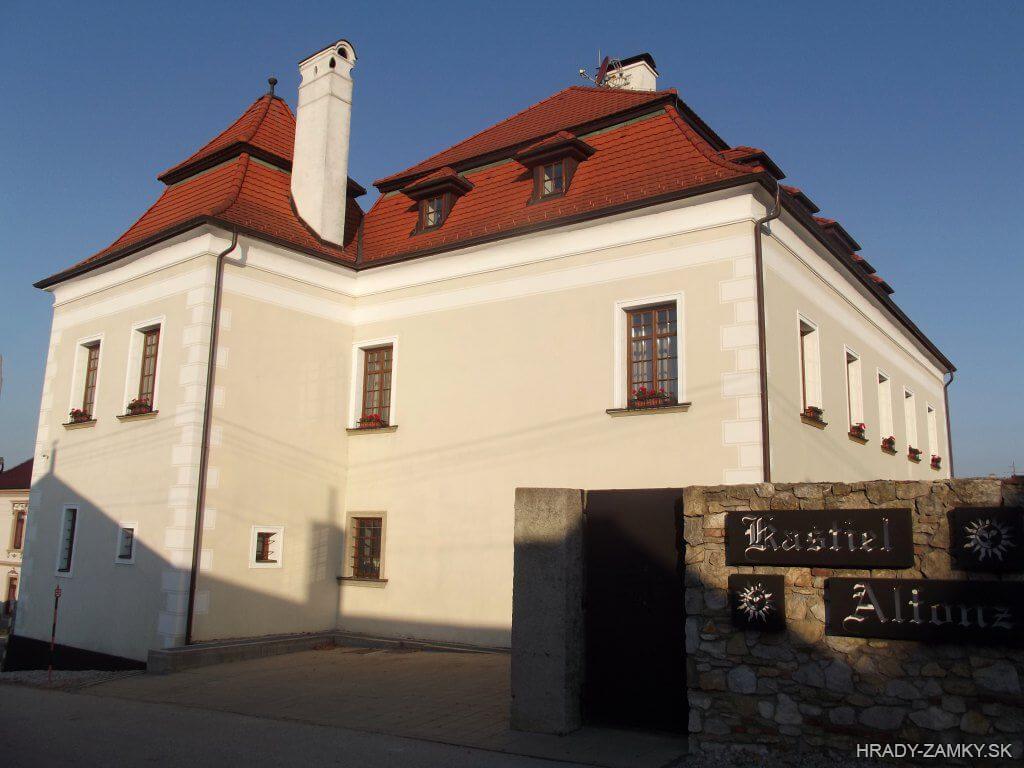
Trstín manor
Trstín
7.9km
manor, mansion
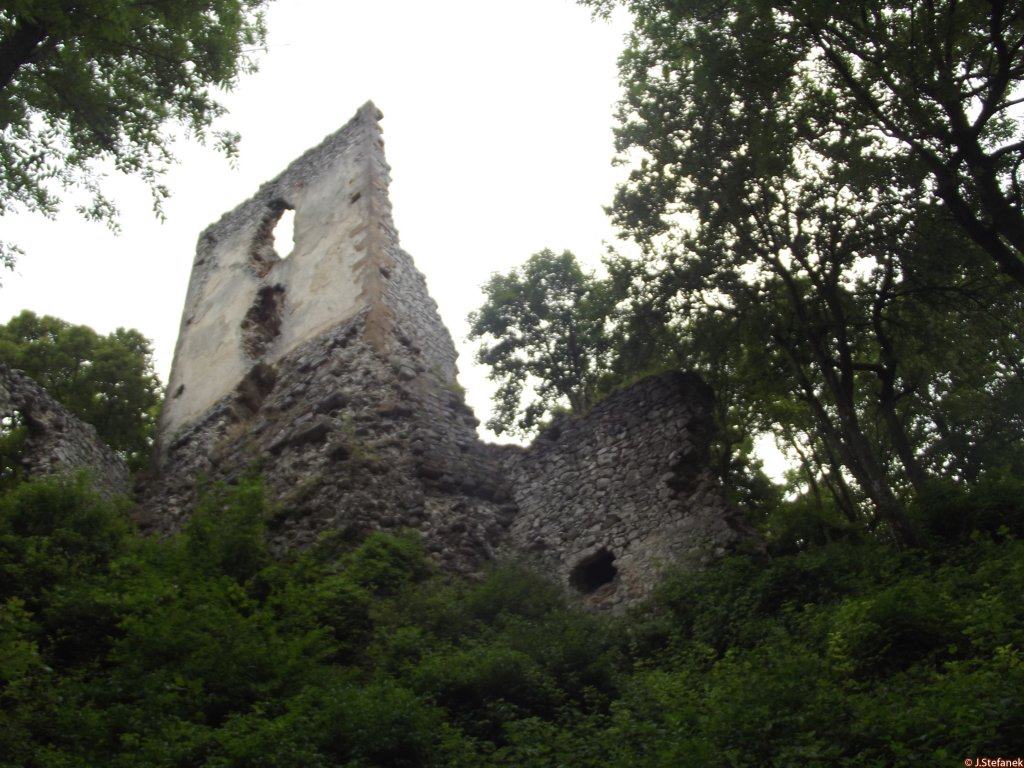
Dobrá Voda
Dobrá Voda
11.1km
castle ruin
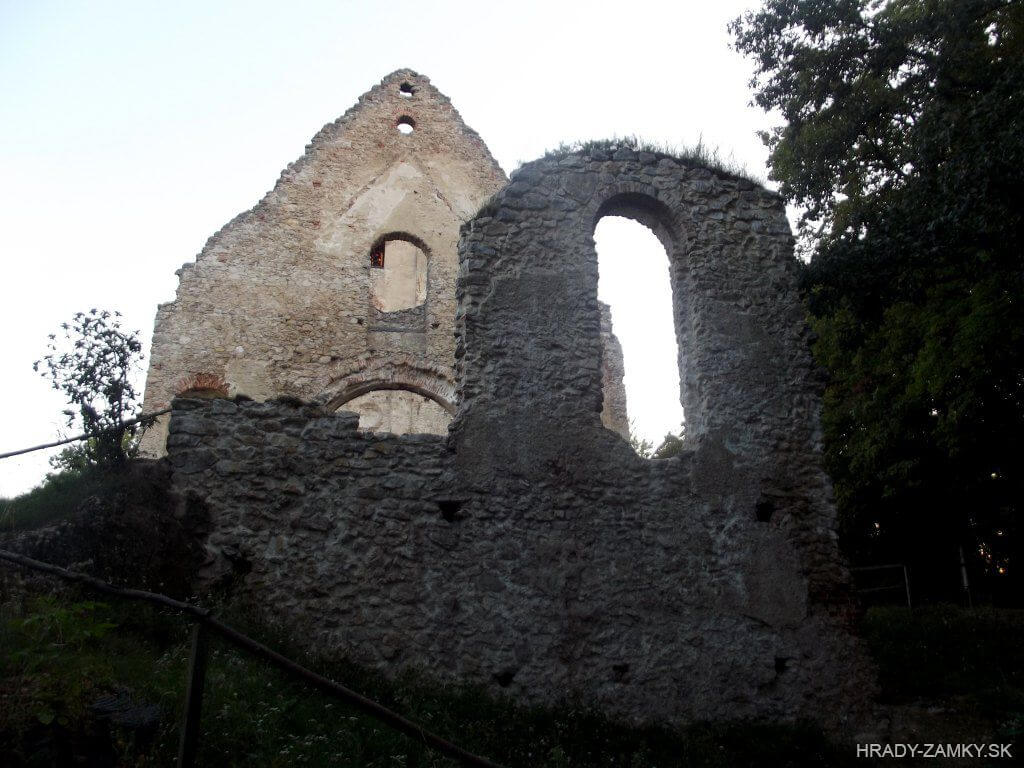
Katarínka monastery
Dechtice
11.3km
monastery
Plavecký castle
Plavecké Podhradie
12.5km
castle ruin
Plavecké Podhradie
Plavecké Podhradie
12.9km
monastery