Malinovo - Eberhard
Malinovo Bratislava county Slovakia
manor, mansion
Malinovo
Malinovo Bratislavský kraj Slovakia
kaštieľ
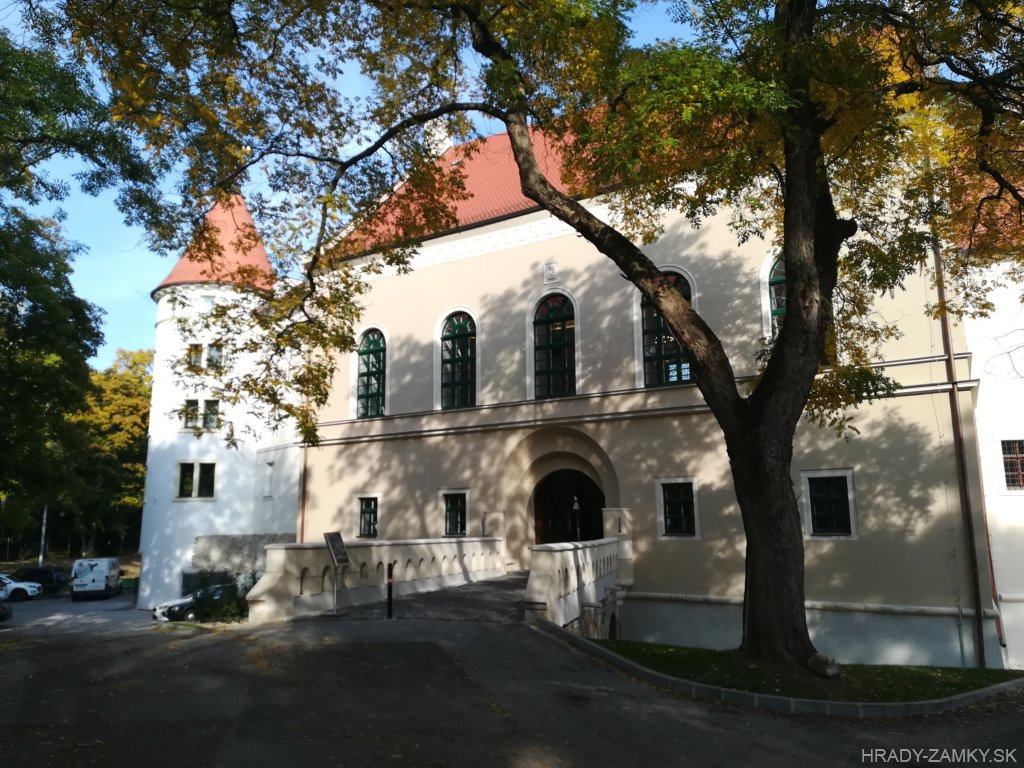
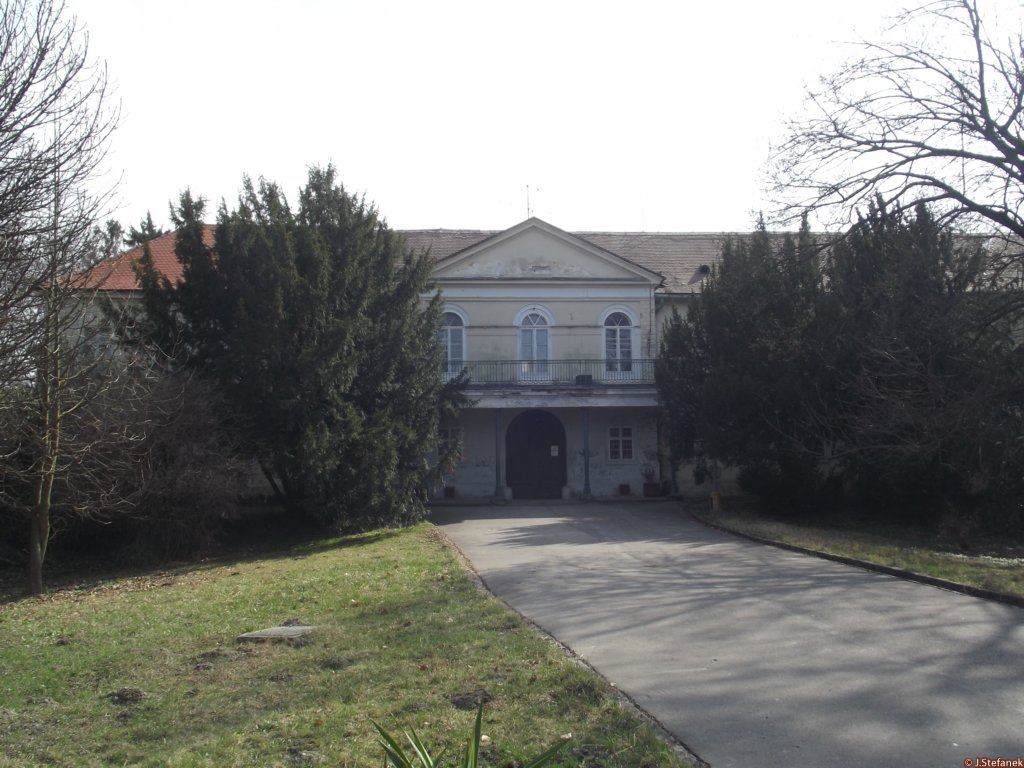
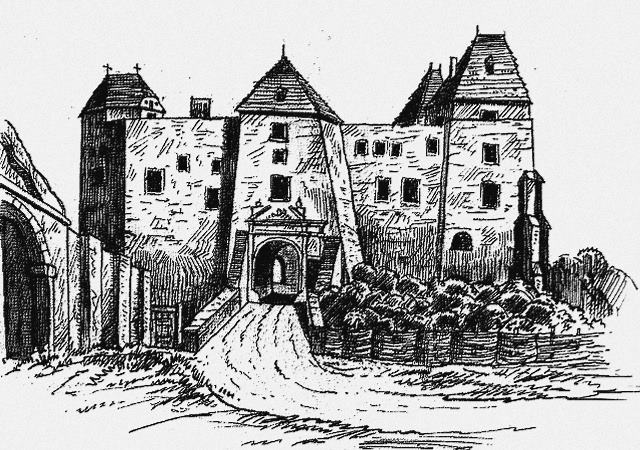
Late-renaissance mansion, later adapted in the classicist style, was built on the foundations of a medieval castle Eberhard with a moat and dominates the village of Malinovo. It is surrounded by an English landscape park
Neskororenesančný kaštieľ, neskôr klasicisticky upravený, obklopený starobylým parkom bol postavený na základoch stredovekého hradu s vodnou priekopou a je dominantou obce Malinovo. Je obklopený anglickým krajinným parkom.
Previous names
Ybreharth, Eberhart, Eberhard, Éberhárd, Eberhardt
Roads
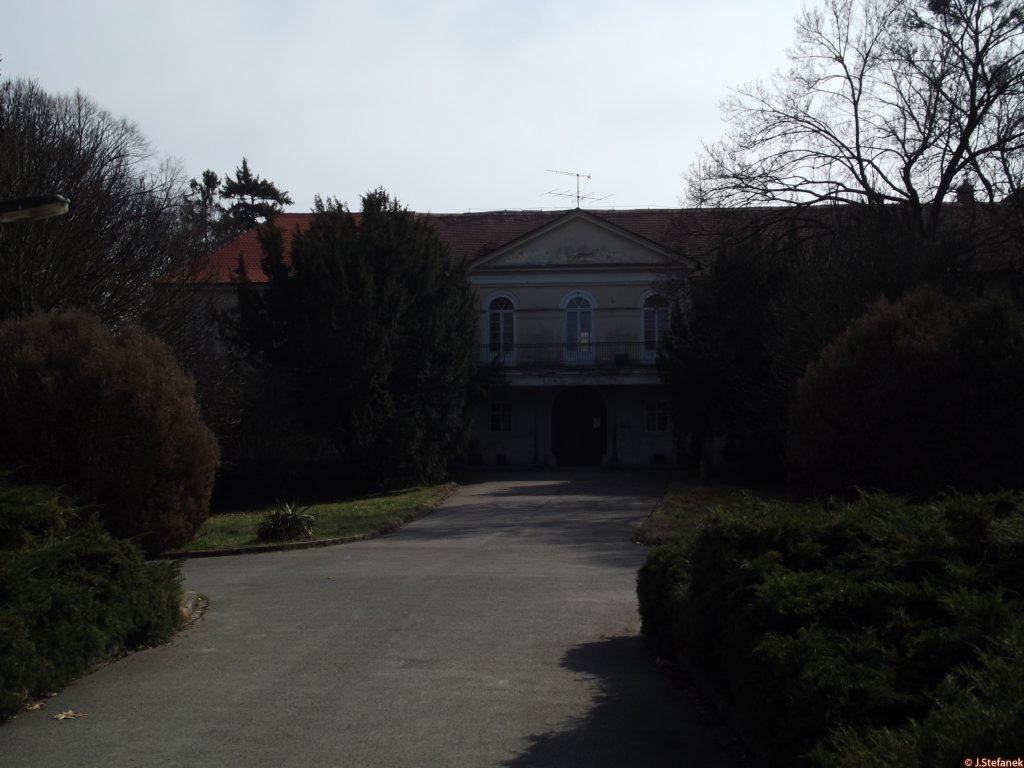
Malinovo manor house, also called Apponyi's manor house, is situated almost in the center of Malinovo, surrounded by an English park. The main road leads through the village - Bratislavská Street. Before Bratislavská turns into Tomášovská Street, there is a turn near the inn, where is a small parking place for a few cars in front of the park gate. If necessary, it is also possible to park next to the inn. Through the gate we get to the park area, and after a short walk to the manor house.
Kaštieľ v Malinove, zvaný aj Apponyiho kaštieľ, sa rozprestiera takmer v centre obce Malinovo, obklopený anglickým parkom. Cez obec vedie hlavná - Bratislavská cesta. Predtým, než sa Bratislavská zmení na Tomášovskú, je vedľa hostinca odbočka, kde je pred bránou do parku malé parkovisko pre pár áut. V prípade potreby je možné zaparkovať aj pred hostincom kúsok vedľa. Cez bránu sa dostaneme do areálu parku, a po krátkej prechádzke až ku kaštieľu.
Description
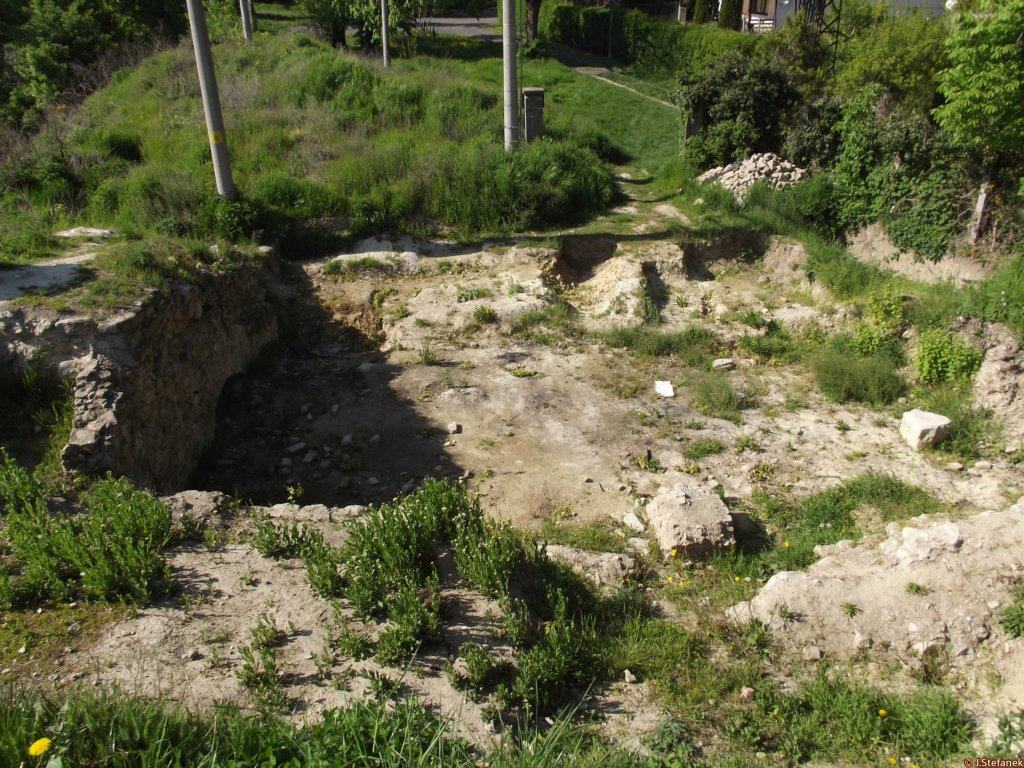
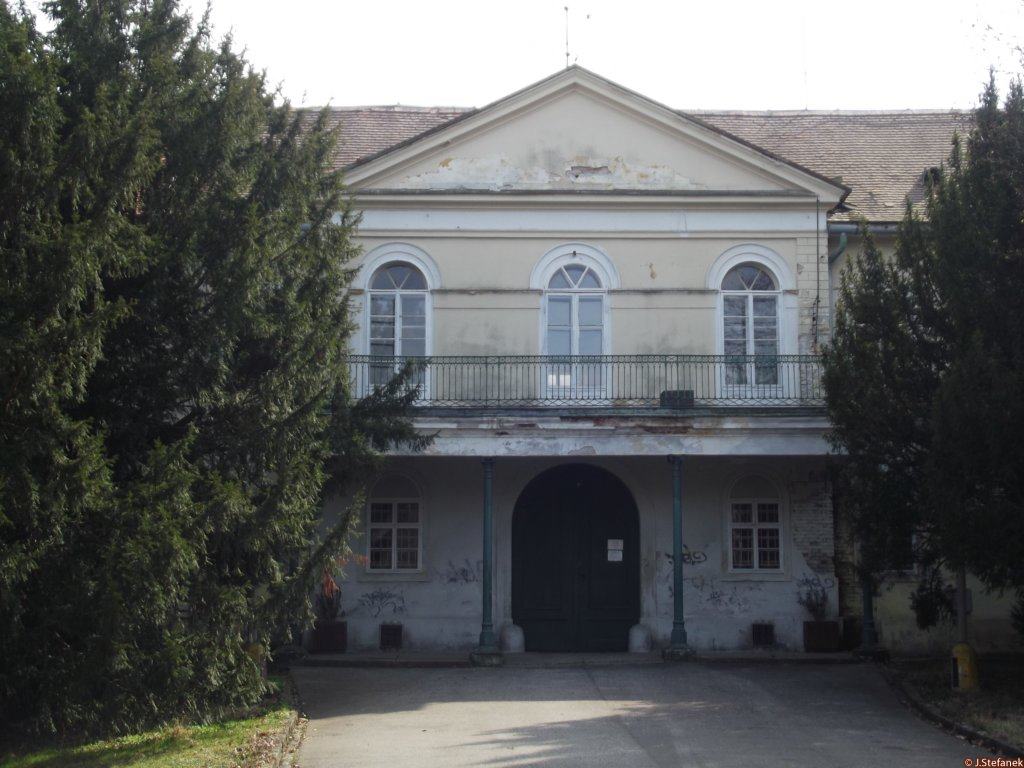
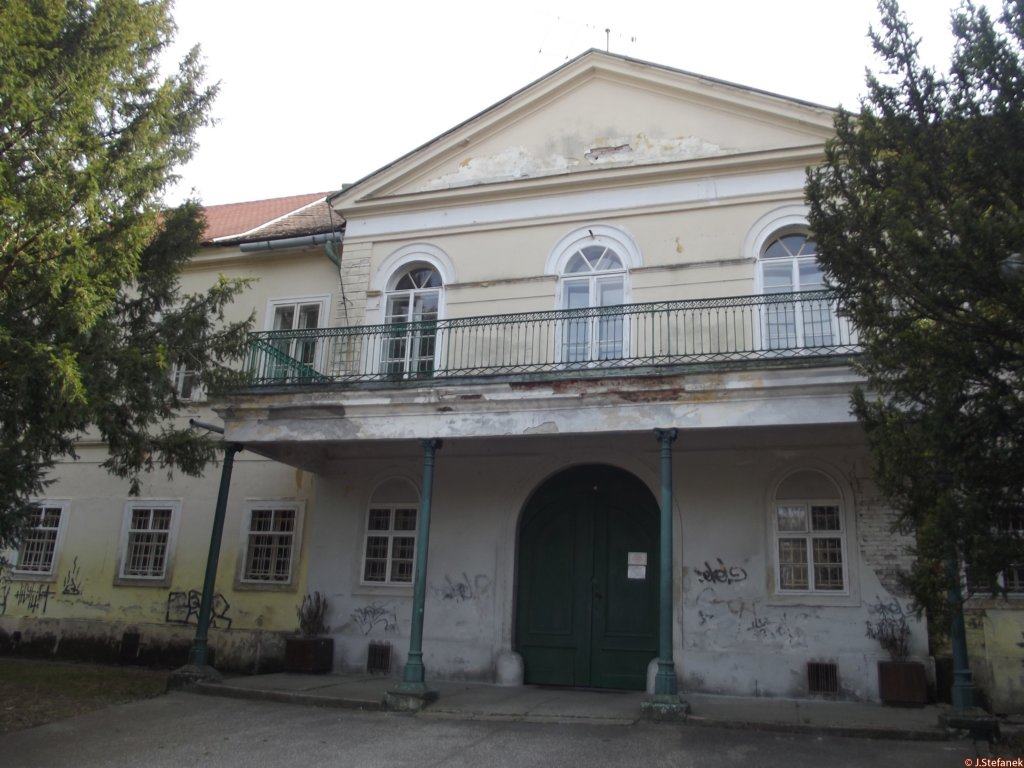
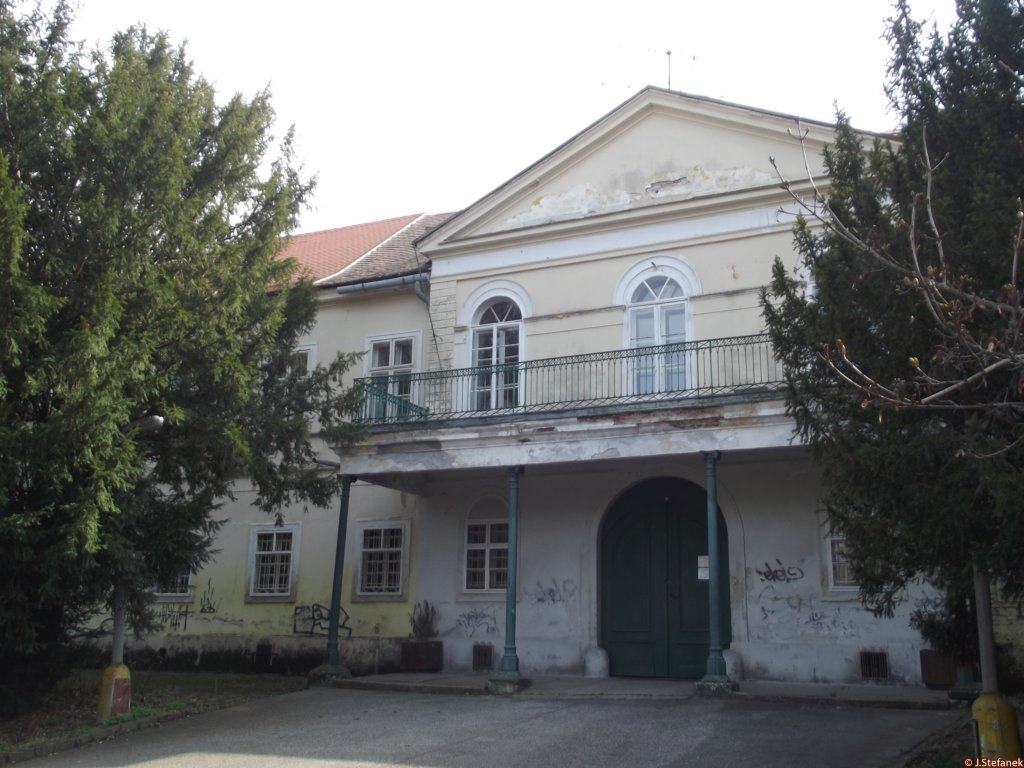
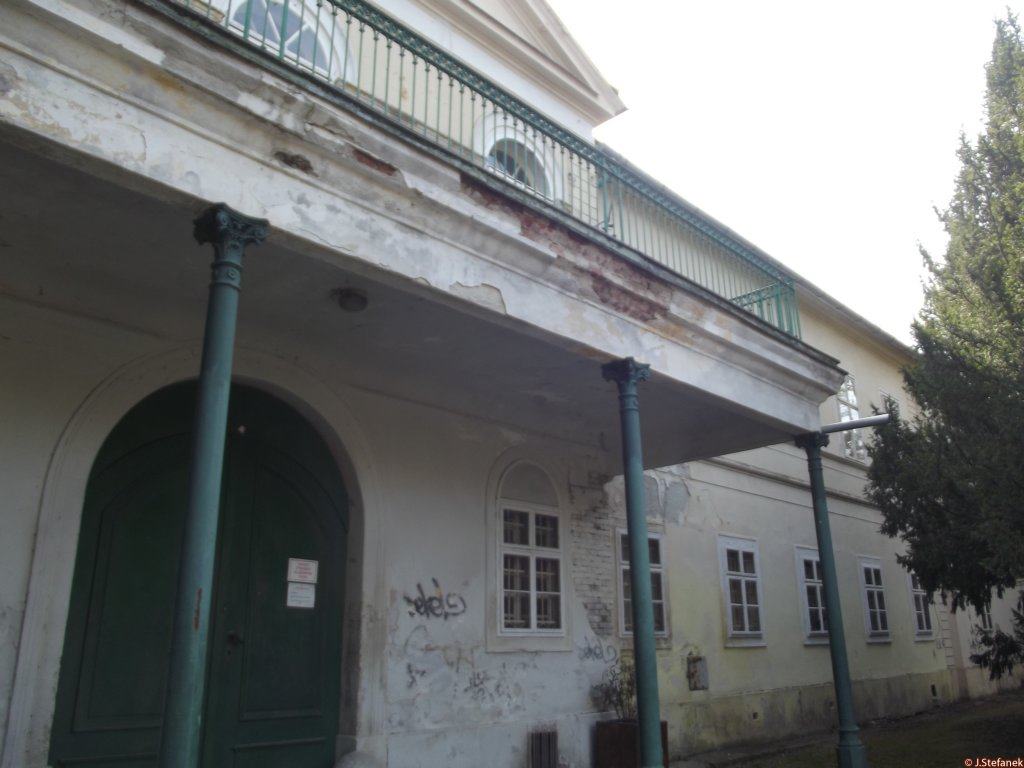
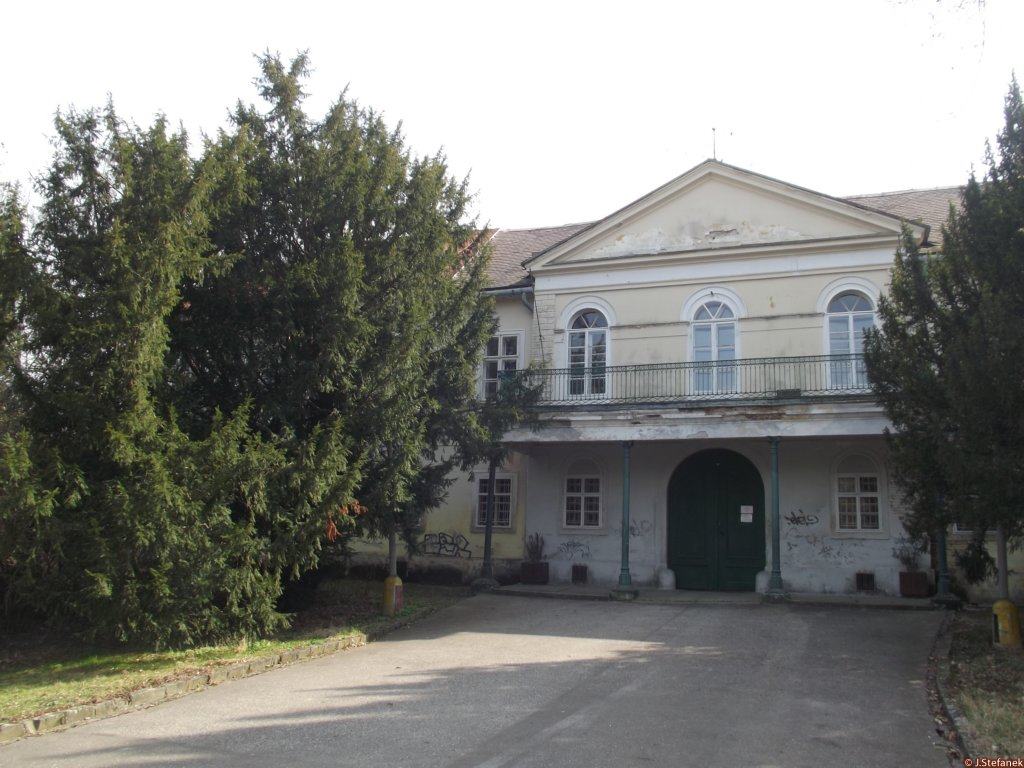
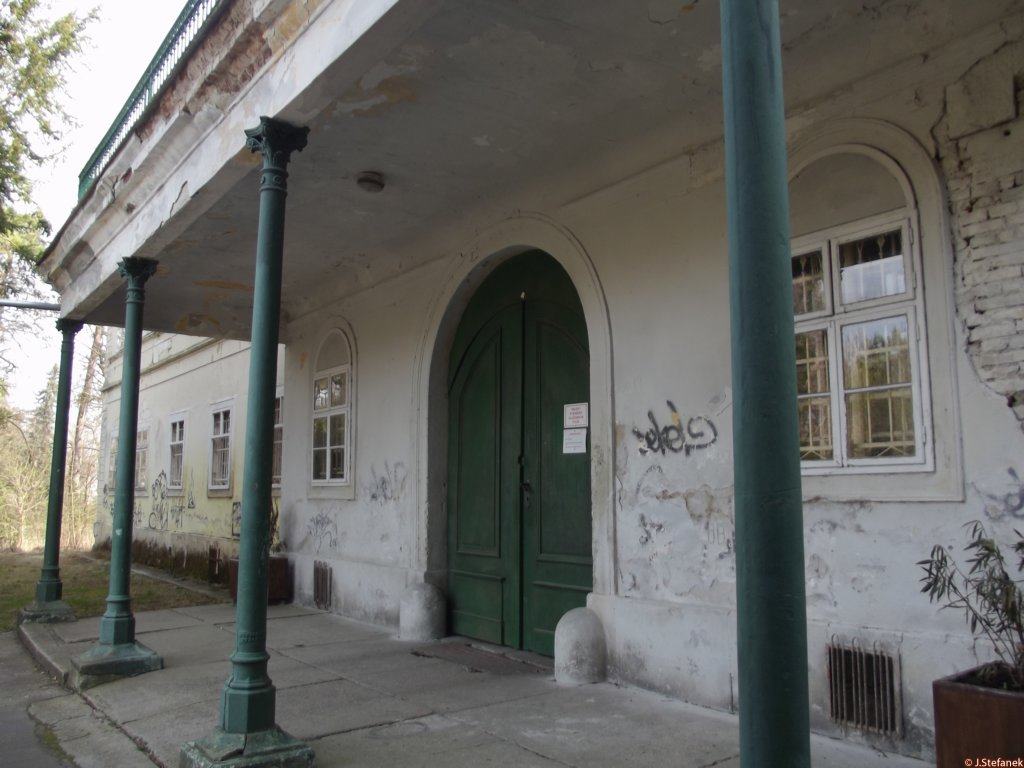
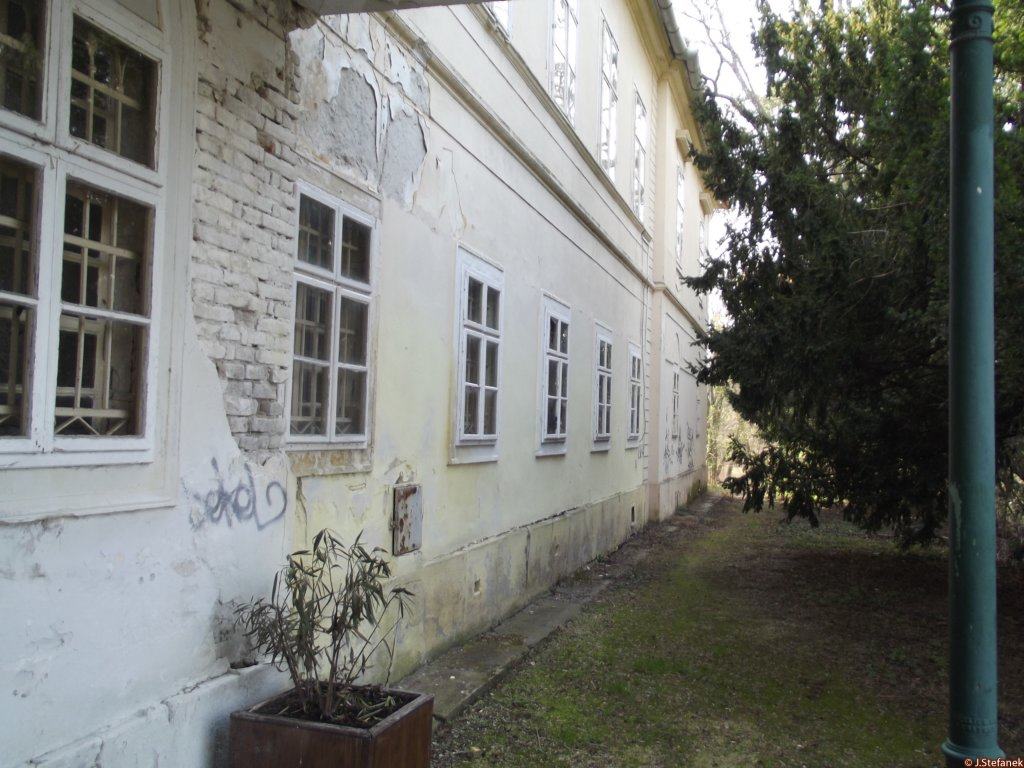
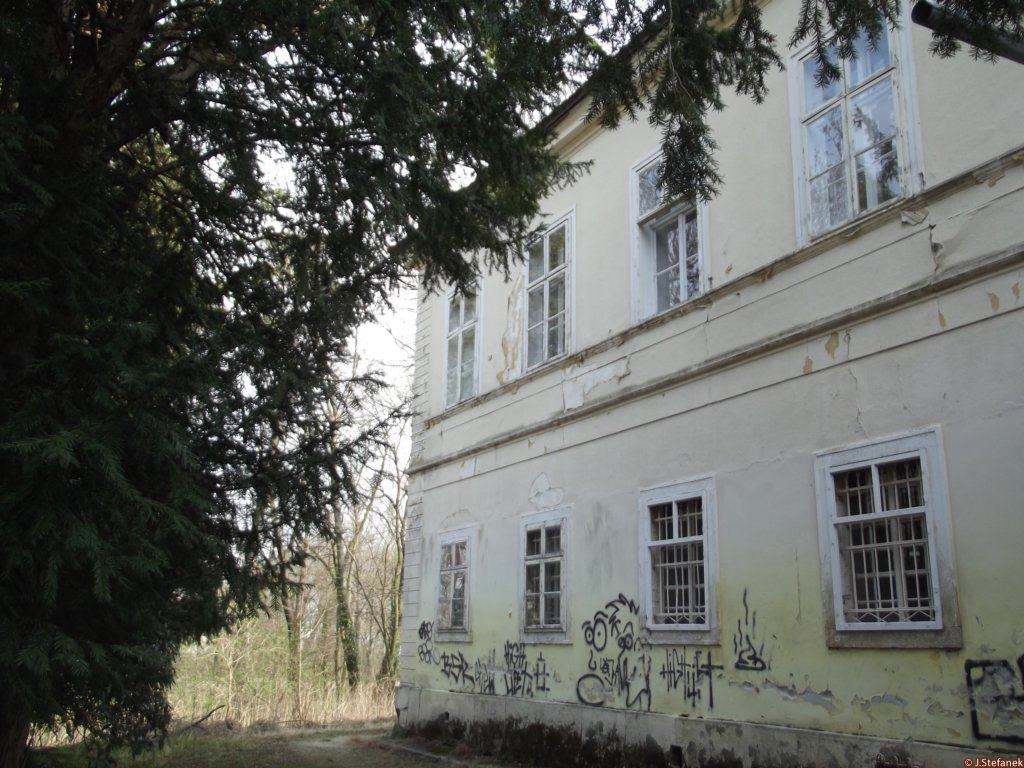
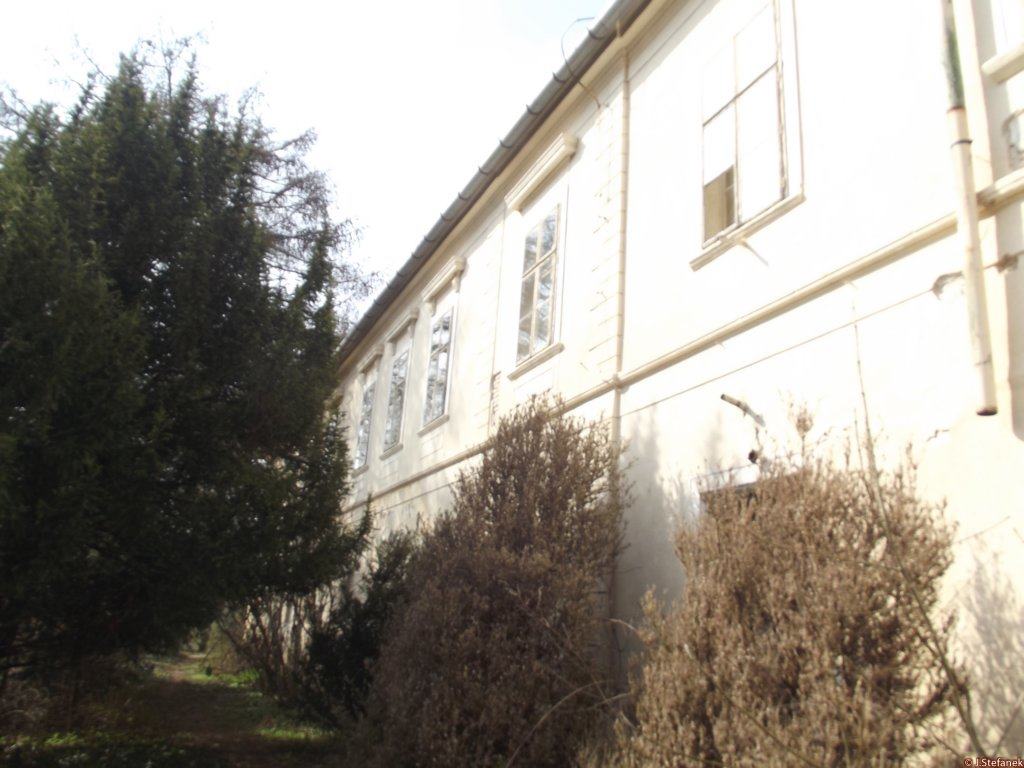
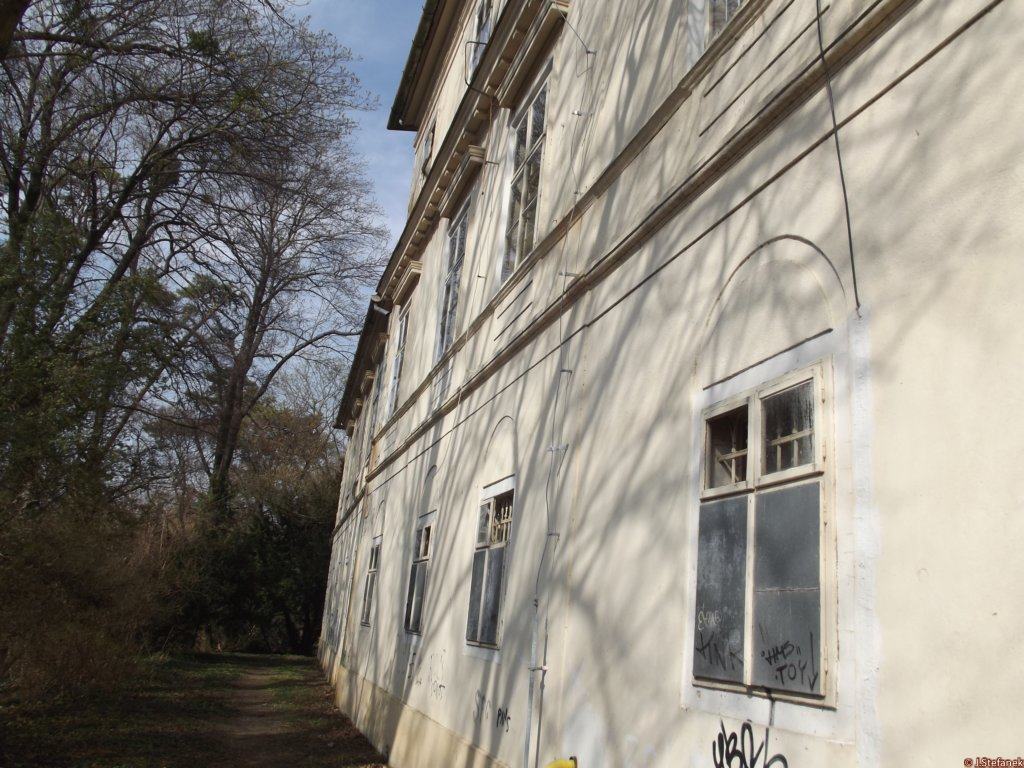
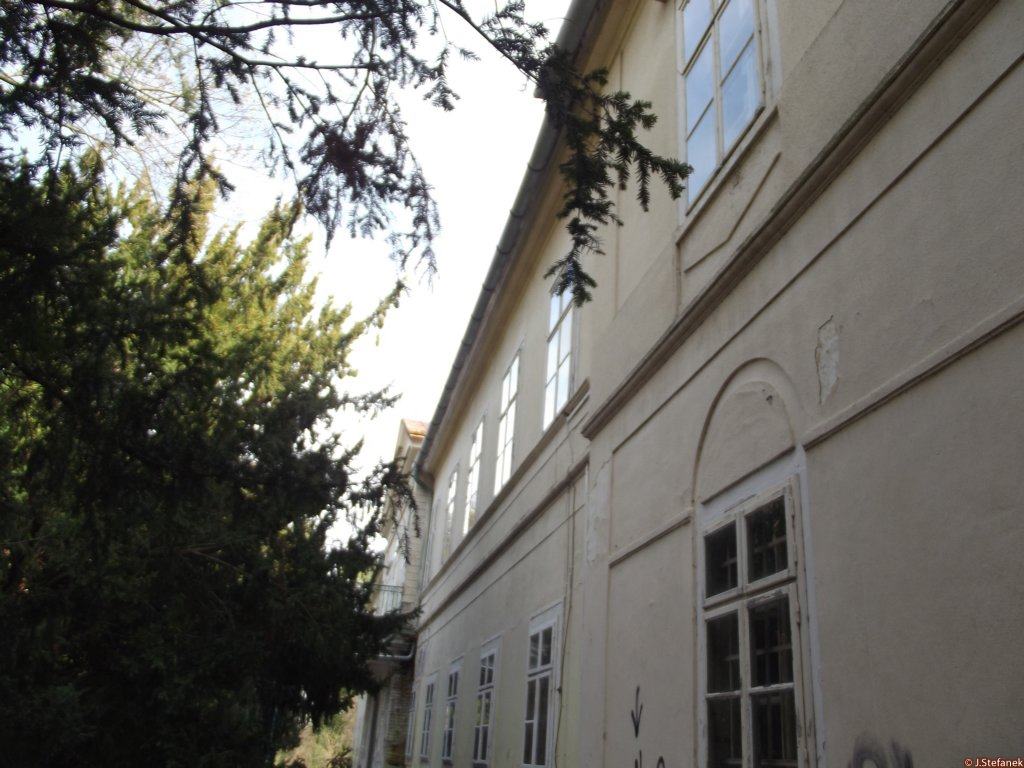
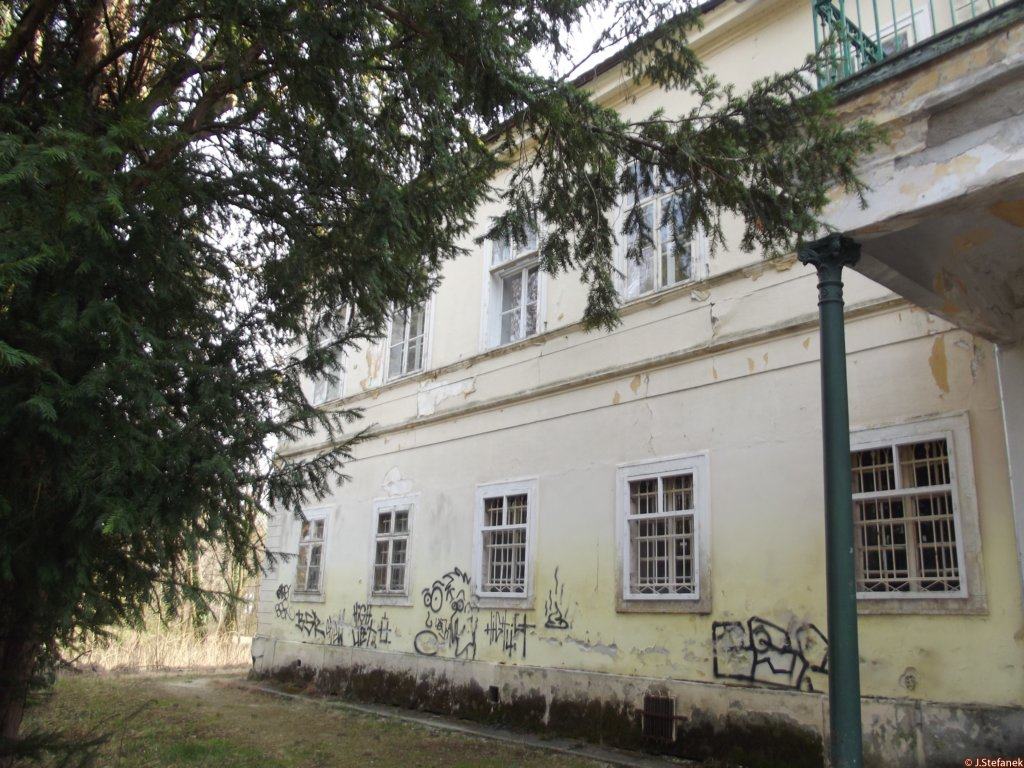
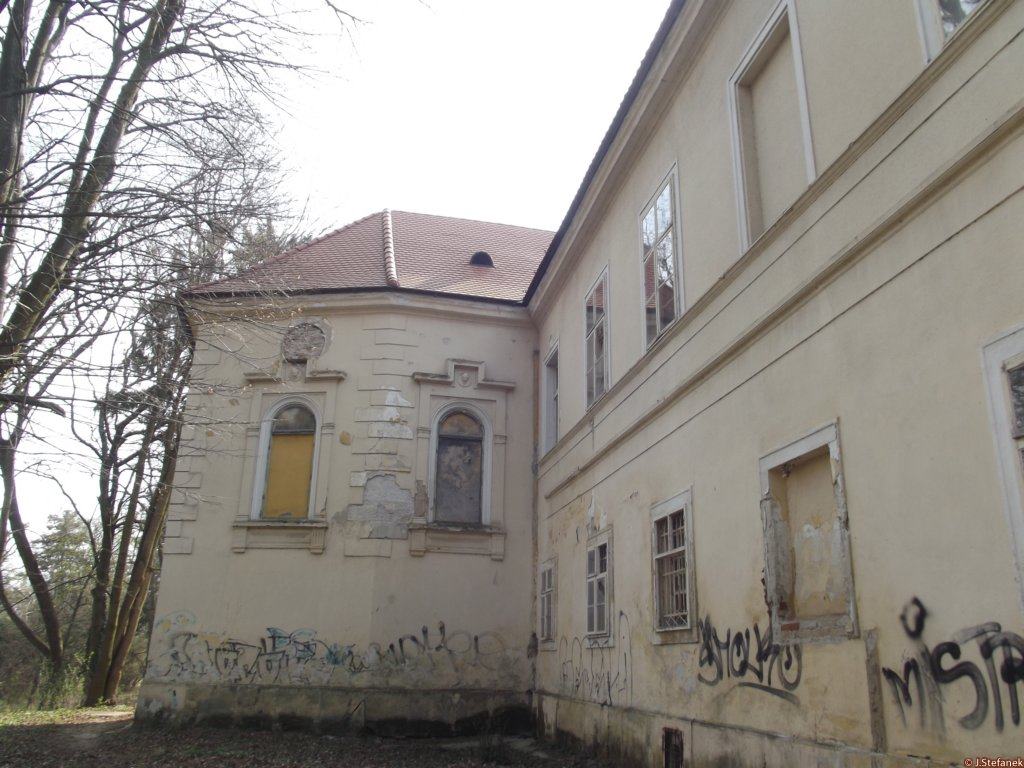
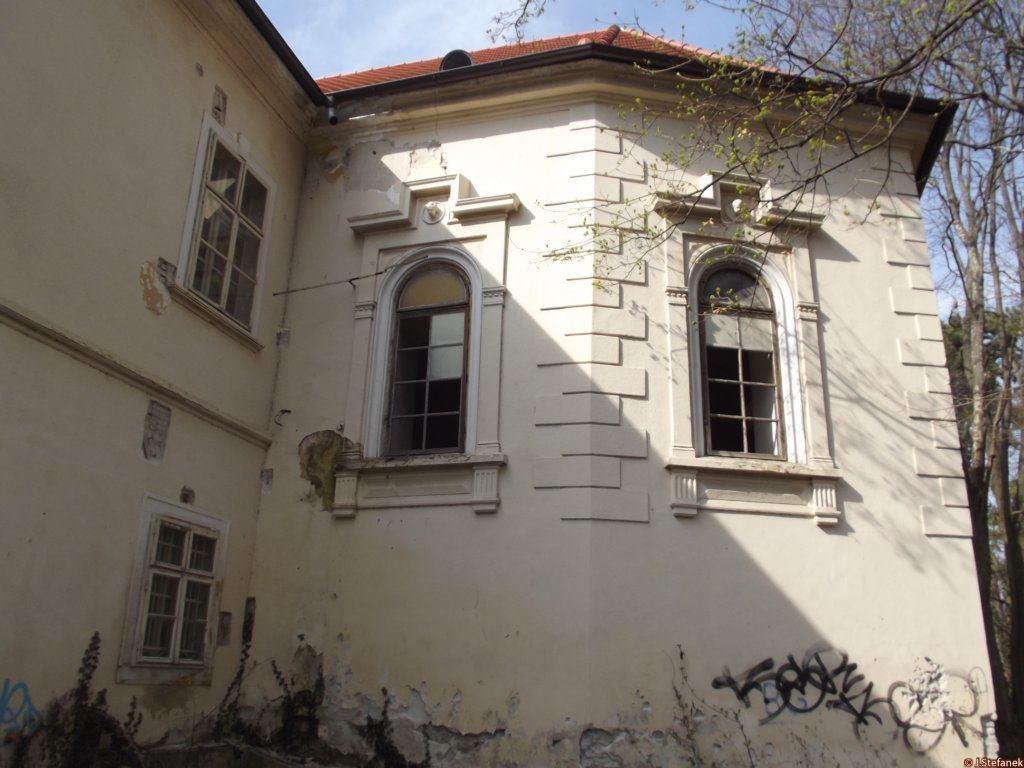
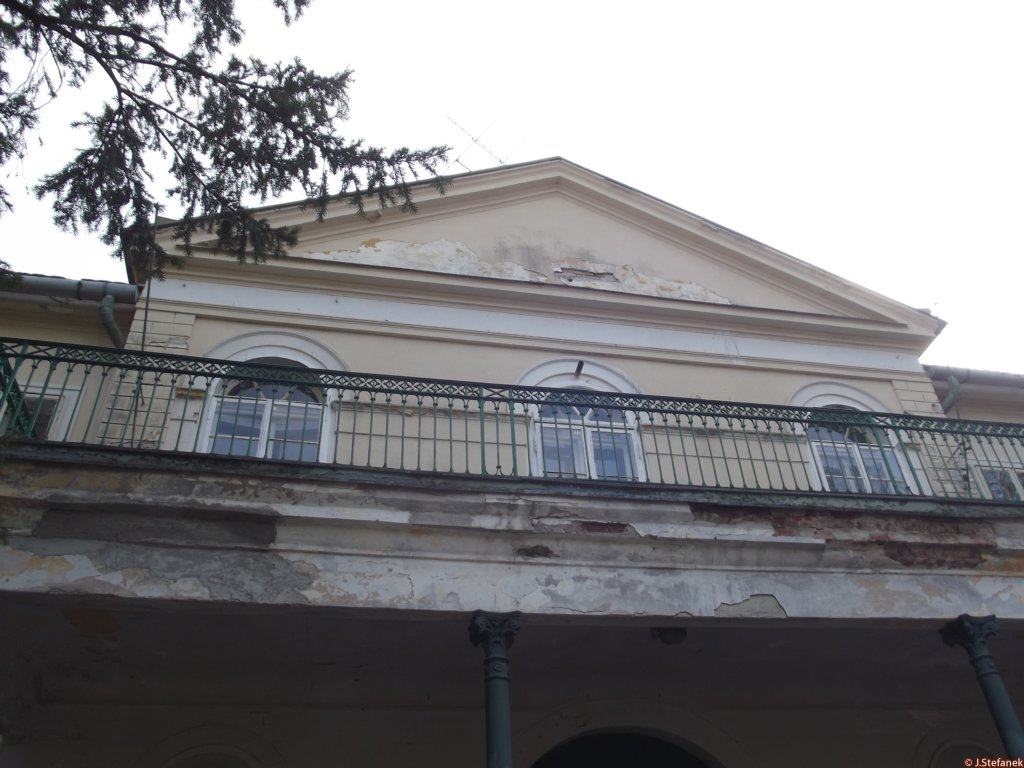
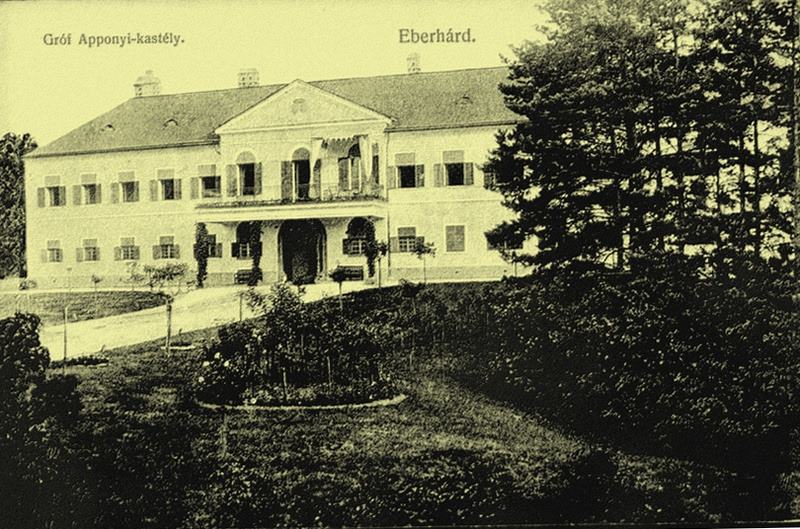
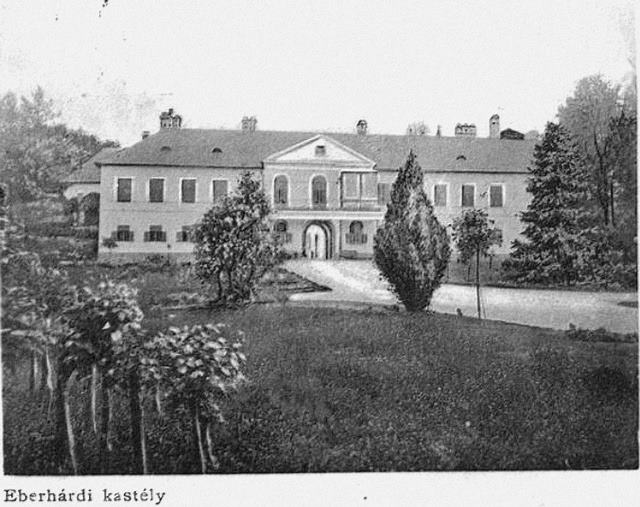
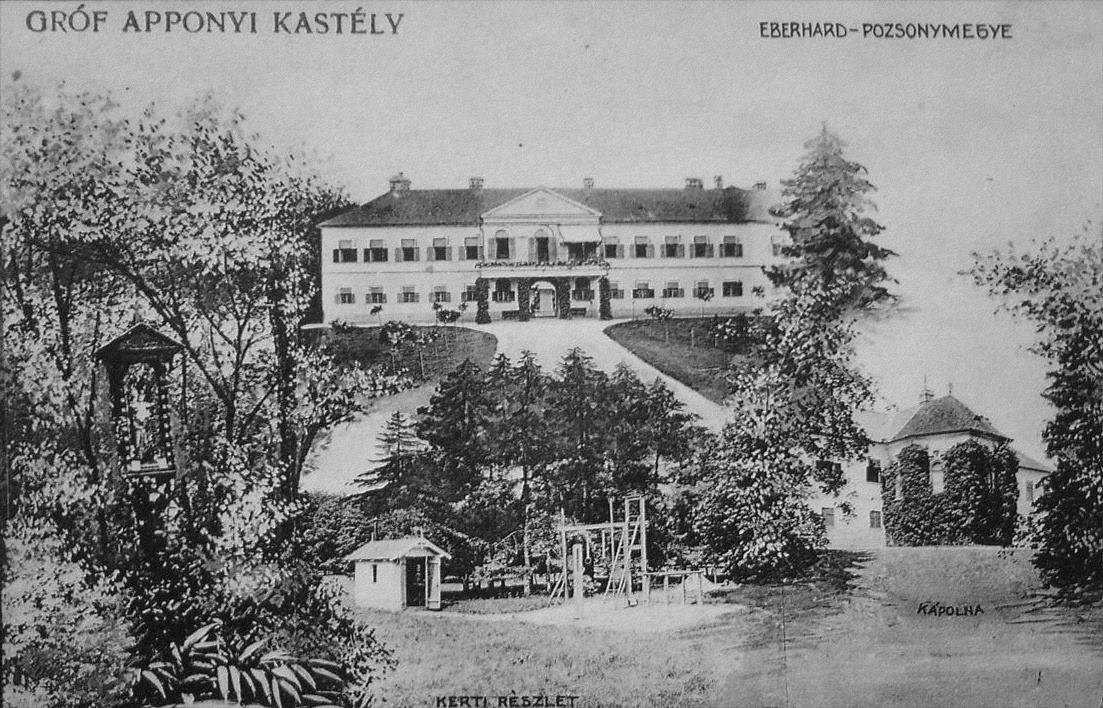
The building consists of a four-wing building with two floors. In the corners are semicircular extensions. It is built on the foundations of a medieval fortress surrounded by a moat. Its remains are still visible today. The manor house excels in a central courtyard with excellent acoustics. Above the entrance gate, on four supporting columns is a terrace, above which is a triangular area called a tympanum. The mansion got its present appearance after the Classicist reconstruction in the 19th century.For many years there was a secondary gardening school in the manor house, and therefore the interior remained adapted to this purpose. On the walls remained the coats of arms of Archbishop Szelepcsényi and stucco mascarons of early baroque decoration. In 2010, the school moved out of the manor house and now resides in its own building, a few meters from the historic manor house. Since 2010, the manor house has been empty and only temporarily came alive in 2014, when film crews found a suitable building for the shelter in the series Secret Lives. In June 2017, the repair of the roof and the replacement of the roofing began.
Objekt tvorí štvorkrídlová budova s dvomi podlažiami. V nárožiach sú polkruhovité prístavby. Postavený je na základoch stredovekej pevnosti, obklopenej vodnou priekopou. Jej zvyšky sú viditeľné dodnes. Kaštieľ vyniká ústredným nádvorím s výbornou akustikou. Nad vstupnou bránou, na štyroch podperných stĺpoch sa nachádza terasa, nad ktorou je trojuholníková plocha zvaná tympanón. Súčasnú podobu získal kaštieľ po klasicistickej prestavbe v 19. storočí.Dlhé roky pôsobila v kaštieli stredná záhradnícka škola, preto aj interiér zostal prispôsobený tomuto účelu. Na stenách zostali erby arcibiskupa Szelepcsényiho a štukové maskaróny ranobarokovej výzdoby. V roku 2010 sa stredná škola z kaštieľa odsťahovala a dnes sídli vo vlastnej budove, pár metrov od historického kaštieľa. Od roku 2010 je kaštieľ prázdny a dočasne ožil až v roku 2014, keď v ňom našli filmové štáby vhodný objekt pre azylový dom v seriáli Tajné životy. V júni 2017 sa začala oprava strechy a výmena krytiny.
Plan
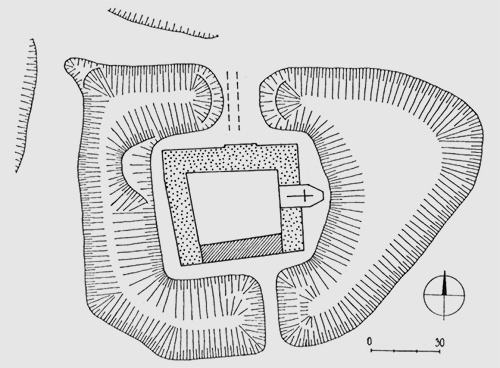
-
History
Eberhard Castle was probably built between 1344 and 1385. During this period, Eberhard was conquered by the Moravian Margrave Prokop, who, together with his older brother Jošt, helped his cousin Sigismund of Luxembourg to gain the Hungarian throne. After the departure of Prokop's people from the castle, the counts from Sv. Jura and Pezina (Bazini and Szentgyörgy). The manor was divided after 1543, one part remains part of the St. George's property, the backup owner of the other part becomes Michal Mérey. After 1626, the Pálffy family acquired the St. George's manor, and the Balassa family acquired the second part of the manor through Anna Mérey's marriage. In addition to them, members of the Pázmány, Hederváry and Forgách families also had other ownership shares. In this century, Eberhard was the center of the manor thanks to the Illésházy family.
In the 17th century, the Eberhard estate and the castle were gradually acquired by the Hungarian primate, Archbishop Juraj Szelepcsényi, who around 1677 rebuilt the castle into a four-winged late Renaissance castle, which used the massive moats of the castle for its defense. Throughout his career, Szelepcsényi has been a staunch supporter of the Habsburg interests and has strongly promoted anti-Reformation policies. In 1674 he transported 6 Calvinist clergymen to Eberhard and performed forced labor at the local castle.
In the 19th century, Eberhard was acquired by the family of Counts of Apponyi, one of the largest and most influential Count families in Hungary. It became the main seat of the administration of the Eberhard estate. Juraj Apponyi rebuilt the manor house in the neoclassical style and turned it into a pleasant country house surrounded by a park. His eldest son Albert, who was an excellent speaker and politician, often stayed here with his family until 1923.
After the creation of the Czechoslovak Republic, the Apponyian dominion was divided, in 1923 the manor house, the park and the economic area became the seat of a horticultural school called the State Agricultural School in Eberhard. With a changed name and a modified study program, the gardening school operated in this area until 2010, when it moved to a nearby building.
Hrad Eberhard vznikol pravdepodobne v období medzi rokmi 1344 a 1385. V tomto období totiž Eberhard dobyl moravský markgróf Prokop, ktorý so starším bratom Joštom pomáhal svojmu bratrancovi Žigmundovi Luxemburskému získať uhorský trón. Po odchode Prokopových ľudí z hradu sa k majetku i samotnému hradu dostávajú grófi zo Sv. Jura a Pezina (Bazini a Szentgyörgyi). Panstvo sa po roku 1543 rozdelilo, jedna časť zostáva súčasťou svätojurských majetkov, záložným majiteľom druhej časti sa stáva Michal Mérey. Po roku 1626 získava svätojurské panstvo rod Pálffy, druhú časť panstva získava sobášom Anny Mérey do vlastníctva rod Balassa. Okrem nich mali ďalšie majetkové podiely aj príslušníci rodov Pázmány, Hederváry a Forgách. V tomto storočí bol Eberhard centrom panstva vďaka Illésházyovcom.
V 17.storočí eberhardské panstvo a hrad postupne získal uhorský primas, arcibiskup Juraj Szelepcsényi , ktorý okolo r.1677 prestaval hrad na štvorkrídlový neskororenesančný zámok, ktorý na svoju obranu využíval mohutné priekopy hradu. Počas svojej kariéry bol Szelepcsényi dôsledným zastáncom záujmov Habsburgovcov a tvrdo presadzoval protireformačnú politiku. V r. 1674 previezol do Eberhardu 6 kalvínskych duchovných a na tunajšom hrade vykonávali nútené práce.
V 19. storočí Eberhard získala rodina grófov Apponyiovcov, jedna z najväčších a najvplyvnejších grófskych rodín v Uhorsku. Stal sa hlavným sídlom správy eberhardského panstva. Juraj Apponyi kaštieľ prestaval v neoklasicistickom štýle a vytvoril z neho príjemné vidiecke sídlo obklopené parkom. Jeho prvorodený syn Albert, ktorý bol vynikajúcim rečníkom a politikom, tu často pobýval s rodinou až do roku 1923.
Po vytvorení ČSR sa apponyiovské panstvo rozparcelovalo, v r.1923 sa kaštieľ, park a hospodársky areál stali sídlom záhradníckej školy s názvom Státní zemědělská škola v Eberharde. S pozmeneným názvom a upravovaným študijným programom pôsobila záhradnícka škola v tomto areáli až do r.2010, keď sa odsťahovala do neďalekej budovy.
Myths and legends
There are no myths available.
K tomuto objektu nie sú dostupné žiadne povesti
Useful information
Only the park area and the manor house exterior are accessible, as it is in a relatively poor condition. However, if you are interested in visiting the interior, contact the High School of Horticulture, which is located in the park area.
Prístupný je len areál parku a exteriér kaštieľa, nakoľko je v pomerne zlom stave. V prípade, ak máte záujem o vstup, kontaktujte strednú odbornú školu záhradnícku, ktorá sídli v areáli parku.
Nearby castles