Prejmer fortified church
Comuna Prejmer Județul Brașov Romania
fortress
Biserica fortificată din Prejmer
Comuna Prejmer Județul Brașov Romania
fortress
Prázsmári erődtemplom
Comuna Prejmer Județul Brașov Romania
fortress
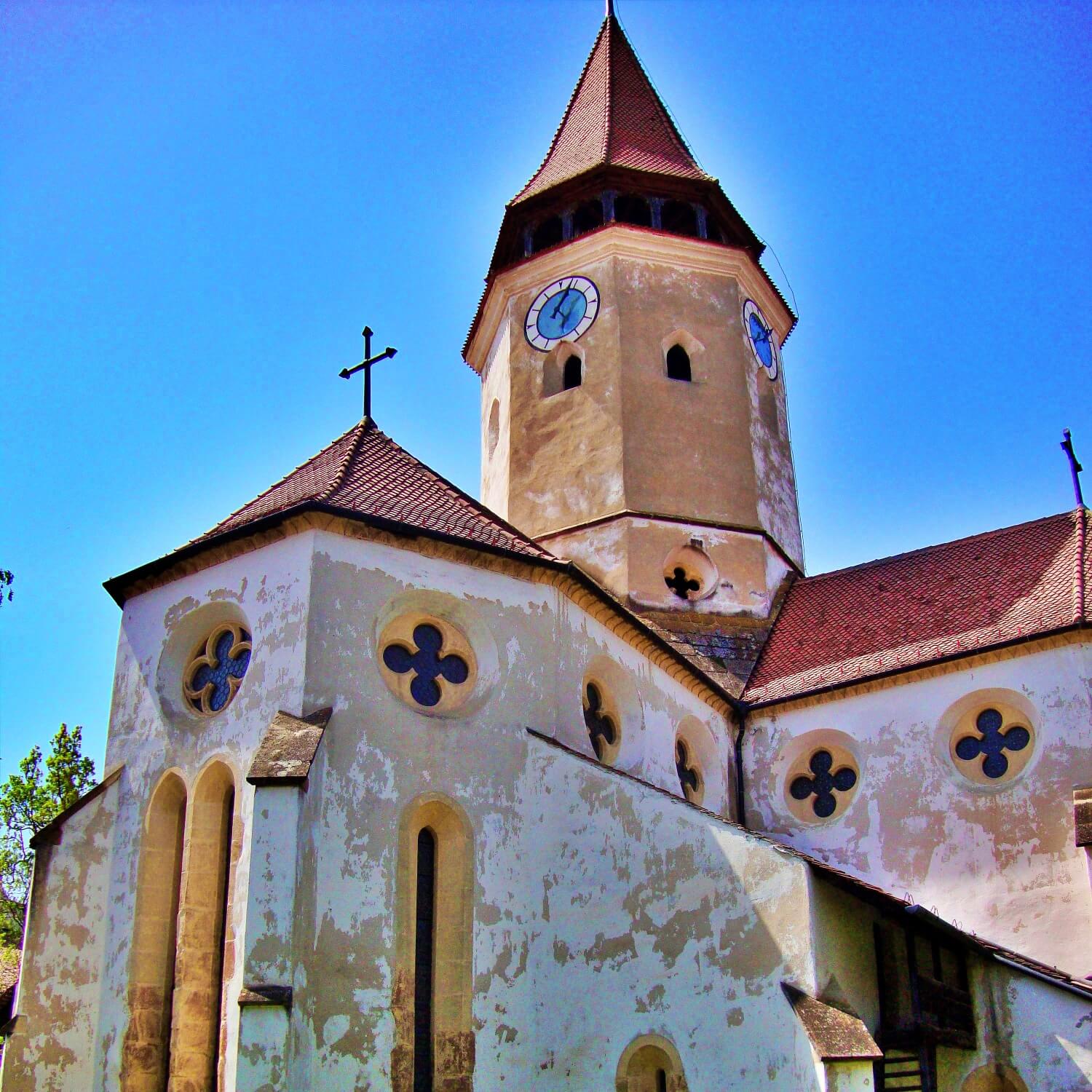
The Prejmer fortified church is a Lutheran fortified church in Prejmer (Tartlau), Brașov County, in the Transylvania region of Romania and the ethnographic area of the Burzenland
Biserica evanghelică fortificată din Prejmer, comuna Prejmer, județul Brașov, a fost construită în secolul XIII pe baza unei vechi bazilici romane datată din secolul al XII-lea
A prázsmári erődtemplom műemlékké nyilvánított épület Romániában, Brassó megyében

Previous names
Prejmer fortified church, Biserica fortificată din Prejmer, Prázsmári erődtemplom
Description
The Prejmer fortified church is a Lutheran fortified church in Prejmer (Tartlau), Brașov County, in the Transylvania region of Romania and the ethnographic area of the Burzenland. The church was founded by the Germanic Teutonic Knights, and then was eventually taken over by the Transylvanian Saxon community. Initially Roman Catholic, it became Lutheran following the Reformation. Together with the surrounding village, the church forms part of the villages with fortified churches in Transylvania UNESCO World Heritage Site.
Background and church
Around 1211, King Andrew II of Hungary permitted the knights to settle around Prejmer, where they began constructing a church in 1218, in Gothic style. They were responsible for the Greek cross plan, the only one of its kind in Transylvania, but found in a few churches in northeast Germany. Following their expulsion in 1225, the Cistercians, who took over in 1240, finished the church.
The triptych altarpiece, the oldest in the province, dates to around 1450; the main panel is joined to side panels painted on both faces, on two levels. The entire piece depicts scenes from the Passion of Christ. The Crucifixion is the central subject, four times the size of the other panels, over half this panel is gilt. The front side panels show the Washing of the Feet, the Last Supper, the Flagellation and the Judgement of Caiaphas; the rear has the Weeping Women, the Entombment, the Resurrection and the Myrrhbearers. The figures are simple and reduced to their essentials, their movements restrained or even statuesque, their clothing unruffled. The backgrounds are cursory, with the interiors showing only slight attention to geometric perspective. The colors are vivid, with the reds given a particular glow by the gilt background. The artist is unknown but was presumably trained in the Viennese school. A bell tower was added above the center of the church in 1461. The Greek cross shape was modified between 1512 and 1515: two side naves of unequal size were added while the main one was extended. The interior is simple and does not have traces of frescoes, while 19th century paintings were removed during restoration.
Fortifications and recognition
When Ottoman forces or other invaders would break through the Buzău Pass, Prejmer was the first place they encountered; the village was destroyed over 50 times between the 13th and 17th centuries, while the church was only rarely captured. Due to this strategic position, the church was strongly fortified in the 15th-16th centuries. After Sigismund of Luxemburg ordered defensive systems to be built in the Burzenland, high, strong walls were built and surrounded with a water-filled moat. It seems that a tunnel linked the church to the exterior. The circular walls are up to 5 m thick and reach nearly 12 m in height. The circular walls surround the church, while a second and smaller wall sits atop the arched passage at the entrance gate. Other defensive features include five towers and a battlement. On the interior side of the wall, there are four levels containing rooms and storage space and backed by the battlement. The over 270 rooms could offer shelter to some 1600 villagers in case of attack. Entry into the complex is made through a 30 m long tunnel protected by a portcullis with wooden grilles strengthened by iron and powerful oak doors. To the right of the entrance stands a large barbican.
Frequently damaged or altered, with the last stage of extensions and modifications happening in the 18th century, Prejmer was restored to its original form following a restoration between 1960 and 1970. The site is now a museum, visitors can see some of the wall rooms, climbing the many stairs and walking the corridors that join them along the wall, eventually reaching the battlements on the outside. In 1999, Prejmer, together with five other places, was added to the already-listed Biertan to form the villages with fortified churches in Transylvania UNESCO World Heritage Site. Additionally, the church is listed as a historic monument by Romania's Ministry of Culture and Religious Affairs, with the following being listed as separate entries: the inner wall and rooms, the outer wall, the barbican, the battlement and the arched gallery.
Biserica evanghelică fortificată din Prejmer, comuna Prejmer, județul Brașov, a fost construită în secolul XIII pe baza unei vechi bazilici romane datată din secolul al XII-lea. Ansamblul bisericii evanghelice fortificate, format din biserică, incinta fortificată, cu drum de apărare, două turnuri, două bastioane,iar turnul de poartă este un monument istoric.
Biserica
Pe la 1211 regele Andrei al II-lea al Ungariei pomenește într-un document adresat teutonilor numele râului Târlung, pe lângă care va crește localitatea Prejmer. Cavalerii teutoni care primesc drepturi asupra acestui teritoriu sunt cei care vor ridica până la un anumit nivel biserica din Tartlau (denumirea săsească a localității). Lăcașul de cult a fost construit în stilul gotic burgund introdus de cistercieni la Mănăstirea Cârța.
Ca și alte monumente din Transilvania, biserica fortificată de la Prejmer a suferit numeroase intervenții, dar în urma restaurării întreprinse de Direcția Monumentelor între 1960 și 1970 ea și-a căpătat forma inițială. În 1999 biserica a fost înscrisă pe lista patrimoniului cultural mondial UNESCO. Lăcașul, cu hramul Sfânta Cruce, a fost ridicat pe un plan central, în cruce greacă, modificat prin intervențiile din secolul al XVI-lea. Initial clădirea era compusă din patru brațe egale dispuse în jurul unui careu centrat de un turn octogonal. Fiecare braț era compus din câte două travee, una pătrată și alta poligonală, corul bisericii fiind flancat pe ambele laturi de câte două perechi de capele rectangulare. Înrudirea cu spiritul și formele utilizate pe șantierul bisericii mănăstirii cisterciene Cârța, iar pe de altă parte, cu cele prezente la Biserica Sf. Bartolomeu din Brașov, ambele ridicate după mijlocul secolului al XIII-lea, permite datarea bisericii din Prejmer în a doua treime a secolului al XIII-lea și încadrarea sa în aceeași ambianță stilistică.
În biserică se găsește cel mai vechi triptic din Transilvania, datat între 1450-1460.
Fortificația
Fiindcă Prejmerul era prima localitate care primea loviturile turcilor veniți prin pasul Buzău, după ce regele Sigismund de Luxemburg a dispus ridicarea unor sisteme de apărare în Țara Bârsei, a început fortificarea bisericii prin ridicarea unei incinte înalte și puternice înconjurată de un șanț lat de apă. Cetatea, cladită în formă de cerc, avea ziduri groase de 3-4 metri și înalte de 12 metri, bastioane, porți de fier și poduri care se ridicau. Un drum de strajă folosea pentru aprovizionarea luptătorilor de la crenele. Pe lângă gurile de foc fixate în ziduri, în cetate se afla un dispozitiv de luptă neobișnuit: vestita „Orgă a morții”. Formată din mai multe arme așezate la un loc, care trăgeau toate deodată, ea producea dușmanului o mare panică și pierderi grele.
A prázsmári erődtemplom műemlékké nyilvánított épület Romániában, Brassó megyében. A romániai műemlékek jegyzékében a BV-II-a-A-11745 sorszámon szerepel; emellett az Erdély erődtemplomos falvai elnevezésű világörökségi helyszín része.
Leírása
A prázsmári evangélikus templom a Barcaság legjelentősebb templomerődje. Az első templomot talán 1218-ban kezdték építeni, majd az 1240-es években a kerci apátság folytatta az építkezést, jellegzetes ciszterci stílusban. A 15. században a megközelítőleg egyenlő szárú kereszt alaprajzú templom fölé tornyot, a szentély északi és déli falához egy-egy kápolnát emeltek. Az oltár háta mögött dombormívű sírkő található, rajta szakállas angyalok. 1480-ban készített Szent Kereszt-szárnyasoltára az egyik legrégebbi Erdélyben. Egyik harangját 1471-ben öntötték. A templom köré hármas védőfalrendszert építettek. A külső védőfal a várost vette körül, a toronyból szétnézve még ma is fölismerhetőek az egykori város határai, amelyen belül a telkek és a házak is kisebbek voltak. A külső falgyűrűből semmi sem maradt, a középsőnek azonban még állnak részletei és a templom közelében két egykori védőtornya. A belsőváron belül, a templomudvar és az előudvar falában alakították ki azt a 275 ún. szalonnakamrát (családonként egyet), amelyek ostrom idején menedéket adtak a lakóknak, békeidőben pedig húskészítményeiket tárolták bennük. A több szinten egymás fölé épített kamrákat fa állványzaton lehet megközelíteni. A két udvart alagút köti össze, amelyet a védők öt helyen tudtak elzárni kapukkal és ráccsal. A barbakánban működött a városháza. A belsővárat vizesárok vette körül, amelybe a környező források vizét vezették. Az oszlopsoros bejárati szárnyat a 19. század elején építették, helyén korábban felvonóhíd működött. Délnyugati oldalán, a barbakán és a belső falgyűrű közé a 18. században építettek alacsonyabb védőfalat. Emögött működött a sütöde, ahol a várban őrzött lisztből sütöttek kenyeret. Az erődtemplomot 1964 és 1970 között restaurálták.
Useful information
Free
15.00 RON
7.00 RON
- Information tables
- WC
evkirche.tartlau@yahoo.de
Gift shop
-
-
External links
Nearby castles
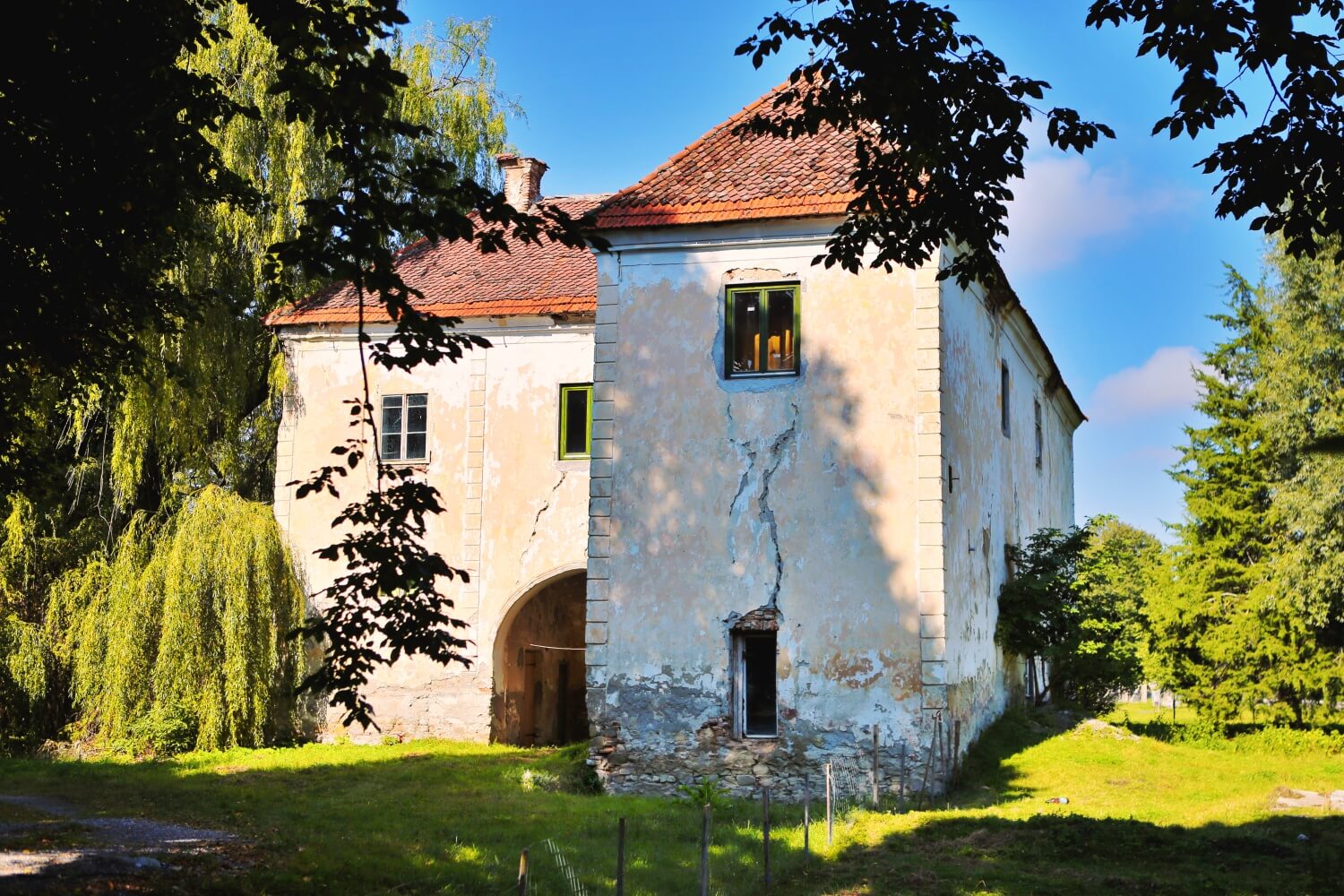
Mikes Castle in Budila
Comuna Budila
5.7km
castle, chateau
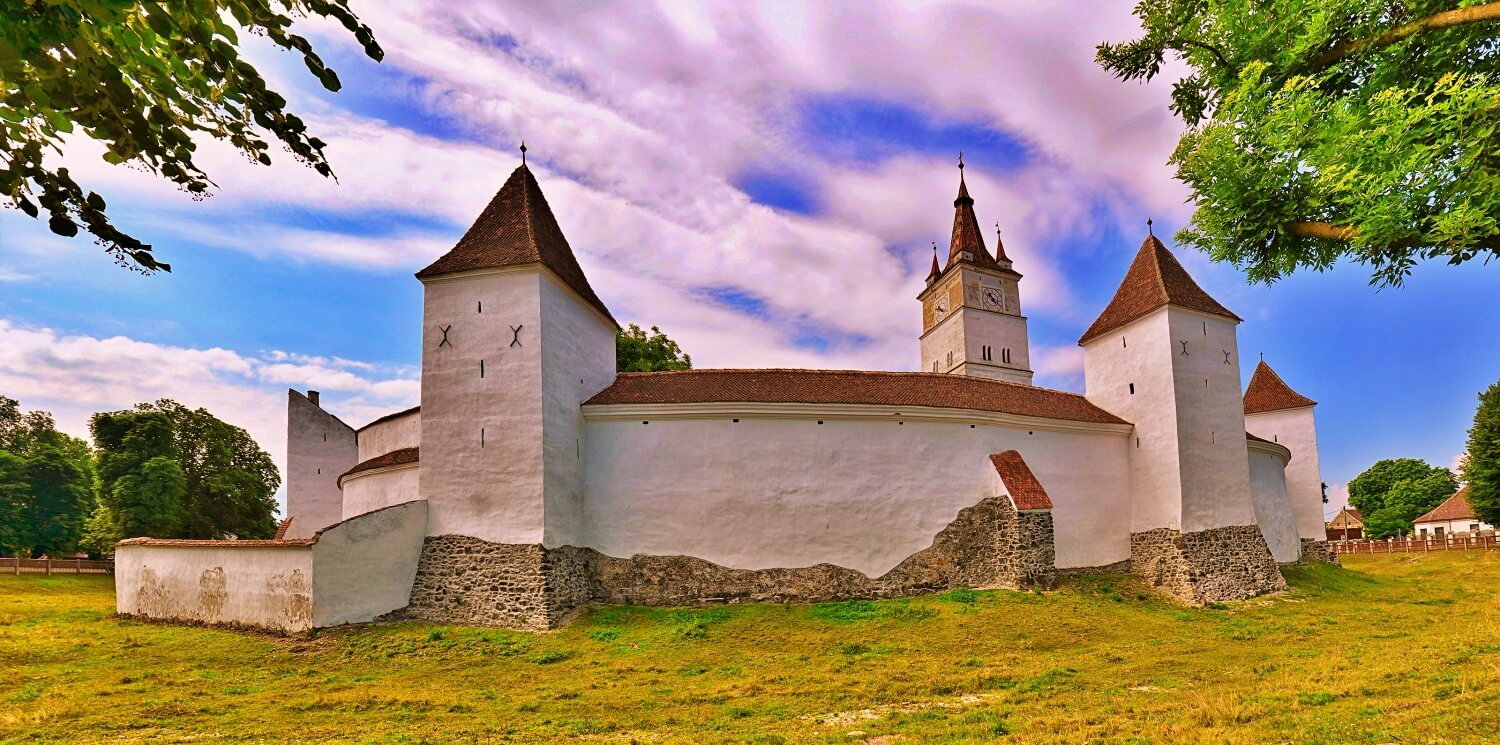
The Fortified Church in Hărman
Comuna Hărman
6.9km
fortress
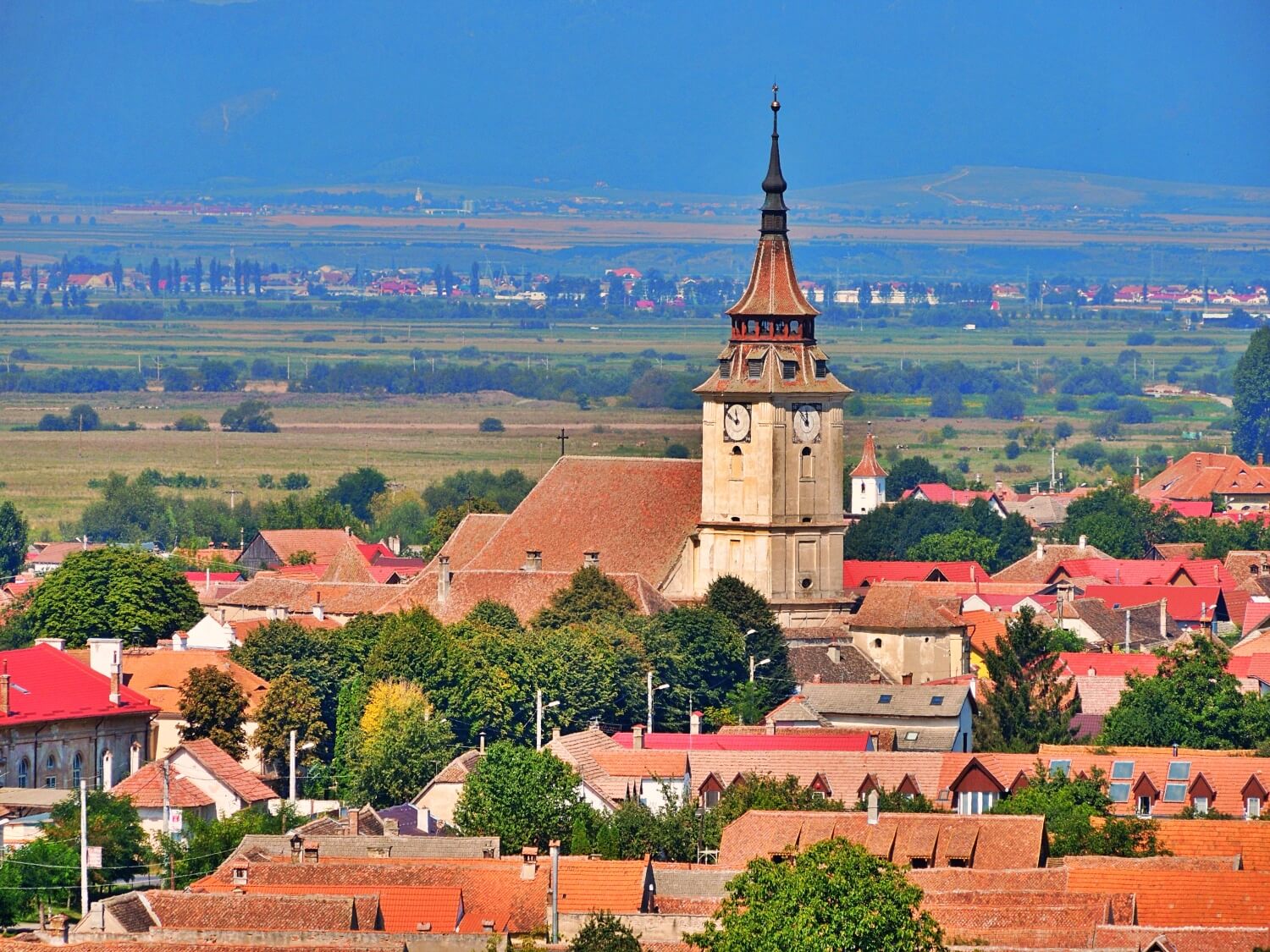
The Fortified Church in Sânpetru
Comuna Sânpetru
11.0km
fortress
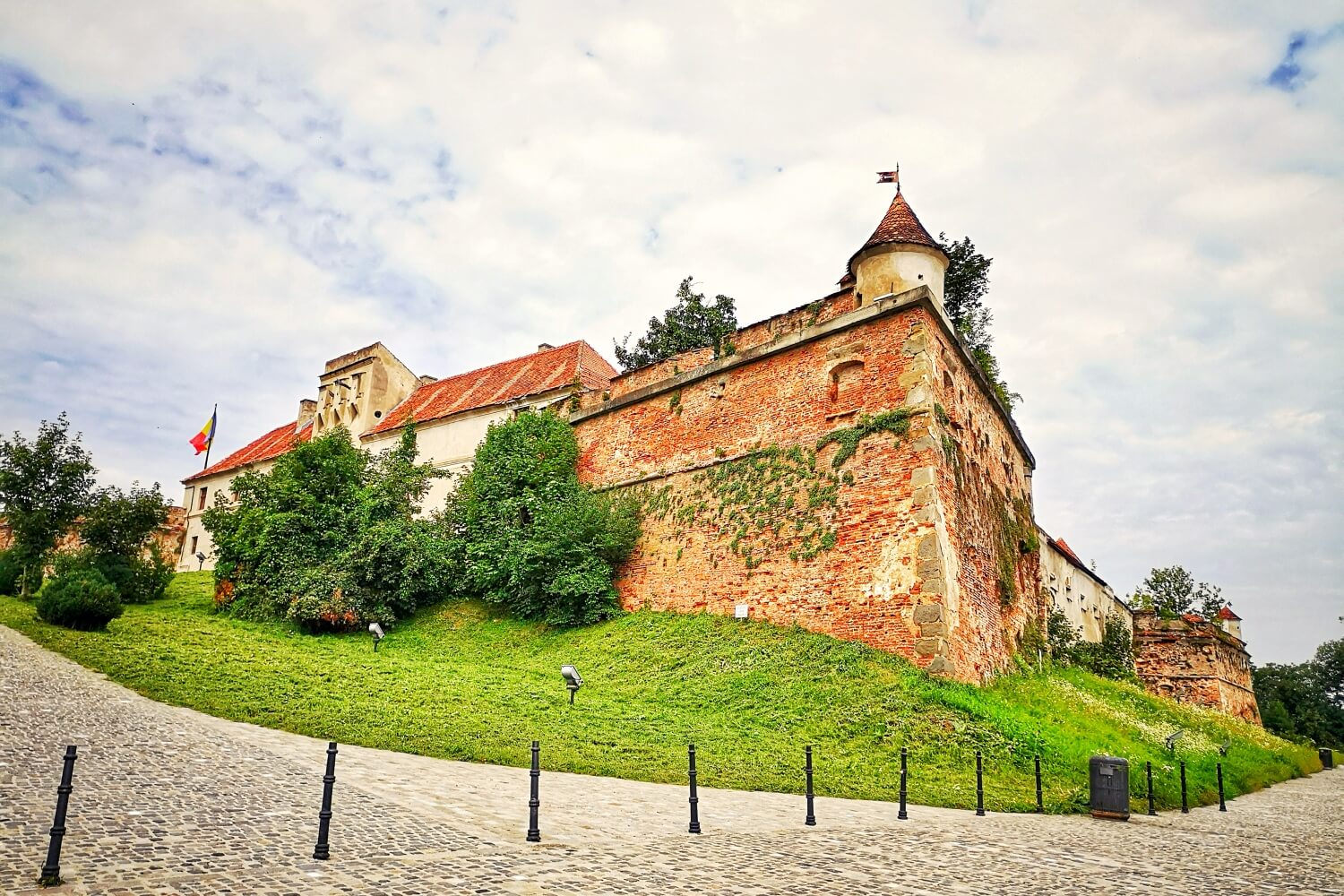
Citadel Strajă
Municipiul Brașov
16.3km
castle, chateau
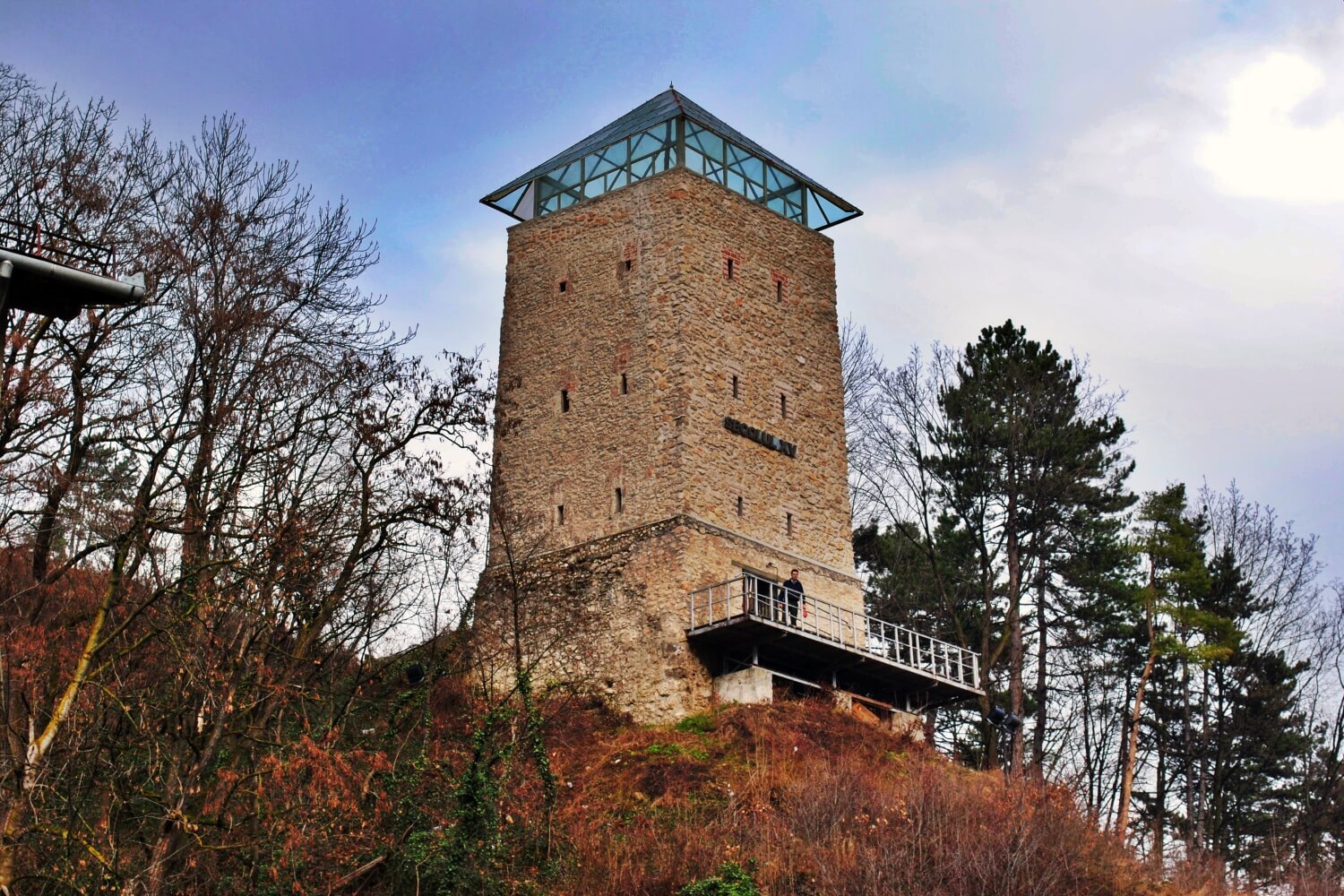
Black Tower (Brașov)
Municipiul Brașov
17.1km
castle, chateau
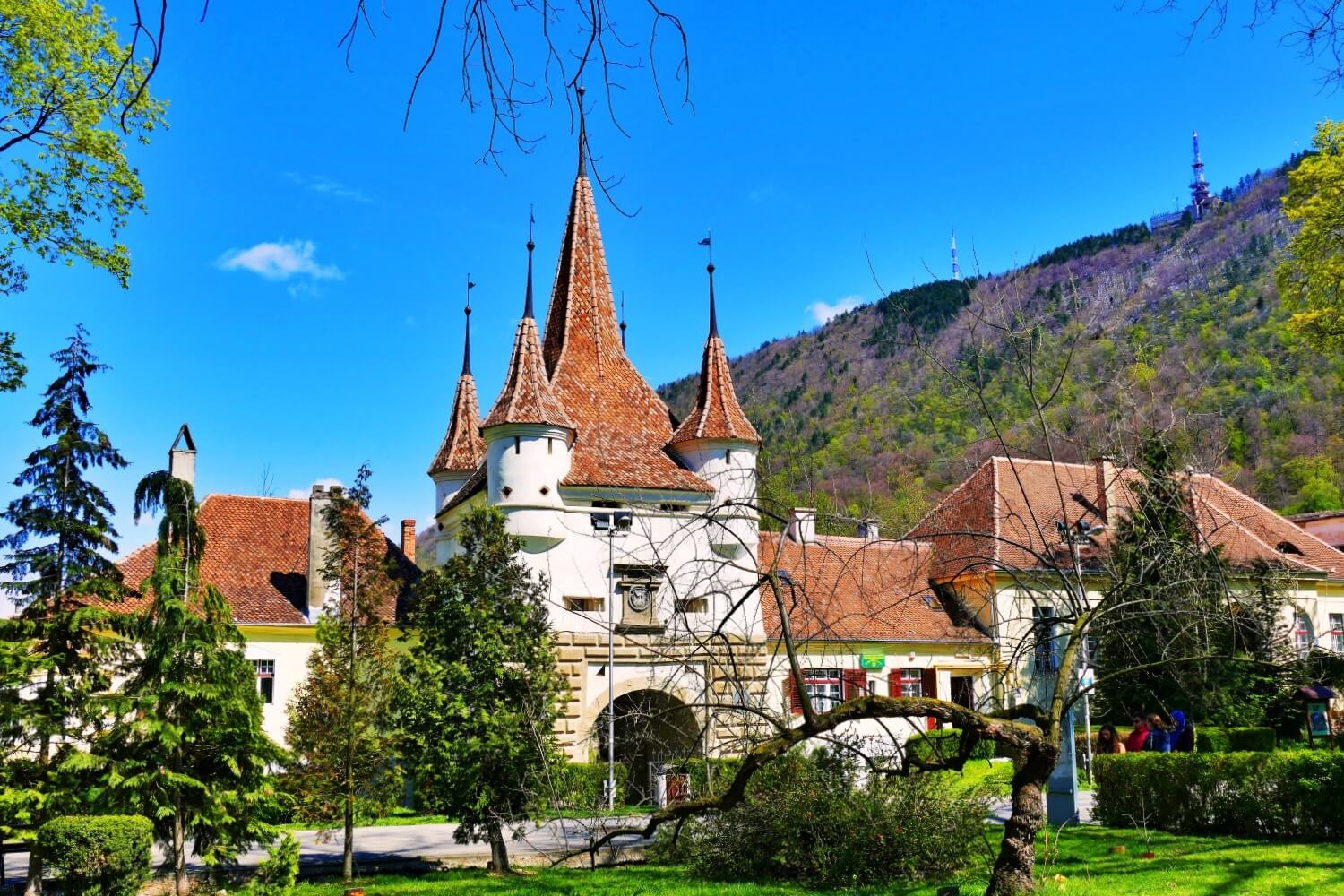
Catherine's Gate
Municipiul Brașov
17.2km
castle, chateau
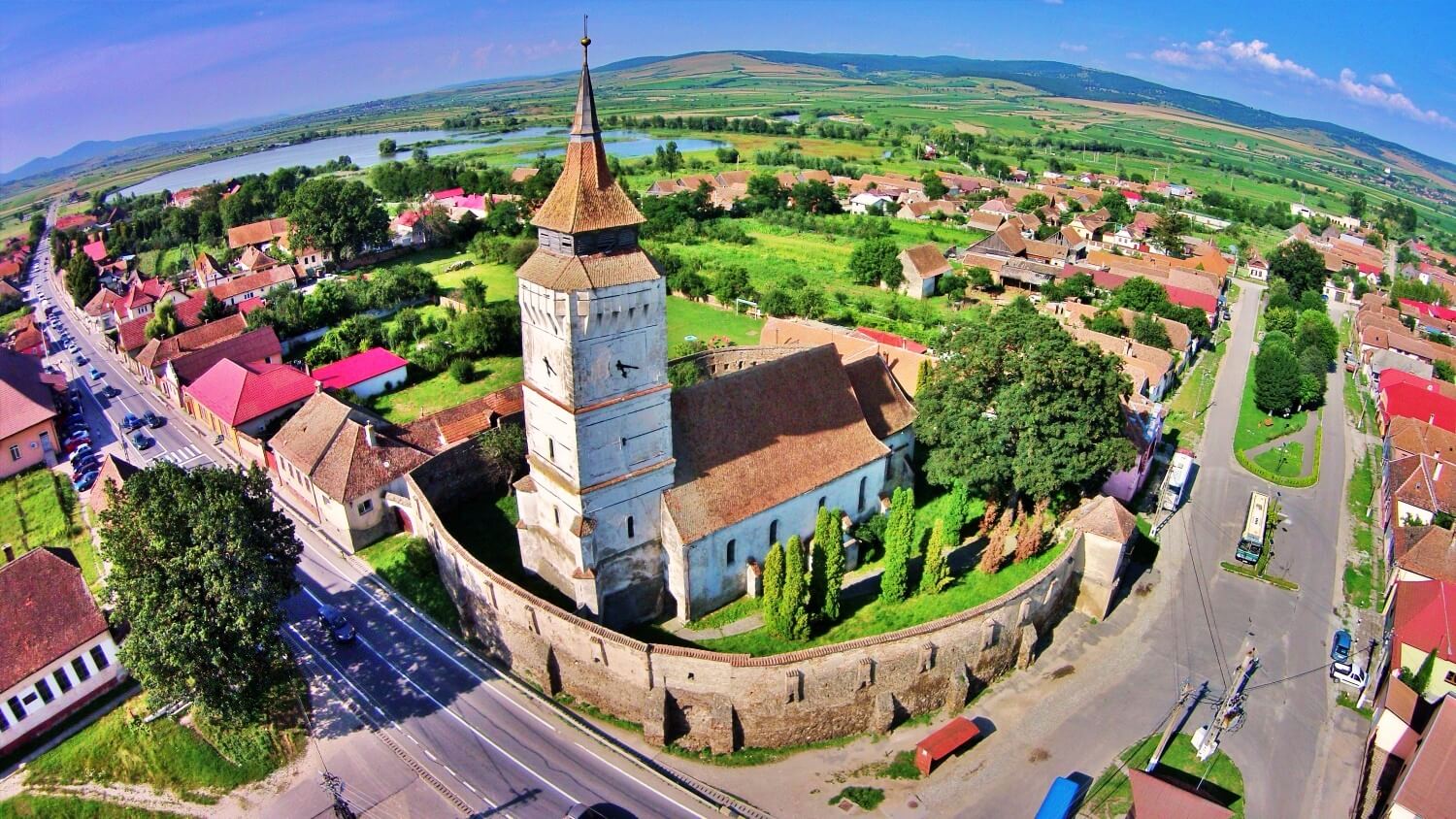
Rotbav Evangelical fortified church
Comuna Feldioara
21.1km
fortress