Zobor
Nitra Nitra county Slovakia
monastery
Zoborský kláštor
Nitra Nitriansky kraj Slovakia
kláštor
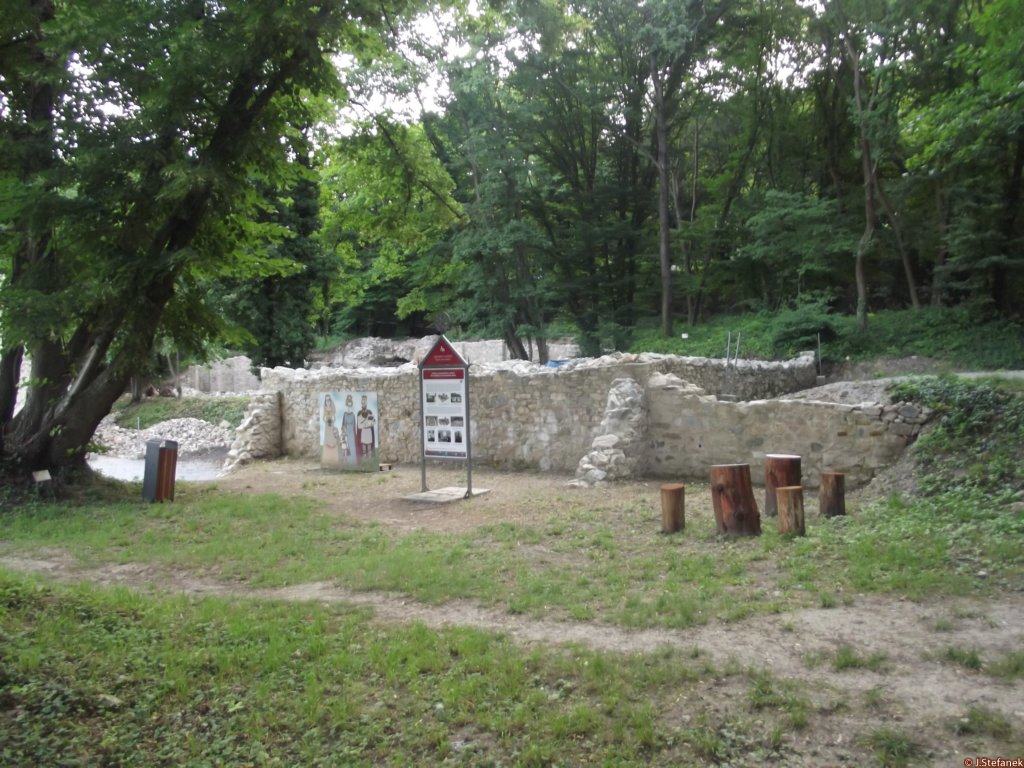
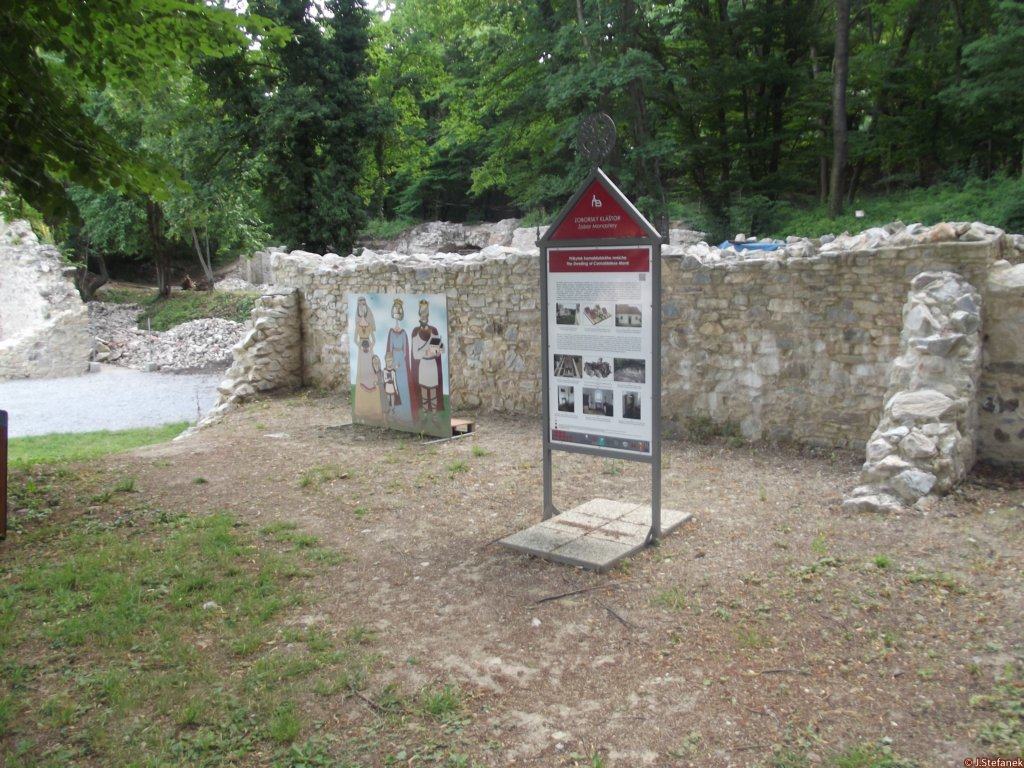
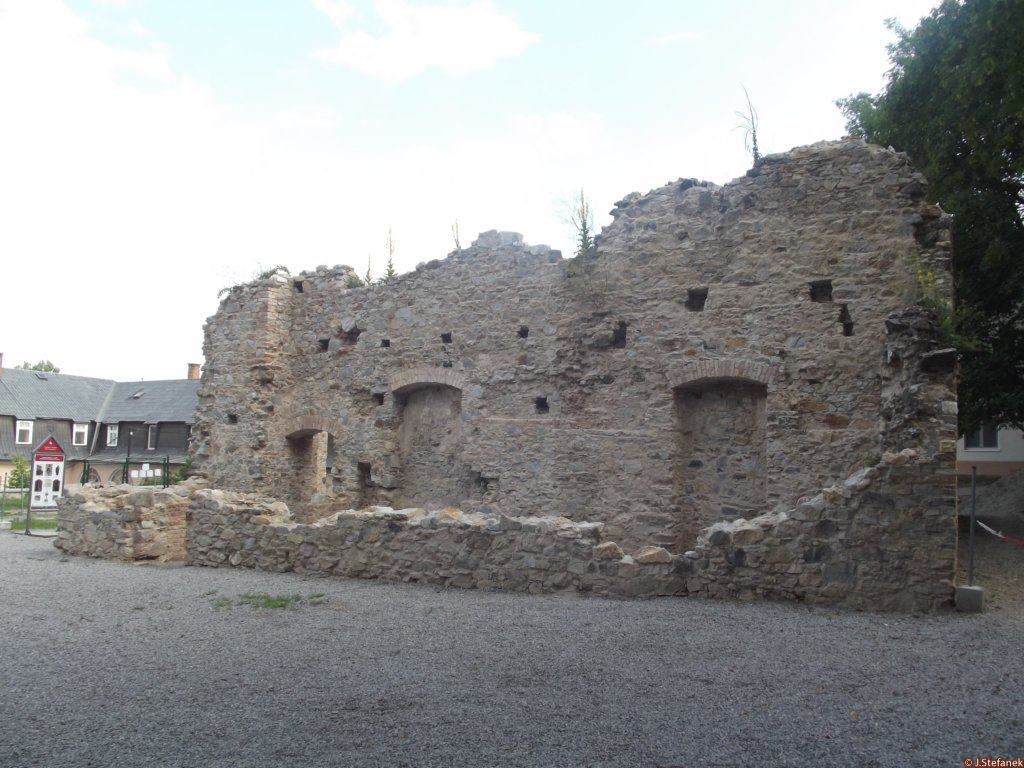
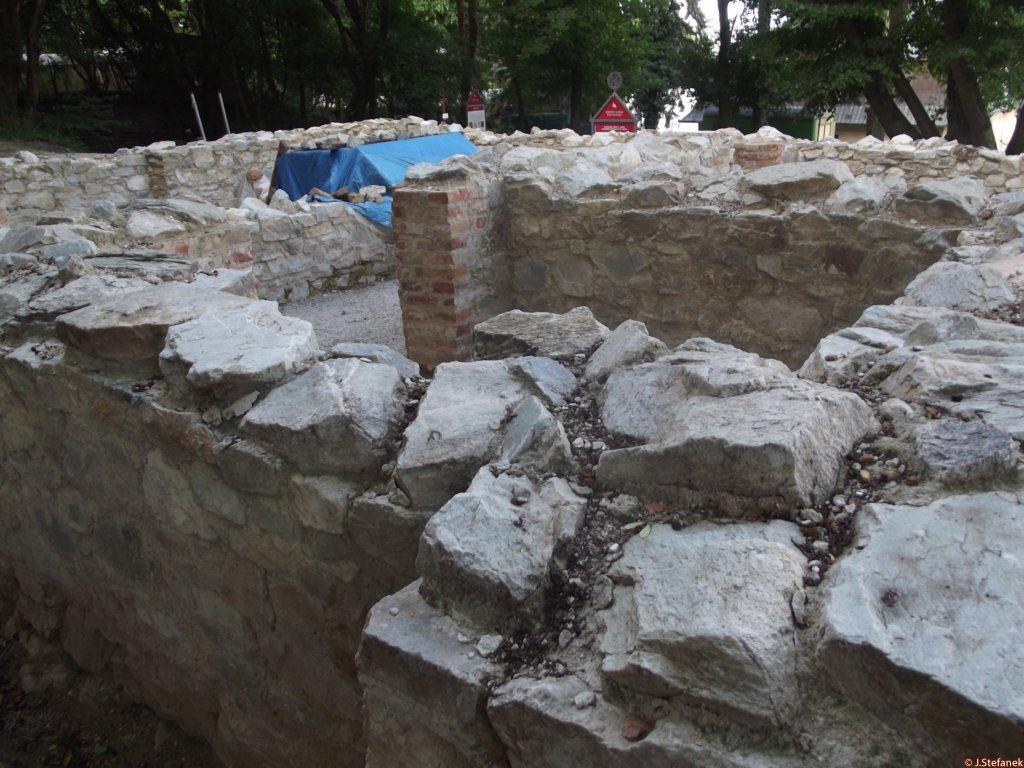
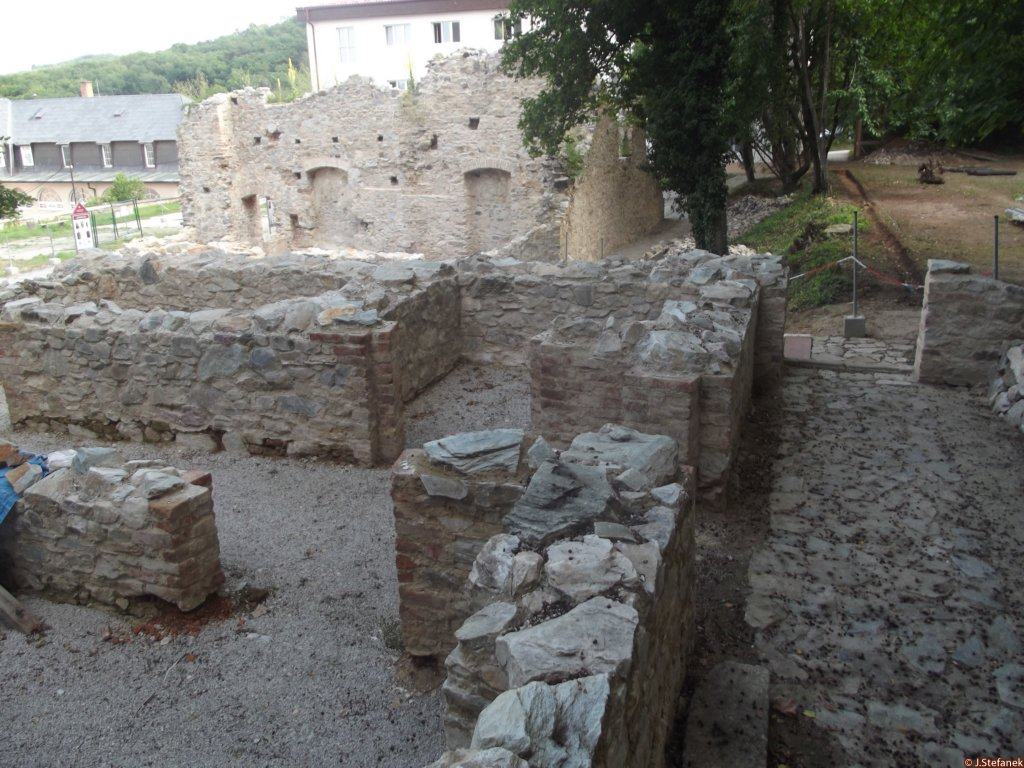
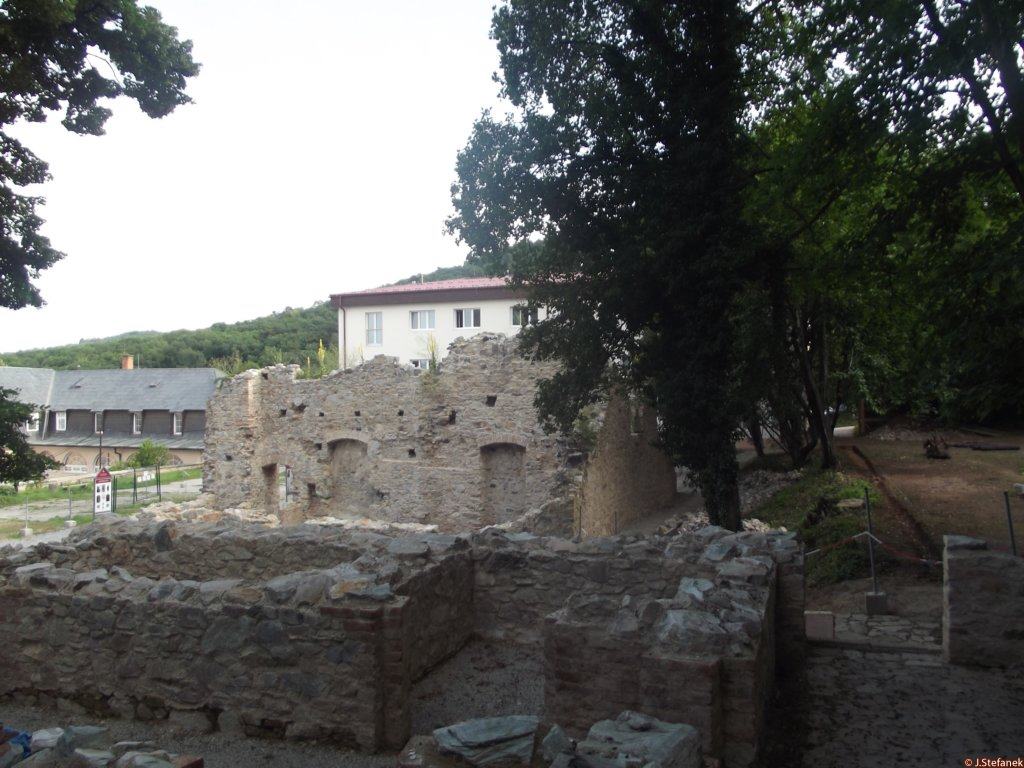
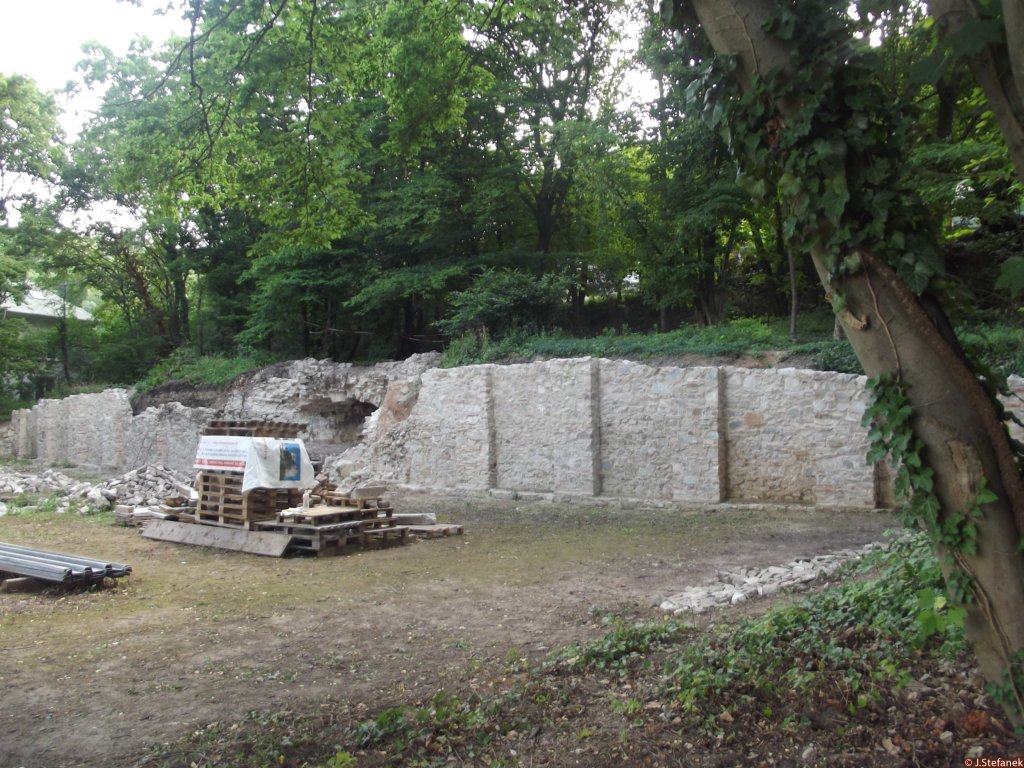
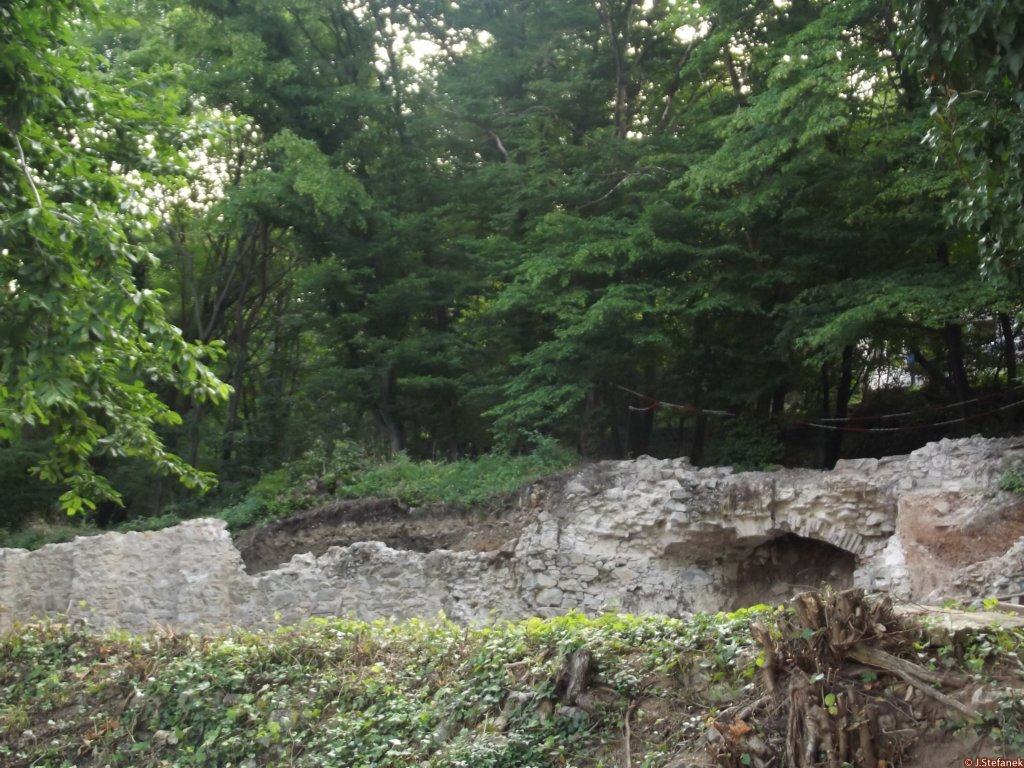
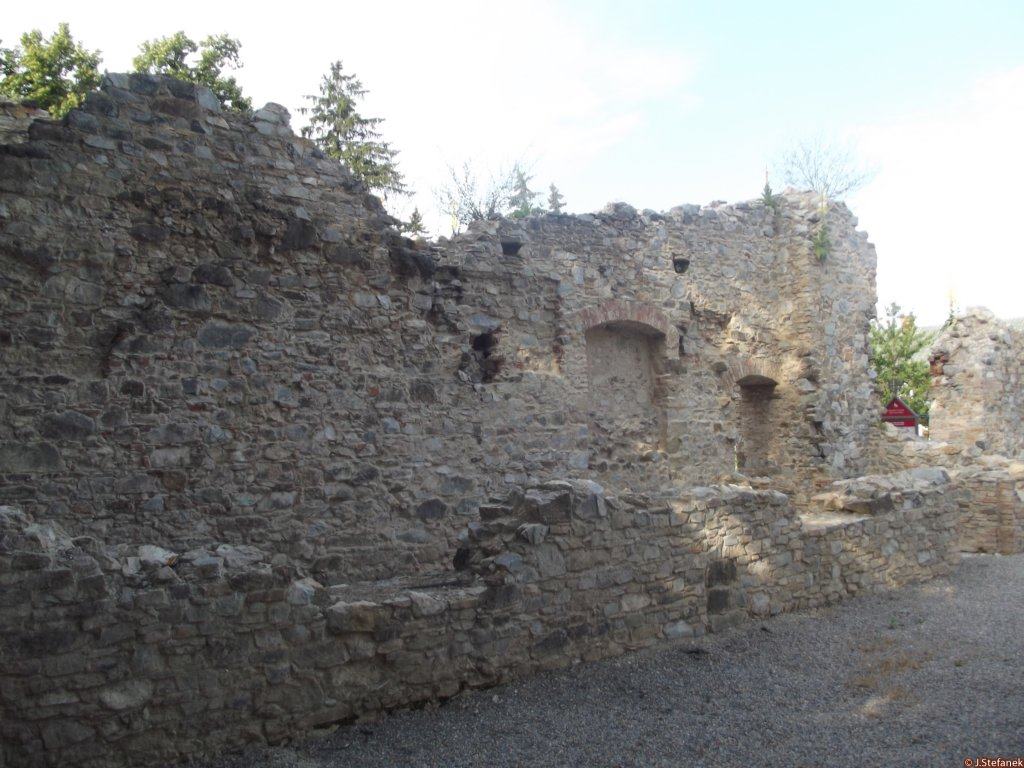
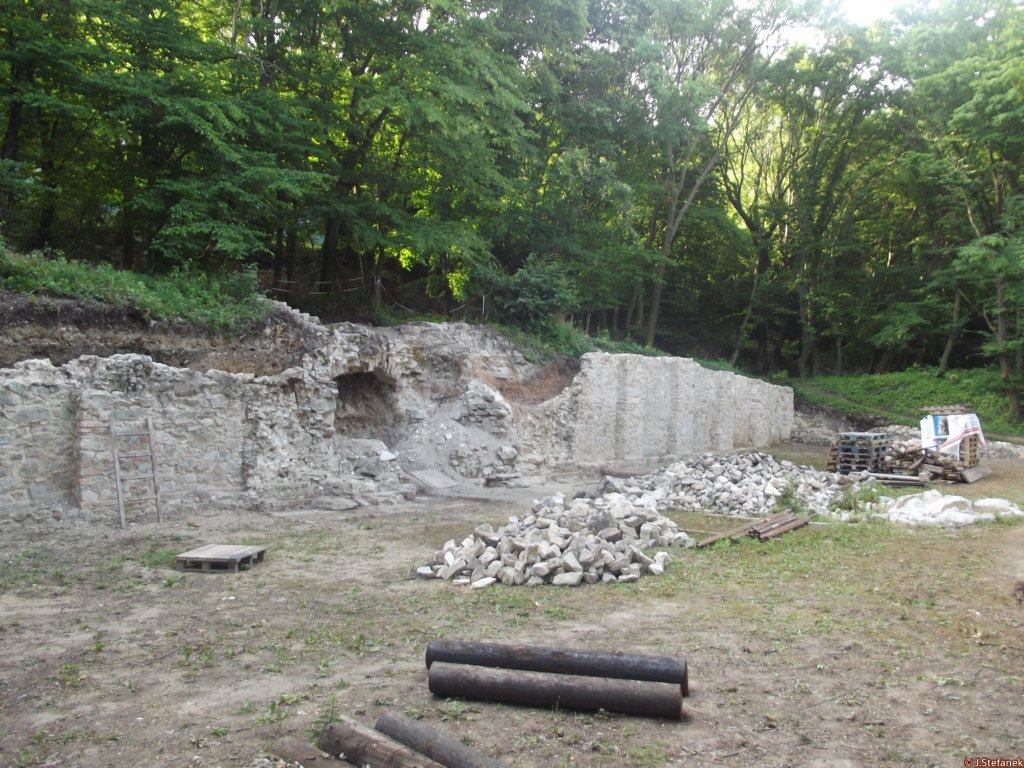
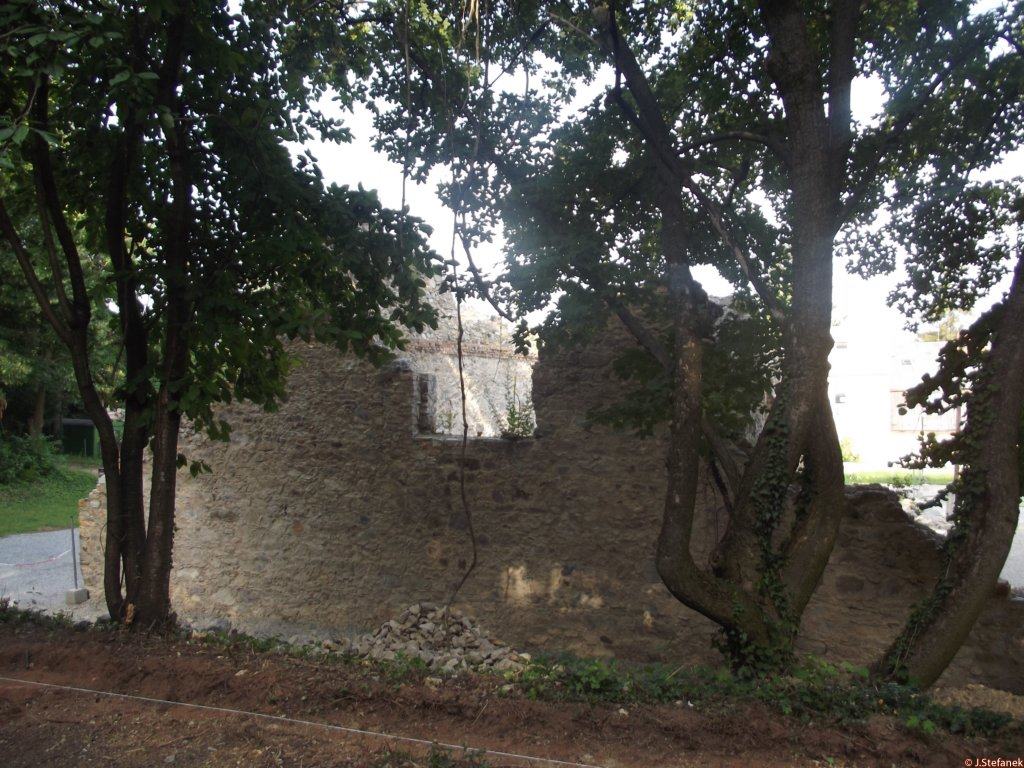
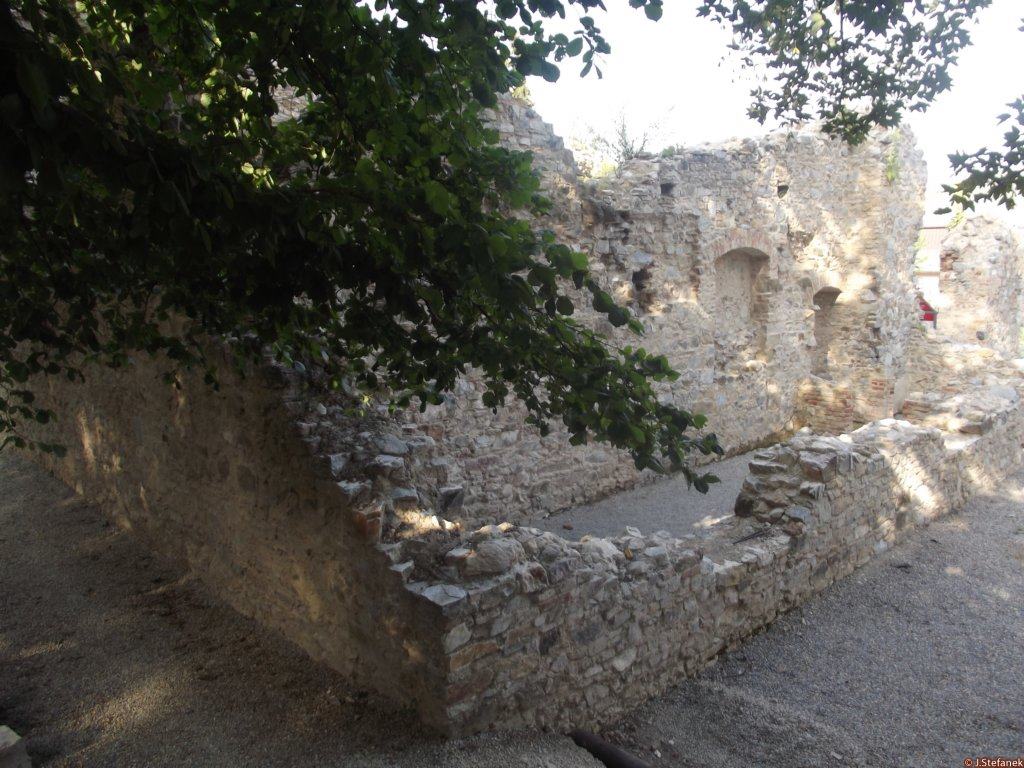
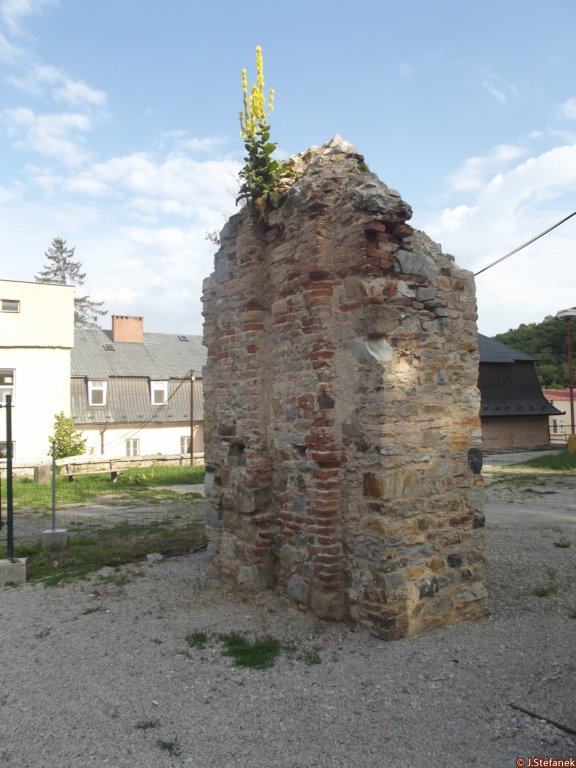
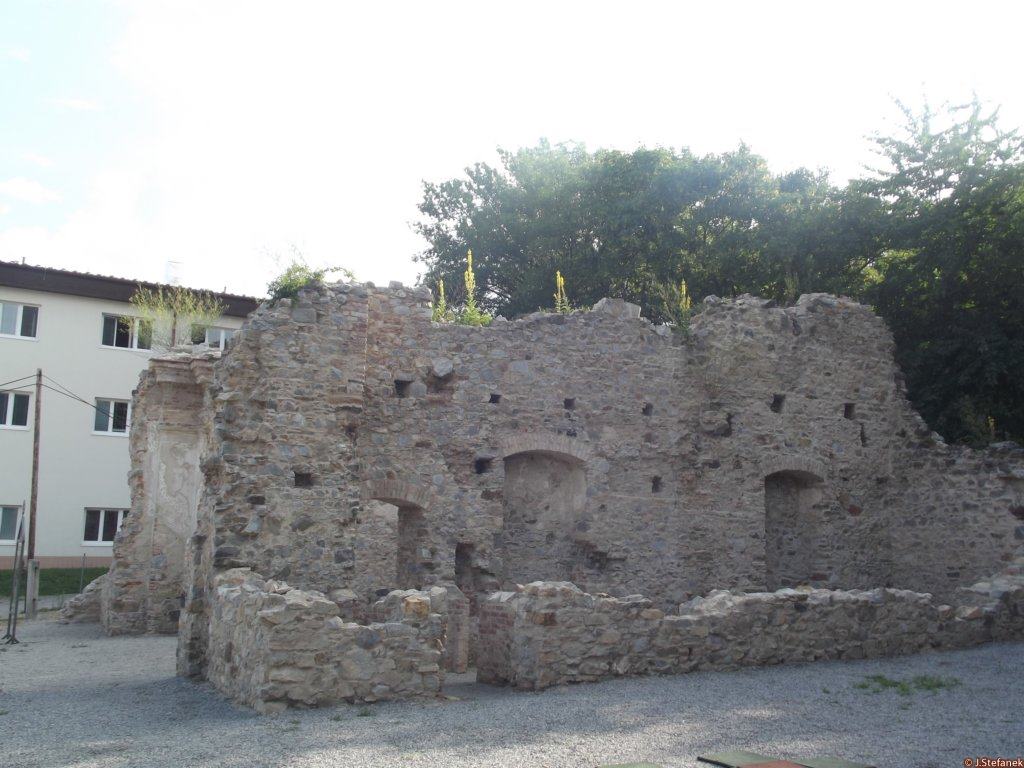
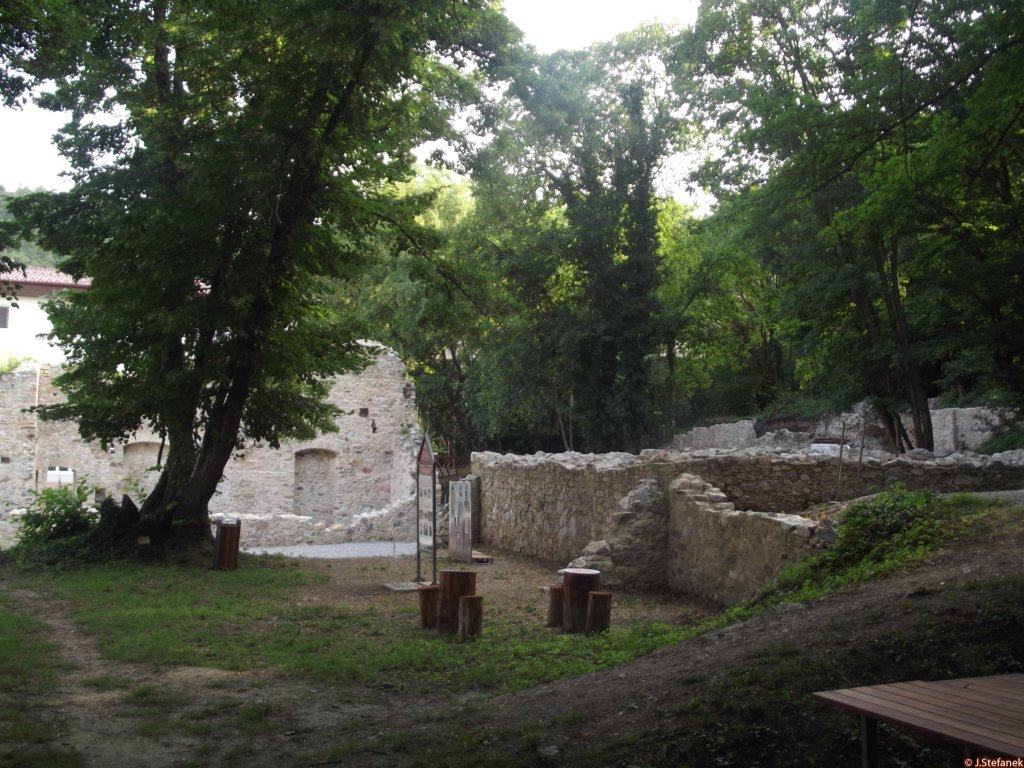
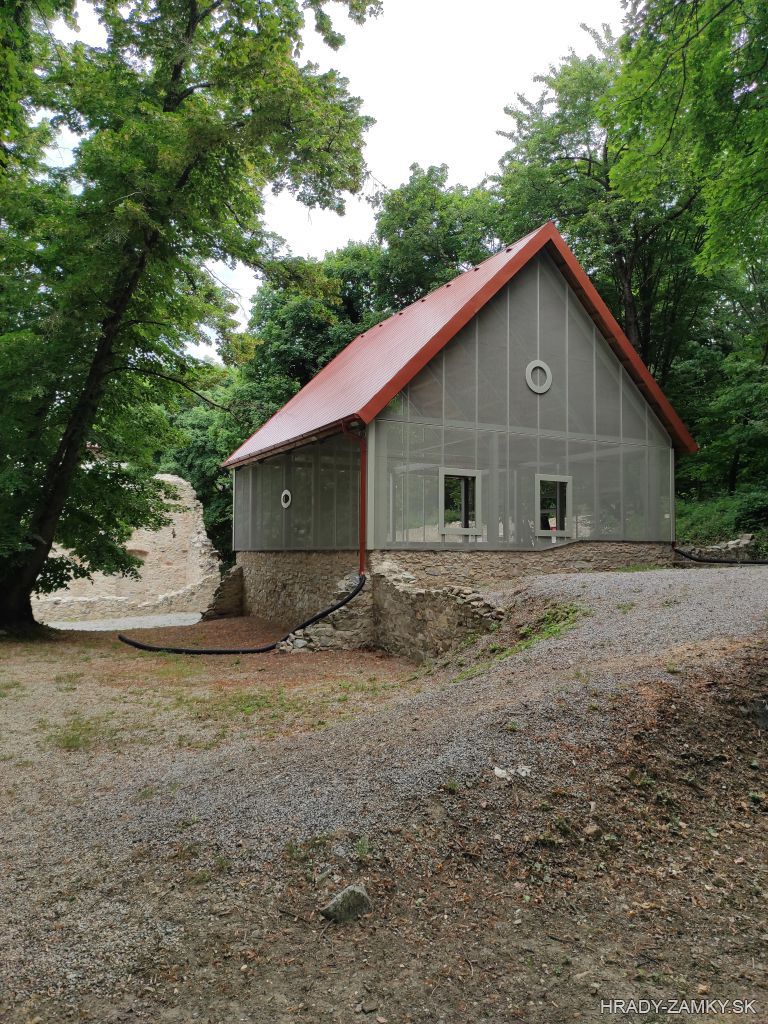
Ruins of a baroque monastery complex at the foot of the Zobor hill above the town of Nitra
Zrúcaniny barokového kláštorného komplexu na úpätí vrchu Zobor nad mestom Nitra
Previous names
Kamaldulský kláštor
Roads
Ruins of Zobor monastery lie on the hill Zobor above the city of Nitra. From the main road leading through Nitra (Chrenovská street) turn to Svätourbanská, then left to Dolnozoborská, which will soon turn into Kláštorská street. It then continues to the right to the treatment center in Zobor. Here is an extensive parking lot. We recommend that you arrive well in advance as the parking lot is crowded here despite its large capacity.Then we walk a little back from where we came, and on the left side we will see a stone wall. on which there is a fence (it is just below the institute), and right behind the wall is a forest path leading to the monastery. The journey is convenient and takes only a few minutes. The access path to the ruins leads outside the hospital area and is clearly marked. Information boards are fitted at the ruins.
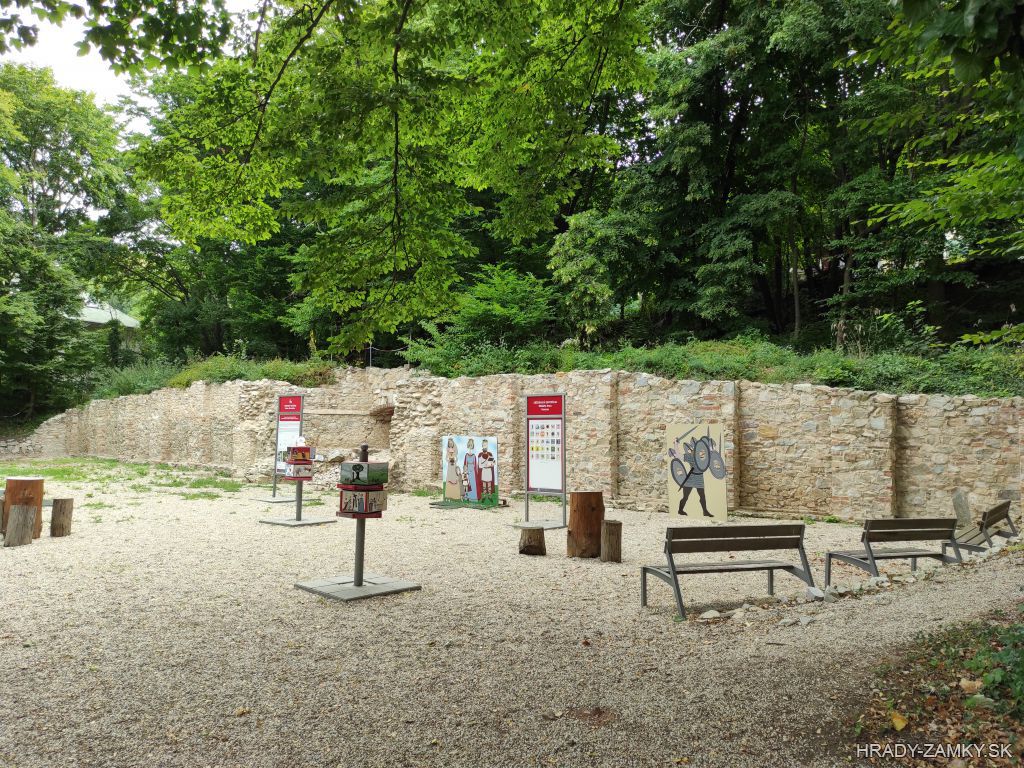
Zvyšky Zoborského kláštora ležia na vrchu Zobor nad mestom Nitra. Z hlavného ťahu vedúceho cez Nitru (Chrenovská ulica) odbočíme na Svätourbanskú, potom vľavo na Dolnozoborskú, ktorá sa onedlho zmení v Kláštorskú ulicu. Tá pokračuje potom vpravo celkom až k liečebnému ústavu na Zobore. Tu je rozsiahle parkovisko. Odporúčame prísť v dostatočnom predstihu, keďže parkovisko tu napriek jeho veľkej kapacite býva preplnené.Peši sa potom vyberieme kúsok späť odkiaľ sme prišli, a na ľavej strane uvidíme kamenný múr, na ktorom je oplotenie (je to hneď pod ústavom) a hneď za múrom je lesná cestička vedúca ku kláštoru. Cesta je pohodlná a trvá len pár minút. Prístupový chodník k zrúcanine vedie mimo areálu nemocnice a je prehľadne značený. Pri ruinách sú osadené informačné tabule.
Description
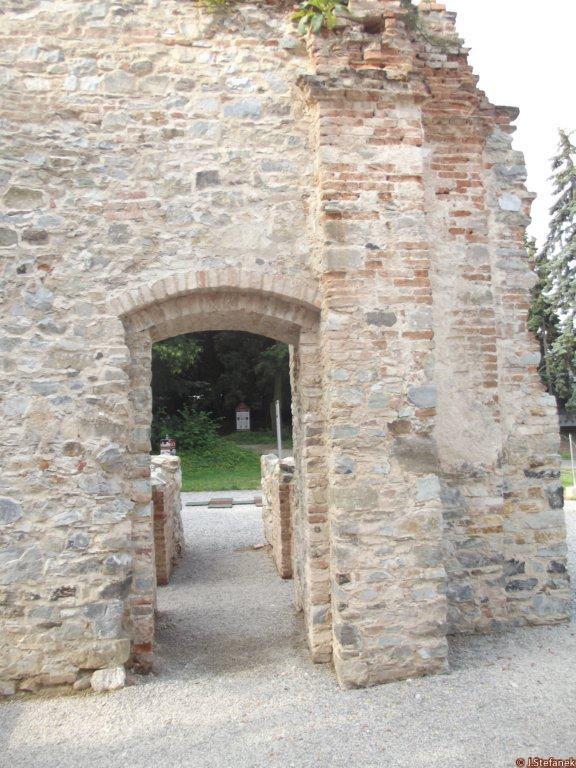
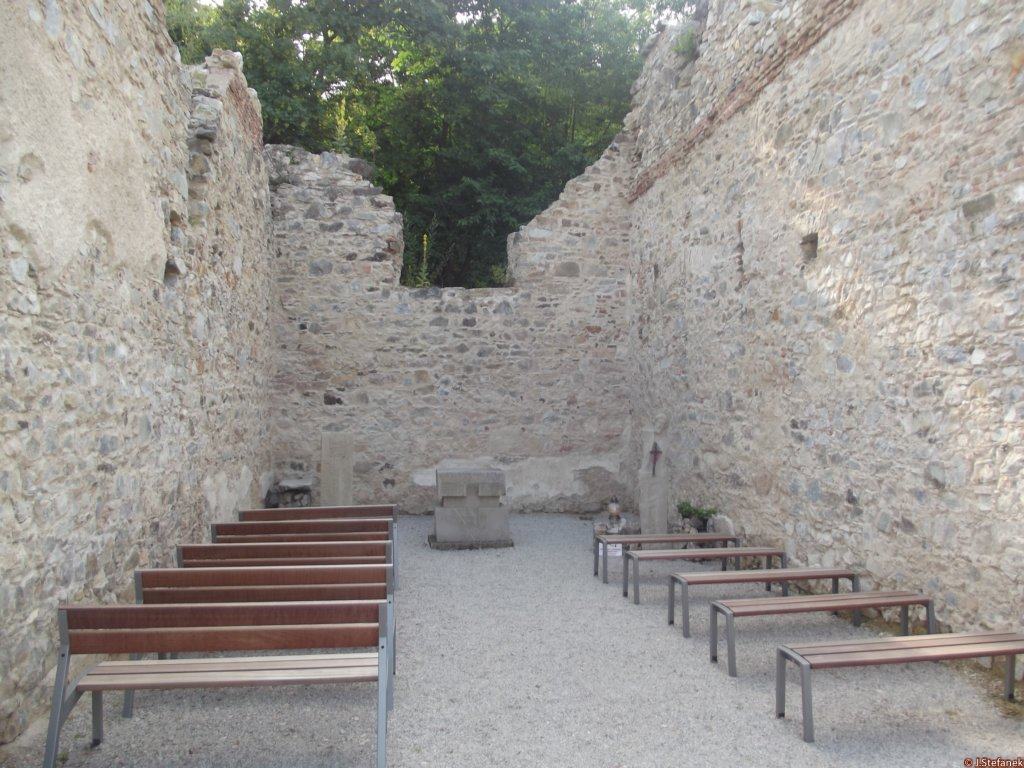
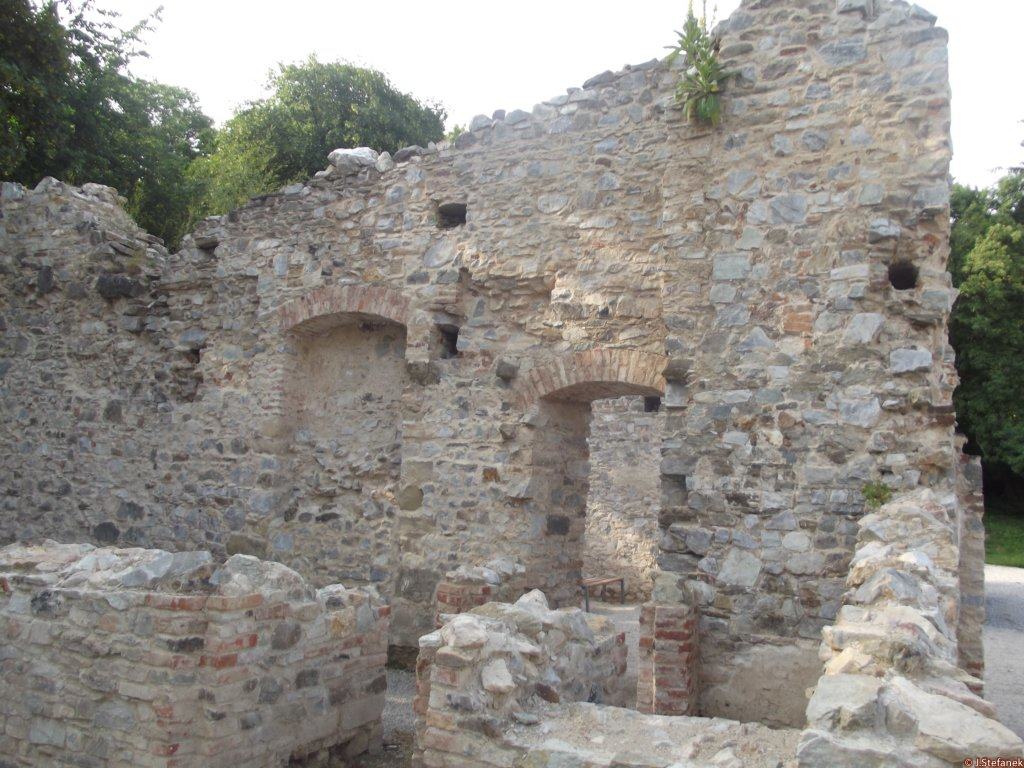
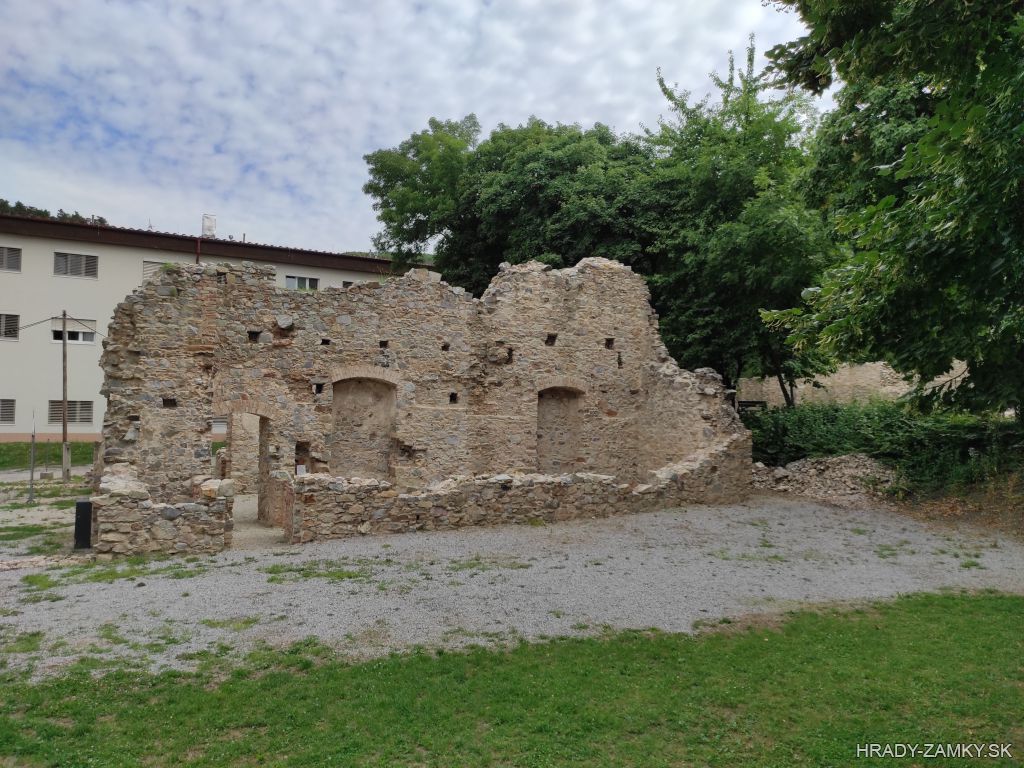
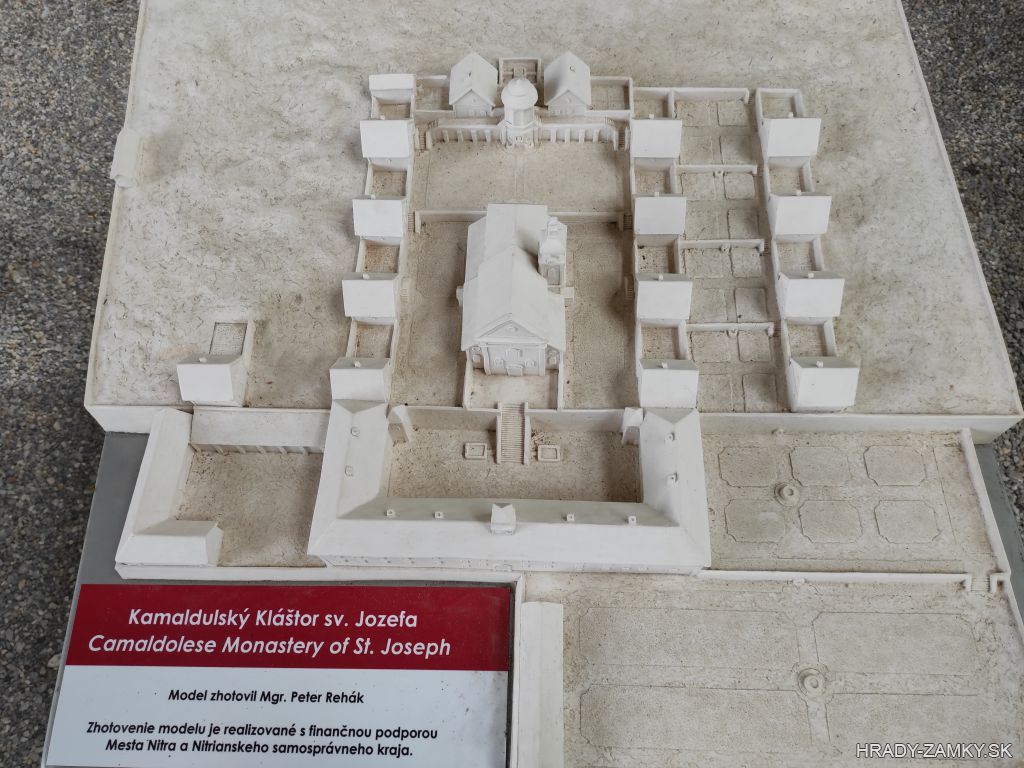
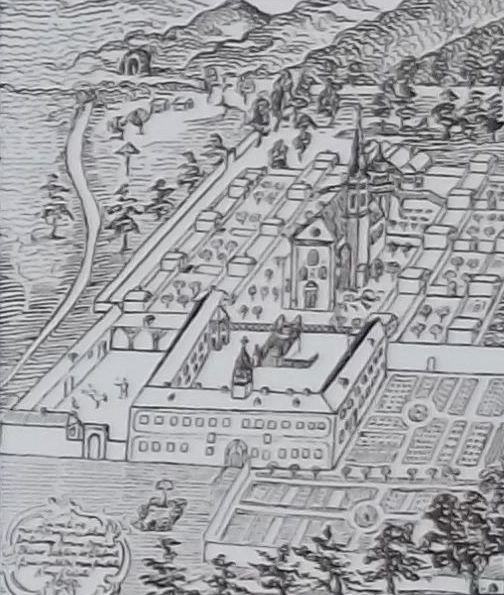
The whole monastery complex was built according to the project of an unknown Viennese architect. The construction was completed in 1695. During the construction work, the ruins of the original monastery were leveled, a new one-storey monastery with two side wings was built, and a church with three entrances and a tower with two bells was built in the garden on a slight elevation. Under the church was a tomb in which on the one hand were buried dead religious and on the other members of the family of Count Apponyi.From the extensive Baroque complex of the monastery of St.Joseph only the main monastery building (currently the Therapeutic Institute of Tuberculosis and Respiratory Diseases), the ruins of the Church of St. Joseph, retaining walls and remnants of monks' additions were preserved.
Celý kláštorný komplex bol vybudovaný podľa projektu neznámeho viedenského architekta. Stavba bola ukončená v roku 1695. Pri stavebných úpravách boli ruiny pôvodného kláštora zrovnané so zemou, bol postavený nový jednoposchodový kláštor s dvoma bočnými krídlami a v záhrade na miernej vyvýšenine vznikol kostol s tromi vchodmi a s vežou s dvomi zvonmi. Pod kostolíkom sa nachádzala hrobka, v ktorej boli na jednej strane pochovávaní zosnulí rehoľníci a na strane druhej členovia rodiny grófa Apponyiho.Z rozsiahleho barokového areálu kláštora sv. Jozefa zo 17 - 18. storočia sa zachovala iba hlavná kláštorná budova (v súčasnosti Liečebný ústav tuberkulózy a respiračných chorôb), ruiny kostola sv. Jozefa, oporné múry a zvyšky pribytkov mníchov.
Plan
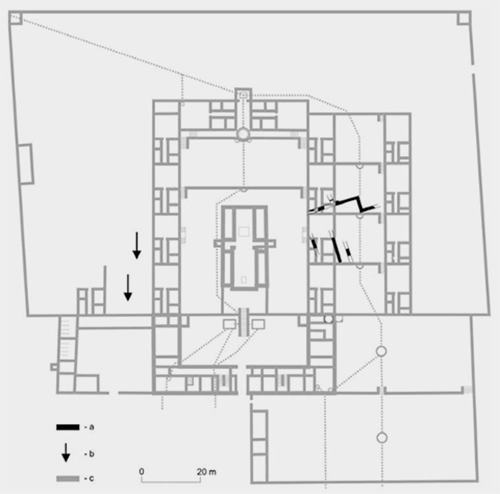
Legend to the ground plan
- a - archeologically captured remains of a medieval Benedictine monastery
- b - site of other medieval finds
- c - floor plan of a baroque Kamaldul monastery
Legenda k pôdorysu
- a – archeologicky zachytené zvyšky stredovekého benediktínskeho kláštora
- b – miesto ďalších stredovekých nálezov
- c – pôdorys barokového kamaldulského kláštora
History
Zobor Monastery is historically the oldest known monastery in Slovakia. The oldest known monastery in Slovakia - the Monastery of St. Hypolita originated in the territory of Nitra - in the forests on the western slope of Zobor at the source of quality water. Although no written records of the founding of the Zobor Monastery have been preserved, according to most historians, it was founded in the 9th century, at the latest around 880, when a diocese was established in Nitra, the first bishop of which was the Benedictine Viching. According to the Czech chronicler Kosmas, King Svätopluk II died. in the monastery in Zobor in 896. Between the 11th and 13th centuries, the Benedictine monastery served as an important center of spiritual, public and cultural life in Hungary. It is believed that it was the Benedictines who established the tradition of viticulture and winemaking in Nitra.
The importance and position of the Zobor monastery gradually declined from the 14th century. At that time, the economic as well as the spiritual decline of the Benedictine order affected the whole of Europe. King Matej Korvín handed over the monastery to the Archbishop of Esztergom and in 1468 Pope Paul II. at his request, he assigned the property of the monastery to the Nitra diocese. The monastery was looted and completely destroyed by the Polish army of Duke Casimir in 1471. Before the end of the 15th century, the monastery is no longer mentioned.
Despite the departure of the Benedictines, the tradition of a sacred place among the Nitra did not disappear and the abandoned monastery used to be a destination for pilgrimages. In the 17th century, a new chapter in the history of the monastery was opened. In 1663, the Bishop of Nitra, Juraj Szelepcsényi, had a chapel dedicated to St. Andrej-Svorad and St. Beňadikovi. The next bishop, Blažej Jáklin, decided to revive the monasticism in Zobor and to build a new monastery directly on the site of the medieval monastery. In 1691, he received the necessary permits from the Pope and Emperor Leopold I, and together with his brother Mikuláš, captain of Levice Castle, they began the construction of a monastery, to which Kamaldul monks were called - an offshoot of the Benedictines. The monastery was put into use in 1695. During the construction of the Baroque complex, the remains of the older medieval Benedictine monastery of St. Hypolita. The dominant feature was the three-nave monastery church of St. Joseph, on whose sides were the dwellings of the monks. The area is surrounded by orchards, gardens and a brick fence. Part of the monastery was a unique technical work - a stone water supply, bringing water from the spring of St. Svorada to the monastery. Excess water fed the ponds under the monastery. For a time, Brother Cyprian, an excellent botanist and herbarium compiler, also worked in the Zobor Monastery. From 1720, the Zobor monastery also played an important role in the education of the Kamaldul novitiate for the entire Hungarian part of the monarchy.
When in 1782 Emperor Joseph II. dissolved the contemplative orders in the Austrian monarchy, which meant the end of the activities of the camaldules under Zobor. The larger part of the complex remained abandoned and the complex gradually fell into disrepair. The main building, which has been preserved to this day, continued to serve several purposes. In 1786 there was a manufactory for the production of cloth. In 1886, the building was bought by Bishop Roškováni and, for a suitable climate, he set up a dormitory for the sick. In 1902 the diocese resigned the monastery of Dr. Thuróczy to establish a climatic spa.
In 1927, for unknown reasons, the monastery burned down. In 1933, it was repaired on the occasion of the Pribin celebrations. One floor was added, the side entrances were removed and a small door was installed instead of a large wooden gate. In 1940, Archbishop Karol Kmeťko placed here the order of the missionaries of the Heart of God - verbists. The verbists were forcibly evicted by the communist regime in 1950, and in 1953 the complex was taken over by the Ministry of Health. The subsequent construction of an extensive treatment center completely changed the previous appearance of the locality, which today hardly resembles the place where both monasteries stood.
Zoborský kláštor je historicky najstarším známym kláštorom na Slovensku. Najstarší známy kláštor na Slovensku - Kláštor sv. Hypolita vznikol práve na území Nitry - v lesoch na západnom svahu Zobora pri prameni kvalitnej vody. Hoci sa o založení Zoborského kláštora nezachovali žiadne písomné správy, podľa väčšiny historikov bol založený už v 9. storočí, najneskôr okolo roku 880, kedy v Nitre vzniklo biskupstvo, ktorého prvým biskupom bol benediktín Viching. Podľa českého kronikára Kosmasa zomrel kráľ Svätopluk II. v kláštore na Zobore v roku 896. Benediktínsky kláštor v období medzi 11. a 13. storočím plnil dôležitú funkciu jedného z centier duchovného, verejnoprávneho a kultúrneho života v Uhorsku. Predpokladá sa, že práve benediktíni založili tradíciu vinohradníctva a vinárstva v Nitre.
Význam a postavenie zoborskeho kláštora od 14. storočá postupne klesal. V tom čase hospodársky, ale aj duchovný úpadok benediktínskeho rádu zasiahol celú Európu. Kráľ Matej Korvín odovzdal kláštor ostrihomskému arcibiskupovi a v roku 1468 pápež Pavol II. pridelil na jeho žiadosť majetky kláštora nitrianskemu biskupstvu. Kláštor bol vyplienený a úplne zničený poľským vojskom vojvodu Kazimíra v roku 1471. Pred koncom 15. storočia sa kláštor prestáva spomínať.
Napriek odchodu benediktínov tradícia posvátného miesta medzi Nitranmi nezanikla a opustený kláštor býval cielom pútí. V 17. storočí sa otvorila nová kapitola histórie kláštora. V roku 1663 tu nechal nitriansky biskup Juraj Szelepcsényi vybudovať kaplnku zasvätenú sv. Andrejovi-Svoradovi a sv. Beňadikovi. Nasledujúci biskup Blažej Jáklin sa rozhodol opať oživiť monasticizmus na Zobore a postaviť priamo na mieste stredovekého kláštora nový kláštor. V roku 1691 získal od pápeža aj cisára Leopolda I. potrebné povolenia a spolu s bratom Mikulášom, kapitánom Levického hradu, začali výstavbu kláštora, do ktorého povolali kamaldulských mníchov - odnož benediktínov. Kláštor bol odovzdaný do užívania v roku 1695. Počas výstavby barokového komplexu takmer úplne asanovali zvyšky staršieho stredovekého benediktínskeho kláštora sv. Hypolita. Dominantou bol trojloďový kláštorný kostol sv. Jozefa, po ktoreho stranách sa nachádzali príbytky rehoľníkov. Areál obkolesoval sad, záhrady a murovaný plot. Súčasťou kláštora bolo unikátne technické dielo - kamenný vodovod, privádzajúci vodu od prameňa sv. Svorada do kláštora. Prebytočná voda napájala rybníky pod kláštorom. V Zoborskom kláštore istý čas pôsobil aj fráter Cyprián, vynikajúci botanik a zostavovateľ herbára. Zoborský kláštor plnil od roku 1720 aj dôležitú úlohu výchovy kamaldulskeho noviciátu pre celú uhorskú časť monarchie.
Keď v roku 1782 cisár Jozef II. rozpustil v Rakúskej monarchii kontemplatívne rády, znamenalo to koniec pôsobenia kamaldulov pod Zoborom. Váčšia časť areálu zostala opustená a komplex postupne chátral. Hlavná budova, ktorá sa zachovala dodnes, ďalej slúžila viacerým účelom. V roku 1786 tu bola manufaktúra na výrobu súkna. V roku 1886 budovu odkúpil biskup Roškováni a pre vhodnú klímu tu zriadil ubytovňu pre chorých. V roku 1902 biskupstvo odstúpilo kláštor dr. Thuróczymu na založenie klimatických kúpeľov.
V roku 1927 z nezistených príčin kláštor vyhorel. V roku 1933 bol pri príležitosti Pribinových osláv opravený. Bolo pristavené jedno poschodie, odstránené bočné vchody a miesto veľkej drevenej brány boli osadené male dvere. V roku 1940 tu arcibiskup Karol Kmeťko umiestnil rád misionárov Božieho srdca - verbistov. Verbisti boli v roku 1950 komunistickým režimom násilne vysťahovaní a areál v roku 1953 prevzal rezort zdravotníctva. Následná výstavba rozsiahlej liečebne úplne pozmenila dovtedajší vzhľad lokality, ktorá dnes už takmer vôbec nepripomína miesto, kde stáli oba kláštory.
Myths and legends
Legend about Svätopluk
Svätopluk is buried under one of the large boulders lying on the way to the mine, as the old Zoborčany has long called a quarry. But who among us would be able to roll the stone and see if it was true? No one, of course, and that is why this claim is still shrouded in secrecy. The big stone is still in place and may be patiently waiting for the powerful strongman Corgoň from below the castle. What does a legend that the Baptists believed, and which seems to fill gaps in history long gone, sound like? The legend of the sword buried under Zobor says that in the monastery under Zobor, which was built by King Svätopluk, the monks one day just extinguished the candles and closed the gates, because it was already evening. On the way to the monastery, there was a lone rider, riding a beautiful horse. The horse was torn, overcame a long journey, and the rider was tired. Despite being a powerful guy, used to sitting on a horse. He had a long sword strapped to him, and although it was getting dark, the handle gleamed. It was made entirely of gold, inlaid with precious stones. The gate of the monastery was already closed when he pounded on it with his boot. One of the monks matured across the arch. The brothers, a rider standing in front of the gate, certainly a royal messenger, the monk said. But when he opened the gate, there was no one at the gate. At that time, the rider was already behind the monastery in the woods. He pushed his horse to get deeper into the mountain. He found himself on a small remote clearing. Here he tied the horse to the oak and spread the fire. It could be seen in the glow of the fire that he was neither a messenger nor an ordinary pilgrim. He wore expensive clothes, the clasp of his cloak jagged, and his spikes were gilded. As soon as one fire broke out, he started another. For a long time, like a statue, he stood between two fires. Nadrán brought a horse when Zornička came out. There he beheaded him and buried him. The sword buried all its valuables under the hearth of the fire. When the light dawned and the top of Zobor was gilded by the sun, he descended to the monastery from the mountain like an ordinary pilgrim.
Open up, I'm a friend, a pilgrim without a weapon! What do you ask of us, my friend? the monks asked.
I want to be your brother and stay among you!
The monks opened the gate, consulting for a long time whether to accept it. They presented him with sacred books, and it became clear that he was very wise. They soon accepted him as a brother. He lived there for a long time until his hair was bleached. When he died, he told the monk: I am King Svätopluk. And he finished right away.
The three monks who heard it, almost muted, didn't say a word. They only ordered to keep great sorrow in the monastery. When the sun set for seven times, they carried the wrapped body in a pure white cloth to the top of Zobor. There King Svätopluk was placed in a hewn grave. They did not build a mound, as was the custom, only laid a flat stone in that place. They swore not to reveal this place to anyone, because it was the king's last will. Nobody knew who the monks had buried on top of Zobor. Only when Svätopluk's nation waged a war for freedom did people hear the strange cvengot from the foot of Zobor. King Svätopluk's buried sword twitched. It is said that many heroes of the Slovak nation have already found him, fought with him for his homeland and always saved him back after the victory, so that future generations could use him in danger.
Legenda o Svätoplukovi
Pod jedným z veľkých balvanov ležiacich pri ceste k bani, ako starí Zoborčania oddávna hovoria kameňolomu, je pochovaný Svätopluk. Lenže, kto z nás by kameň vládal odvaliť a presvedčiť sa, či je to pravda? Nikto, samozrejme, a preto je toto tvrdenie doposiaľ zahalené rúškom tajomstva. Veľký kameň je stále na svojom mieste a možno trpezlivo vyčkáva na mocného siláka Corgoňa spod hradu. Ako znie legenda, ktorej Zoborčania verili a ktorá akoby dopĺňala medzery v dejinách, ktoré už dávno zavial čas? Legenda o meči zakopanom pod Zoborom, hovorí, že v kláštore pod Zoborom, ktorý dal vybudovať kráľ Svätopluk, mnísi jedného dňa práve zhasínali sviece a zatvárali brány, lebo sa už zvečerievalo. Na ceste ku kláštoru sa ocitol osamotený jazdec, nesúci sa na krásnom koni. Kôň bol ustatý, prekonal dlhú cestu a unavený bol už aj jazdec. Napriek tomu, že to bol mocný chlap, zvyknutý sedávať na koni. Mal pripásaný dlhý meč a hoci sa stmievalo, rukoväť sa blyšťala. Bola celá zo zlata, vykladaná drahými kameňmi. Brána kláštora bola už zatvorená, keď svojou čižmou na ňu zabúchal. Jeden z mníchov vyzrel cez oblok. Bratia, akýsi jazdec stojí pred bránou, isto kráľovský posol, povedal mních. Ale keď otvoril bránu, pred vrátami nebolo nikoho. V tom čase bol jazdec už za kláštorom v lese. Popoháňal svojho koňa, aby sa dostal čím hlbšie do hory. Ocitol sa na malej odľahlej čistinke. Tu priviazal koňa k dubu a rozložil oheň. V žiari vatry bolo vidieť, že nie je poslom, ani obyčajným pútnikom. Mal drahé šaty, spona plášťa sa mu jagala, aj ostrohy mal pozlátené. Sotva sa rozhorela jedna vatra, založil druhú. Dlho, ako socha, stál medzi dvoma ohňami. Nadránom, keď vyšla Zornička, priviedol koňa. Tam ho sťal a zakopal. Meč aj všetky svoje drahocennosti zahrabal pod pahrebu vatry. Keď sa rozvidnelo a vrcholec Zobora pozlátilo slnko, schádzal ku kláštoru z hory ako obyčajný pútnik.Otvorte, som priateľ, pútnik bez zbrane!Čo si od nás žiadaš, priateľu? pýtali sa mnísi.Chcem byť vaším bratom a ostať medzi vami!Mnísi otvorili bránu, dlho sa radili, či ho prijať. Predložili mu posvätné knihy a vysvitlo, že je veľmi múdry. Onedlho ho prijali medzi seba za brata. Žil tam dlho, až mu obeleli vlasy. Keď umieral, mníchom prezradil: Ja som kráľ Svätopluk. A hneď dokonal.Traja mnísi, čo to počuli, skoro onemeli, nepovedali ani slovo. Iba rozkázali zachovať v kláštore veľký smútok. Keď sedem ráz zapadlo slnko, v čistom bielom súkne obalené telo vyniesli na temeno Zobora. Tam kráľa Svätopluka uložili do tesaného hrobu. Nepostavili mohylu, ako bolo zvykom, iba ploský kameň položili na to miesto. Prisahali, že nikomu neprezradia toto miesto, lebo to bola kráľova posledná vôľa. Nik nevedel, koho mnísi pochovali na vrchole Zobora. Iba keď Svätoplukov národ viedol vojnu za slobodu, počuli ľudia čudný cvengot z úpätia Zobora. To zakopaný meč kráľa Svätopluka zacvendžal. Vraj ho mnohí hrdinovia slovenského národa už našli, bojovali s ním za vlasť a vždy po víťazstve ho zas uložili naspäť, aby ho mohli ďalšie generácie použiť pri ohrození.
Useful information
The ruins of the monastery are freely accessible, except for the main building where the medical institution is located
Zrúcanina kláštora je voľne prístupná, okrem hlavného objektu, kde sídli liečebný ústav
Nearby castles
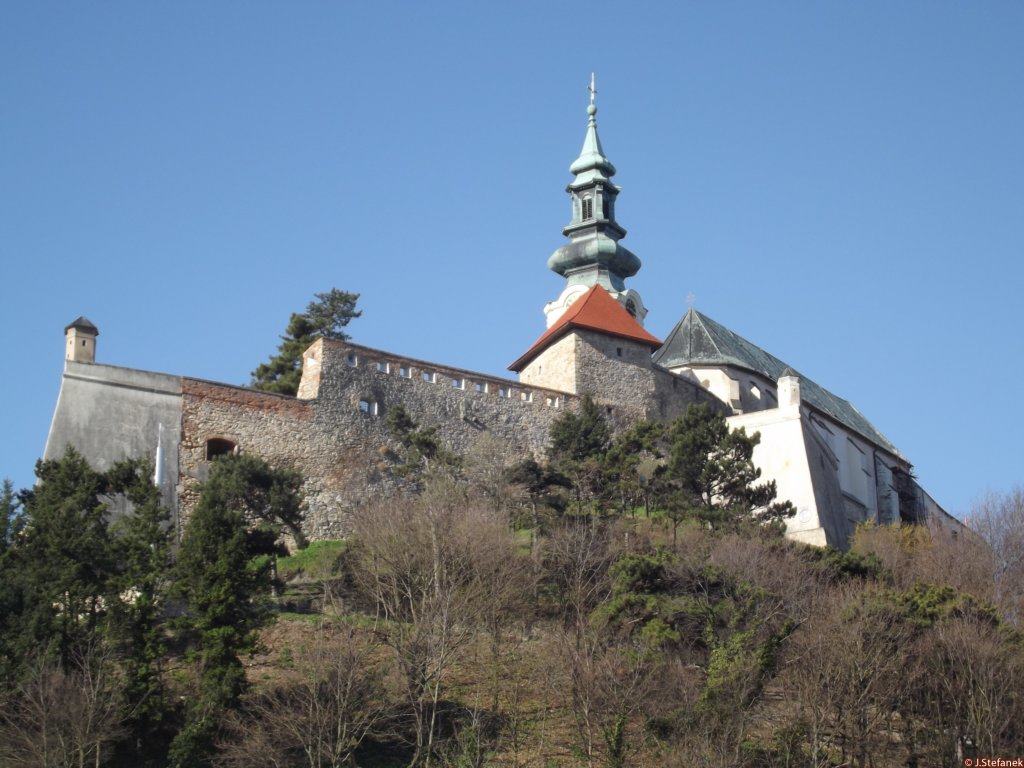
Nitra castle
Nitra
3.0km
castle, chateau
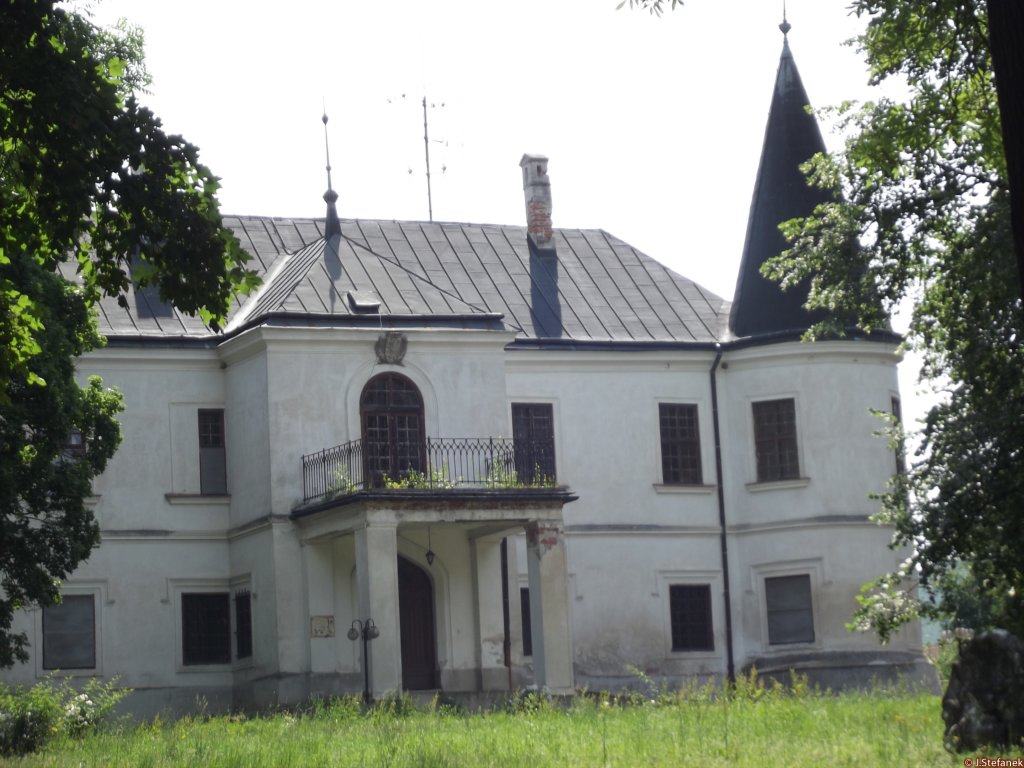
Horné Lefantovce
Horné Lefantovce
9.5km
manor, mansion
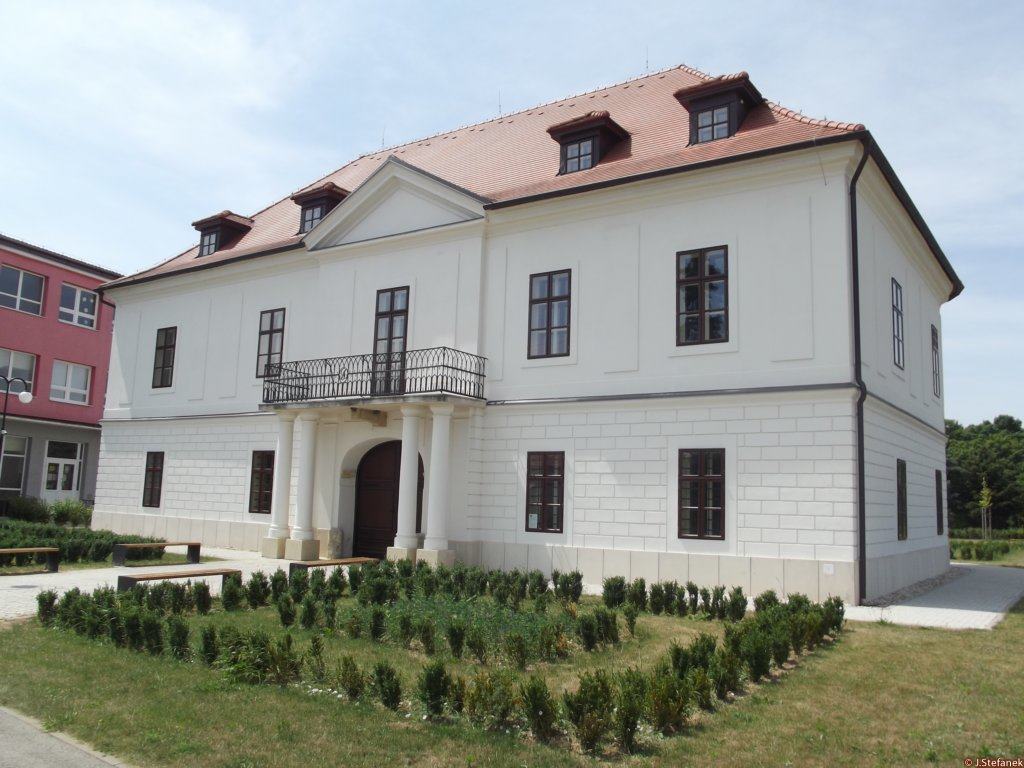
Nové Sady
Nové Sady
11.4km
manor, mansion
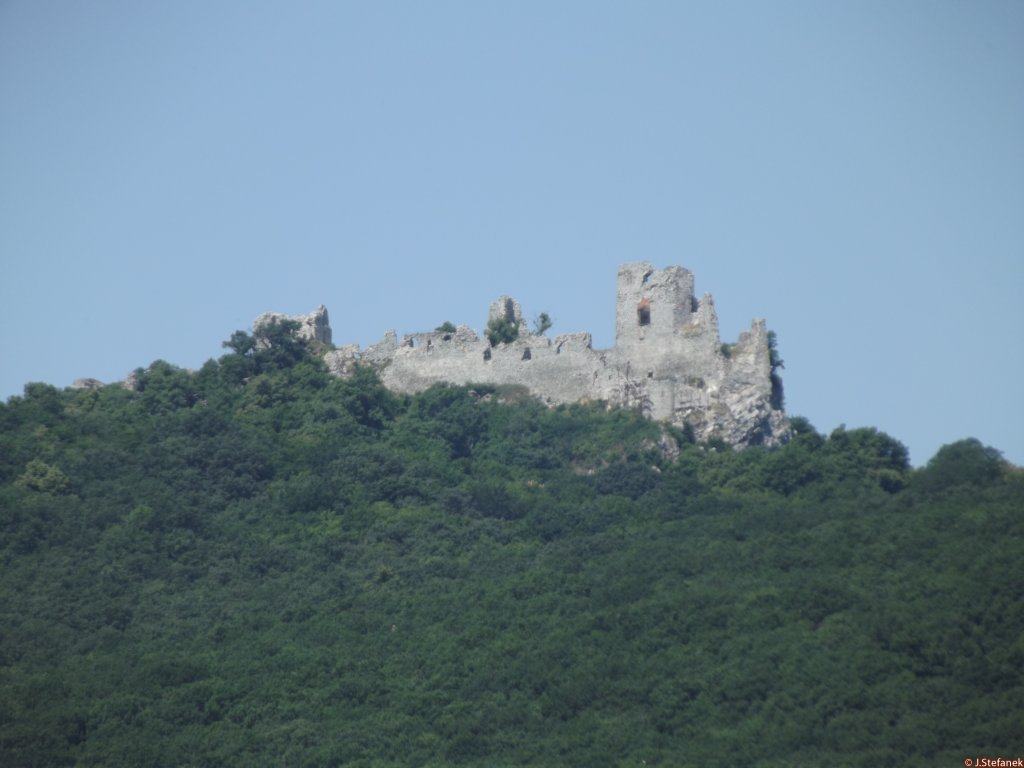
Gýmeš
Jelenec
12.2km
castle ruin
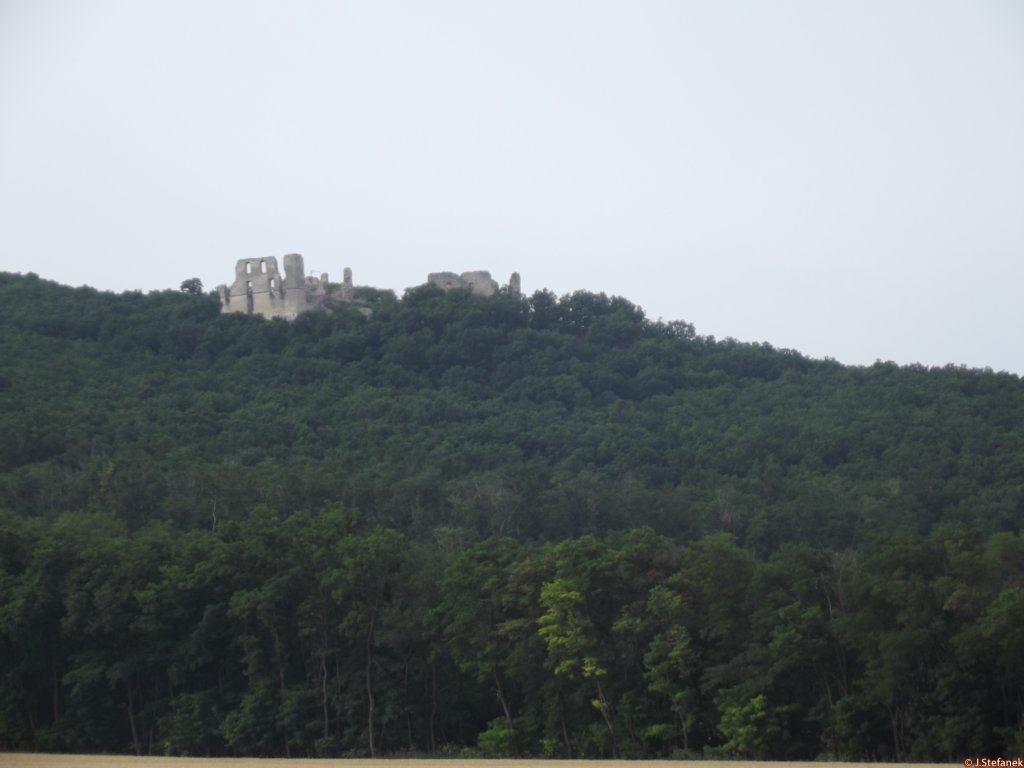
Oponice
Oponice
12.5km
castle ruin
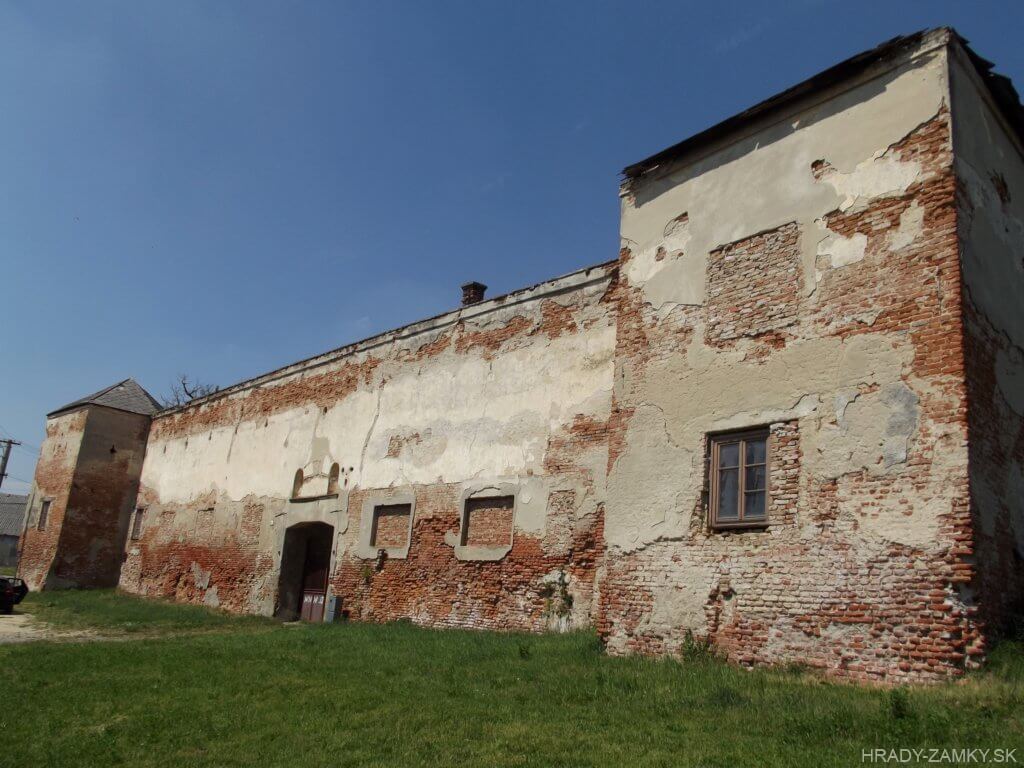
Lukáčovce mansion
Lukáčovce
13.1km
manor, mansion
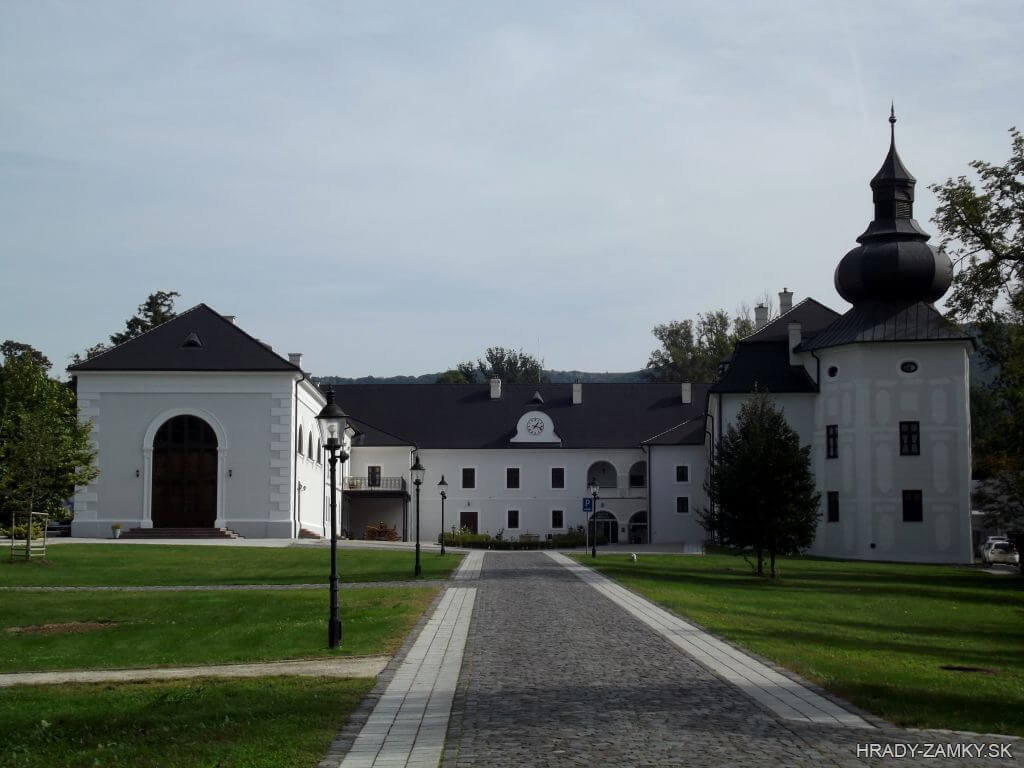
Oponice - Apponyi mansion
Oponice
13.9km
manor, mansion