Oponice
Oponice Nitra county Slovakia
castle ruin
Oponický hrad
Oponice Nitriansky kraj Slovakia
zrúcanina hradu
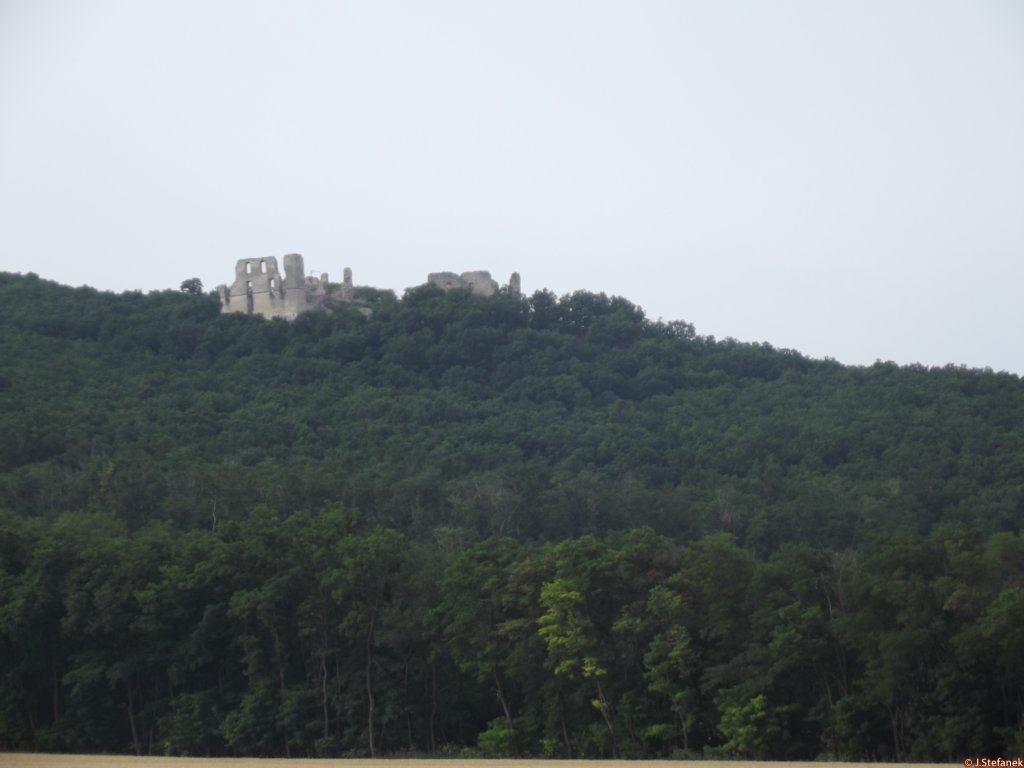
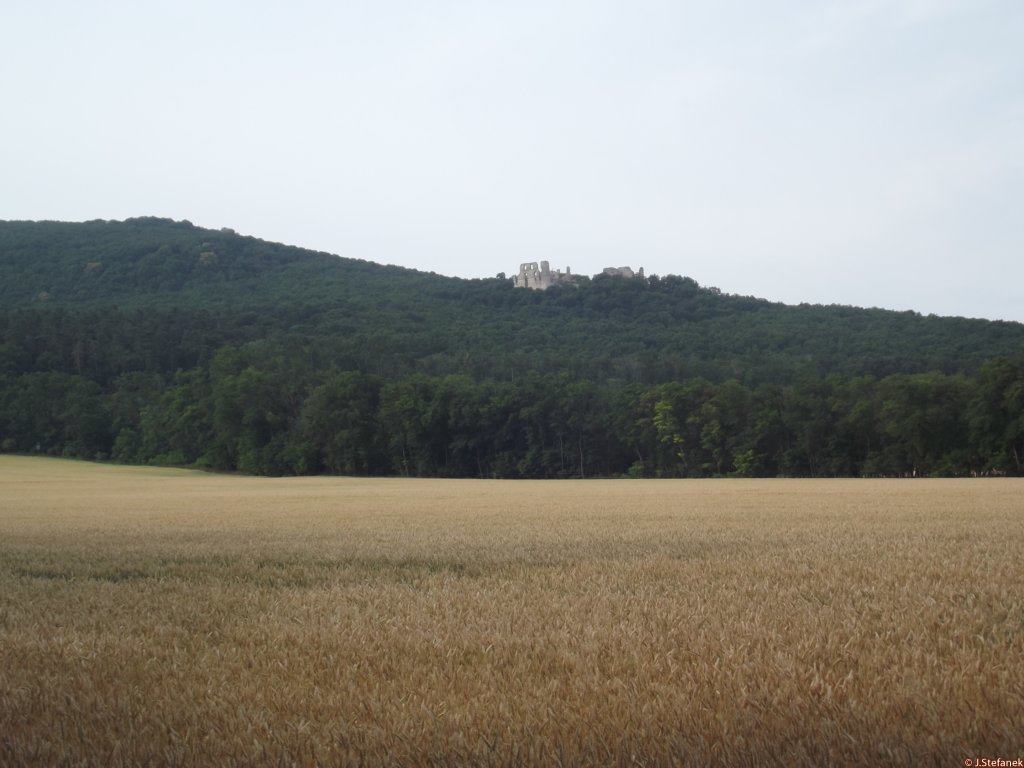
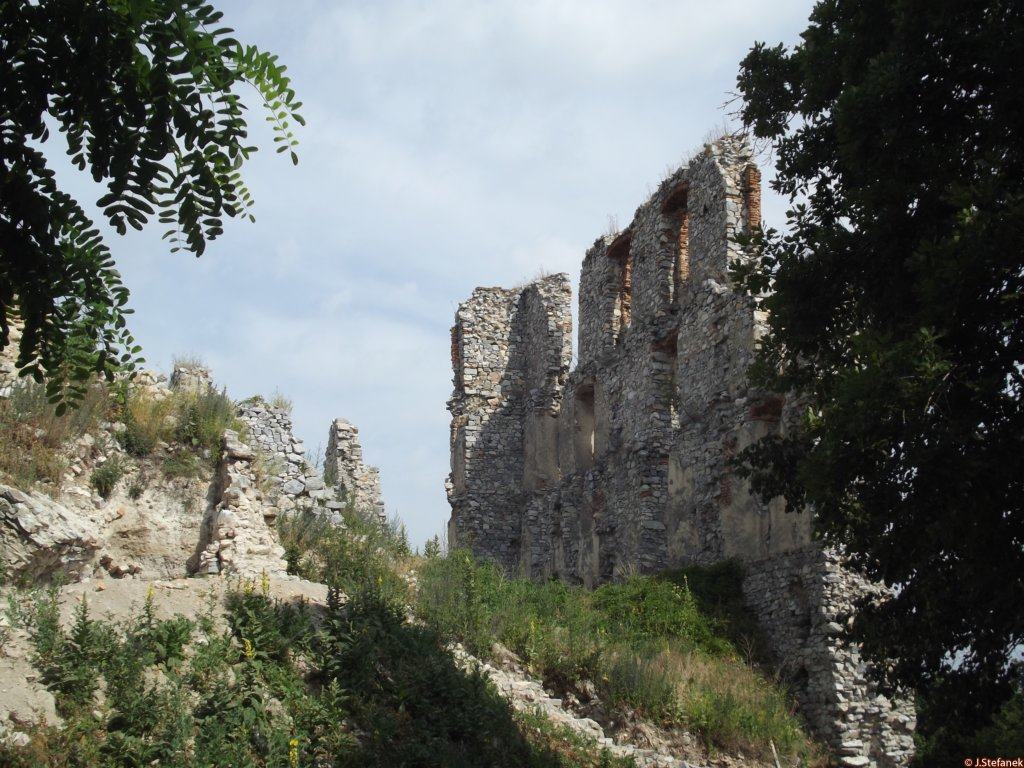
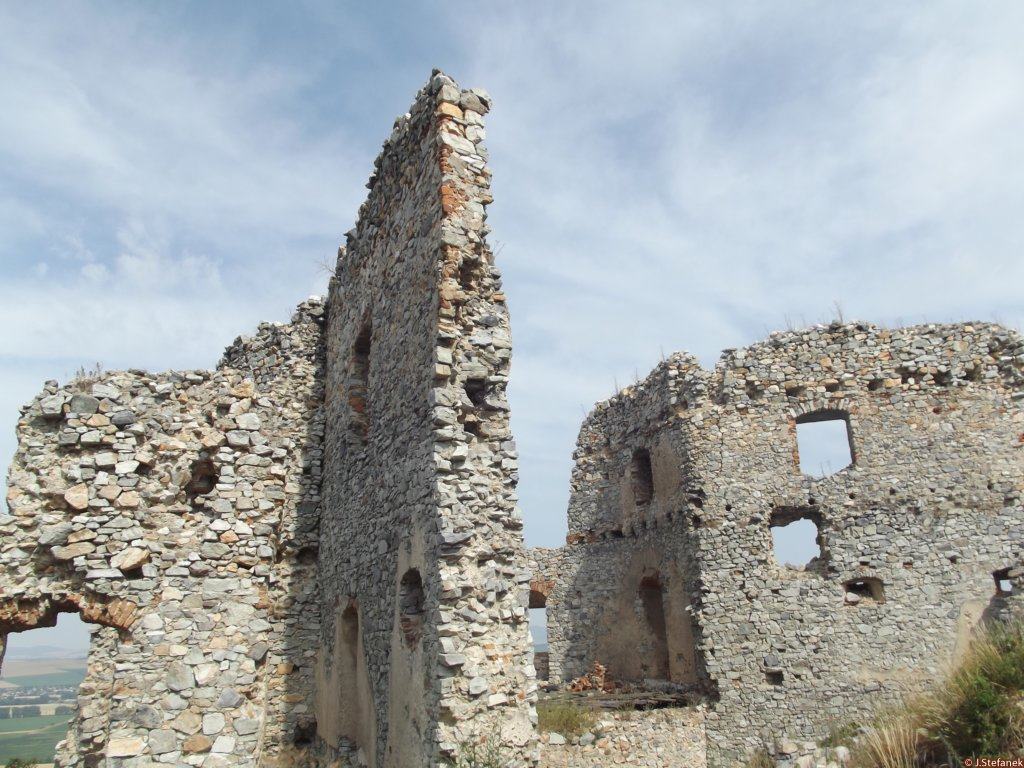
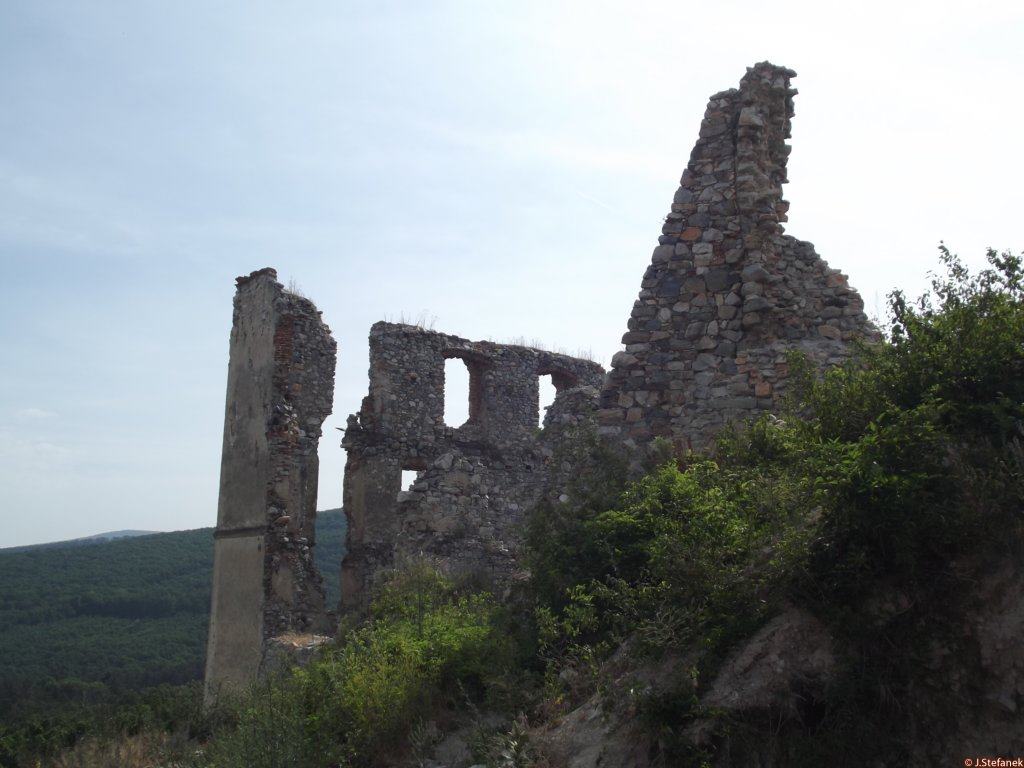
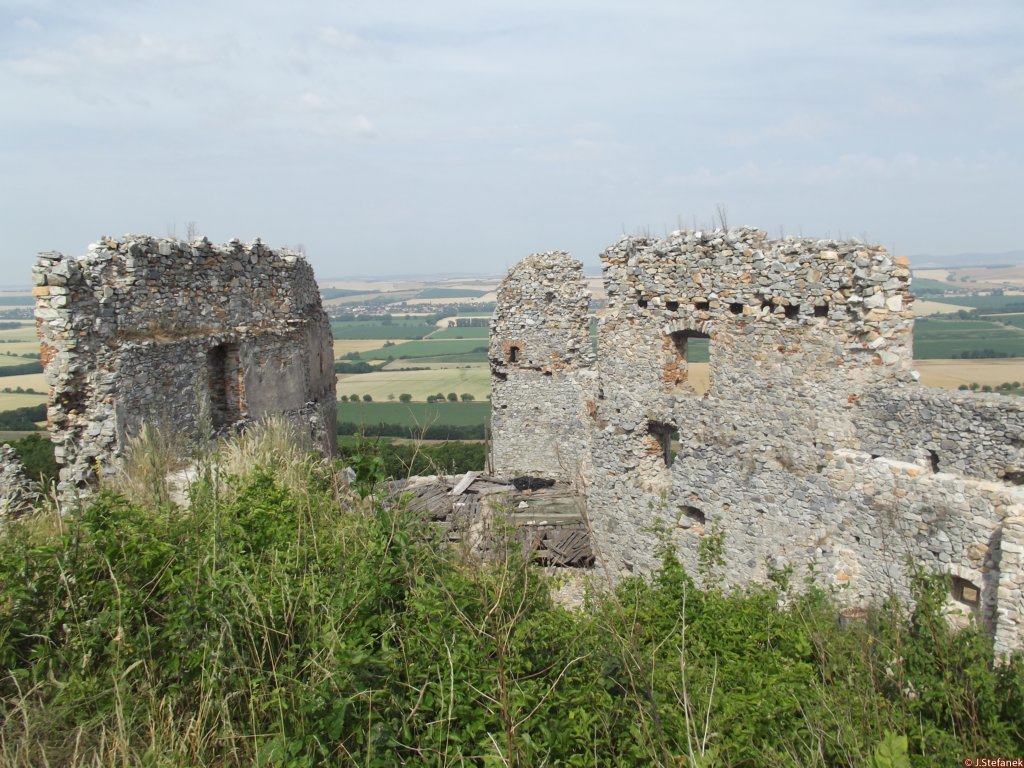
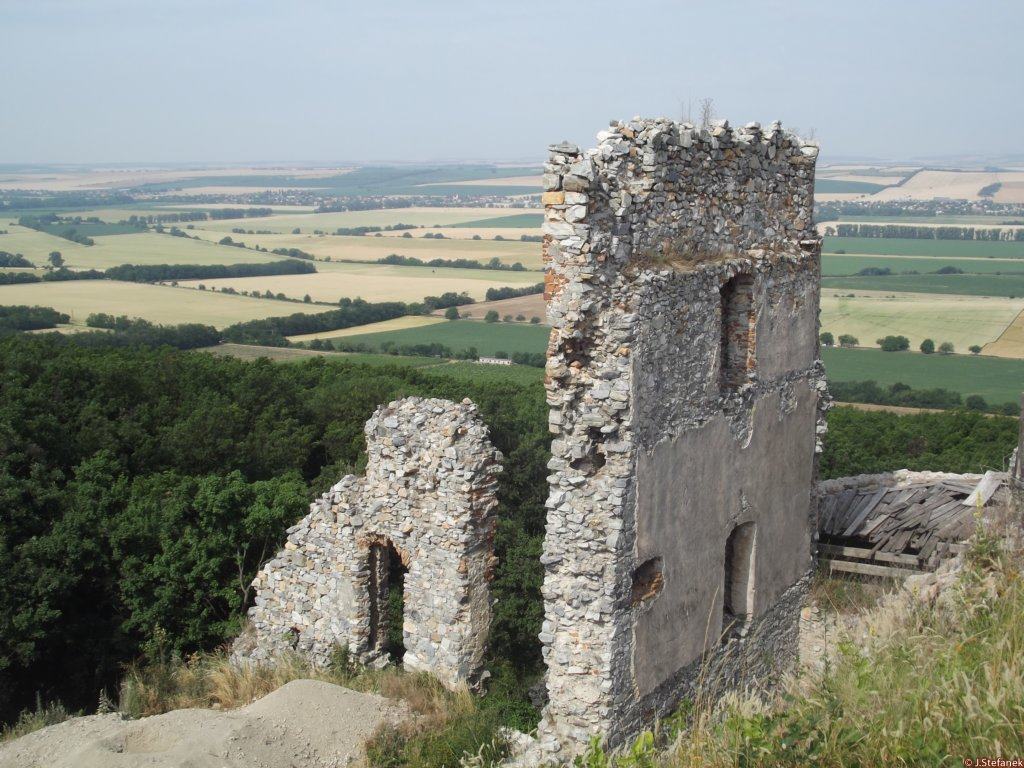
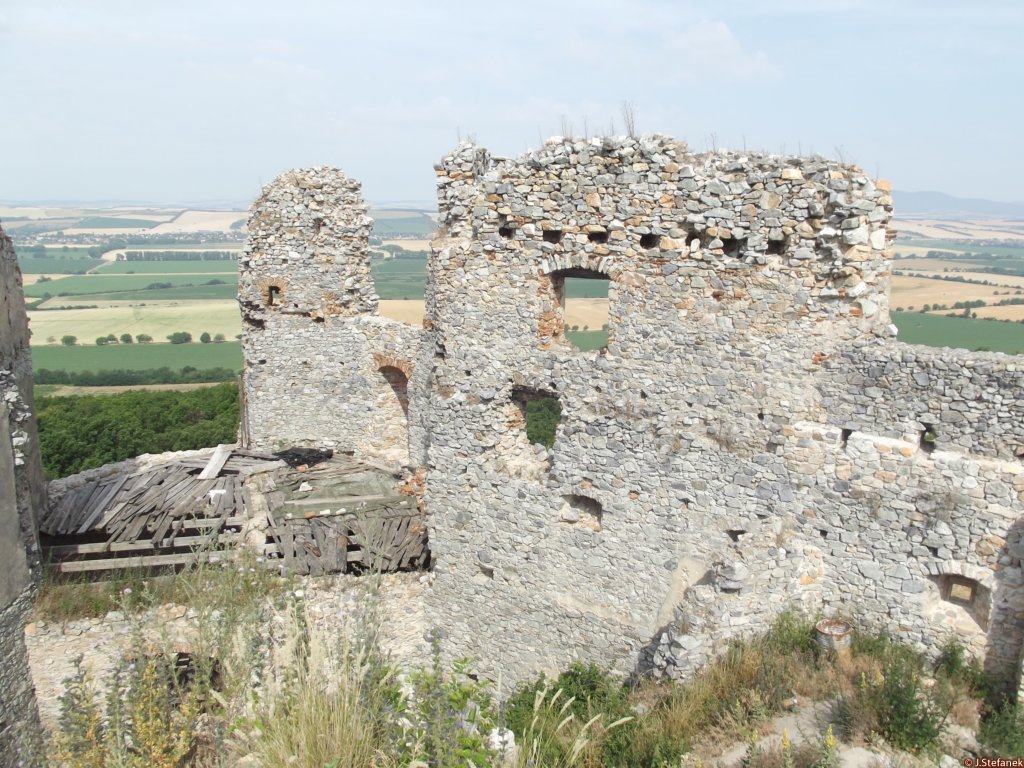
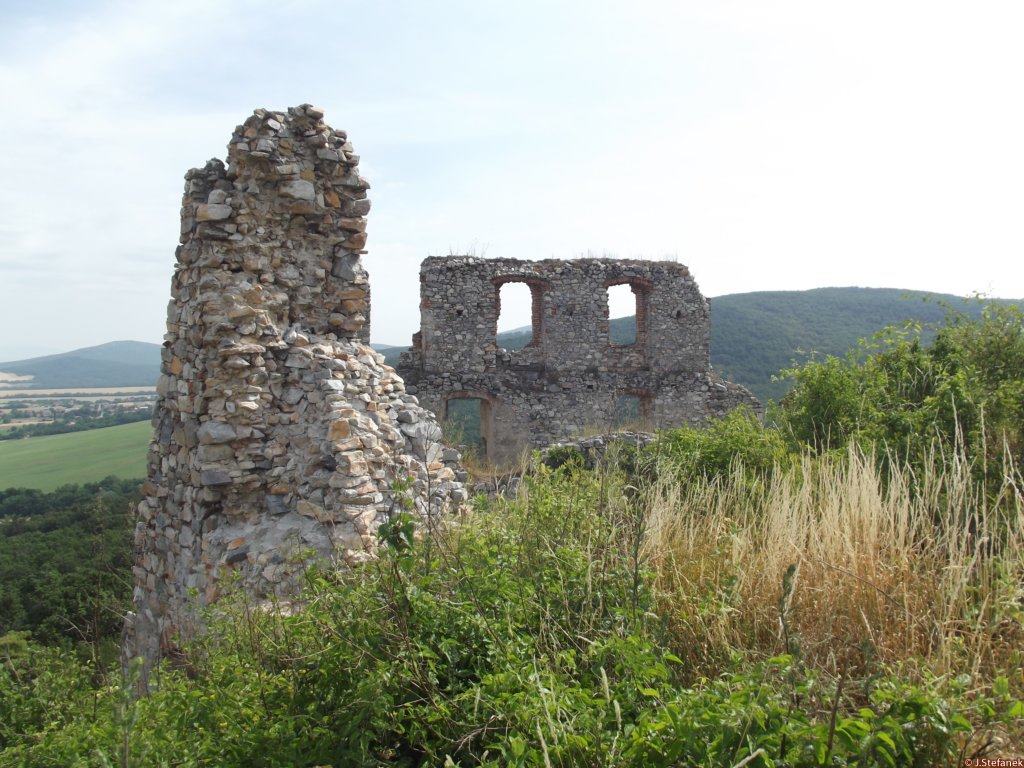
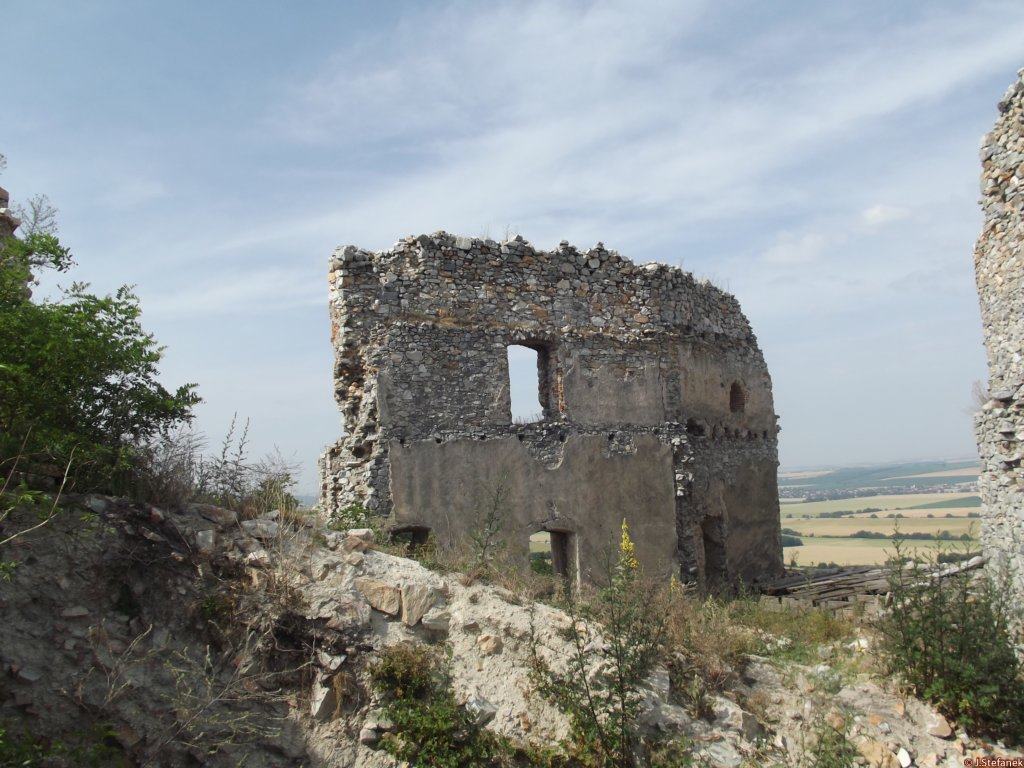
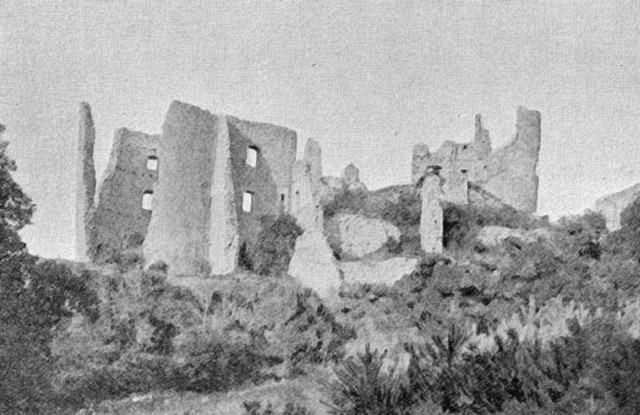
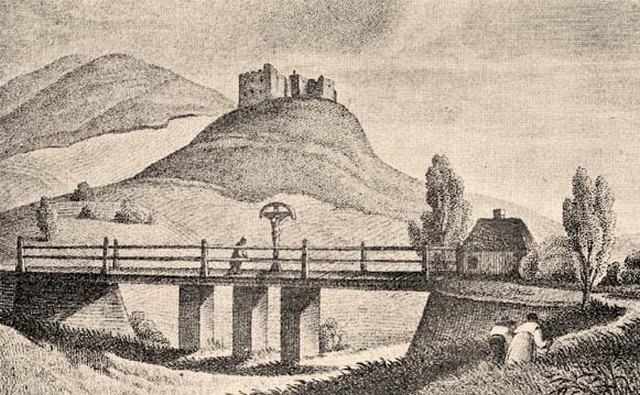
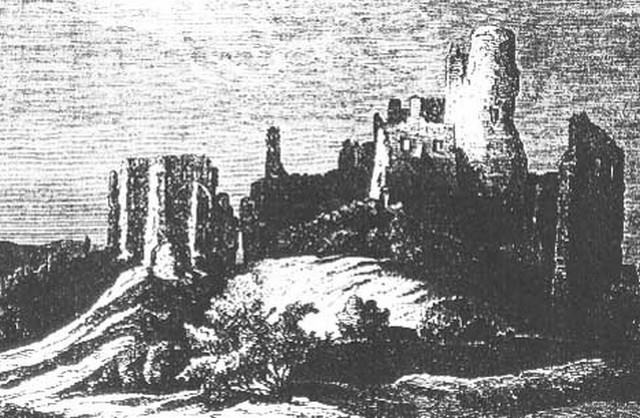
Castle ruins on a wooded quartzite rock of the Tríbeč mountain range, southeast of the village of Oponice
zrúcanina hradu na zalesnenej kremencovej skalke pohoria Tríbeč, juhovýchodne od obce Oponice.





Previous names
Opponicze, Opon, Apon, Appony
Roads
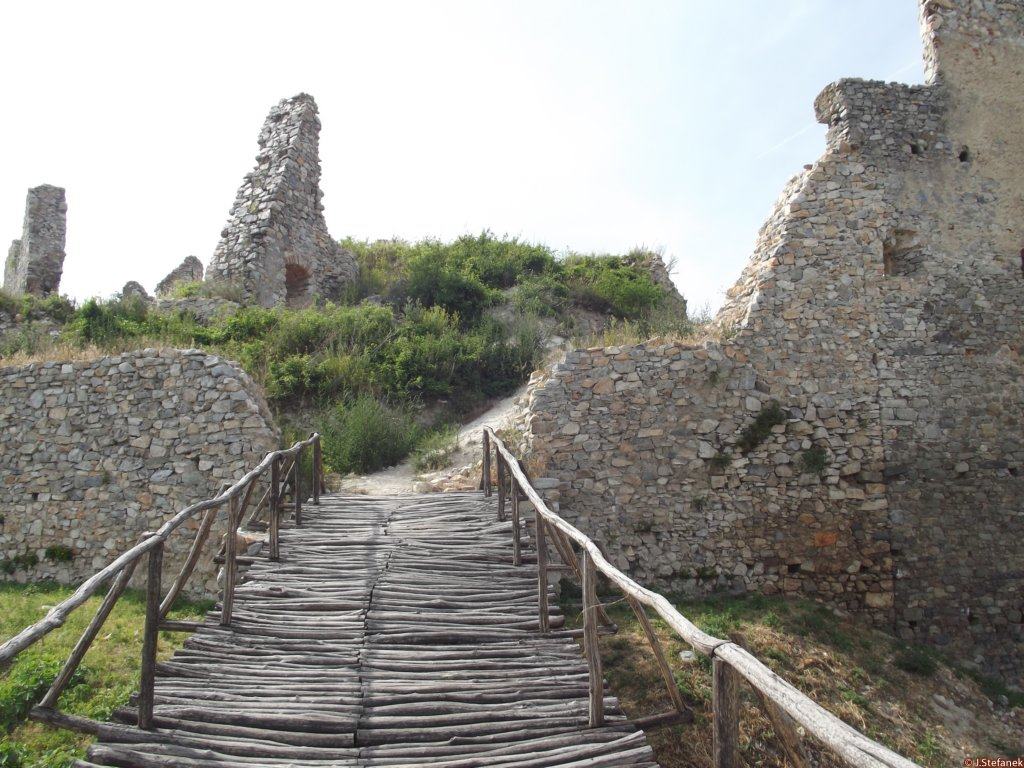
Trasa 1: Oponice castle lies southeast of the village Oponice. We get to the castle on the way next to the Apponyi manor house, just after the first turn to the right of the main road in front of the bridge in the village, if we come in the direction from Lefantovce. Opposite the manor house is a free area between residential buildings, or a little further in front of the ramp, where we can park the car and continue on foot next to the farm. We will cross an open ramp, where entry is prohibited, and after about 500m we will reach a forest parking lot. Many visitors use this parking lot despite the ban, but we do not recommend parking here due to the ban and due to the movement of logging machines. From here we follow the path with a slight ascent along the green route to the castle.
Trasa 1: Oponický hrad leží juhovýchodne od obce Oponice. K hradu sa dostaneme cestou popri Apponyiovskom kaštieli, hneď prvou odbočkou vpravo z hlavnej cesty pred mostom v obci, ak prichádzame v smere od Lefantoviec. Oproti kaštieľu je voľná plocha medzi obytnými budovami, prípadne ešte kúsok ďalej pred rampou, kde môžeme odstaviť auto a ďalej pokračovať peši popri poľnohospodárskom objekte. Prejdeme cez otvorenú rampu, kde je zákaz vjazdu a zhruba za 500m dorazíme na lesné parkovisko. Mnohí návštevníci hradu toto parkovisko napriek zákazu využívajú, no neodporúčame tu parkovať kvôli zákazu a kvôli pohybu ťažobných strojov. Odtiaľto nás čaká výstup s miernym stúpaním po zelenej TZT až k hradu.
Trasa 2: Access is also possible from the village Horné Lefantovce, where we get to the end of the village to the manor - a medical institution. Here we will park on Svätojánska Street near the restaurant, and go through the blue TZT through the forest on the left. At the Pusté crossroads, connect again on the left to the green route, which will lead us through Veľká Skala to the castle.
Trasa 2: Prístup je možný aj z obce Horné Lefantovce, kde sa dostaneme až na koniec obce ku kaštieľu - liečebnému ústavu. Tu na ulici Svätojánska blízko reštaurácie zaparkujeme, a pôjdeme modrou TZT lesom vľavo. Na rázcestí Pusté sa napojíme opäť vľavo na zelenú trasu, ktorá nás cez Veľkú Skalu dovedie až k hradu.
Description
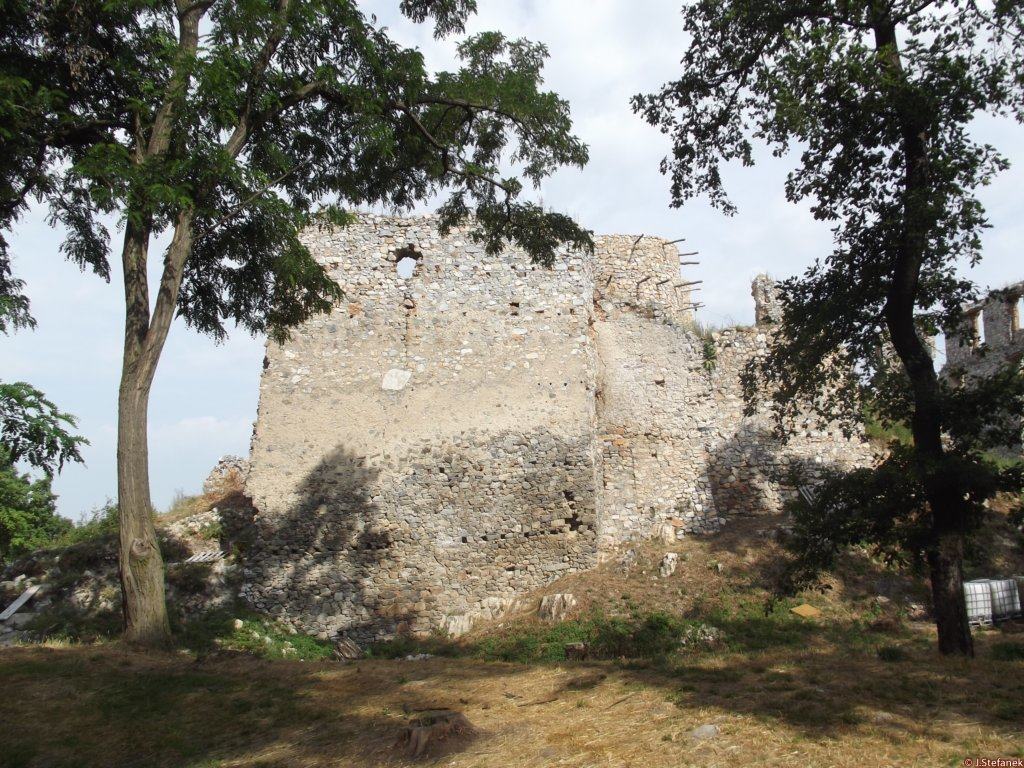
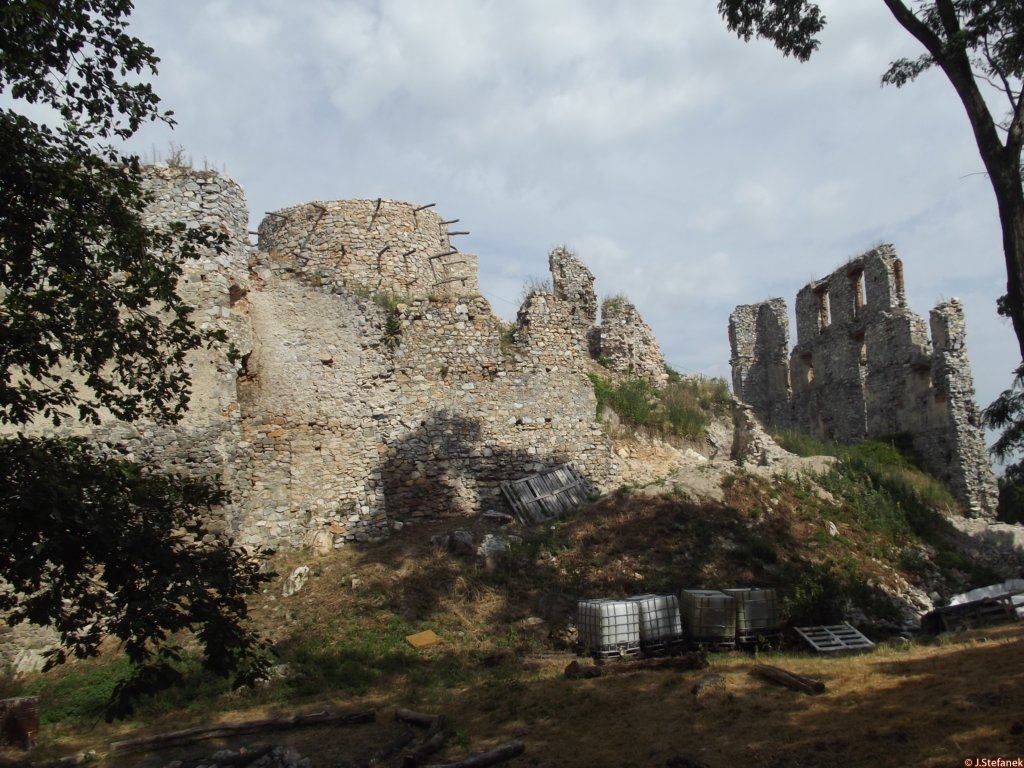
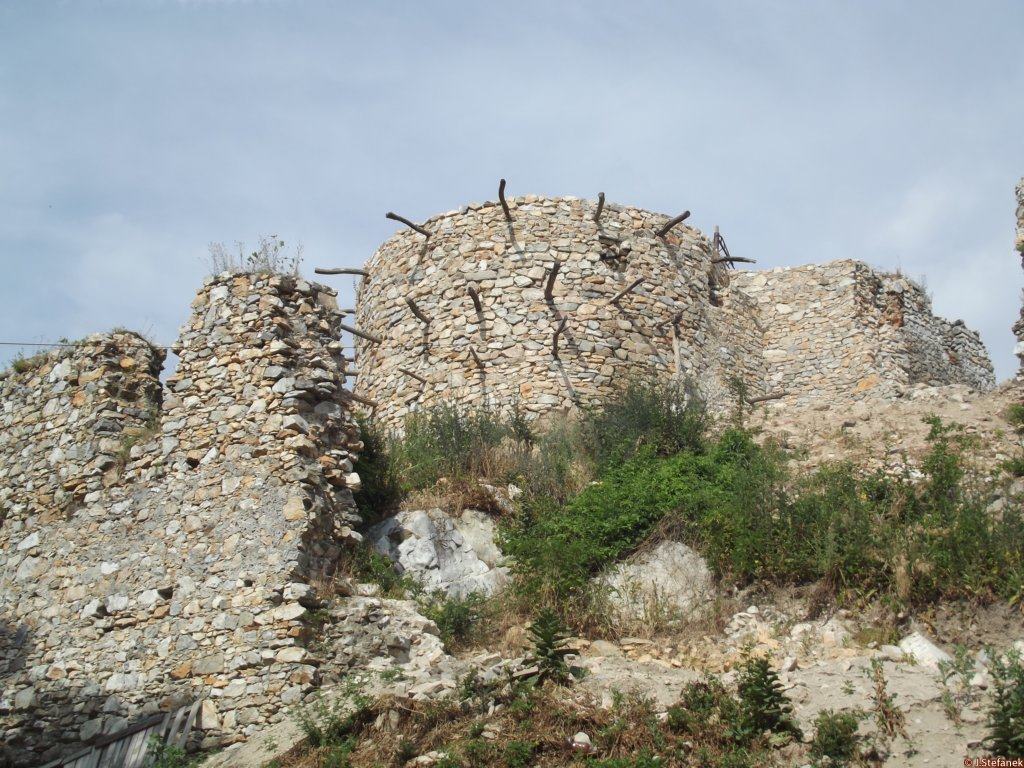
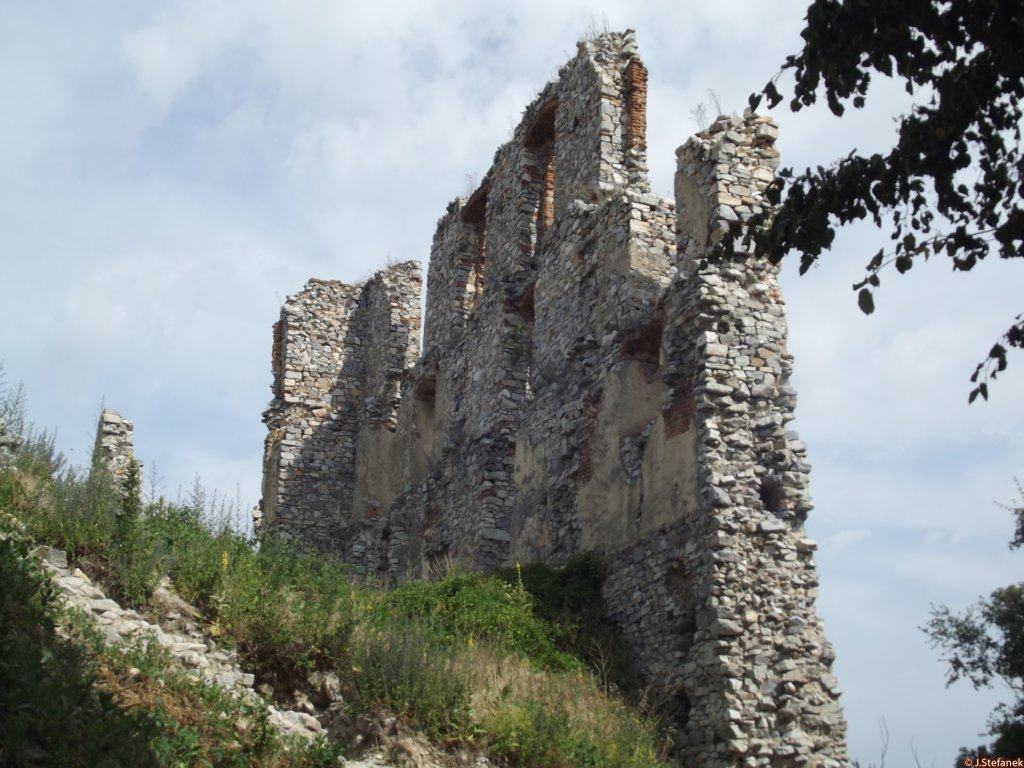
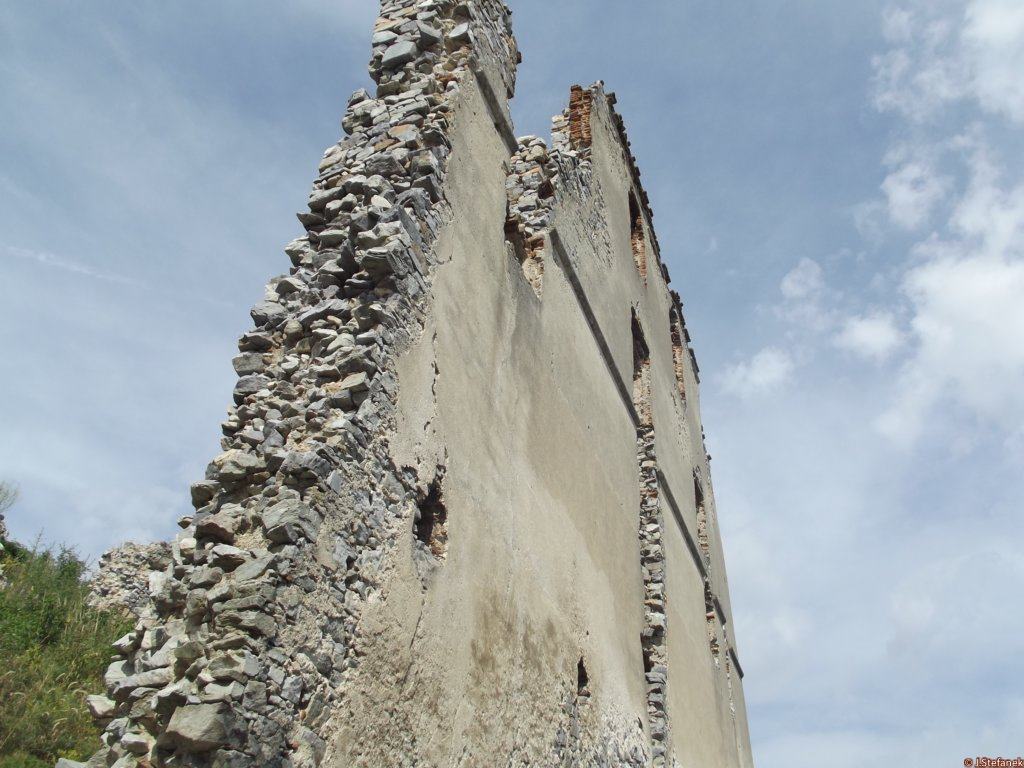
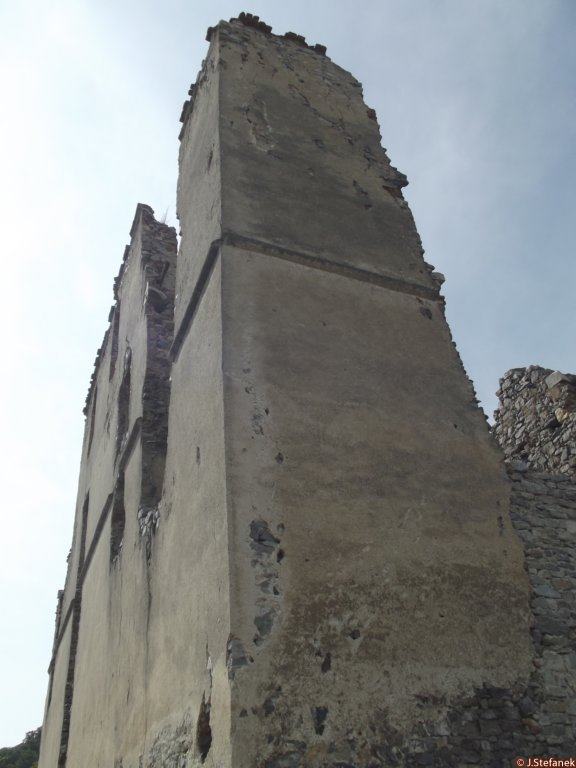
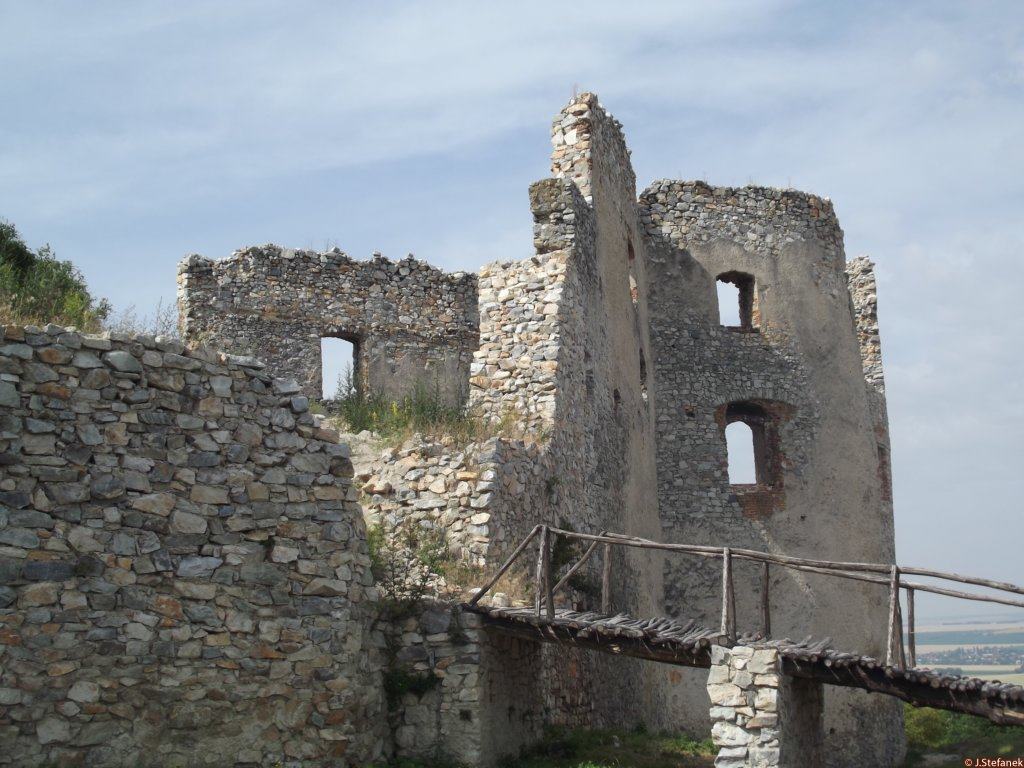
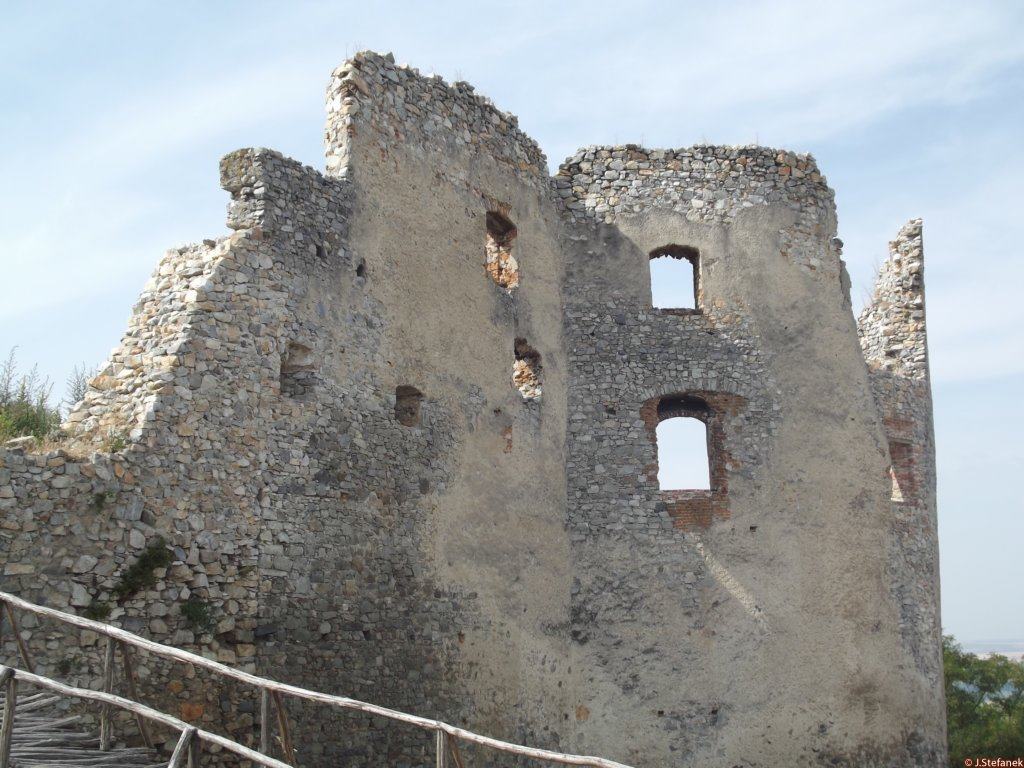
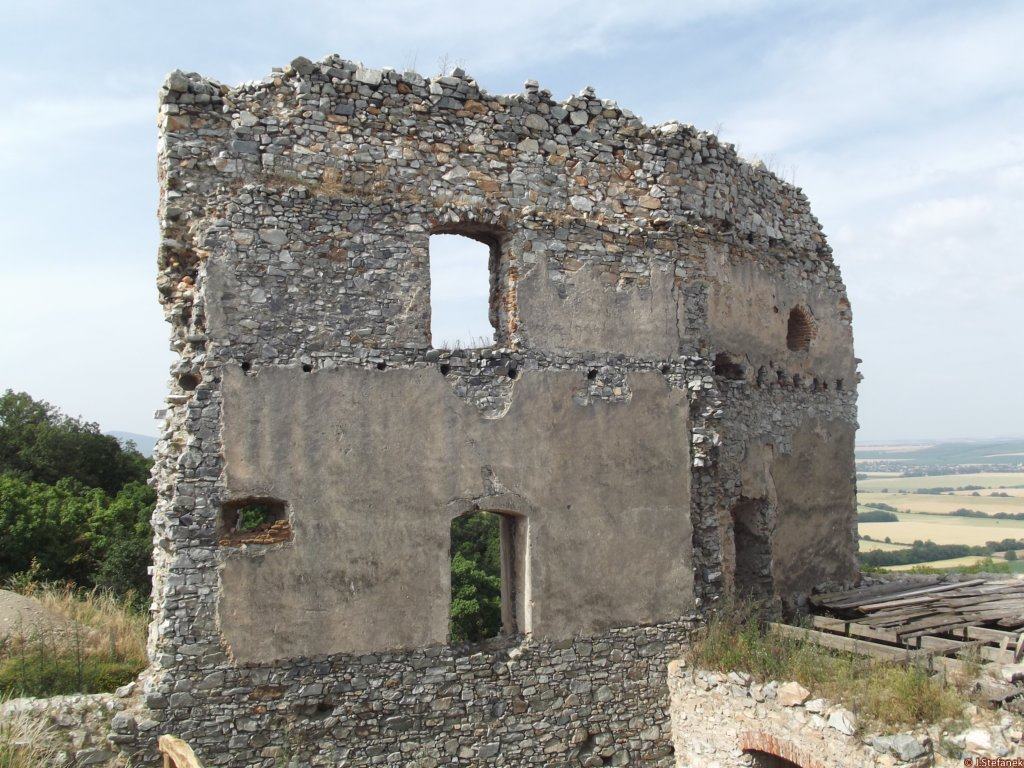
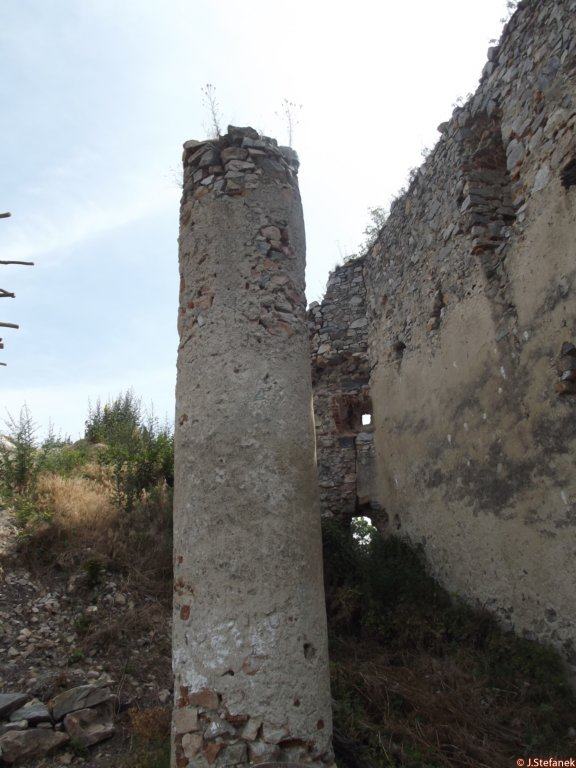
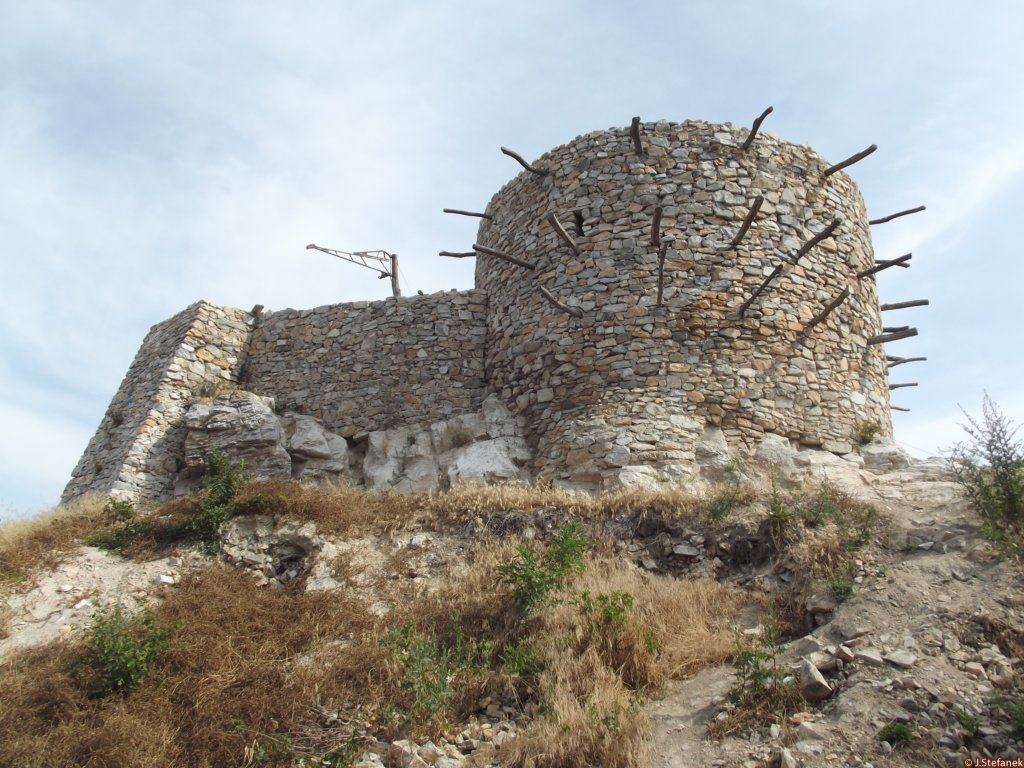
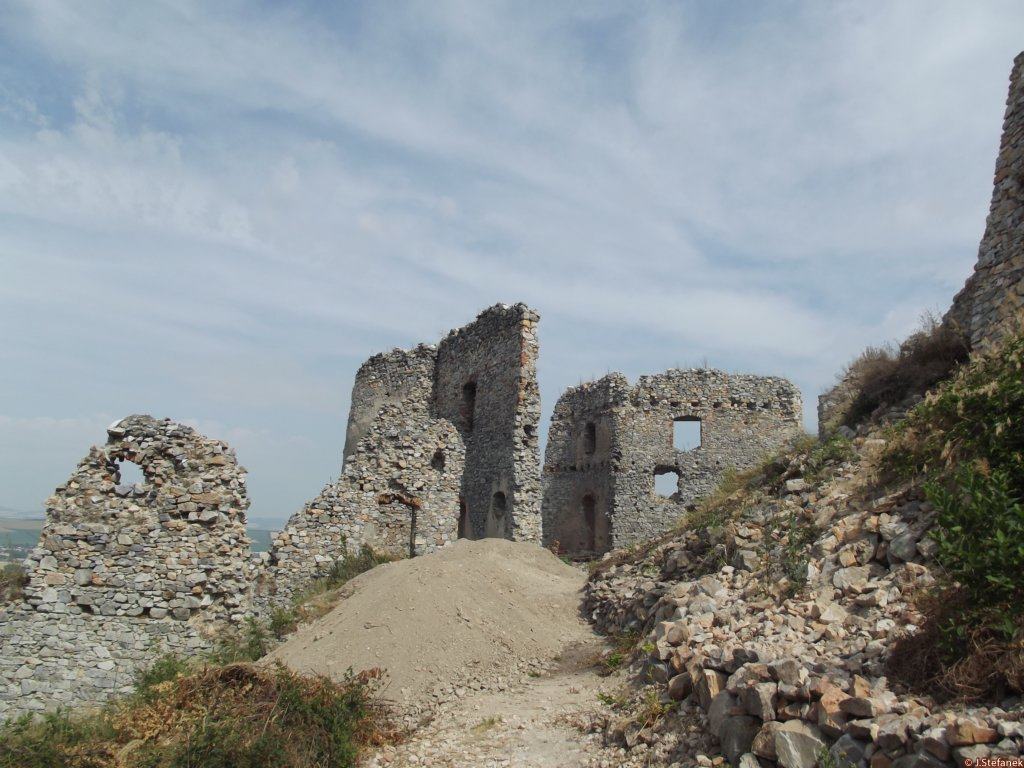
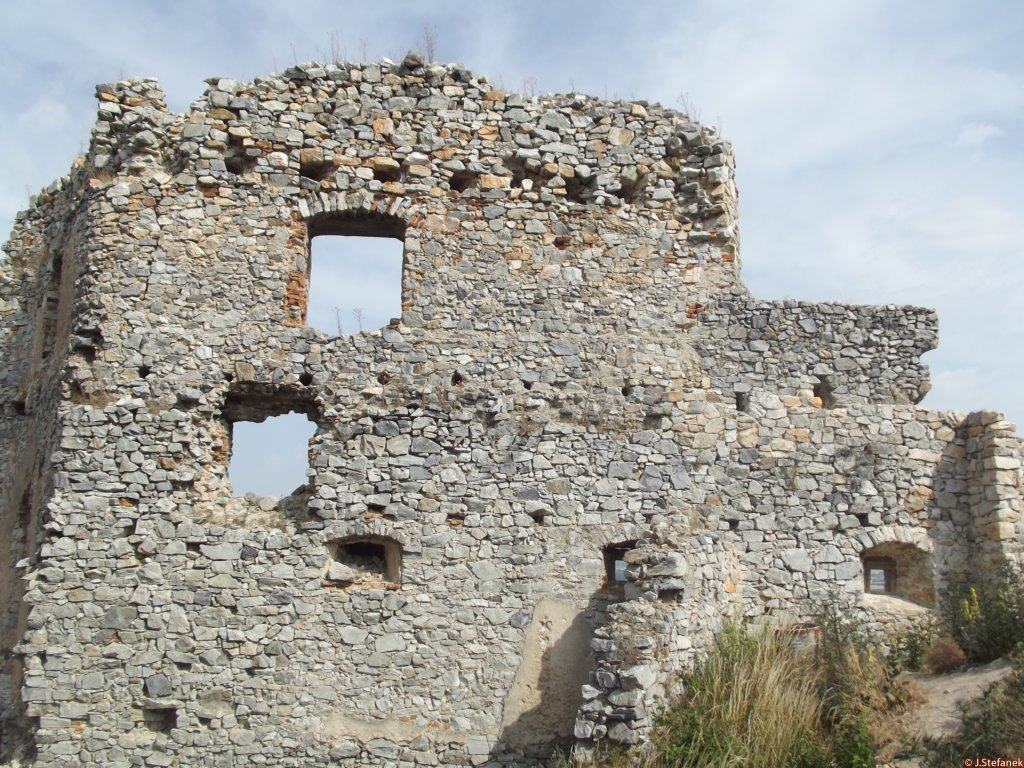
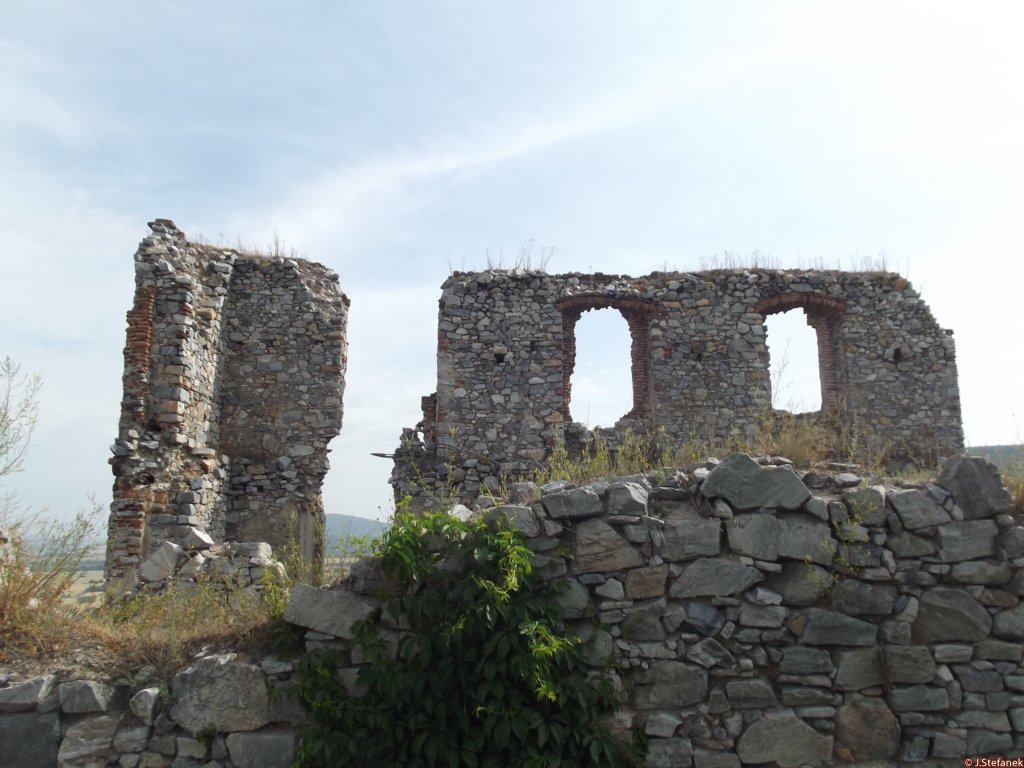
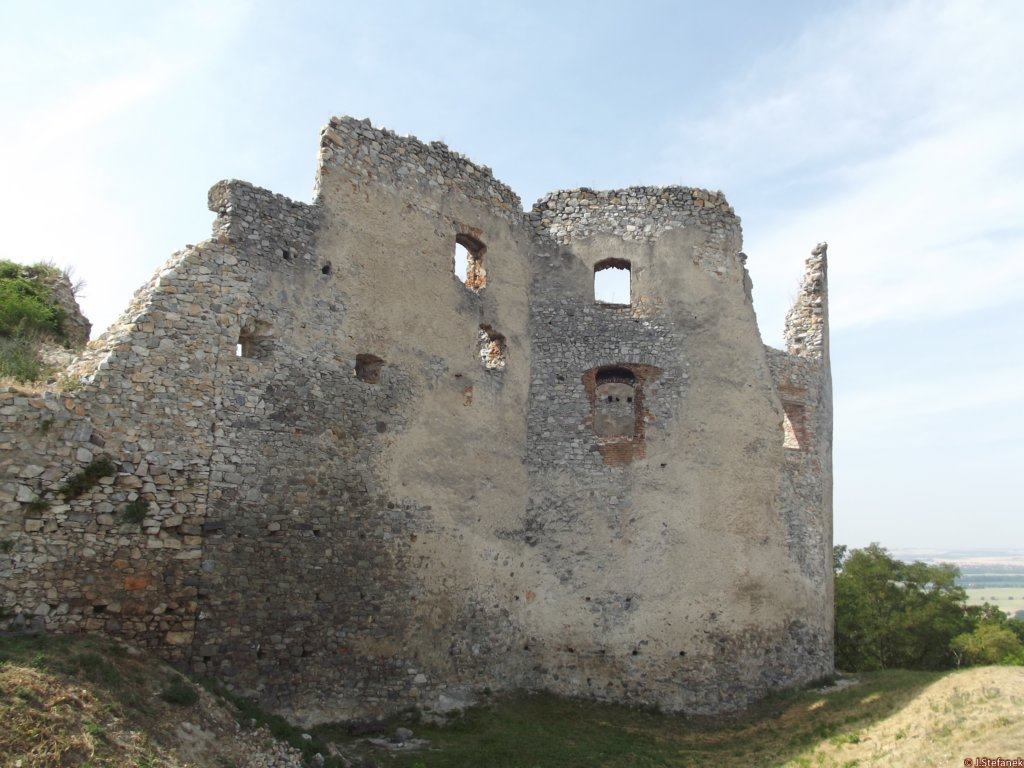
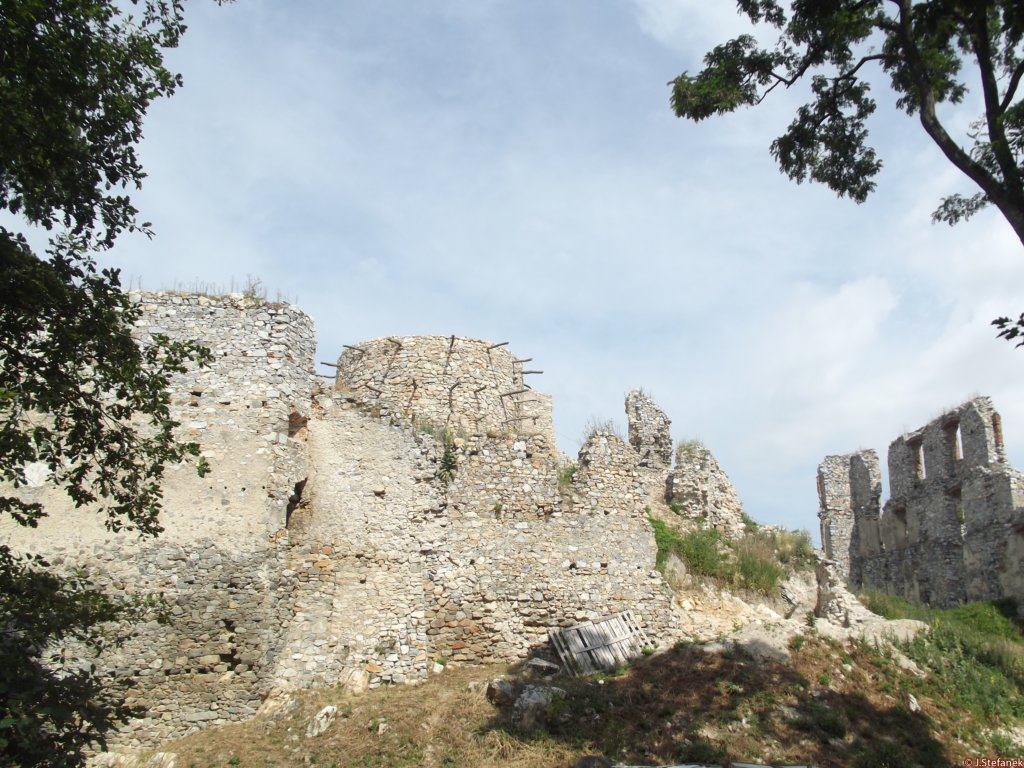
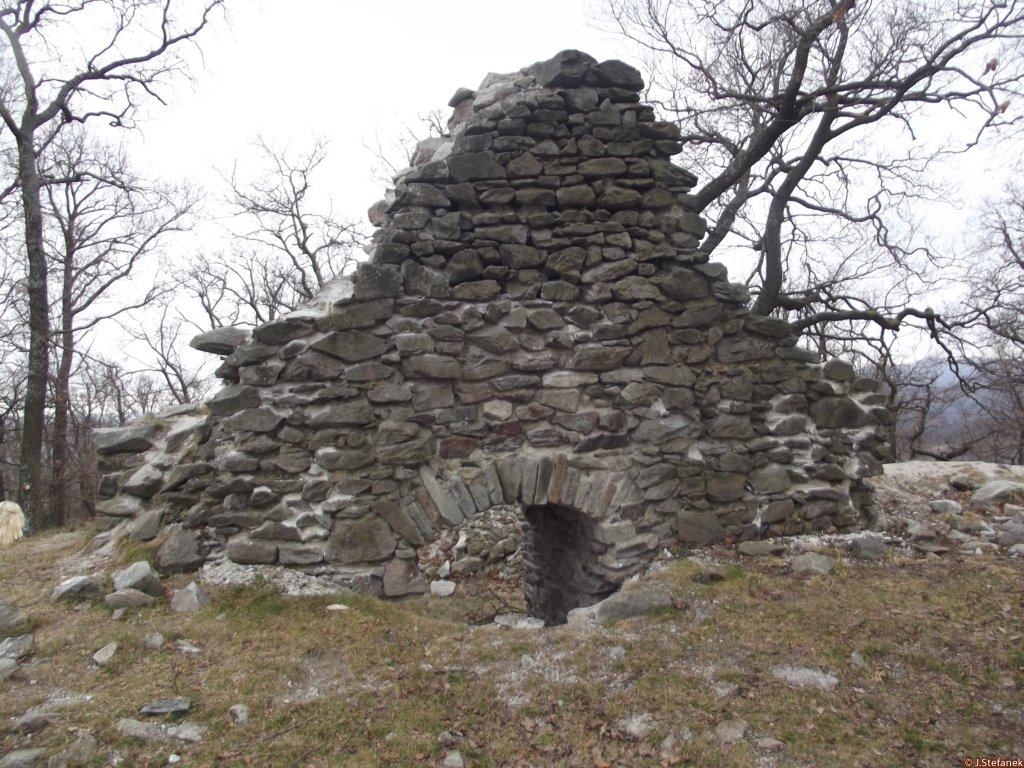
In the head of the castle has dominated a 12m high cylindrical tower, oriented against the access stitch in the southeast. Today it was just a stump. Behind the tower, the miniature core of the irregular ground plan was defined by a perimeter wall. The outer fortification of the castle also included a circular moat, which has been partially preserved on the SE and NW sides. The oldest known modifications include the construction of a new brick fortification. A large bastion of three-circular ground plan called Teres was built in its corner. The highest, originally extended tower from the small castle complex has not been preserved. It succumbed to the ravages of time, as did the rest of the castle complex. The latest building - the Apponyi Palace built in the 16th century - is also well visible. The exterior facade of the palace is dominated by the silhouette of the castle.The defense system consisted of an advanced terrace, whose relics indicate the presence of wood-based (bastion?) fortifications. The firing platform on the SE is protected by another moat and a wall with a semicircular roundel in the middle.
V čele hradu dominovala asi 12m vysoká valcová veža, orientovaná proti prístupovej šiji na juhovýchode. Dnes z nej zostal iba pahýľ. Za vežou situované miniatúrne jadro nepravidelného pôdorysu vymedzovala obvodová hradba. K vonkajšiemu opevneniu hradu patrila aj okružná priekopa, ktorá sa čiastočne zachovala na JV a SZ strane. K najstarším známym úpravám patrí stavba nového murovaného opevnenia. V jeho nároží vznikla veľká bašta trištvrtekruhového pôdorysu nazývaná Tereš. Najvyššia, pôvodne vysunutá veža z malého hradného areálu sa nezachovala. Podľahla zubu času podobne ako aj zvyšok hradného areálu. Dobre viditeľná je aj najnovšia budova - palác Apponyiovcov postavený v 16. storočí. Vonkajšie priečelie paláca tvorí dominantu siluety hradu.Systém obrany tvorili predsunuté terasy, ktorých relikty naznačujú prítomnosť drevozemného (bastiónového?) opevnenia. Palebnú plošinu na JV chráni ešte jedna priekopa a val s polkruhovým rondelom uprostred.
Plan
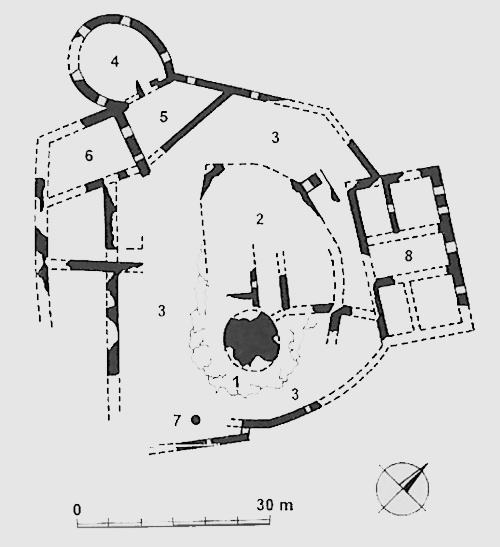
Legend to the ground plan
- 1 - remains of a tower
- 2 - upper castle
- 3 - fortifications
- 4 - cannon bastion Tereš
- 5 - residential tract
- 6 - late renaissance western palace
- 7 - rest of a farm building
- 8 - late renaissance palace
Legenda k pôdorysu
- 1 - zvyšky veže
- 2 - horný hrad
- 3 - predhradie
- 4 - delová bašta Tereš
- 5 - obytný trakt
- 6 - neskororenesančný západný palác
- 7 - zvyšok hospodárskej budovy
- 8 - neskororenesančný palác
History
The Opon Castle has appeared in written sources since 1300, when it was in the hands of Master Čák, the brother of Matúš Čák of Trenčín. At that time, it was managed by Čák's castellan komes Valentín, the son of Bohuslav of Trstian. After the untimely death of the master, the castle belonged to Matúš Čák. Another change in ownership did not occur until after Matúš's death in 1321, when the castellan of the castle, Ján, son of Markuš of Výčapiek, handed over the castle to the royal army of Karol Róbert without a fight, led by Mikuláš of the Gutkeled family. In the 14th century, King Sigismund spent a long time here, who later gave the castle in advance. The castle was taken over by Master Dezider Kaplay, who exchanged it with Mikuláš of Čeklís. After 1392, it was acquired by the daughters of Mikuláš of Čeklís and their husbands. Of these, after the division of property in 1395, Peter, the son of Tomáš of Stráž, became the sole owner of the castle. Peter, the founder of the Apponyi family (Oponick family), helped to increase the castle estate and the castle itself. Peter's sons Tomáš and Mikuláš also continued to expand the economy on the estate.
During the 15th century, individual members of the family built comfortable mansions in the village below the castle - therefore, in 1514, the people of Anna Ludanická from Ludaníc managed to raid and rob the castle. The castle became a more permanent seat of the Apponyi family again only during the Turkish invasions. The rapidly growing Turkish danger and the poor condition of the damaged castle led Benedict Apponyi in 1542 to decide to restore the castle. Subsequent disputes with the co-owner of the castle probably slowed down the whole restoration, because in 1566 the widow of Benedict, who owned most of the castle, had to back up her amount to Ján Apponyi due to lack of money for fortification work. The extensive reconstruction of the castle almost completely replaced the older medieval structures with new, mostly residential representative buildings with decorations in the style of the late Renaissance. According to the use of morphological architectural elements in the reconstruction, we date it around the beginning of the 17th century, when Pavol Apponyi was one of the co-owners of the castle - one of the most important personalities of the family. Such a fortified castle protected the owners from the Turks, but the Turkish looting did not escape the castle, which they burned down together with the church.
In 1645, the neglected and unmaintained castle was damaged by fire, and the castle served as a military facility for the last time, allegedly when the Kuruk insurgents were hiding in it. The castle was then probably blown up by the Turks or completely destroyed during the Rákóczi uprising.
Oponický hrad sa v písomných prameňoch objavuje od roku 1300, keď bol v rukách magistra Čáka, brata Matúša Čáka Trenčianskeho. V tom čase ho spravoval Čákov kastelán komes Valentín, syn Bohuslava z Trstian. Po predčasnej magistrovej smrti hrad pripadol Matúšovi Čákovi. Ďalšia zmena vo vlastníctve nastala až po Matúšovej smrti v r.1321, keď kastelán hradu, Ján, syn Markuša z Výčapiek, bez boja vydal hrad kráľovskému vojsku Karola Róberta, vedenom Mikulášom z rodu Gutkeled. V 14.storočí tu strávil dlhší čas kráľ Žigmund, ktorý hrad neskôr dal do zálohu. Hrad získal do rúk magister Dezider Kaplay, ten ho zamenil s Mikulášom z Čeklísa. Po r.1392 ho nadobudli dcéry Mikuláša z Čeklísa s manželmi. Z nich sa po deľbe majetkov v r.1395 stal jediným vlastníkom hradu Peter, syn Tomáša zo Stráží. Peter, zakladateľ rodu Apponyi (Oponickovcov), sa pričinil o zveľadenie hradného panstva aj samotného hradu. V rozmachu hospodárstva na panstve pokračovali aj Petrovi synovia Tomáš a Mikuláš.
V priebehu 15.storočia si jednotliví členovia rodu postavili v obci pod hradom pohodlné sídla - kúrie, preto sa aj v r.1514 podarilo ľuďom Anny Ludanickej z Ludaníc slabo strážený hrad prepadnúť a vykradnúť. Hrad sa stal trvalejším sídlom rodu Apponyi opäť až v období tureckých vpádov. Rýchlo vzrastajúce turecké nebezpečenstvo a zlý stav poškodeného hradu viedli v roku 1542 Benedikta Apponyiho k rozhodnutiu hrad obnoviť. Následné spory so spolumajiteľom hradu zrejme celú obnovu spomalili, lebo ešte v roku 1566 musela vdova po Benediktovi, vlastniaca väčšiu časť hradu, svoju čiastku zálohovať Jánovi Apponyimu pre nedostatok peňazí na opevňovacie práce. Rozsiahla prestavba hradu takmer úplne nahradila staršie stredoveké konštrukcie novými, zväčša obytnými reprezentačnými budovami s výzdobou v štýle neskorej renesancie. Podľa použitia tvaroslovných architektonických prvkov pri prestavbe ju časovo zaradujeme približne do začiatku 17.storočia, kedy bol spolumajiteľom hradu Pavol Apponyi - jedna z najvýznamnejších osobností rodu. Takto opevnený hrad majiteľov pred Turkami ochránil, no tureckému plieneniu sa nevyhlo podhradie, ktoré spolu s kostolom vypálili.
V r.1645 už zanedbávaný a neudržiavaný hrad poškodil požiar a hrad ešte naposledy poslúžil ako vojenský objekt údajne vtedy, keď sa v ňom skrývali kuruckí povstalci. Hrad bol potom pravdepodobne vyhodený do povetria Turkami alebo úplne zničený počas Rákócziho povstania.
Myths and legends
There are no myths available.
Povráva sa
Legenda hovorí, že v tejto oblasti, ešte predtým, než tu nejaký objekt stál, rád oddychoval Svätopluk. Údajne tu zanechal veľký poklad, ktorý však bude možné vykopať až vtedy, keď ho slovanský národ bude najviac potrebovať.
Useful information
The ruins are freely accessible
Zrúcanina je voľne prístupná
Nearby castles
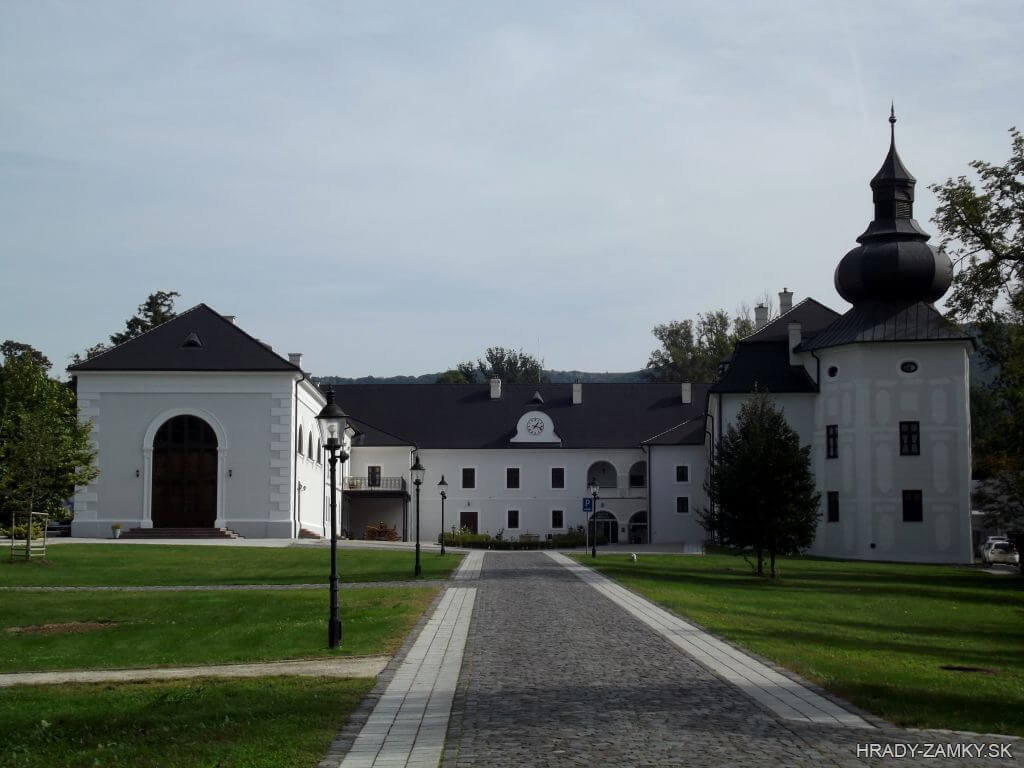
Oponice - Apponyi mansion
Oponice
1.8km
manor, mansion
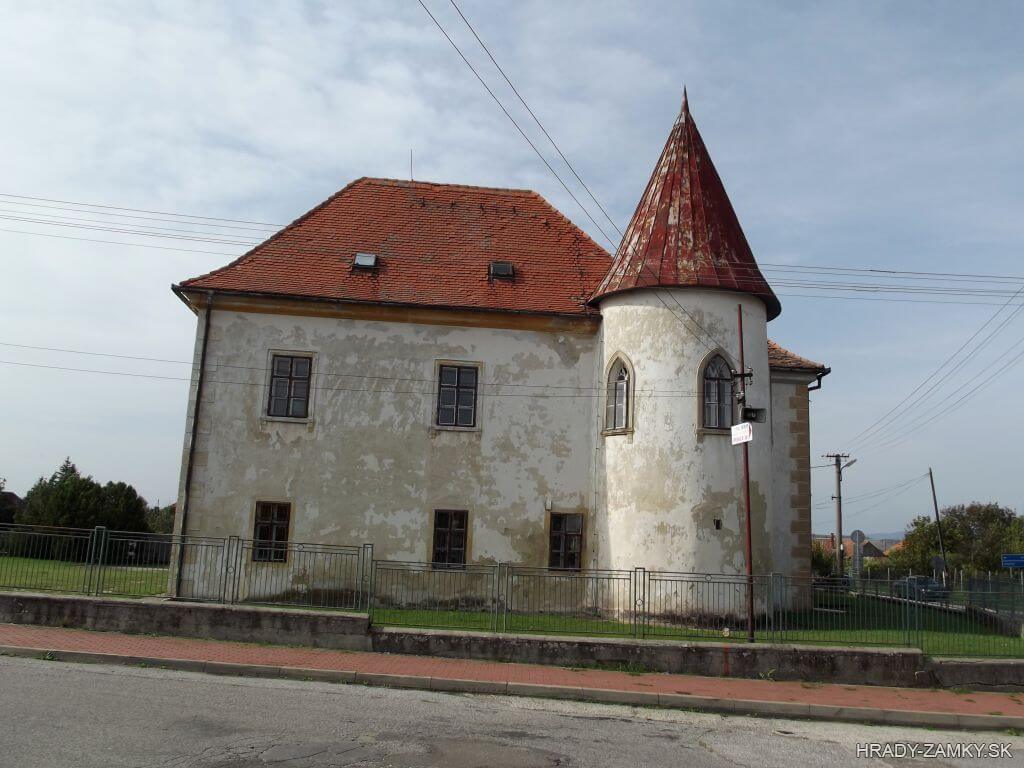
Oponice manor
Oponice
2.6km
manor, mansion
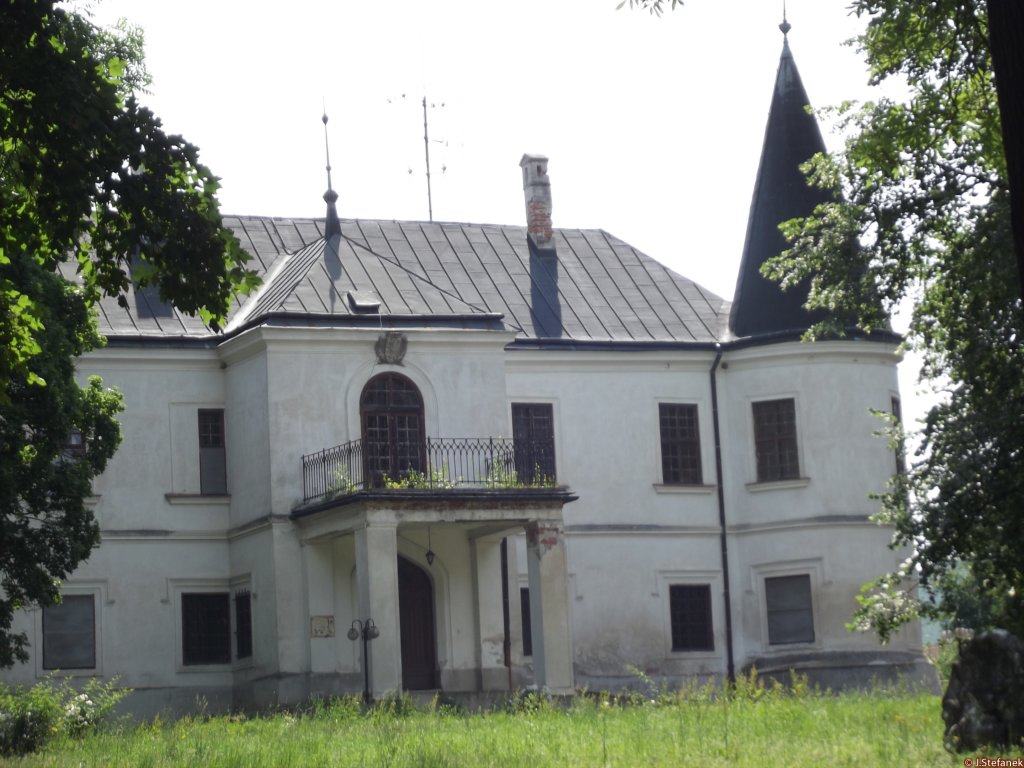
Horné Lefantovce
Horné Lefantovce
3.0km
manor, mansion
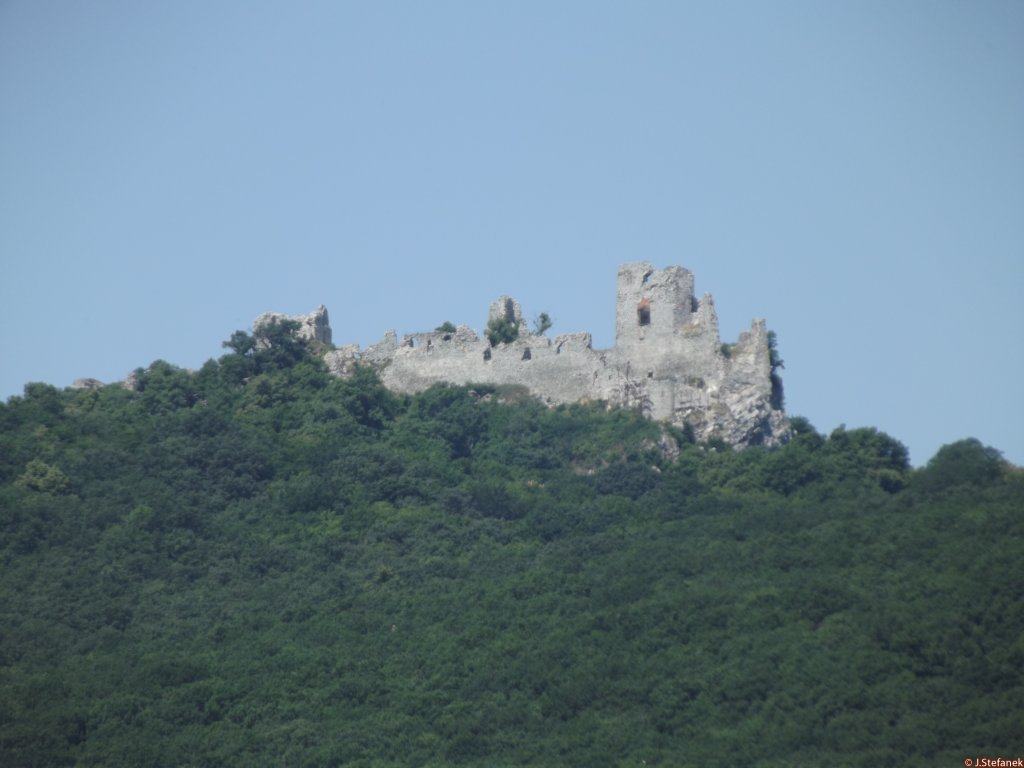
Gýmeš
Jelenec
6.4km
castle ruin
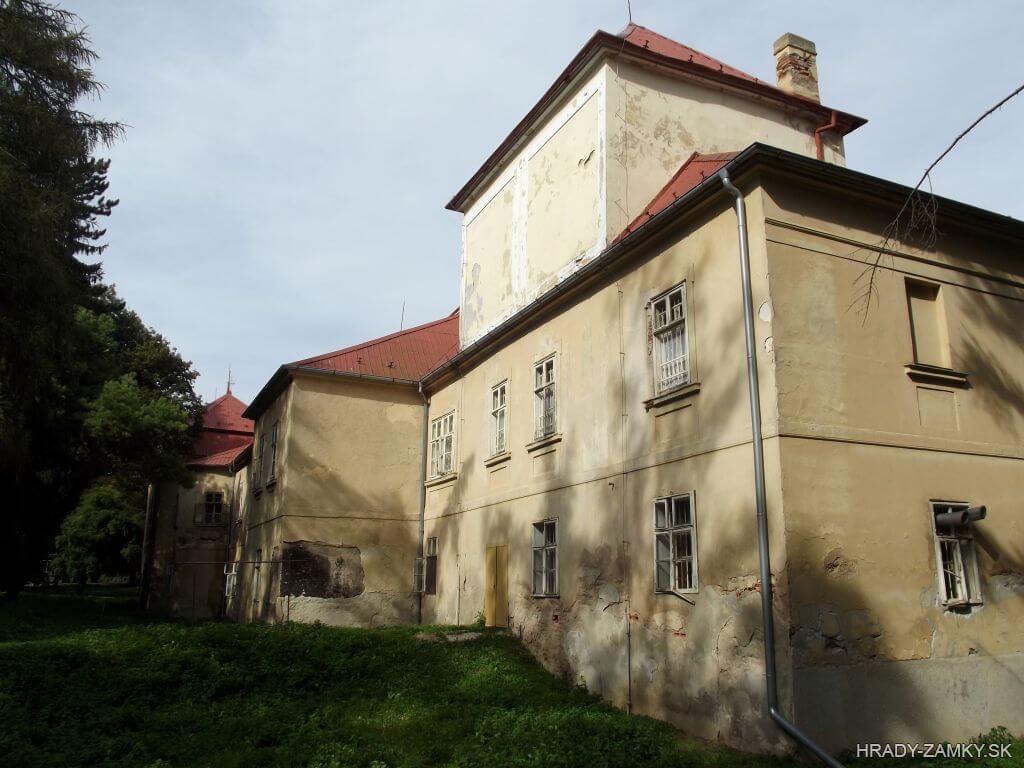
Horné Obdokovce
Horné Obdokovce
9.5km
manor, mansion
Čierny hrad
Zlatno
10.4km
castle ruin
Zobor
Nitra
12.5km
monastery