Strečno
Strečno Žilina county Slovakia
castle ruin
Strečno
Strečno Žilinský kraj Slovakia
zrúcanina hradu
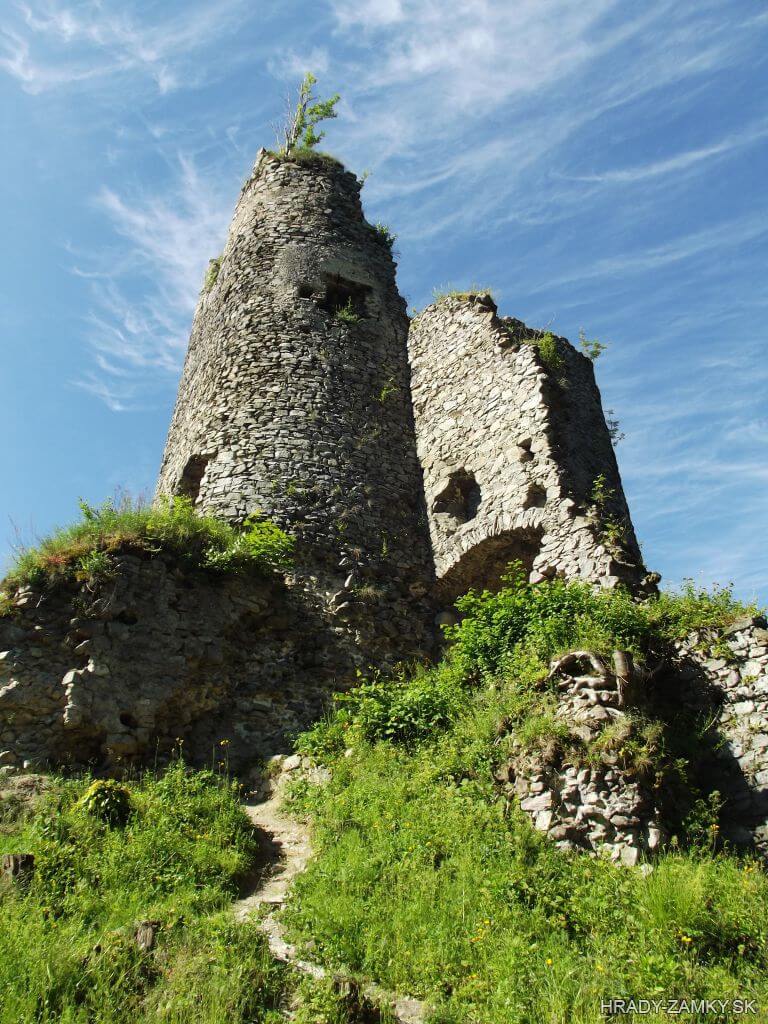
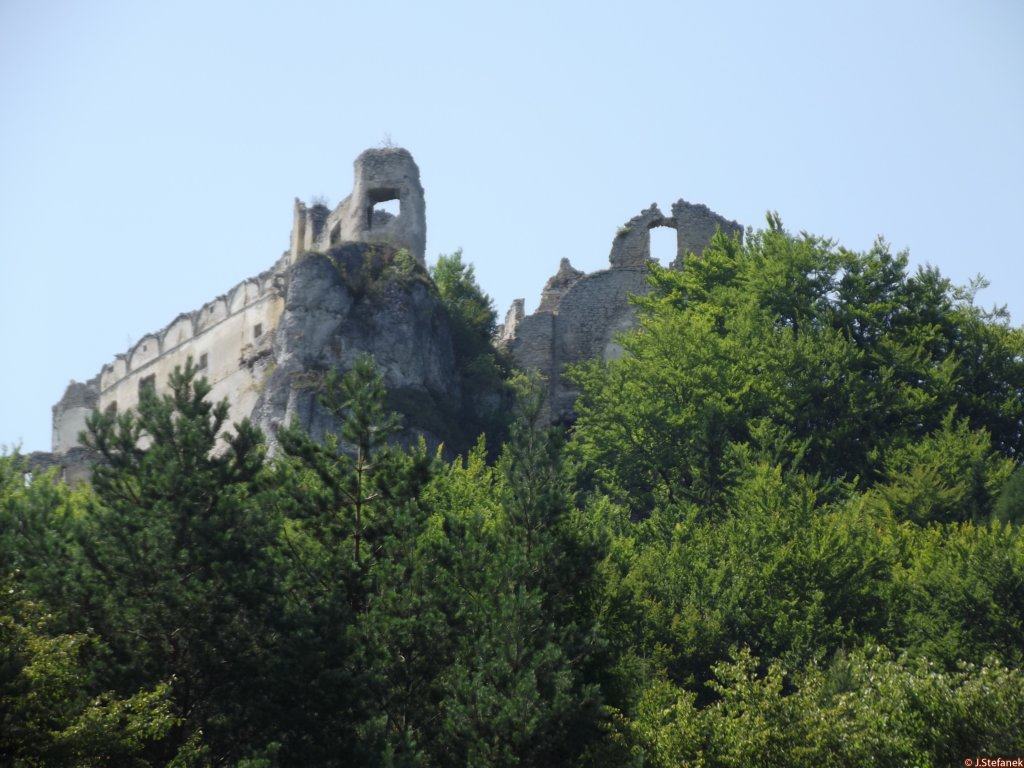
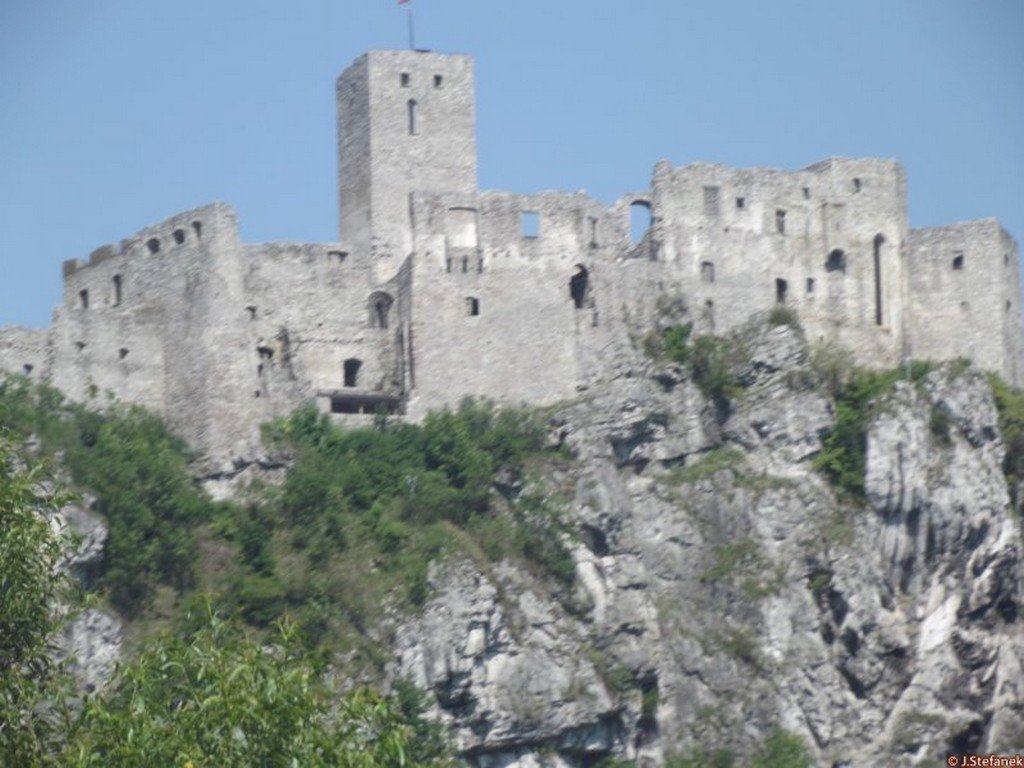
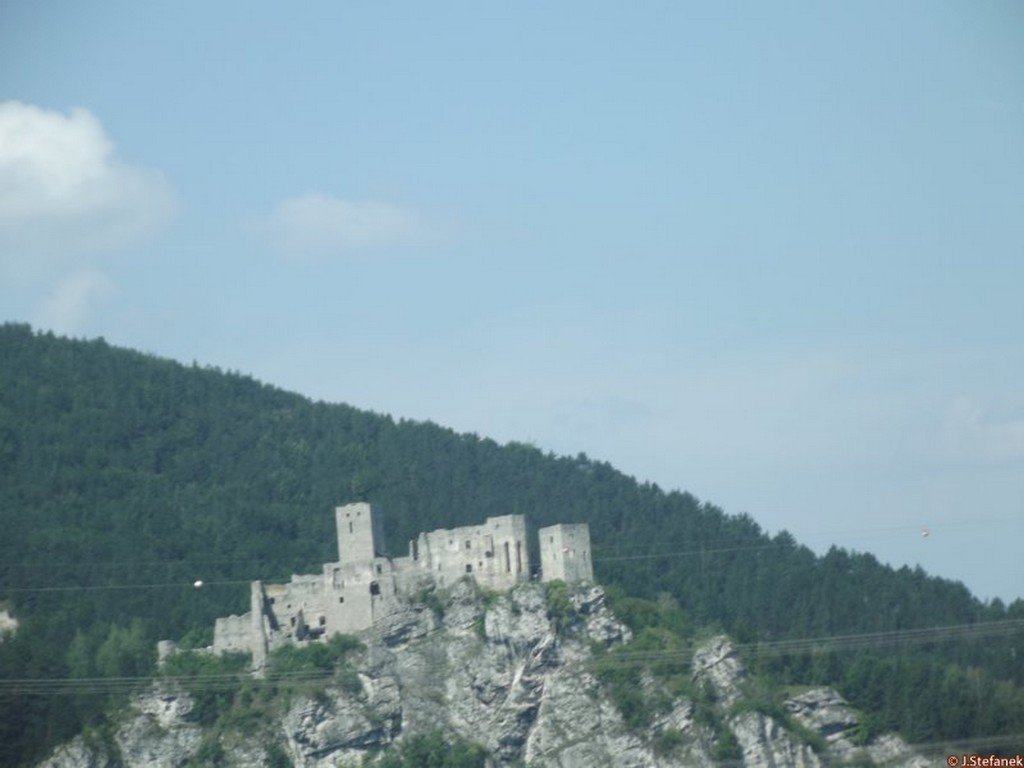
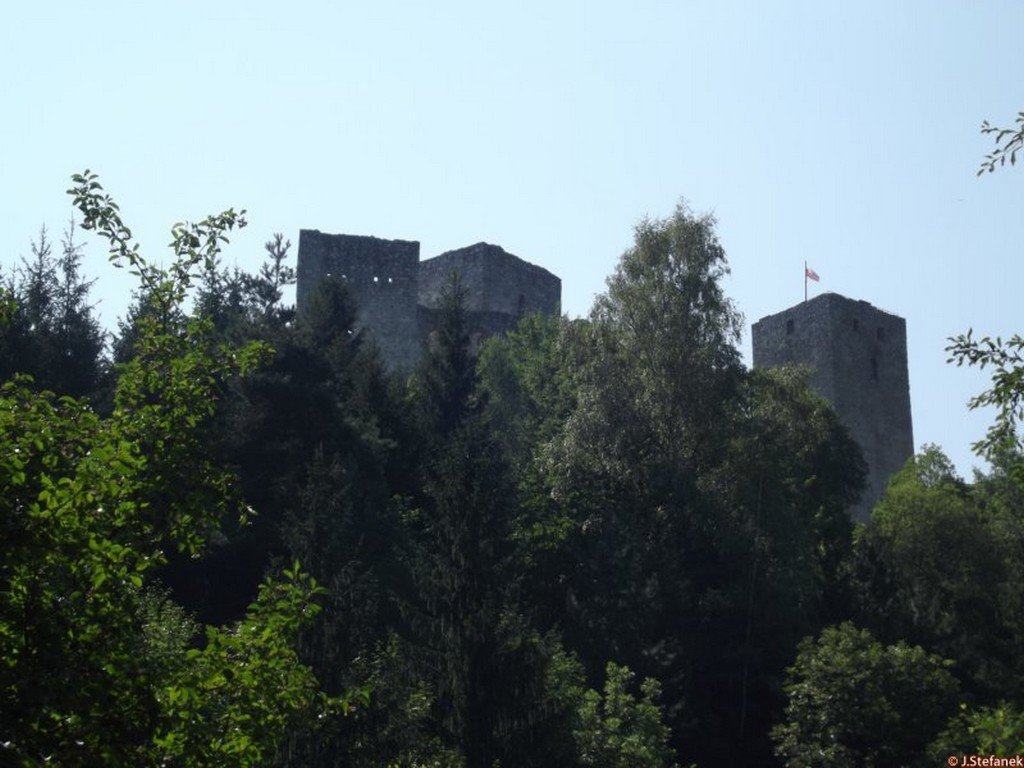
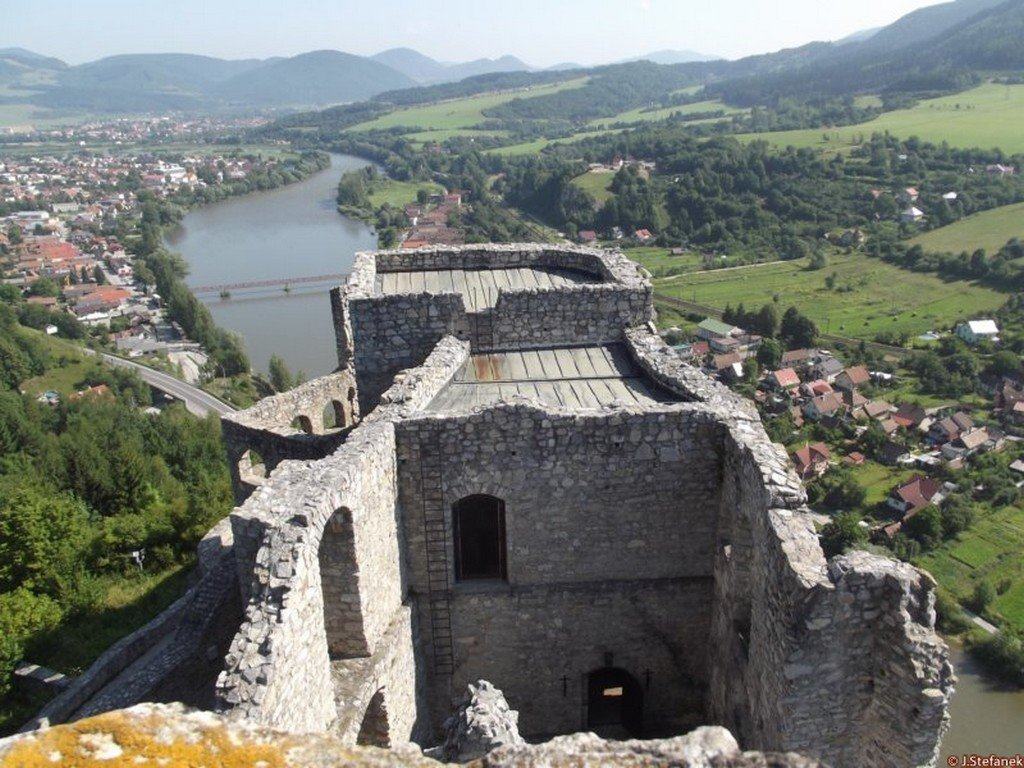
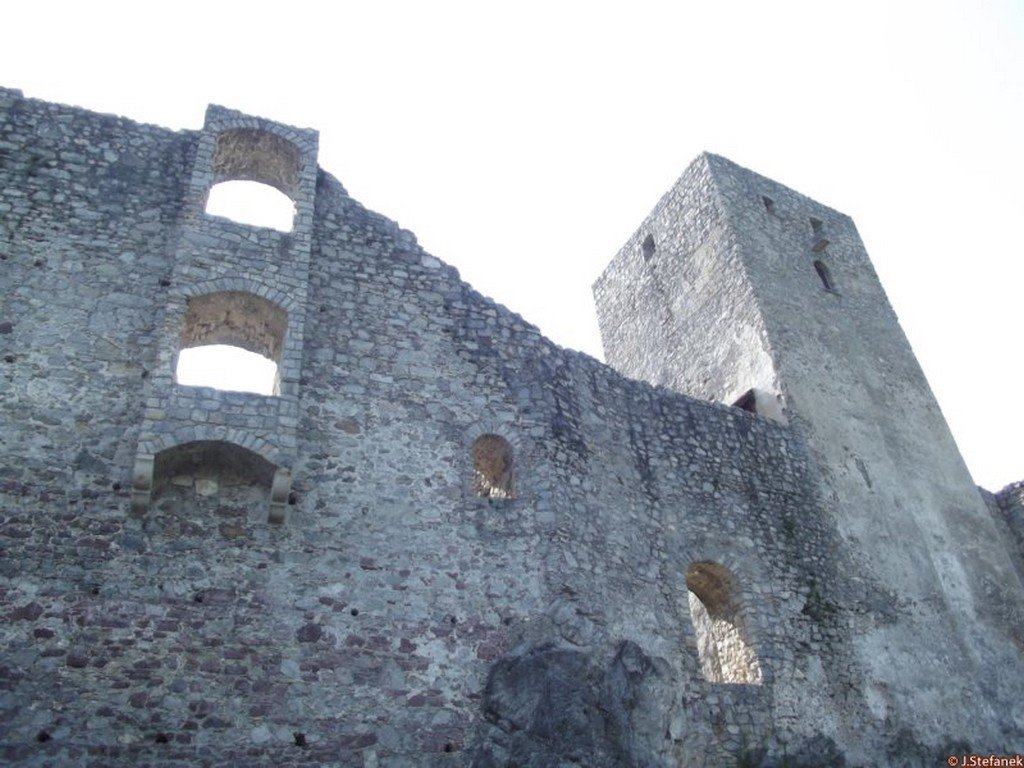
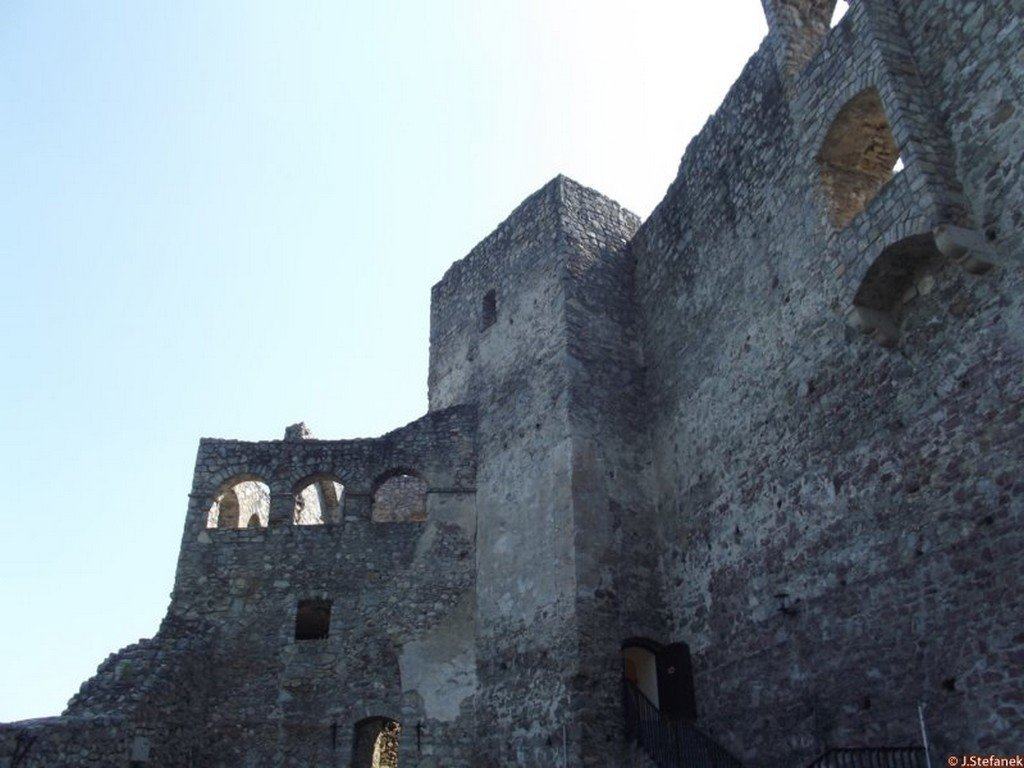
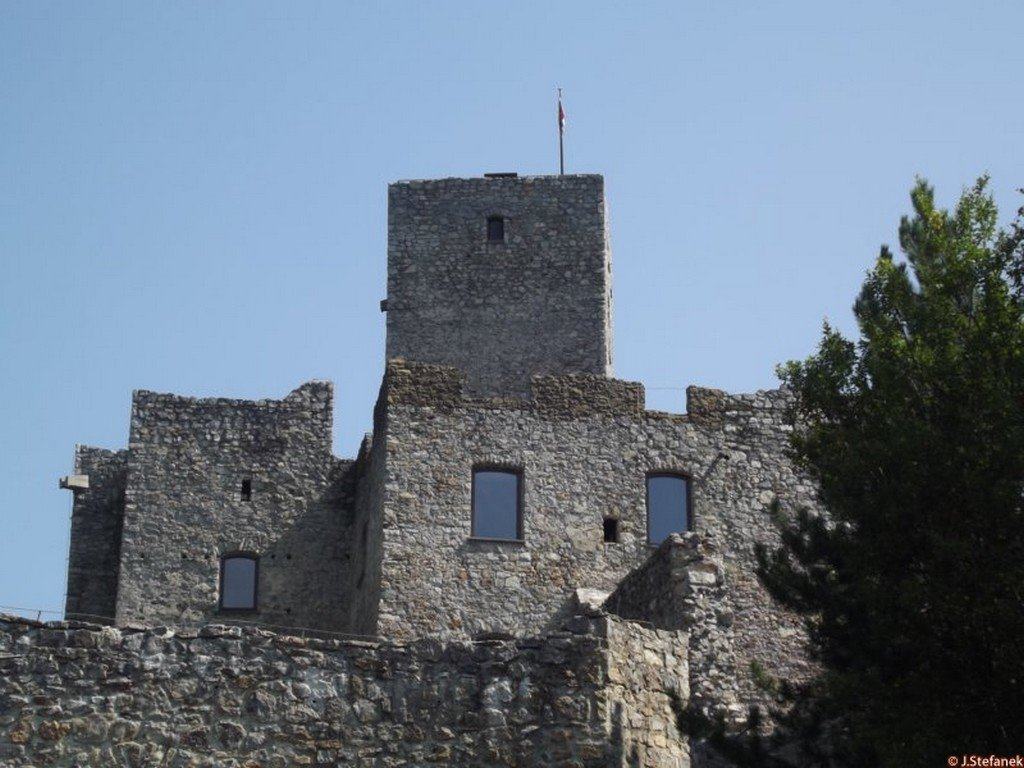
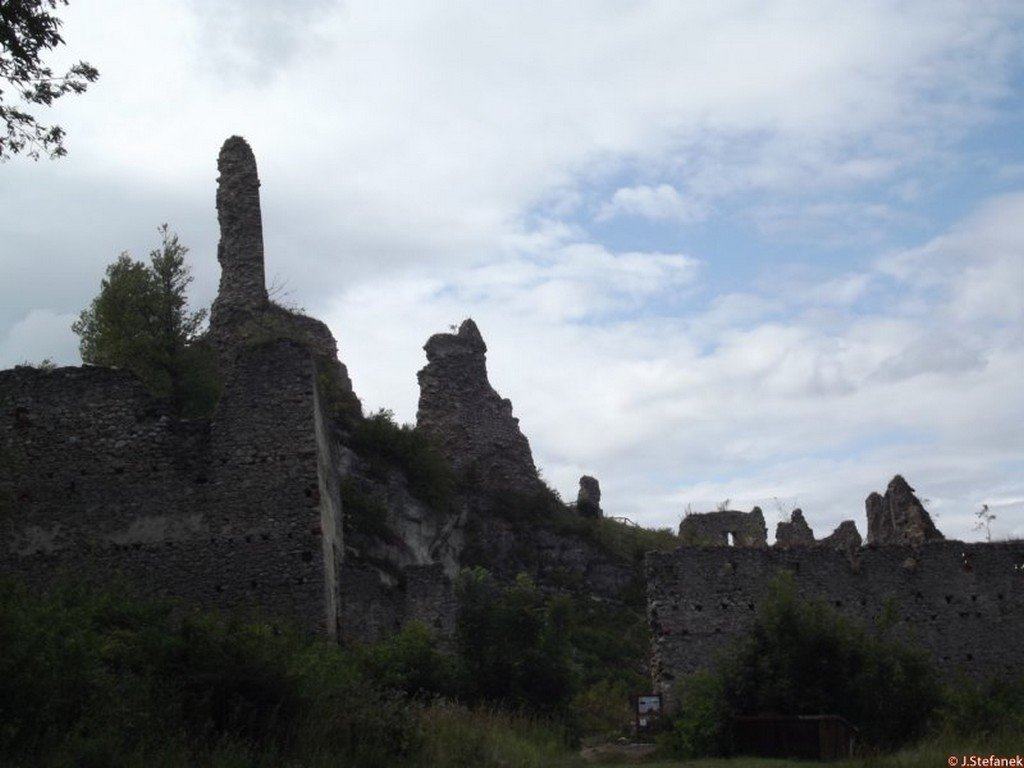
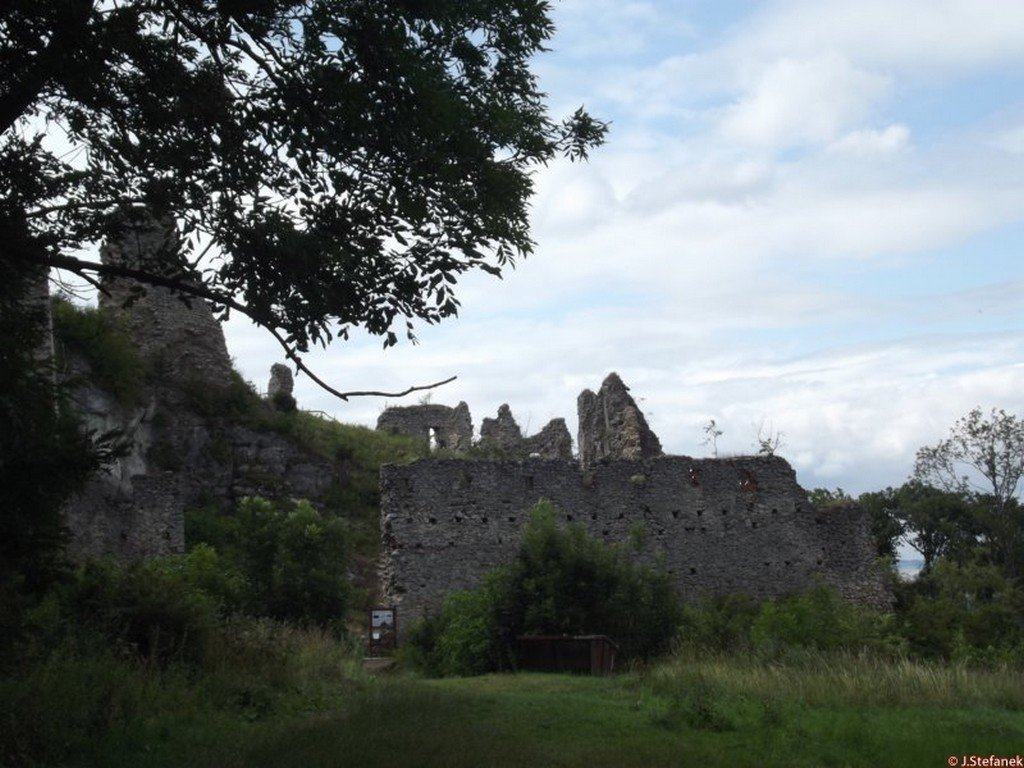
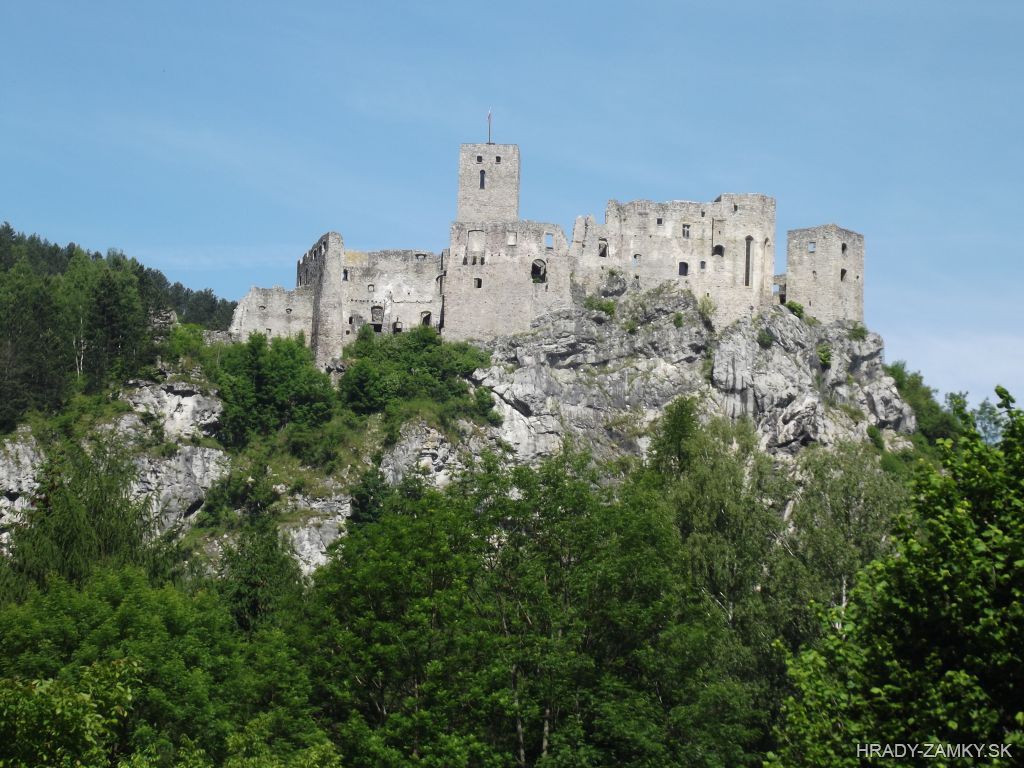
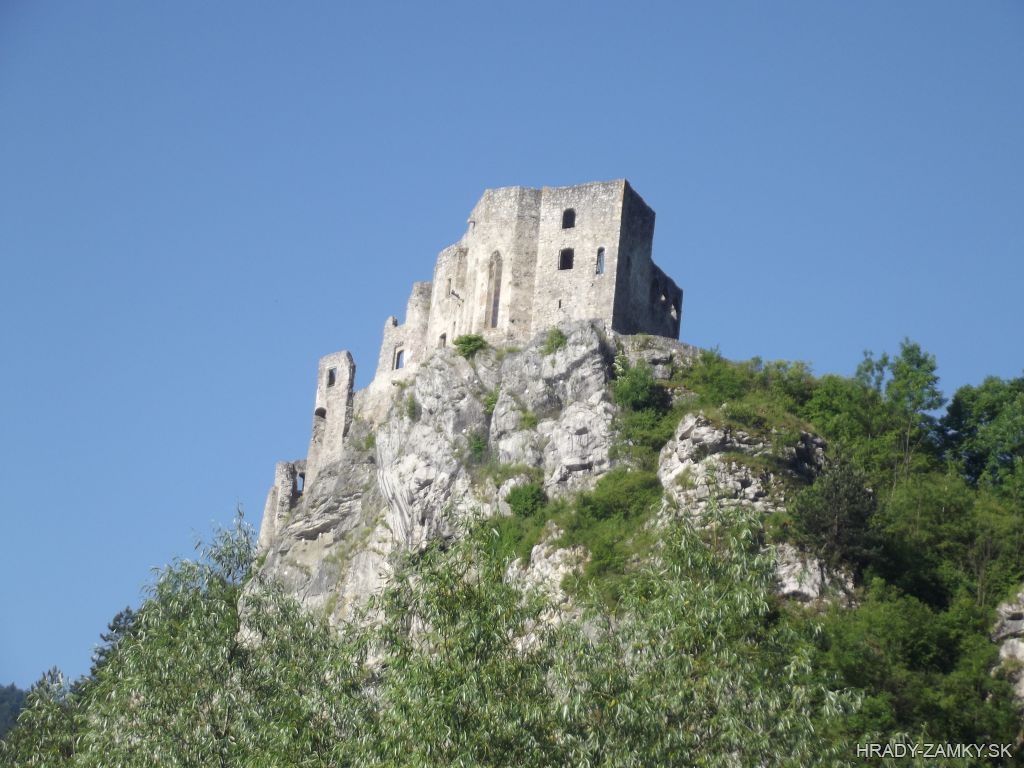
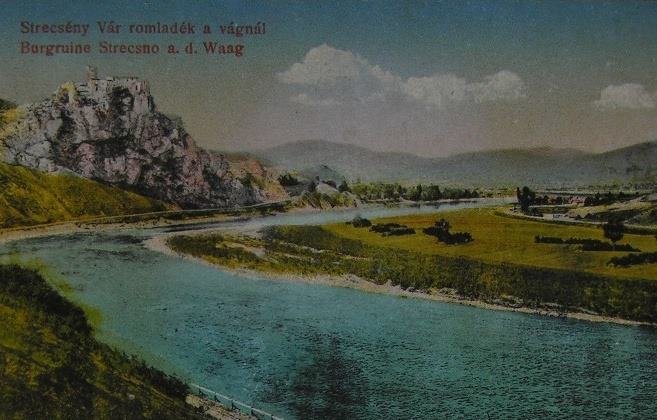
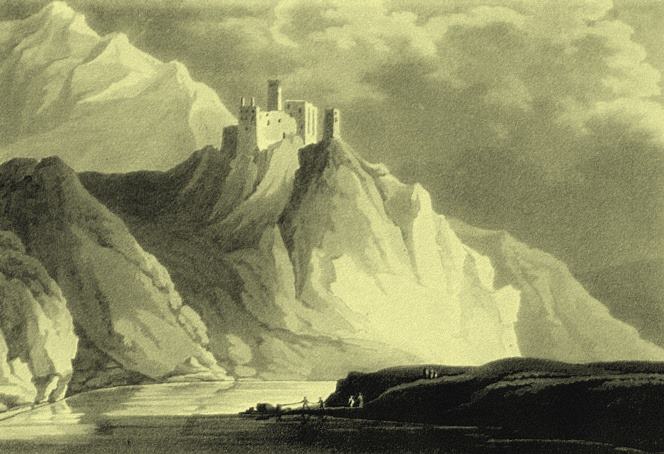
Preserved ruins of the castle forms on the rocky cliff of Malá Fatra a significant dominant over the valley of Váh near the village Strečno
Konzervovaná a pamiatkovo upravená zrúcanina hradu vytvára na skalnom útese Malej Fatry výraznú dominantu nad dolinou Váhu pri obci Strečno.
Previous names
Strechun, Strechyn, Streczen, Streczan, Strežín, Ztrechen Waralya, Strečan, Sztrecsnó, Sztrecsény
Roads
Trasa 1: We can get to the parking lot under the castle by car - if we come in the direction from Martin, then the parking lot is located on the left side of the road, a short distance after we pass the castle. However, we recommend going a little further on, where we come across a parking lot on the right, where we can turn back in the direction of Martin, and then on the way back we simply turn right to the parking lot.From the car park is the Strečno castle accessible by stairs on the slope of the castle hill. There are quite a lot of stairs, but the ascent to the castle is not very difficult.
Trasa 1: K parkovisku pod hradom sa dostaneme autom - ak prichádzame v smere od Martina, tak parkovisko sa nachádza na ľavej strane cesty, kúsok potom ako minieme hrad. Odporúčame však prejsť ešte nejaký kus cesty ďalej, kde natrafíme na odstavné parkovisko vpravo, kde sa môžeme otočiť späť na smer Martin, a potom cestou naspäť jednoducho odbočíme vpravo na parkovisko.Z parkoviska je hrad Strečno prístupný schodiskom na svahu hradného brala. Tých schodov je celkom dosť, ale výstup k hradu nie je veľmi náročný.
Trasa 2: From the parking lot we continue along the asphalt road along the red route (Hradná street), from which we later turn left to the castle.
Trasa 2: Z parkoviska pokračujeme asfaltovou cestou po červenej trase (Hradná ulica), z ktorej neskôr odbočíme vľavo až k hradu.
Description
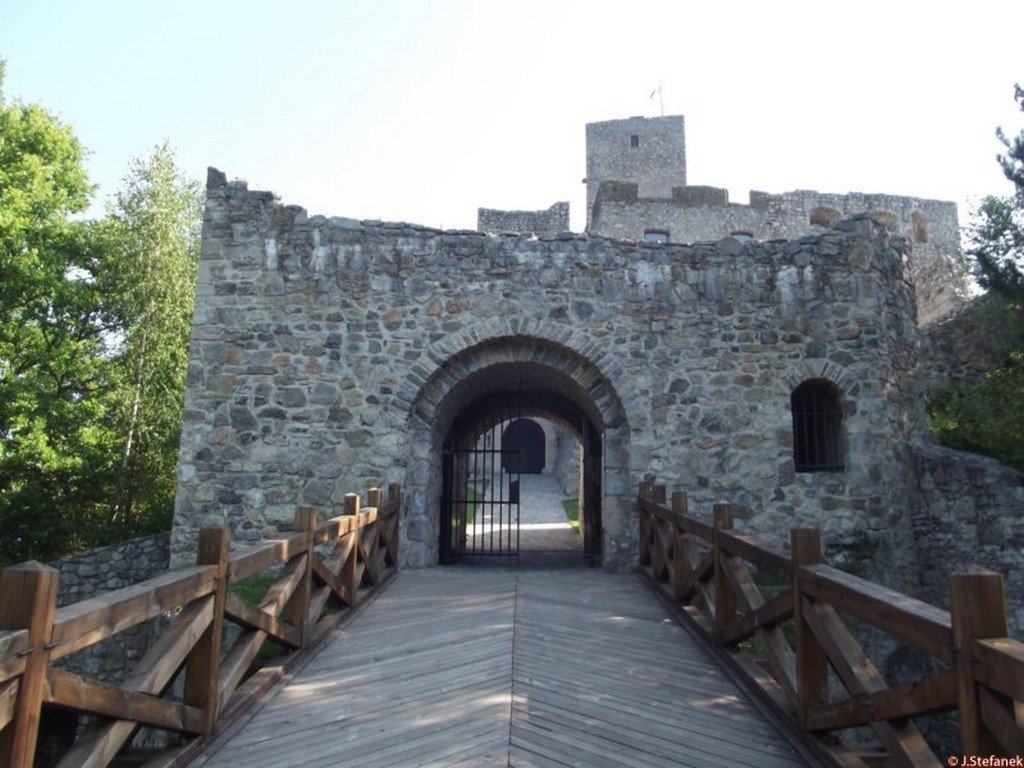
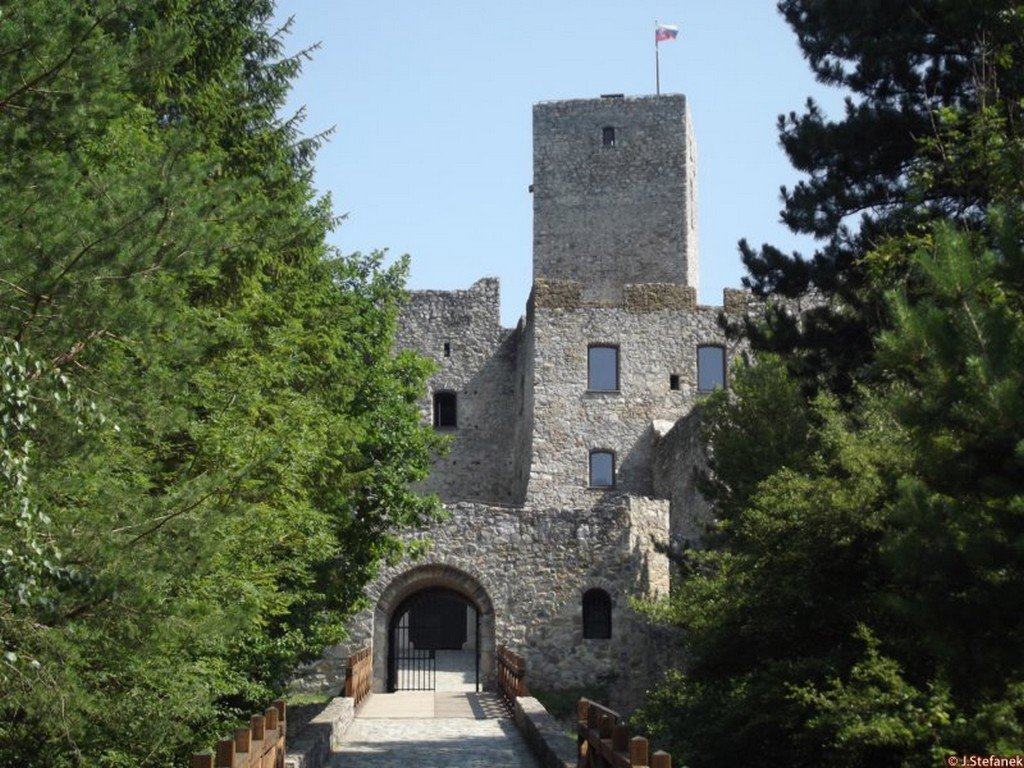
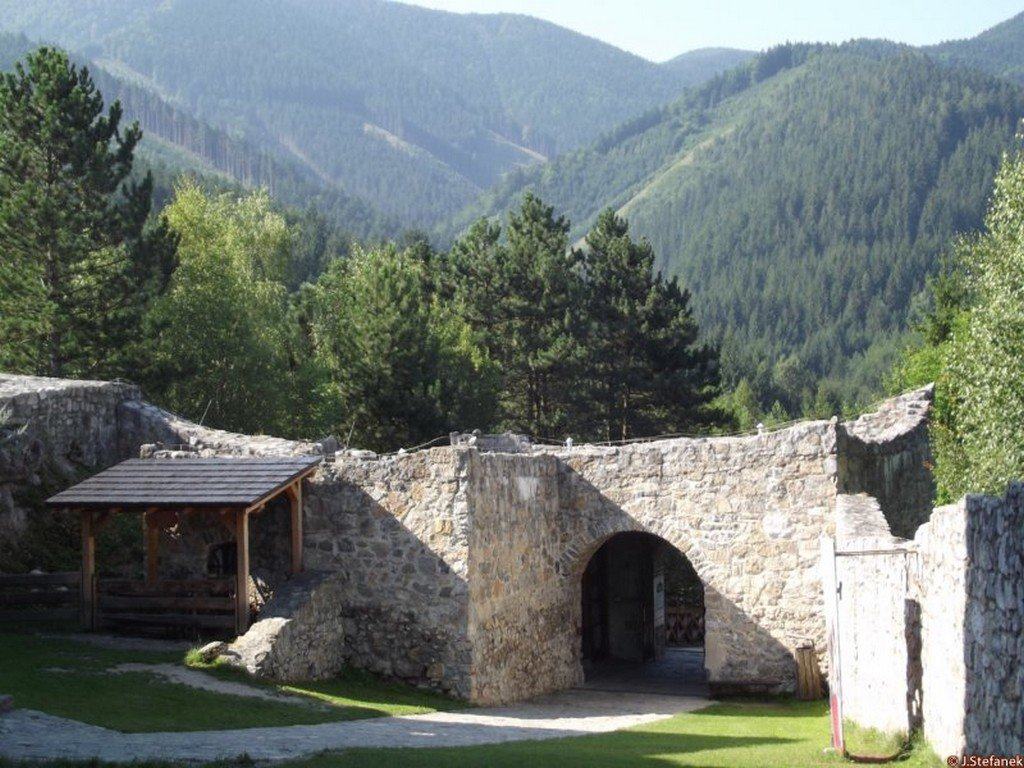
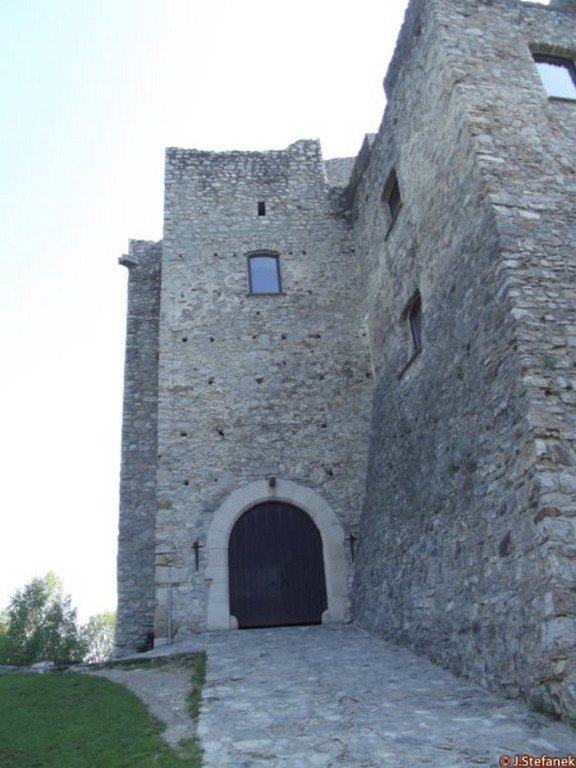
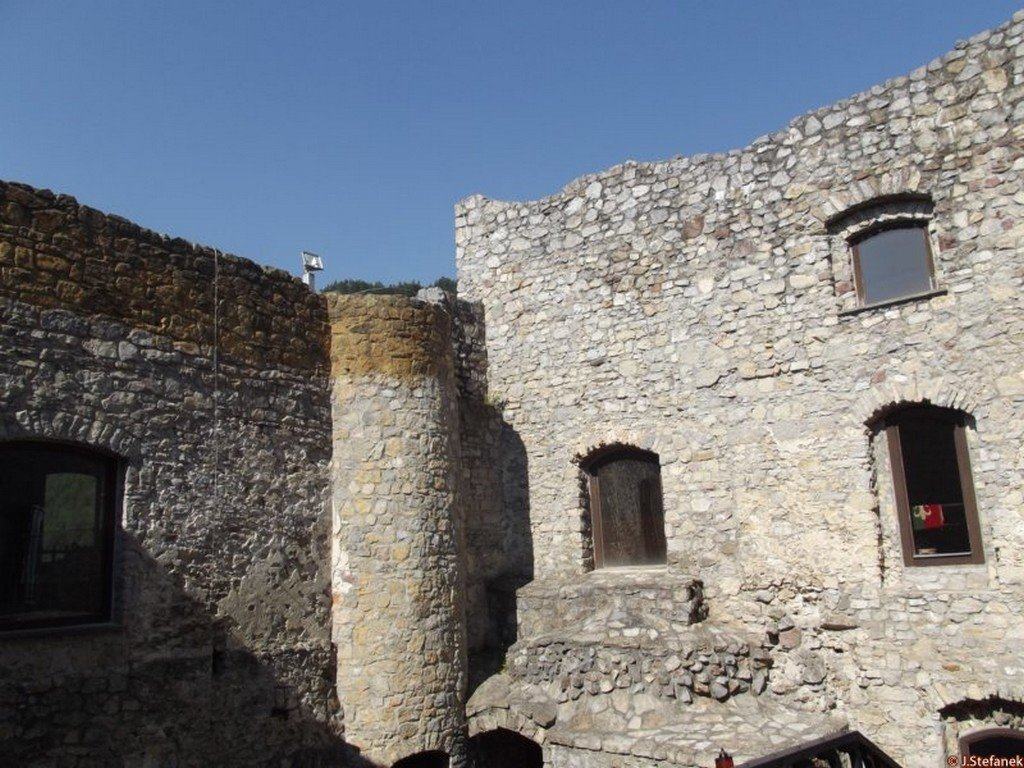
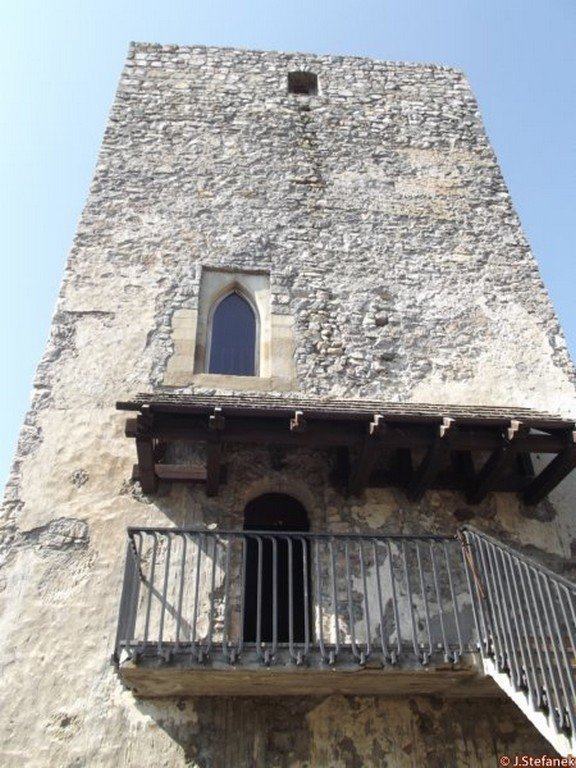
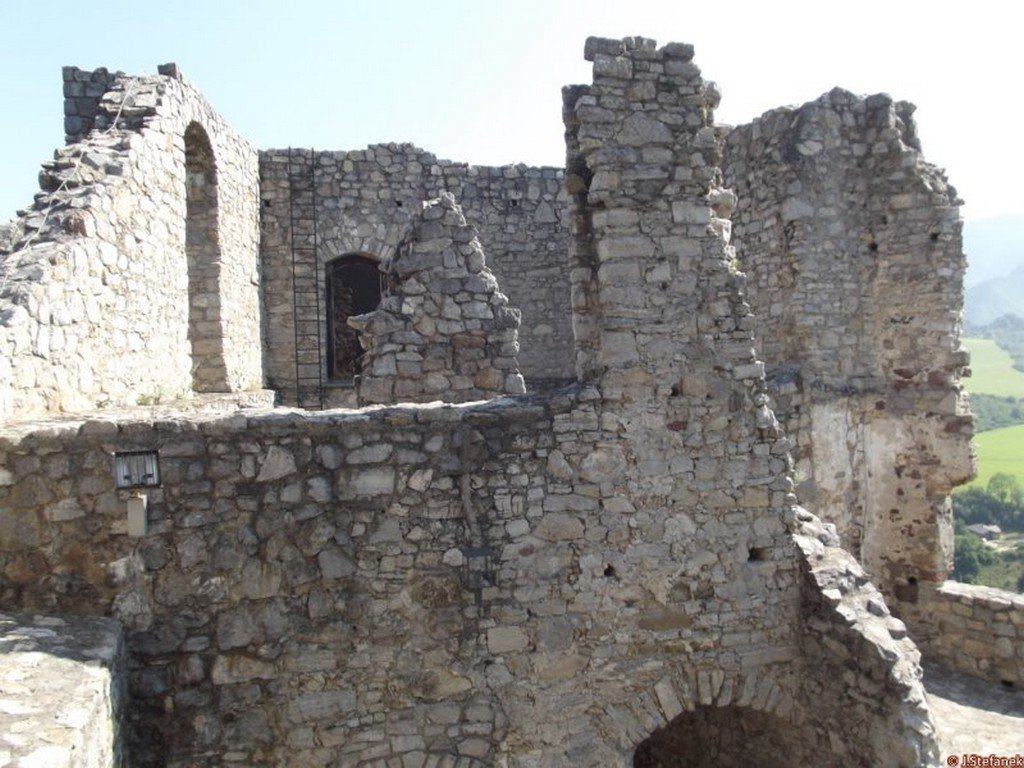
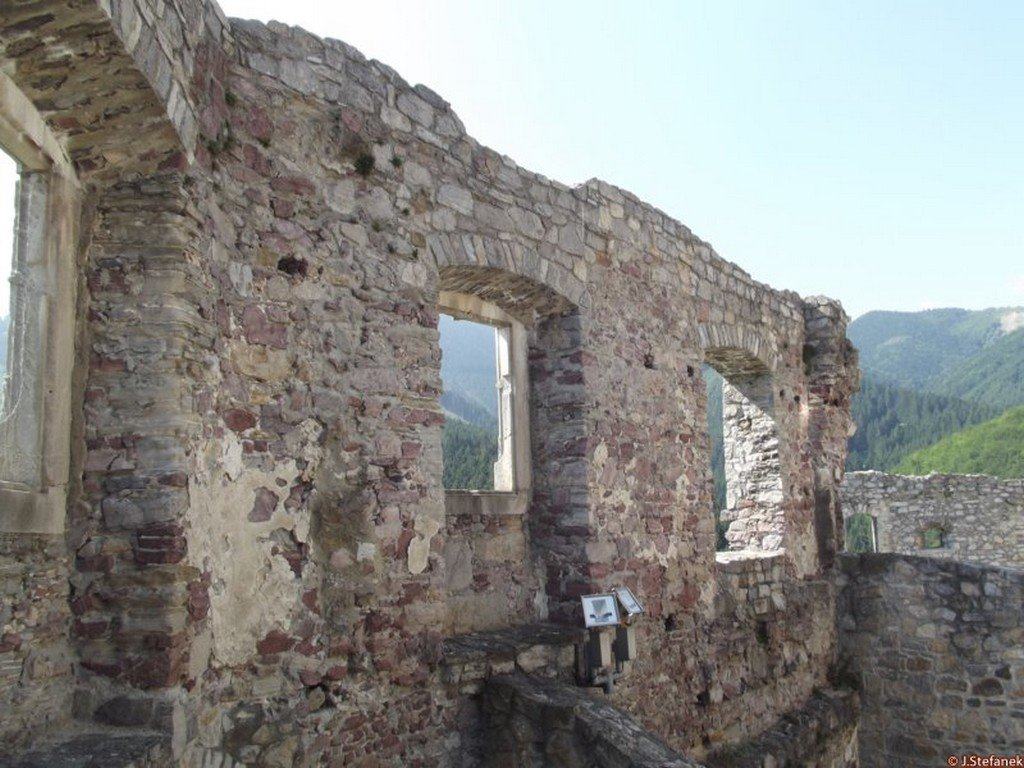
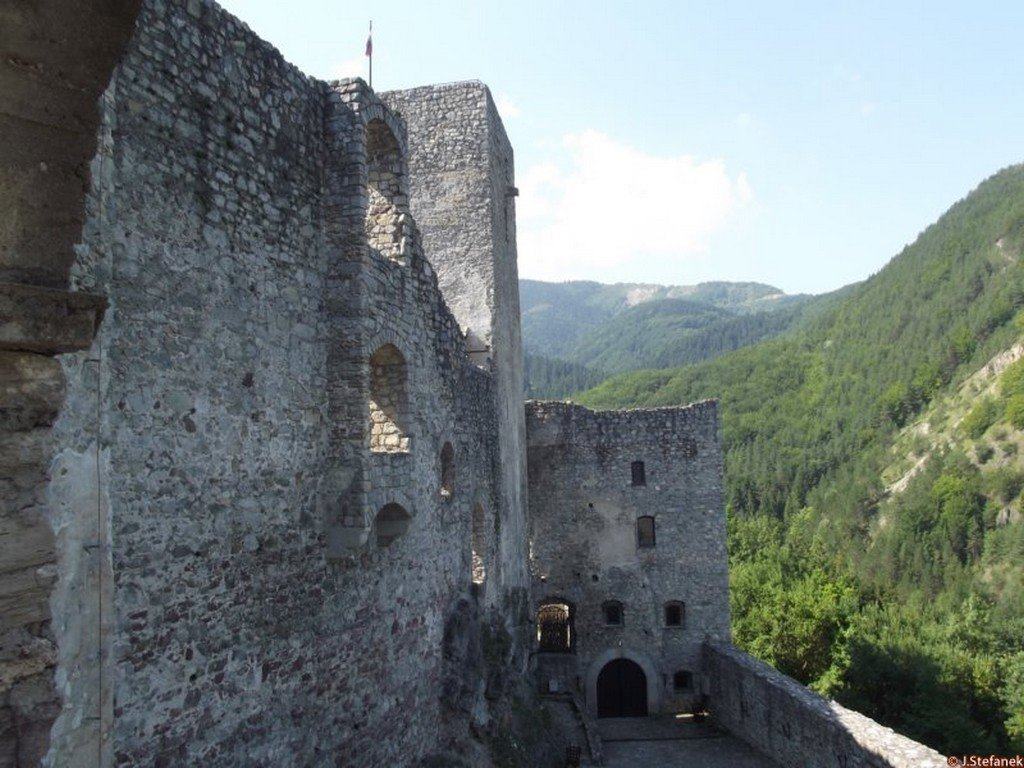
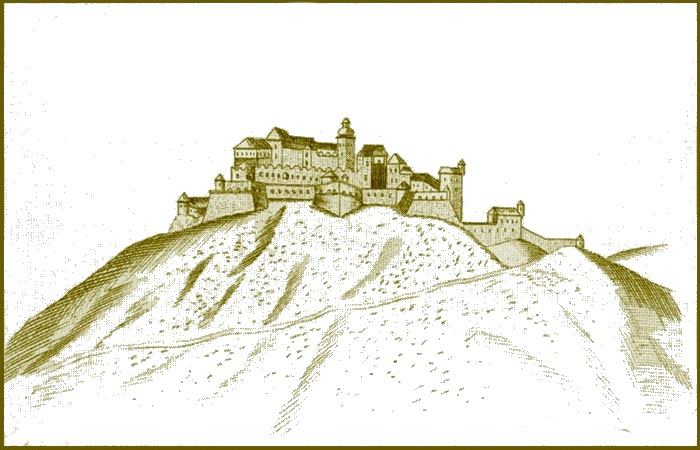
Parts of the ceiling structures, vaults and architectural elements have been preserved on the castle buildings and palaces, as well as the late Gothic windows and remnants of the vaulting rib system in the chapel. During the conservation, some of the premises were adapted to expose the castle's development and traditions.The five-storey prismatic tower with entrance on the first floor, the adjoining small courtyard with a cistern and the residential building which they later incorporated into the building of the Eastern Palace represent the original watchtower at the top of the rock. This building was gradually extended by a new courtyard, on which stands a double-winged southern palace with a spiral staircase and a northern palace finished with a Gothic chapel.
Časti konštrukcií po stropoch, klenbách a architektonické články zostali zachované na hradných budovách a palácoch, tiež neskorogotické okná a zvyšky klenbového systému pretínavých rebier v kaplnke. Počas konzervácie bola časť priestorov upravená, pre expozíciu stavebného vývoja hradu a jeho tradicií.Päťpodlažná hranolová veža so vstupom na prvom poschodí, priľahlé malé nádvorie s cisternou a obytná budova, ktorú neskôr začlenili do stavby východného paláca reprezentujú pôvodný strážny hrad na vrchole skaly. Tento objekt postupne rozšírili o nový dvor, na ktorom stojí dvojkrídlový južný palác s točitým schodiskom a severný palác zakončený gotickou kaplnkou.
Plan
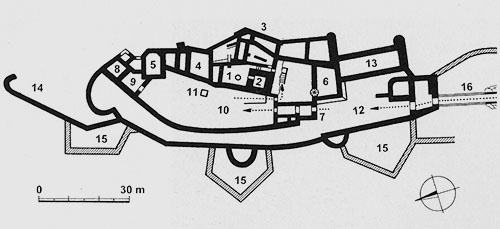
Legend to the ground plan
- 1 - courtyard of the upper castle
- 2 - tower
- 3 - east palace
- 4 - north palace
- 5 - gothic chapel
- 6 - south palace
- 7 - building of the great gate
- 8 - north tower
- 9 - renaissance gate with arcade
- 10 - first fort
- 11 - well
- 12 - second fort
- 13 - large bastion
- 14 - advanced fortification
- 15 - cannon bastions
- 16 - access bridge
Legenda k pôdorysu
- 1 - nádvorie horného hradu
- 2 - veža
- 3 - východný palác
- 4 - severný palác
- 5 - gotická kaplnka
- 6 - južný palác
- 7 - budova veľkej brány
- 8 - severná veža
- 9 - renesančná brána s arkádou
- 10 - prvé predhradie
- 11 - studňa
- 12 - druhé predhradie
- 13 - veľká bašta
- 14 - predsunuté opevnenie
- 15 - delové bastióny
- 16 - prístupový most
History
Strečno Castle was probably built at the turn of the 13th and 14th centuries, but the older settlement of the castle hill has been documented since the 9th century, when there was not only the oldest Slavic settlement, but probably also the oldest fortifications. The castle was first mentioned in 1321 in a document of Karol Róbert, in which it frees the people of Žilina from paying tolls in Trenčín, Budatín, Kysucké Nové Mesto and Strečno. In 1358 it is mentioned "castelanus de Strecnvn" - the castle of Strečno and only in 1384 is it directly called "comitatus casari Strechyn" - the county of the castle Strečno. The foundation of the castle is attributed to the Balass family. A century later, the castle was owned by the Stibor family, after which it belonged to the property of Queen Barbara and from the originally small fortress it turned into an important castle.
In 1446 the castle fell into the hands of the Liptov peasant Pongrácz from Sv. Nicholas. At the end of the 14th century, the Polish nobleman Sudivoj from Ostroroh is mentioned as the owner of the castle. Another change of ownership took place in 1483, when King Matej Korvín donated Strečno to his duke Pavel Kinizsi, who decided to rebuild and fortify the castle. In 1494, however, he fell in battle and the work begun was completed by his widow Benigna. In 1523, she sold the castle to Ján Zápoľský, who in 1529, as the crowned ruler, resigned the castle to the Kostkovci, who served as "governors of the upper castles in Považie". Mikuláš Kostka also tried to acquire the nearby Old Castle, but after a quarter of a century of land war, the Pongrácz family defended this castle. After the death of Mikuláš Kostka, Strečno acquired her husband Štefan Dersffy through his daughter Anna. Then, when Anna's granddaughter Katarína married Baron Štefan Wesselényi, at the beginning of the 17th century a new family settled in the castle, which completed the building development of the castle with early Baroque alterations.
František Wesselényi excelled as a military commander and therefore stayed away from home. His wife Žofia Bosniaková remained mainly in charge of the Strečnian estate. However, in 1644 she was not even 35 years old, she died at Strečno. Her life is full of legends and has been the subject of many books. After her death, the widower František married Maria Szécha and from 1655 he held the position of Hungarian palatine. Despite this high position, he became a leading figure in the preparation of the anti-Habsburg conspiracy. After Wesselényi's death in 1667, all his property was confiscated by the royal chamber. In the 17th century, the castle provided good protection for Thököly's insurgents, so the imperial troops under Leopold I demolished the outer fortifications and damaged the castle buildings. The new owner of the Strečni estate, the imperial general Ján Jakub Löwenburg, had the damaged areas of the castle examined in 1689, which burned down during the Thököly uprising and was deserted. At that time, they discovered the almost intact body of Žofia Bosniaková in the crypt of the castle chapel. Even before the demolition of the castle, the Löwenurg family took the mummified body to the seat of their estate in Teplička nad Váhom.
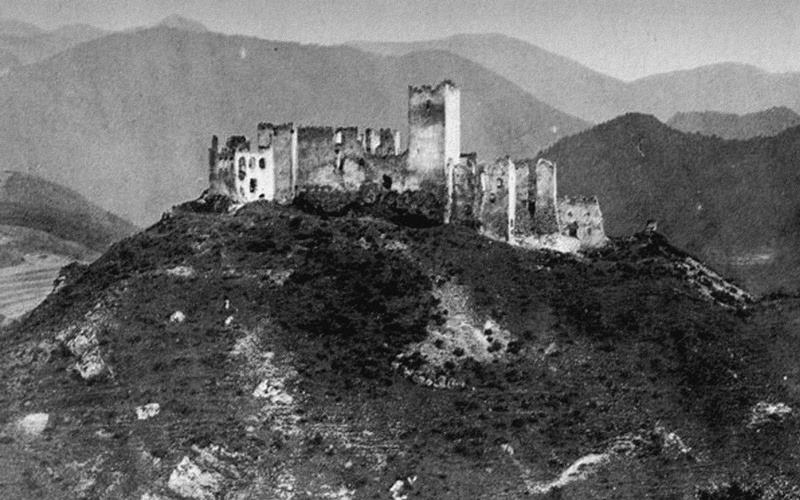
The castle has been in ruins ever since. At the beginning of the 20th century, the walls were preserved, but the largest reconstruction took place between 1978 and 1993, so that they could make it available to the public in 1995.
Hrad Strečno postavili pravdepodobne na prelome 13. a 14.storočia, ale staršie osídlenie hradného kopca je doložené už od 9.storočia, keď tu bolo nielen najstaršie slovanské osídlenie, ale pravdepodobne aj najstaršie opevnenie. Prvý raz sa hrad spomínal v roku 1321 v listine Karola Róberta, v ktorej oslobodzuje Žilinčanov od platenia mýta v Trenčíne, Budatíne, Kysuckom Novom Meste a Strečne. V roku 1358 sa spomína „castelanus de Strecnvn“ – kastelán Strečna a až v roku 1384 sa priamo hovorí „comitatus casari Strechyn“ – župa hradu Strečno. Založenie hradu sa pripisuje rodu Balassovcov. O storočie neskôr bol hrad v držbe Stiborovcov, po nich patril medzi majetky kráľovnej Barbory a z pôvodne malej pevnôstky sa menil na významný hrad.
V r.1446 sa hrad dostáva do rúk liptovského zemana Pongrácza zo Sv. Mikuláša. Koncom 14.storočia sa spomína ako majiteľ hradu poľský šľachtic Sudivoj z Ostrorohu. K ďalšej zmene vlastníctva došlo v r.1483, keď kráľ Matej Korvín daroval Strečno svojmu vojvodovi Pavlovi Kinizsimu, ktorý sa rozhodol hrad prestavať a opevniť. V r.1494 však padol v boji a započaté dielo dokončila jeho vdova Benigna. V r.1523 predala hrad Jánovi Zápoľskému, ktorý v r.1529 už ako korunovaný vladár odstúpil hrad Kostkovcom, ktorí mu slúžili ako "hajtmani zámkov horných na Považí". Mikuláš Kostka sa usiloval aj o získanie blízkeho Starého hradu, avšak po štvrťstoročnej zemepanskej vojne si tento hrad Pongráczovci ubránili. Po smrti Mikuláša Kostku Strečno získal prostredníctvom jeho dcéry Anny jej manžel Štefan Dersffy. Keď sa potom Annina vnučka Katarína vydala za baróna Štefana Wesselényiho, na začiatku 17.storočia sa na hrade usadil nový rod, ktorý včasnobarokovými úpravami dokončil stavebný vývoj hradu.
František Wesselényi vynikal ako vojenský veliteľ a zdržiaval sa preto mimo domova. Starostlivosť o strečnianske panstvo zostávala prevažne na jeho manželke Žofii Bosniakovej. Tá však v r.1644 ani nie 35-ročná, na Strečne zomrela. Jej život je opradený legendami a bol tiež námetom mnohých kníh. Vdovec František sa po jej smrti oženil s Máriou Széchy a od roku 1655 zastával funkciu uhorského palatína. Napriek tomuto vysokému postaveniu sa stal vedúcou osobnosťou pri príprave protihabsburského sprisahania. Po Wesselényiho smrti v r.1667 bol všetok jeho majetok zhabaný kráľovskou komorou. Hrad poskytoval v 17. storočí dobrú ochranu Thökölyho povstalcom, preto cisárske vojská za Leopolda I. vonkajšie opevnenie zbúrali a poškodili aj hradné budovy. Nový vlastník strečnianskeho panstva, cisársky generál Ján Jakub Löwenburg, dal v r.1689 preskúmať poškodené priestory hradu, ktorý vyhorel počas Thökölyho povstania a od požiaru pustol. Vtedy objavili v krypte hradnej kaplnky takmer neporušené telo Žofie Bosniakovej. Mumifikované telo ešte pred zbúraním hradu Löwenurgovci odviezli do sídla svojho panstva v Tepličke nad Váhom.
Hrad stál od tej doby v ruinách. Začiatkom 20.storočia konzervovali múry, ale najväčšia rekonštrukcia prebiehala v rokoch 1978 až 1993, aby ho v roku 1995 mohli sprístupniť verejnosti.
Myths and legends
Strečno's Saint
František Wesselényi, the husband of Mrs. Žofia, kept his duties outside the castle and the sparrows in Strečno were already chirping that he was constantly cheating him. Žofia sought oblivion in helping her neighbors and comforting her in prayer. She often prayed in a light shirt and barefoot in a rock chapel near Váh, where she was once found almost dead. However, she always forgave her husband. But he was still angry with her. Once, when cholera was rising in the county, he forbade burying the dead. Zofia broke the order and laid the dead on the night of the dead. The angry lord of the castle threatened her, but she always did what her heart and faith preached. When the lord came home from the war, she was praying. Her husband called her, but she told him that she was now talking to a bigger master than he was. An angry Wesselényi punished her, but eventually pleaded her again.
Beautiful Marienka
Neighbors from the Old Castle and Strečno burned almost simultaneously with love for the beautiful Marienka from the Strečno castle. Although the bride was forcibly taken to the altar by the Střecni castle lord, Marienka loved the noble Milka - the lord of the Old Castle. The Strečnian castle lord therefore insidiously murdered his juice. Marienka then fled the cursed castle Strečno and secretly visited Milk's grave at night. The Strečniansky lord found out about this and waited on the shore of Váh for Marienka to apologize to her. However, a knight in armor arrived, and the lord of the castle, believing that he was going to avenge Milk's death, wasted the knight. However, she was a knight dressed and unknown Marienka.
Margita and Besná
A rich farm once lived on a farm below Strečno. He was widowed as a young man and raised his daughter himself. Although Margita resembled an undeveloped puck, there was no beauty in her pair. When she turned sixteen, the farmer told himself that he would not protect so much beauty alone. He thought she needed a new mother. He married a widow. She was a beautiful woman, proud and proud like a peacock! She had a black mane stretched with golden needles in a knot, a tailor-made button and a skirt decorated with lace. She wanted to like everyone, especially the young stump, who worked on the farm. But the housewife revolved around the boy in vain! Paholok had eyes only for Margita. He saw that the girl had a bad start on the farm. The housewife drove Margita from the room to the stable to sleep with the horses. She gave her the roughest piece of robots in the house, let the girl lose her beauty in the ashes and dirt.
But not even the rough work wiped the pollen of innocence and youth from Margita's face. She flourished more and more day by day. Maybe it was because she also started liking the lion. The young people looked at each other, and since they were close from heart to heart, they agreed to get married in the spring. Paholok went to the house and asked for Margita's hand. When the housewife found out about it, she was overwhelmed with anger and anger. She wondered how she would get rid of her stepdaughter. She decided to kill her stepdaughter. One morning a girl called and said, "You will bring a letter from my relative, who lives in Turkey. Get ready for the journey at once. ”The tame girl, taught to obey, nemo just nodded and set out to carry the written letter without distraction. The housekeeper slipped behind him. As they walked away from the farm and found themselves on the steep bank of the Vah, the unhappy girl whipped into the water. He was immediately caught in the turbulent waters. The evil housewife went back home. Maybe her sin would never have come to light if her sweetheart hadn't been worried about Margita. He noticed that the girl had been sent by the housewife somewhere in the morning. He also noticed how he was secretly sneaking up behind her. He followed her down the sidewalk. He saw the rushing water pulling his sweetheart in the middle of Vah. He rushed after her to save her. He pulled Margita ashore, but there was no life in it. He raised her all night for free! So his friends found him there. One of them asked him, "Tell us what happened?" But now my happiness is over forever! ”The bachelors felt sorry for the angry friend. In anger, they went to the farm, took the housekeeper and dragged her to Vah. She resisted them unnecessarily, defended herself unnecessarily, screamed in vain for rat. There, at the same place where Margita had found her death, they threw the housekeeper into the water. The water propelled her right where the unfortunate goddess swayed in the arms of the dead Margita. He wanted to rub his crying eyes with his sleeve. He looked up and suddenly saw the housewife rushing at him across the water. He was afraid that even now he wanted to hurt his sweetheart. He jumped into the water to protect Margita with his own body. It turned into a violent vortex, which tore the housewife a few feet away and knocked it ashore.
At that moment, the housewife turned into a rock, as gloomy and rabid as the anger in her heart. That is why Besná still says that rock. Margita did not escape the miraculous transformation either. It, too, has become a rock that faith still defends. It will protect her as long as Váh remains Váhom and as long as this reputation is told.
Strečnianska svätica
Františka Wesselényiho, manžela panej Žofie, povinnosti držali stále mimo hradu a na Strečne už aj vrabce čvirikali, že jej neustále "zakáša". Žofia hľadala zabudnutie v pomoci blížnym a útechu v modlitbách. Často sa modlila v ľahučkej košielke a bosá v skalnej kaplnke pri Váhu, kde ju raz našli takmer mŕtvu. Svojmu manželovi však vždy odpustila. Ten ju však stále hneval. Raz, keď v kraji vyčíňala cholera, zakázal pochovávať mŕtvych. Žofia nariadenie porušila a v noci nebožtíkov sama ukladala do zeme. Nasrdený hradný pán sa jej vyhrážal, ale ona urobila vždy to, čo jej kázalo srdce a viera. Keď raz prišiel pán domov z vojny, ona sa práve modlila. Manžel ju dal zavolať k sebe, ale ona mu odkázala, že teraz sa zhovára s väčším pánom než je on. Rozhnevaný Wesselényi ju potrestal, ale nakoniec ju znova odprosoval.
Krásna Marienka
Susedia zo Starého hradu a Strečna zahoreli takmer súčasne láskou ku krásnej Marienke z podhradia Strečna. Hoc k oltáru si nevestu násilím odviedol strečniansky hradný pán, Marienka milovala šľachetného Milka - pána zo Starého hradu. Strečniansky hradný pán preto svojho soka zákerne zavraždil. Marienka následne utiekla z prekliateho hradu Strečno a nocou tajne navštevovala Milkov hrob. Strečniansky pán sa o tom dozvedel a na brehu Váhu čakal na Marienku, aby ju odprosil. Prišiel však rytier v brnení a hradný pán domnievajúc sa, že ide pomstiť Milkovu smrť, rytiera zmárnil. Bola to však za rytiera preoblečená a nepoznaná Marienka.
Margita a Besná
Kedysi žil na statku pod Strečnom bohatý gazda. Za mladi ovdovel a sám vychovával svoju dcéru. Hoci sa Margita podobala na nerozvitý puk, v kráse jej páru nebolo. Keď dovŕšila šestnásty rok, povedal si gazda, že nebude chrániť toľkú krásu sám. Nazdal sa, že jej novej matky treba. Zobral si za manželku vdovicu. Pekná to bola žena, hrdá a pyšná ako páv! Čiernu hrivu mala zlatými ihlicami do uzla vypätú, lajblík ušitý na mieru a sukňu vyzdobenú čipkami. Chcela sa všetkým páčiť, hlavne mladému paholkovi, ktorý robil na statku. No gazdiná sa okolo chlapca márne točila! Paholok mal oči len pre Margitu. Videl, že dievčaťu sa zle začalo na gazdovstve vodiť. Gazdiná vyhnala Margitu z izby do stajne, aby tam spávala s koňmi. Pridelila jej v dome najhrubší kus roboty, nech dievča stratí v popole a špine svoju krásu.
No ani hrubá práca nezotrela z Margitinej tváre peľ nevinnosti a mladosti. Zo dňa na deň čoraz viac rozkvitala. Možno to bolo tým, že aj jej sa začal paholok páčiť. Mladí sa zahľadeli do seba a keďže mali od srdca k srdcu blízko, dohodli sa, že sa na jar vezmú. Paholok zašiel za gazdom a požiadal ho o Margitinu ruku. Keď sa o tom dozvedela gazdiná, schytila ju náramná zlosť a hnev. Rozmýšľala, ako by sa nevlastnej dcéry zbavila. Rozhodla sa, že svoju pastorkyňu zabije. V jedno ráno si zavolala dievča a hovorí: ,,Zanesieš list mojej príbuznej, čo býva v Turci. Zaraz sa chystaj na cestu.“ Krotké dievča, naučené poslúchať, len nemo prikývlo a vydalo sa bez odvrávania zaniesť napísaný list. Gazdiná sa ukradomky vybrala za ním. Keď sa vzdialili od gazdovstva a ocitli sa pri strmom brehu Váhu, sotila nešťastné dievča do vody. Ihneď ho schmatli rozbúrené vody. Zlá gazdiná sa pobrala nazad domov. Možno by jej hriech nebol nikdy vyšiel najavo, keby sa o Margitu nestrachoval jej milý. Všimol si, že dievča hneď za rána gazdiná kdesi poslala. Zbadal aj to, ako sa za ňou potajomky vykráda. Dal sa po chodníčku za ňou. Videl, ako prudká voda ťahá jeho milú doprostred Váhu. Vrhol sa za ňou, aby ju zachránil. Vytiahol síce Margitu na breh, no života v nej už nebolo. Darmo ju celú noc kriesil! Tak ho tam našli kamaráti. Jeden z nich sa ho opýtal: ,,Povedz nám, čo sa stalo?“ ,,Gazdova žena na život mojej milej siahla,“ odpovedal im paholok ,,Chceli sme na jar svadbu chystať. Teraz sa však už moje šťastie navždy skončilo!“ Mládencom prišlo ľúto užialeného kamaráta. V hneve sa vybrali na gazdovstvo, zobrali gazdinú a ťahali ju k Váhu. Zbytočne sa im vzpierala, zbytočne sa bránila, márne o ratu kričala. Tam, na tom istom mieste, kde Margita svoju smrť našla, hodili gazdinú do vody. Voda ju prudko hnala práve tam, kde nešťastný paholok hojdal v náručí mŕtvu Margitu. Chcel si pretrieť uplakané oči rukávom. Zdvihol zrak a zrazu zbadal, ako sa cez vodu gazdiná k nemu rúti. Zľakol sa, že ešte i teraz chce jeho milej ublížiť. Skočil do vody, aby Margitu chránil vlastným telom. Premenil sa na prudký vír, čo strhol gazdinú o niekoľko metrov ďalej a tam ju sotil o breh.
V tom okamihu sa gazdiná zmenila na skalu, rovnako pochmúrnu a besnú, ako zloba v jej srdci. Preto tej skale až dodnes vravia Besná. Zázračnej premene neušla ani Margita. Aj z nej sa stala skala, ktorú vír stále bráni. Bude ju chrániť, kým Váh Váhom zostane a kým sa bude rozprávať táto povesť.
Useful information
Opening hours and admission
Otváracia doba a vstupné
External links
Nearby castles