Slovenská Ľupča
Slovenská Ľupča Banská Bystrica county Slovakia
castle, chateau
Slovenská Ľupča
Slovenská Ľupča Banskobystrický kraj Slovakia
hrad, zámok
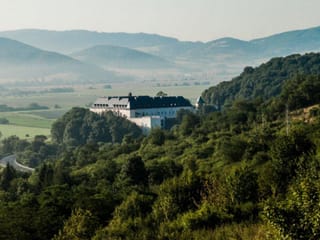
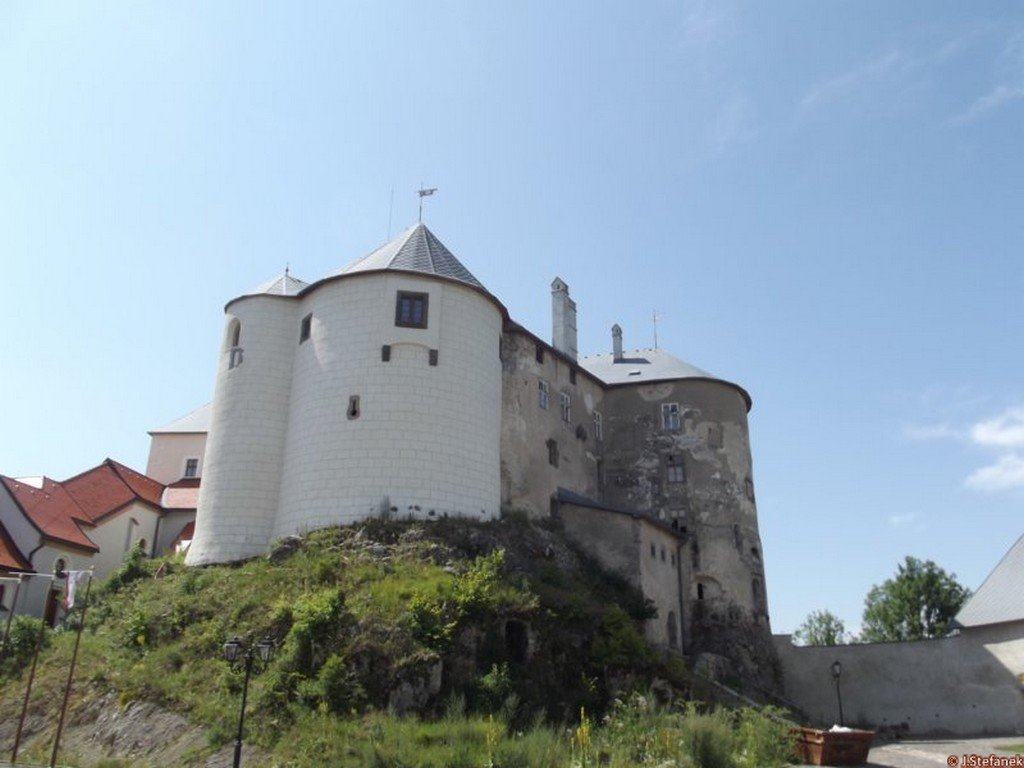
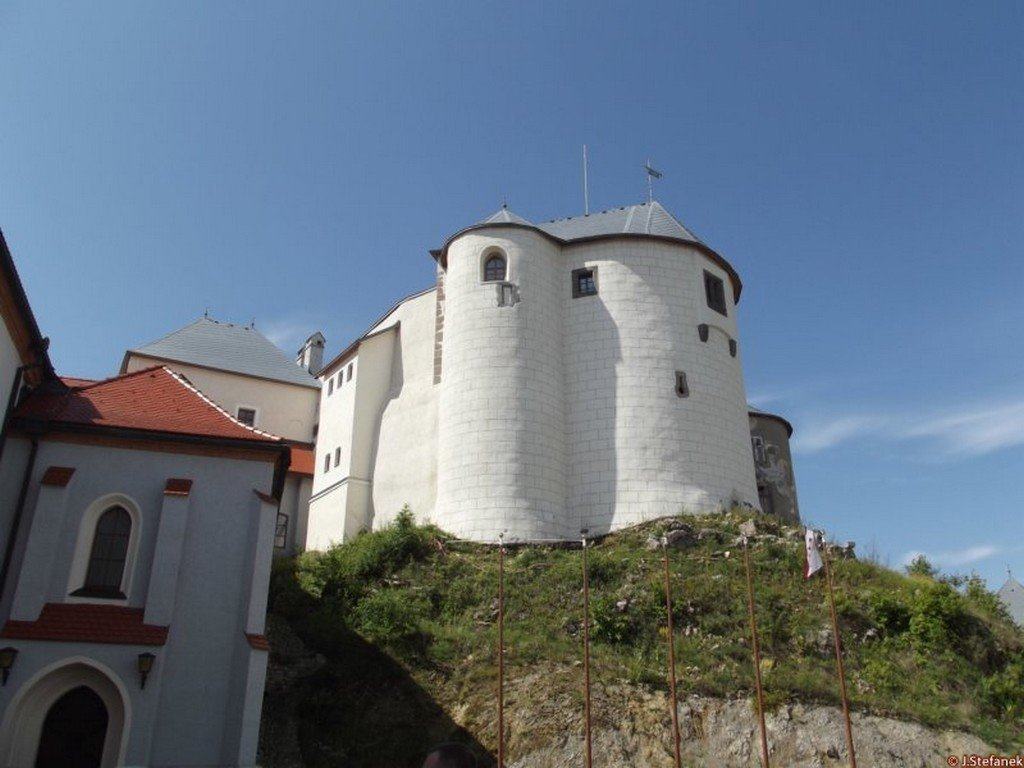
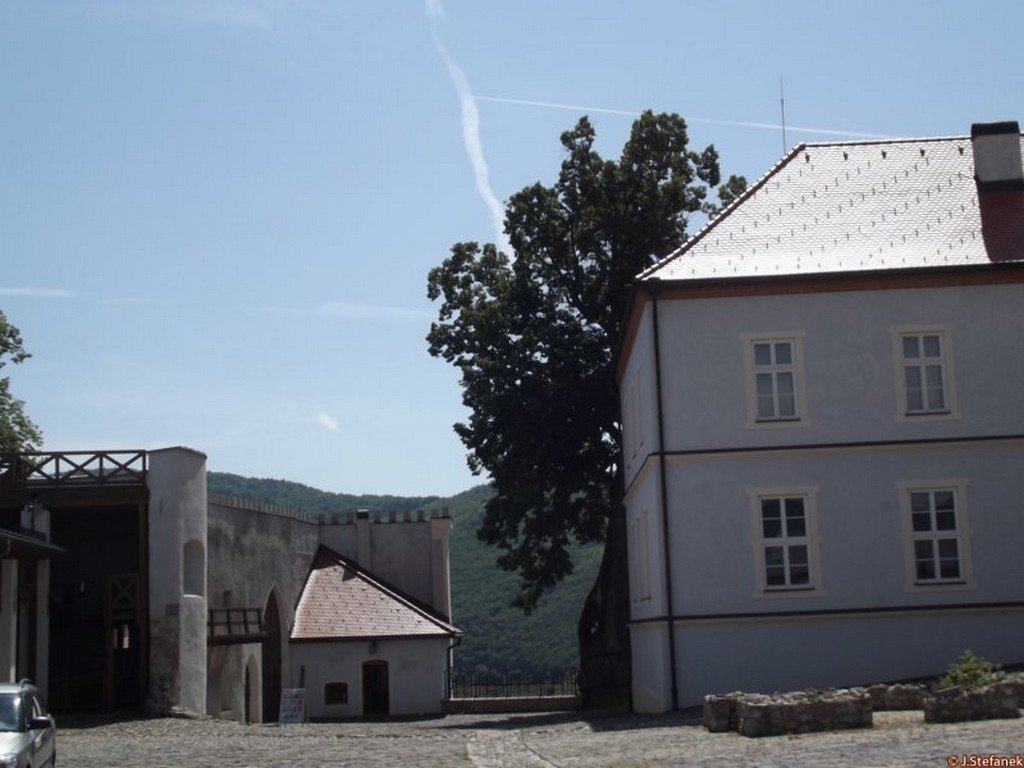
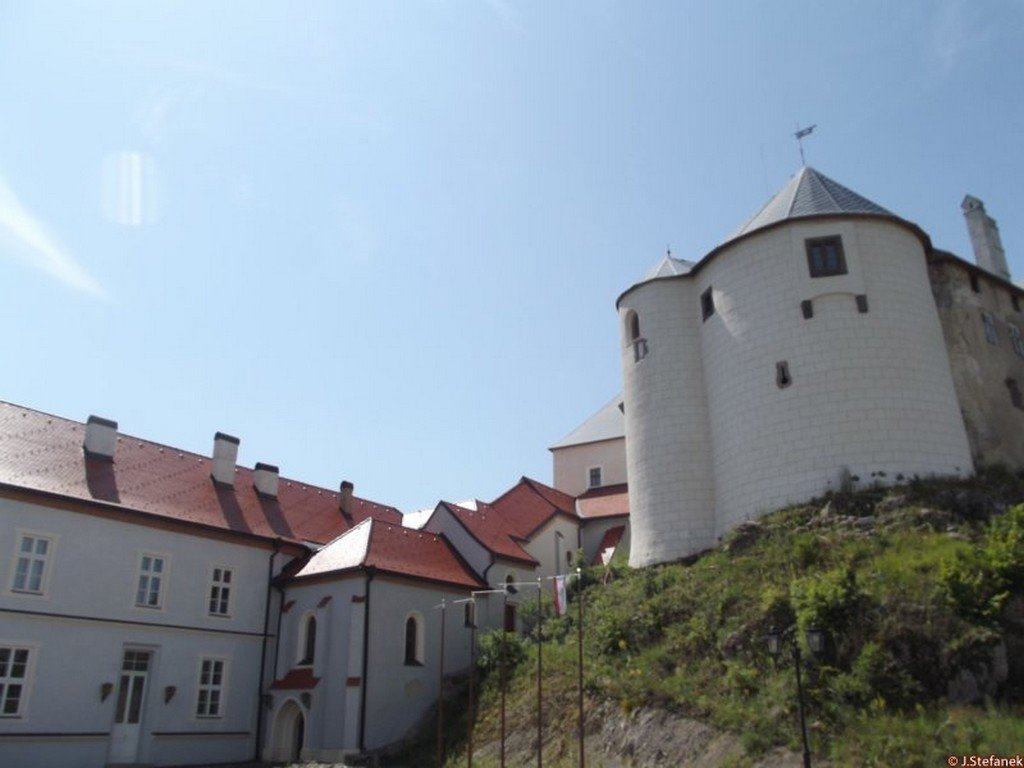
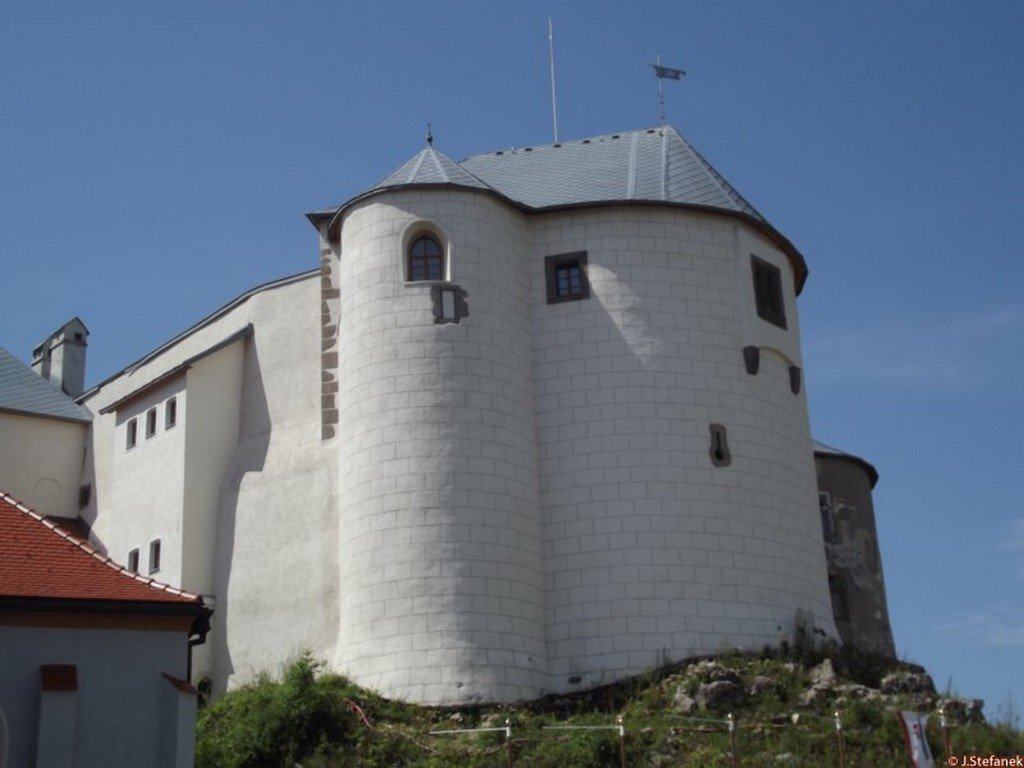
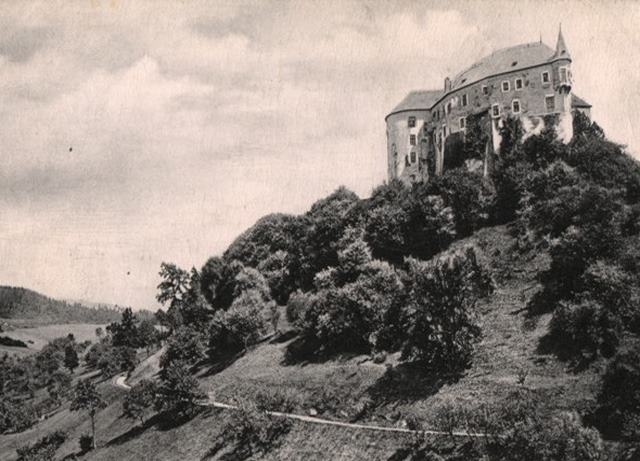
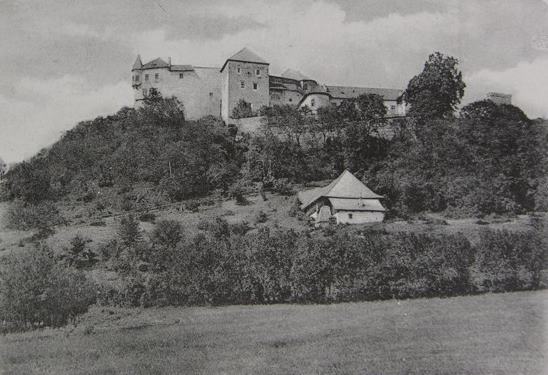
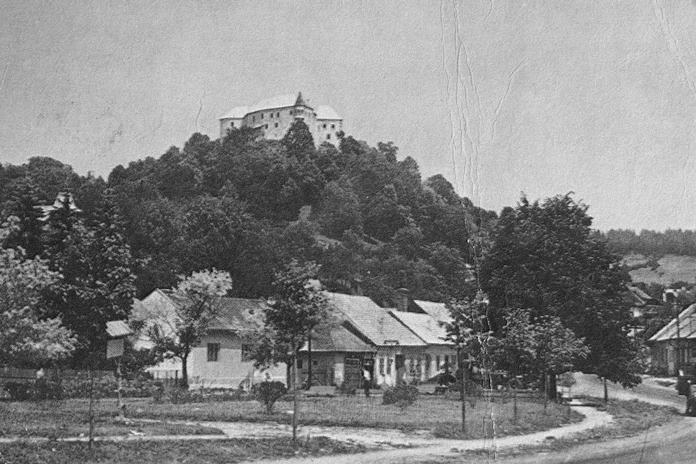
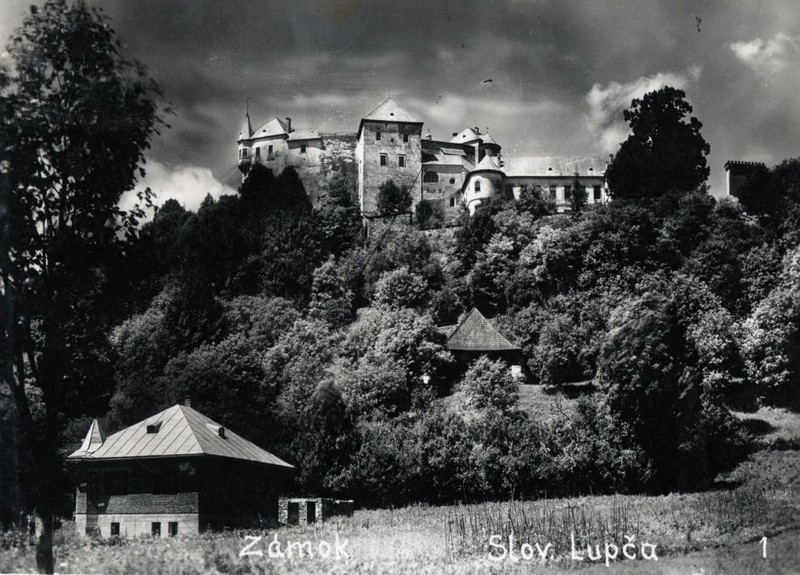
Preserved reconstructed castle on the heights in the Bystrické podolie of the Zvolen Basin, rising above the eastern edge of the village of Slovenská Ľupča
Zachovaný rekonštruovaný hrad na výšine v Bystrickom podolí Zvolenskej kotliny, čnejúci nad východným okrajom obce Slovenská Ľupča
Previous names
Ľupčiansky hrad, Liptza, Lipche, castrum de Lypche
Roads
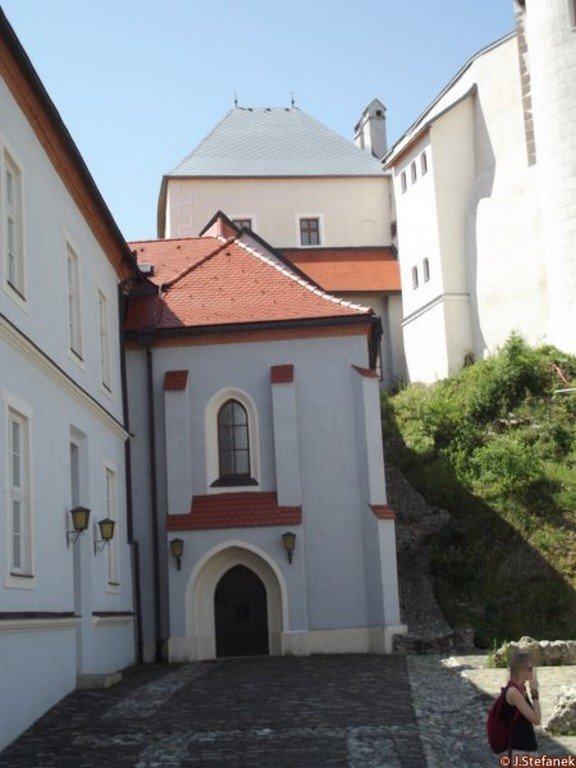
We can approach the Ľupčiansky castle directly from the village of Slovenská Ľupča. We get to Pod zámkom street, from which we then turn onto a very narrow asphalt road, which leads next to the chapel to the castle. There is parking right in front of the castle. However, care must be taken on this road, because it is very narrow, it is a big problem to avoid an oncoming vehicle.If we come on foot, we can use the shortcut along the historic road to the castle, which begins at the beginning of the mentioned asphalt by turning right in front of the chapel.
K Ľupčianskemu hradu sa dostaneme priamo z obce Slovenská Ľupča. Dostaneme sa na ulicu Pod zámkom, z ktorej potom odbočíme na veľmi úzku asfaltovú cestu, ktorá popri kaplnke vedie až k hradu. Priamo pred hradom je parkovisko. Na tejto ceste však treba byť opatrný, keďže je veľmi úzka, je veľký problém sa vyhnúť protiidúcemu vozidlu.Ak prichádzame peši, môžeme využiť skratku po historickej ceste na hrad, ktorá začína na začiatku spomínanej asfalky odbočkou vpravo ešte pred kaplnkou.
Description
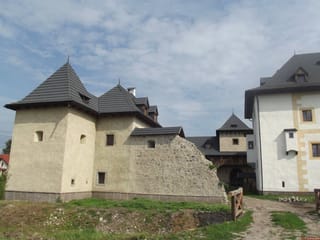
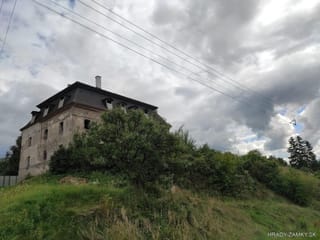
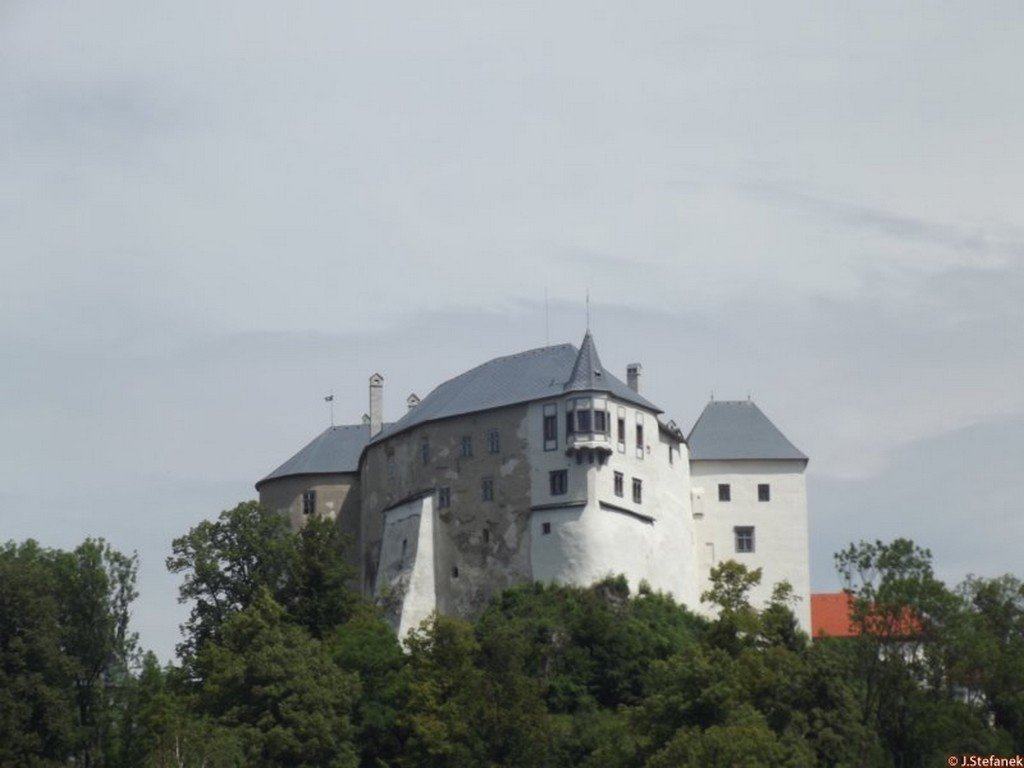
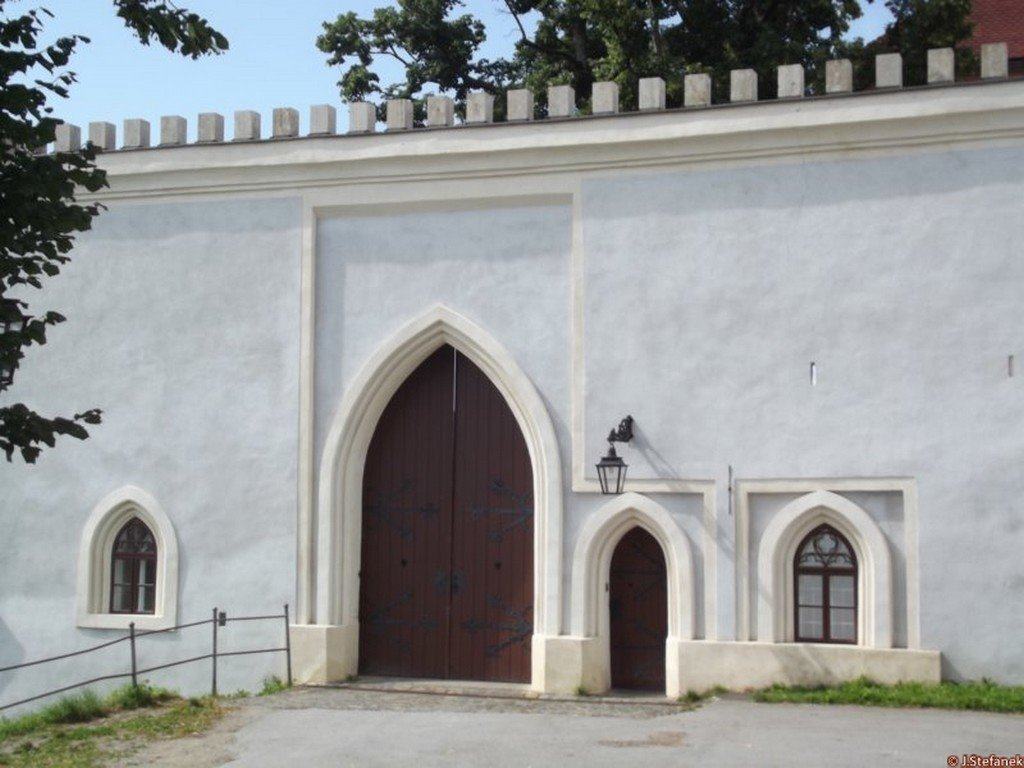
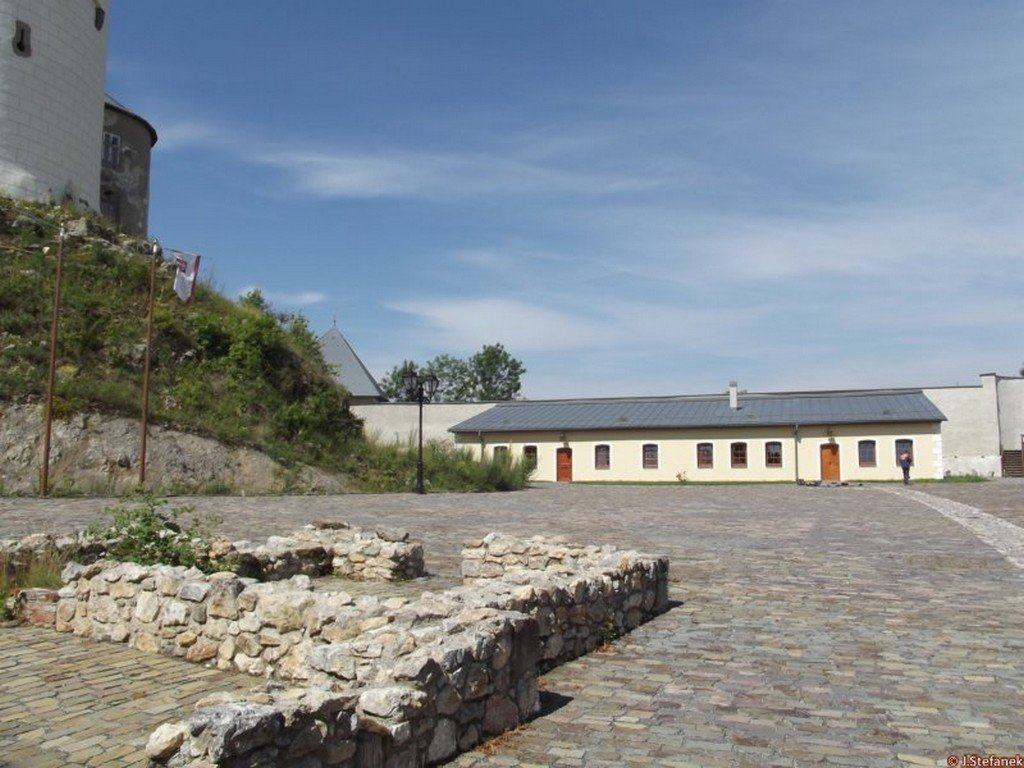
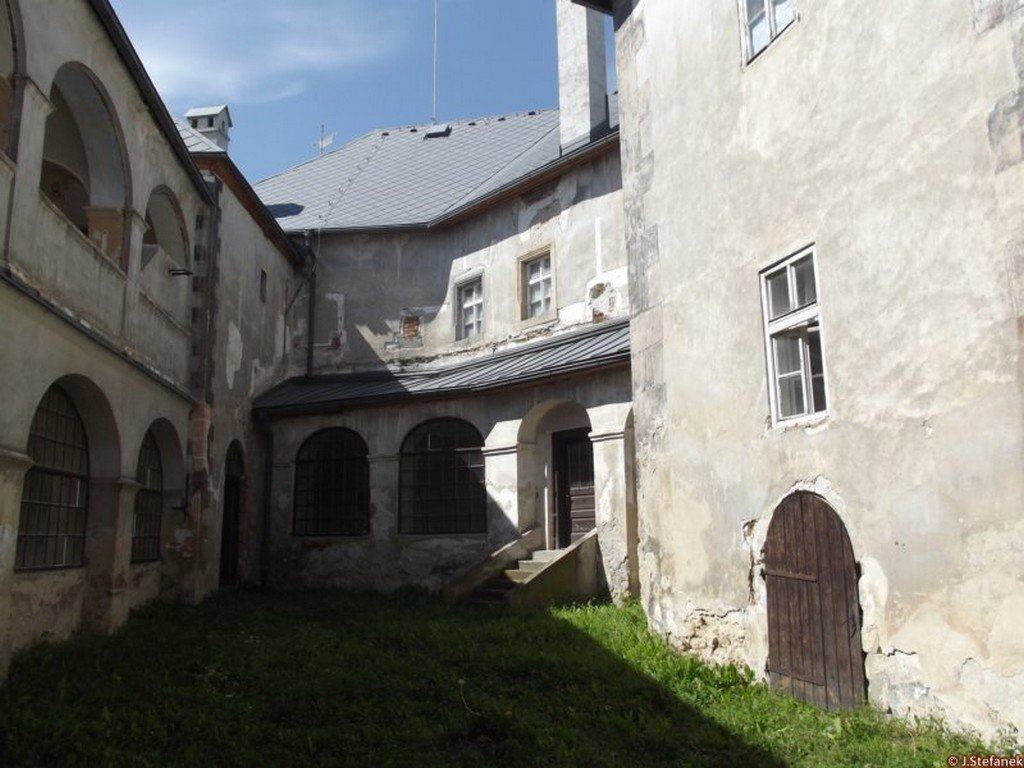
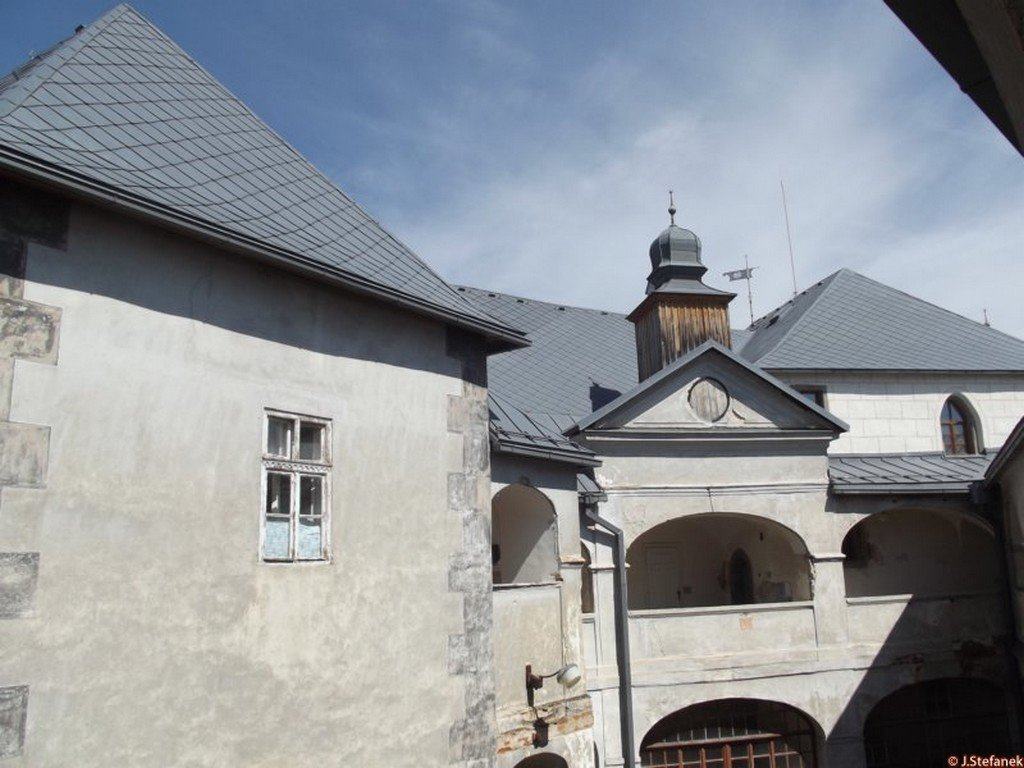
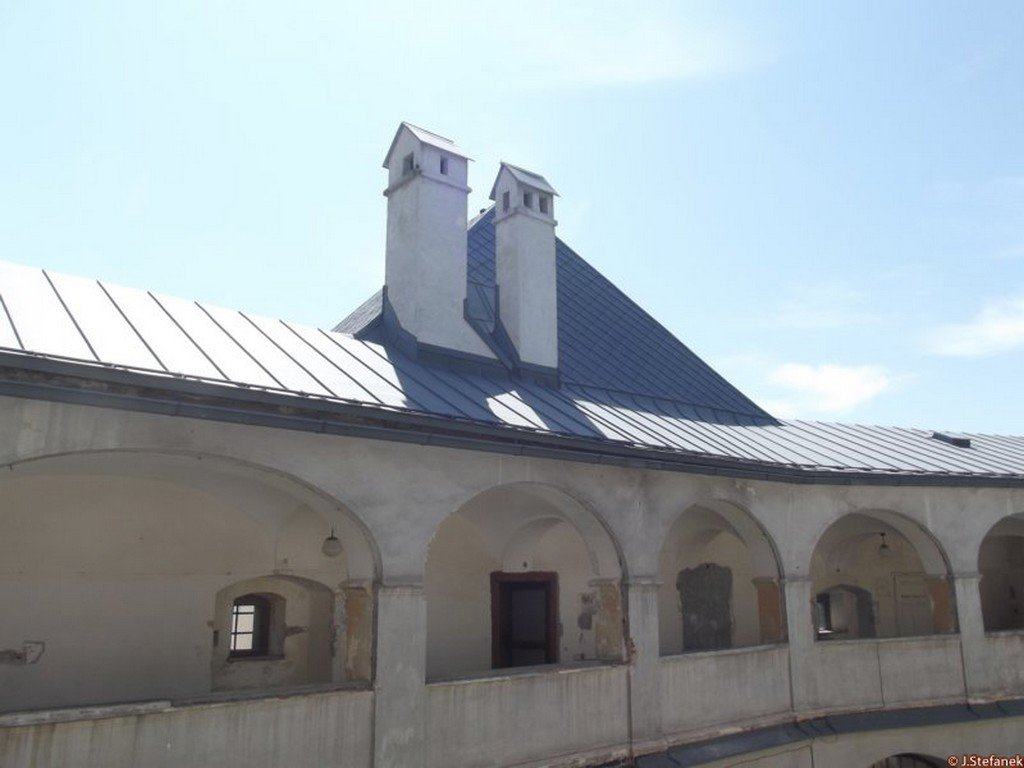
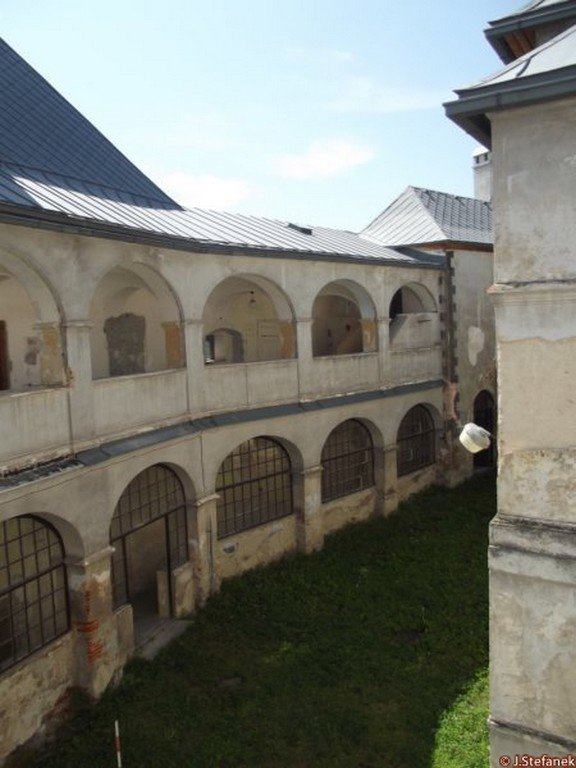
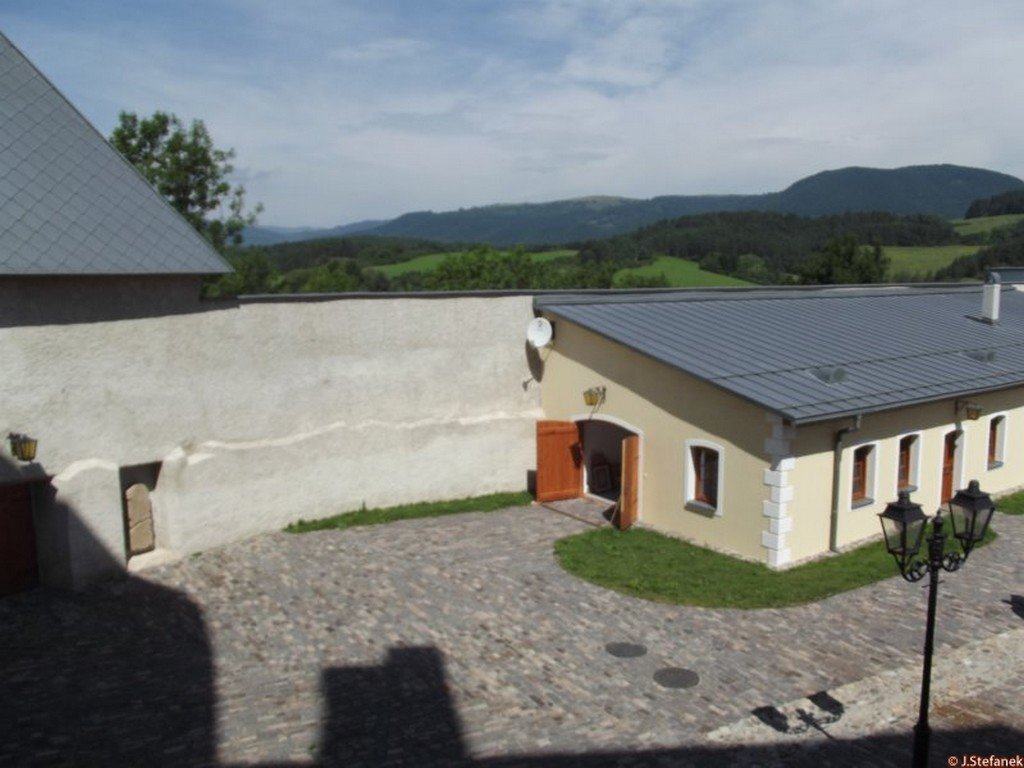
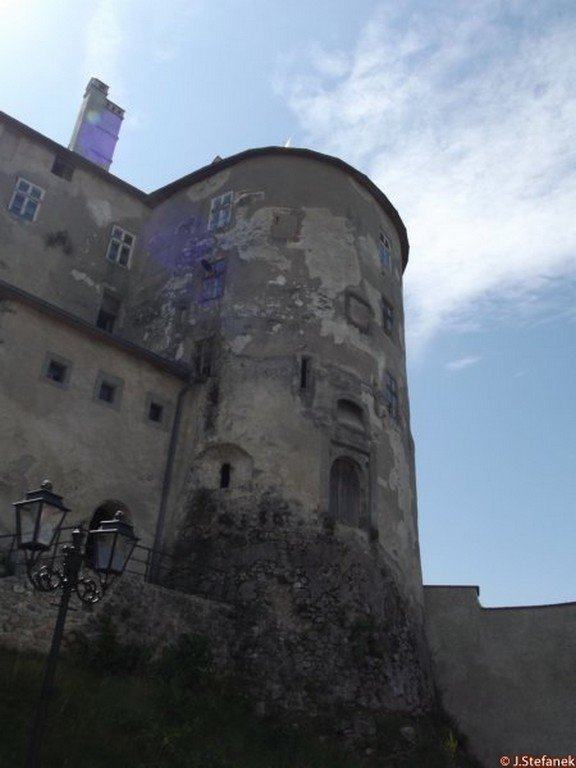
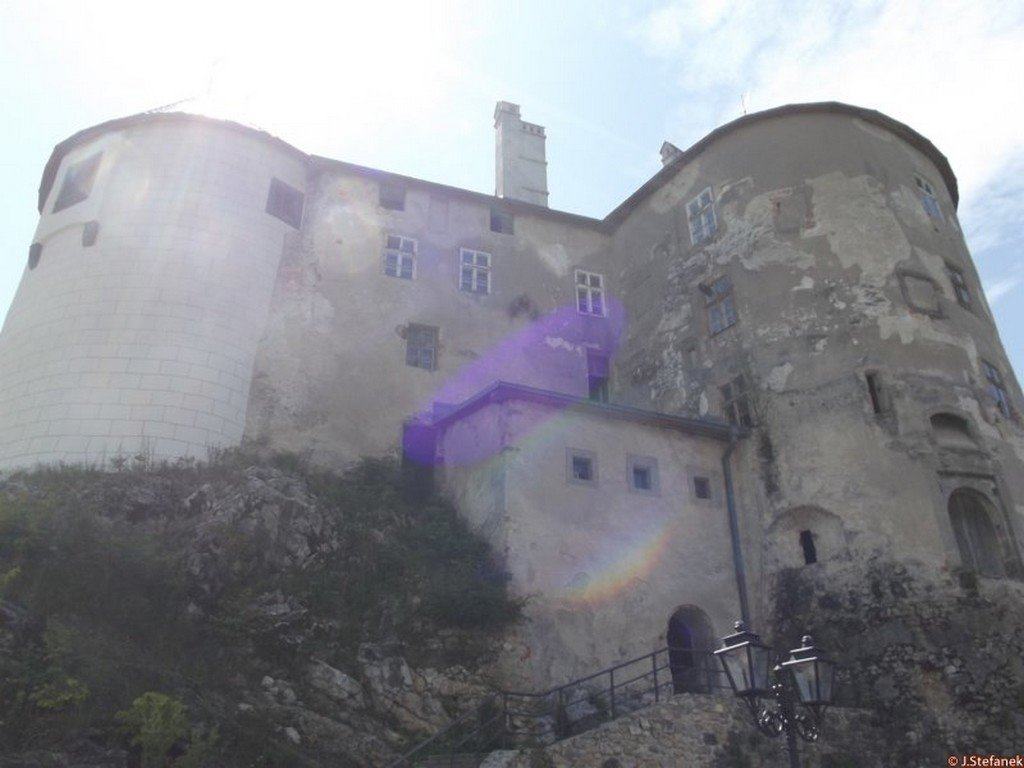
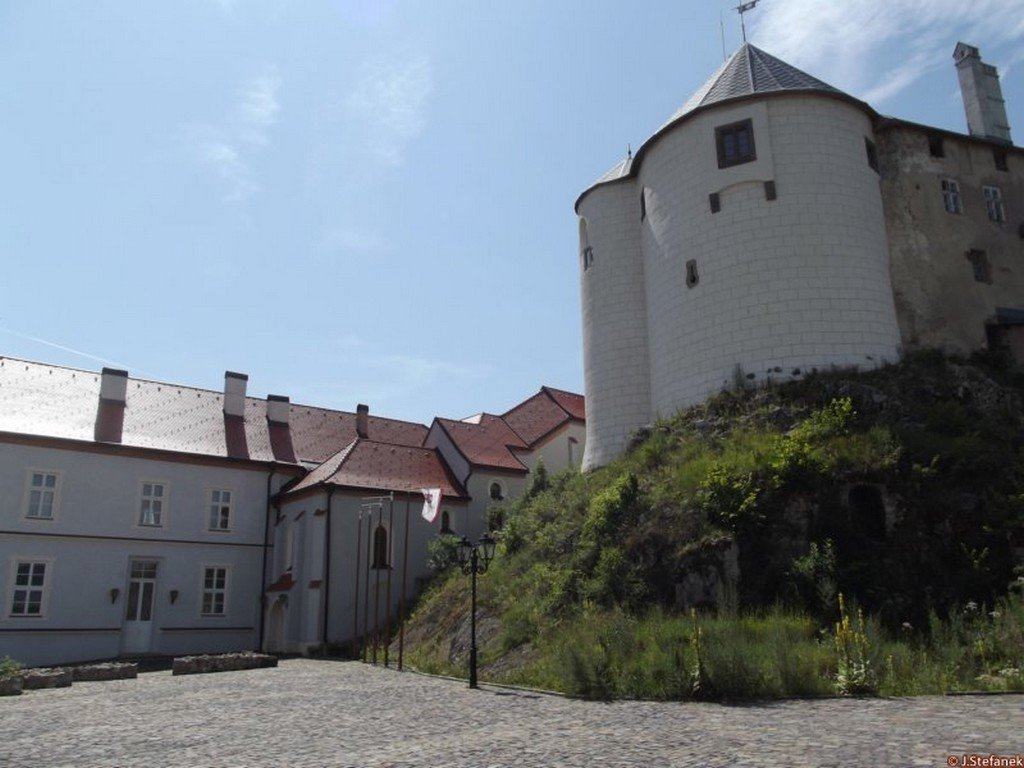
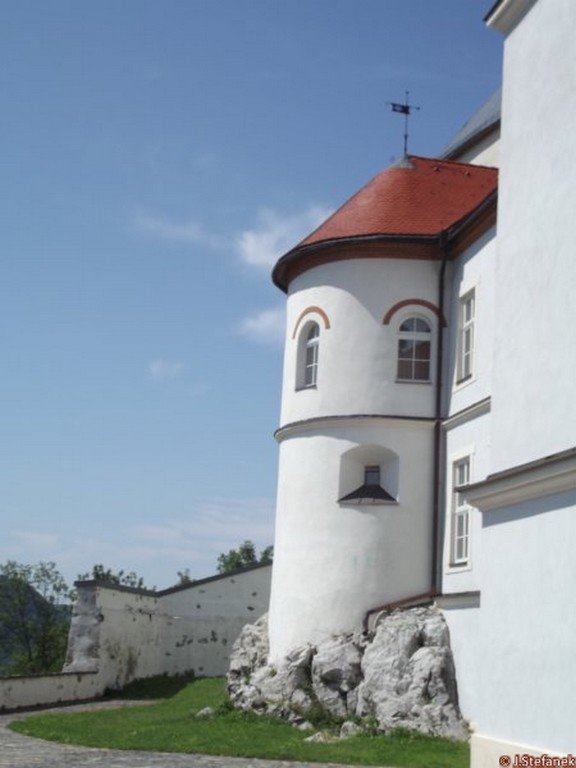
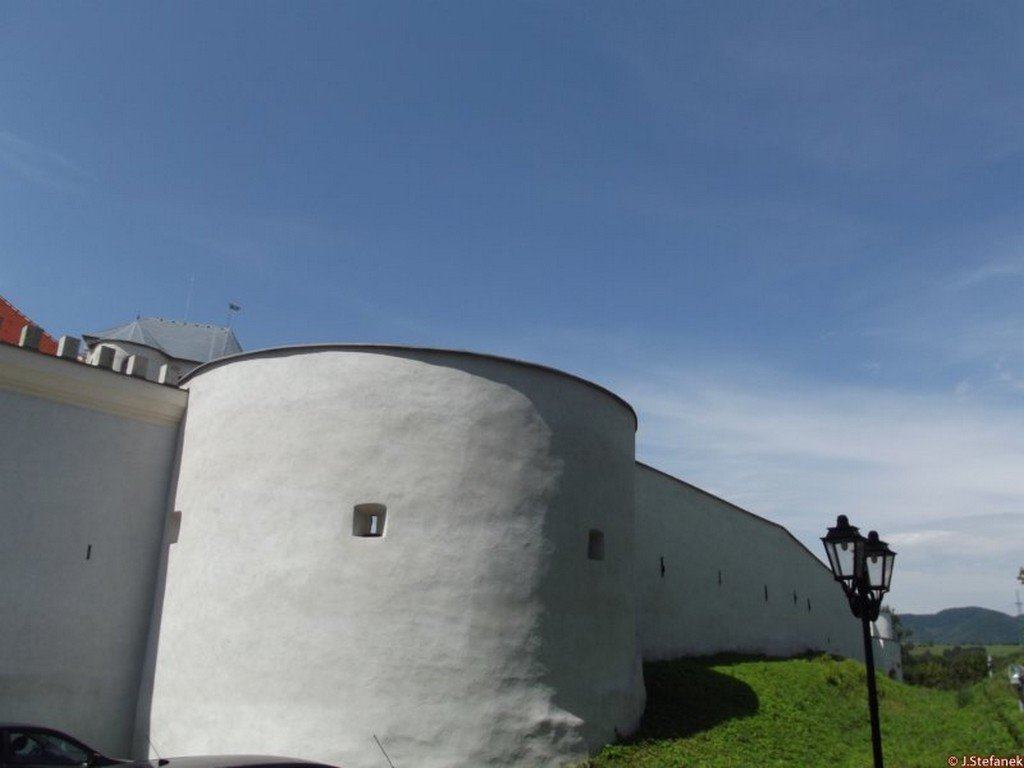
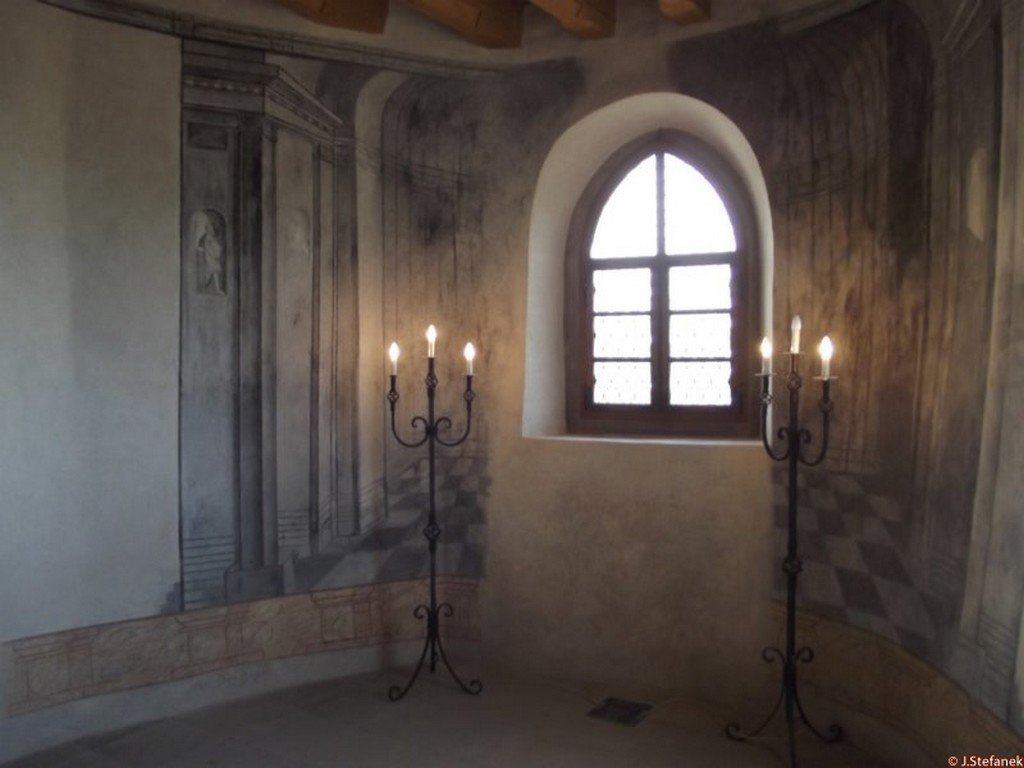
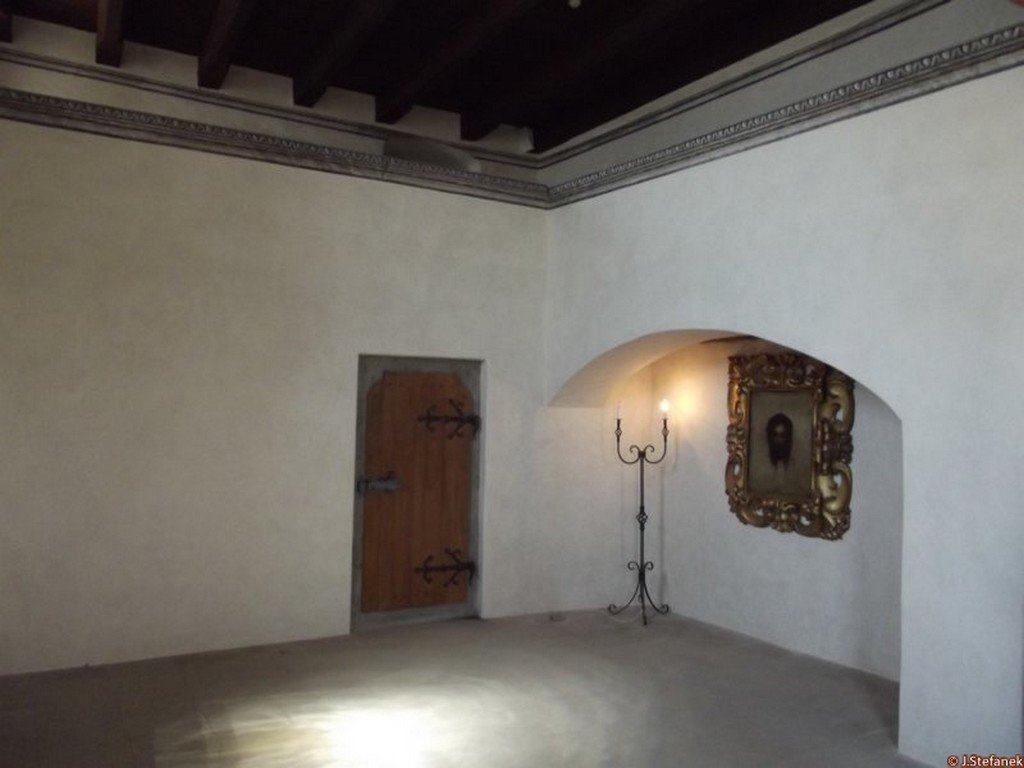
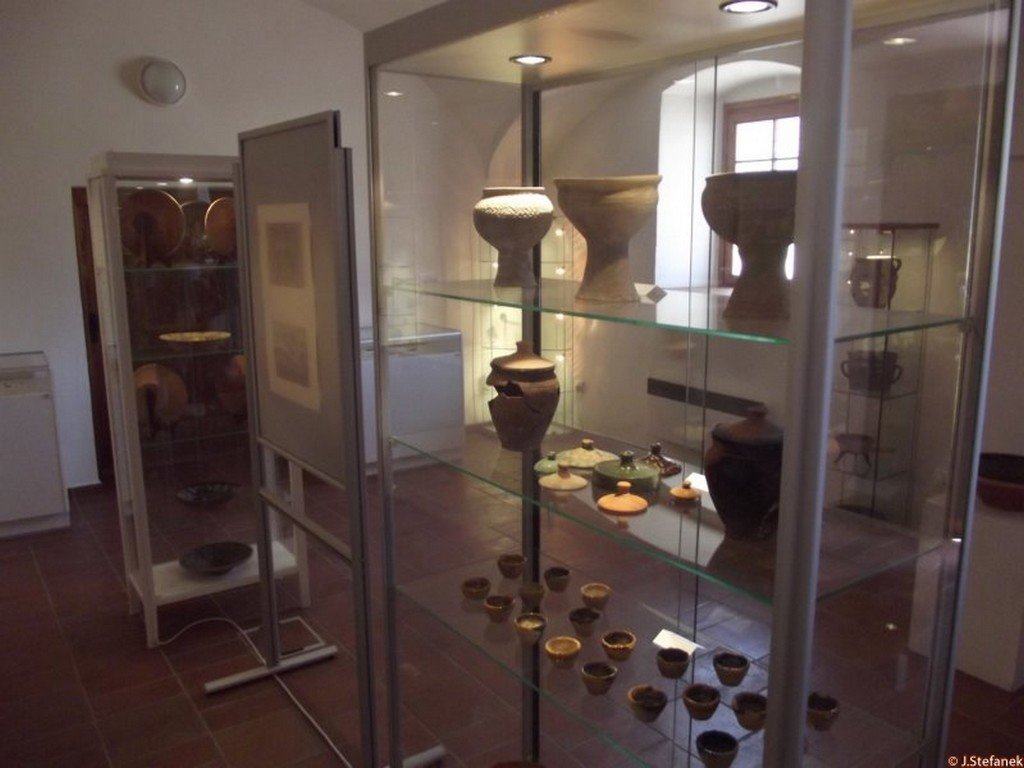
The castle complex, which has been inhabited since the Middle Ages, consists of the upper and lower castle. The upper castle was built in the first half of the 13th century as a Gothic building. Later there was a two-storey building with a rectangular ground plan in the middle of which is a small courtyard. The Lower Castle was built in the Renaissance period in the 16th century and represents a large courtyard with a number of farm buildings.Interesting preserved buildings include Gizela's house, which consists of the Gizela's Hall and the Social Hall, and the Hunting lounge. Gizela's Hall has a fresco painting from the late 19th century. On the front wall is a picture of the founder Gizela - Archduchess of Austria. The interior of the hall is illuminated by a number of windows on the southern wall. The furniture of the Gizela's Hall consists of a series of chairs, in the style of Louis XVI. Social Hall consists of a large hall with a maximum capacity of 50 seats. Illuminated by a series of windows from three sides. It is connected to the Gizeline Hall by a marble staircase. The floor is made of dark wood and the beamed ceiling is covered with a wooden flap after restoration. The room has excellent acoustics and air conditioning. Forged interior chandeliers and side lights of the same kind illuminate the interior. The hall has furniture consisting of a series of chairs and tables of dark wood. Hunting lounge It is a part of a modern extension of economic buildings, connected to the northern wall of the lower courtyard. The interior is illuminated from two sides by two windows. From these sides there are two door entries. The interior is complemented by a wooden beamed ceiling and a wooden staircase to the attic. The room is furnished with carved wooden furniture with a capacity of 16 seats and three benches. The walls are decorated with deer and deer antlers, complemented by Ľupča ceramics and two hunting rifles from the 19th century.The smooth façades of the castle exterior have preserved relatively few original architectural details, mostly only Gothic window frames, gunshot and unlucky noses. The observation bay with a high needle roof has been preserved on the corner, with a Renaissance window under it. Interesting is the so-called. Rubigall portal, which dates back to 1573.
Zachovaný a od stredoveku neustále obývaný hradný komplex pozostáva z horného a dolného hradu. Horný hrad bol vybudovaný v prvej polovici 13. storočia ako gotická stavba. Neskôr tu vznikla dvojpodlažná stavba s obdĺžnikovým pôdorysom, v strede ktorej je malé nádvorie. Dolný hrad bol vybudovaný v období renesancie, v 16. storočí a reprezentuje veľké nádvorie s radom hospodárskych budov.Medzi zaujímavé zachované budovy patrí Gizelin dom, ktorý pozostáva z Gizelinej sály a Spoločenskej sály a Lovecký salónik. Gizelina sála má maľbu fresiek z konca 19. storočia. Na čelnej stene je obraz zakladateľky Gizely - arcivojvodkyne rakúskej. Interiér sály je presvetlený radom okien na južnej stene. Mobiliár Gizelinej sály tvorí rad stoličiek, v štýle Ľudovíta XVI. Spoločenskú sálu tvorí veľká sála s kapacitou maximálne 50 osôb na sedenie. Osvetlená je radom okien z troch strán. Je spojená s Gizelinou sálou mramorovým schodišťom. Podlaha je z tmavého dreva a trámový strop je po zreštaurovaní prekrytý dreveným záklopom. Miestnosť má výbornú akustiku a klimatizáciu. Interiér osvetľujú kované závesné lustre a bočné svietidlá toho istého druhu. Sála má mobiliár pozostávajúci z radu stoličiek a stolov z tmavého dreva. Lovecký salónik je súčasťou novodobej prístavby hospodárskych objektov, nadväzujúcich na severnú hradbu dolného nádvoria. Interiér je osvetlený z dvoch strán dvojicou okien. Z týchto strán sú dva dverové vstupy. Interiér dotvára drevený trámový strop a drevené schodište do podkrovia. Miestnosť je zariadená dreveným vyrezávaným nábytkom s kapacitou 16 miest na sedenie a tromi podokennými lavicami. Na stenách je výzdoba z parožia srnčej a jelenej zveri, doplnená ľupčianskou keramikou a dvomi loveckými puškami z 19. storočia.Hladké fasády exteriéru hradu si zachovali pomerne málo pôvodných architektonických detailov, zväčša len obruby gotických okien, strieľne a smolné nosy. Na nároží sa zachoval vyhliadkový arkier s vysokou ihlicovou strechou, pod ním je združené renesančné okno. Zaujímavý je tzv. Rubigallovský portál, ktorý sa datuje do r.1573.
Plan
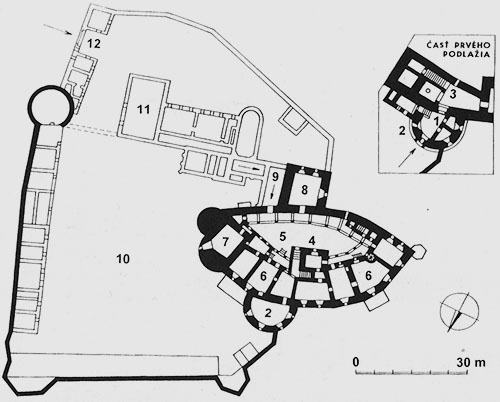
Legend to the ground plan
- 1 - original entrance gate
- 2 - semicircular bastion
- 3 - well
- 4 - tower
- 5 - courtyard of the upper castle
- 6 - living rooms
- 7 - chapel
- 8 - renaissance knight's hall
- 9 - new staircase
- 10 - fortified fortified wall and bastions
- 11 - completion from the 2nd half of the 19th century
- 12 - neo-Gothic gate
Legenda k pôdorysu
- 1 - pôvodná vstupná brána
- 2 - polkruhová bašta
- 3 - studňa
- 4 - veža
- 5 - nádvorie horného hradu
- 6 - obytné miestnosti
- 7 - kaplnka
- 8 - renesančná rytierska sieň
- 9 - nové schodisko
- 10 - predhradie opevnené hradbou a baštami
- 11 - dostavba z 2.polovice 19.stor.
- 12 - neogotická brána
History
The castle was built in 1241 after the looting invasion of the Tatars. In 1255 it is mentioned in connection with the charter of Bela IV. for the town of Banská Bystrica (nova villa Bystriciensis prope Lipche, r. 1255). Therefore, it is assumed that the stone castle - tower, was built in the first half of the 13th century, probably on the site of the original fort. After the death of the Hungarian monarch Andrew III. the Arpád family disappears and the Ľupča castle, as a royal property, has often changed owners since then. The blasts fell into the hands of the nobles, who did not respect the royal tenure. During this period, the history of the castle was associated with the name of the last mayor of the Zvolen Grand Duchy, the master knight Donč. His close ties with Ľupča are confirmed by a document from 1323. In it, Pope John XXII. allows Donč to be buried in the crypt of the church in Ľupča, where his ancestors rest.
In the second half of the 14th century, Hungarian rulers, Karol Róbert of Anjou and his son Ľudovít Veľký, came to the castle. In 1424, King Sigismund donated the castle to his second wife Barbora Cejlská, and later the castle was acquired by Queen Elizabeth, who, however, released the property to Juraj Horváth - the castle captain, due to financial problems. His descendants remained in the castle until 1447. In the meantime, however, in June 1443 there was a large earthquake in Hungary, during which the castle was largely destroyed, which was subsequently extensively repaired by Gregor of Korbava and probably expanded, which is confirmed by the results of current archaeological research. In 1490, Ľupča Castle, also with the manor, was owned by Urban Dóczy from Veľká Lúče from Queen Beatrix of Aragón, thus beginning the reign of the Dóczy family at the castle. The Dóczy family behaved very arbitrarily towards their neighbors, regardless of whether they were mining towns or peasants. They prevented them from building roads and illegally levied tolls. In 1517, the Dóczy family invaded Brezno and burned and plundered it for the most part. The riots lasted until 1531, when Captain Krištof Thurn, an electorate from Zvolen, occupied the castle on the orders of Queen Maria Jagelska and took it away from the Dóczy family. Krištof restored the castle and the renaissance alterations of the castle culminated in the possession of the merchant Pavel Rubigall and his son in 1570 to 1590. After his death in 1595, the Polish nobleman Gašpar Tribel settled in the castle, who remained here until 1620. After Tribel's death in 1620, the castle was bought by Štefan Széchy and after his quick death it was acquired by his widow Mária Széchy, who later married František Wesselényi. In 1666, Francis was at the forefront of the conspiracy against the king, and after his death as a widow in 1670, he confiscated all his property, including the castle.
After the attack of Francis II. Rákóczi in 1703, the castle fell into the hands of the insurgents and the Duke of Transylvania donated it to his Count Mikuláš Bercsényi for his merits. In 1708 the castle for the king was recaptured by Viliam Loffelholz. At that time, the Austrian garrison was stationed here and the castle served as a prison. The whole area was managed by German castellans in the service of the Comoros.
In the 19th century, reconstructions took place in the Classicist style, but the importance of the castle as a center of administration of the area disappeared. The manor moved to newly built mansions. After the fire, in the second half of the 19th century, the reconstruction was started in the neo-Gothic style. In 1886-1887, an extension was built for an educational institution and a later orphanage. At this time, a building was added - Gizel's house. The orphanage, school, but also the Juvenile Training Institute lasted here until the 20th century. The castle became a farm building, as part of which there were also minor building modifications. In the period II. World War II was used to advance troops, probably for the internment of prisoners. After the war, he often changed the staff: the emigrants, the vocational school, and after modifications in the interior of the complex, a charity and a priestly seminar were located here. In the 1980s, the castle was used by the Socialist Youth Union, and after it, in the early 1990s, it was taken over by the Banská Bystrica Regional Monuments Institute. Ľupča Castle, at the end of 2002, was acquired by the new owner of Železiarna Podbrezová a.s., who began the reconstruction of the entire castle grounds. The aim of the restoration was to make the castle accessible to the general public as an important cultural and historical monument, which is closely connected with the region of the Upper Pohronie.
Hrad postavili v r.1241 po plienivom vpáde Tatárov. V roku 1255 sa spomína v súvislosti s výsadnou listinou Bela IV. pre mesto Banská Bystrica (nova villa Bystriciensis prope Lipche, r. 1255). Preto sa predpokladá, že kamenný hrad – veža, bol postavený už v prvej polovici 13. storočia, pravdepodobne na mieste pôvodného hradiska. Po smrti uhorského panovníka Ondreja III. zaniká rod Arpádovcov a hrad Ľupča, ako kráľovský majetok, od tejto doby často menil majiteľov. Výbojmi sa dostával do rúk šľachticov, ktorí kráľovskú držbu nerešpektovali. V tomto období sa história hradu spájala s menom posledného župana Zvolenskej veľžupy, magistrom rytierom Dončom. Jeho úzke zväzky s Ľupčou potvrdzuje listina z roku 1323. V nej pápež Ján XXII. povoľuje Dončovi dať sa pochovať do krypty chrámu v Ľupči, kde odpočívajú jeho predkovia.
V druhej polovici 14. storočia na hrad prichádzajú uhorskí panovníci, Karol Róbert z Anjou a jeho syn Ľudovít Veľký. V r.1424 kráľ Žigmund daroval hrad svojej druhej manželke Barbore Cejlskej a neskôr hrad získala kráľovná Alžbeta, ktorá však kvôli finančným problémom majetok prepustila Jurajovi Horváthovi - hradnému kapitánovi. Jeho potomkovia zostali na hrade až do r.1447. Medzitým však, v júni 1443 bolo v Uhorsku veľké zemetrasenie, pri ktorom bol z veľkej časti zničený aj hrad, ktorý bol Gregorom z Korbavy následne rozsiahle opravovaný a pravdepodobne rozšírený, čo potvrdzujú aj výsledky súčasného archeologického výskumu. V roku 1490 dostal od kráľovnej Beatrix Aragónskej Hrad Ľupču, aj s panstvom, do vlastníctva Urban Dóczy z Veľkej Lúče, čím začína obdobie vlády Dóczyovcov na hrade. Dóczyovci sa správali veľmi svojvoľne voči svojim susedom, bez ohľadu na to, či šlo o banské mestá alebo zemanov. Bránili im vo výstavbe ciest a protiprávne vyberali mýto. V roku 1517 vpadli Dóczyovci do Brezna a z veľkej časti ho vypálili a vyrabovali. Nepokoje pretrvávali do roku 1531, kedy zvolenský kapitán Krištof Thurn, na príkaz kráľovnej Márie Jagelovskej obsadil hrad a odobral ho Dóczyovcom. Krištof hrad obnovil a renesančné úpravy hradu vyvrcholili za držby obchodníka Pavla Rubigalla a jeho syna v r.1570 až 1590. Po jeho smrti sa v roku 1595 na hrade usadil poľský šľachtic Gašpar Tribel, ktorý tu zotrval až do r.1620. Po Tribelovej smrti v r.1620 hrad odkúpil Štefan Széchy a po jeho rýchlej smrti ho získala jeho vdova Mária Széchy, ktorá sa neskôr vydala za Františka Wesselényiho. František stál v r.1666 na čele sprisahania proti kráľovi a tak po jeho smrti vdove v r.1670 zabavili všetky majetky vrátane hradu.
Po útoku Františka II. Rákócziho v r.1703 hrad padol do rúk povstalcom a sedmohradský vojvoda ho za zásluhy daroval svojmu generálovi grófovi Mikulášovi Bercsényimu. V roku 1708 hrad pre kráľa naspäť vydobyl Viliam Loffelholz. V tomto čase tu bola umiestnená rakúska posádka a hrad slúžil ako väzenie. Celý areál spravovali nemeckí kasteláni v službách Komorského panstva.
V 19.storočí sa uskutočnili prestavby v klasicistickom slohu, ale význam hradu, ako centra správy oblasti, zanikal. Panstvo sa sťahovalo do novovybudovaných kaštieľov. Po požiari, v druhej polovici 19.storočia sa ešte pristúpilo k prestavbe v neogotickom slohu. V r.1886-1887 sa vybudovala prístavba pre výchovný ústav a neskorší sirotinec. V tomto čase bola pristavaná aj budova – Gizelin dom. Sirotinec, škola, ale aj Výchovný ústav pre mladistvých tu pretrvávali až do 20. storočia. Hrad sa stal hospodárskou budovou, v rámci čoho došlo aj k menším stavebným úpravám. V období II. svetovej vojny bol využívaný k postupu vojsk, pravdepodobne pre internáciu zajatcov. Po vojne často menil osadenstvo: vysťahovalci, učilište a po úpravách v interiéri areálu tu bola umiestnená charita a kňazský seminár. V 80.rokoch 20.storočia hrad dostával do užívania Socialistický zväz mládeže a po ňom, začiatkom 90.rokov, ho prebral Krajský pamiatkový ústav Banská Bystrica. Hrad Ľupča, v závere roka 2002, získal nový vlastník Železiarne Podbrezová a.s., ktorý začal s rekonštrukciou celého hradného areálu. Cieľom obnovy bolo sprístupniť širokej verejnosti hrad ako významnú kultúrno–historickú pamiatku, ktorá je úzko spätá s regiónom horného Pohronia.
Myths and legends
Legend about Verona
At the Ľupčianské castle, from which there is a beautiful view of the Bystrotok Hron, the castle castellan lived with his young wife, who was in a blessed state. Together they dreamed and dreamed of plans for the future. The young woman gave her life to her comforted son, but it was difficult to save her, she kept getting sick and weak. Unable to handle a robot at home, she called her cousin Veronica, who had been an orphan since she was a child. Veronka was beautiful, cheerful, a joke and a laugh. The whole house came to life with her, and even the young lady Castelian cut her a little in her company.
When the surrounding manor learned about a nice helper at the Ľupčianské castle, they began to flock there for entertainment from far and wide. Veronka has always been the star around which the whole society revolved. She enchanted everyone, but rejected the hand and heart of all the questioners. She burned with sinful love for her host, the castle castellan Selecký. Kastelán returned her love and completely neglected his sick wife.
Mrs. Kastelánka knew what was going on, but she knew that she, sick, could not compete with the beautiful and young Veronka, and she suffered a lot. The castle lady also noticed it when she came to the Ľupčiansky castle and it didn't give her peace. Kastelánka was her faithful companion in her days as a girl.
One evening, when she was walking in the castle garden, she heard a whisper from behind a lilac neck and listened. Verona urged the castellan to murder his sick wife and marry her. Selecký did not even want to hear about such a cruel act and talked her into waiting patiently.
When the castle lady heard this, she was terrified. For the ingratitude with which she showed herself to Mrs. Kastelánka, she had her imprisoned in the castle tower. Verona's remorse devoured and after a short time she went crazy in her prison.
One day, rage caught her, she jumped across the arch into the abyss and killed herself. However, her soul did not find peace in the afterlife either. On the moonlit nights, he walks around the castle whining and looking for his beloved.
Legenda o Verone
Na ľupčianskom hrade, z ktorého je krásny výhľad na bystrotoký Hron, žil hradný kastelán so svojou mladou ženou, ktorá bola v požehnanom stave. Spolu snívali a snovali plány do budúcnosti. Mladá žena dala život utešenému synčekovi, ale ju pri tom len ťažko zachránili, neustále chorľavela a slabla. Keďže nezvládala robotu v domácnosti, zavolala si k sebe sesternicu Veronku, ktorá bola od útleho detstva sirotou. Veronka bola krásavica, veselá, samý žart a smiech. Celý dom pri nej ožil, i mladá pani kastelánka v jej spoločnosti trochu pookriala.
Keď sa okolité panstvo dozvedelo o peknej pomocníčke na ľupčianskom hrade, začali sa tam hrnúť za zábavou zo široko – ďaleka. Veronka bola vždy hviezdou, okolo ktorej sa krútila celá spoločnosť. Každého očarila, ale ruku i srdce všetkých pytačov odmietala. Zahorela totiž hriešnou láskou k svojmu hostiteľovi, hradnému kastelánovi Seleckému. Kastelán jej lásku opätoval a svoju chorú ženu celkom zanedbával.
Pani kastelánka tušila, čo je vo veci, vedela však, že ona, chorľavá, nemôže súperiť s krásnou a mladou Veronkou a veľmi trpela. Všimla si to aj hradná pani, keď prišla na ľupčiansky hrad a nedalo jej to pokoja. Kastelánka bola totiž jej vernou spoločnicou ešte za dievčenských čias.
Raz podvečer, keď bola na prechádzke v hradnej záhrade, začula šepot spoza orgovánového kríčka a započúvala sa. Verona naliehala na kastelána, aby zavraždil svoju chorľavú ženu a vzal si ju. Selecký o takom krutom čine nechcel ani počuť a prehováral ju, aby trpezlivo čakala.
Keď to hradná pani počula, schytil ju strašný hnev. Za nevďačnosť, s akou sa preukázala k pani kastelánke, ju dala uväzniť v hradnej veži. Výčitky svedomia Veronu zožierali a po nedlhom čase sa vo svojom väzení zbláznila.
Jedného dňa ju chytila zúrivosť, vyskočila cez oblok do priepasti a zabila sa. Jej duša však nenašla pokoj ani na onom svete. Za mesačných nocí chodí kvíliac okolo hradu a hľadá svojho milého.
Useful information
Opening hours and admission
Otváracia doba a vstupné
External links
Nearby castles