Banská Bystrica
Banská Bystrica Banská Bystrica county Slovakia
castle, chateau
Banská Bystrica
Banská Bystrica Banskobystrický kraj Slovakia
hrad, zámok
The castle complex consists of several buildings and is located directly in the town of Banská Bystrica, in the area of the Zvolen basin
Hradný komplex pozostáva z viacerých objektov a nachádza sa priamo v meste Banská Bystrica, v oblasti Bystrického podolia Zvolenskej kotliny.
Previous names
Noua villa Bystrice prope Lypcham, Byzterchebana, Bystricia, Nouisolium, Byztricia, Bystrichia, Bistriciensis civitas alias Novizolium, Nouozolium, Banska Bistryca, Baňská Bystrica, Besztercebánya
Roads
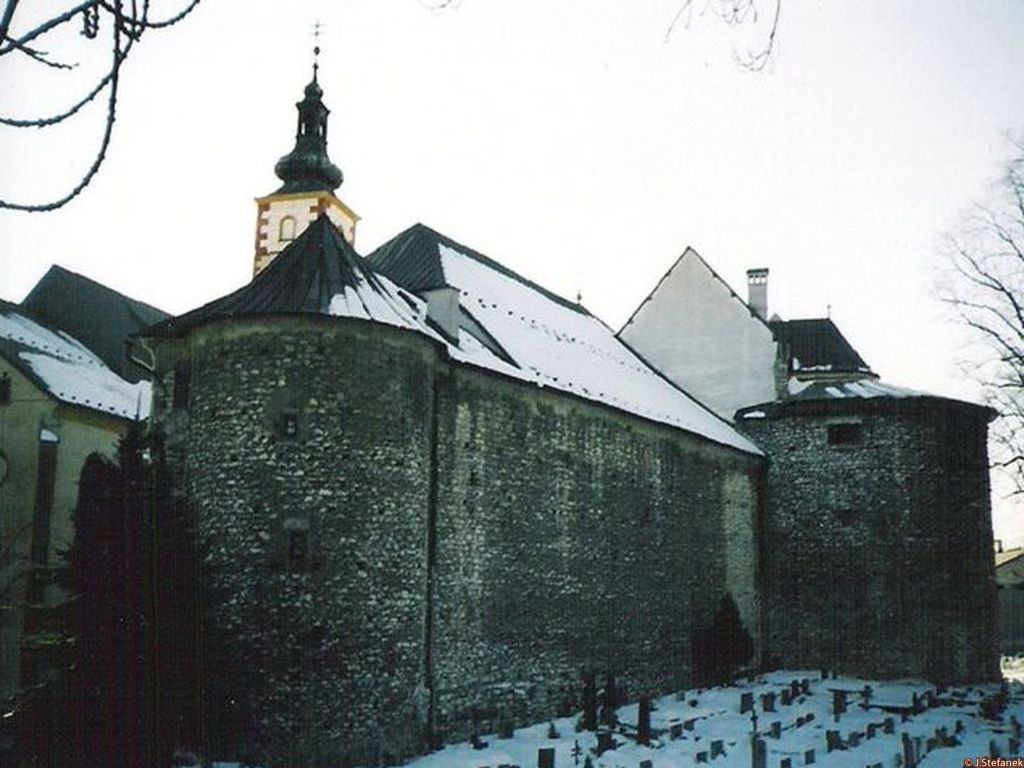
Banská Bystrica castle is an urban type and consists of more buildings. It is located in the center of Banská Bystrica. Very simply we can find a set of these objects on the square of S.Moyzes near the main SNP square. It is also possible to park directly on the square in front of the barbican (paid), or use the surrounding city car parks.Worth of visit is also a historic cemetery, which is located next to the house of Matej. Many national actors and writers are buried here. From the cemetery is an impressive view of the castle complex.
Hrad Banská Bystrica je mestského typu a tvorí ho viac objektov. Nachádza sa priamo v centre mesta Banská Bystrica. Veľmi jednoducho nájdeme súbor týchto objektov na námestí Š.Moyzesa neďaleko hlavného námestia SNP. Zaparkovať je možné aj priamo na námestí pred barbakanom (platené), alebo využite okolité mestské parkoviská.Za povšimnutie v okolí hradu určite stojí aj historický cintorín, ktorý sa nachádza hneď vedľa Matejovho domu. Sú tu pochovaní mnohí národní dejatelia a spisovatelia. Z cintorína je pôsobivý pohľad na hradný komplex.
Description
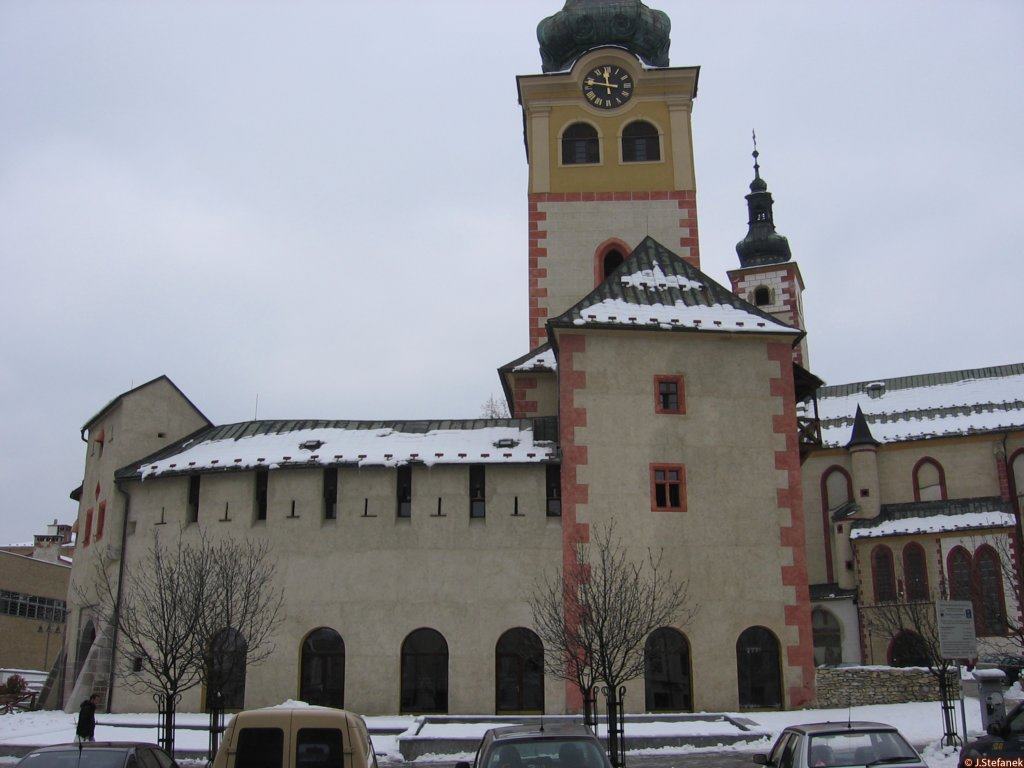
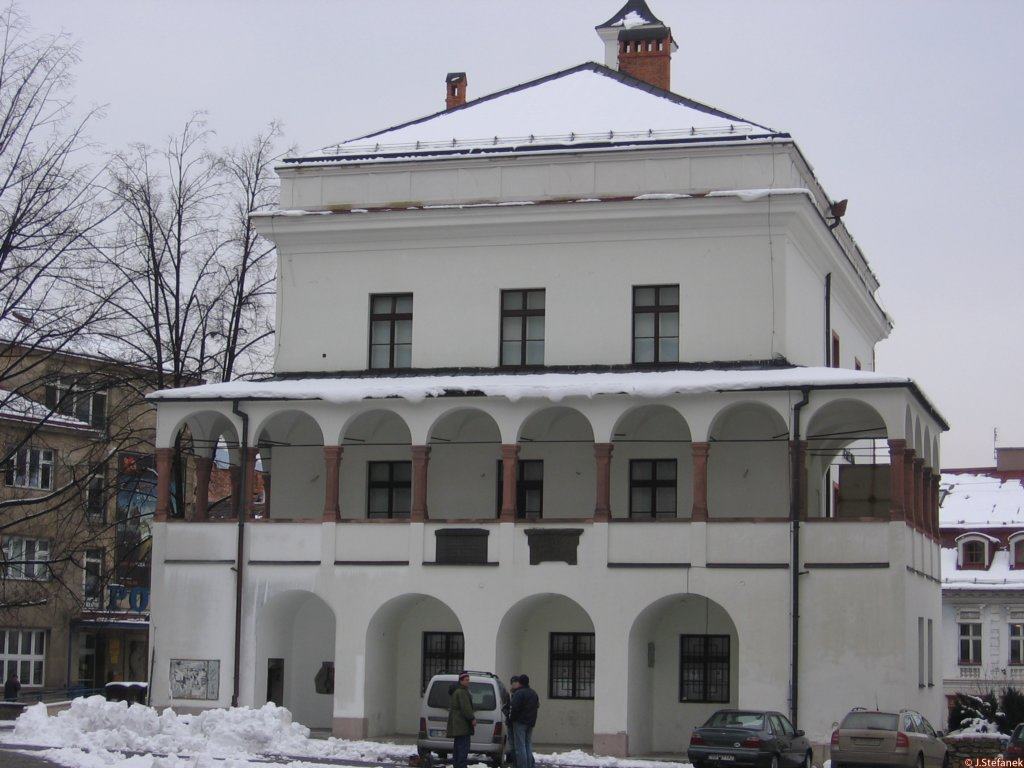
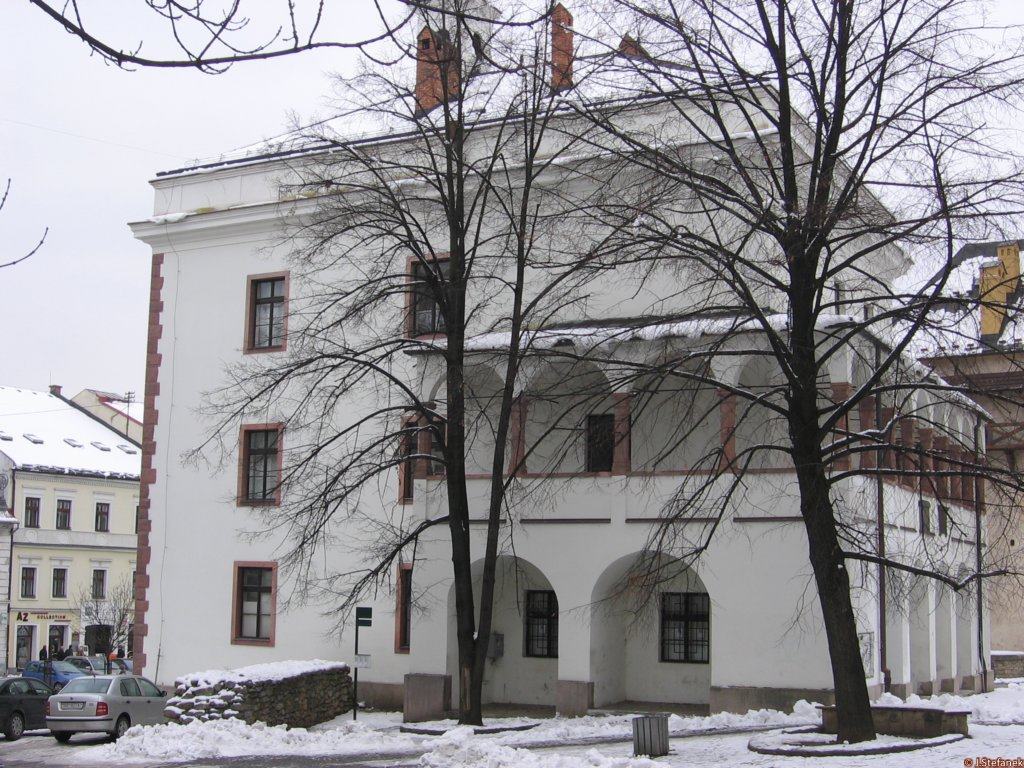
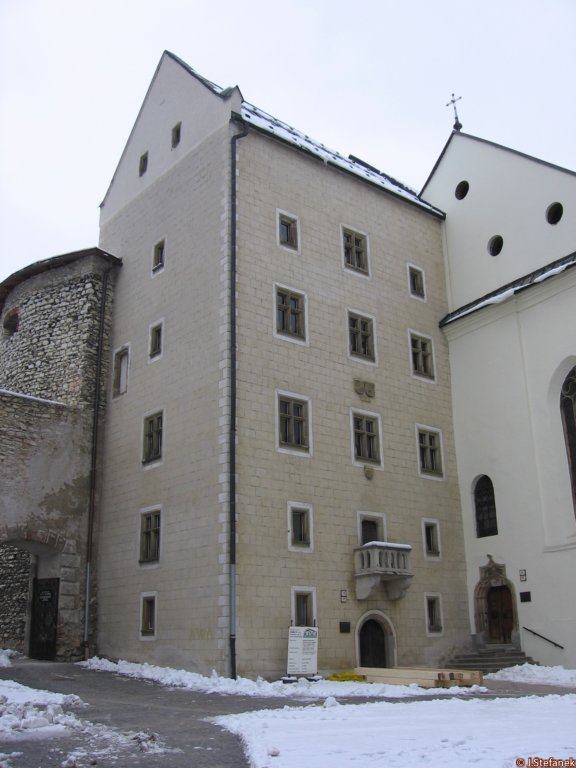
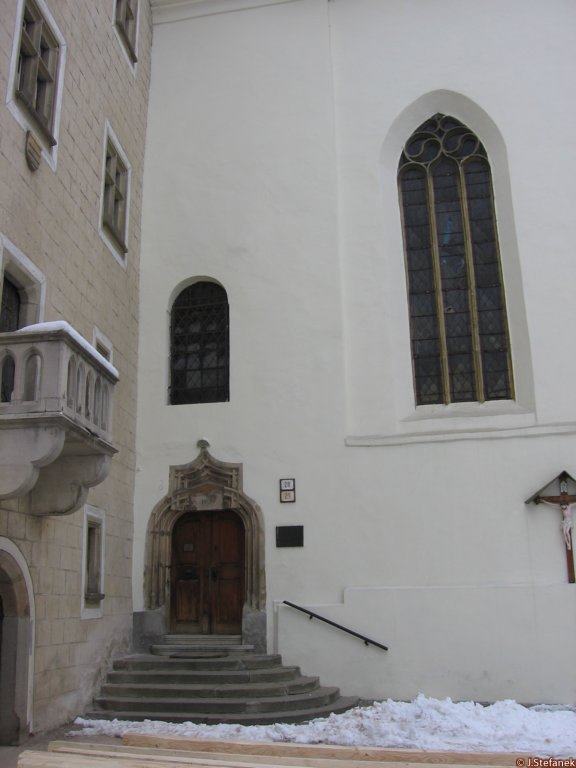
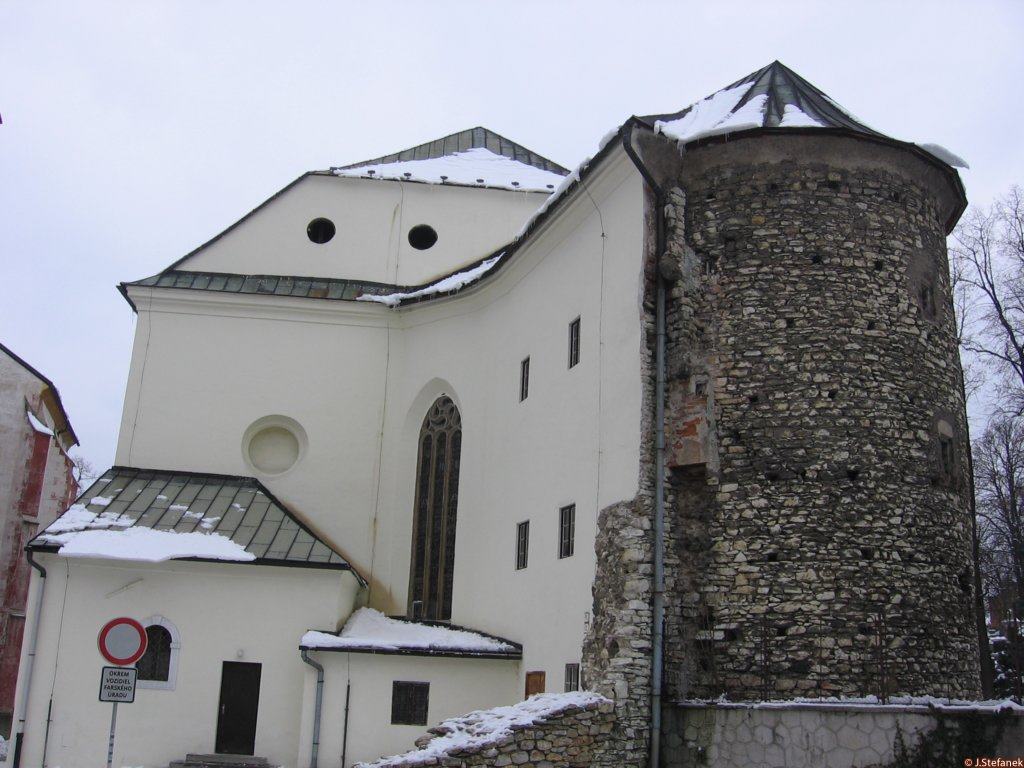
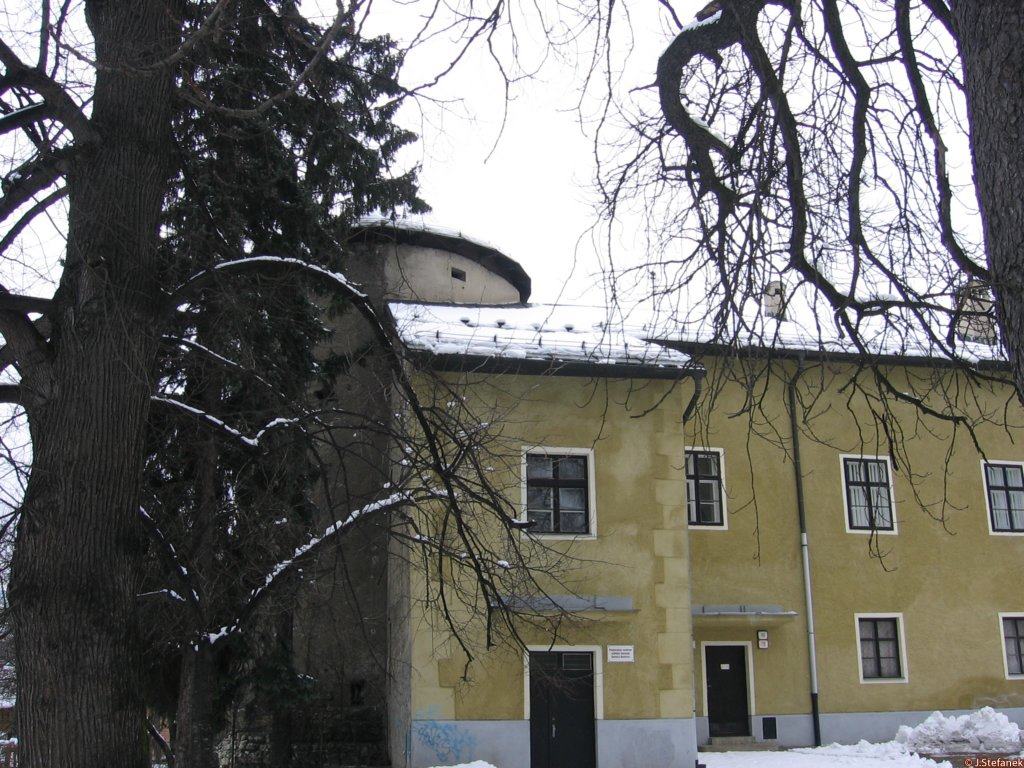
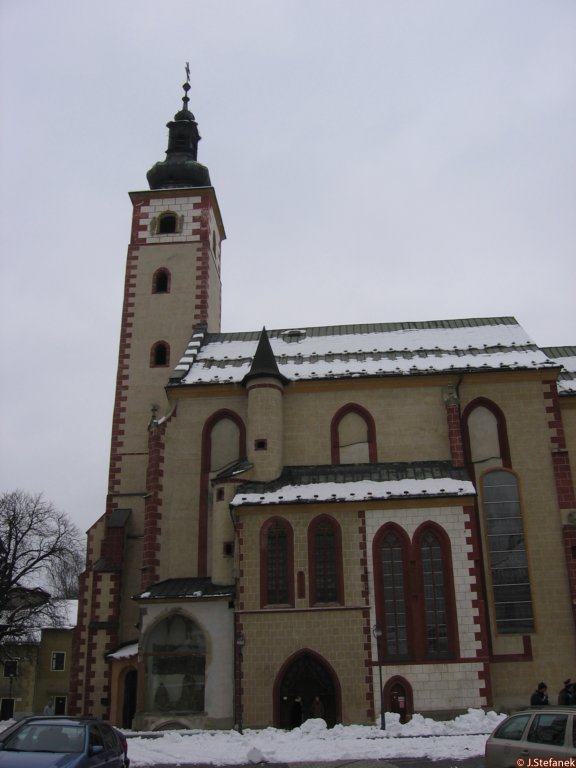
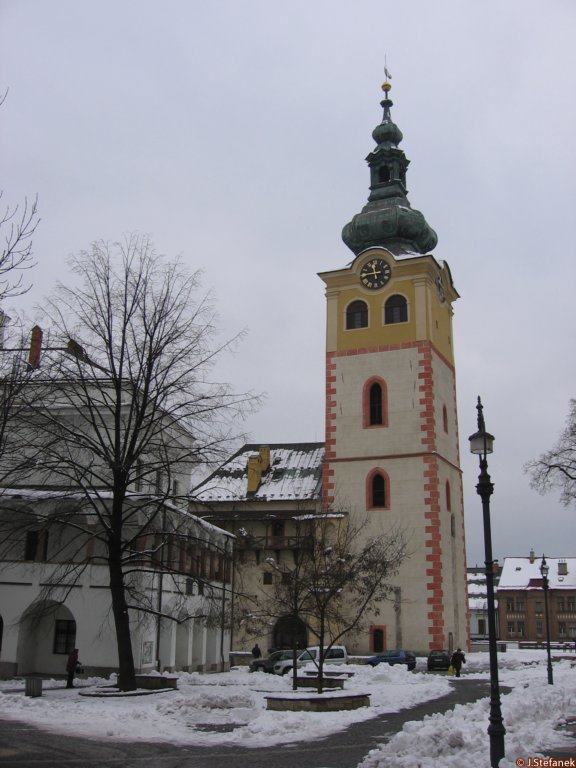
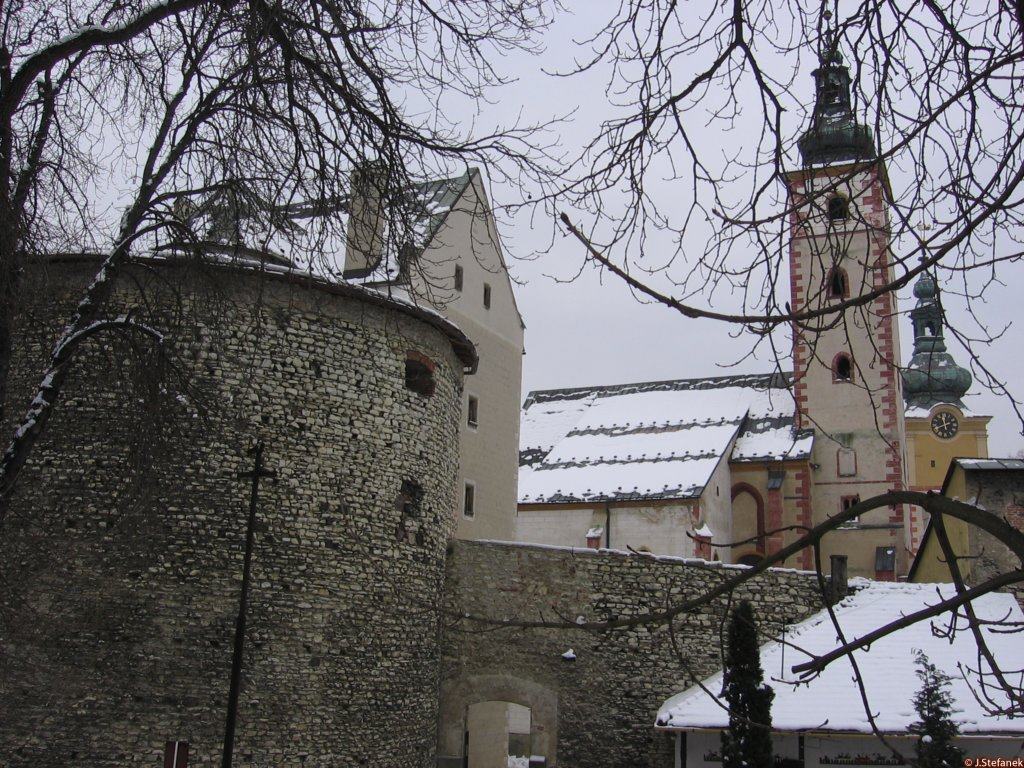
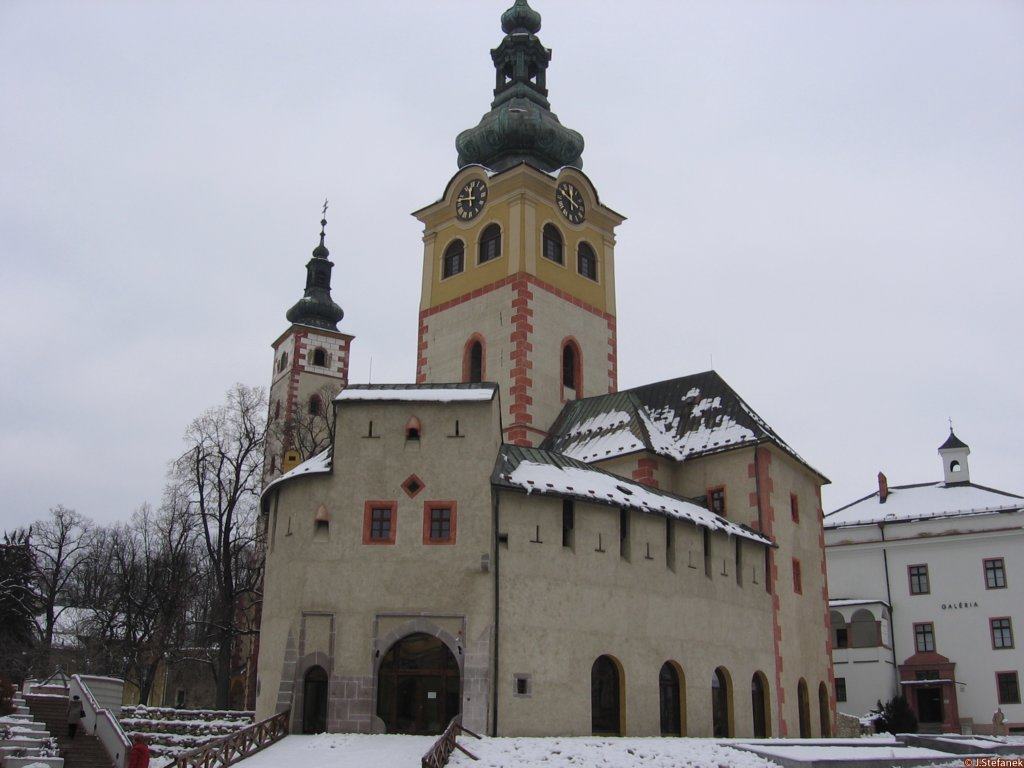
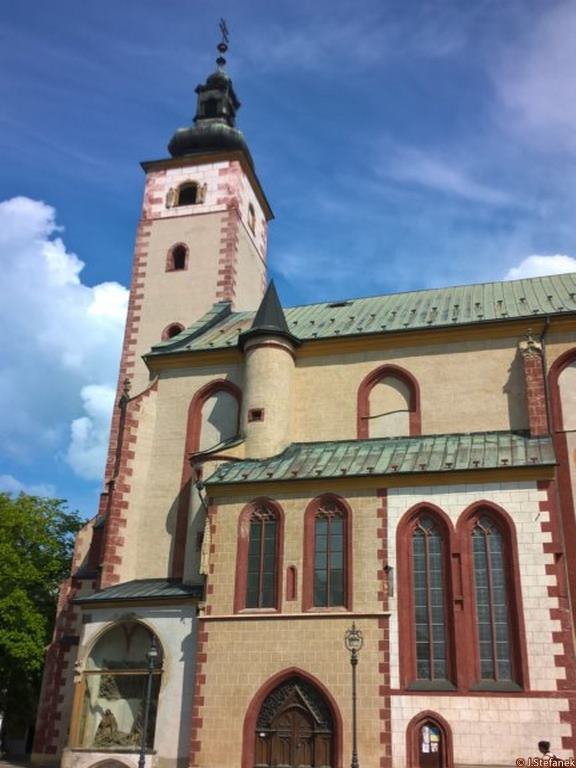
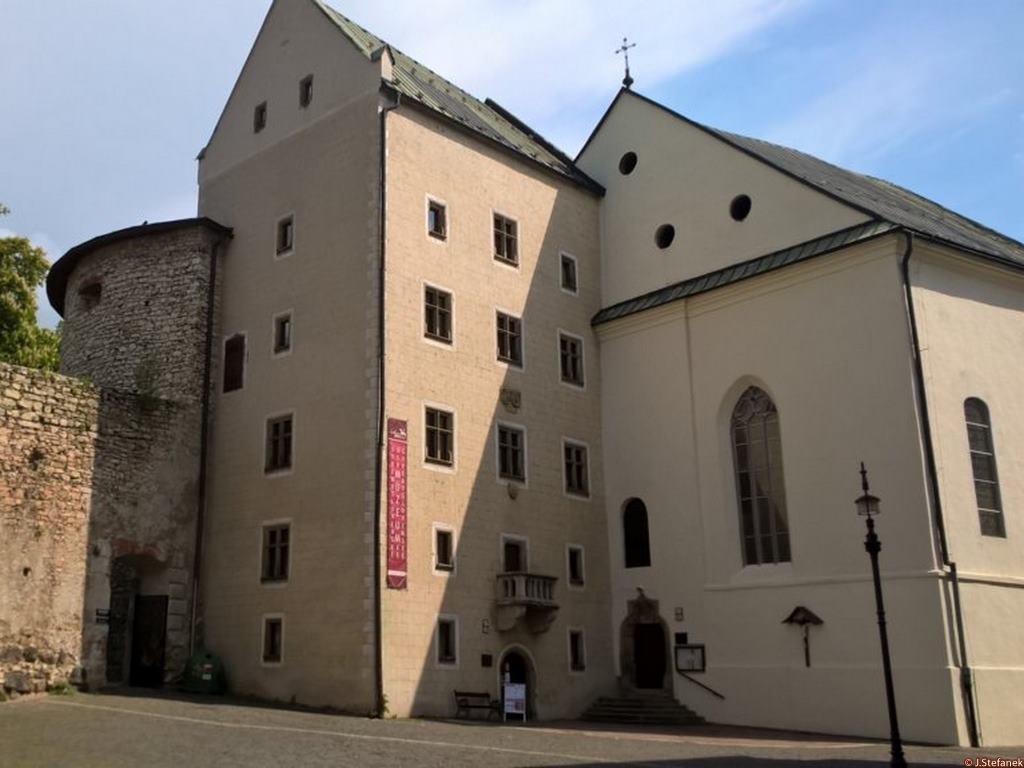
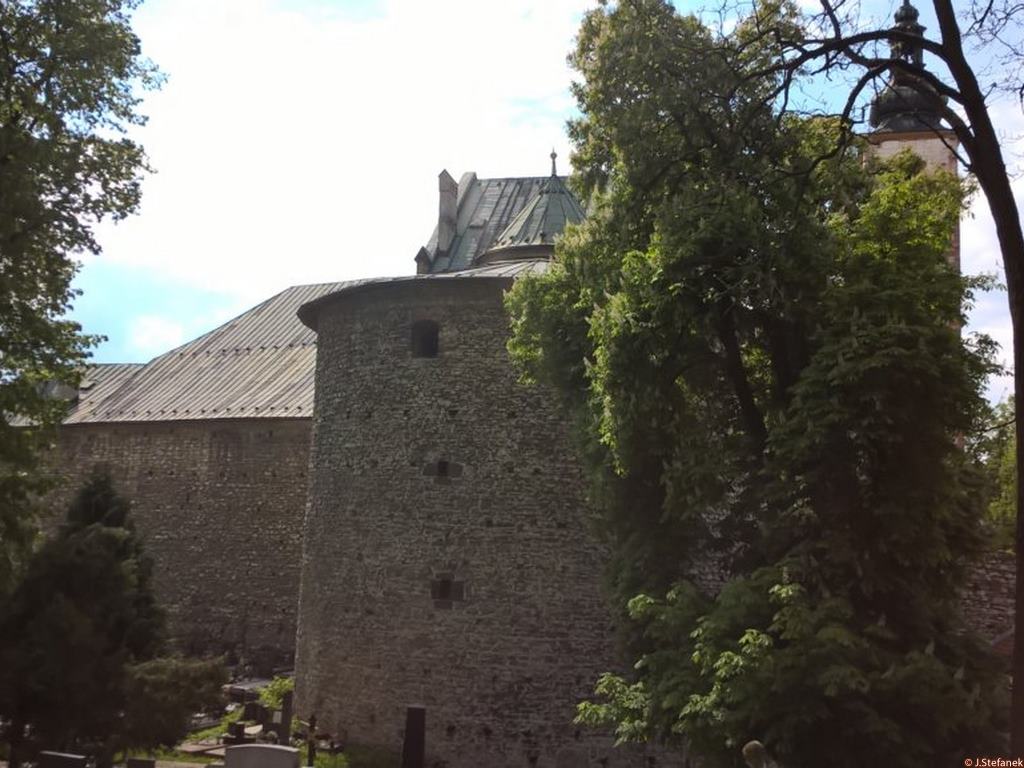
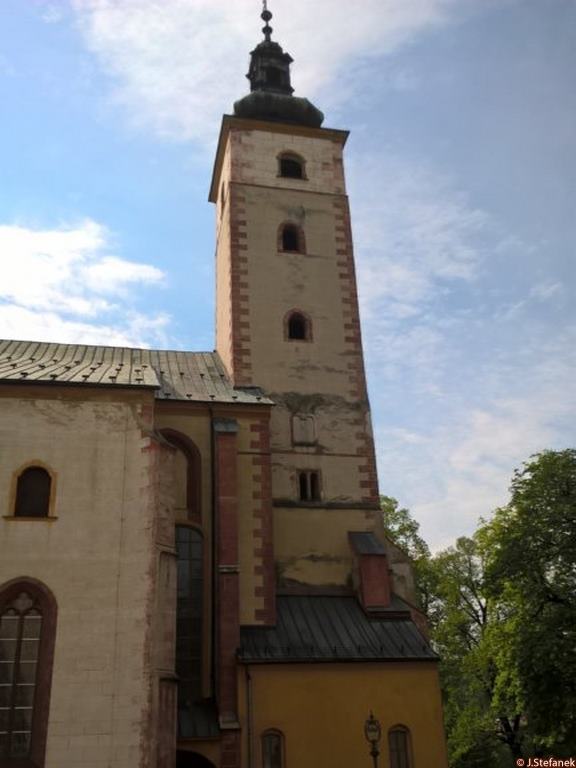
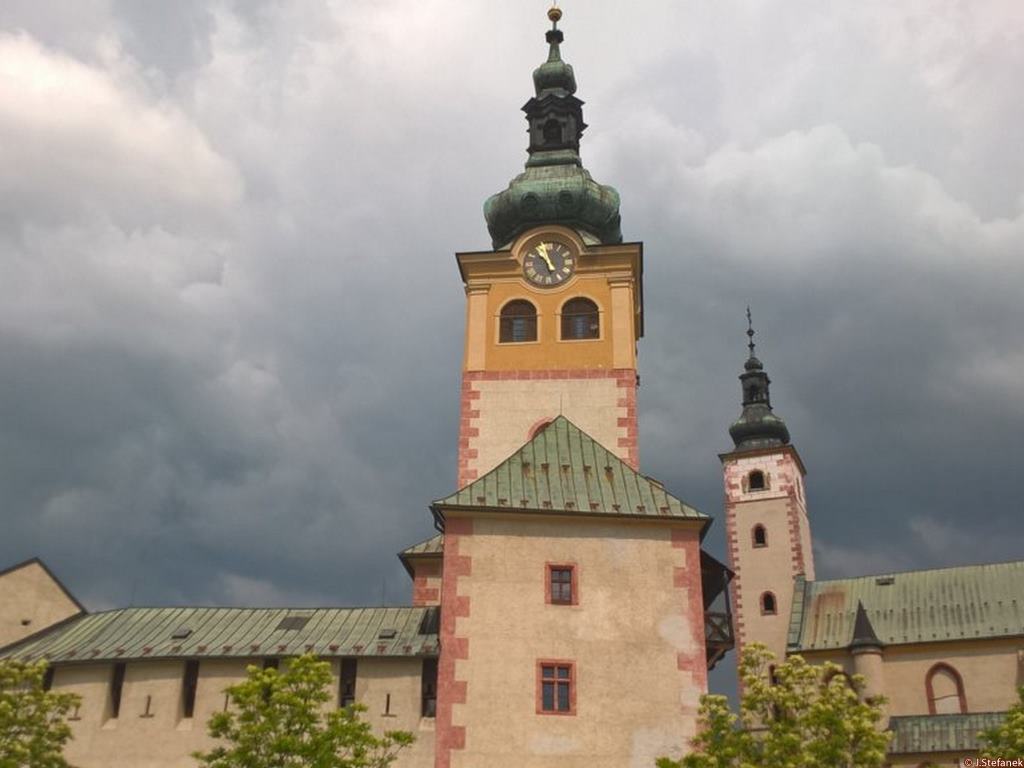
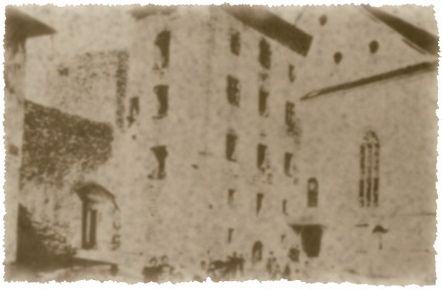
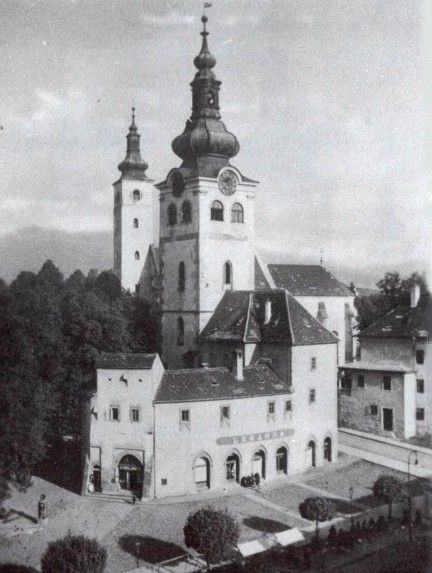
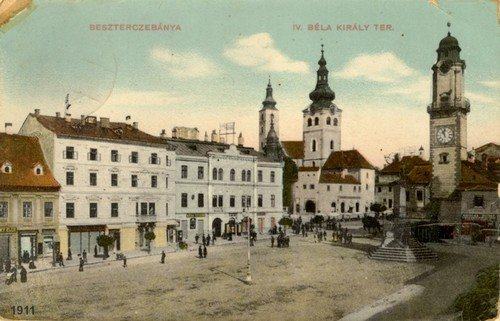
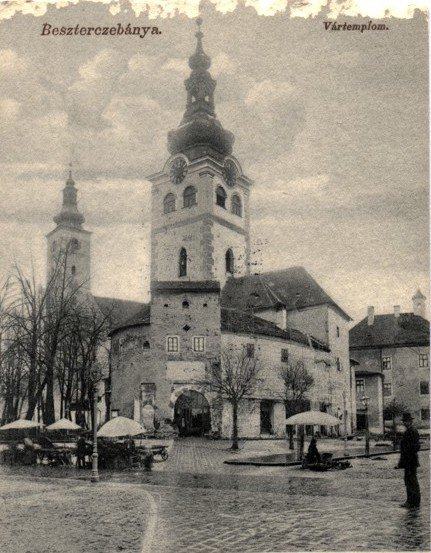
The town castle consists of buildings that gradually built around the parish church and fortified in the 15th century. Only one quarter of the original walls were preserved.Barbican - the preserved entrance part of the castle fortifications consists of the front gate and the tower gate with the remains of the lifting bridge equipment. Originally, the castle was entered via a drawbridge over an artificial moat. Later, they built a building for soldiers between the gates. There are three bells on the tower.Parish Church (Church of the Assumption of Virgin Mary, German Church) - is the oldest cultural-historical monument. The church is single-nave, with an extended presbytery, and on both sides of the chapel and oratory. The original architecture has preserved fragments of tracery in broken windows, covered with Baroque reconstruction. The chapel windows have preserved late Gothic flame tracery. The facade of the building is painted by blocking. The main interior of the parish church is vaulted with Prussian vaults. It has late baroque interior furnishings and murals. The side chapels, oratory and sacristy have rich patterns of late Gothic ring and star vaults. Interesting is the altar of St. Barbara, Gothic baptismal font and Gothic panel paintings.Church of St. Cross (Slovak Church) - the originally single-nave building added to the castle fortification has a late Gothic portal with intersecting rods from the end of the 15th century. It stands on the site of the former ossuary - morgue. In the interior of the church, the main artistic element is a classicist altar of column type with composite capitals, which dates from 1834. The church of St. Cross was visited by the Slovak inhabitants of Banská Bystrica, therefore it is often referred to as the Slovak Church.Matej's house - is a slender, five-storey building, topped by a high roof gable that protrudes above the fortification level. Despite the romantic arrangement, it has retained its original façade design with significant painted blocks. On the windowsill of the second floor there is a relief coat of arms of King Matej, the town coat of arms and the year 1479. The building was supposedly built by Matej Korvin for his wife Beatrice. He was at that time the king of Hungary. The function and purpose of Matej's house have probably not changed over the centuries. It served as a granary, warehouse, storage, armory, respectively guardhouse.Town Hall (praetorium) - has undergone several construction modifications, but still retained its Renaissance character. The block building with a column arcade originally followed the castle fortifications. The renaissance attics were originally in the shape of swallow tails. The building is a three-storey, rectangular type with smooth newly modified facades, which are divided on three sides by pillared arcade loggia.In addition to the aforementioned objects, the Mühlstein bastion was a part of the castle in 1501 and also a small fortress, the Ondrej bastion. Both objects no longer exists. On the contrary, the preserved buildings include a rectory building and stone fortifications with bastions. Buildings are in relatively good condition. At present, there is a Central Slovak Regional Gallery in the building of the former Town Hall and a restaurant in the Barbican building. Other buildings serve church purposes.
Mestský hrad tvoria objekty, ktoré postupne vybudovali okolo farského kostola a v 15.storočí opevnili. Z pôvodných hradieb sa zachovala iba jedna štvrtina.Barbakan - zachovanú vstupnú časť opevnenia hradu tvorí predbránie a vežová brána so zvyškami zariadenia zdvíhacieho mostu. Pôvodne sa do hradu vstupovalo po padacom moste nad umelou vodnou priekopou. Neskôr vstavali do medzibránia budovu pre mestských drábov. Na veži sú tri zvony.Farský kostol (kostol Nanebovzatia Panny Márie, nemecký kostol) - je najstaršou kultúrnohistorickou pamiatkou. Kostol je jednoloďový, s predĺženým presbytériom, a z oboch strán pristavaný kaplnkami a oratóriom. Z pôvodnej architektúry sa zachovali fragmenty kružieb v lomených oknách, prekryté barokovou prestavbou. Okná kaplnky si zachovali neskorogotické plamienkové kružby. Fasáda objektu je pomaľovaná kvádrovaním. Hlavný vnútorný priestor farského kostola je klenutý pruskými klenbami. Má neskorobarokové vnútorné zariadenie a nástenné maľby. Bočné kaplnky, oratórium a sakristia majú bohaté vzorce neskorogotických krúžených a hviezdicových klenieb. Zaujímavý je oltár sv.Barbory, gotická krstiteľnica a gotické tabuľové obrazy.Kostol sv.Kríža (slovenský kostol) - pôvodne jednoloďová stavba pristavaná k múru hradného opevnenia má v barokovom členení fasád zachovaný neskorogotický portál s pretínavými prútmi z konca 15.storočia. Stojí na mieste bývalej kostnice - márnice. V interiéri kostola je hlavným umeleckým prvkom klasicistický oltár stĺpového typu s kompozitnými hlavicami, ktorý pochádza z roku 1834. Kostol sv.Kríža navštevovali slovenskí obyvatelia Banskej Bystrice, preto sa často označuje ako Slovenský kostol.Matejov dom - je štíhla, päťpodlažná stavba, zakončená vysokým štítom strechy, ktorý prečnieva nad úroveň opevnenia. Napriek romantickej úprave si zachovala pôvodné riešenie fasád s výrazným maľovaným kvádrovaním. Na parapete okna druhého poschodia je reliéfny erb kráľa Mateja, mestský znak a letopočet 1479. Budovu dal údajne postaviť Matej Korvín pre svoju manželku Beatrice, ktorý bol v tom čase uhorským kráľom. Funkcia a účel Matejovho domu sa v priebehu storočí pravdepodobne nemenili. Slúžil ako sýpka, sklad, zásobáreň, zbrojnica, resp. strážnica.Radnica (pretórium) prešla viacerými stavebnými úpravami, napriek tomu si zachovala svoj renesančný ráz. Bloková budova so stĺpovou arkádou pôvodne nadväzovala na hradné opevnenie. Renesančné premurované atiky boli pôvodne v tvare lastovičích chvostov. Budova je trojpodlažná, štvorhranného typu s hladkými novo upravenými fasádami, ktoré z troch strán člení stĺpová arkádová loggia.Okrem spomenutých objektov bola ešte súčasťou hradu v r.1501 dnes už zaniknutá Mühlsteinova bašta, a ako predsunutá malá pevnosť, dnes tiež už neexistujúca Ondrejova bašta. Naopak k zachovaným objektom patrí ešte budova fary a kamenné opevnenie s baštami. Budovy sú v relatívne dobrom stave. V súčasnosti je v objekte hradu, v budove bývalej radnice, Stredoslovenská oblastná galéria a v budove barbakanu reštaurácia. Ostatné budovy slúžia cirkevným účelom.
Plan
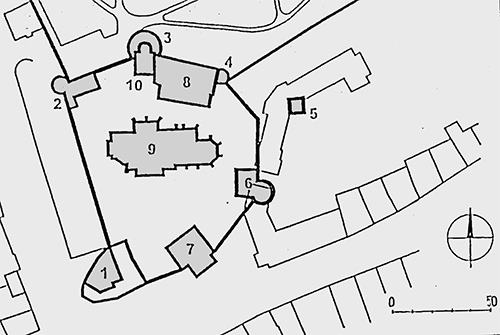
Legend to the ground plan
- 1-gate and barbican
- 2-Parish bastion
- 3-Mining bastion
- 4-Scriber bastion
- 5-Ondrej bastion (extinct)
- 6-Mühlstein bastion (extinct)
- 7-town hall
- 8-Church of the Holy Cross
- 9-parish church
- 10-Matej house
Legenda k pôdorysu
- 1-brána a barbakan
- 2-Farská bašta
- 3-Banícka bašta
- 4-Pisárska bašta
- 5-Ondrejova bašta (zaniknutá)
- 6-Mühlsteinova bašta (zaniknutá)
- 7-radnica
- 8-kostol Sv.Kríža
- 9-farský kostol
- 10-Matejov dom
History
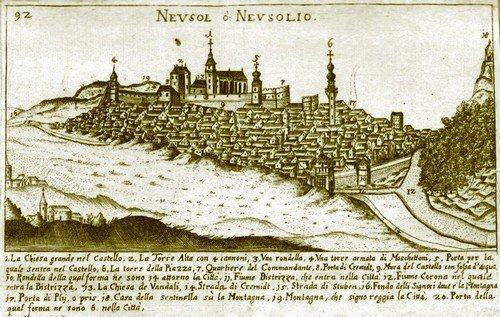
Banská Bystrica has in the time of Belo IV. in 1255 became a free royal city. The late Romanesque parish church and the area around it were fortified before 1442 by a system of earthen ramparts and palisades, which were replaced in the second half of the 15th century by brick stone walls, reinforced bastions and a moat. The task of this fortification was to protect the proceeds from the mining of precious metals and to protect the city. The individual buildings were enclosed by a common fortification, which protected the patrician from external enemies and internal unrest, especially during the mining uprisings.
Later, the Gothic house of King Matej (r.1479), the church of the Holy Cross (r.1492), the cube of the town hall (r.1500) and the fortification work were completed in 1512 by the construction of the entrance barbican. The fortification consisted of a high stone wall and circular bastions. In the second third of the 16th century. it underwent several building modifications, which gave it its present-day character. In 1546, it was significantly expanded and rebuilt. In 1589, the city was completely surrounded by stone walls to protect against the invasions of enemy Turks. In 1620, Gabriel Bethlen was elected King here in the Landscape Assembly. A large plague epidemic occurred in 1645, resulting in the loss of many lives.
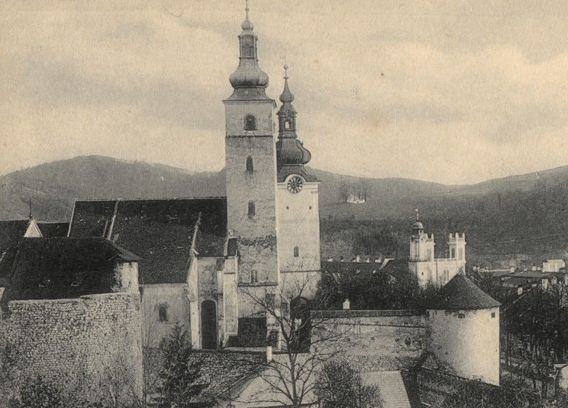
In 1761, a devastating fire broke out in a copper smelter, which engulfed a large part of the city and caused great damage. After the fire, the buildings were renovated, and the parish church underwent a Baroque renovation in 1767. They replaced the collapsed vault with a baroque one. Typical silhouettes with onion-shaped copper roofs also date from this period. After a while, they also incorporated the town hall into the town castle. Gradual demolition of the walls, of which only the northern part has been preserved, the castle area became an open part of the city.
Banská Bystrica sa už za čias Bela IV. v r.1255 stala slobodným kráľovským mestom. Neskororománsky farský kostol a priestranstvo okolo neho bolo už pred r.1442 opevnené sústavou zemných valov a palisád, ktoré boli v 2.polovici 15.storočia nahradené murovanými kamennými hradbami, zosilnenými baštami a priekopou. Úlohou tejto fortifikácie bolo chrániť výnosy z ťažby drahých kovov a ochrana mesta. Jednotlivé budovy boli ohradené spoločným opevnením, ktoré chránilo patriciát pred vonkajšími nepriateľmi i vnútornými nepokojmi, najmä počas baníckych vzbúr.
Neskôr do areálu postupne vstavali gotický dom kráľa Mateja (r.1479), kostol sv.Kríža (r.1492), kubus radnice (r.1500) a opevňovacie práce boli dovŕšené do r.1512 výstavbou vstupného barbakanu. Opevnenie tvoril vysoký kamenný múr a kruhové bašty. V druhej tretine 16. stor. prešla viacerými stavebnými úpravami, ktoré jej vtlačili dnešný ráz. V r.1546 ju podstatne rozšírili a prestavali. V roku 1589 bolo mesto kompletne obostavané kamennými hradbami za účelom ochrany proti nájazdom nepriateľských Turkov. V r.1620 tu bol na krajinnom sneme zvolený za kráľa Gabriel Bethlen. K rozsiahlej epidémii moru došlo v r.1645, čo malo za následok stratu mnohých životov.
V r.1761 došlo v jednej medenej huti k ničivému požiaru, ktorý zachvátil veľkú časť mesta a spôsobil veľké škody. Po požiari došlo k renováciám budov, taktiež farský kostol prešiel v r.1767 barokovou obnovou. Zrútenú klenbu nahradili barokovou. Z tohto obdobia pochádzajú aj typické siluety s cibuľovitými medenými strechami. Do mestského hradu po čase včlenili aj mestskú radnicu. Postupným búraním hradieb z ktorých sa zachovala len severná časť, sa stal priestor hradu otvorenou súčasťou mesta.
Myths and legends
There are no myths available.
Povesť o hrade
Syn majstra Pavla údajne v hádke zabil akéhosi krakowského mešťana a mal zaplatiť Krakowu vysoké odškodné. Keďže nemal potrebnú sumu, ponúkla sa banskobystrická mestská rada, že zaplatí odškodné pod podmienkou, že Majster Pavol vyzdobí kaplnku sv.Barbory vyrezávaným gotickým oltárom.
Useful information
The area is freely accessible, entrance fee is paid only to the gallery in Praetorium. There is a restaurant in the Barbican, other buildings serve the church.Opening hours and admission
Areál je voľne prístupný, vstupné sa platí do galérie v Pretóriu. V barbakane je reštaurácia, ostatné objekty slúžia cirkvi.Otváracia doba a vstupné
External links
Nearby castles
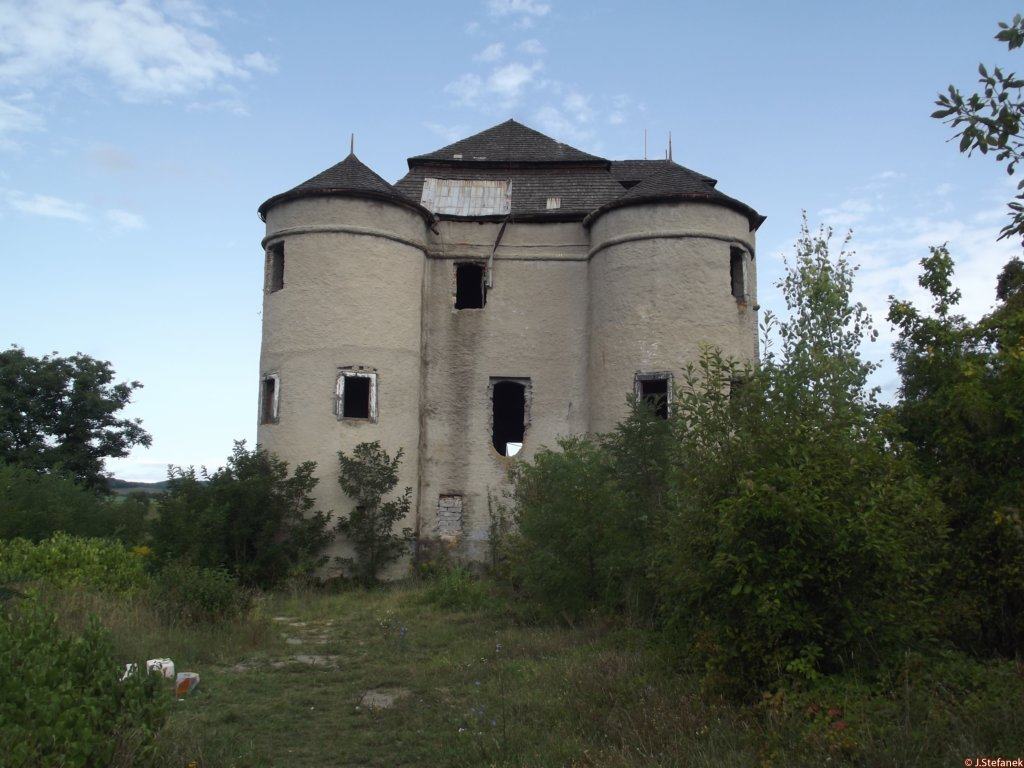
Dolná Mičiná
Dolná Mičiná
9.2km
manor, mansion
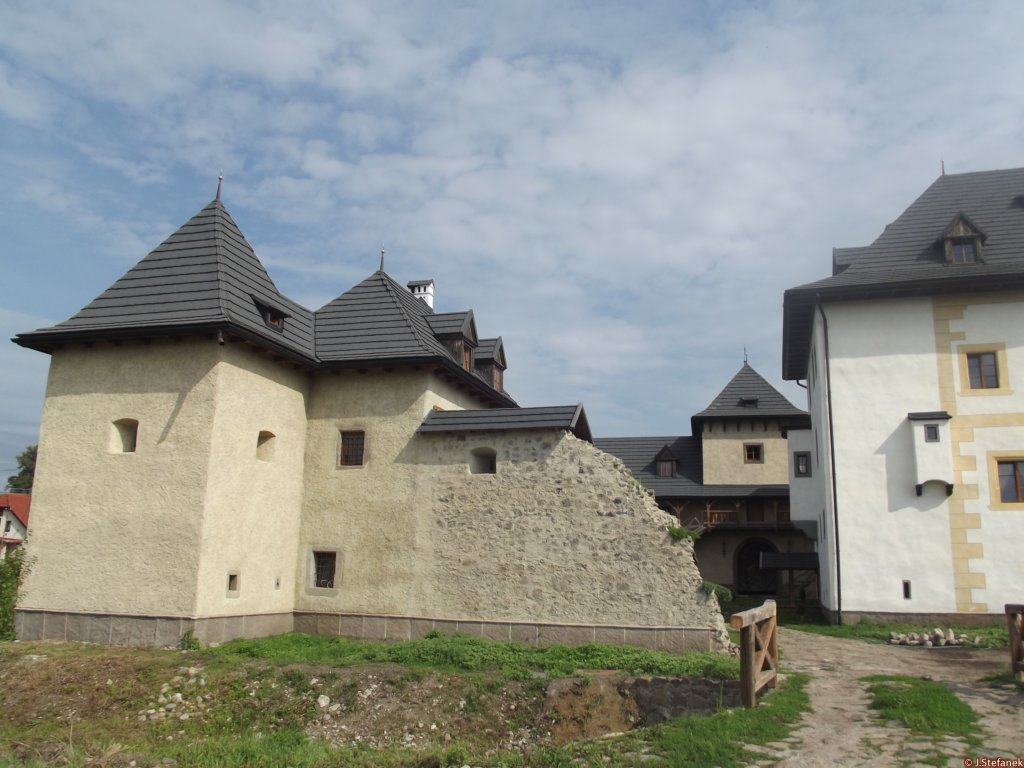
Hronsek
Hronsek
9.9km
manor, mansion
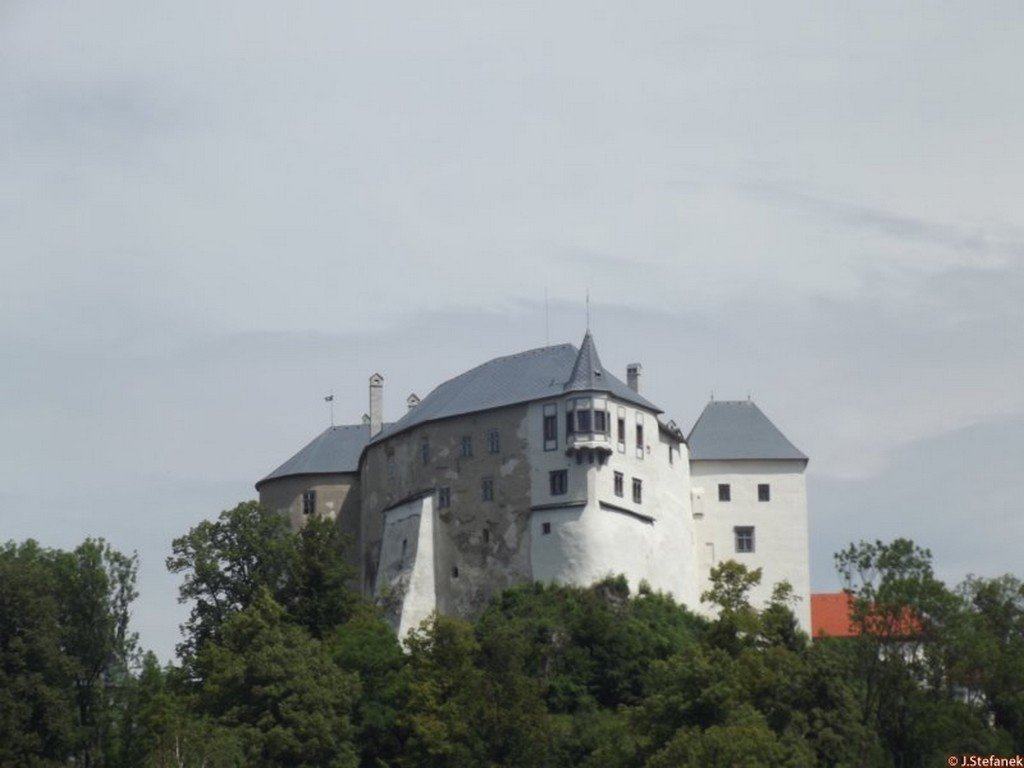
Slovenská Ľupča
Slovenská Ľupča
10.6km
castle, chateau
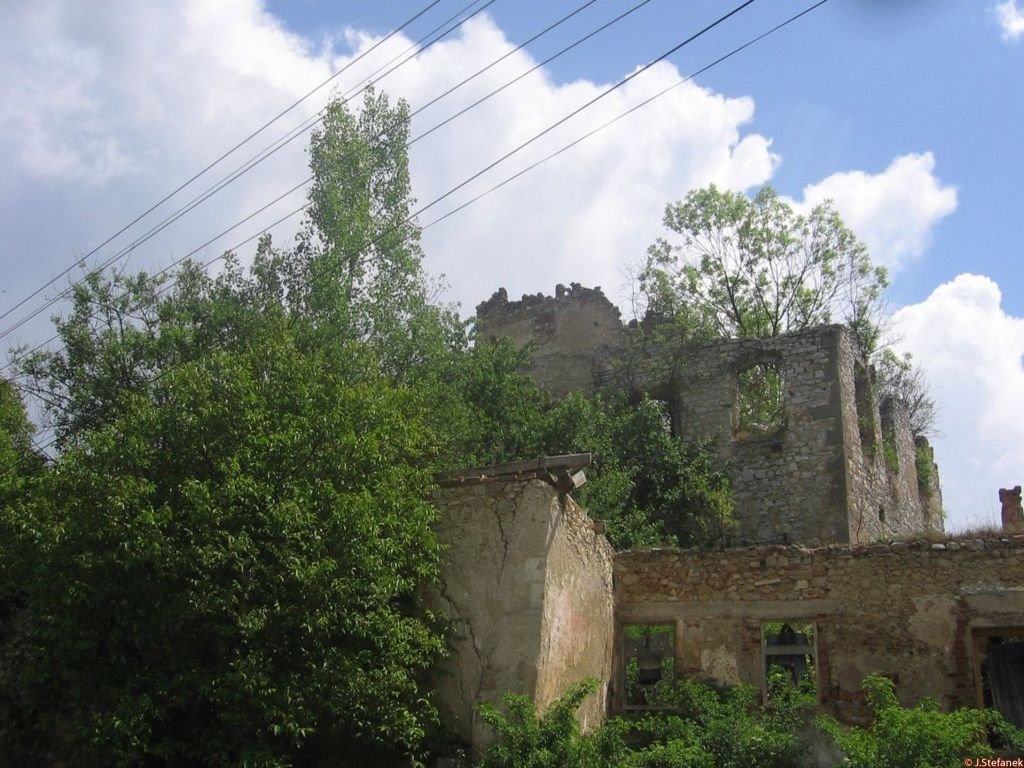
Dúbravica
Dúbravica
11.4km
castle ruin
Ľubietová
Ľubietová
15.8km
castle ruin
Zolná
Zolná (Zvolen)
16.2km
manor, mansion
Kremnica
Kremnica
17.2km
castle, chateau