Dúbravica
Dúbravica Banská Bystrica county Slovakia
castle ruin
Dúbravica
Dúbravica Banskobystrický kraj Slovakia
zrúcanina hradu
The ruins of the castle are located in the village Dúbravica, approximately in the middle of the area between Banská Bystrica and Zvolen Slatina
Zrúcanina hradu sa nachádza priamo v obci Dúbravica, približne v strede oblasti medzi Banskou Bystricou a Zvolenskou Slatinou
Previous names
Dubrauice, Dubrawyche, Dubrawitza
Roads
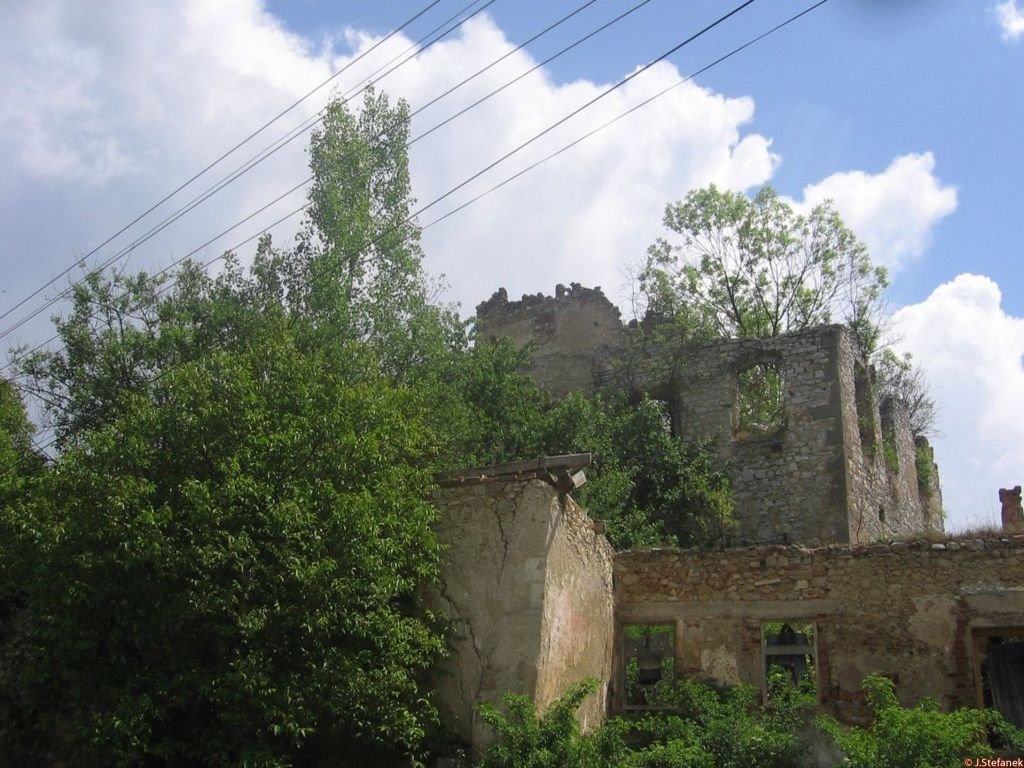
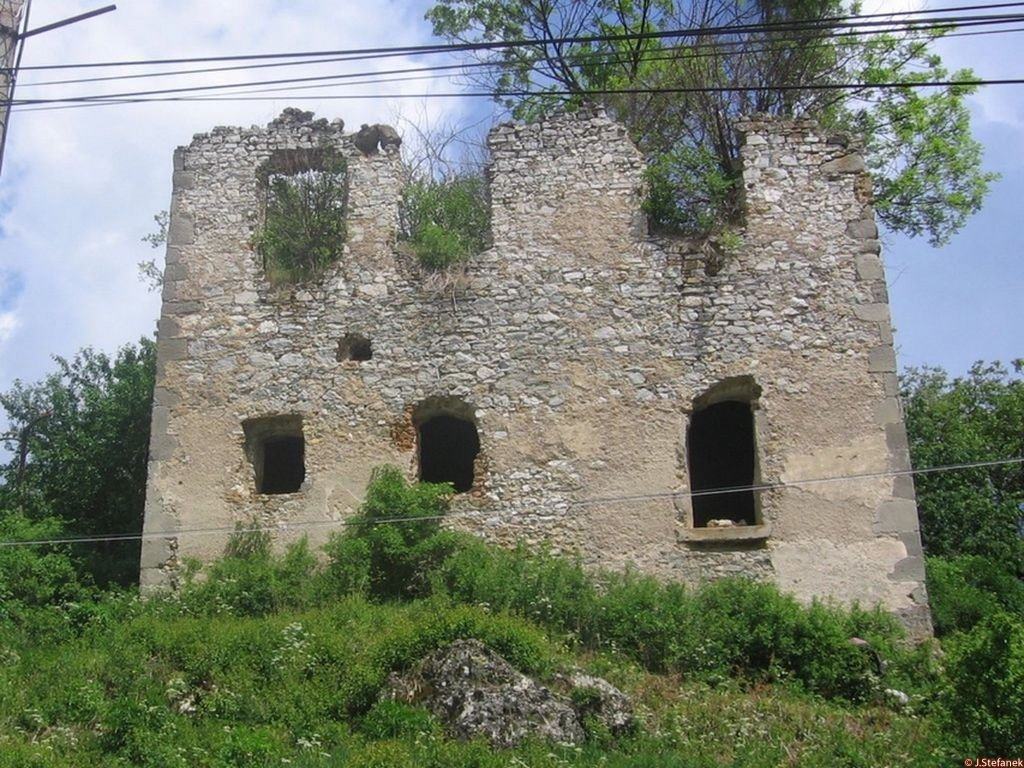
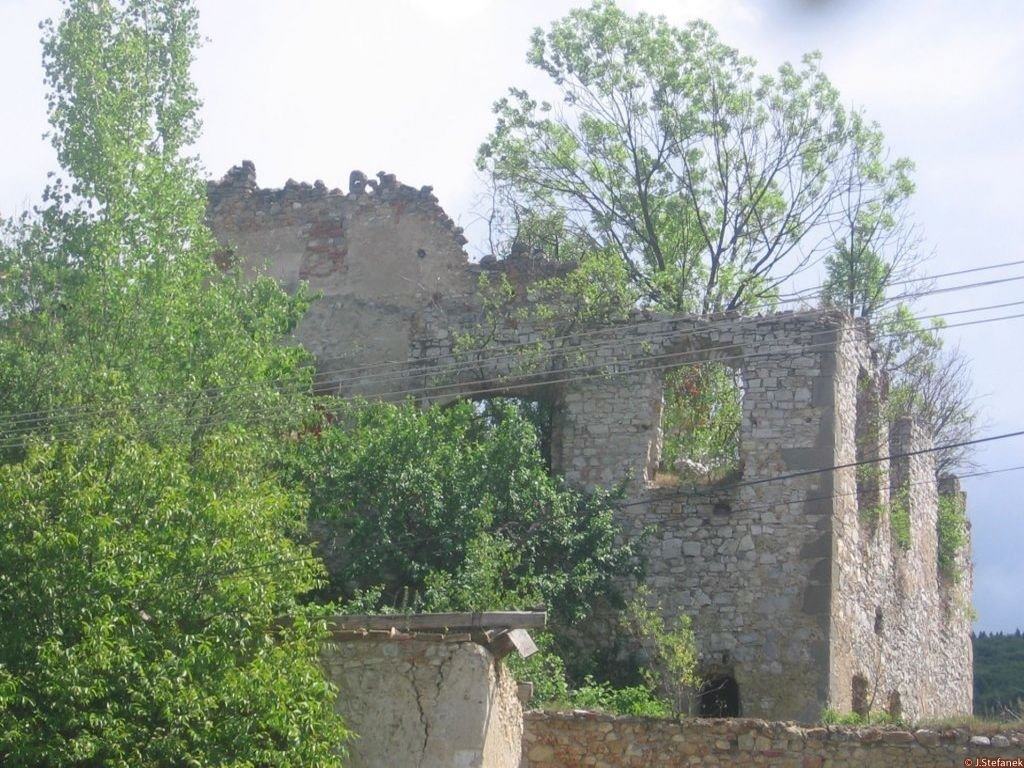
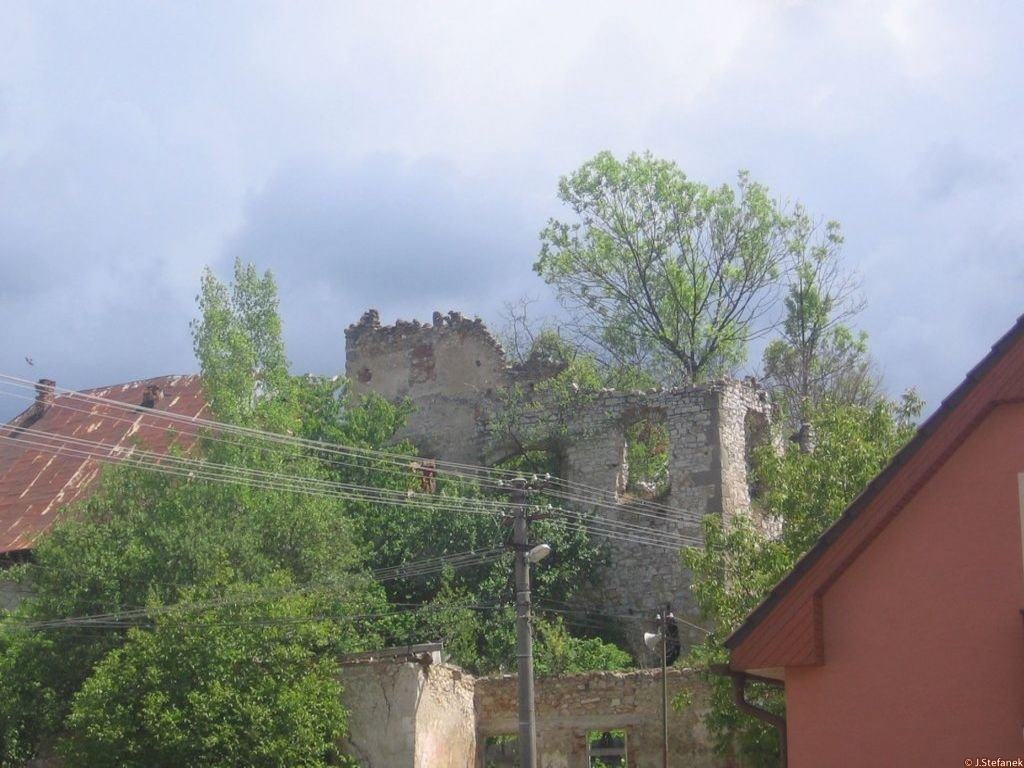
To the ruins of the Dúbravica we get along the road from Zvolenská Slatina, where we later choose the direction to the villages of Čerín and Čačín, or from Banská Bystrica towards Slovenská Ľupča, where we choose the turn to the right to the village of Poníky. From both directions we get directly to the village Dúbravica, where next to the main road we soon come across a church. We can park here around the church without any problems. The ruin is located about 50 meters behind the church, surrounded by buildings and overgrown with vegetation.
K zrúcanine hrádku Dúbravica sa dostaneme po ceste zo Zvolenskej Slatiny, kde neskôr zvolíme smer na obce Čerín a Čačín, alebo z Banskej Bystrice smerom na Slovenskú Ľupču, kde zvolíme odbočku vpravo na obec Poníky. Z oboch smerov sa dostaneme priamo do obce Dúbravica, kde popri hlavnej ceste čoskoro natrafíme na kostol. Tu v okolí kostola môžeme bez problémov zaparkovať. Zrúcanina sa nachádza asi 50 metrov za kostolom, obkolesená budovami a zarastená vegetáciou.
Description
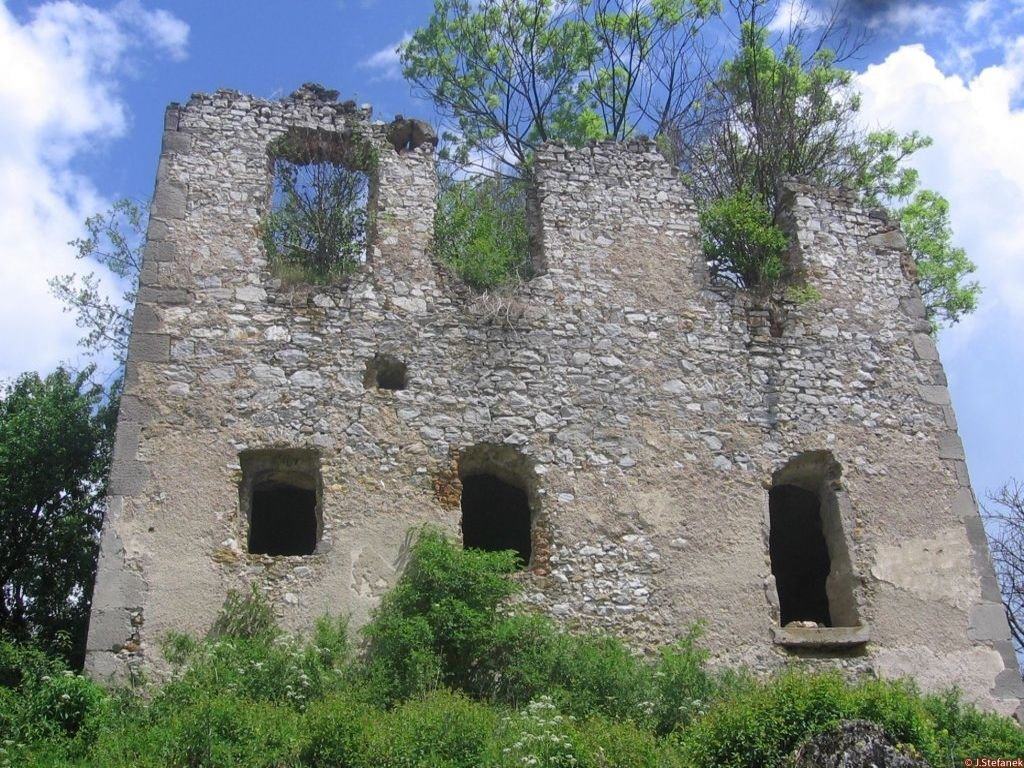
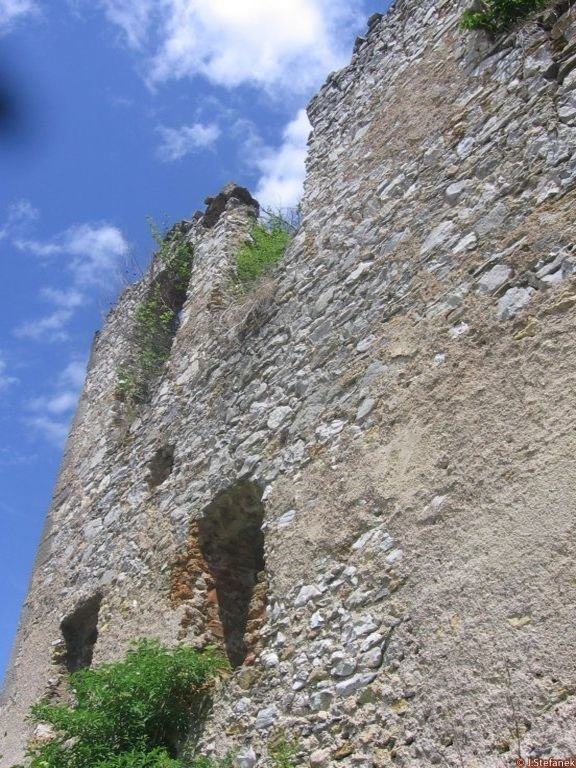
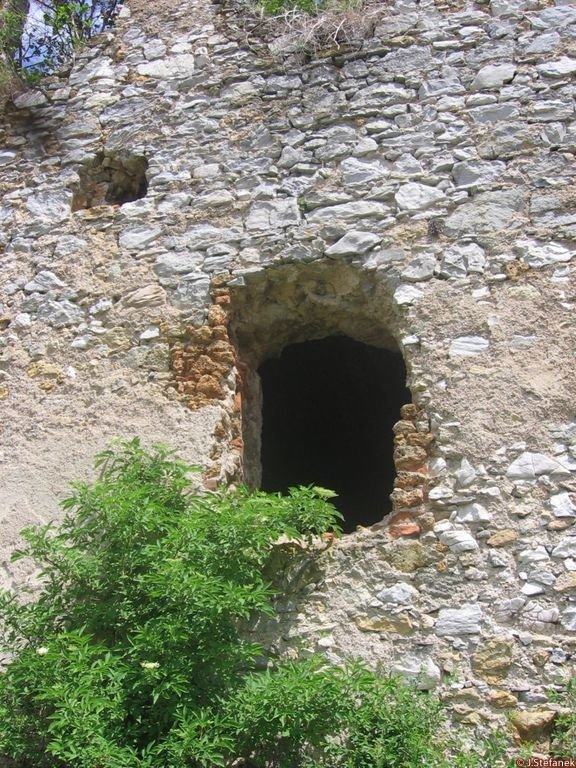
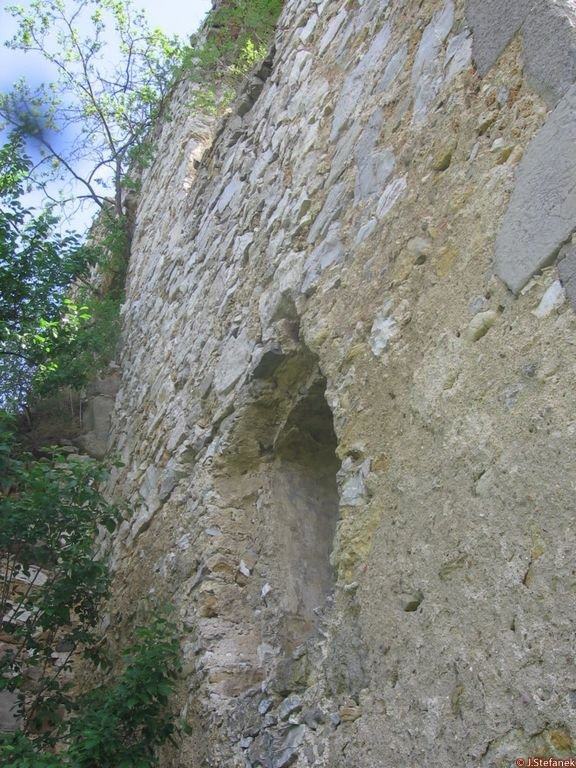
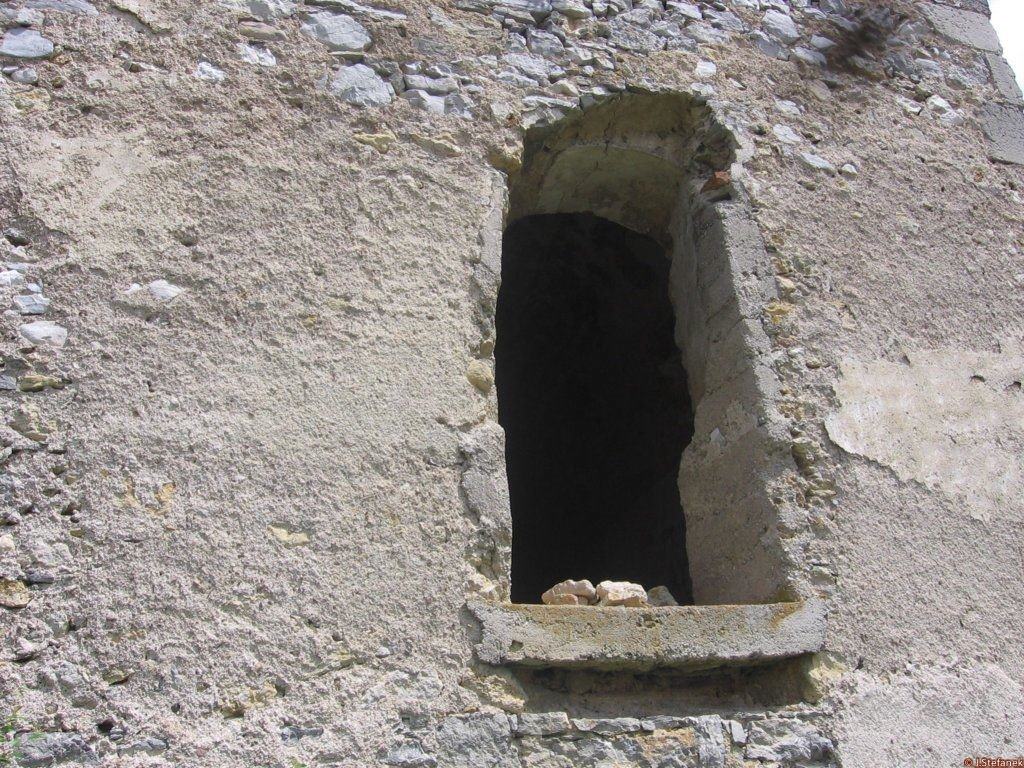
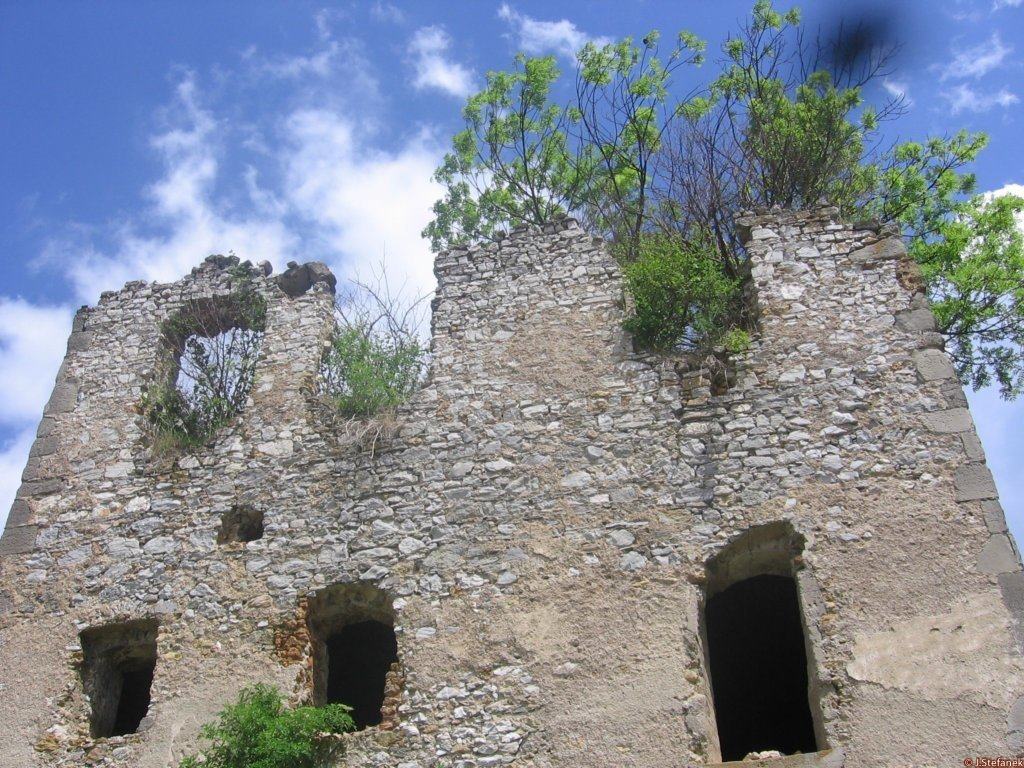
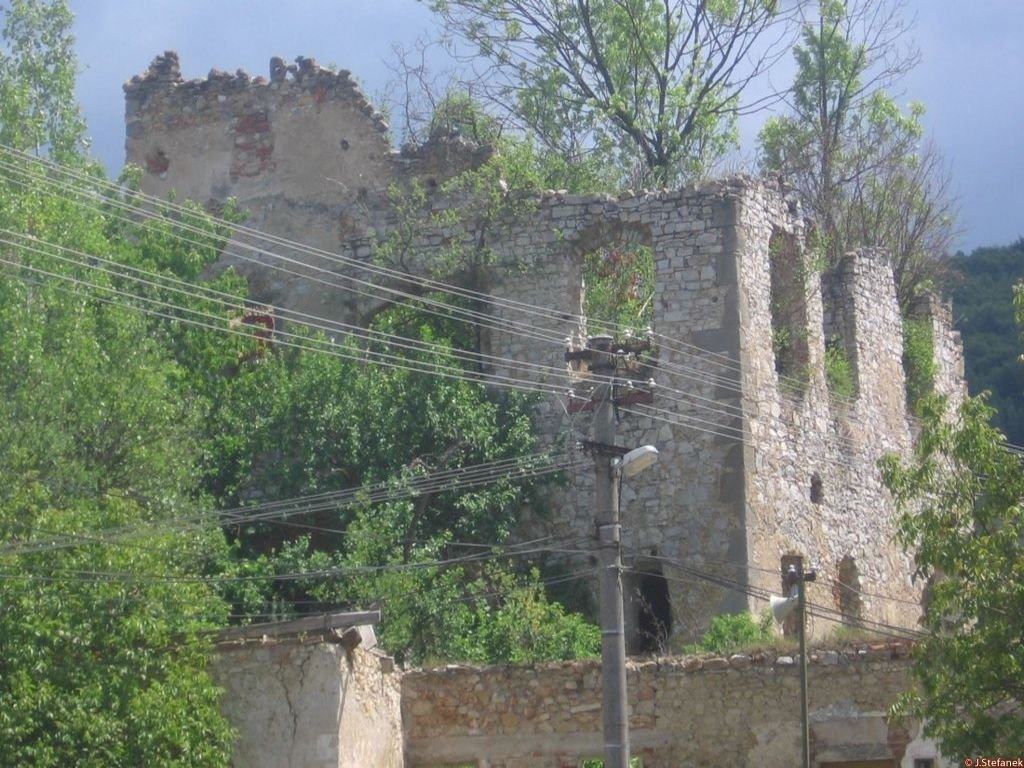
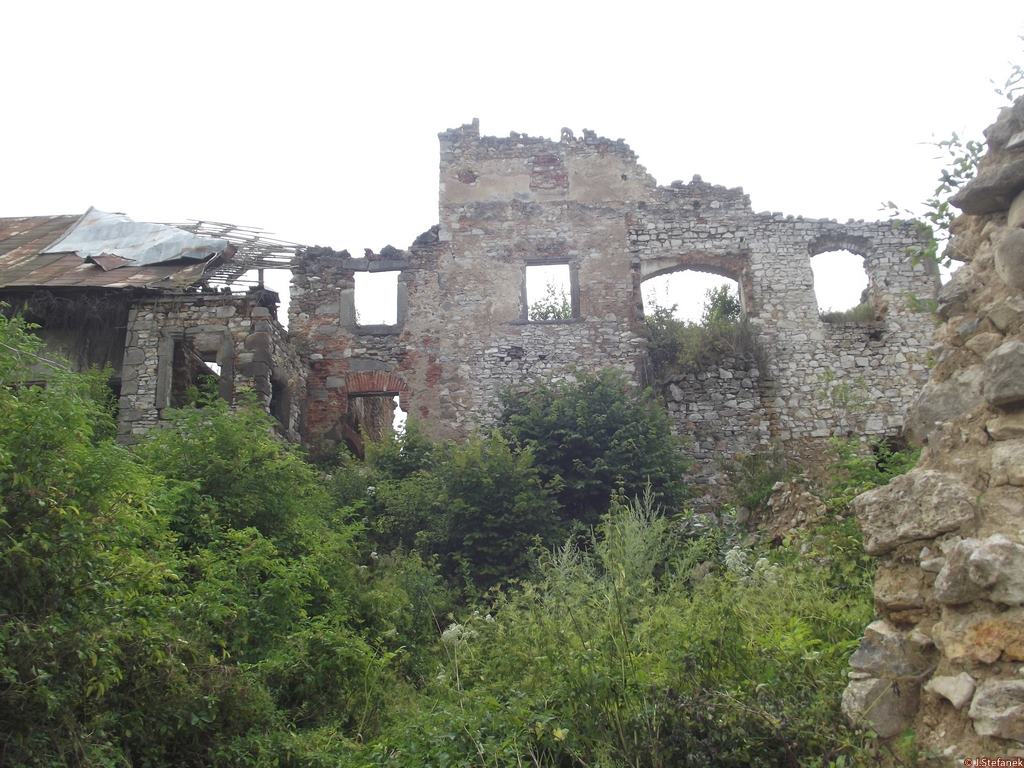
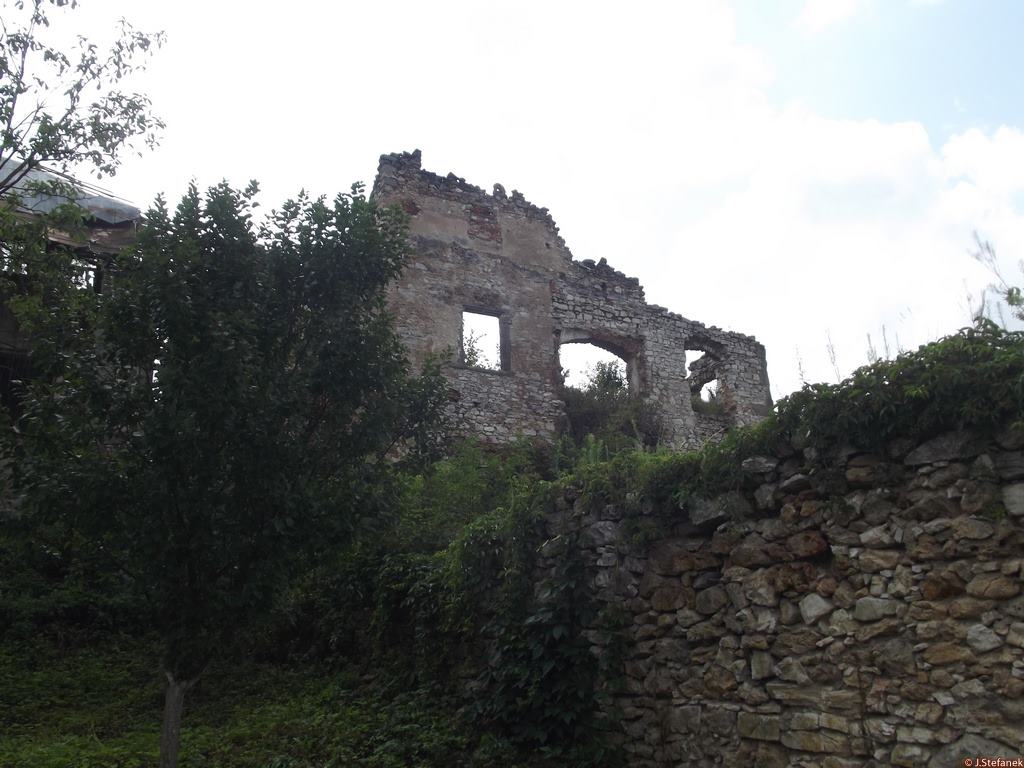
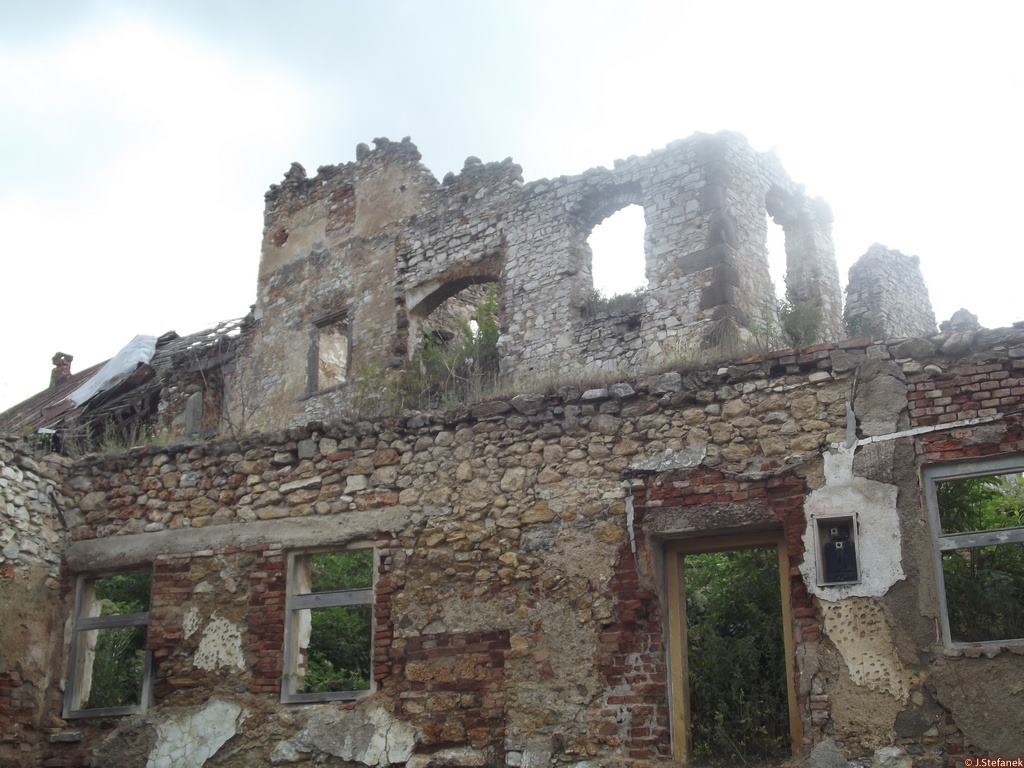
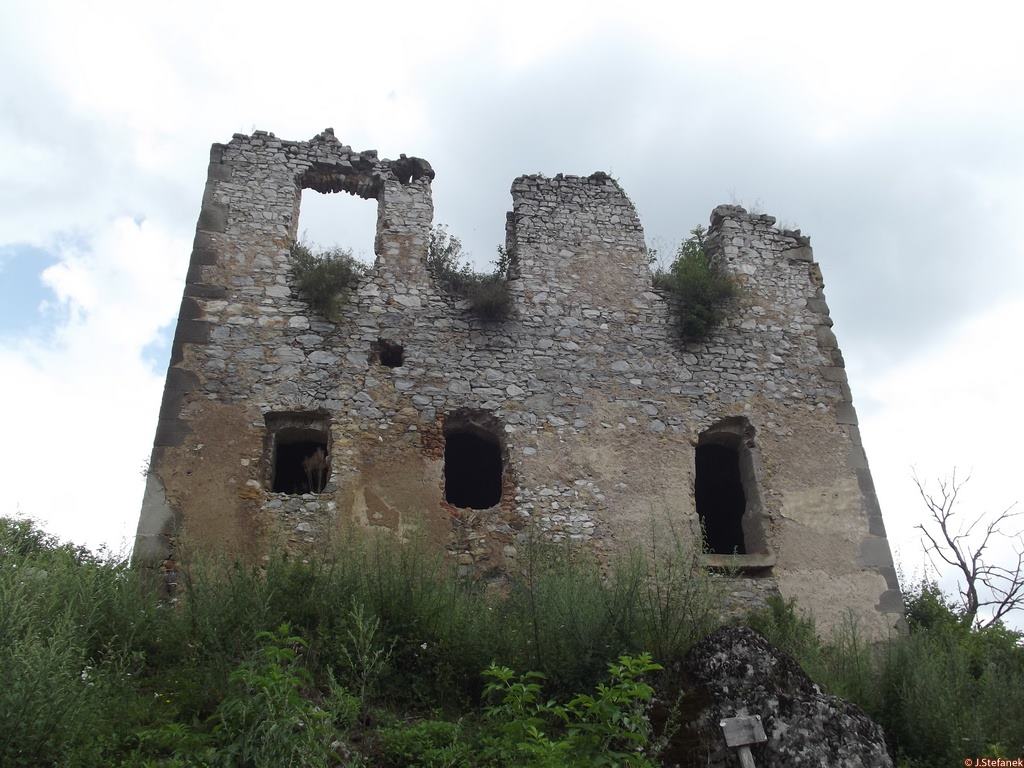
The castle consisted of a two-storey Gothic block building with barrel vaults. On its facade there was once an arch, which remained documented even on the cadastral map from 1866. Later, another object was added to it. On one side it was once surrounded by a mill and on the other side by a road that ran along the Zolná stream. Farm buildings belonging to the building that surrounded it were distributed irregularly and delimited its premises. It is therefore possible that they follow the older perimeter wall of the object or fortification.The building is currently in a desolate state, without preserved roof structures in the older part, the younger building has a recent metal sheeting.
Hrádok tvorila dvojpodlažná gotická bloková stavba s valenými klenbami. Na jej fasáde sa kedysi nachádzal arkier, ktorý zostal zdokumentovaný ešte aj na katastrálnej mape z r.1866. Neskôr k nej bol pristavaný ďalší objekt. Z jednej strany ho kedysi obkolesoval mlyn a z druhej strany cesta, ktorá viedla popri potoku Zolná. Hospodárske budovy patriace k objektu, ktoré ho obklopovali, boli rozmiestnené nepravidelne a vymedzovali jeho areál. Je preto možné, že kopírujú starší obvodový múr objektu alebo opevnenie.Objekt je v súčasnosti dezolátnom stave, bez zachovaných strešných konštrukcií v staršej časti, mladšia stavba má recentnú plechovú krytinu.
Plan
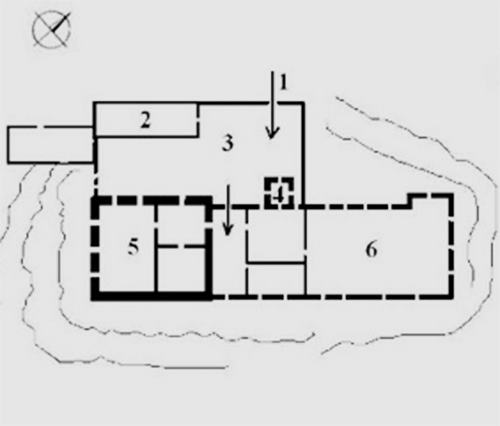
Legend to the ground plan
- 1-original entrance to the building
- 2-farm building
- 3-courtyard
- 4-watchtower
- 5-older wing
- 6-newer wing
Legenda k pôdorysu
- 1-pôvodný vstup do objektu
- 2-hospodárska budova
- 3-nádvorie
- 4-strážna veža
- 5-staršie krídlo
- 6-novšie krídlo
History
We know very little about the history of this castle ruin. Even the literature on the dating of the building is not uniform. The missing family archive of the Dúbravický family, who are referred to as the builders of this castle, is also a problem. Some sources mention the first mention of the castle in the middle of the 15th century, but the historian M. Varsik postponed the origin of the building to the first half of the 16th century. In any case, the sources agree in the builder, who allegedly mentioned the Dúbravický family. This genus is of Croatian origin and not Slovak, as is incorrectly mentioned in the Slovak literature. In the 15th century, members of the family also worked in the Zvolen capital under the surname Horváth. In Hungary, the surname mostly expressed where the family came from geographically, often at the expense of the original surname. The first known ancestor of the family living in the Zvolen capital, Juraj Horváth (1440-1465), worked as the vice-castellan of the Slovak-Lupčany castle. He later worked as a castellan. In 1445, Juraj also inherited the village of Dúbravica, which in this period belonged to the Ľupčianske castle estate. The village became the tribal property of the family in the Zvolen capital and its members owned it in the following centuries. The family also derived a surname and a predicate from the name of the village. The castle belonged to the Dúbravický family until the end of the 18th century.
King Matej Korvín confirmed the possession of the village by a new donation in 1464. It is probable. that Juraj was also the builder of the original building in the middle of the 15th century. Juraj's descendants later divided the family into two lines. The first family branch was founded by Juraj's son Juraj and the second by his brother's sons Petra, Ján and Mikuláš. This branch of the family gradually acquired several estates outside the Zvolen capital, especially in Spiš. Mikuláš's line died out by his only son Albert before 1579. In Dúbravice, after the middle of the 16th century, mainly members of the poorer Juraj line remained. In 1583, Benedikt, Uriel and their cousin Michal received a new donation from the king for a castle in a spring known as the aristocratic mansion - curia nobilitaris and for half of the village of Dúbravica. The rest of the village belonged to Mark and his son Ján from Ján's line. The construction was marked by the year 1588, when the Turks invaded Zvolen. They managed to burn Môťová and almost penetrated directly into Zvolen. Due to this situation, members of the family left Dúbravica. Fearing that the building would be occupied by the Turkish army, Archduke Ernest himself ordered Captain Dobó to demolish the building or occupy it with a military garrison. The correspondence found suggests the seriousness of the situation. Before the end of July, a military garrison from Libercsényi's unit was concentrated in the building. The occupation of the building was recommended by the emperor only as a temporary solution until the military situation calmed down. In these times, the building is basically referred to as a tower - Thurs, respectively. turris. It was probably a fortified watchtower that was part of the castle.
After the end of the immediate Turkish danger, its original owners - the Dúbravicks - returned to the castle. In the middle of the 19th century (1859) its only owner was Karol Strakonický (Sztrakoniczky). He also acquired the entire building, along with several outbuildings and extensive urban areas. It seems that in this century the older Gothic part of the building was no longer inhabited, the younger wing most likely had a wooden (shingle) roofing. In the 1940s, the urban area belonging to the building was already subdivided and owned by several private owners. During this period, several residential houses were built in the vicinity of the castle on the foundations of farm buildings and in their vicinity.
The ruins are in desperate condition and there are currently disputes about the settlement of property rights to the land on which the building stands. To date, no archaeological research has been conducted to provide more information.
Z histórie tejto zrúcaniny hrádku vieme len veľmi málo. Ani literatúra pri datovaní stavby nie je jednotná. Problémom je aj nezvestný rodový archív rodu Dúbravických, ktorí sú označovaní ako stavitelia tohto hradu. Niektoré zdroje uvádzajú prvú zmienku o hrade polovicu 15.storočia, historik M. Varsik však vznik objektu posunul do prvej polovice 16.storočia. Každopádne zdroje sa zhodujú v staviteľovi, ktorým údajne bol spomínaný rod Dúbravický. Tento rod je chorvátskeho pôvodu a nie slovenského, ako sa v slovenskej literatúre nesprávne spomína. V 15.storočí príslušníci rodu pôsobili vo Zvolenskej stolici aj pod priezviskom Horváth. Priezvisko vyjadrovalo v Uhorsku väčšinou to, odkiaľ rod geograficky pochádzal, mnohokrát i na úkor pôvodného priezviska. Prvý známy predok rodu žijúci vo Zvolenskej stolici, Juraj Horváth (1440-1465), pôsobil ako vicekastelán slovenskoľupčianskeho hradu. Neskôr pôsobil ako kastelán. Juraj získal v roku 1445 dedične do vlastníctva aj obec Dúbravica, ktorá v tomto období patrila k ľupčianskemu hradnému panstvu. Obec sa stala kmeňovým majetkom rodu vo Zvolenskej stolici a jeho príslušníci ju vlastnili aj v nasledujúcich storočiach. Od názvu obce si rod odvodil aj priezvisko a predikát. Hrádok patril Dúbravickým až do konca 18.storočia.
Kráľ Matej Korvín potvrdil rodu držbu obce novou donáciou v roku 1464. Je pravdepodobné. že Juraj bol v polovici 15.storočia aj staviteľom pôvodného objektu. Jurajovými potomkami sa rod neskôr rozdelil na dve línie. Prvú rodovú vetvu založil Jurajov syn Juraj a druhú synovia jeho brata Petra, Ján a Mikuláš. Táto vetva rodu postupne získala viaceré majetky mimo Zvolenskej stolice, hlavne na Spiši. Mikulášova línia vymrela jeho jediným synom Albertom pred rokom 1579. V Dúbravici zostali po polovici 16.storočia hlavne príslušníci chudobnejšej Jurajovej línie. Benedikt, Uriel a ich bratranec Michal roku 1583 získali od kráľa novú donáciu na hrádok v prameni označený ako šľachtická kúria – curia nobilitaris a na polovicu obce Dúbravica. Zvyšok obce pripadol Markovi a jeho synovi Jánovi z Jánovej línie. Stavbu poznačil rok 1588, keď Zvolenskú stolicu prepadli Turci. Podarilo sa im vypáliť Môťovú a takmer prenikli aj priamo do Zvolena. Vzhľadom na túto situáciu príslušníci rodu opustili Dúbravicu. Zo strachu pred obsadením objektu tureckým vojskom, sám arciknieža Ernest prikázal kapitánovi Dobóovi objekt zbúrať alebo obsadiť vojenskou posádkou. Nájdená korešpondencia napovedá o vážnosti situácie. Pred koncom júla sa v objekte sústredila vojenská posádka z Libercsényiho jednotky. Obsadenie objektu odporúčal cisár len ako prechodné riešenie, kým sa neupokojí vojenská situácia. Objekt sa v týchto časoch označuje zásadne ako veža – Thurs, resp. turris. Pravdepodobne sa jednalo o opevnenú strážnu vežu, ktorá bola súčasťou hradu.
Po skončení bezprostredného tureckého nebezpečenstva sa do hradu vrátili jeho pôvodní majitelia – Dúbravickí. V polovici 19.storočia (r.1859) bol už jeho jediným majiteľom Karol Strakonický (Sztrakoniczky). Získal celý objekt aj spolu s viacerými hospodárskymi budovami a rozsiahlym intravilánom. Zdá sa, že v tomto storočí už staršia gotická časť objektu nebola obývaná, mladšie krídlo malo s najväčšou pravdepodobnosťou drevenú (šindľovú) krytinu. V 40.rokoch 20.storočia bol už intravilán patriaci k objektu rozparcelovaný a vo vlastníctve viacerých súkromných majiteľov. V tomto období v okolí hrádku vzniklo na základoch hospodárskych budov a v ich blízkosti niekoľko obytných domov.
Zrúcanina je v zúfalom stave a v súčasnosti sa vedú spory o vysporiadaní vlastníckych práv pozemku, na ktorom objekt stojí. Dodnes tu neprebehol žiadny archeologický výskum, ktorý by priniesol viac informácií.
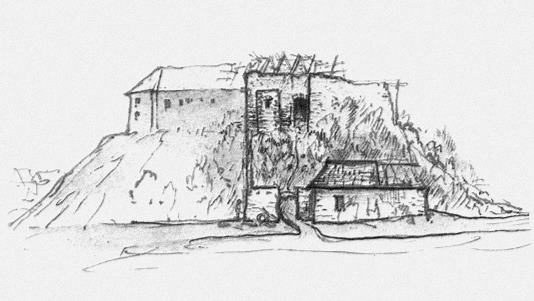
Myths and legends
There are no myths available.
K tomuto objektu nie sú dostupné žiadne povesti
Useful information
The ruin is freely accessible
Zrúcanina je voľne prístupná
Nearby castles
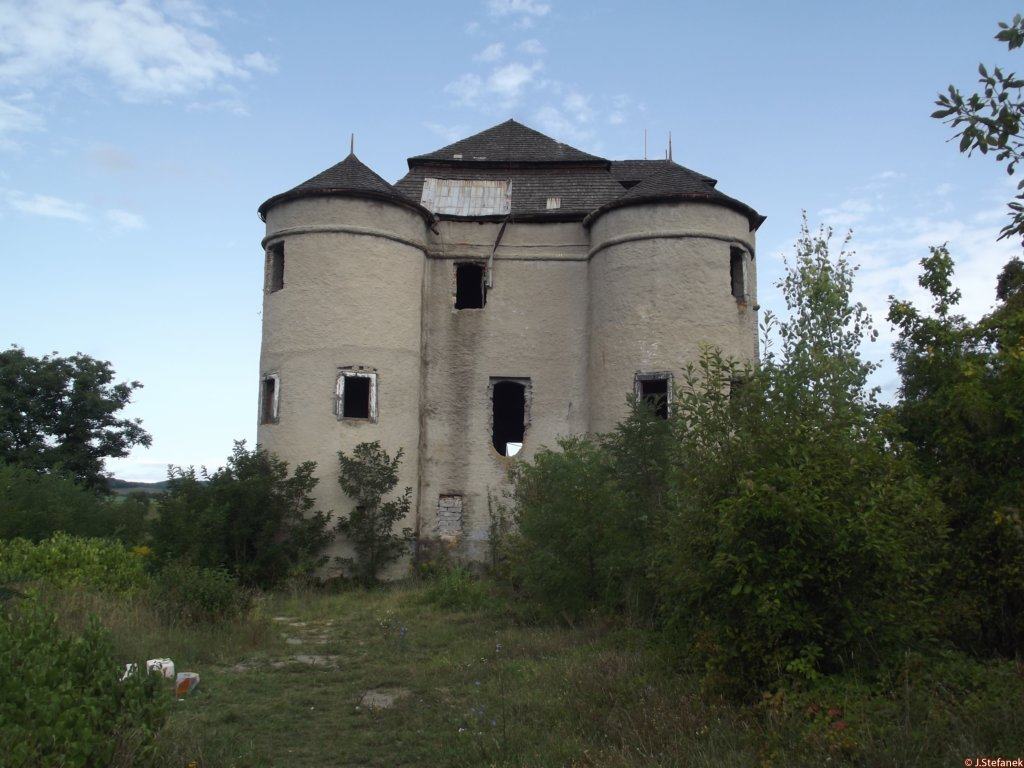
Dolná Mičiná
Dolná Mičiná
3.7km
manor, mansion
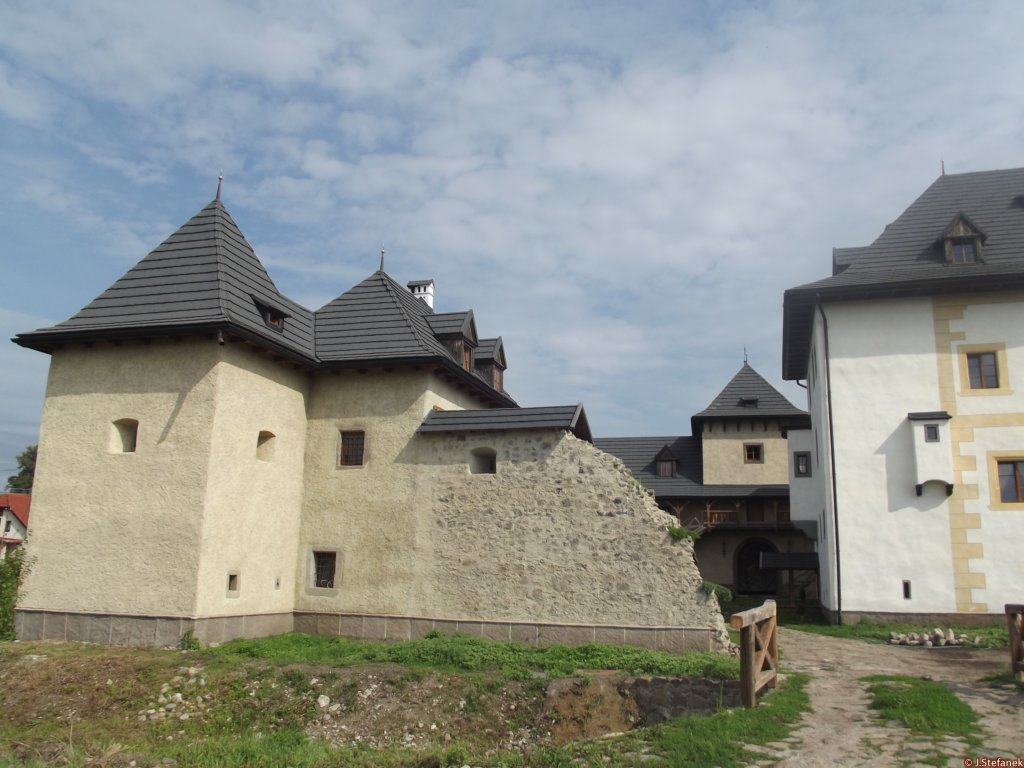
Hronsek
Hronsek
9.1km
manor, mansion
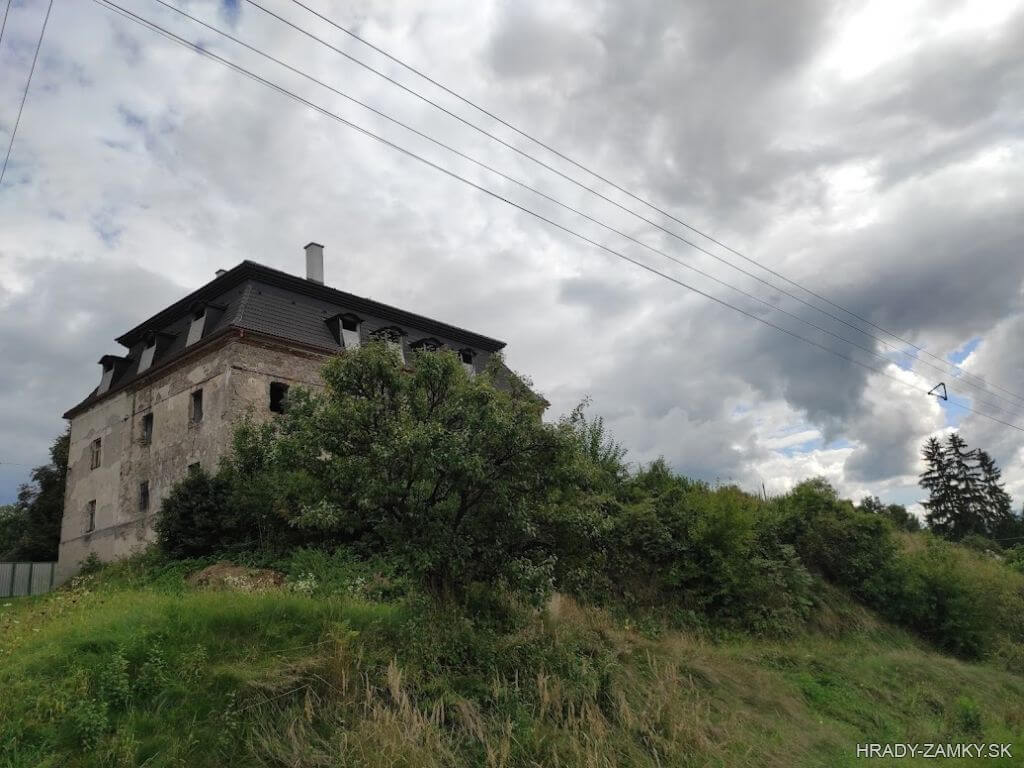
Zolná
Zolná (Zvolen)
9.2km
manor, mansion
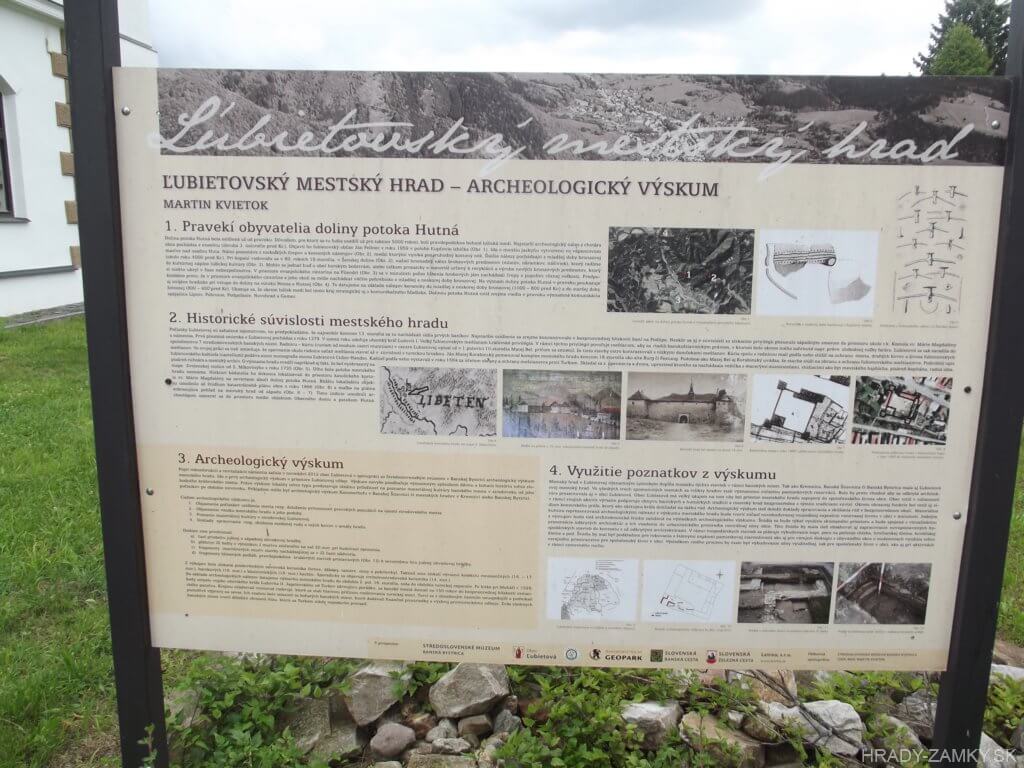
Ľubietová
Ľubietová
10.1km
castle ruin
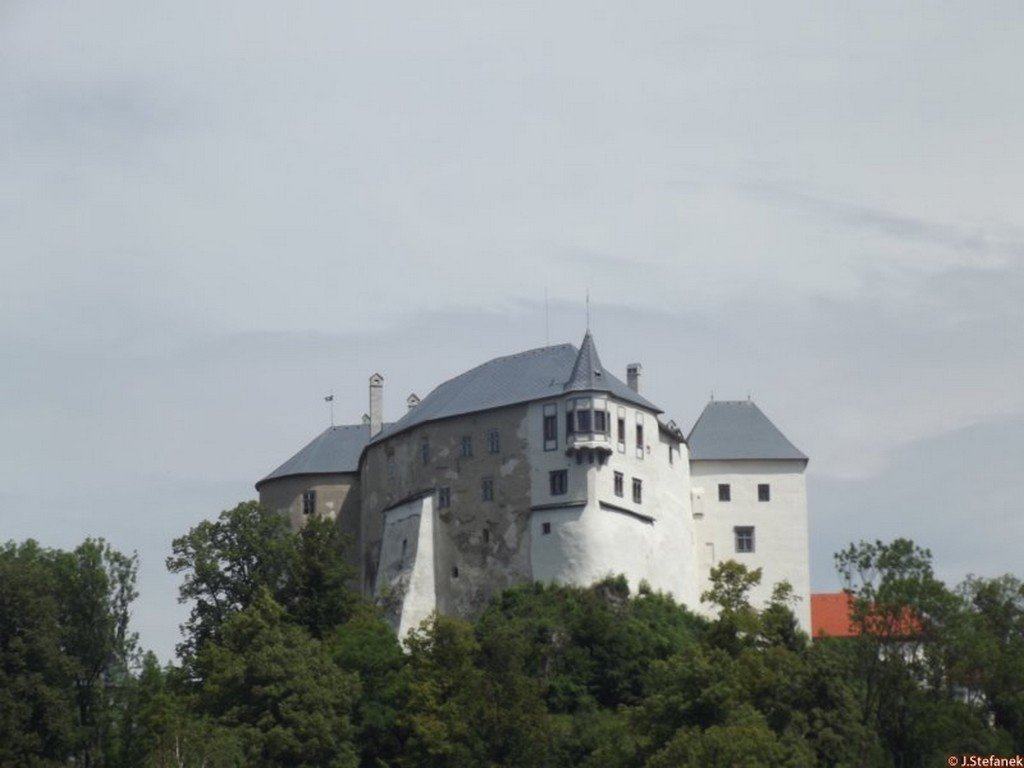
Slovenská Ľupča
Slovenská Ľupča
10.6km
castle, chateau
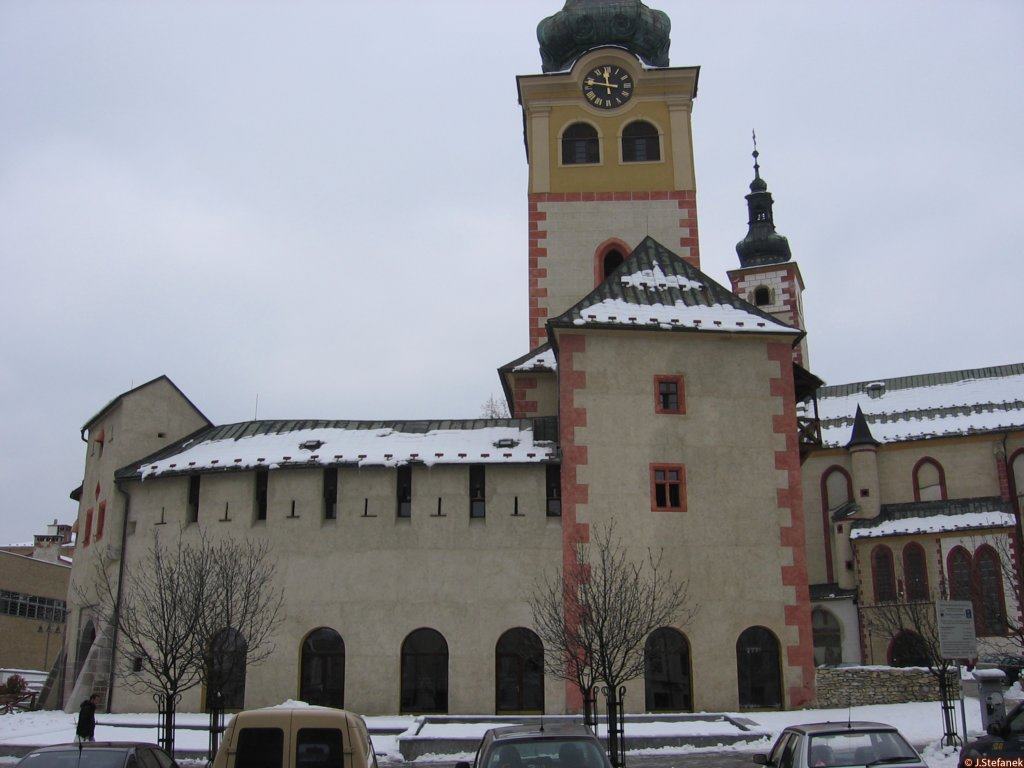
Banská Bystrica
Banská Bystrica
11.4km
castle, chateau
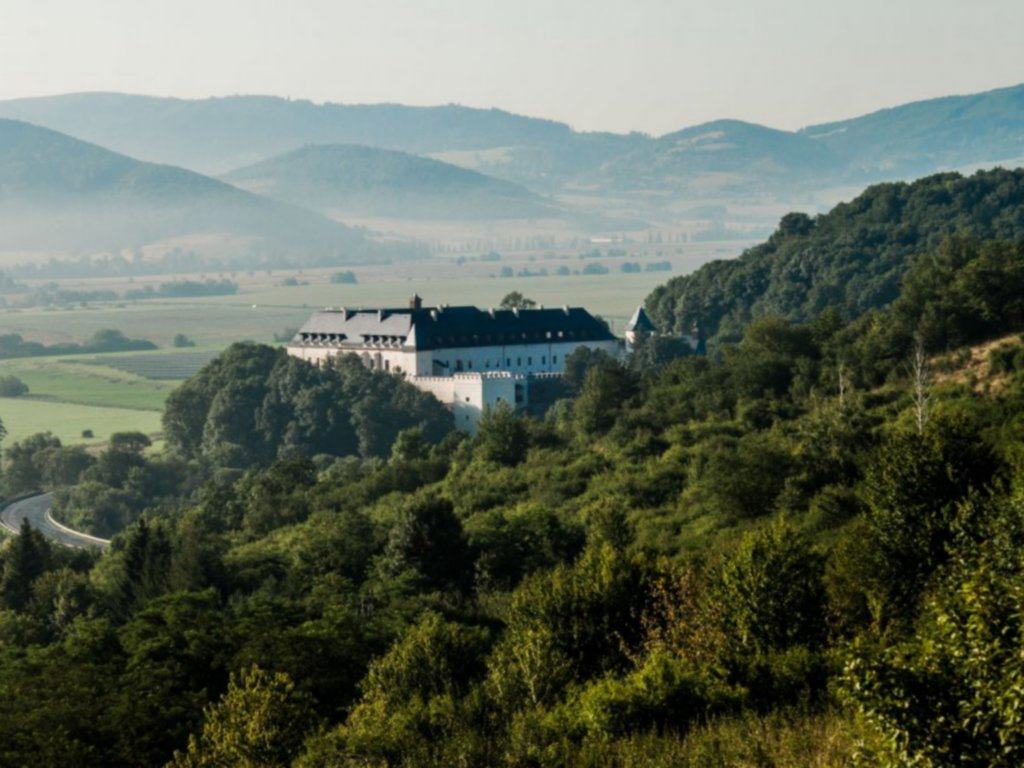
Vígľaš
Vígľaš
13.7km
castle, chateau