Hronsek
Hronsek Banská Bystrica county Slovakia
manor, mansion
Hronsek
Hronsek Banskobystrický kraj Slovakia
kaštieľ
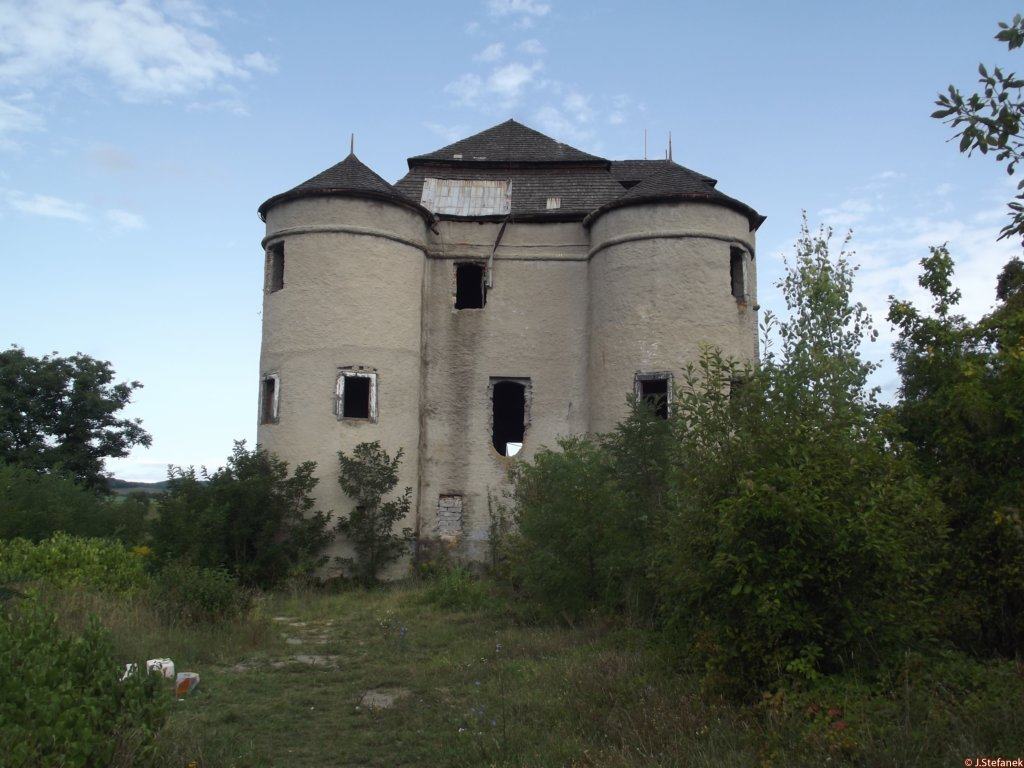
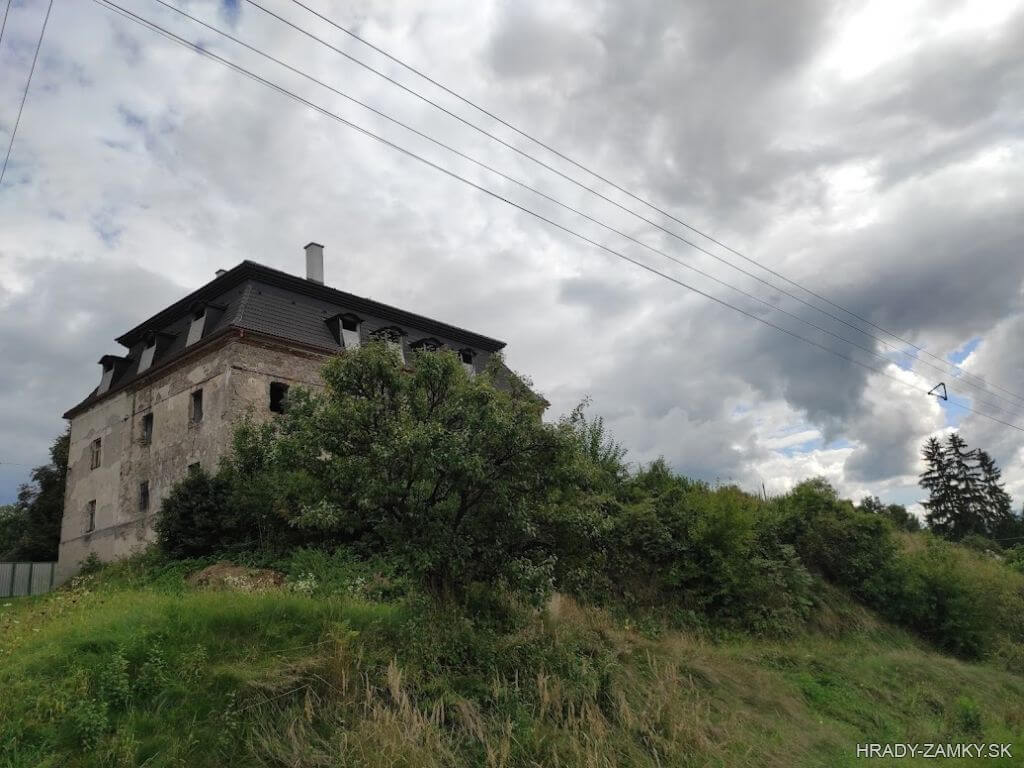
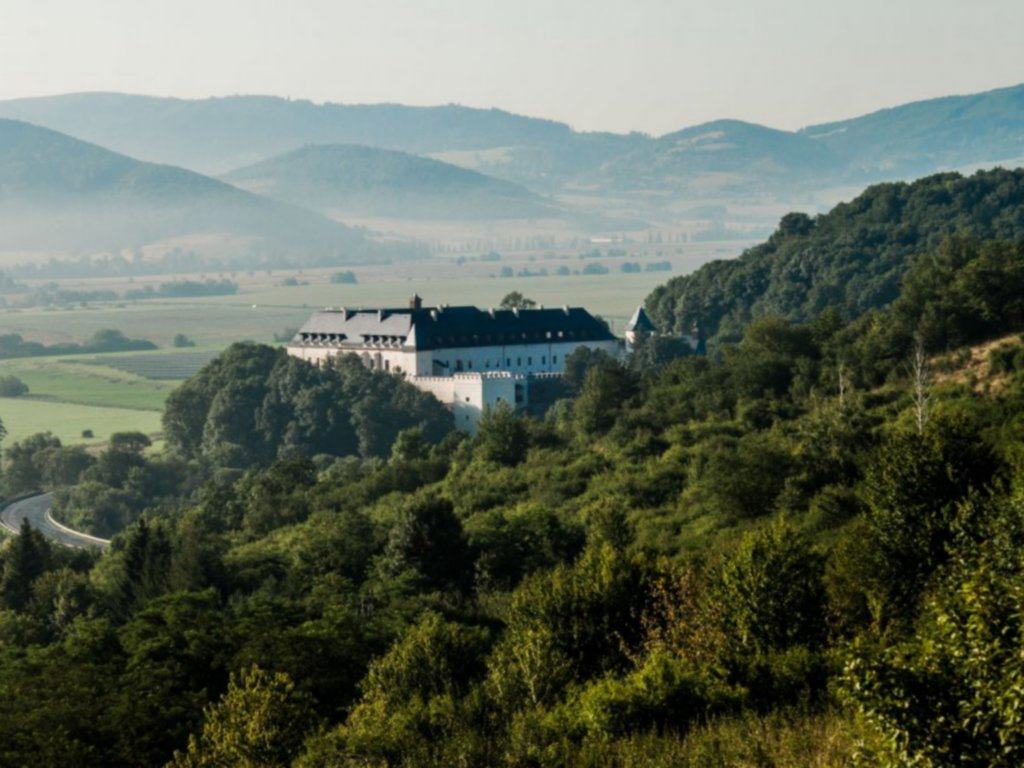
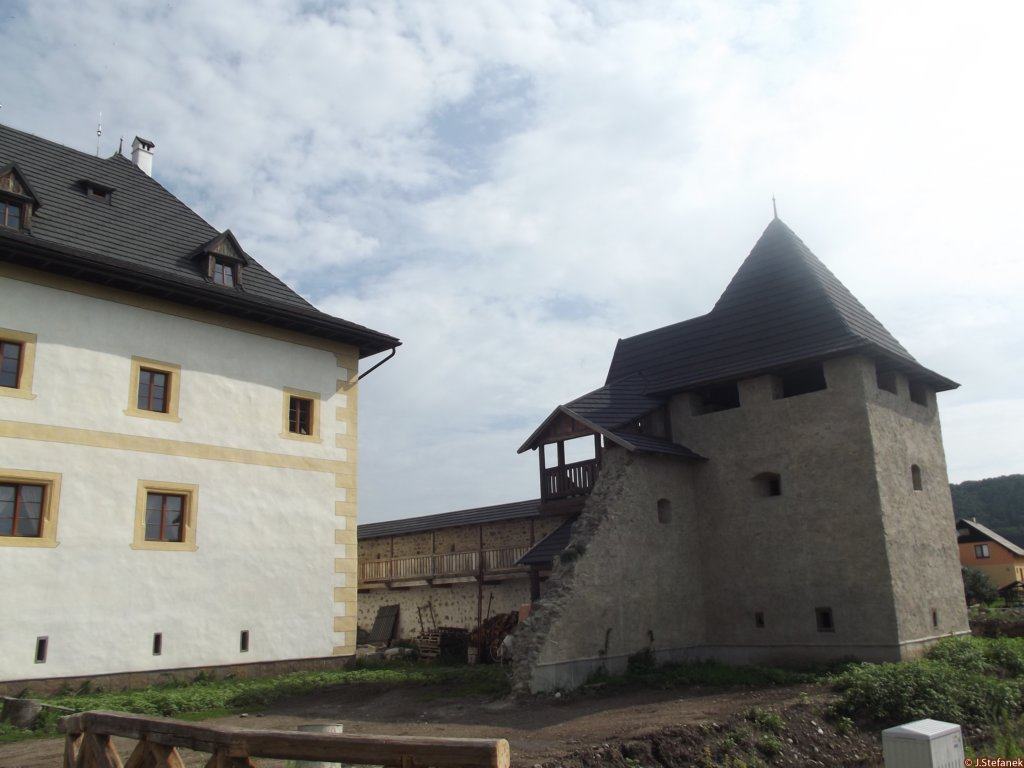
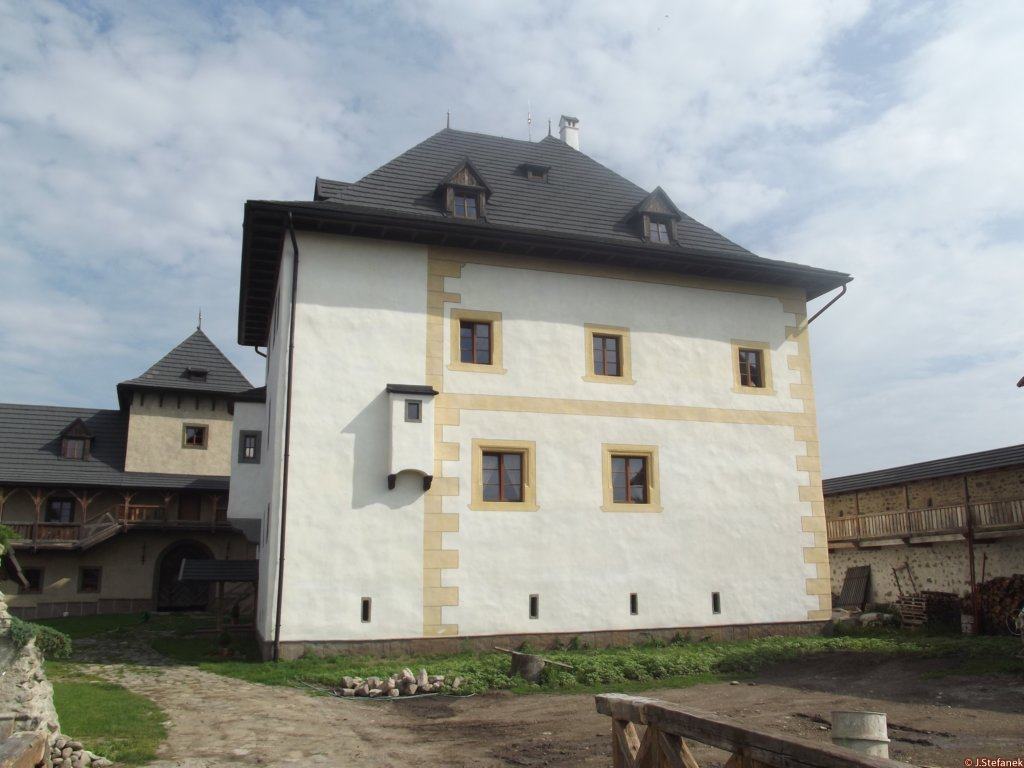
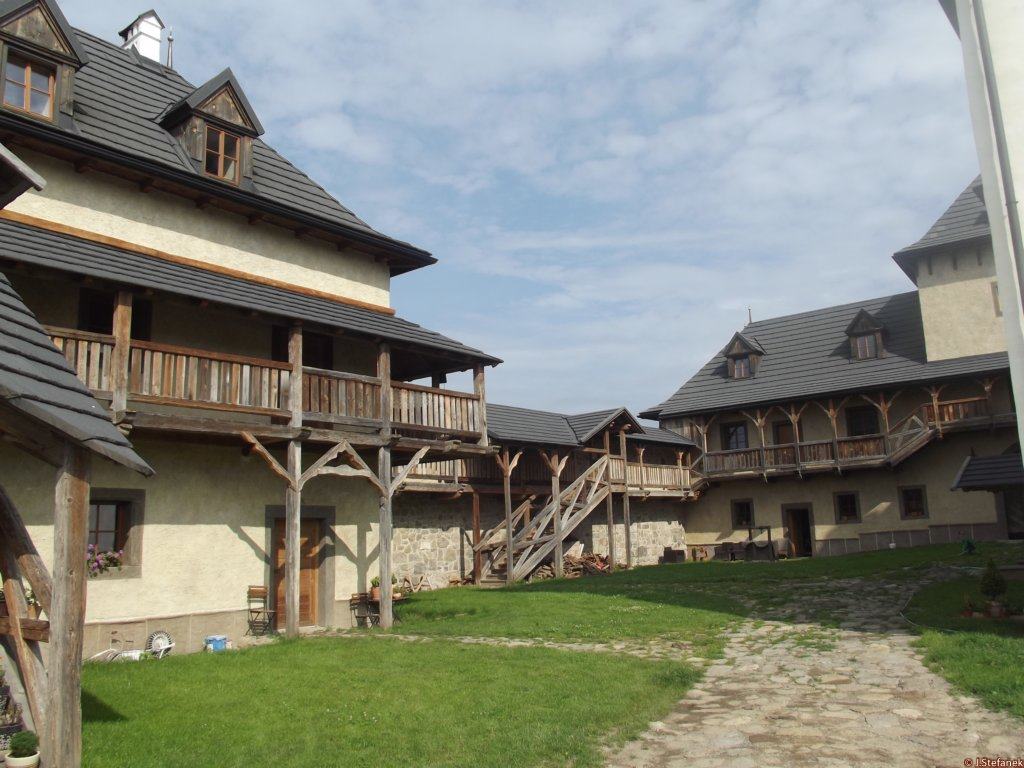
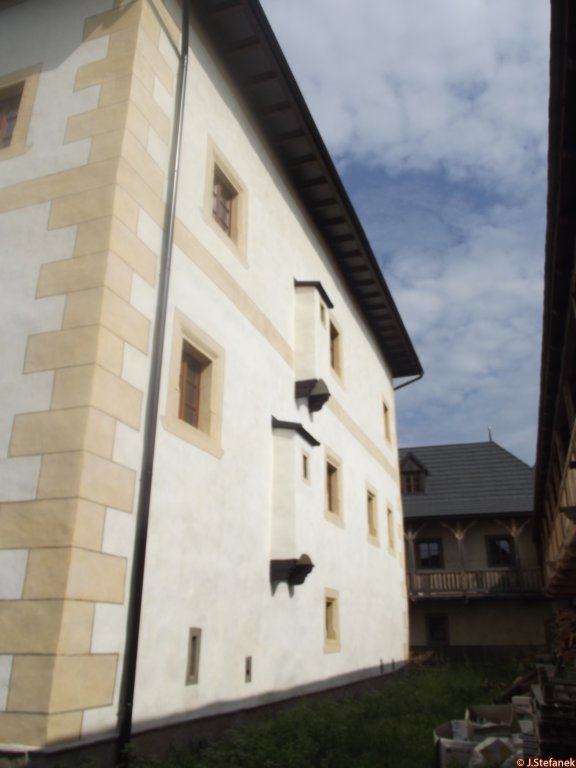
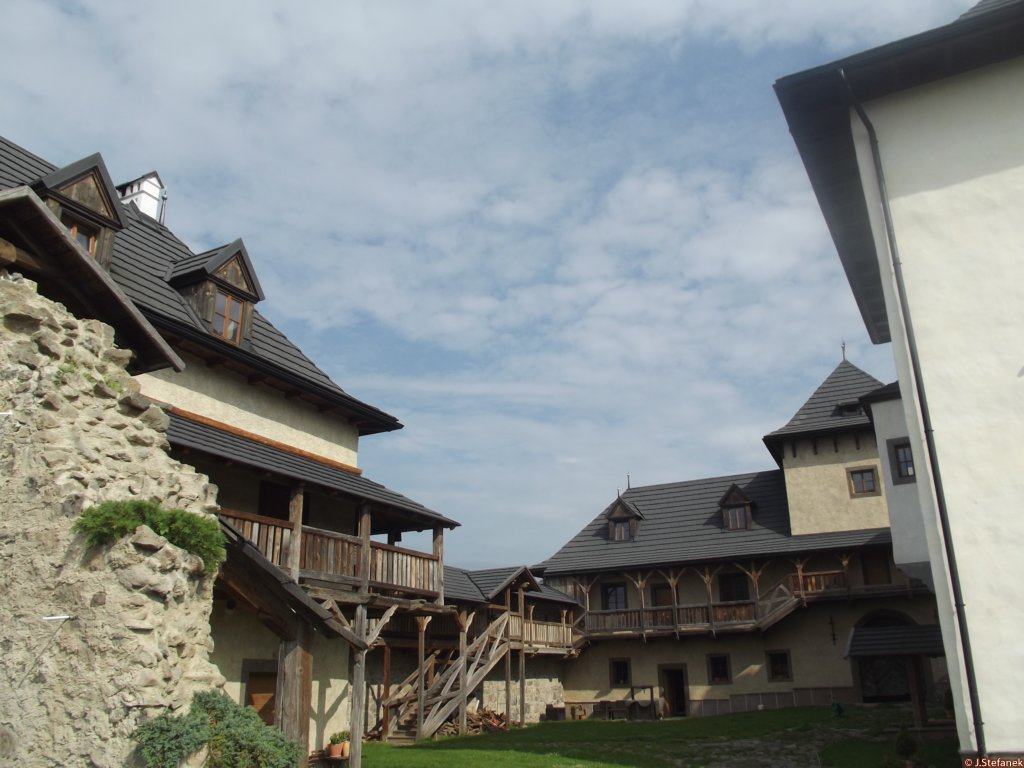
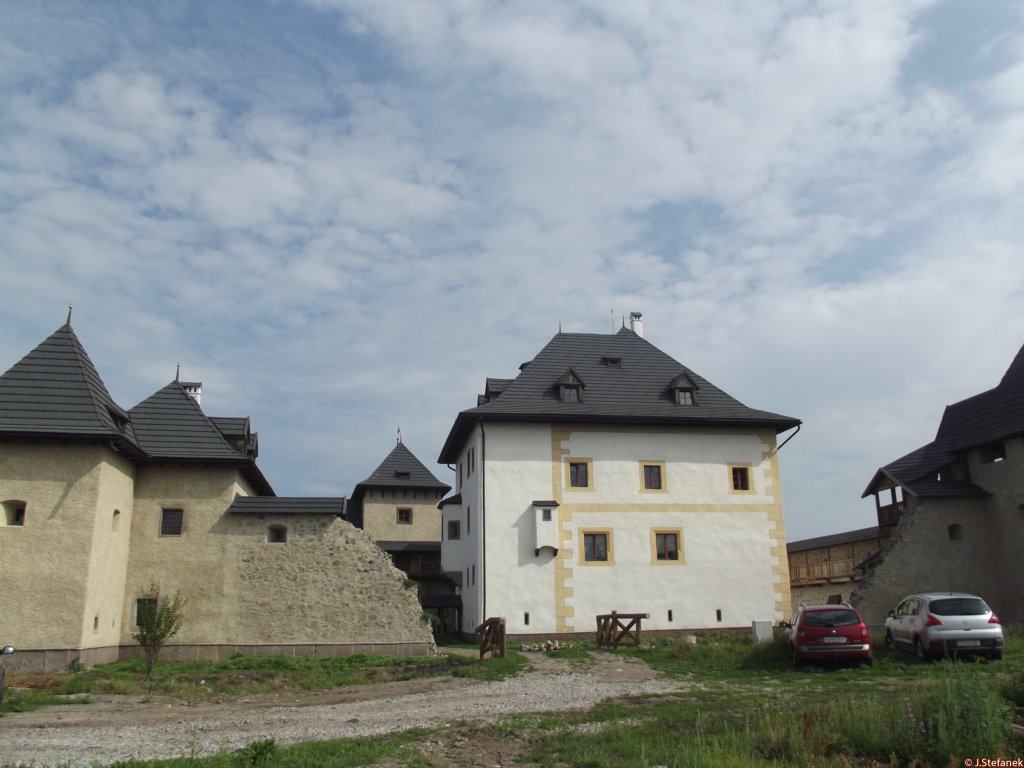
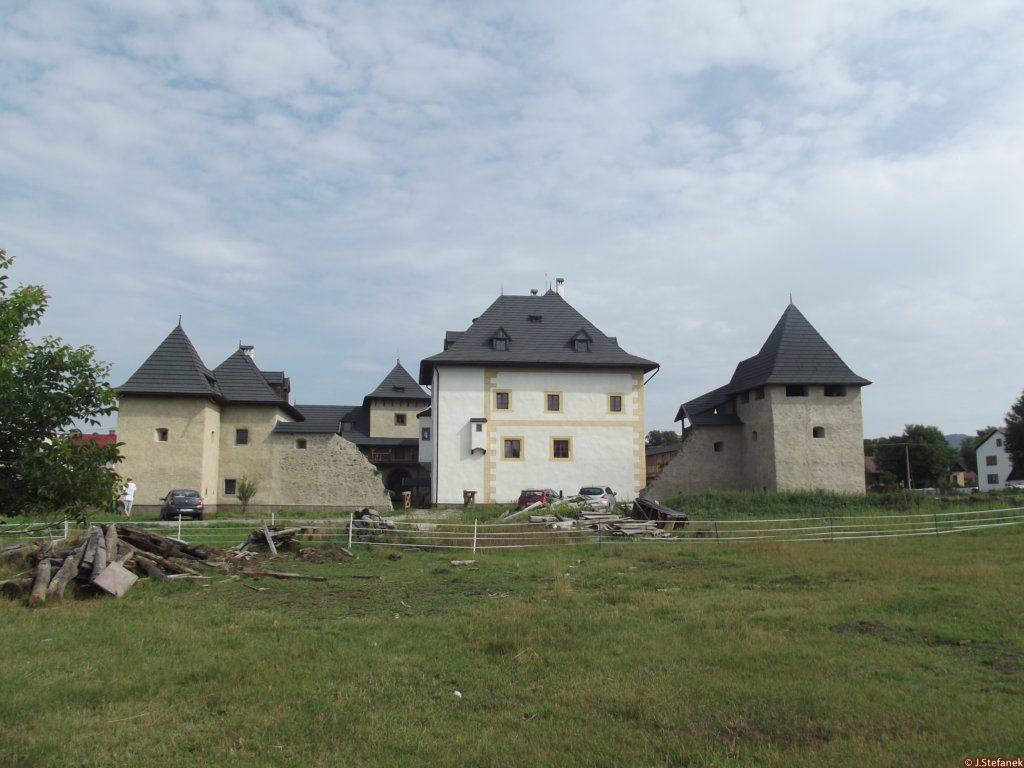
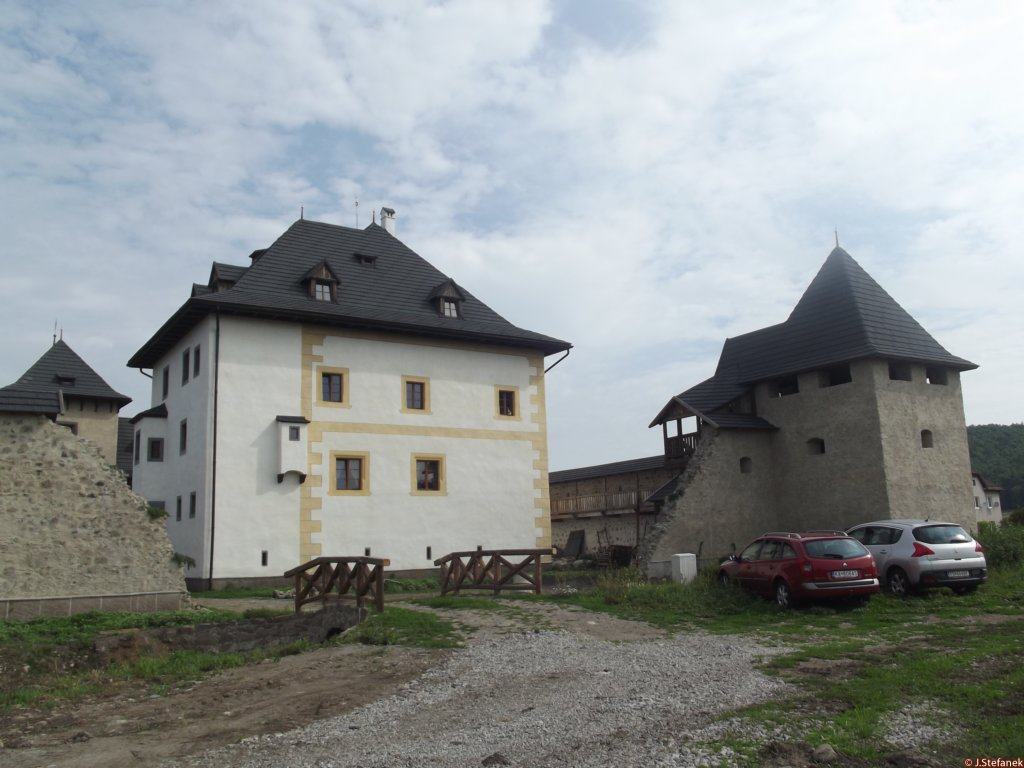
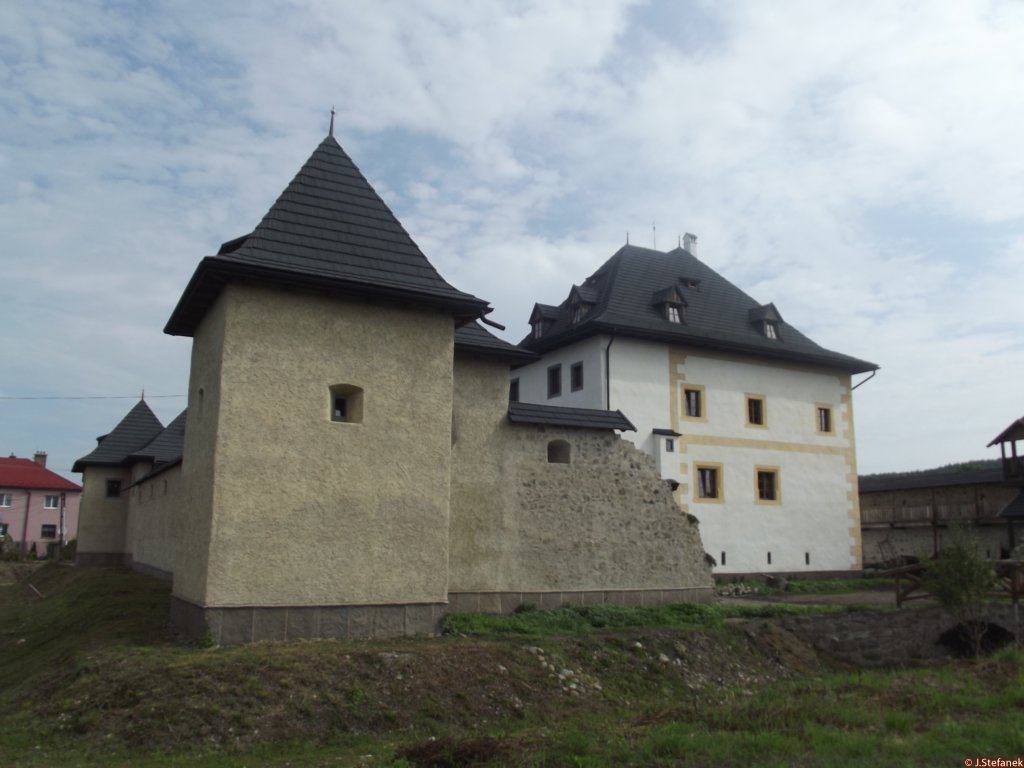
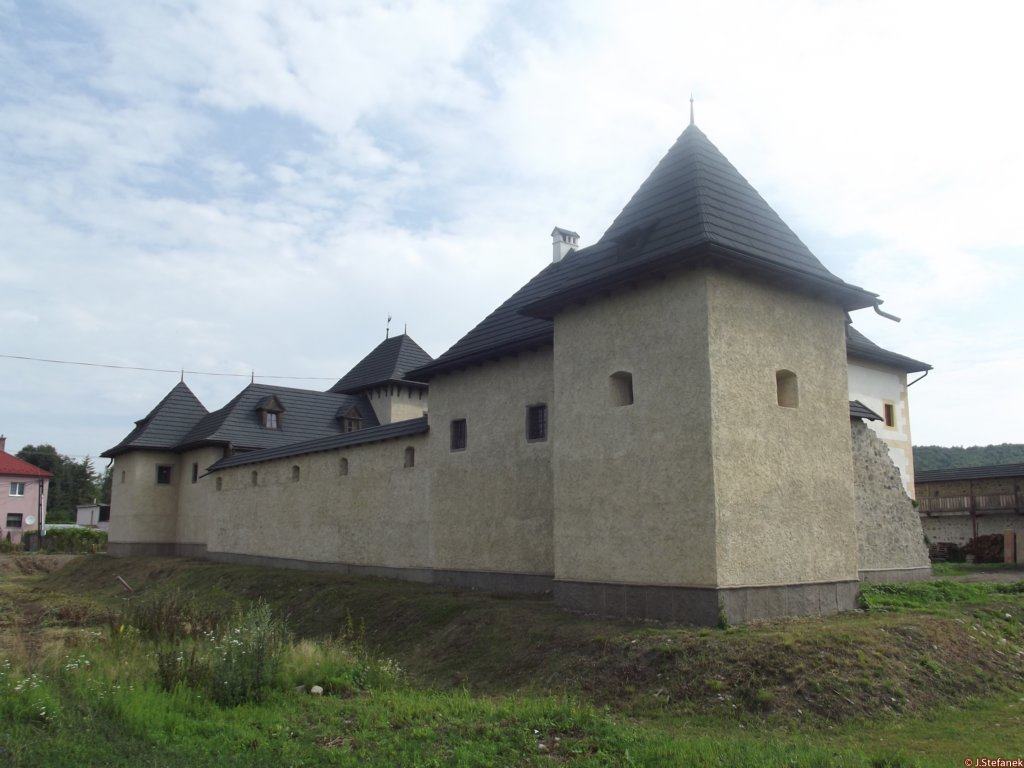
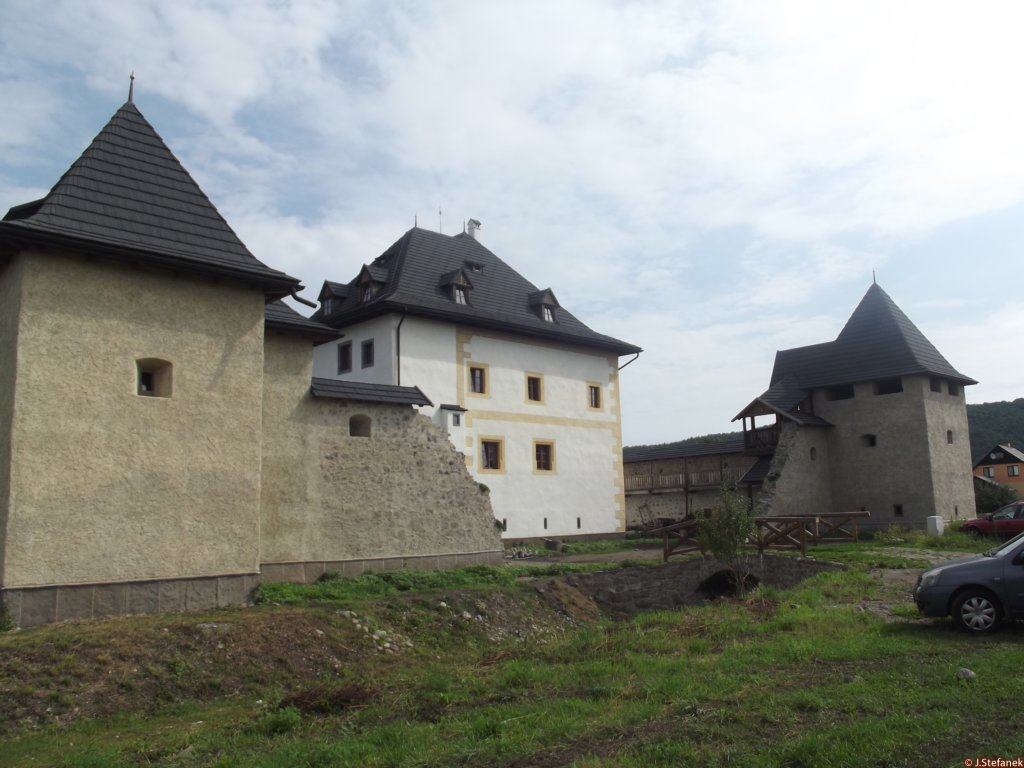
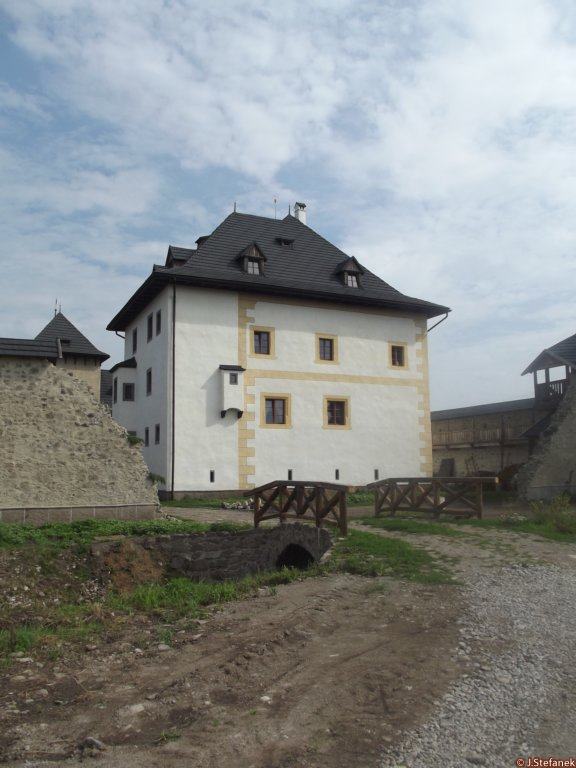
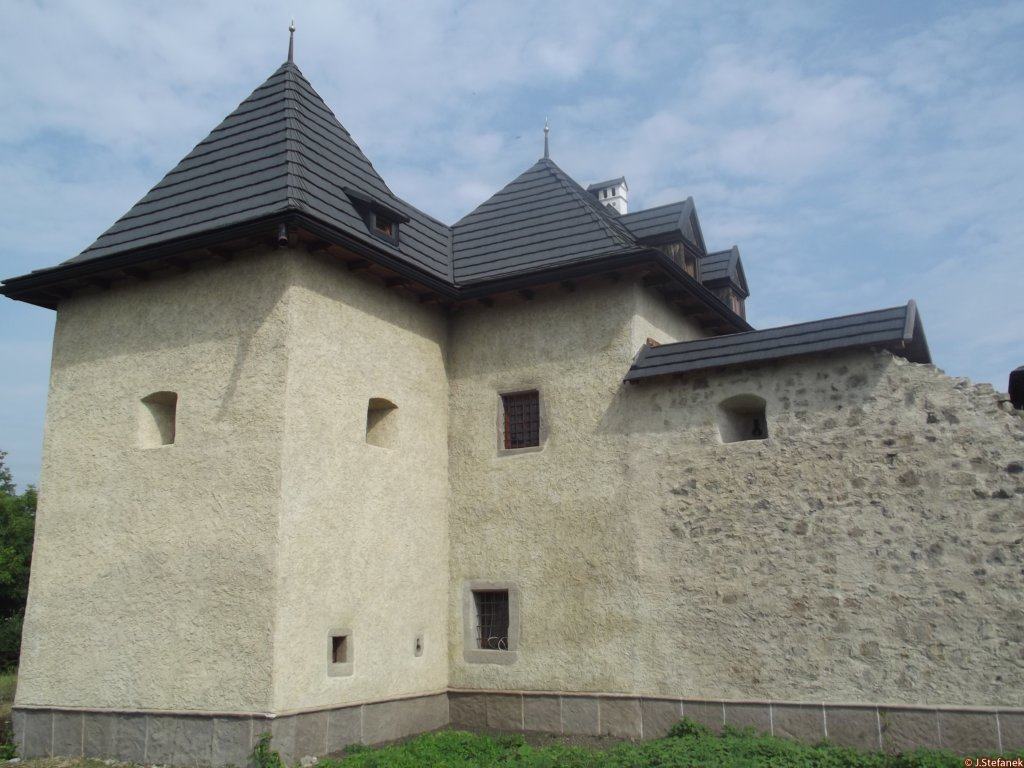
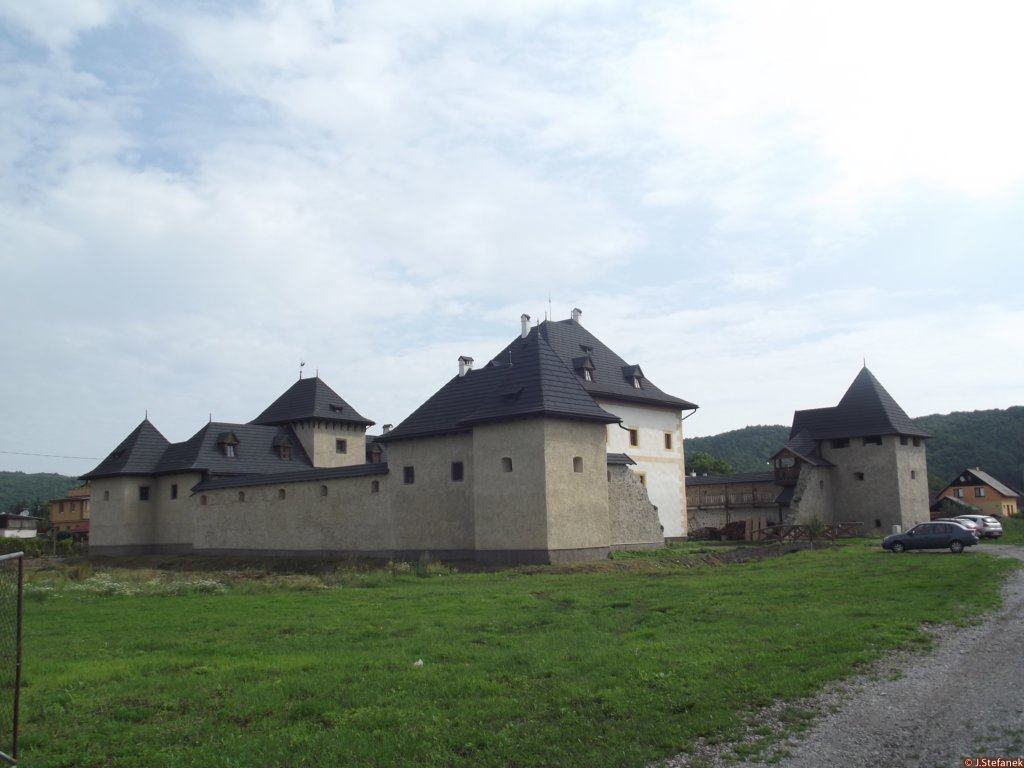
The reconstructed mansion, originally a water castle, is located in the village of Hronsek, on the left bank of the river Hron about 10km south of Banská Bystrica
Zrekonštruovaný vodný hrad sa nachádza v obci Hronsek, na ľavom brehu rieky Hron asi 10km južne od Banskej Bystrice.
Previous names
Galowycz, Czwyklina, Garanzegh, Cwklina, Garamsseg, Hronec, Hronsek-Skalka, Garansek, Garamszeg
Roads
The reconstructed Gothic-Renaissance mansion in Hronsek is located in the village Hronsek, near Banska Bystrica. From the main Hronsecka road we can easily get to the castle through the gate - this turn to the castle is between the streets Zámocká and Záhumnie. We can park the car directly in front of the object. In addition to the water castle in Hronsek there is also a Soós-Géczy mansion and a wooden articular church, registered in UNESCO.
Zrekonštruovaný goticko-renesančný kaštieľ v Hronseku sa nachádza priamo v obci Hronsek, neďaleko Banskej Bystrice. Z hlavnej Hronseckej cesty sa k hradu dostaneme jednoducho cez bránu - táto odbočka k hradu je medzi ulicami Zámocká a Záhumnie. Auto teda môžeme odstaviť priamo pred objektom. Okrem vodného hradu sa v Hronseku nachádza aj Soósovsko-Géczyovský kaštieľ a drevený artikulárny kostol, zapísaný do UNESCO.
Description
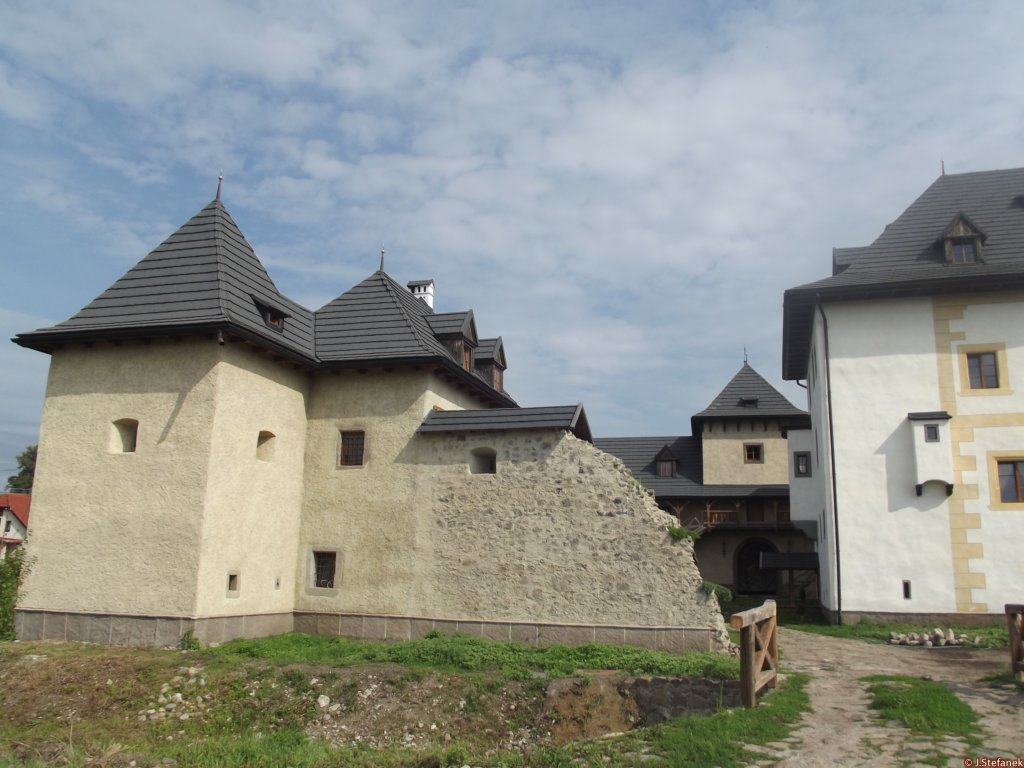
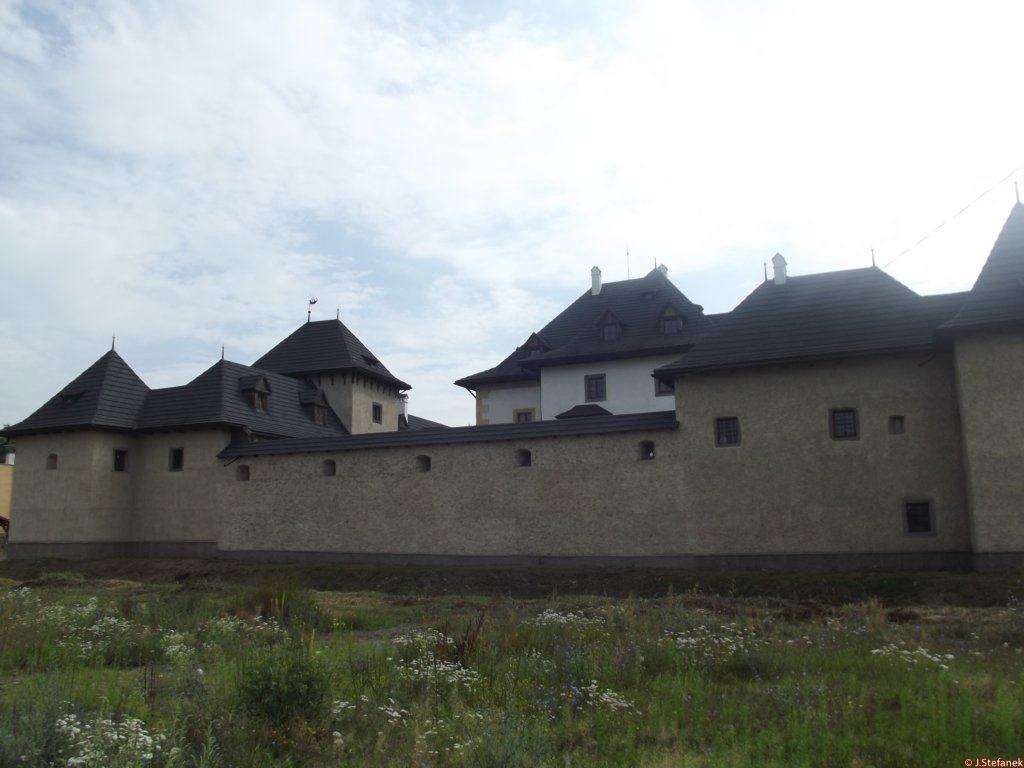
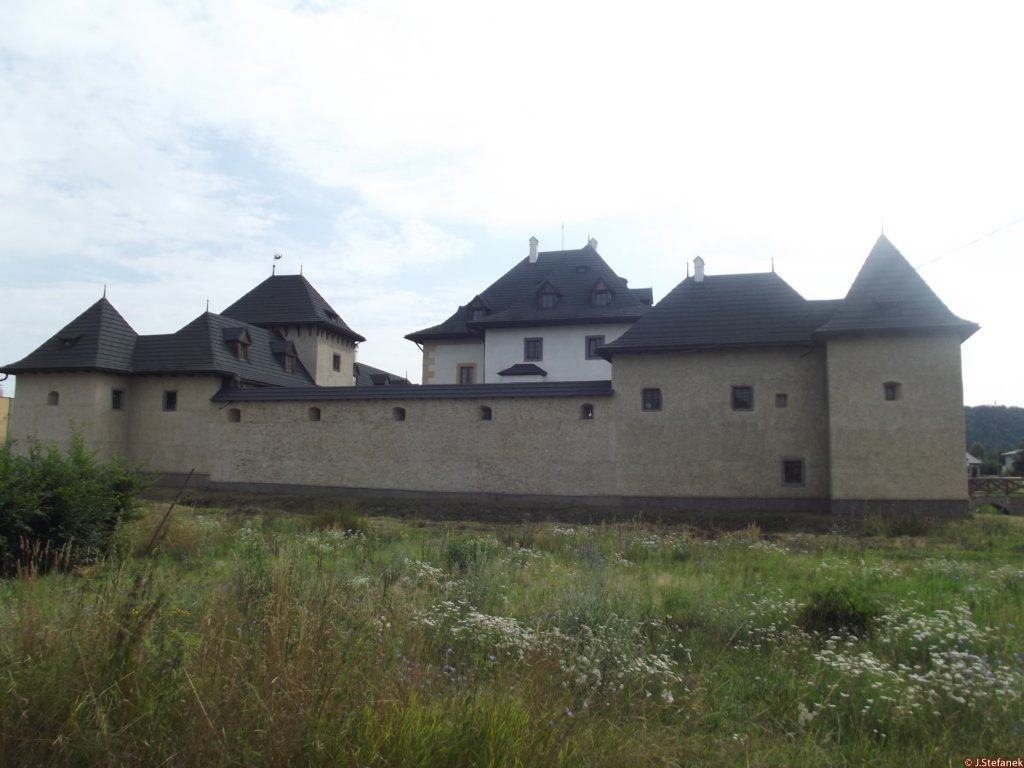
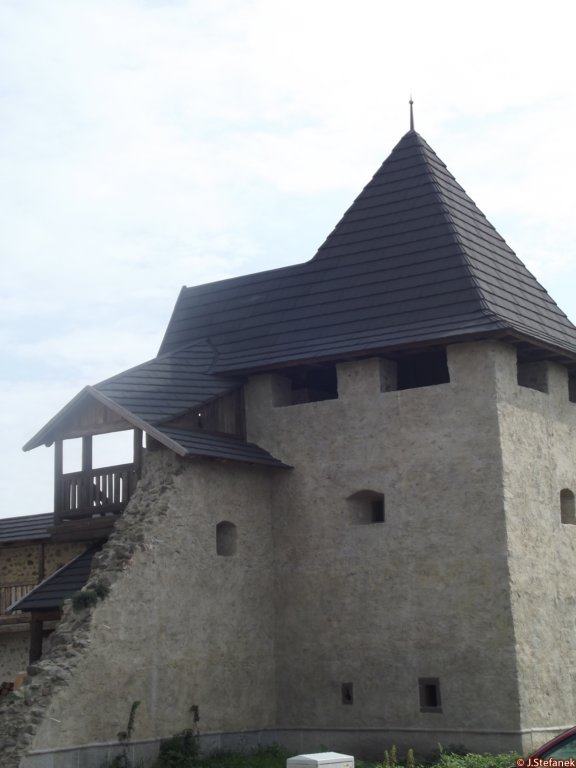
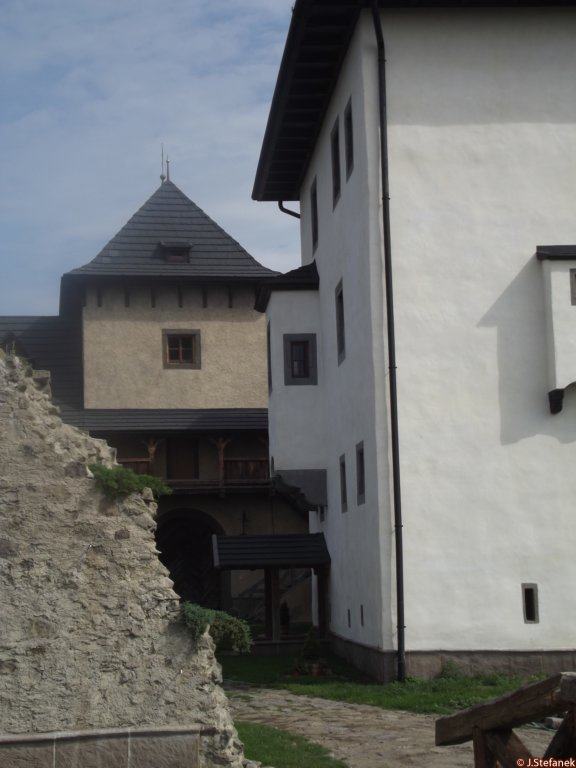
The original water castle was built due to the Turkish invasion fortifications formed by a defensive wall with four towers and a water ditch through which the walk through the drawbridge. The building consists of three buildings. Their greatest gems are wall paintings in the interior. Various paintings can be seen in the paintings that have already been restored. Birds, dogs and hares prove that the original owners were apparently hunters, there are religious motifs, which apparently originated to order, because at that time there was no church and one of the halls in the castle used as a house of prayer. The church services were transferred to the wooden articular church only in the 18th century, which they built at that time. Some paintings go back to antiquity.The oldest gem in the castle is the chimney in the castle superstructure from the second half of the 14th century, an interesting feature is the portal to one of the halls, which is beautifully decorated with the family coat of arms. In the large rooms there are wooden ceilings, which are replicas of the original ones. A rarity was discovered there - the original room of a medieval toilet. The water castle was restored after 26 years of reconstruction.
Pôvodný vodný hrad mal kvôli tureckým nájazdom vybudované opevnenie tvorené obranným múrom so štyrmi vežami a vodnou priekopou, cez ktorú sa prechádzalo padacím mostom. Objekt pozostáva z troch budov. Ich najväčšími skvostami sú nástenné maľby v interiéri. Na maľbách, ktoré sú už zreštaurované, vidieť rozličné výjavy. Vtáky, psy i zajace, dokladujú, že pôvodní majitelia boli podľa všetkého poľovníkmi, sú tam aj náboženské motívy, ktoré zrejme vznikli na objednávku, keďže v obci v tom čase nebol kostol a jednu zo sál na hrade používali ako modlitebňu. Bohoslužby sa preniesli v obci do dreveného artikulárneho kostolíka až v 18.storočí, ktorý v tom čase postavili. Niektoré maľby siahajú až do antiky.Najstarším skvostom na hrade je komín v nadstavbe hradu z druhej polovice 14.storočia, zaujímavosťou je portál do jednej zo sál, ktorý má nádhernú výzdobu aj s rodovým erbom. Vo veľkých miestnostiach sú drevené stropy, ktoré sú však už replikami pôvodných. Bola tam objavená aj rarita – pôvodná miestnosť stredovekého záchoda. Vodný hrad bol po 26 rokoch trvajúcej rekonštrukcie obnovený.
History
The castle was built by the Géczy family probably in the 14th century. They received this territory from the king. Later it was owned by other aristocratic families such as the Soos family de Poltár, the Battikov family from Vlkanová, the Schmidegh family, the Róth family from Kráľová, and when the heiress of the Róth estate of Johann married Count Jozef Teleky de Szék, the property passed to the Teleky family. It is also the oldest preserved, originally two-storey stone building in our territory. In 1576, this Rothovsko-Telekyovský castle was rebuilt and fortified, and thus a Gothic-Renaissance building was created, which had a defensive wall with four towers and a moat with a drawbridge.
From the end of the 17th century, the water castle served as an evangelical prayer house, and the well-known Slovak evangelical pastor and writer Ján Simonides also worked here. During the Rákoczy estate uprising (1703 - 1714) there was a prison in the cellars and allegedly coins were also minted here. The last owners used the cellar space to store food because it was dry. Despite the presence of water in the ditch (during the flood), they did not absorb water. Žigmund Géczy also lived here for a time - the father of Juliana Korponay-Géczy (White Lady of Levoča).
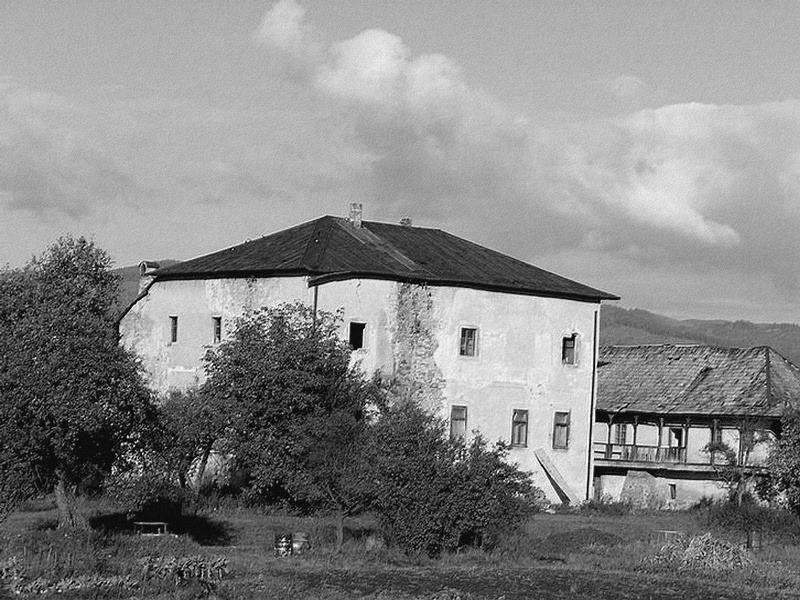
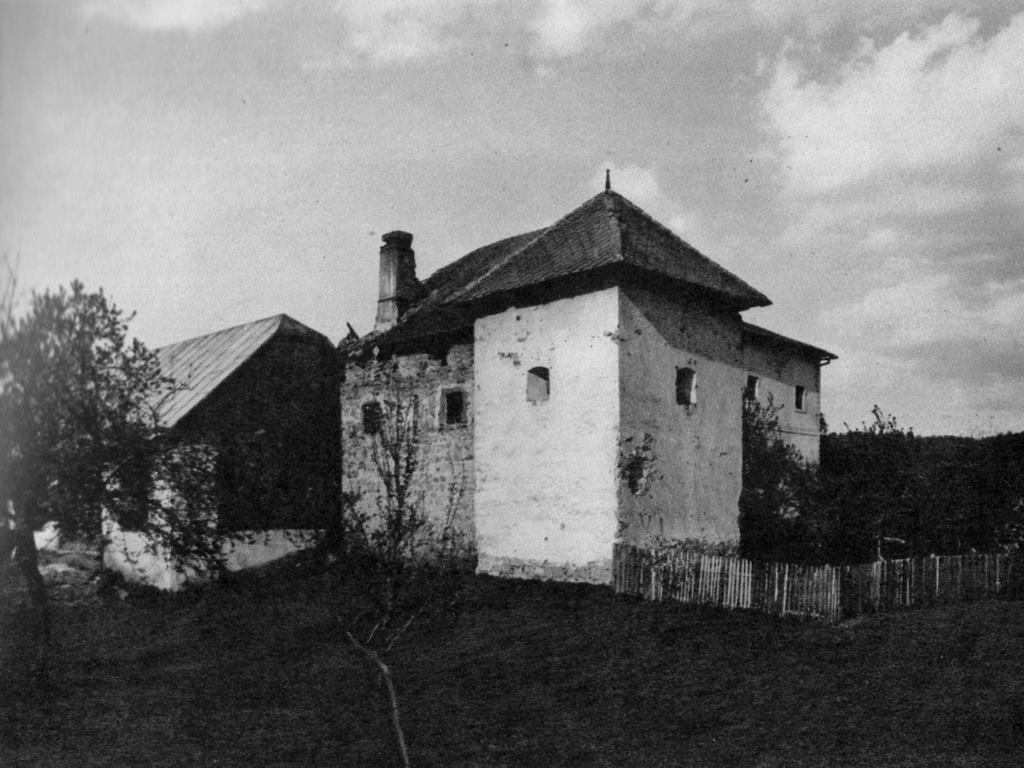
After more owners changed, the building came under the administration of the monument office. The building began to decay from the time when the last owners left it in 1978: the Pršancová, Čiamporová and Halajová families, and the building then came under state administration.
In the 20th century, the castle was partially rebuilt and in 2016 its 26-year reconstruction was completed and the former water castle became the dominant feature of the village Hronsek.
Hrad dal postaviť rod Géczyovcov pravdepodobne ešte v 14.storočí. Toto územie dostali od kráľa. Neskôr ho vlastnili ďalšie šľachtické rody ako Soosovci de Poltár, Battikovci z Vlkanovej, Schmideghovci, Róthovci z Kráľovej a keď sa dedička róthovského majetku Johanna vydala za grófa Jozefa Telekyho de Szék, prešiel majetok na rod Telekyovcov. Je to zároveň najstaršia dochovaná, pôvodne dvojpodlažná kamenná stavba na našom území. V roku 1576 bol tento Rothovsko-Telekyovský hrad prestavaný a opevnený a tak vznikla goticko-renesančná stavba, ktorá mala obranný múr so štyrmi vežami a vodnou priekopou s padacím mostom.
Od konca 17.storočia slúžil vodný hrad ako evanjelická modlitebňa, pôsobil tu i známy slovenský evanjelický farár a spisovateľ Ján Simonides. Za rákoczyovského stavovského povstania (1703 – 1714) tu bolo v pivniciach väzenie a údajne sa tu razili aj mince. Poslední majitelia priestory pivníc používali na uskladňovanie potravín z dôvodu, že boli suché. Aj napriek výskytu vody v priekope (pri povodni) nenasiakli vodou. Istý čas tu žil aj Žigmund Géczy - otec Juliany Korponayovej-Géczyovej (Levočská biela pani).
Potom čo sa vystriedalo viac vlastníkov, dostal sa objekt do správy pamiatkového úradu. Stavba začala chátrať od čias, ako ju opustili v roku 1978 poslední vlastníci: rodina Pršancová, Čiamporová a Halajová a objekt potom prešiel pod správu štátu.
V 20. storočí bol hrad čiastočne prebudovaný a v roku 2016 bola dokončená jeho 26 rokov trvajúca rekonštrukcia a niekdajší vodný hrad sa stáva dominantou obce Hronsek.
Myths and legends
There are no myths available.
K tomuto objektu nie sú dostupné žiadne povesti
Useful information
The building is after reconstruction and will serve as a hotel.
Objekt je po rekonštrukcii a bude slúžiť ako hotel.
Nearby castles