Vígľaš
Vígľaš Banská Bystrica county Slovakia
castle, chateau
Vígľaš
Vígľaš Banskobystrický kraj Slovakia
hrad, zámok
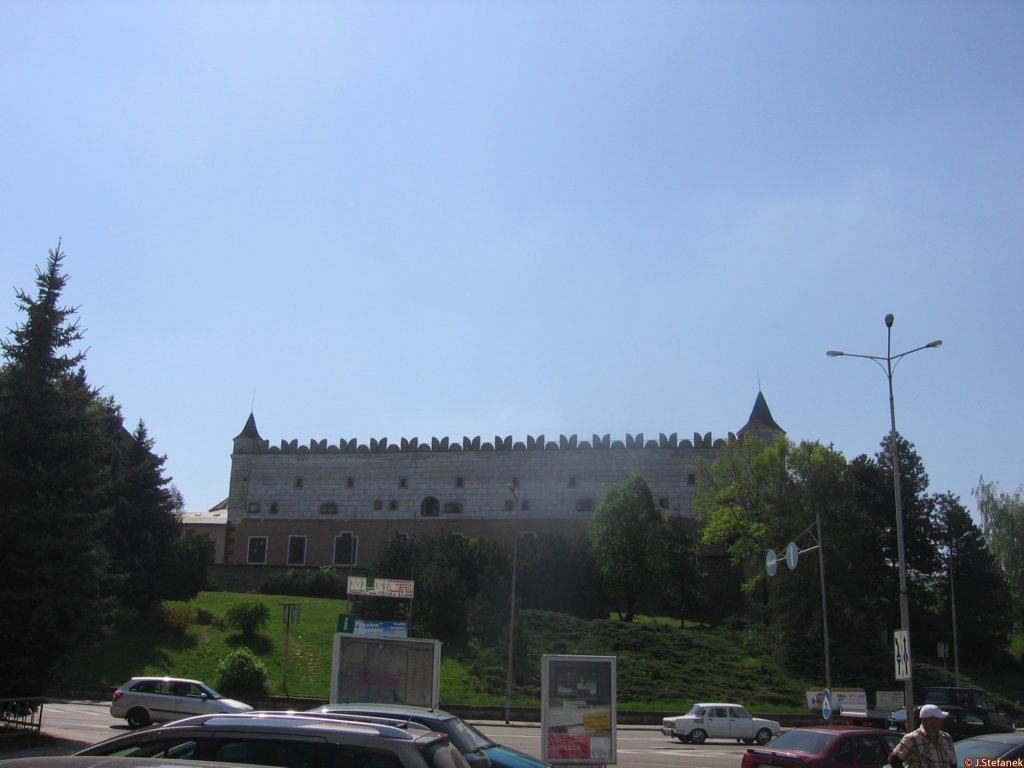
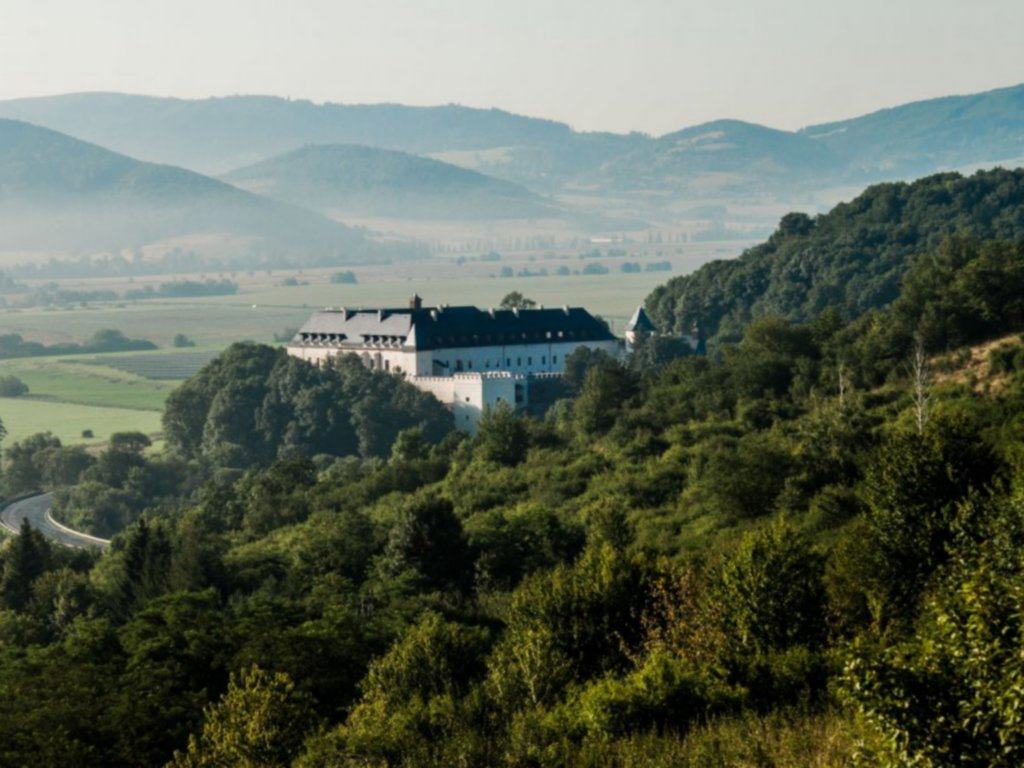
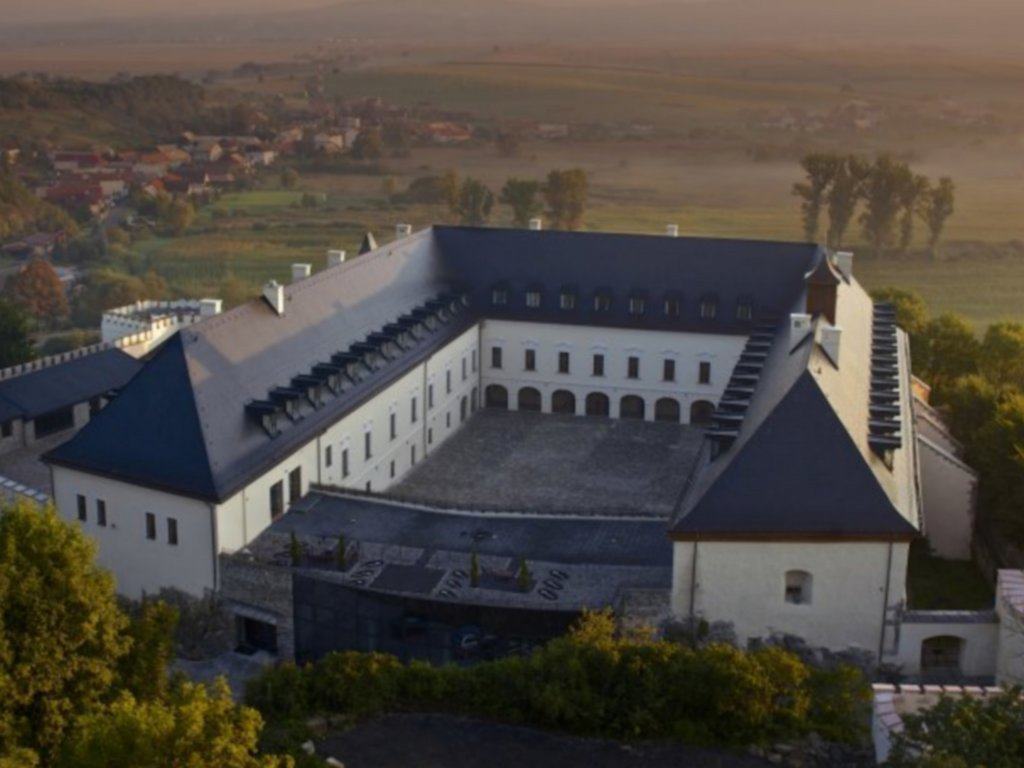
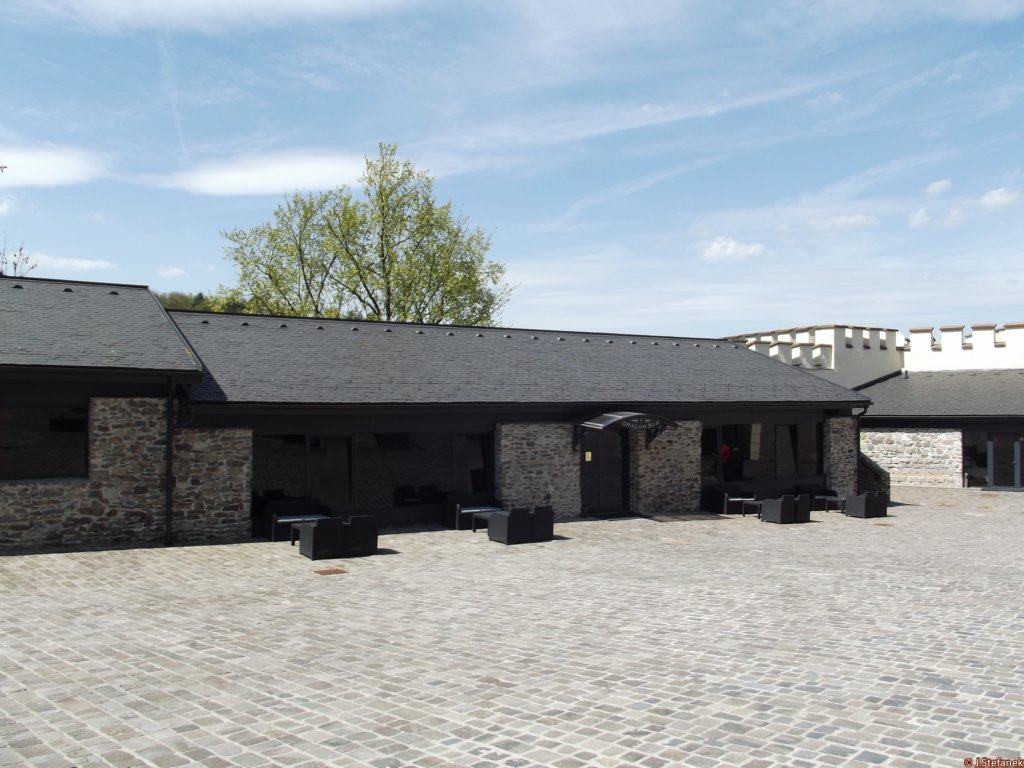
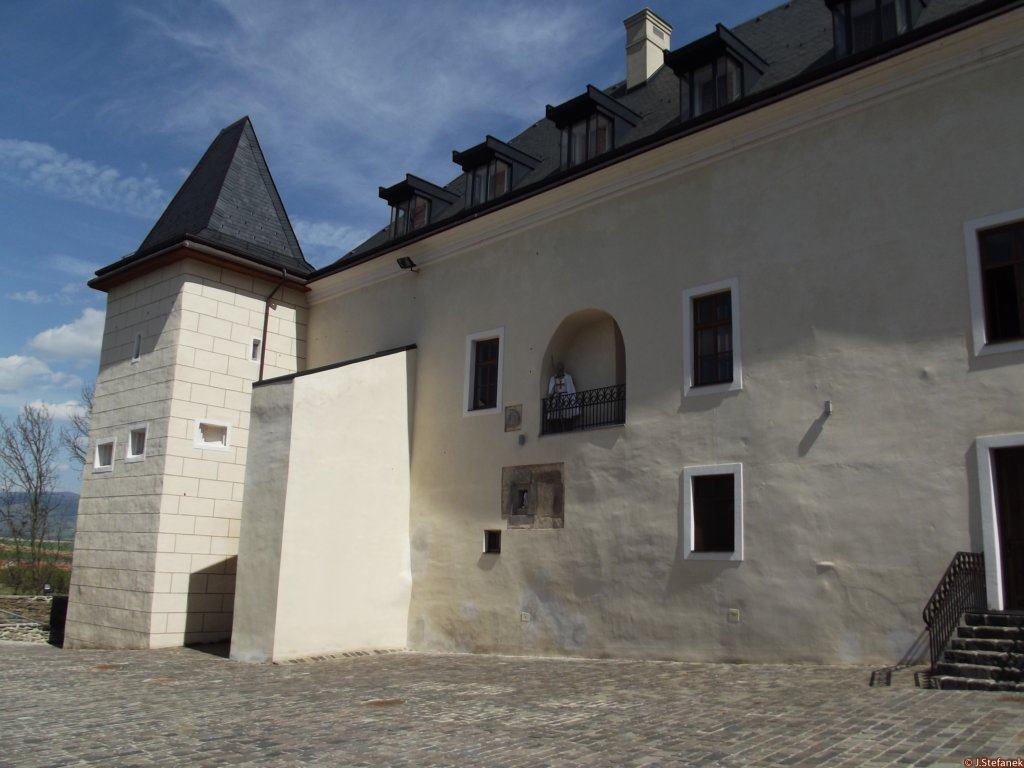
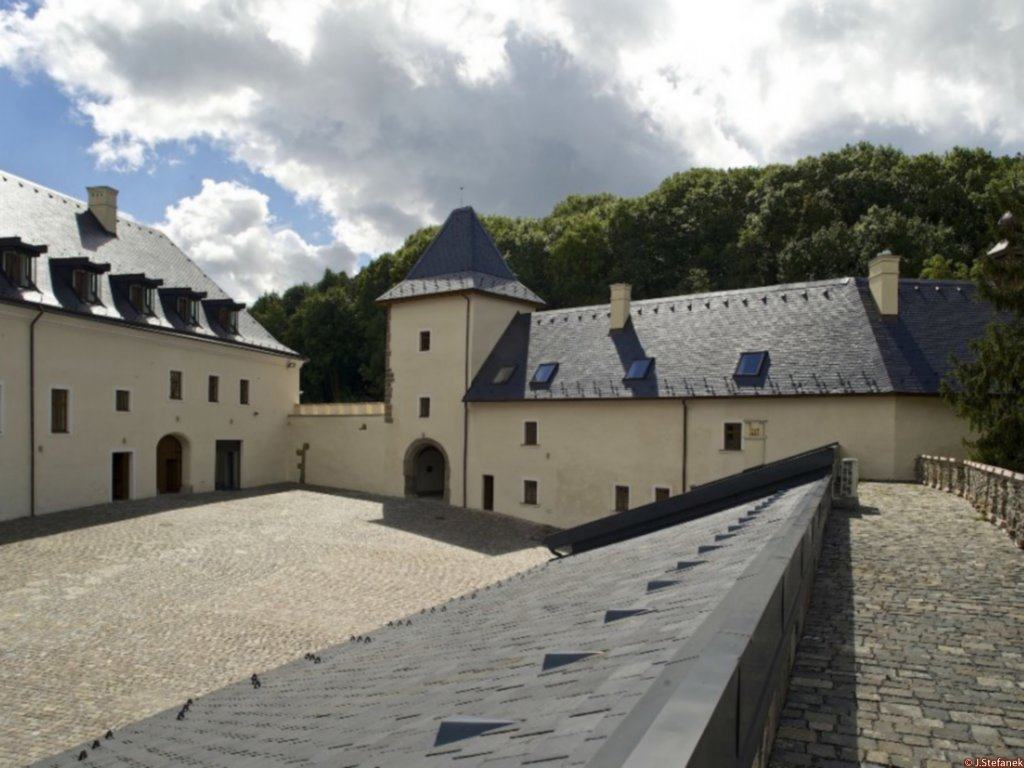
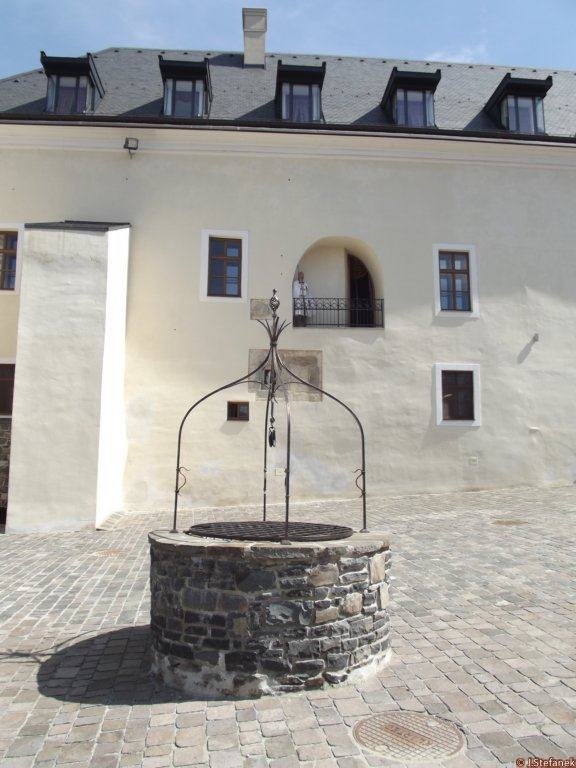
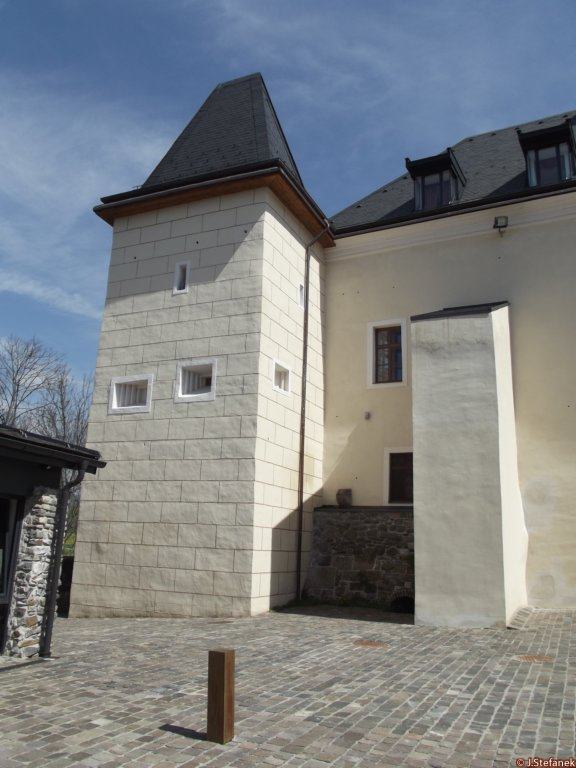
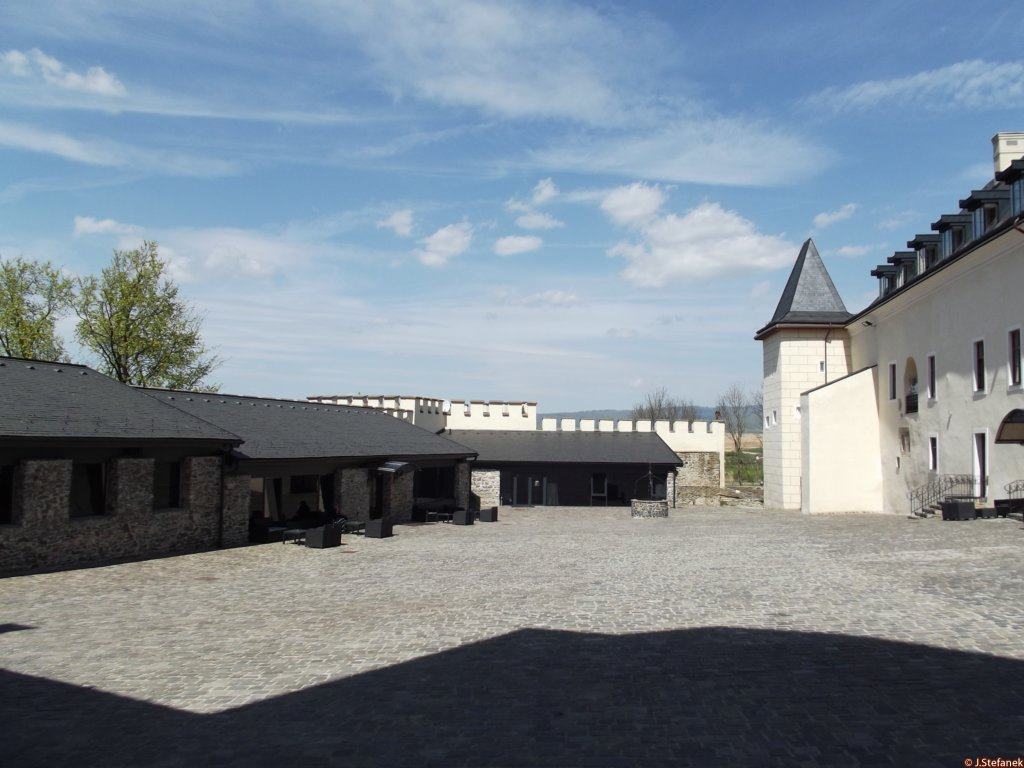
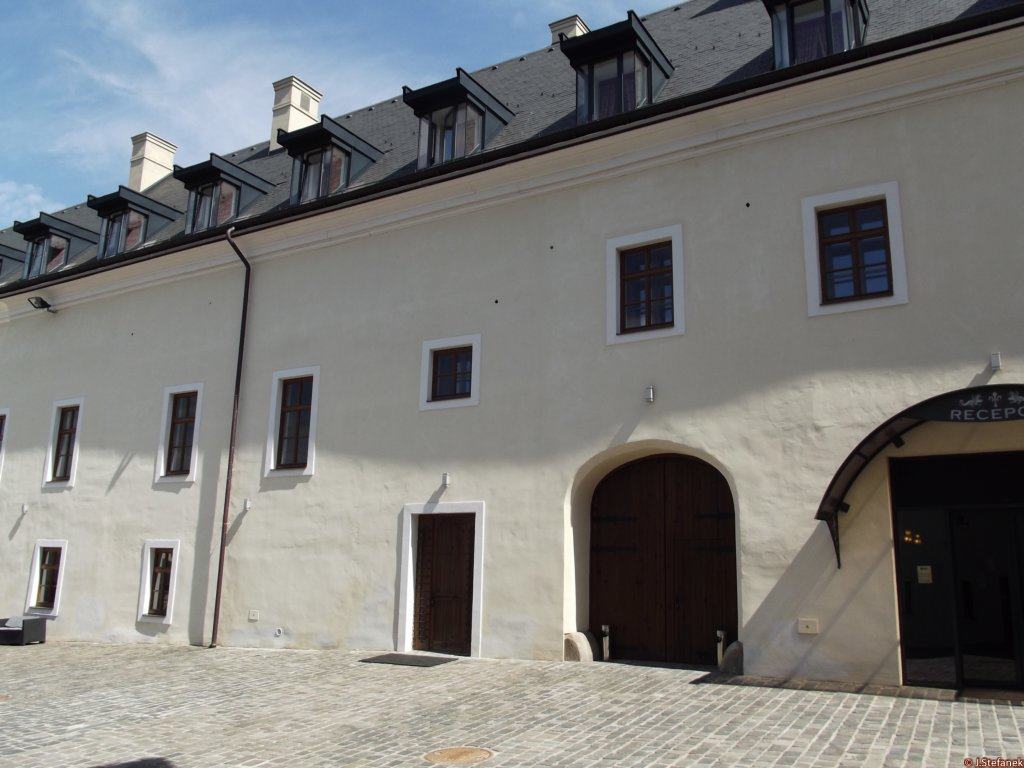
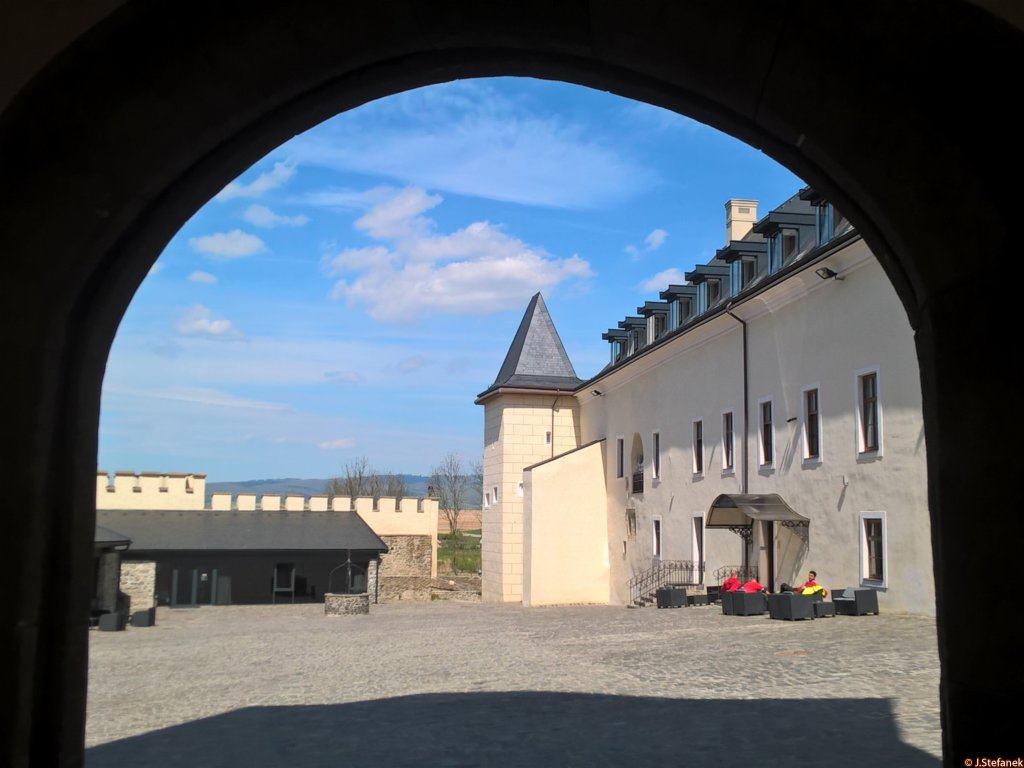
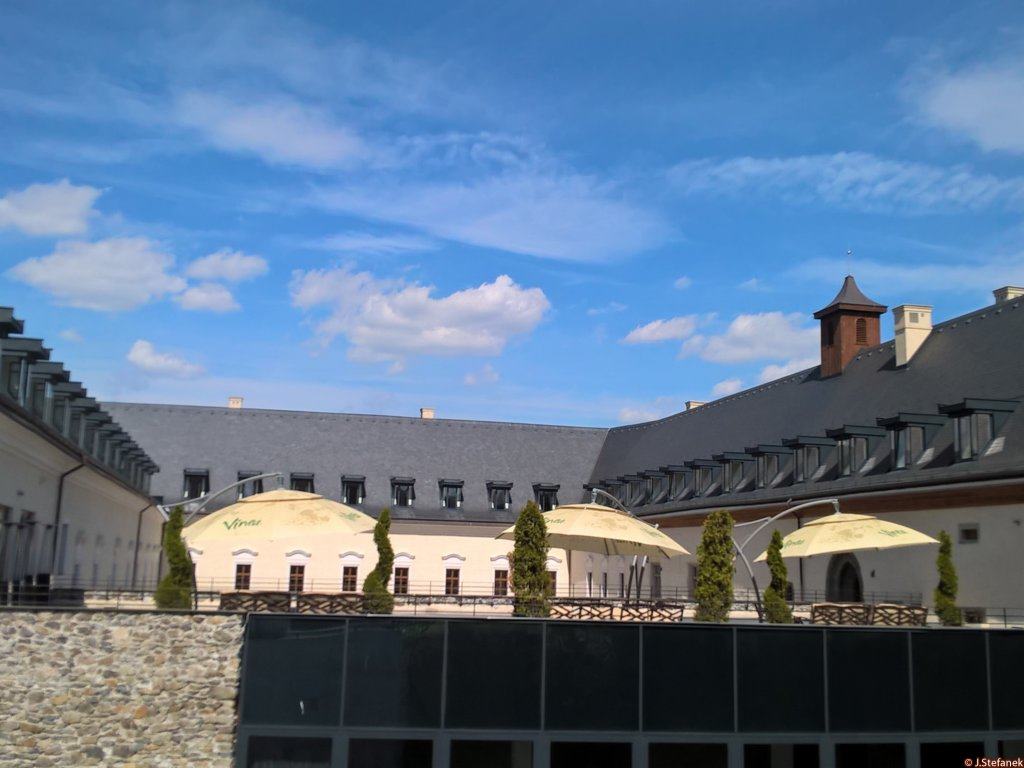
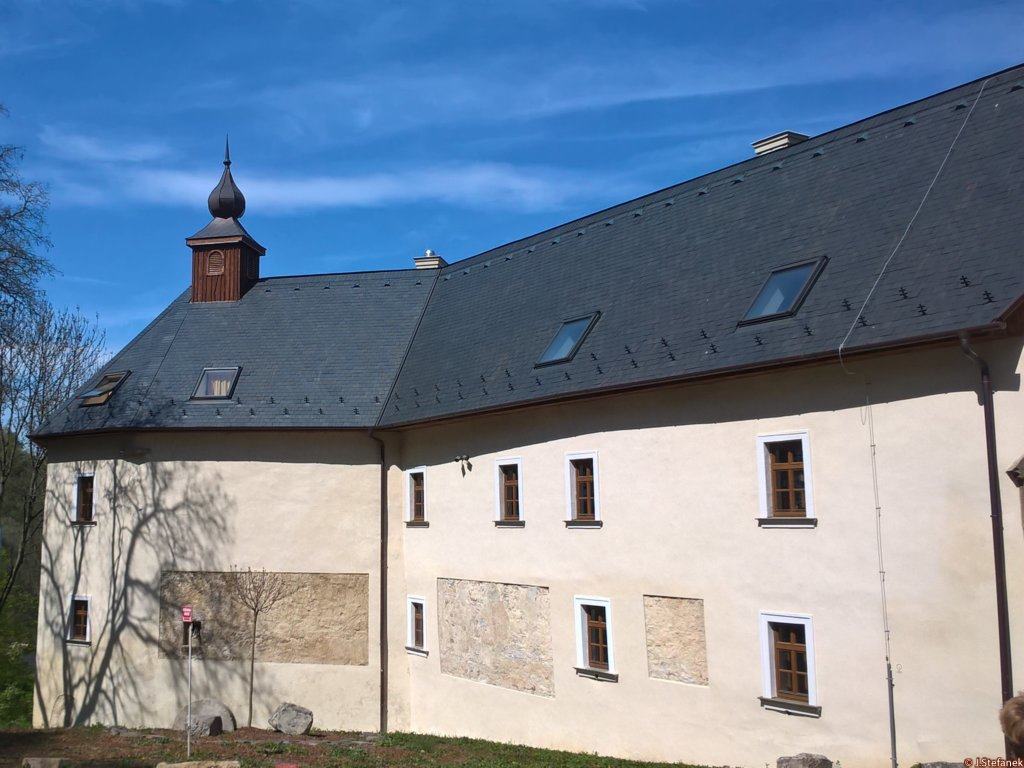
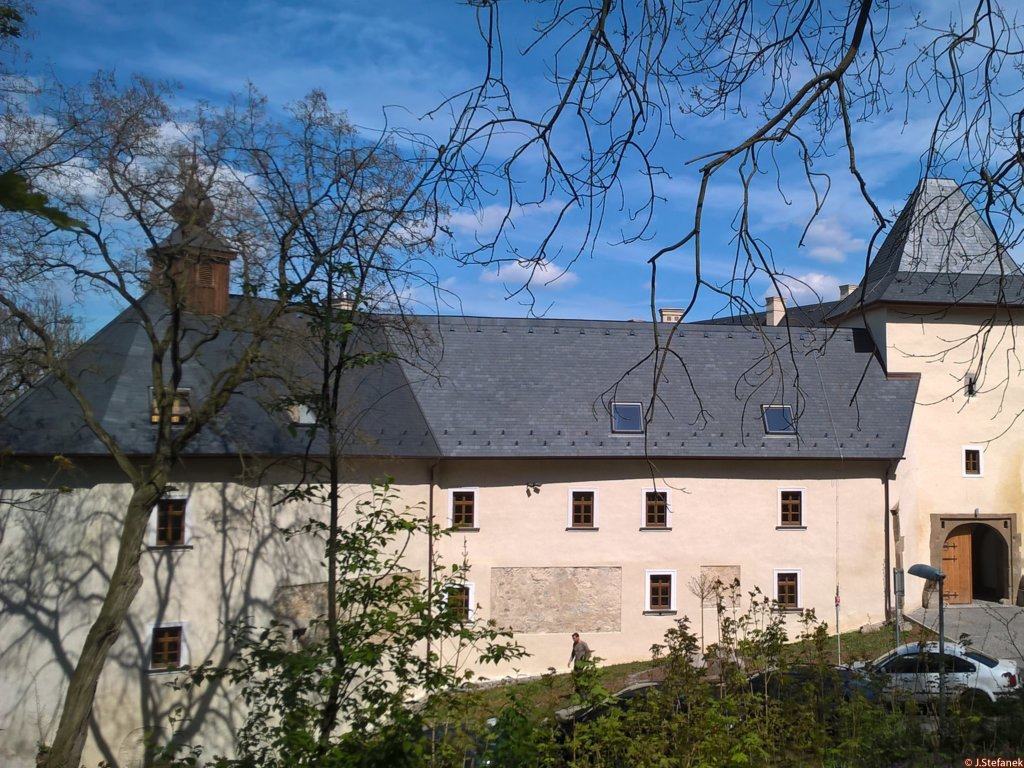
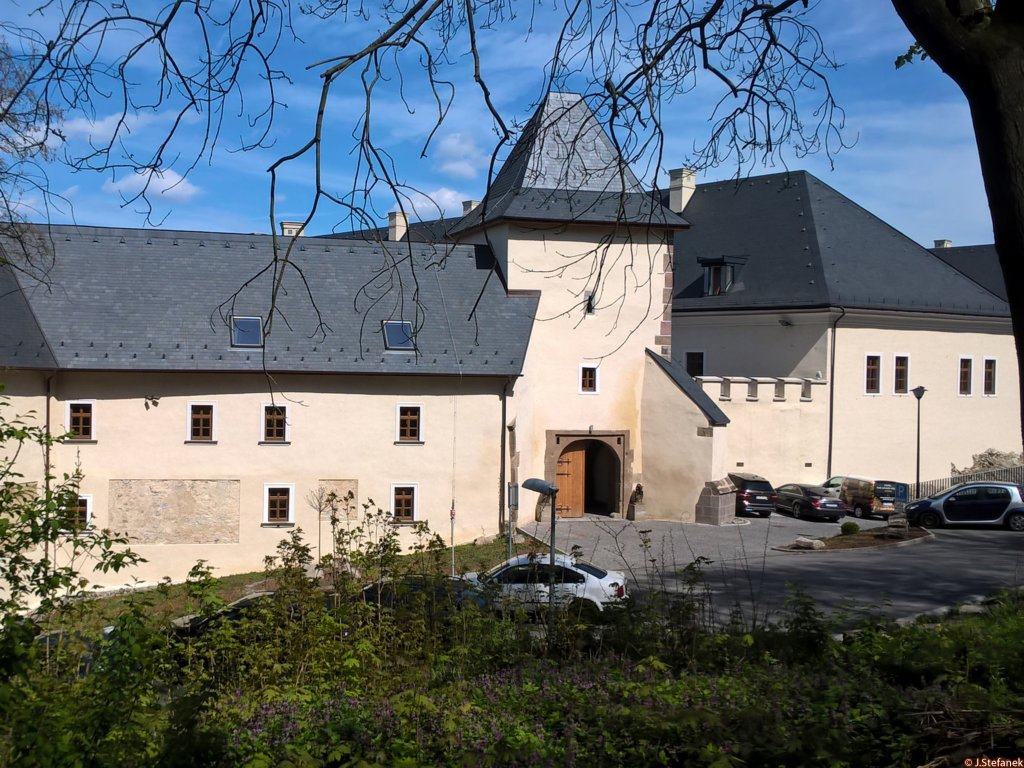
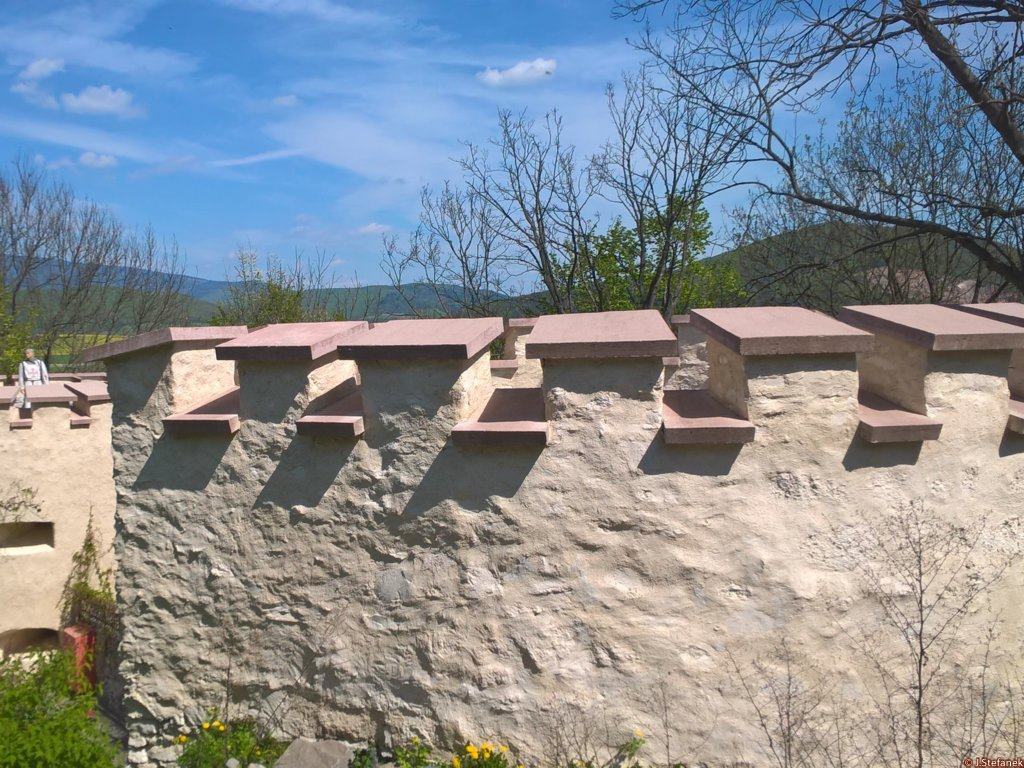
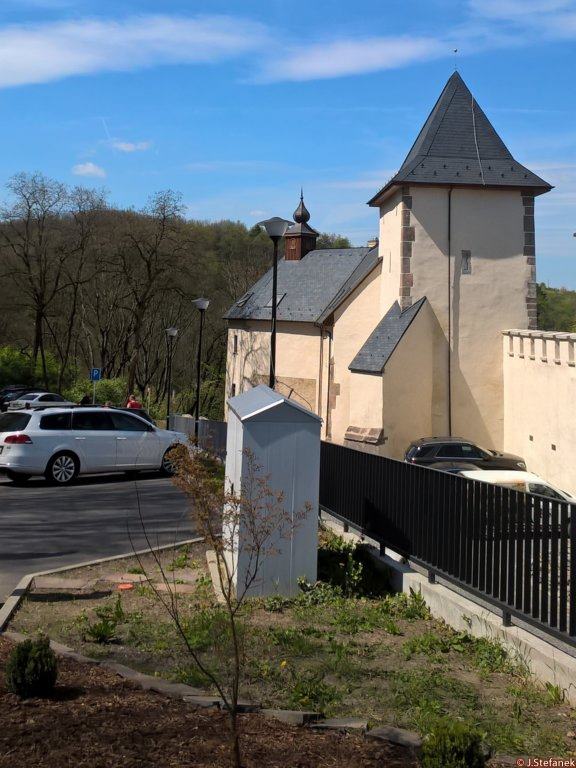
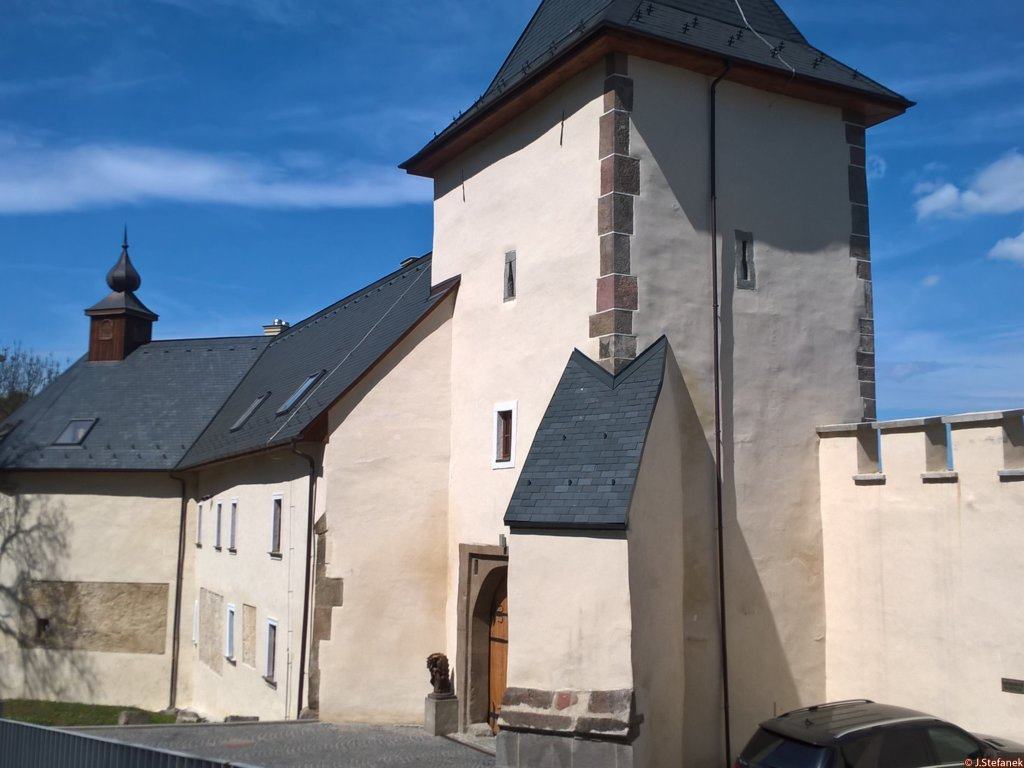
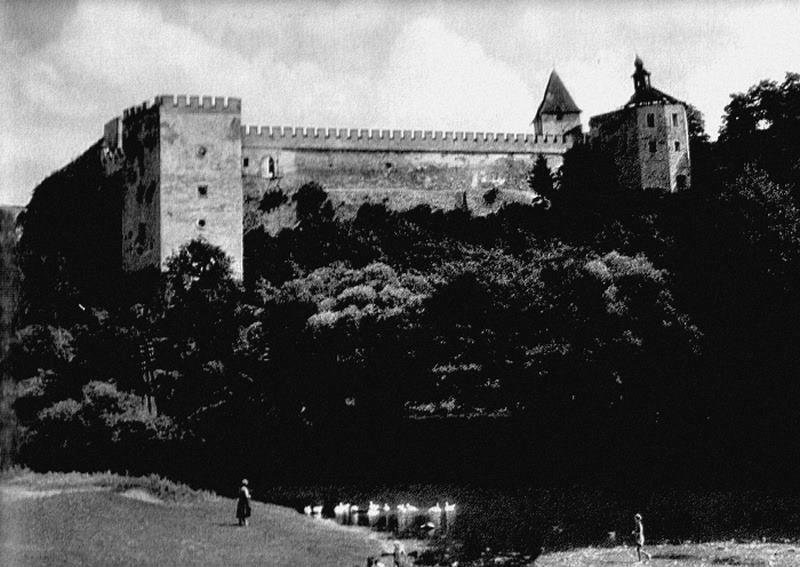
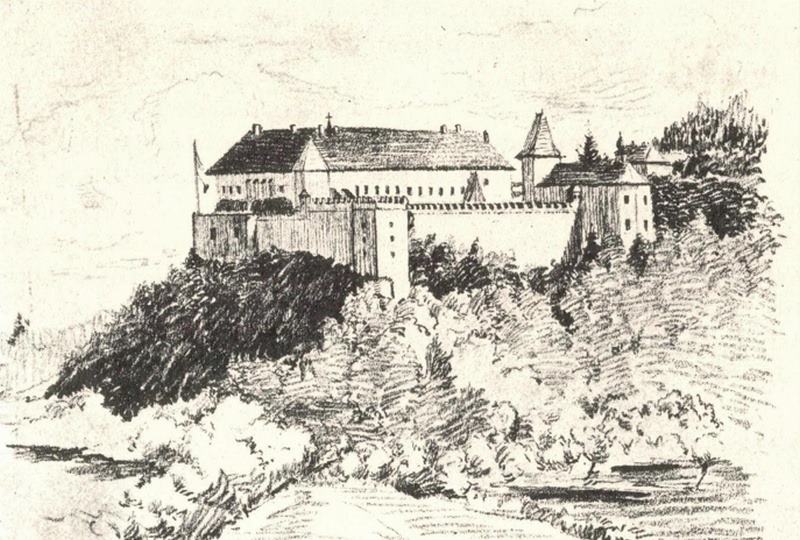
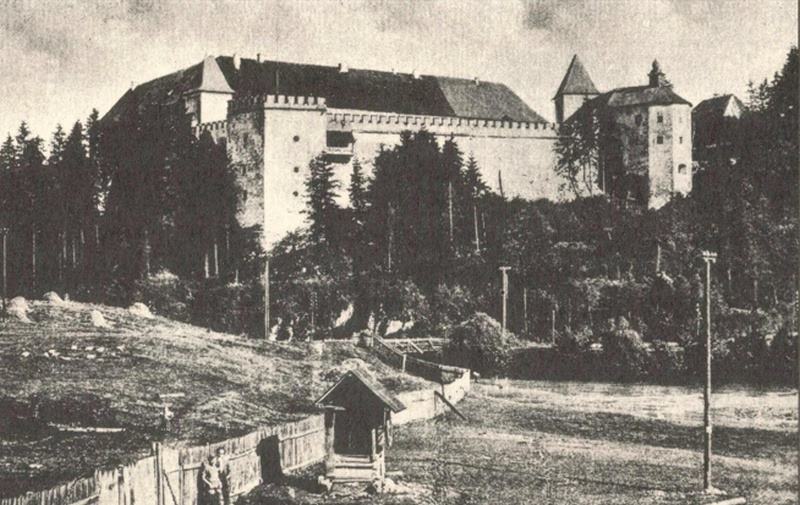
A massive reconstructed castle on a small flat outcrop of the Javorie Hill, surrounded by the Slatina River in the village of Vígľaš, near Zvolen
Mohutný zrekonštruovaný zámok na nevysokom plochom výbežku kopca Javorie, obtekaného riečkou Slatina v obci Vígľaš, neďaleko Zvolena.
Previous names
Weegles, Vygles, Wigles, Wegles, Végles, Véglyes
Roads
Renovated castle Vígľaš is located in the village Vígľaš, with a location on the route between Zvolen and Lucenec. In the village of Vígľaš, from the main Zvolenská road we get across the bridge over the river Slatina along Podhorská street to Zámocká street, which will lead us directly to the castle. You can park in front of the castle along the road or in a parking lot.
Zrekonštruovaný zámok Vígľaš je situovaný v obci Vígľaš, s polohou na trase medzi Zvolenom a Lučencom. V obci Vígľaš sa z hlavnej Zvolenskej cesty dostaneme cez most ponad riečku Slatina po Podhorskej ulici až na Zámockú ulicu, ktorá nás už dovedie priamo k zámku. Pred zámkom sa dá zaparkovať pozdĺž cesty, prípadne na parkovisku.
Description
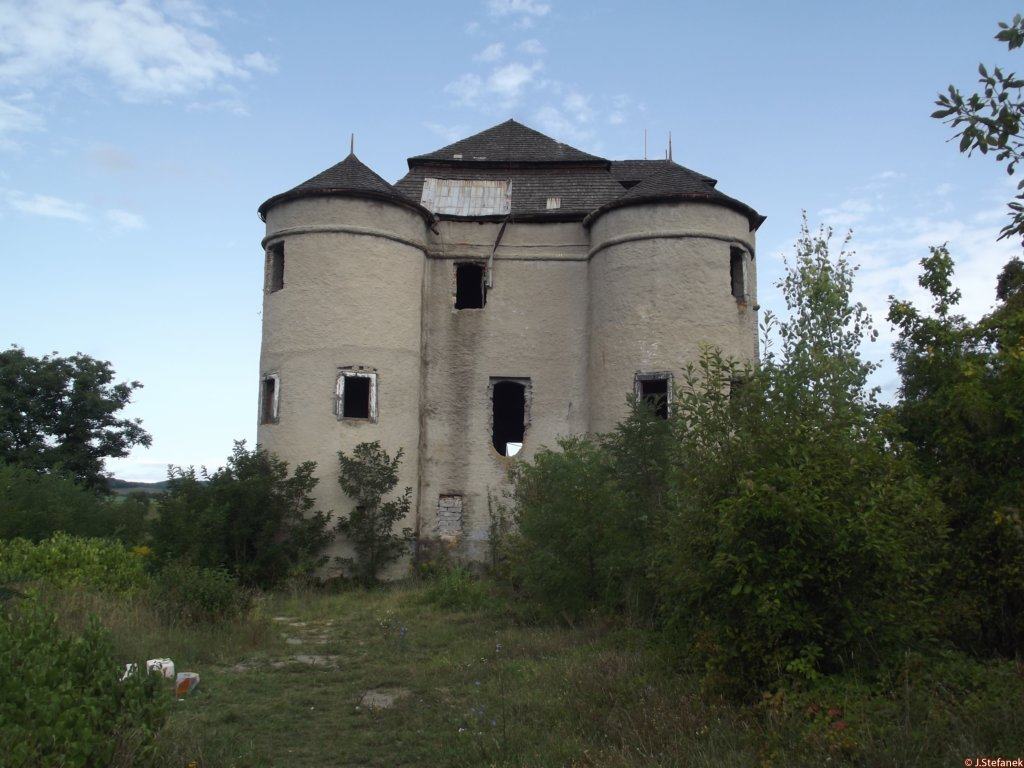
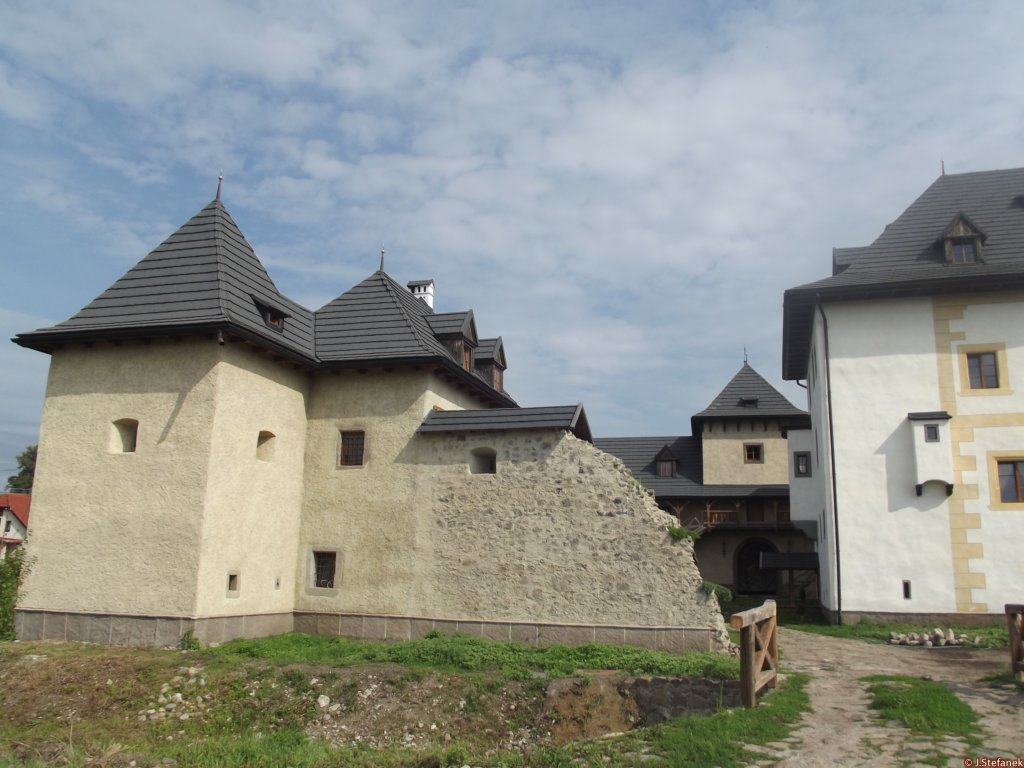
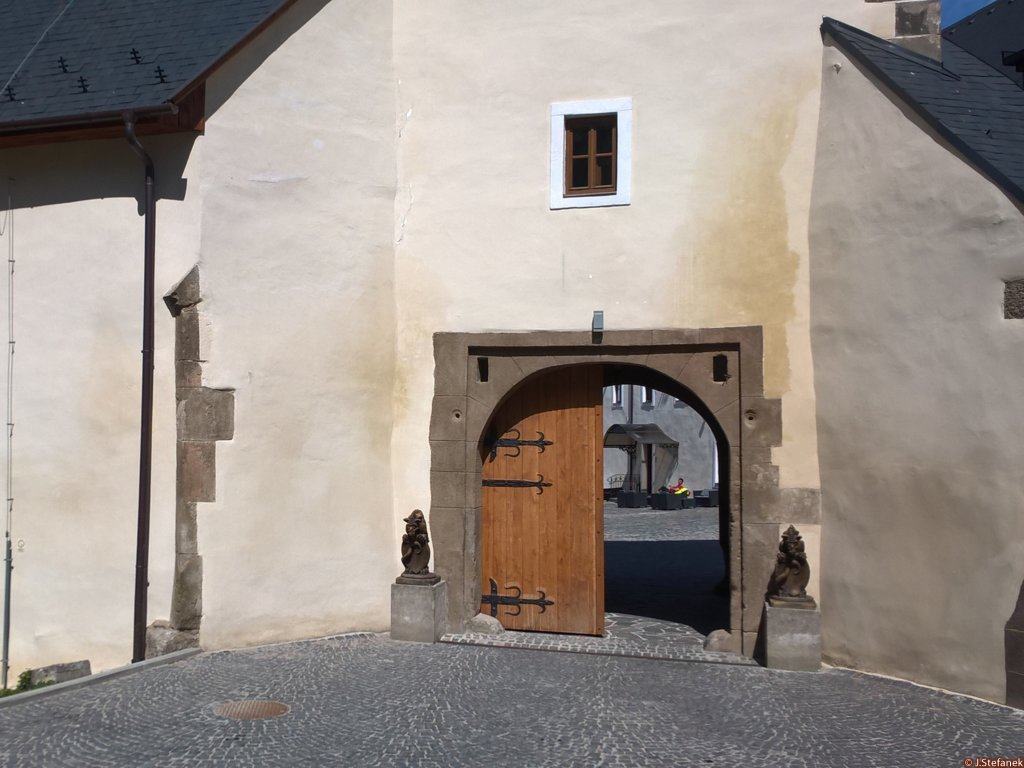
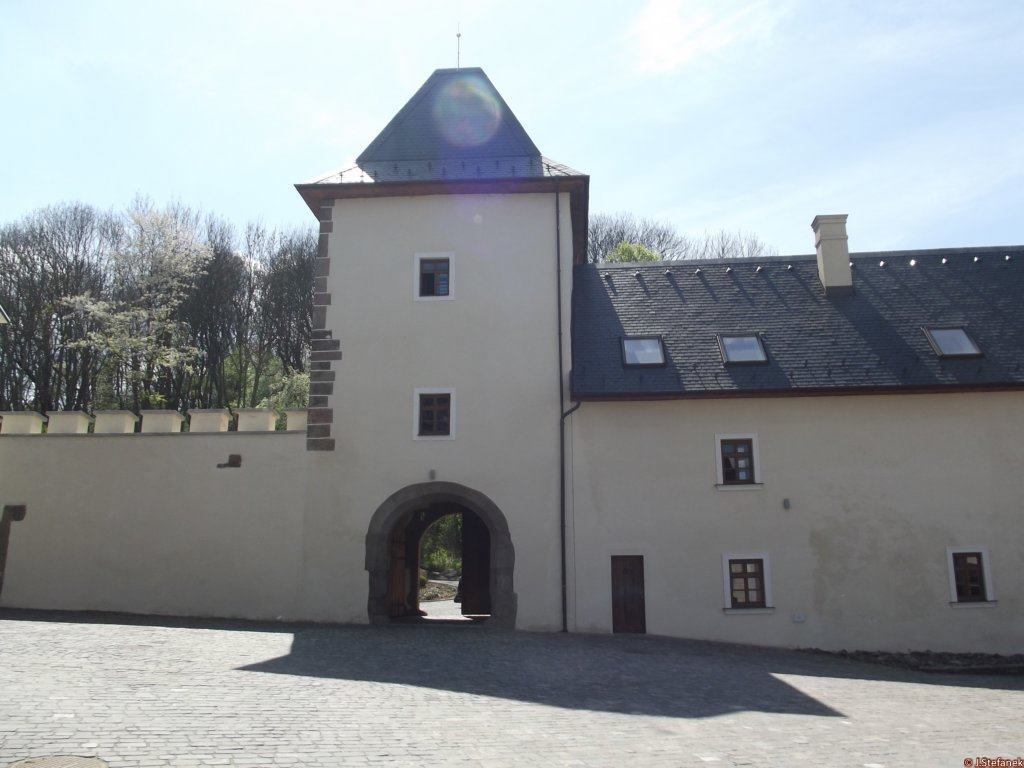
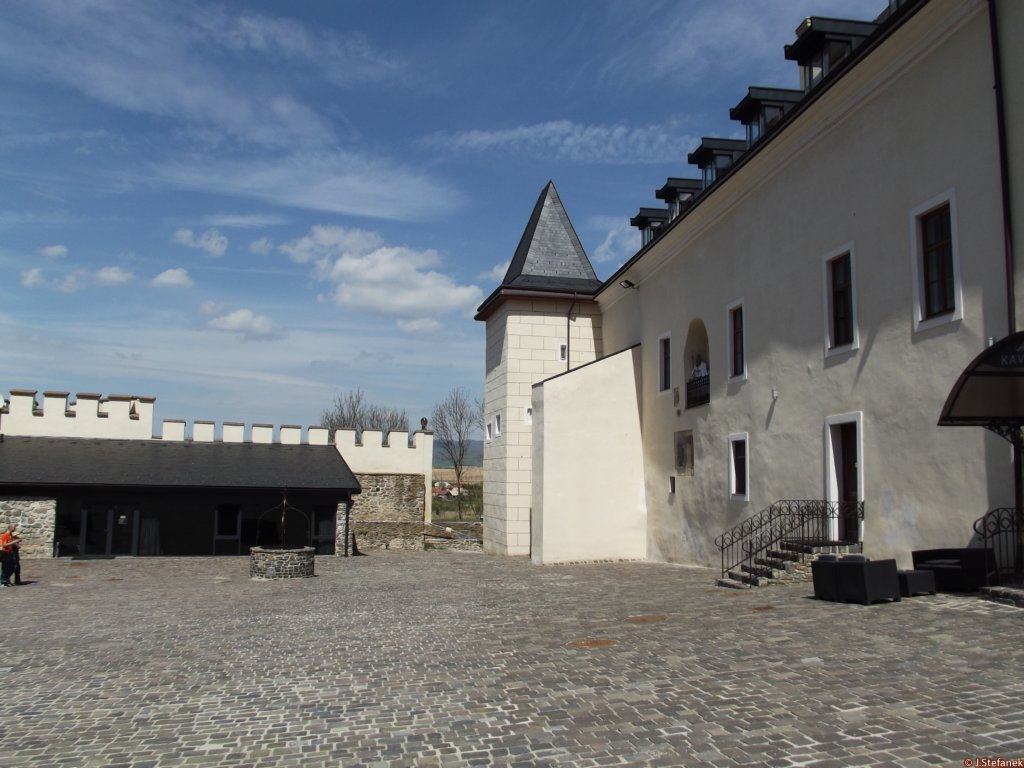
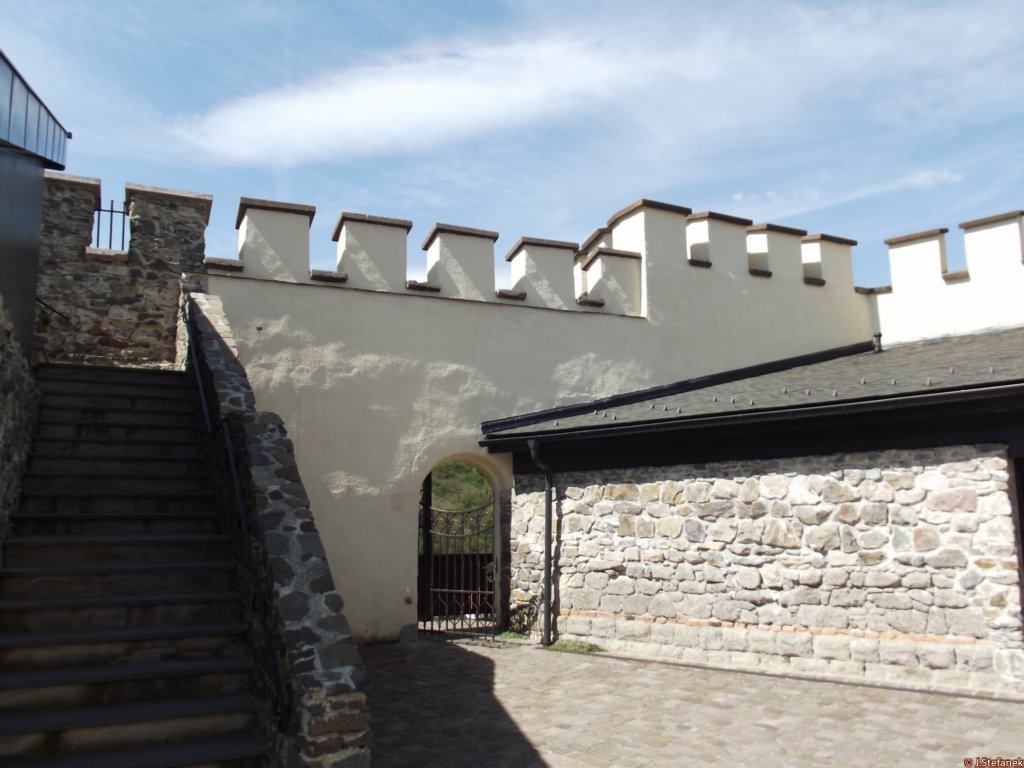
Unlike the castles, which were characterized by corner towers, at Vígľaš there is only a three-wing tower applied with dimensions of 60x85m, while the southern side was defined only by a simple wall. The living and representative rooms were mainly concentrated on the floors of the northern and eastern wings. A chapel was placed at the southern end of the wing. The interior was vaulted and accessible through the portal from the arcade corridor. The second portal led from an adjacent hall arched to a central column. The living rooms had beamed ceilings and were illuminated by rectangular windows with central crosses.The ruins of the castle in a desolate state were purchased from the village by private investors in 2007, when the project of restoration of the castle began under the supervision of experts from the conservation authorities. In 2009, the reconstruction of the castle fortifications, adjacent bastions and the castle building began. The extensive reconstruction was completed in 2013 and in 2014 the castle became the official seat of the Order of the Swords of the Circle. The castle building is registered in the list of National Cultural Monuments and is unique within Slovakia. It is reconstructed as a congress hotel The Grand Vígľaš **** with wellness services.
Na rozdiel od tzv. kastelov, pre ktoré boli charakteristické aj nárožné veže, pri Vígľaši sa uplatnil len bezvežový trojkrídlový rozvrh pravidelného hradu s rozmermi 60x85m, pričom južnú stranu vymedzovala iba jednoduchá hradba. Obytné a reprezentačné miestnosti sa sústredili predovšetkým na poschodí severného a východného krídla. Na južnom konci krídla bola umiestnená kaplnka. Interiér bol zaklenutý krížovou klenbou a prístupný cez portál z arkádovej chodby. Druhý portál viedol zo susediacej sály zaklenutej na stredový stĺp. Obytné komnaty mali trámové stropy a osvetlené boli obdĺžnikovými oknami so stredovými krížmi.Ruiny zámku v dezolátnom stave boli odkúpené od obce súkromným investorom v roku 2007, kedy sa začal realizovať projekt obnovy zámku pod dohľadom odborníkov z pamiatkových úradov. V roku 2009 sa zahájila samotná obnova hradného opevnenia, priľahlých bášt a zámockého objektu. Rozsiahla rekonštrukcia bola ukončená v roku 2013 a v roku 2014 sa stal zámok oficiálnym sídlom Rádu mečov kruhu. Objekt zámku je zapísaný v zozname Národných kultúrnych pamiatok a je unikátom v rámci Slovenska. Je zrekonštruovaný ako kongresový hotel The Grand Vígľaš**** s poskytovaním wellness služieb.
Plan
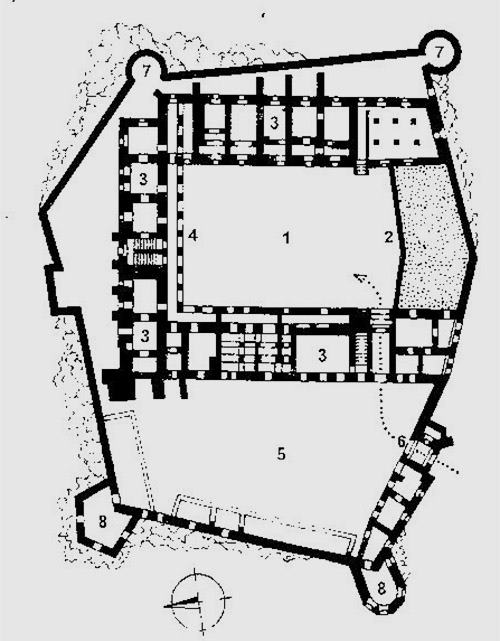
Legend to the ground plan
- 1-inner courtyard
- 2-walled rock
- 3-residential wings
- 4-arcade corridor
- 5-fortifications with outbuildings
- 6-entrance gate
- 7-circular bastions
- 8-corner cannon bastions
Legenda k pôdorysu
- 1-vnútorný dvor
- 2-obmurovaná skala
- 3-obytné krídla
- 4-arkádová chodba
- 5-predhradie s hospodárskymi stavbami
- 6-vstupná brána
- 7-kruhové bašty
- 8-nárožné delové bašty
History
The predecessor of the Vígľaš chateau was probably a Slavic fortified settlement, and later a monastery building was built here, probably administered by the Templar order. We learn about the new construction of the royal hunting lodge from a document of King Sigismund, which the monarch dated on July 9, 1390 in castro Wegles. In 1424, King Sigismund donated extensive estates, including Vígľaš, to his second wife Barbora. He remained in the possession of the Hungarian queens even after Sigismund's death. However, Barbara's daughter Elizabeth had different worries than her mother. In 1439 she became a widow and focused her efforts on saving the Hungarian throne for her son Ladislav. In the summer of 1440, the Vígľaš chateau was included in the queen's calculations. She first traded it with Reinprecht of Ebensdorf for a riot in the Hungarian Ostroh. After another exchange, she entrusted the chateau to Captain Jodok Just of Kusava, a supporter of Ján Jiskra, who was entrusted with the military protection of the interests of Ladislav Pohrobek.
In 1442, Queen Elizabeth died, two years in the battle with the Ottomans, her opponent Vladislav Jagelovský fell, and then her 17-year-old son died. Mr. Just welcomed the new monarch and the castle came to life during the reign of Matej Korvín by feasting and hunting.
In the second half of the 16th century, the castle played an important role in the anti-Turkish battles. At that time, they added a new fortification with four corner towers and maintained a permanent military garrison. The gate tower was built at the last minute by the captain of the castle garrison Ladislav Zai. In 1577, the Vígľaš defenders only with difficulty repulsed the attack of a large army, fortunately led without artillery. Then the fortifications of the castle were repaired and completed by expanding the western fortification and building two cannon bastions. Even after numerous attacks, the Ottomans did not conquer the castle, but during the uprisings, the castle was occupied by Bocskay, Bethlen, Thököly and Rákóczi's insurgents. It was around r. 1605. In 1636, the Vígľaš dominion came into the permanent possession of magnate families. Initially to the Csáky family, then from 1690 to the Eszterházy family. In the middle of the 18th century, they restored the fortifications to the reputation of a representative chateau through a Baroque reconstruction.
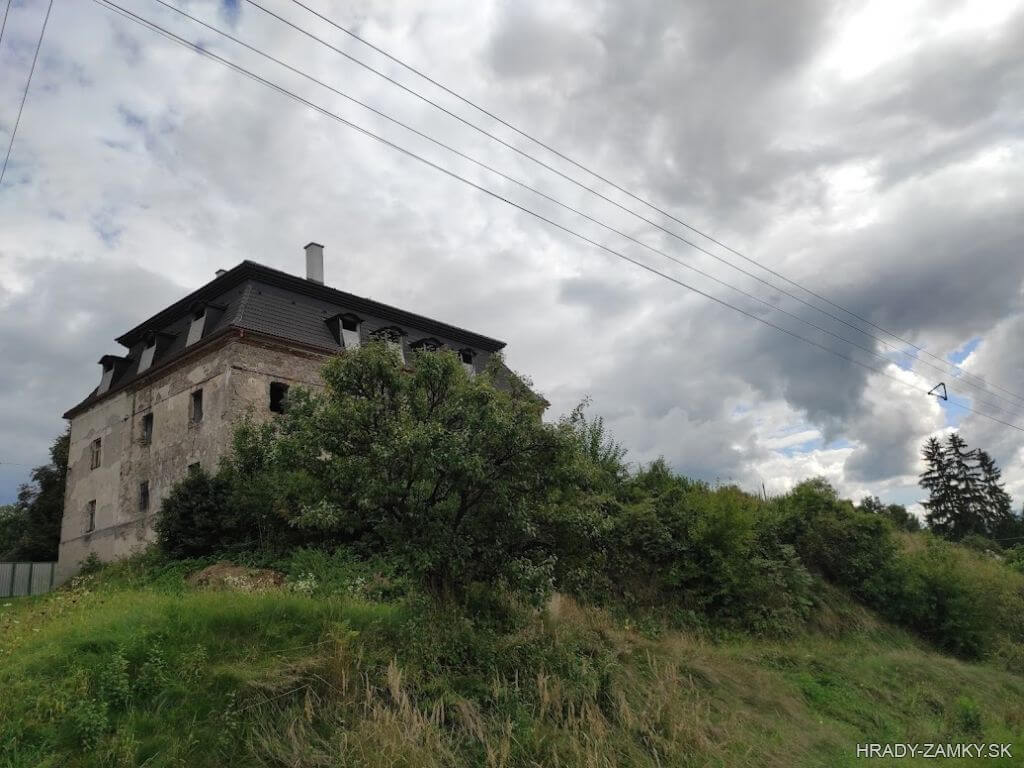
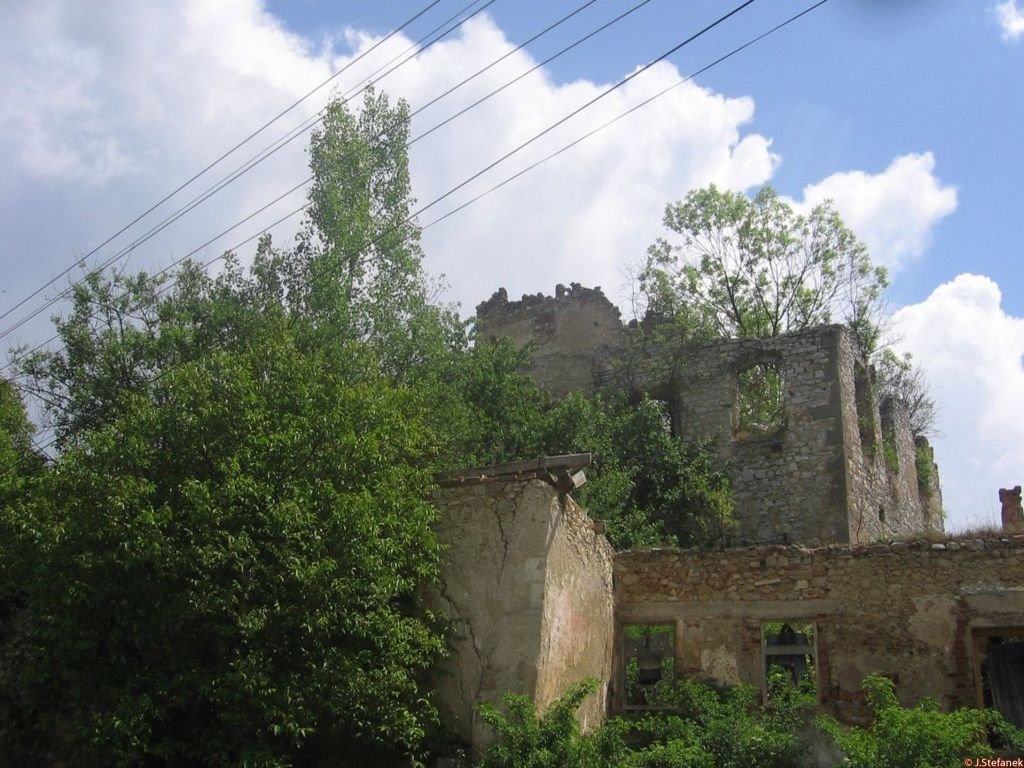
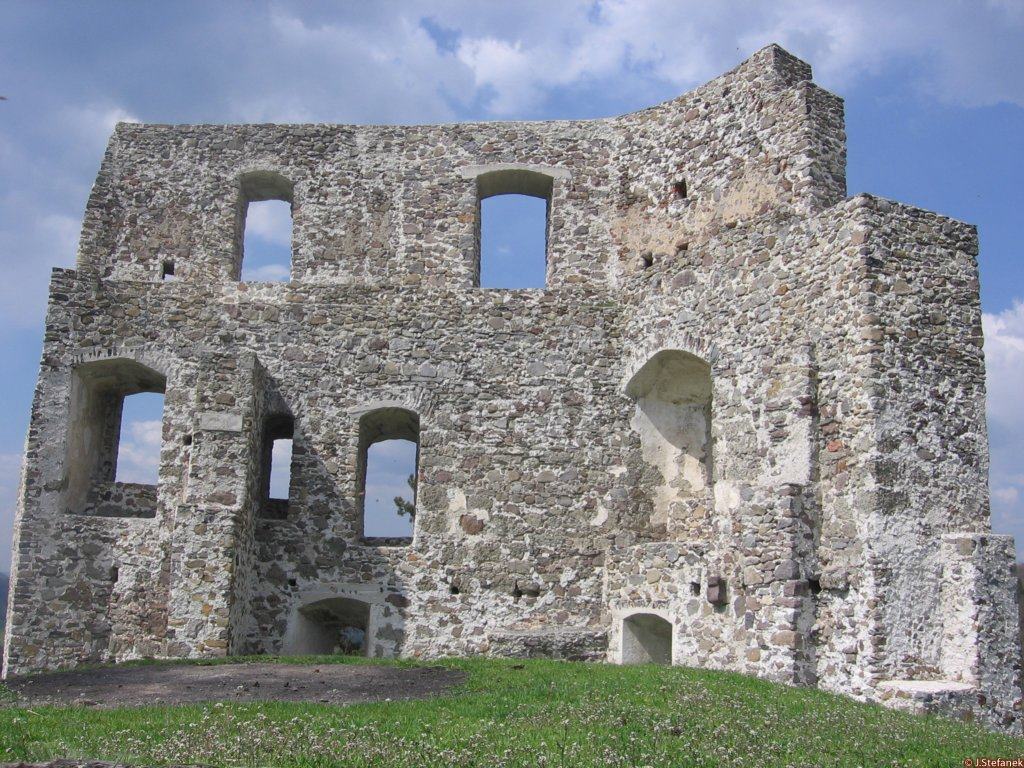
In 1870, the Vígľaš Castle was bought in this form by the landowner Mikuláš Kiš [Kiss] and 11 years later it had it repaired. From 1905, the castle was owned by Archduke Friedrich of Habsburg, but in 1918 the property passed into the ownership of the new Czechoslovak state. They then set up a forest administration in the chateau. In February 1945, German troops used the space of Vígľaš to defend. The fighting had catastrophic consequences for the castle. After crossing the front, no one cared about the destroyed castle, and in addition, people disassembled and took away everything they could. Over time, the ceilings collapsed and only remained the perimeter walls, partitions and firmly built-in architectural details of the Vígľaš Castle.
The ruins of the chateau were bought from the village by a private investor in 2007, when a project to restore the chateau began under the supervision of experts from the monument offices. In 2009, the restoration of the castle fortifications, adjacent bastions and the castle building began. The extensive reconstruction was completed in 2013 and in 2014 the castle became the official seat of the Order of the Swords of the Circle. In September 2014, the chateau was ceremoniously opened as the congress hotel The Grand Vígľaš with the provision of wellness services.
Predchodcom Vígľašského zámku bolo pravdepodobne slovanské hradisko a neskôr tu vznikol kláštorný objekt, zrejme spravovaný templárskym rádom. O novostavbe kráľovského poľovníckeho zámku sa dozvedáme z listiny kráľa Žigmunda, ktorú panovník datoval 9. júla 1390 in castro Wegles. Kráľ Žigmund v r.1424 daroval rozsiahle majetky vrátane Vígľašu svojej druhej manželke Barbore. V držbe uhorských kráľovien zostal i po Žigmundovej smrti. Avšak Barborina dcéra Alžbeta mala iné starosti ako jej matka. V r.1439 ovdovela a svoje úsilie zamerala na záchranu uhorského trónu pre syna Ladislava. V lete r.1440 sa do kalkulácií kráľovnej dostal aj zámok Vígľaš. Najskôr ho vymenila s Reinprechtom z Ebensdorfu za ohnisko nepokojov v uhorskom Ostrohu. Po ďalšej zámene zverila zámok kapitánovi Jodokovi Justovi z Kusavy, prívržencovi Jána Jiskru, ktorý bol poverený vojensky ochraňovať záujmy Ladislava Pohrobka.
V r.1442 zomrela kráľovná Alžbeta, o dva roky v bitke s Osmanmi padol jej protivník Vladislav Jagelovský a potom skonal aj jej 17-ročný syn. Pán Just privítal nového panovníka a zámok za vlády Mateja Korvína ožil hodovaním a poľovačkami.
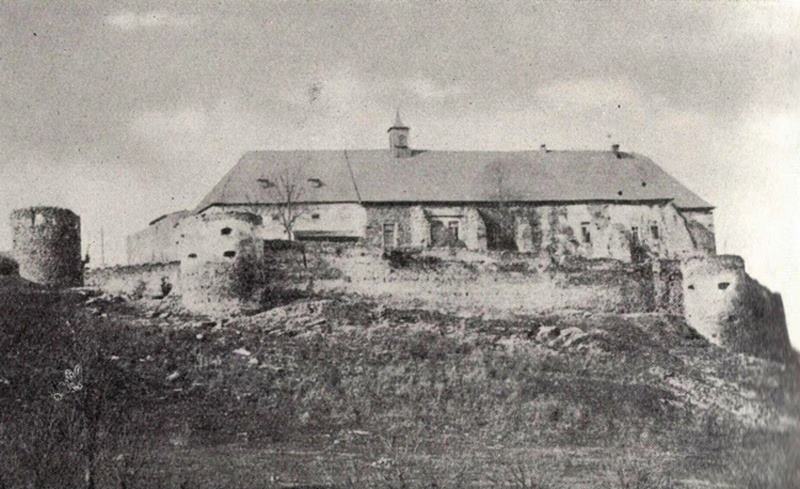
V druhej polovici 16. storočia zohral zámok významnú úlohu v protitureckých bojoch. Vtedy k nemu pristavali nové opevnenie so štyrmi nárožnými vežami a udržovali v ňom stálu vojenskú posádku. Bránovú vežu dal kapitán hradnej posádky Ladislav Zai postaviť na poslednú chvíľu. V r.1577 vígľašskí obrancovia len s námahou odrazili útok početného vojska, našťastie vedený bez delostrelectva. Potom bolo opevnenie zámku opravené a dokončené rozšírením západného predhradia a vybudovaním dvoch delových bášt. Ani po mnohopočetných útokoch Osmania hrad nedobyli, no počas stavovských povstaní hrad obsadili Bocskayovi, Bethlenovi, Thökölyho i Rákócziho povstalci. Bolo to okolo r. 1605. V r.1636 sa vígľašské domínium dostalo do trvalej držby magnátskych rodín. Spočiatku Csákyovcom, potom od r.1690 Eszterházyovcom. Tí v polovici 18.storočia barokovou prestavbou vrátili pevnosti povesť reprezentačného zámku.
V takejto podobe v r.1870 odkúpil Vígľašský zámok veľkostatkár Mikuláš Kiš [Kiss] a o 11 rokov neskôr ho dal opraviť. Od r.1905 vlastnil zámok arcivojvoda Fridrich Habsburský, ale už v r.1918 prešiel majetok do vlastníctva nového Československého štátu. V zámku potom zriadili správu lesov. Vo februári 1945 využili nemecké jednotky priestor Vígľaša na obranu. Boje mali pre zámok katastrofálne následky. Po prechode frontu sa o zničený zámok nik nestaral a navyše ľudia rozobrali a odviezli všetko čo sa dalo. Po čase sa prepadli stropy a z Vígľašského zámku zostali len obvodové múry, priečky a pevne zabudované architektonické detaily.
Ruiny zámku boli odkúpené od obce súkromným investorom v roku 2007, kedy sa začal realizovať projekt obnovy zámku pod dohľadom odborníkov z pamiatkových úradov. V roku 2009 sa zahájila samotná obnova hradného opevnenia, priľahlých bášt a zámockého objektu. Rozsiahla rekonštrukcia bola ukončená v roku 2013 a v roku 2014 sa stal zámok oficiálnym sídlom Rádu mečov kruhu. V septembri 2014 bol zámok slávnostne otvorený ako kongresový hotel The Grand Vígľaš s poskytovaním wellness služieb.
Myths and legends
Vígľaš catchpolls
The lord of Vígľaš had seven villagers closed. For some reason, they were supposed to hit the gate with sticks. The news of the guilt angered their friends. At night they secretly went to Vígľaš and in the morning there was no one to stretch out on the hole. The great man did not fly well out of his skin. He drove out the catchpolls to bring the refugees back. The Pandurs roamed the lazy, the mountains, the huts, but the villagers seemed to have fallen to the ground. In the evening, the weary fell asleep somewhere on the mountain hut. At dawn after a good night's sleep, catchpolls ordered the breakfast. But the sheppard was of a different opinion. The sun is supposedly already on the pilgrimage, and the lord of the bastards must also take on duty and it will be easy for them. Andrej and his companions relieved them of the burden of the catchpolls armor in their sleep. The Pandurs sat on their arms like a mound of misfortune. But they could not return to Vígľaš empty-handed. What are you doing now? Bača offered to take them to the service. It is said that never before or after they had rarer shepherds than Viglas catchpolls under Poľana.
Vígľašskí drábi
Vígľašský pán dal zavrieť sedem dedinčanov. Z akýchsi príčin im mali palicami gate látať. Zvesť o krivde nazlostila ich kamarátov. V noci sa tajne vybrali na Vígľaš a ráno už nebolo koho natiahnuť na dereš. Veľkomožný dobreže z kože nevyletel. Vyhnal drábov, aby utečencov priviedli späť. Pandúri blúdili po lazoch, po horách, po kolibách, ale dedinčania ako by sa boli do zeme prepadli. Večer znavení zaspali kdesi na salaši. Na svitaní po sýtom spánku, si drábi rozkázali raňajky. Bača bol ale inej mienky. Slnko je už vraj na púti a aj pánom hajdúchom treba vykročiť za povinnosťou a pôjde sa im zľahka. Andrej so svojimi druhmi ich v spánku odbremenil od záťaže drábskej zbroje. Pandúri sedeli na pažiti ako kôpka nešťastia. No na Vígľaš sa naprázdno vrátiť nemohli. Čo si teraz počnú? Bača im ponúkol, že ich vezme do služby. Vraj nikdy predtým ani potom nemali ovce vzácnejších pastierov ako keď pod Poľanou valasili vígľašskí drábi.
Useful information
Opening hours and admission
Otváracia doba a vstupné
External links
Nearby castles