Pukanec
Pukanec Nitra county Slovakia
castle ruin
Pukanec
Pukanec Nitriansky kraj Slovakia
zrúcanina hradu
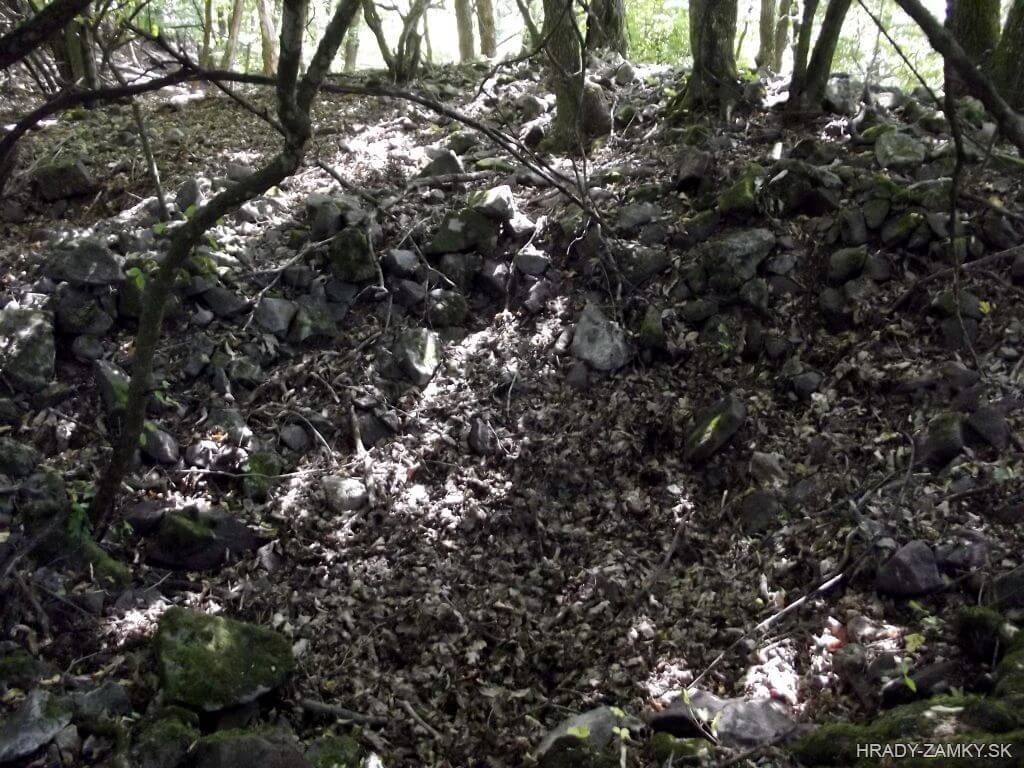
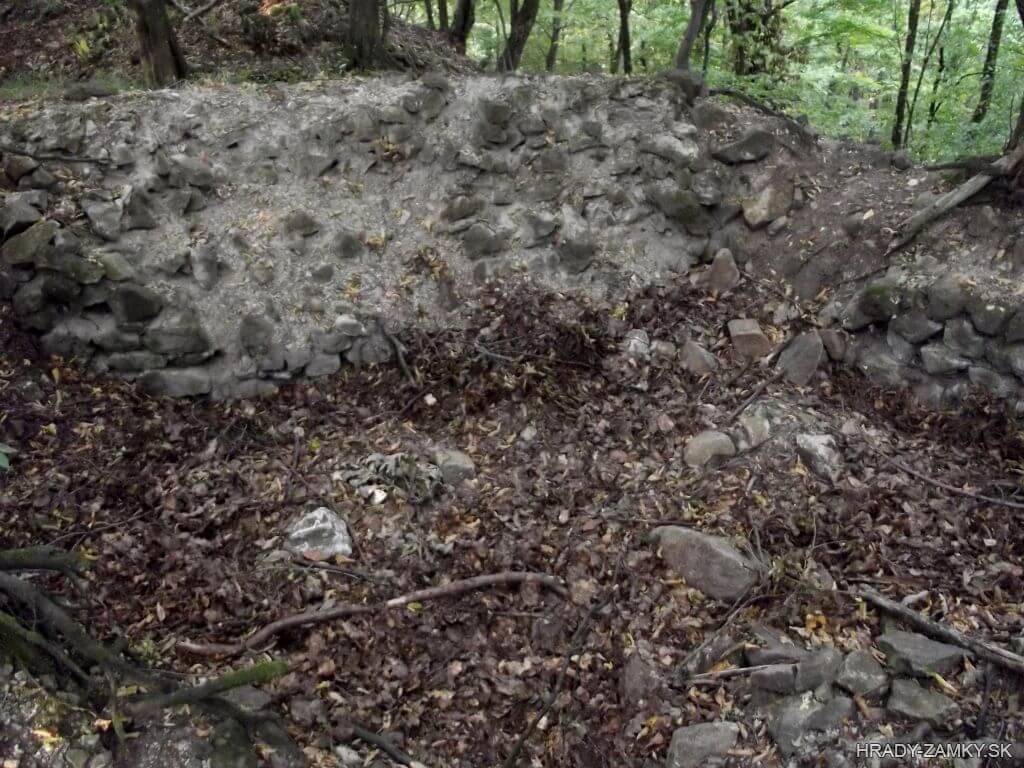
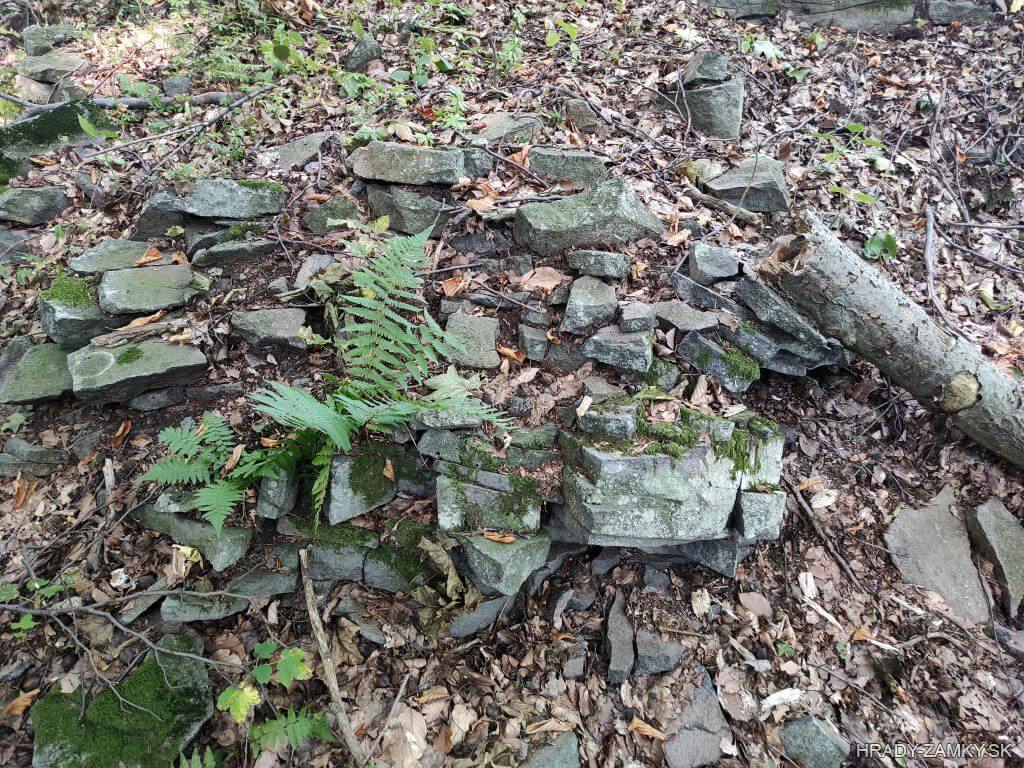
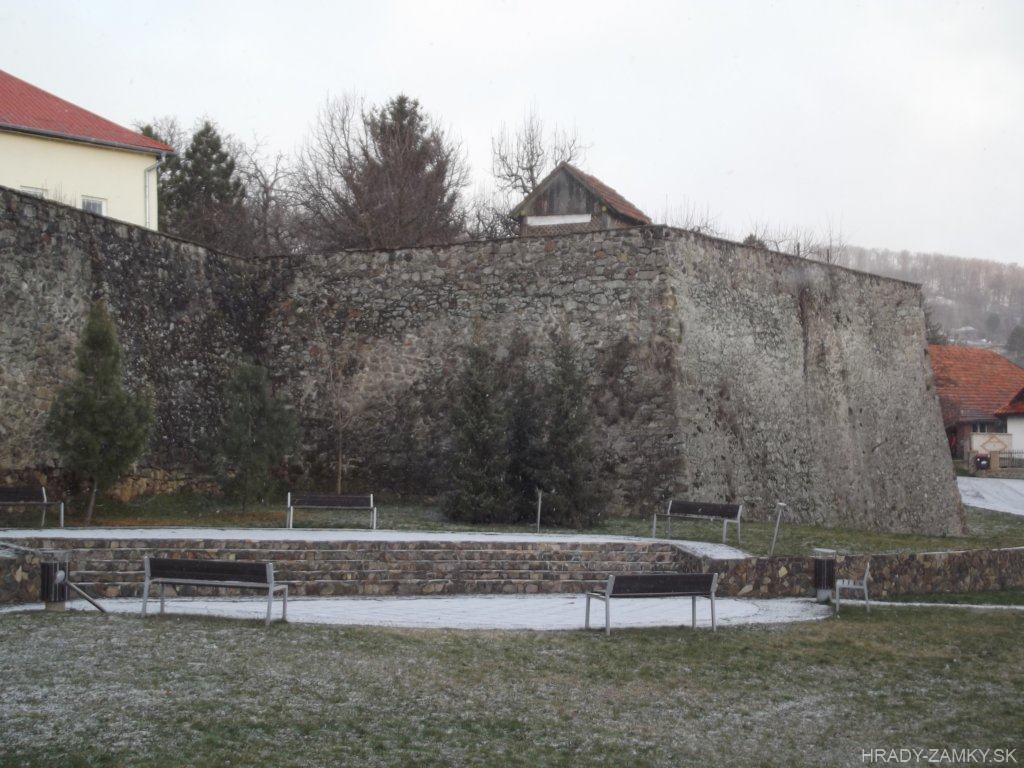
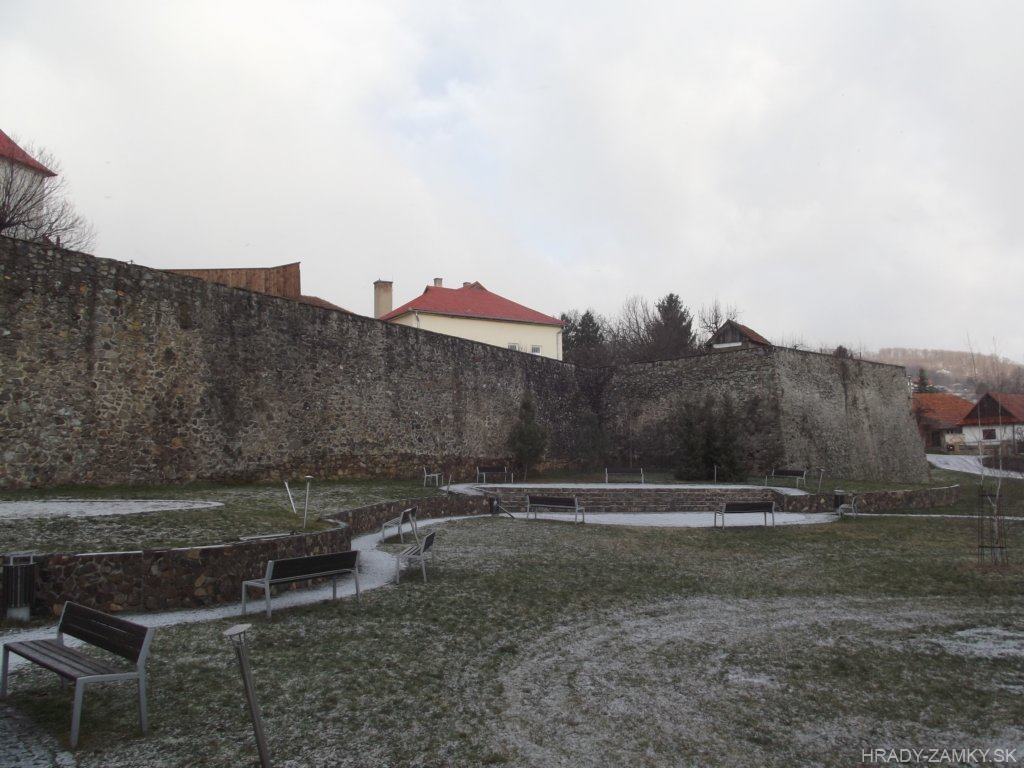
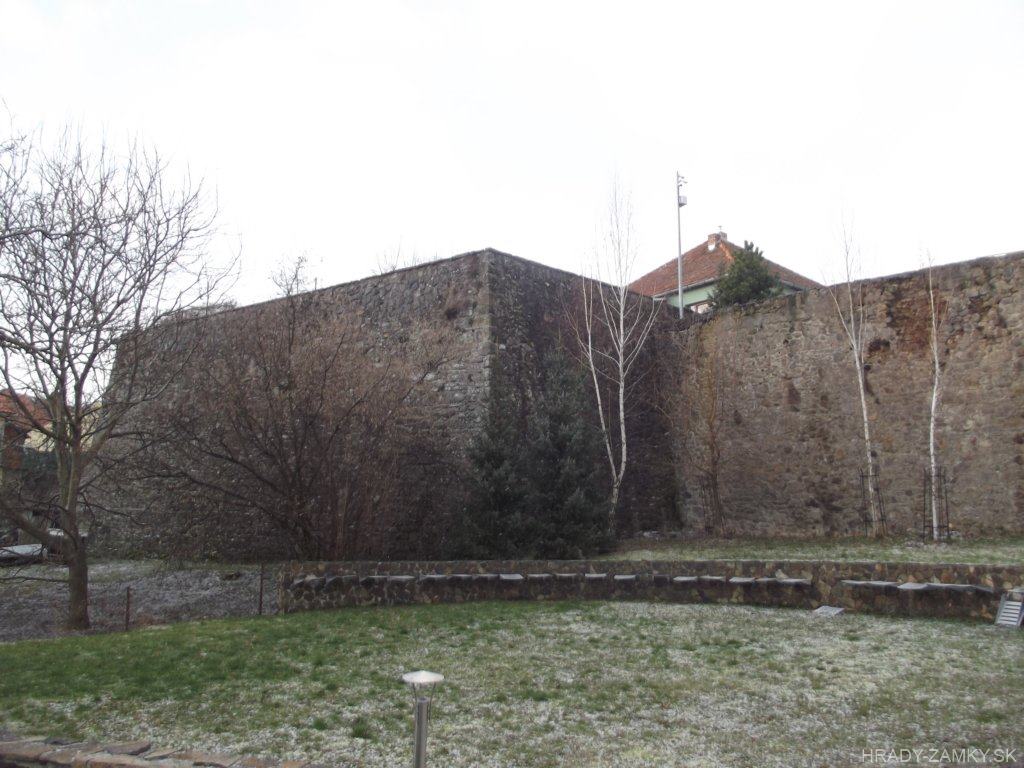
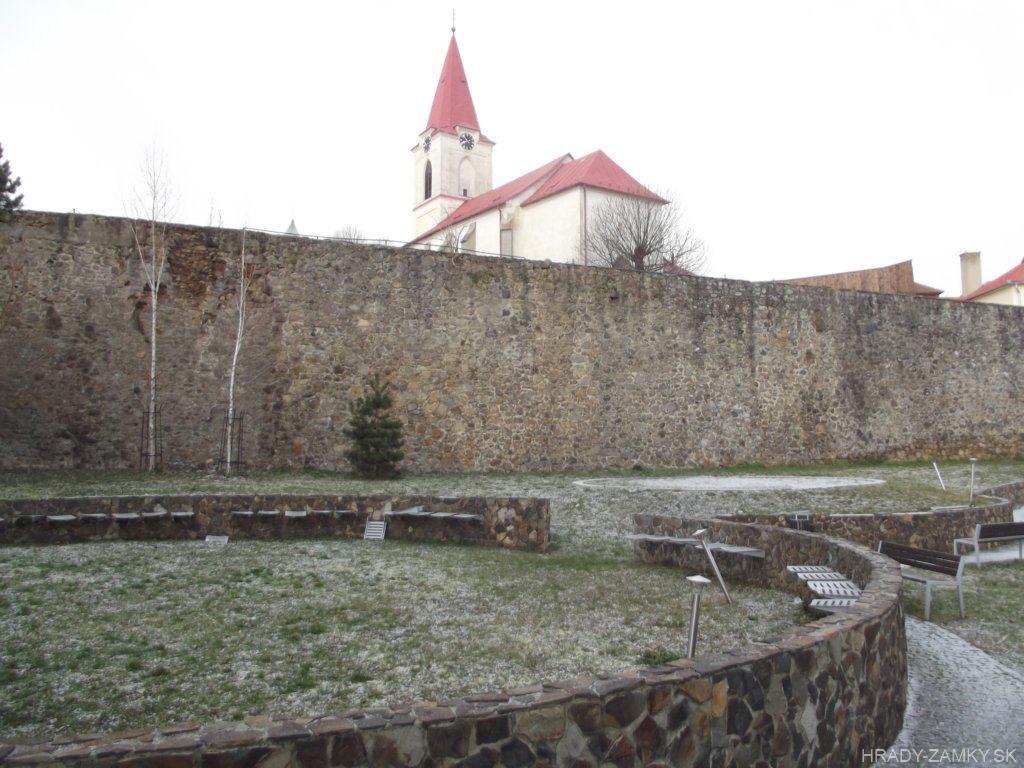
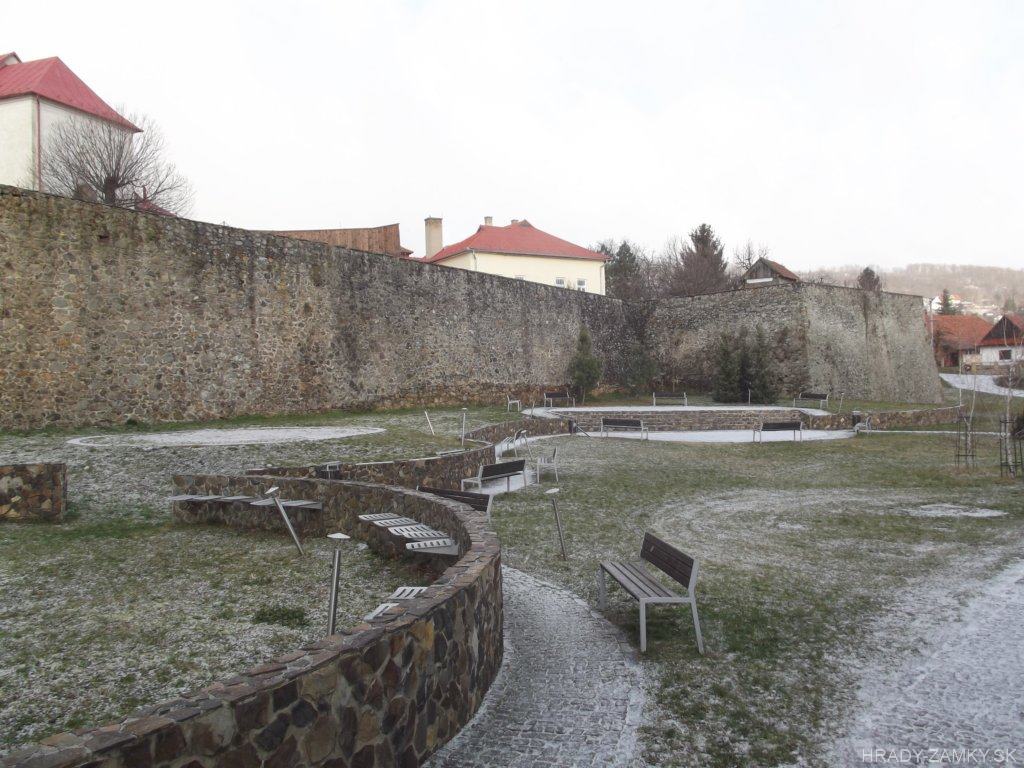
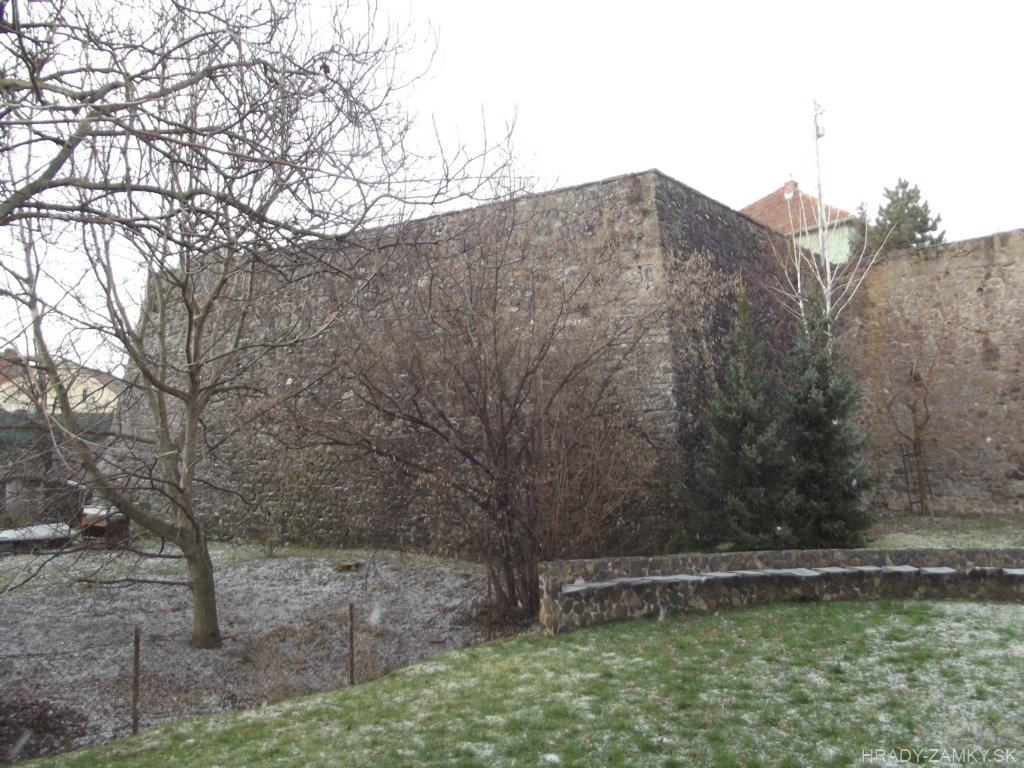
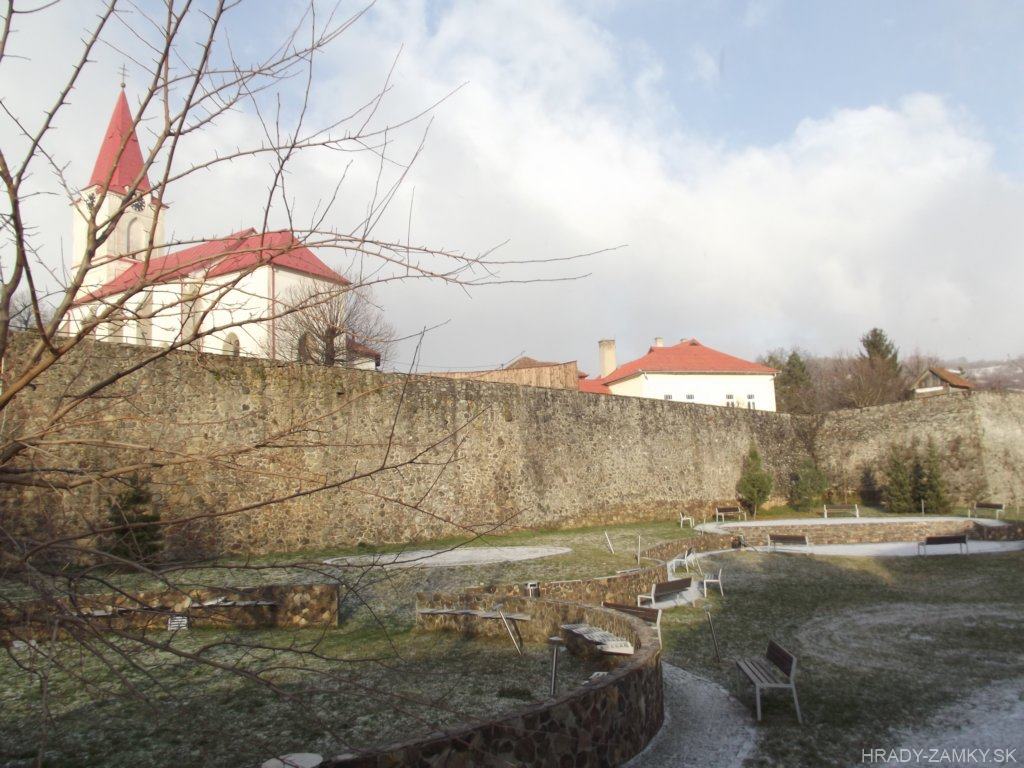
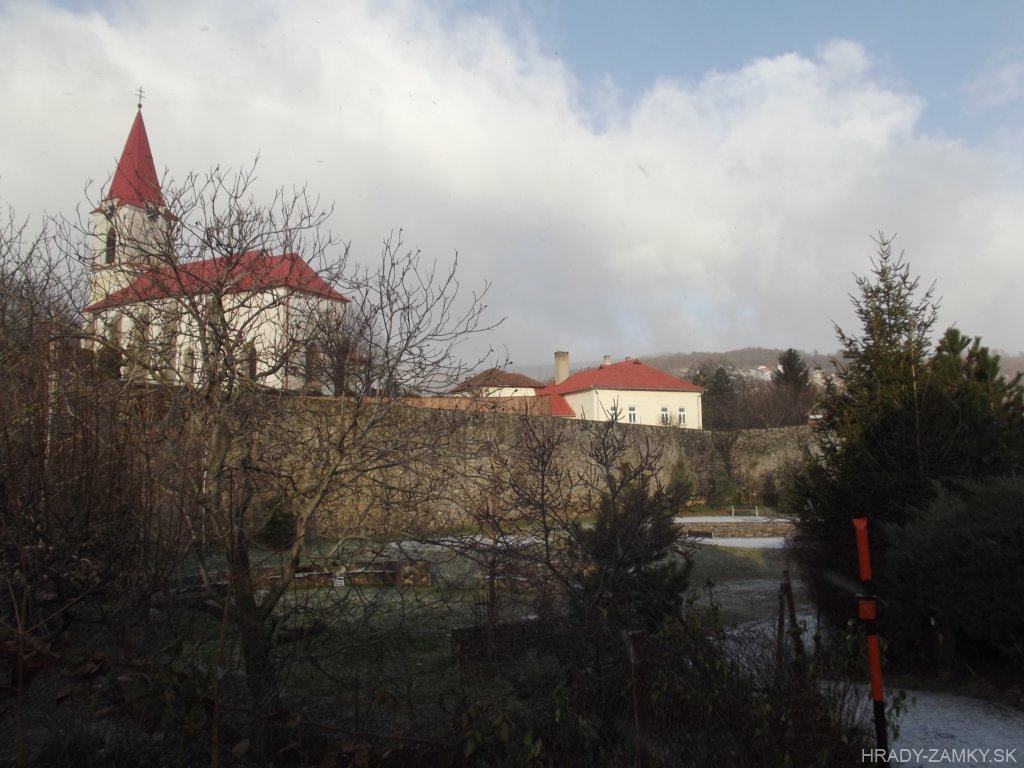
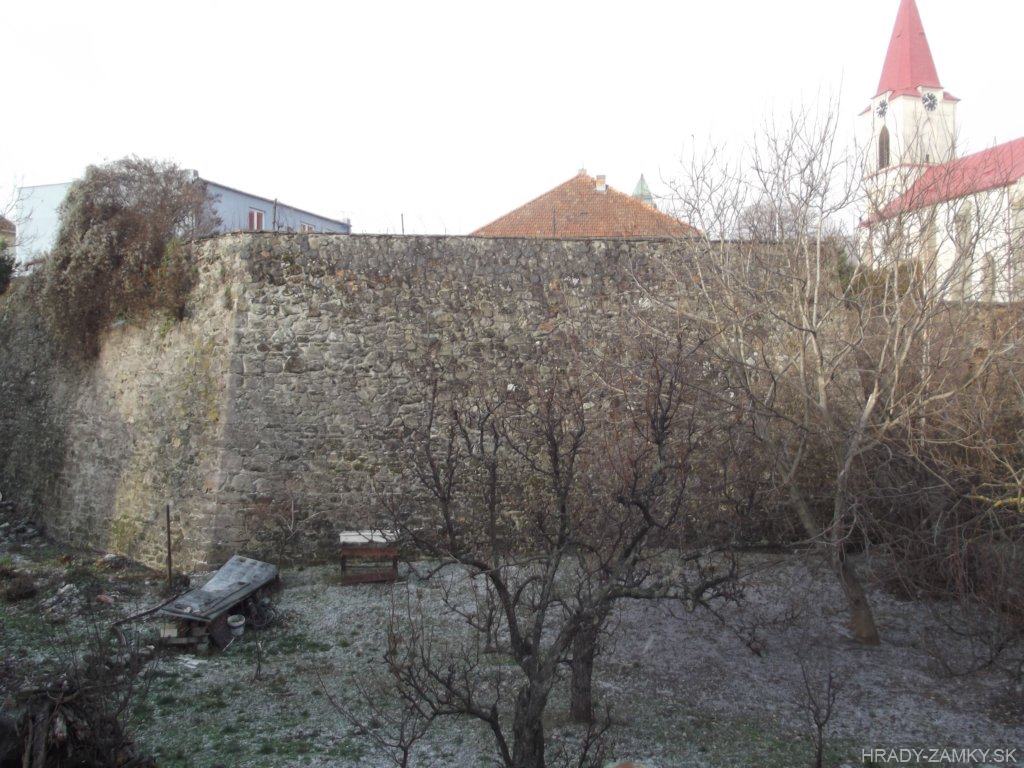
Preserved remains of the walls, which were part of the urban type of castle, are located on the southern slopes of the Štiavnica Mountains in the former royal town (today village) Pukanec
Zachované zvyšky hradieb, ktoré boli súčasťou hradu mestského typu, sa nachádzajú na južných svahoch Štiavnických vrchov v bývalom kráľovskom meste (dnes obec) Pukanec
Previous names
Nemeth Baka, Backabanya, Pvkancz, Pwkancz, Puckano, Pukano, Bakamya, Bwka Banya, Nemetbacka sive Backabanya, Bocano, Buganz, Bacabanya, Pukanecz, Bakabánya
Roads
The remains of the walls that were originally part of the town castle can be found simply around the church of Sv. Nicholas. Through the village of Pukanec leads the road Čierne blato, along which we get to Námestie Mieru. On the right side of the road is a post office building and just behind it in front of the church is spacious parking lot. From there we take the main road on foot along the post office and after a while we turn to the first narrow street on the left, where we can find the remains of the fortification.
Zvyšky múrov, ktoré pôvodne boli súčasťou mestského hradu, nájdeme jednoducho v okolí kostola Sv. Mikuláša. Cez obec Pukanec prechádza cesta Čierne blato, po ktorej sa dostaneme až na Nám. mieru. Na pravej strane od cesty sa nachádza budova pošty a hneď za ňou pred kostolom je priestranné parkovisko. Odtiaľ sa vyberieme popri pošte po hlavnej ceste pešo a po chvíli odbočíme do prvej úzkej uličky vľavo, kde nájdeme zvyšky opevnenia.
Description
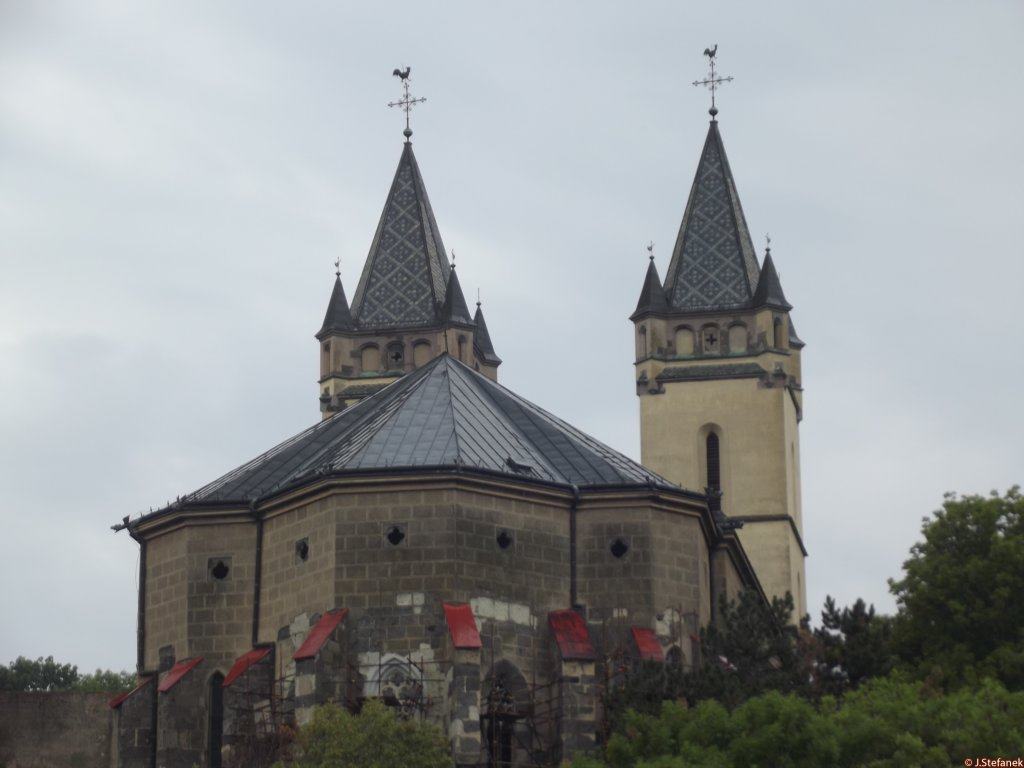
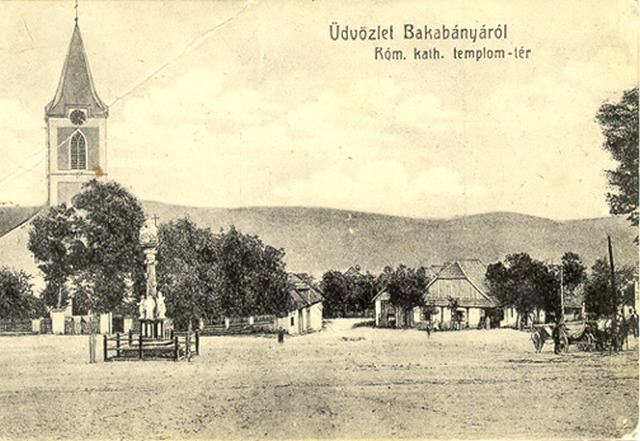
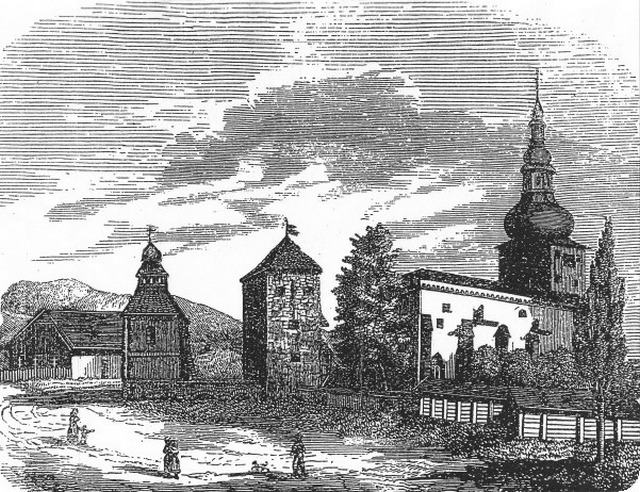
To this day there can be seen a clear market square in the village of Pukanec with several burgher houses. The original mining town had a town castle with a parish church. It had an entrance tower, which, like in the Kremnica castle complex, was a town hall, a bell tower, and had a tower over the sanctuary of the church and its own fortifications.At present, the church and part of the fortifications have been preserved from the town castle. The fortification of the town castle was partly wooden but also stone, which was mainly the fortification of the church.
Dodnes je v obci Pukanec zreteľné trhové námestie s niekoľkými meštianskymi domami. Súčasťou pôvodného banského mesta bol mestský hrad s farským kostolom. Mal vstupnú vežu, ktorá bola, rovnako ako v kremnickom hradnom areáli, radnicou, zvonicou a mala vežu nad svätyňou kostola a vlastné opevnenie.Z mestského hradu sa v súčasnosti zachoval kostol a časť opevnenia. Opevnenie mestského hradu bolo sčasti drevené, ale aj kamenné, ktoré tvorilo hlavne opevnenie kostola.
History
In the past, Pukanec belonged to the royal mining towns, whose privilege was the right to defend itself. The town was probably fenced in the Hussite wars with a wooden palisade and log wall, but the so-called Pukan castle - the church was fenced with a stone wall. The defensive significance of the walls increased especially in times of Turkish danger. In Pukanec, however, the wall was already in poor condition at that time and for the last time it protected the town during the invasion of the Turks in 1568. The following year, it collapsed. The construction of the new wooden fence took place between 1569 and 1578.
It was not until the Regional Assembly in 1578 that it decided to build a fortification with brick walls. They built the fortifications from stone and brick. It was probably never completed, because during the great Turkish disasters in 1640 and 1664, a wooden palisade is also mentioned. However, it is possible and quite probable (according to Ján Králik, a Pukan archivist), that only the inner city and the wooden palisade of the suburbs were fortified with a stone wall. The floor plan of the fortification was a rectangle with two corners and one central bastion on the shorter side of the floor plan. The Turks ravaged Pukanec several times and occupied it for a time in 1664. Later, after mining fell, Pukanec became an agricultural and craft town in the 18th century.
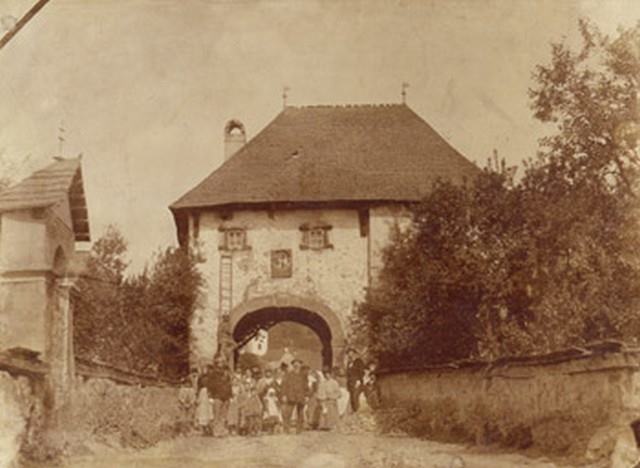
Two city gates were situated in the walls in the north-south direction. The upper gate at Klopačka was last mentioned in 1799. The lower one stood in the space between today's post office and the pharmacy. It was demolished without the permission of the lords by the town notary Július Ciglan in 1899. In addition to them, there were also two gates in the walls - a pedestrian fort, towards the vineyards and Gágor.
Parish Church of St. Nicholas was the core of the town castle, similar to the town castle in Kremnica. Its premises were entered through a bridge from the square through a four-storey bastion, which later served as the town hall. It stood in the area of today's church gate (Church of St. Nicholas).
Pukanec patril v minulosti ku kráľovským banským mestám, ktorých výsadou bolo i právo ohradiť sa. Mesto bolo pravdepodobne ohradené už v časoch husitských vojen drevenou palisádovou a zrubovou hradbou, ale takzvaný pukanský zámok – kostol bol ohradený kamenným múrom. Obranný význam hradieb vzrástol najmä v časoch tureckého nebezpečenstva. V Pukanci bola však už vtedy hradba v zlom stave a posledný raz ochránila mesto pri nájazde Turkov v roku 1568. Nasledujúceho roku sa vyvalila. Výstavba nového dreveného oplotenia prebiehala v rokoch 1569-1578.
Až krajinský snem v roku 1578 rozhodol o výstavbe opevnenia murovanými hradbami. Opevnenie budovali z kameňa a tehál. Nebolo zrejme nikdy dokončené, lebo pri veľkých tureckých pohromách v rokoch 1640 a 1664 sa spomína aj drevená palisáda. Je však možné a aj dosť pravdepodobné (podľa Jána Králika, pukanského archivára), že kamennou hradbou bolo opevnené len vnútorné mesto a drevenou palisádou predmestia. Pôdorysne tvorilo opevnenie obdĺžnik s dvoma nárožnými a jedným stredovým bastionom na kratšej strane pôdorysu. Turci Pukanec viac ráz spustošili a v roku 1664 načas obsadili. Neskôr po tom, čo baníctvo upadlo, sa z Pukanca sa v 18. storočí stalo poľnohospodársko-remeselnícke mestečko.
V hradbách boli situované dve mestské brány v severo-južnom smere. Horná brána pri Klopačke sa poslednýkrát spomína v roku 1799. Dolná stála v priestore medzi dnešnou poštou a lekárňou. Bez povolenia vrchnosti ju dal zbúrať mestský notár Július Ciglan v roku 1899. Okrem nich boli v hradbách aj dve bráničky – fortne pre peších, smerom do viníc a na Gágor.
Farský kostol sv. Mikuláša bol jadrom mestského hradu, podobného mestskému hradu v Kremnici. Do jeho priestorov sa vstupovalo mostom z námestia cez štvorposchodovú baštu, ktorá neskôr slúžila ako radnica. Stála v priestore dnešnej kostolnej brány (Kostol svetého Mikuláša).
Myths and legends
There are no myths available.
K tomuto objektu nie sú dostupné žiadne povesti
Useful information
The walls are freely accessible
Hradby sú voľne prístupné
Nearby castles