Sitno
Ilija Banská Bystrica county Slovakia
castle ruin
Sitno
Ilija Banskobystrický kraj Slovakia
zrúcanina hradu
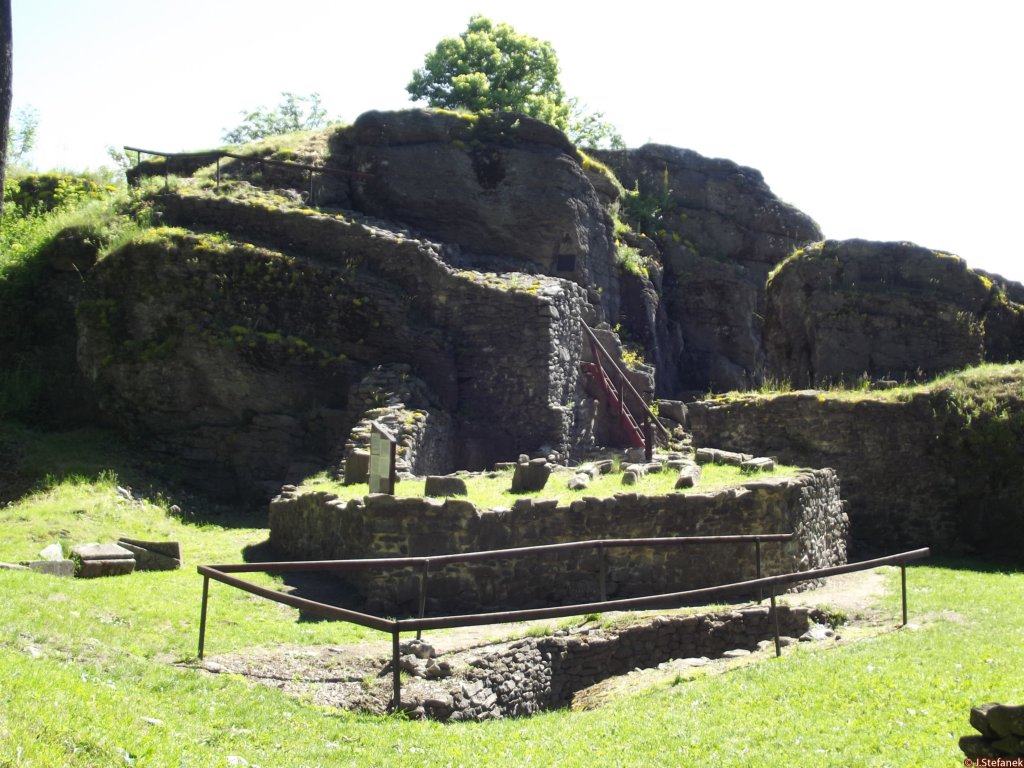
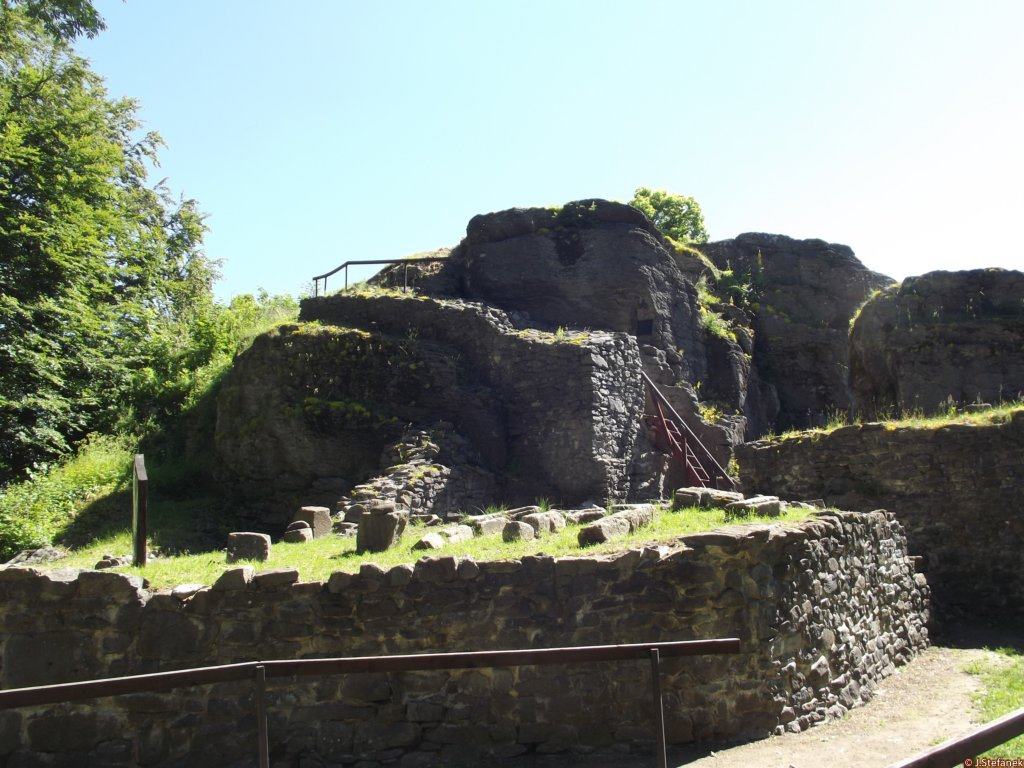
The ruins of the castle on the andesite rocks of the southeastern spur of the same named dominant the Štiavnica Hills in the cadastral area, municipality of Ilija in Banská Štiavnica district
Zrúcanina hradu na andezitových bralách juhovýchodnej ostrožiny rovnomennej dominanty Štiavnických vrchov v k.ú. obce Ilija v okrese Banská Štiavnica
Previous names
Cytun, Scyten, Sitniansky hrad, Szitnya, Etzelspurg
Roads
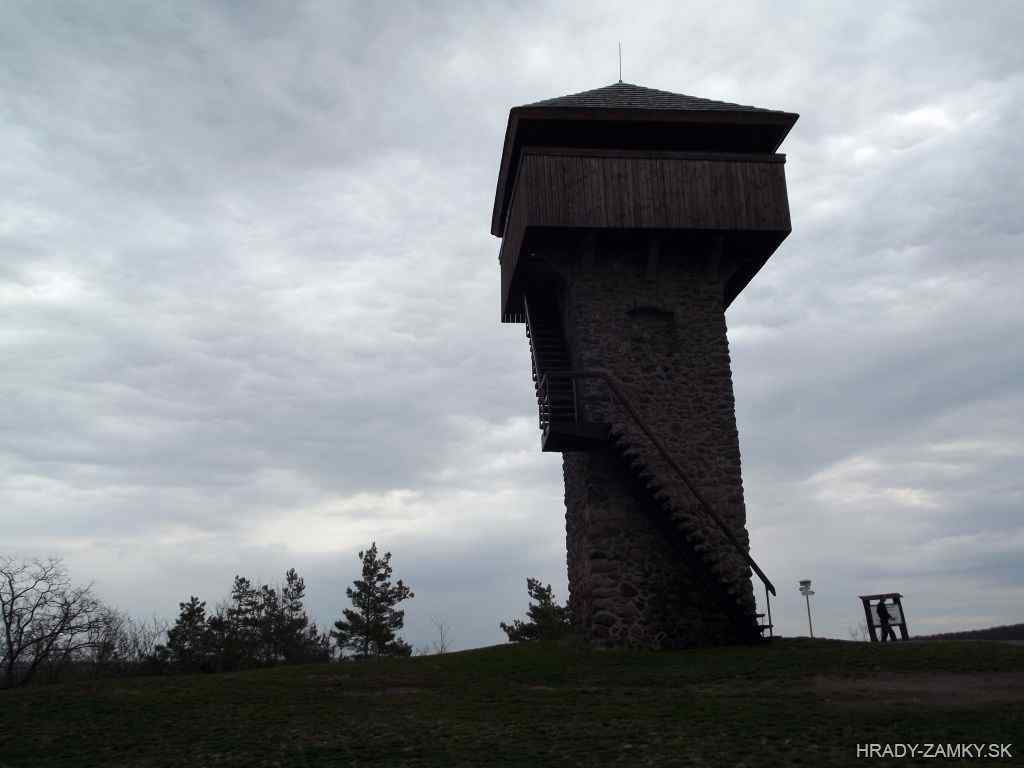
Trasa 1: We recommend visiting Sitno castle ruins along with the ascent to the top of Sitno mountain.In the village of Počúvadlo we come to the parking lot at Počúvadliansky lake. From there we continue on foot along the green route next to the cottages through the forest. Climbing the forest is relatively challenging. After about half an hour of climbing, we reach the Tatar meadow (906 m above sea level), where the educational trail also begins. From here, it is only a 25-minute climb to the top of Sitno following the blue sign, which in the final stage is variegated by a large number of stairs. At the top of Sitno there is a lookout tower, transmitter and in season a buffet. From the top of Sitno, we go south next to the transmitter and after a few meters we connect to the asphalt road. After about 15 minutes of descent, we find a sign by the road with the inscription in slovak - HRAD (Castle). Here we turn onto a path through a meadow and at the end of it there is a rock cliff with the ruins of Sitno Castle.
Trasa 1: Hrad Sitno odporúčame navštíviť spolu aj s výstupom na vrchol Sitno.V obci Počúvadlo prídeme až na parkovisko pri Počúvadlianskom jazere. Odtiaľ pokračujeme peši po zelenej trase popri chatkách cez les. Stúpanie lesom je relatívne náročné. Zhruba po pol hodine stúpania sa dostaneme na Tatársku lúku (906 m n.m.), kde zároveň začína aj náučný chodník. Odtiaľto je to na vrchol Sitno po modrej značke už len nejakých 25 minút stúpania, ktoré v konečnej fáze spestruje veľké množstvo schodov. Na vrchole Sitna sa nachádza vyhliadková veža, vysielač a v sezóne i bufet. Z vrcholu Sitna sa vyberieme južným smerom popri vysielači a po pár metroch sa napojíme na asfaltovú cestu. Asi po 15 minútach zostupu nájdeme pri ceste tabuľu s nápisom HRAD. Tu odbočíme na cestičku cez lúku a na jej konci sa nachádza skalné bralo s ruinami Sitnianskeho hradu.
Trasa 2: From the opposite side, from the village of Ilija on an asphalt road (green route). If you do not want to climb to the top of Sitno, but only visit the castle, you can use this route. The route passes through the Vlčia jama crossroads to the castle, which is located below the top of Sitno. It is also suitable for cyclists.
Trasa 2: Z opačnej strany, z obce Ilija po asfaltovej ceste (zelená trasa). Ak nechcete vystúpiť až na vrchol Sitna, ale navštíviť iba hrad, tak môžete využiť túto trasu. Trasa prechádza rázcestím Vlčia jama až k hradu, ktorý sa nachádza pod vrcholom Sitna. Je vhodná aj pre cyklistov.
Trasa 3: By car we get quite high by asphalt road near Svätý Anton village. An inconspicuous turn to the right can be found between the villages of Svätý Anton and Prenčov. After about 4 km we come to the parking lot at the sign of Haviarska. From there, walk in about an hour through Vlčia jama to the castle.
Trasa 3: Autom sa pomerne vysoko dostaneme asfaltovou cestou blízko Svätého Antona. Nenápadnú odbočku vpravo nájdeme medzi obcou Svätý Anton a Prenčov. Po asi 4km prídeme na parkovisko pri rázcestí Haviarska. Odtiaľ peši asi za hodinku cez Vlčiu jamu až na hrad.
Description
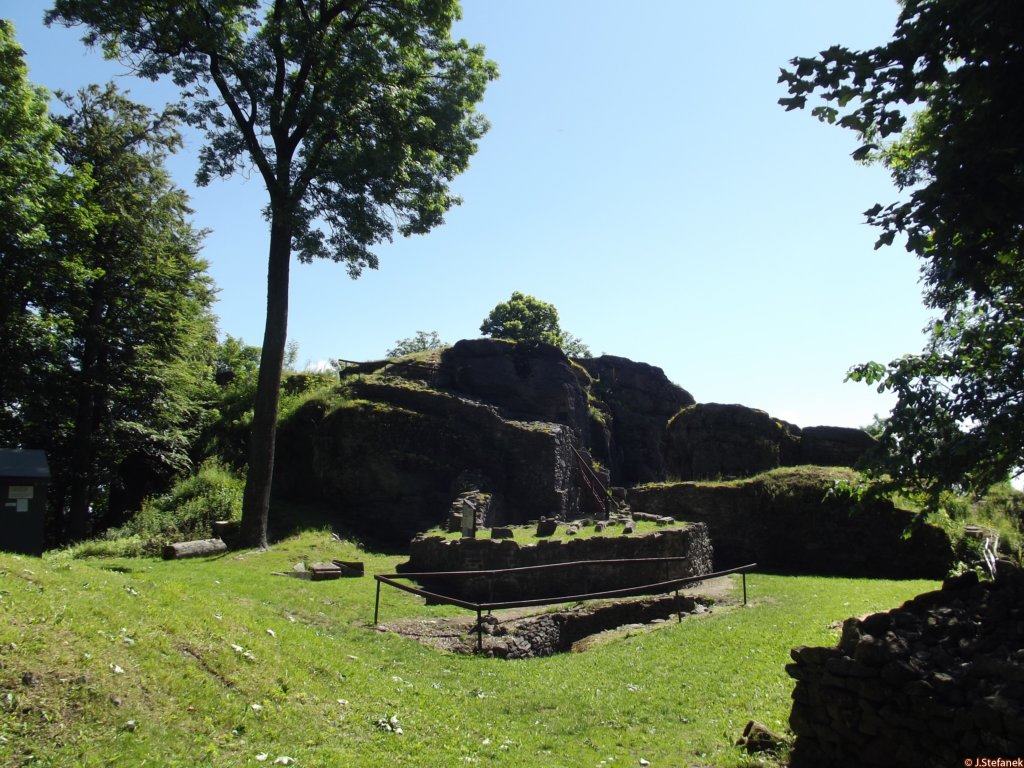
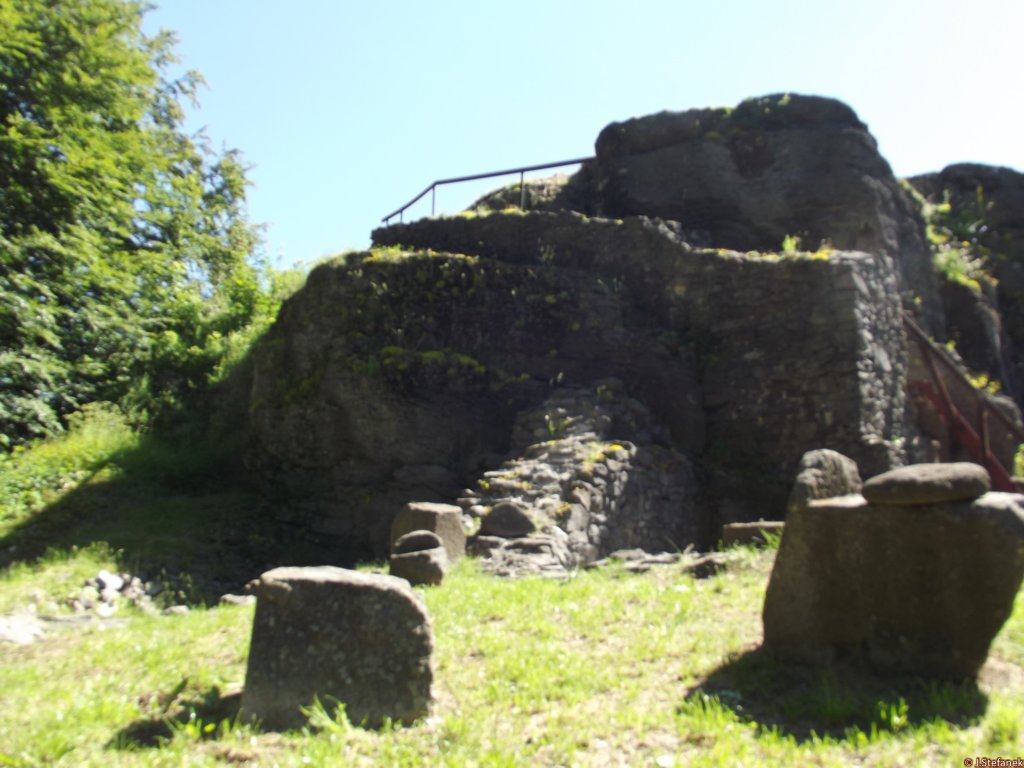
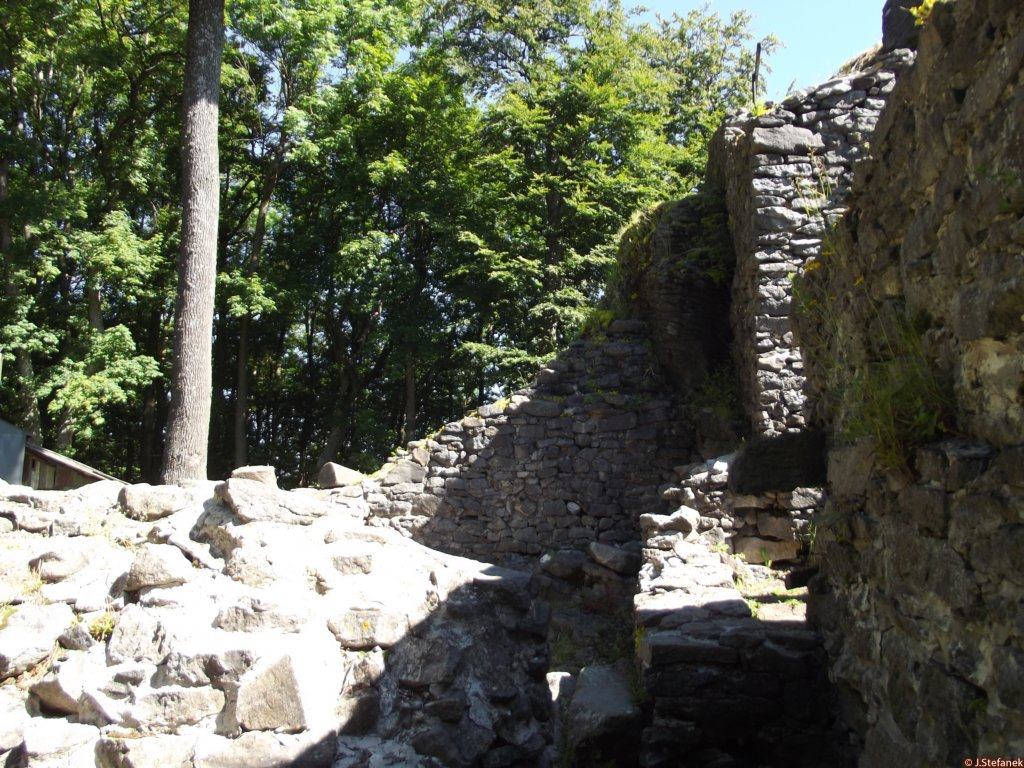
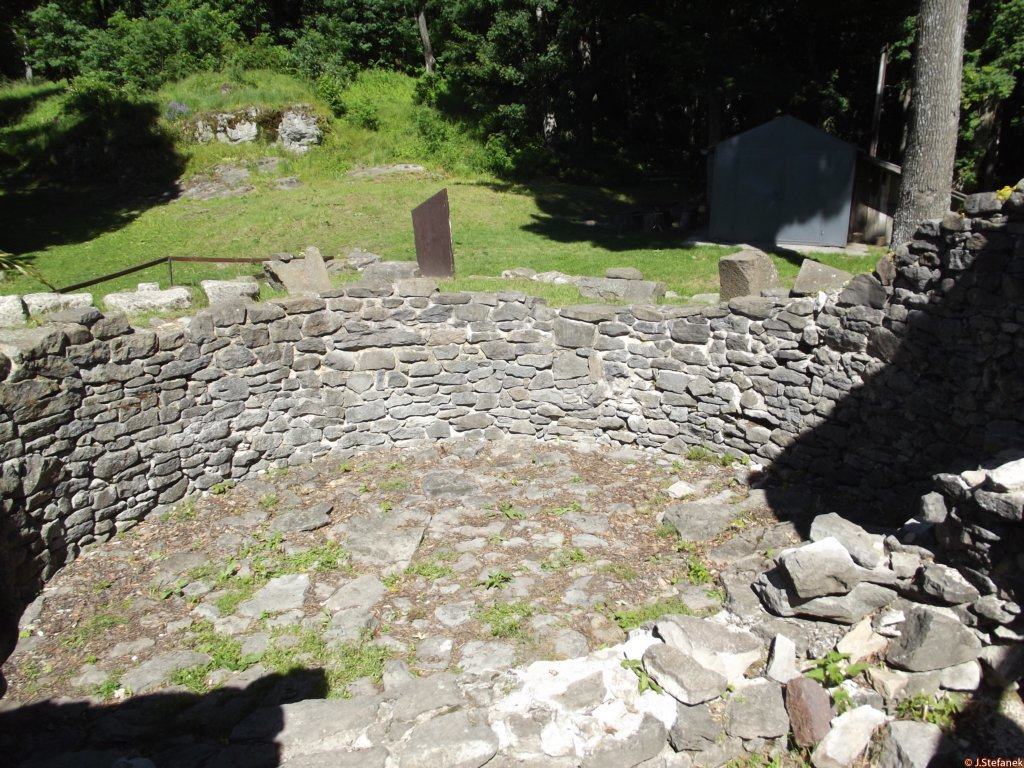
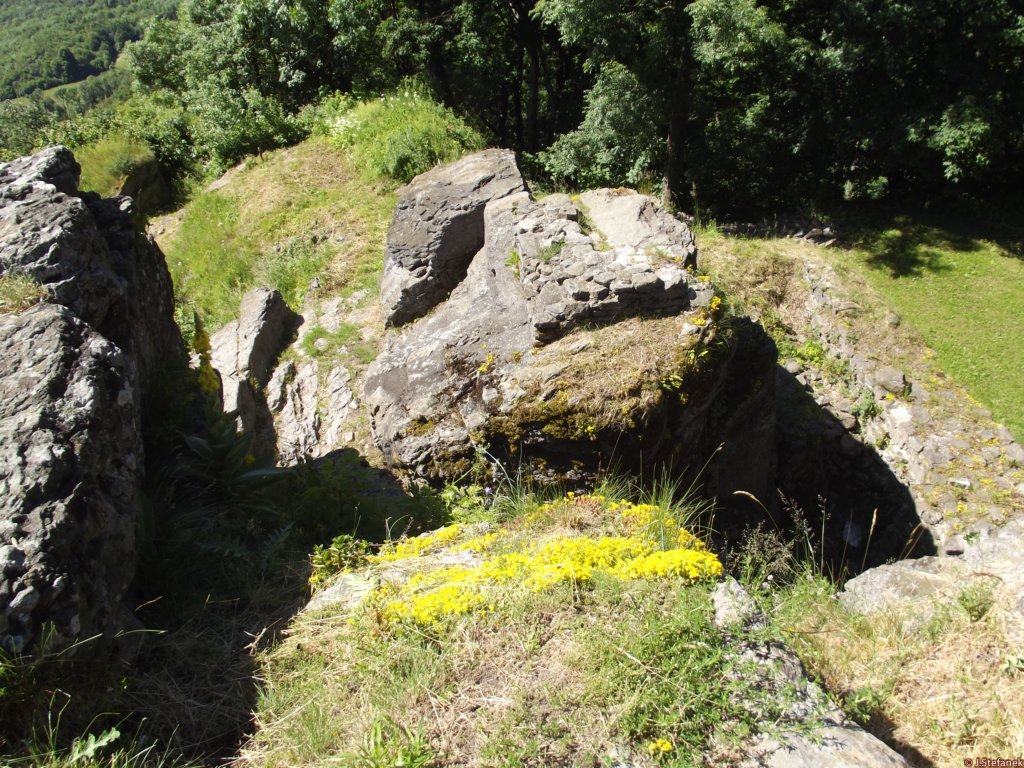
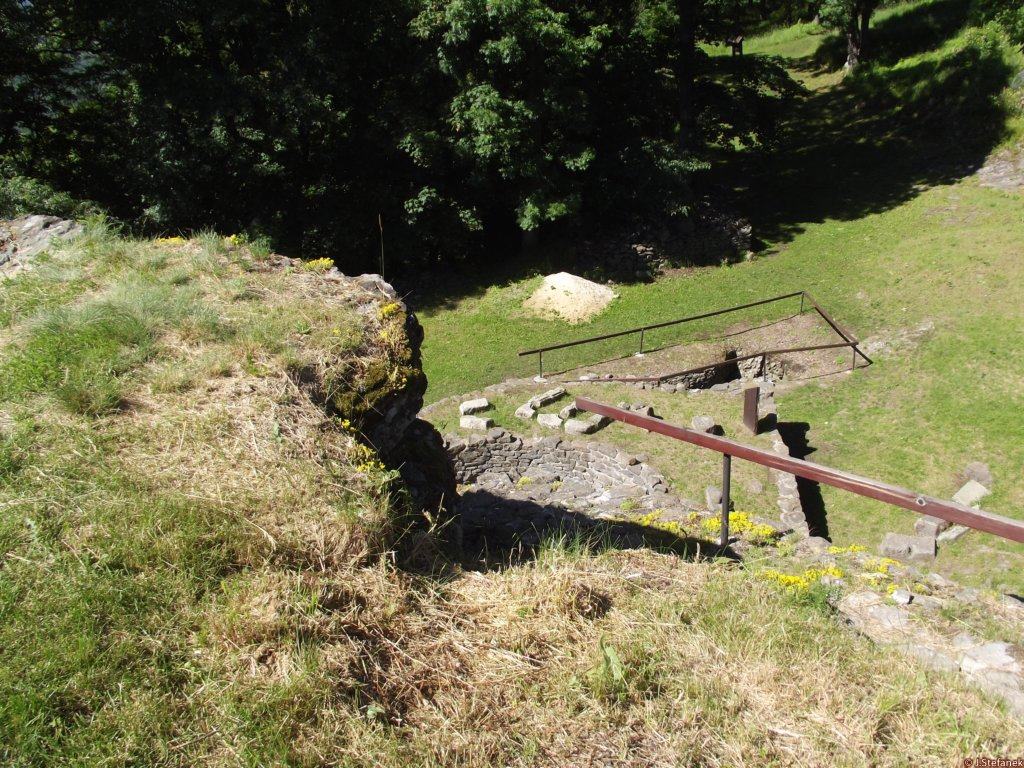
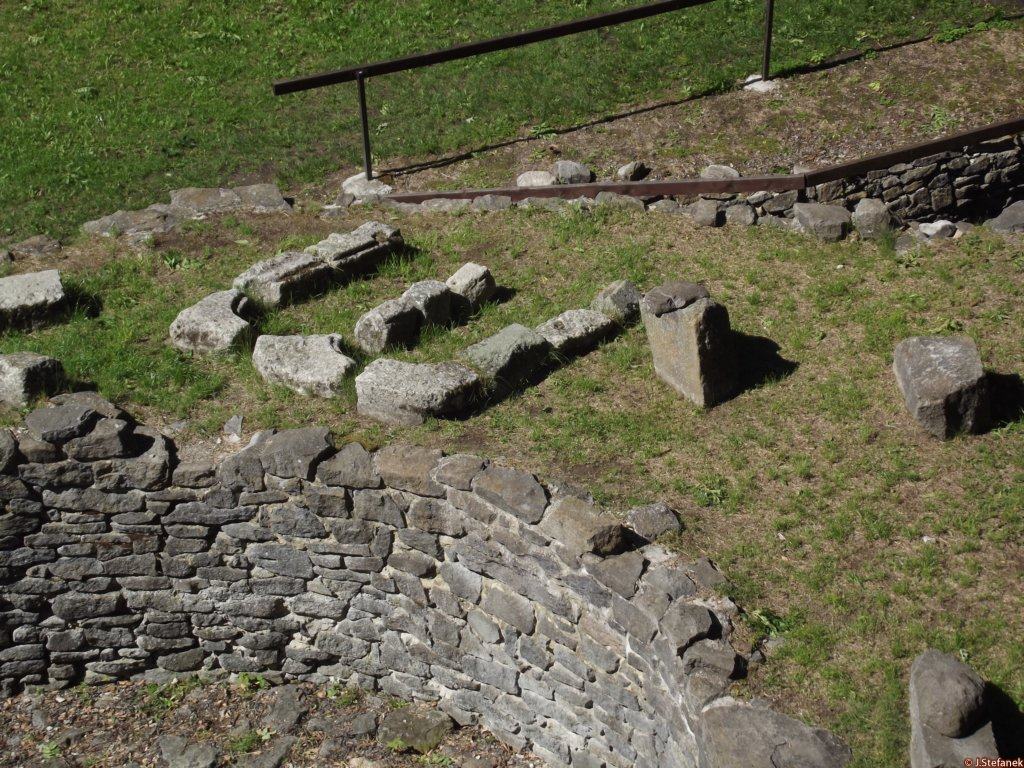
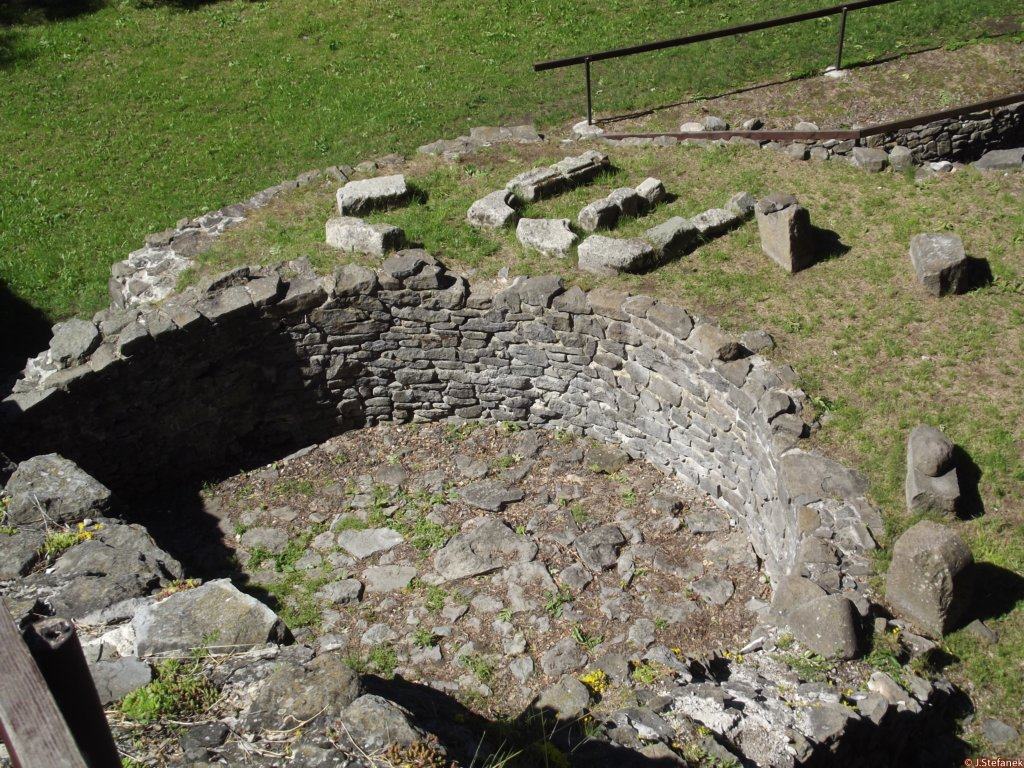
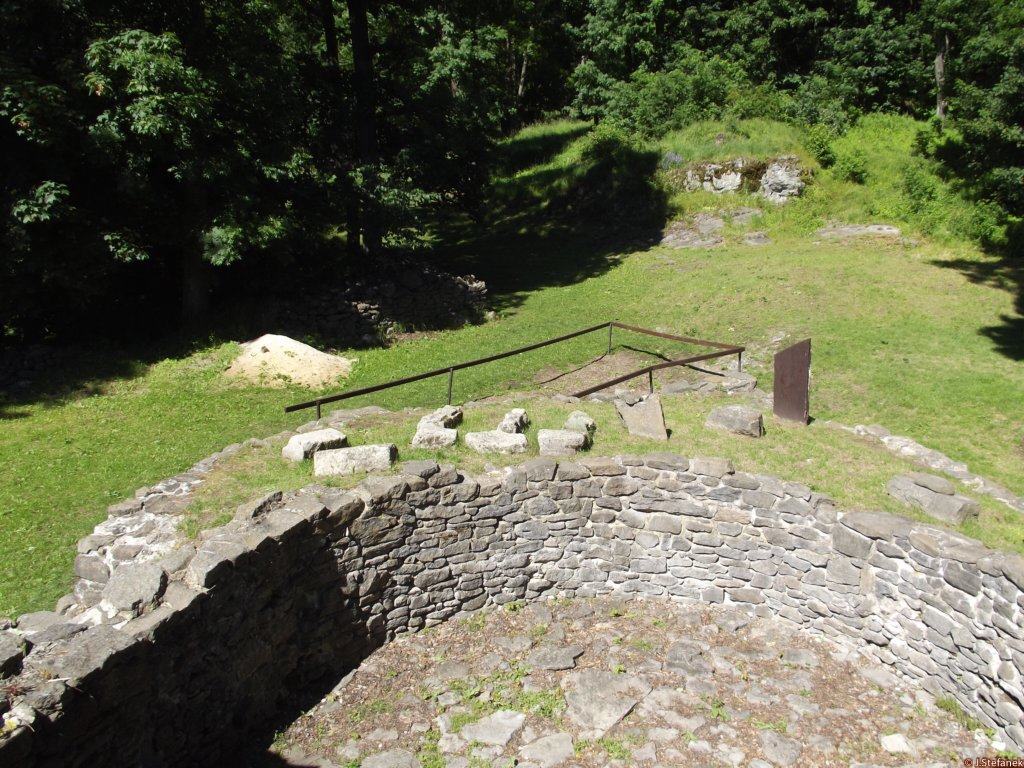
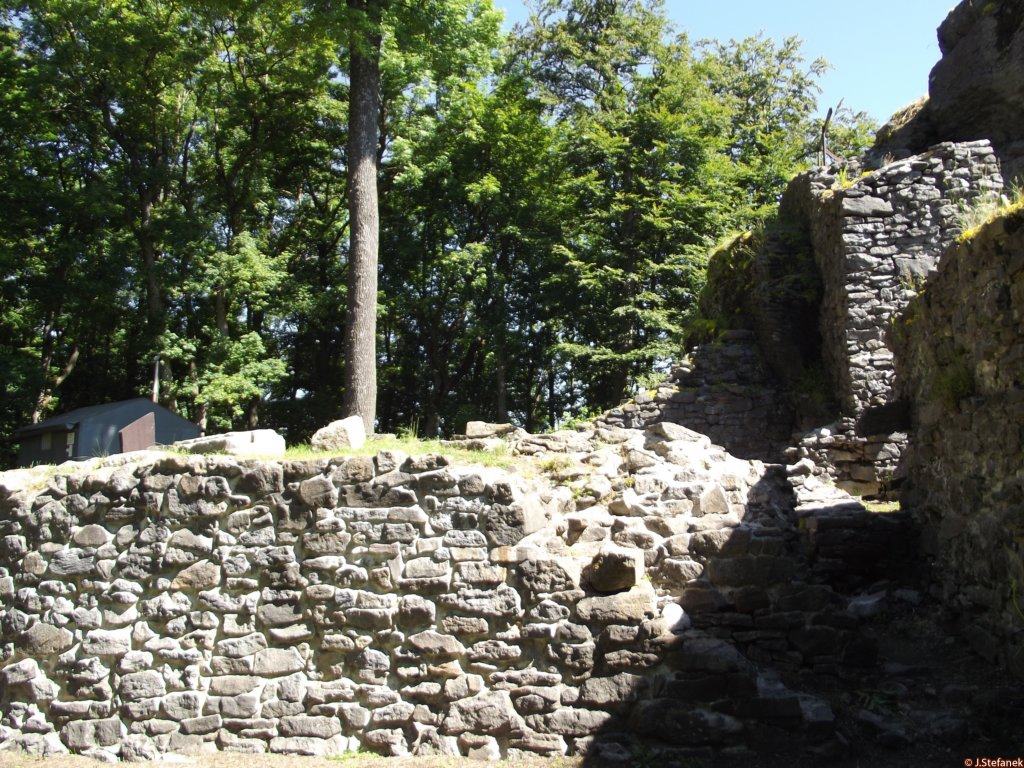
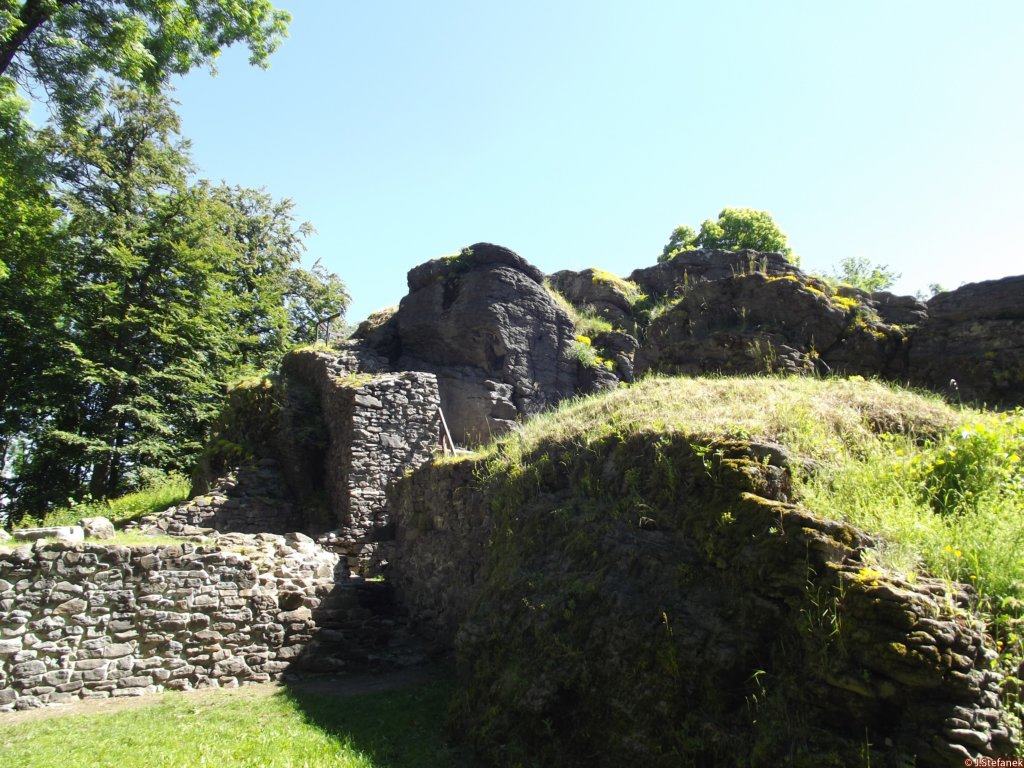
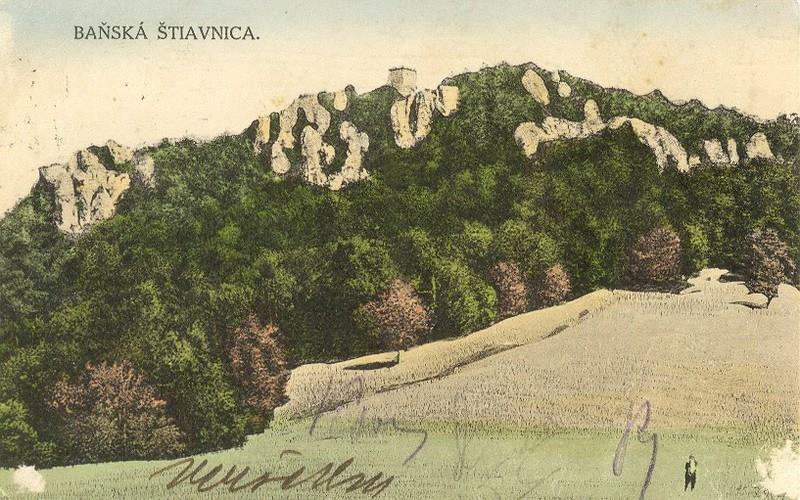
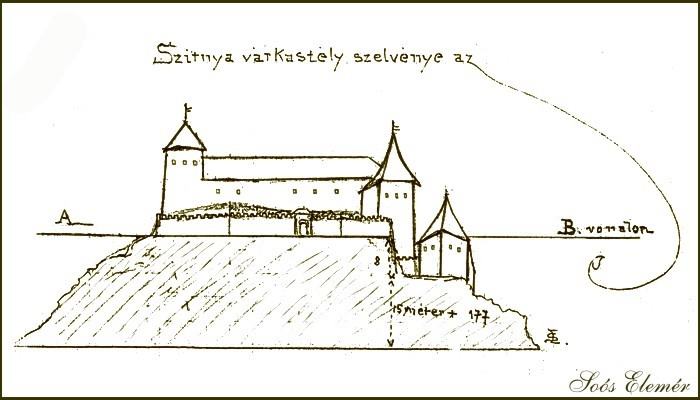
On the Sitno hill stood a historic stone castle with fortifications that surrounded the entire top plateau from the castle to the steep inaccessible rocks on the north and southwestern edge. The walls were built on the foundations of the rampart fortification, which also had a cross wall, not used in the Middle Ages. He separated part of the fort on the acropolis and could serve as a second line of defense. The remains of the peripheral masonry and foundations remained from the castle, which suggests that the castle consisted of two parts. On the north side of the upper side probably stood the castle palace, to which in the rock carved staircase led, on the south laid the lower castle, as evidenced by the remnants of its peripheral walls. From the western accessible side stretches the neck ditch behind which are all parts of the barbican are reconstructed and on the right is a carved water tank in the courtyard. The entrance to the castle was on its side, protected from invaders.The castle is now a ruin merging with the rock on which it is built. Early in 21st century, volunteers began archaeological research and conservation of castle ruins. Today you can see the location of the barbican, the water tank and the entrance to the castle.
Na vrchu Sitno stál historický kamenný hrad s opevnením ktoré obkolesovalo celú vrcholovú plošinu od hradu až po strmé neprístupné skaly na severnom a juhozápadnom okraji. Múry boli vybudované na základoch valového opevnenia hradiska, ktoré malo aj priečny val, v stredoveku nevyužívaný. Ten oddeľoval časť hradiska na akropole a mohol slúžiť ako druhá obranná línia. Z hradu zostali zvyšky obvodového muriva a základov, z ktorých možno usudzovať, že hrad sa skladal z dvoch častí. Na severne položenej hornej strane stál pravdepodobne hradný palác, ku ktorému viedlo ešte i dnes viditeľné do skaly vytesané schodište, južne bol položený dolný hrad, ako o tom nasvedčujú zvyšky jeho obvodových múrov. Zo západnej prístupnej strany sa tiahne šijová priekopa za ktorou sú náznakovo zrekonštruované časti barbakanu a vpravo je v skale vytesaná cisterna na vodu, ktorá bola na nádvorí. Vchod do hradu bol z jeho bočnej strany, chránený pred útočníkmi.Hrad je v súčasnosti ruinou splývajúcou so skalou na ktorej je vystavaný. Začiatkom 21. storočia začali dobrovoľníci s archeologickým výskumom a konzerváciou hradných ruín. Dnes tam vidieť polohu barbakanu, cisterny na vodu, ako aj vstup do hradu.
Plan
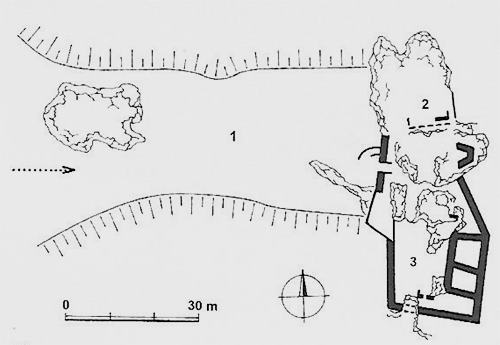
Legend to the ground plan
- 1 - entrance courtyard with a cistern
- 2 - upper castle with a residential building
- 3 - lower castle built of operating buildings
Legenda k pôdorysu
- 1 - vstupné nádvorie s cisternou
- 2 - horný hrad s obytným objektom
- 3 - dolný hrad zastavaný prevádzkovými budovami
History
The top of Sitno, with steep rock walls in the north and southwest, was a convenient place to defend against the enemy in prehistoric times. The massive fortification, which had a transverse rampart separating the cult part of the fort from the acropolis, no longer used in the Middle Ages, dates from this period. In the first half of the 13th century, an extensive fortified fortification was created, surrounding the top part of Sitno up to steep cliffs. In its most vulnerable part, a castle was built, the main task of which was to guard the easiest accesses and at the same time served as the last refuge for the defenders of the fort. In the 16th century, the walls of the barbican standing in front of the castle were completed and strengthened. His task was to protect the entrance to the castle from direct artillery fire after breaking the defense. The bullets then bounced off the sloping massive walls of the building. At the barbican there is a water tank carved into the bedrock.
After the fateful battle of Mohács, at a time when many feudal lords looted and amassed their possessions, Sitno fell into the hands of Menyhárt Balassa. In 1548, King Ferdinand I of Habsburg sent a strong army against Balass, led by General Nikolaus Salm. But the crowd of defenders against the silent army had no chance and the castle garrison began to confuse and negotiate. By the time Salma's main army arrived at the castle, the castle was in royal hands. Balassa was staying in Levice at that time, after the news of the surrender of Sitno he fled to Transylvania. At the time of the Turkish danger, the castle was managed by military captains, until it was granted to Captain Ján Krušič. Ján Krušič gave the fortresses entrusted to him better. Sitno was rebuilt and the Sitnian ditches were filled with water, thus bringing water to the fortress. In 1629 King Ferdinand II. donated Sitnian Castle for services in the fight against the Ottoman Peter Koháry. The Koháry family then owned the castle until its demise. In 1703, the castle was seized by the Kuruk troops of Francis II. Rákóczi, who completely destroyed him at the end of the anti-Habsburg uprisings when he left in 1710. Both the castle and the fortifications became a source of building material for the lookout tower on Sitno and the manor house in Svätý Anton. After the extinction of the Koháry family, it passed into the ownership of the Coburg family with the whole estate. At that time, the center of the Sitnian estate was already the Koháryov manor house in Svätý Anton.
Vrchol Sitna, so strmými skalnými stenami na severe a juhozápade, bol výhodným miestom na obranu pred nepriateľom už v praveku. Z tohto obdobia pochádza mohutné opevnenie, ktoré malo priečny val oddeľujúci kultovú časť hradiska od akropoly, v stredoveku už nevyužívaný. V prvej polovici 13. storočia vzniká rozsiahle opevnené hradisko obkolesujúce vrcholovú časť Sitna až po strmé skaliská. V jeho najzraniteľnejšej časti bol postavený hrad, ktorého hlavnou úlohou bolo strážiť najľahšie prístupy a súčasne slúžil ako posledné útočisko obrancov hradiska. V 16. storočí boli dobudované a spevnené múry barbakanu, stojaceho pred hradom. Jeho úlohou bolo po prelomení obrany chrániť vchod do hradu pred priamou delostreleckou paľbou. Strely sa potom odrážali od šikmých mohutných stien budovy. Pri barbakane sa nachádza cisterna na vodu vytesaná do skalného podložia.
Po osudnej bitke pri Moháči, v období keď mnohí feudáli lúpili a hromadili svoj majetok, sa Sitno dostalo do rúk Menyhárta Balassu. V roku 1548 kráľ Ferdinand I. Habsburský vyslal proti Balassovi silné vojsko vedené generálom Nikolausom Salmom [Mikuláš Salm]. No húf obrancov proti silbej armáde nemal šancu a posádka hradu začala zmätkovať a vyjednávať. Prv než k hradu dorazila Salmova hlavná armáda, bol už hrad v kráľovských rukách. Balassa sa vtedy zdržiaval v Leviciach, po zvesti o kapitulácii Sitna ušiel do Sedmohradska. V čase tureckého nebezpečenstva hrad spravovali vojenskí kapitáni, až ho kapitánovi Jánovi Krušičovi udelili do vlastníctva. Ján Krušič dal jemu zverené pevnosti lepšie zabezpečiť. Došlo k prestavbe Sitna i naplnenie sitnianskych jarkov vodou, čím docielili prívod vody do pevnosti. V roku 1629 kráľ Ferdinand II. daroval Sitniansky hrad za zásluhy v bojoch proti Osmanom Petrovi Kohárymu. Rod Koháryovcov potom vlastnil hrad až do jeho zániku. V r.1703 sa hradu zmocnili kurucké vojská Františka II. Rákócziho, ktoré ho na konci protihabsburských povstaní pri opustení v roku 1710 úplne zničili. Hrad aj opevnenie sa stali zdrojom stavebného materiálu pre rozhľadňu na Sitne a kaštieľ vo Svätom Antone. Po vymretí rodu Koháryovcov prešiel s celým panstvom do vlastníctva Coburgovcov. Strediskom sitnianskeho panstva bol vtedy už koháryovský kaštieľ vo Svätom Antone.
Myths and legends
The rumor says
When the fairies still had the threads of the moonlight and the mighty wonders had power on the way to the cross, the working people lined the Sitnian rock with the walls of a comforted castle. In order to make the castle impregnable, the lord of the castle secretly had the virgin walled up in the tower. One knight found out. He regretted the poor man, and at night he silently masonized the stone tomb. He happily freed the poor girl, whose tearful eyes were no longer tearful. They slipped out of the castle, but the guards noticed them. The refugees were caught up on the edge of a rocky abyss. The knight and the virgin escaped them only by jumping into eternity. An unnecessarily large rage, he was furious, he was standing out. The castle without vulnerability remained vulnerable. Particularly sensitive to the fear of the weak, the treachery of the undergrowth and the inability to burn.
Sitno's Knights
Once upon a time, a blacksmith lived near Sitna. He was handy, but he didn't have much work to do because he didn't fight and had nothing to put in his mouth. He had a stream near him, from where he obtained trout and clean, spring water. However, he had nothing to dress for, they were still small, but they were growing slowly. He wanted to sell a blacksmith's shop and live a peaceful life. Until a knight came.
He had strange armor and at first they thought he was a buyer. What can he want from him? People asked each other. The blacksmith went with him somewhere in the woods, no one has seen him since. They came to Sitna, and the blacksmith began to feel remorse. He was afraid that the knight would kill him, and he wanted to escape. The top has opened.
There were many knights, an unimaginable number, and they were all asleep. The only one was up, the blacksmith's guide. The blacksmith had to train many swords, armor, it just rumbled. He was forgotten in the village, and people thought the knight had long ago scanned him. The children have grown up a long time ago, and the woman has found a sweetheart.
In a few years he returned with a good bag. Fortunately, he still had a lot of work to do, because everyone needed to fix something. Where was he? He was among the Knights of Sitnian. So he spoke to people. And supposedly, when the Slovaks are at their worst, they will come and help them. Few people knew that swords and armor of knights are magical ...
Povráva sa
Keď ešte víly priadli nite z mesačného svitu a mámivé čudá mali moc na krížnych cestách, robotný ľud opriadol sitniansku skalu múrmi utešeného hradu. Hradný pán, aby sa stal hrad nedobytným, dal do veže potajomky zamurovať pannu v rozpuku. Jeden rytier sa o tom dozvedel. Uľútostilo sa mu chudery a v noci kamennú hrobku ticho odmuroval. Úbohú dievčinu, ktorej vyplakaným očiam sa už ani sĺz nedostávalo, šťastlivo vyslobodil. Prekĺzli z hradu von, ale stráže ich zbadali. Utečencov dostihli na okraji skalnej priepasti. Rytier s pannou im unikli len skokom do večnosti. Zbytočne veľkomožný besnel, zúril, vyčíňal. Hrad bez divotvornej sily zostal zraniteľný. Obzvlášť citlivý na strach slabochov, vierolomnosť podliakov a neschopnosť horenosov.
Sitnianski rytieri
Kedysi dávno žil pri Sitne jeden kováč. Bol šikovný, ale nemal veľa práce, pretože sa nebojovalo a nemal čo do úst vložiť. Mal blízko seba potok, odkiaľ získaval pstruhy a vodu čistú, pramenistú. Deti však nemal začo obliekať, boli ešte malé, ale pomaly rástli. Chcel predať kováčsku dielňu a žiť pokojným životom. Až do doby, kým neprišiel akýsi rytier.
Mal zvláštne brnenie a najprv si mysleli, že je kupcom. Čo od neho môže chcieť? Pýtali sa ľudia jeden druhého. Kováč s ním odišiel kdesi do lesa, nikto ho odvtedy nevidel. Prišli až k Sitnu a kováč začal mať výčitky svedomia. Bál sa, že ho rytier ho zabije a už chcel unikať. Vrch sa otvoril.
Bolo tam mnoho rytierov, nepredstaviteľné množstvo a všetci spali. Jediný bol hore, sprievodca kováča. Kováč musel ukuť mnoho mečov, brnení, len to tak rinčalo. V dedine sa naňho zabudlo a ľudia si mysleli, že ho rytier už dávno skántril. Deti už dávno vyrástli a žena si našla milého.
Za pár rokov sa s poriadnym mešcom vrátil. Našťastie práce mal stále dosť, lebo každý niečo potreboval opraviť. Kde bol? Bol medzi sitnianskymi rytiermi. Tak aj ľuďom hovoril. A vraj, keď bude Slovákom najhoršie, prídu a pomôžu im. Málokto vedel, že meče a brnenia rytierov sú čarovné...
Useful information
The ruins are freely accessible
Zrúcanina je voľne prístupná
Nearby castles