Plešivec
Plešivec Košice county Slovakia
castle ruin
Plešivec
Plešivec Košický kraj Slovakia
zrúcanina hradu
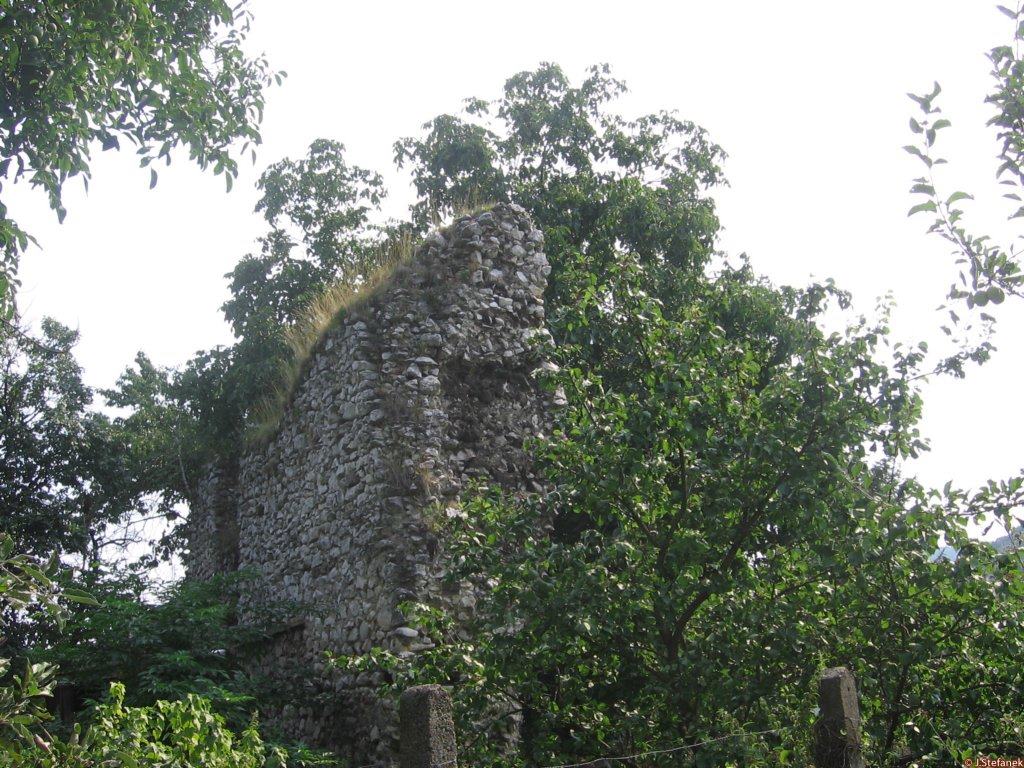
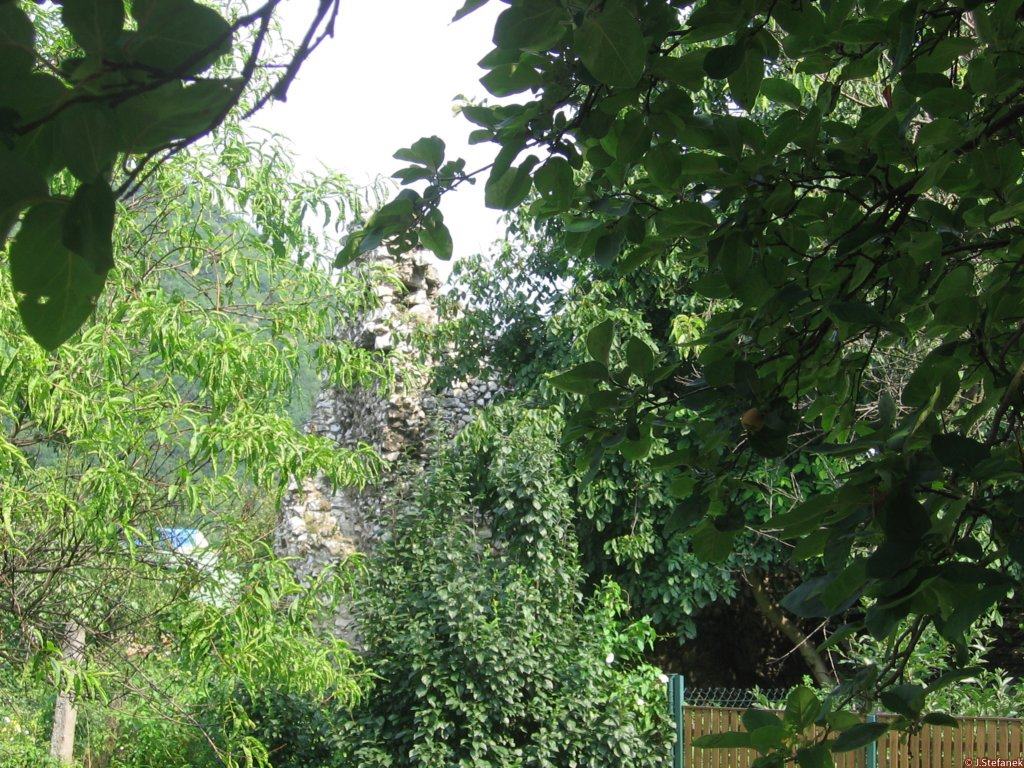
The remnants of Plešivec castle are located on a private land in the village Plešivec near Rožňava, on the edge of the Slovenský Kras
Zvyšky Plešiveckého hradu sa nachádzajú v obci Plešivec neďaleko Rožňavy, na okraji Slovenského Krasu
Previous names
Pelsűcz, Pelsucz, Pleschnitz, Pelschőtz, Plessowce, Pleissnitz, Plessiwec, Plěssuwce, Plesuck, Pelsüc, Pelsőc, possesio Plysouch cum castrum
Roads
The remains of the peripheral walls of the castle Plešivec are located in a fenced garden on a private property, in addition, hidden behind buildings. The building is located on Hradná and Okružná Street directly in the village Plešivec. It is necessary to find four adjacent blocks of flats. We can park on the road in front of them and walk around them on the other side. The remains of the castle are directly opposite the blocks of flats.
Zvyšky obvodového muriva hradu Plešivec sa nachádzajú v oplotenej záhrade na súkromnom pozemku, navyše ukryté za zástavbou. Objekt sa nachádza pri Hradnej a Okružnej ulici priamo v obci Plešivec. Je potrebné nájsť štyri vedľa seba stojace paneláky. Zaparkovať môžeme na ceste pred nimi a peši ich obídeme z druhej strany. Zvyšky hradu sú hneď oproti panelákom.
Description
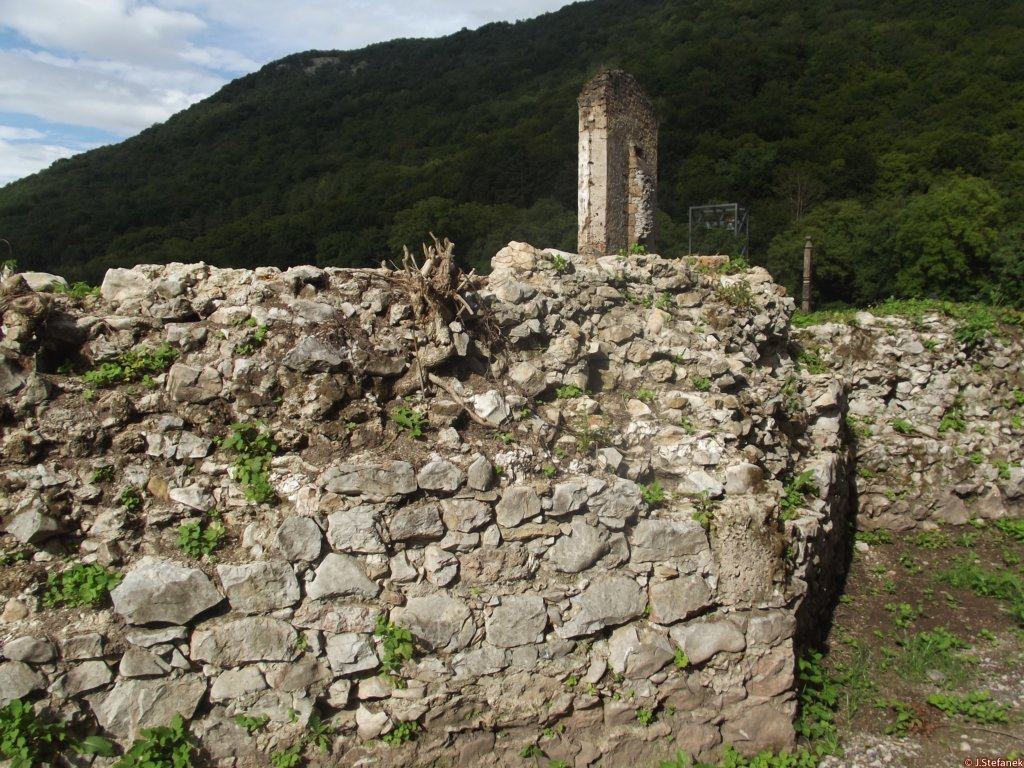
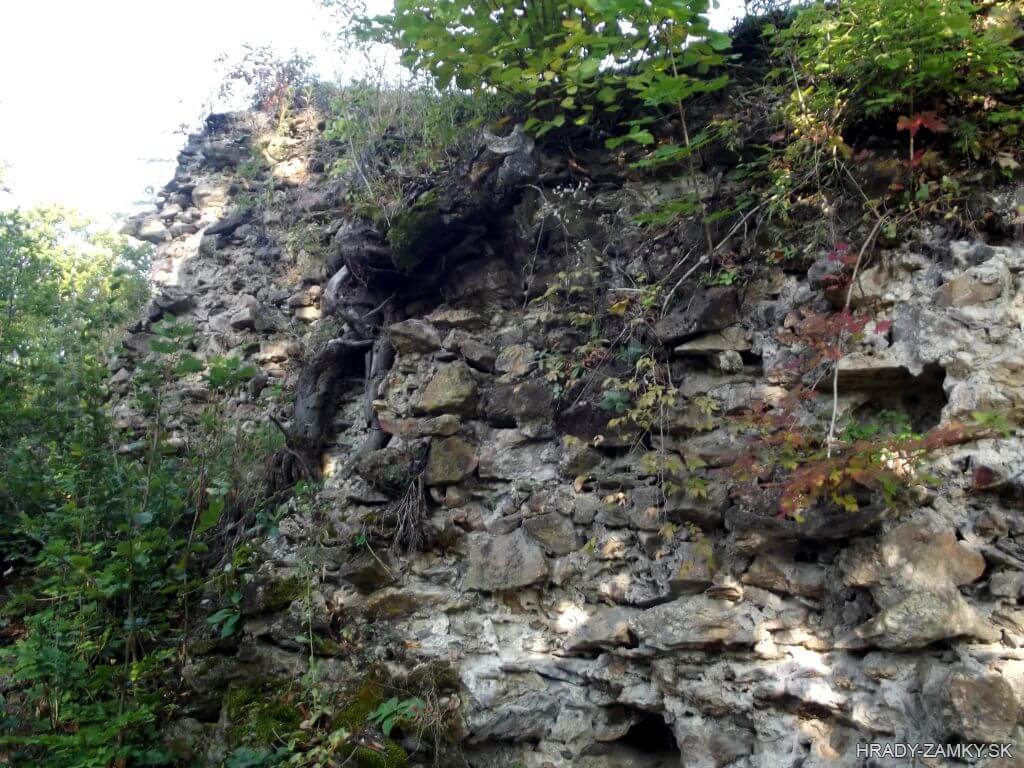
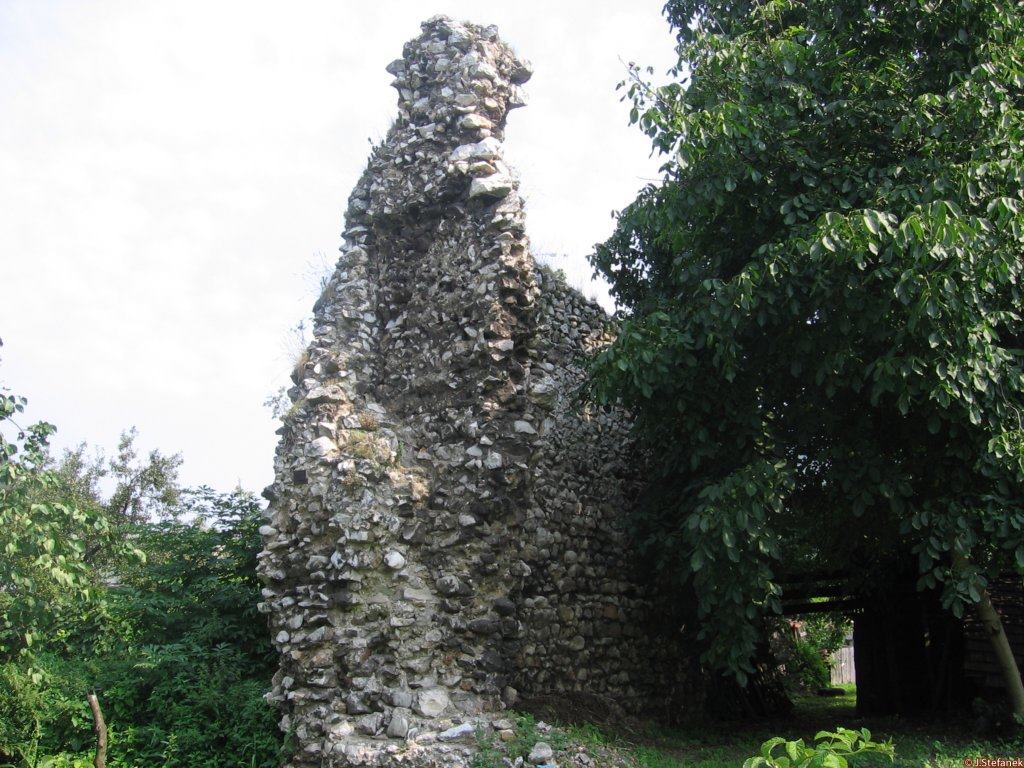
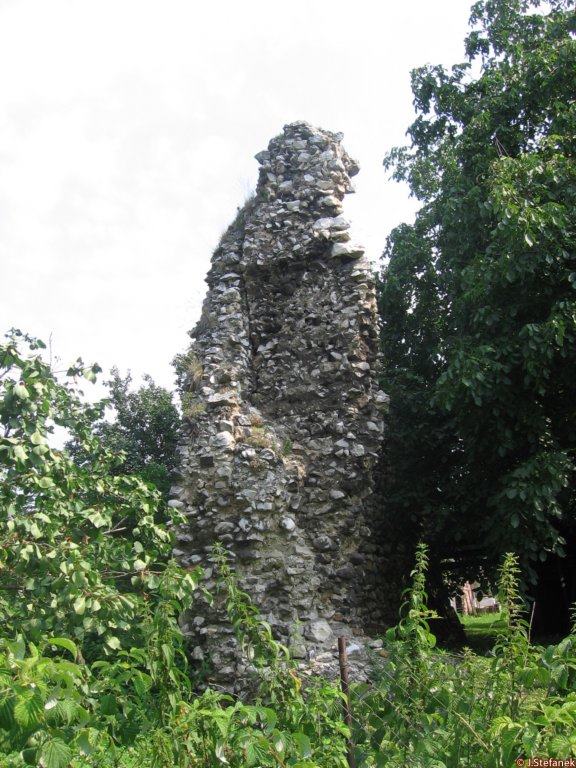
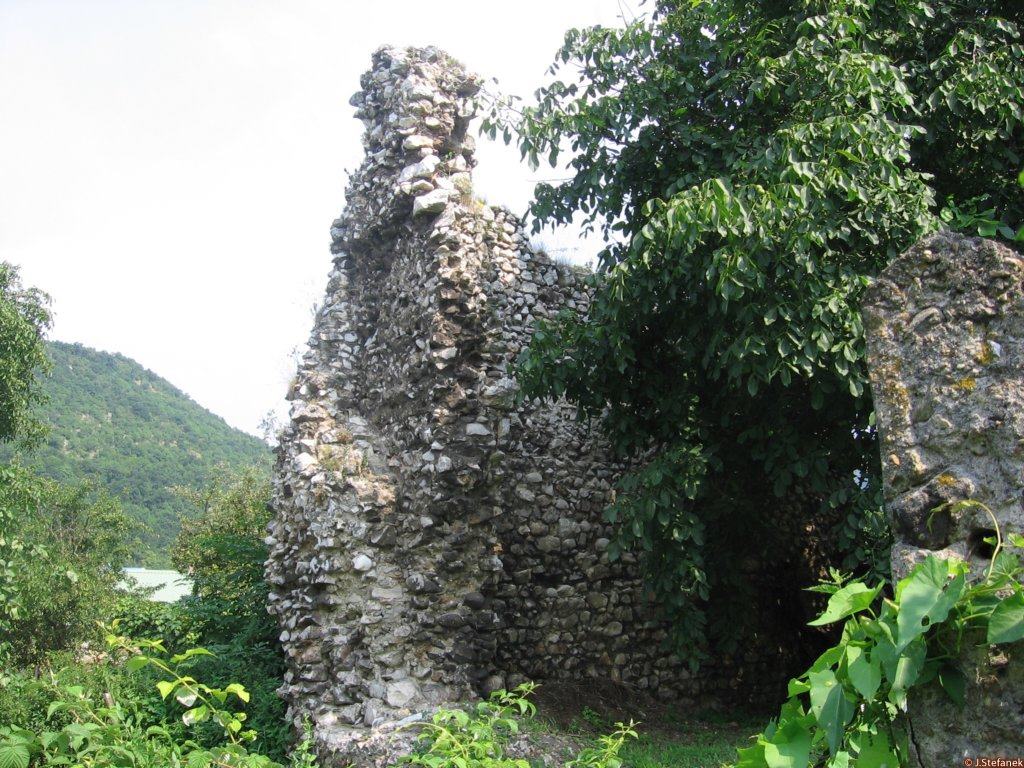
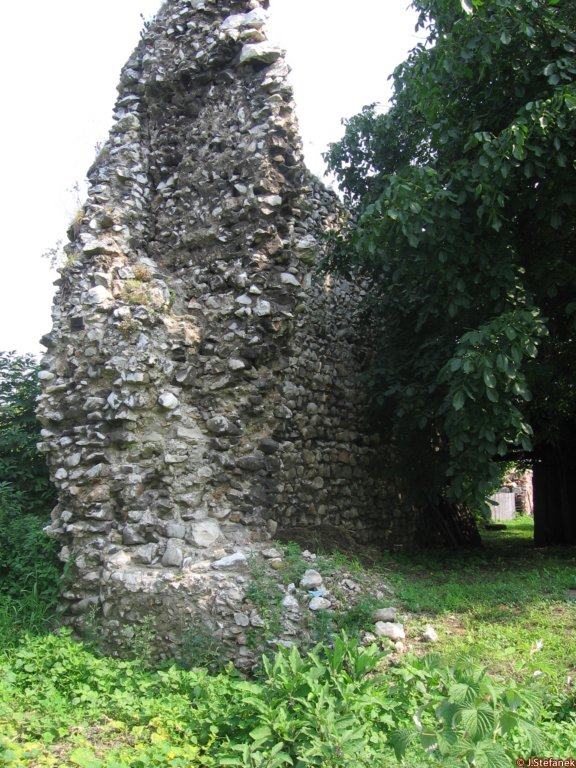
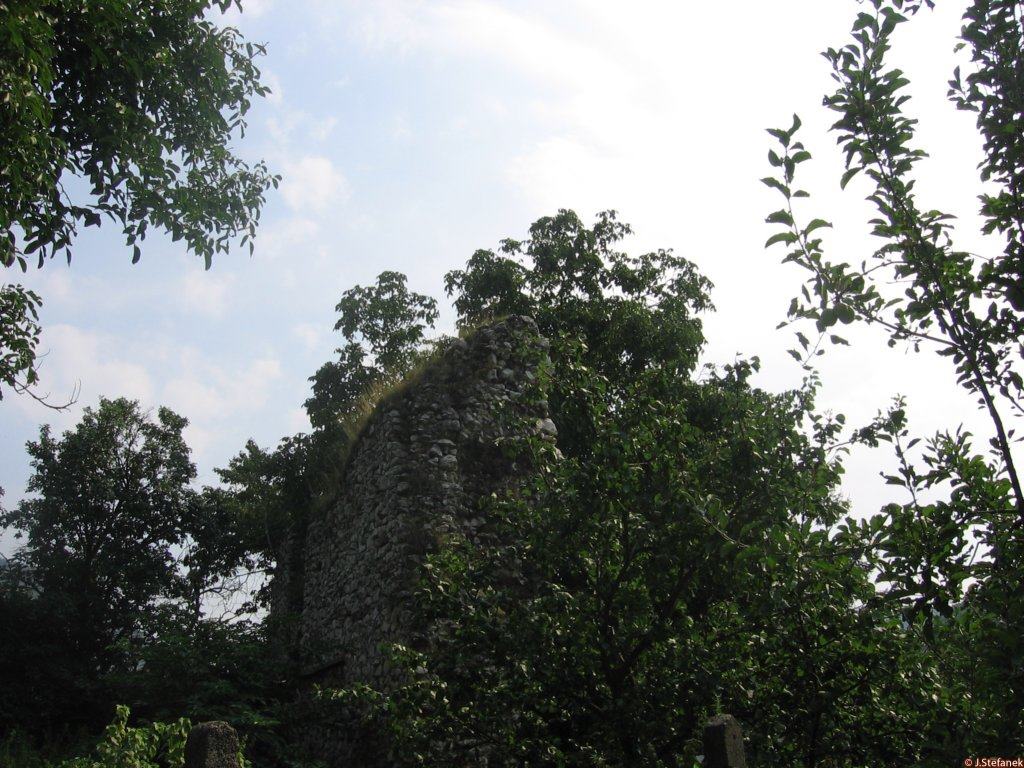
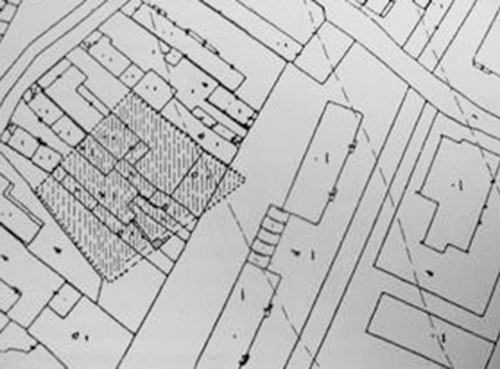
It was probably in the past a toll building that was fortified during the Turkish invasion. This castle is reminiscent of only a 10-meter stretch of stone wall, about 6 m high, about 0.8 m thick, located in the garden on private land.The shape of the parcels in the area and also the analogy of the nearby Štítnik Castle can only be used to judge the original shape of the Plešivec Castle. It was probably a square size (42x44 m) to which residential and farm buildings were added. We can only assume that the castle's defense systems used the surrounding watercourses - namely the Slaná River. Unfortunately, we know very little about this castle, even the surrounding housing blocks make further in-depth archaeological research impossible. Above the city rises a hill called Óvár, which means old castle, - 430 m asl. It is possible that there was once a castle, but no trace of it was found.
Pravdepodobne išlo v minulosti o mýtnicu (budova, kde sa vyberalo mýto), ktorá bola počas tureckého vpádu opevnená. Tento hrad pripomína už iba zachovaný 10m úsek kamenného múru, vysokého asi 6m, hrubého asi 0,8 m, nachádzajúceho sa v záhrade na súkromnom pozemku.Z tvaru parciel v okolí a tiež aj analógie blízkeho hradu Štítnik len možno usudzovať pôvodný tvar Plešiveckého hradu. Pravdepodobne sa jednalo o štvorcový rozmer (42x44 m), ku ktorému boli pristavané obytné a hospodárske budovy. Tiež len môžeme predpokladať, že obranné systémy hradu využívali okolité vodné toky - konkrétne riečku Slaná. Žiaľ, o tomto hrade vieme len veľmi málo, dokonca okolopostavené bytovky znemožňujú ďalší hlbší archeologický výskum. Nad mestom sa týči vrch s názvom Óvár, čo znamená starhrad - 430 m n.m. Je možné, že sa tu tiež nachádzal kedysi nejaký hrad, avšak nenašli sa po ňom žiadne stopy.
Plan
Legend to the ground plan
- Assumed shape of the castle floor plan - Source: M.Plaček
- M.Bóna - Encyklopédia slovenských hradov
Legenda k pôdorysu
- Predpokladaný tvar pôdorysu hradu - Zdroj: M.Plaček
- M.Bóna - Encyklopédia slovenských hradov
History
There are few such places in the history of the Arpad family, whose name originated rather than the settlement itself. One of them is one of the oldest settlements in Gemer County - Plešivec. In the 12th century, the word Plešivec / then, of course, another name / was not the name of a settlement or town in its present form. This is how a huge set of estates was named, stretching from Ardov through Štítnik to Brzotín. The name is closely related to the Great Hill, which is characterized by its baldness. Even today, it is decorated with many bare rocks. This hill was called bald, so it was the inspiration for the name of the later settlement - Plešivec. It also served as an information point of reference for the many buyers, traders and passengers whose journey led through these parts.
When in 1243 Belo IV. Plešivec donated to the brothers Detrich and Štefan Szár from the Ákoš family he stood here on the site of an old Slavic fortified settlement at the mouth of the Štítnický brook to Šajava (Slaná river) a castle surrounded by a moat. Not only Plešivec, but also large plots of land on Gemer were given to the sons of Matej from the Ákoš family, Detrich Szár and Filip Szár on the basis of help to King Bel IV. in the battle against the Tatars (correctly the Mongols) by the river Slaná in 1241. After a defeated battle, the brothers accompanied him on the run and helped him get to safety on the castle of the Devil's Castle. After Detrich's death, his son Benedikt Csetneky ruled the territory. In 1307, the new castle was built by Dominik Bebek, the son of Benedikt Csetnek.
At the beginning of the 14th century, the family property and subsequently the family were divided into two branches. Dominik Bebek was the founder of the Bebek family and his brother Ladislav Csetneky was the founder of the Csetnek family (according to the Hungarian name Štítnik - Csetnek) with assigned property in Štítnik. The new Dominika Castle, which was already surrounded by a moat, had large and powerful walls dating back to the later built stool house at the upper end of Plešivec. The surrounding water served as a defensive element. He played an important role during the Turkish wars. Precisely because of its importance and strategic importance, the Hungarian parliament ordered the Gemer capital to keep an army and a permanent garrison at the castle. Despite these measures, the Turks seized Plešivec in 1558 and also became masters of the castle. Queen Isabella, mother of the still young John II. Sigismund Zápoľský was assassinated in 1558 by František Bebek. Based on this event, his son Juraj Bebek sided with Emperor Ferdinand I of Habsburg. In 1562, Juraj Bebek was captured by the Turkish, and after three years in prison, he again sided with the Turkish Sultan Suleiman I in 1565. However, when Juraj Bebek allied with the Turks, King Maximilian II. sent a military expedition against him under the leadership of Lazar Schwenda, who conquered and demolished Plešivec Castle in 1566.
Today, only a small part of the castle wall has been preserved from the castle. Clarification of the history and origin of this castle would certainly bring deeper archaeological research, which, unfortunately, did not take place before the construction of apartments in the vicinity of the building.
V dejinách rodu Arpádovcov je málo takých miest, ktorých názov vznikol skôr ako usadlosť sama. Medzi takého patrí jedna z najstarších usadlostí Gemerskej župy – Plešivec. V 12.storočí slovo Plešivec /vtedy samozrejme iný názov/ nebolo názvom usadlosti alebo mestečka v dnešnej forme. Takto bol pomenovaný obrovský súbor majetkov, tiahnúcich sa od Ardova cez Štítnik až ku Brzotínu. Názov úzko súvisí s Veľkým vrchom, pre ktorý je charakteristická jeho plešatosť. Ešte aj dnes ho zdobí množstvo holých skál. Tento vrch sa nazýval plešivým, bol teda inšpirátorom pomenovania neskoršej usadlosti – Plešivec. Slúžil tiež ako informačno – orientačný bod pre množstvo kupcov, obchodníkov i cestujúcich, ktorých cesta viedla cez tieto končiny.
Keď v roku 1243 Belo IV. daroval Plešivec bratom Detrichovi a Štefanovi Szár z rodu Ákošovcov stál tu na mieste starého slovanského hradiska pri ústi Štítnického potoka do Šajavy (rieka Slaná) hrad obohnaný priekopou. Nielen Plešivec, ale aj rozsiahle pozemky na Gemeri dostali synovia Mateja z rodu Ákošovcov, Detrich Szár a Filip Szár na základe pomoci kráľovi Belovi IV. v bitke proti Tatárom (správne Mongolom) pri rieke Slaná v roku 1241. Bratia ho po porazenej bitke sprevádzali pri úteku a pomohli mu dostať sa do bezpečia na hrádok Čertov hrad. Po smrti Detricha ovládal územie jeho syn Benedikt Csetneky. V roku 1307 dal nový hrad postaviť Dominik Bebek syn Benedikta Csetneka.
Začiatkom 14. storčia došlo k deľbe rodového majetku a následne aj rodu na dve vetvy. Dominik Bebek bol zakladateľom vetvy Bebekovcov a jeho brat Ladislav Csetneky bol zakladateľom štítnickej vetvy Csetnekyovcov (podľa maďarského názvu Štítnika – Csetnek) s pridelenými majetkami v Štítniku. Nový Dominikov hrad, ktorý bol už obohnaný vodnou priekopou, mal veľké a mocné múry siahajúce až po neskoršie vystavaný stoličný dom na hornom konci Plešivca. Obklopujúca voda slúžila ako obranný prvok. V čase tureckých vojen zohral dôležitú úlohu. Práve pre jeho dôležitosť a strategický význam nariadil uhorský snem Gemerskej stolici vydržiavať na hrade vojsko a stálu posádku. No i napriek týmto opatreniam sa Turci v roku 1558 zmocnili Plešivca a stali sa aj pánmi hradu. Kráľovná Izabela, matka ešte mladého Jána II. Žigmunda Zápoľského dala v roku 1558 Františka Bebeka zavraždiť. Na základe tejto udalosti prešiel jeho syn Juraj Bebek na stranu cisára Ferdinanda I. Habsburského. V roku 1562 sa Juraj Bebek dostal do tureckého zajatia a po trojročnom väznení prešiel v roku 1565 opäť na stranu tureckého sultána Sulejmán I. Keď sa však Juraj Bebek spojil s Turkami, panovník Maximilián II. poslal proti nemu vojenskú výpravu pod vedením Lazara Schwendu, ktorý hrad Plešivec v roku 1566 dobil a zbúral.
Z hradu dnes zostala zachovaná len nepatrná časť hradnej steny. Objasnenie histórie a pôvodu tohto hradu by určite priniesol hlbší archeologický výskum, ktorý sa žiaľ, neuskutočnil ešte pred výstavbou bytoviek v okolí objektu.
Myths and legends
The legend of the castle
According to legend, the Bebek family derived their origin from the shepherds. One of them stumbled upon a deposit of rare ores while grazing. On the advice of his wife, the beautiful Ida, he offered luminous breasts to the king and asked for permission to build seven basketers for them. At the beginning of the 16th century, the Bebek family owned seven castles (including Plešivec), of which he considered Krásná Hôrka to be the most important.
Povesť o hrade
Bebekovci podľa povesti odvodzovali svoj pôvod od pastierov. Jeden z nich pri pasení natrafil na ložisko vzácnych rúd. Na radu svojej ženy, krásnej Idy, ligotavé hrudy ponúkol kráľovi a vypýtal si za ne povolenie postaviť si sedem košiarov. Rod Bebekovcov v čase svojej najväčšej moci na začiatku 16.storočia vlastnil sedem hradov /medzi nimi i Plešivec/, z ktorých za najvýznamnejší považoval Krásnu Hôrku.
Useful information
The ruin is located on a private property, which is fenced, it can be viewed from the outside, or with the permission of the land owner.
Zrúcanina sa nachádza na súkromnom pozemku, ktorý je oplotený, je možné si ho pozrieť zvonku, prípadne s povolením majiteľa pozemku.
Nearby castles