Tornaľa
Tornaľa Banská Bystrica county Slovakia
castle ruin
Tornaľa
Tornaľa Banskobystrický kraj Slovakia
zrúcanina hradu
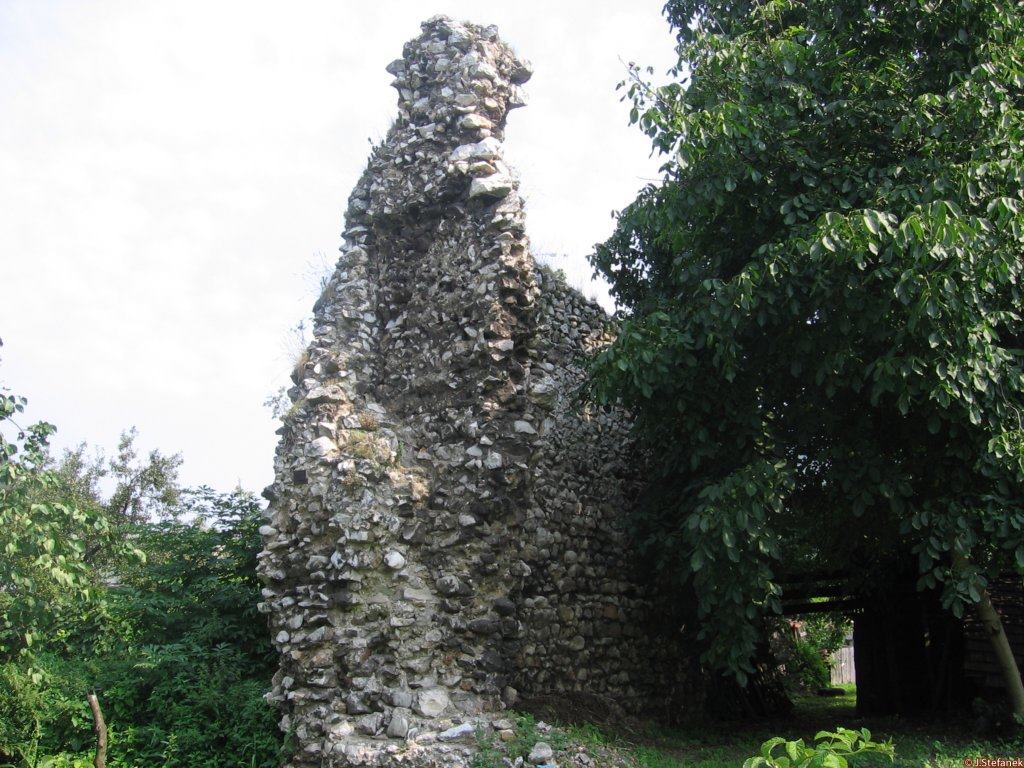
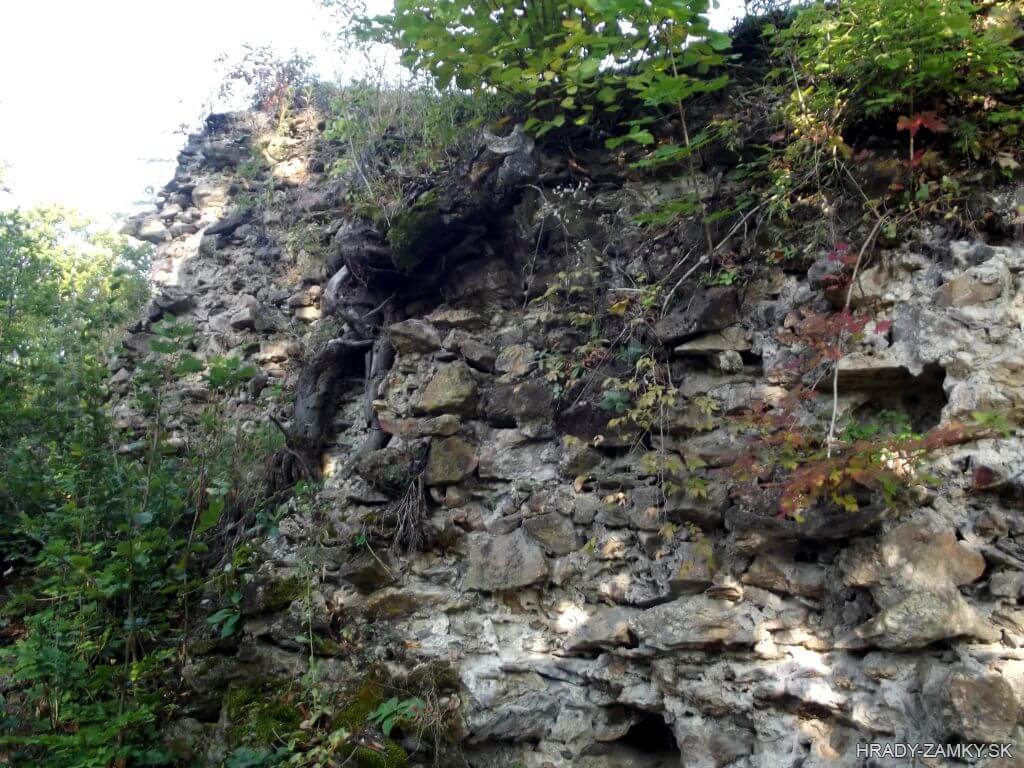
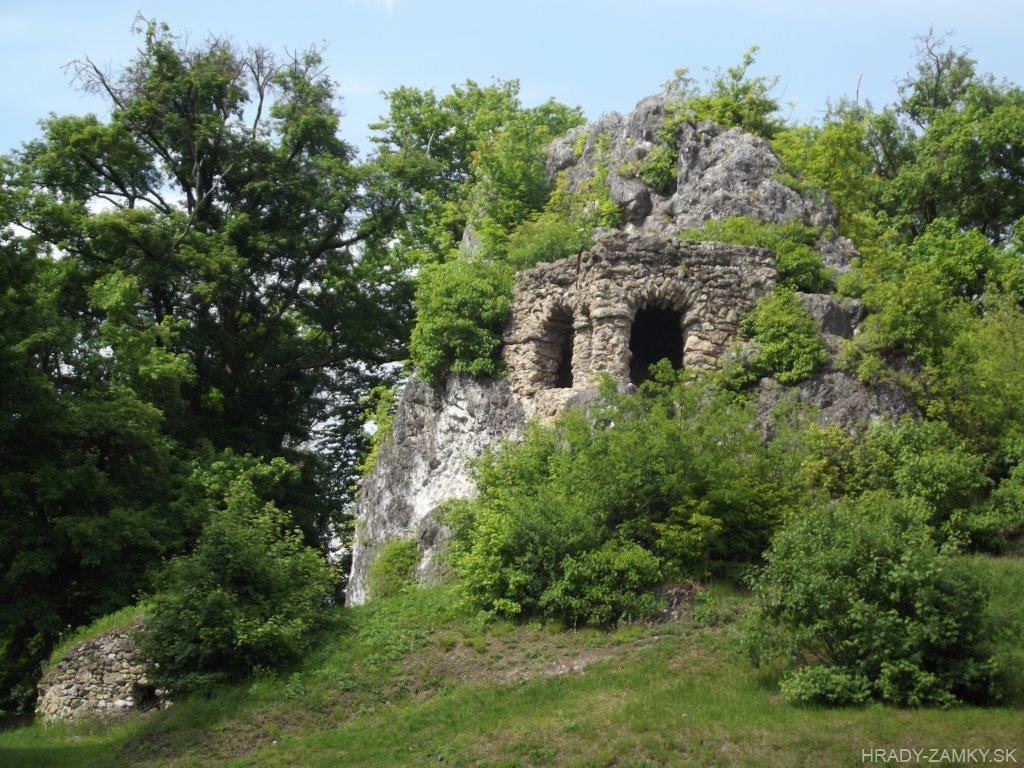
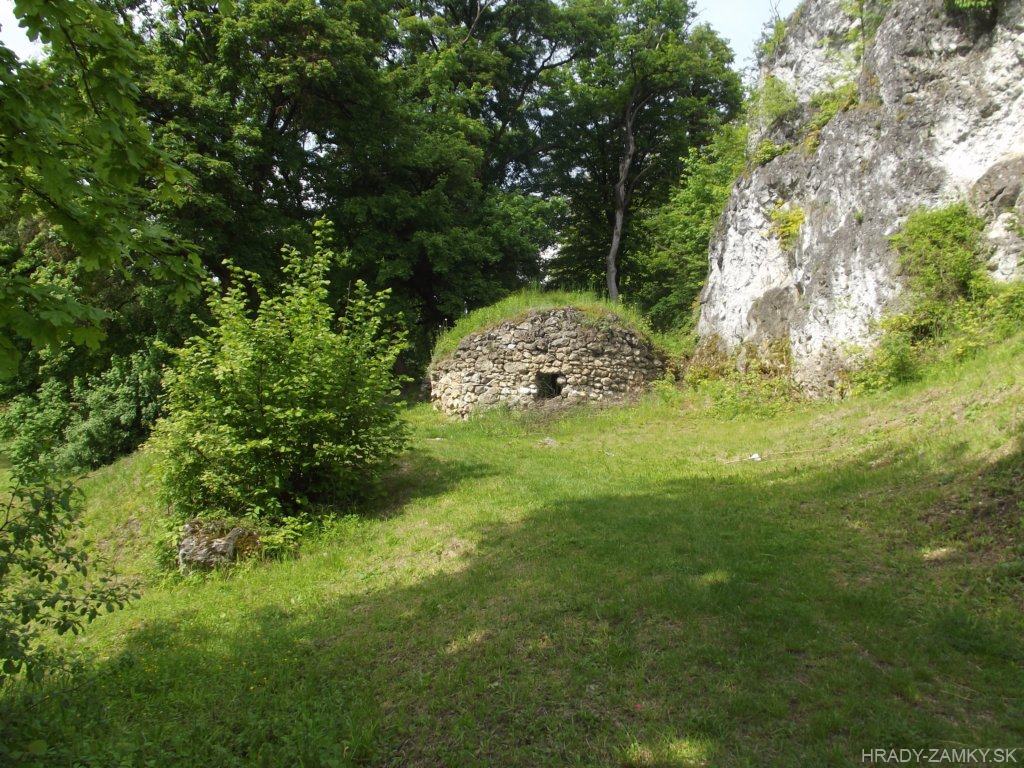
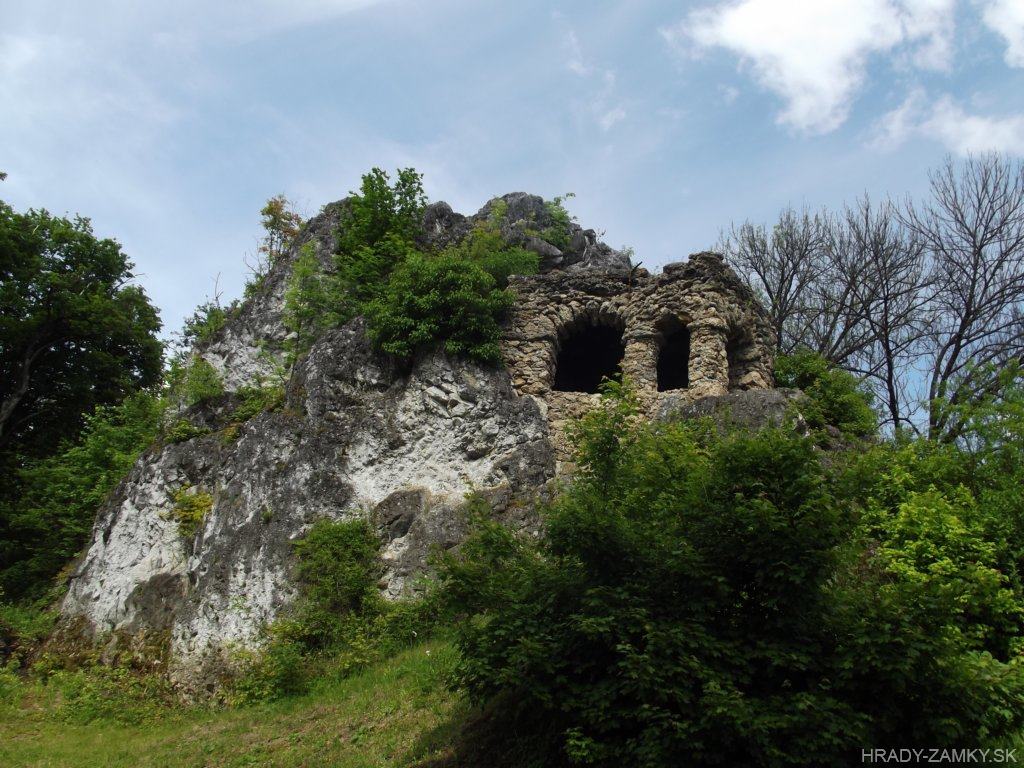
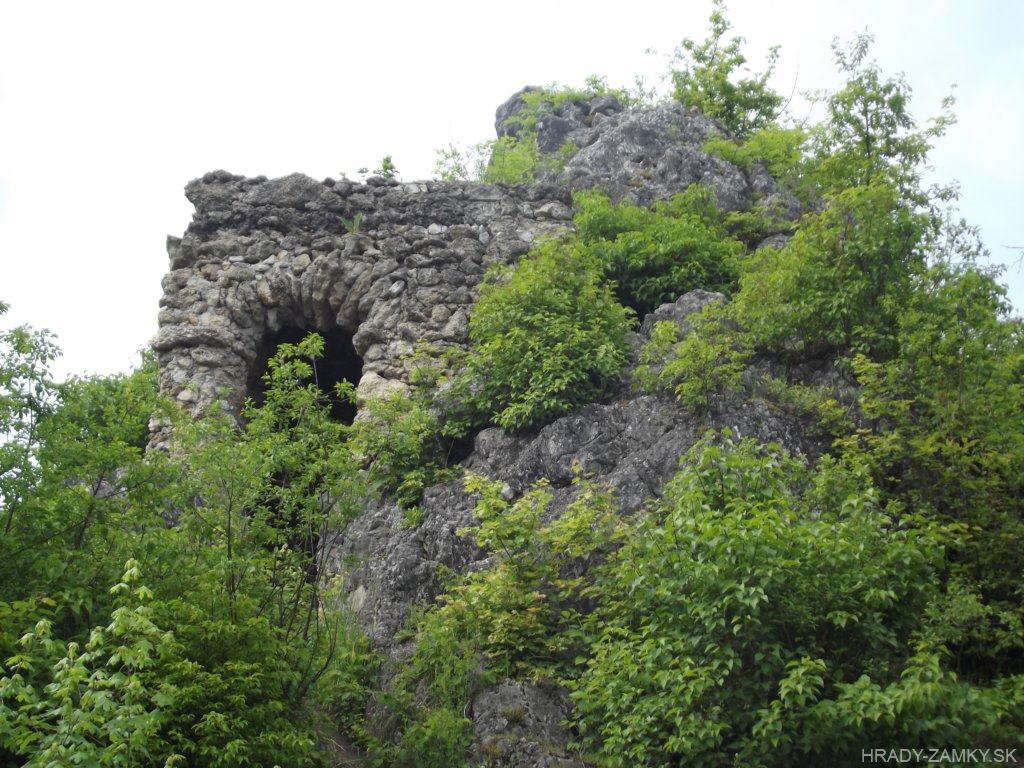
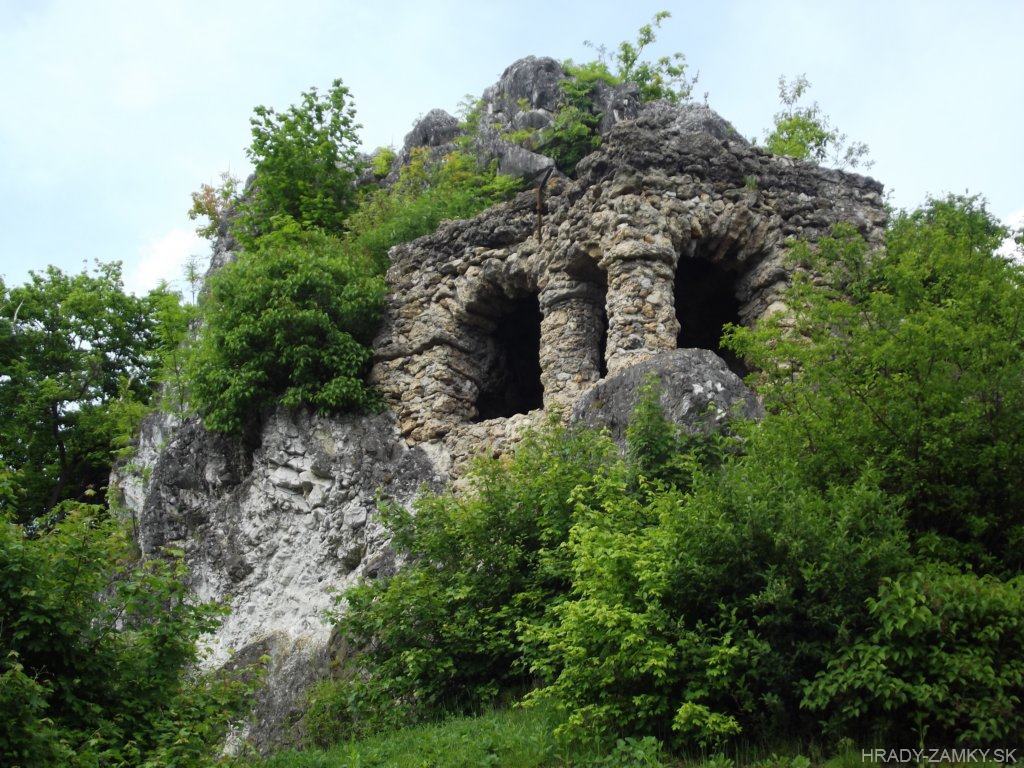
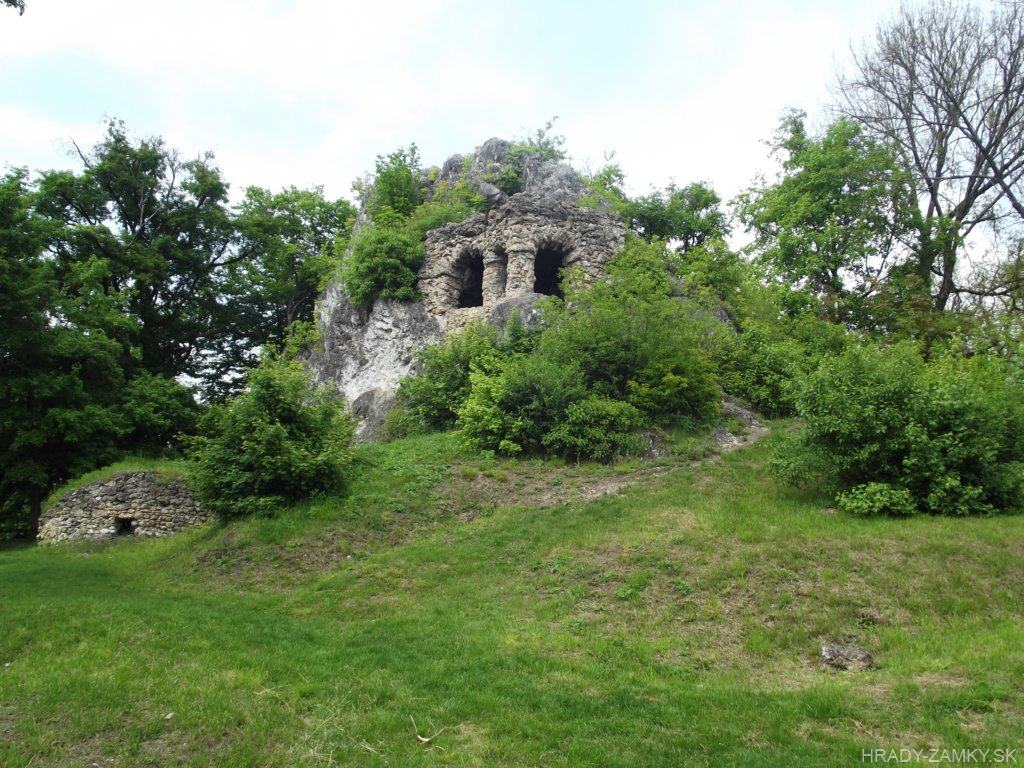
Remains of extinct castle on 11m high rock, which is located in Zoltánka city park in Tornaľa
Zvyšky zaniknutého hrádku na 11m vysokom brale, ktoré sa nachádza v mestskom parku Zoltánka v Tornali
Previous names
Tornalja, Tornallya, Tornalský hrad
Roads
The remains of Tornaľa castle are located in the city park Zoltánka near the amphitheater. We can park on Šafárikova Street, in the area between the church and the mansion (now the Children's Home). From there we walk along the mansion along Šafárikova Street and turn right onto a narrow street behind the next building. We continue along the inhabited apartment building to the city park. In the park, right behind the amphitheater, there are the ruins on the hill.
Zvyšky hrádku v Tornali sa nachádzajú v mestskom parku Zoltánka pri amfiteátri. Zaparkovať môžeme na Šafárikovej ulici, na priestranstve medzi kostolom a kaštieľom (v súčasnosti Detský domov). Odtiaľ sa peši vyberieme po chodníku popri kaštieli po Šafárikovej ulici a za ďalšou budovou odbočíme vpravo na úzku uličku. Pokračujeme popri obytnej bytovke až do mestského parku. Hneď za amfiteátrom v parku sa nachádzajú na vyvýšenine zvyšky zrúcaniny.
Description
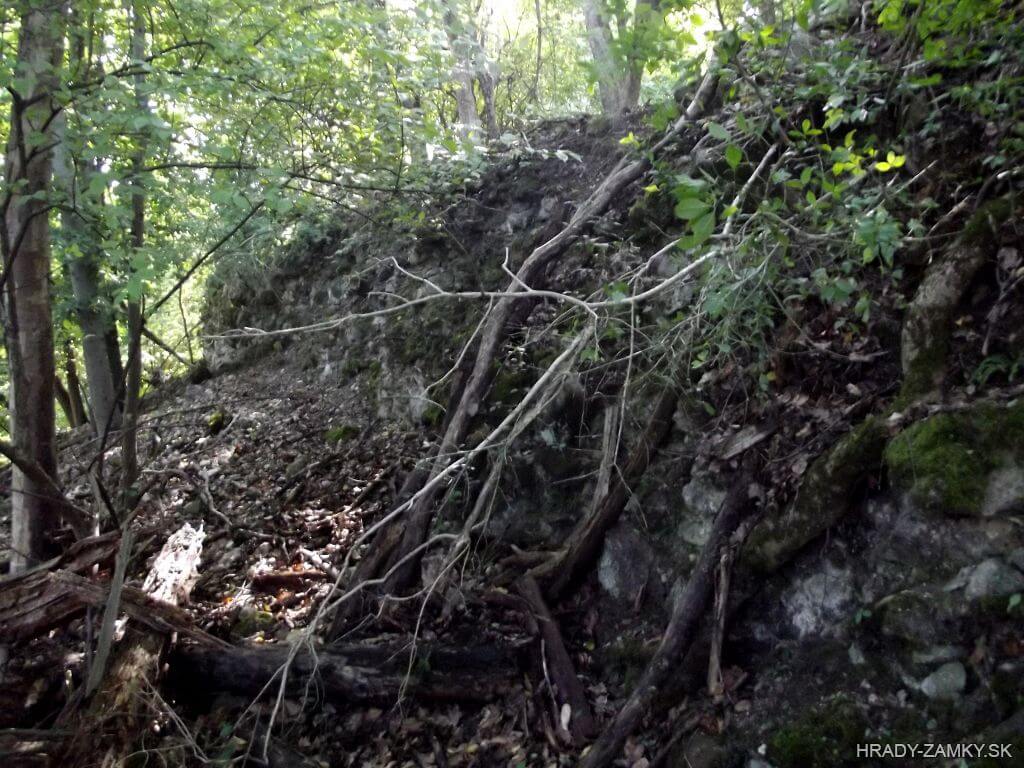
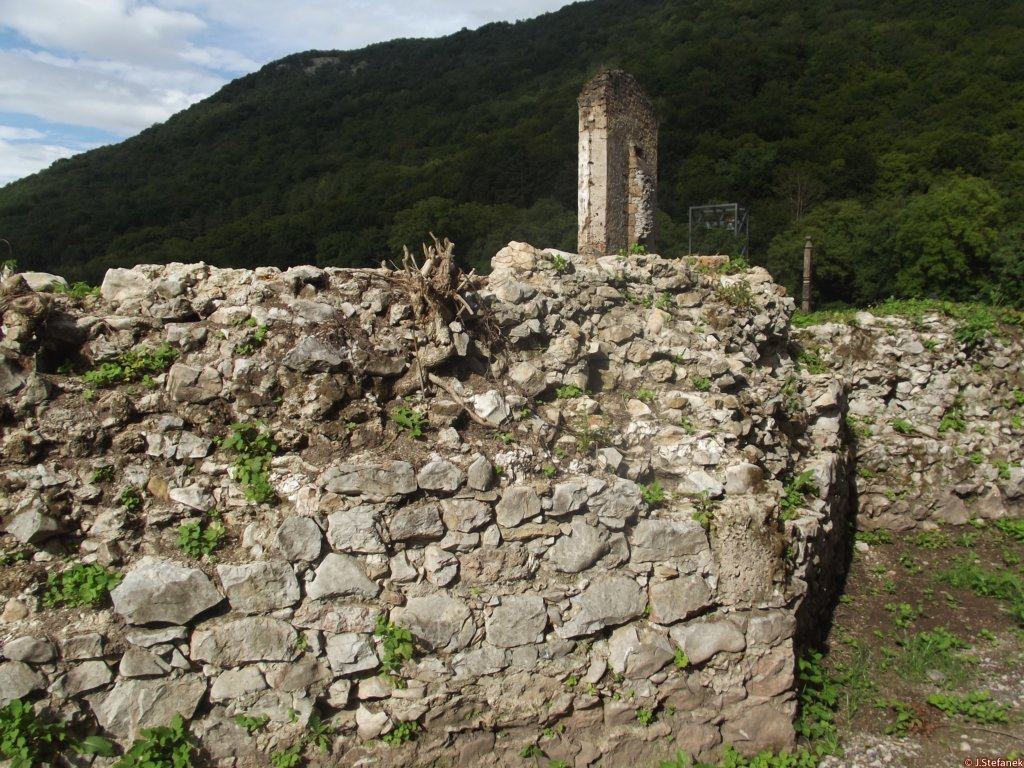
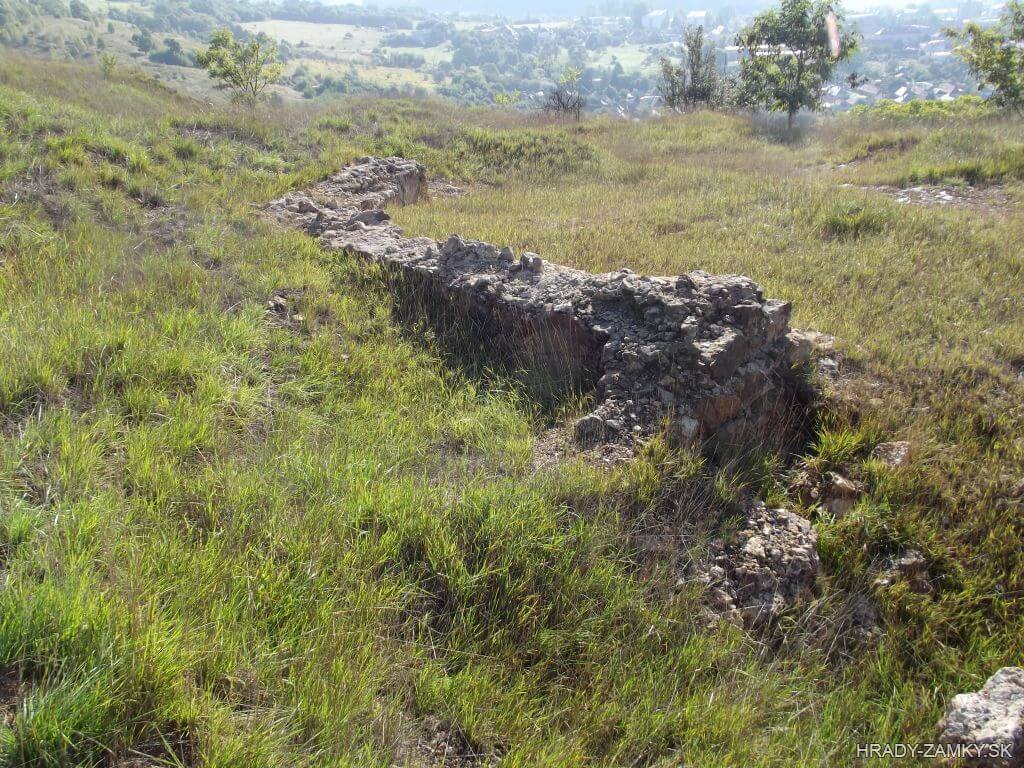
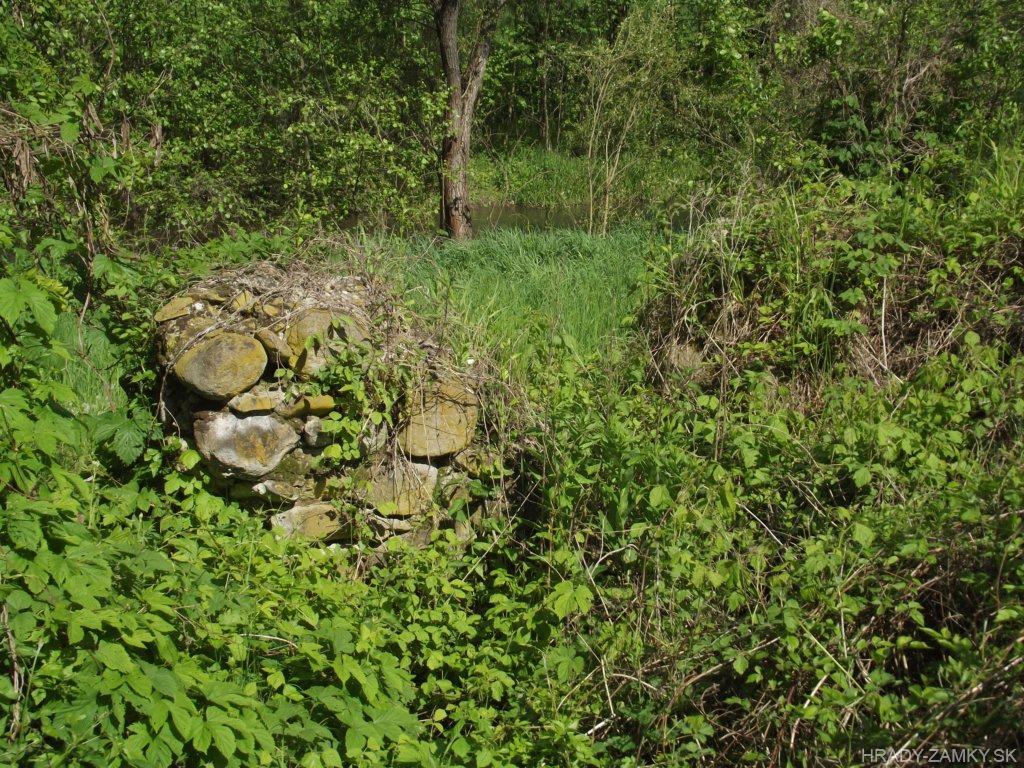
The remains of the walls on the eastern side of the rock cone were discovered by István B. Kovács in the mid-1990s. During the excavation work, a fortification system consisting of ditches and ramparts was examined. In the inner courtyard, a 500 x 500 cm stone building with an entrance to the north was uncovered. The defense system on the west side of the castle was also examined. There was originally a wooden structure, as evidenced by a group of pit, but it can no longer be more accurately reconstructed.Nowadays it is possible to see the foundations of the walls of some rooms in the bushes. The wall around them was almost completely destroyed. Zoltán Tornallyay built the remnants of the ruins that are currently seen in the rock on the SW side in the 19th century. At the top of the rock was probably the structure of the tower, but today is destroyed and leaves no traces, what was also confirmed by archaeological research.
Zvyšky múrov na východnej strane skalného kužeľa objavil István B. Kovács v polovici 90. rokov 20. storočia. Počas výkopových prác sa skúmal opevňovací systém pozostávajúci z priekop a valov. Na vnútornom nádvorí bola odkrytá kamenná stavba s rozmermi 500 x 500 cm so vstupom na sever. Preskúmal sa aj obranný systém na západnej strane hradu. Bola tu pôvodne drevená konštrukcia, ako dokazuje skupina výmoľov, ale už nie je možné ju presnejšie rekonštruovať.V súčasnosti je možné vidieť v krovinách základy múrov niektorých miestností. Stena okolo nich bola takmer úplne zničená. Zvyšky zrúcaniny, ktoré v súčasnosti vidieť v skale na JZ strane, umelo vytvoril v 19. storočí Zoltán Tornallyay. Na vrchole skaly sa pravdepodobne nachádzala štruktúra veže, ale dnes je zničená a nezanecháva žiadne stopy, čo potvrdil aj archeologický výskum.
Plan
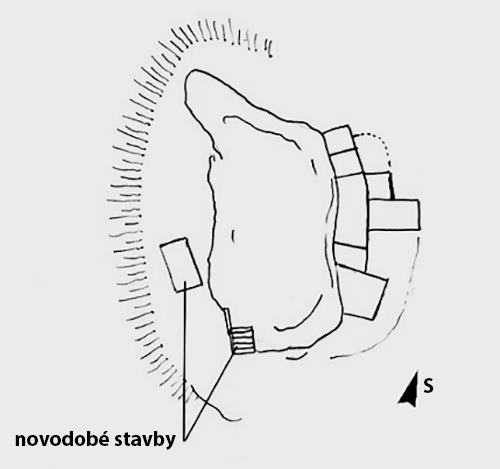
-
History
The building is first mentioned as a wooden watchtower at the top of the gate, which was built by the Gemer Guards at the turn of the 10th and XI. century. This necessary wooden tower was destroyed especially during the invasion of the Tatars. In 1245 he received a certain Bolok from King Bel IV. Kewi estate (Kövi). It is said that he built a fortified seat on a steep rock, the central building of which was probably a residential tower, surrounded at the foot of the rock by a moat and a rampart. Some of the projects attribute the construction of the tower to Felicián, the son of Gaal, who was a Hungarian Spanish in 1284. Later, a stone extension was added to the tower on the western side of the rock wall, along which are the remaining remains of the perimeter walls.
In 1291, the document again mentions the tower under which the village of Toronyalja was formed (from the Hungarian toronyalja - under the tower). In 1325 the castle belonged to John and the other sons of Gaal. The castle and the village also became the seat of the Tornallyays, who are also associated with fortifications and building alterations.
Information about the demise of the castle in Tornali has not been preserved, it probably took place at 14-15. century, no historical period of extinction dates back to the 16th century, when the aristocratic residence of its inhabitants left, the masonry dismantled the buildings and could build a manor.
In the 19th century, Zoltán Tornallyay established an English park with an artificial excavated cave and a pond on this site. On the side protrusion of the limestone took an artificially created ruin, which we can see on the rock even today.
Objekt sa prvýkrát spomína ako drevená strážna veža na vrchole brala, ktorú postavili Gemerské gardy na prelome X. a XI. storočia. Táto údajne drevená veža bola zničená najneskôr počas vpádu Tatárov. V roku 1245 získal istý Bolok od kráľa Bela IV. panstvo Kewi (Kövi). Údajne práve on si na strmej skale vybudoval opevnené sídlo, ktorého ústrednou stavbou bola pravdepodobne obytná veža, obklopená na úpätí skaly priekopou a valom. Niektoré zroje pripisujú stavbu veže Feliciánovi, synovi Gaala, ktorý bol v roku 1284 uhorským išpánom. Neskôr k veži pribudla kamenná prístavba na západnej strane skalnej steny, po ktorej sú viditeľné zvyšky obvodových múrov.
V roku 1291 sa v listine opäť spomína veža, pod ktorou sa sformovala dedina Toronyalja (z maďarčiny toronyalja - pod vežou). V roku 1325 hrad patril Jánovi a ostatným synom Gaala. Hrad a dedina sa neskôr stali sídlom Tornallyayovcov, s ktorými sa spája aj opevnenie a stavebné úpravy.
O zániku hrádku v Tornali sa nezachovali informácie, došlo k nemu pravdepodobne v 14-15. storočí, no niektorí historici obdobie zániku datujú až do 16. storočia, keď šľachtické sídlo jeho obyvatelia opustili, murivo stavieb rozobrali a použili na stavbu kúrie.
V 19. storočí Zoltán Tornallyay na tomto mieste založil anglický park s umelo vyhĺbenou jaskyňou a jazierkom. Na bočnom výbežku vápencového brala umelo vytvoril ruinu, ktorú môžeme vidieť na skale i v súčasnosti.
Myths and legends
Lady without lips
In 1241 the Tatars defeated the troops of Bela IV. in the Battle of the Slaná River (Battle of Muhi) and crossed the Slaná River Valley, hungry for prey. The Tornallyay family fled to the Vasas and Cselény forests with their servants at that time, while only their daughter Žofia remained at the castle. Here the Tatars found her and interrogated her, where the treasures are hidden and where the entrance to the tunnel leading to the Gemer Castle is. However, Žofia was persistent and did not reveal anything, so the Tatars cut off her nose and lips so that she could never speak again.
Dáma bez pier
V roku 1241 Tatári porazili vojská Bela IV. v bitke pri rieke Slaná (bitka o Muhi) a prešli údolie rieky Slaná, hladní po koristi. Rodina Tornallyayovcov aj so služobníctvom vtedy utiekla do lesov Vasas a Cselény, pričom na hrade zostala iba ich dcéra Žofia. Tu ju našli Tatári a vypočúvali ju, kde sú ukryté poklady a kde je vchod do tunela vedúceho k hradu Gemer. Žofia však bola vytrvalá a nevyzradila nič, tak jej Tatári odrezali nos a pery, aby už nikdy nemohla prehovoriť.
Useful information
The ruins are freely accessible
Zrúcanina je voľne prístupná
Nearby castles