Jelšava Hradovisko
Jelšava Banská Bystrica county Slovakia
extinct castle
Jelšava Hradovisko
Jelšava Banskobystrický kraj Slovakia
zaniknutý hrad
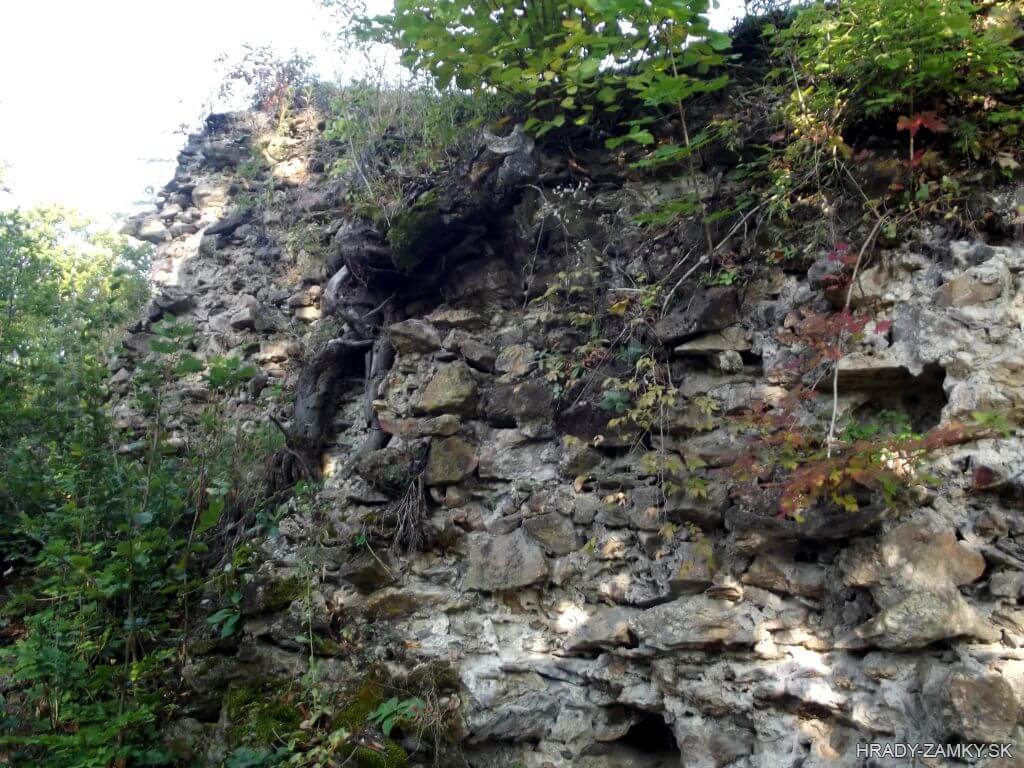
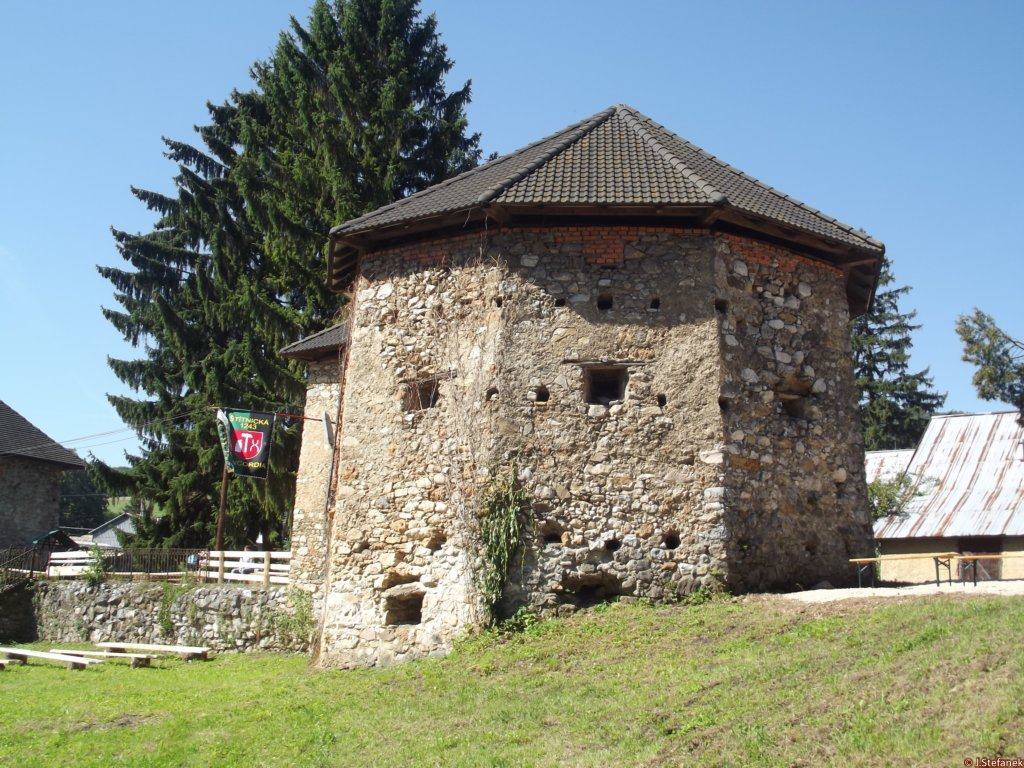
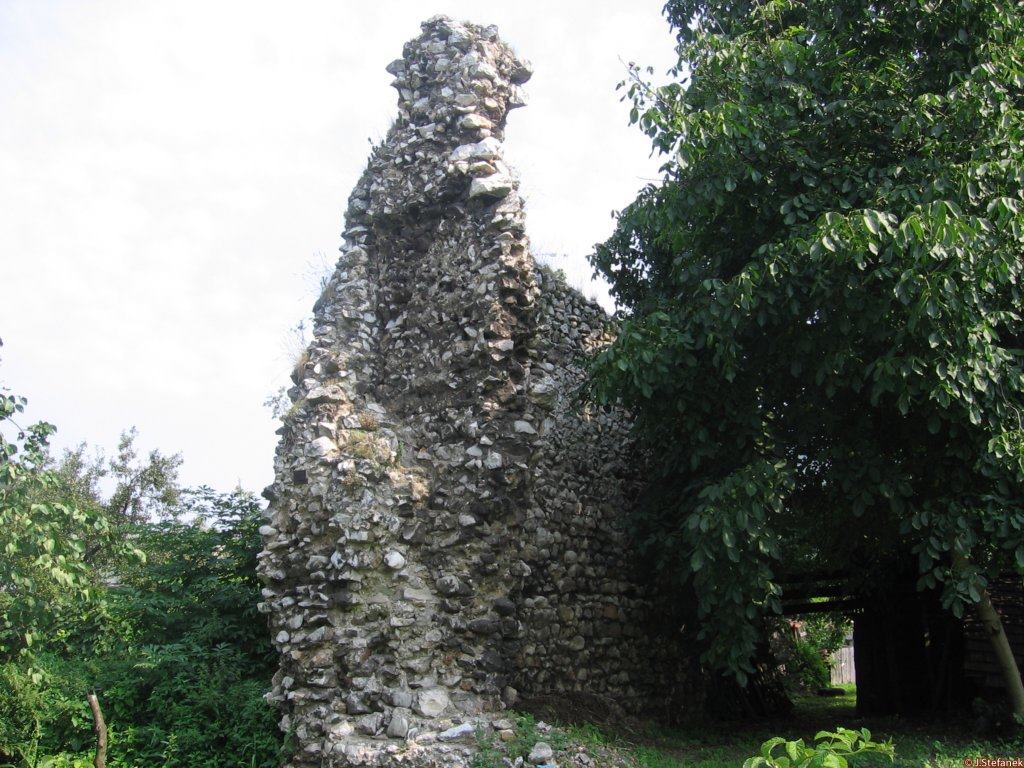
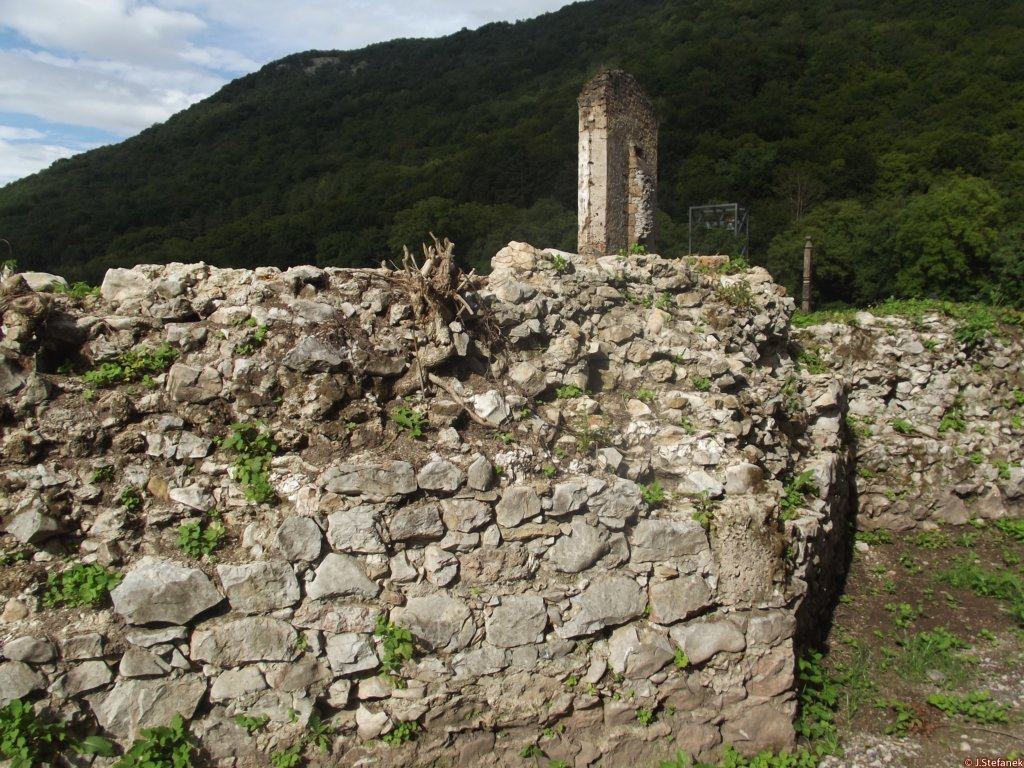
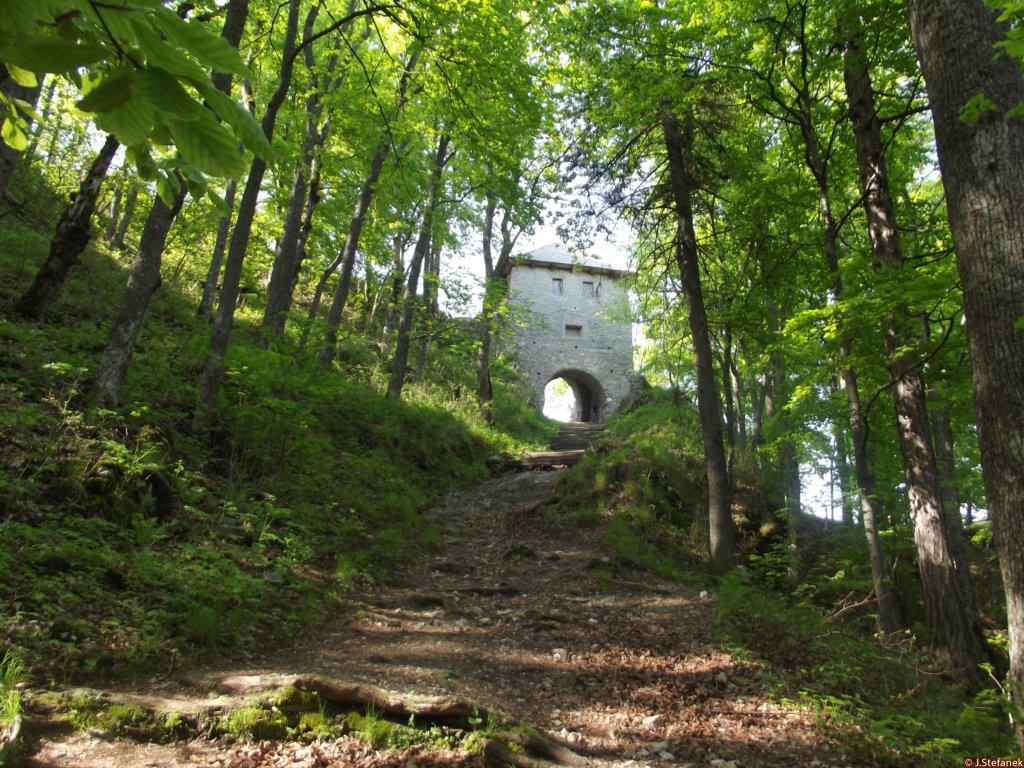
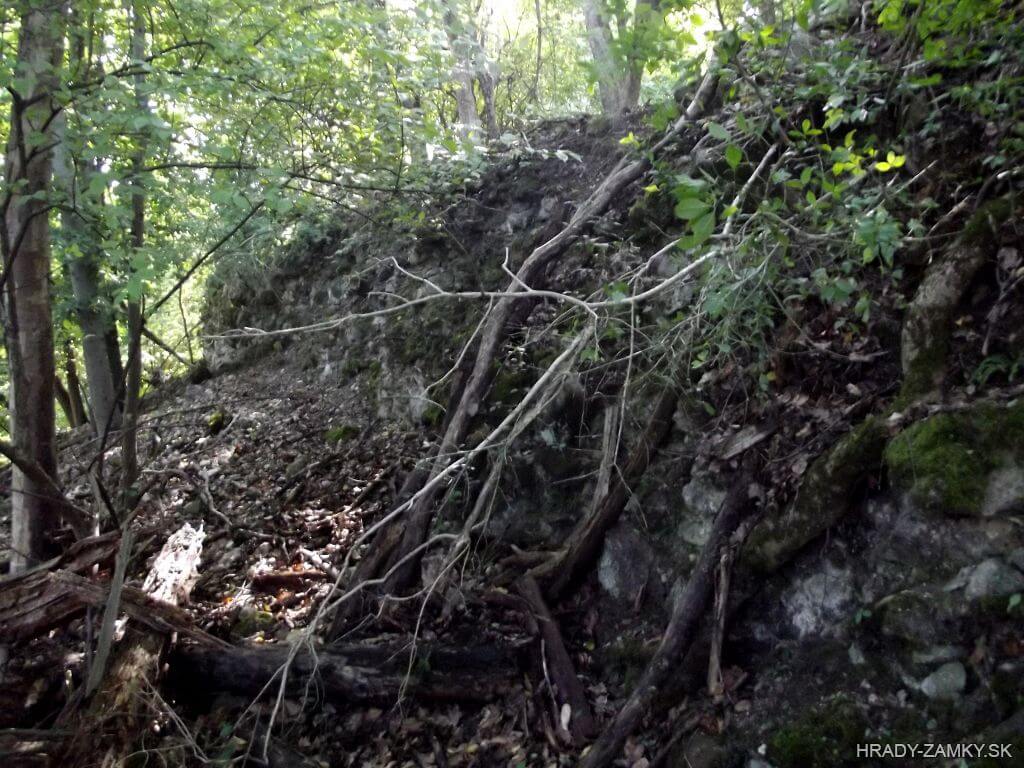
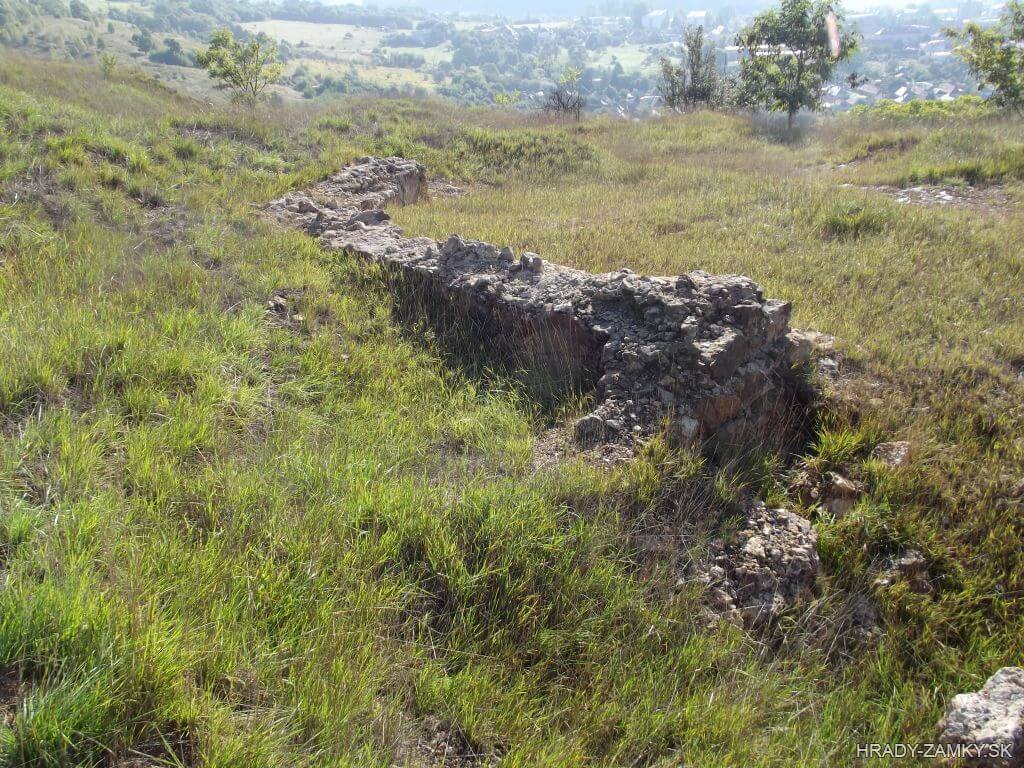
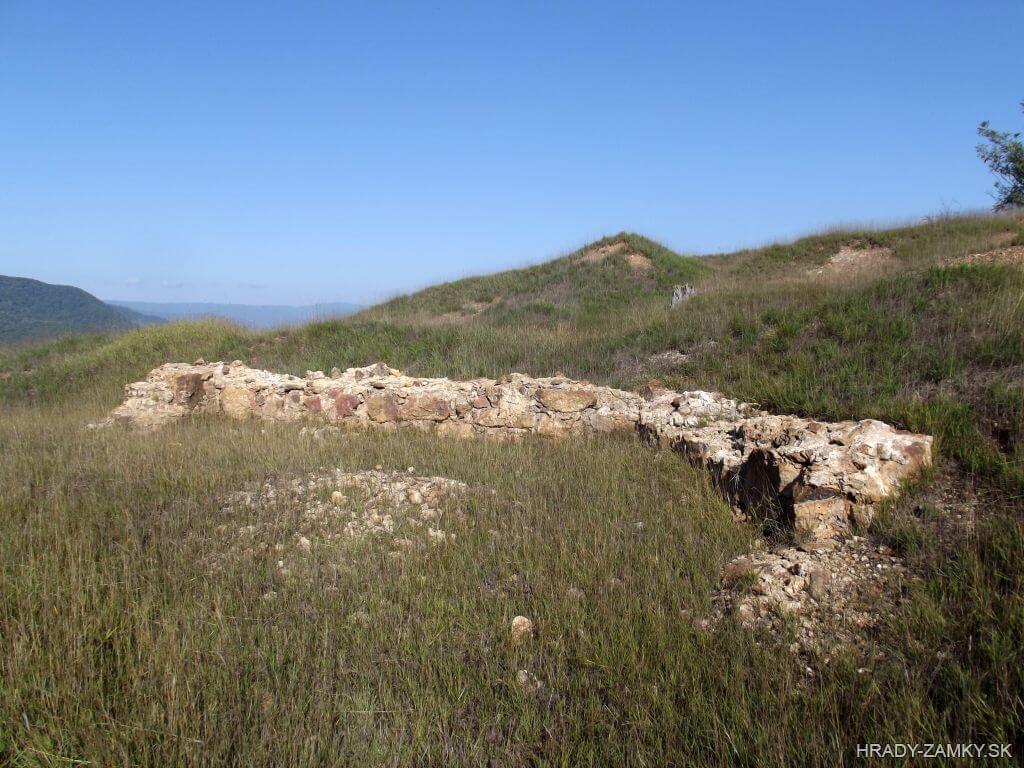
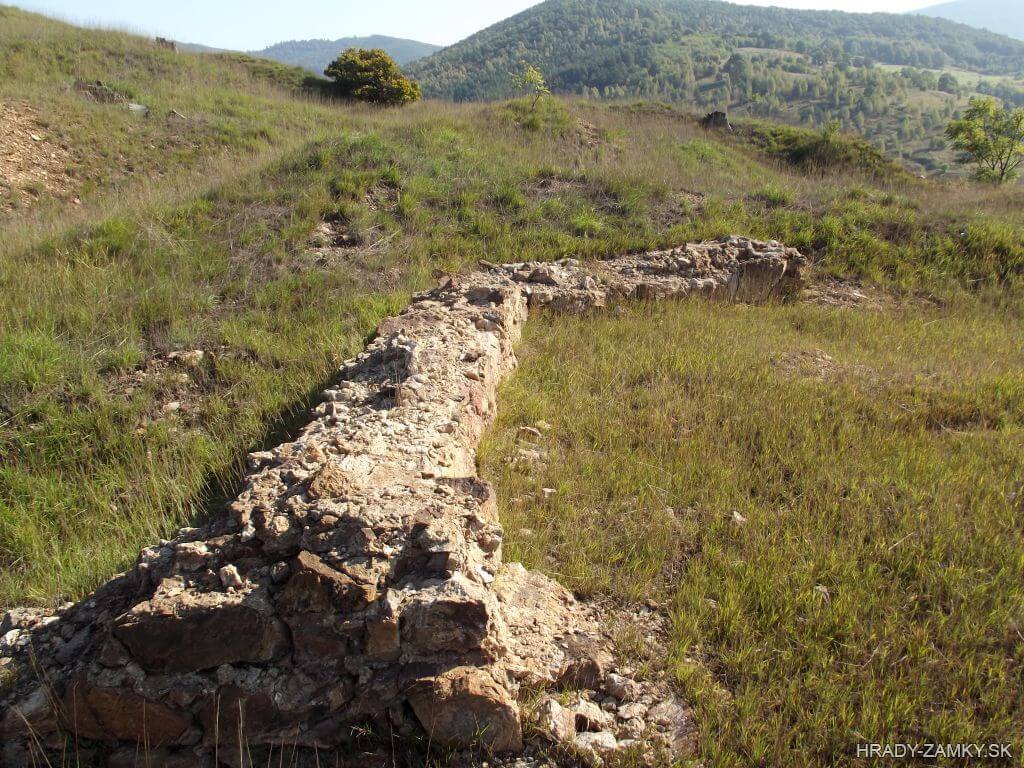
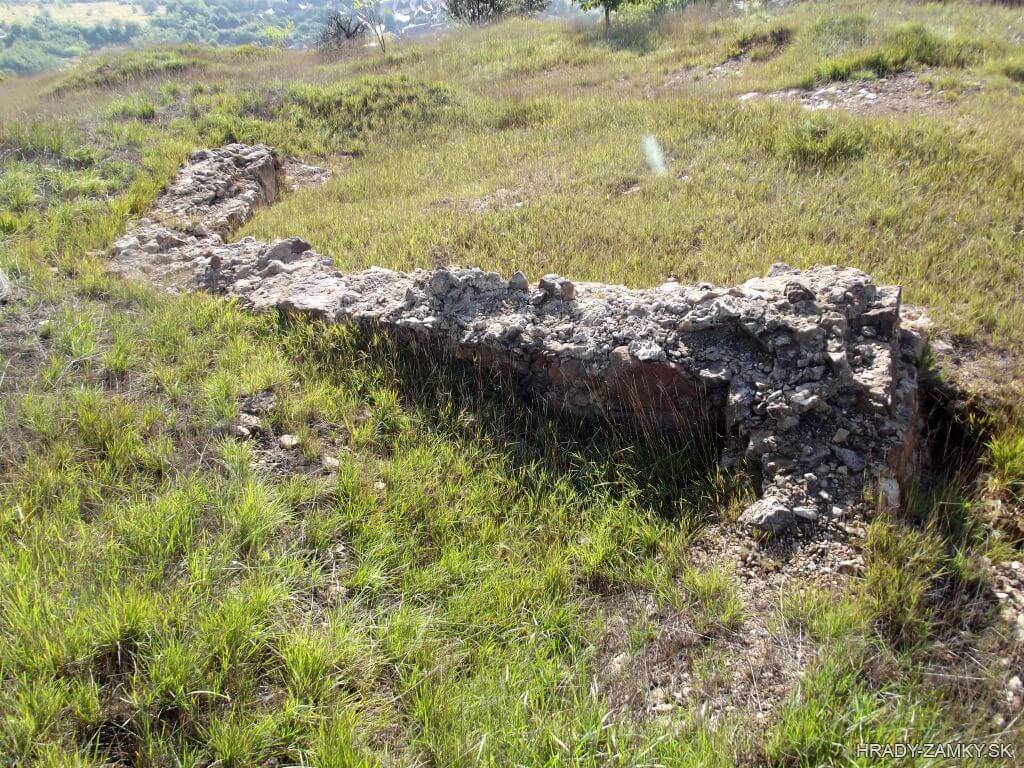
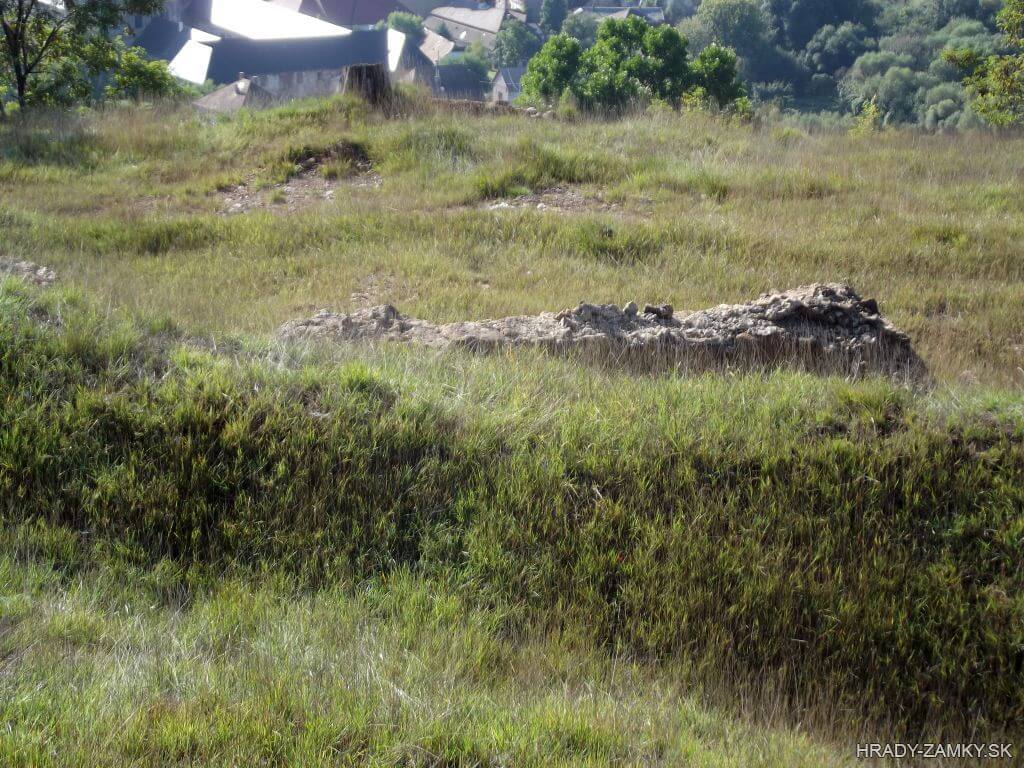
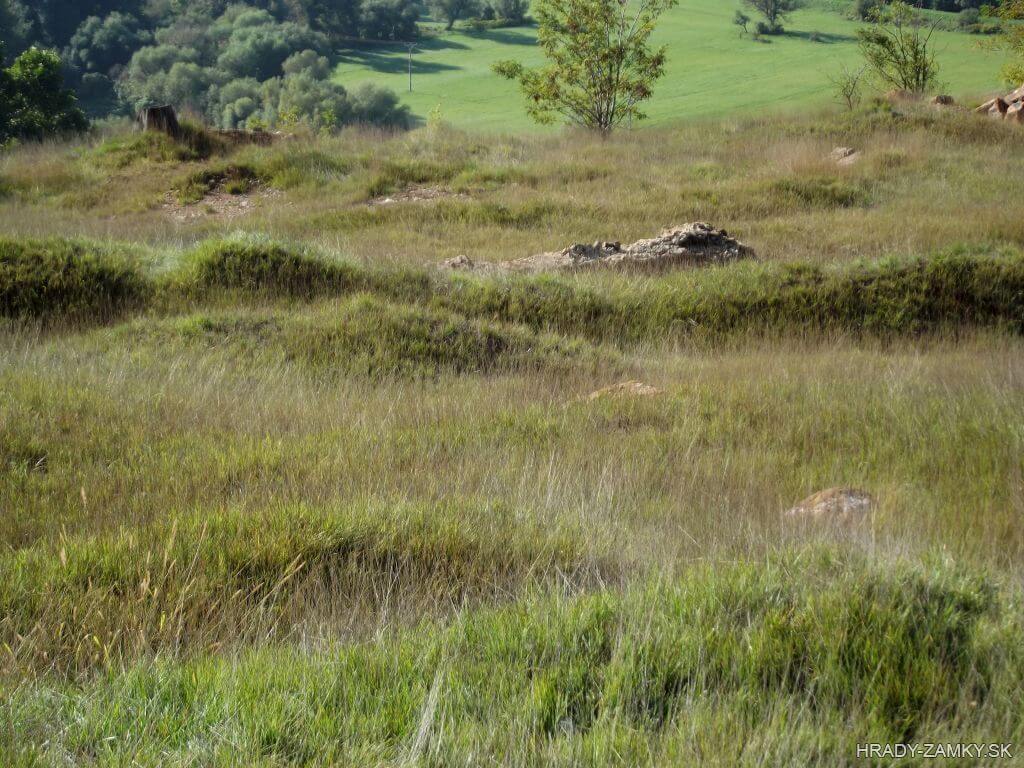
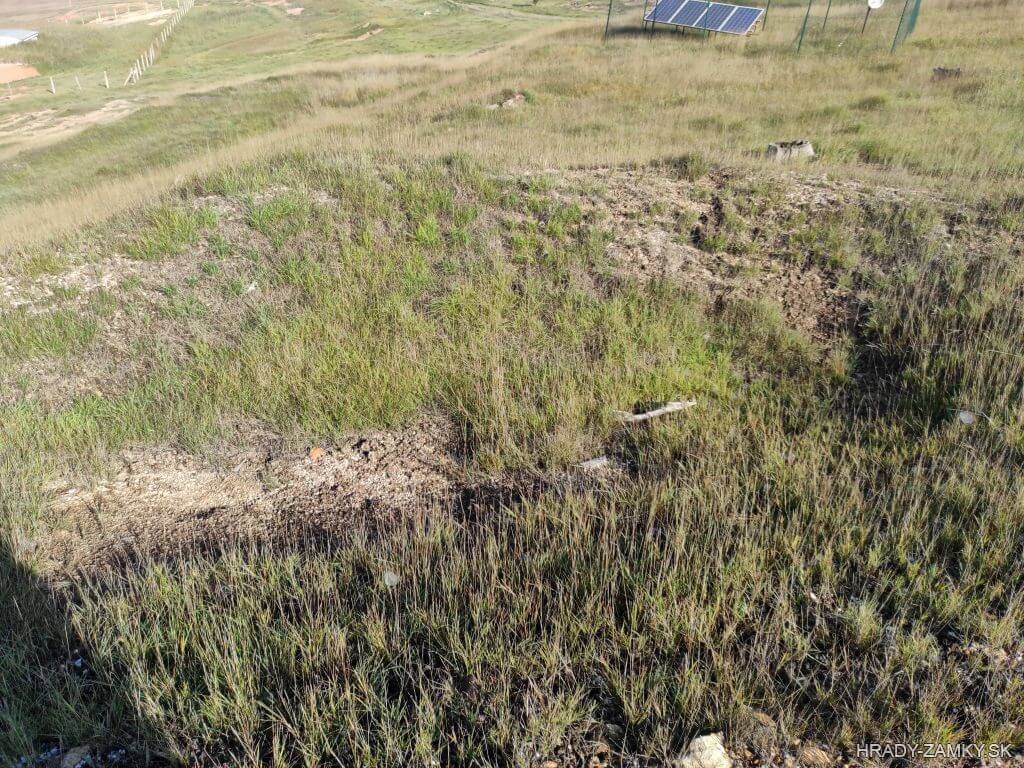
The extinct castle with the remains of the walls of the later church above the village of Jelšava, in the Hradovisko location
Zaniknutý hrad so zvyškami múrov neskoršieho kostola nad obcou Jelšava, v polohe Hradovisko

Previous names
castrum de Illswa
Roads
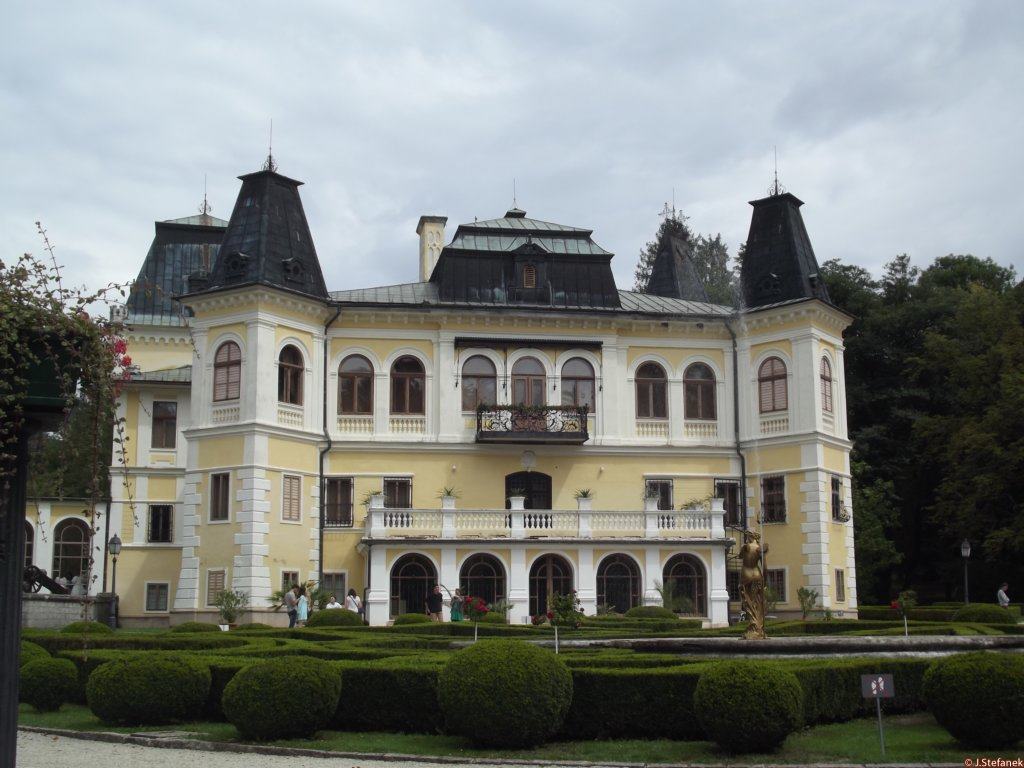
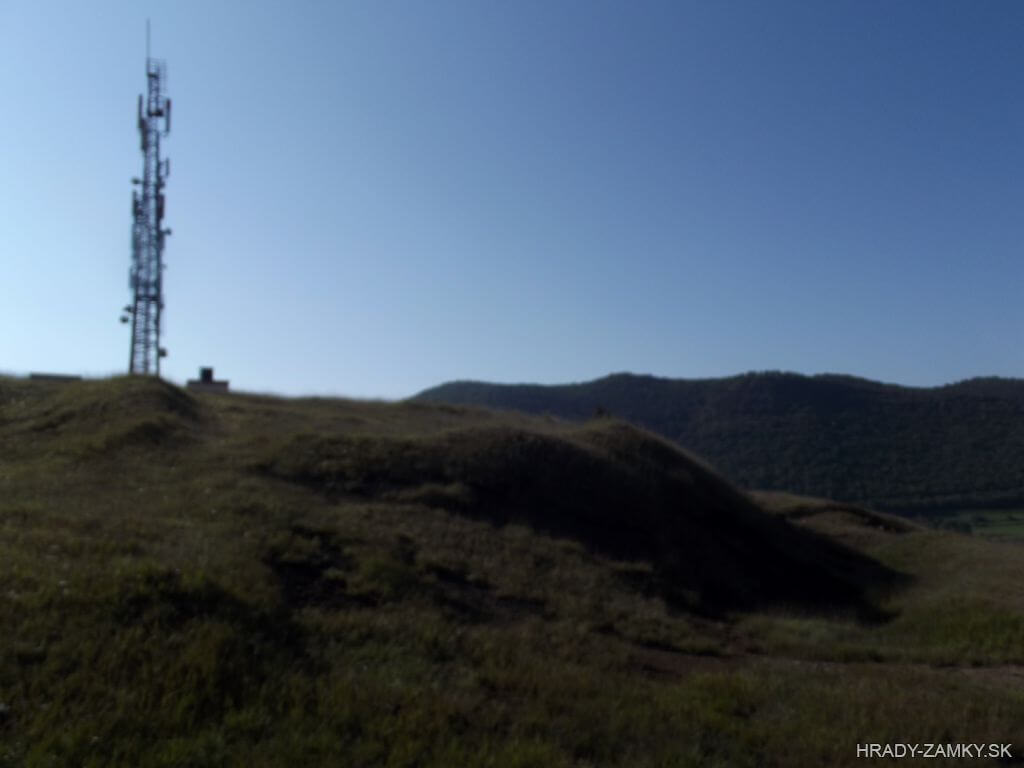
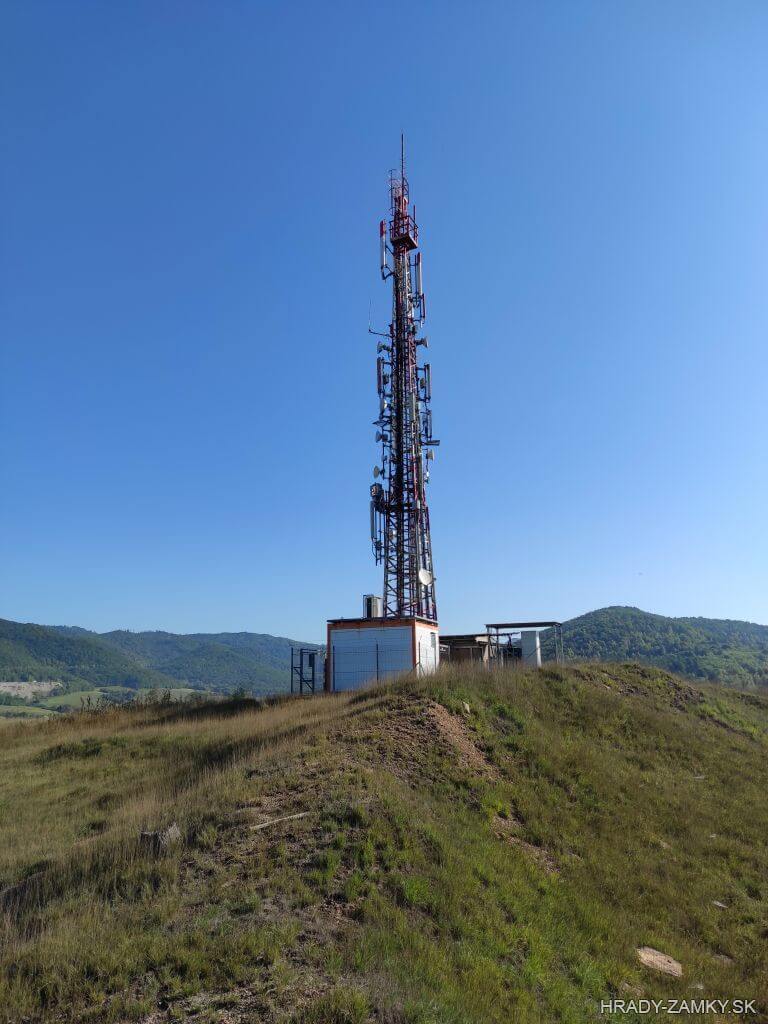
In Jelšava, from the Republic Square, where the Coburg manor house is also located, we will continue along Mníšanská Street until its branch. From there we continue on the left branch of the street to the last house. Then we can continue by car a few meters further and between the trees is a smaller area next to the road, where it is possible to park, or continue even further to the water reservoir. From there we continue on foot along a field path in an arc to the left over the village to the transmitters. In this location above the cemetery we can also find the remains of the church walls on the site of the original castle.
V Jelšave, z námestia Republiky, kde sa nachádza aj Coburgovský kaštieľ, pôjdeme ďalej po Mníšanskej ulici až po jej rozvetvenie. Odtiaľ pokračujeme ďalej ľavou vetvou ulice až po posledný dom. Potom môžeme ešte autom pokračovať pár metrov ďalej a medzi stromami je menšia odstavná plocha popri ceste, kde je možné zaparkovať, prípadne pokračovať ešte ďalej až k vodnej nádrži. Odtiaľ pokračujeme peši poľnou cestou oblúkom vľavo ponad obec až k vysielačom. V tejto lokalite nad cintorínom nájdeme aj zvyšky múrov kostola na mieste pôvodného hradu.
Description
The castle in the Hradovisko locality had a rectangular floor plan and was surrounded by a double moat. It was probably built of wood and clay.It was probably built of wood and clay, but short-term archaeological research has also confirmed the use of stone masonry.
Hrádok v lokalite Hradovisko mal pôdorys obdĺžnika a obklopovala ho zdvojená priekopa. Pravdepodobne bol postavený z dreva a z hliny, avšak krátkodobý archeologický výskum potvrdil i použitie kamennej podmurovky.Pozostatky múrov, viditeľné i dnes, patria zaniknutému gotickému kostolíku z 15. storočia.
Plan
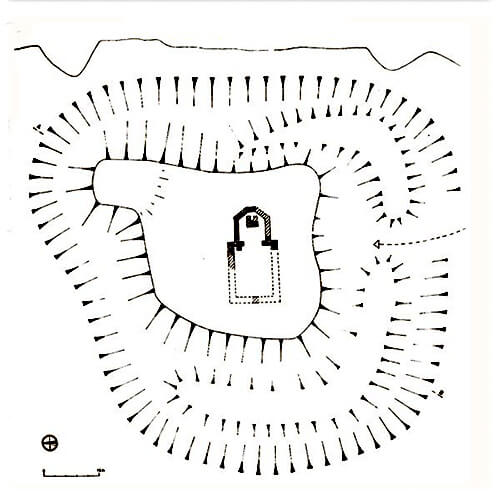
Legend to the ground plan
- Source: varak.hu
Legenda k pôdorysu
- Zdroj: varak.hu
History
No information has been preserved about the period of the castle's construction in the Hradovisko locality. The castle was probably built by the Templars in the 12th or 13th century and was destroyed during the Mongol invasions of Hungary. Apparently it served to protect the surrounding mines and ironworks.
The castle is mentioned in 1243 in an archival document, an apprenticeship certificate of a resident from the Plešivec borderland. The document mentions the castle, near which there was an iron hammer, and for sure in 1271 the castle certainly did not stand.
The polygonal shape of the presbytery appears in this region sometime at the turn of the 13th and 14th centuries and occurs throughout the Gothic period. The construction of the church proves that this place was not abandoned even after the demise of the castle.
In the middle of the 15th century, Hussite troops settled on the site of the defunct castle and built their fortress there using older ramparts and probably the existing church.
The fortress of the brothers was apparently destroyed around 1461 by the troops of the Hungarian king Matej Korvín.
In 1976, an archaeological research was carried out at the site, which identified two stages of settlement. Remains of pottery from the 13th and 14th centuries were found from the first stage, and from the second stage, from the Hussite era, fragments of pottery, iron objects and silver coins from the period of King Ladislav Pohrobok were found.
They also discovered traces of a strong fire that destroyed a log building with a stone foundation, probably the result of the defeat of the Hussites. No traces of the younger settlement were found, which would indicate that the church also disappeared. In the northern section, two parallel rows of destroyed masonry without mortar binder were captured. In the opposite part, a burnt floor made of broken clay was found, belonging to a large building with a stone foundation.
Research and findings did not clarify the relationship between the various stages of settlement.
The locality represents the type of an extensive medieval fortified settlement by its strategic location and fortification solution. It belongs to the localities that are decisive for the beginnings of the medieval construction development of Jelšava.
O období stavby hradu v lokalite Hradovisko sa nezachovali žiadne informácie. Hrad bol pravdepodobne postavený rádom templárskych rytierov v 12. alebo 13. storočí a bol zničený pri Mongolských vpádoch do Uhorska. Plnil zrejme funkciu ochrany okolitých baní a železiarskych hút.
Hrad sa spomina v roku 1243 v archívnom dokumente, výučnom liste obyvateľa z Plešiveckého pohraničia. Listina spomína hrad, v blízkosti ktorého sa nachádzal železný hámor, no v roku 1271 už hrad určite nestál.
Polygonálny tvar presbytéria sa v tomto regióne objavuje niekedy na prelome 13. a 14. storočia a vyskytuje sa počas celého obdobia gotického slohu. Výstavba kostola svedčí o tom, že toto miesto nebolo opustené ani po zániku hradu.
V polovici 15. storočia sa na mieste zaniknutého hradu usadili husitské vojská a vybudovali si tam svoju pevnosť s využitím starších valov a zrejme aj existujúceho kostola.
Pevnosť bratríkov bola podľa všetkého zničená okolo roku 1461 vojskami uhorského kráľa Mateja Korvína.
V roku 1976 prebehol v lokalite archeologický výskum, ktorý zistil dve etapy osídlenia. Z prvej etapy sa našli pozostatky keramiky z 13. a 14.storočia a z druhej etapy, z čias husitov, sa nasli úlomky keramiky, železné predmety a strieborné mince z obdobia kráľa Ladislava Pohrobka.
Objavili tiež stopy po silnom požiari, ktorý zničil zrubový objekt s kamennou podmurovkou, pravdepodobne dôsledok porážky husitov. Stopy po mladšom osídlení sa nenašli, čo by naznačovalo, že zanikol aj kostol. V severnom úseku sa podarilo zachytiť dva rovnobežné rady deštruovaného muriva bez maltového spojiva. V protiľahlej časti našli prepálenú podlahu z ubitej hliny, patriacu k rozsiahlemu objektu s kamennou podmurovkou.
Výskum i nálezy neobjasnili vzájomný vzťah medzi jednotlivými fázami osídlenia.
Lokalita reprezentuje strategickým situovaním a fortifikačným riešením typ rozsiahleho stredovekého hradiska. Patrí k lokalitám, ktoré sú určujúce pre začiatky stredovekého stavebného vývoja Jelšavy.
Myths and legends
There are no myths available.
K tomuto objektu nie sú dostupné žiadne povesti
Useful information
The site is freely accessible
Lokalita je voľne prístupná
Nearby castles