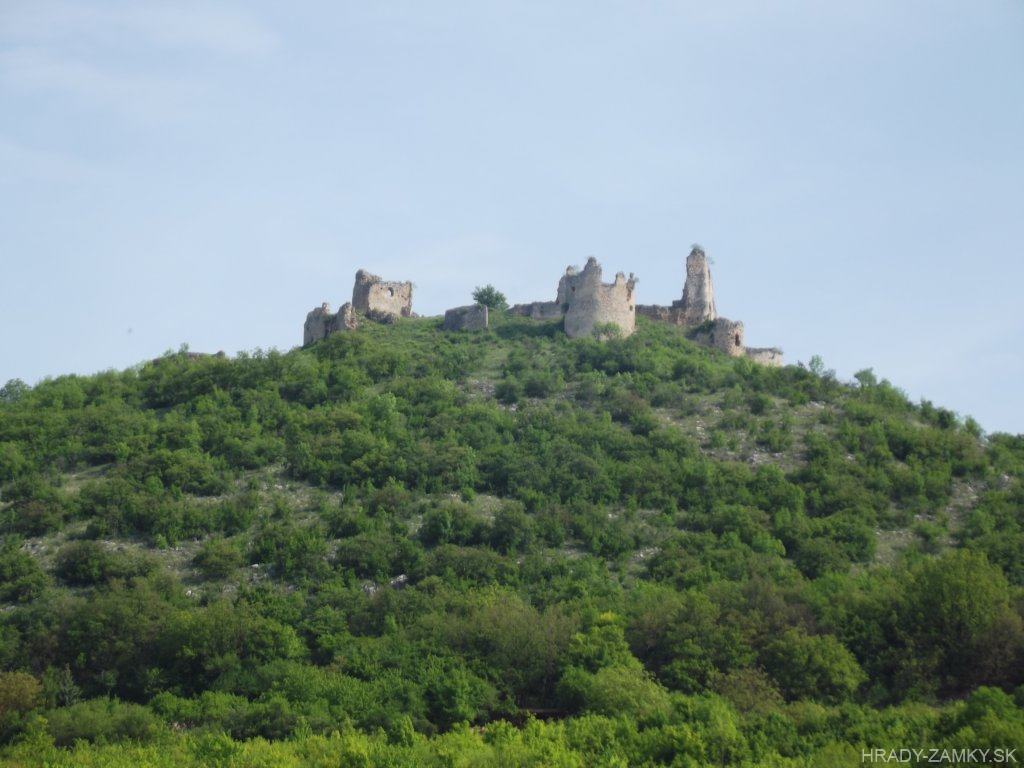
Krásna Hôrka
Krásnohorské Podhradie Košice county Slovakia
castle, chateau
Krásna Hôrka
Krásnohorské Podhradie Košický kraj Slovakia
hrad, zámok
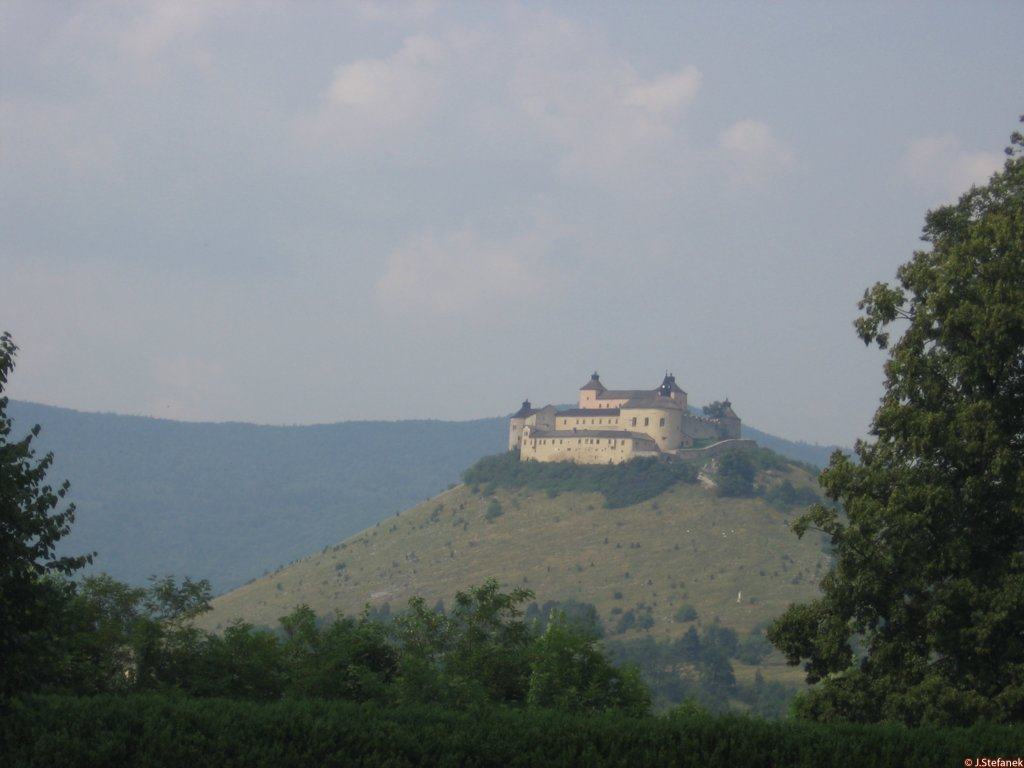
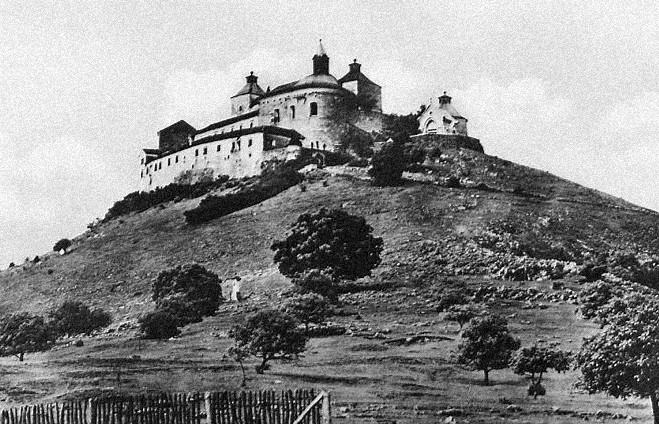
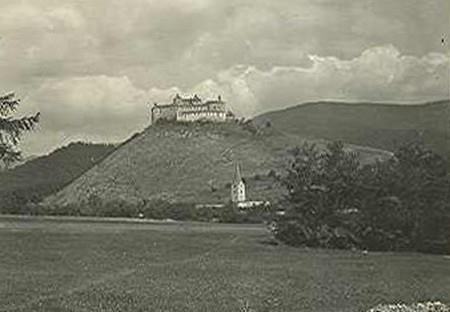
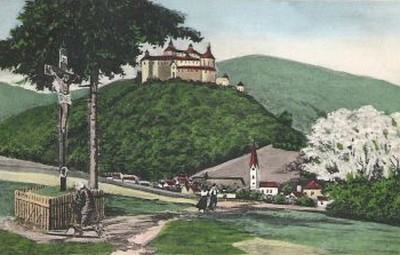
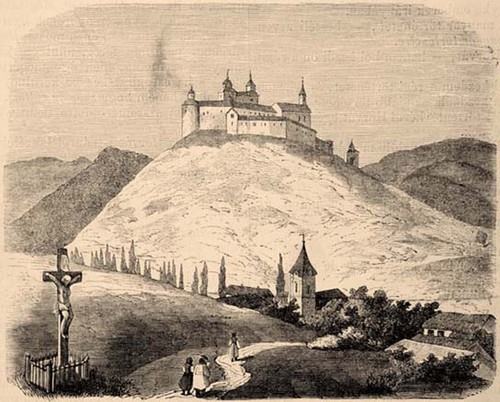
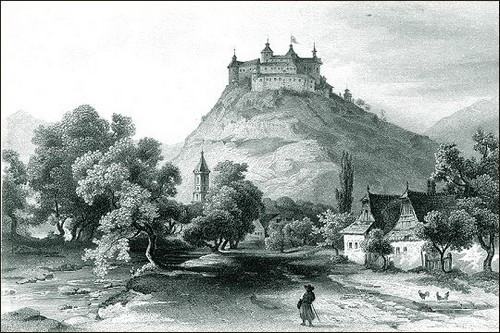
The castle is situated on a limestone loam hill on the northern edge of Krásnohorské Podhradie
Hrad sa nachádza na vápencovom homoľovitom kopci na severnom okraji Krásnohorského Podhradia
Previous names
castrum Karaznahurka, Craznahorka, castrum Krasnahorka
Roads
Krásna Hôrka castle is located on a hill almost directly in the village Krásnohorské Podhradie. By car we get out of the village towards Smolník, where we soon come to a turnoff from the main road on the left, marked by a sign. The path leads through the trees to the paid parking lot under the castle. From the parking lot to the castle is just a short easy climb.
Hrad Krásna Hôrka sa nachádza na kopci takmer priamo v obci Krásnohorské Podhradie. Autom sa dostaneme von z obce smerom na Smolník, kde onedlho natrafíme na odbočku z hlavnej cesty vľavo, označenú tabuľou. Cesta vedie pomedzi stromy až k platenému parkovisku pod hradom. Od parkoviska je to k hradu už len krátky nenáročný výstup.
Description
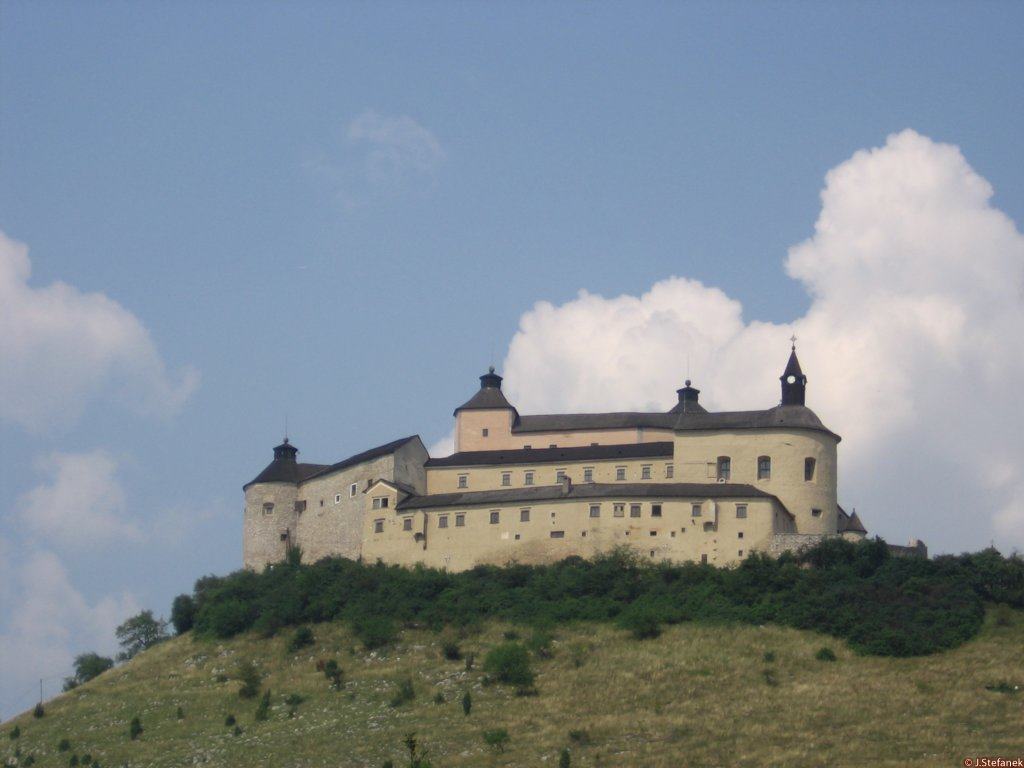
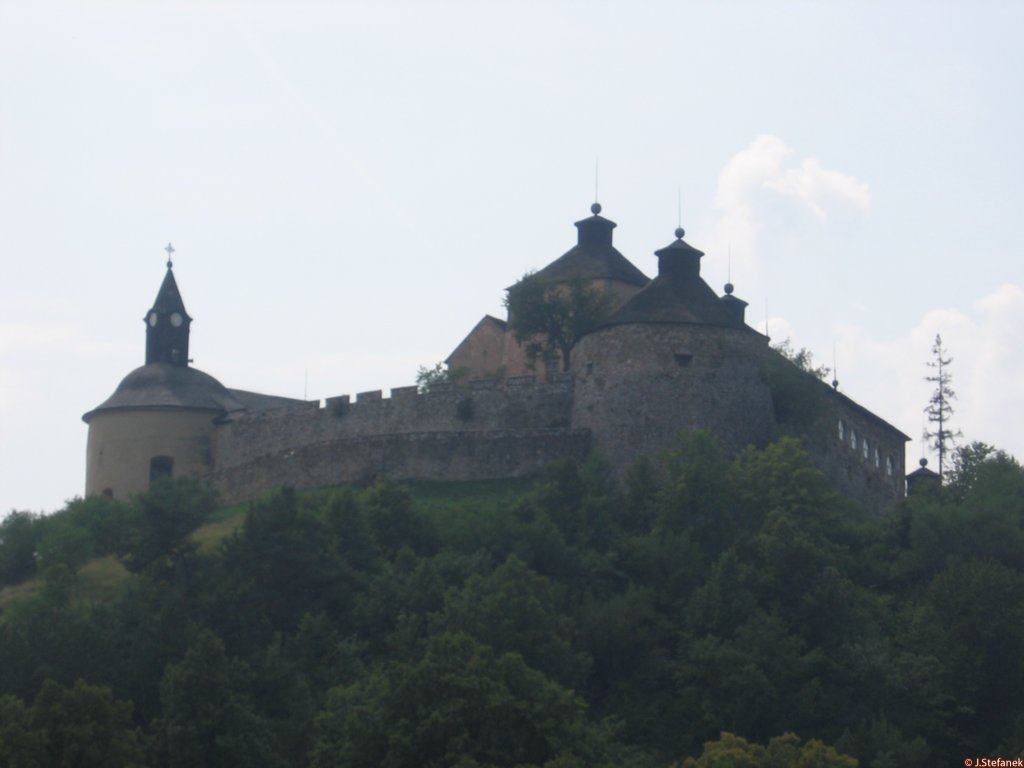
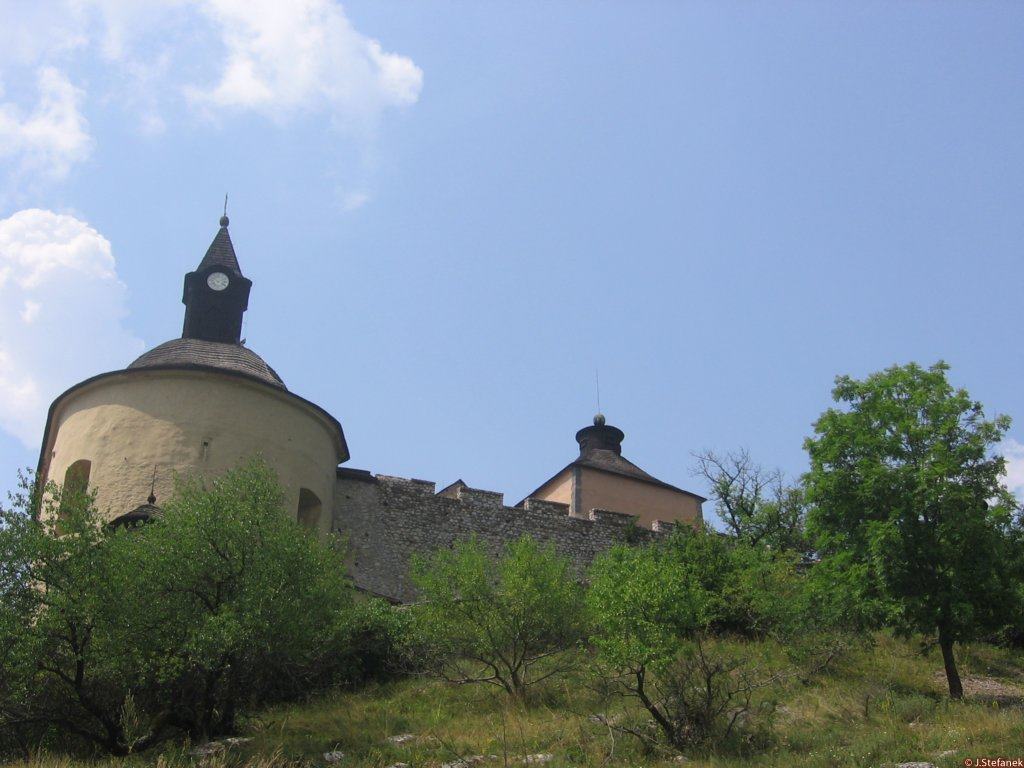
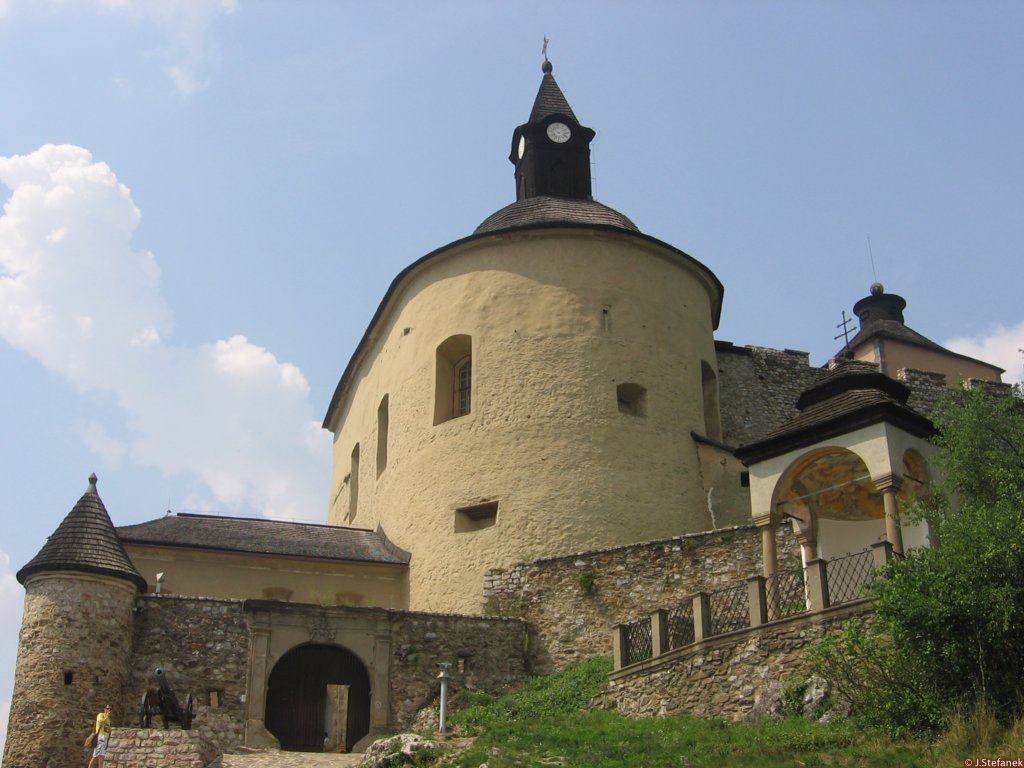
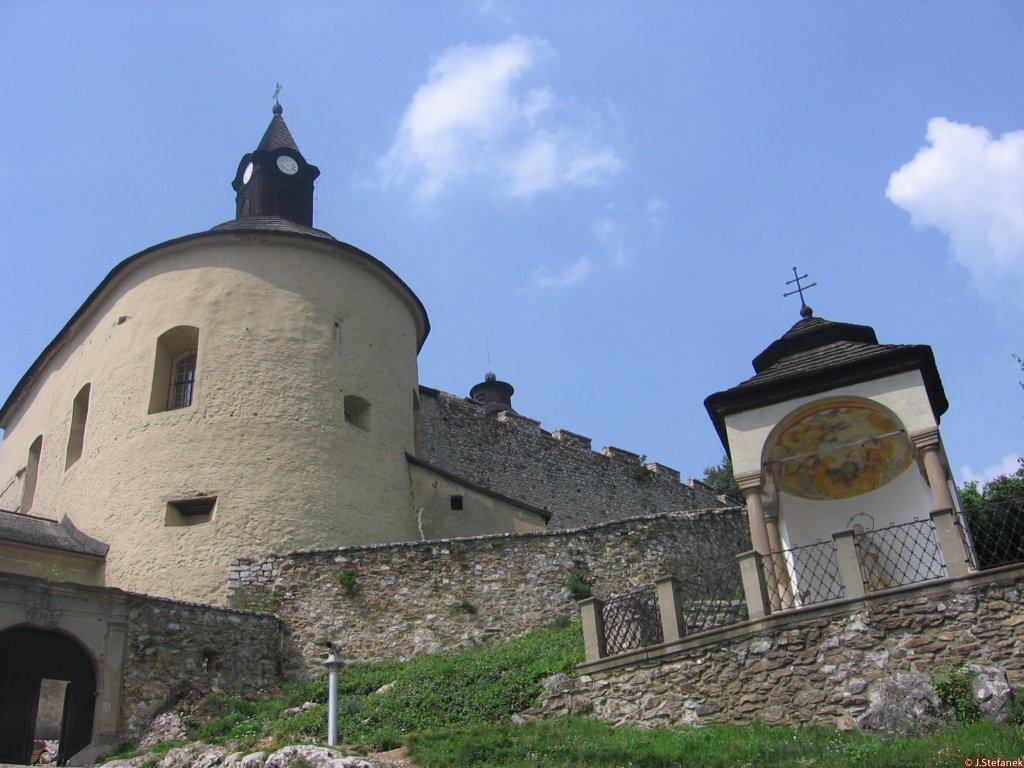
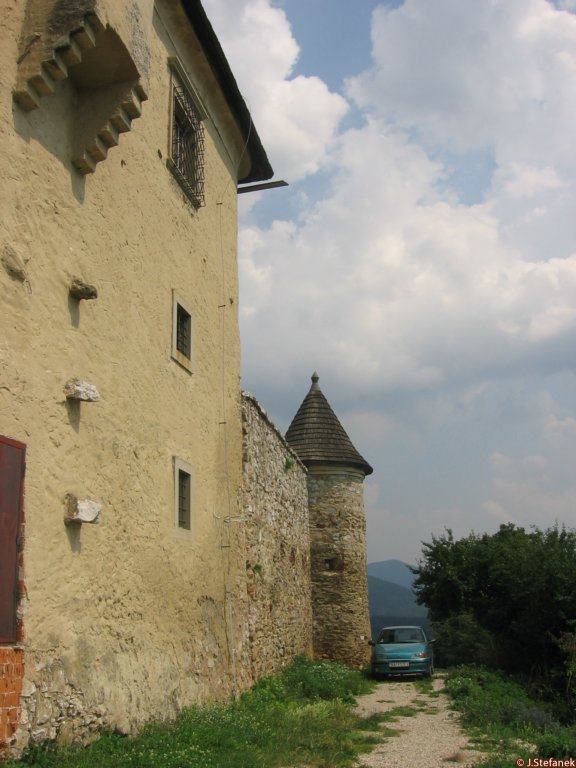
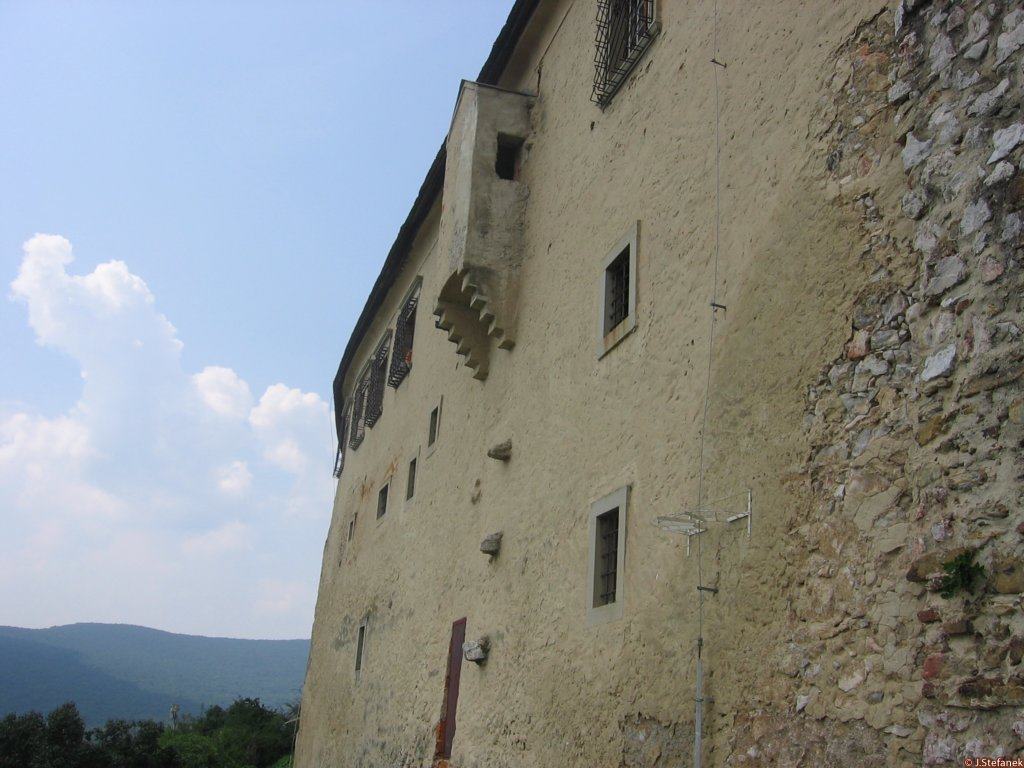
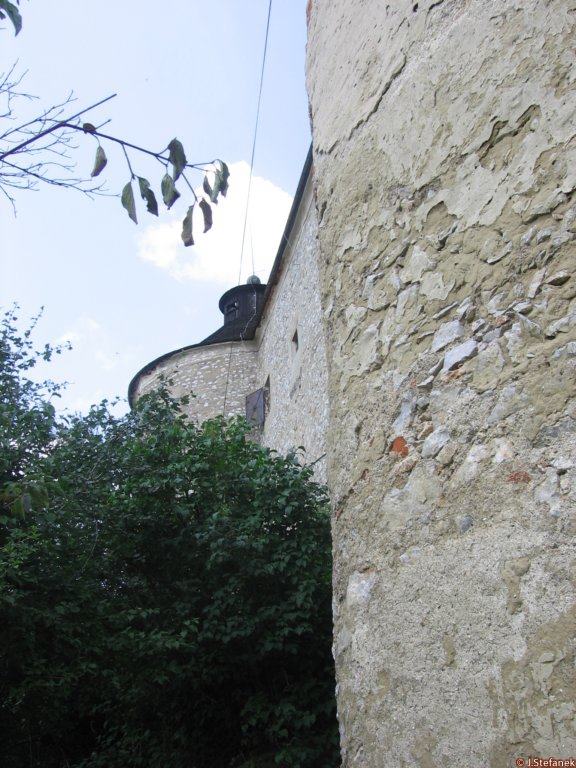
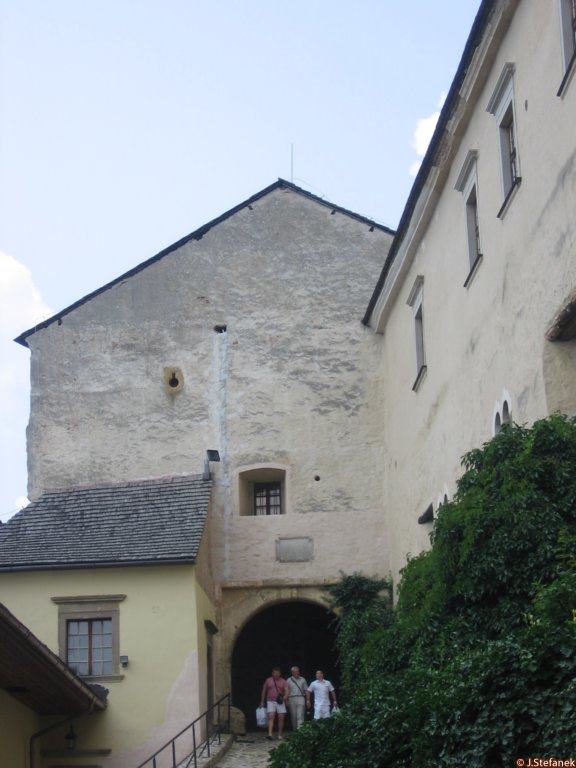
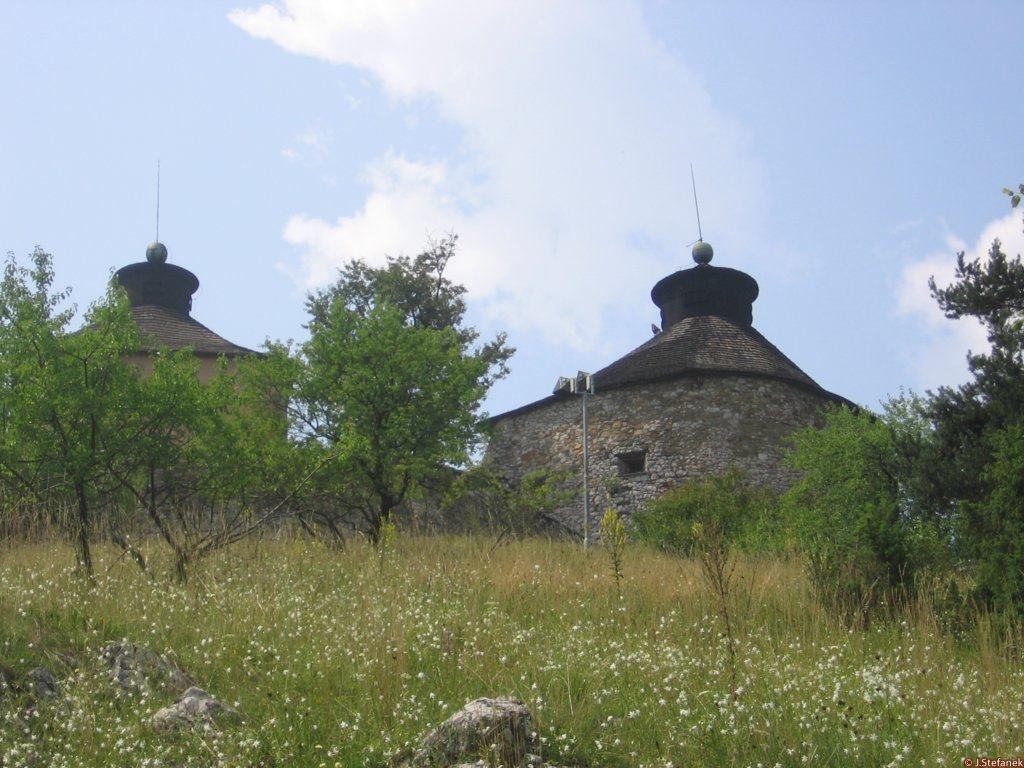
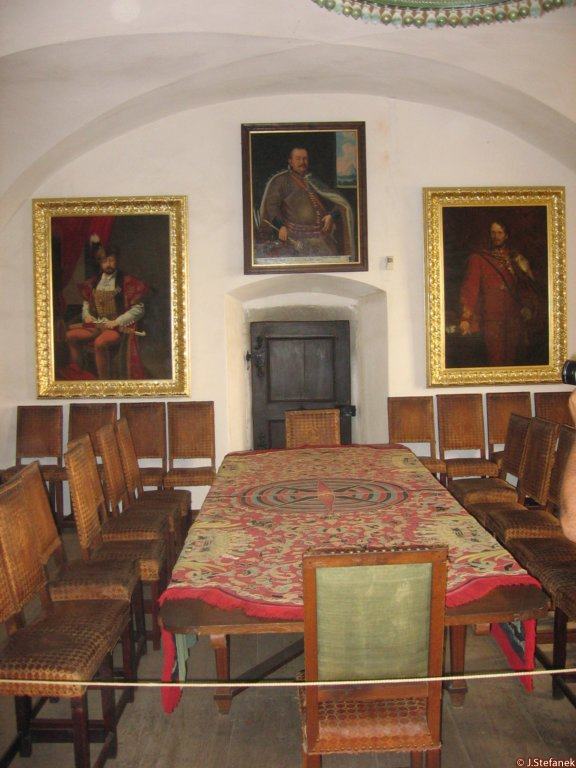
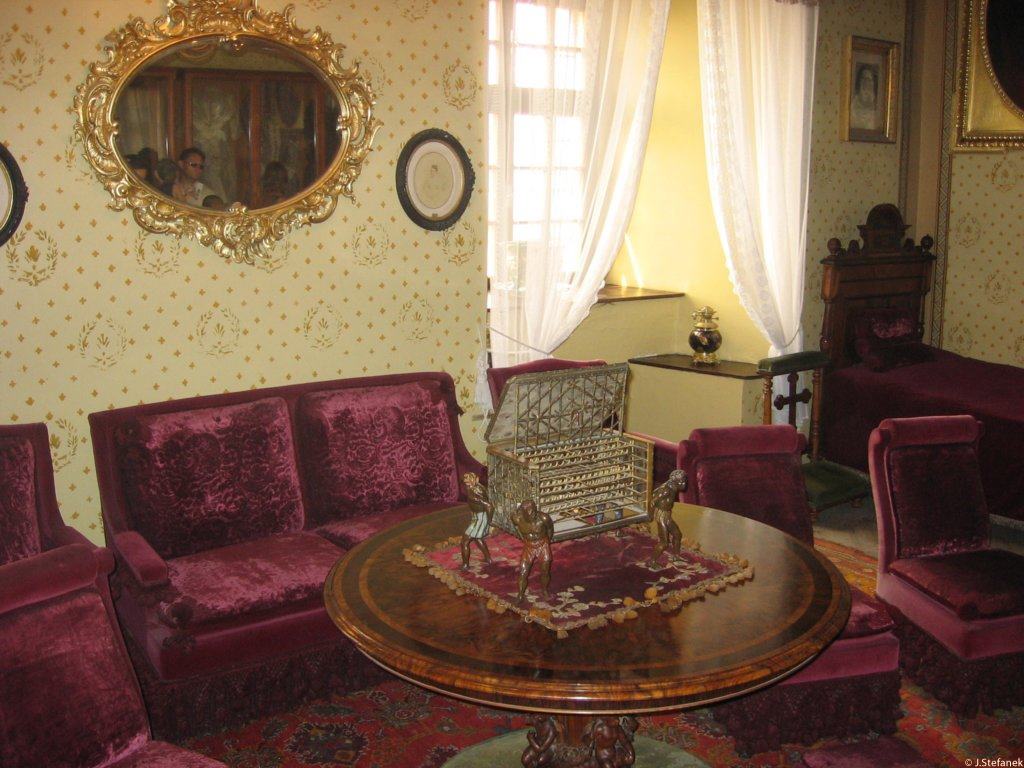
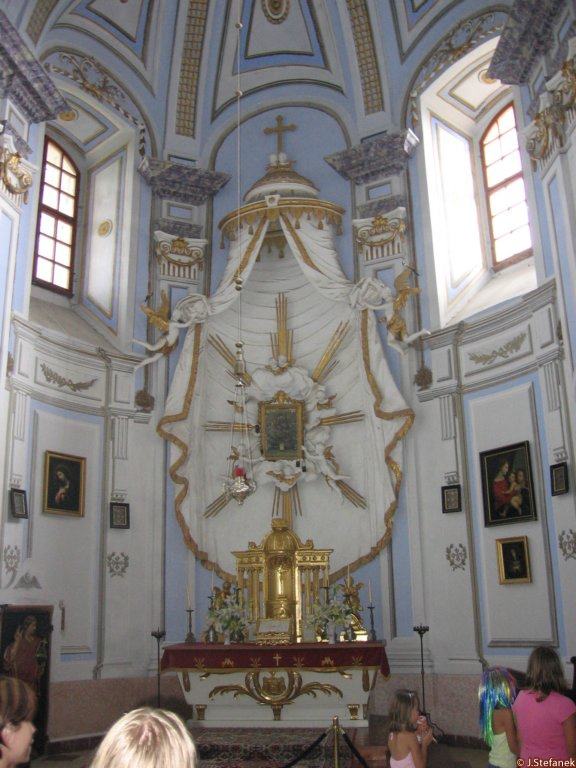
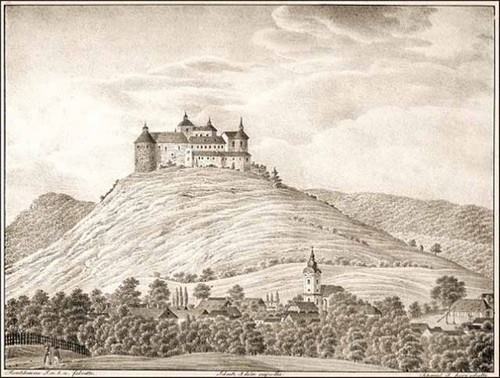
The tallest building is a palace with a defense tower and beneath it are further fortified palaces, a chapel and residential and farm buildings. The original castle consisted of a prismatic tower and a residential palace with a common fortification. After the reconstruction of František Bebek in the 16th century the castle acquired a triangular ground plan with semicircular bastions on the corners. The original castle thus got to the center of the area. The Andrassy family later turned the upper castle into a representative residence and completed the lower castle. They built a new gate under the cannon bastion, extending the lower courtyard. In the second half of the 17th century, they built a representative residential wing between the SE bastion and the third gate in front of the SW bastion, connected it to the castle palace and built a county seating hall on the upper floor. They built a covered Renaissance gallery and staircase to the representative rooms. They raised the palace by one floor and built a new building in the courtyard between the palace and the north wall. In 1770, the Andrássy family rebuilt a horseshoe bastion into a chapel, and at the turn of the 19th and 20th centuries they built a reverent space in the ground floor of the central crypt castle and in the Bebek wing. Thus the rebuilding of the castle into the family museum was completed. The last modification was the reconstruction of the Monuments Board in Žilina in the second half of the 20th century.Situation before the fire in 2012: The castle was a branch of the Museum in Betliar. The exhibition was located in three parts of the castle, in the core of the exhibition was dedicated to the ancient past - the prehistoric eastern part of Gemer, rare exhibits of the Romanesque and Gothic times (combat equipment and equipment), craft activities in and around the castle. The torture chamber documented demonstrations of unique tools used in coercion. In four rooms of the Bebekov wing, a memorial museum was opened, as well as a castle chapel with a classicist interior, and the Andrássy family tomb next to the chapel.The fire damaged the castle and some exhibits, some of them were transported to Betliar. At present, the castle is still being reconstructed.
Najvyššie položeným objektom je palác s obrannou vežou a pod ním sa rozkladajú ďalšie opevnené paláce, kaplnka a obytné i hospodárske budovy. Pôvodný hrad tvorila hranolová veža a obytný palác so spoločným opevnením. Po stavebných úpravách Františka Bebeka v 16.storočí hrad nadobudol trojuholníkový pôdorys s polkruhovými baštami na nárožiach. Pôvodný hrad sa tak dostal do stredu areálu. Andrássyovci neskôr zmenili horný hrad na reprezentačné sídlo a dobudovali hlavne dolný hrad. Postavili novú bránu pod delovou baštou, čím sa predĺžilo dolné nádvorie. V druhej polovici 17.storočia postavili medzi JV baštou a treťou bránou pred JZ baštou reprezentačné obytné krídlo, spojili ho s hradným palácom a na hornom podlaží vybudovali zasadaciu župnú sieň. Postavili krytú renesančnú pavlač a schodište do reprezentačných priestorov. Priestor paláca zvýšili o jedno poschodie a v nádvorí medzi palácom a severným múrom postavili nový objekt. V roku 1770 dali Andrássyovci prestavať podkovovitú baštu na kaplnku, a na prelome 19. a 20.storočia vybudovali v prízemných priestoroch stredného hradu kryptu a v bebekovskom krídle pietne priestory. Tým bolo prebudovanie hradu na rodové múzeum dokončené. Poslednou úpravou bola až rekonštrukcia Pamiatkového úradu v Žiline v druhej polovici 20.storočia.Stav pred požiarom v r.2012: Na hrade sa nachádzala pobočka Múzea v Betliari. Expozícia bola rozmiestnená v troch častiach hradu, v jadre hradu bola expozícia venovaná dávnej minulosti – praveku východnej časti Gemera, vzácnym exponátom románskej a gotickej doby (bojová výzbroj a výstroj), remeselnej činnosti na hrade a v jeho okolí. Mučiareň dokumentovala ukážky unikátnych nástrojov používaných pri donucovaní. V štyroch miestnostiach bebekovského krídla bolo sprístupnené pietne múzeum, ďalej hradná kaplnka s klasicistickým interiérom, a vedľa kaplnky rodinná hrobka Andrássyovcov.Požiar poškodil hrad i niektoré exponáty, časť z nich bola prevezená do Betliara. V súčasnosti stále prebieha rekonštrukcia hradu.
Plan
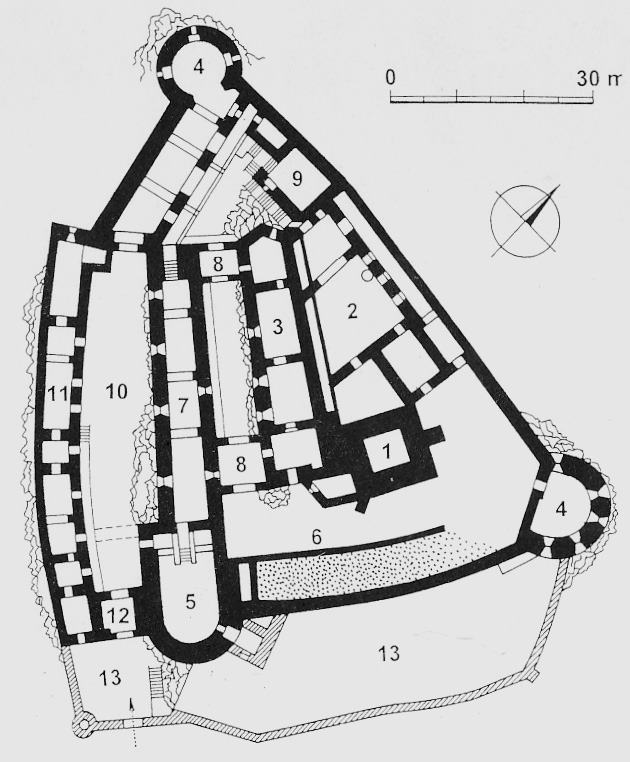
Legend to the ground plan
- 1-originally residential tower
- 2-courtyard of the upper castle with a well
- 3-Gothic palace
- 4-defensive bastions of the middle castle
- 5-bastion of the middle castle rebuilt into a chapel
- 6-part terrace
- 7-late Gothic palace
- 8-transverse through wings
- 9-business buildings
- 10-lower castle
- 11-residential tract
- 12-entrance gate
- 13-baroque fort
Legenda k pôdorysu
- 1-pôvodne obytná veža
- 2-nádvorie horného hradu so studňou
- 3-gotický palác
- 4-obranné bašty stredného hradu
- 5-bašta stredného hradu prestavaná na kaplnku
- 6-delová terasa
- 7-neskorogotický palác
- 8-priečne priechodné krídla
- 9-prevádzkové objekty
- 10-dolný hrad
- 11-obytný trakt
- 12-vstupná brána
- 13-barokové predhradie
History
The oldest core of the guard castle with a square residential tower and an adjoining fortified courtyard does not exclude the possibility of the building in the second half of the 13th century. The castle probably stands on the site of an older fortified settlement. We consider the Batizov and Mariássy families to be the first builders of the castle, who probably built it around 1320 on the territory acquired from the Bebek family. Of course, it is not possible to speak of a castle in today's sense of the word, because it was only a fortified Gothic residential tower (donjon) at the very top of the limestone mound. However, the Bebek family later discovered that the sold property had a much higher value, mainly due to the mineral wealth located in the area, and a several-year dispute began with the return of the area with the castle. In 1352, the Bebek family won the dispute and the castle became their property until 1556, when the last of the family left for Transylvania.
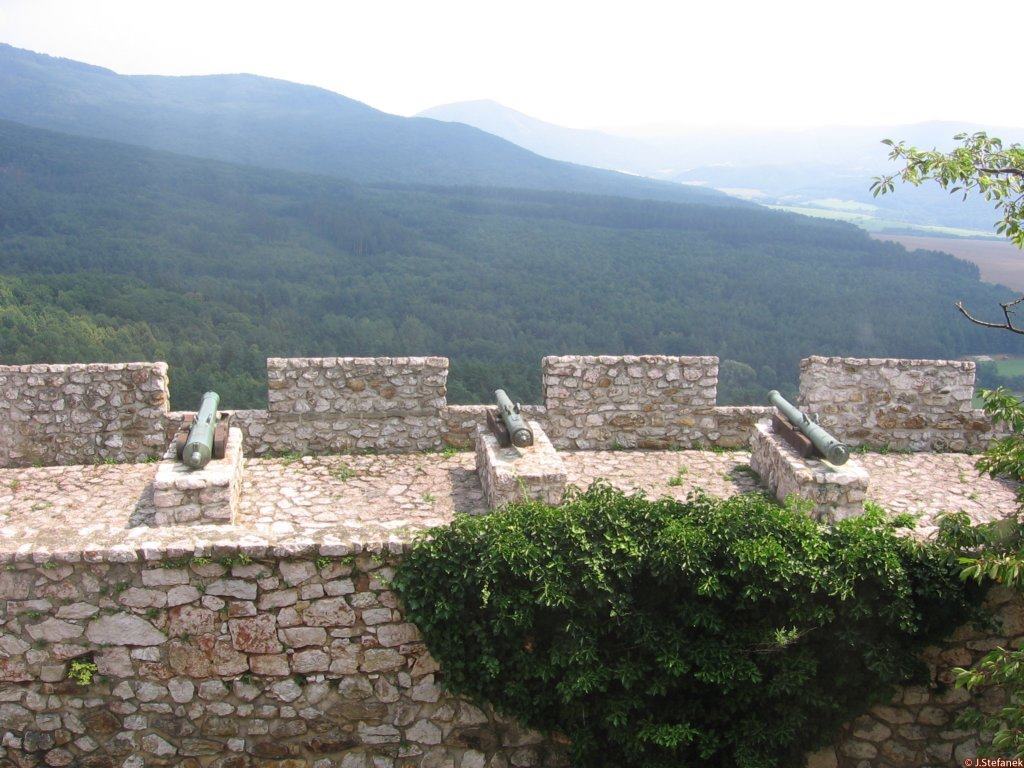
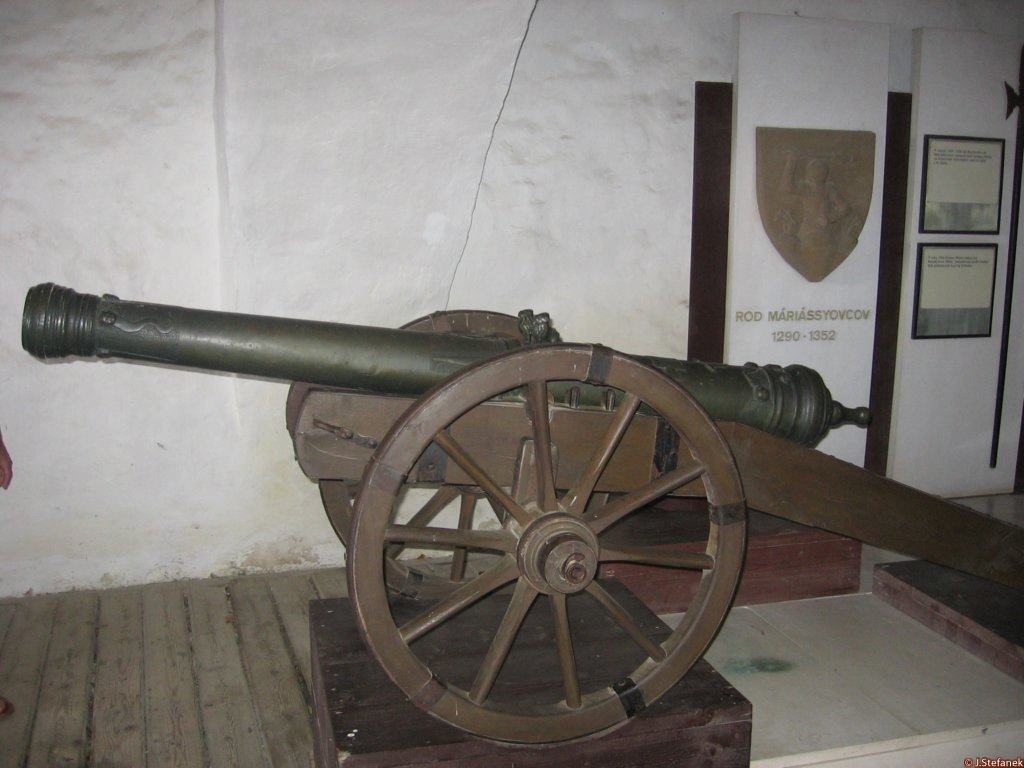
Meanwhile, in 1441, Spark's army occupied Gemer and Krásná Hôrka, but it did not destroy the castle, and when the garrison left the castle, the Bebek family reached the castle again. The danger of Turkish incursions later forced the modernization and construction of a new fortification system. The most significant reconstruction took place behind the legends of the brutal cruel František Bebek. At that time, the castle received a new fortification with a floor plan of an irregular triangle with three massive corner bastions. A cannon terrace was built between the bastions on the east side, on which heavy cannons cast in 1545 and 1547 still stand. They referred to themselves as "robber knights" who allegedly cast cannons from church bells. During the Turkish invasions, the Turks, with the support of the emperor himself, also occupied Fiľak Castle, which belonged to Bebek. After František Bebek found out, he attacked the imperial troops and attacked the aristocratic residences in the area. He began minting his own coins (the existence of a secret mint is documented by one of the rooms in the upper castle) and opposed King Ferdinand. Ferdinand sent an army against Bebek, but Bebek allied with the Turks and in 1556 drove the imperial army to Rožňava. As late as September 1556, he fought against the emperor with the help of Turkish troops, but was soon punished by exile. He was declared a traitor, deprived of all titles and functions. He went to Transylvania to become an imperial administrator. He was probably murdered in 1558. The fate of the Bebek family is very unclear after these events. There are also mentions of his son Juraj, who, unlike his father, became a supporter of the Counter-Reformation. He even became a Gemer robe, but he probably never managed to get rid of his father's bad reputation. He died without descendants in 1567. Juraj died of this important, but little known and unexplored family, which significantly affected the medieval history not only of Gemer, but of the whole Kingdom of Hungary.
The castle then came under the administration of the imperial court, which administered the Krasnohorské estate through the castle captains. In eight years, up to seven of them took turns. One of the last was Peter I. Andrássy, the first of the Andrássy family in Krásná Hôrka and in Gemer in general, who began the reconstruction of the castle. In 1642, after a long effort, Matthew II. from the Andrássy family, the castle came into its ownership and the castle was rebuilt into a noble representative seat. In the 17th century, the castle was expanded with other buildings - the lower castle and the middle castle, which probably served for representational purposes. A small courtyard was created between the old Bebek and the new Renaissance palace. During this period, the construction industry is linked to the figure of Nicholas I, who became the mayor of the Gemer Committee and the royal adviser. During his era, the castle became the seat of the county, which also explains the construction of new representative and residential spaces. When Thököly's troops seized the castle in 1678, they forced Mikuláš Andrássy to join the insurgents. Therefore, in 1685, the imperial army besieged Krásná Hôrka, but without success. Juraj Andrássy, the son of Mikuláš, became the founder of a new branch of the family. In the 18th century, Krásna Hôrka lost its strategic and military significance and became the private residence of the Andrássy family. The castle was renovated after 1710, at the same time as the Betliar manor house, which was owned by his brother Štefan. The Baroque chapel was built by rebuilding the cannon bastion in 1770. The castle burned down in 1818 and was repaired in an emergency by Štefan's wife, but the castle remained uninhabited in this condition for a long time. The beautiful Hôrka eventually became the family museum of the Andrássy family.
At the end of the 19th and the beginning of the 20th century, Count Dionýz Andrássy had the castle restored. During this reconstruction, a new spacious family tomb was built on the ground floor of the middle castle. The restoration also involved a small funeral chapel under today's cannon terrace, which was built by Juraj IV. to his mother in 1828, as evidenced by a large iron plaque with the inscription CINERIBUS OPTIMAE MATRIS MDCCCXXVIII (Best Mother 1828). The rooms above the passage of the third gate were also renovated, where Count Dionýz Andrássy set up a reverent museum for his wife Františka. Dionýz Andrássy was the last male descendant of the Andrássy branch.
The castle and the whole estate were nationalized by Beneš's decrees in 1945, in 1948 the National Cultural Commission declared it a state cultural property, 13 years later it was included as a national cultural monument and since 1996 it is under the administration of the Slovak National Museum as part of the Betliar Museum.
On March 10, 2012, a large fire broke out in the castle, as a result of which the roof of the castle was severely damaged. All the roofs burned down, including the interior of the upper Gothic castle. The alleged cause of the fire was the ignition of the grass in the area caused by negligence.
Najstaršie jadro strážneho hradu so štvorcovou obytnou vežou a priľahlým opevneným nádvorím nevylučuje možnosť vzniku objektu už v 2.polovici 13.storočia. Hrad pravdepodobne stojí na mieste staršieho hradiska. Za prvých staviteľov hradu považujeme rod Batizovcov a Mariássyovcov, ktorí ho pravdepodobne postavili okolo r.1320 na území získanom od Bebekovcov. Samozrejme nemožno hovoriť o hrade v dnešnom slova zmysle, pretože išlo len o opevnenú obytnú gotickú vežu (donjon) na samom vrchole vápencovej kopy. Bebekovci však neskôr zistili, že odpredaný majetok má omnoho vyššiu hodnotu, predovšetkým kvôli nerastnému bohatstvu nachádzajúcom sa v okolí a začal sa niekoľkoročný spor o navrátenie územia s hradom. V roku 1352 Bebekovci spor vyhrali a hrad sa stal ich majetkom až do roku 1556, keď posledný z rodu odišiel do Sedmohradska.
Medzitým, v r.1441 Jiskrovo vojsko obsadilo Gemer i Krásnu Hôrku, ale hrad nezničilo a keď posádka hrad opustila, opäť sa k hradu dostali Bebekovci. Nebezpečenstvo tureckých nájazdov si neskôr vynútilo modernizáciu a vybudovanie nového fortifikačného systému. Najvýznamnejšia prestavba sa udiala za legendami opradeného krutého Františka Bebeka. Hrad vtedy získal nové opevnenie pôdorysu nepravidelného trojuholníka s troma mohutnými nárožnými baštami. Medzi baštami na východnej strane bola vybudovaná delová terasa, na ktorej dodnes stoja ťažké delá odliate v rokoch 1545 a 1547. K obdobiu krátko po rozsiahlej prestavbe hradu sa viažu legendy o krutosti a dvojtvárnej politike hradného pána Františka Bebeka i jeho brata gemerského župana Imricha. Označovali sa ako „lúpežní rytieri“, ktorí údajne odlievali delá z kostolných zvonov. Počas tureckých nájazdov Turci obsadili s podporou samotného cisára aj Fiľakovský hrad, ktorý patril Bebekovi. Potom, čo to František Bebek zistil, napadol cisárske vojská a napádal aj šľachtické sídla v okolí. Začal si raziť vlastné mince (existenciu tajnej mincovne dokumentuje jedna z miestností v hornom hrade) a postavil sa proti panovníkovi Ferdinandovi. Ferdinand vyslal proti Bebekovi vojsko, ale Bebek sa spojil s Turkami a v roku 1556 cisárske vojsko zahnal k Rožňave. Ešte v septembri v roku 1556 bojoval proti cisárovi s pomocou tureckých vojsk, avšak onedlho bol potrestaný vyhnanstvom. Vyhlásili ho za vlastizradcu, zbavili ho všetkých titulov a funkcií. Odišiel do Sedmohradska, aby sa tu stal ríšskym správcom. V roku 1558 ho pravdepodobne zavraždili. Osud Bebekovcov je po týchto udalostiach veľmi nejasný. Sú zmienky ešte o jeho synovi Jurajovi, ktorý sa na rozdiel od otca stal zástancom protireformácie. Stal sa dokonca aj gemerským županom, no zlej povesti svojho otca sa mu zrejme nikdy nepodarilo zbaviť. Zomrel bez potomkov v roku 1567. Jurajom vymrel tento významný, však málo známy a neprebádaný rod, ktorý výrazne zasiahol do stredovekých dejín nielen Gemera, ale celého Uhorského kráľovstva.
Hrad sa potom dostal do správy cisárskeho dvora, ktorý krásnohorské panstvo spravoval prostredníctvom hradných kapitánov. Za osem rokov sa ich vystriedalo až sedem. Jedným z posledných bol Peter I. Andrássy, prvý z rodu Andrássyovcov na Krásnej Hôrke a v Gemeri vôbec, ktorý začal s prestavbou hradu. V roku 1642 po dlhej snahe získal Matej II. z rodu Andrássyovcov hrad do svojho vlastníctva a hrad prebudoval na šľachtické reprezentačné sídlo. V 17.storočí bol hrad rozšírený o ďalšie stavby - dolný hrad a stredný hrad, ktorý slúžil pravdepodobne na reprezentačné účely. Medzi starým bebekovským a novým renesančným palácom sa vytvorilo malé nádvorie. Stavebný ruch sa v tomto období viaže na postavu Mikuláša I., ktorý sa stal županom gemerského komitátu a kráľovským radcom. Za jeho éry sa hrad stal sídlom župy, čo tiež vysvetľuje výstavbu nových reprezentačných i obytných priestorov. Keď sa v roku 1678 zmocnili hradu Thökölyho vojská, prinútili Mikuláša Andrássyho pridať sa k povstalcom. Preto v roku 1685 obliehalo Krásnu Hôrku cisárske vojsko, ale neúspešne. Juraj Andrássy, syn Mikuláša, sa stal zakladateľom novej vetvy rodu. V 18.storočí stratila Krásna Hôrka svoj strategický i vojenský význam a stala sa súkromným sídlom rodiny Andrássyovcov. Hrad po roku 1710 upravili, súčasne s kaštieľom Betliar, ktorý vlastnil jeho brat Štefan. Baroková kaplnka vznikla prestavbou delovej bašty v roku 1770. Hrad v roku 1818 vyhorel a bol núdzovo opravený manželkou Štefana, avšak hrad ostal v takomto stave dlho neobývaný. Krásna Hôrka sa napokon stala rodovým múzeom Andrássyovcov.
Koncom 19. a začiatkom 20.storočia dal gróf Dionýz Andrássy hrad opäť obnoviť. Počas tejto rekonštrukcie vznikla nová priestranná rodinná hrobka v prízemných priestoroch stredného hradu. Obnova sa týkala aj malej pohrebnej kaplnky pod dnešnou delovou terasou, ktorú dal postaviť Juraj IV. svojej matke v roku 1828, dokazuje to veľká železná tabuľa s nápisom CINERIBUS OPTIMAE MATRIS MDCCCXXVIII (Najlepšej matke 1828). Renovovali sa aj miestnosti nad prejazdom tretej brány, kde gróf Dionýz Andrássy zariadil pietne múzeum svojej manželky Františky. Dionýz Andrássy bol posledným mužským potomkom vetvy Andrássyovcov.
Hrad i celé panstvo boli v roku 1945 znárodnené Benešovými dekrétmi, v roku 1948 ho Národná kultúrna komisia vyhlásila za štátny kultúrny majetok, o 13 rokov neskôr bol zaradený medzi národné kultúrne pamiatky a od roku 1996 je v správe Slovenského národného múzea ako súčasť Múzea Betliar.
10.marca 2012 na hrade vypukol rozsiahly požiar, dôsledkom čoho bolo značne poškodené zastrešenie hradu. Zhoreli všetky strechy, vrátane interiéru horného gotického hradu. Údajnou príčinou požiaru bolo vznietenie trávy v okolí spôsobené nedbanlivosťou.
Myths and legends
The legend of the castle
In the castle chapel there is a glass coffin with a naturally mummified corpse of a woman, whom tradition identifies with Žofia Serédyová, the wife of Kuruk general Štefan Andrássy, the heroine of Jókai's novel Levočská biela pani.
The legend of Bebek
As early as the time of the robber knight and the perverted money changer of the European caliber František Bebek, it was said: golden Kremnica, copper Bystrica, silver Štiavnica, thieving Krásna Hôrka ...
Bebek's night trips in 1526 took on such a dimension that even when his name was spoken, people in Gemer, Spiš and Liptov shook for fear. He tore bells from church towers and cast cannons from them in the courtyard of Krásná Hôrka. It was also said that counterfeit coins were secretly minted by excellent masters in Košice.
Just before dusk, two riders appeared over Krásná Hôrka. They carefully descended Pačanský vrch. The restless horses, tired of riding for a long time, instinctively felt the proximity of the city. They quickened their pace on the steep sidewalk. The men in the saddle left the bridles loose, because they were supposed to be in Rožňava until dark. The castle castellan, Bebek's confidential companion, was to wait for them in the inn "U permoníka". If they missed an hour of the meeting, they would have to wait for the traffic light. The castle was not in the inn. The two pilgrims sat down so that they could watch the western side of Krásná Hôrka through a small window. In the meantime, it was getting dark, so they didn't miss the flickering torch light. The signal from the castle meant a meeting at the agreed place in front of Nadabula. Unsuccessful adepts on the executioner's hills in Košice knew that they would come to the ducats with the Bebek's retinue in one night. That night, however, His Majesty Bebek had a completely different plan. The bells wait, the buyers leave ... The scouts have brought the news that after the "golden" road leading to Smolník and Gelnice, a kind of bandit Kauffang - a catcher of buyers - is starting to mix into Bebek's craft. During the day, dear citizen of Košice, at night a ruthless bandit. Whoever he catches, he robs of all goods. The most common were furs, but also gold and silver, salt, wine and cattle. Kauffang, a man of several faces, also had his companions at Dunajec Castle, where he secretly transported his victims and then asked them to be redeemed from captivity ... According to contemporary writers, Knight Bebek simply could not suffer such unfair competition in his own district. He sends a letter to the fathers of the city of Košice, in which he himself takes on the role of avenger. In the letter, he promises that he will transport the leader of the robber gang Kauffang in handcuffs in front of the city gates so that he will be punished with a fair punishment there. In an attempt to correct his bad card, but mainly the reputation of the bell robber and money changer, Bebek led the three offenders in handcuffs all over Gemer and Spiš. He then had them transported to the gates of the city of Košice so that the city council could decide on their future. The court of the city was merciful to the bandits. They were not flogged or buried alive, but only cut down ... Read more...
The main sinner Bebek kept a secret connection with some of the burghers of Košice. Levoča's chronicler Sperfógel Bebeka describes as follows: "In one year (1533), the Bebek family stole so many bells that the Košice armourers poured up to 54 cannons from them ..." The activities of the robber dynasty of the owner of the Krásna Hôrka castle were much more varied. However, history has obscured much of the veil of time and oblivion. However, they were worse than the impending Turkish invasion. Apparently this is where the folk saying comes from: worse Turk, turtle ...
Cannons and counterfeit coins were to become the strategy of Bebek, who was ready to fight the Turks, but also the imperial army. However, his bad strategy was revived. After the plundering of Gelnice and Smolník, as well as the burning of Tichá voda, the situation escalated so much that the damaged nobles, as well as the anger of the citizens from the free royal cities, turned against Bebek. He was not lazy, but allied himself with the Turks. The imperial dream punishes Bebek by taking away his property. Bebek does not submit, so the emperor sends a large and strong army against the castle Krásna Hôrka. The imperial army was divided into two parts behind the towns of Jelšava and Plešivec. Bebek leaves Krásná Hôrka with his party. Gold coins and other plundered valuables are stored in his carriage. He rushes down Sorožka. He looks around once more to see the contours of his castle. Then he has no idea that he saw him for the last time. The first imperial scouts are behind him. In Turnianský Podhradí, a wheel breaks under an overloaded carriage. Bebek stops at Turnian Castle, but then his fear of the imperial army drove him all the way to Transylvania. The imperial army was domesticated in the halls of Krásná Hôrka. At that time, Bebek was already hunting in the Transylvanian mountains. However, he does not forget Krásná Hôrka. Maybe he regrets his actions and bandit sidewalks. On one day in December, twelve riders will cross the city gates in Levoča. They are led by a "man from Gelnice". The destination is secret. When asked by the keeper of the gate, where they are aimed, the commander of the riders only indicates the direction with a copy. The Imperial Scout knows the place where his Majesty's archenemy is hiding.
Fate befell František Bebek on a forest clearing. Leaning over the catch, he heard footsteps. When he straightened up he was surrounded by unknown soldiers. Bebek still doesn't understand that it's over, he doesn't believe it even after the first chop. The blade of his sword pierced his leather coat. He felt a sharp pain. "You fought with the sword, you will die with the sword," he heard a voice coming to him as if from a great distance. Behind the bend of the road, Bebek's companions appeared, witnesses to the drama. They did not move their horses to help their captain. The Imperial Criminal Expedition completed its mission. The last of the Bebek family breathed in a foreign country.
Povesť o hrade
V hradnej kaplnke je uložená sklená rakva s prirodzene mumifikovanou mŕtvolou ženy, ktorú tradícia stotožňuje so Žofiou Serédyovou, manželkou kuruckého generála Štefana Andrássyho, hrdinkou Jókaiho románu Levočská biela pani.
Povesť o Bebekovi
Už za čias lúpežného rytiera a prešibaného peňazokazca európskeho kalibru Františka Bebeka sa vravievalo: zlatá Kremnica, medená Bystrica, strieborná Štiavnica, zlodejská Krásna Hôrka... Platilo to však iba za panovania tohto všetkým masťami mazaného rytiera noci.
Bebekovské nočné výjazdy v roku 1526 nadobudli taký rozmer, že i pri vyslovení jeho mena sa triasli od strachu ľudia na Gemeri, Spiši a Liptove. Strhával z kostolných veží zvony a na nádvorí Krásnej Hôrky z nich dával liať kanóny. Vravievalo sa tiež, že falošné mince mu tajne razili vynikajúci majstri v Košiciach.
Tesne pred súmrakom sa nad Krásnou Hôrkou objavili dvaja jazdci. Opatrne sa spúšťali Pačanským vrchom. Kone nepokojné a dlhou jazdou unavené inštinktívne zacítili blízkosť mesta. Po strmom chodníku sami od seba zrýchlili krok. Muži v sedle nechali voľné uzdy, pretože do zotmenia mali byť v Rožňave. Hradný kastelán, Bebekov dôverný spoločník, ich mal čakať v zájazdnom hostinci "U permoníka". Keby zmeškali hodinu stretnutia mali čakať na svetelné znamenie. Kastelán v hostinci nebol. Tí dvaja pocestní si sadli tak, aby cez malé okienko mohli sledovať západnú stranu Krásnej Hôrky. Medzitým sa zotmelo, a tak im neušlo blikotavé svetielko kahanca. Signál z hradu znamenal stretnutie na dohovorenom mieste pred Nadabulou. Neúspešní adepti na katových paholkov v Košiciach vedeli, že s bebekovskou družinou za jedinú noc prídu k dukátikom. Tej noci však jeho veličenstvo Bebek mal úplne iný plán. Zvony počkajú, kupci odídu... Zvedovia priniesli správu, že po "zlatej" ceste vedúcej k Smolníku a Gelnice sa začína Bebekovi miešať do remesla akýsi zbojník Kauffang - chytač kupcov. Cez deň vážený občan mesta Košice, v noci neľútostný zbojník. Koho chytí, toho oberie o všetok tovar. Najčastejšie to boli kožušiny, ale aj zlato a striebro, soľ, víno a dobytok. Kauffang, muž viacerých tvárí, mal svojich spoločníkov aj na hrade Dunajec, kde tajne dopravoval svoje obete a potom žiadal, aby sa zo zajatia vykúpili... Podľa dobových pisárov rytier Bebek takúto nekalú konkurenciu vo vlastnom revíri jednoducho nemohol trpieť. Otcom mesta Košice posiela list, v ktorom sa sám pasuje do úlohy pomstiteľa. V liste sľubuje, že vodcu lúpežnej bandy Kauffanga dopraví v putách pred brány mesta, aby ho tam stihol spravodlivý trest. Bebek v snahe napraviť svoju zlú kartu, ale hlavne povesť lupiča zvonov a peňazokazca, troch previnilcov vodil v putách po celom Gemeri a Spiši. Potom ich dal dopraviť pred brány mesta Košice, aby mestský magistrát rozhodol o ich ďalšom osude. Súdna stolica mesta bola k lúpežníkom milosrdná. Neboli bičovaní, ani zaživa pochovaní, ale iba sťatí... Čítaj ďalej...
Hlavný hriešnik Bebek s niektorými košickými mešťanmi udržiaval tajné prepojenie. Levočský kronikár Sperfógel Bebeka opisuje takto: "Bebekovci za jediný rok (1533) ukradli toľko zvonov, že mu košickí zbrojári uliali z nich až 54 kanónov..." Činnosť lúpežnej dynastie majiteľa hradu Krásna Hôrka bola oveľa pestrejšia. História však mnohé zakryla závojom času a zabudnutia. Boli však horší ako hroziaca turecká invázia. Zrejme odtiaľ pochádza ľudové porekadlo: horší Turka, poturčin...
Kanóny a falošné mince sa mali stať stratégiou Bebeka, ktorý bol pripravený na boj s Turkami, ale aj s cisárskym vojskom. Zlá stratégia sa mu však vypomstila. Po vyplienení Gelnice a Smolníka, ako aj vypálenie Tichej vody sa situácia natoľko vyhrotila, že poškodení šľachtici, ako aj hnev občanov zo slobodných kráľovských miest sa obrátili proti Bebekovi. Ten nelenil, ale spojil sa s Turkami. Ríšsky snem trestá Bebeka odňatím majetkov. Bebek sa nepodriaďuje, a tak cisár posiela proti hradu Krásna Hôrka veľké a silné vojsko. Cisárska armáda sa rozdelila na dve časti za mestami Jelšava a Plešivec. Bebek so svojou družinou opúšťa Krásnu Hôrku. V jeho koči sú uložené zlaté mince a iné ulúpené drahocennosti. Rúti sa dole Sorožkou. Ešte raz sa obzrie, aby videl kontúry svojho hradu. Vtedy netuší, že ho vidí naposledy. Prví cisárski zvedovia sú mu za pätami. V Turnianskom Podhradí sa pod preťaženým kočom zlomí koleso. Bebek sa zastaví na Turnianskom hrade, ale potom ho strach pred cisárskym vojskom vyháňa až do Sedmohradska. V sieňach Krásnej Hôrky sa udomácnilo cisárske vojsko. V tom čase Bebek už poľuje v sedmohradských horách. Na Krásnu Hôrku však nezabúda. Možno, že i ľutuje svoje činy a zbojnícke chodníčky. V jeden decembrový deň prekročí mestské brány v Levoči dvanásť jazdcov. Vedie ich "muž z Gelnice". Cieľ cesty je tajný. Na otázku strážcu brány, kde majú namierené, veliteľ jazdcov iba kopijou naznačí smer. Cisársky zved pozná miesto, kde sa skrýva úhlavný nepriateľ jeho veličenstva.
Osud dostihol Františka Bebeka na lesnej čistinke. Sklonený nad úlovkom začul kroky. Keď sa narovnal bol obkľúčený neznámymi vojakmi. Bebek ešte nechápe, že je tu koniec, neverí tomu ani po prvom seknutí. Ostrie meča mu preniklo cez kožený kabátec. Pocítil ostrú bolesť. "Mečom si bojoval, mečom aj zahynieš," počul hlas, ktorý prichádzal k nemu akoby z veľkej diaľky. Za ohybom cesty sa objavili Bebekovi kumpáni, svedkovia drámy. Nepohnali svoje kone, aby pomohli svojmu kapitánovi. Cisárska trestná výprava dokonala svoje poslanie. Posledný z rodu Bebekovcov dodýchal v cudzej zemi.
Useful information
Castle Krásna Hôrka is closed from 10 March 2012 due to reconstruction work
Hrad Krásna Hôrka je od 10. marca 2012 z dôvodu rekonštrukčných prác zatvorený
Nearby castles