Levice
Levice Nitra county Slovakia
castle ruin
Levice
Levice Nitriansky kraj Slovakia
zrúcanina hradu
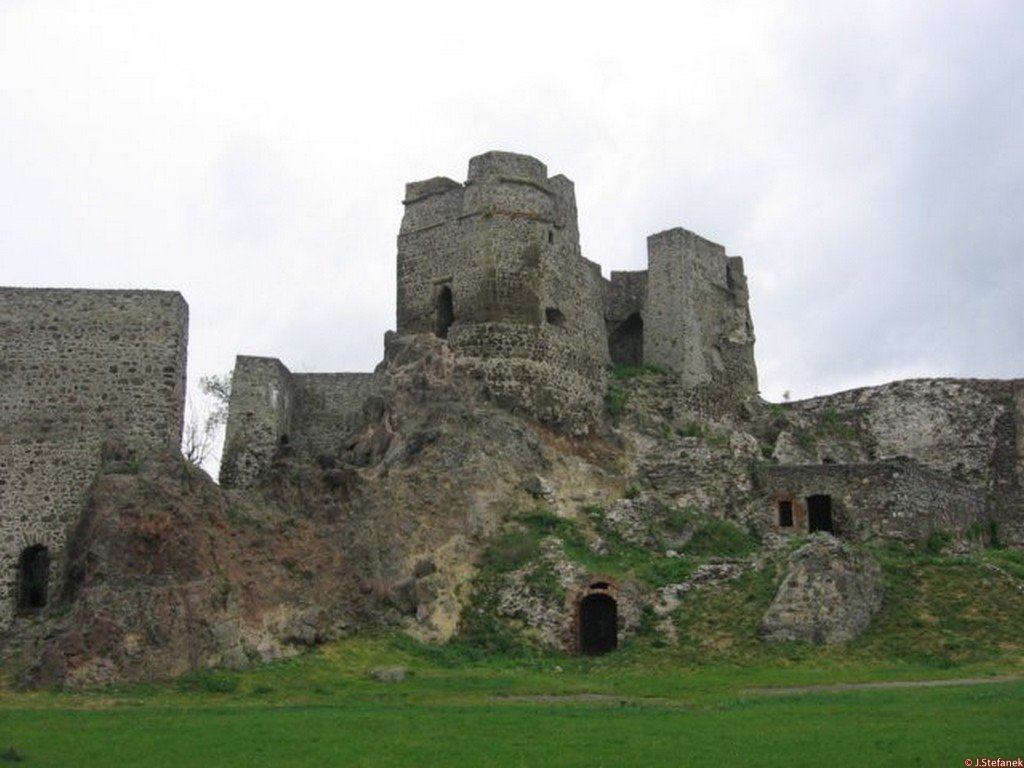
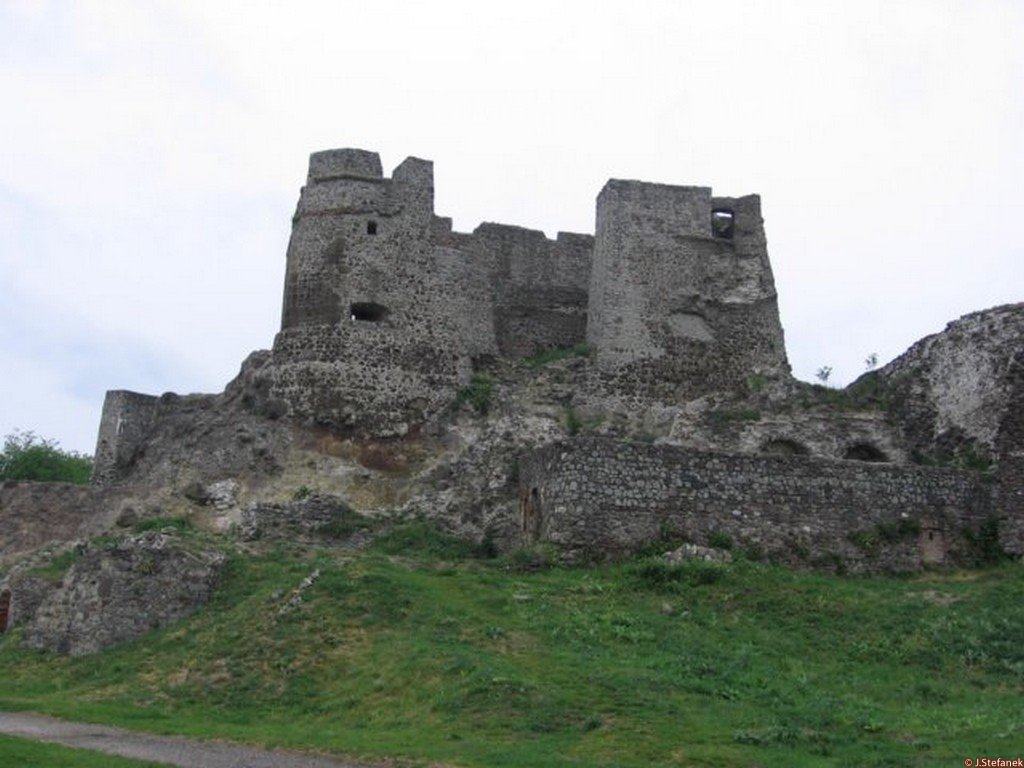
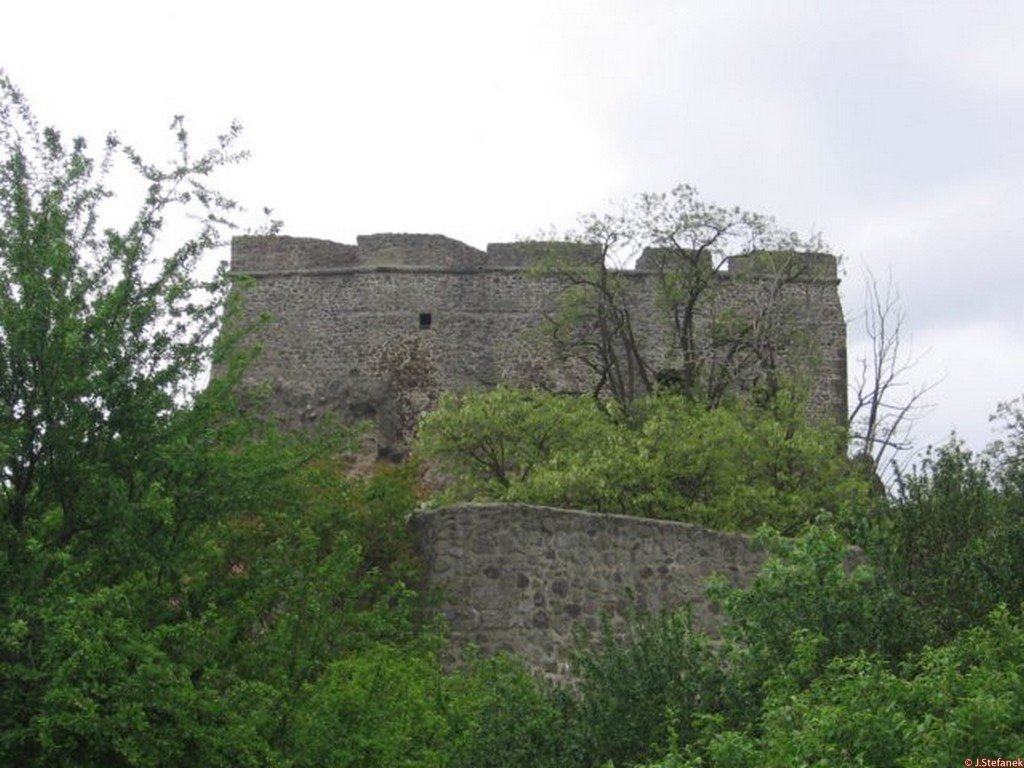
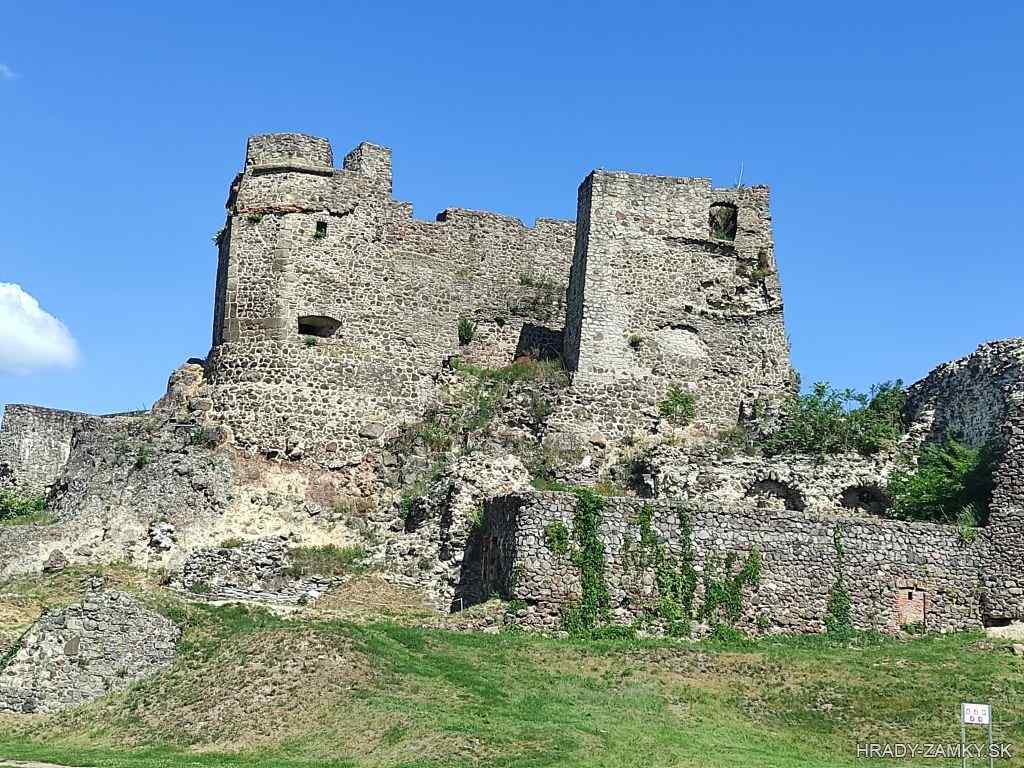
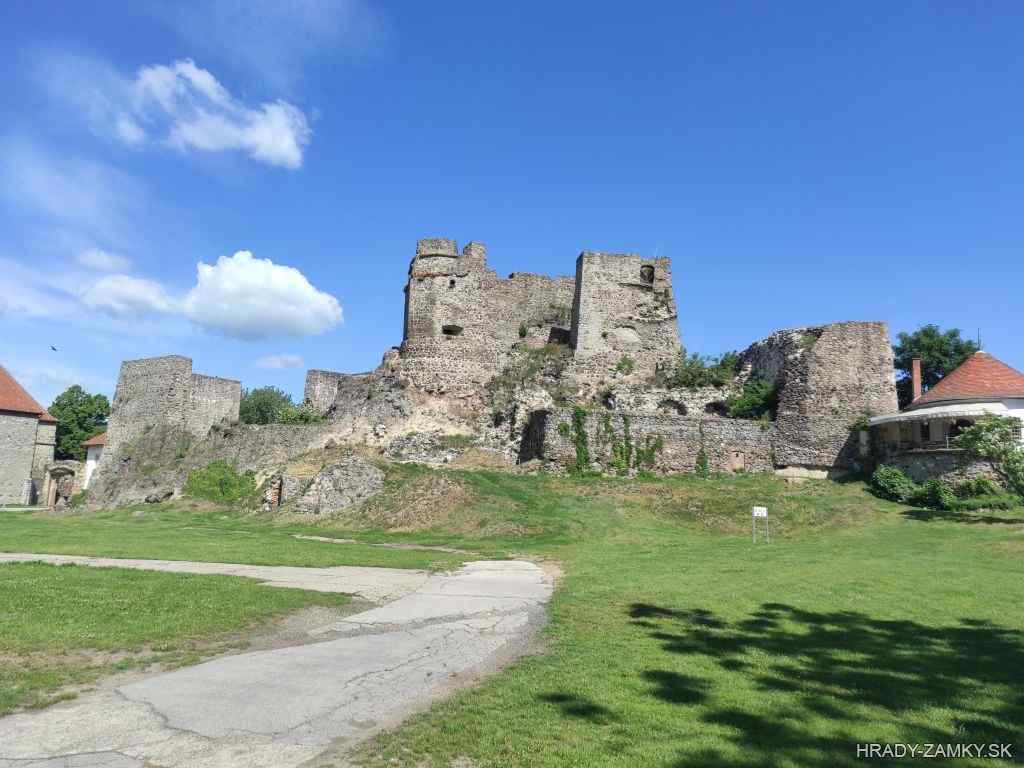
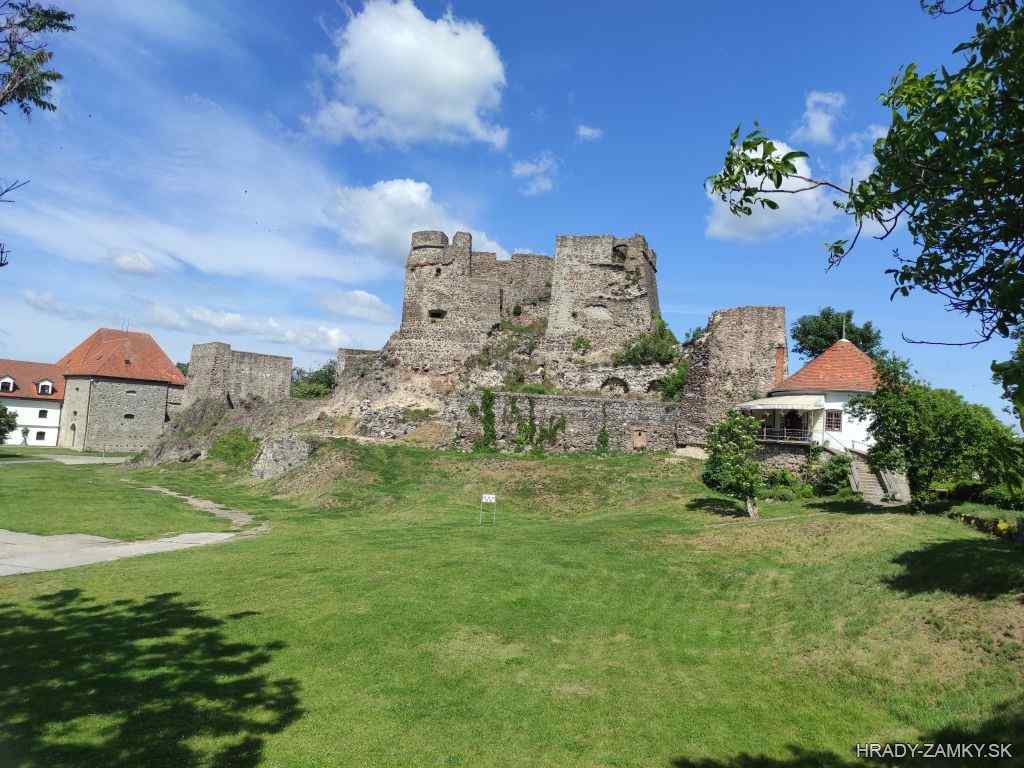
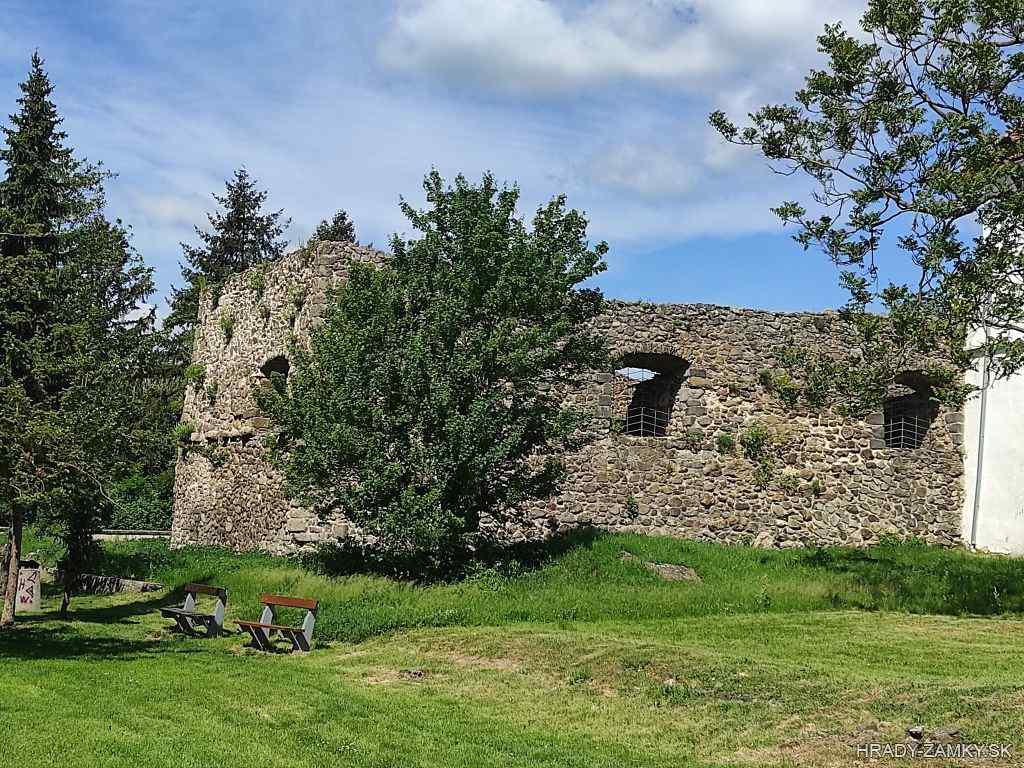
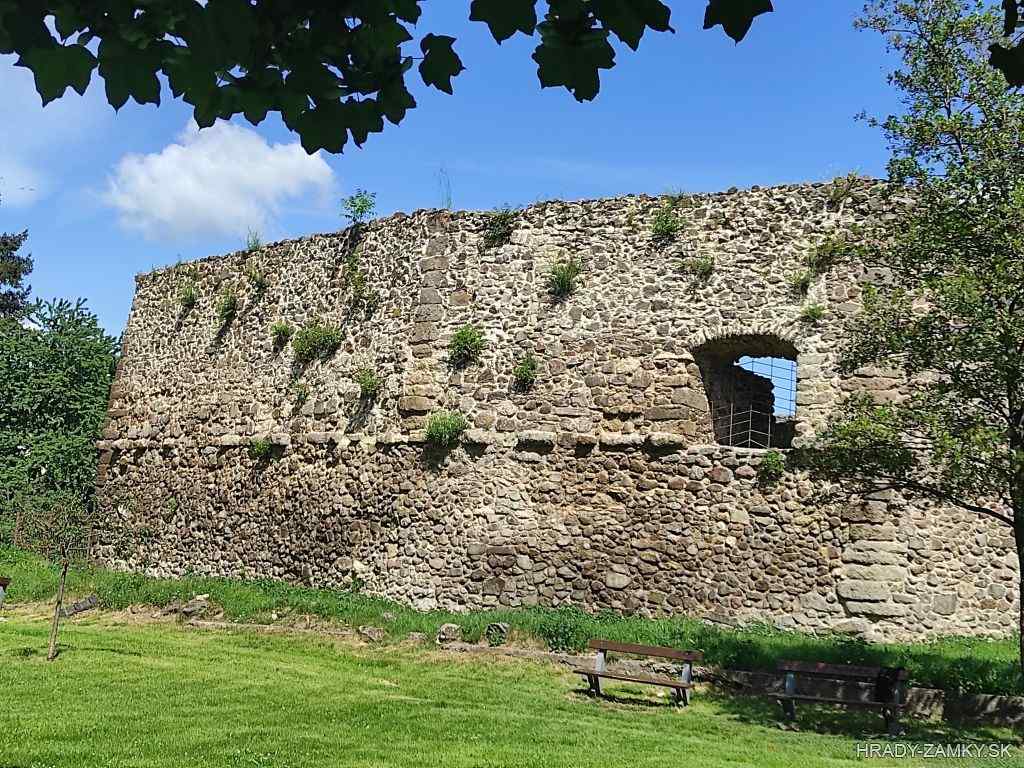
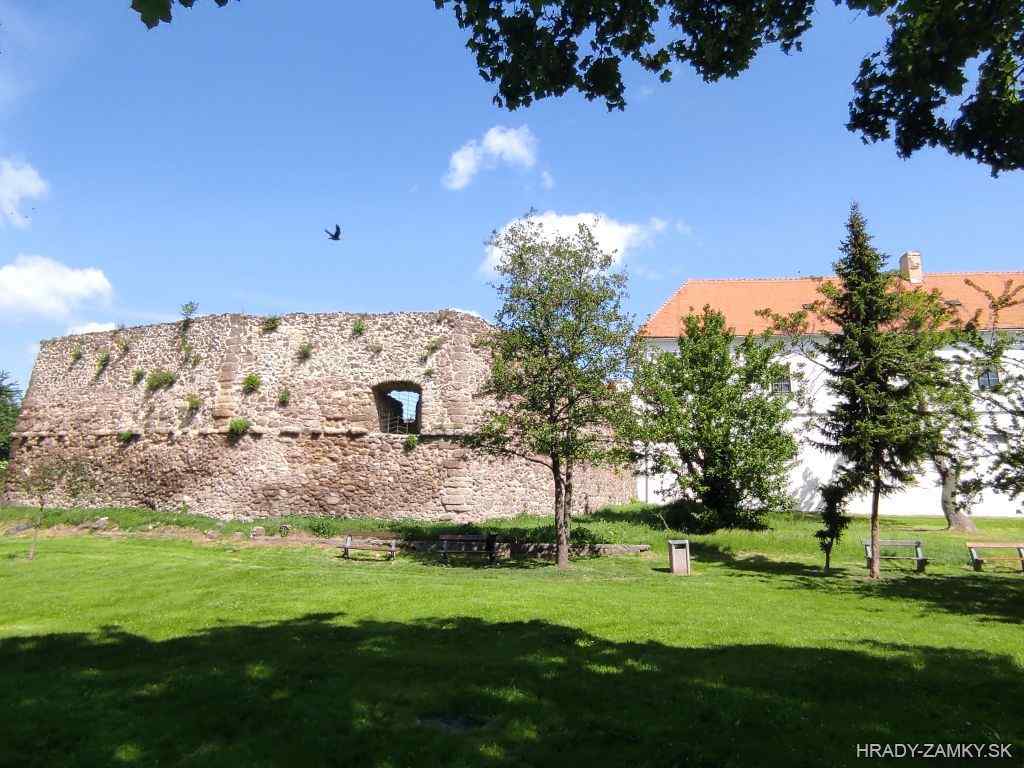
The ruins of the castle, situated at the intersection of the Hronská floodplain and Ipeľ hilly country in the town of Levice
Zrúcanina hradu na trachytovom pahorku, situovaná na styku Hronskej nivy a Ipeľskej pahorkatiny v meste Levice
Previous names
Leva, Lewenz, Lewentz, Levitz, Léva, Castrum Lewa
Roads
Levice castle is located in Levice just opposite the hypermarket. From the Turecký rad street, we reach P.O. Hviezdoslav street and then we turn from it to Kálmána Kittenberga Street. After a while, turn right onto the parking lot next to the castle, from where it is only a few meters walk to the castle area.
Levický hrad sa nachádza priamo v meste Levice oproti hypermarketu. Z cesty Turecký rad sa dostaneme na ulicu P.O. Hviezdoslava a následne z nej odbočíme na ulicu Kálmána Kittenberga. Z nej po chvíli vpravo na parkovisko pod hradom, odkiaľ je to do areálu hradu už len pár metrov chôdze.
Description
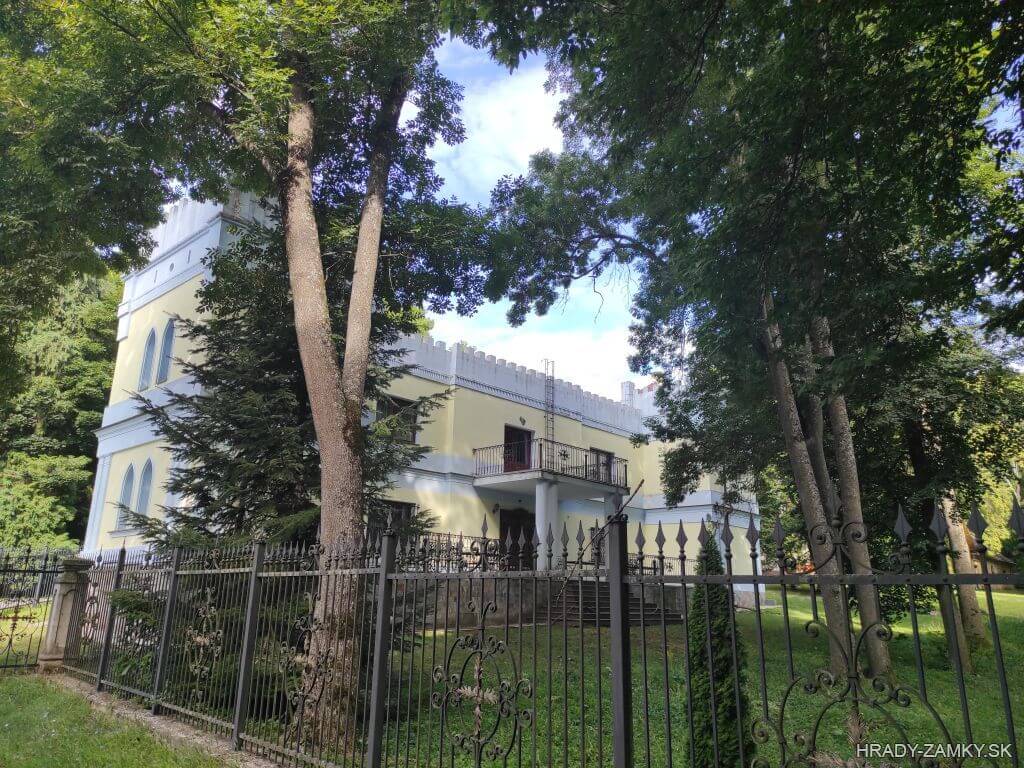
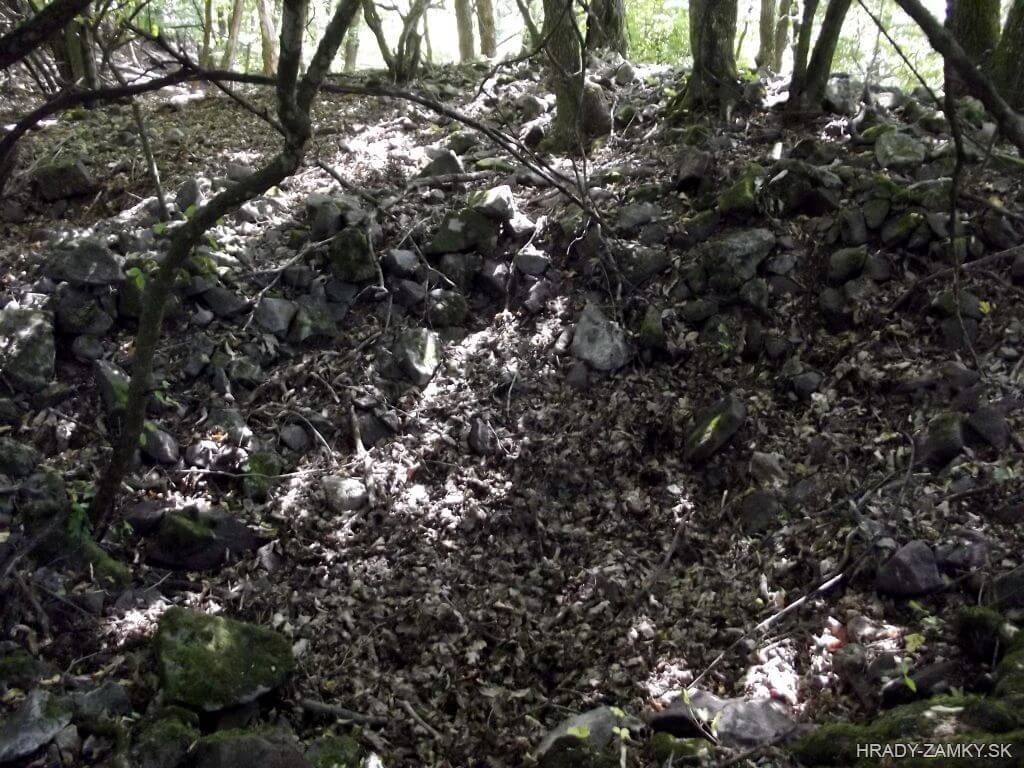
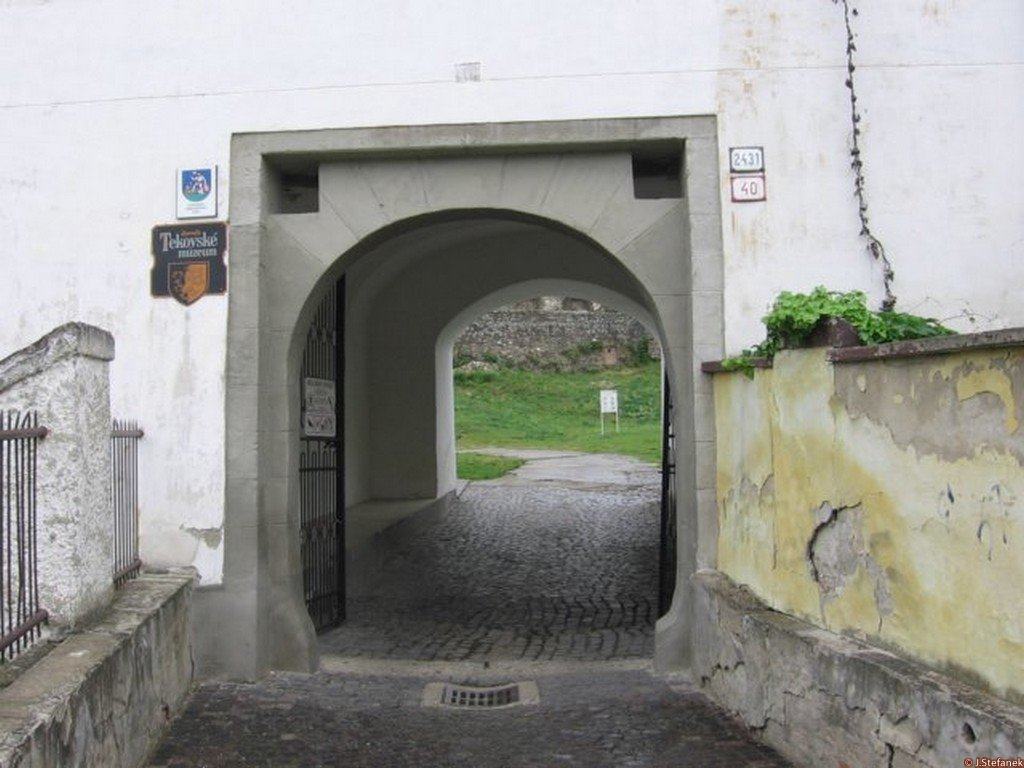
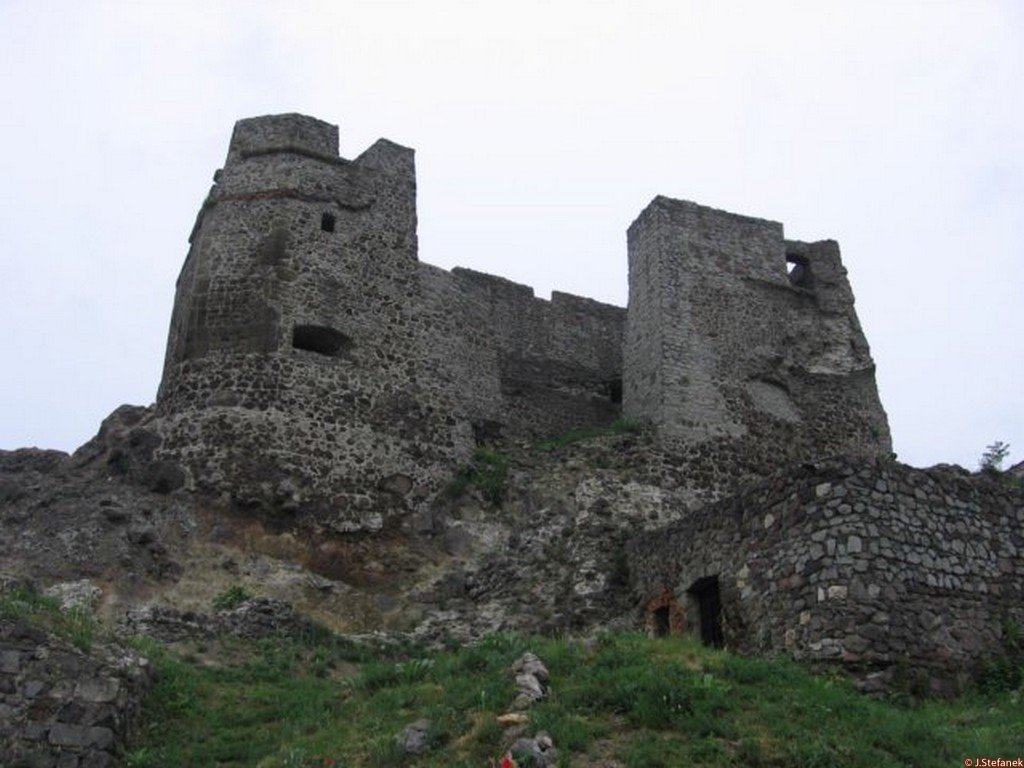
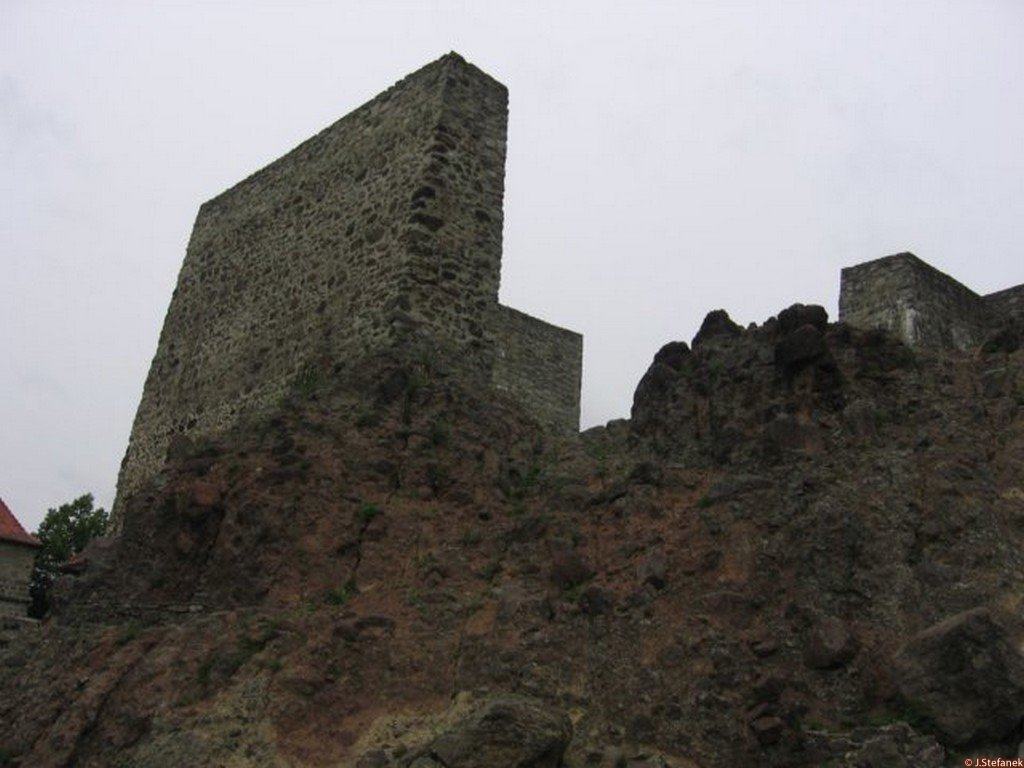
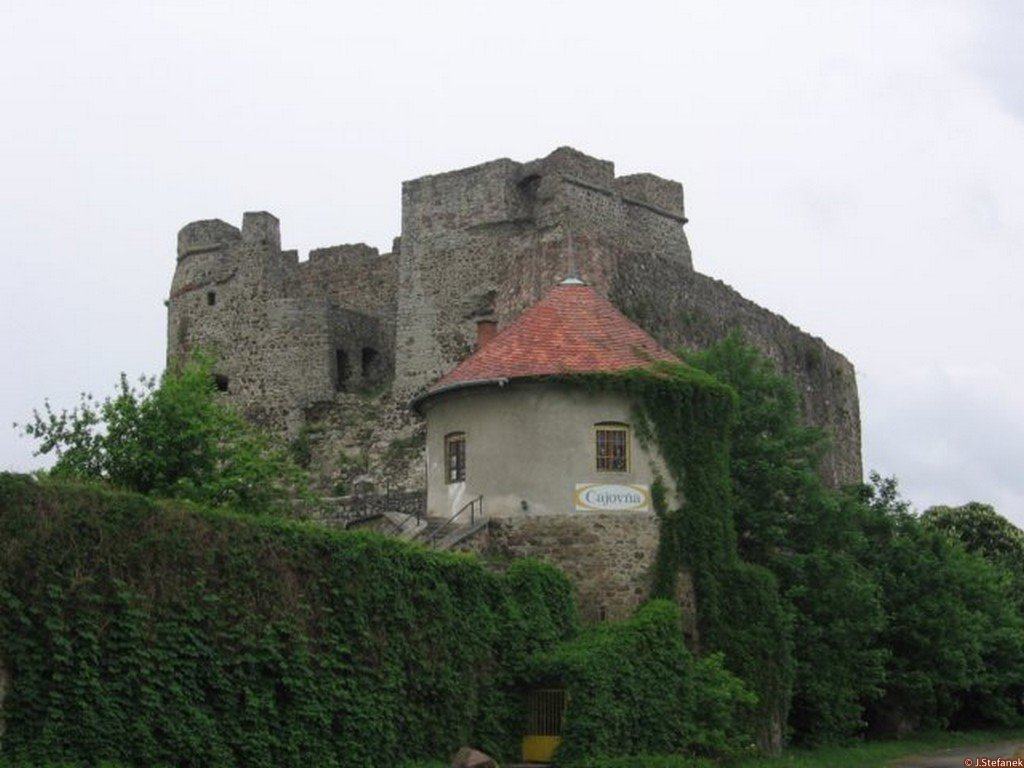
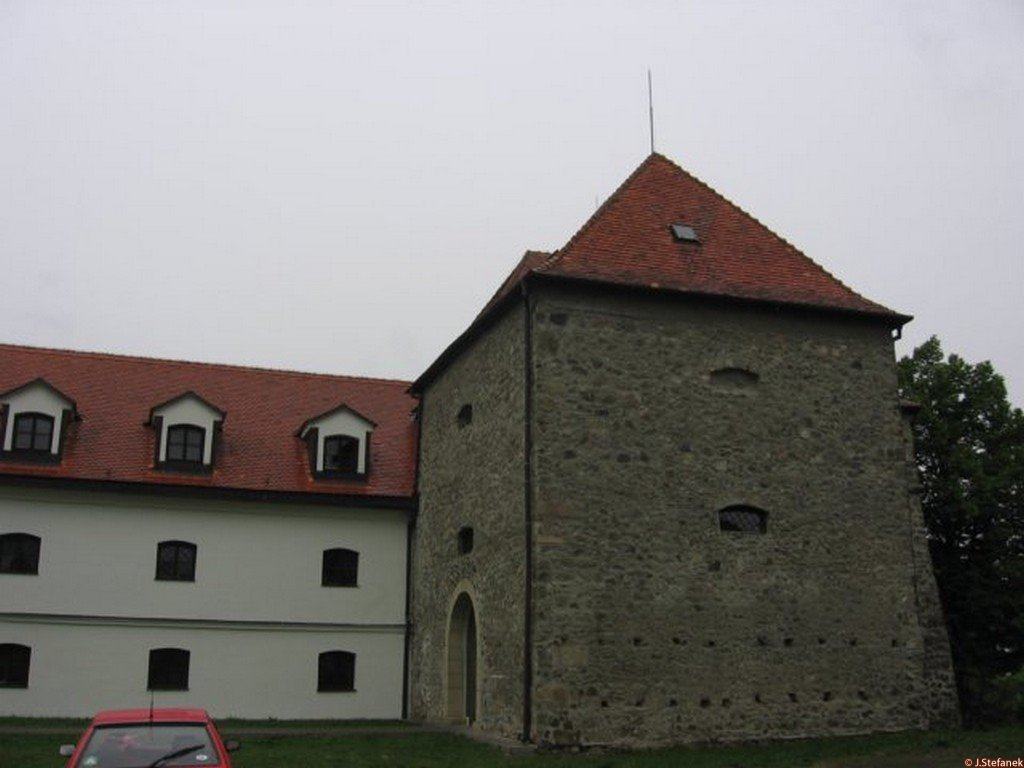
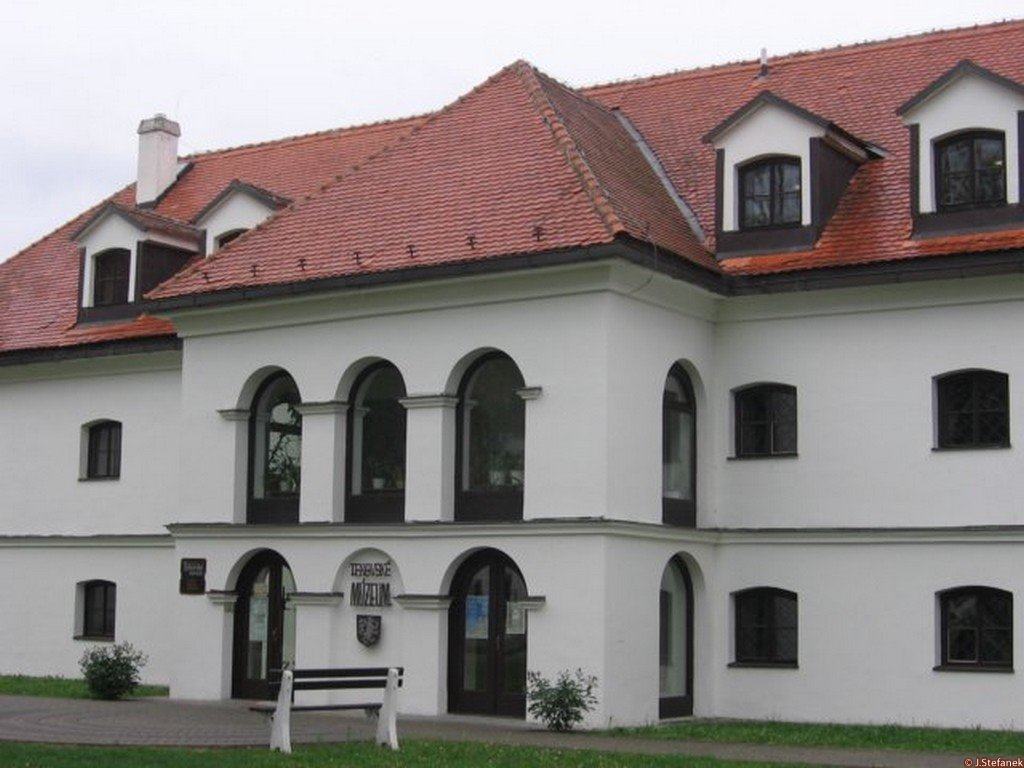
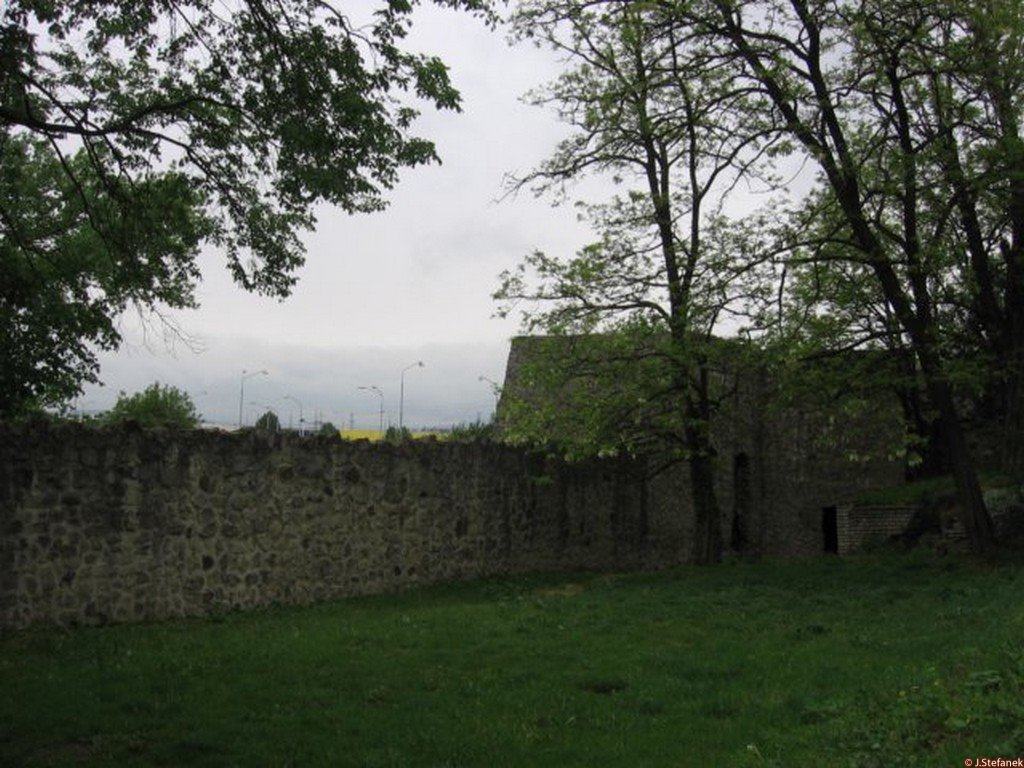
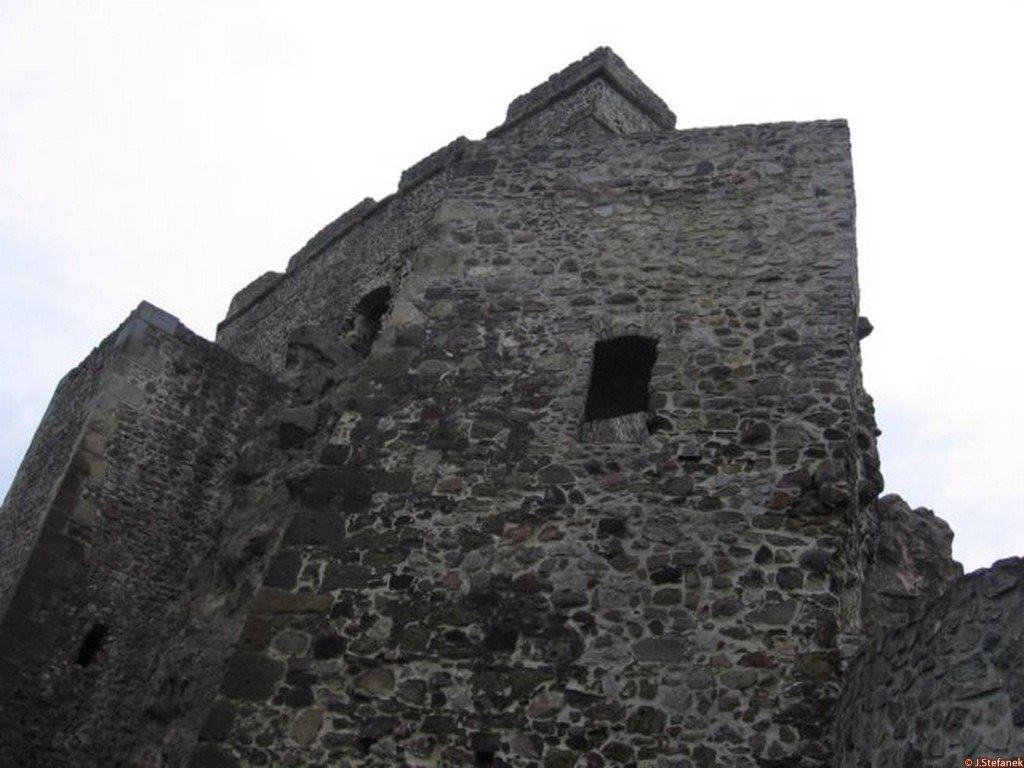
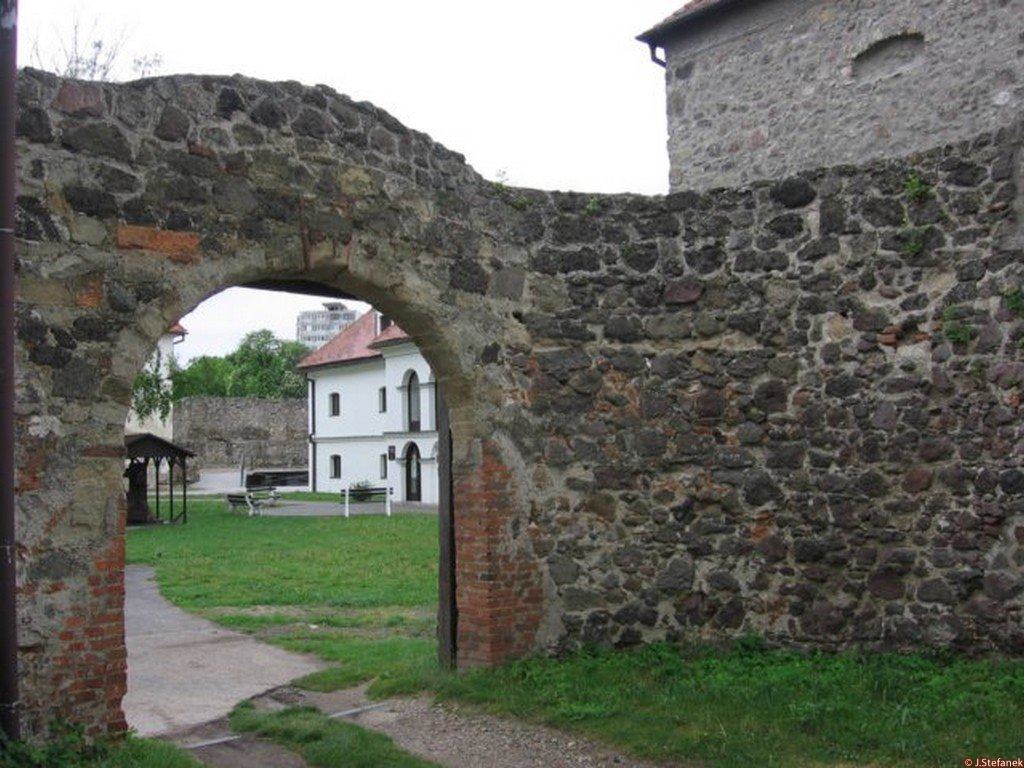
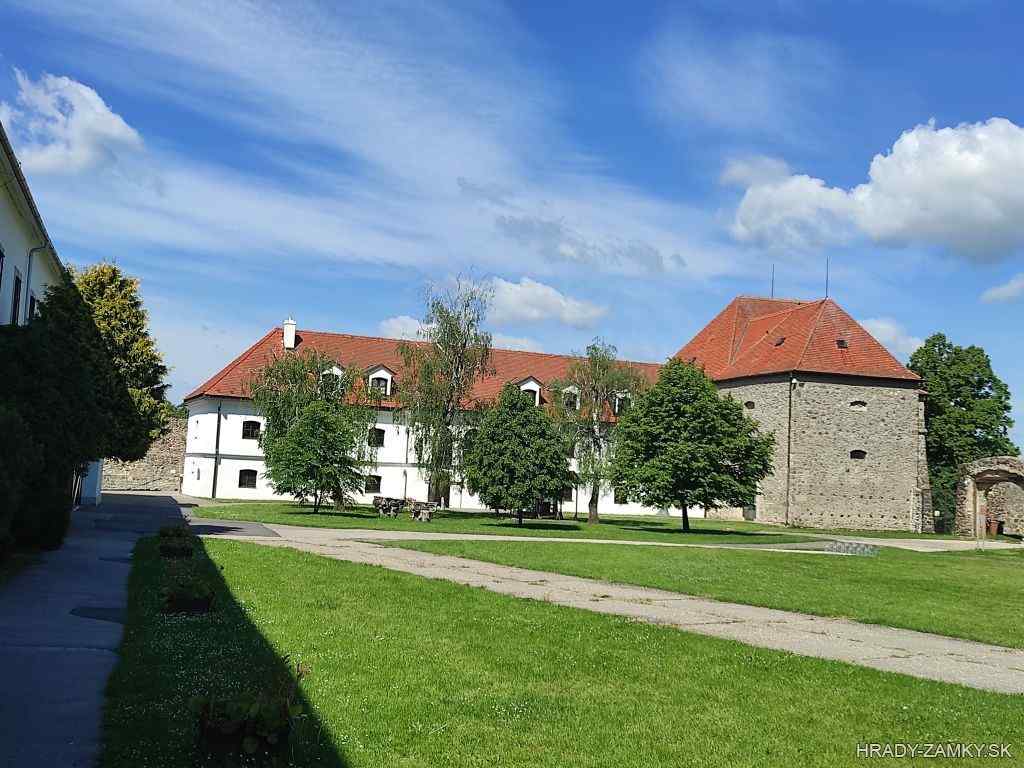
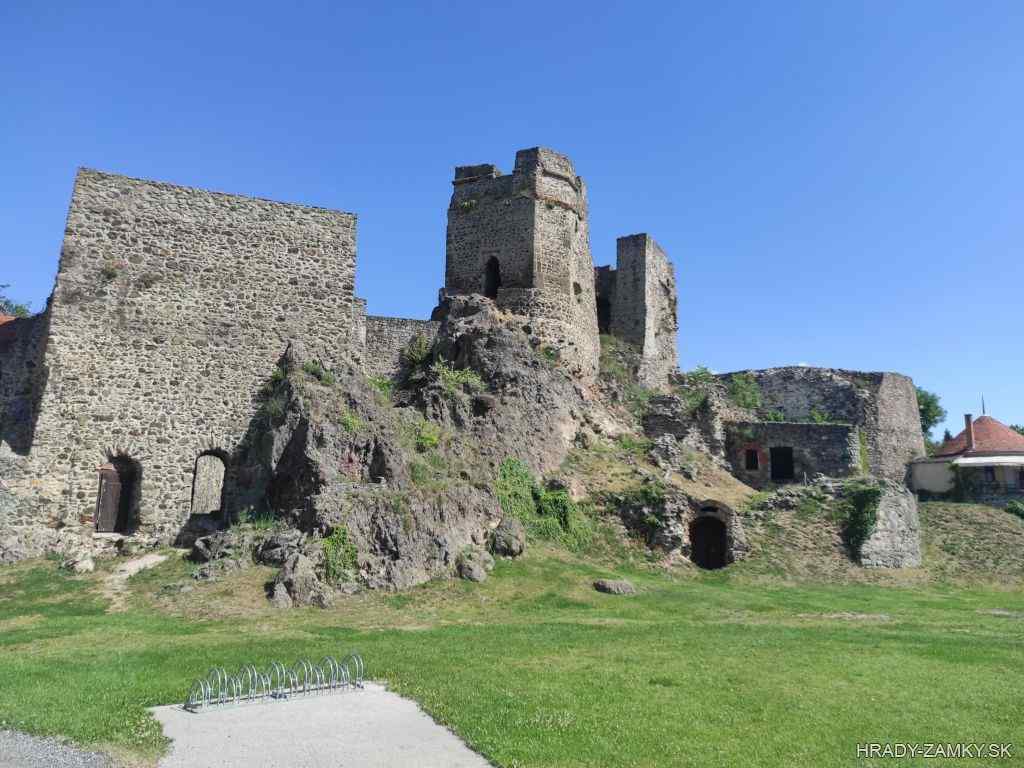
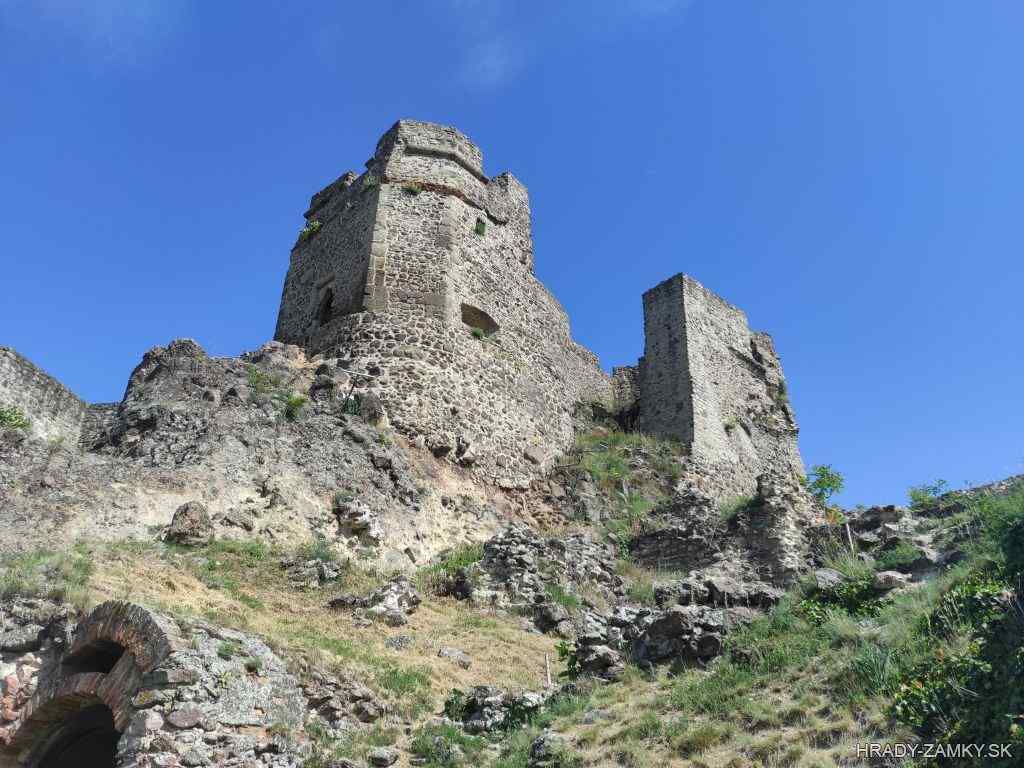
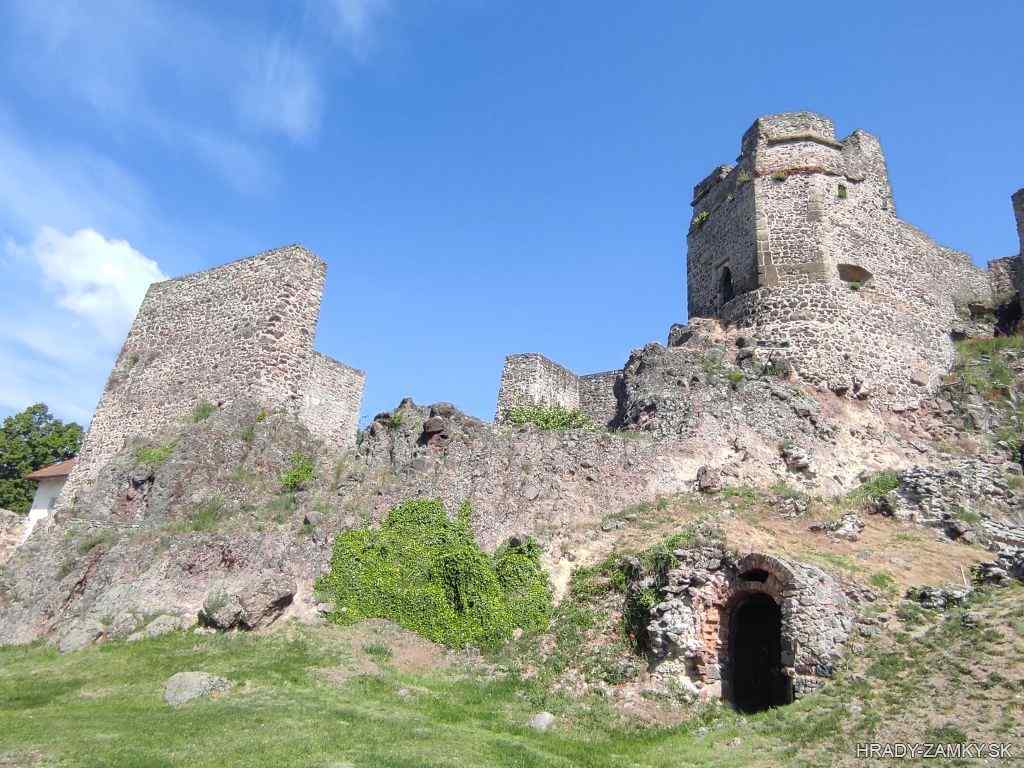
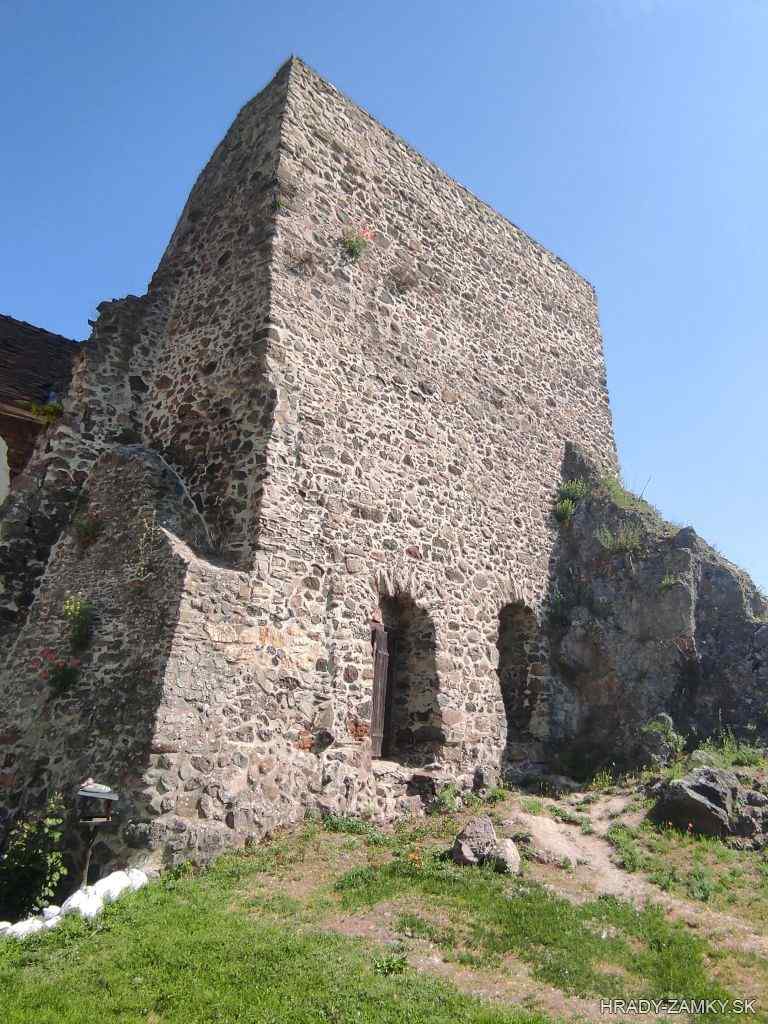
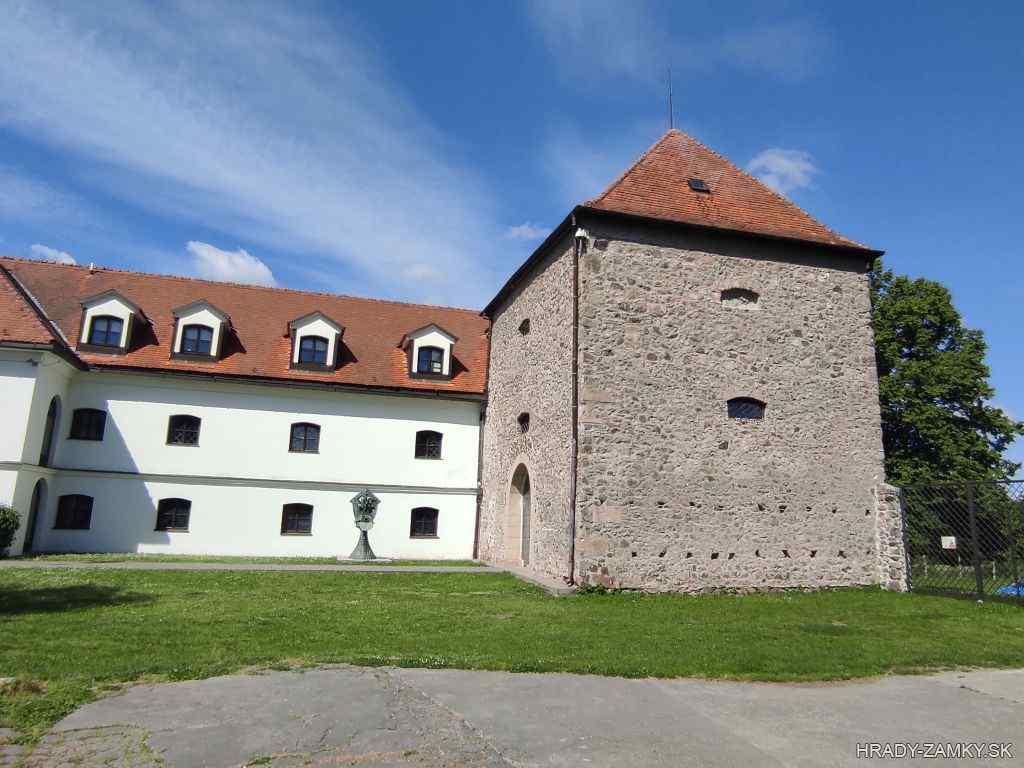
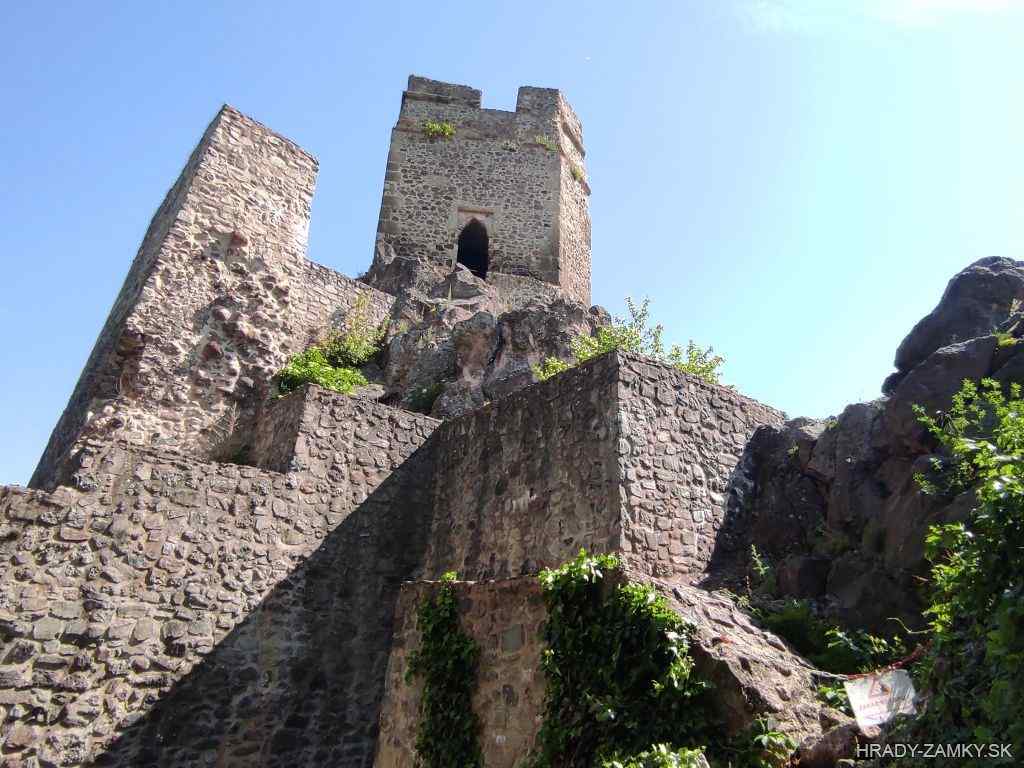
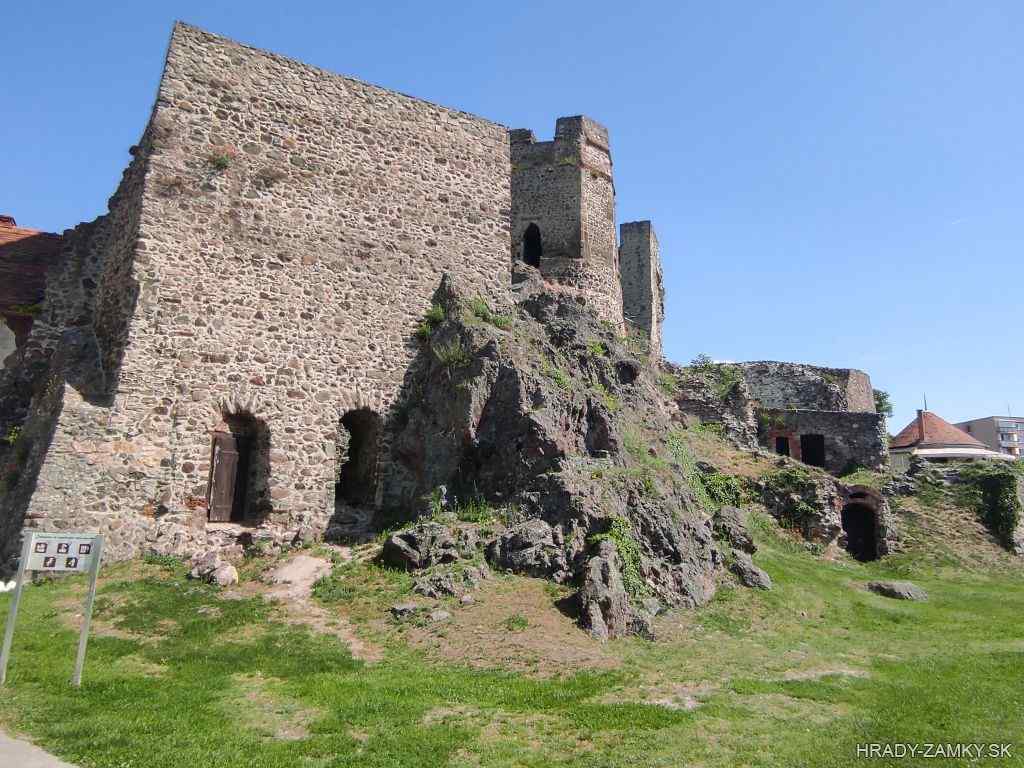
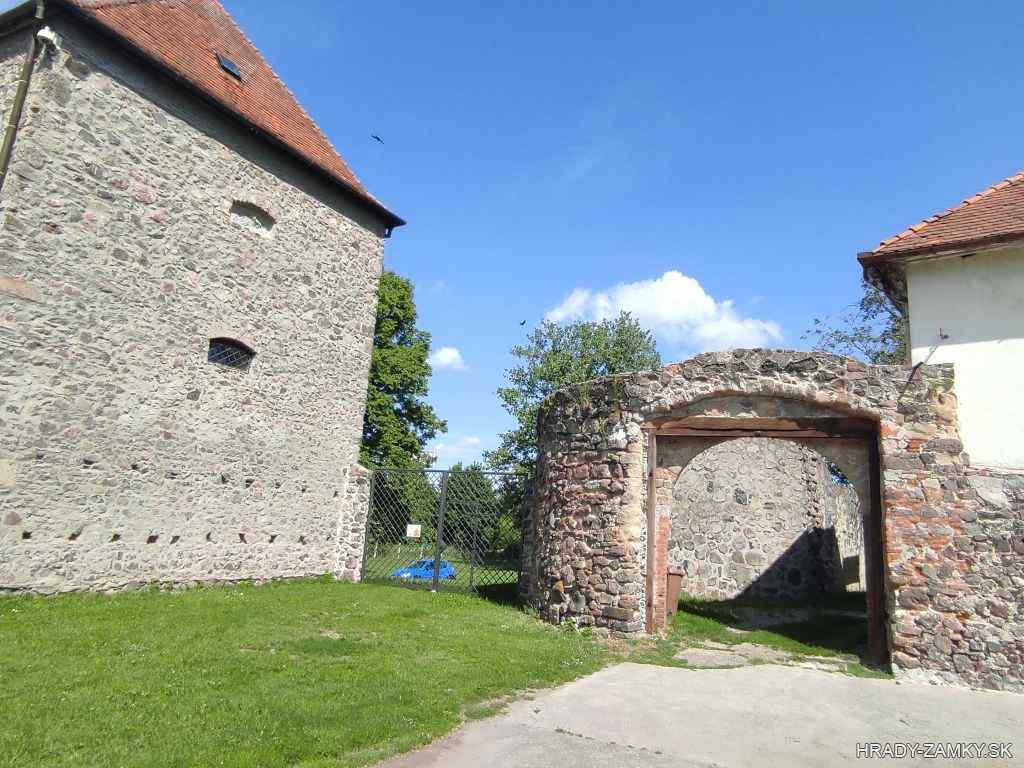
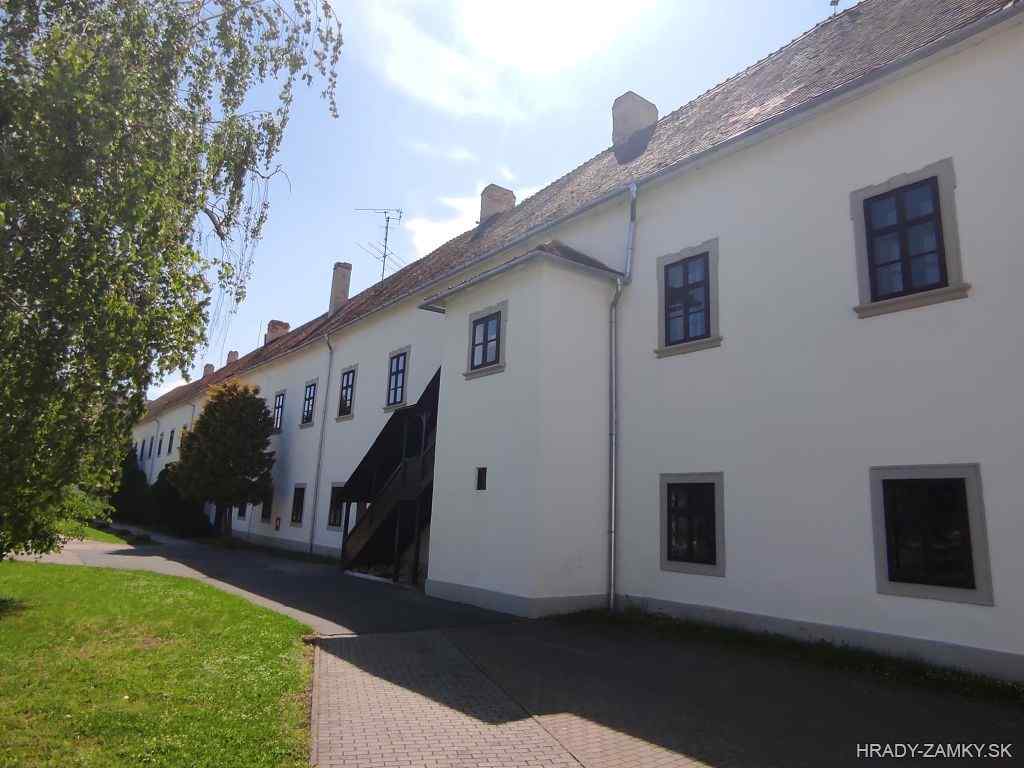
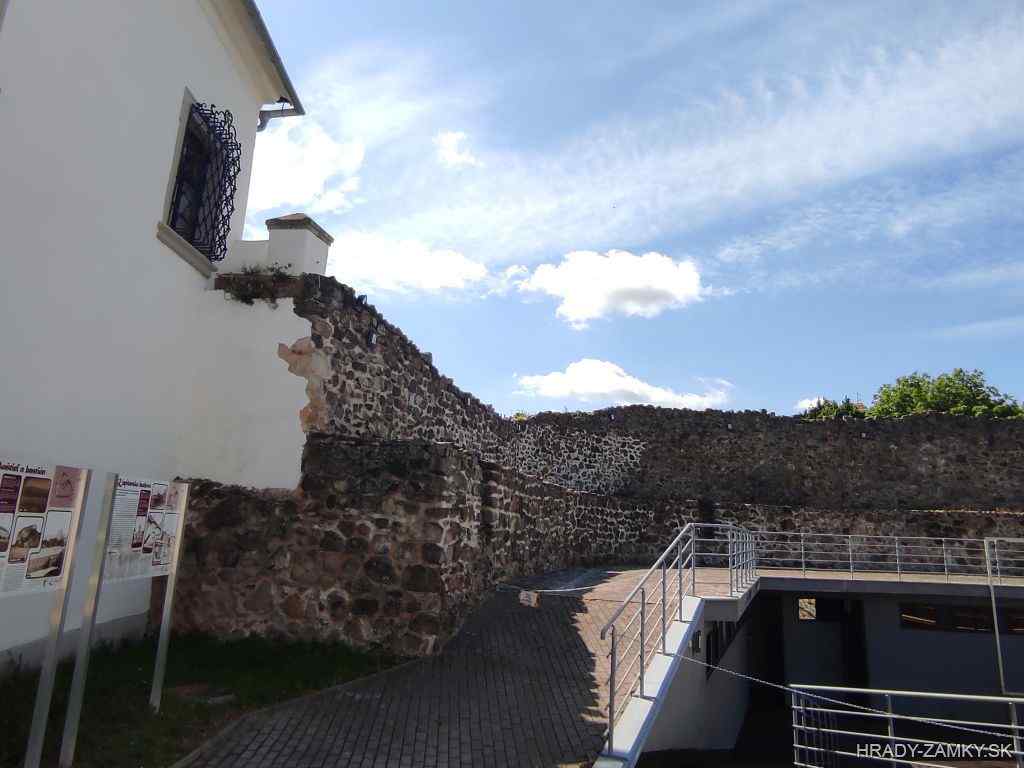
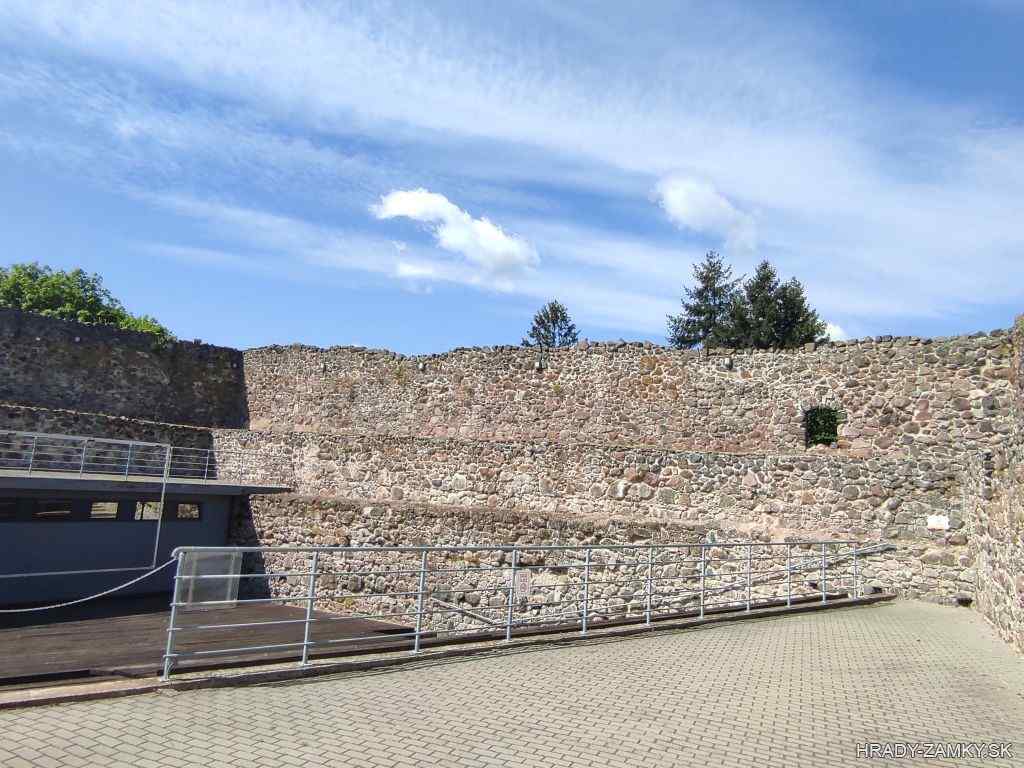
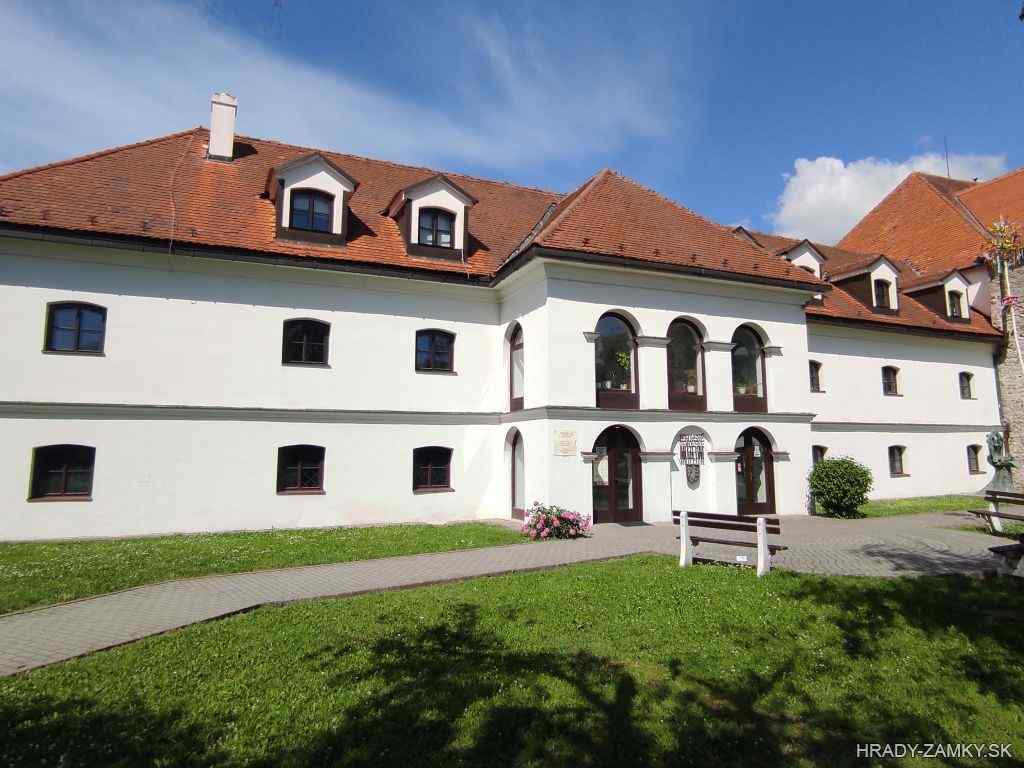
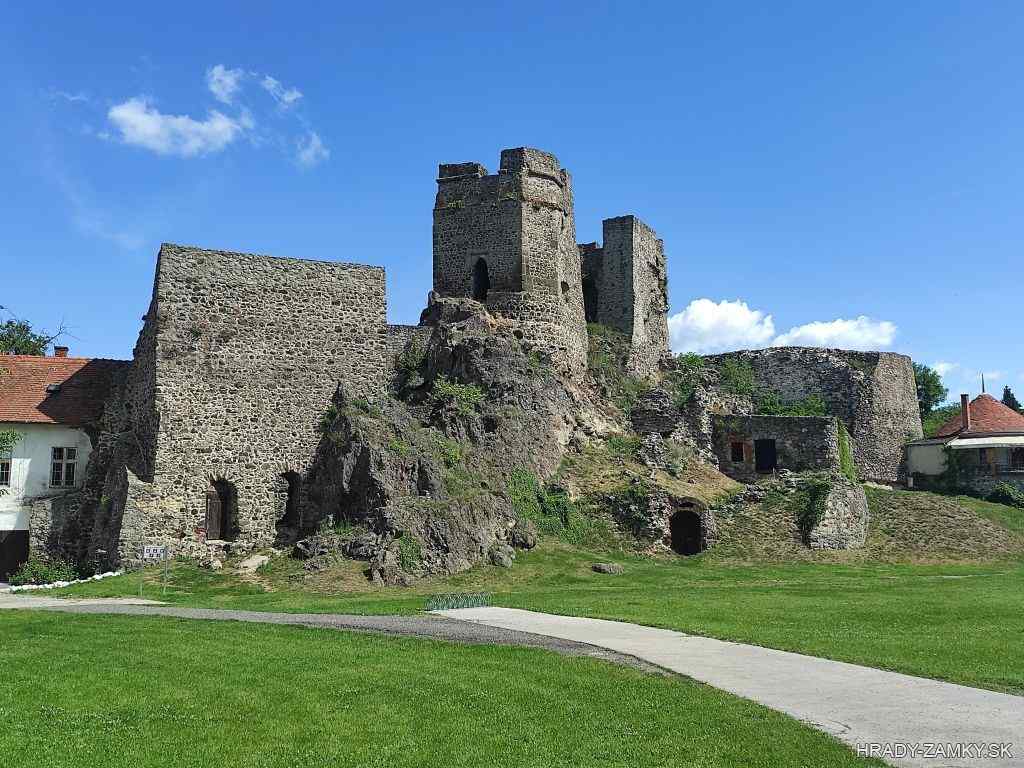
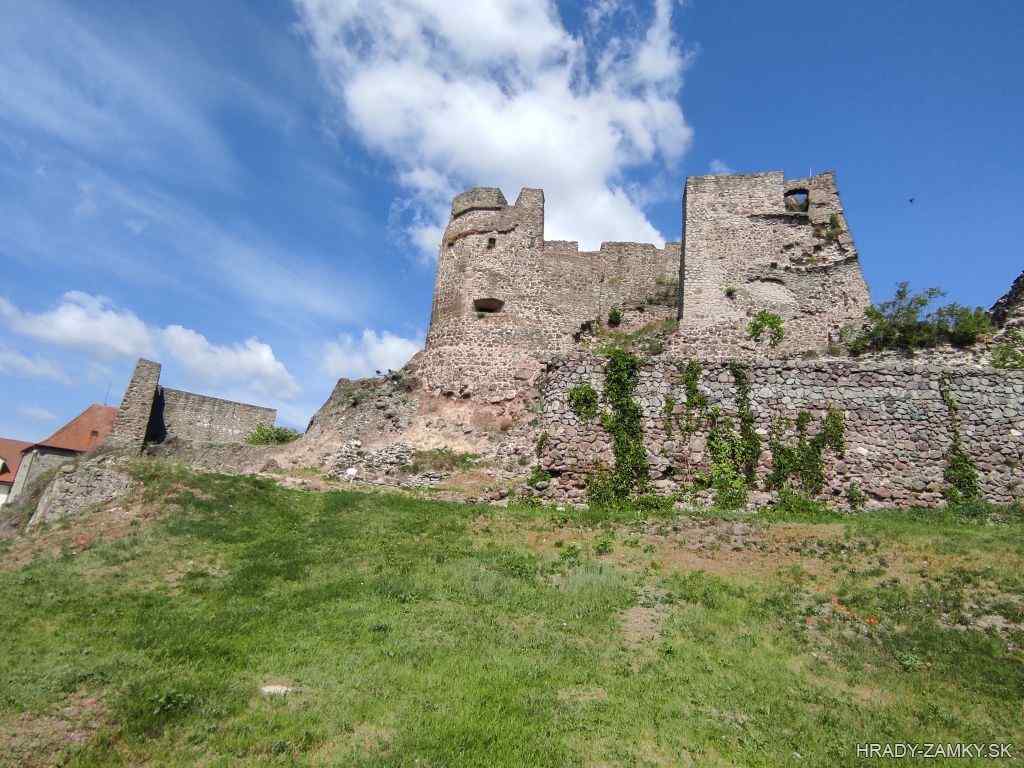
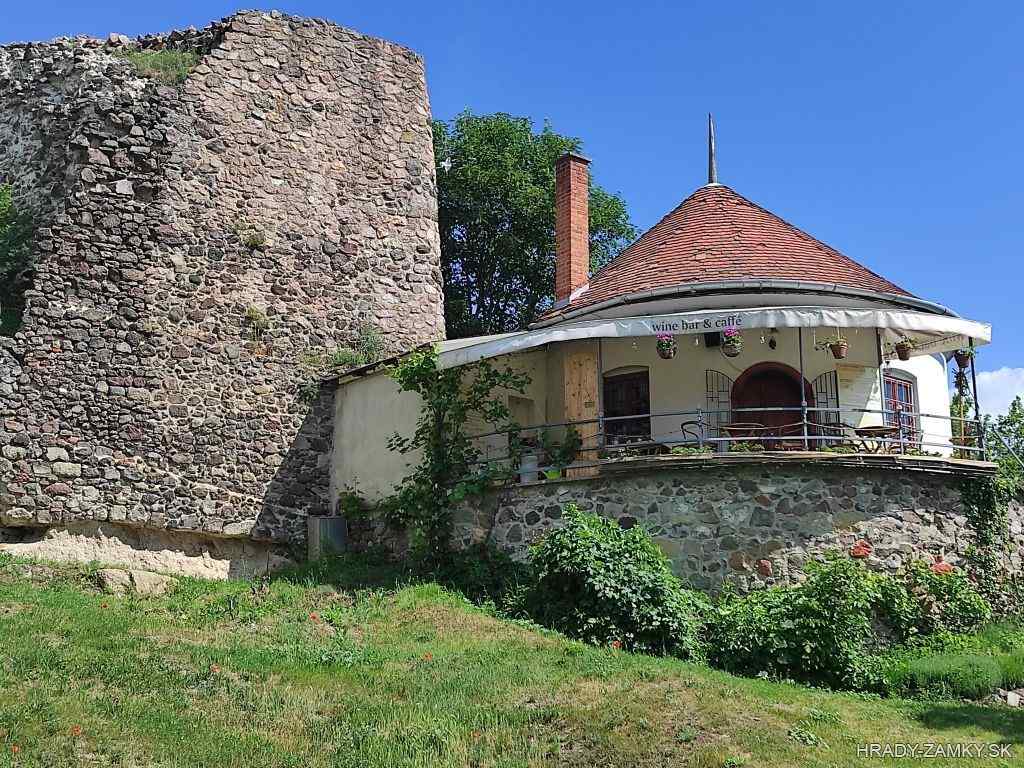
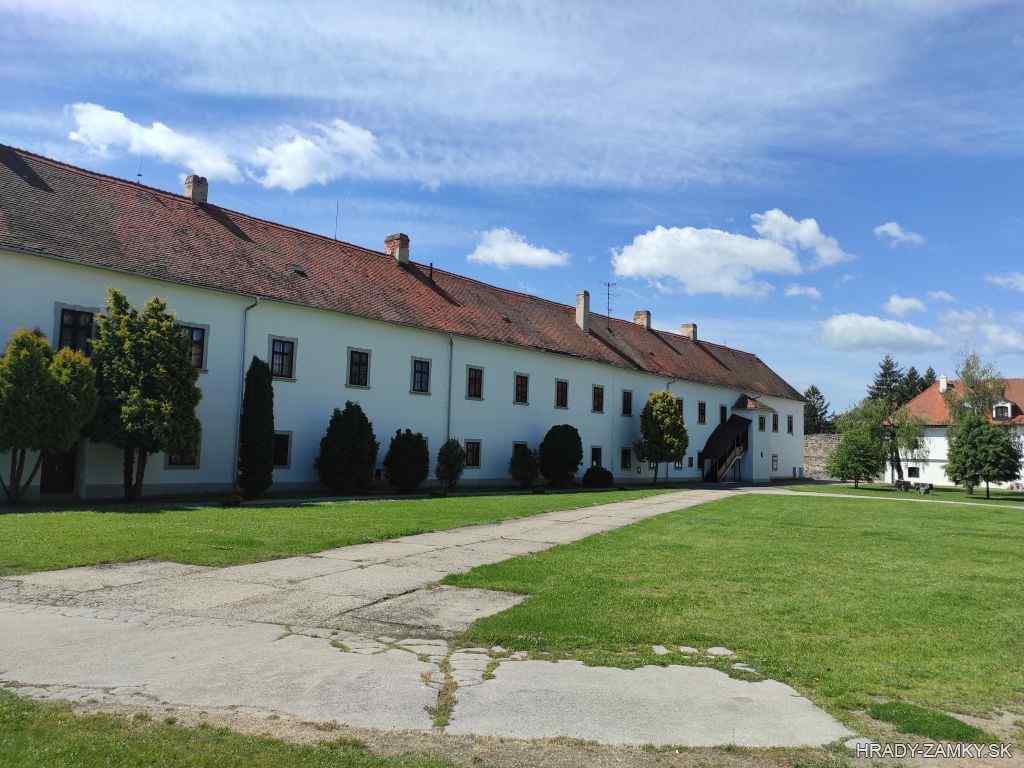
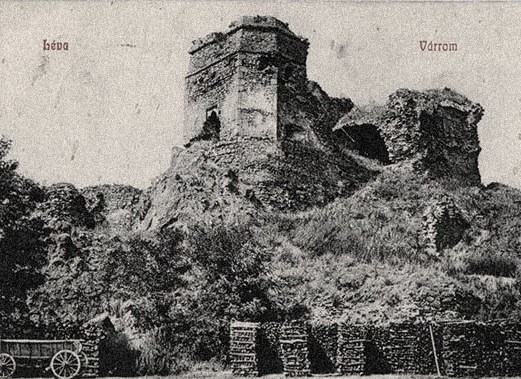
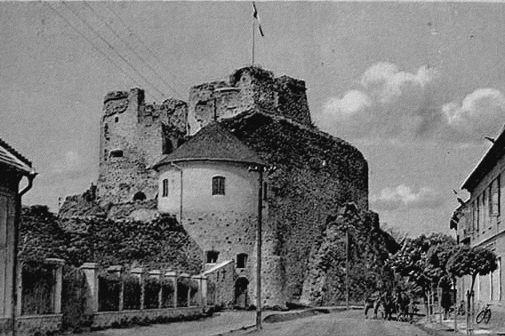
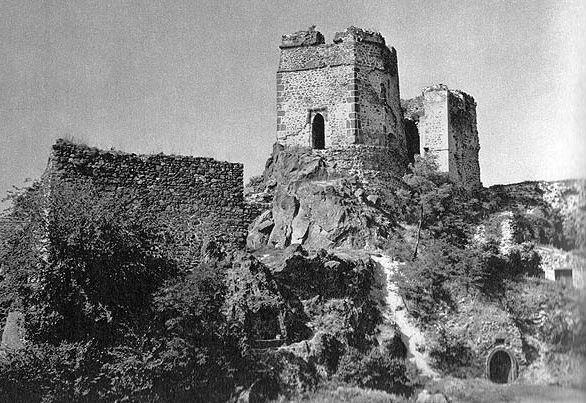
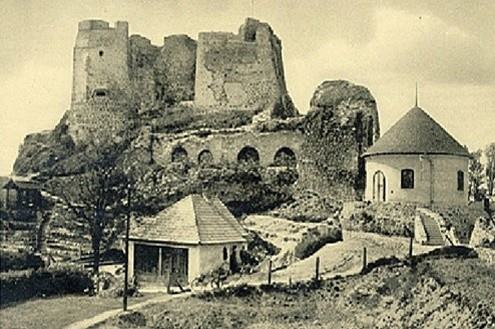
Today, the castle ruins still look interesting and impressive. The ruins of the Gothic palace, the oldest fortifications and a part of the round bastion, which were rebuilt into a summer house in the 19th century, have been preserved in the upper part of the castle. As part of the conservation of the building in the 1970s, the ruins of the upper castle and fortifications were preserved and the Tekov Museum was placed in the lower mansion.The castle has preserved the construction of perimeter walls, stone cornering, gothic portal entrance to the palace, fragments of plaster and fortifications. In the castle area there is a manor house. The manor house now houses the Tekov Museum (founded in 1927), which contains various ethnographic collections from the Tekov area, as well as documentation of the development of nature and society up to the present. The premises used for the museum have Renaissance cross and lunette vaults from the 16th and 17th centuries.
Dnes vyzerajú ruiny hradu stále zaujímavo a impozantne. V hornej časti hradu sa zachovali zrúcaniny gotického paláca, najstaršie opevnenia a časť kruhovej bašty, ktorá bola prestavaná v 19.storočí na letohrádok. V rámci pamiatkovej záchrany objektu v 70.tych rokoch 20.storočia boli ruiny horného hradu a opevnenie konzervované a v dolnom kaštieľi bolo umiestnené Tekovské múzeum.Na hrade sa zachovali konštrukcie obvodových múrov, kamenné nárožné rámovanie, gotický portál vstupu do paláca, fragmenty omietok a opevnenia. Pri hrade sa nachádza kaštieľ, ktorý je vlastne jeho súčasťou. V kaštieli je v súčasnosti Tekovské múzeum (založené 1927), kde sú rôzne národopisné zbierky z oblasti Tekova, ale aj dokumentácia vývinu prírody a spoločnosti až po súčasnosť. Priestory využívané na múzeum majú renesančné krížové a lunetové klenby zo 16. a 17.storočia.
Plan
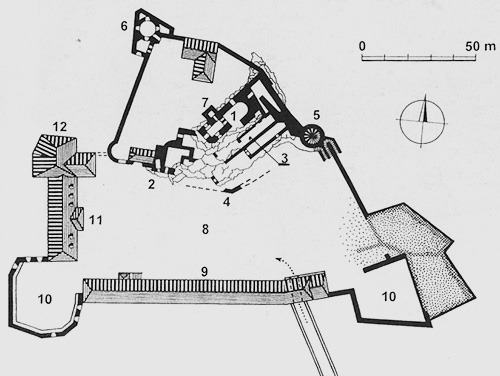
Legend to the ground plan
- 1-Gothic palace
- 2-watchtower
- 3-palace of the middle castle
- 4-fragment of the Gothic wall
- 5-Gothic round bastion
- 6-part Gothic bastion
- 7-well protected by a prismatic building
- 8-lower castle
- 9-Dobó Renaissance manor house
- 10-corner bastions
- 11-Captain's house attached to the wall
- 12-originally cannon bastion
Legenda k pôdorysu
- 1-gotický palác
- 2-strážna veža
- 3-palác stredného hradu
- 4-fragment gotickej hradby
- 5-gotická kruhová bašta
- 6-delová gotická bašta
- 7-studňa chránená hranolovou stavbou
- 8-dolný hrad
- 9-Dobóovský renesančný kaštieľ
- 10-nárožné bastióny
- 11-Kapitánsky dom pristavaný k hradbe
- 12-pôvodne delová bašta
History
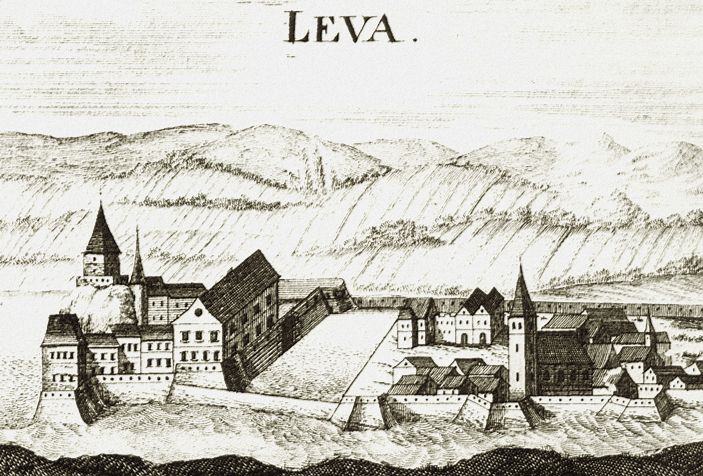
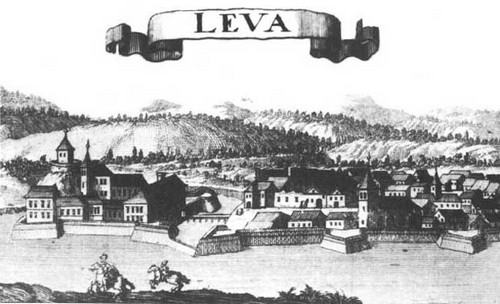
The castle was built in the second half of the 13th century on a rocky ridge above the marshy area. It is mentioned in documents in 1318. During the Middle Ages and the Renaissance, it often changed owners. It belonged to Matúš Čák, the king, the monastery in Hronský Beňadik and several aristocratic families. In 1330, Felicián Zach attempted to assassinate the monarch, but without success. As a punishment, and as a warning to others, his whole family was murdered. One of the executioners was the Levice castle captain, who executed Felicián's daughter Šeba at the castle. In 1388, the Levick family acquired the castle, then the Beče family, the Šára family. The core of the castle was a Gothic palace and a fortification with a circular bastion. The castle was attacked by Hussite troops in the 15th century, but they failed to conquer it. However, they caused a fire in the castle. After a fire in 1434, the castle was rebuilt again. Since the beginning of the 16th century, when its owners (Harasti, Balassov and Kallanich) gradually changed, various reconstructions took place due to the impending Turkish dangers. In the spring of 1544, the Turks of Esztergom attacked the town and Levice Castle at night. There was a great skirmish, many went to defend the castle directly 'out of bed'. However, the well-prepared cannon defense and rifle shots fired the Turkish troops on the run. The Turks took the stolen horses with them, they also managed to plunder the houses, which they also set on fire. Menyhárt Balassa and his soldiers chose to pursue them, but found only an extreme defense and returned to the city. In the meantime, Hungarian troops from the 'anti-Turkish' surrounding castles also arrived. The Turks encountered the village of Salka, where there was a great bloodshed led by Captain Ferdinand Nyari. After a bloody battle, Hungarian troops scattered the Turks and drove the rest to flee. According to available sources, 500 Turks fell at Salka. Since then, the castle has played an important anti-Turkish defensive function and the castle captains were still some important actors.
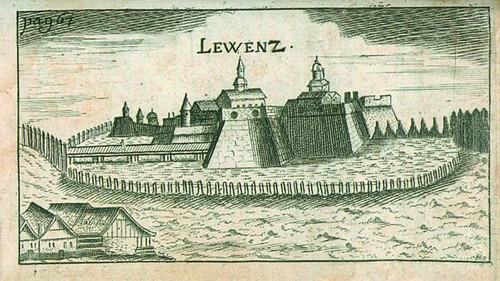
However, Menyhárt Balassa began to take advantage of the turbulent situation and began to loot the surrounding servitude. King Ferdinand of Habsburg responded to many complaints with strong action to capture Balassa. In the summer of 1549, the country's chief captain Nikolaus Salm, at the behest of the king, occupied Balassa's castles - Levice, Čabraď and Sitno. Balassa, meanwhile, fled to his more distant seat, and the castle was defended by troops led by Tomáš Dač. After a long defense, however, the royal troops acquired the castle. The castle then fell into the hands of Ján Cseh. However, since he left no descendants after his death, the castle returned to the royal hands. In 1558, Štefan Dobó became the castle captain. He was responsible for the reconstruction of the castle fortifications. Initially, they built a wooden-clay temporary fortification, which they gradually replaced with a stone one with an artillery defense system. In the southern part they built a two-storey building, originally accessible only by a drawbridge, in the north they placed a cannon bastion. They built a Renaissance mansion in the lower courtyard. The new defense system was also protected by the palisades and was so durable that in 1578 the Turks besieged Levice in vain. The outer fortifications completed in 1635 followed the fortifications of the city.
In the meantime, in 1568, however, Štefan Dobó was imprisoned for many charges, from which he was released only in 1572. However, he soon died, and his property, including Levice Castle, was acquired by his son Ferenc Dobó. After his death in 1602, the castle belonged to the Vienna Chamber. In 1640 the king donated the castle to Captain Ladislav Csáky. In November 1645, numerous Turkish cavalry and infantry troops invaded the city with the intention of looting, but thanks to a hard defense, they were forced to flee. After 1660 the castle was handed over to the Eszterházy family. Fateful days followed in the autumn of 1663, when Turkish troops conquered the important fortress of Nové Zámky, Nitra and Novohrad. Gašpar Bartakovich, the Levice castle captain, without resistance handed over the castle to the Turkish troops, who were already in large numbers in front of the castle walls. A year later, however, Turkish troops were defeated in the famous battle of Levice by troops led by the then well-known military commander L. de Souches. Levice Castle was well fortified again. During the Kuruk uprising, the castle was occupied for a short time in 1662 by the troops of Imrich Thököly. In 1696, a huge fire ravaged the area, which also caused damage to the Levice castle. An even worse event, however, was the order of the emperors and kings to destroy the castle in 1702. With the help of gunpowder, the castle was blown up, but it still remained defensible anyway.
The last military event was the attack of Rákóczi's troops led by Ladislav Ocskay, who occupied the castle after a short siege. The following month, however, Imperial General Schlick surprised and crushed the rebels with his 7,200 mercenaries and 12 guns. Only after the victorious battle of Zvolen did the Kuruk troops manage to reoccupy the castle. In 1705, an insurgent court council met in the town. In 1708, after the unsuccessful siege of Nové Zámky, the imperial commander Heister chose to occupy important mining towns. Out of fear of superiority, the Turks set fire to the Levice castle, which then played no military or defensive role. The Eszterházy family, who acquired property with the castle in the 18th century, used parts of the buildings as warehouses. The last private owners of Levice Castle were the Schoeller family. Then came the period of expropriation and their family had to return to Austria. In the 70s of the 20th century, the ruins of the upper castle and fortifications were preserved, and the Tekov Museum was located in the lower manor house.
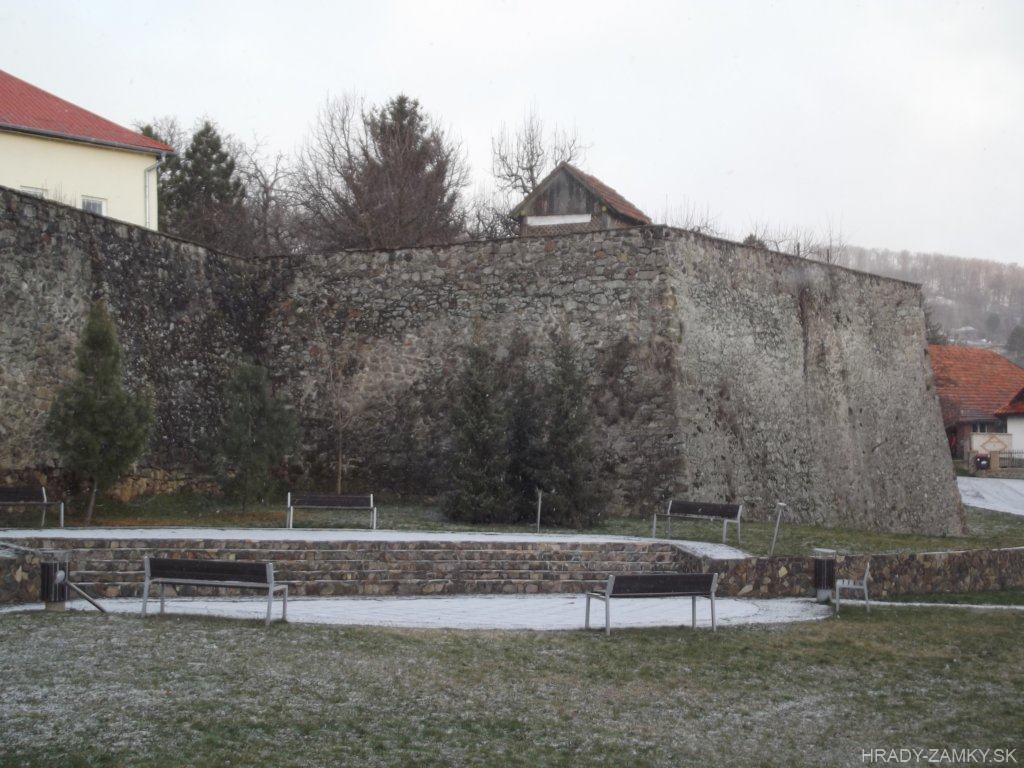
In the period from 1983 to 1987, a project for the restoration of the entire castle complex was developed. So far, however, the Captain's Building has been restored, which houses the permanent exhibitions and the concert hall. In 2004, a detailed survey of the upper and middle castle was carried out and a project was developed for the use of the south-western bastion, where a small amphitheater was built.
Hrad bol postavený v druhej polovici 13.storočia na skalnej vyvýšenine nad močaristým územím. V listinách sa spomína v r.1318. Počas stredoveku a renesancie často menil majiteľov. Patril Matúšovi Čákovi, kráľovi, kláštoru v Hronskom Beňadiku i viacerým šľachtickým rodinám. V r.1330 sa Felicián Zach pokúsil o atentát na panovníka, avšak neúspešne. Za trest, a aj ako upozornenie pre ostatných bola vyvraždená celá jeho rodina. Jedným z popravcov bol aj levický hradný kapitán, ktorý na hrade popravil Feliciánovu dcéru Šebe. V roku 1388 získali hrad Levickovci, potom Bečeovci, Šáraiovci. Jadro hradu tvoril gotický palác a opevnenie s kruhovou baštou. Hrad napadli v 15.storočí husitské vojská, ale nepodarilo sa im ho dobyť. Avšak spôsobili na hrade požiar. Po požiari v r.1434 hrad znovu prestavali. Od začiatku 16.storočia, keď sa postupne menili jeho majitelia (Harastiovci, Balassovci a Kallanichovci), došlo k rôznym prestavbám kvôli hroziacim tureckým nebezpečenstvám. Na jar v r.1544 ostrihomskí Turci v noci zaútočili na mesto aj Levický hrad. Došlo k veľkej potýčke, mnohí šli brániť hrad priamo 'z postele'. Výborne pripravená delová obrana a radové strely z pušiek však turecké vojská odohnali na útek. Turci brali so sebou ukradnuté kone, stihli vyrabovať aj domy, ktoré aj podpálili. Menyhárt Balassa spolu so svojimi vojakmi sa ich vybrali prenasledovať, avšak zastihli už len krajnú obranu a vrátili sa späť do mesta. Medzitým dorazili aj maďarské vojská z 'protitureckých' okolitých hradov. Na Turkov natrafili pri obci Salka, kde došlo k veľkému krviprelievaniu na čele s kapitánom Ferdinandom Nyárim. Maďarské vojská po krvavej bitke rozprášili Turkov a zvyšok zahnali na útek. Podľa dostupných prameňov pri Salke padlo 500 Turkov. Odvtedy hrad plnil dôležitú protitureckú obrannú funkciu a hradnými kapitánmi boli stále nejakí významní činitelia.
Menyhárt Balassa však začal využívať nepokojnú situáciu a začal rabovať okolité poddanstvá. Na mnoho sťažností kráľ Ferdinand Habsburský zareagoval ráznou akciou na odchytenie Balassu. V lete r.1549 krajinský hlavný kapitán Nikolaus Salm na príkaz kráľa obsadil Balassove hrady - Levice, Čabraď a Sitno. Balassa medzitým utiekol do svojho vzdialenejšieho sídla a hrad za neho bránili vojská na čele s Tomášom Dačom. Po dlhšej obrane však kráľovské vojská hrad získali. Hrad sa potom dostal do rúk Jánovi Csehovi. Keďže však po jeho smrti nezanechal žiadneho potomka, hrad sa vrátil do kráľovských rúk. V r.1558 sa hradným kapitánom stal Štefan Dobó. Zaslúžil sa o prestavbu opevnenia hradu. Spočiatku budovali dreveno-hlinené provizórne opevnenie, ktoré postupne nahrádzali kamenným so systémom delostreleckej obrany. V južnej časti postavili poschodovú budovu, pôvodne prístupnú iba padacím mostom, na severe umiestnili delovú baštu. V dolnom nádvorí postavili renesančný kaštieľ. Nový obranný systém chránili aj palisády a bol natoľko odolný, že v r.1578 Turci Levice márne obliehali. Vonkajšie opevnenie dokončené 1635 nadviazalo na opevnenie mesta.
Medzitým, v r.1568, sa však Štefan Dobó dostal za mnohé obvinenia do väzenia, z ktorého sa dostal až v r.1572. Avšak onedlho zomrel, a jeho majetky, medzi nimi aj Levický hrad získal jeho syn Ferenc Dobó. Po jeho smrti v r.1602 hrad pripadol Viedenskej komore. V r.1640 kráľ daroval hrad kapitánovi Ladislavovi Csákymu. V novembri r.1645 vtrhli do mesta početné jazdecké a pešie turecké vojská s úmyslom rabovania, avšak vďaka tvrdej obrane boli prinútení k úteku. Po r.1660 hrad dostal do rúk rod Eszterházyovcov. Osudné dni nasledovali na jeseň r.1663, keď turecké vojská dobyli dôležitú pevnosť Nové Zámky, Nitru a Novohrad. Gašpar Bartakovich, levický hradný kapitán bez odporu odovzdal hrad tureckým vojskám, ktorí boli v početnej prevahe už pred stenami hradu. O rok neskôr však boli turecké vojská v známej bitke pri Leviciach porazené vojskom pod vedením vtedy známeho vojenského veliteľa L. de Souchesa. Levický hrad znovu dobre opevnili. Počas kuruckého povstania hrad na kratší čas obsadili v r.1682 vojská Imricha Thökölyho. V r.1696 pustošil okolie obrovský požiar, ktorý narobil škody aj na levickom hrade. Ešte horšou udalosťou bol však cisárov a kráľov príkaz na zničenie hradu v r.1702. Pomocou pušného prachu hrad vyhodili do vzduchu, no napriek tomu ešte zostal ako-tak obranyschopným.
Poslednou vojenskou udalosťou bol útok Rákócziho vojsk na čele s Ladislavom Ocskayom, ktorí po krátkom obliehaní hrad obsadili. V nasledujúcom mesiaci však cisársky generál Schlick prekvapil a rozdrvil povstalcov so svojimi 7200 žoldniermi a 12 delami. Len po víťaznej bitke pri Zvolene dokázali kurucké vojská opäť obsadiť hrad. V r.1705 zasadala v meste povstalecká dvorná rada. V r.1708 sa cisársky veliteľ Heister po neúspešnom obliehaní Nových Zámkov vybral obsadiť dôležité banské mestá. Turci zo strachu z presily podpálili levický hrad, ktorý už potom nezohral žiadnu vojenskú či obrannú úlohu. Eszterházyovci, ktorí získali majetky s hradom v 18.storočí, používali časti budov ako skladište. Poslednými súkromnými vlastníkmi Levického hradu boli Schoellerovci. Potom nastalo obdobie vyvlastňovania a ich rodina sa musela vrátiť do Rakúska. V 70-tych rokoch 20.storočia boli konzervované ruiny horného hradu a opevnenie, v dolnom kaštieli umiestnili Tekovské múzeum.
V období rokov 1983 až 1987 bol vypracovaný projekt obnovy celého hradného areálu. Zatiaľ bola obnovená Kapitánska budova, v ktorej sú umiestené stále expozície a koncertná sála. V roku 2004 bolo realizované podrobné zameranie horného a stredného hradu a vypracovaný projekt na využitie juhozápadnej bašty, kde sa vybudoval malý amfiteáter.
Myths and legends
Legend of the castle
After the failed assassination of the royal family, Karol Róbert ordered the family of Zach Felicián to be taken to the third knee. His innocent daughter Šebe was beheaded under Levický Castle. To this day, he appears there as a white ghost, peeks into the frozen cellars, searches for a man with children, and kneels at the execution site until the stars fade.
Castle well
A bloody well in the old part of the castle breathes sad stories. Today, the well is already buried, but there were times when the Turks threw convicts into it. Thorns and swords were pierced on the walls of the well, so that by the time the convict fell to the bottom, he was completely cut.
Povesť o hrade
Po nevydarenom atentáte na kráľovskú rodinu Karol Róbert prikázal vykynožiť rodinu Zacha Feliciána do tretieho kolena. Jeho nevinnú dcéru Šebe sťali pod Levickým hradom. Podnes sa tam zjavuje ako belostný prízrak, nakúka do zamrežovaných pivníc, hľadá muža s deťmi a na popravisku kľačieva do blednutia hviezd.
Hradná studňa
Smutnými príbehmi dýcha krvavá studňa v starej časti hradu. Dnes je studňa už zasypaná, ale boli časy, keď do nej Turci hádzali odsúdencov. Na stenách studne boli pozapichované ostne a meče, čiže, kým odsúdenec dopadol na dno, bol celý dorezaný.
Useful information
Opening hours and admission
Otváracia doba a vstupné
External links
Nearby castles