Kazimír
Kazimír Košice county Slovakia
castle ruin
Kazimír
Kazimír Košický kraj Slovakia
zrúcanina hradu
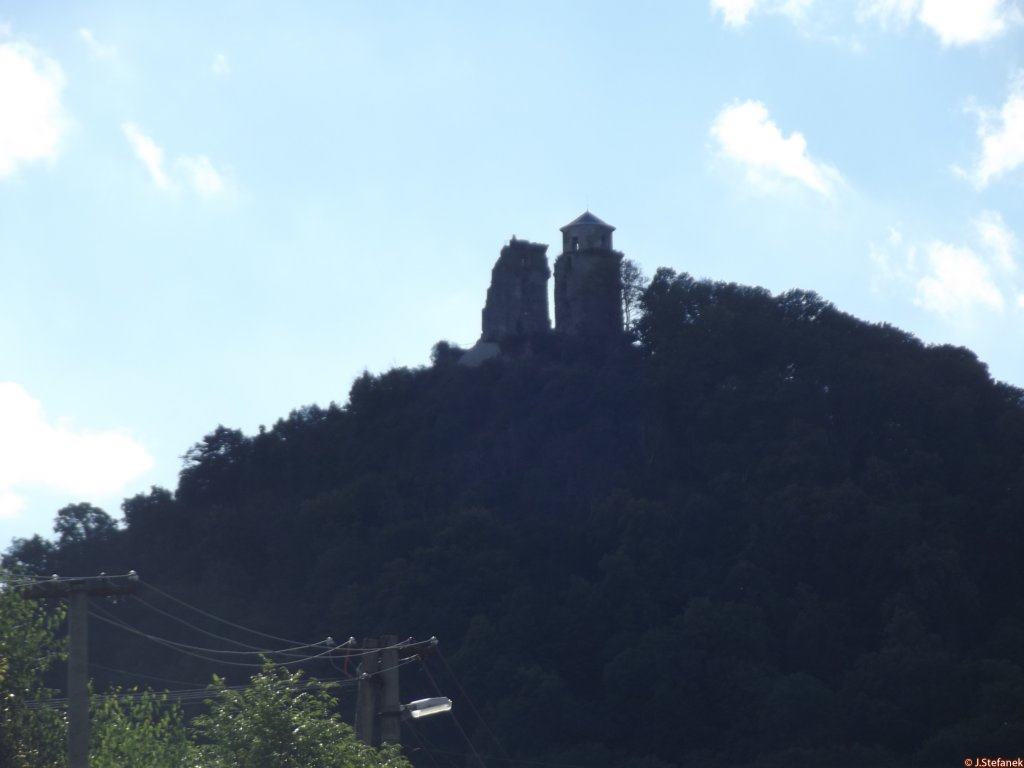
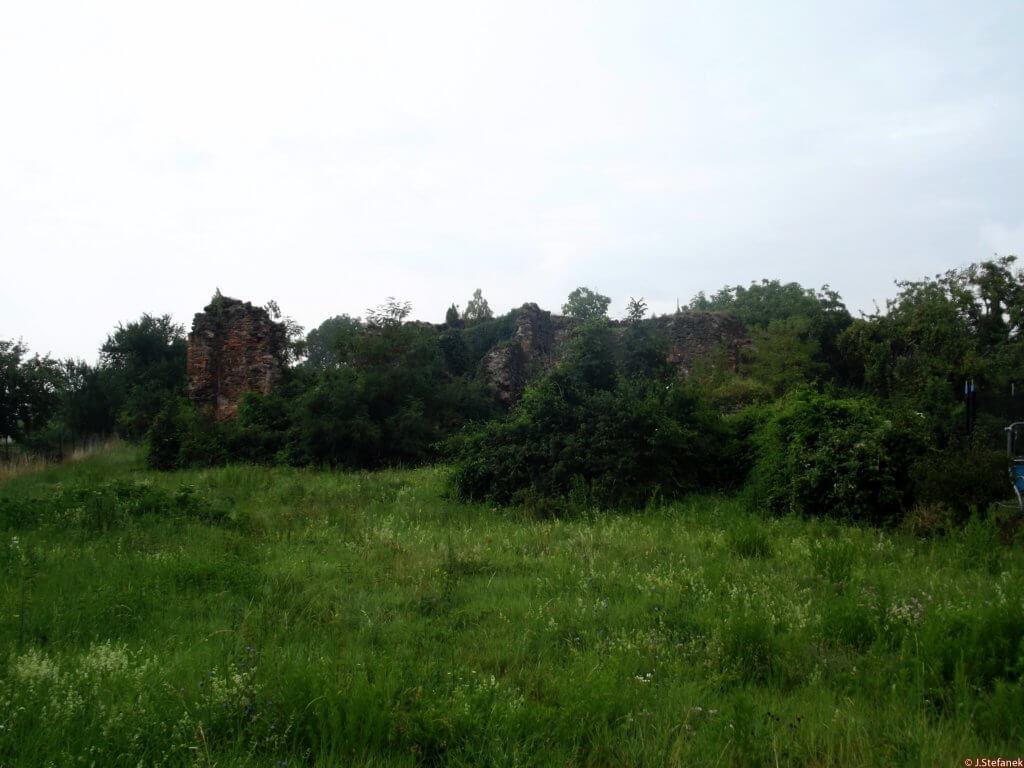
The ruins of the almost completely destroyed castle are located in the southwestern part of the East Slovak Lowland, near the foot of the Slan Hills. It is on the SW side of the village Kazimír above the stream of Izra, in a position called Hrunok
Zrúcanina takmer úplne zničeného hradu stojí na juhozápadnej časti Východoslovenskej nížiny, neďaleko úpätia Slanských vrchov. Je na JZ strane obce Kazimír nad potokom Izra, v polohe nazývanej Hrunok.
Previous names
Kamer, Kazmer, Kazmeyr, Kazmir, Kažmir, Kazymír, Kázmír, Nagykázmér
Roads
The village of Kazimír lies in the SW part of the Potiska lowlands, 18 km from the town of Trebišov, almost on the border with Hungary. Remains of the castle Kazimír are located directly in the village, near the medieval church. We can get to the castle from Hlavná street, which passes through the village, by turning to the narrow Majerská street. The turnoff is just opposite the shop, where we can park. We continue on foot along Majerská Street and soon we come to the church, from there a few meters to the left to the castle ruins.
Obec Kazimír leží v JZ časti Potiskej nížiny 18km od mesta Trebišov, takmer na hranici s Maďarskom. Zvyšky hrádku Kazimír sa nachádzajú priamo v obci, neďaleko stredovekého kostola. K hrádku sa dostaneme z Hlavnej ulice, ktorá obcou prechádza, odbočkou na úzku Majerskú uličku. Odbočka je hneď oproti obchodíku, kde môžeme zaparkovať. Pokračujeme peši po Majerskej uličke a čoskoro prídeme ku kostolu, odtiaľ pár metrov vľavo až k hradu.
Description
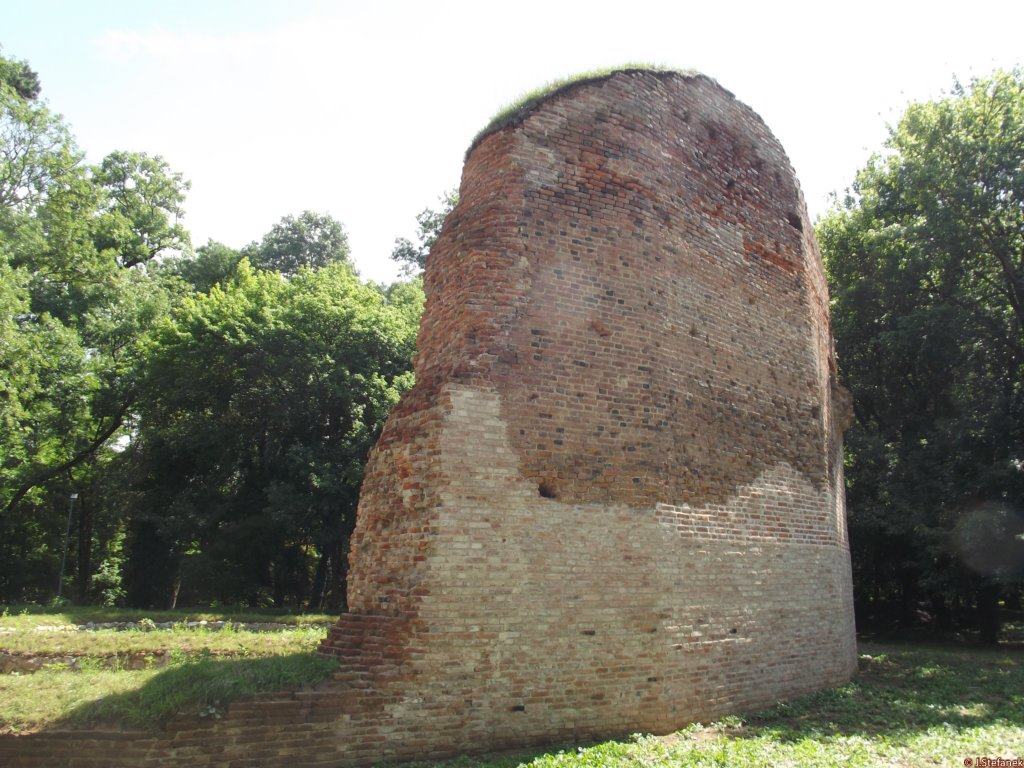
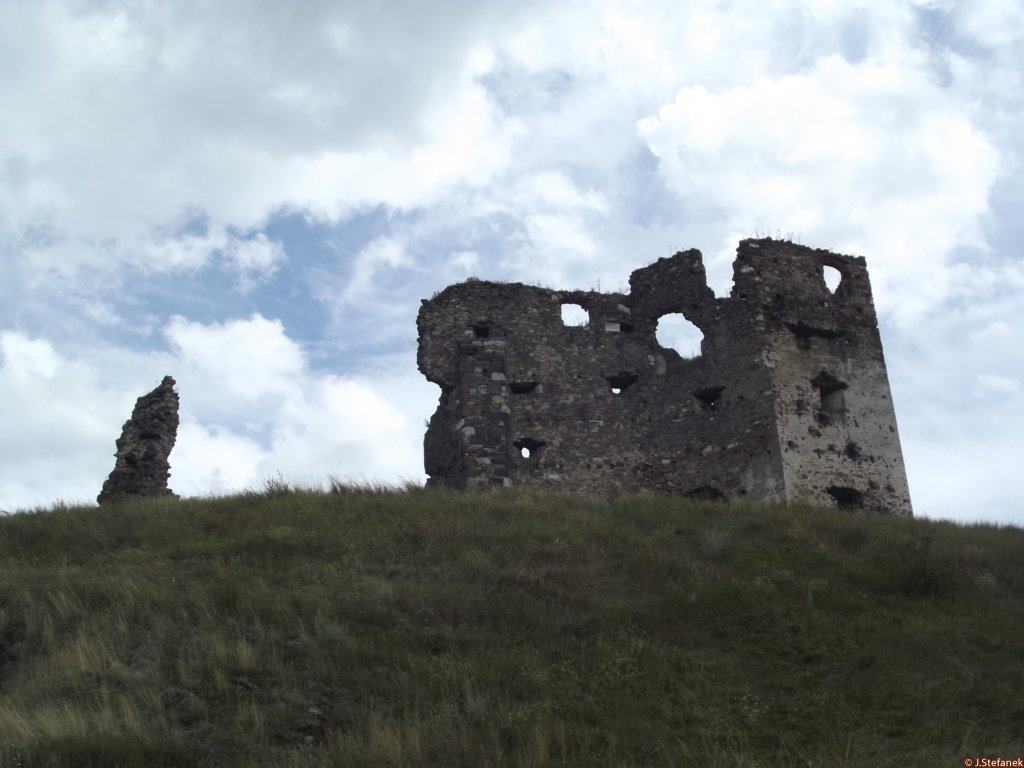
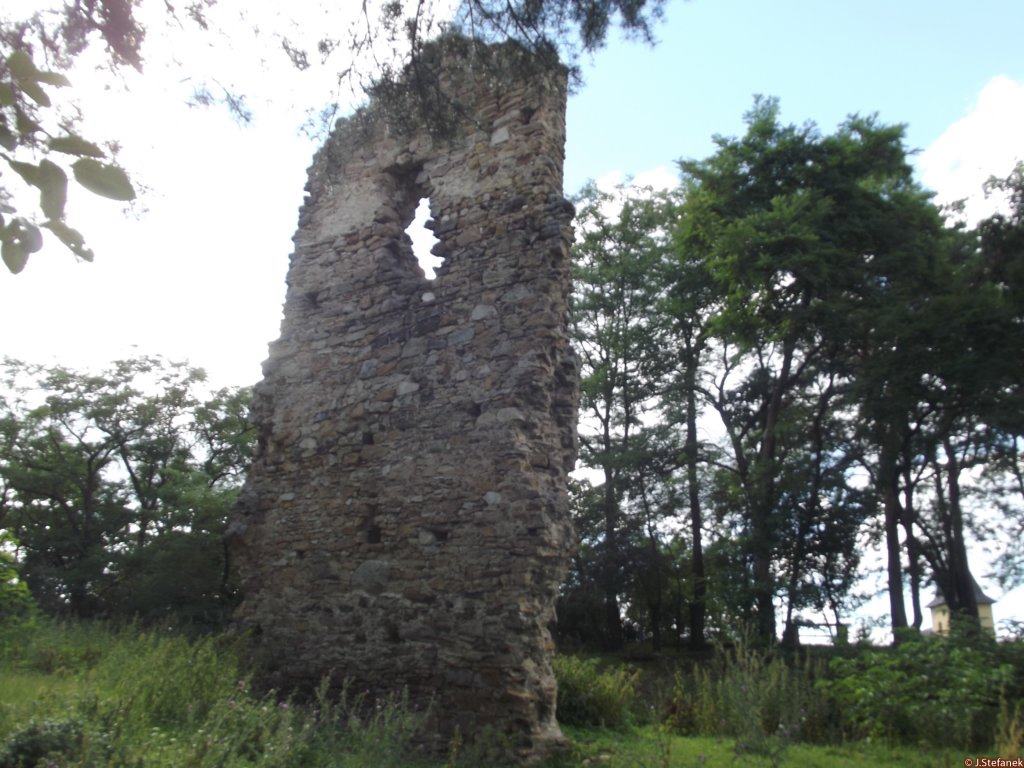
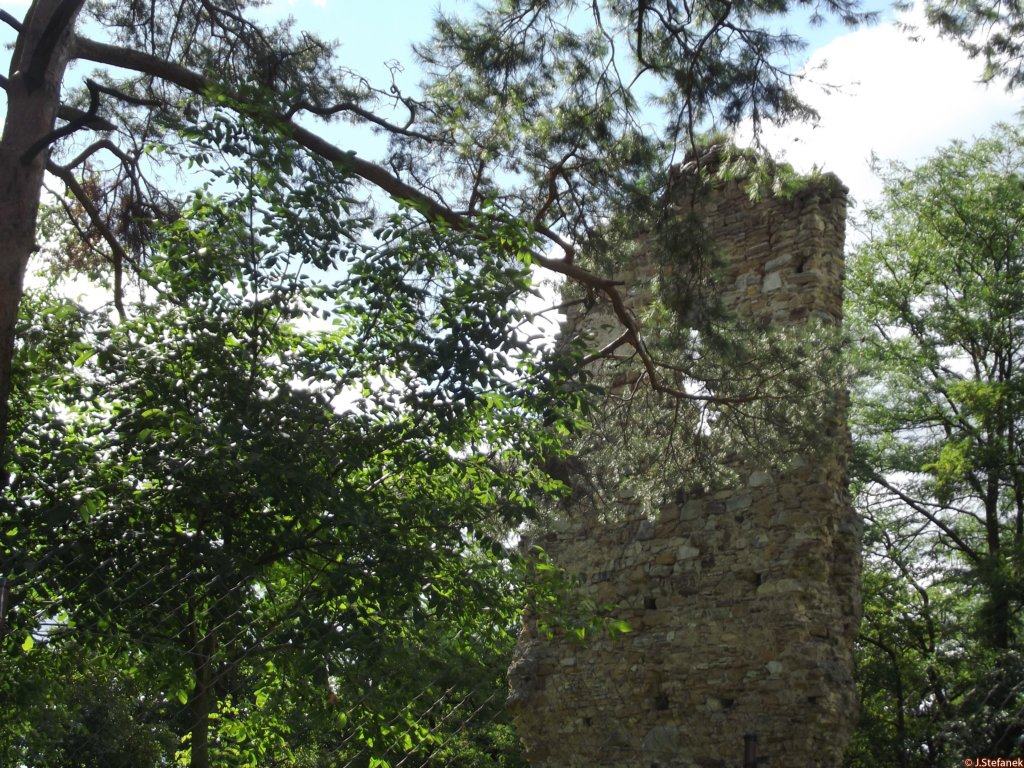
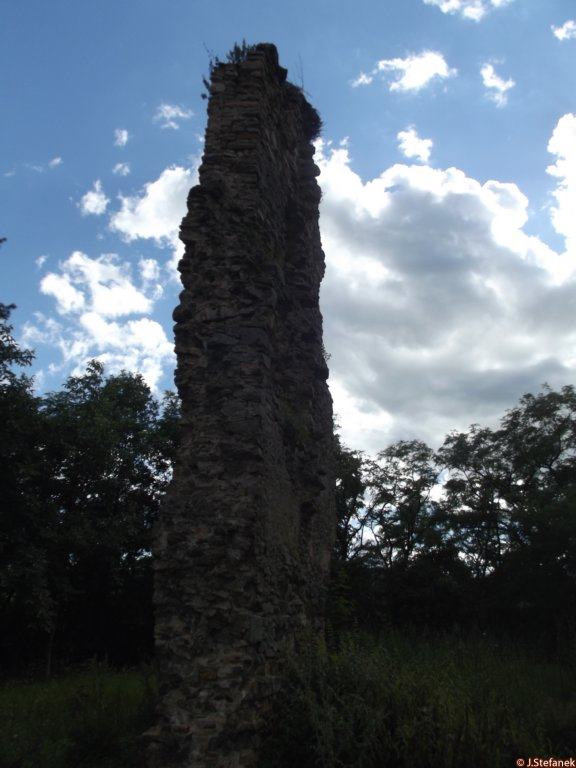
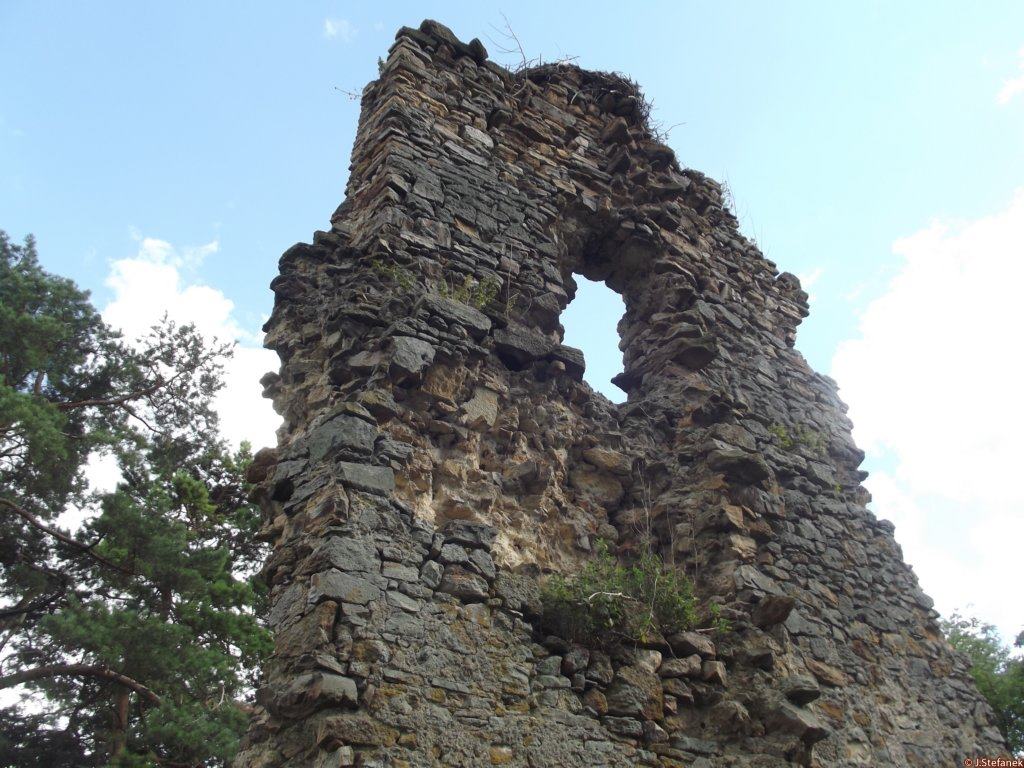
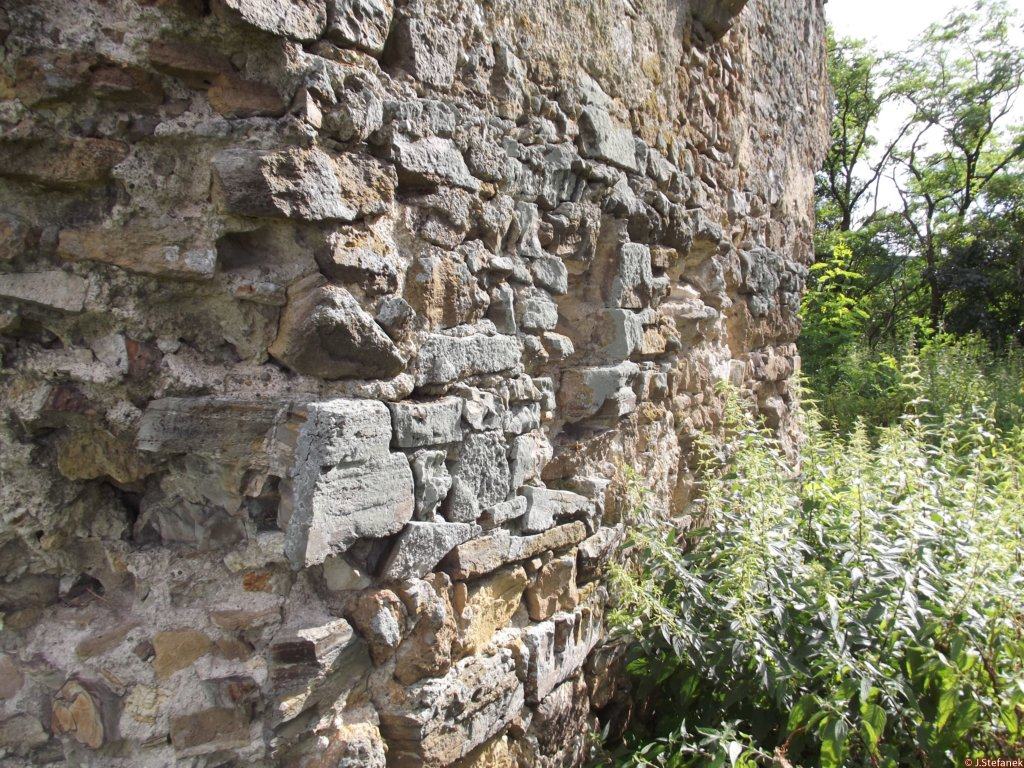
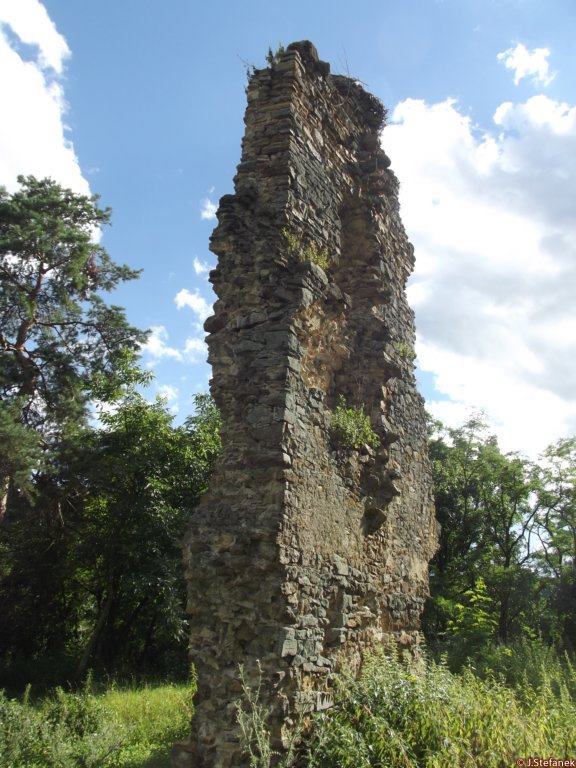
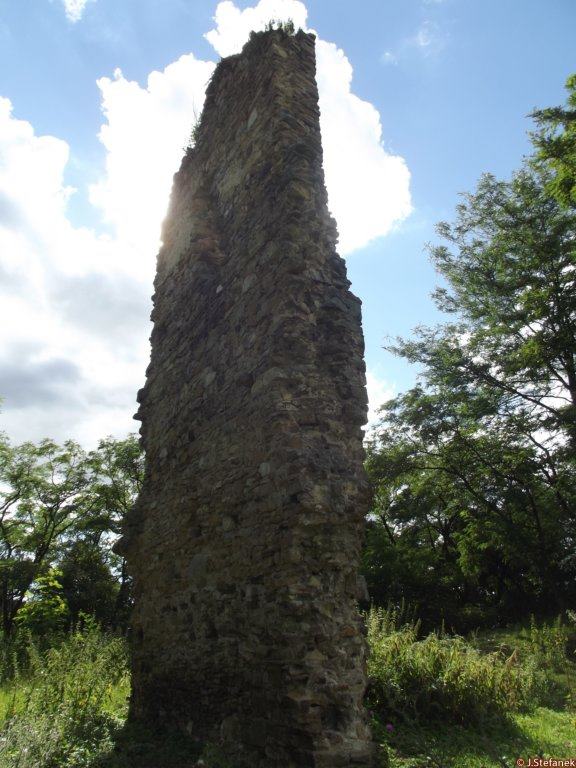
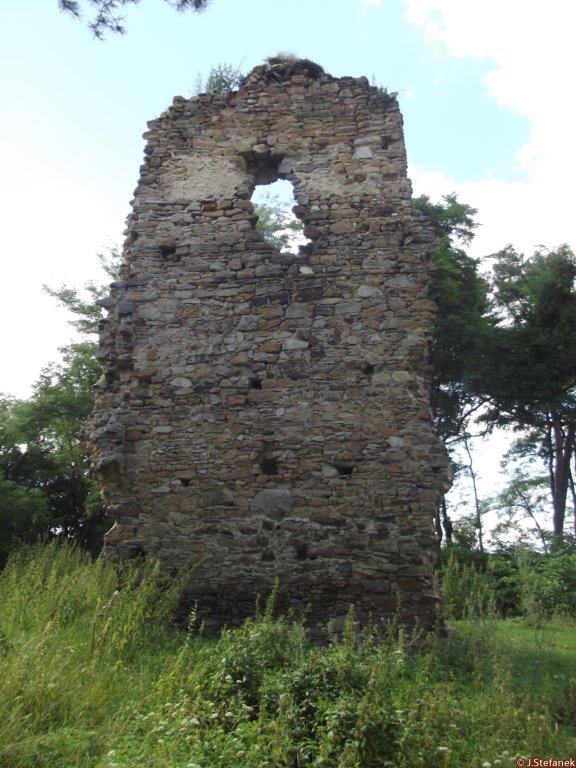
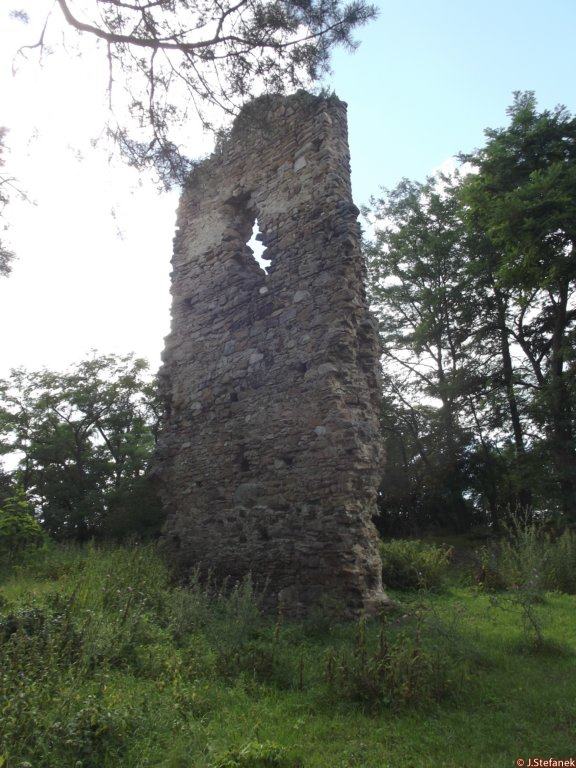
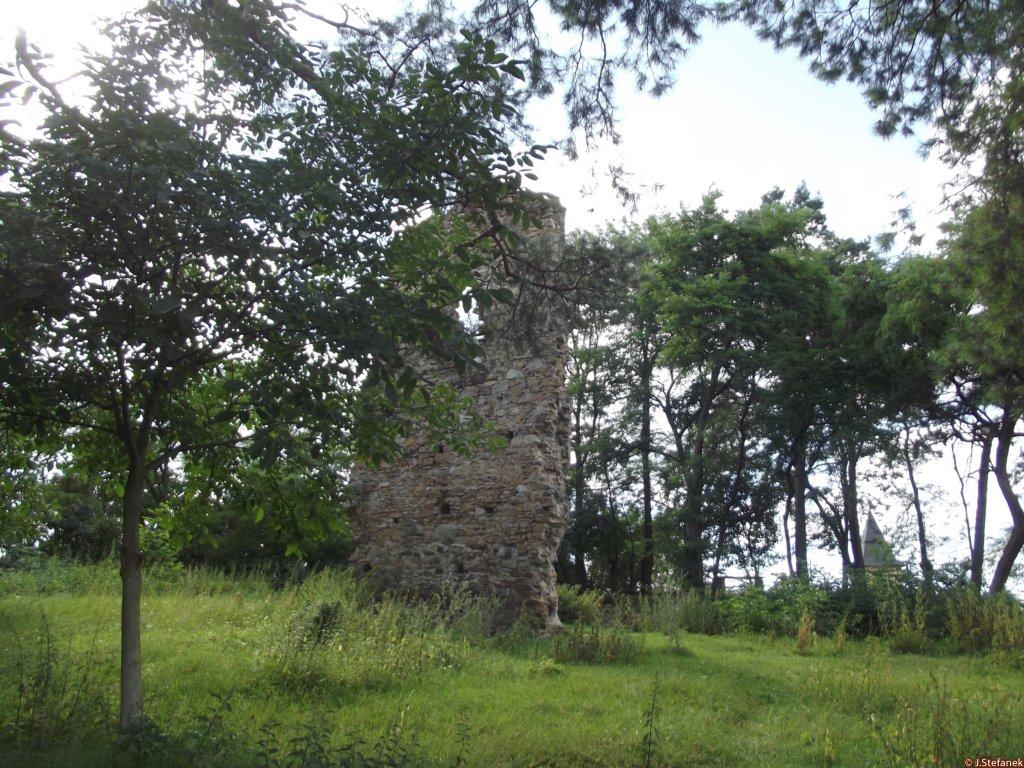
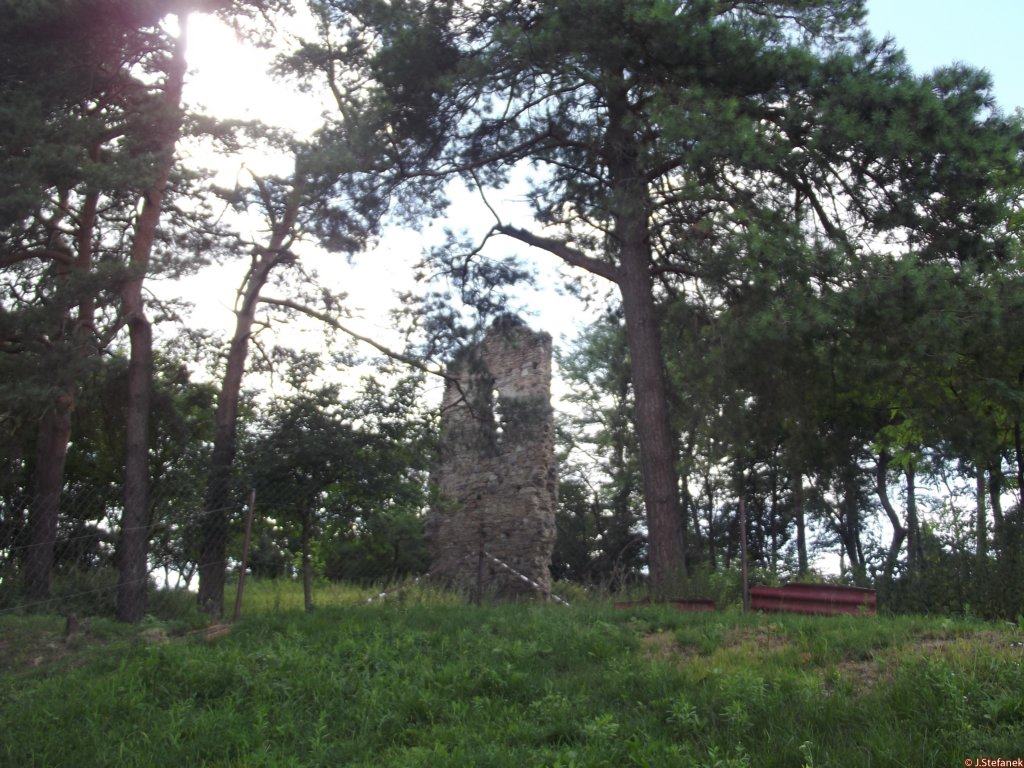
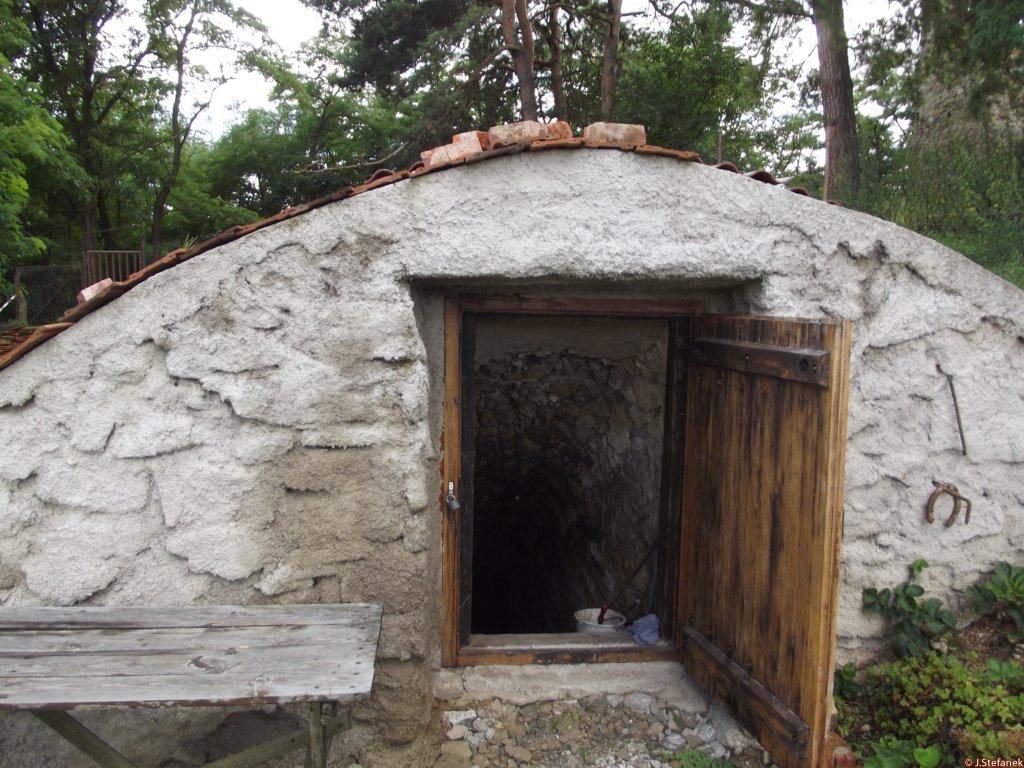
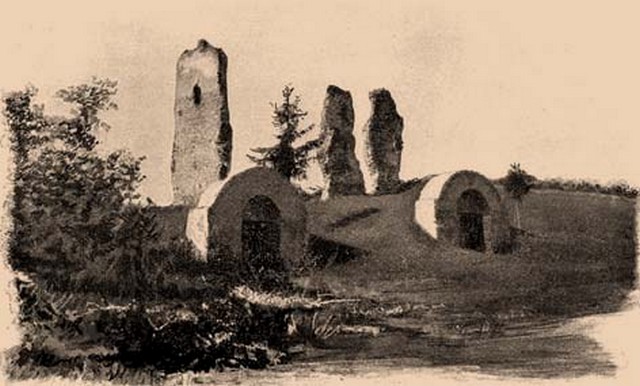
The only part of the ruins that is still standing is the wall of the former main residential, probably palace building, which has in the upper part of the cavern, originally a window. There is very little information about this ruin, but some sources say it was a monastery and not a castle. Under the rest of the wall there are cellars that most likely belonged to the building.The castle itself was probably protected by palisade fortifications on the edge of the elevated plateau. Very few of the original buildings have been preserved, but the terrain configuration makes it possible to identify the existence of several buildings. Roughly in the middle of the hill was a palace building with three floors and cellars with reconstructable dimensions of about 21x14m and 1m thick stone of quarry stone, which was connected by hard mortar. South of the palace stood a smaller, two-room building (12x15m) probably also residential. Farm buildings were placed in the free space of the northern part of the courtyard, where there is also an entrance to the building. To this part is attached linguistic projection, which was also elevated, but did not reach the height of the castle. It is a smaller strategic foreground on which the church later stood.
Jedinou časťou ruín, ktorá v súčasnosti ešte stojí, je stena bývalej hlavnej obytnej, pravdepodobne palácovej stavby, ktorá má v hornej časti kavernu, pôvodne asi okno. O tejto zrúcanine je veľmi málo informácií, no niektoré zdroje tvrdia, že sa jednalo o kláštor a nie hrádok. Pod zvyškom steny sa nachádzajú pivnice, ktoré s najväčšou pravdepodobnosťou patrili k objektu.Samotný hrad bol zrejme chránený palisádovým opevnením na kraji vyvýšenej plošiny. Z pôvodných stavieb sa zachovalo len veľmi málo, no terénna konfigurácia umožňuje identifikovať existenciu viacerých stavieb. Zhruba uprostred návršia stála palácová stavba s tromi podlažiami a pivničnými priestormi s rekonštruovateľnými rozmermi okolo 21x14m a 1m hrubým murivom z lomového kameňa, ktoré bolo spájané tvrdou maltou. Južne od paláca stál menší, dvojpriestorový objekt (12x15m) pravdepodobne tiež obytný. Hospodárske objekty boli umiestňované do voľného priestranstva severnej časti nádvoria, kde je i vstup do objektu. K tejto časti sa pripája jazykovitý výbežok, ktorý bol tiež vyvýšený, ale nedosahoval výškovú úroveň hrádku. Ide o menšie strategické predpolie, na ktorom stál neskôr kostol.
Plan
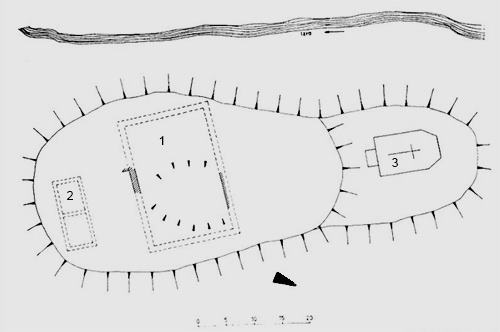
Legend to the ground plan
- 1 - main building (residential)
- 2 - farm building
- 3 - original church
Legenda k pôdorysu
- 1 - hlavná budova (obytná)
- 2 - hospodárska stavba
- 3 - pôvodný kostol
History
No written mentions have been preserved about Kazimír Castle itself. Its origin, use and extinction can be derived only on the basis of the development of settlements in the vicinity and preserved architecture. The first written mention of the village Kazimír is found in a document of the younger King Stephen V from 1270 on the donation and demarcation of the castle estate Füzér. The property of the manor was adjacent on the east side to the area of the village Kazimír, which belonged to the nobleman Peter. He lived in Kazimír for a long time and used his name in his adjective (it was also used by his descendants and heirs in the 17th century). Also in the following century, the local lords were called "de Kazmer", which testifies to the presence of their seat, the castle, which was probably built at the turn of the 13th - 14th century. and disappeared in about the 16th, perhaps until the 17th century, when the ownership of the village changed and the local Kazimírský family gradually disappeared. Since the middle of the 14th century, there have been two Kazimír housing estates, alternately named as Veľký or Vyšný Kazimír and Malý, or Nižný Kazimír. In both they had mansions there. In the Middle Ages, there were also settlements or villages of Kuchlin and Roňva near Kazimír, but they later disappeared.
O samotnom hrade Kazimír sa nezachovali žiadne písomne zmienky. Jeho vznik, využitie a zánik je tak možné odvodiť len na základe vývinu osídlenia blízkeho okolia a zachovanej architektúry. Prvá písomná zmienka o obci Kazimír sa nachádza v listine mladšieho kráľa Štefana V. z roku 1270 o darovaní a ohraničení hradného panstva Füzér. Majetok panstva susedil na východnej strane s chotárom obce Kazimír, patriacej šľachticovi Petrovi. Ten v Kazimíri dlhodobo býval a jeho názov používal aj v svojom prídomku (používali ho aj jeho potomkovia a dedičia ešte v 17. storočí). Aj v nasledujúcom storočí boli miestni páni označovaní "de Kazmer", čo svedčí o prítomnosti ich sídla, hradu, ktorý tak vznikol pravdepodobne na prelome 13. - 14.stor. a zanikol asi v 16., snáď až 17. stor., keď sa zmenilo vlastníctvo obce a postupne zanikol miestny rod Kazimírskych. Od polovice 14.storočia jestvovali dve kazimírske sídliská, striedavo pomenúvané ako Veľký či Vyšný Kazimír a Malý, resp. Nižný Kazimír. V oboch mali kúrie tamojší zemania. Pri Kazimíre sa v stredoveku nachádzali aj osady či dediny Kuchlin a Roňva, ale tie neskôr zanikli.
Myths and legends
There are no myths available.
Povráva sa
Podľa legendy na vŕšku stál biely kláštor. Ten kto vošiel do kláštora bielych mníchov, tak nikdy sa nevrátil späť. Boli to vraj mnísi - kanibali.
Useful information
The ruins are freely accessible, we recommend reaching out the locals who shows you the remains of the castle and lead you through their land
Zrúcanina je voľne prístupná, odporúčame osloviť miestnych obyvateľov, ktorí vám zvyšky hradu poukazujú a zavedú vás k nim cez ich pozemky
Nearby castles