Veľký Kamenec
Veľký Kamenec Košice county Slovakia
castle ruin
Veľký Kamenec
Veľký Kamenec Košický kraj Slovakia
zrúcanina hradu
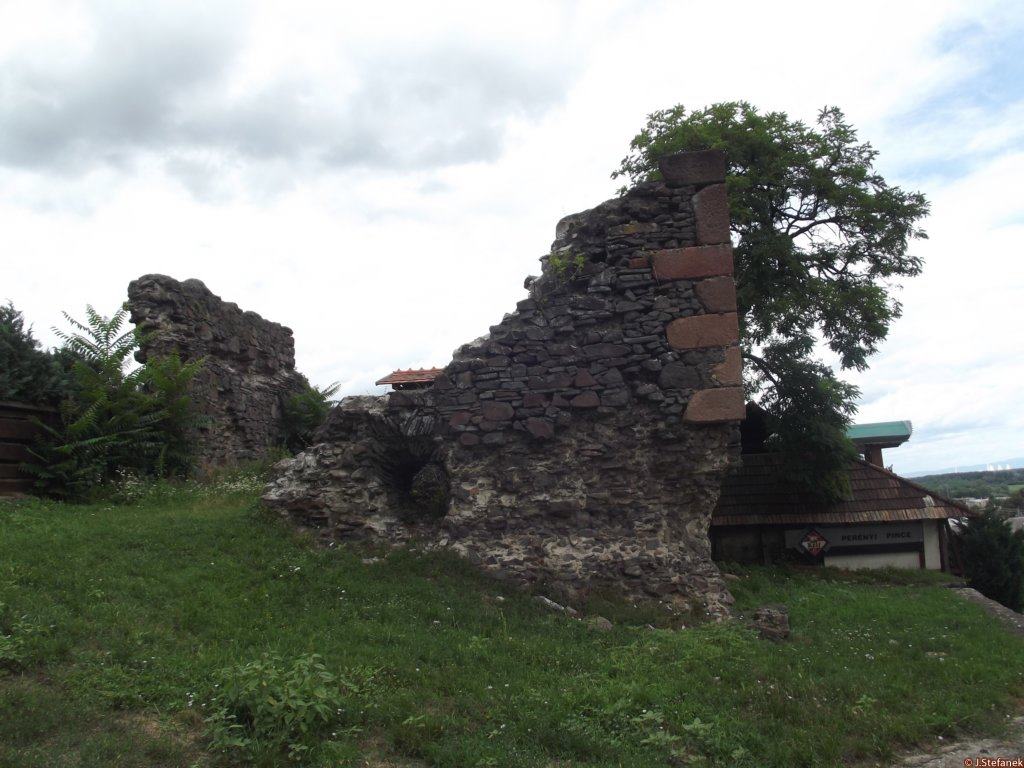
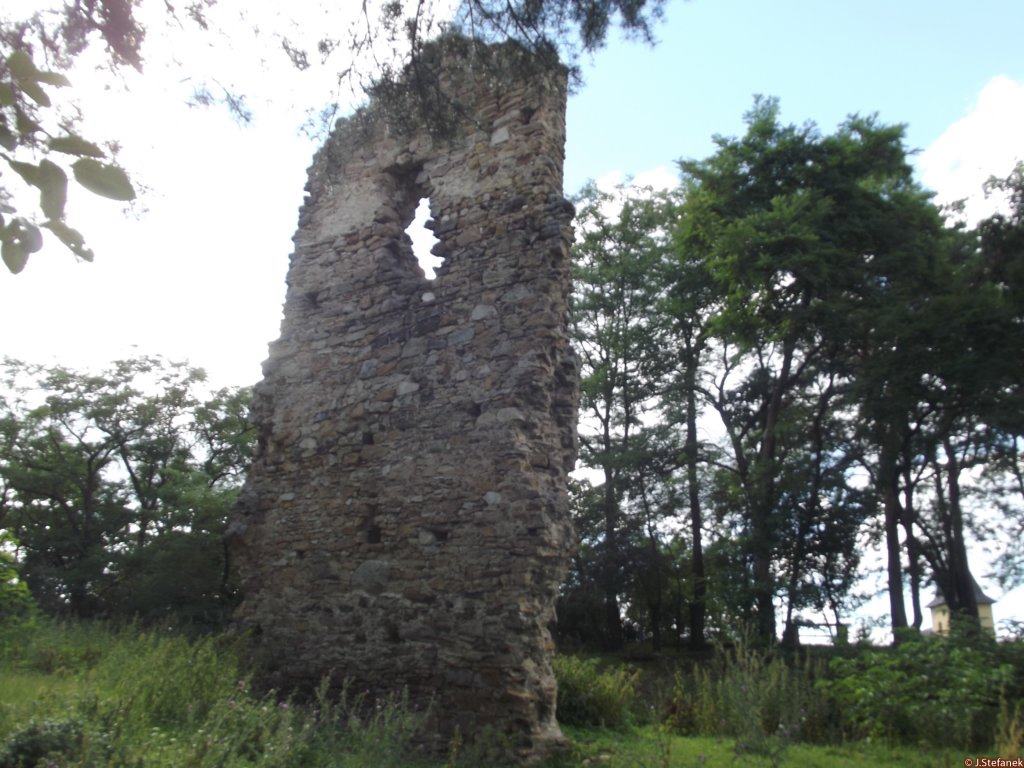
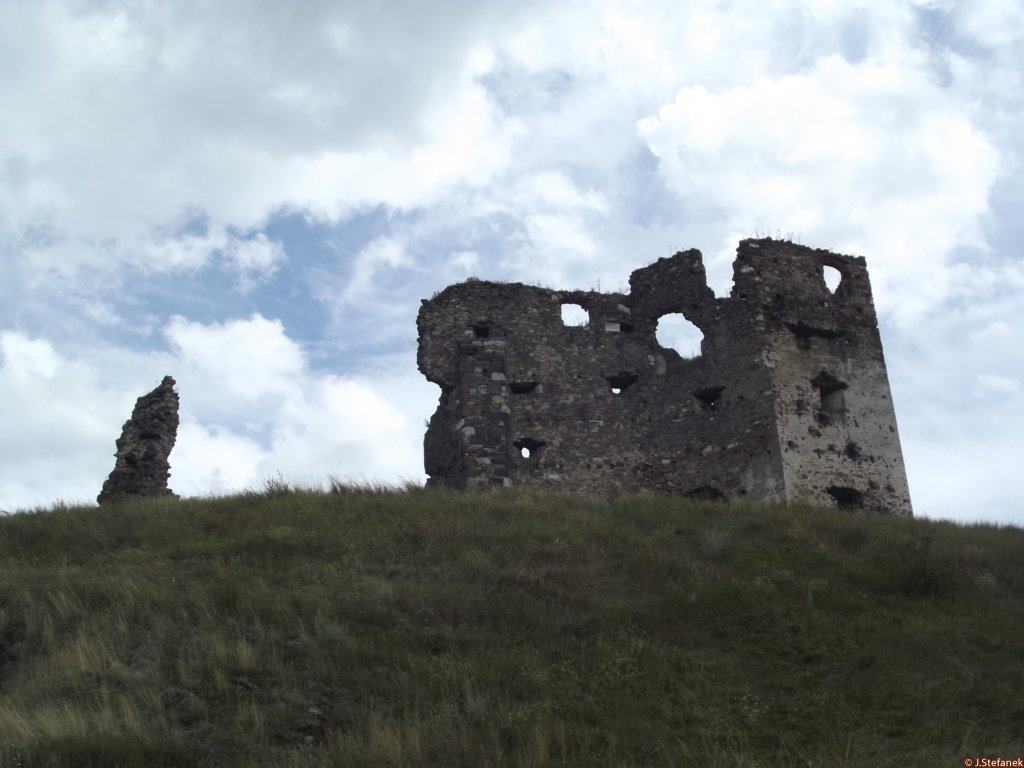
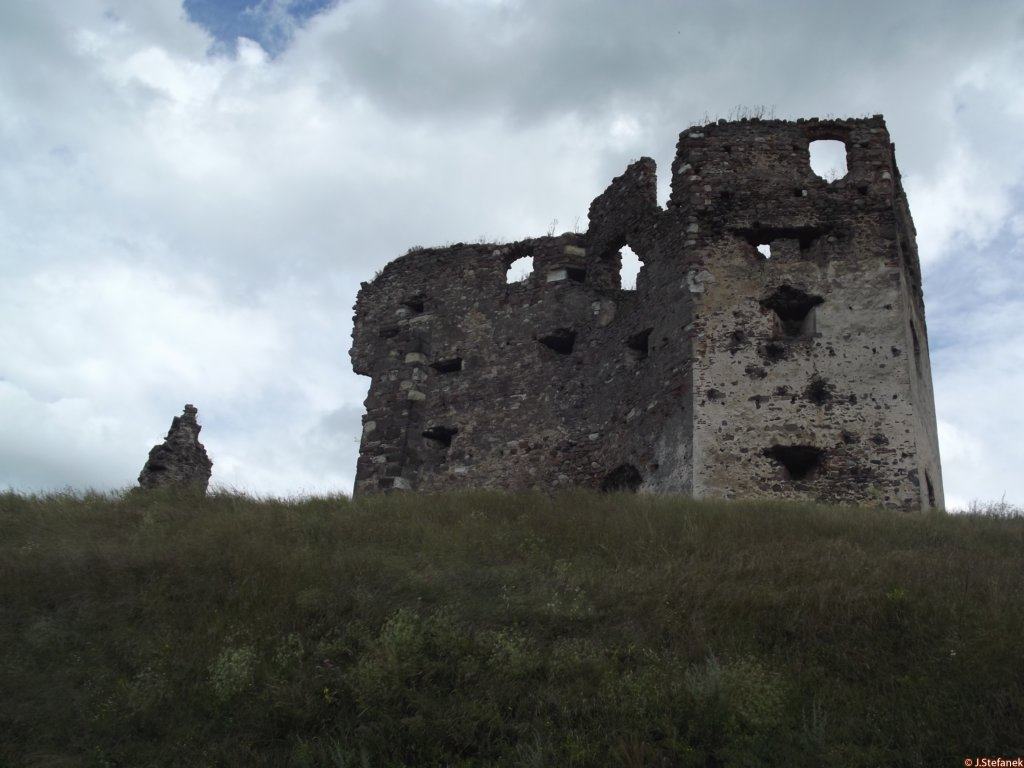
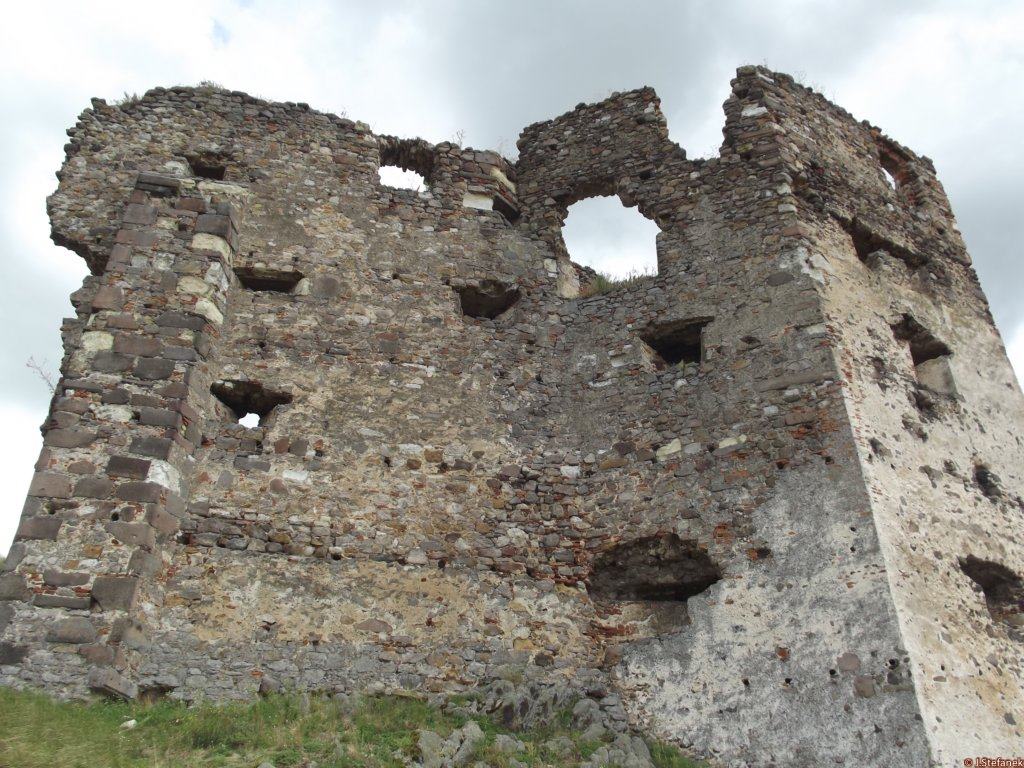
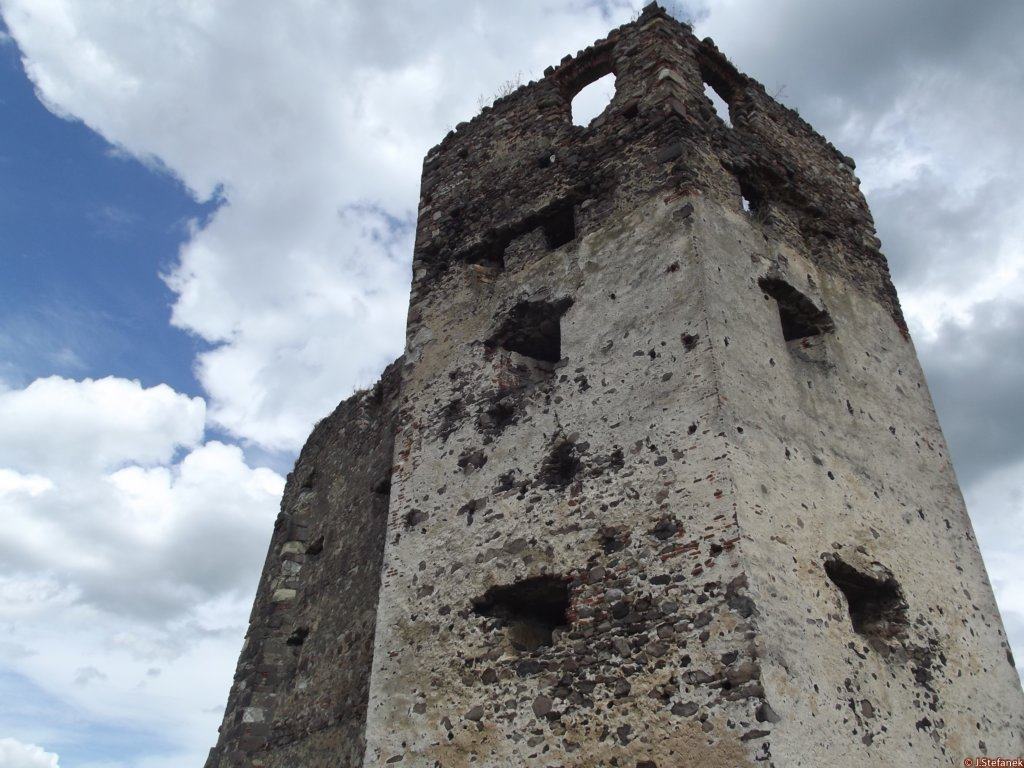
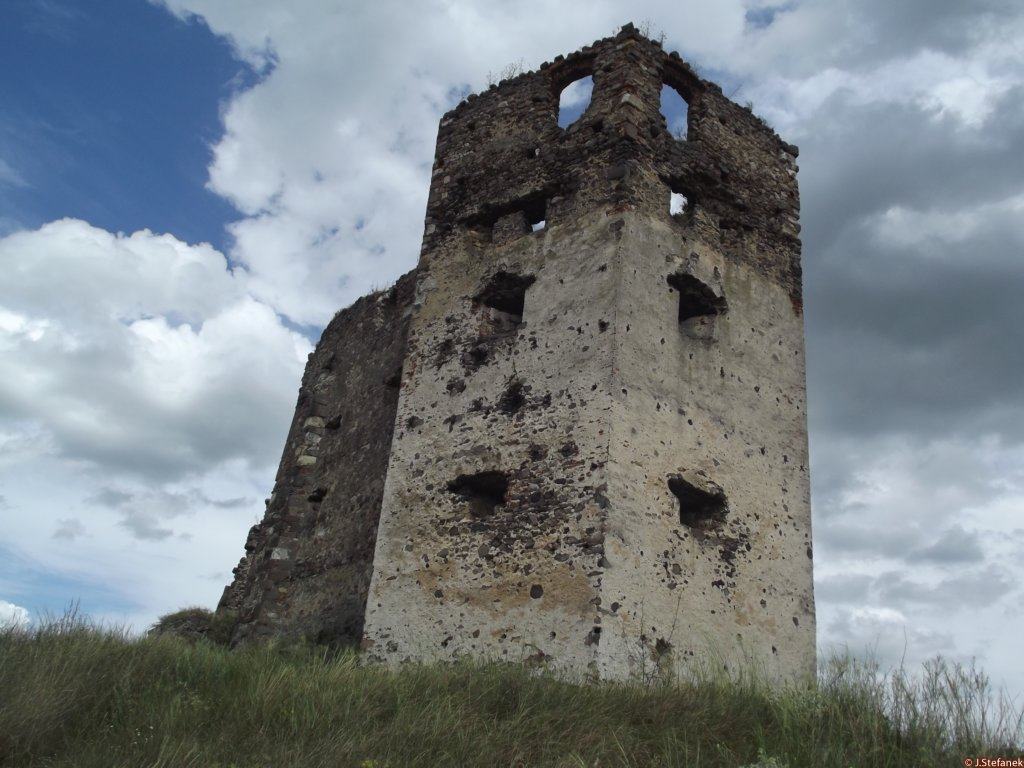
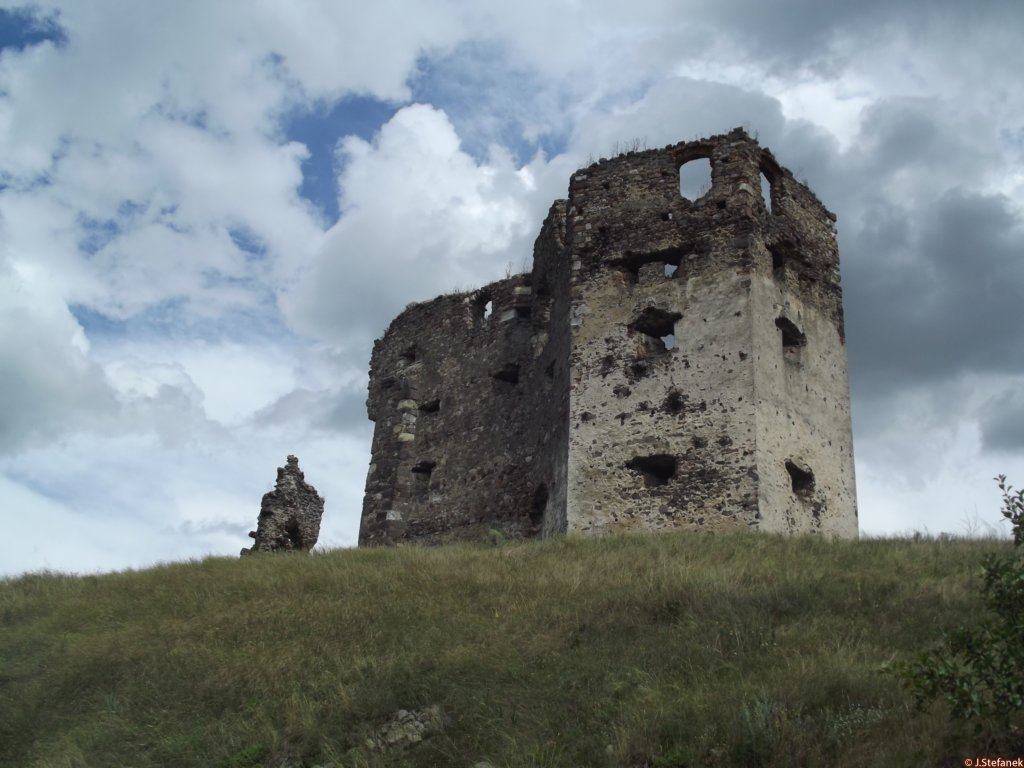
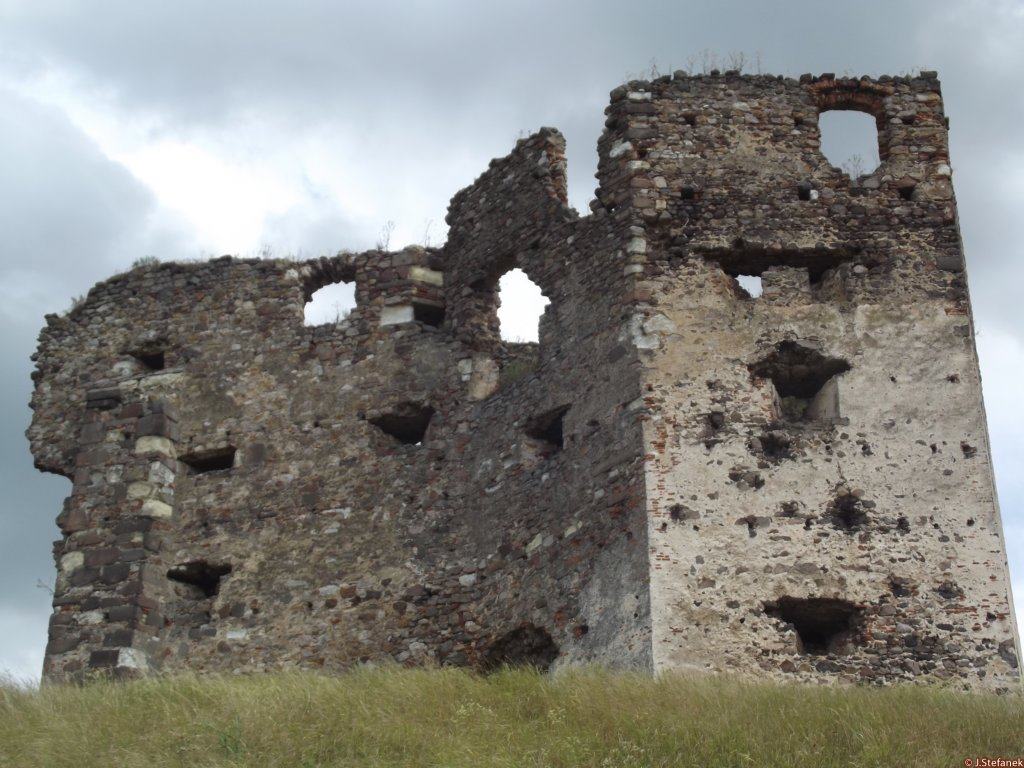
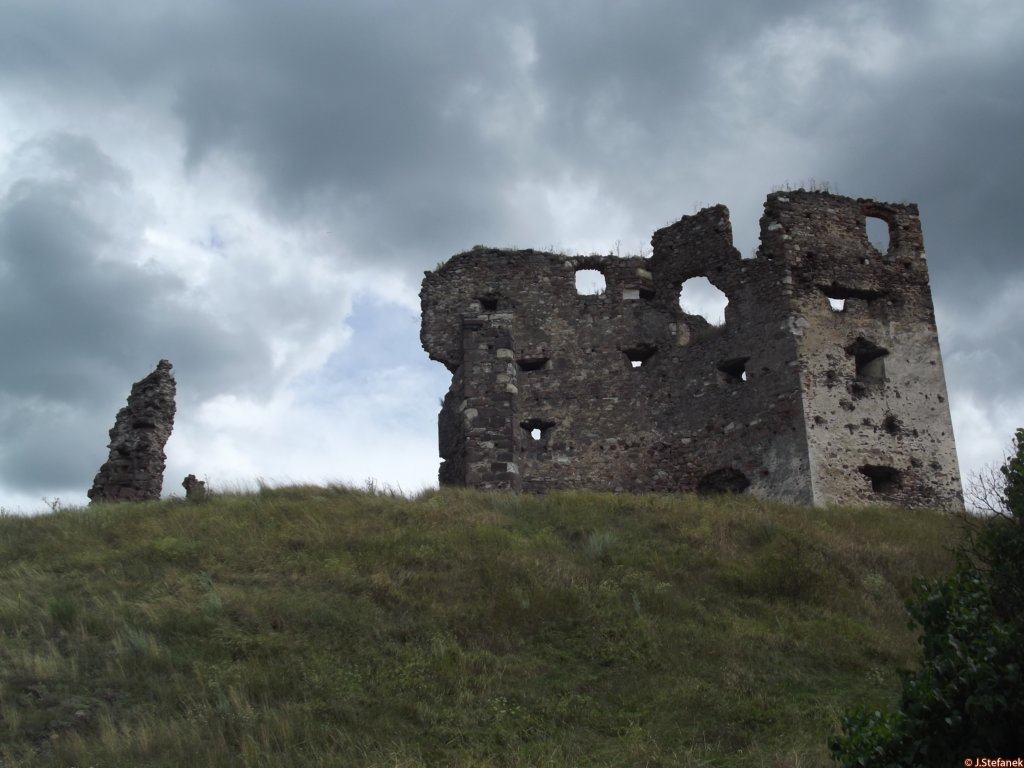
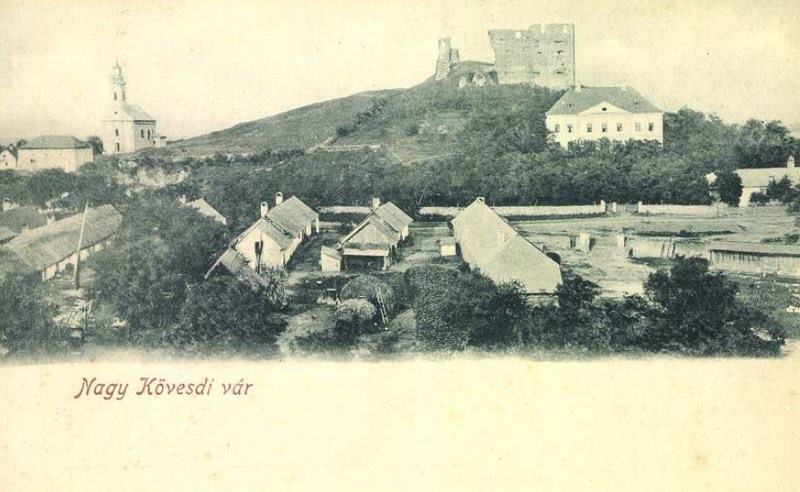
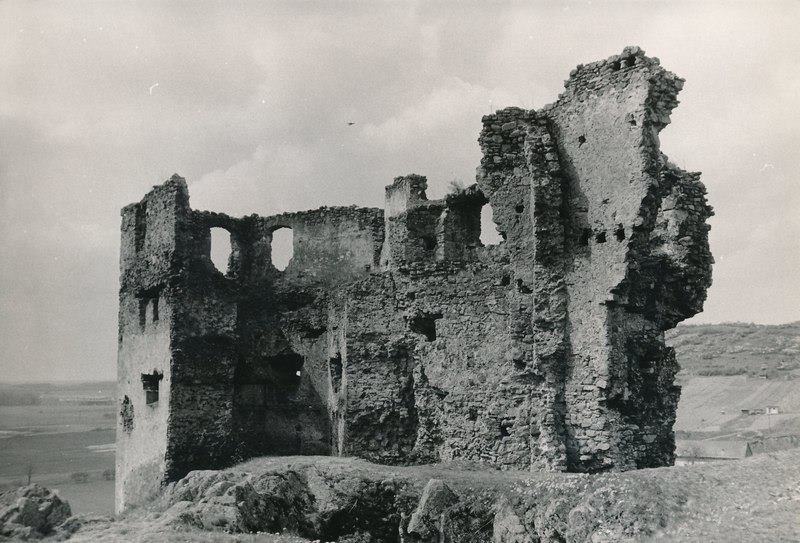
The ruins of the castle on the rhyolite hill, rising on the Eastern-Slovakian plain in the village of Veľký Kamenec
Zrúcanina hradu na ryolitovom návrší, vystupujúcom na Východoslovenskej rovine v intraviláne obce Veľký Kamenec.
Previous names
Kamenec, Kuezd, Kuwesd, Kuwezd, Kwesd, Kewesd, Nagy Kewesd, Naď Kevežď, Veľký Kevežd, Kevežd, Nagykövesd, Kamenecký hrad
Roads
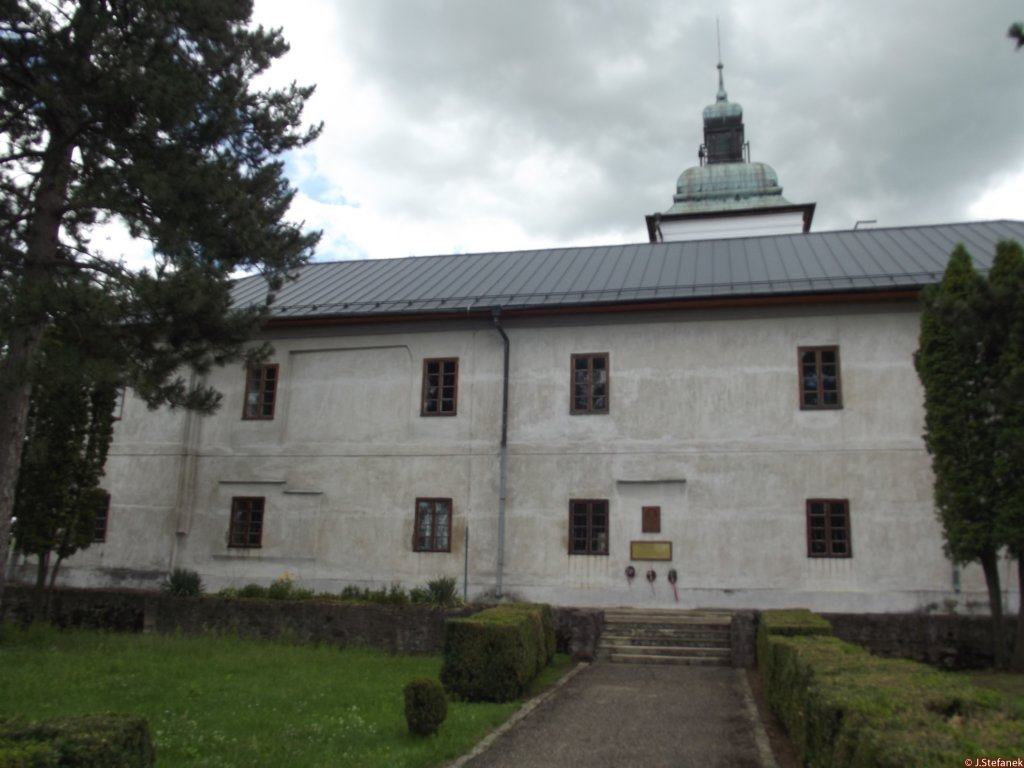
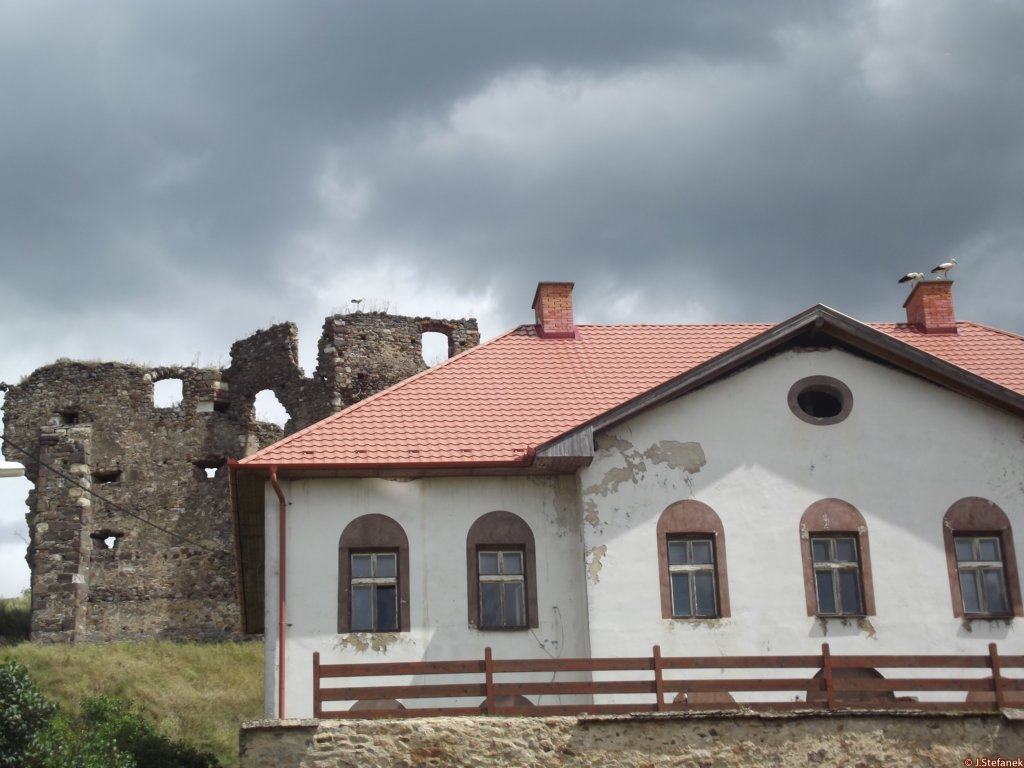
Access to the ruins of the castle Veľký Kamenec is very simple. On the main road through the village of Veľký Kamenec, on the street called Europska, we stop at the Municipal Office, right next to a small intersection with a tiny park. Here we can park the car - in front of the post office building, which is adjacent to the Municipal Office, or right next to the Municipal Office is a place for several cars. From there it is only a few meters to the castle, along the old manor house we will pass the stairs, then a small hill on which the ruin is located.
Prístup k zrúcanine hradu Veľký Kamenec je veľmi jednoduchý. Na hlavnom ťahu cez obec Veľký Kamenec, na ulici zvanej Európska, zastaneme pri Obecnom úrade, hneď pri malej križovatke s maličkým parkom. Tu môžeme odstaviť auto - pred budovou pošty, ktorá susedí s Obecným úradom, alebo hneď vedľa Obecného úradu je miesto pre niekoľko áut. Odtiaľ je to len pár metrov na hrad, popri kaštieli minieme schody, potom menší kopec, na ktorom sa zrúcanina nachádza.
Description
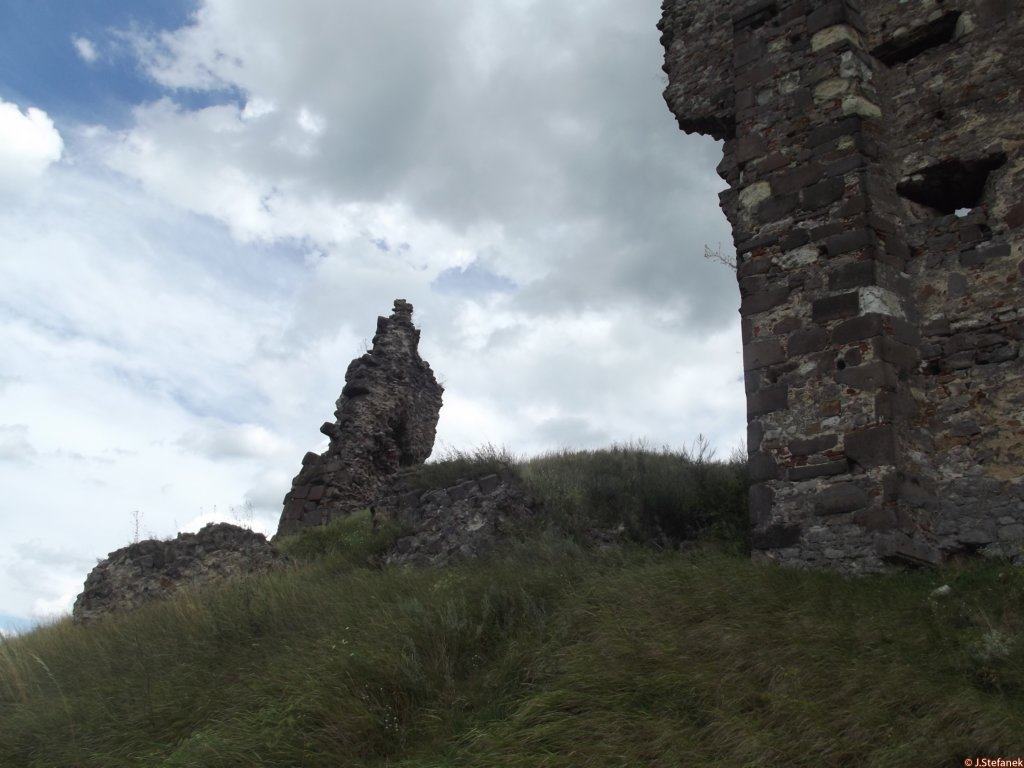
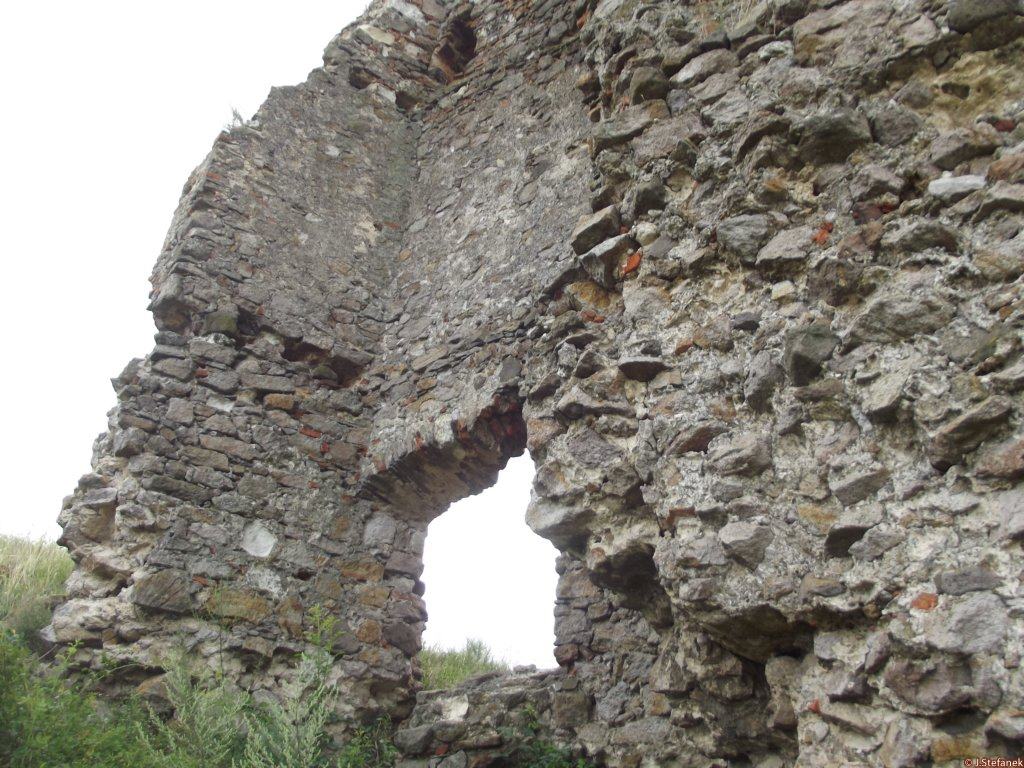
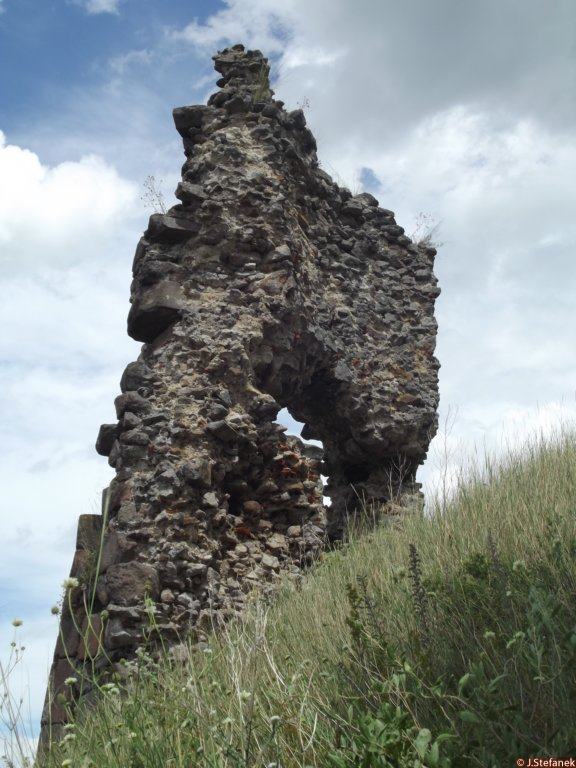
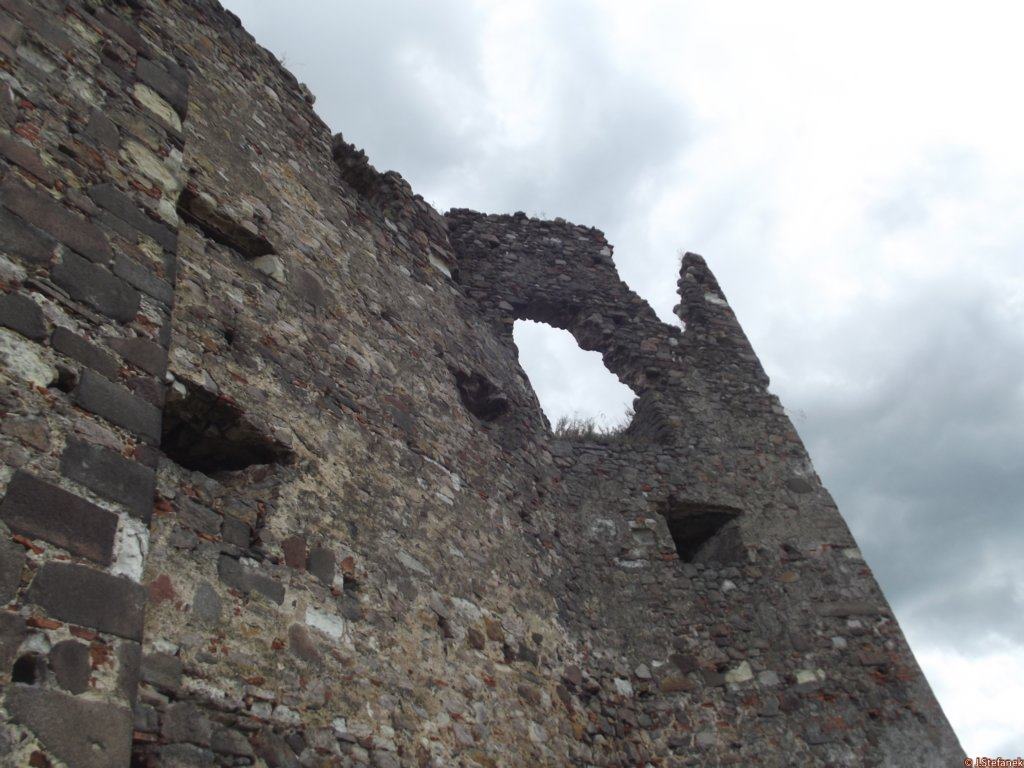
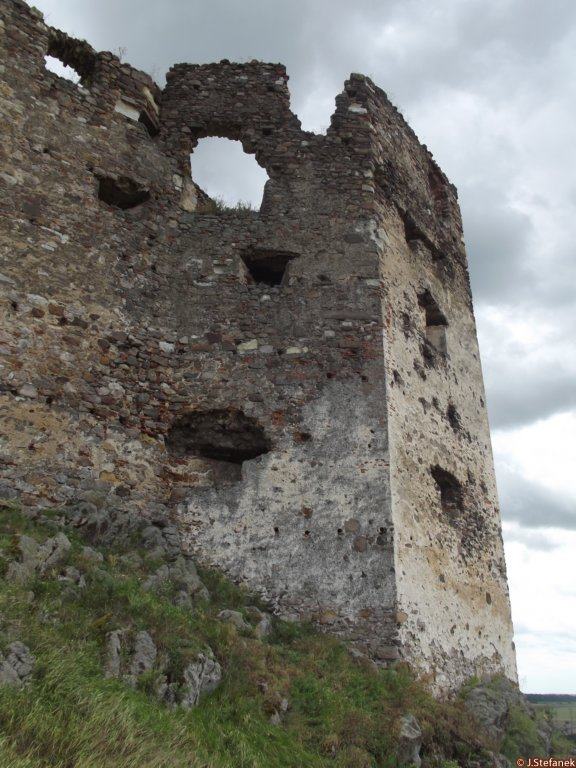
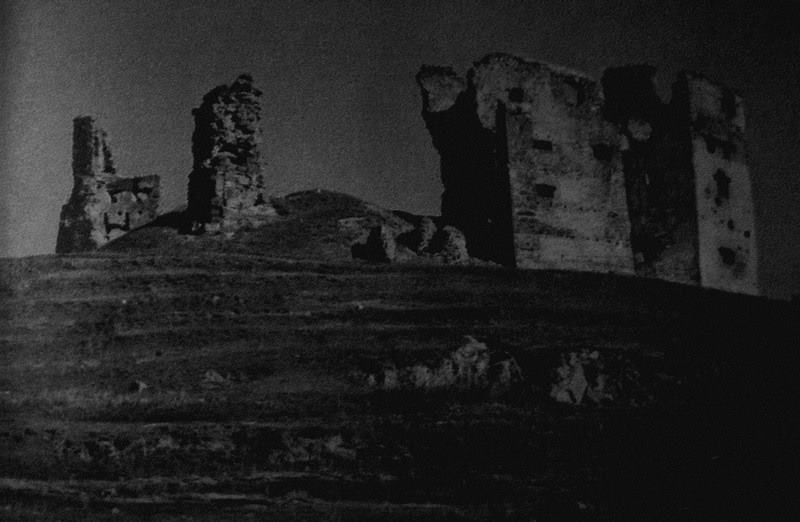
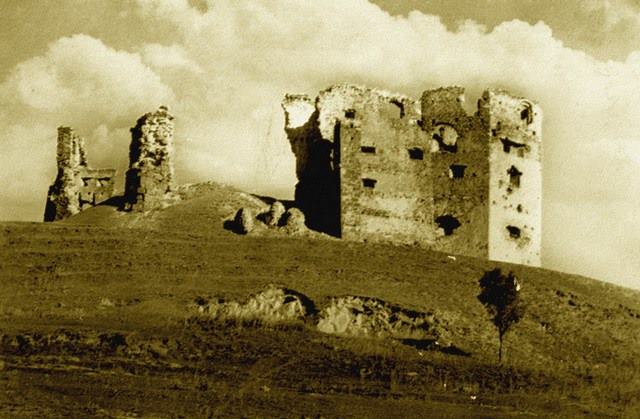
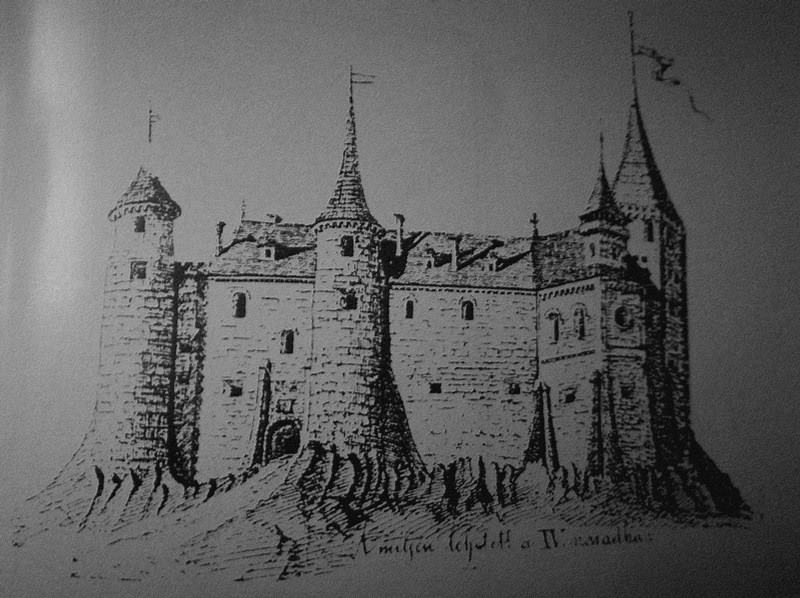
The original core of the castle - the tower and the perimeter fortifications - stood on the highest peak of the castle hill. Part of the medieval castle was probably a tank in the courtyard. Part of the area is also ramparts and walls extending to the church under the castle, which could be part of it.Several walls have been preserved from the castle - a corner five-sided massive bastion and a considerably destroyed round cannon bastion. The walls suggest an almost triangular ground plan of the castle with round and polygonal bastions on the corners. On the polygonal bastion with adjacent wall preserved cannon fire and window openings. At the place where the courtyard is a stone carved stone, still quite clearly recognizable.
Pôvodné jadro hradu – veža a obvodové opevnenie – stálo na najvyššom vrchole hradného kopca. Súčasťou stredovekého hradu bola pravdepodobne aj cisterna na nádvorí. Súčasťou areálu je aj valové opevnenie a múry siahajúce až po kostol pod hradom, ktorý mohol byť jeho časťou.Z hradu sa zachovalo niekoľko múrov – nárožná päťboká masívna bašta a značne zničená okrúhla delová bašta. Múry naznačujú takmer trojuholníkový pôdorys hradu s oblými a polygonálnymi baštami na nárožiach. Na polygonálnej bašte s priľahlým múrom sa zachovali delové strieľne a otvory okien. Na mieste kde bolo nádvorie je do kameňa vysekaná cisterna, ešte dnes dosť zreteľne rozpoznateľná.
Plan
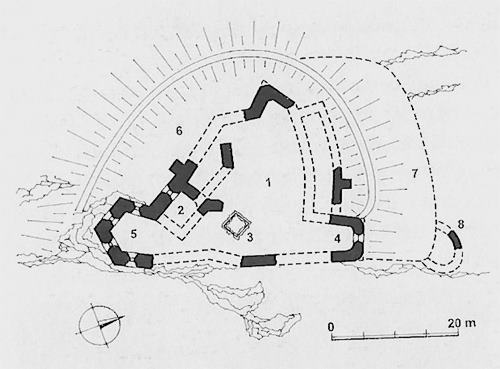
Legend to the ground plan
- 1-inner castle
- 2-prismatic tower
- 3-tank
- 4-cannon bastion
- 5-polygonal cannon bastion
- 6-moat
- 7-fort
- 8-remains bastion
Legenda k pôdorysu
- 1-vnútorný hrad
- 2-hranolová veža
- 3-cisterna
- 4-delová bašta
- 5-polygonálna delová bašta
- 6-priekopa
- 7-predhradie
- 8-zvyšky bašty
History
There are no more accurate reports about the beginnings of the castle. It was probably built in the middle of the 13th century after the Tartar invasion. It was allegedly exhibited in 1247 by Lorand of the Rathold family. The settlement of Kamenec (Kuezd) was in 1280 the property of Matej and Ratold from the Ratótov family, who exchanged it for other property with the Bokšovci family. Their family grew rapidly until the division of property was necessary. During the division in 1323, Kamenec belonged to the Soós family and the Szerdahely family. Kamenec Castle (Kuwezd castrum) is also mentioned for the first time. There were constant disputes between the owners, they did not even take good care of the castle, which was already in 1438 in a very bad condition and partly abandoned.
A year later, King Albrecht died and Ján Szerdahelyi, who illegally appropriated Kamenec, took advantage of the almost helplessness. In the years 1444 to 1450, the castle was briefly held by the lords of Pavloviec (Palóczi). However, after the death of Ján Szerdahelyi, the castle remained under his wife's administration. Ján Hunyadi could not leave the castle without boy protection and therefore in 1450 he decided an endless dispute in favor of Juraj and Mikuláš Soós. Shortly afterwards, Ján Jiskra invaded Zemplín and after heavy fighting in 1451 Kamenec conquered. In 1453, Jiskra was forced to leave the country and his mercenaries joined his brothers.
In 1458, the army of the new king Matej Korvín crushed his brother's field companies near Sárospatak, but the castle was still controlled by the brothers. A year later, however, the royal troops also conquered the castle, where they signed a peace treaty between Jiskr and Ján Hunyady. From 1527, the country was plundered by the mercenaries of two kings - Ján Zápoľský and Ferdinand Habsburg. A supporter of the Zápoľsk family - Captain František Németh, occupied Kamenec in 1556, but already in 1558 Ferdinand's general Imrich Telekessy recaptured the castle.
Probably as a result of these events at the end of the 15th century, the Soos family made major repairs to the castle and built a large fortification. However, in the 17th century, when the then owner Juraj Soós actively participated in the Wesselényi uprising, the imperial army occupied the castle in 1672 and demolished a year later.
O začiatkoch hradu chýbajú presnejšie správy. Pravdepodobne vznikol v polovici 13.storočia po tatárskom vpáde. Údajne ho v roku 1247 vystaval Lorand z rodu Ratholdovcov. Usadlosť Kamenec (Kuezd) bola v r.1280 majetkom Mateja a Ratolda z rodu Ratótovcov, ktorí ju vymenili za iné majetky s Bokšovcami. Ich rod sa rýchlo rozrastal až bola nevyhnutná deľba majetkov. Pri deľbe v r.1323 Kamenec pripadol Soósovcom a Szerdahelyovcom. Vtedy sa prvýkrát spomína aj hrad Kamenec (castrum Kuwezd). Medzi majiteľmi dochádzalo k neustálym sporom, nestarali sa poriadne ani o hrad, ktorý bol už v r.1438 vo veľmi zlom stave a sčasti opustený.
O rok neskôr zomrel kráľ Albrecht a takmer bezvládie využil Ján Szerdahelyi, ktorý si protiprávne prisvojil Kamenec. V rokoch 1444 až 1450 hrad krátko držali aj páni z Pavloviec (Palóczi). Po smrti Jána Szerdahelyiho však hrad zostal v správe jeho manželky. Ján Hunyadi nemohol nechať hrad bez chlapskej ochrany a preto v r.1450 rozhodol nekonečný spor v prospech Juraja a Mikuláša Soósovcov. No zakrátko do Zemplína vtrhol Ján Jiskra a po ťažkých bojoch v r.1451 Kamenec dobyl. V r.1453 bol Jiskra donútení opustiť krajinu a jeho žoldnieri sa pridali k bratríkom.
V r.1458 armáda nového kráľa Mateja Korvína rozdrvila bratrícke poľné roty pri Sárospataku, no hrad stále ovládali bratríci. O rok neskôr však kráľovské vojská dobyli aj hrad, kde podpísali mierovú zmluvu medzi Jiskrom a Jánom Hunyadym. Od r.1527 krajinu plienili žoldnieri dvoch kráľov - Jána Zápoľského i Ferdinanda Habsburského. Stúpenec Zápoľskovcov - kapitán František Németh, obsadil Kamenec v r.1556, ale už v r.1558 Ferdinandov generál Imrich Telekessy hrad dobyl späť.
Pravdepodobne v dôsledku týchto udalostí koncom 15.storočia vykonali Soósovci na hrade veľké opravy a vybudovali veľké opevnenie. Avšak v 17.storočí, keď sa vtedajší majiteľ Juraj Soós aktívne zúčastnil Wesselényiho povstania, cisárske vojsko v r.1672 hrad obsadilo a o rok neskôr zbúralo.
Myths and legends
The rumor says
During the restoration of the castle after the defeat of the brothers three times, one of the bastions of the castle collapsed, although it was always built by another builder. It was said to be a bastion in which all prisoners were killed after the fight.
Conspiracy against Jiskra
During Jiskra's time, a noble nobility gathered in Kamenec. They drank wine for the third day, beat each other in the breasts, bragged, stood out, but finally agreed that the old robot would do the dirty work for them. She made a narcotic, poisonous drink. But the maid, looked into Spark's captain, heard everything. She sat under an old linden tree and moaned helplessly. Noise, a pigeon flew out of the treetop. After a while, the whole flock rose above the dukes' tent. He threw his wings, warned against betrayal. And so the guards were more careful. They caught the old woman with the poison. Spark was alive, healthy in the morning and became lord of Kamenec.
Povráva sa...
Počas obnovy hradu po porážke bratríkov trikrát sa zrútila jedna z bášt hradu, hoci ju vždy zbudoval iný staviteľ. Bola to vraj bašta, v ktorej po boji povraždili všetkých zajatcov.
Sprisahanie proti Jiskrovi
Za Jiskrových čias sa na Kamenci zišla vznešená šľachta. Popíjali víno už tretí deň, bili sa do pŕs, chválili sa, vystatovali, ale nakoniec sa dohodli, že špinavú robotu spraví za nich stará baba. Pripravila omamný, jedovatý nápoj. Ale slúžka, zahľadená do Jiskrovho kapitána, si všetko vypočula. Sedela pod starou lipou a bezmocne nariekala. Čp slza, to z koruny stromu vyletel holub. O chvíľu sa celý kŕdeľ vzniesol nad vojvodov stan. Bil krídlami, varoval pred zradou. A tak sa stráže mali viac na pozore. Starú babu aj s jedom chytili. Jiskra bol ráno živý, zdravý a stal sa na Kamenci pánom.
Useful information
The ruins are freely accessible
Zrúcanina je voľne prístupná
Nearby castles