Parič
Trebišov Košice county Slovakia
castle ruin
Parič
Trebišov Košický kraj Slovakia
zrúcanina hradu
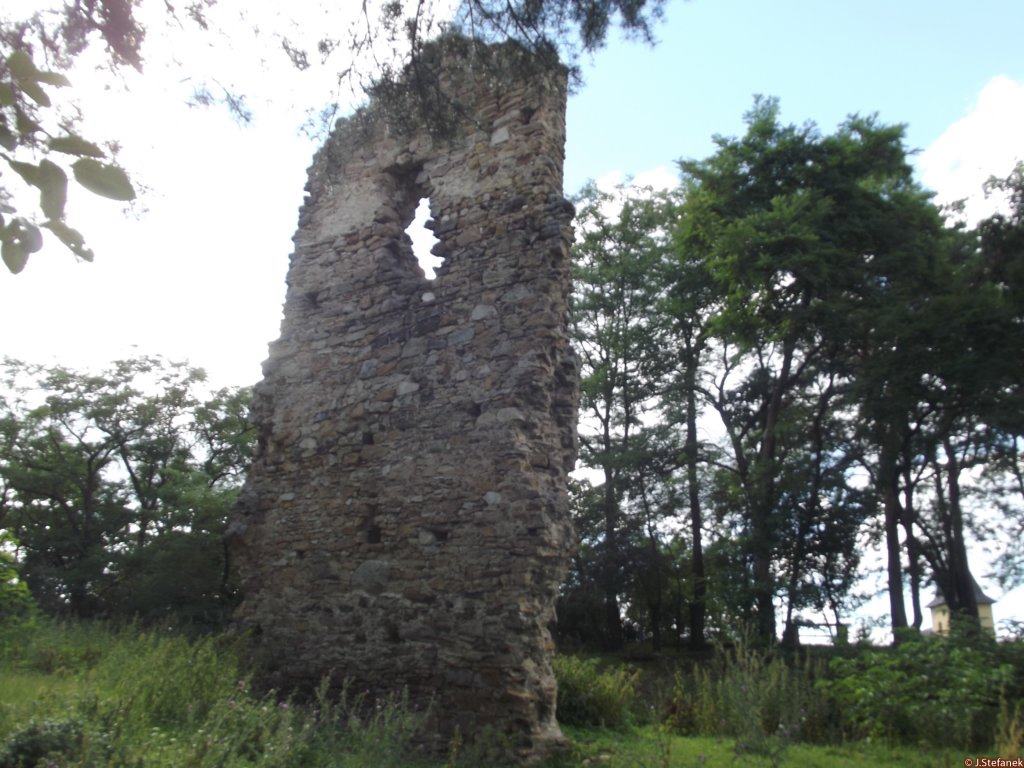
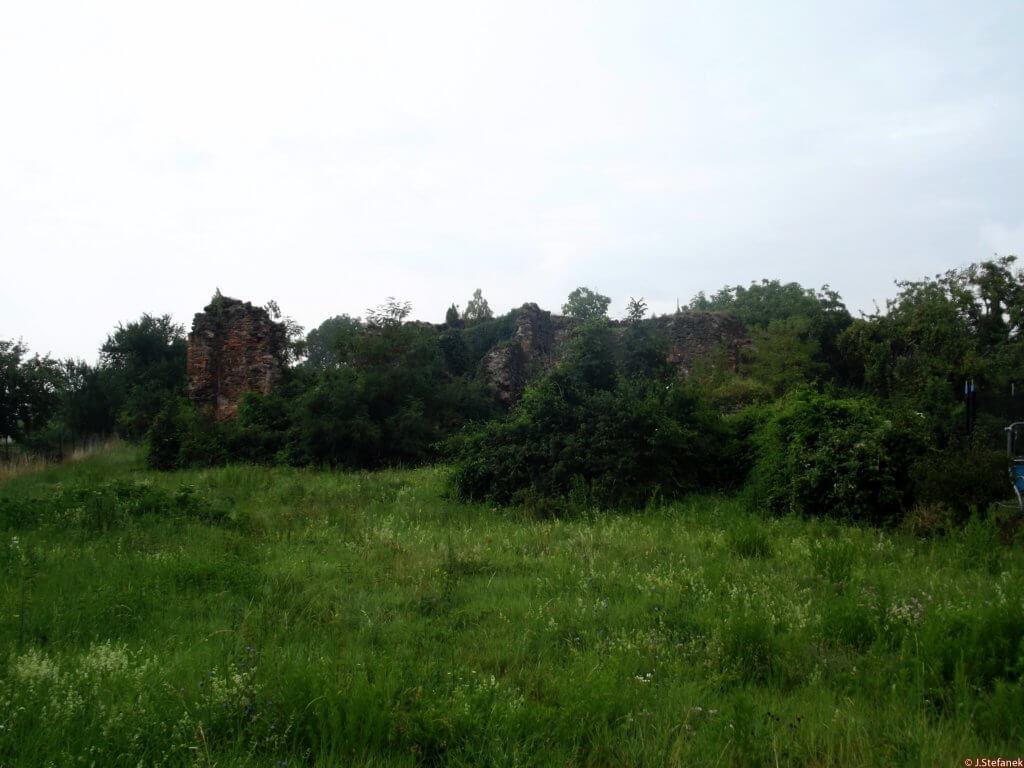
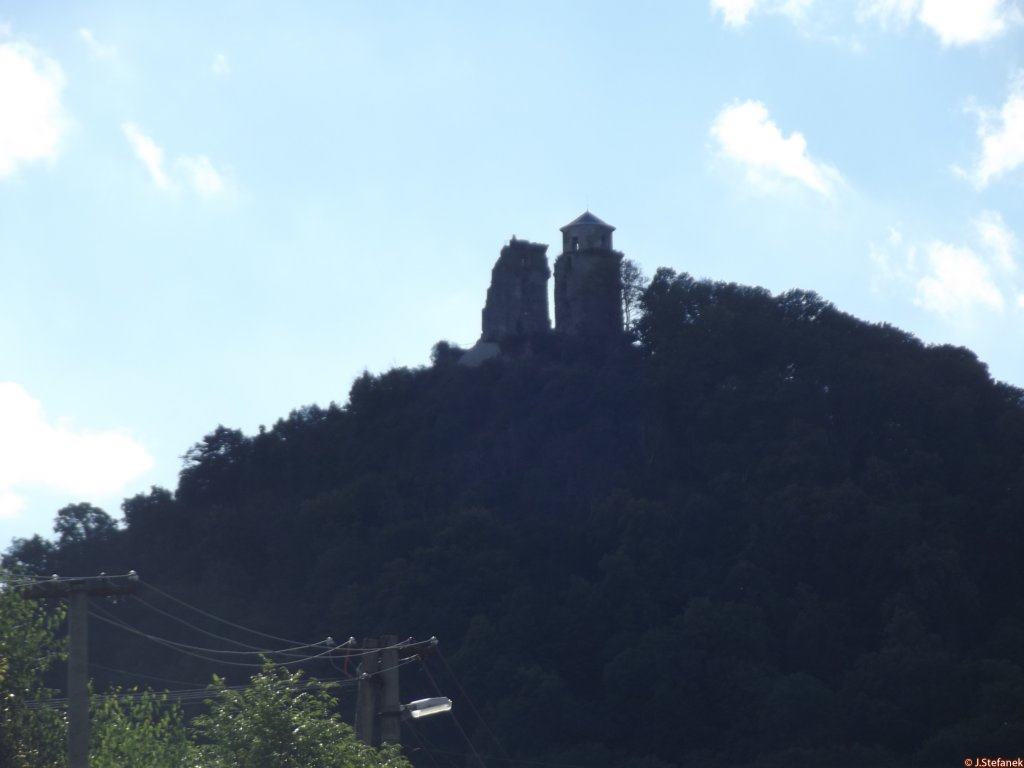
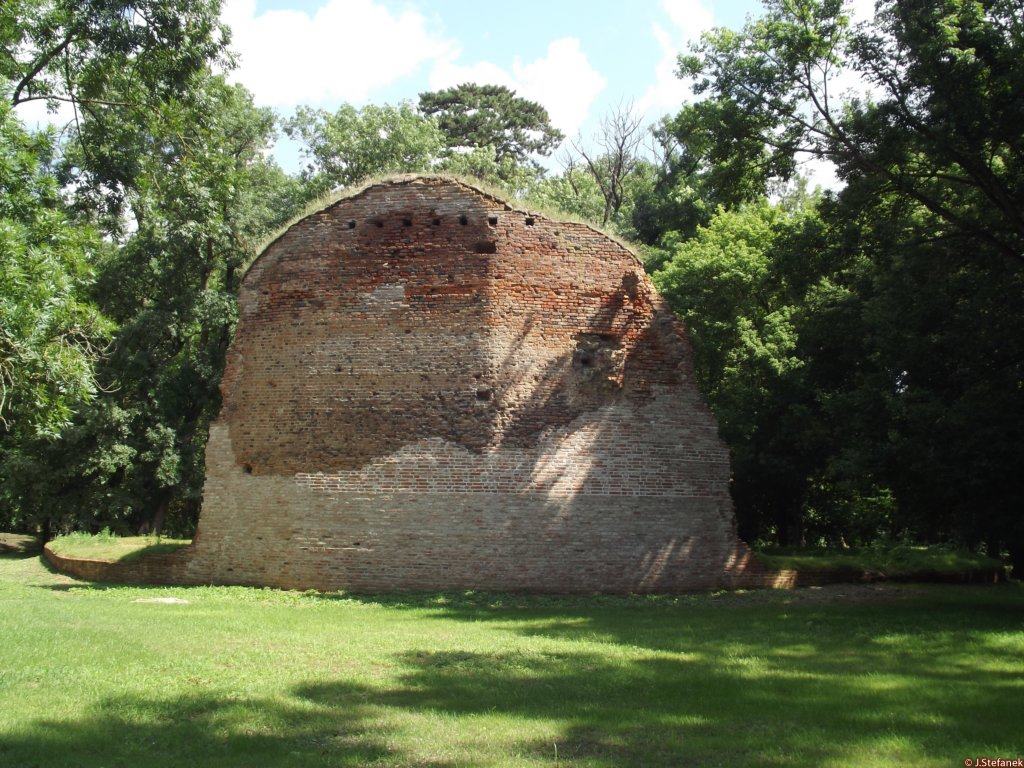
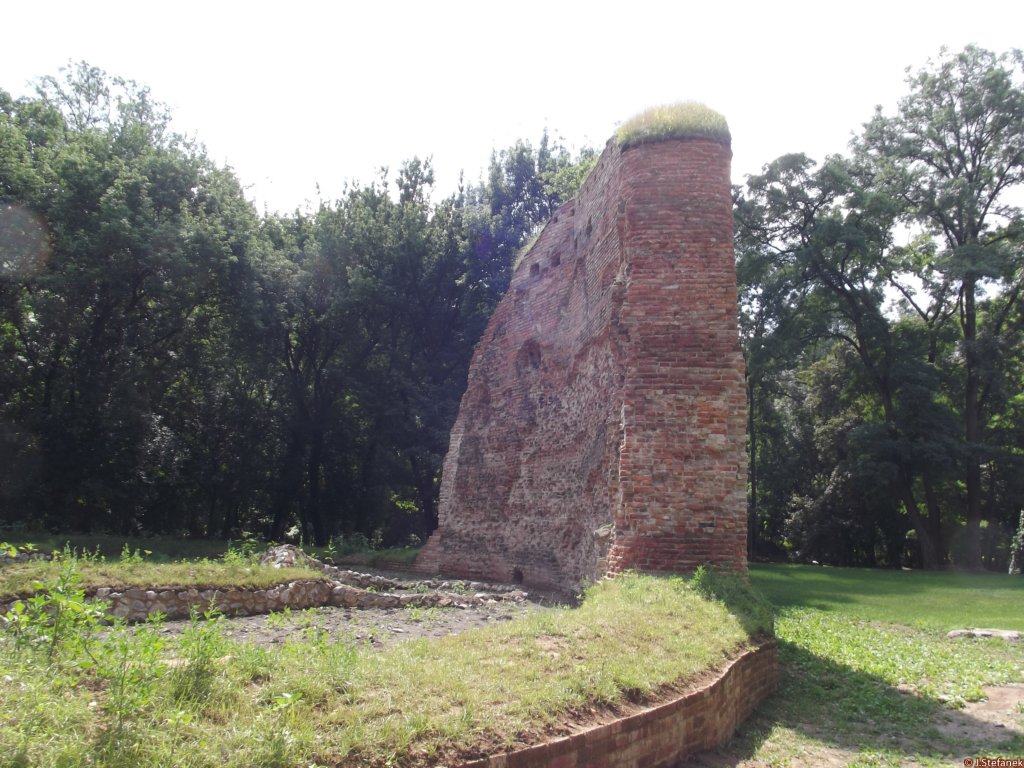
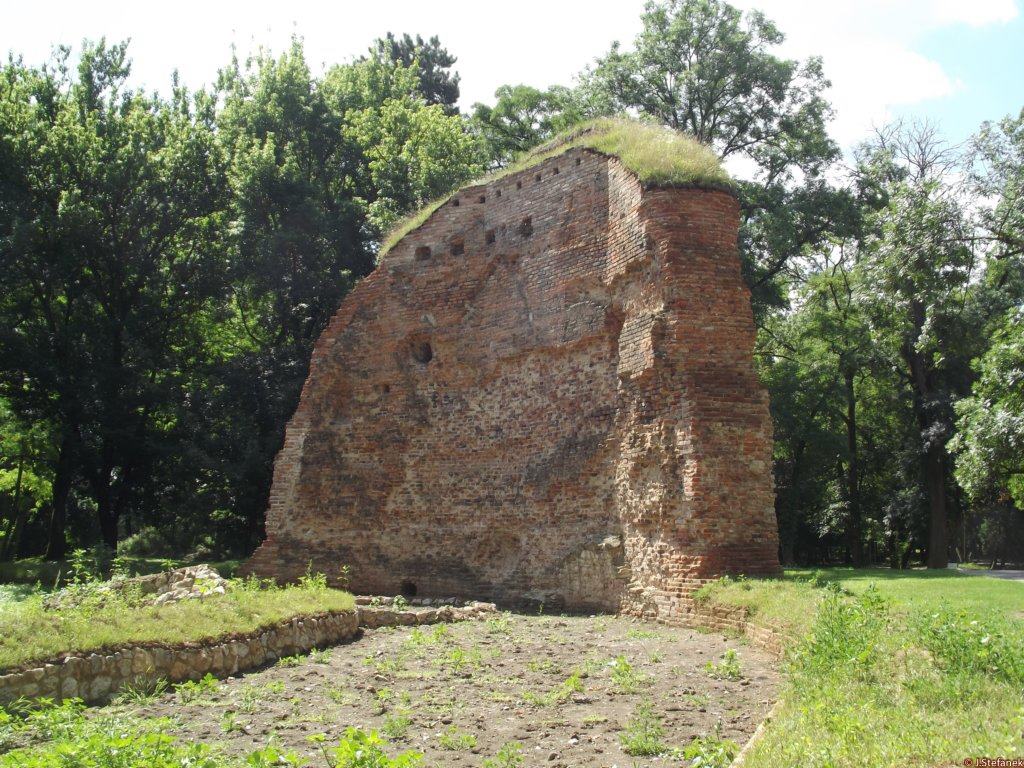
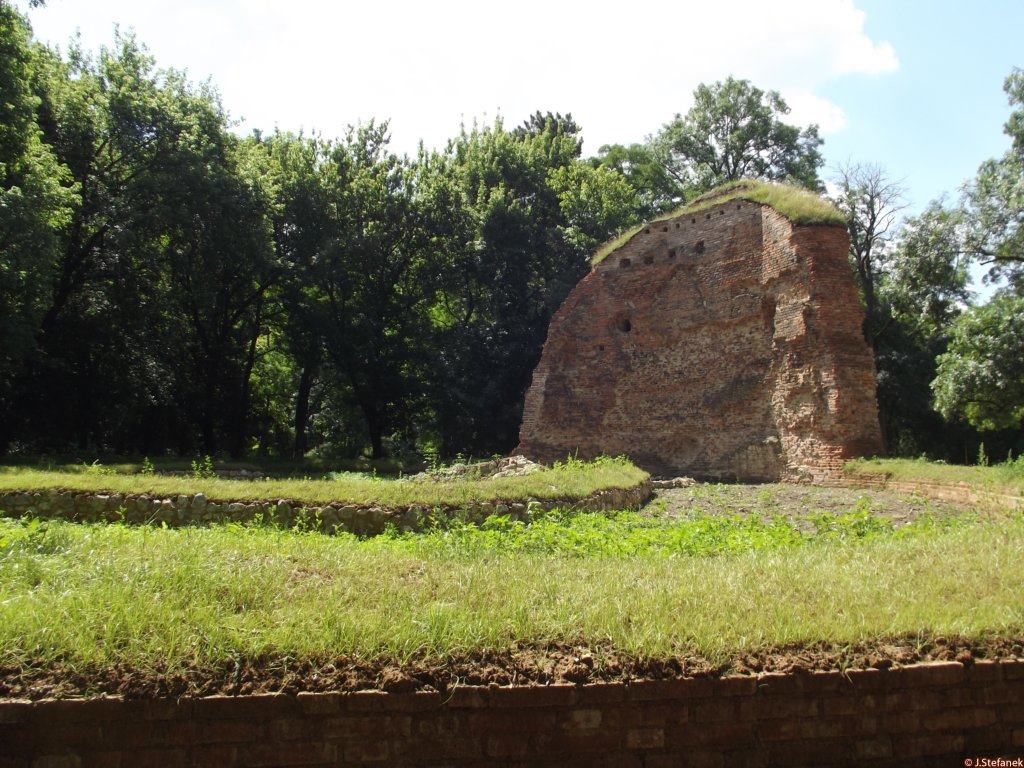
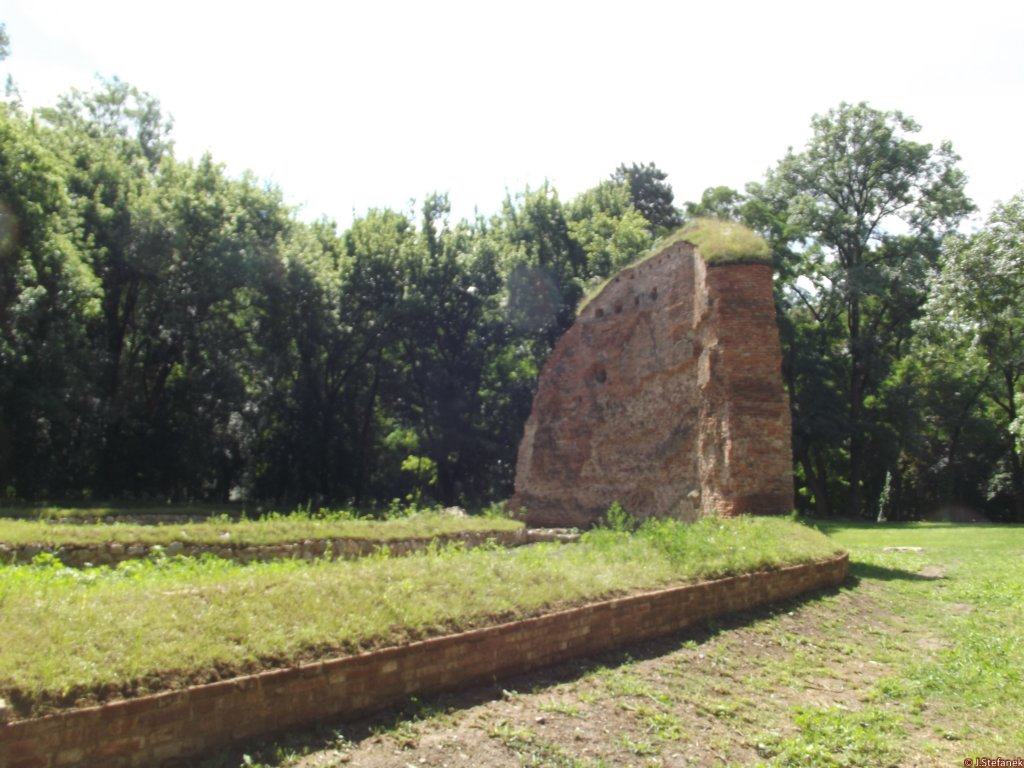
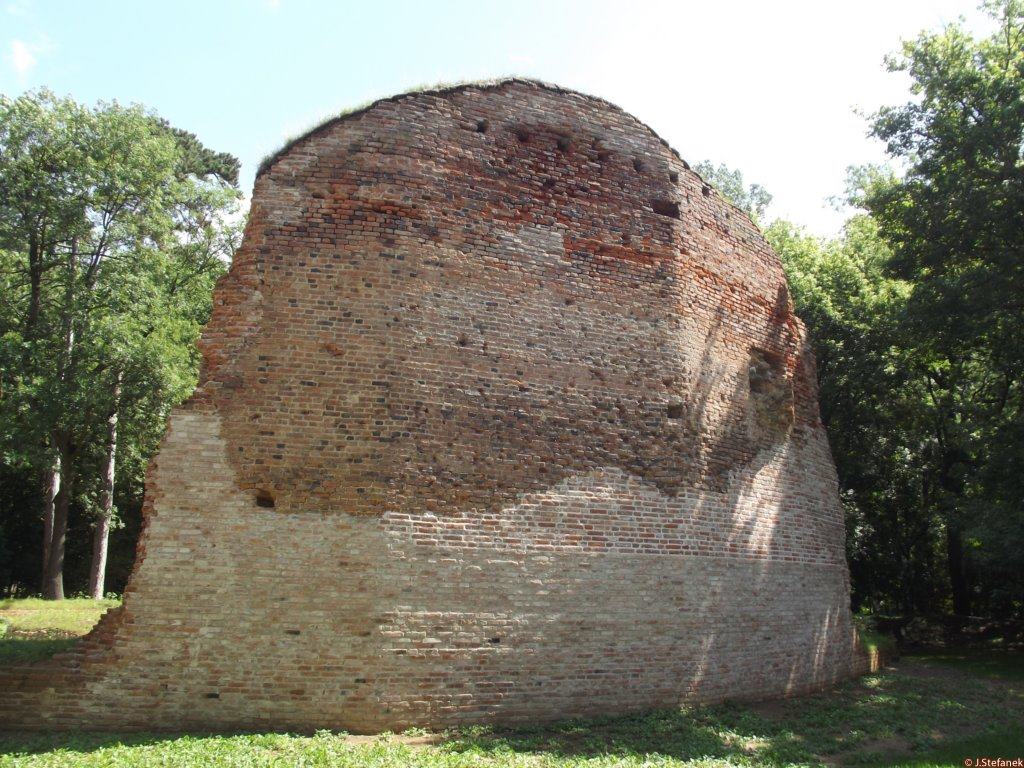
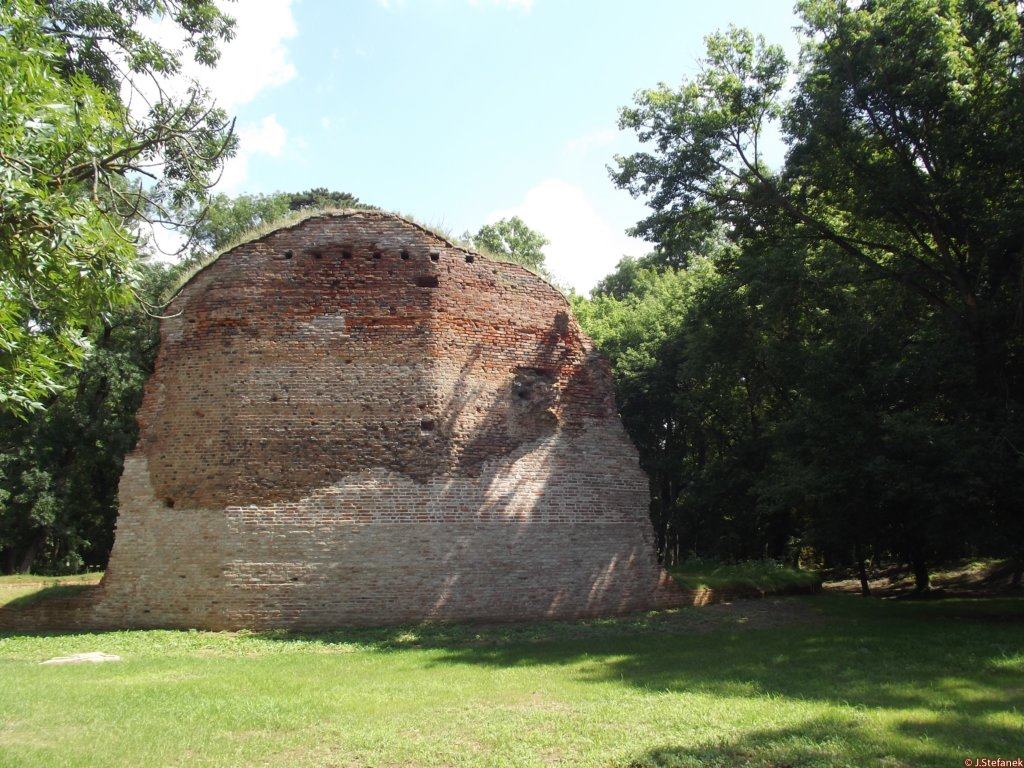
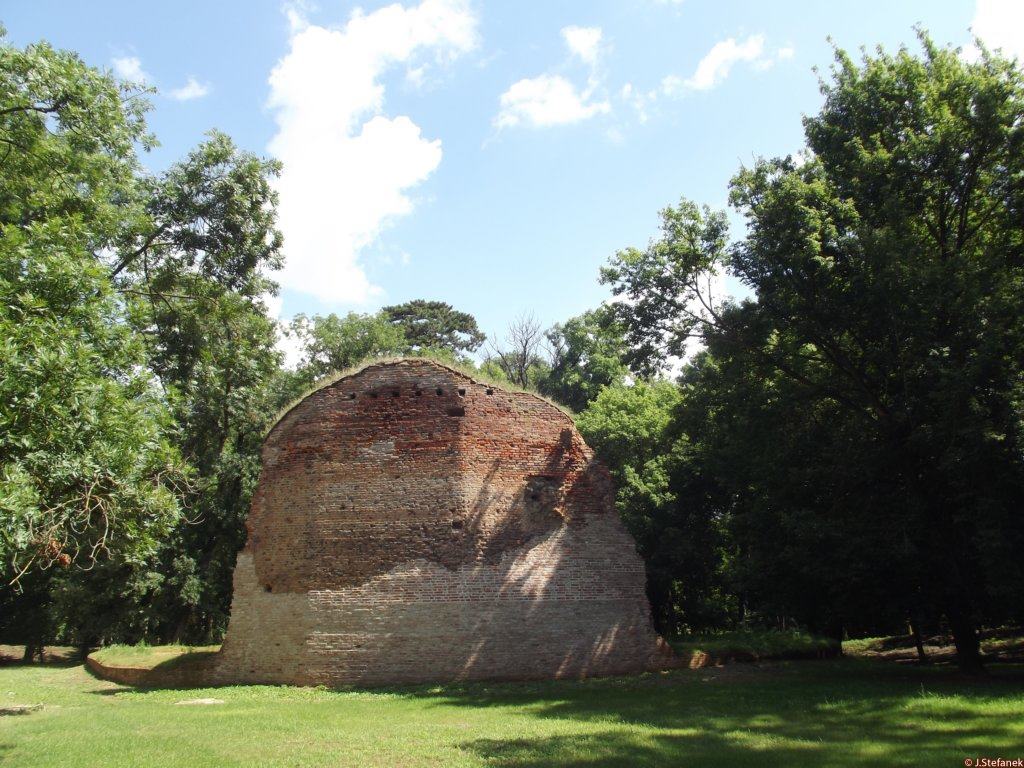
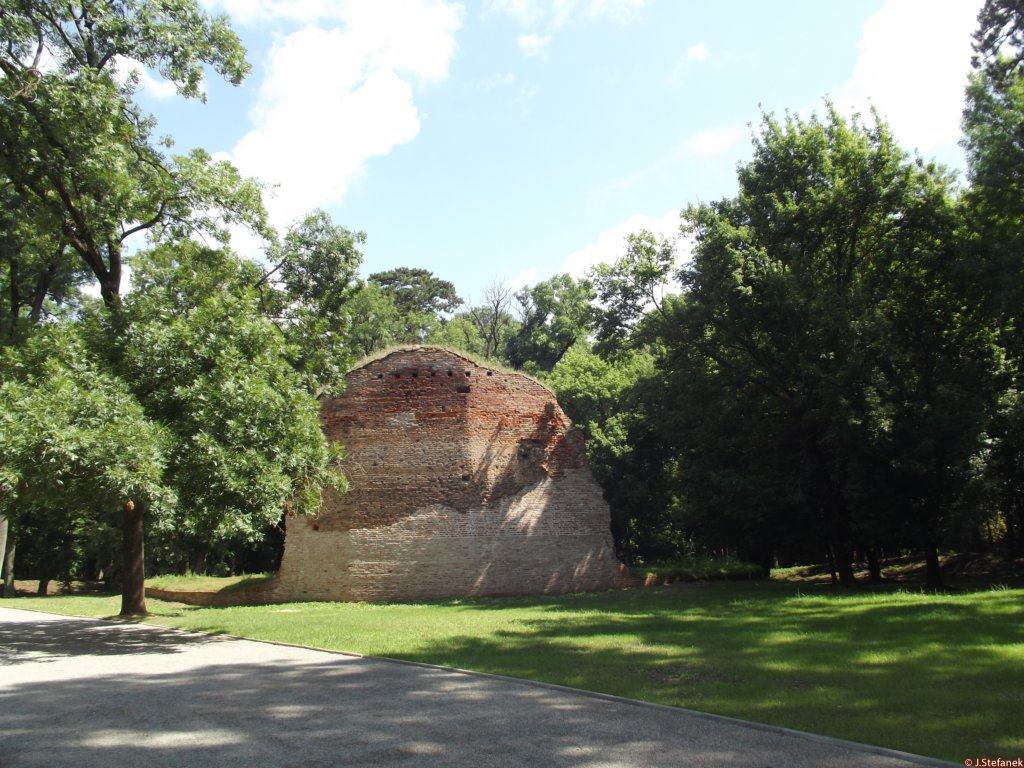
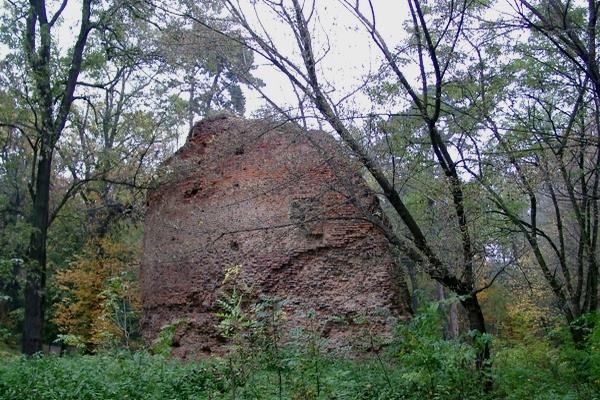
Remains of the ruins of a lowland water castle on the East Slovakian Plain, in a mansion park, on the eastern outskirts of Trebišov
Zvyšky zrúcaniny nížinného vodného hradu na Východoslovenskej rovine, v kaštieľnom parku, na východnom okraji mesta Trebišov.
Previous names
Parys, Paris, Parich, Paričov, Terebes, Parics
Roads
We can get to Parič castle if we go from the main road leading through Trebišov to M.R.Štefánika street. On the edge of this road there are parking lanes, ideally we recommend parking on the edge of this road between the Andrássy mansion and the church. From here, a path leads directly to the mansion park, which is only a few meters away. In the park we reach the lake and on the other side there is a small ruin of the castle.
K zvyškom hradu Parič sa dostaneme, ak zídeme z hlavného ťahu vedúceho cez Trebišov na ulicu M.R.Štefánika. Na okraji tejto cesty sú vyznačené pruhy na parkovanie, ideálne odporúčame zaparkovať na okraji tejto cesty medzi kaštieľom Andrássyovcov a kostolom. Odtiaľto vedie cestička priamo do kaštieľneho parku, ktorý je od cesty vzdialený len niekoľko metrov. V zámockom parku prídeme až k jazeru a na jeho druhej strane sa nachádza zrúcanina hradu, tvorená už len zvyškom steny.
Description
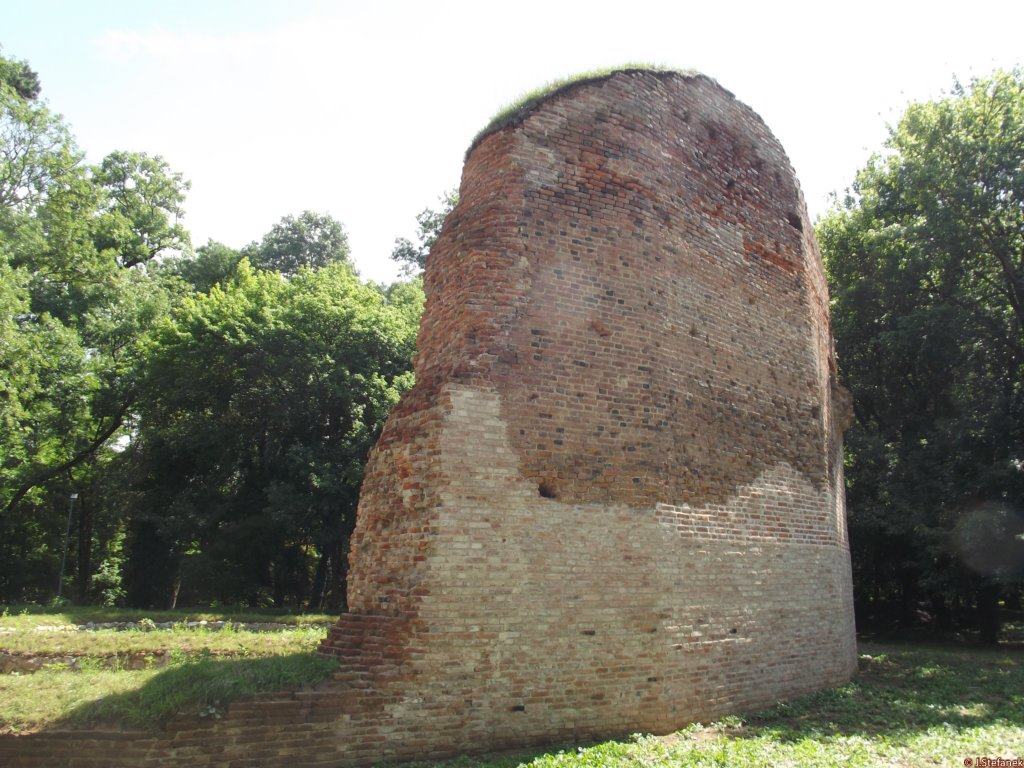
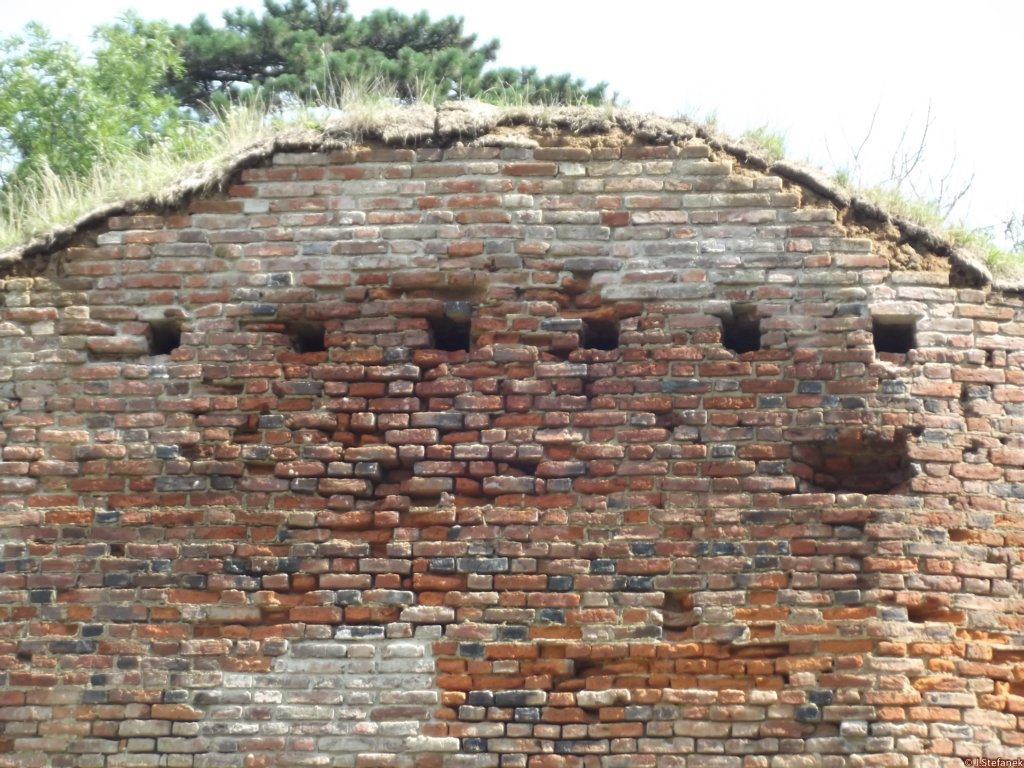
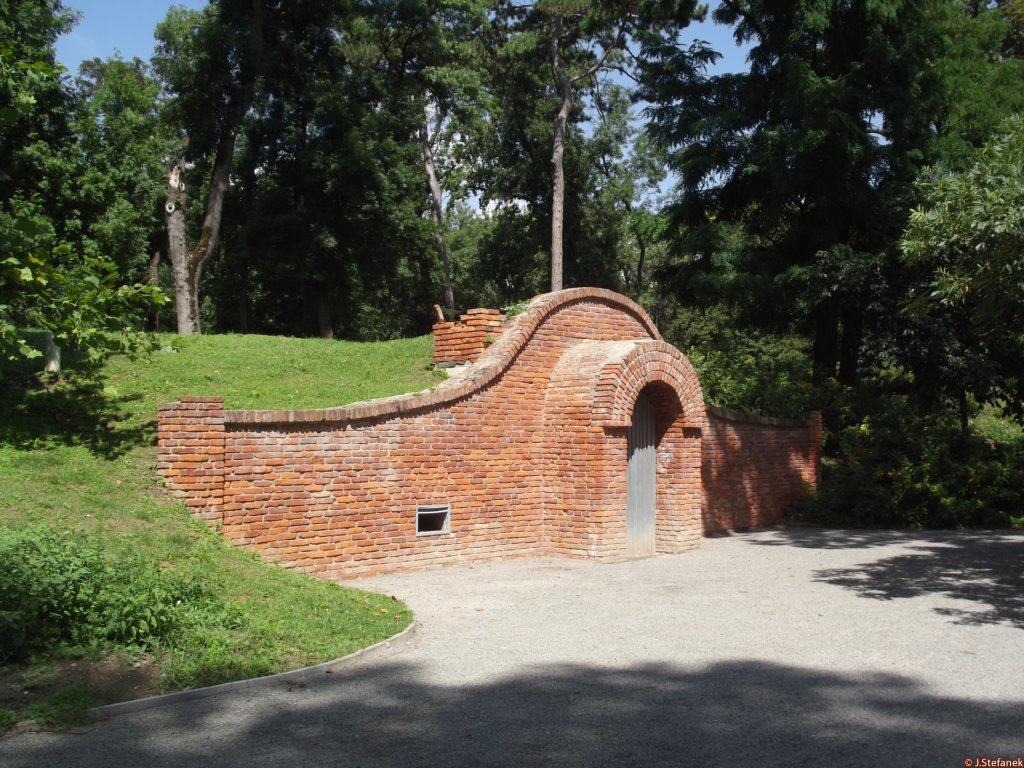
The core of the castle was closed by a wall wrapped into a polyhedron with a blunt british facing to the north. Behind the castleboy without window openings there was an internal development, including shed roofs. The castle was defended from the gallery on the crown, so it is a so-called. castle with cloak wall. Due to the lack of building stone, the castle was built of bricks, in addition to its foundations, where they used the stone, as a prevention of groundwater.The oldest palace, which had two floors and the upper floor had cross vaults, was connected to the western wall. There was a moat in front of the gate gates, but only at a distance of about 15m, which probably indicates the existence of a pre-gate or barbican.In the last quarter of the 18th century, building materials from the castle were used to build a nearby mansion. In 2016-2017 the remnants of the castle were reconstructed. At present, the remains of the castle are nicely modified and are part of a nicely maintained mansion park.
Jadro hradu uzatvárala hradba zalamovaná do mnohostenu s tupým britom natočeným na severnú stranu. Za hradboy bez okenných otvorov sa nachádzala vnútorná zástavba vrátane pultovách striech. Hrad bránili z ochodze na korune hradby, preto sa jedná o tzv. hrad s plášťovým múrom. Kvôli nedostatku stavebného kameňa bol hrad stavaný z tehál, okrem jeho základov, kde použili kameň, ako prevenciu voči spodnej vode.Na západnú hradbu sa napájal najstarší palác, ktorý mal dve poschodia a horné podlažie malo krížové klenby. Pred bránami predhradia sa nachádzala priekopa, ale až vo vzdialenosti asi 15m, čo pravdepodobne svedčí o existencii predbránia alebo barbakanu.V poslednej štvrtine 18. storočia bol stavebný materiál z hradu použitý pri výstavbe neďalekého kaštieľa. V r.2016-2017 došlo k rekonštrukcii zvyškov hradu. V súčasnosti sú zvyšky hradu pekne upravené a sú súčasťou pekne udržiavaného kaštieľneho parku.
Plan
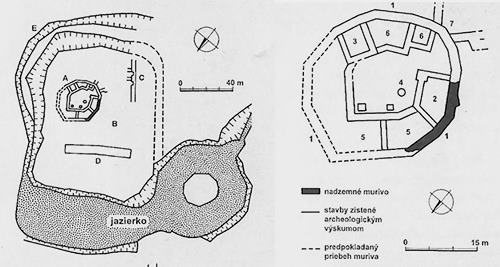
Legend to the ground plan
- A - inner castle
- B - fortification
- C - fortification wall
- D - cellar
- E - remains of water ditches / 1 - mantle wall
- 2 - early Gothic palace
- 3 - original towered entrance gate
- 4 - well
- 5 - palace spaces
- 6 - later extensions
- 7 - newer entrance area with drawbridge
Legenda k pôdorysu
- A - vnútorný hrad
- B - predhradie
- C - múr predhradia
- D - pivnica
- E - zvyšky vodných priekop / 1 - plášťová hradba
- 2 - včasnogotický palác
- 3 - pôvodná vežovitá vstupná brána
- 4 - studňa
- 5 - palácové priestory
- 6 - neskoršie prístavby
- 7 - novší vstupný priestor s padacím mostom
History
According to the results of archaeological research by M. Slivka, the construction of the first stage of the early Gothic lowland water castle (probably a residential tower with fortifications) can be dated to the 12th to 13th centuries. The castle was probably built in connection with the settlement of Parič, after which it bears the name. In 1298, Andronik is mentioned, a descendant of Ján of Trebišov, who at that time had his aristocratic residence on the Trebišov estate. However, King Karol Róbert took away his manor for unspecified disputes with his peasant Vavrinec Ormoš and in In 1319 he presented it to the landscape dignitary Filip Drugeth. After Philip's death, the king transferred the property to his nephew Viliam, and in this deed of gift from 1328, the castle is first mentioned as the castrum of Parys. The Drugeths probably rebuilt the castle. Due to the distance of the stone quarries, they only made foundations of stone, which they laid with a brick wall. During the reign of the Drugeth family, Juraj of Abajdócz served as their castellans and in 1358 certain Demeter. After several decades, the Drugeths returned the castle to the monarch.
Before 1373, King Louis I left the property to his wife Elizabeth, and the castle was inherited by her daughter, married to Sigismund of Luxembourg. The king presented the castle estate to Petr Perényi for his merits and military assistance. The Perényi family built up the courtyard with other buildings, and the castle took the form of an extensive aristocratic residence, reinforced by an outer moat. In 1454, a nobility gathered at Ján Perényi, which advised how to destroy the brothers. Surprisingly, Ján Jiskra from Brandýs was among them, who broke up with several comrades-in-arms at that time. However, the descendants of Ján Perényi set out on a bandit's journey, so Matej Korvín ordered the siege of the castle in 1483. After Imrich, who was a Hungarian palatine at the beginning of the 16th century, the castle was owned by Peter Perényi, who wanted to get rich by counterfeiting the money he invested in the further restoration of the castle. In 1567, Gabriel Perényi, the palatine branch of the family died out and the castle fell back into the hands of the Drugeth family.
During Bethlen's uprising (1619-1626) the castle was temporarily held by Juraj Széchy, but he soon returned to the hands of Ján Drugeth. During the estate uprisings, Sigismund Drugeth had the fortifications repaired in 1673, but Imrich Thököly's Kurucs conquered the castle in 1684 and executed the owner. Two years later, rebels set fire to the castle and destroyed it with an explosion. Sigismund also extinct the Drugeth family.
Almost 100 years later, in 1786, the Csáky family began to build a magnificent Baroque mansion from the material of the destroyed castle. After the reconstruction of the manor house and its extension by the Andrássy family in the second half of the 19th century, only the western section of the perimeter brick masonry and the remains of the moat remained visible from the remains of the lowland castle. Part of them was deepened as part of landscaping and extended to a small lake. The last work of destruction was completed on it by the Czechoslovak and Soviet armies in the second half of the 20th century, which turned it into a training range. Today, the park is nicely landscaped and more or less only one wall remains visible from the castle.
Výstavbu prvej etapy ranogotického nížinného vodného hradu ( pravdepodobne obytná veža s opevnením ) možno podľa výsledkov archeologických výskumov M. Slivku datovať do 12. až 13. stor. Hrad pravdepodobne vznikol v nadväznosti na osadu Parič, podľa ktorej nesie i názov. K r.1298 sa spomína Andronik, potomok Jána z Trebišova, ktorý mal v tej dobe na trebišovskom panstve svoje šľachtické sídlo. Kráľ Karol Róbert mu však za bližšie neurčené spory so zemanom Vavrincom Ormošom odobral jeho panstvo a v r. 1319 ním obdaril krajinského hodnostára Filipa Drugetha. Po Filipovej smrti kráľ previedol majetky na jeho synovca Viliama a v tejto darovacej listine z r.1328 sa hrad prvý raz spomína ako castrum Parys. Drugethovci pravdepodobne postavili hrad znovu. Vzhľadom na vzdialenosť kamenných lomov, z kameňa zhotovili iba základy, ktoré nadstavali tehlovým múrom. Za vlády Drugethovcov im ako kasteláni slúžili Juraj z Abajdóczu a v r. 1358 istý Demeter. Po niekoľkých desaťročiach Drugethovci vrátili hrad panovníkovi.
Pred rokom 1373 kráľ Ľudovít I. prenechal majetok svojej manželke Alžbete a po nej hrad zdedila dcéra, vydatá za Žigmunda Luxemburského. Kráľ obdaril hradným panstvom Petra Perényiho za jeho zásluhy a vojenskú pomoc. Perényiovci zastavali priestor nádvoria ďalšími budovami a hrad nadobudol podobu rozsiahleho šľachtického sídla, zosilneného vonkajšou priekopou. V r.1454 sa u Jána Perényiho zhromaždila šľachta, ktorá sa radila ako zlikvidovať bratríkov. Prekvapivo bol medzi nimi aj Ján Jiskra z Brandýsa, ktorý sa v tom čase rozišiel s viacerými spolubojovníkmi. Potomkovia Jána Perényiho sa však dali na zbojnícku cestu, takže Matej Korvín nariadil v r.1483 obliehanie hradu. Po Imrichovi, ktorý bol na začiatku 16.storočia uhorským palatínom, vlastnil hrad Peter Perényi, ktorý chcel zbohatnúť falšovaním peňazí, ktoré vložil do ďalšej obnovy hradu. V r.1567 Gabrielom Perényim vymrela palatínska vetva rodu a hrad sa dostal späť do rúk Drugethovcov.
Za Bethlenovho povstania (1619-1626) hrad dočasne držal Juraj Széchy, no čoskoro sa vrátil do rúk Jána Drugetha. V období stavovských povstaní dal Žigmund Drugeth v r.1673 opraviť opevnenie, no napriek tomu kuruci Imricha Thökölyho v r.1684 hrad dobyli a vlastníka popravili. O dva roky neskôr vzbúrenci hrad podpálili a zničili explóziou. Žigmundom vymrel aj rod Drugethovcov.
Takmer o 100 rokov neskôr, v r.1786, začali z materiálu zničeného hradu stavať honosný barokový kaštieľ Csákyovci. Po prestavbe kaštieľa a jeho rozšírení Andrássyovcami v druhej polovici 19.storočia, zo zvyškov nížinného hradu zostal viditeľný iba západný úsek obvodového tehlového muriva a pozostatky priekop. Ich časť bola prehĺbená v rámci parkových úprav a rozšírená na jazierko s ostrovčekom. Posledné dielo skazy na ňom dokonala československá a sovietska armáda v druhej polovici 20. storočia, ktorá si z neho urobila cvičnú strelnicu. Dnes je park pekne upravený a z hradu viacmenej zostala viditeľná len jedna stena.
Myths and legends
The rumor says
Everything happened at the castle. Peter Perényi had counterfeit money minted here, Juraj Drugeth allegedly threw his notary through the arch of the palace due to jealousy, and his son, later pardoned the son-in-law of the Čachtice lord, was convicted of losing his throat and property at the age of 17.
How was it with the notary
The castle lord Juraj went to war and left a young woman at home. Mrs. Euprozin was sad. The lonely woman had a good distraction with her husband's notary. From love, sinful love was born. The husband returned from the victorious fight and immediately knew something. He began to gather on the road again, but only in appearance. On a dark night, he secretly returned to the castle. The couple was surprised and angry and humiliated grabbed the notary by the neck and threw him out the window. Offended and disappointed, he left for the world. He returned many years later and forgave his wife. Late. She was no longer alive.
Povráva sa
Všeličo sa na hrade prihodilo. Peter Perényi tu dal raziť falošné peniaze, Juraj Drugeth vraj pre žiarlivosť vyhodil svojho notára oblokom paláca a jeho syn, neskôr omilostený zať čachtickej panej, pre napáchané zbojstvá bol už ako 17-ročný odsúdený na stratu hrdla a majetkov.
Ako to bolo s notárom
Hradný pán Juraj šiel do vojny a doma zanechal mladú ženu. Na pani Eufrozínu doľahol smútok. Osamelej žene dobre padlo rozptýlenie s manželovým notárom. Zo zábavky sa zrodila hriešna láska. Manžel sa vrátil z víťazného boja a hneď čosi tušil. Začal sa opäť zberať na cestu, ale len naoko. Za tmavej noci sa potajomky vrátil do hradu. Párik prekvapil a rozzúrený aj ponížený schytil notára pod krk a vyhodil ho von oknom. Urazený a sklamaný odišiel do sveta. Po mnohých rokoch sa vrátil a svojej žene odpustil. Neskoro. Už nebola medzi živými.
Useful information
The ruins are freely accessible
Zrúcanina je voľne prístupná
Nearby castles