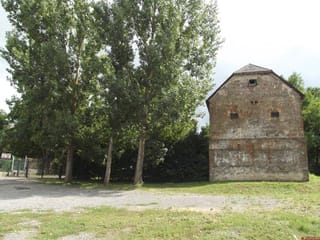
Borša mansion
Borša Košice county Slovakia
manor, mansion
Borša
Borša Košický kraj Slovakia
kaštieľ
A renaissance mansion with a park on the southern outskirts of Borša, built on the site of an original medieval water castle. Birthplace of František Rákóczi II.
Renesančný kaštieľ s parkom na južnom okraji obce Borša, postavený na mieste pôvodného stredovekého vodného hradu. Rodisko Františka Rákócziho II.
Previous names
Borsi, Borsy, Borssa
Roads
From the main road through the village of Borša we turn to Rákóczi Street - opposite the church. We continue straight down, almost to the very end. When we pass the crossroads of Zrínyi and Bodrožská streets, we go a little further until we reach the Borša manor house on the left side. Here we can park the car right in front of the building.
Z hlavnej cesty prechádzajúcej obcou Borša odbočíme na Rákócziho ulicu - hneď oproti kostolu. Po tejto uličke pokračujeme stále rovno, takmer až na jej úplný koniec. Keď minieme križovatku ulíc Zrínyi a Bodrožská, pokračujeme ešte kúsok ďalej až dôjdeme ku kaštieľu Borša na ľavej strane. Tu priamo pred kaštieľom môžeme odstaviť auto.
Description
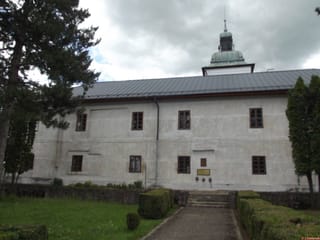
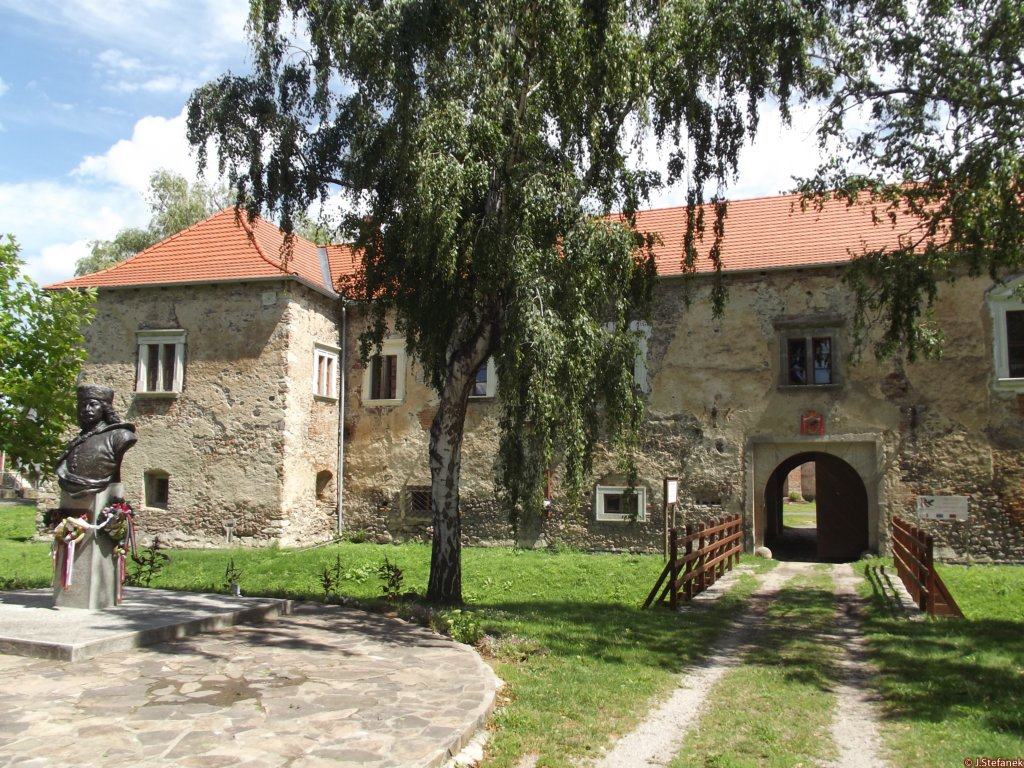
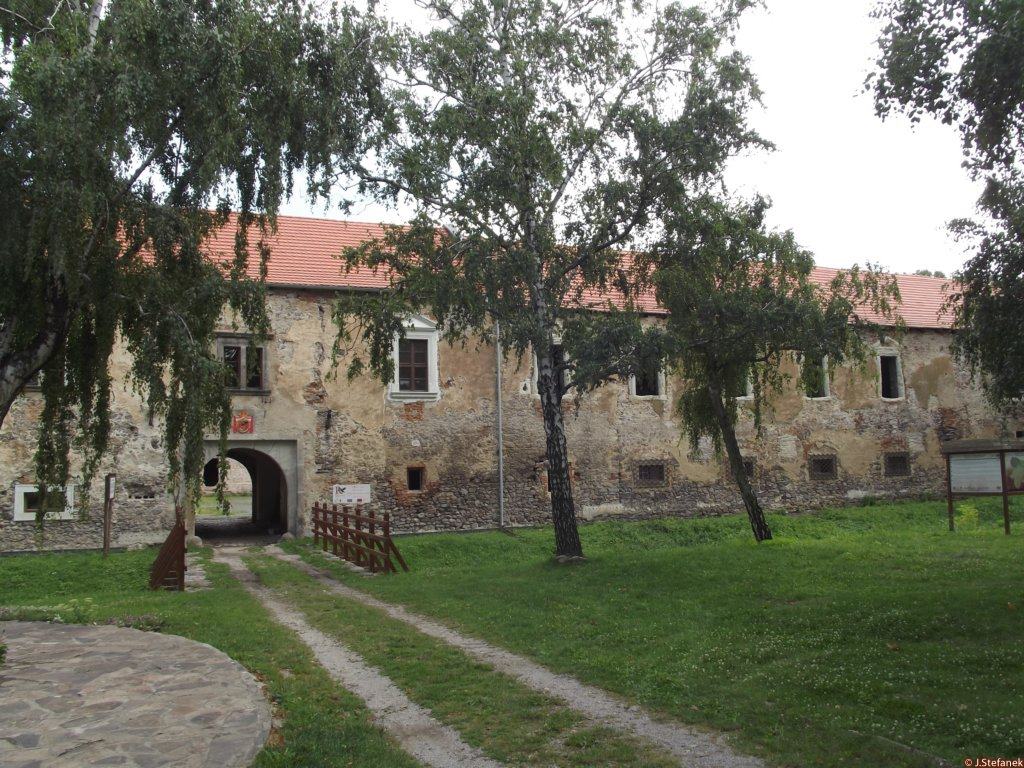
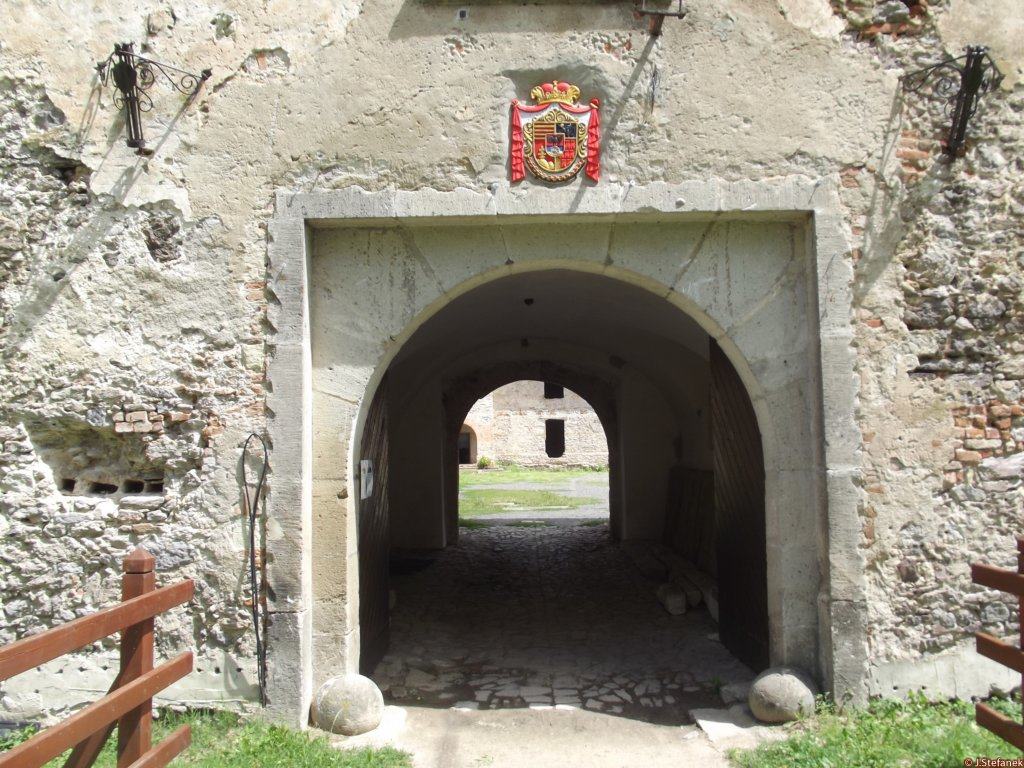
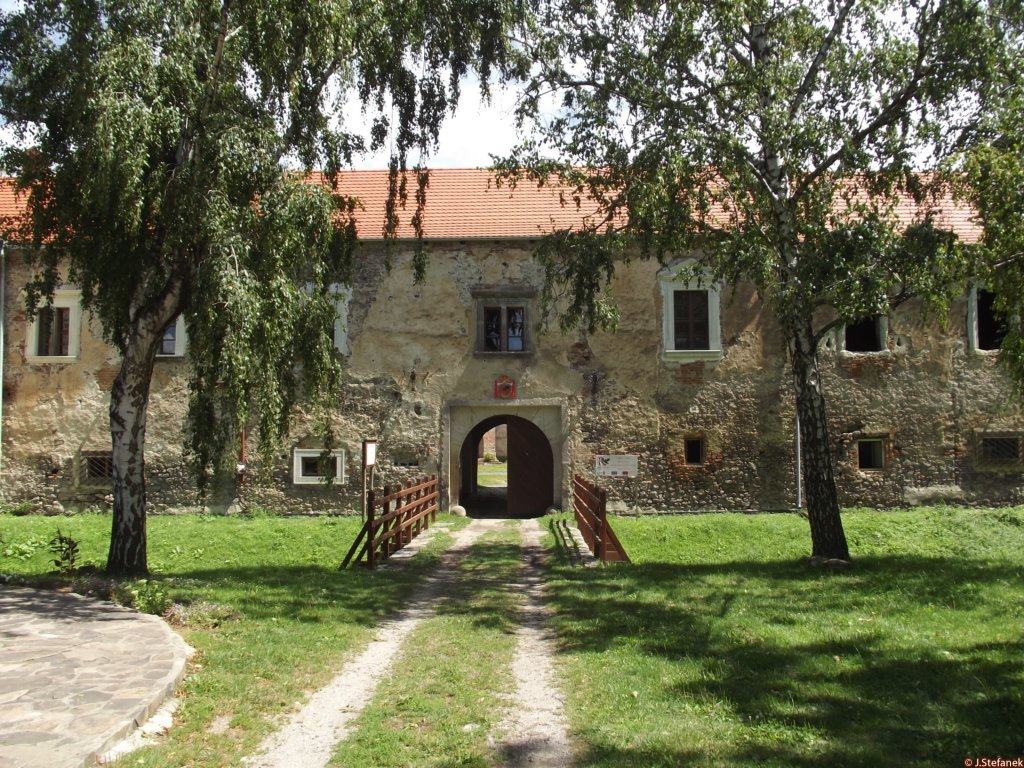
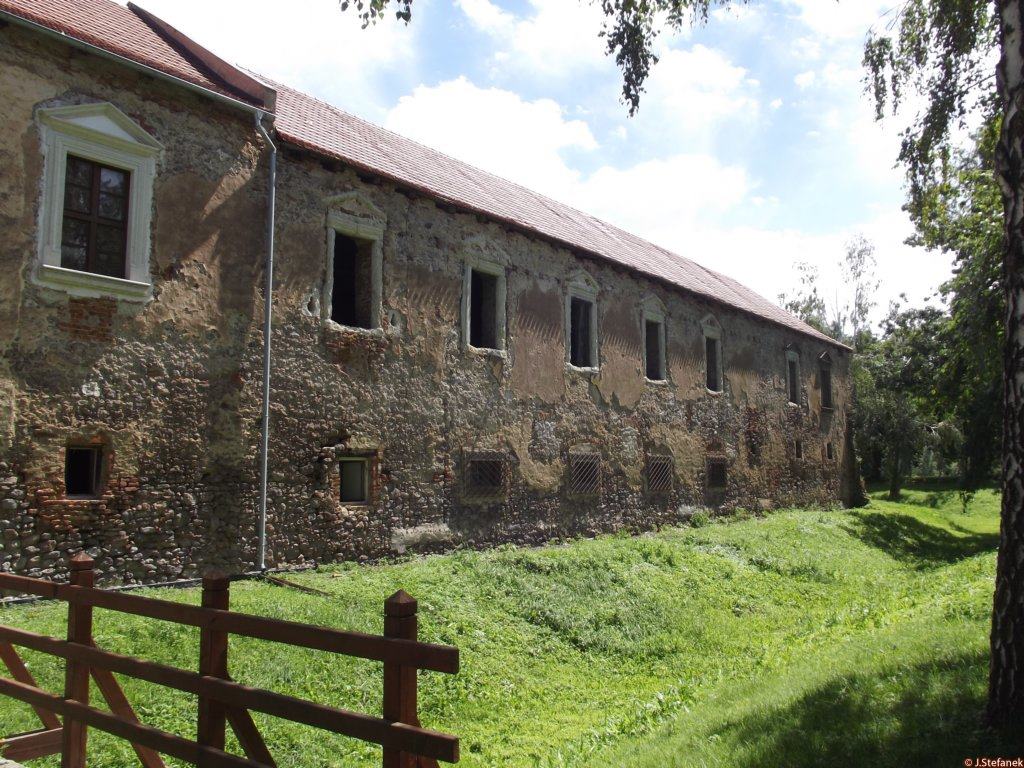
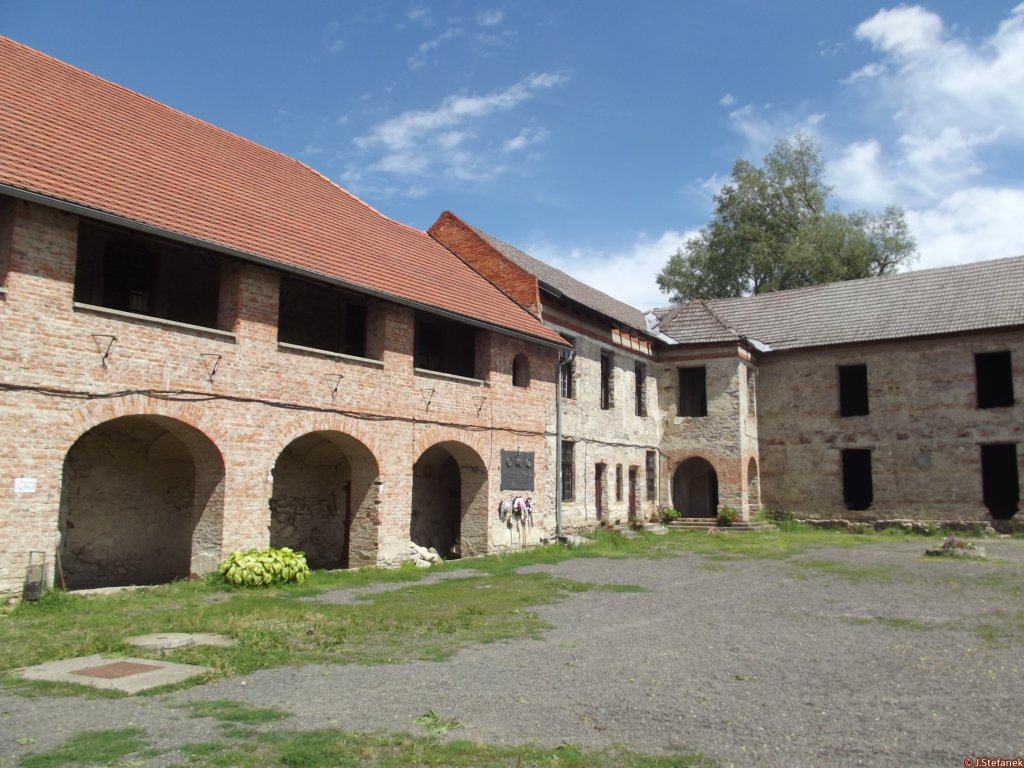
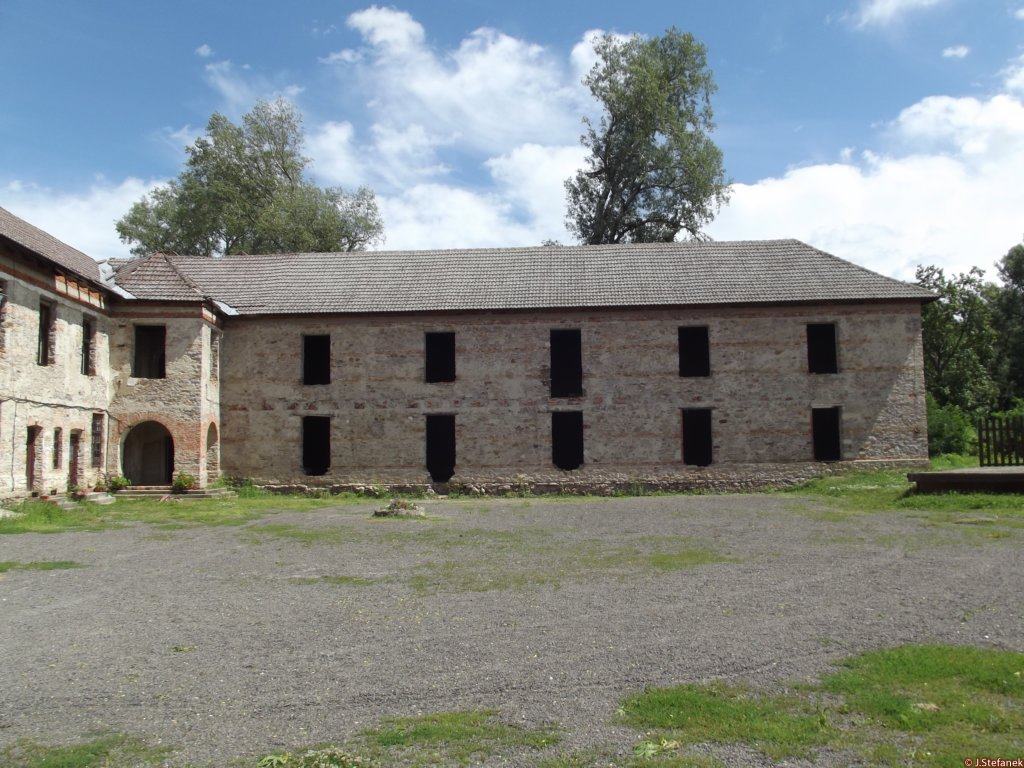
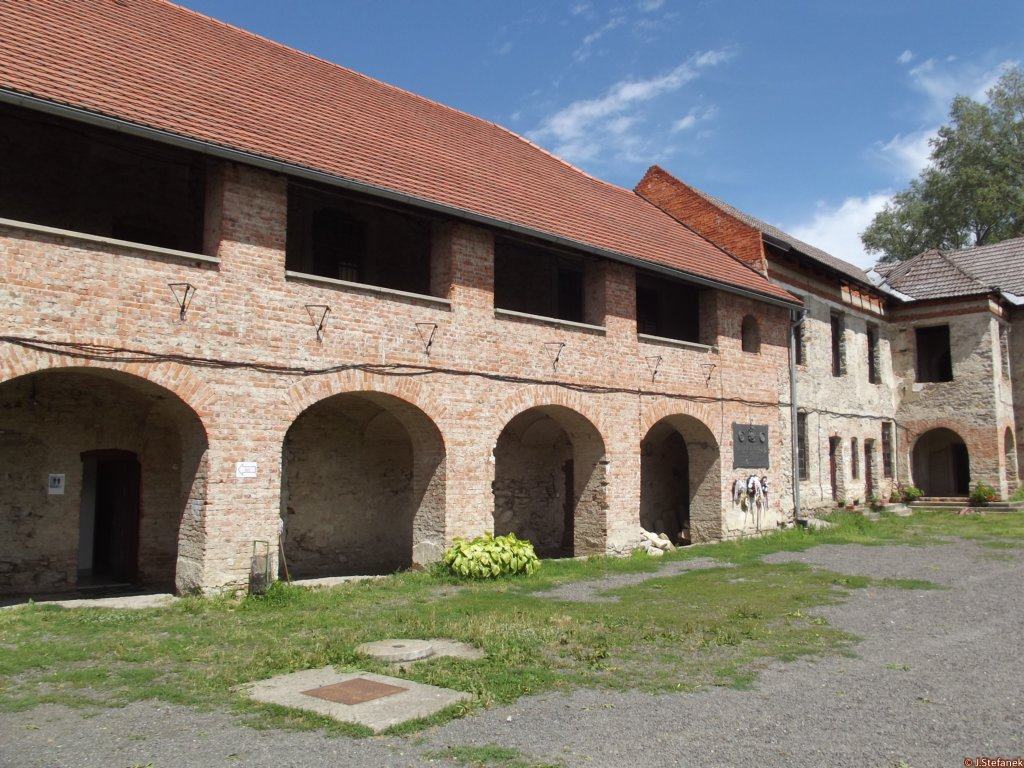
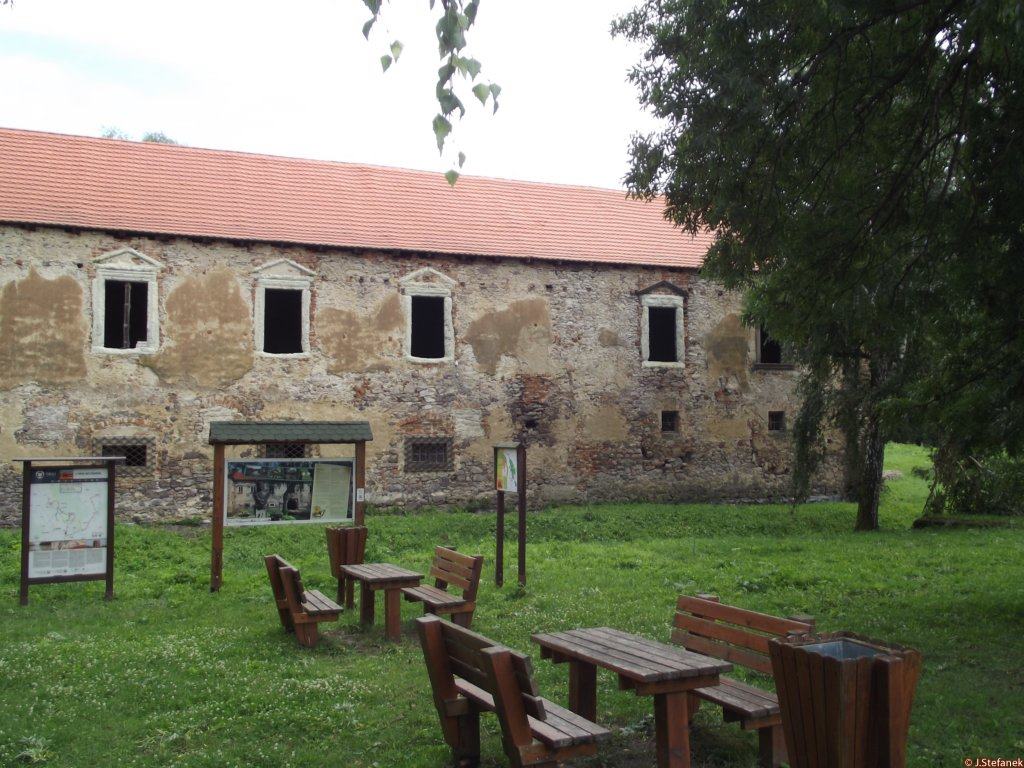
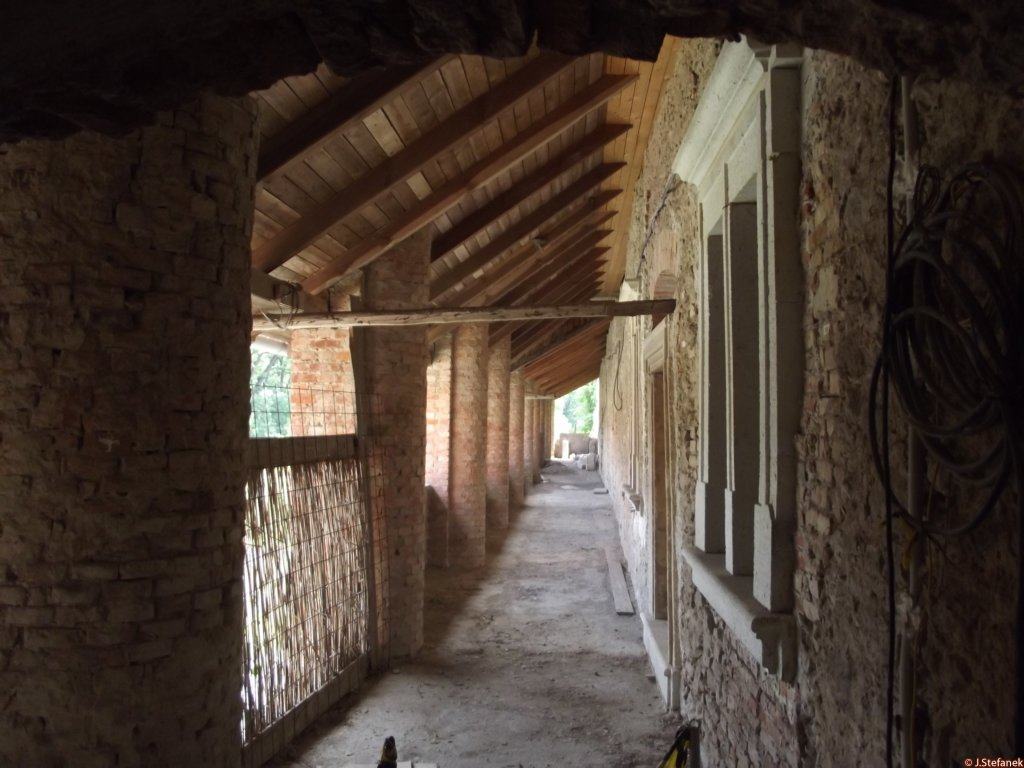
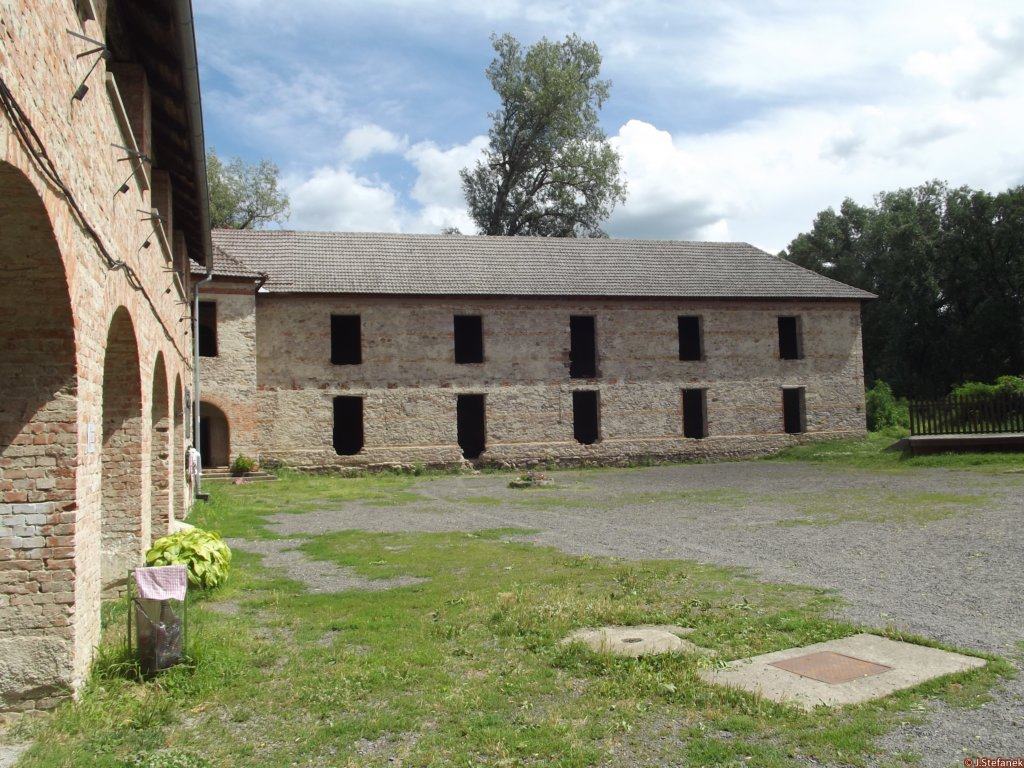
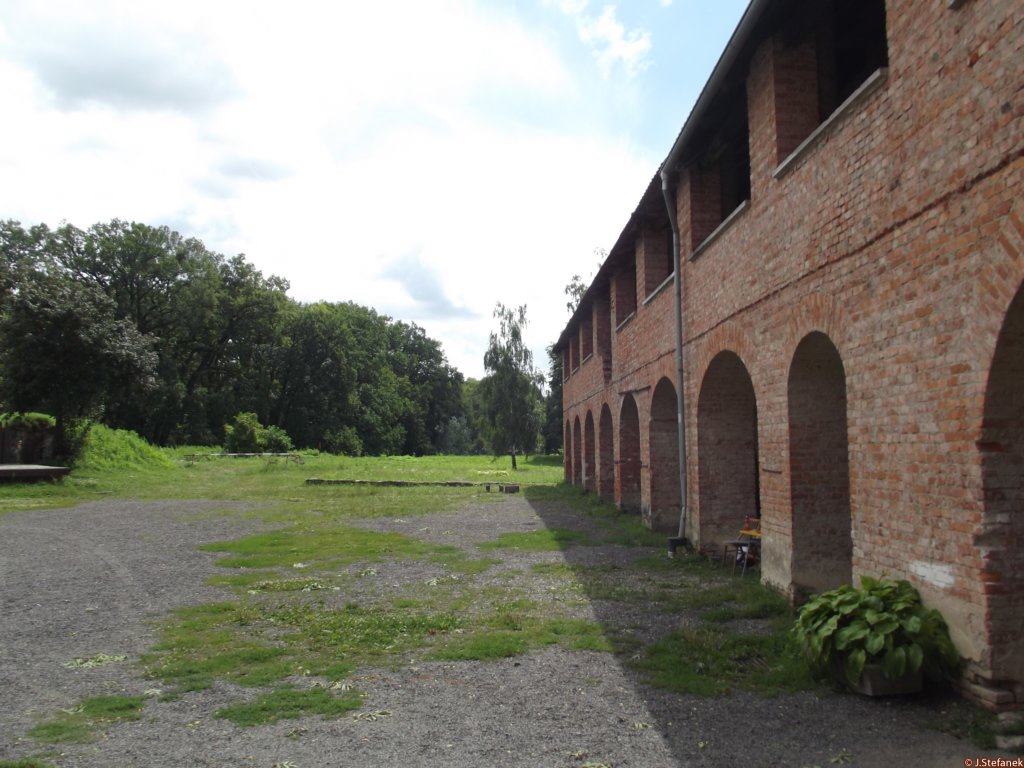
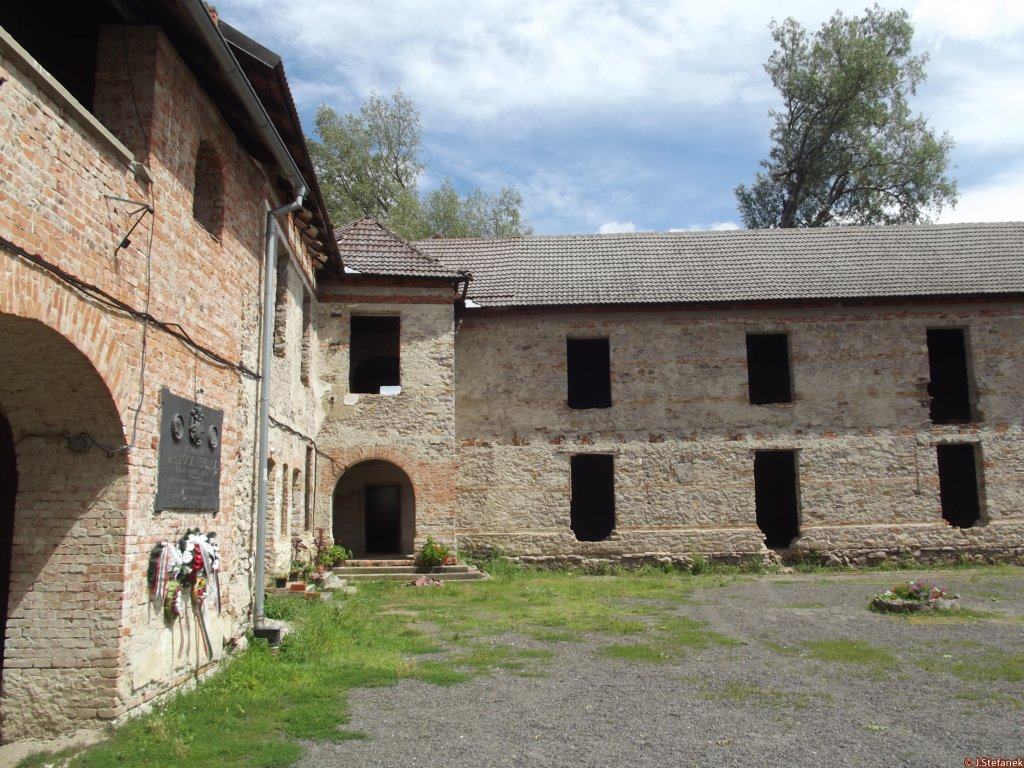
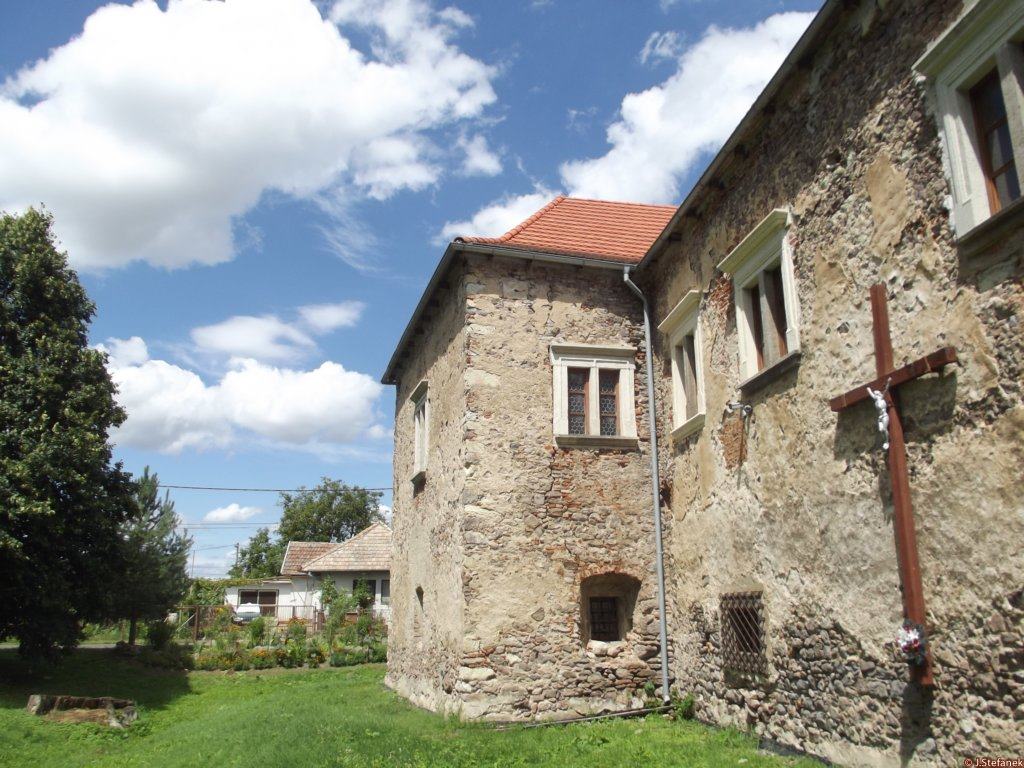
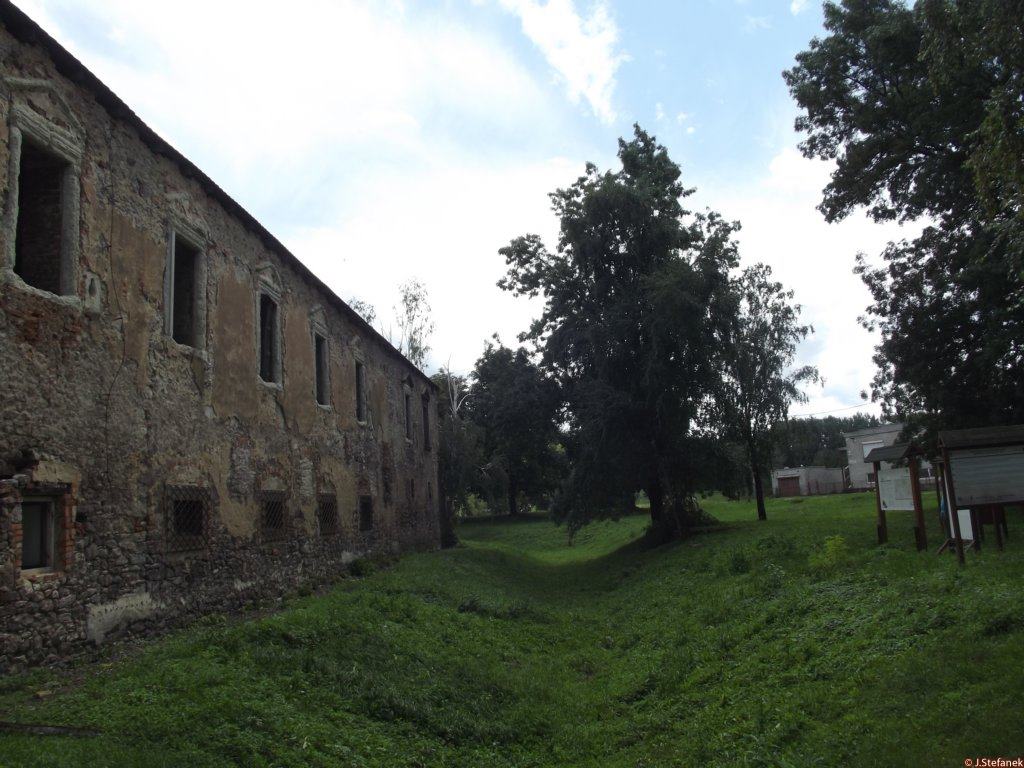
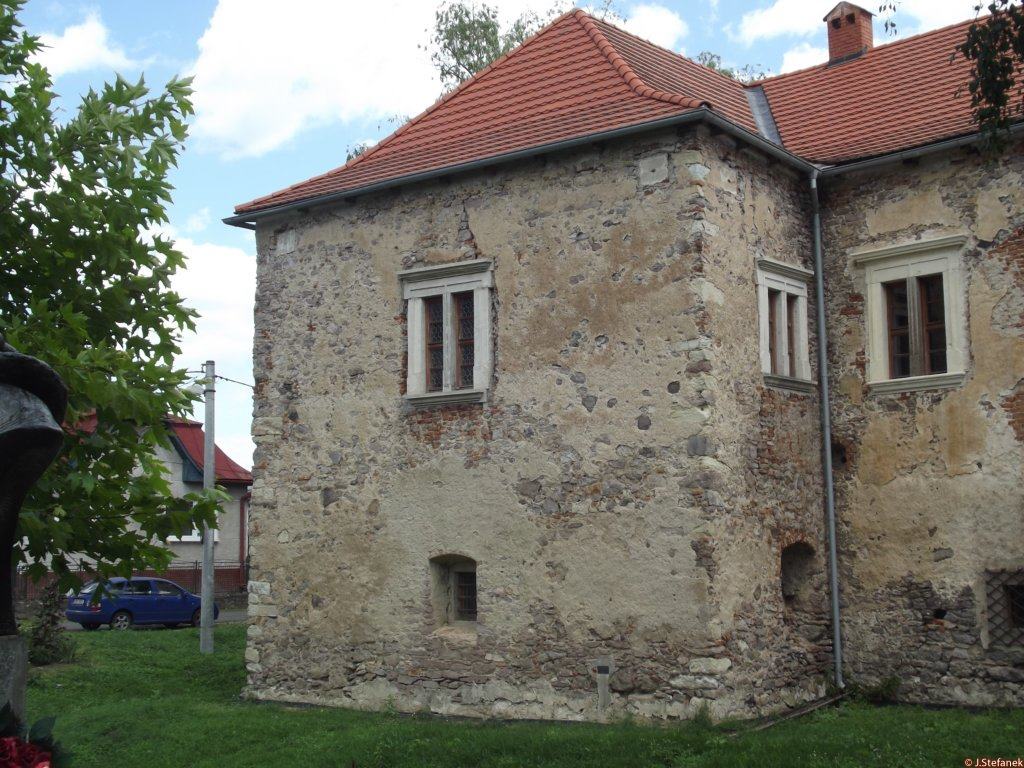
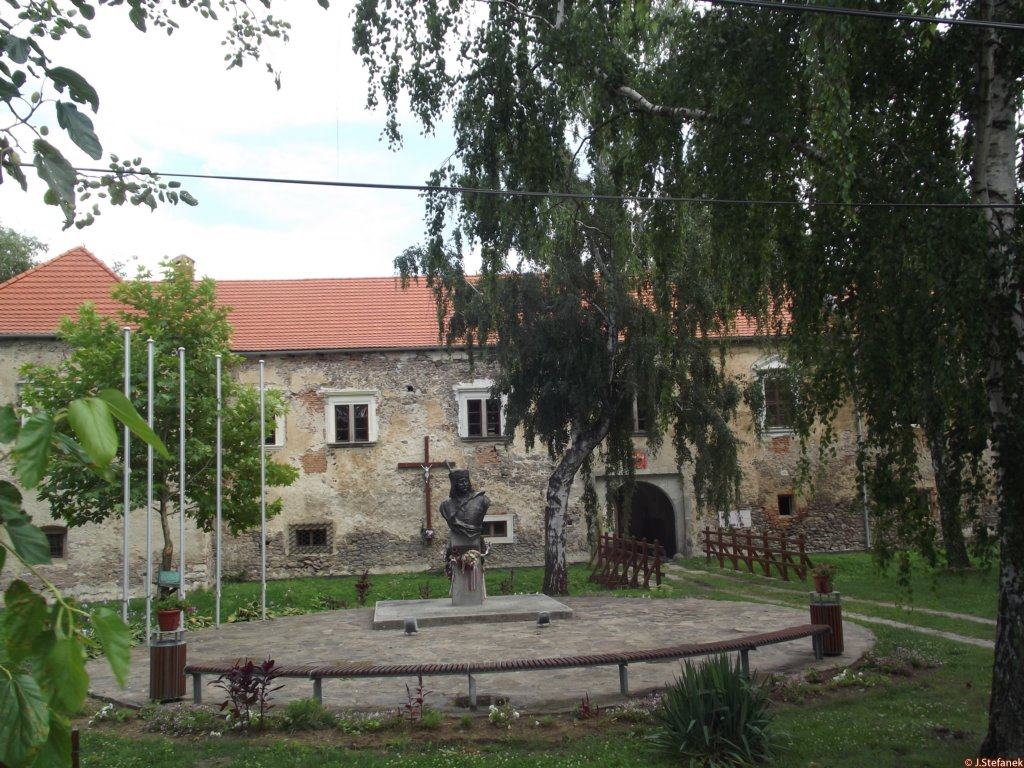
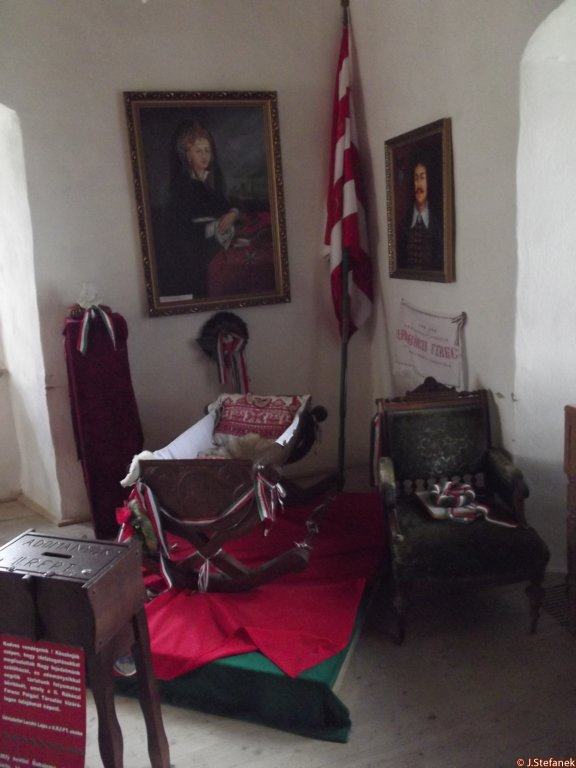
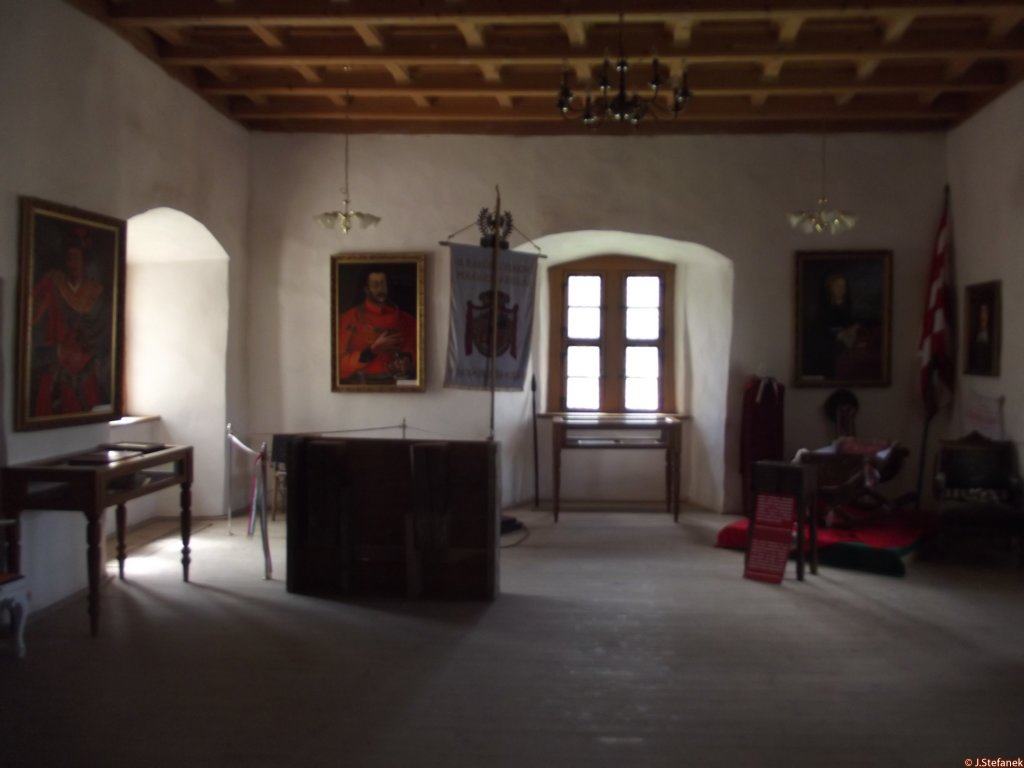
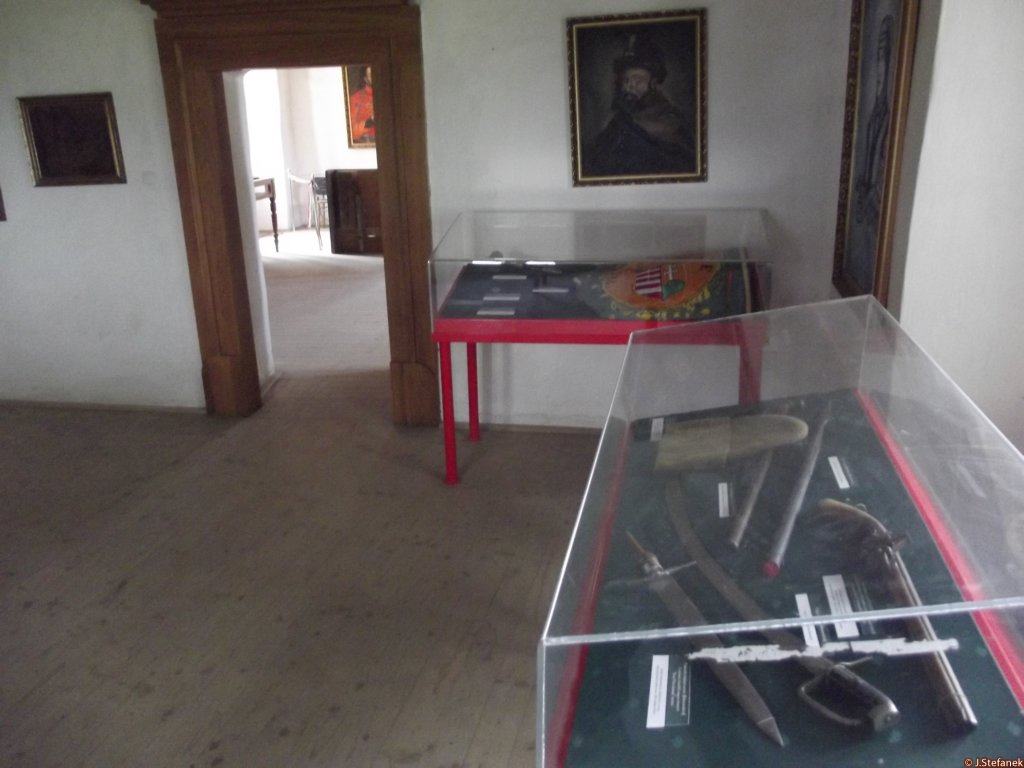
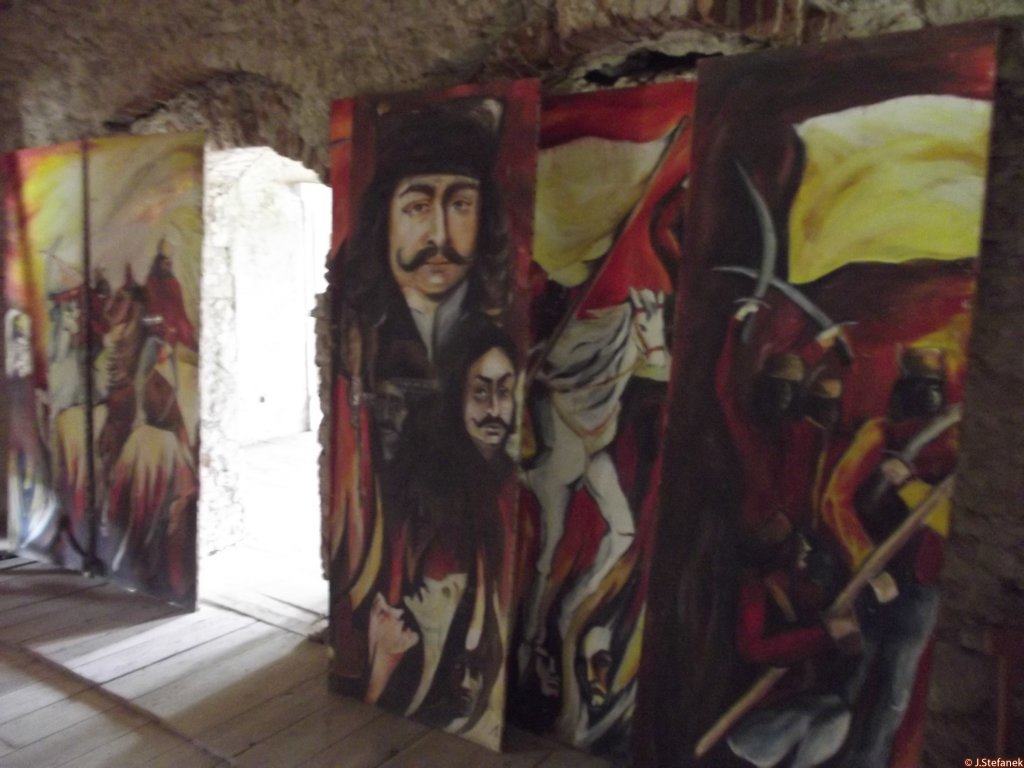
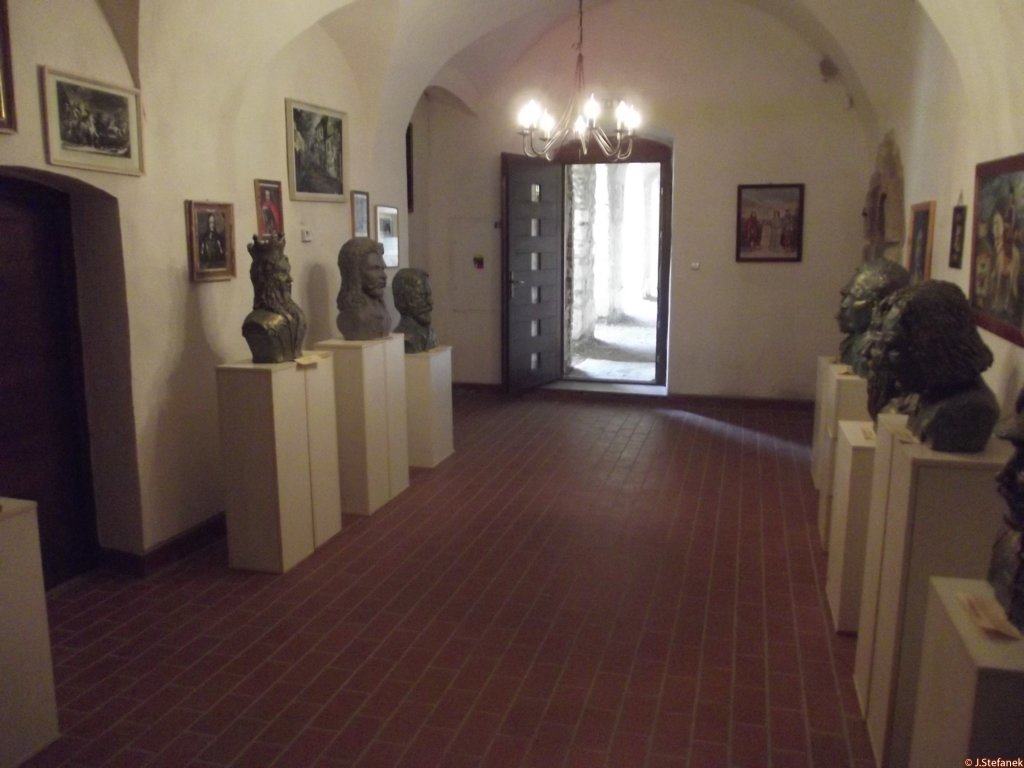
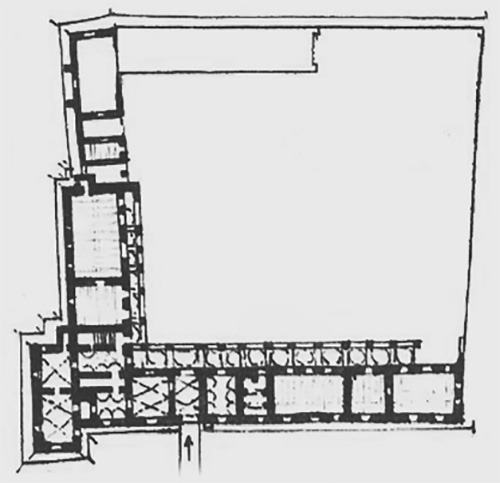
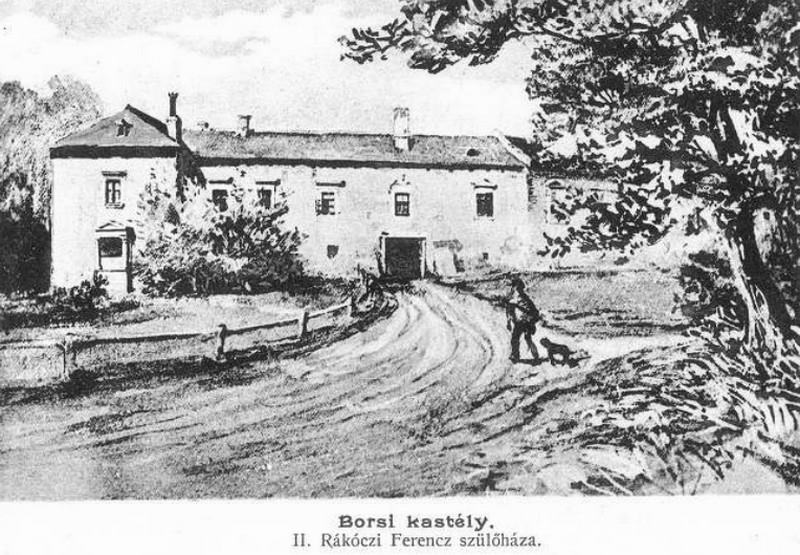
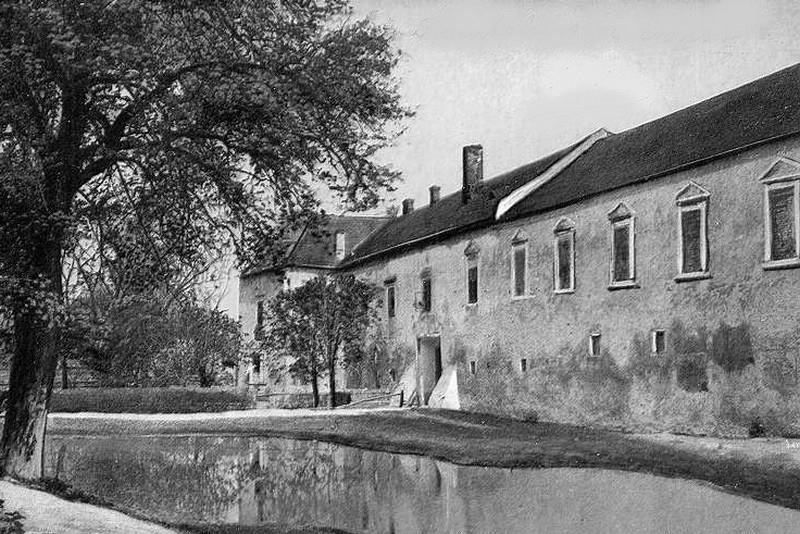
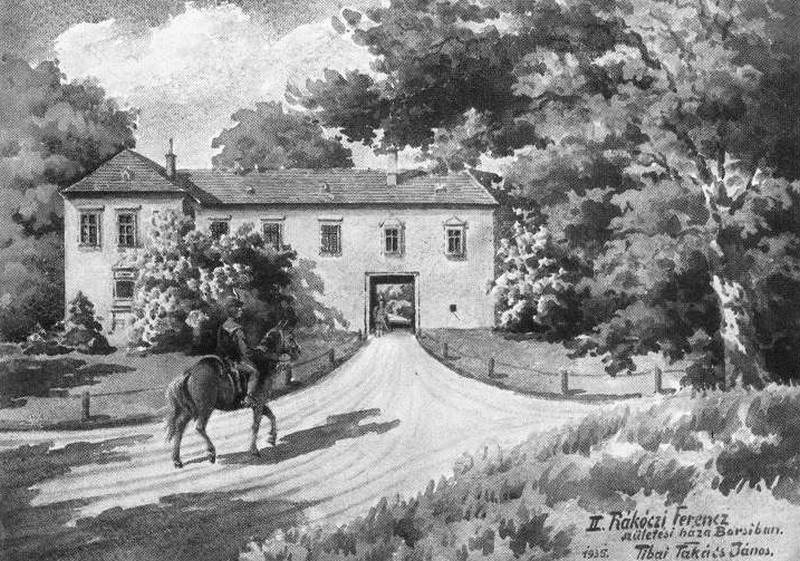
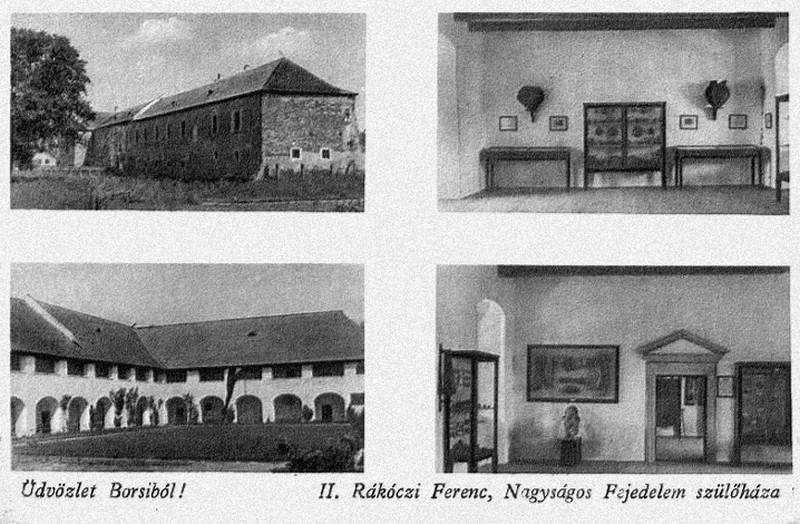
The mansion was built on the site of the original water castle. The castle may have been located on the south side of the main building, which is also indicated by the uncovered foundations in which a circular trace of the tower is drawn. But it can also be hidden in a huge corner bay on the north side, although it was built earlier to defend the mansion. In front of the older part of the building is a sign of a ditch that could serve the water castle. The mansion currently has an L-shaped ground plan, taking into account the addition of new economic parts in the shape of an irregular U-shaped letter. The facade facing the street has a large semi-circular portal with a rectangular border in the middle of the ground floor. The design of the portal does not exclude the possibility of using a drop lattice (eventually lifting a part of the bridge). The floor consists of mostly associated windows with ledges in the windowsill, at the edge of the facade is in one of the windows a triangular decorative shield. The wings of the courtyard have arcades from the 18th century.The building has mostly flat ceilings and renaissance vaults. The restored rooms are home to a museum with artifacts documenting the history of the mansion and the Rákóczi family. Several collected artifacts recall especially the life and work of Francis II. Rákóczi, leader of the anti-Habsburg uprising, born in this mansion. Remarkable is his bust by the sculptor J. Mayer from 1907, located in front of the main entrance.
Kaštieľ bol postavený na mieste pôvodného vodného hradu. Hrad sa pravdepodobne mohol nachádzať na južnej strane hlavného objektu, čo naznačujú aj odkryté základy, v ktorých sa črtá kruhová stopa po veži. No tiež môže byť ukrytý v mohutnom rohovom rizalite na severnej strane, aj keď ten bol budovaný skôr na obranu kaštieľa. Pred staršou časťou kaštieľa je náznak priekopy, ktorá mohla slúžiť ešte vodnému hradu. Kaštieľ má v súčasnosti pôdorys v tvare písmena L, s prihliadnutím k prístavbe novších hospodárskych častí v tvare nepravidelného písmena U. Na styku dvoch pôvodných krídel je nárožná štvorcová hranolová bašta, ktorá by mohla byť pozostatkom veže. Priečelie orientované do ulice má v strede prízemia veľký polkruhovo ukončený portál s pravouhlým orámovaním. Riešenie portálu nevylučuje možnosť použitia padacej mreže (event. zdvihnutia časti mostu). Poschodie členia prevažne združené okná s rímsami v parapete, na okraji priečelia je v jednom z okien trojuholníkový ozdobný štít. Krídla do dvora majú arkády z 18. storočia.Objekt má zväčša rovné stropy a renesančné klenby. V obnovených miestnostiach sídli múzeum s artefaktmi dokumentujúcimi dejiny kaštieľa a rodu Rákócziovcov. Viaceré zozbierané artefakty pripomínajú najmä život a pôsobenie Františka II. Rákócziho, vodcu protihabsburgského povstania, narodeného v tomto kaštieli. Pozoruhodná je napríklad jeho busta od sochára J. Mayera z roku 1907 umiestnená pred hlavným vchodom.
Plan
-
History
The manor house in Borša was built on the site of a medieval water castle, of which several remains have been preserved. Since Borša lies on a lowland and Bodrog flows in its immediate vicinity, it was logical that local landowners used a system of moats to protect the first fortified structure. And so on the right bank terrace of Bodrog, probably at the beginning of the 13th century, a water castle was built, surrounded by deep ditches filled with water from the river.
The mentioned water castle was probably built by Belo IV. after the Tatar invasion. The castle was made of stone and its history is still unknown. Written documents only indicate that the castle was owned by several families (Perínyi, Polónyi, Lórantffy, Rákóczi).
A manor house was built on the site of the former castle, the construction of which was completed in 1570. The manor house was originally built by Miklós Zeleméry Kamarás. In 1602 the manor house fell into the hands of the Lórántffy family and in 1616 the manor house became the property of the Rákóczi family. Around 1630, the building expanded, at that time, among other things, the northwestern and southern corner towers were built, as well as the northern and southern wings of the palace. There was a falling net at the main entrance. Under the stone portal, one entered the courtyard, on which stood farm buildings. The manor house was characterized by a number of Renaissance-decorated windows (these windows as well as doors are still preserved), which illuminated the individual rooms. They were heated by fireplaces located in the corners of the rooms, also decorated in the Renaissance style.
In 1676, Francis II. Rákóczi was born in the manor. However, he did not stay in the manor for a long time and spent most of his childhood at Mukachevo Castle.
The manor house was damaged several times over the following centuries. Minor modifications affected him especially in the 18th and 20th centuries. The first museum was opened here during the II. World War II, but after that the manor began to decay. Today it is the property of the village of Borša and it is trying to reconstruct it as faithfully as possible. At present, in the restored rooms there is a museum mapping the history of the manor house itself and the remains of the Rákóczi family. Several collected artifacts recall especially the life and work of Francis II. Rákóczi. Notable is, for example, his bust by the sculptor J. Mayer from 1907 placed in front of the main entrance.
The manor actually became the property of the Borša municipality in 1990 and its administration was taken over by the local Rákóczi association. Since 1998, research and design work has been carried out here in the framework of cooperation between Slovak and Hungarian organizations for the protection of cultural monuments. Until 2005, they gradually repaired the north wing and the northern part of the west wing of the manor, but these works were suspended. In 2017, the Hungarian government provided a contribution of HUF 805 million (EUR 2,500,000) for the first phase of the reconstruction for the restoration of stone building elements and murals. Reconstruction work began on September 26, 2018.
Since June 2021, the manor house has been open to the public again, housing a hotel, a museum and many other attractions.
Kaštieľ v Borši postavili na mieste stredovekého vodného hradu, z ktorého sa zachovalo niekoľko pozostatkov. Keďže Borša leží na nížine a v jej bezprostrednej blízkosti tečie Bodrog, bolo logické, že miestni zemepáni na ochranu prvej opevnenej stavby použili systém vodných priekop. A tak na pravobrežnej terase Bodrogu pravdepodobne začiatkom 13. storočia vznikol vodný hrad obohnaný hlbokými priekopami napúšťanými vodou z rieky.
Spomínaný vodný hrad dal pravdepodobne postaviť Belo IV. po tatárskom vpáde. Hrad bol kamenný a jeho história dodnes nie je známa. Písomné dokumenty len napovedajú, že hrad bol v držbe viacerých rodov (Perínyiovci, Polónyiovci, Lórantffyovci, Rákócziovci).
Na mieste niekdajšieho hradu vznikol kaštieľ, ktorého stavbu dokončili v roku 1570. Kaštieľ dal pôvodne postaviť Miklós Zeleméry Kamarás. V r.1602 sa kaštieľ dostáva do rúk rodiny Lórántffy a v roku 1616 sa kaštieľ stáva majetkom rodiny Rákóczi. Okolo roku 1630 sa budova rozšírila, v tom čase sa medzi inými vybudovala severozápadná a južná nárožná veža, ako aj severné a južné krídlo paláca. Pri hlavnom vstupe nechýbala padacia mreža. Popod kamenný portál sa vchádzalo na nádvorie, na ktorom stáli hospodárske budovy. Pre kaštieľ bolo typické množstvo renesančne zdobených okien (tieto okná ako aj dvere sú dodnes zachované), ktoré presvetľovali jednotlivé miestnosti. Tie vykurovali krbmi umiestnenými v rohoch miestností, taktiež renesančne vyzdobenými.
V roku 1676 sa v kaštieli narodil František II. Rákóczi. V priestoroch kaštieľa sa ale dlho nezdržal a väčšinu svojho detstva prežil na hrade Mukačevo.
Kaštieľ bol v priebehu nasledujúcich storočí viackrát poškodený. Menšie úpravy sa ho dotýkali najmä v 18. a 20. storočí. Prvé múzeum tu bolo otvorené už počas II. svetovej vojny, po nej však začal kaštieľ chátrať. Dnes je majetkom obce Borša a tá sa snaží o jeho čo najvernejšiu rekonštrukciu. V súčasnosti sa v obnovených miestnostiach nachádza múzeum mapujúce dejiny samotného kaštieľa a pozostatkami rodu Rákócziovcov. Viaceré zozbierané artefakty pripomínajú najmä život a pôsobenie Františka II. Rákócziho. Pozoruhodná je napríklad jeho busta od sochára J. Mayera z roku 1907 umiestnená pred hlavným vchodom.
Kaštieľ sa v roku 1990 skutočne dostal do majetku obce Borša a jeho správu prevzalo miestne Rákócziho združenie. Od roku 1998 sa tu vykonávali výskumné a projekčné práce v rámci spolupráce slovenských aj maďarských organizácií pre ochranu kultúrnych pamiatok. Do roku 2005 postupne opravovali severné krídlo a severnú časť západného krídla kaštieľa, tieto práce však boli pozastavené. V roku 2017 poskytla maďarská vláda príspevok vo výške 805 miliónov HUF (2 500 000 EUR) na prvú fázu rekonštrukcie na reštaurovanie kamenných stavebných prvkov a nástenných malieb. Rekonštrukčné práce začali 26. septembra 2018.
Od júna 2021 je kaštieľ opäť otvorený verejnosti, nachádza sa v ňom hotel, múzeum a mnoho iných atrakcií.
Myths and legends
There are no myths available.
K tomuto objektu nie sú dostupné žiadne povesti
Useful information
After the reconstruction, the manor house is open to the public again.Learn more
Kaštieľ je po rekonštrukcii opäť otvorený pre verejnosť.Viac informácií
External links
Nearby castles