Streda nad Bodrogom
Streda nad Bodrogom Košice county Slovakia
manor, mansion
Streda nad Bodrogom
Streda nad Bodrogom Košický kraj Slovakia
kaštieľ
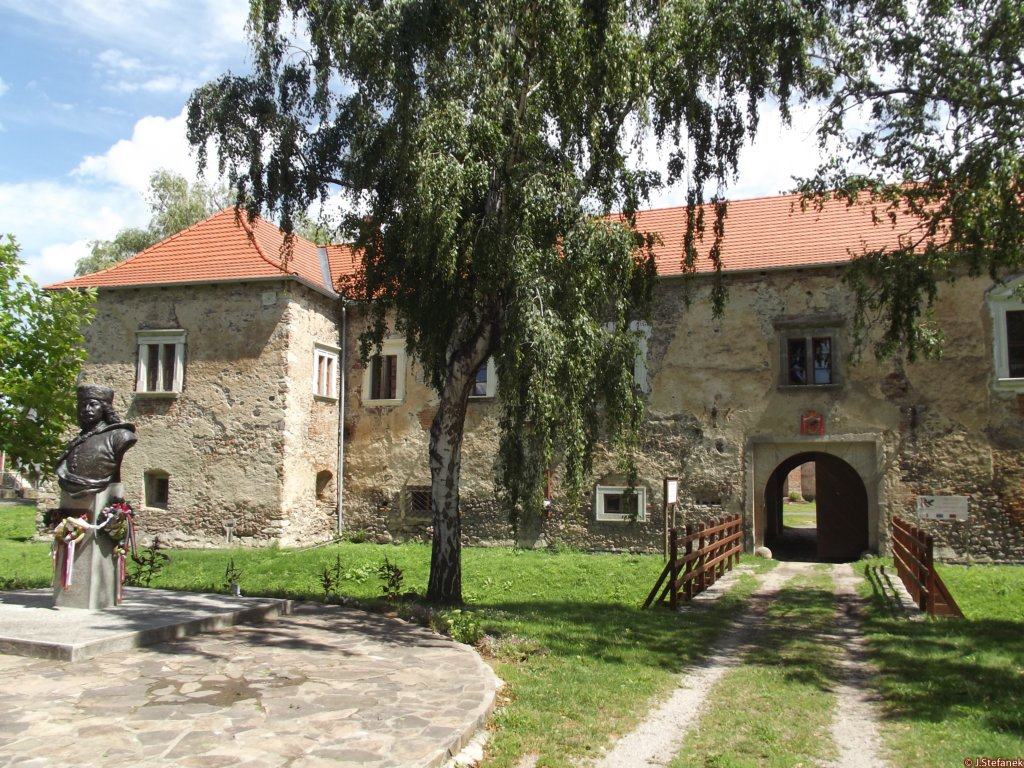
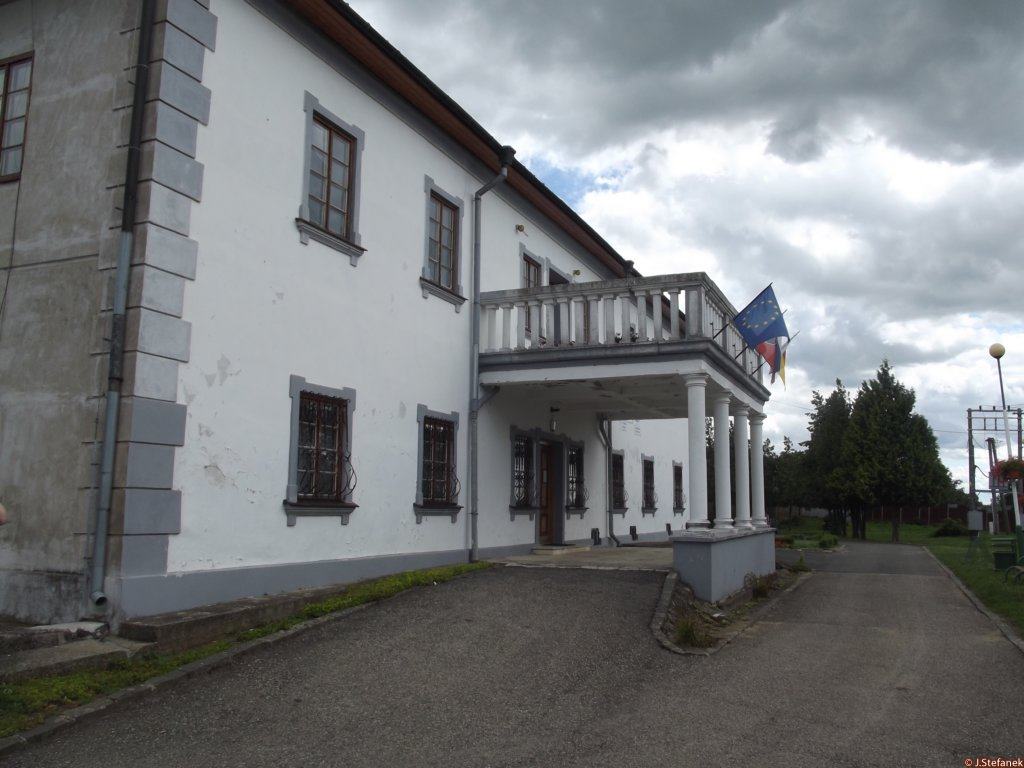
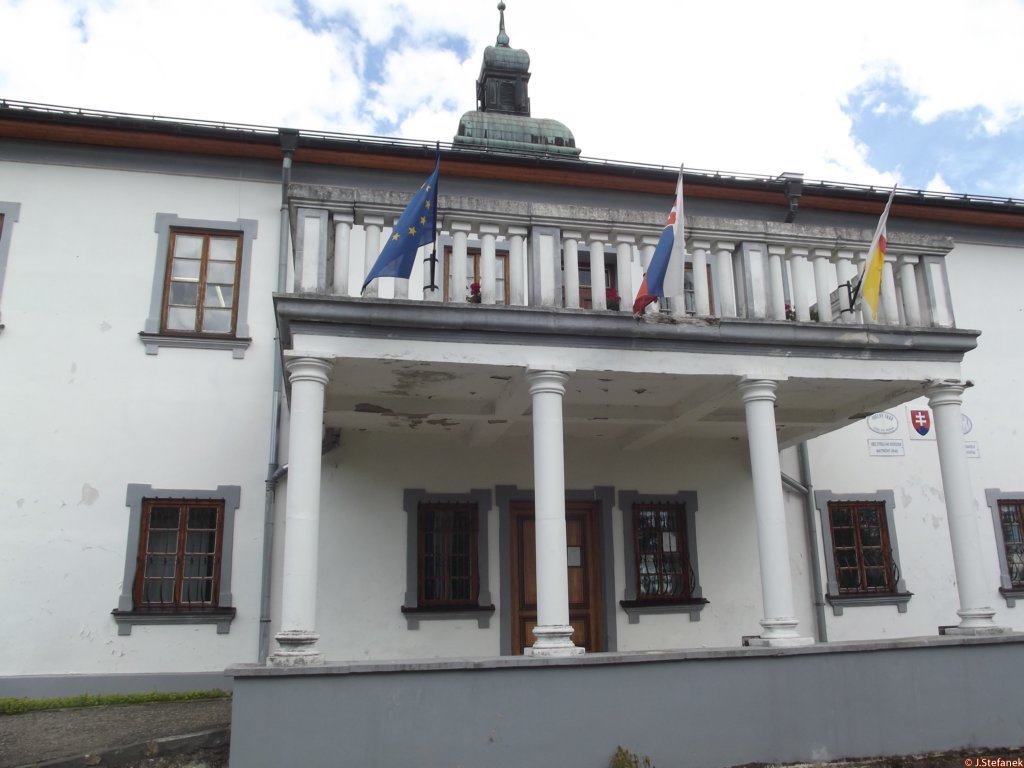
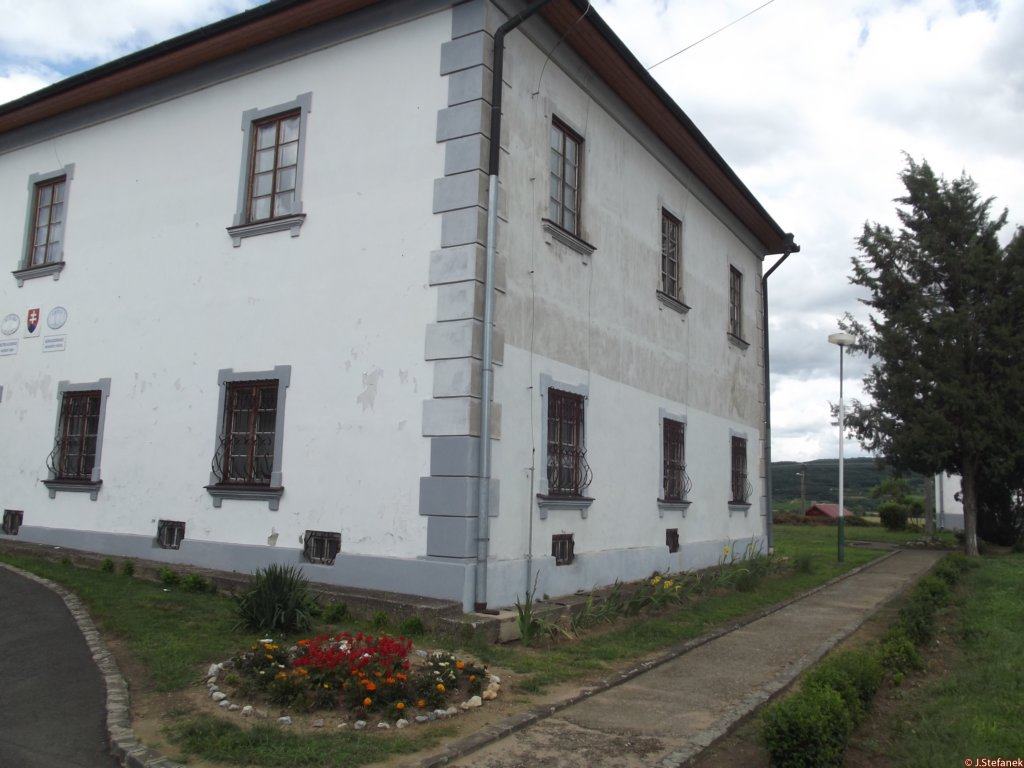
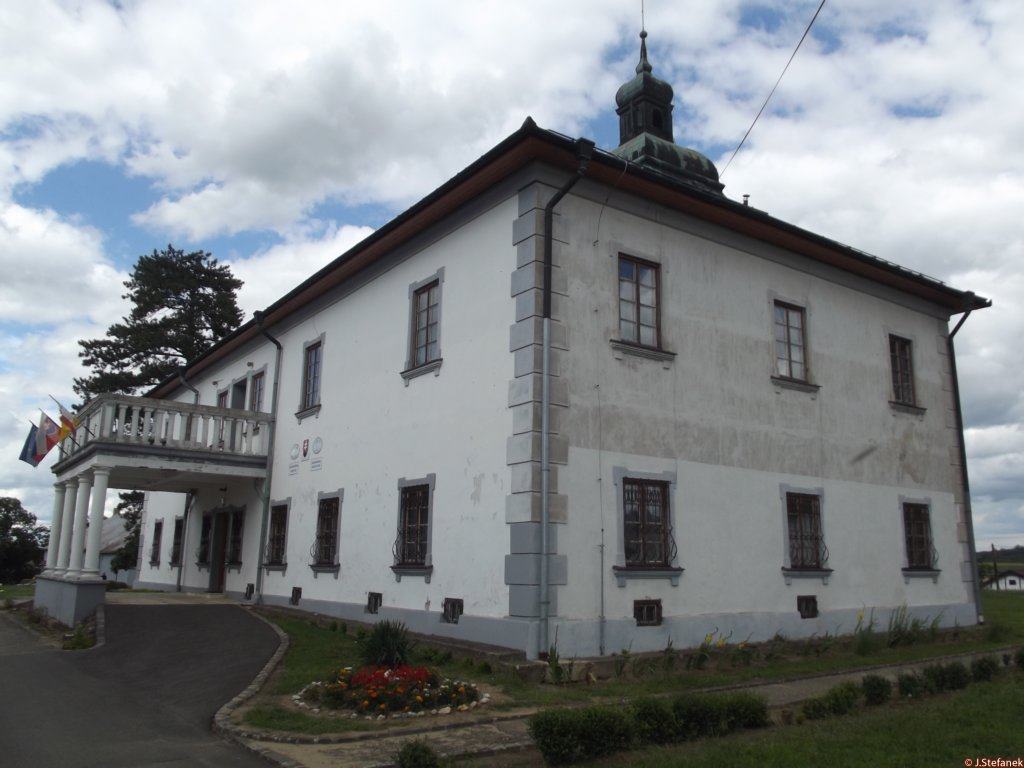
The manor house was built on the site of a medieval castle, in the lowest village of Streda nad Bodrogom, in the southern part of the Eastern Slovak Lowland, on the sand dunes of the Bodrog plain
Kaštieľ postavený na mieste stredovekého hradu, v najnižšie položenej obci Streda nad Bodrogom, v južnej časti Východoslovenskej nížiny, na pieskových dunách Bodrockej roviny
Previous names
Zeredahel, Keth Zeredahel, Eghazos Zerdahel, Wassarus Zerdahel, Bodrogszerdahely
Roads
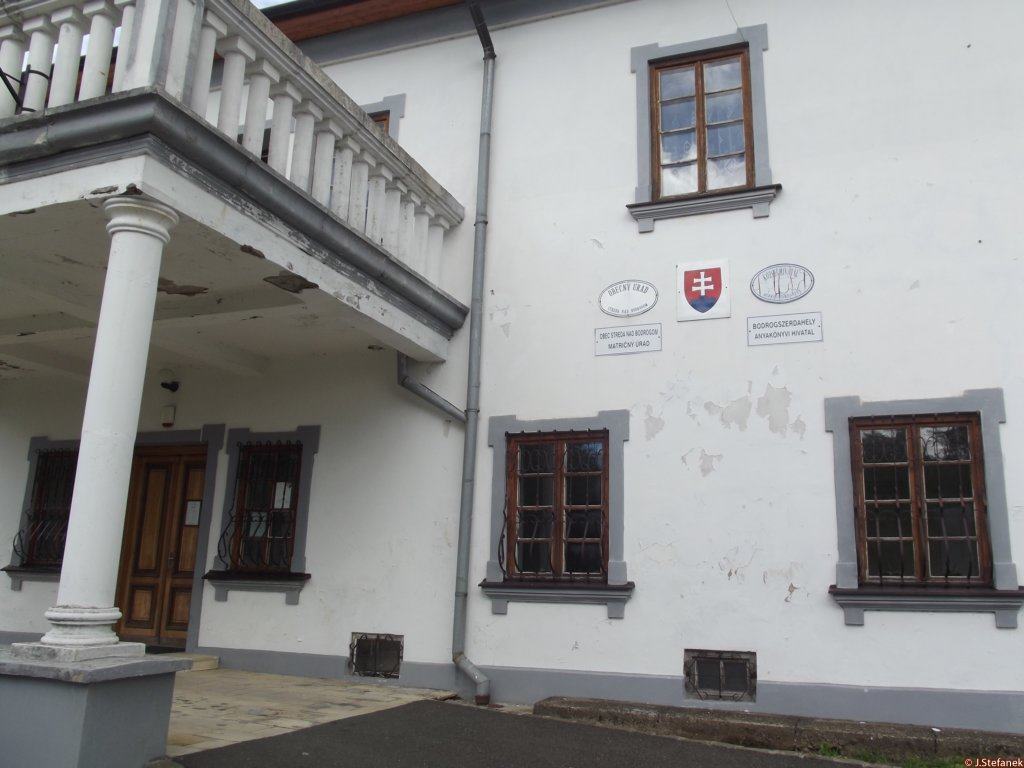
Vécsey manor house, or the Szerdahelyi mansion is located in Streda nad Bodrogom. Hlavná street leads through the village in the direction of Hungary, which we follow until we come next to a stone wall on the right side with a metal gate. We continue beyond the wall until we reach a local restaurant and a few meters away there is a manor house, currently the Municipal Office, where there is a small parking lot.
Kaštieľ Vécseyovcov, alebo aj Szerdahelyiovský kaštieľ sa nachádza v obci Streda nad Bodrogom. Cez obec vedie Hlavná ulica v smere do Maďarska, po ktorej pôjdeme až kým nenatrafíme na kamenný múr na pravej strane s kovovou bránou. Za múrom pokračujeme ďalej, až dôjdeme k miestnej reštaurácii a pár metrov odtiaľ sa nachádza kaštieľ, v súčasnosti Obecný úrad, kde je menšie parkovisko.
Description
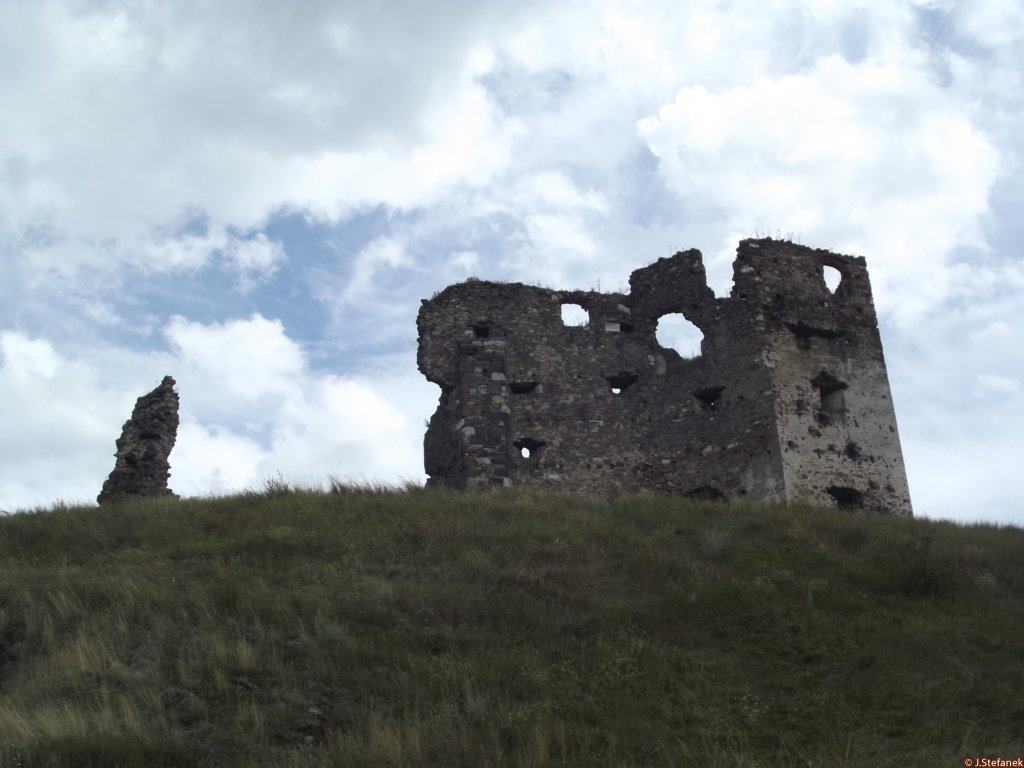
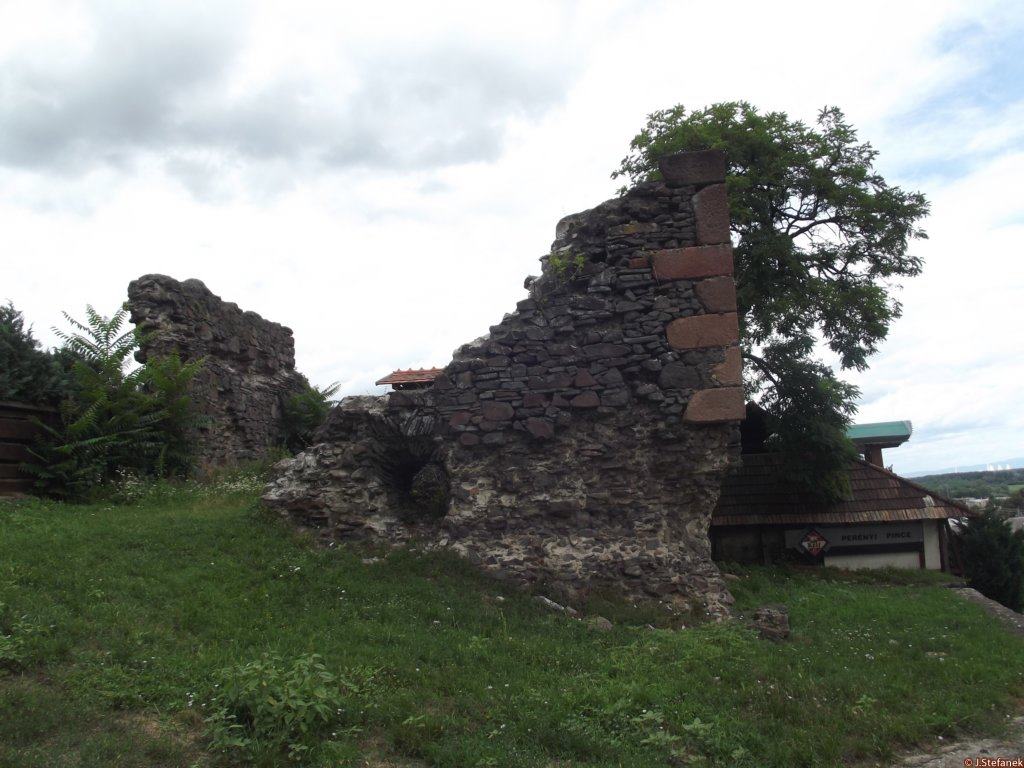
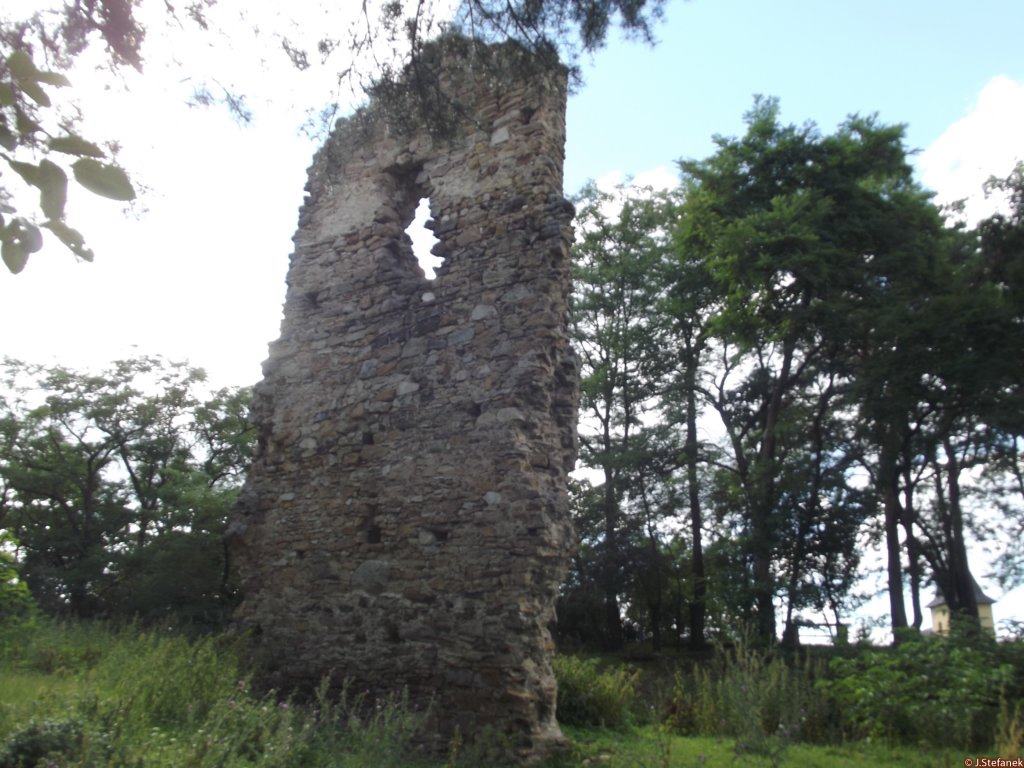
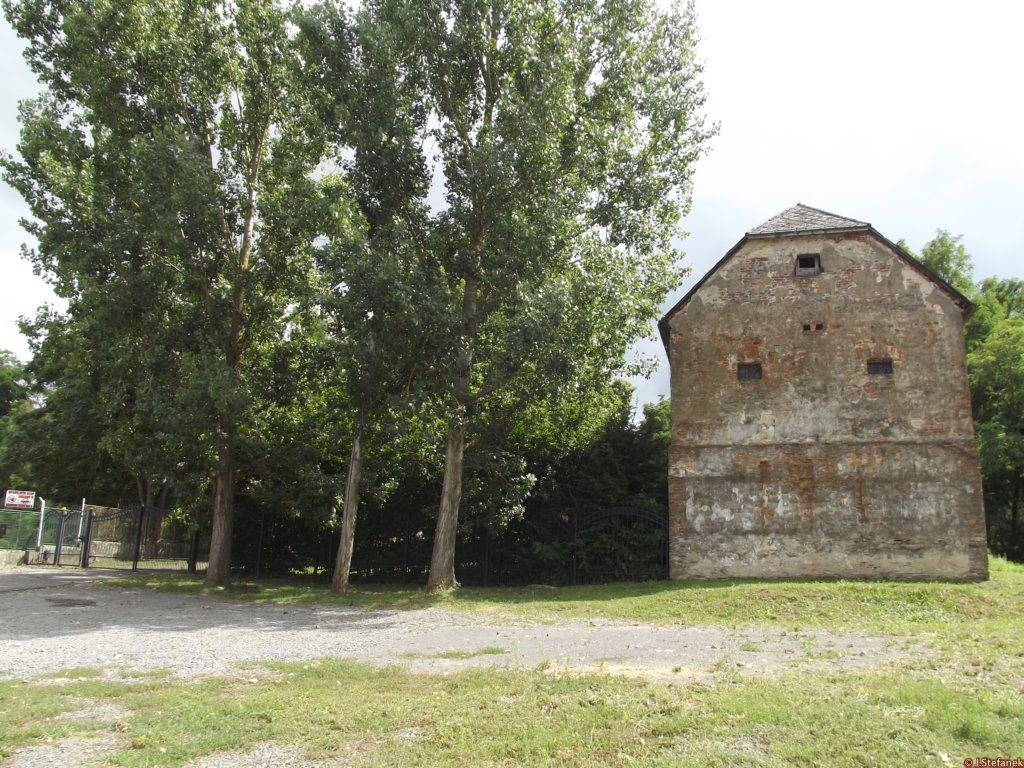
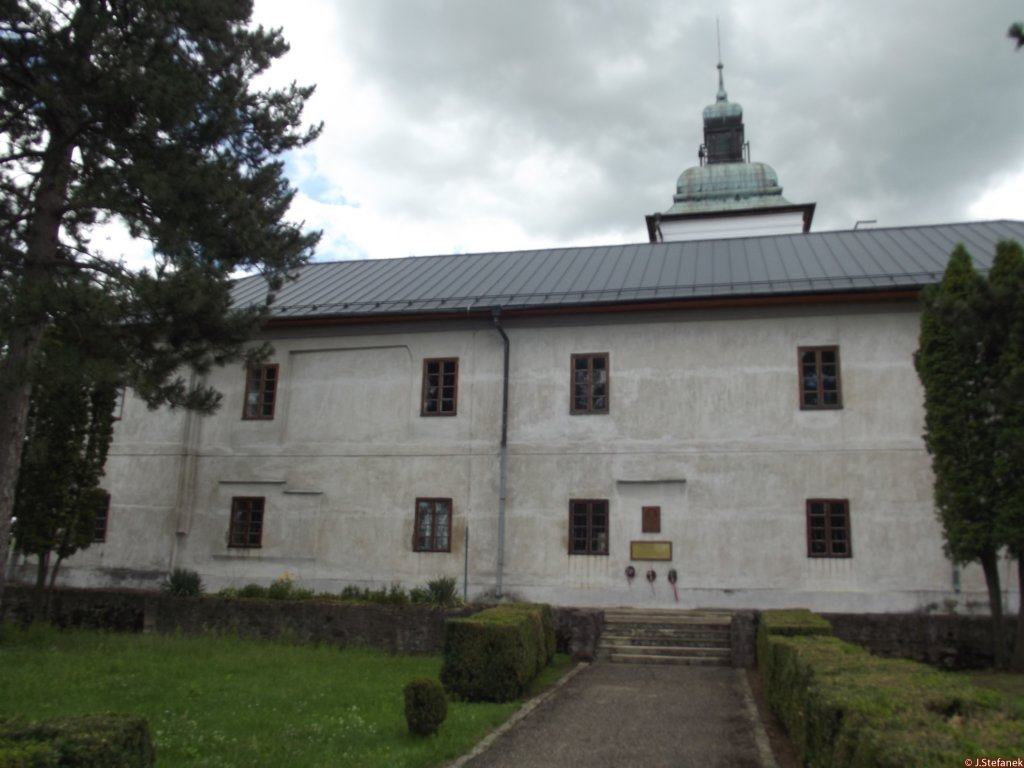
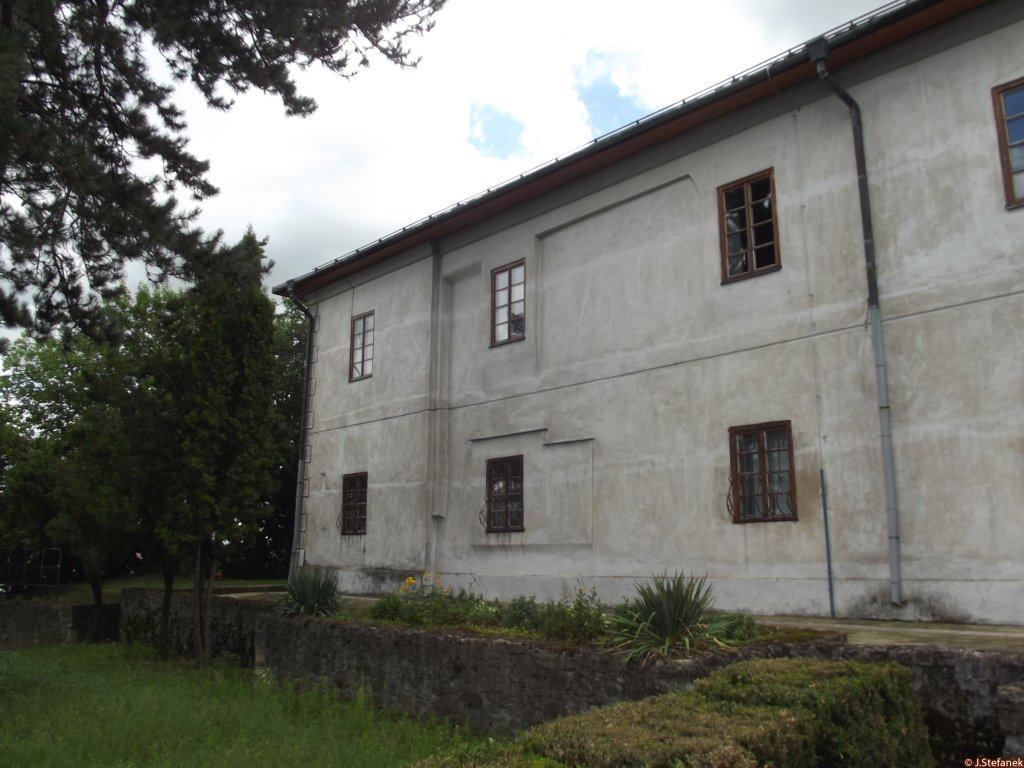
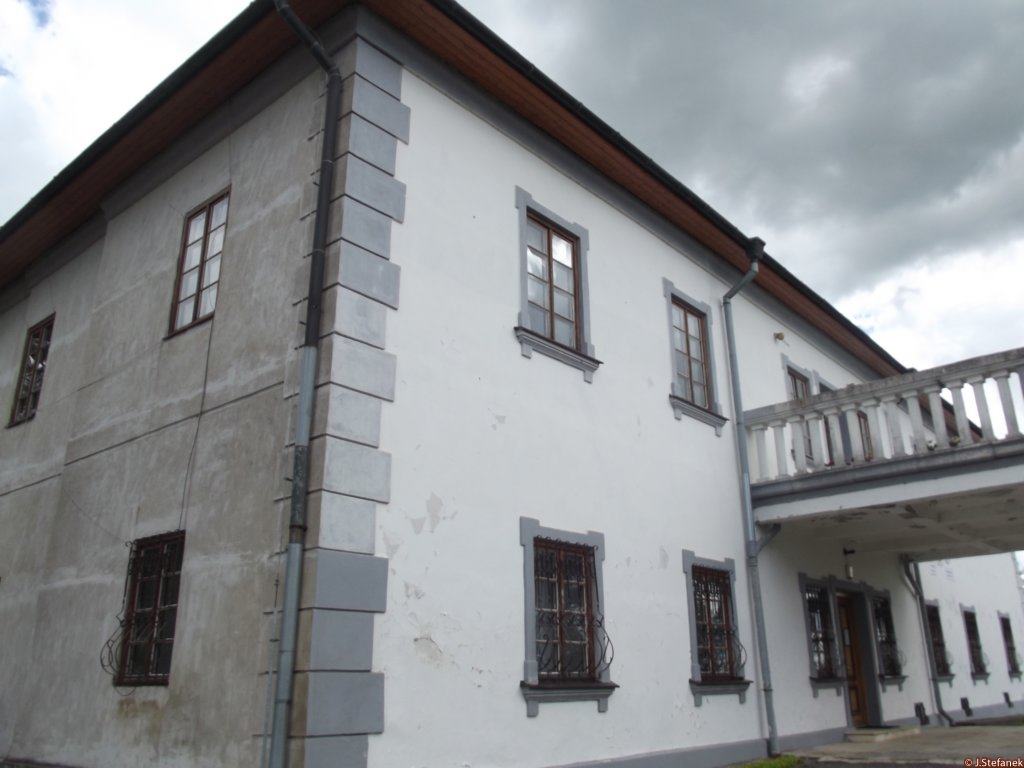
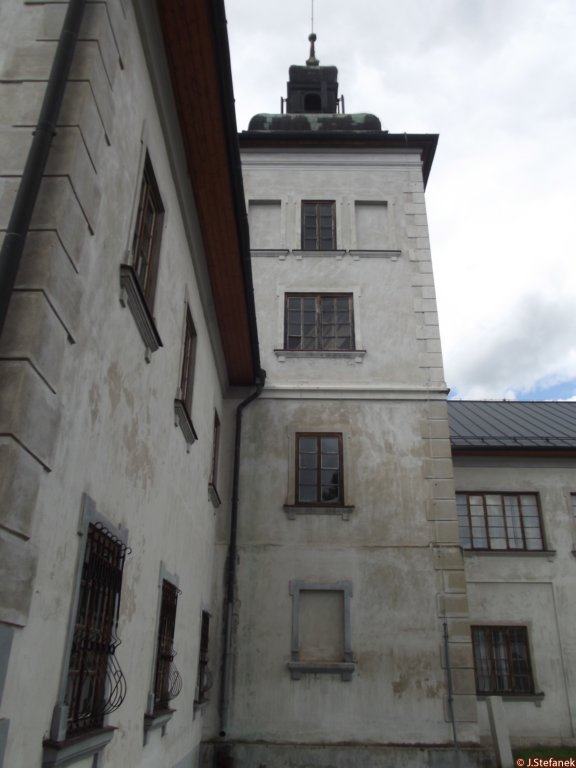
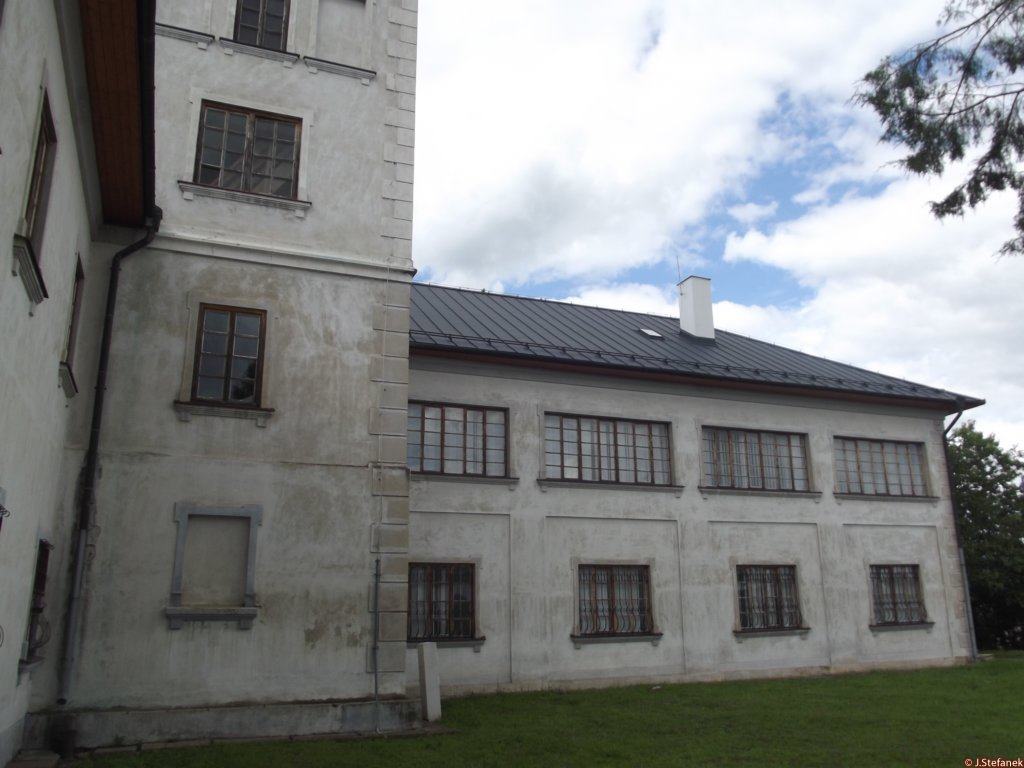
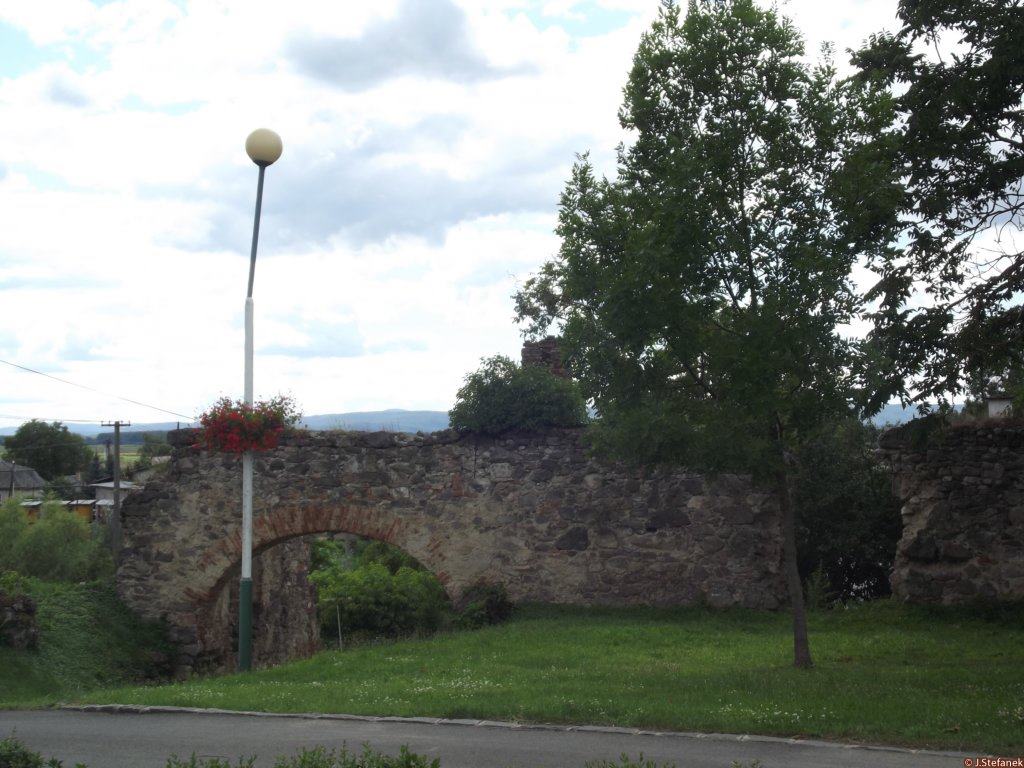
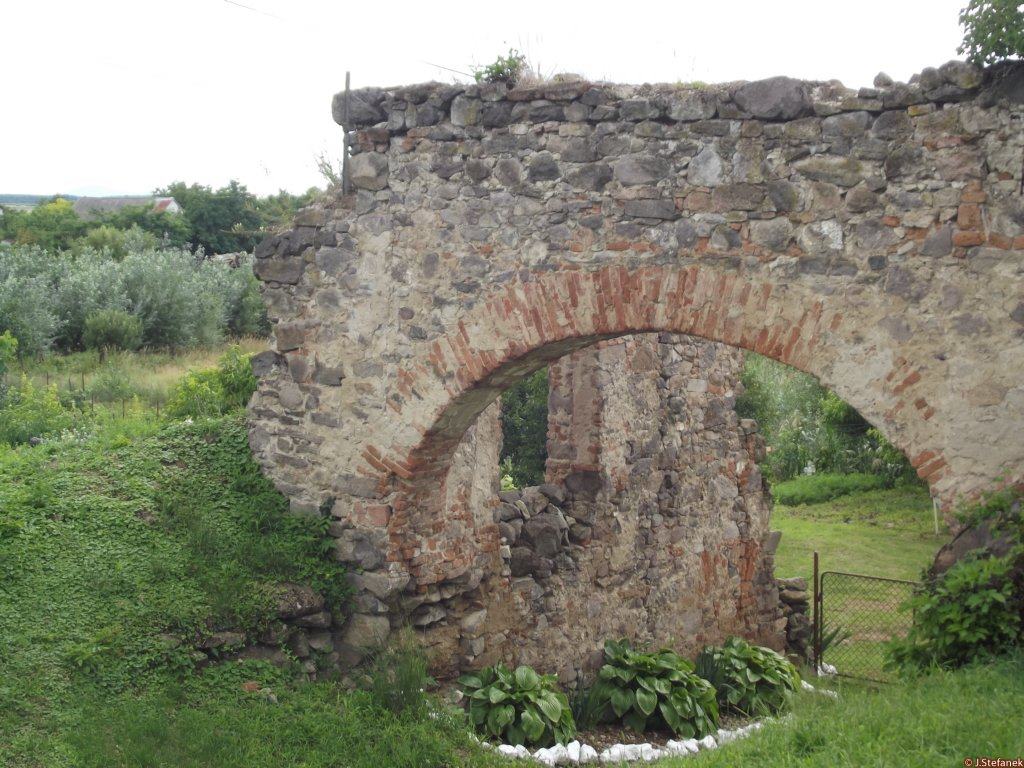
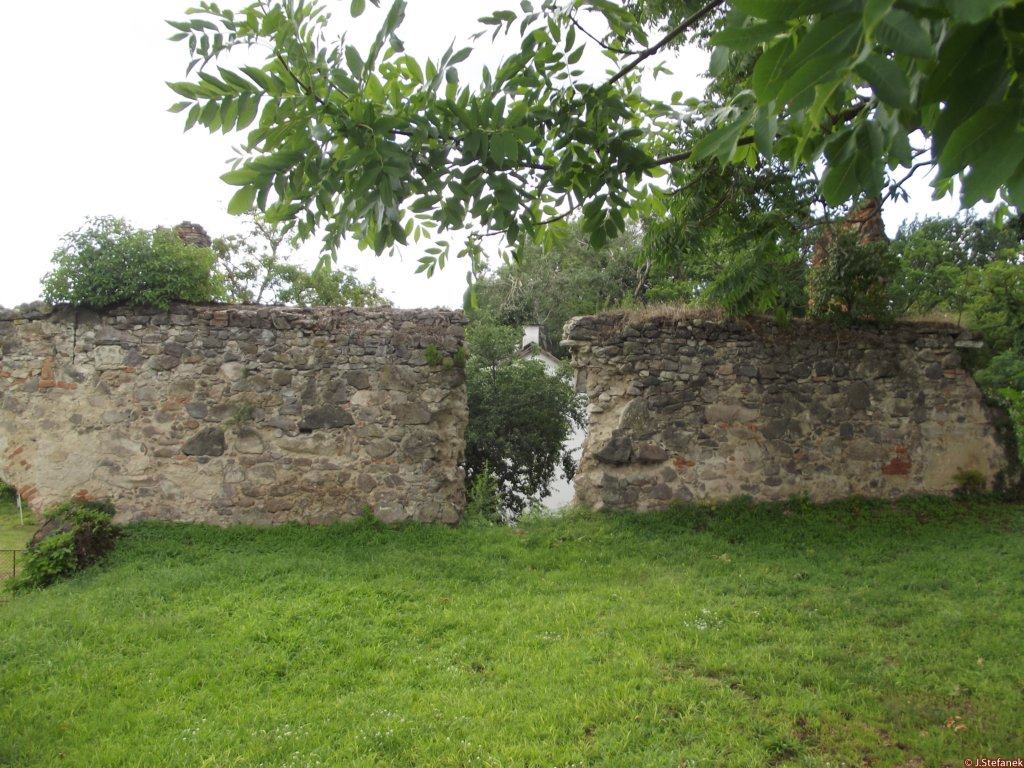
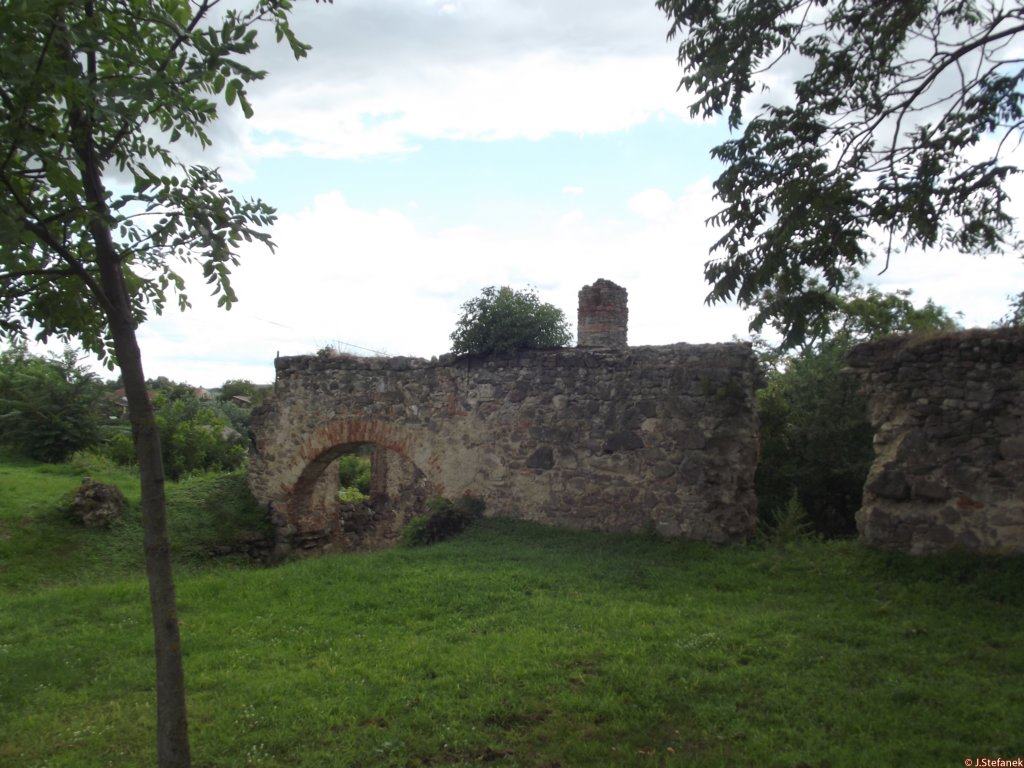
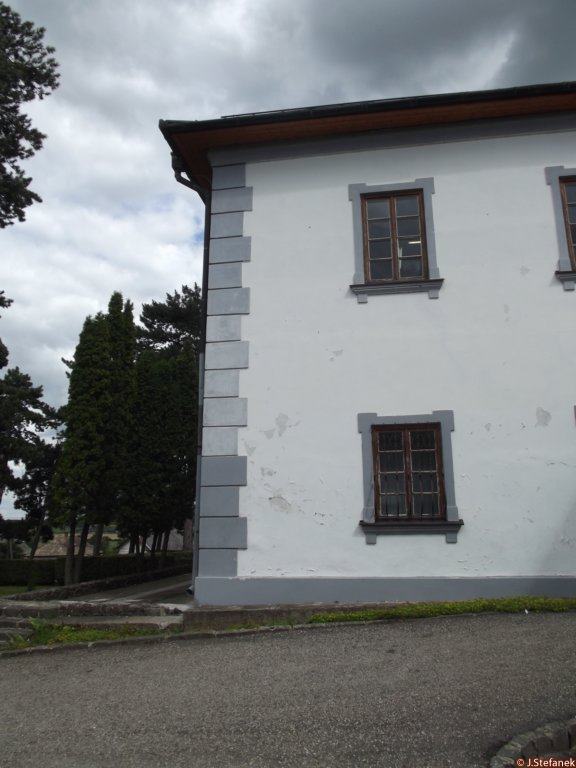
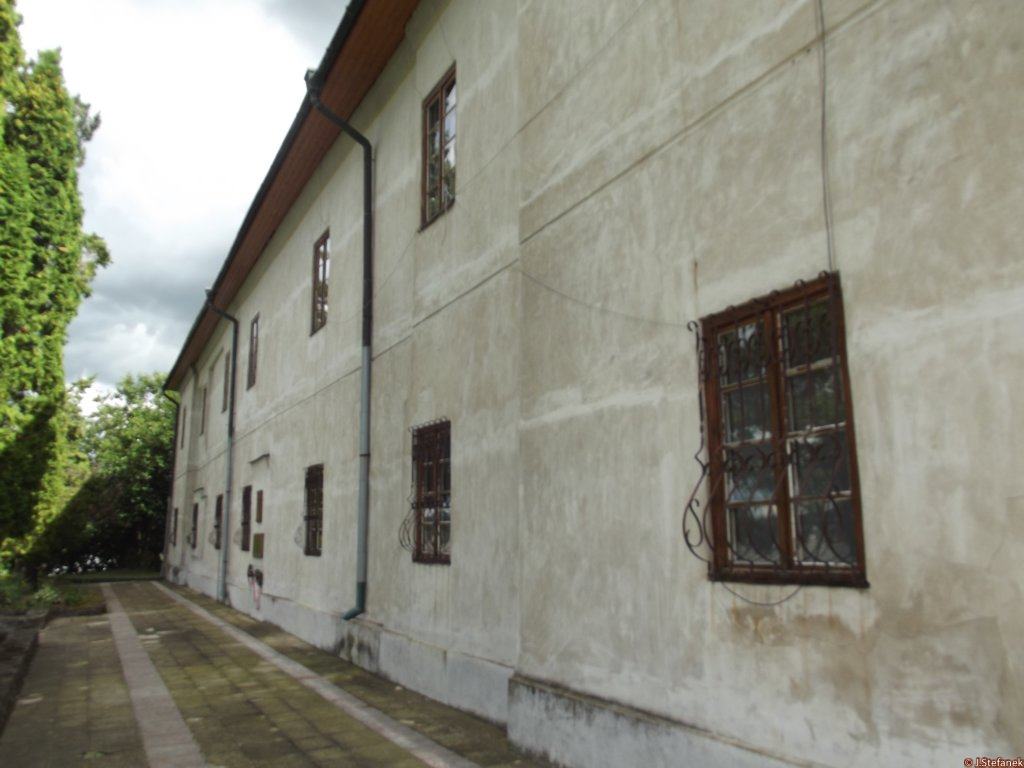
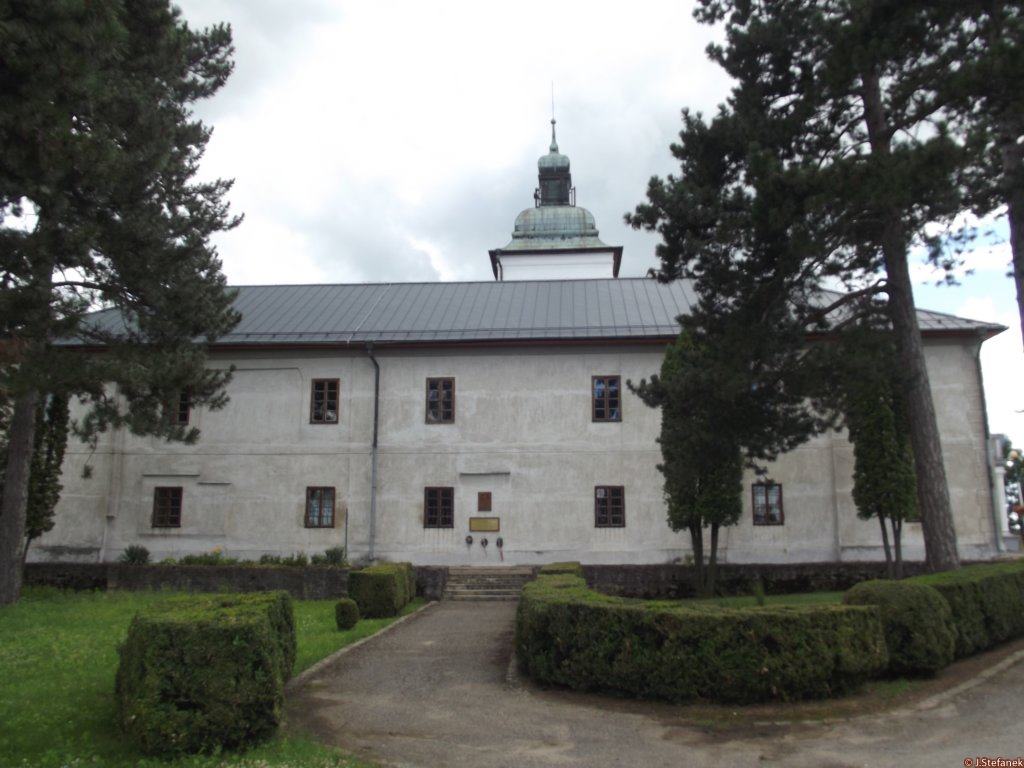
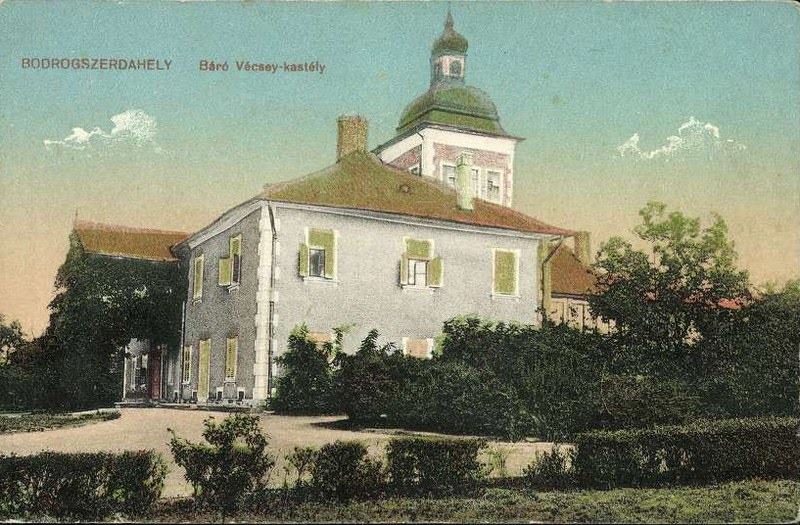
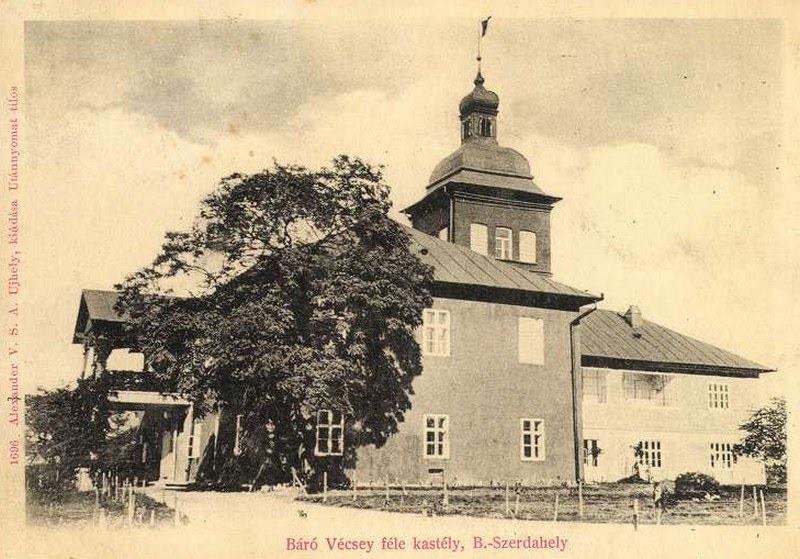
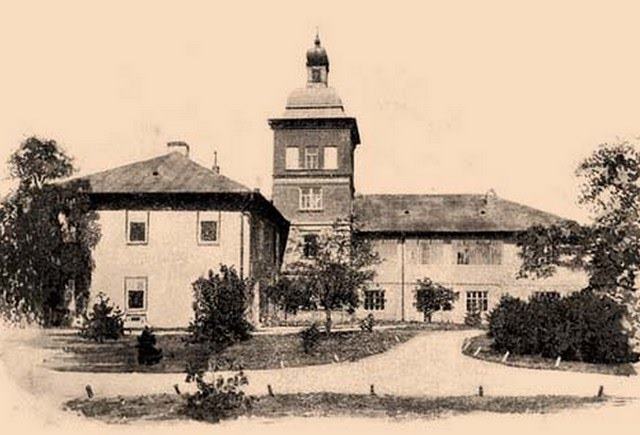
The Renaissance mansion of the Vécsey family with an L-shaped ground plan has a two-storey tower that dominates the building. It was built on the site of a medieval castle at the beginning of the 18th century, it was rebuilt and rebuilt several times. To this day, traces of the castle are visible. The ruins of the manor house are said to be the remains of farm buildings. At present there is a marriage hall, offices of the municipal office and several institutions.For visitors there is a memorial room, which points to the past and present of life in the manor house. The garden is open to the public. The state of residence is very good.
Renesančný kaštieľ rodu Vécsey s pôdorysom v tvare písmena L, má dvojposchodovú vežu, ktorá je dominantou objektu. Bol postavený na mieste stredovekého hradu začiatkom 18.storočia, bol viackrát upravený a prestavaný. Dodnes sú stopy po hrade viditeľné. Zrúcaniny pri kaštieli sú údajne zvyškami hospodárskych budov. V súčasnosti je v kaštieli sobášna sieň, kancelárie obecného úradu a viacerých inštitúcií.Pre návštevníkov je k dispozícii pamätná izba, ktorá poukazuje na minulosť i súčasnosť života v kaštieli. Záhrada je prístupná verejnosti. Stav sídla je veľmi dobrý.
History
Although the settlement of the village of Streda nad Bodrogom dates back to prehistoric times, the first written mention from 1273 mentions the Baks family (then lords and inhabitants of the village) who farmed their property together. At that time, the village is mentioned under the name Zeredahel. The name is probably derived from the markets that took place on Wednesday at the time. In 1323, one branch of the Baks family took the name Szerdahelyi / Zerdahelyi / from the name of the village. The Szerdahelyi probably built a castle in the village as a family home during this period.
In the 15th century, there were property disputes between the Sóosov and Szerdahelyi families. These disputes were used by Hussite troops and in 1451 they occupied the castle. King Matej drove them out of this area only in 1459. In this year, with the extinction of the branch of the Szerdahelyi family, the local property together with the castle passed to the relatives of the Bocskay family. After the battle of Mohács in 1526, although the territory of the village does not fall under Turkish rule, it is still threatened by robberies of the Turks. In 1557, Gaspár Serédy appeared among the owners of the village. In 1598, Mikuláš Bocskay, the inner royal advisor, rebuilt the castle in the Renaissance style, and also fortified the nearby church, equipped with firing openings. He connected the church with the castle by an underground corridor. At this time, Ladislav Bornemissza, František Paczoth and Michal Terjény also acquired property in our country. Nicholas Bocskay died in 1621, and was buried in the local church. By the will of the emperor, in 1647, most of the Bocskay family's property became the property of the Vécsey family, but the castle remained in its original hands.
In 1670, the imperial army, which had been staying here for a decade, tried to limit the sovereignty of the Hungarian aristocratic families. At that time there was a so-called Wesselényi's conspiracy, in which the mayor Štefan Bocskay, Mr. Stredy, also took an active part. However, the imperial troops, led by General Spork after the connection with the aristocratic troops of Count Barkoczi, dispersed the rebels near the village of Streda nad Bodrogom. Bocskay himself, protecting his life, fled to Transylvania, hidden in a barrel. The castle and probably the church were then demolished by General Spork. The property was confiscated in 1672 and the ruins of the castle were acquired by the Vécsey family. On the site of the castle, Ladislav Vécsey built a manor house in the Baroque style around 1700, using some of the original walls and tower. The bastions were still standing at that time. From the ruler Leopold I, the Vécsey family received the right of the sword / similarly to the previous Bocskay family /. Wednesday above Bodrog is then referred to as an opidum (agricultural town). In 1703, after Thököly's Kuruc wars, as well as during the Hegyalja uprising, a struggle for freedom broke out, led by Francis Rákóczi II. (born in neighboring Borša). The reason for dissatisfaction is the presence of imperial troops who cruelly plunder the local population, but also the presence of Kurucs.
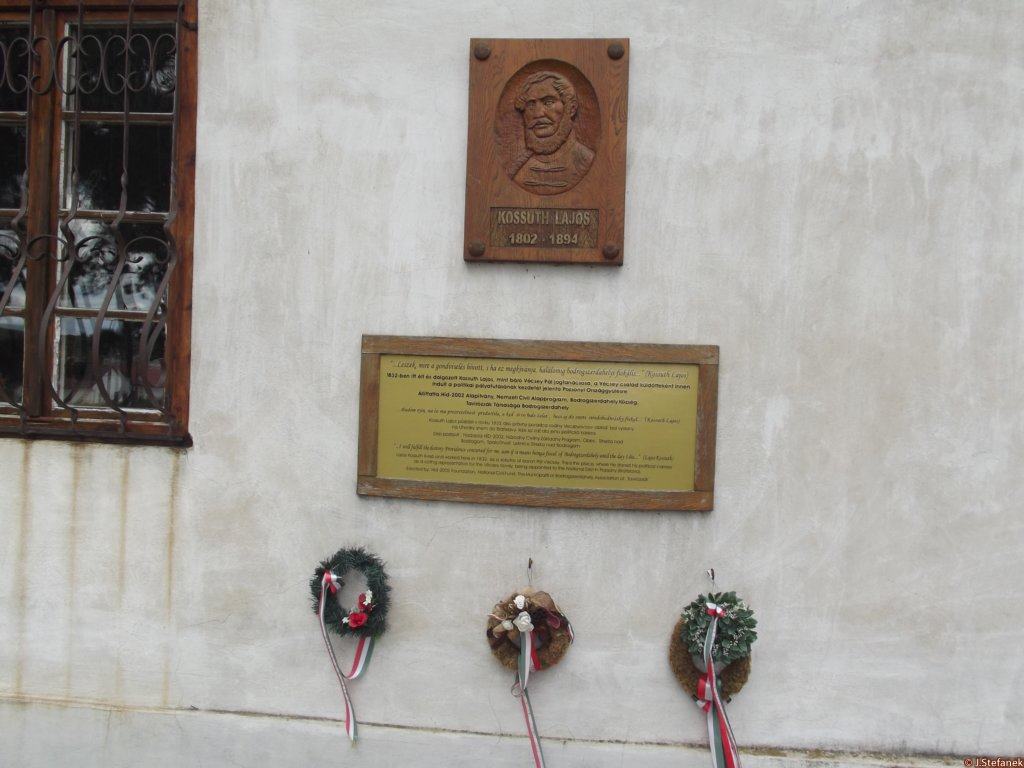
The manor house was rebuilt in the 19th century. In the 80s of the 20th century, it underwent extensive reconstruction, today it houses several institutions in addition to the municipal office, and we can also find a wedding hall in it. A memorial room is available for visitors, which points to the past and present of life in the manor.
Hoci osídlenie obce Streda nad Bodrogom siaha až do praveku, v prvej písomnej zmienke z r.1273, sa spomína rod Baksovcov (vtedajší páni a obyvatelia obce), ktorí spoločne hospodárili na svojich majetkoch. Vtedy sa obec spomína pod názvom Zeredahel. Meno je pravdepodobne odvodené podľa trhov, ktoré sa v tej dobe konali v stredu. V r.1323 jedna vetva rodu Baksovcov prevzala z názvu obce meno Szerdahelyi /Zerdahelyi/. Szerdahelyiovci pravdepodobne v tomto období postavili v obci hrad ako sídlo rodiny.
V 15. storočí dochádzalo k majetkovým sporom medzi rodinami Sóosovcov a Szerdahelyiovcov. Tieto spory využili husitské vojská a v r.1451 obsadili hrad. Kráľ Matej ich z tejto oblasti vyhnal až v roku 1459. V tomto roku, vymretím vetvy rodu Szerdahelyiovcov, tunajšie majetky spolu s hradom prechádzajú na príbuzných Bocskayovcov. Po bitke pri Moháči v r.1526, aj keď územie obce nepatrí pod tureckú nadvládu, napriek tomu je ohrozené lúpežnými prepadmi Turkov. V r.1557 sa medzi vlastníkmi obce objavuje Gaspár Serédy. V r.1598 Mikuláš Bocskay, vnútorný kráľovský radca, prebudoval hrad v renesančnom slohu, a takisto opevnil aj blízky kostol, vybavený streľnými otvormi. Podzemnou chodbou prepojil kostol s hradom. V tejto dobe získal u nás majetky aj Ladislav Bornemissza, František Paczoth ako aj Michal Terjény. Mikuláš Bocskay v roku 1621 zomrel, a pochovali ho v miestnom kostole. Z vôle cisára sa v r.1647 prevažná časť majetku Bocskayovcov dostala do vlastníctva rodiny Vécseyovcov, ale hrad naďalej zostal v pôvodných rukách.
V r.1670 sa cisárske vojsko, ktoré sa tu zdržovalo už desaťročie, snažilo obmedziť suverenitu maďarských šľachtických rodov. Vtedy došlo k tzv. Wesselényiho sprísahaniu, ktorého sa aktívne zúčastnil aj župan Štefan Bocskay, pán Stredy. Cisárske vojská, vedené generálom Sporkom po spojení so šľachtickými vojskami grófa Barkocziho však vzbúrencov rozohnali pri obci Streda nad Bodrogom. Sám Bocskay, chrániac svoj život, utiekol do Sedmohradska, skrytý v sude. Hrad a pravdepodobne aj kostol bol vtedy zbúraný generálom Sporkom. Ku konfiškácii majetku došlo v roku 1672 a zrúcaninu hradu získavajú Vécseyovci. Na mieste hradu Ladislav Vécsey okolo roku 1700 vybudoval kaštieľ v barokovom slohu, využijúc aj niektoré pôvodné múry a vežu. Bašty vtedy ešte stáli. Od vládcu Leopolda I. dostali Vécseyovci právo meča /podobne ako predošlí Bocskayovci/. Streda nad Bodrogom sa vtedy uvádza ako opidum (zemepanské mestečko). V r.1703 po Thökölyho kurucských vojnách, ako aj počas povstania Hegyalja, vypukol boj za slobodu, vedený Františkom Rákóczim II. (narodil sa v susednej Borši). Dôvodom na nespokojnosť je prítomnosť cisárskych vojsk, ktorí kruto drancujú miestne obyvateľstvo, ale i prítomnosť kurucov.
Kaštieľ bol prestavaný v 19.storočí. V 80. rokoch 20. storočia prešiel rozsiahlou rekonštrukciou, dnes v ňom sídli okrem obecného úradu viacero inštitúcií a môžeme v ňom nájsť i sobášnu sieň. Pre návštevníkov je k dispozícii pamätná izba, ktorá poukazuje na minulosť i súčasnosť života v kaštieli.
Myths and legends
There are no myths available.
K tomuto objektu nie sú dostupné žiadne povesti
Useful information
The mansion houses the Municipal Office whic you should contact.Opening hours and admission
V kaštieli sídli Obecný úrad.Otváracia doba
External links
Nearby castles