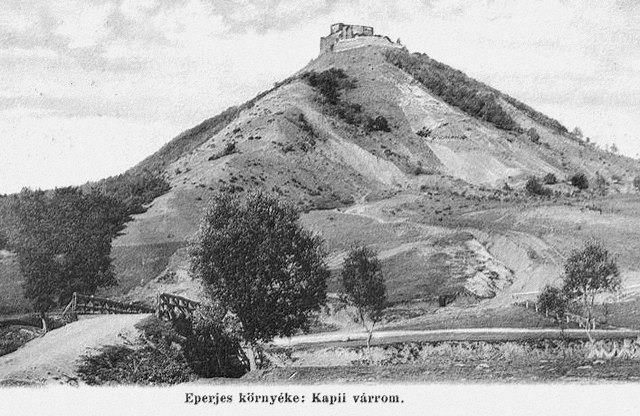
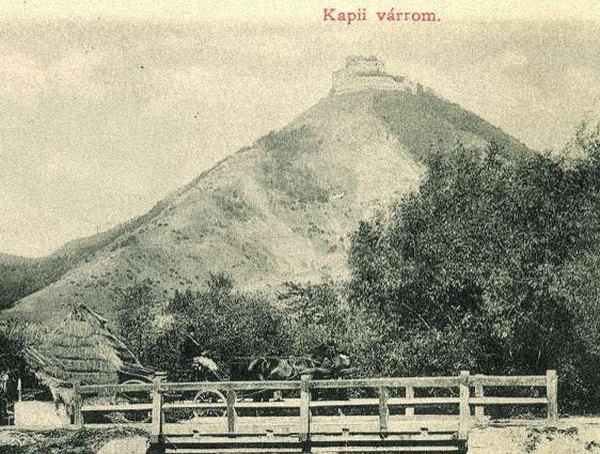
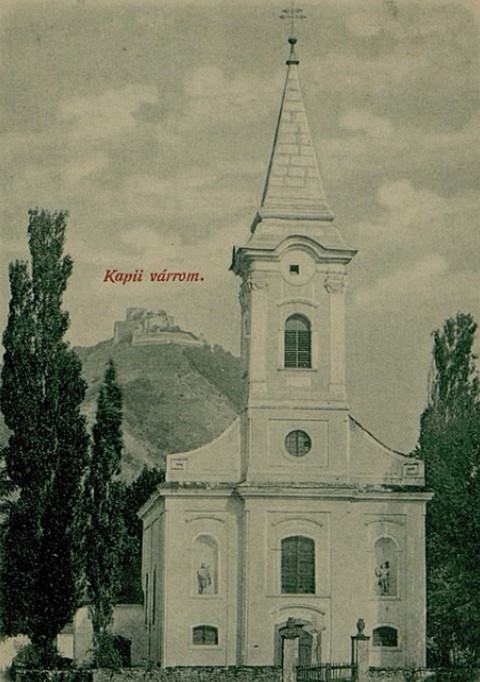
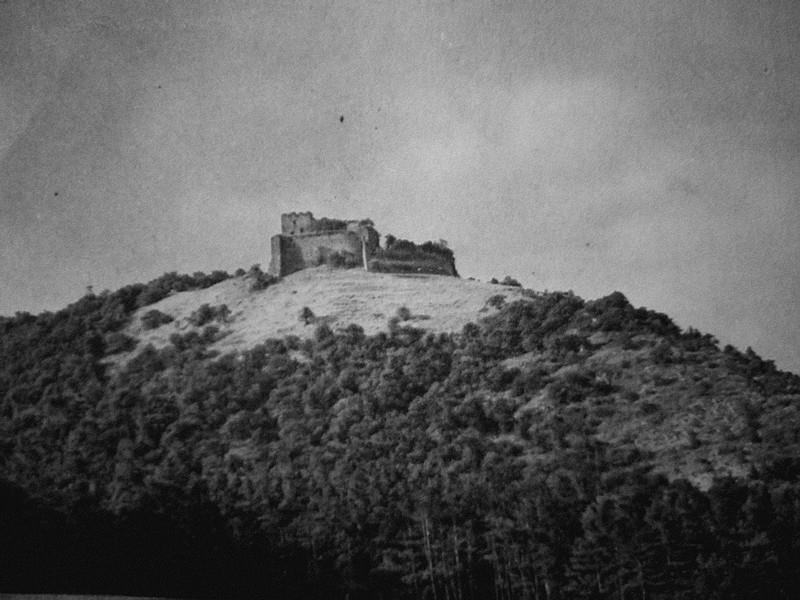
Kapušany castle
Kapušany Prešov county Slovakia
castle ruin
Kapušiansky hrad
Kapušany Prešovský kraj Slovakia
zrúcanina hradu
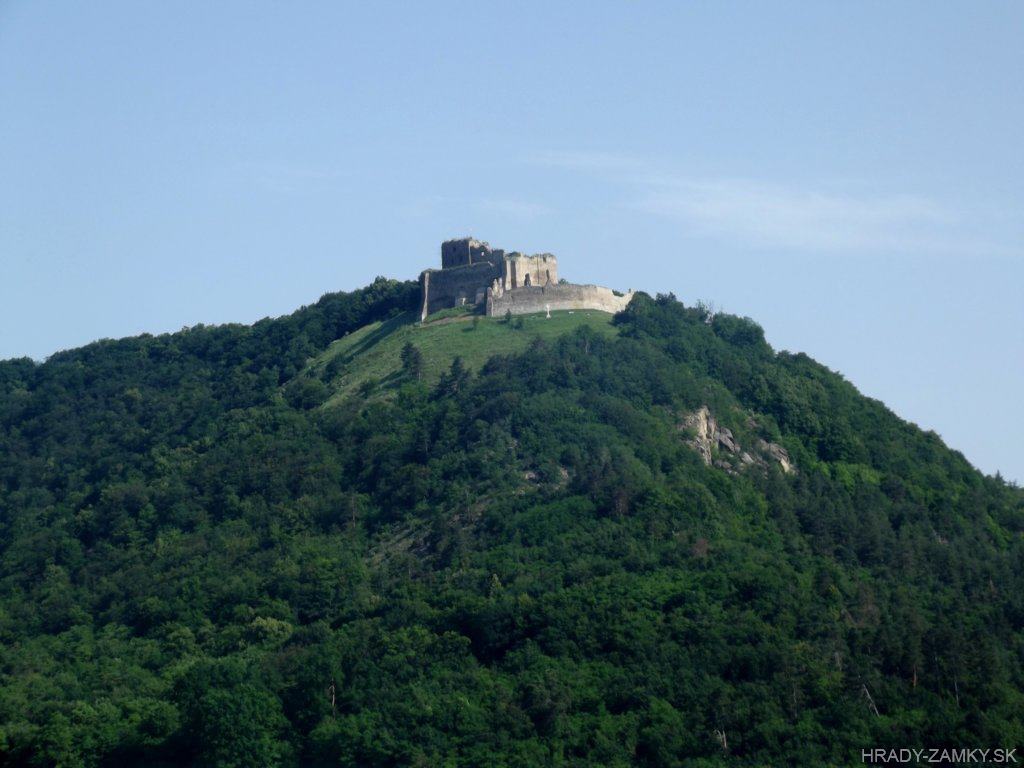
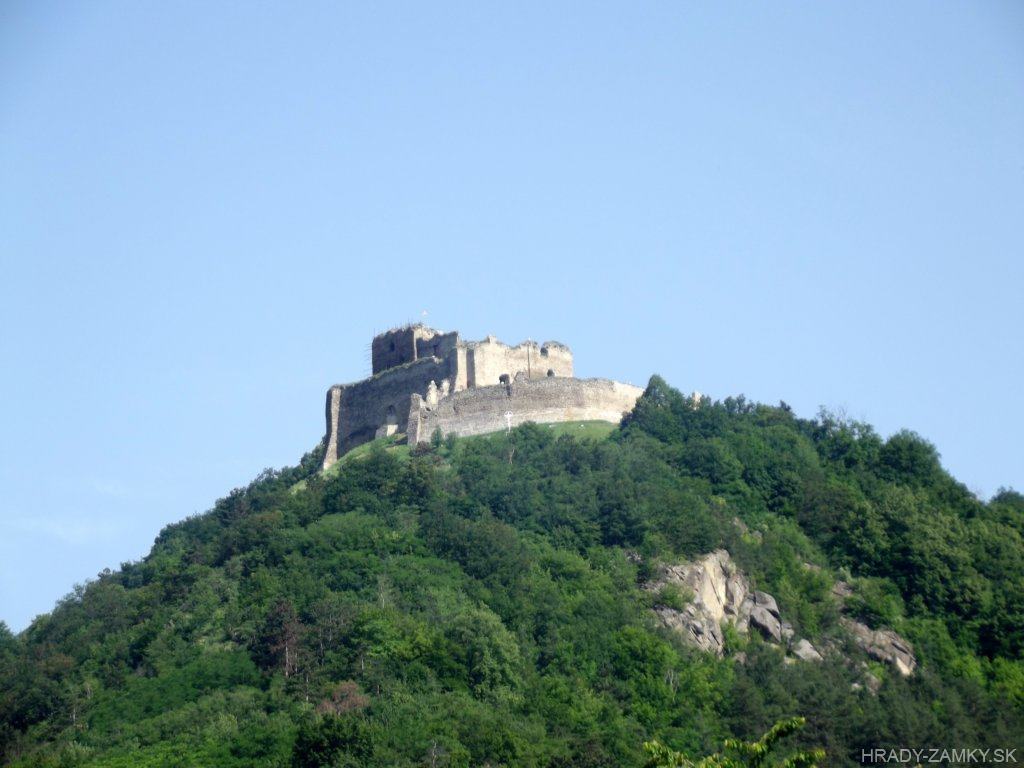
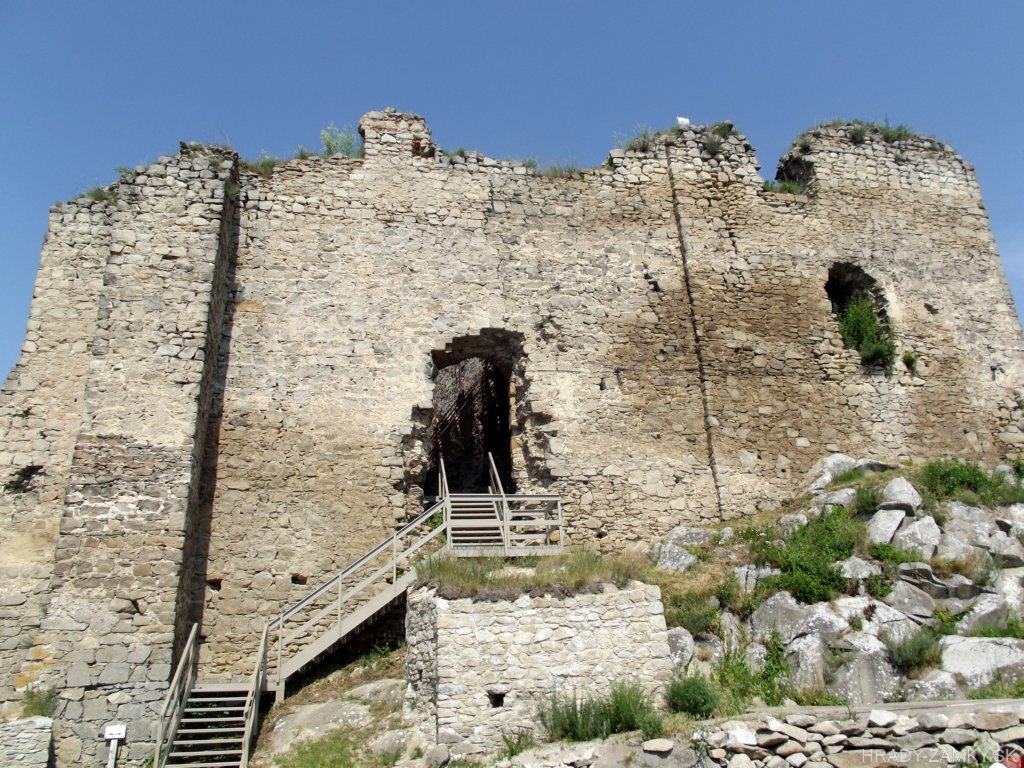
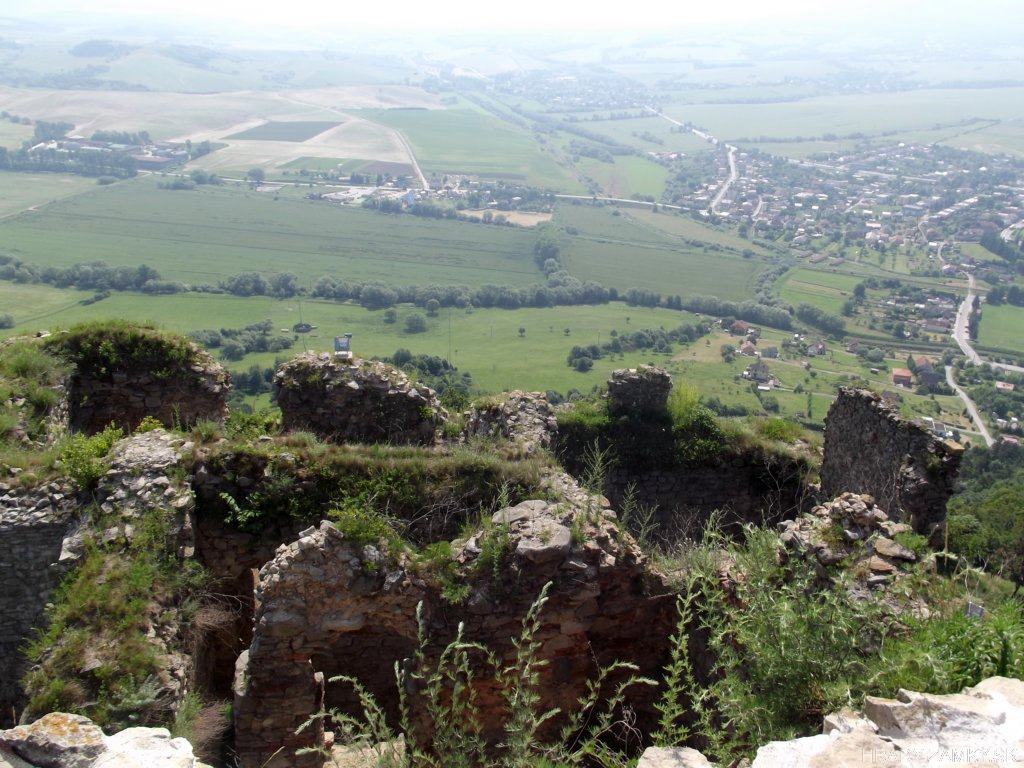
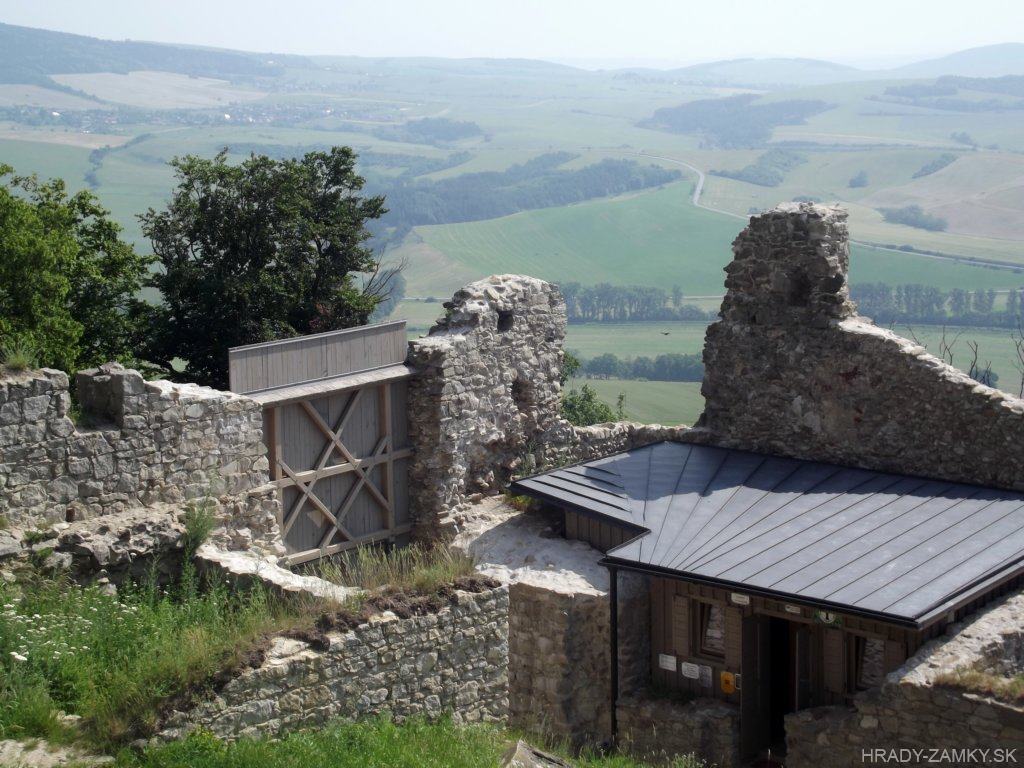
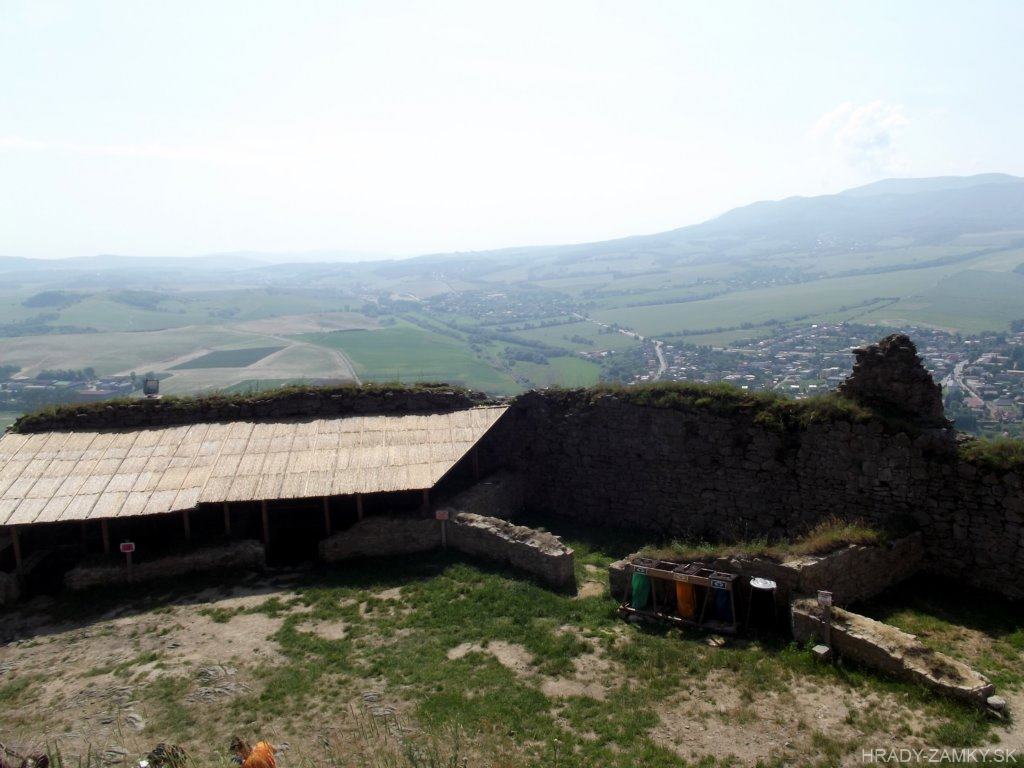
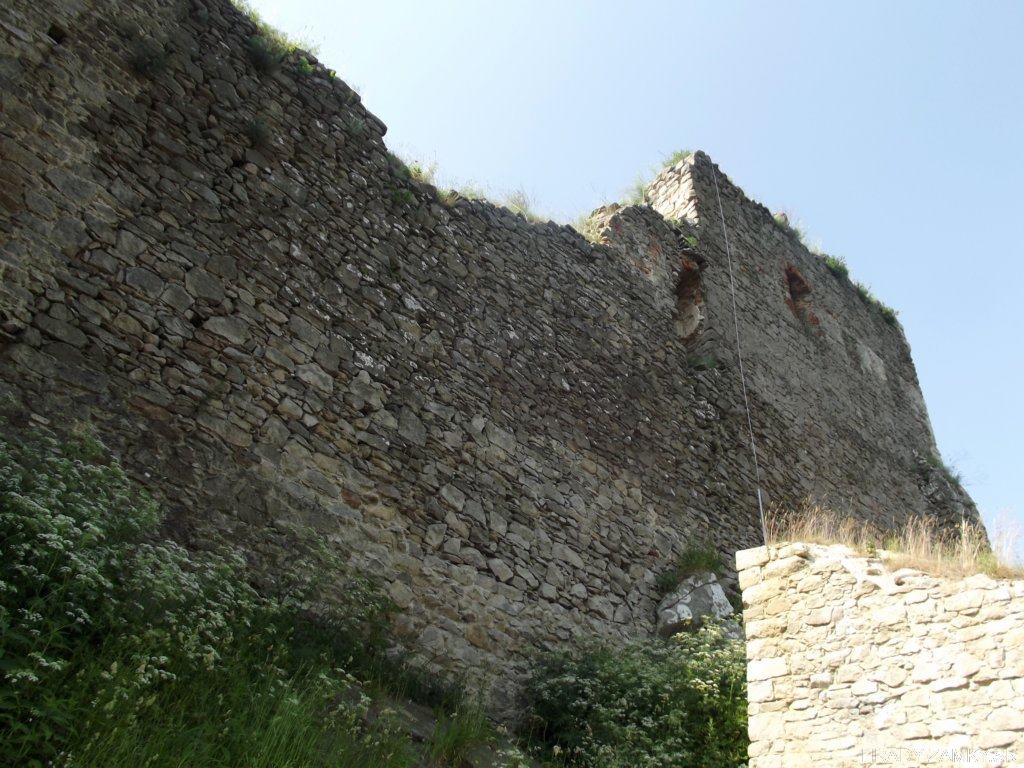
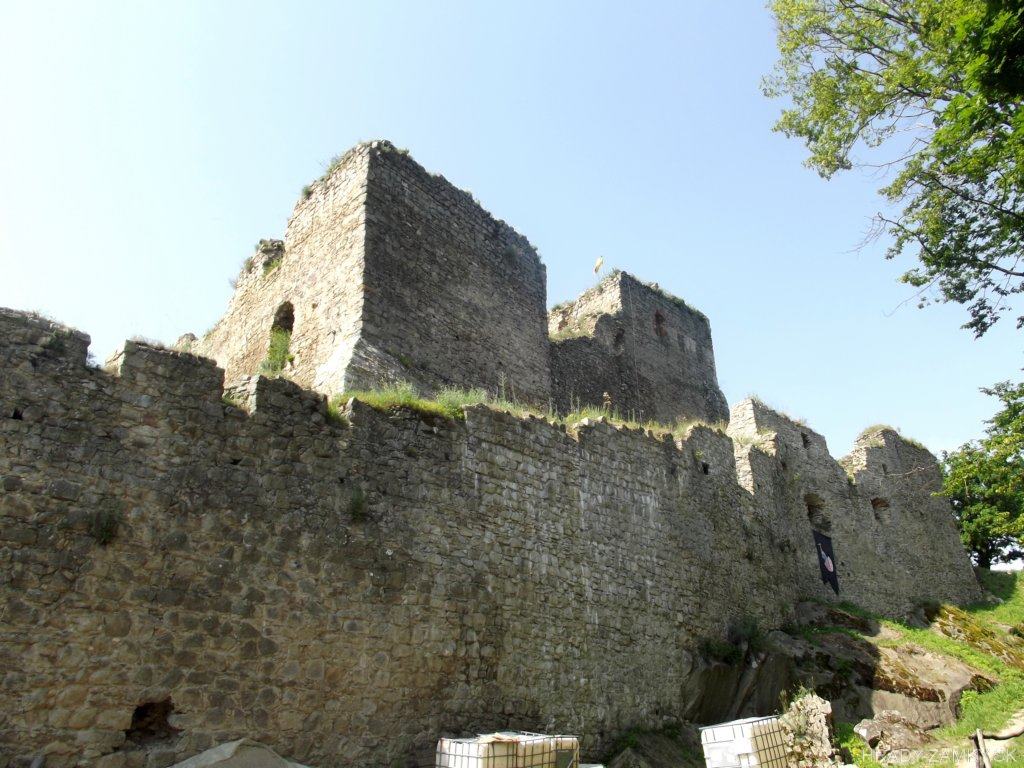
The ruins of the castle, situated on the rocky outcrop of the andesite back of the Spišsko-Šariš area between Kapušany
Zrúcanina hradu, situovaná na skalnom výbežku andezitového chrbta Spišsko-šarišského medzihoria nad obcou Kapušany
Previous names
Tobul, Tubul, Tobol, Mogluch, Moglouch, Mogloch, castrum Kapi a. n. Maglach, Kapi, Maglódsky hrad, Maglovec
Roads
Trasa 1: From the Prešovská road, which passes through the village of Kapušany, it is necessary to turn to Hlavná street in the middle of the village. From there, turn left onto Gabriel Kapi street, which is then called Pri trati and crosses the small river Sekčov. Immediately after, we turn left, to the parking lot under the castle. From here, we will climb a few minutes up the asphalt road to the chapel, where there is parking space, but there is a ban on entry. From there comes a slightly challenging ascent to the castle.
Trasa 1: Z Prešovskej cesty, ktorá prechádza obcou Kapušany, je potrebné zhruba v strede obce odbočiť na Hlavnú ulicu. Z nej potom doľava na ul. Gabriela Kapiho, ktorá sa potom nazýva Pri trati a prechádza ponad riečku Sekčov. Hneď potom odbočíme doľava, na parkovisko pod hradom. Odtiaľto nás čaká niekoľkominútové stúpanie po asfaltke až ku kaplnke, kde síce je priestor na parkovanie, no je tu zákaz vjazdu. Odtiaľ mierne náročným výstupum až k hradu.
Trasa 2: A more demanding and steeper alternative also starts from the bridge over Sekčov near the mentioned car park, but continues straight along the green trail along Pod hradom Street to the castle.
Trasa 2: Náročnejšia a strmšia alternatíva začína tiež od mosta ponad Sekčov pri spomínanom parkovisku, avšak pokračuje rovno po zelenej TZT po ulici Pod hradom strmo až k hradu.
Description
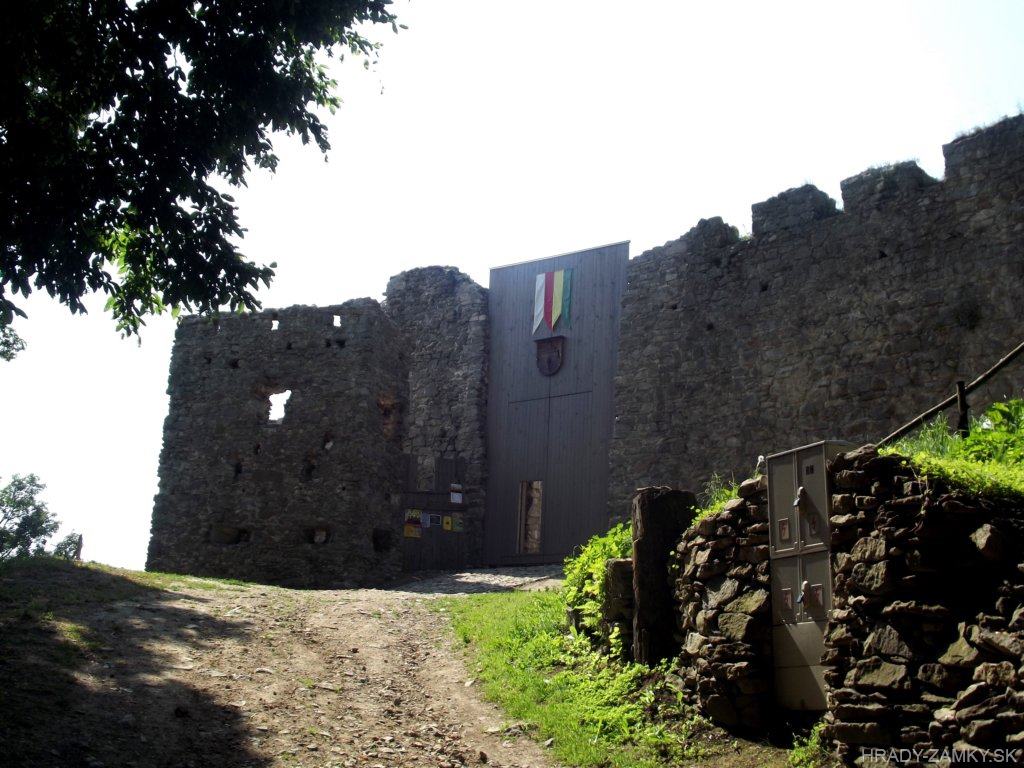
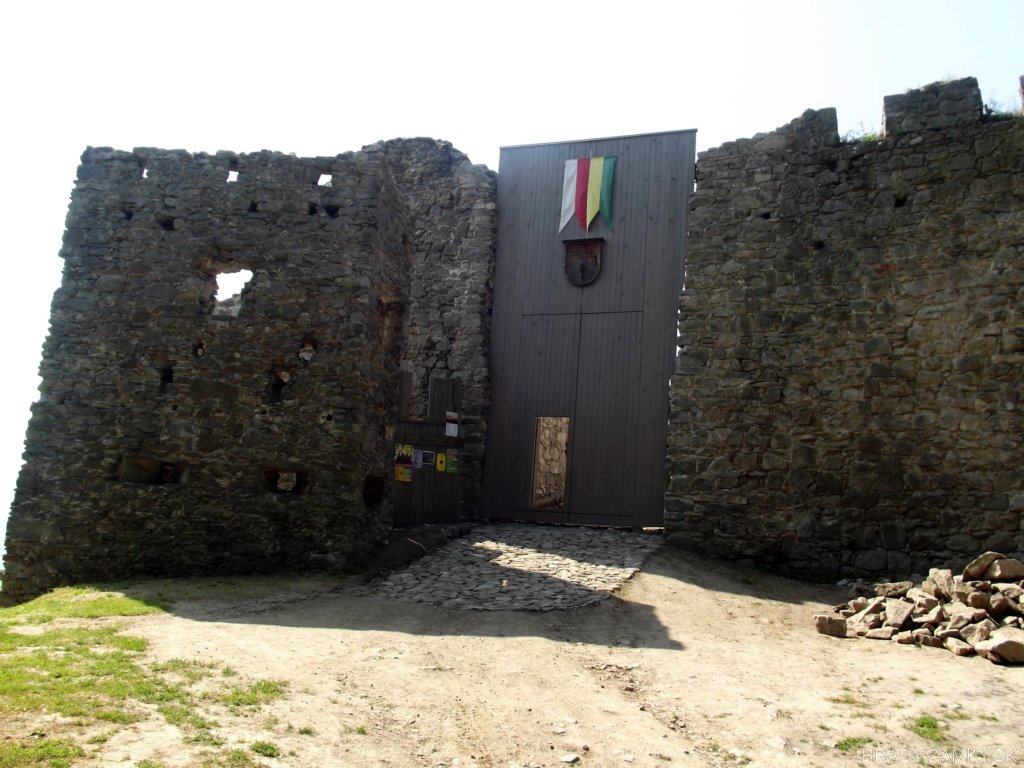
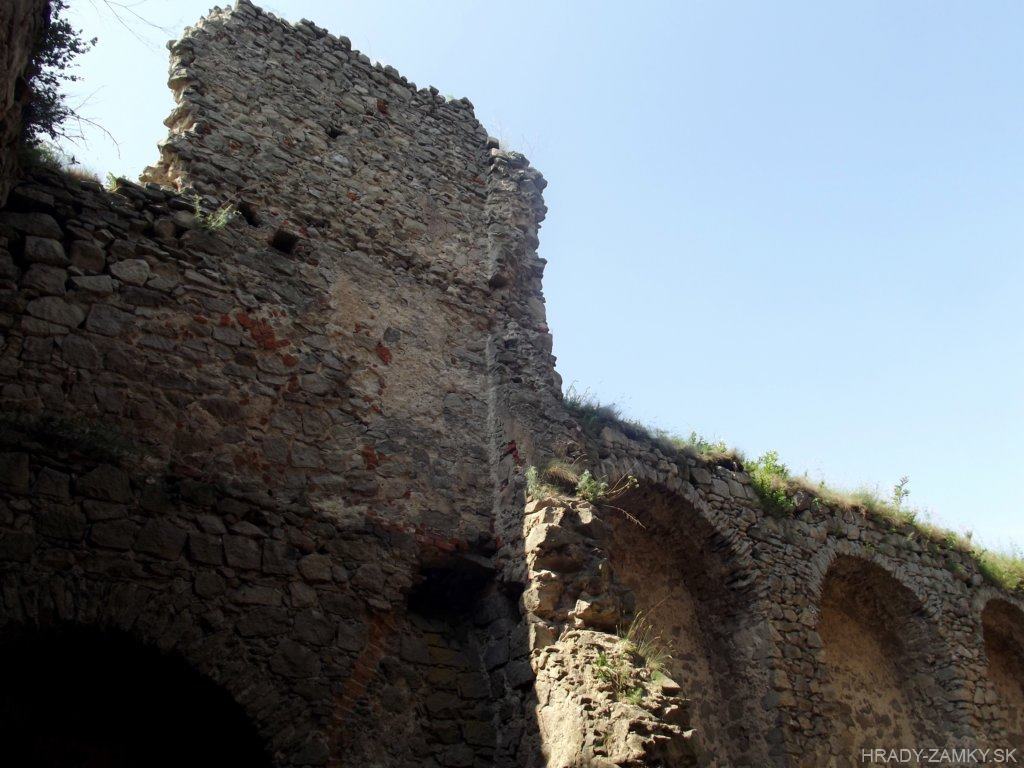
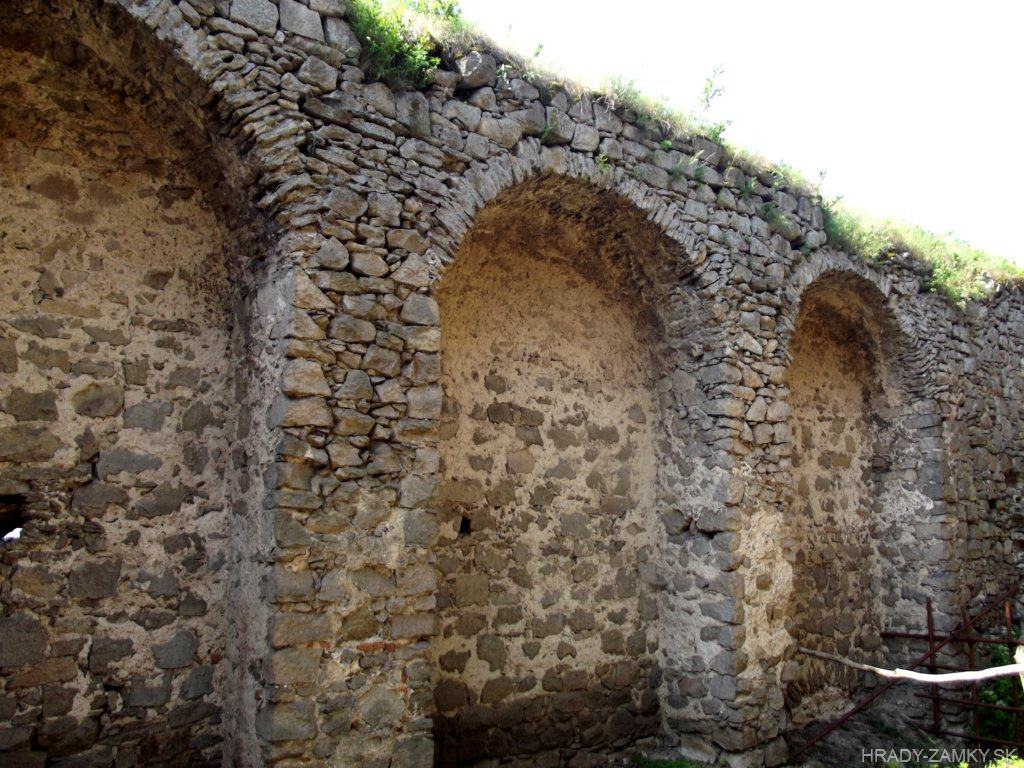
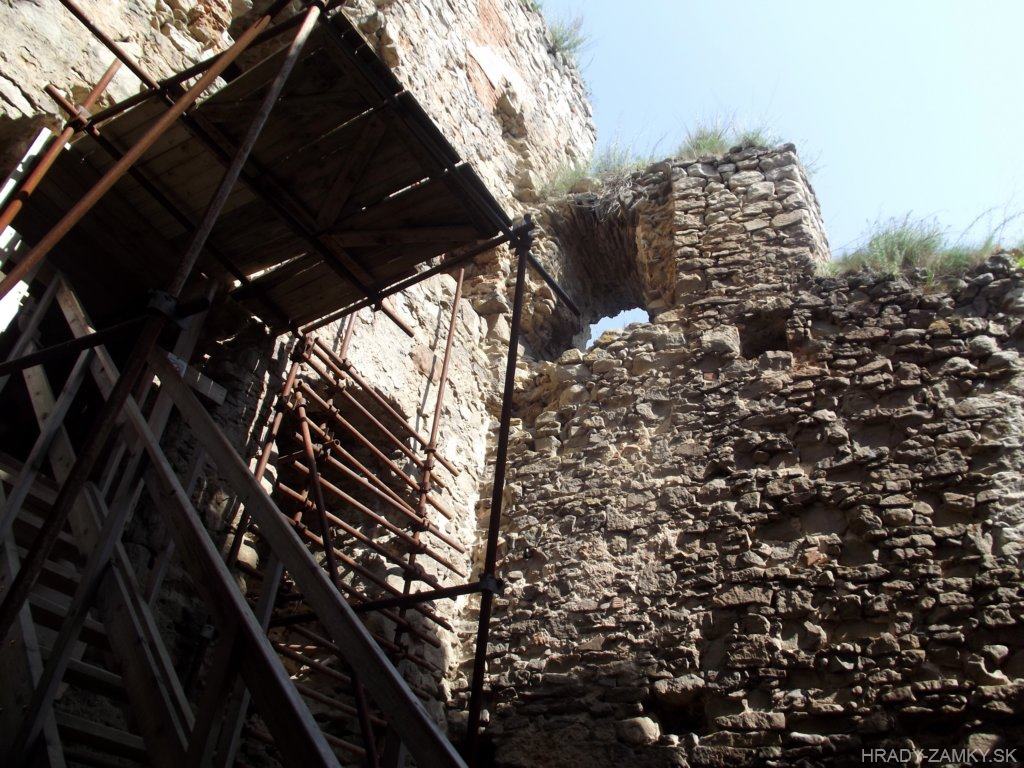
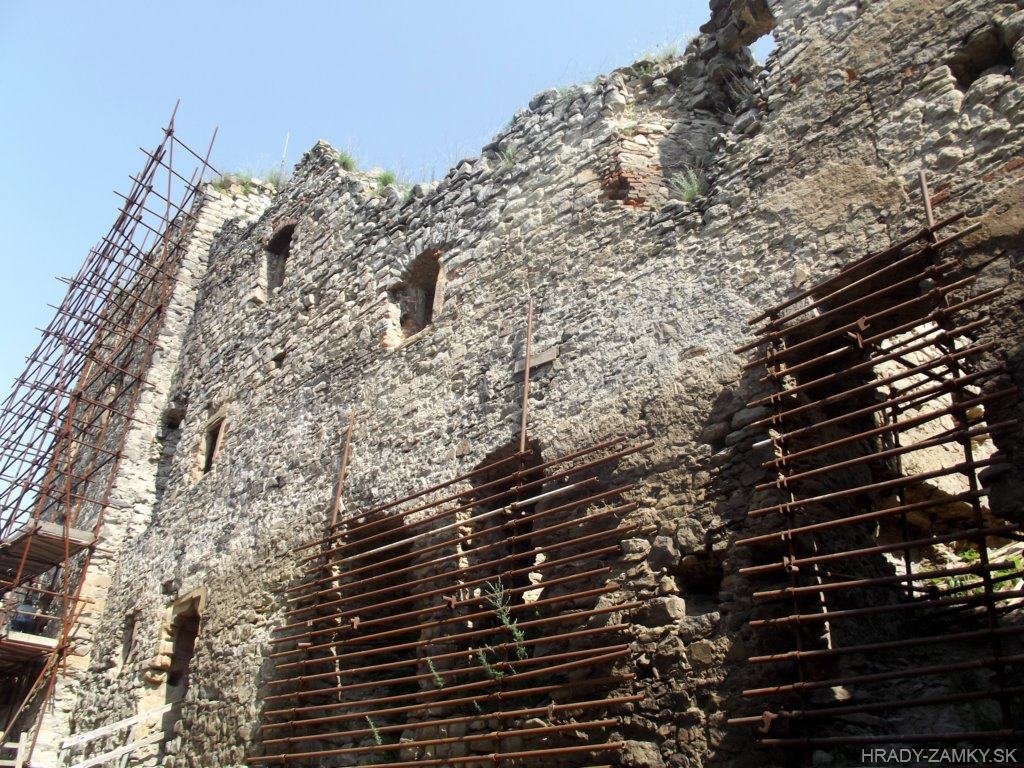
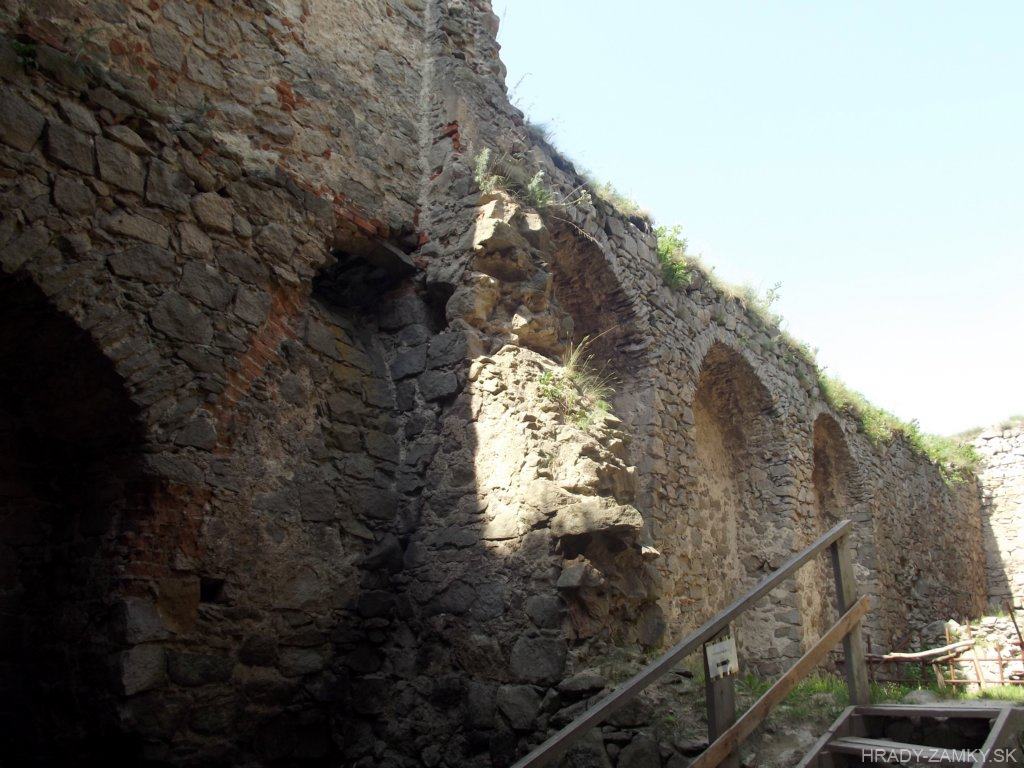
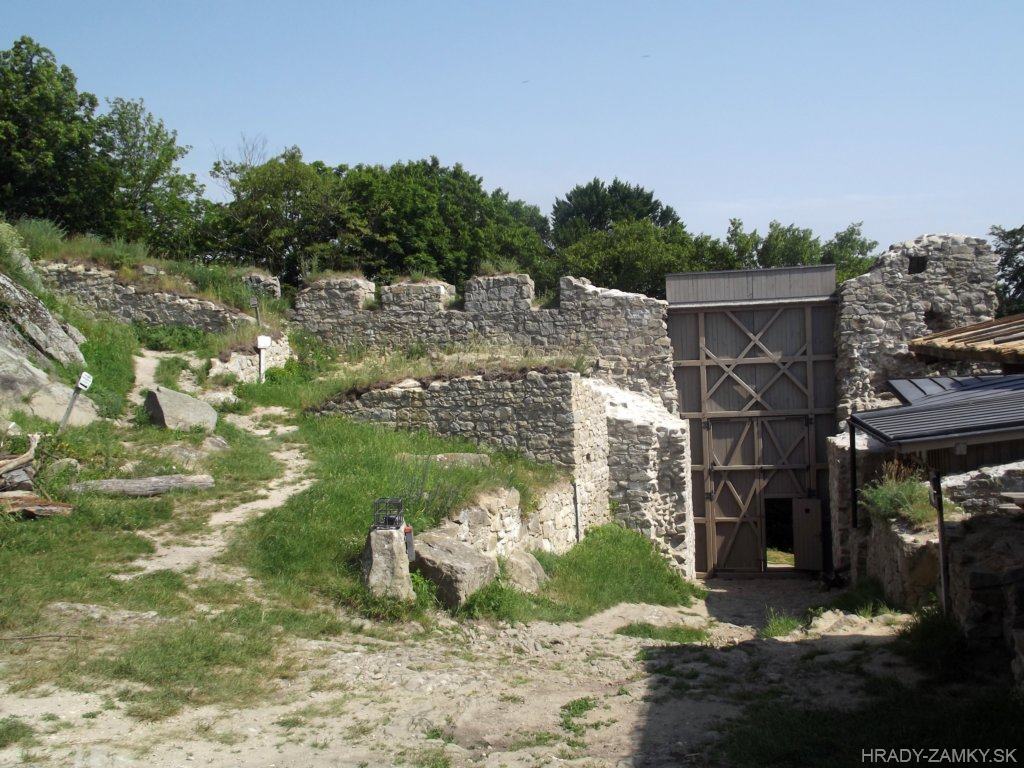
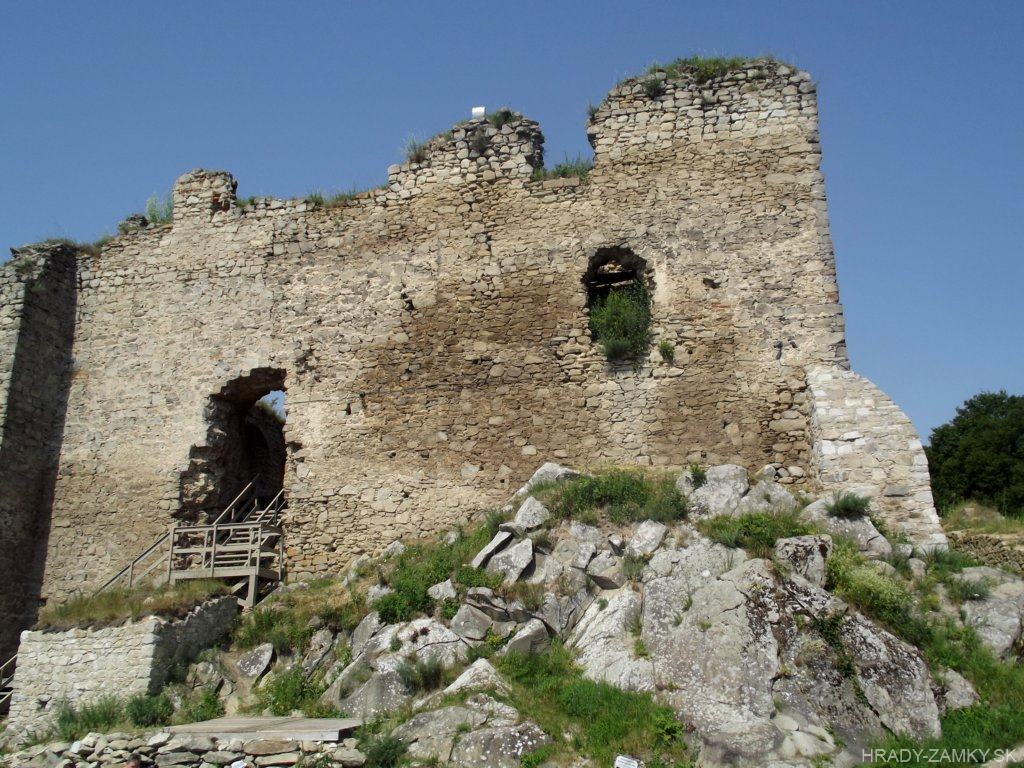
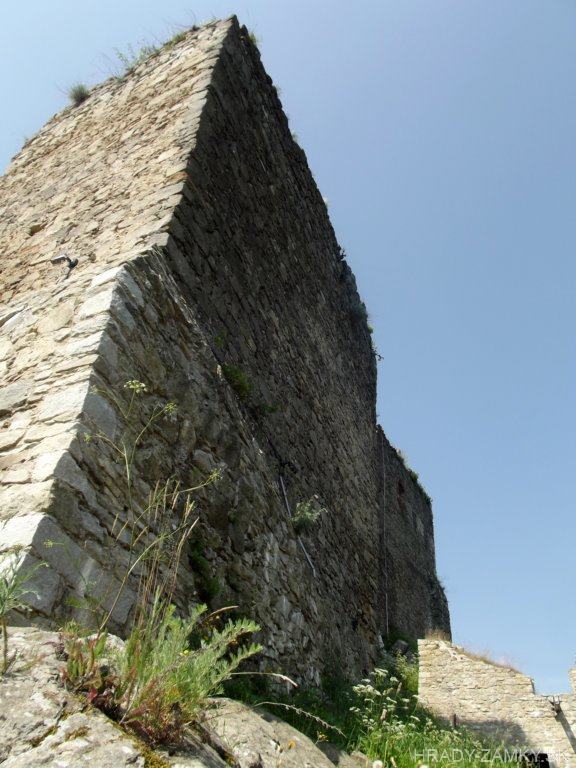
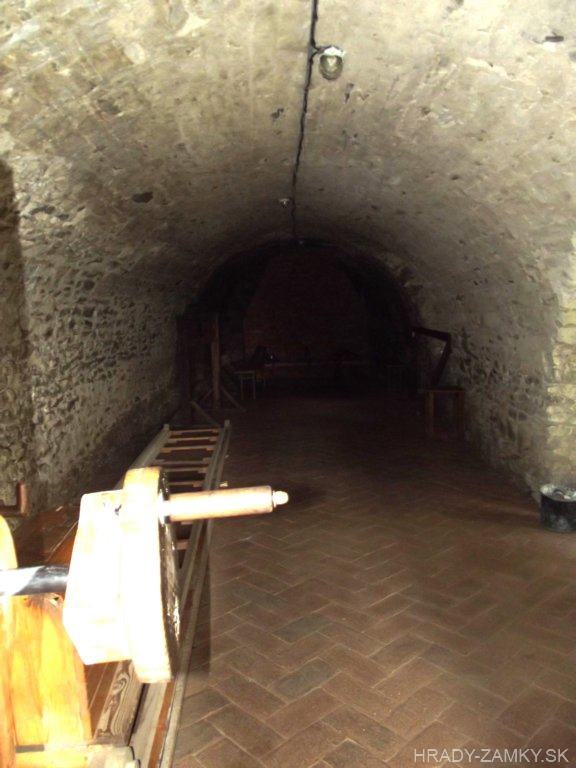
The core of the castle is a four-room palace with a closed courtyard. The main gate was guarded by an entrance tower whose foundations are still visible in the field. The dam was protected by a high stone wall. On its inside stood farm buildings. The entrance to the bailey was secured from the outside by a prismatic bastion and on the inside by a guardhouse.On some stone walls you can still see the remains of plaster, preserved stone lining windows, loopholes or portals. An interesting feature is the preserved rake in the wall thickness of the palace. The castle has been undergoing reconstruction work since 2012.
Jadro hradu tvorí štvorpriestorový palác s uzatvoreným nádvorím. Hlavnú bránu strážila vstupná veža, ktorej základy sú v teréne ešte viditeľné. Predhradie bolo chránené vysokým kamenným múrom. Z jeho vnútornej strany stáli hospodárske budovy. Vstup do predhradia zabezpečovala z vonkajšej strany hranolová bašta a na vnútornej strane strážnica.Na niektorých kamenných múroch dodnes vidieť zvyšky omietok, zachované kamenné ostenia okien, strieľní či portálov. Zaujímavosťou je zachovaný prevét v hrúbke steny paláca. Na hrade prebiehajú rekonštrukčné práce od roku 2012.
Plan
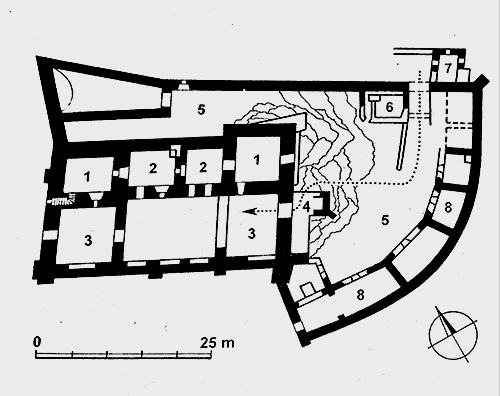
Legend to the ground plan
- 1-prismatic towers
- 2-palace
- 3-late Gothic annex
- 4-access ramp with pillar for drawbridge
- 5-lower castle
- 6-watchtower
- 7-bastion protecting the entrance
- 8-residential and farm buildings
Legenda k pôdorysu
- 1-hranolové veže
- 2-palác
- 3-neskorogotická prístavba
- 4-prístupová rampa s pilierom pre padací most
- 5-dolný hrad
- 6-strážnica
- 7-bašta chrániaca vstup
- 8-obytné a hospodárske budovy
History
In historical documents, the castle is first mentioned in 1249 under the name Tobul. It functioned as a guard castle, which was to protect the royal road leading from Prešov to the north. Its first owner was the Maglód family. After the extinction of the family, the castle passed into the ownership of the royal chamber and Henrich Tarczay, a supporter of Matúš Čák, became its commander. At the beginning of the 14th century, the castle was occupied by the Omodej family from the Aba family. From 1315, the castle was in the hands of Henrich of Brezovice, who stood at the head of the revolt against the monarch. Due to the conflict with King Charles Robert in 1312, the castle was besieged by the royal army and conquered the fortress before the battle of Rozhanovce. The damaged castle was opened, as evidenced by the preserved reports from 1347 and 1372.
In 1347, King Louis I donated the manor of Kapušany to Peter Poháros, who was expressly forbidden to restore the rebellious castle.
Around 1410, however, the official Andrej Tetényi, with the consent of Sigismund of Luxembourg, acquired his new property in the vicinity of the destroyed castle and the king also allowed him to build, resp. restoration of the original castle. Tetényi began to use the surname Kapi and became the founder of the Kapi family. Thus, a new fortified building was built on the site of the destroyed castle.
During the dual rule in Hungary, the Kapi family leaned towards Ján Zápoľský, which is why their castle was conquered by the army of Ferdinand I of Habsburg. Juraj Kapi later admitted his mistake and the monarch returned the castle to him in 1545.
In 1685 the castle was occupied by the rebel troops of Imrich Thököly, but in the same year it was conquered by the imperial army. Later in 1709 the castle was occupied by Imrich Telekessy, insurgent commander of the troops of Francis II. Rákóczi. He burned it after the conquest. In 1711, the Kapi family returned to the castle and Gabriel Kapi's widow Eva Gergelaky ordered the castle to be restored once again. However, in 1715, the Hungarian Parliament decided to destroy the castle by setting it on fire, which had to be carried out by its owner so that the castle would not become the center of the anti-Habsburg uprising.
Since 2012, reconstruction work has begun on the castle.
V historických listinách sa hrad prvýkrát spomína v roku 1249 pod názvom Tobul. Mal funkciu strážneho hradu, ktorý mal chrániť kráľovskú cestu vedúcu z Prešova na sever. Jeho prvým majiteľom bol rod Maglód. Po vymretí rodu hrad prešiel do vlastníctva kráľovskej komory a jeho veliteľom sa stal Henrich Tarczay, stúpenec Matúša Čáka. Na začiatku 14. storočia bol hrad obsadený Omodejovcami z rodu Aba. Od roku 1315 bol hrad v rukách Henricha z Brezovice, ktorý stál na čele vzbury proti panovníkovi. Kvôli konfliktu s panovníkom Karolom Róbertom v r.1312 hrad obľahlo kráľovské vojsko a ešte pred bitkou pri Rozhanovciach pevnosť dobylo. Poškodený hrad spustol, o čom svedčia aj zachované správy z r.1347 a 1372.
V r.1347 kráľ Ľudovít I. daroval panstvo Kapušany Petrovi Pohárosovi, ktorý mal výslovne zakázané odbojný hrad obnoviť.
Okolo roku 1410 však úradník Andrej Tetényi so súhlasom Žigmunda Luxemburského získal svoje nové majetky v okolí zničeného hradu a kráľ mu povolil aj stavbu, resp. obnovu pôvodného hradu. Tetényi začal používať prídomok Kapi a stal sa zakladateľom rodu Kapiovcov. Tak na mieste zničeného hradu vznikol nový opevnený objekt.
Kapiovci sa v čase dvojvládia v Uhorsku priklonili k Jánovi Zápoľskému, kvôli čomu ich hrad dobylo vojsko Ferdinanda I. Habsburského. Juraj Kapi neskôr svoju chybu uznal a panovník mu hrad v r.1545 vrátil.
V r.1685 hrad obsadili povstalecké vojská Imricha Thökölyho, ale v tom istom roku ho dobylo cisárske vojsko. Neskôr v r.1709 hrad obsadil Imrich Telekessy, povstalecký veliteľ vojsk Františka II. Rákócziho. Ten ho po dobytí vypálil. V r.1711 sa Kapiovci na hrad vrátili a vdova po Gabrielovi Kapiovi Eva Gergelaky prikázala hrad ešte raz obnoviť. Uhorský snem však v roku 1715 rozhodol o zániku hradu podpálením, ktoré musela uskutočniť jeho majiteľka, aby sa hrad nestal centrom protihabsburgského povstania.
Od r.2012 začali na hrade rekonštrukčné práce.
Myths and legends
One castle, two legends
During the reign of King Matej, the brothers Ján and Gregor Kapiovci enjoyed prosperity and joy at the castle and ignored the threats of the king, who asked them to obey. When he ran out of patience, in anger he sent an army to Kapušany Castle with the order: "Let no stone remain on the stone." They decided to endow him with their wealth. At the same time, however, they wanted to save. So when they noticed a little funny horse in the courtyard, they thought that even a small pocket with gold and jewels would look good on it. When their servants came to King Matthew, they did not please him with gifts. He gloomily accompanied them with the words: Tell your masters that I need neither gold nor treasures from subjects, but obedience. And I already have practice with your junk.
But as they departed, the servants heard the king talking about the king's son, who was seriously ill. The thought crossed their minds, and they returned, bearing a gift to the king's son. Legend has it that when a sick child saw a small animal, the diseased shine disappeared from his eyes and a healthy color returned to his face. The king, happy to heal his son, warmly shook the servant's hand and thanked them. He kept the pony and recalled the soldiers from under the castle. He only begged the Kapi brothers to keep the treasures, but to behave better.
Greedy brothers
Two unusually greedy brothers from the Kapi family wanted to thank the king. Each of them had moss sewn as gifts for him. But when one of the brothers noticed that the other's moss was smaller, he cut it off from his own - yet he would not give more. In the end, both were left with only burghers. As soon as the cunning king received the gifts, he allegedly honored the Kapis with a visit, letting himself be hosted until there was not a single gold left in the chests.
Jeden hrad, dve legendy
Za panovania kráľa Mateja si bratia Ján a Gregor Kapiovci užívali na hrade blahobyt a radovánky a nedbali na vyhrážky kráľa, ktorý od nich žiadal poslušnosť. Keď mu došla trpezlivosť, v hneve poslal na Kapušiansky hrad vojsko s rozkazom: „Nech kameň na kameni neostane.“ Bratia so strachom, pozorujúc veľké zástupy vojska valiaceho sa pod hrad, rozmýšľali, ako si kráľa udobriť, aby ich nezničil. Rozhodli sa obdariť ho svojím bohatstvom. Zároveň však chceli šetriť. A tak, keď na nádvorí zbadali ponevierať sa malého smiešneho koníka, napadlo im, že na ňom aj malé vrecko so zlatom a s drahokamami bude vyzerať dobre. Keď sa ich sluhovia dostali ku kráľovi Matejovi, darom ho nepotešili. Zachmúrene ich vyprevadil so slovami: Povedzte svojim pánom, že nepotrebujem od poddaných ani zlato, ani poklady, ale poslušnosť. A už sa mi practe aj s vašimi haraburdami.
Lenže pri odchode sluhovia začuli dvoranov, ako sa rozprávajú o kráľovom synovi, ktorý bol vážne chorý. V hlave im skrsla myšlienka a vrátili sa s tým, že nesú kráľovmu synovi dar. Legenda hovorí, že keď choré dieťa uvidelo malé zvieratko, z očí mu zmizol chorobný lesk a do tváre sa mu vrátila zdravá farba. Kráľ šťastný z uzdravenia syna vrelo stisol sluhom ruky a poďakoval sa im. Koníka si nechal a vojakov spod hradu odvolal. Bratom Kapiovcom len odkázal, nech si poklady nechajú, ale nech sa lepšie správajú.
Lakomí bratia
Dvaja nezvyčajne lakomí bratia z rodu Kapiovcov sa chceli zavďačiť kráľovi. Na dary pre neho si každý z nich nechal ušiť mech. Keď ale jeden z bratov zbadal, že mech toho druhého je menší, odstrihol i zo svojho – predsa nebude dávať viac. Takto napokon obom ostali iba mešteky. Len čo prešibaný kráľ skúpe dary dostal, poctil vraj Kapiovcov návštevou, nechajúc sa hostiť tak dlho, až lakomcom nezostalo v truhliciach jedinej zlatky.
Useful information
The ruin is freely accessible. Symbolic entry fee to the tower.
Hrad je voľne prístupný. Symbolické vstupné do veže.
Nearby castles
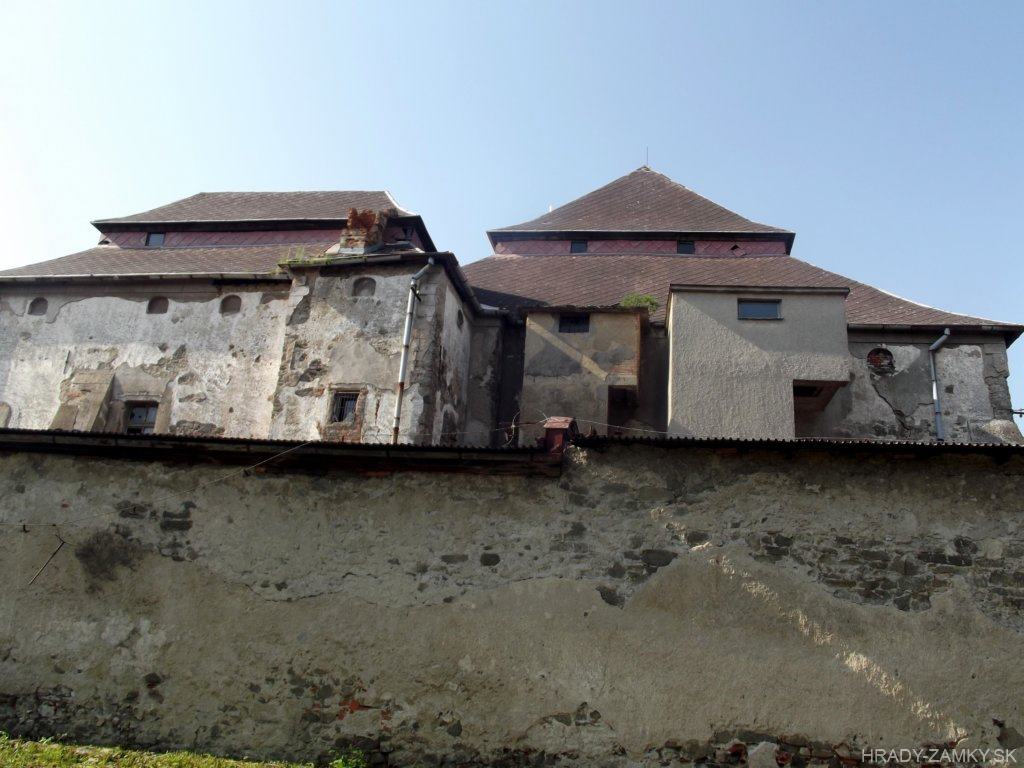
Nižná Šebastová mansion
Nižná Šebastová
4.9km
manor, mansion
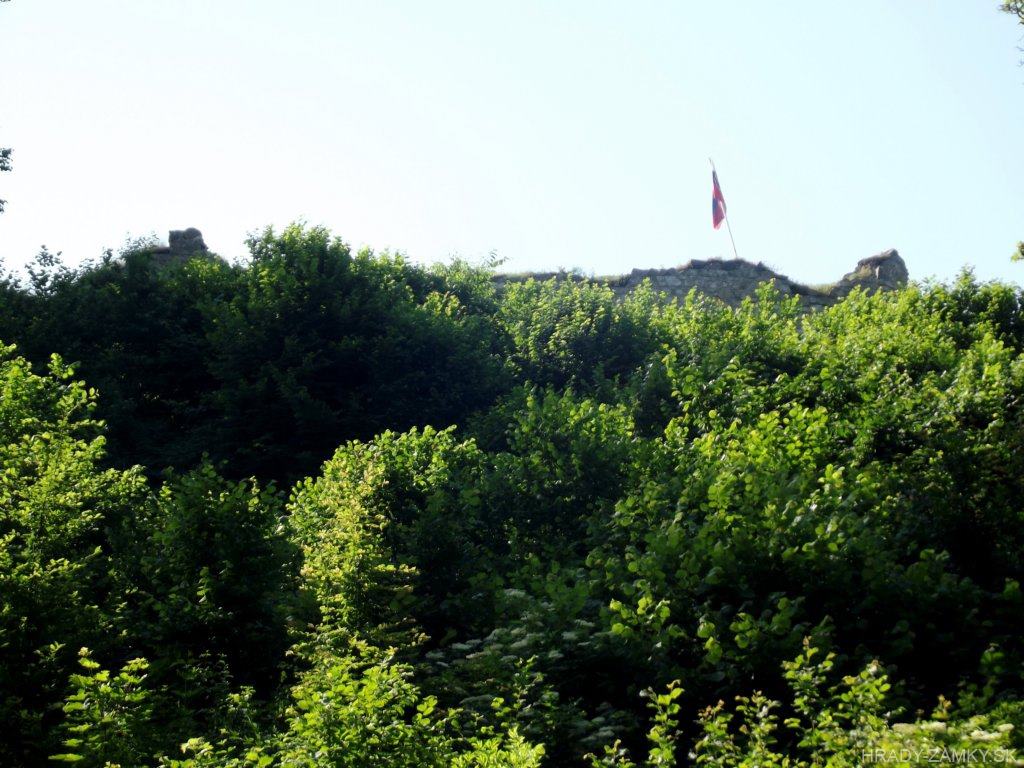
Šebeš castle
Podhradík
6.5km
castle ruin
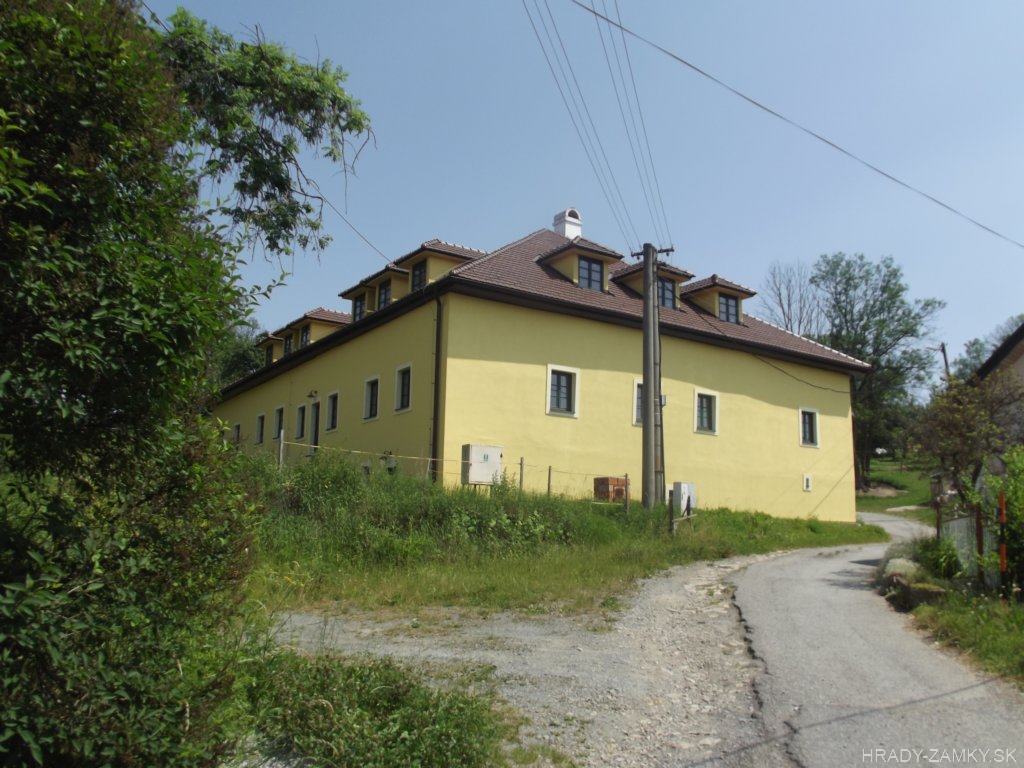
Chmeľov mansion
Chmeľov
9.0km
manor, mansion
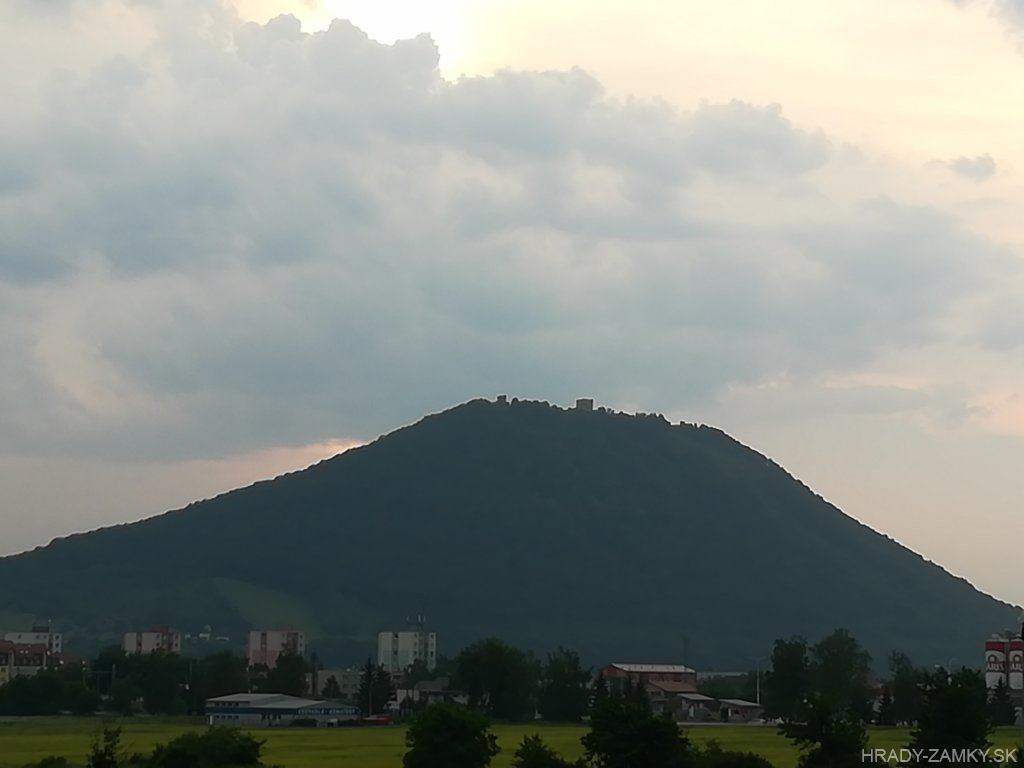
Šariš castle
Veľký Šariš
10.5km
castle ruin
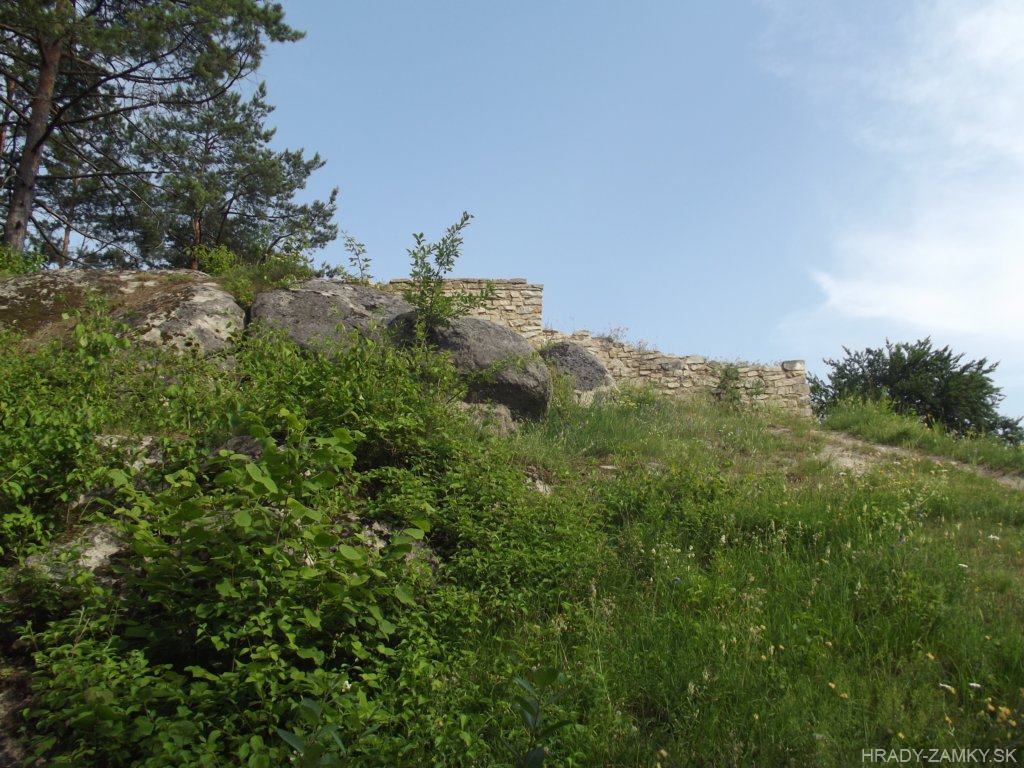
Medzianky castle
Medzianky
12.1km
castle ruin
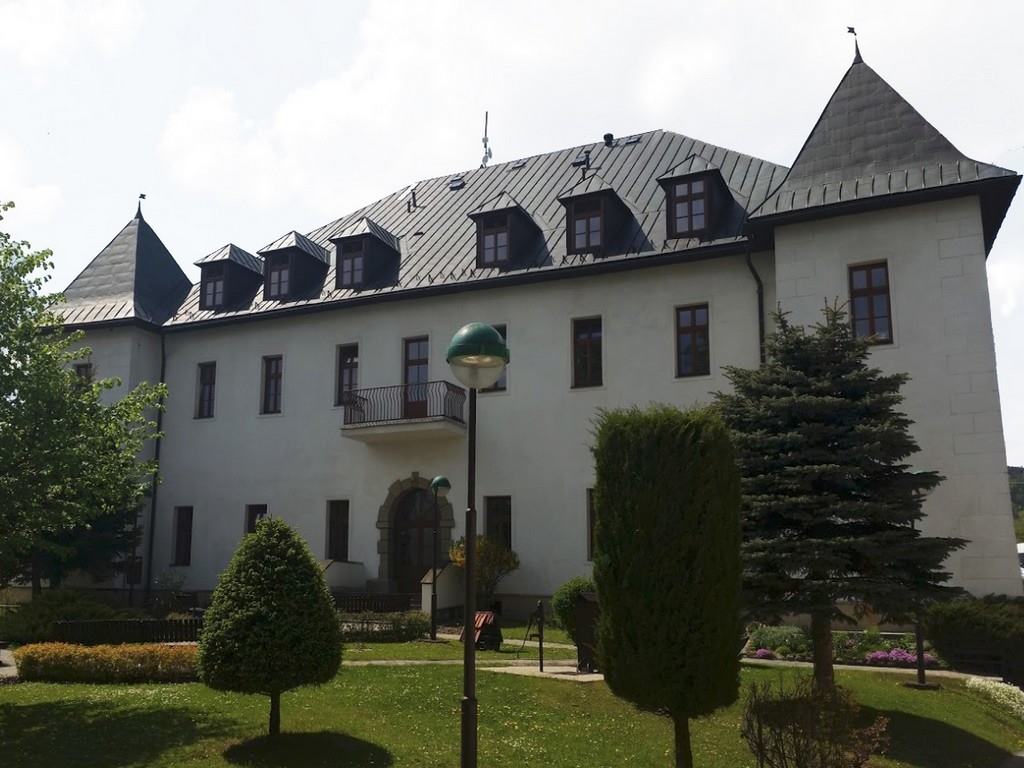
Hertník mansion
Hertník
18.0km
manor, mansion
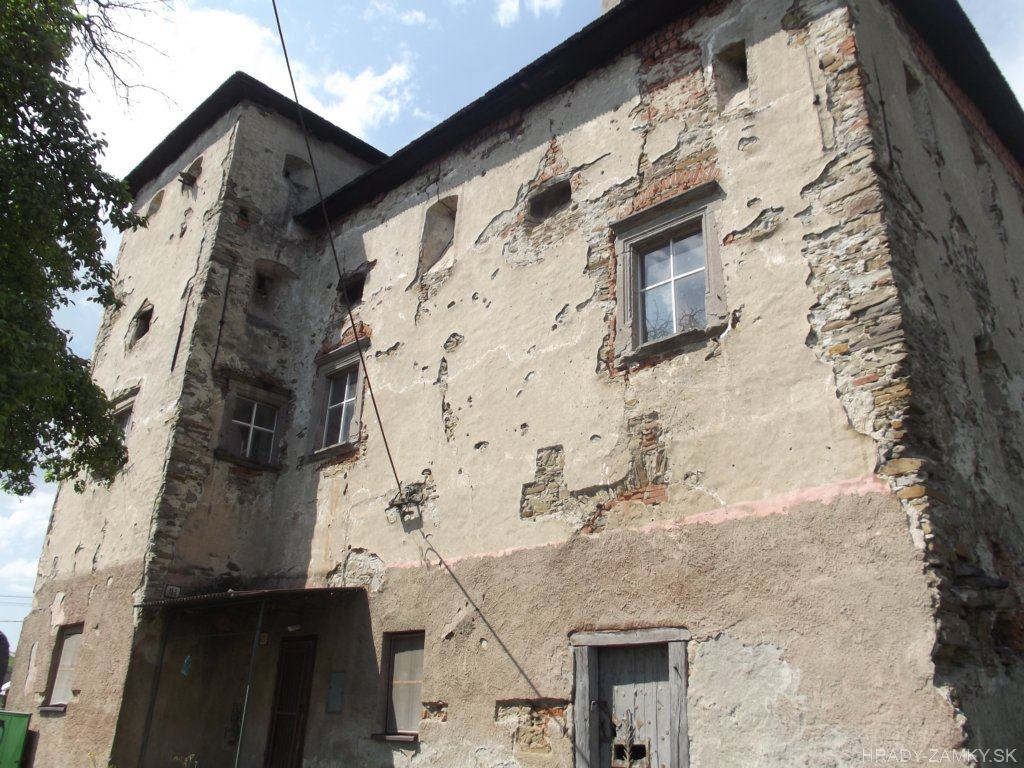
Pečovská Nová Ves
Pečovská Nová Ves
21.9km
manor, mansion