Šebeš castle
Podhradík Prešov county Slovakia
castle ruin
Šebeš
Podhradík Prešovský kraj Slovakia
zrúcanina hradu
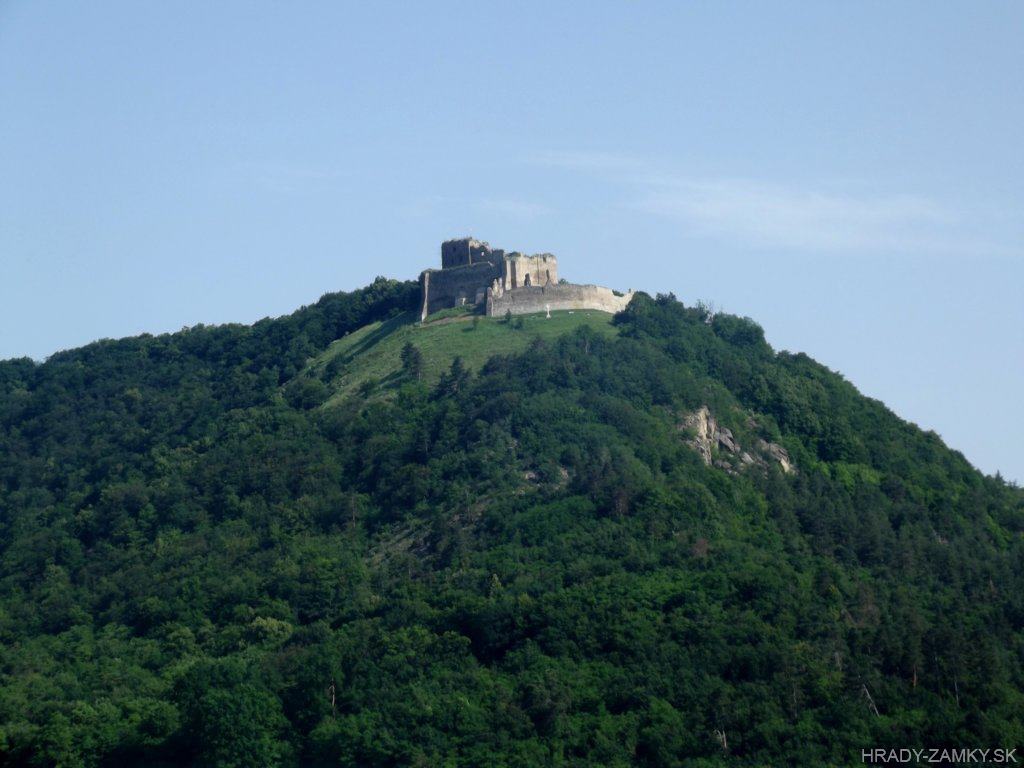
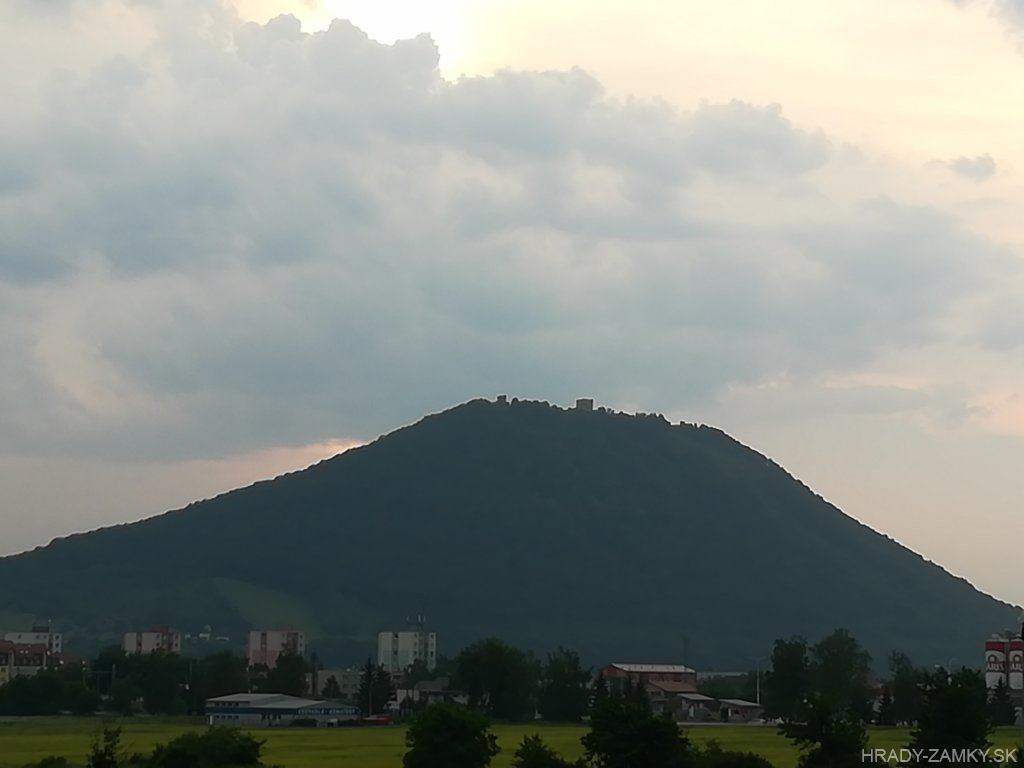
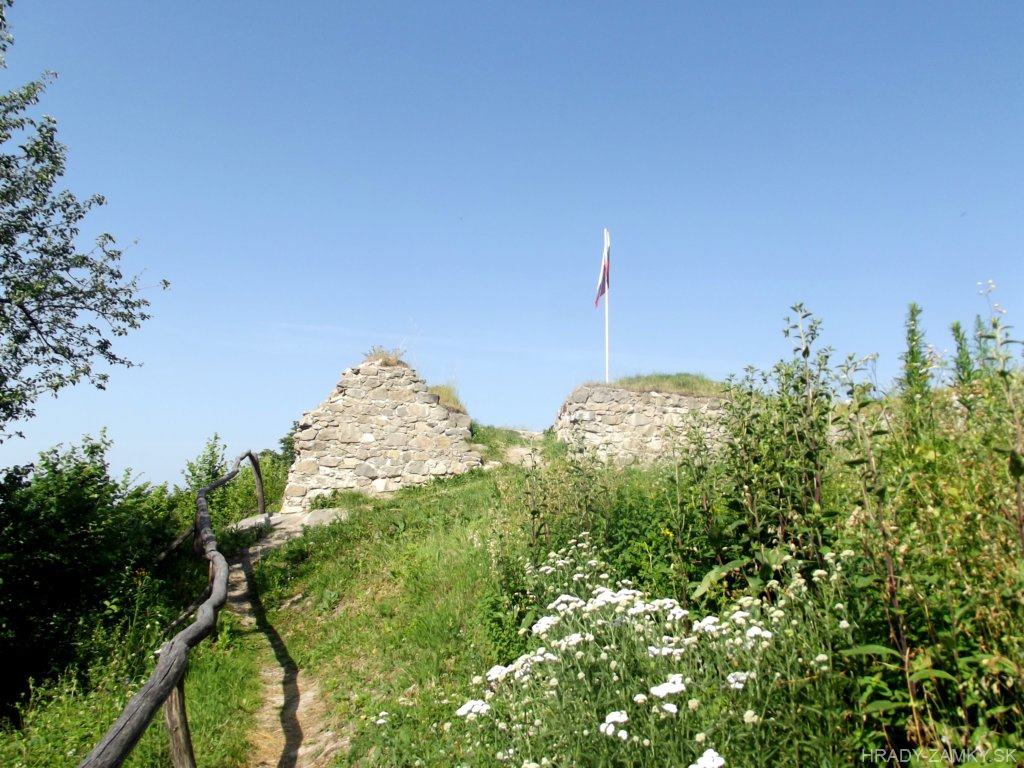
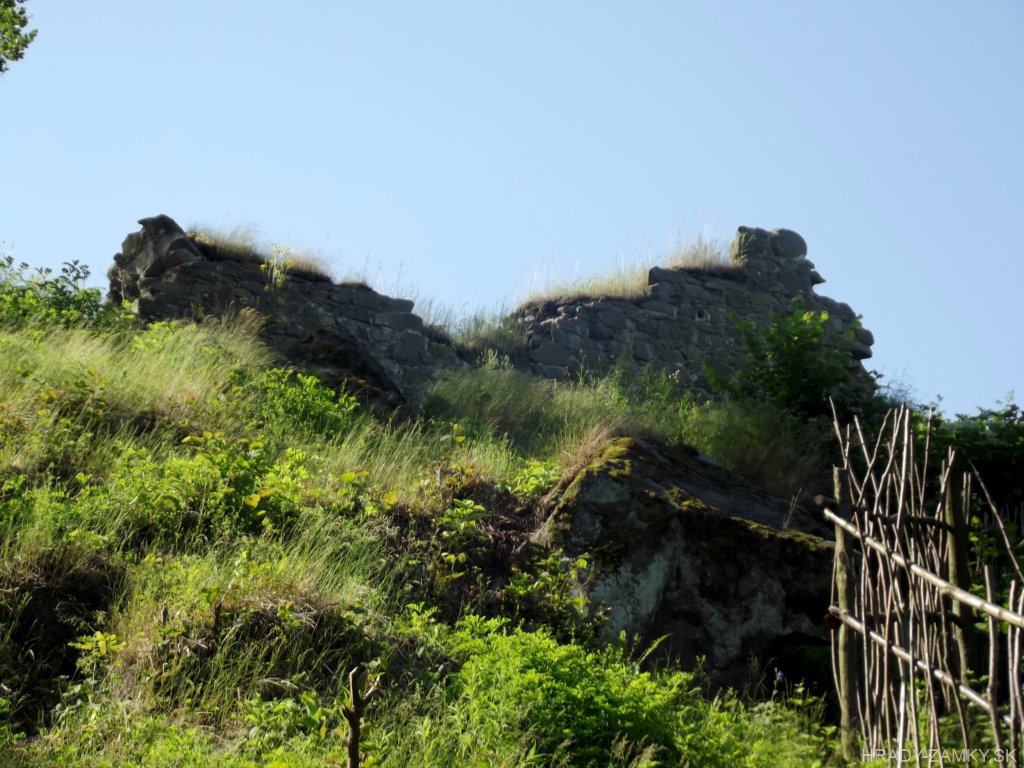
Ruins of the feudal castle on andesite hill on the outskirts of the northwestern part of Slanský hills above the village Podhradík near Prešov
Zrúcaniny zemepanského hrádku na andezitovom kopci na okraji severozápadnej časti Slanských vrchov nad obcou Podhradík pri Prešove
Previous names
Sebes, Sebeswar
Roads
Trasa 1: From Prešov, we will get to the village of Podhradík via Vyšná Šebastová, which we will pass next to the Municipal Office and the church, later we will turn left on the road and continue to a smaller crossroads. Here, next to the information board, we turn left, cross the bridge over the Šebastovka stream and park in a smaller parking lot. Here begins the nature trail castle Šebeš.From the parking lot we will go straight for a while, then we will turn right onto a forest road, which will lead us to Šebeš castle.
Trasa 1: Z Prešova sa cez Vyšnú Šebastovú dostaneme do obce Podhradík, ktorou prejdeme popri Obecnom úrade a kostole, neskôr odbočíme na cestu vľavo a pokračujeme k menšej križovatke. Tu popri informačnej tabuli odbočíme vľavo, prejdeme cez mostík ponad potok Šebastovka a zaparkujeme na menšom parkovisku. Tu začína náučný chodník Hrad Šebeš.Z parkoviska pôjdeme chvíľu rovno, potom odbočíme na lesnú cestu vpravo, ktorá nás dovedie k hradu Šebeš.
Trasa 2: From the mentioned parking lot the same way, but then we do not turn right, but we continue straight on. Before we go out into the meadow, it is necessary to turn right and with the final climb next to the monument and the cave we come to the castle from the opposite side.
Trasa 2: Zo spomínaného parkoviska rovnakou cestou, avšak potom neodbočíme vpravo, ale pokračujeme stále rovno. Ešte predtým ako by sme vyšli na lúku, je potrebné odbočiť vpravo a finálnym stúpaním popri pamätníku a jaskyni prídeme k hradu z opačnej strany.
Description
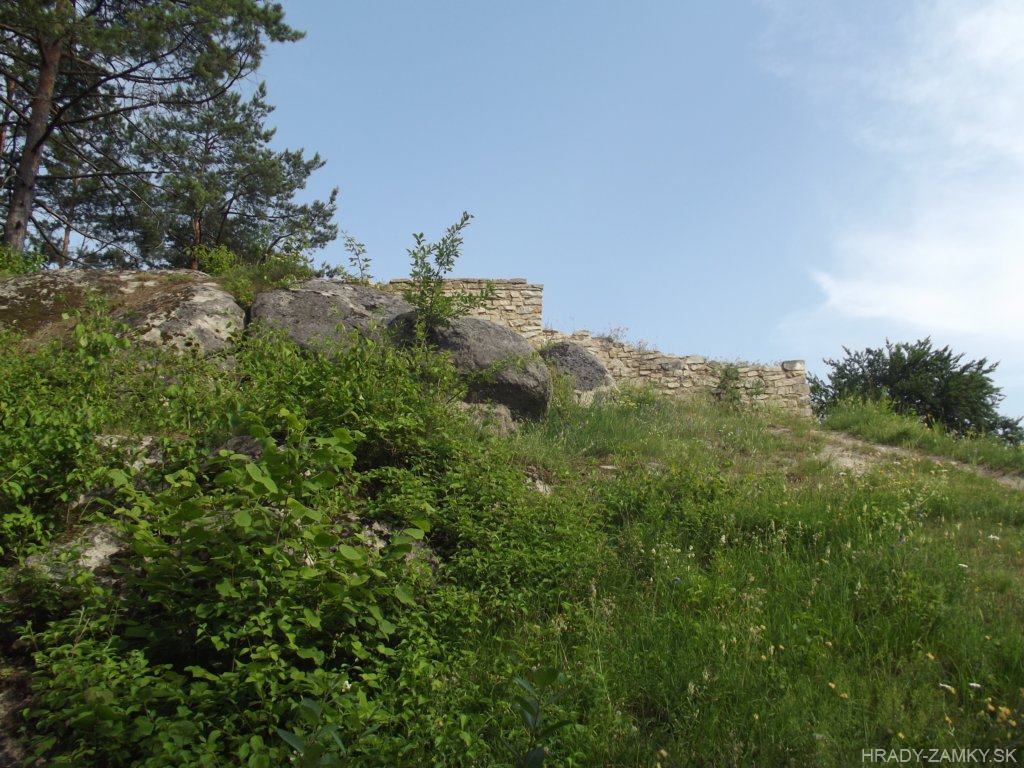
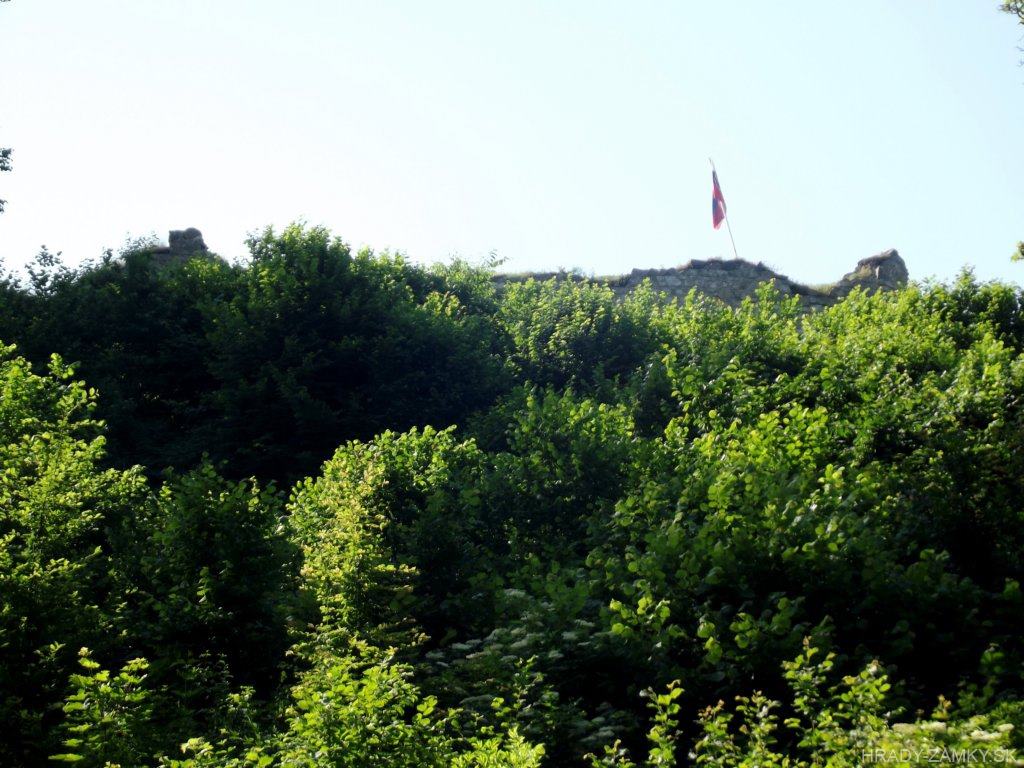
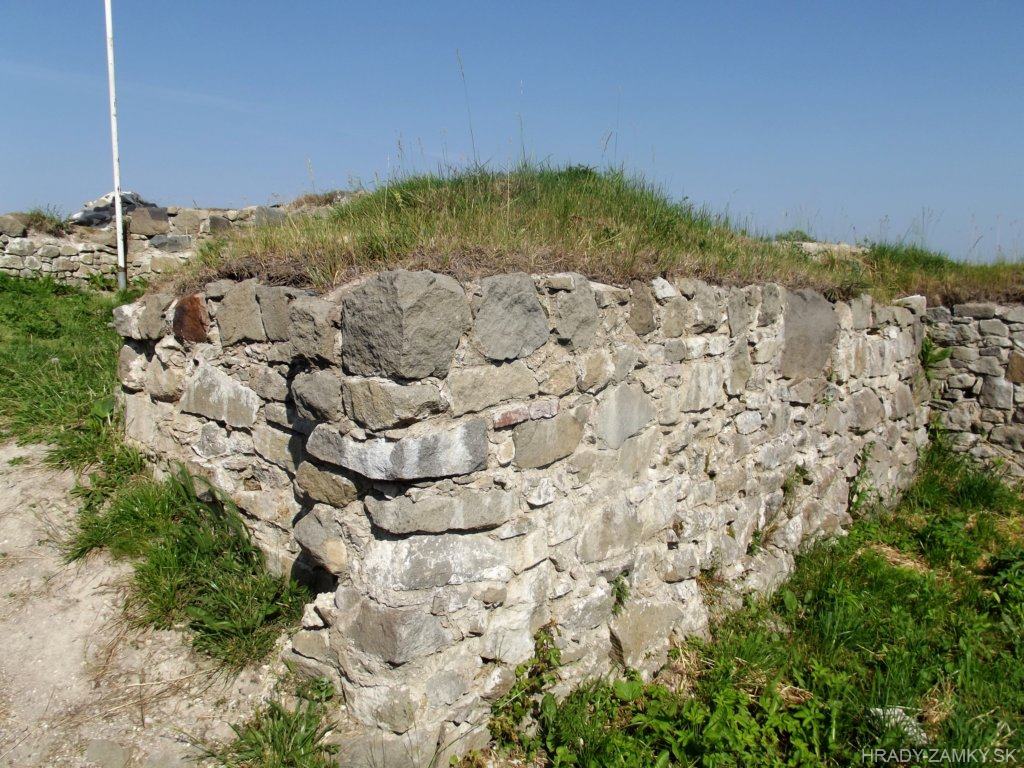
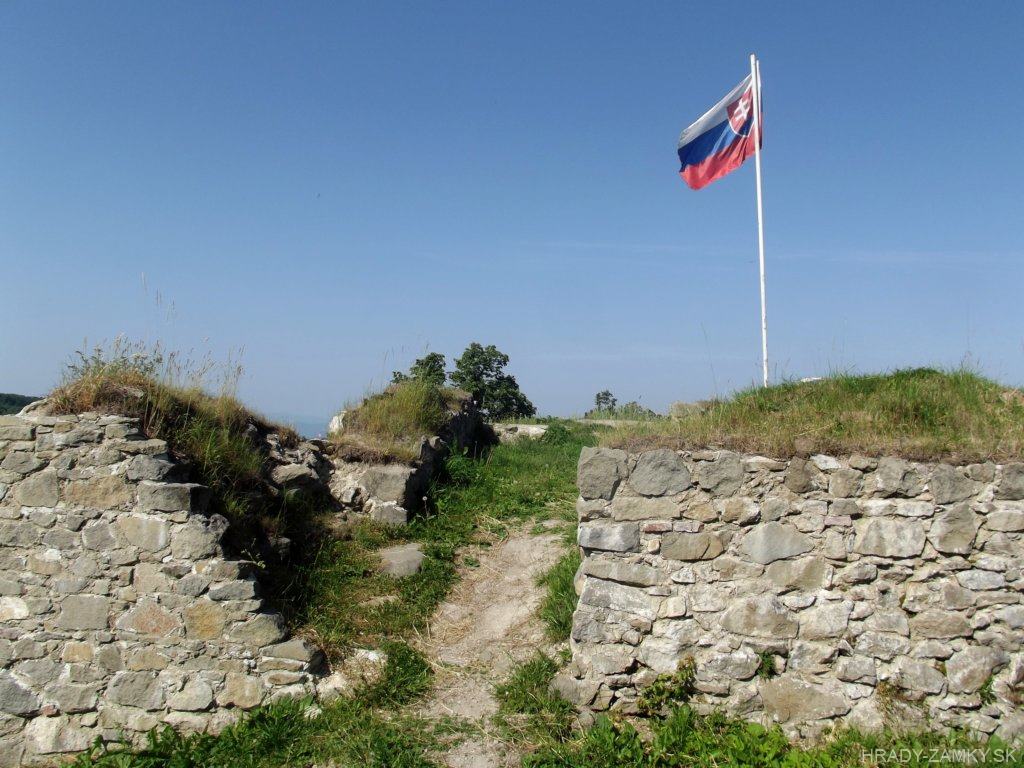
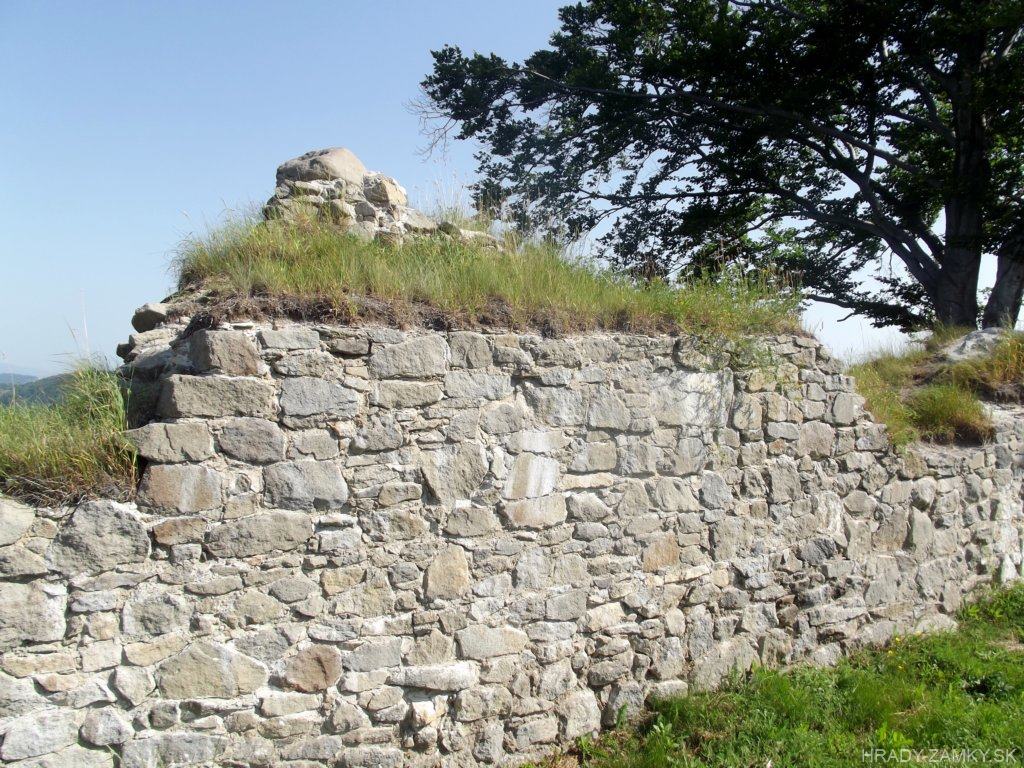
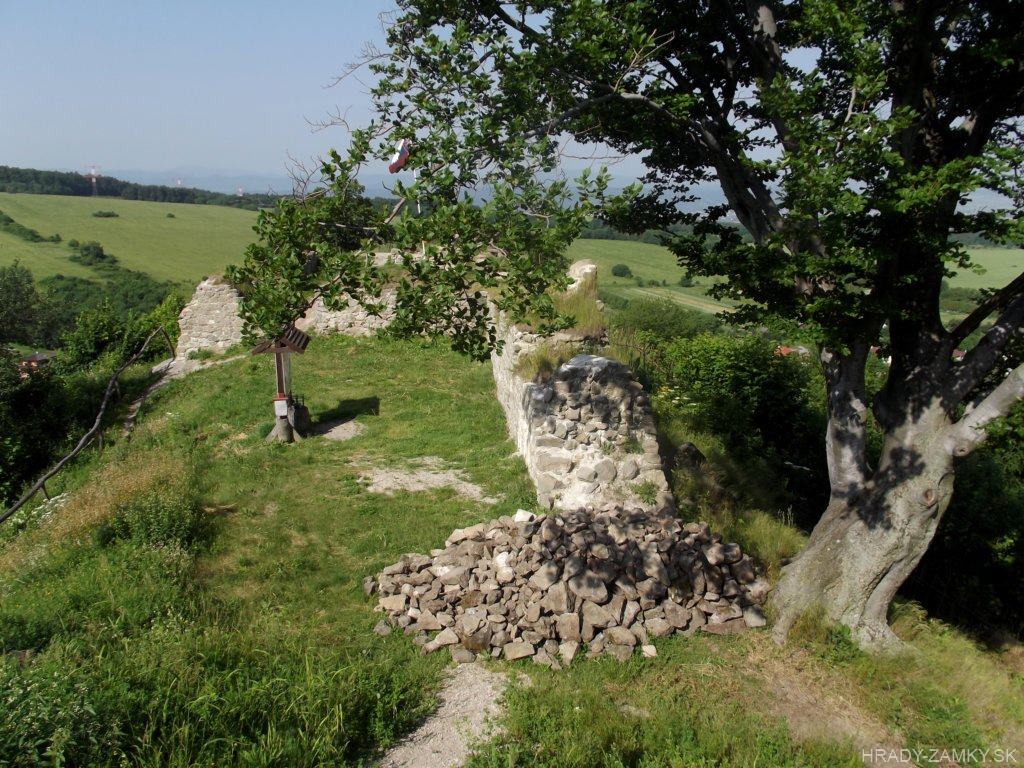
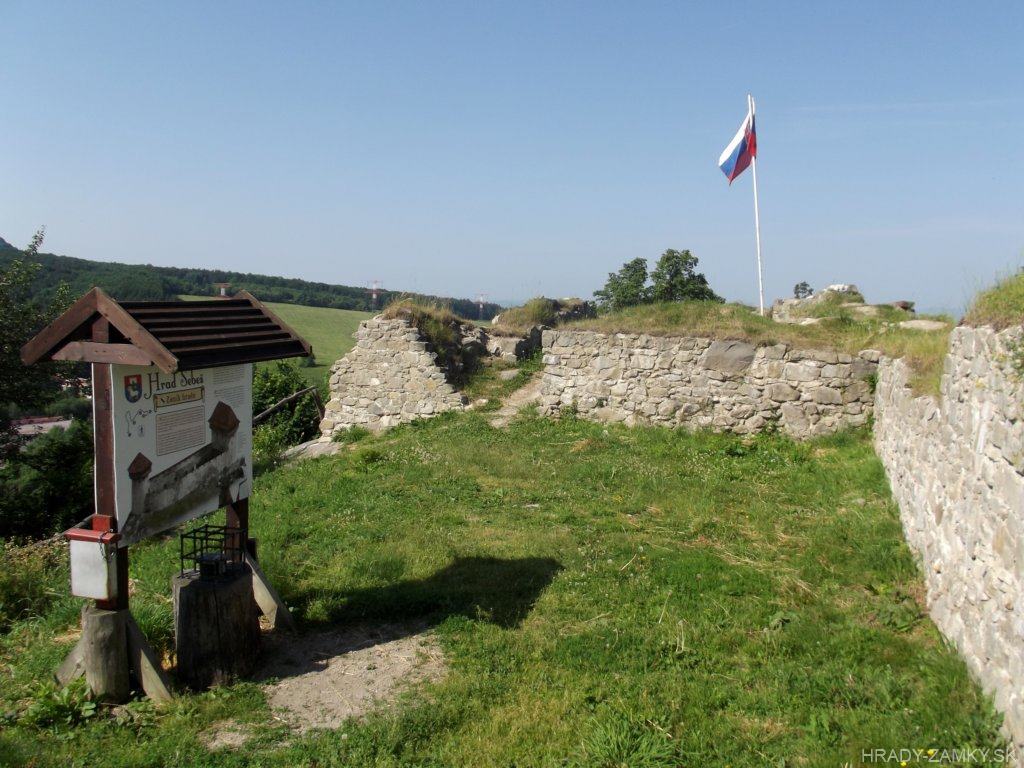
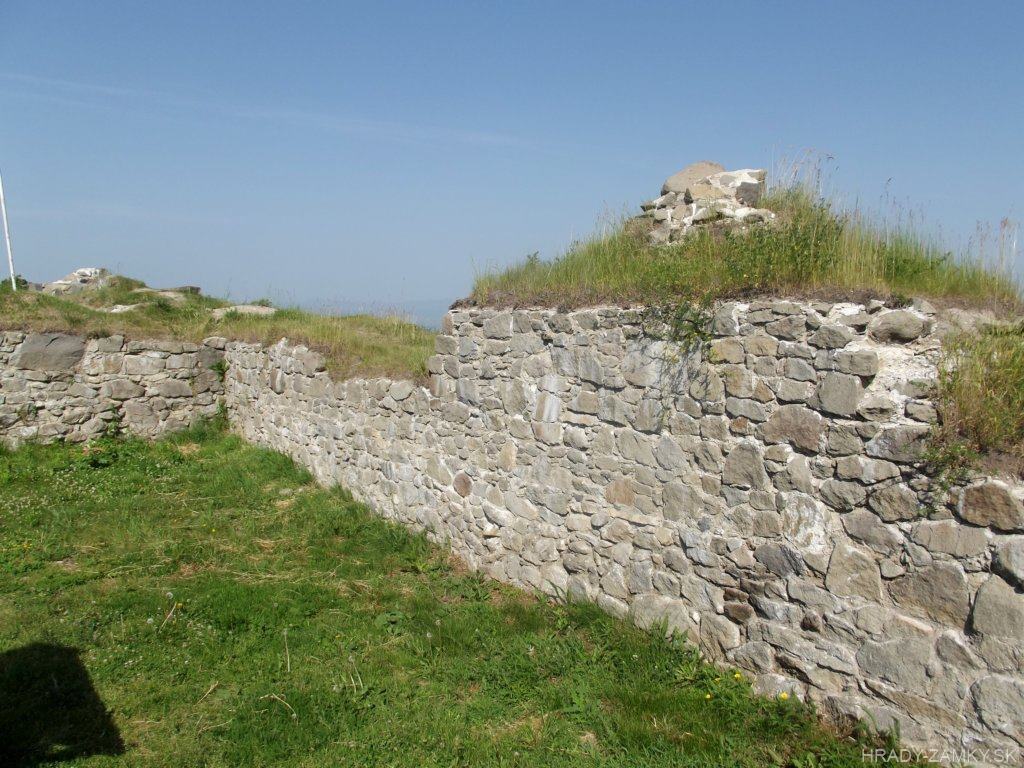
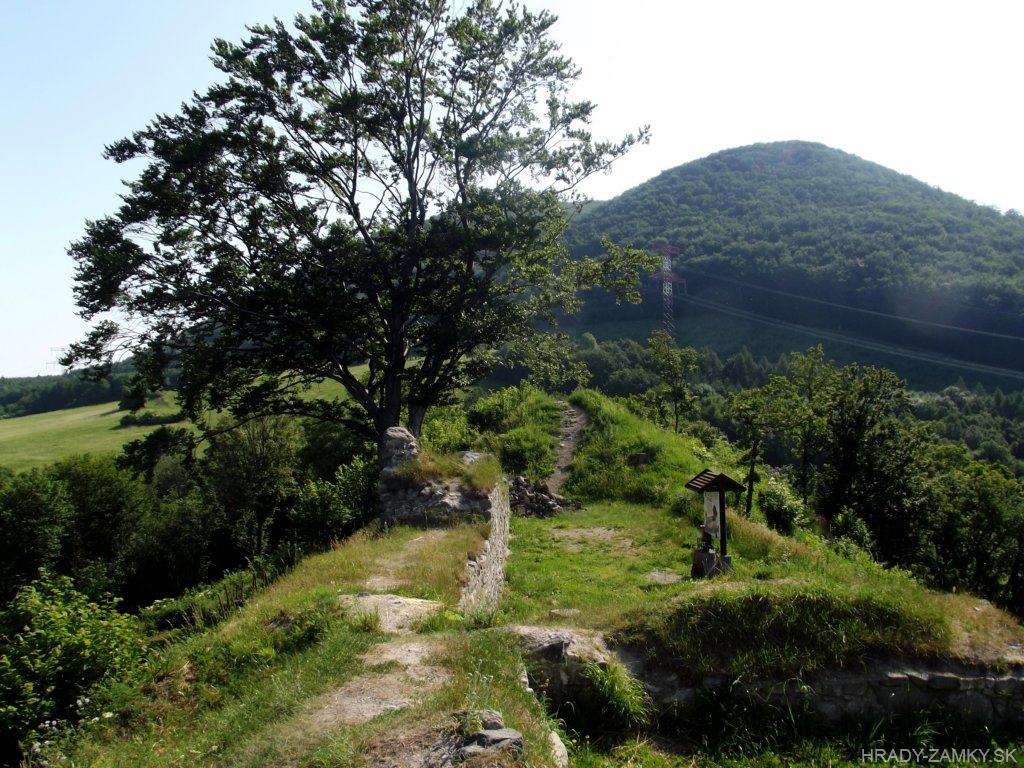
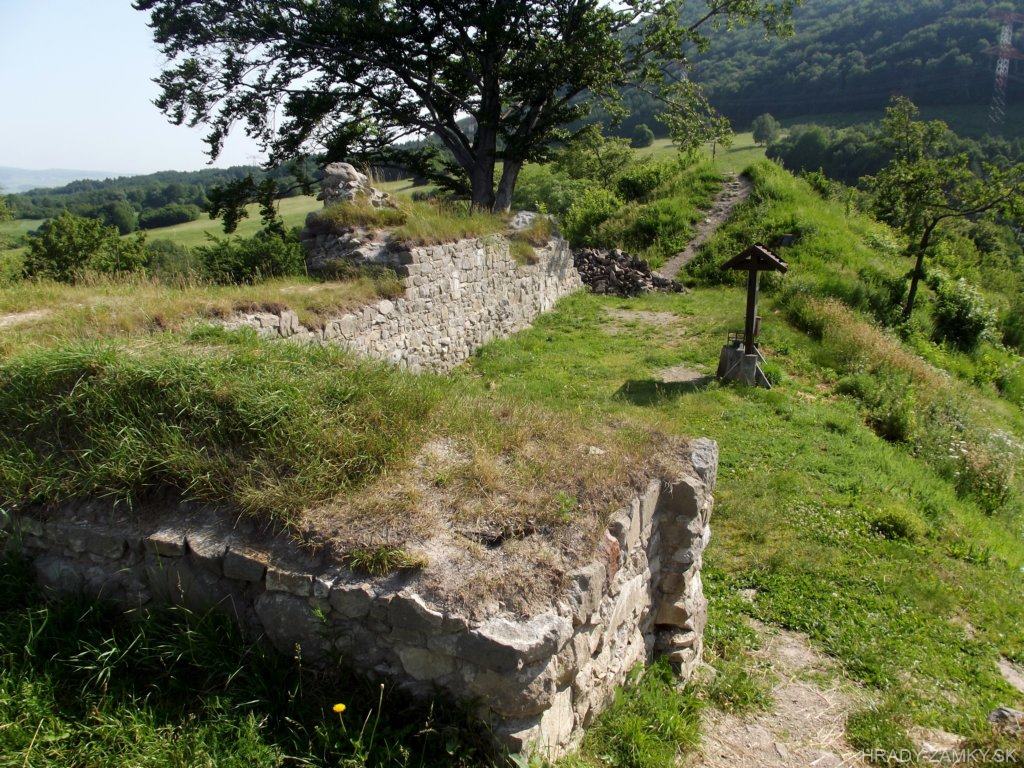
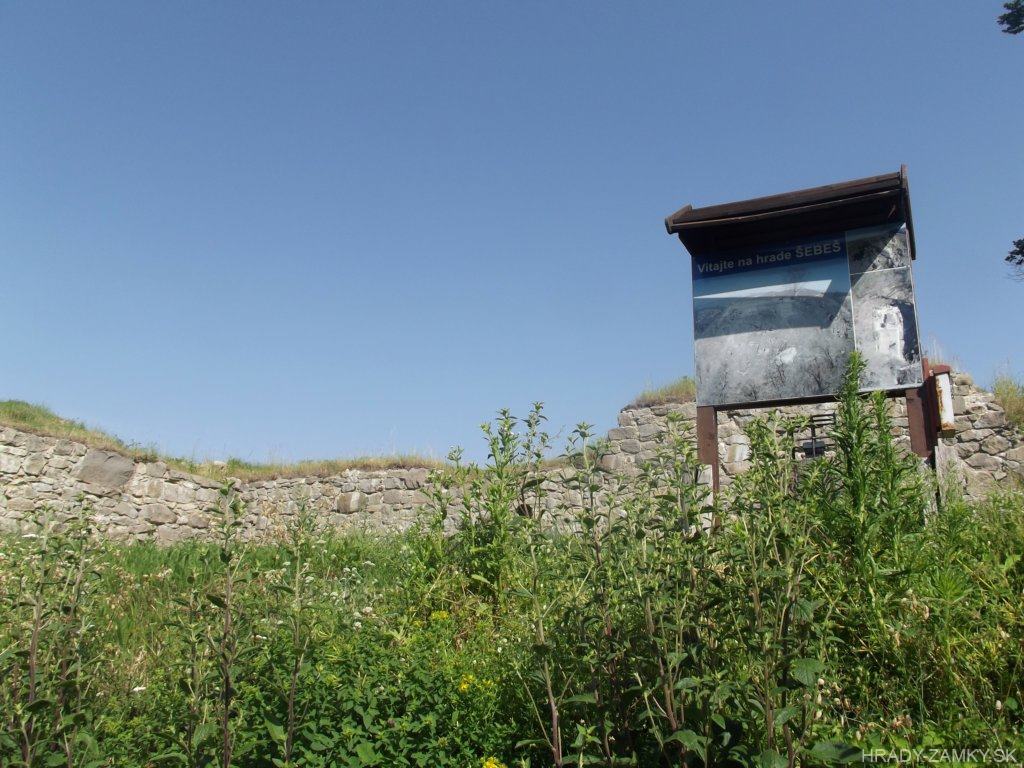
The castle wall originally stretched around the perimeter of a narrow and rocky plateau. In the western part of the castle was a circular tower. In the opposite half of the courtyard was a residential building of rectangular ground plan.The castle has been desolate and overgrown for many years. Only in 2012 began intensive work on its restoration. The archaeological survey was preceded by the demanding removal of the woody plants. Only the small remains of stone walls have been preserved from the original castle.
Hradný múr sa pôvodne tiahol po celom obvode úzkej a skalnatej plošiny. Na západnej časti hradu sa nachádzala kruhovitá veža. V opačnej polovici nádvoria sa nachádzala obytná budova obdĺžnikového pôdorysu.Hrad dlhé roky pustol a zarastal. Až v roku 2012 sa začali intenzívne práce na jeho obnove. Archeologickému prieskumu predchádzalo náročné odstraňovanie náletových drevín. Z pôvodného hradu sa zachovali iba nevysoké zvyšky kamenných múrov.
Plan
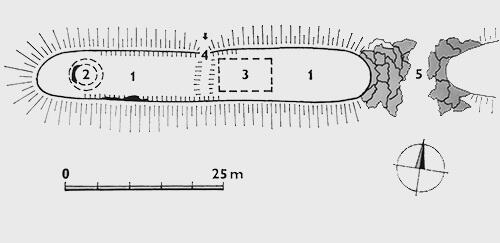
Legend to the ground plan
- 1 - castle wall
- 2 - round tower
- 3 - residential building
- 4 - entrance part of the castle
- 5 - moat
Legenda k pôdorysu
- 1 - hradný múr
- 2 - kruhovitá veža
- 3 - obytný objekt
- 4 - vstupná časť hradu
- 5 - priekopa
History
Originally, on the site where the castle now stands, there was a dwelling called Hranloudzalasa (Hulloudzalasa), which was probably abandoned since 1285. The name was based on the black habit of members of the Knights, who probably managed a wooden guard castle there.
Around 1307, Knight Synak acquired the surroundings of the mentioned area from the Hungarian palatine Omodeju Abu, who built a new stone castle on the hill Mačací kameň (Machkakw, today Zámek) until 1315. This castle is mentioned in the deed of donation of King Karol Róbert from 1315. The castle belonged to Synak's descendants until 1491. However, in the meantime, they lost the manor several times due to internal unrest. Some nobles from Šebeš rebelled against King Sigismund and he confiscated their property. Later, in 1401, thanks to a certain Simon, who took part in the heroic battle with the Ottomans near Nikopol, their property was returned to them.
After the death of King Matej, this time the lords of Šebeš supported King Ján Albrecht, whose soldiers occupied Prešov. The new Hungarian king Vladislav II. However, Jagelovský immediately donated the castle to the town of Košice for a short time in 1491. However, the castle soon returned to the original owners. However, the owners of the castle did not have good relations with the neighboring town of Prešov, as they could not agree on the borders of the district. The dispute did not go to court in 1475, but even that did not resolve it.
The owner of the castle, František Sebesi, wanted to resolve the dispute by agreement, but the Prešov guards took advantage of the dual government after the Battle of Mohács and, despite trying to reach an agreement in 1528, conquered the castle on behalf of the city of Prešov. The castle had not yet disappeared at that time, but after the reconquest around 1537, the mayor of the castle lord Sebesi and the castellan Geraki had it hung on the castle gate. Some sources state. that the castle disappeared just then, but at the latest during the skirmishes in 1550, when the inhabitants of Prešov burned it down. It is certain that at the beginning of the 17th century the castle is mentioned as a ruin.
In 2012, work began on the restoration of the castle. Archaeological research was preceded by the demanding removal of airborne trees. Only the remains of stone walls have been preserved.
Pôvodne na mieste, kde dnes hrad stojí, existovalo obydlie zvané Havranov príbytok (Hulloudzalasa), ktoré bolo už od roku 1285 zrejme opustené. Názov vychádzal z čierneho habitu príslušníkov rytierskeho rádu, ktorý tam pravdepodobne spravoval drevený strážny hrádok.
Okolo r.1307 získal od uhorského palatína Omodeja Abu okolie spomínaného územia rytier Synak, ktorý do r.1315 na kopci Mačací kameň (Machkakw, dnes Zámek), postavil nový kamenný hrad. Tento hrad sa spomína v donačnej listine kráľa Karola Róberta z roku 1315. Hrad patril až do roku 1491 Synakovým potomkom. Avšak medzitým niekoľkokrát kvôli vnútorným nepokojom o panstvo prišli. Niektorí šľachtici zo Šebeša sa vzopreli kráľovi Žigmundovi a ten im majetky zhabal. Neskôr, v r.1401, im vďaka istému Šimonovi, ktorý sa zúčastnil hrdinského boja s Osmanmi pri Nikopoli, boli majetky vrátené.
Po smrti kráľa Mateja tentoraz páni zo Šebeša podporili panovníka Jána Albrechta, ktorého vojaci obsadili Prešov. Nový uhorský kráľ Vladislav II. Jagelovský však vzápätí v r.1491 daroval na krátku dobu hrad mestu Košice. Už onedlho sa však hrad vrátil do rúk pôvodným majiteľom. Majitelia hradu ale nemali dobré vzťahy so susedným mestom Prešov, kedže sa nevedeli dohodnúť na hraniciach chotára. Spor sa v roku 1475 dostal až pred súd, ale ani ten ho nevyriešil.
Majiteľ hradu František Sebesi chcel spor vyriešiť dohodou, ale prešovskí drábi využili dvojvládie po moháčskej bitke a napriek snahe o dohodu v r.1528 hrad dobyli v mene mesta Prešov. Hrad vtedy ešte nezanikol, no po opätovnom dobytí okolo r.1537 dal richtár hradného pána Sebesiho a kastelána Gerakiho obesiť na hradnú bránu. Niektoré zdroje uvádzajú. že hrad zanikol práve vtedy, no najneskôr pri potýčkach v r.1550, keď ho obyvatelia Prešova vypálili. Isté je, že už na začiatku 17.storočia sa hrad spomína ako ruina.
V roku 2012 sa začali práce na obnove hradu. Archeologickému prieskumu predchádzalo náročné odstraňovanie náletových drevín. Zachovali sa len zvyšky kamenných múrov.
Myths and legends
The legend of the castle
The mayor of Prešov, Fontanus and his councilors, came on carriages up the Šebestovka valley to Šebeš Castle. The lord of the castle František invited them to agree in peace on the borders of the district. Many quarrels took place between Prešov and Šebeš for this dispute. They welcomed them with open gates and full banquet tables. Guests were entering the gate when a shout came from the forest. Crowds of armed Prešov people invaded the courtyard of the castle. Everything that was prepared for entertainment to settle disputes, the people of Prešov ate, drank, emptied the warehouses and cellars and finally hung the tied host František together with the castellan at the castle gate. By the time the emperor blamed the mayor, Sebes was already burned and his masters dead. Whether the Prešov mayor agreed with his people to seize and punish Šebeš for border disputes in this way, or whether the people of Prešov themselves ran out of patience and took justice into their own hands, it is no longer important. All that was left of them was stone upon stone. And if you hear screams from the woods, don't be afraid. This is just an echo of angry Prešov people.
Povesť o hrade
Prešovský richtár Fontanus a jeho radní páni prichádzali na kočoch hore dolinou Šebestovky na hrad Šebeš. Hradný pán František ich pozval, aby sa v mieri dohodli na hraniciach chotára. Pre tento spor sa odohralo veľa hádok medzi Prešovom a Šebešom. Vítali ich s otvorenými bránami aj plnými hodovými stolmi. Hostia práve vchádzali do brány, keď sa z lesa ozval krik. Na nádvorie hradu vtrhli davy ozbrojených Prešovčanov. Všetko, čo bolo prichystané na pohostenie k urovnaniu rozporov, Prešovčania pojedli, popili, sklady aj pivnice vyprázdnili a nakoniec poviazaného hostiteľa Františka spolu s kastelánom obesili na hradnej bráne. V čase, keď cisár richtárovi vyčítal tento čin, Šebeš už bol vypálený a jeho páni mŕtvi. Či bol prešovský richtár dohodnutý so svojím ľudom, že takto prekabátia a potrestajú Šebeš za spory o hranice, alebo či samotným Prešovčanom došla trpezlivosť a vzali spravedlnosť do svojich rúk, už nie je dôležité. Ostal po nich len kameň na kameni. A keby ste z lesa počuli krik, nezľaknite sa. To je len ozvena rozhnevaných Prešovčanov.
Useful information
The ruins are freely accessible
Zrúcanina je voľne prístupná
Nearby castles