Šariš castle
Veľký Šariš Prešov county Slovakia
castle ruin
Šarišský hrad
Veľký Šariš Prešovský kraj Slovakia
zrúcanina hradu
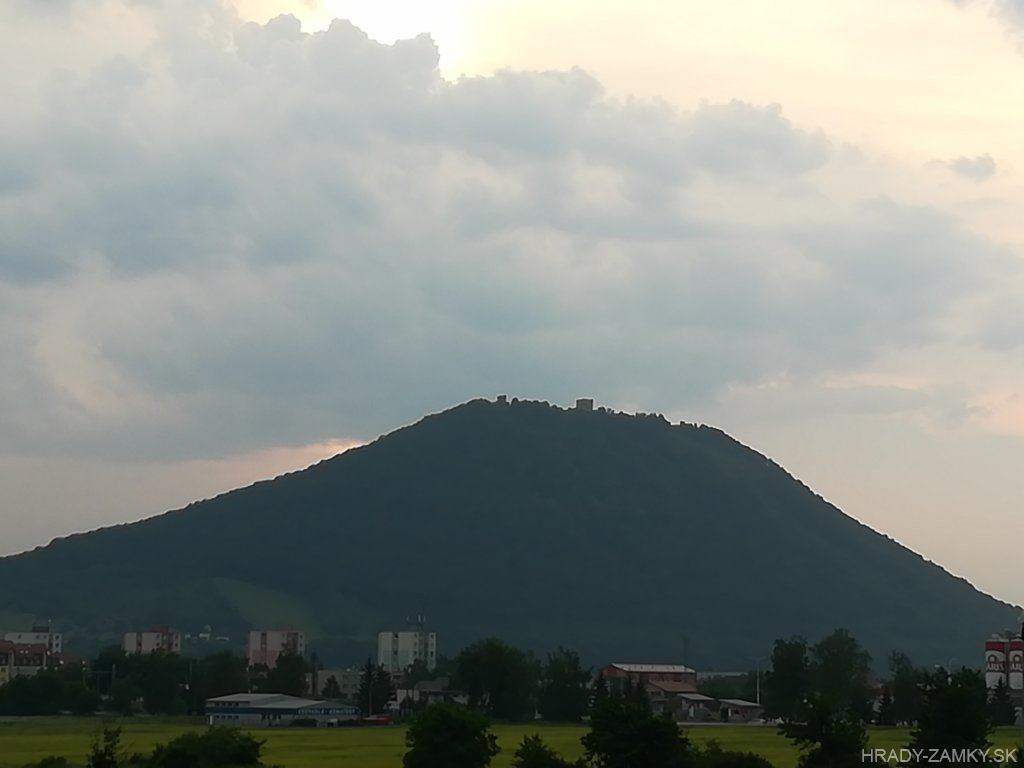
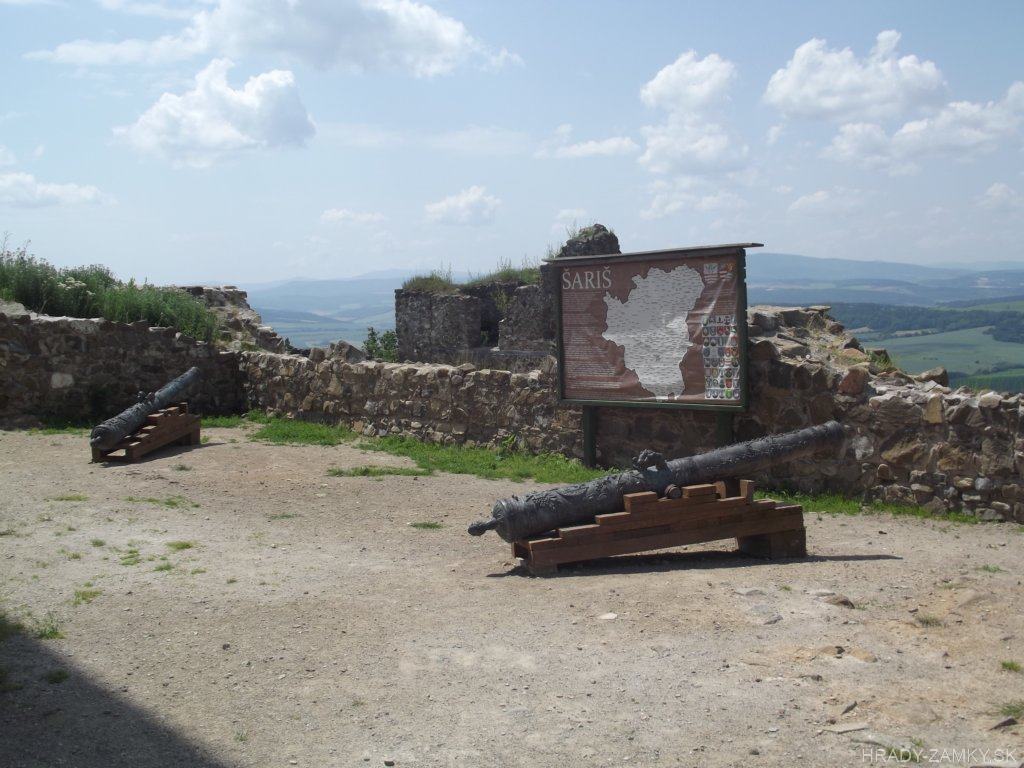
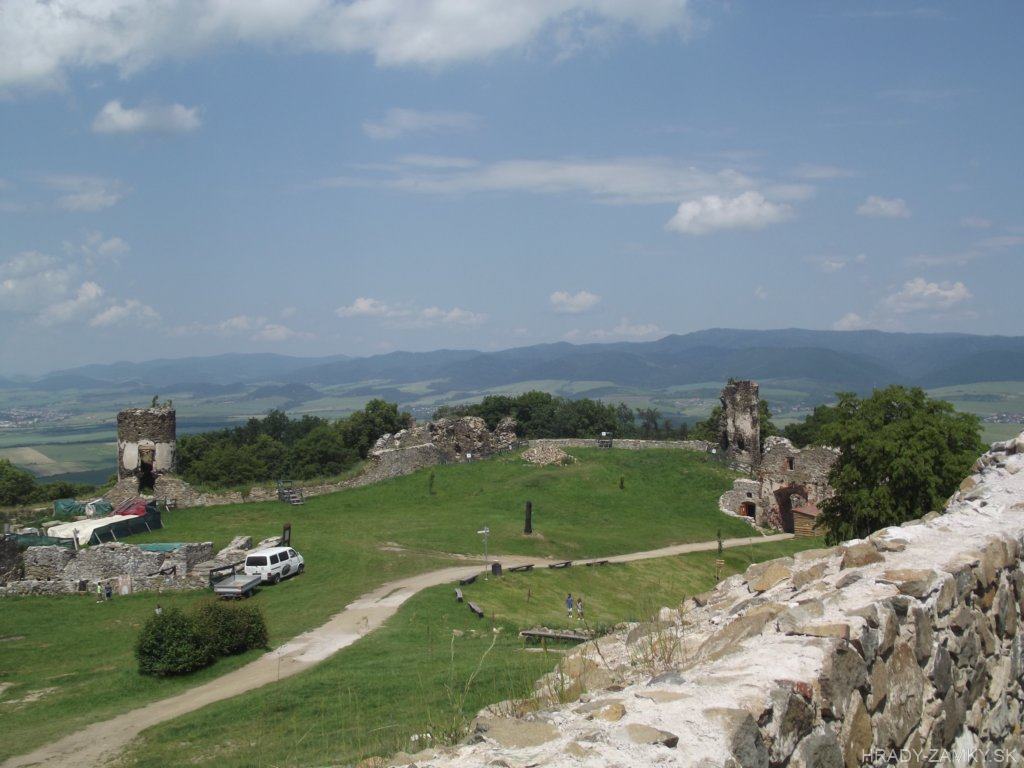
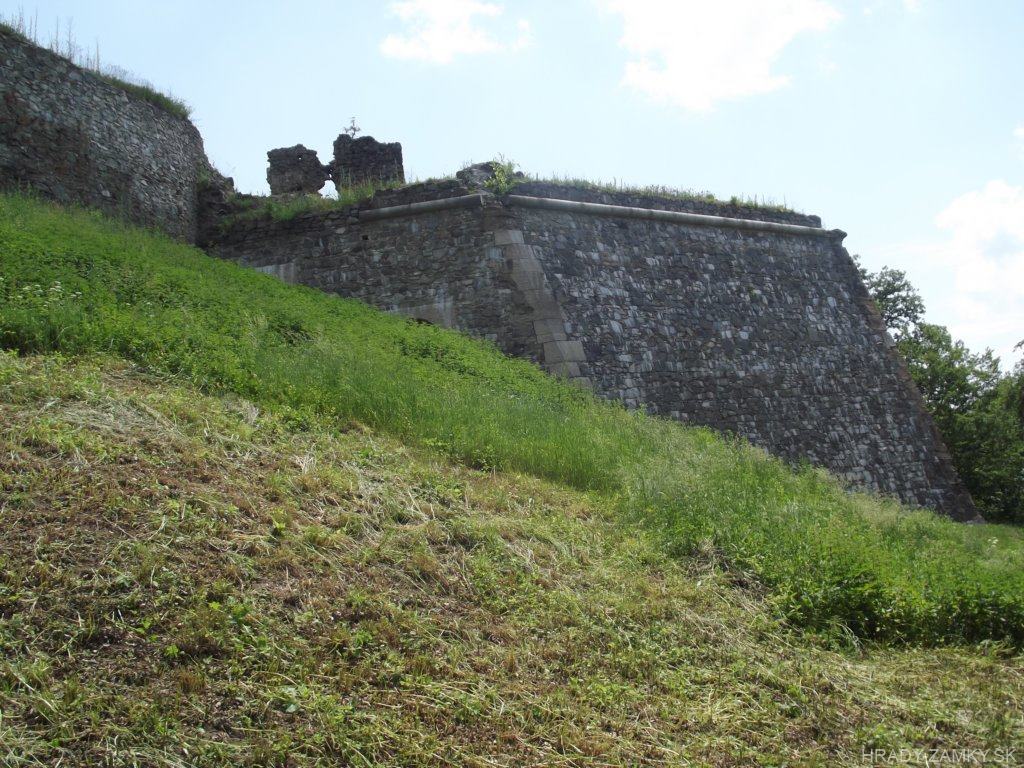
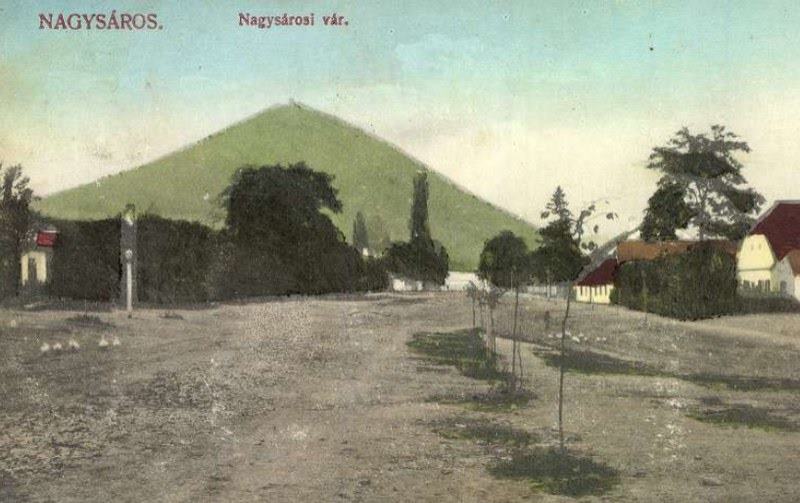
Castle ruins on a lonely andesite hill with forested slopes in the southern part of the Spiš-Šariš area above the Torysa river valley
Zrúcanina hradu na osamelom andezitovom vrchu so zalesnenými svahmi v južnej časti Spišsko-šarišského medzihoria nad údolím rieky Torysa
Previous names
Sarus, Zaros, Saarus, Sáros, Nagysáros
Roads
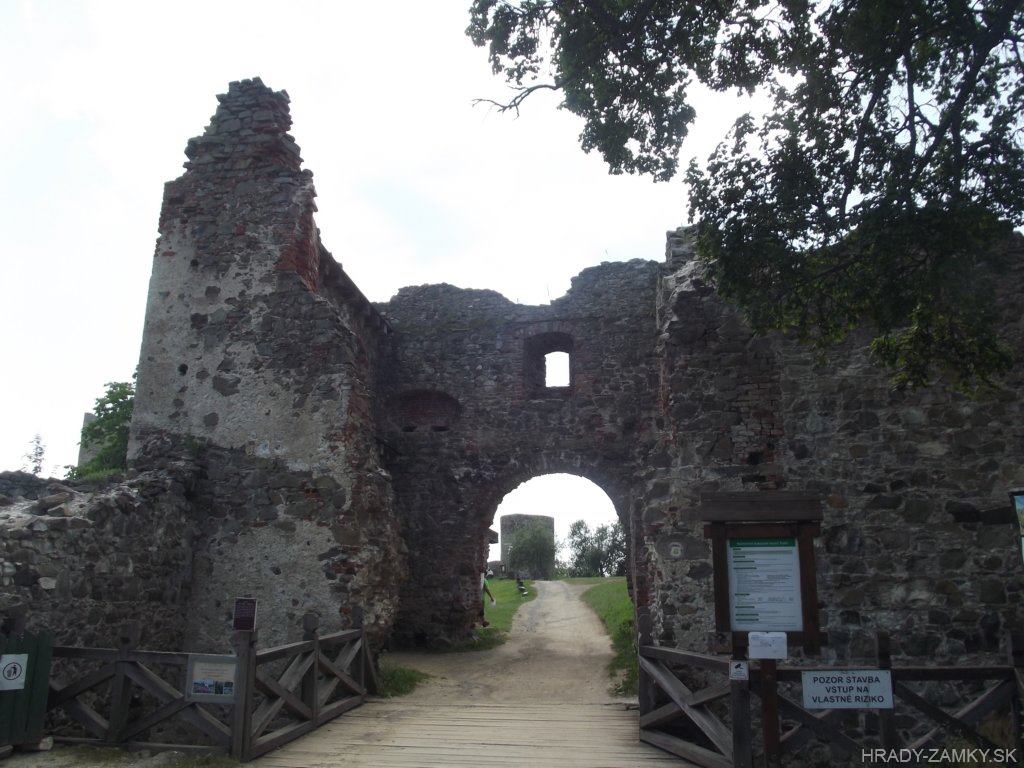
Access to Šariš castle is not difficult. From the town of Veľký Šariš, near Prešov, we have to get to the spacious parking lot on Hlavná Street, which leads out of the town towards Medzany. Soon we will see a sign where we turn right. From the car park there is a gentle ascent via the asphalt road (yellow trail) to the castle.
Prístup k hradu Šariš nie je náročný. Z mestečka Veľký Šariš, blízko Prešova, sa musíme dostať na priestranné parkovisko pod hradom po Hlavnej ulici, ktorá vedie von z mesta smerom na Medzany. Čoskoro zbadáme smerovú tabuľu, kde odbočíme vpravo. Od parkoviska nasleduje mierny výstup po asfaltovej ceste (žltá trasa) až k hradu.
Description
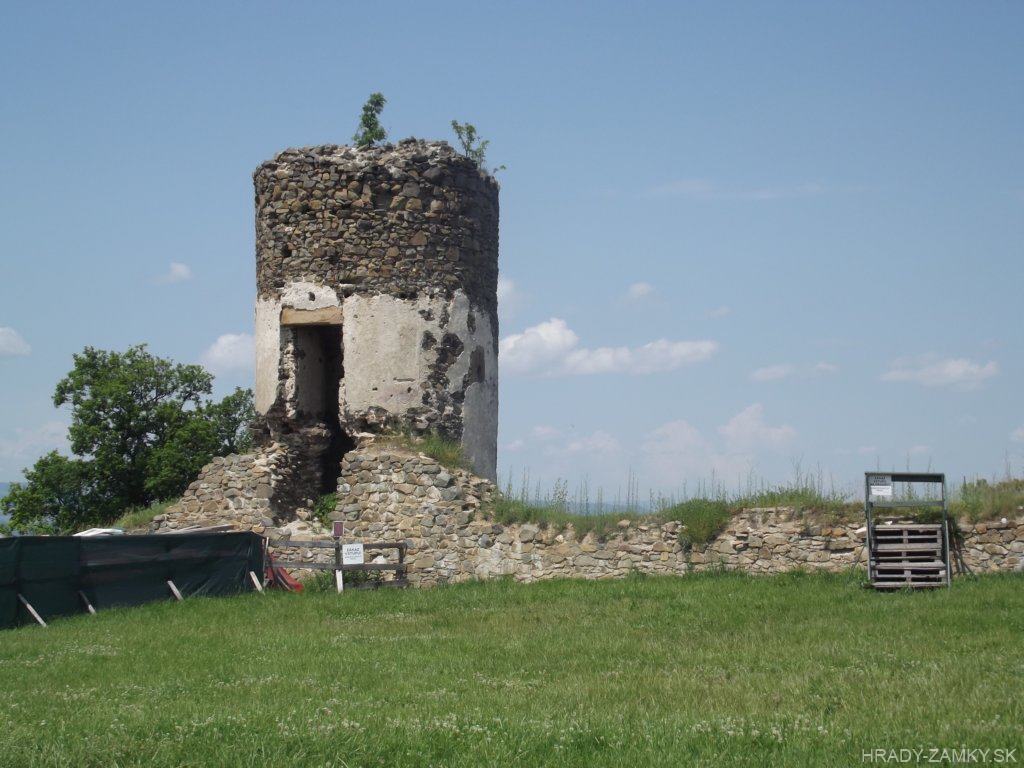
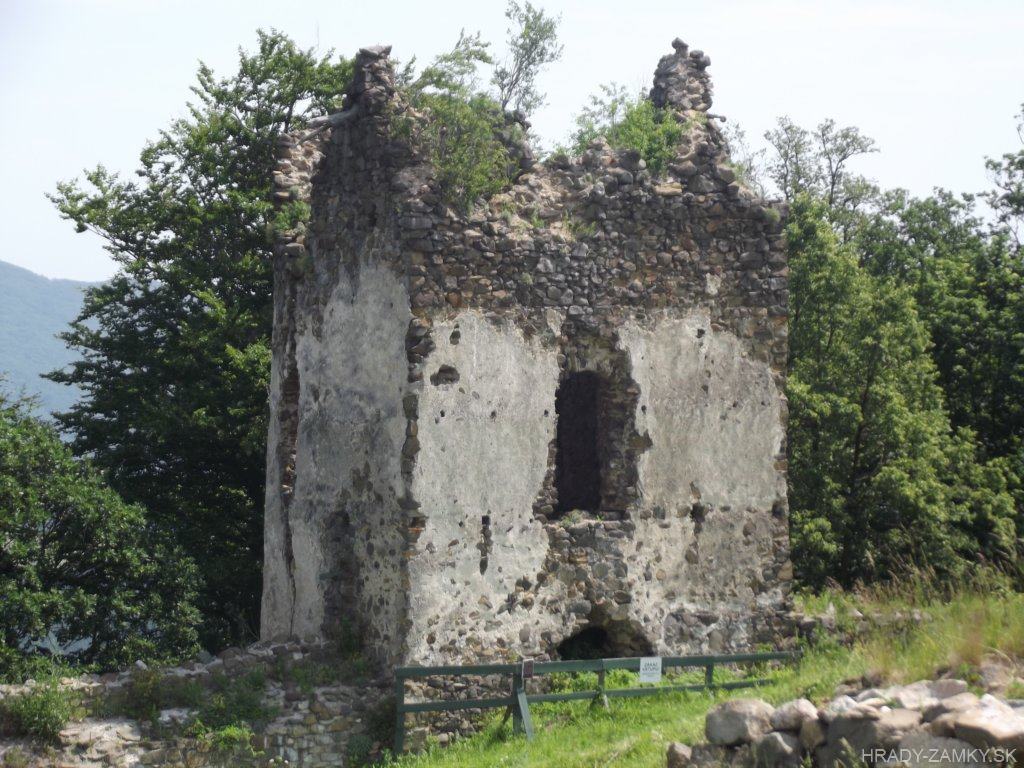
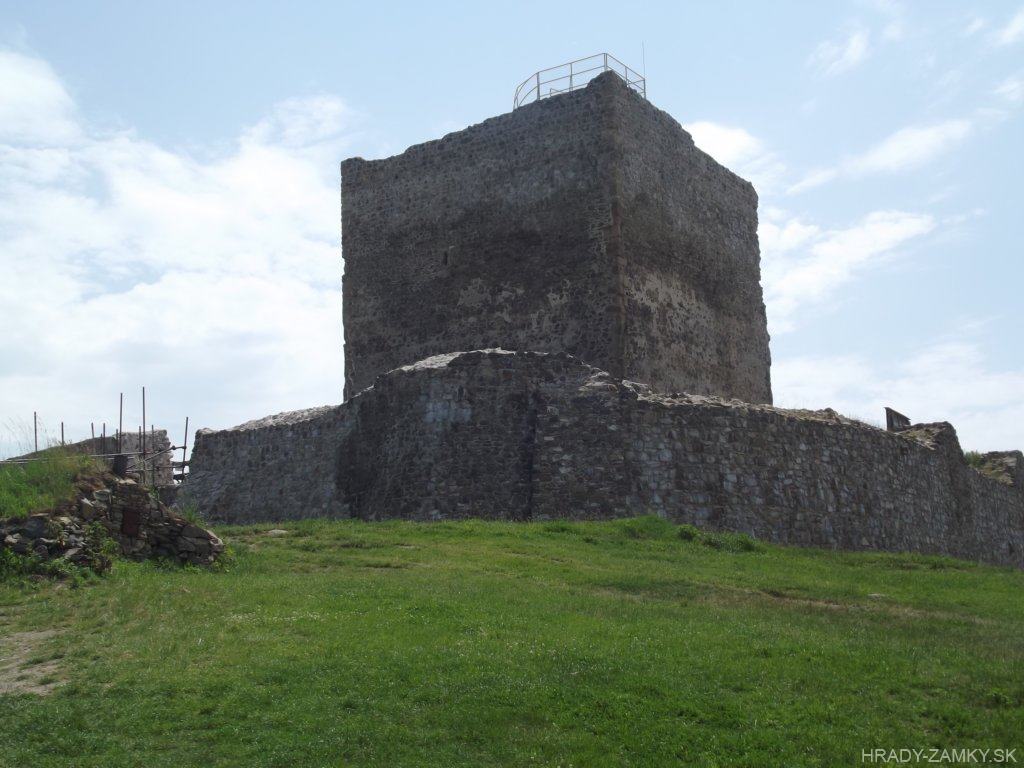
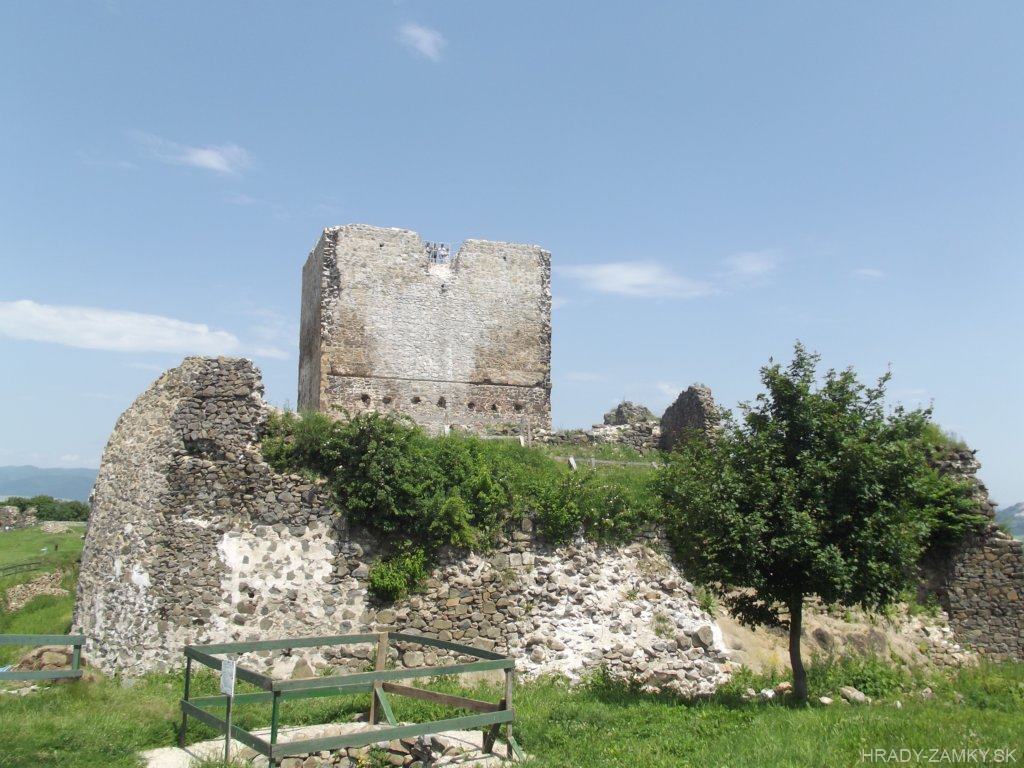
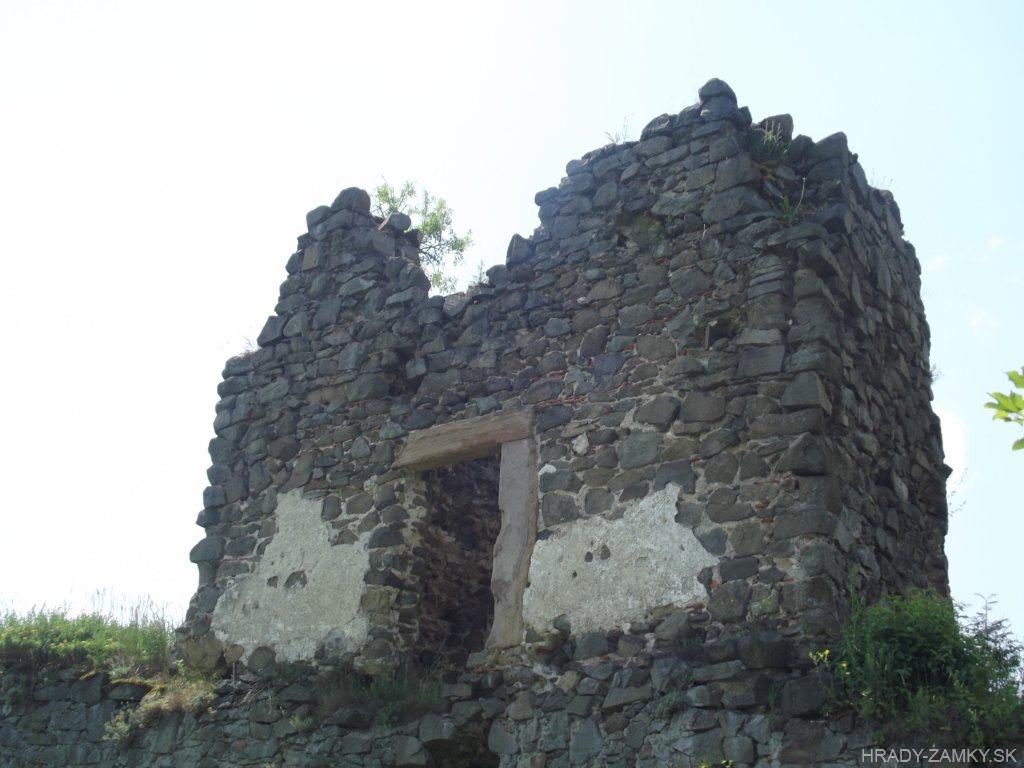
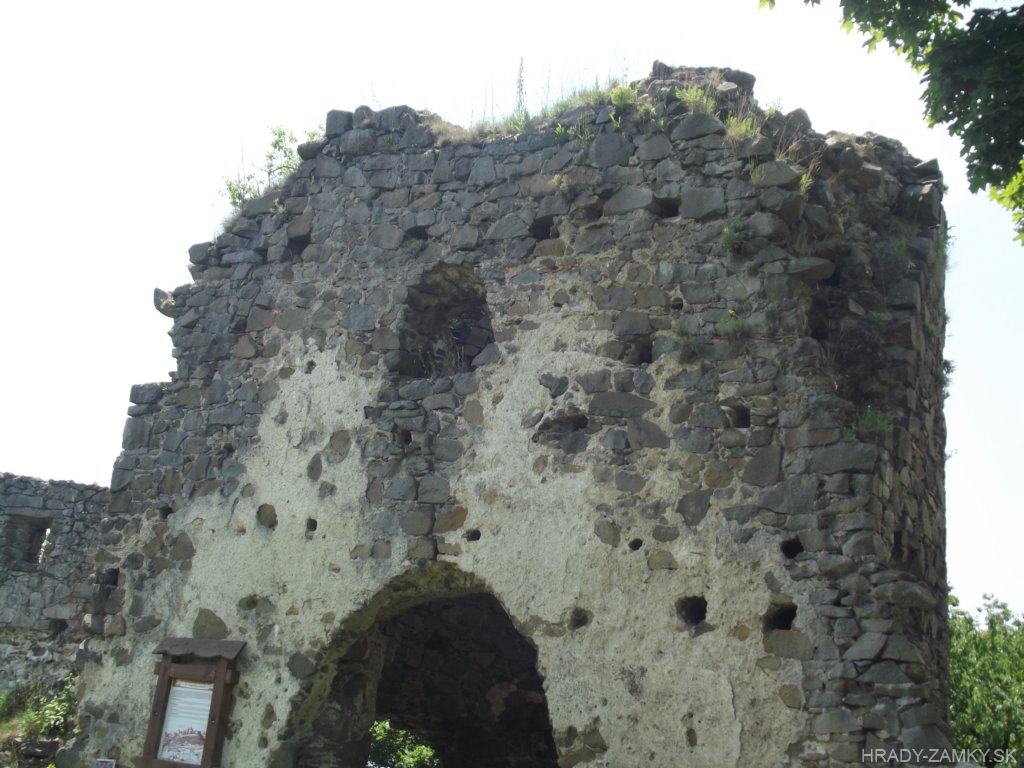
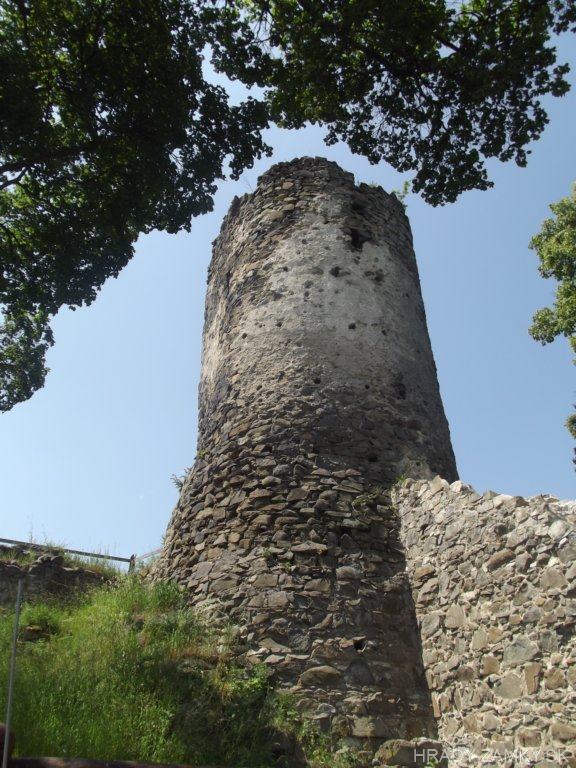
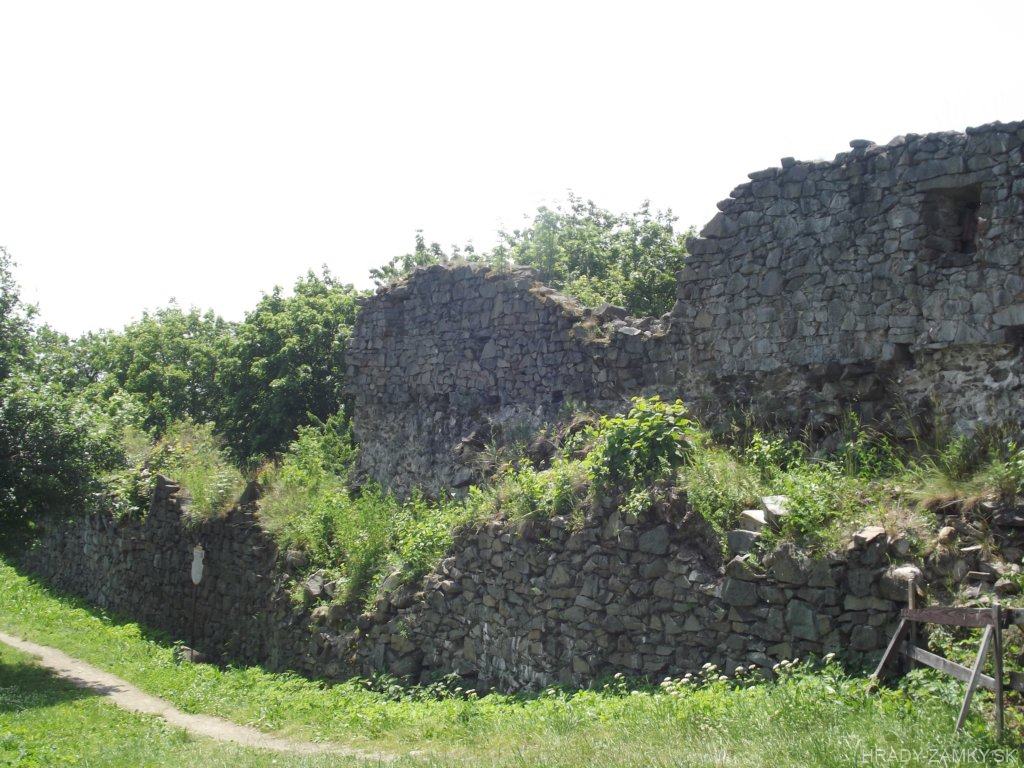
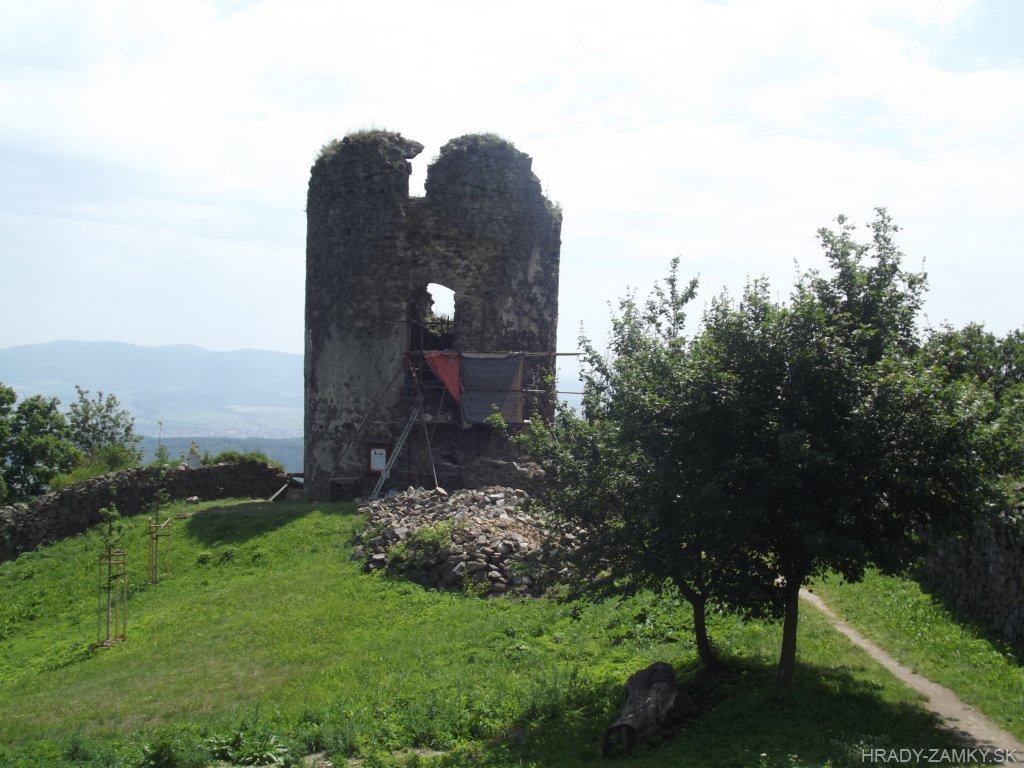
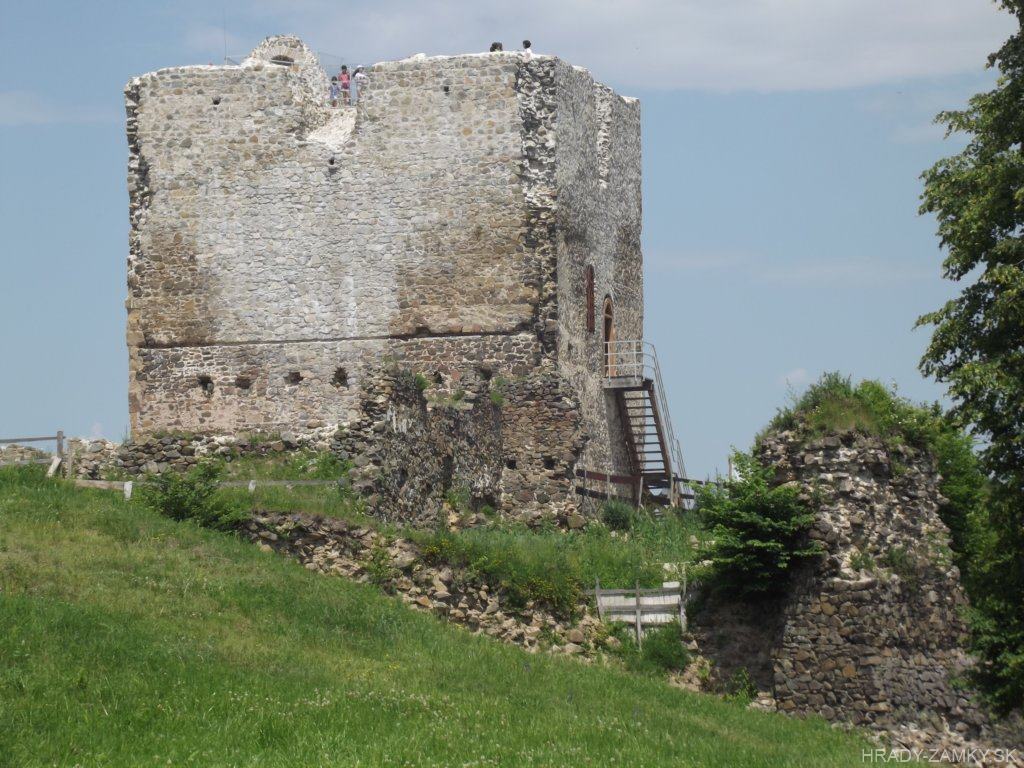
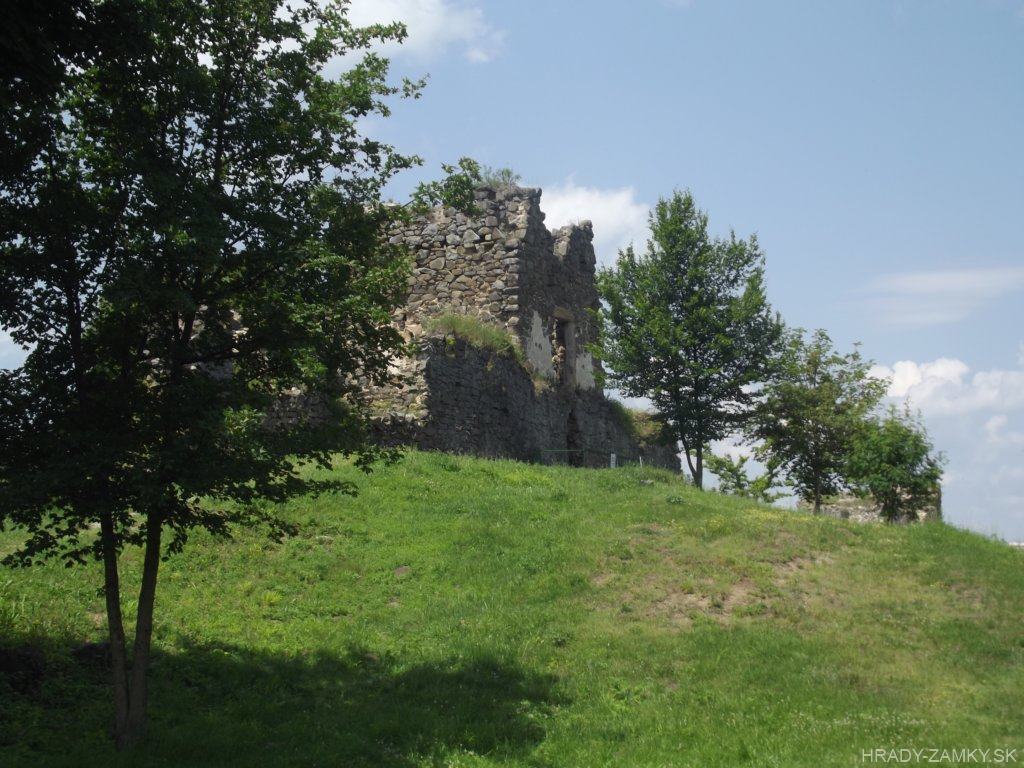
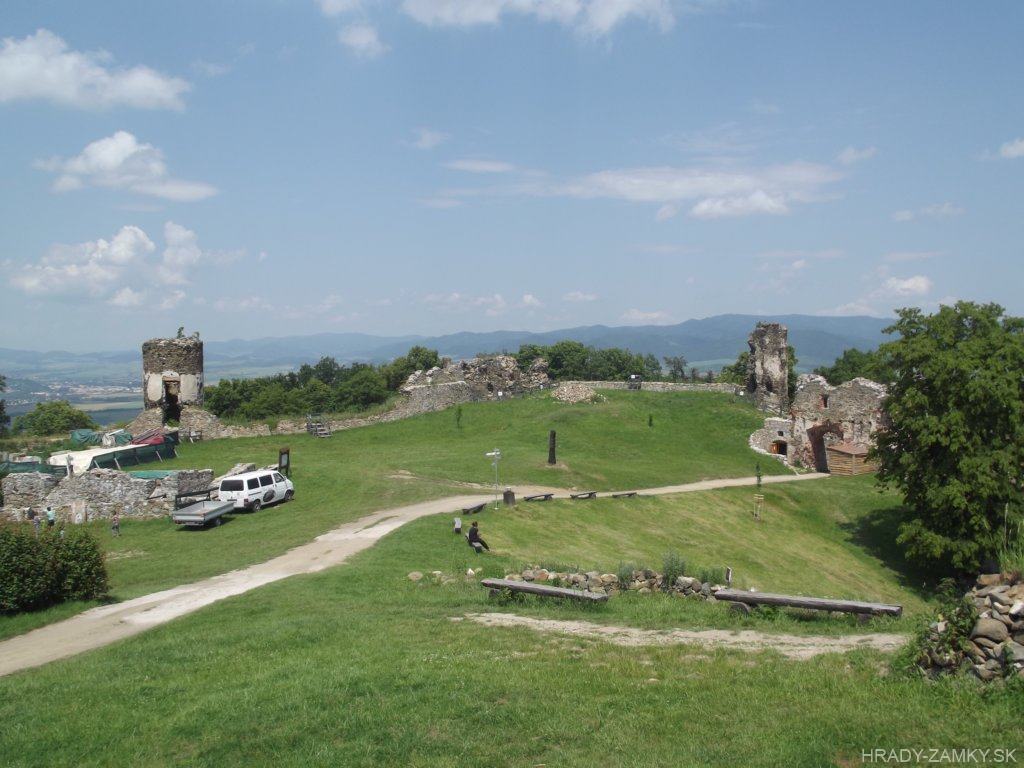
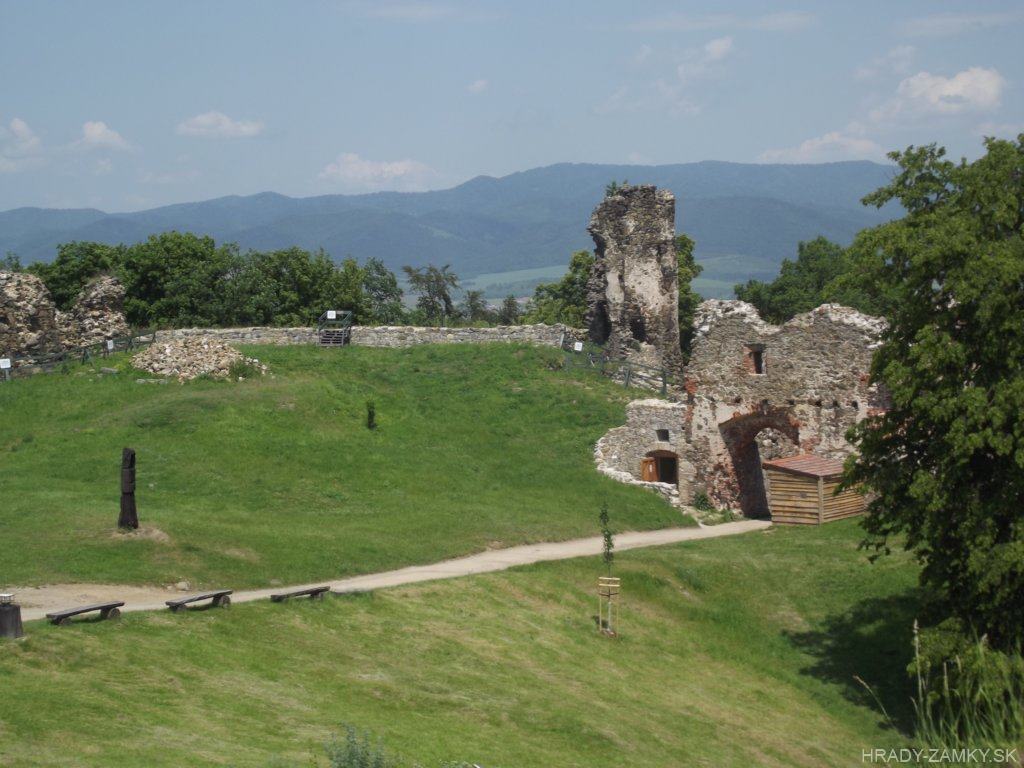
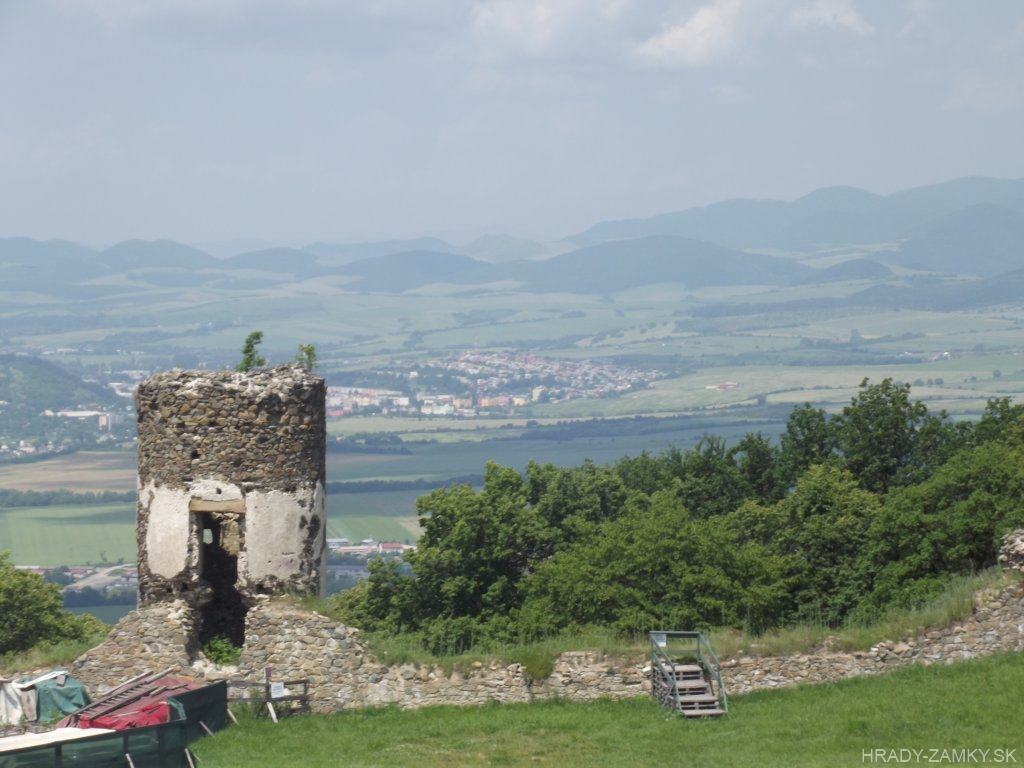
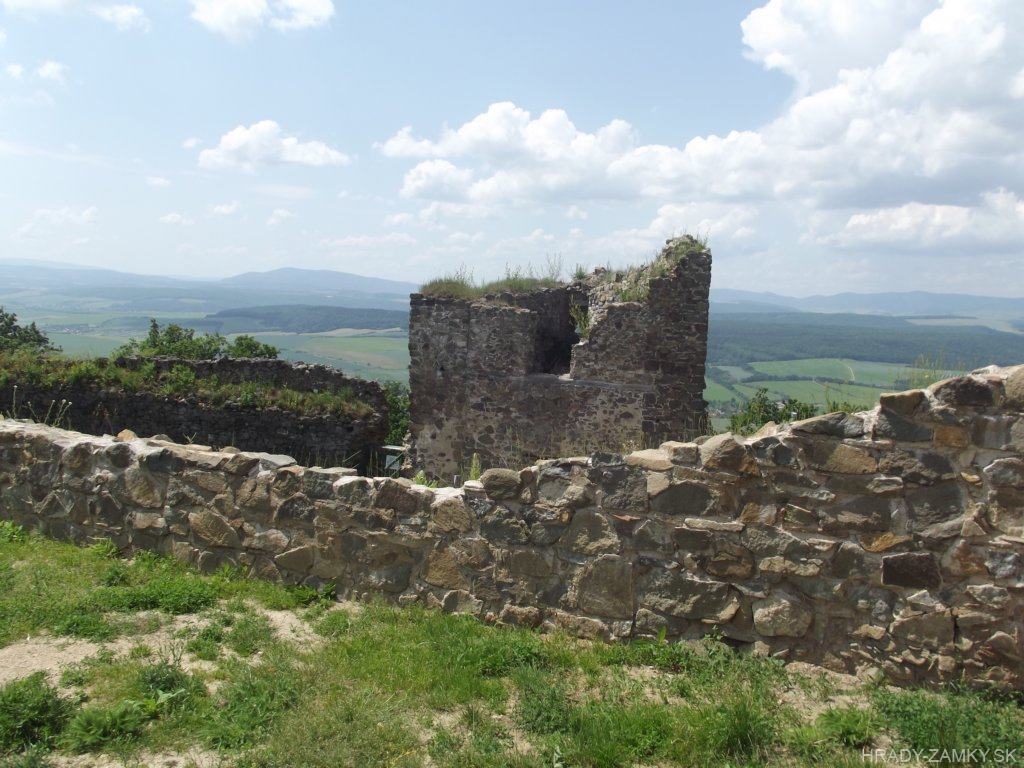
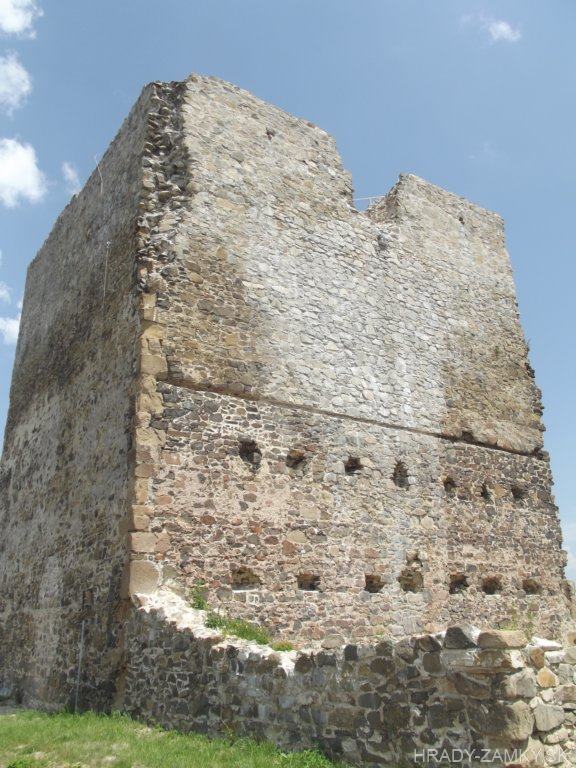
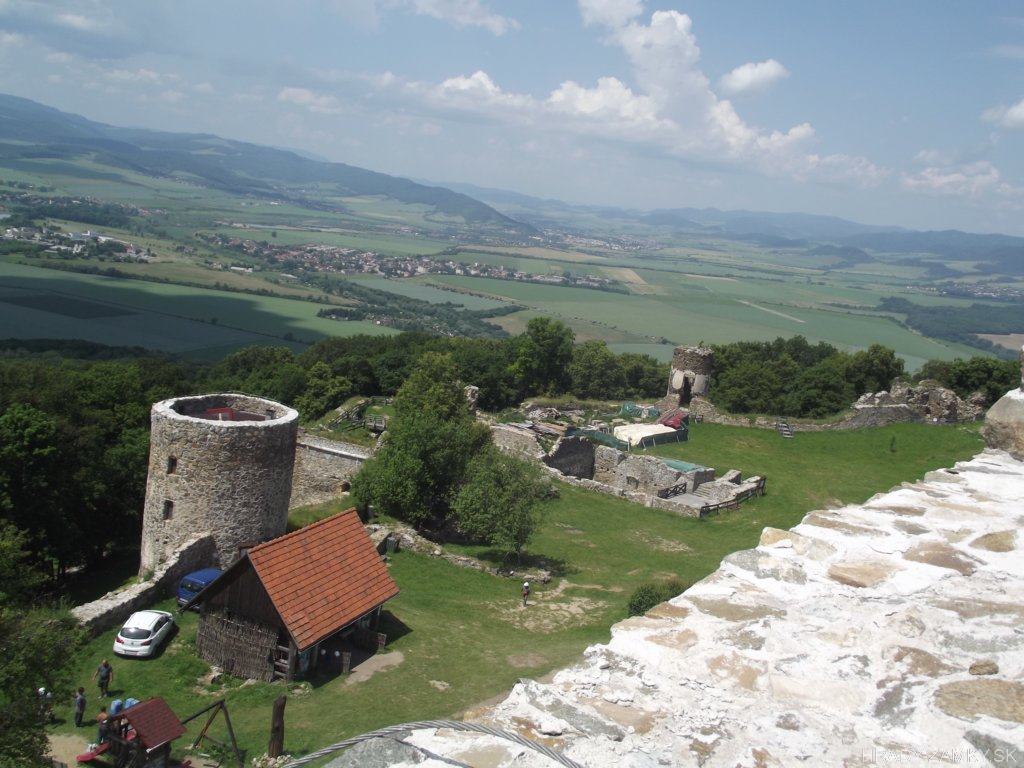
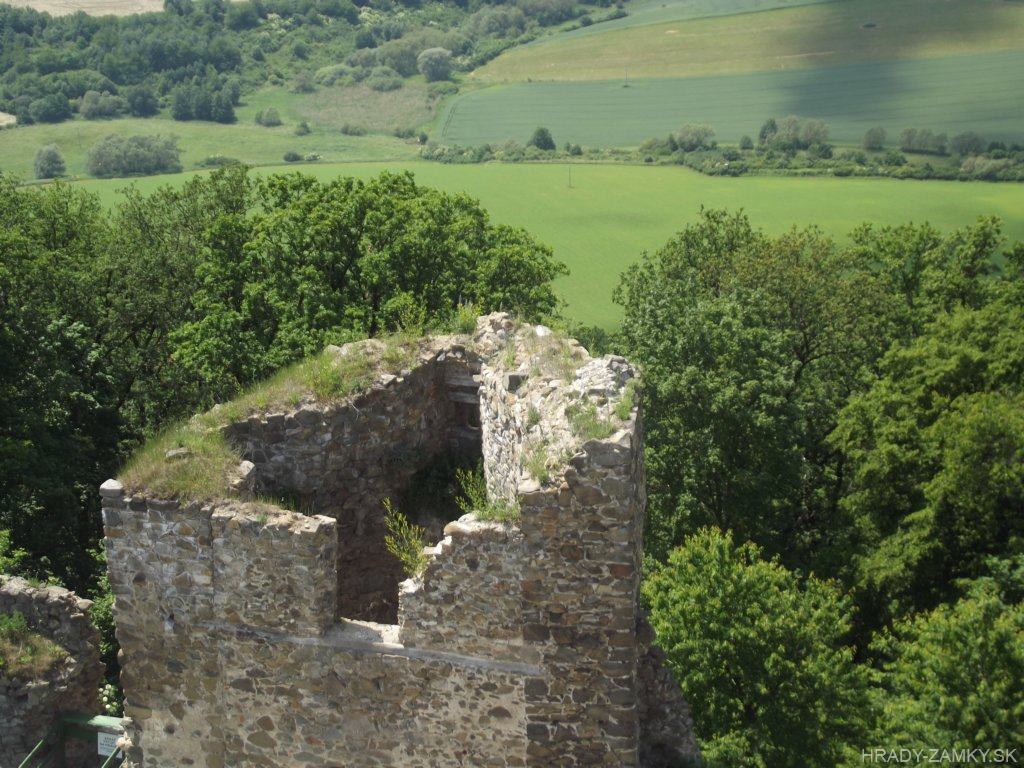
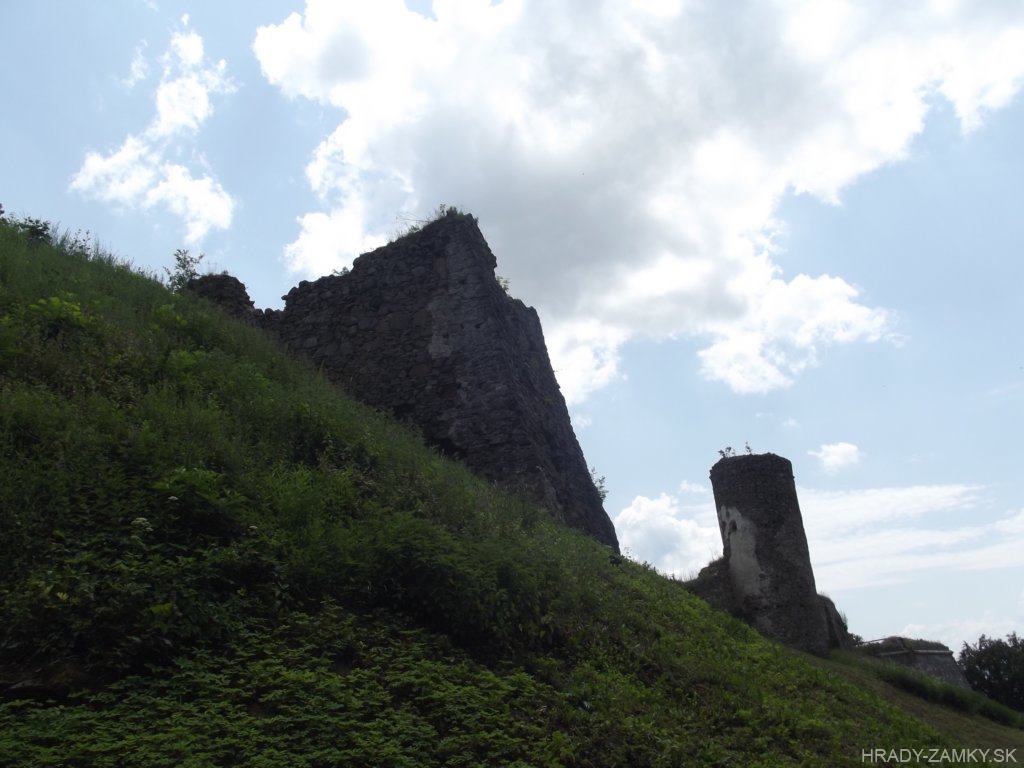
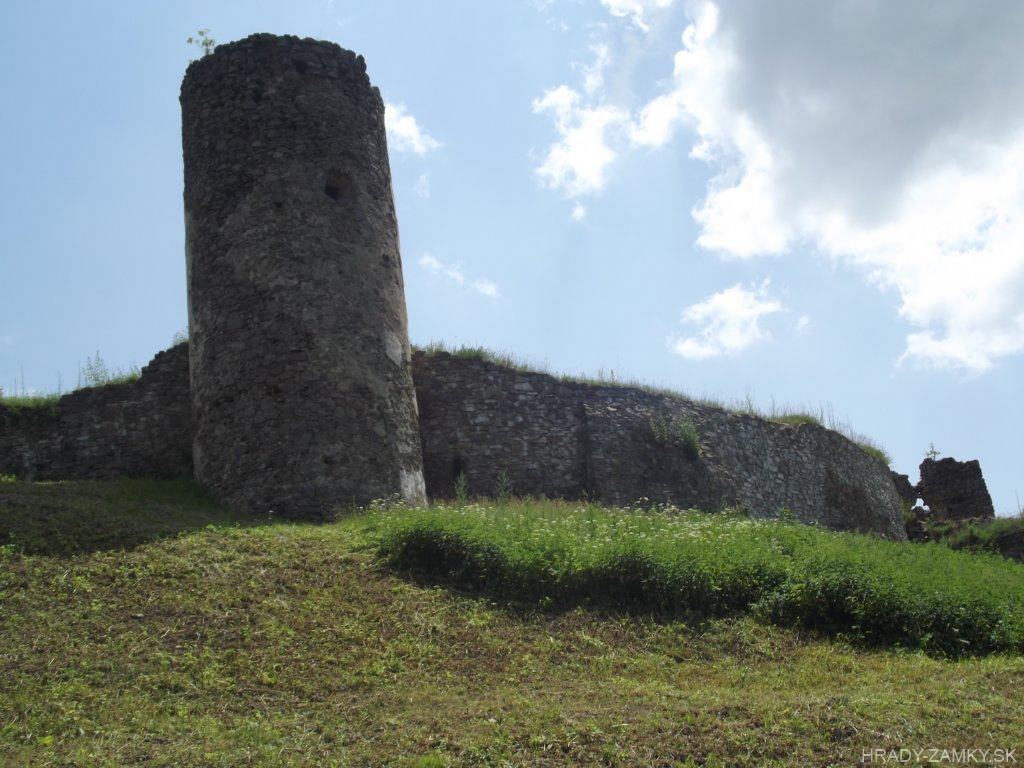
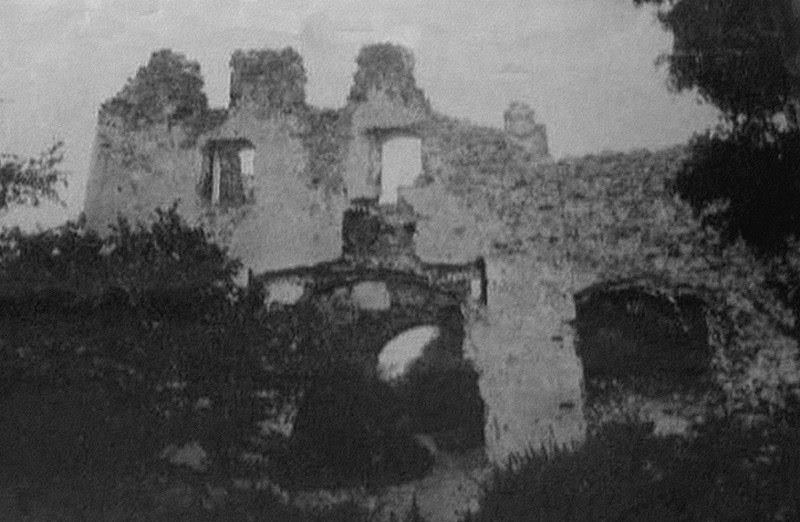
From the original castle is preserved the core, which is a massive prismatic tower (13.2m x 13.2m), which served for housing. At first, donjon was tightly wrapped around a relatively thin wall. Inside there was room for the extension of the accommodation of the castle family. An irregular round tower has been preserved from the bailey.The castle fortifications are preserved, including bastions. The central tower - donjon - provides a very good view of the surroundings. The castle is one of the largest medieval castles with the highest number of bastions.
Z pôvodného hradu sa zachovalo jadro, ktoré tvorí mohutná hranolová veža (13,2m x 13,2m), ktorá slúžila na bývanie. Spočiatku bol donjon tesne obopínaný pomerne tenkým múrom. Vo vnútri tak zostal priestor na prístavbu ubytovania hradnej čeľade. Z predhradia sa zachovala nepravidelná okrúhla veža.Opevnenie hradu je zachované, vrátane bášt. Centrálna veža - donjon - umožňuje veľmi dobrý výhľad na okolie. Hrad patrí k najrozsiahlejším stredovekým hradom s najvyšším počtom bášt.
Plan
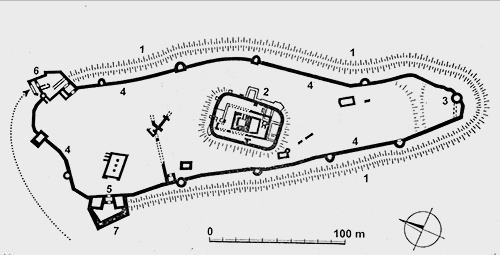
Legend to the ground plan
- 1 - rampart fortification
- 2 - inner castle with donjon
- 3 - watchtower
- 4 - circular wall of the lower castle with bastions
- 5 - original entrance
- 6 - entrance barbican
- 7 - cannon bastion
Legenda k pôdorysu
- 1 - valové opevnenie
- 2 - vnútorný hrad s donjonom
- 3 - strážna veža
- 4 - okružná hradba dolného hradu s baštami
- 5 - pôvodný vstup
- 6 - vstupný barbakan
- 7 - delový bastión
History
The original hill, where the castle is located, was formed by volcanic activity. Hradný vrch has been a cult and sacred mountain since time immemorial, where the oldest religious ceremonies and celebrations in the wild took place. The first building modifications on the castle consisted of a rampart fortification, which was later supplemented by wooden wheels - palisades. The first mention of a castle named Sarus comes from 1245, when probably the original building was already in the stage of reconstruction into a castle. This primary fortress was replaced after the Tartar invasion by the new construction of a stone castle, which is mentioned in a document of King Bel IV. in 1262. The castle was built to protect the north-south trade route through the Torysa River valley. It has been a royal castle since the beginning of its existence. The impending Tatar danger as early as 1241 was the reason why part of the administration from the flat Abov was transferred to the administration of the castle. This laid the foundations for the establishment of the Saris Committee, as the first administrative organization of our territory, and the castle became the seat of the Saris counties (comes).
At the beginning of the 14th century, the castle was seized by the family of Omodejov, enemies of King Karol Róbert. The new owners expanded the castle with residential and commercial buildings and strengthened its fortifications. Castle Captain Demeter terrorized the surrounding towns and the king's loyal peasants from it. After the Battle of Rozhanovce in 1312, it became a royal property again. King Sigismund donated the castle to Peter Perényi in 1405. The castle was also in reserve in 1435 by the lords of Solivar - Sóosovci and in 1439 by Ján Perényi. For a short time, in the years 1441-1460, at the initiative of Queen Elizabeth, the castle was occupied by Ján Jiskra of Brandýs and his captains. In 1461 the castle was besieged by Štefan Zápoľský and by starvation he forced the brothers to surrender. King Matej Korvín returned the castle to the Perényi family, who again expanded the castle and fortified it with a new castle wall. Peter Perényi supported King Ján Zápoľský. In 1537, however, the castle was conquered by the army of the second king Ferdinand I of Habsburg, who appointed Juraj Wernher as the castle captain.
In the 16th century from In 1538, the castle was the seat of the chamber of Upper Hungary for 20 years. The castle became an administratively administered area from the Tatras to the Tisza. Fears of a Turkish raid after the Battle of Mohács strengthened his defense system. At this time, the castle had 200 infantry, 14 bastions, which were connected to the castle walls and thus became an impregnable medieval fortress.
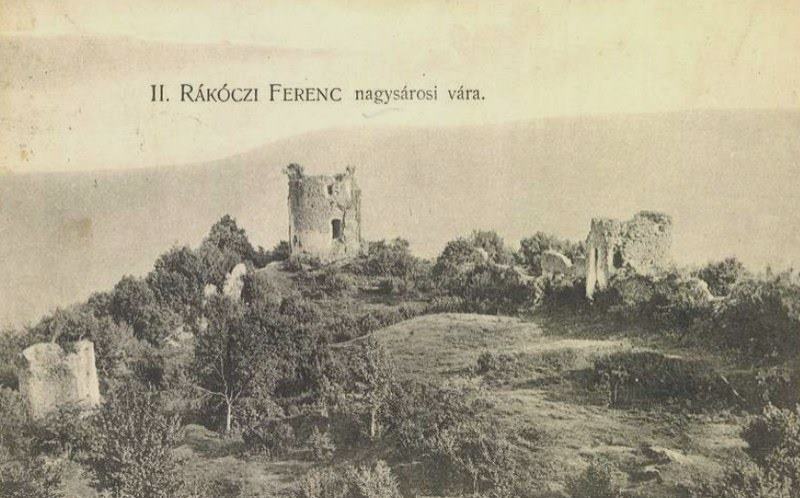
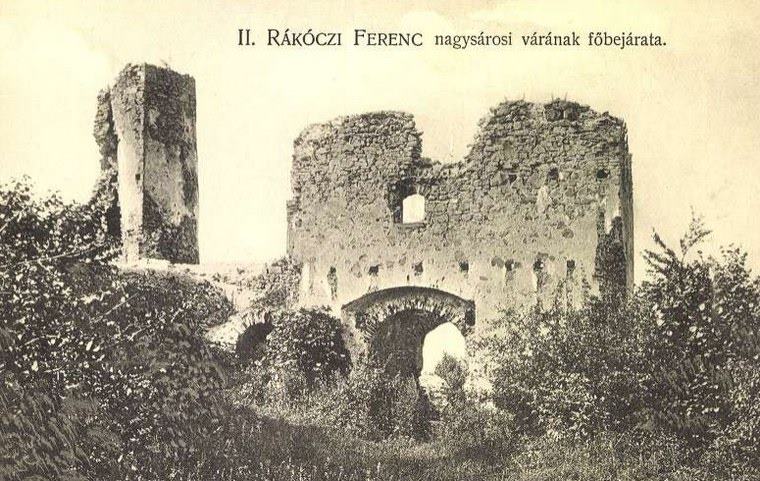
In 1642, the castle came into the possession of the magnate Rákóczi family, who inhabited the magnificent manor house in the castle grounds. However, this massive fortress did not interfere in the subsequent events of the last anti-Habsburg uprisings. In 1660, a gunpowder depot exploded and severely damaged the entire castle. In the following years, therefore, it was used only to house troops. The castle was intentionally destroyed in 1687. It burned down and was not rebuilt. The last of the Rákóczi family, Prince Francis II of Transylvania. Rákóczi, a well-known Hungarian freedom fighter, died in exile in Turkey and the castle passed into the ownership of the Aspermont family along the female line. It was later owned by the Szirmay family. The last owner of the castle was the royal valet Gejza Puľský. In the 70's and 80's of the 20th century, the restoration of the castle began with more extensive archaeological research. In the next phase, the masonry was preserved and some buildings were completed.
Pôvodný vrch, kde sa hrad nachádza, vznikol sopečnou činnosťou. Hradný vrch bol od nepamäti kultovou a posvätnou horou, kde sa konali najstaršie náboženské obrady a slávnosti vo voľnej prírode. Prvé stavebné úpravy na hrade tvorilo valové opevnenie, ktoré bolo neskôr doplnené o drevené koly – palisády. Prvá zmienka o hrade menom Sarus pochádza z r. 1245, kedy už zrejme pôvodný objekt bol v štádiu prestavby na hrad. Túto prvotnú pevnosť nahradila po tatárskom vpáde novostavba kamenného hradu, ktorý sa spomína v listine kráľa Bela IV. v r.1262. Hrad bol postavený, aby chránil severojužnú obchodnú cestu údolím rieky Torysy. Už od začiatku svojho jestvovania bol kráľovským hradom. Hroziace tatárske nebezpečie ešte v r.1241 bolo príčinou toho, že časť administratívy z rovinatého Abova bola preložená na správu hradu. Tým boli dané základy pre vznik Šarišského komitátu, ako prvej správnej organizácie nášho územia a hrad sa stal sídlom šarišských županov (comes).
Na začiatku 14. storočia sa hradu zmocnil rod Omodejovcov, nepriateľov kráľa Karola Róberta. Noví majitelia hrad rozšírili o obytné i hospodárske objekty a zosilnili jeho opevnenie. Hradný kapitán Demeter z neho terorizoval okolité mestá a kráľových verných zemanov. Po Bitke pri Rozhanovciach v r.1312 sa stal opäť kráľovským majetkom. Kráľ Žigmund daroval hrad v r.1405 Petrovi Perényimu. Hrad mali v zálohu v r.1435 aj páni zo Solivaru - Sóosovci a v r.1439 Ján Perényi. Na krátky čas, v rokoch 1441-1460, na podnet kráľovnej Alžbety obsadil hrad Ján Jiskra z Brandýsa a jeho kapitáni. V r.1461 hrad obliehal Štefan Zápoľský a vyhladovaním donútil bratríkov ku kapitulácii. Kráľ Matej Korvín hrad vrátil Perényiovcom, ktorí hrad opäť rozšírili a opevnili novým hradným múrom. Peter Perényi podporoval kráľa Jána Zápoľského. V r.1537 však hrad dobylo vojsko druhého kráľa Ferdinanda I. Habsburského, ktorý za hradného kapitána vymenoval Juraja Wernhera.
V 16. storočí od r. 1538 bol hrad sídlom komory Horného Uhorska celých 20 rokov. Z hradu sa stalo administratívne spravované územie od Tatier po Tisu. Obavy z nájazdov Turkov po bitke pri Moháči spôsobili posilnenie jeho obranného systému. V tomto čase mal hrad 200 pešiakov, 14 bášt, ktoré boli prepojené s hradnými múrmi a stal sa tak nedobytnou stredovekou pevnosťou.
V roku 1642 sa hrad dostal do držby magnátskeho rodu Rákócziovcov, ktorí obývali honosný kaštieľ v podhradí. Táto mohutná pevnosť však nezasiahla do nasledujúcich udalostí posledných protihabsburských povstaní. V roku 1660 vybuchol sklad pušného prachu a celý hrad značne poškodil. V nasledujúcich rokoch ho preto používali iba na ubytovanie vojska. Hrad bol v roku 1687 úmyselne zničený. Vyhorel a viac nebol obnovený. Posledný z Rákócziovcov, sedmohradské knieža František II. Rákóczi, známy bojovník za slobodu Uhorska, zomrel vo vyhnanstve v Turecku a hrad prešiel po ženskej línii do vlastníctva rodu Aspermont. Neskôr ho vlastnili Szirmayovci. Posledným vlastníkom hradu bol kráľovský komorník Gejza Puľský.
V 70. a 80.rokoch 20.storočia sa začala obnova hradu rozsiahlejším archeologickým výskumom. V ďalšej fáze došlo ku konzervácii muriva a dostavbe niektorých objektov.
Myths and legends
Beautiful Sabina
The young ruler of Šariš Castle once got lost on a hunt in dense forests. In the darkness behind the light, he got to the neighboring castle, where the unknown asked for a night. In the morning he went to take away from his host and then he met his beautiful daughter Sabina, whom his father anxiously guarded from the world. They caught each other's eye on the spot and have been meeting secretly ever since. At the end, the servants of Saris, Bodo, and Gregor Sabina were abducted to the place where the young lord of the castle was waiting for them. Where the castle lord took the lovely one on horseback, he ordered the construction of a town called Sabinov and donated settlements to the abductor - today's Gregorovce and Bodovce.
Krásna Sabina
Na poľovačke v hustých lesoch sa raz stratil mladý vládca Šarišského hradu. Za tmy idúcky za svetlom sa dostal na susedný hrad, kde nepoznaný požiadal o nocľah. Ráno sa išiel odobrať od svojho hostiteľa a vtedy stretol jeho krásnu dcéru Sabinu, ktorú otec úzkostlivo strážil pred svetom. Na mieste si padli do oka a odvtedy sa tajne stretávali. Na koniec sluhovia šarišského pána Bodo a Gregor Sabinu uniesli na miesto, kde ich čakal mladý hradný pán. Tam, kde hradný pán milú sám vzal na koňa, prikázal postaviť mesto s názvom Sabinov a pomocníkom pri únose daroval osady - dnešné Gregorovce a Bodovce.
Useful information
Opening hours and admission
Otváracia doba a vstupné
External links
Nearby castles
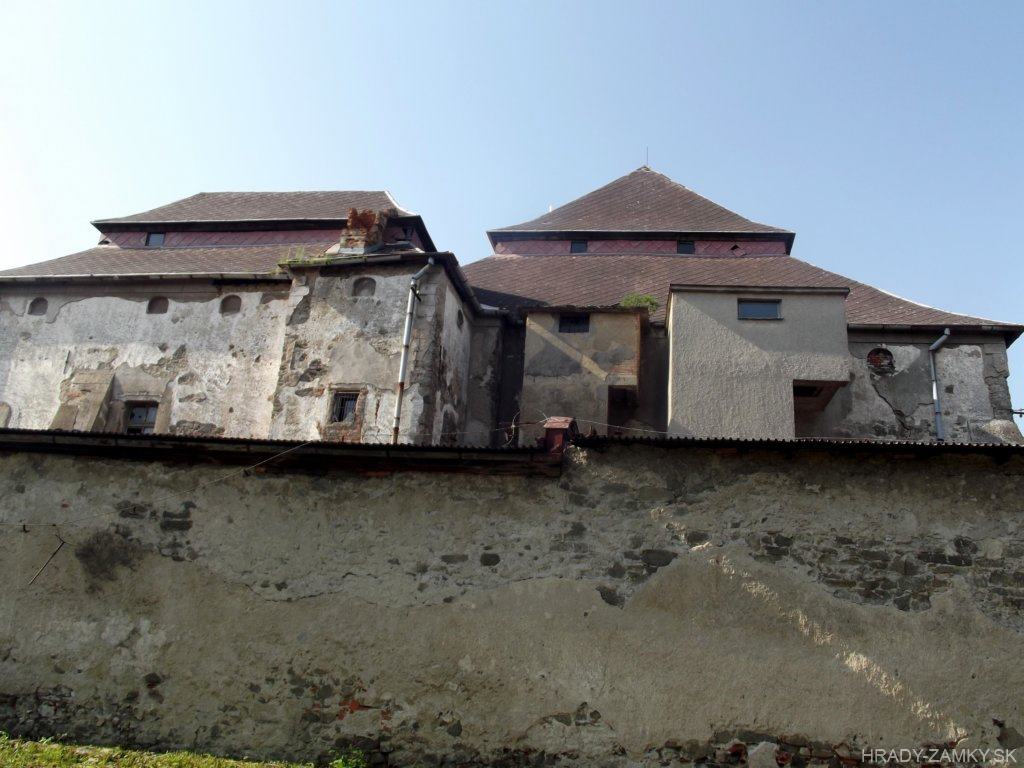
Nižná Šebastová mansion
Nižná Šebastová
8.4km
manor, mansion
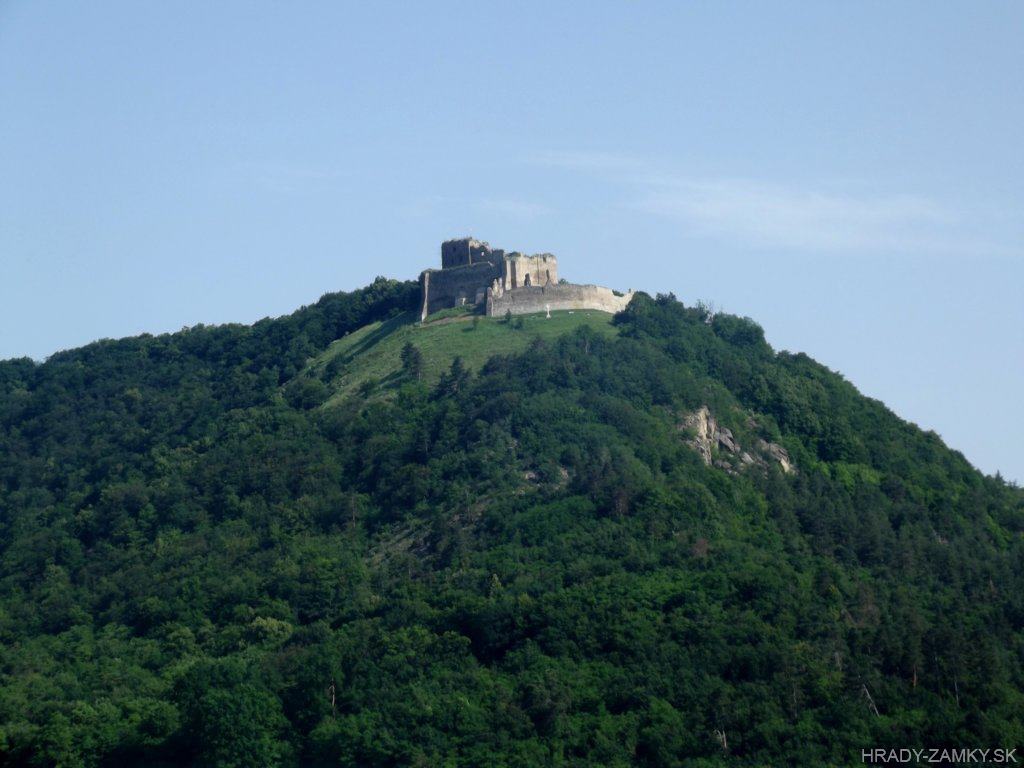
Kapušany castle
Kapušany
10.5km
castle ruin
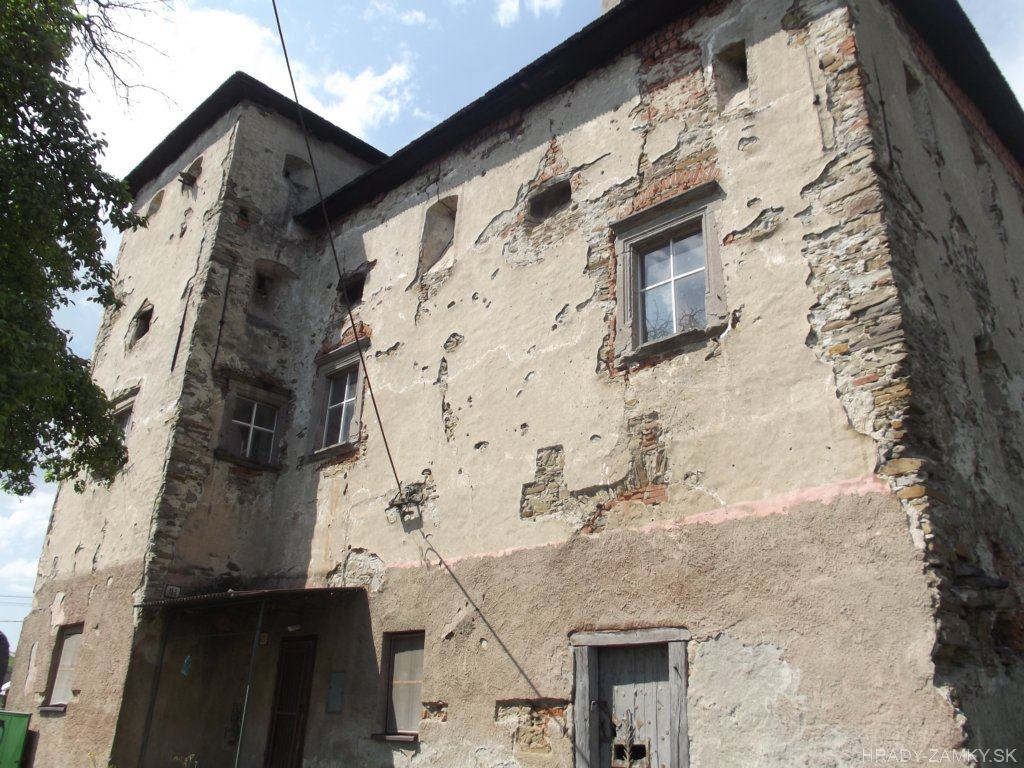
Pečovská Nová Ves
Pečovská Nová Ves
12.9km
manor, mansion
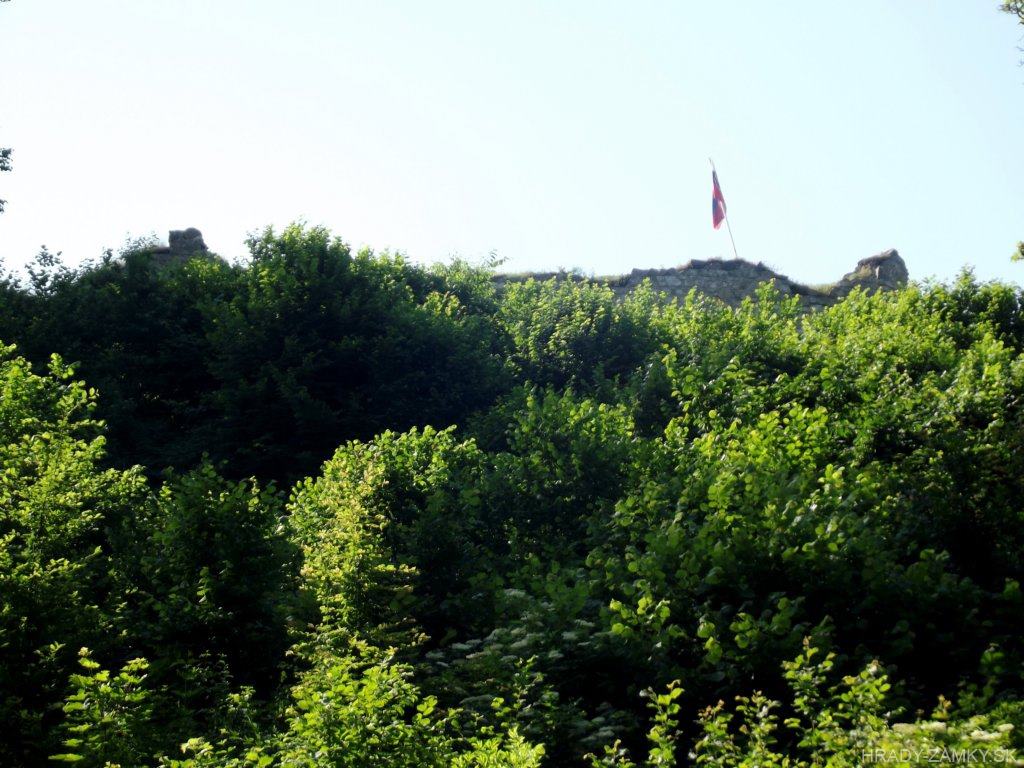
Šebeš castle
Podhradík
14.3km
castle ruin
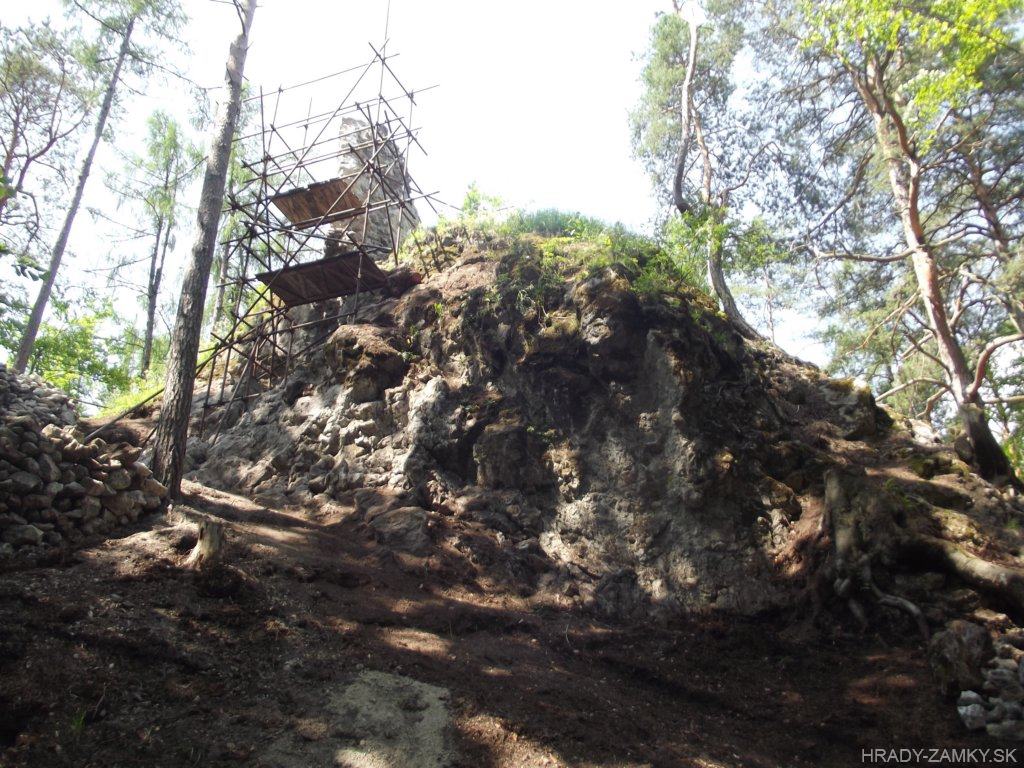
Lipovce
Lipovce
17.5km
castle ruin
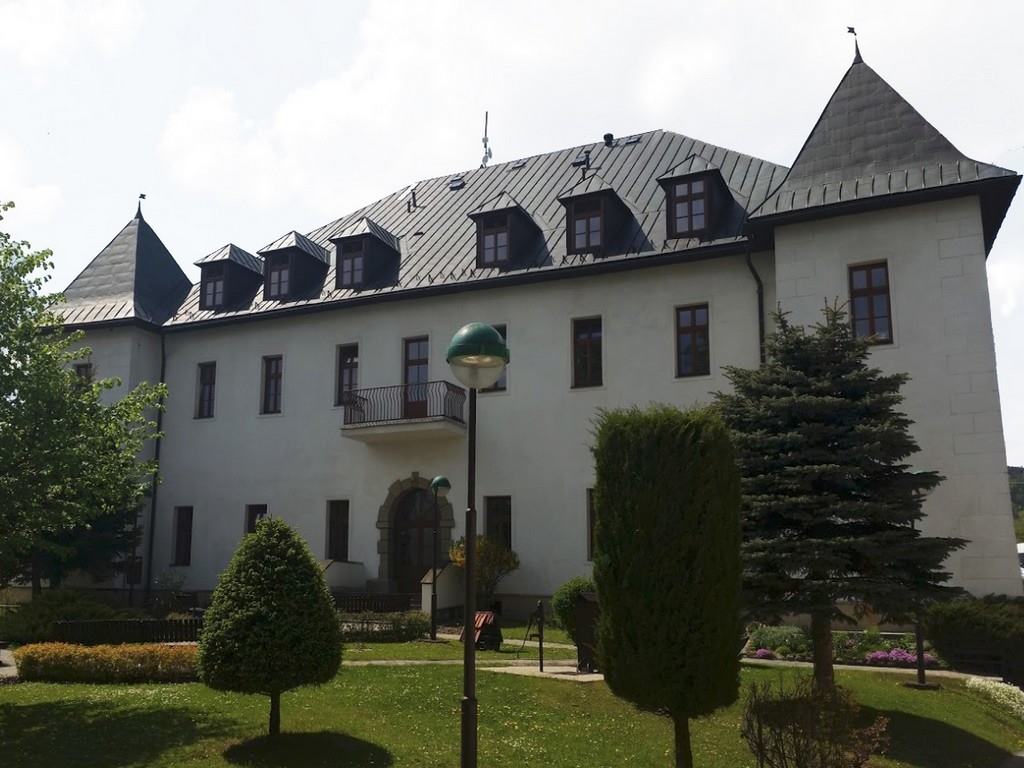
Hertník mansion
Hertník
17.7km
manor, mansion
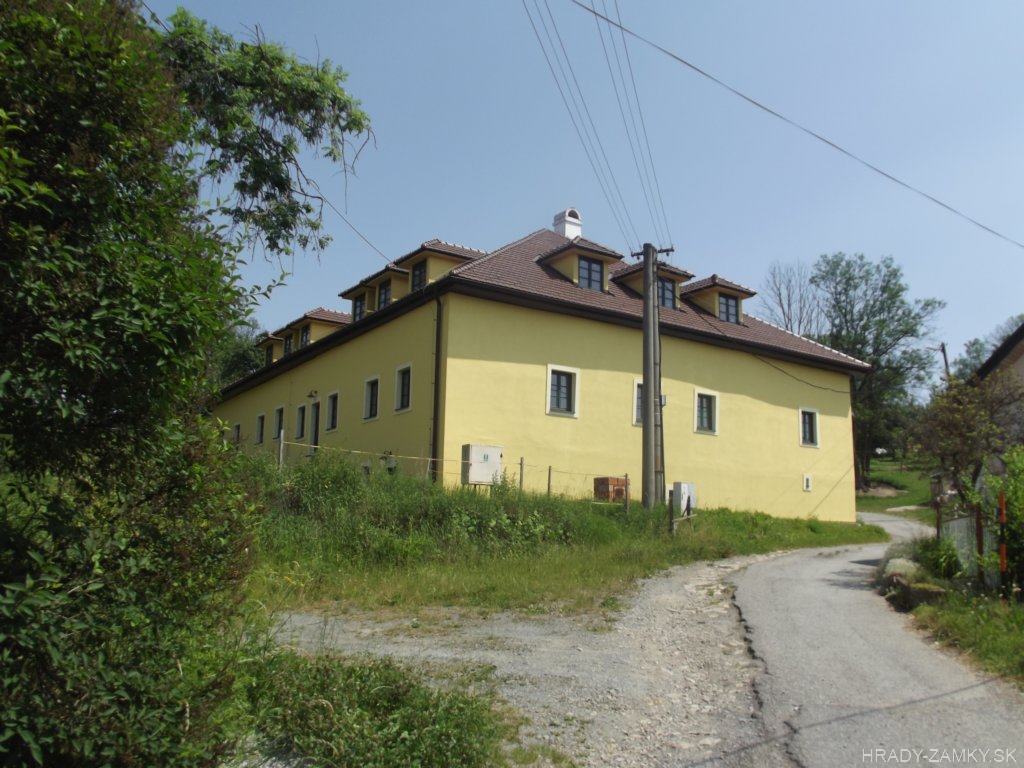
Chmeľov mansion
Chmeľov
19.5km
manor, mansion