Pustý hrad
Zvolen Banská Bystrica county Slovakia
castle ruin
Pustý hrad
Zvolen Banskobystrický kraj Slovakia
zrúcanina hradu
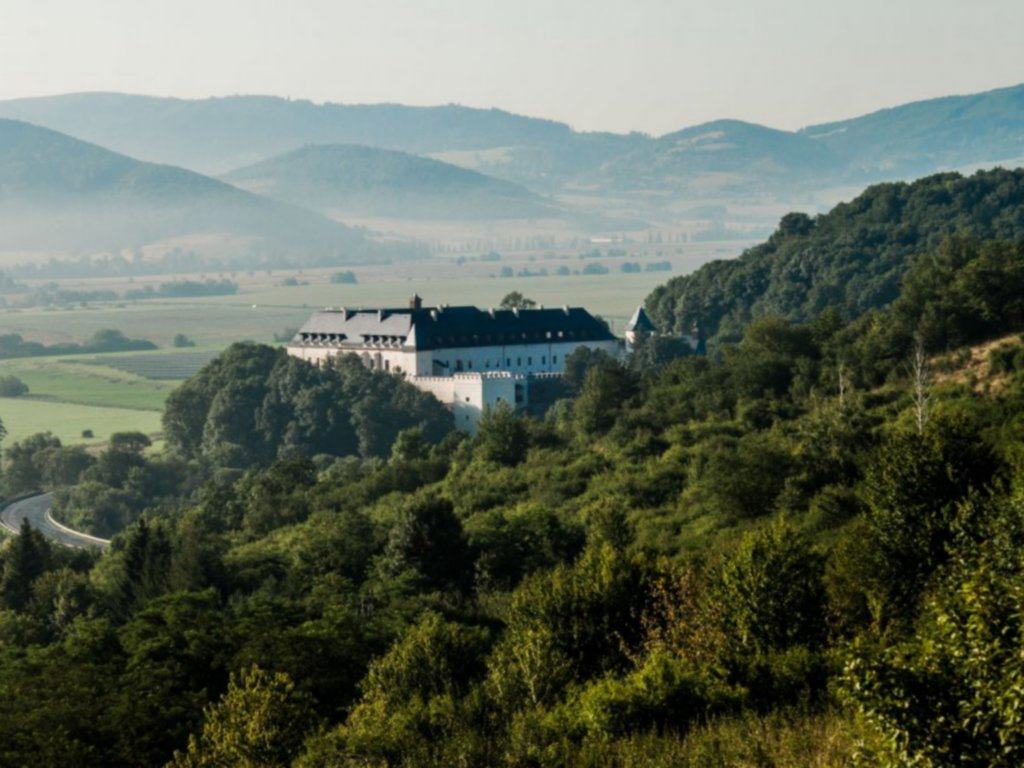
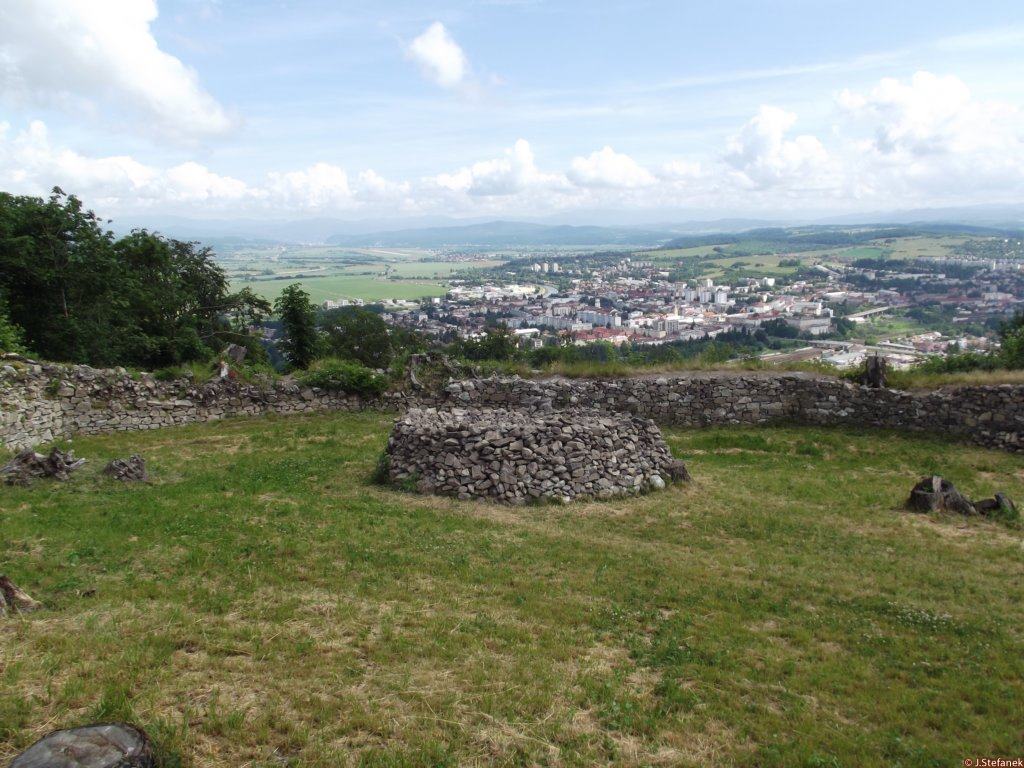
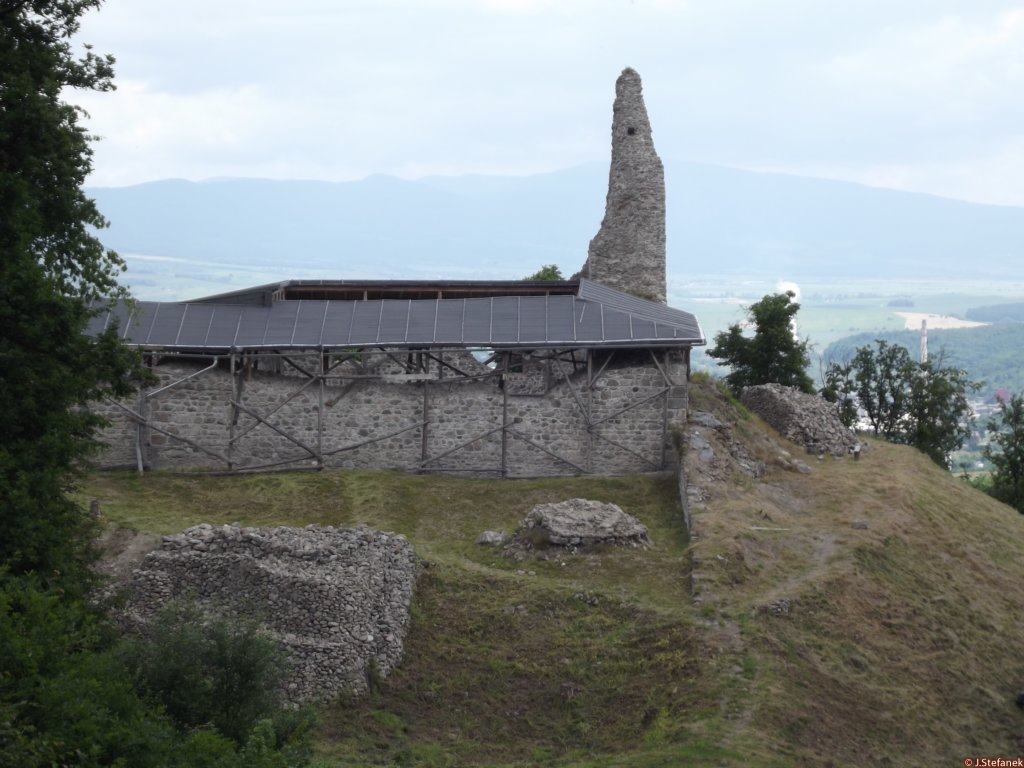
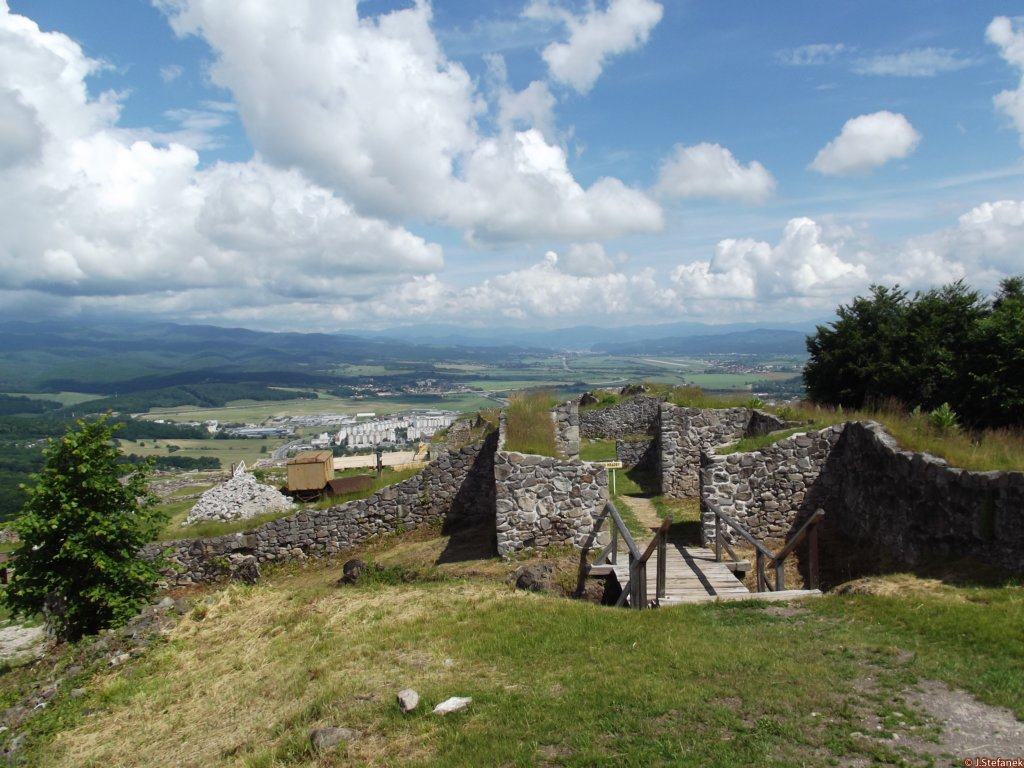
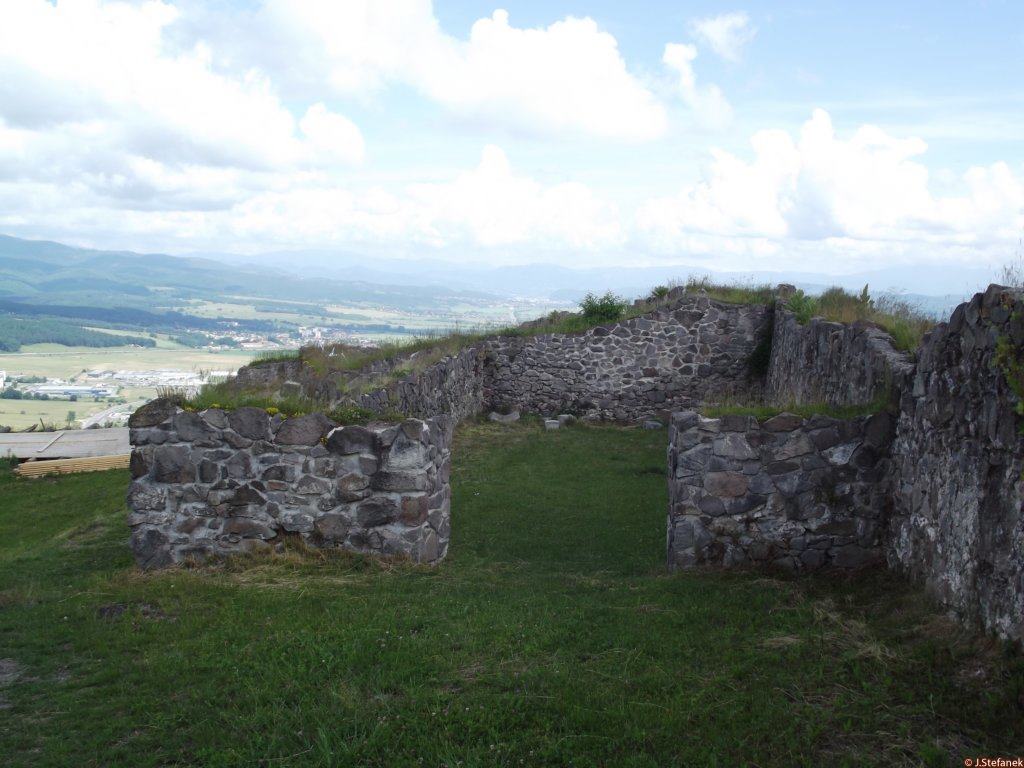
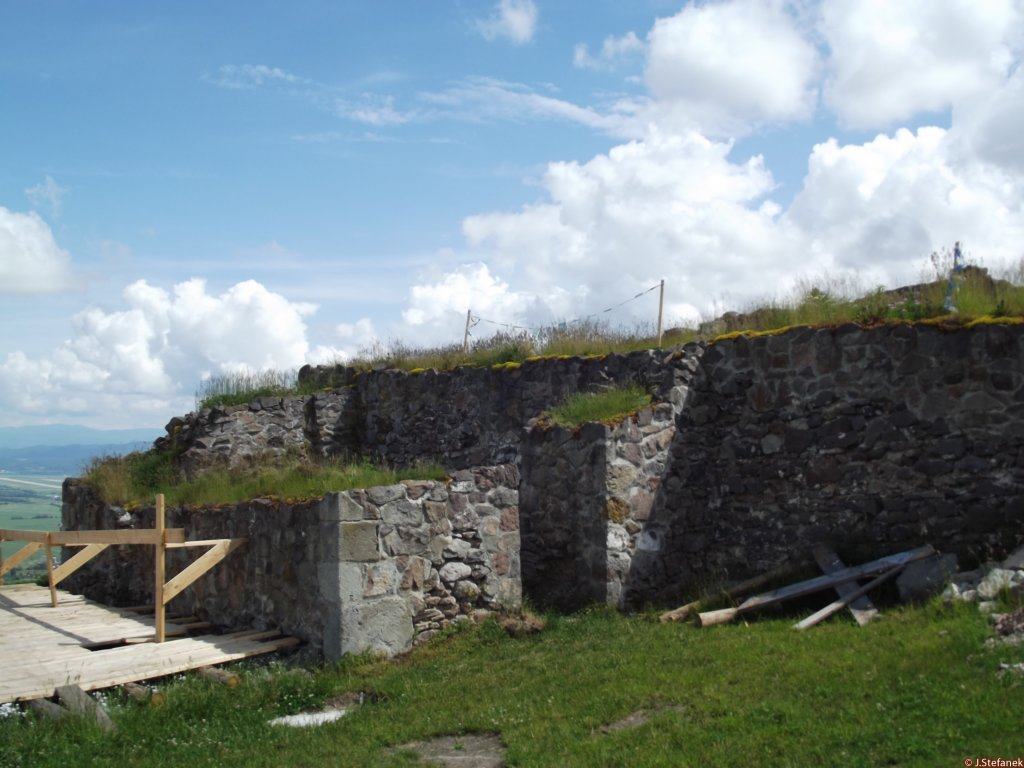
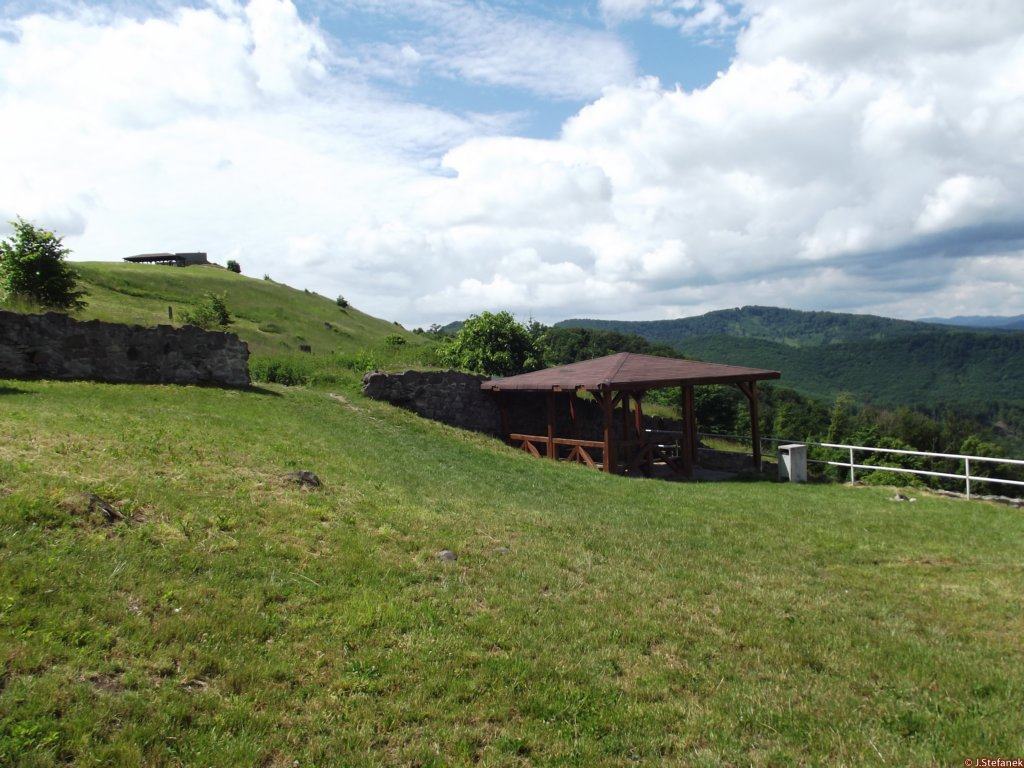
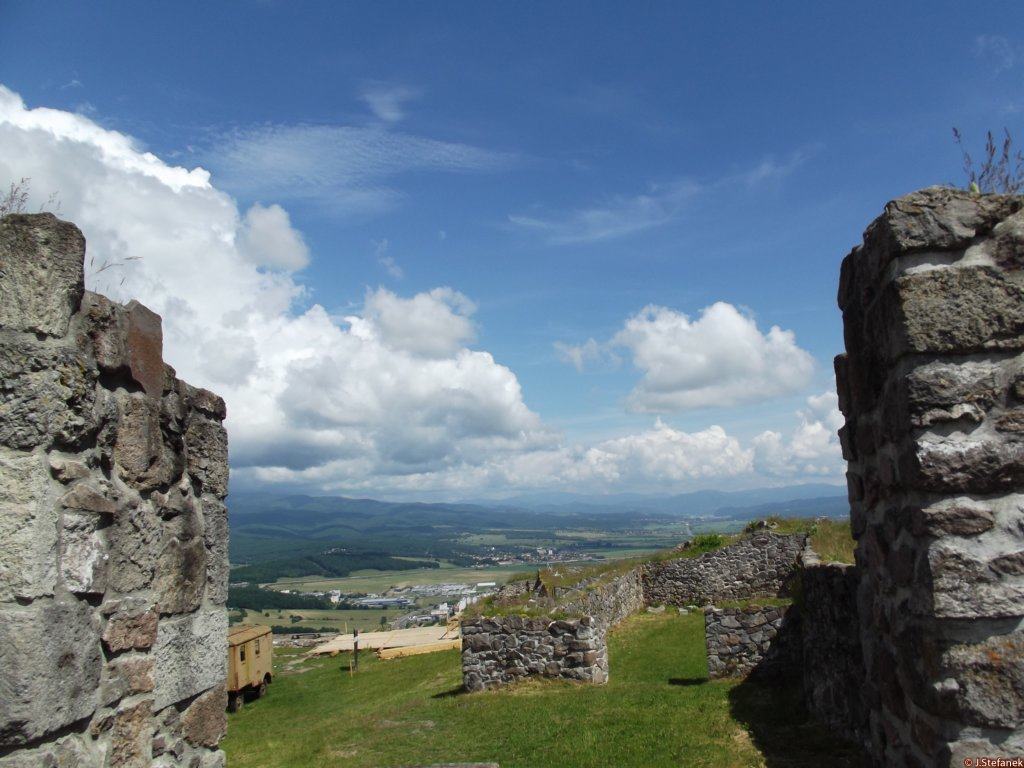
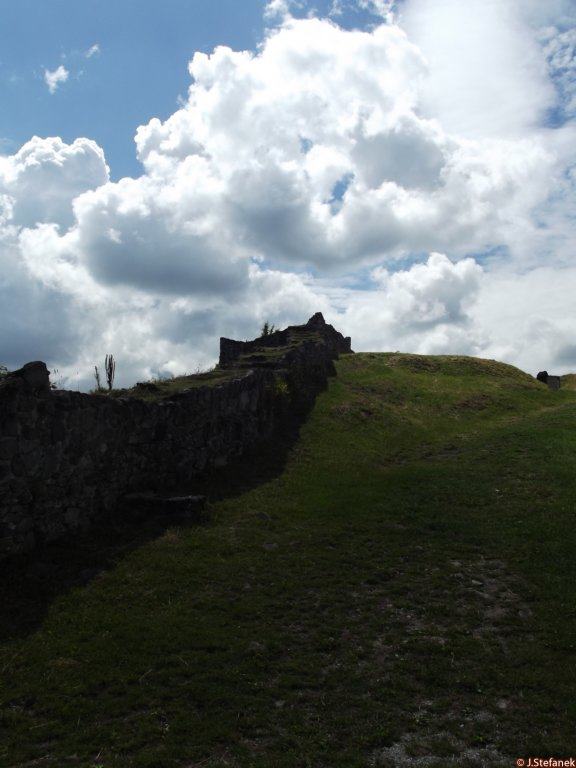
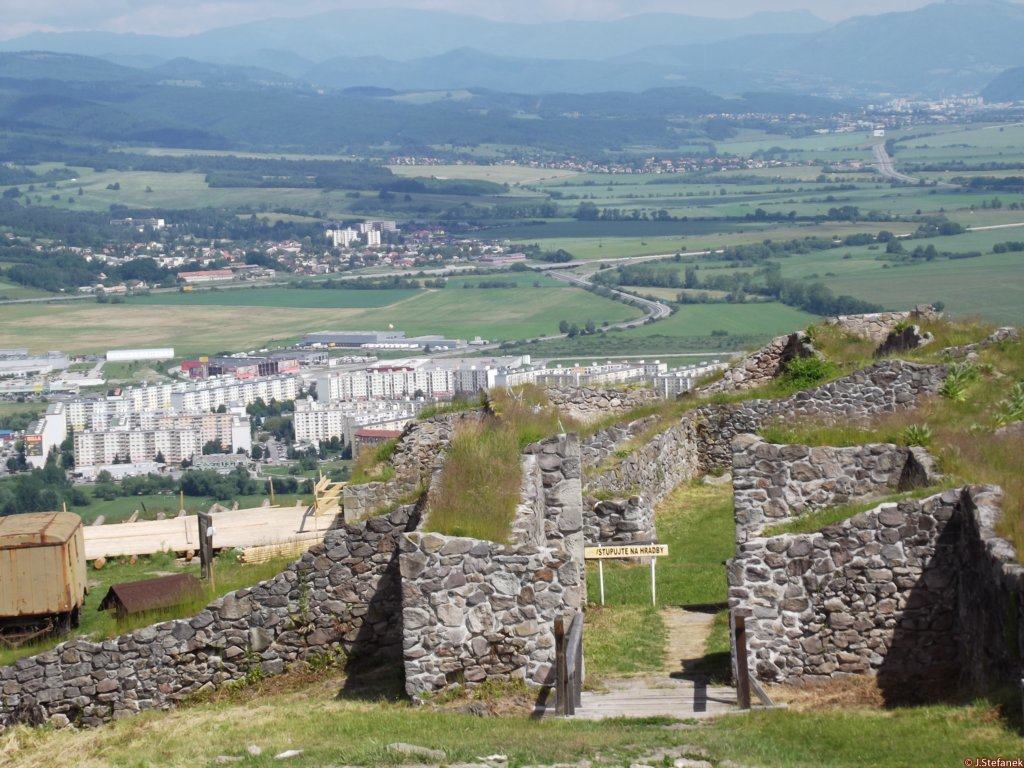
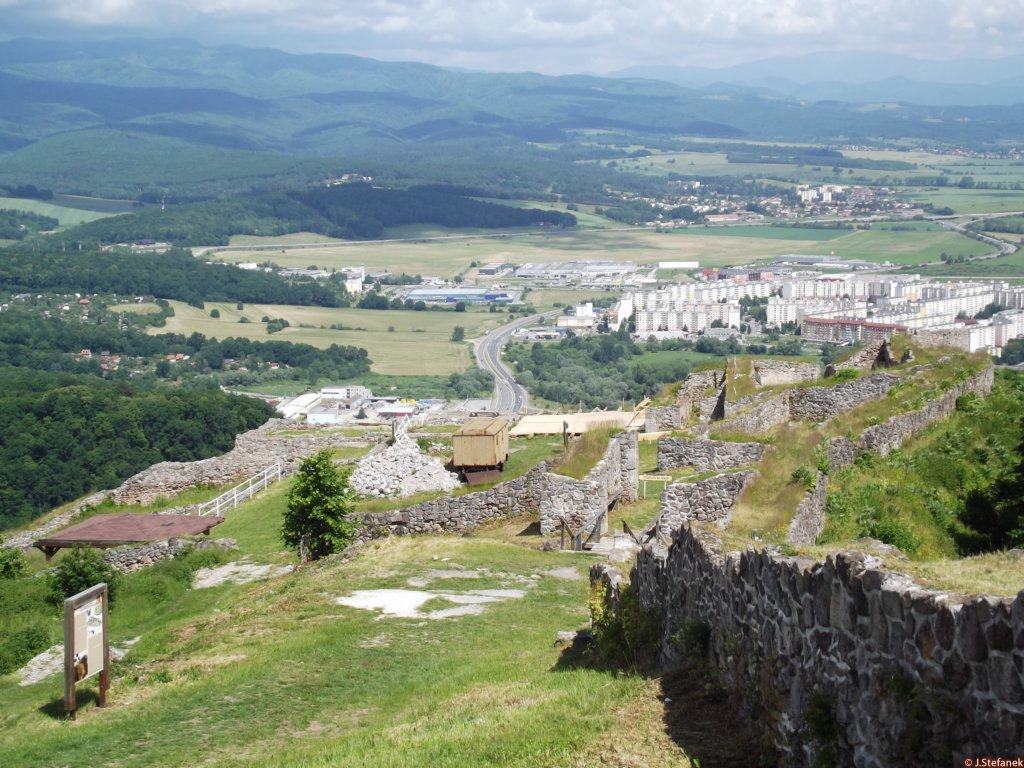
The Pustý hrad, one of the oldest medieval castles in Slovakia, is situated in two levels (lower and upper castle) of the peripheral zone of Javorie above Zvolen basin, on the outskirts of Zvolen
Pustý hrad, jeden z najstarších ranostredovekých hradov na Slovensku, je situovaný v dvoch výškových úrovniach (dolný a horný hrad) okrajového pásma Javoria nad Zvolenskou kotlinou, na okraji mesta Zvolen.
Previous names
Zolum, Zoulum, Zoulum, Zolyo, Starý Zvolen
Roads
Trasa 1: From the center of Zvolen we get to Dobronivská cesta, which then passes into Pod dráhami Street. More challenging and longer ascent to the Pustý hrad starts right at the beginning of Pod dráhami Street, where next to the Collectible raw materials company, we will go a few meters by car, which we will later park along the road. From there, on foot or by bike, follow the blue tourist sign through Sedlo Veľký vrch to the upper castle.
Trasa 1: Z centra mesta Zvolen sa dostaneme na Dobronivskú cestu, ktorá potom prechádza do ulice Pod dráhami. Náročnejší a dlhší výstup na Pustý hrad začína hneď na začiatku ulice Pod dráhami, kde popri zberných surovinách pôjdeme ešte nejaký kus autom, ktoré neskôr popri ceste odstavíme. Odtiaľ peši alebo bicyklom nasledujeme modrú turistickú značku cez Sedlo Veľký vrch až k hornému hradu.
Trasa 2: One of the more demanding routes is the path from the signpost behind the Winter Stadium. We continue along Pod dráhami Street until we pass the Winter Stadium and behind it we find a turnoff, along which we come by car to the ramp and no entry for motor vehicles. From there on foot or by bike to the upper castle.
Trasa 2: K náročnejším trasám patrí aj cesta od rázcestníka za Zimným štadiónom. Pokračujeme ďalej po ulici Pod dráhami, až kým neminieme Zimný štadión a za ním nájdeme odbočku, po ktorej autom prídeme až po rampu a zákaz vjazdu pre motorové vozidlá. Odtiaľ peši alebo bicyklom až k hornému hradu.
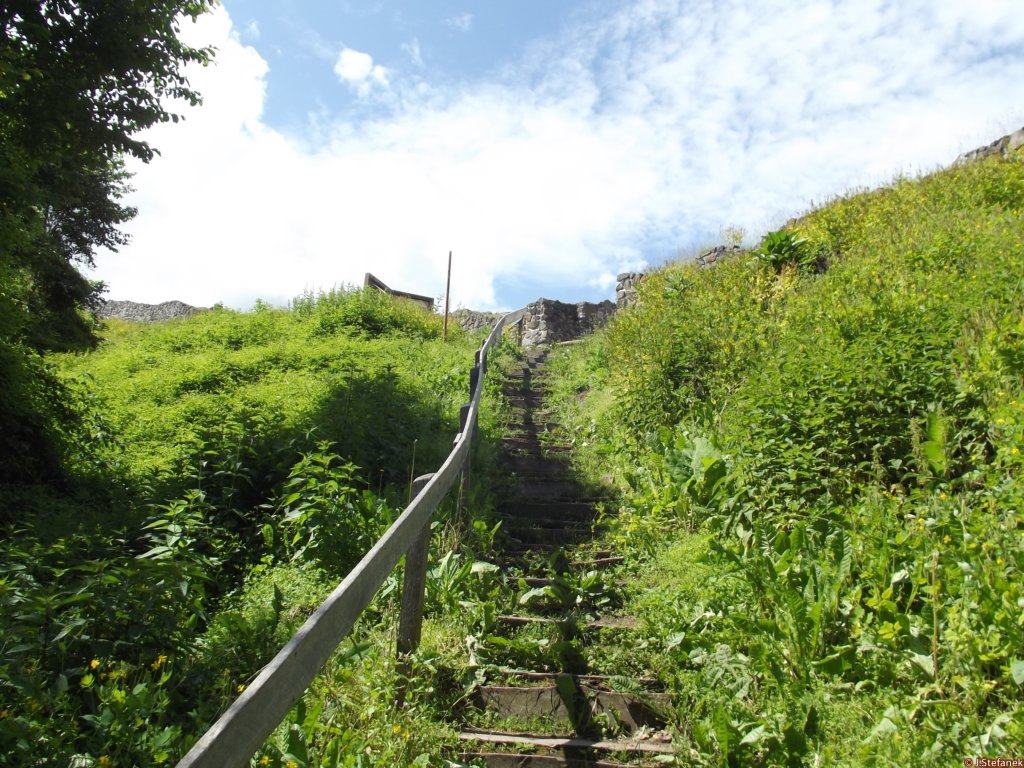
Trasa 3: The recommended route is a short distance from the mentioned turn in route no.2. We continue a few meters further, until on the right we come to a larger parking lot. The blue route starts right opposite the parking lot with wooden stairs and a winding path leads us first to the lower and then to the upper castle.
Trasa 3: Odporúčaná trasa je kúsok od spomínanej odbočky v trase č.2. Pokračujeme ešte pár metrov ďalej, až na pravej strane prídeme k väčšiemu parkovisku. Modrá trasa začína hneď oproti parkovisku drevenými schodmi a kľukatou cestou nás dovedie najprv k dolnému a potom k hornému hradu.
Trasa 4: We continue from the parking lot for a while until the road separates. We will go to the left next to the information board to the Červený Medokýš crossroads and we will park here. From there we continue on foot and at the nearest crossroads we turn left and then join the blue route to the upper castle.
Trasa 4: Od parkoviska pokračujeme ešte hodnú chvíľu ďalej, až kým sa cesta nerozdvojuje. Pôjdeme vľavo popri informačnej tabuli k rázcestiu Červený Medokýš a tu zaparkujeme. Odtiaľ pokračujeme peši a pri najbližšom rázcestí odbočíme vľavo a potom sa napojíme na modrú trasu až k hornému hradu.
Trasa 5: Access from Neresnica, along the green route next to the restaurant by the main road, where we park. Then under the railway bridge to the crossroads Pod Veľkým vrchom. From there on the blue road through Sedlo Veľký vrch to the upper castle.
Trasa 5: Prístup z Neresnice, po zelenej trase popri reštaurácii pri hlavnej ceste, kde zaparkujeme. Ďalej popod železničný most až k rázcestiu Pod Veľkým vrchom. Odtiaľ po modrej cez Sedlo Veľký vrch až k hornému hradu.
Description
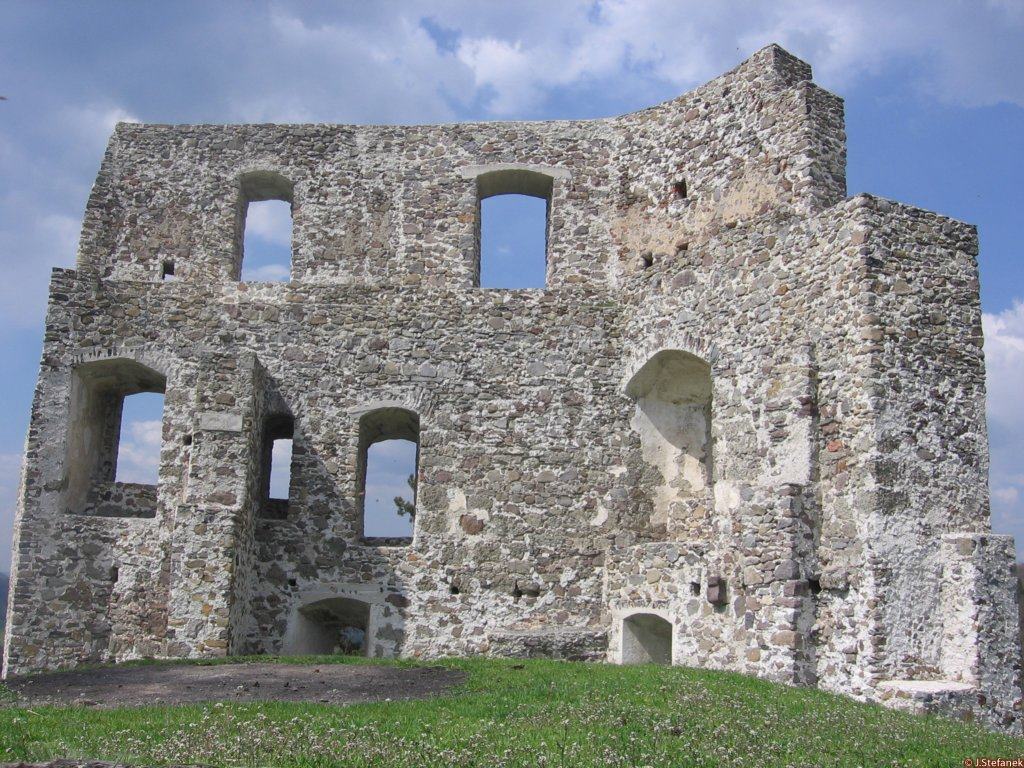
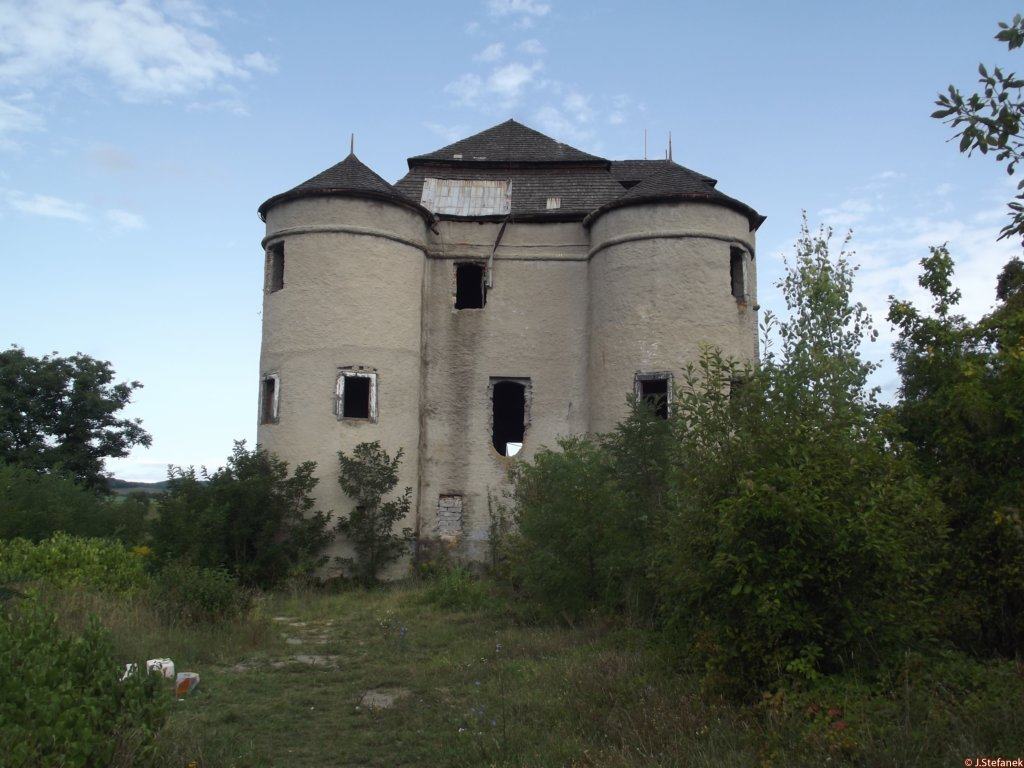
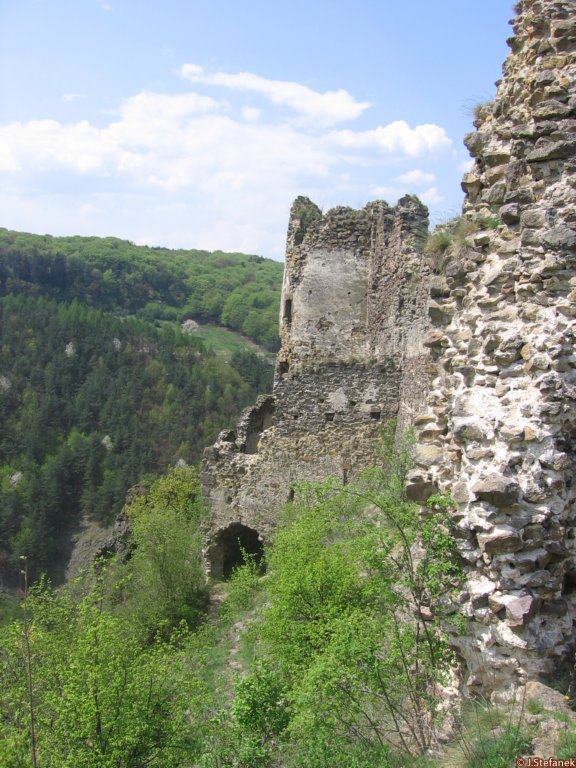
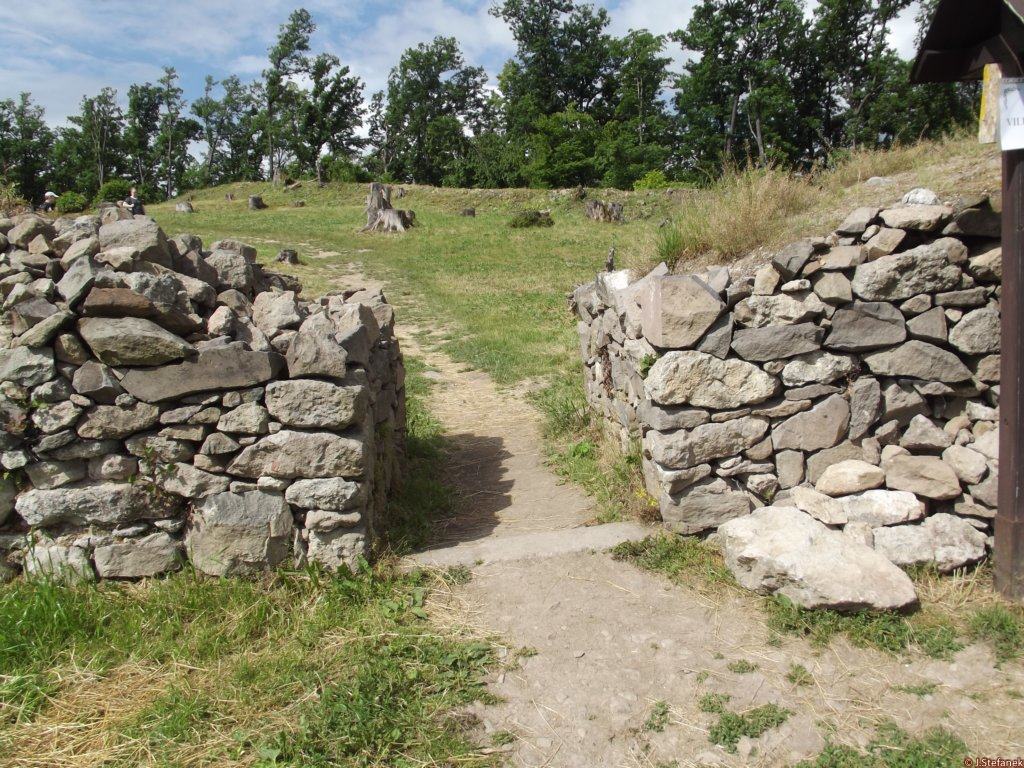
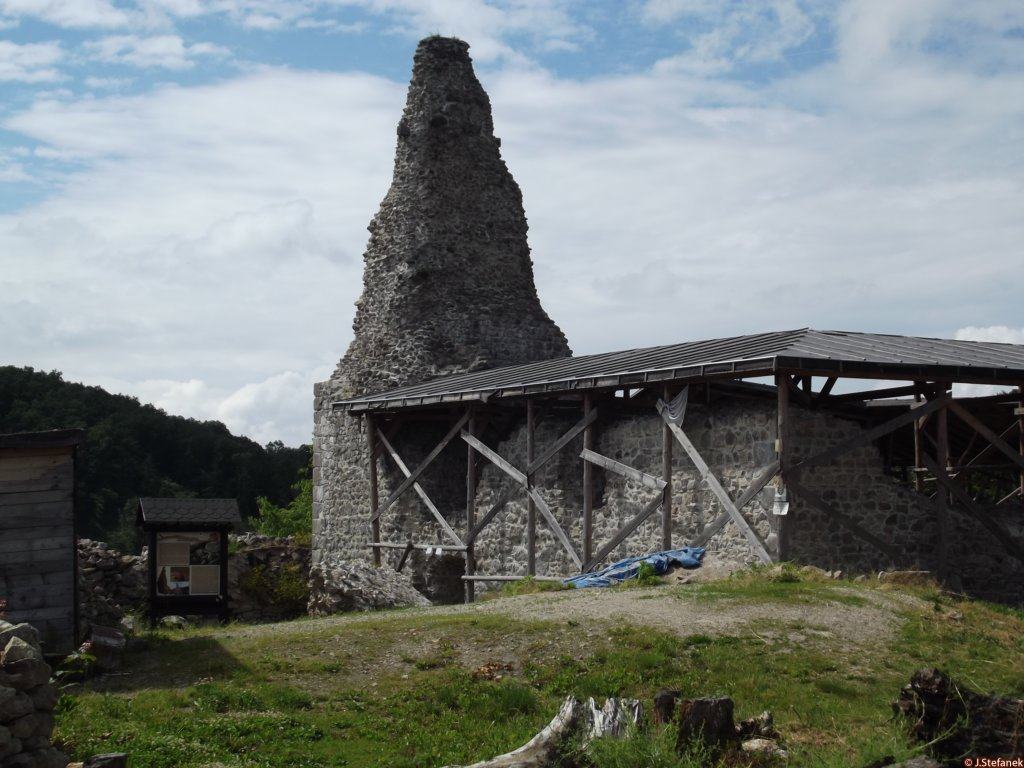
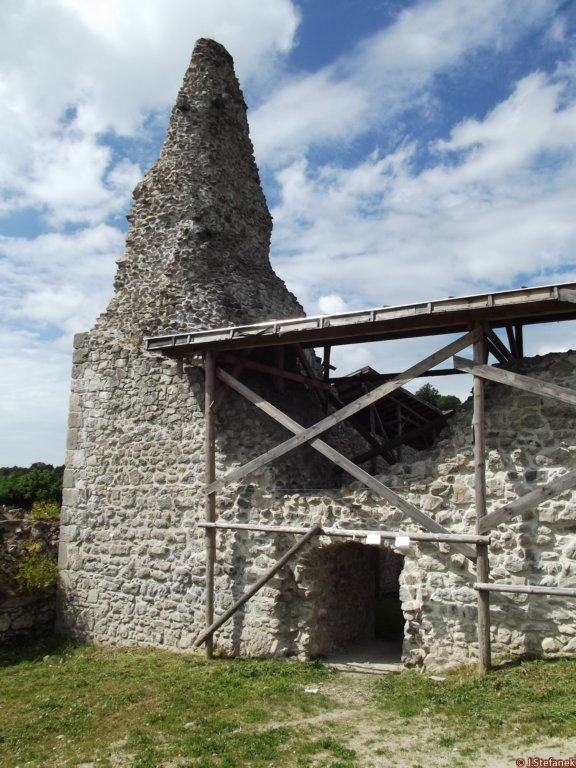
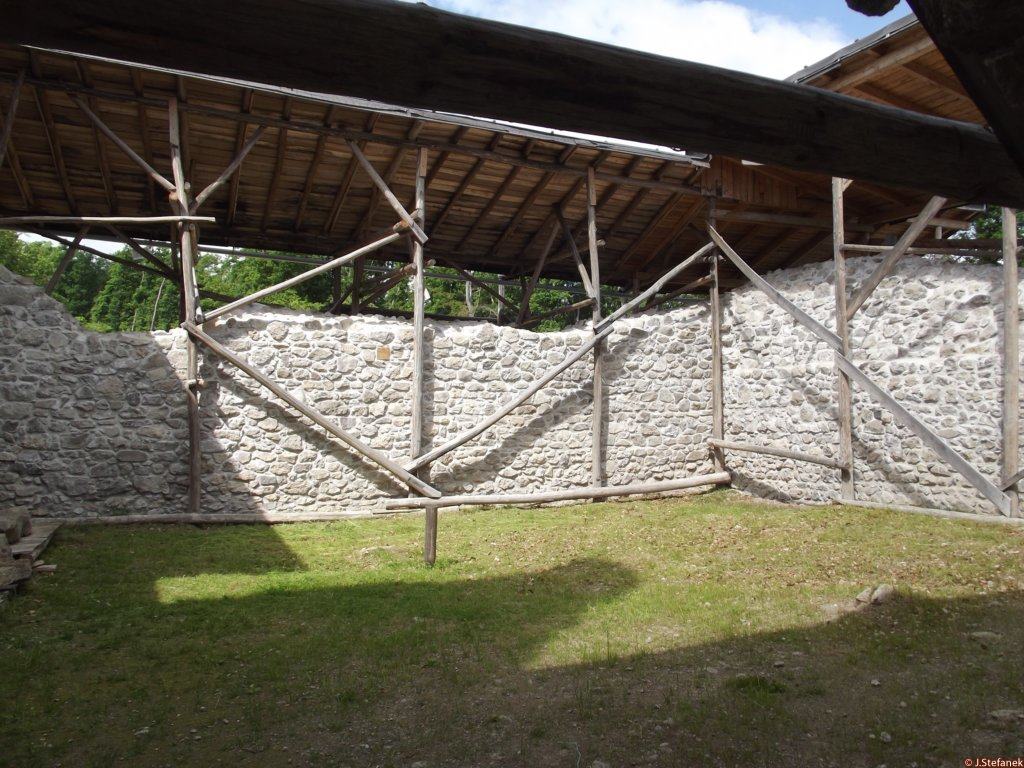
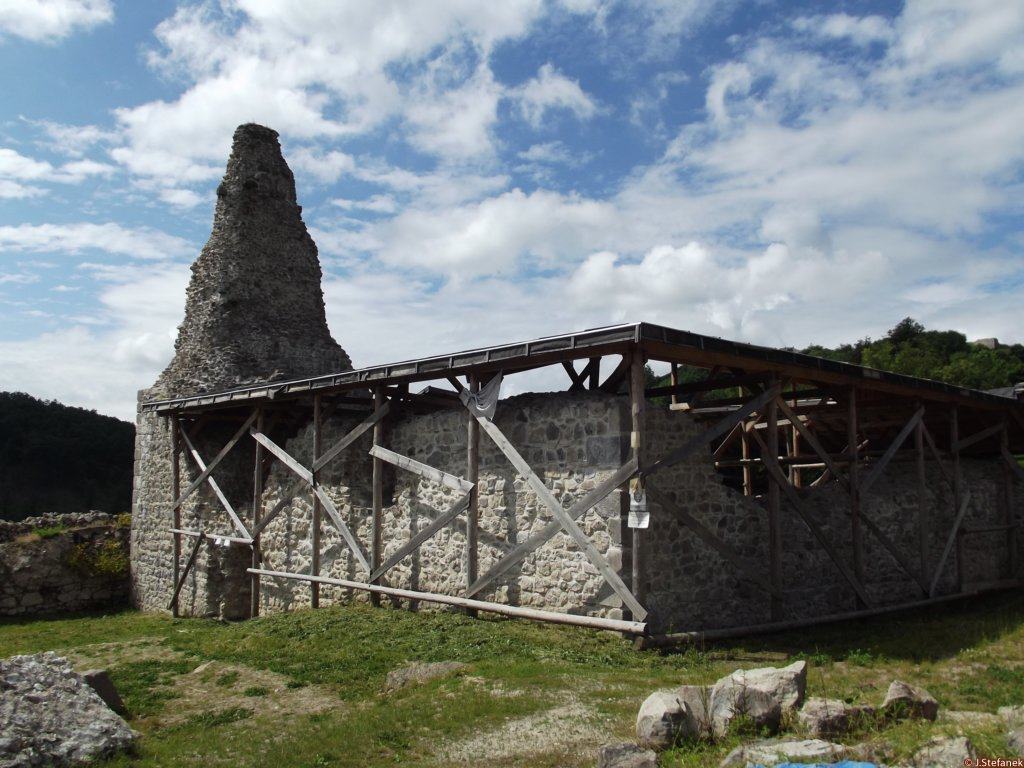
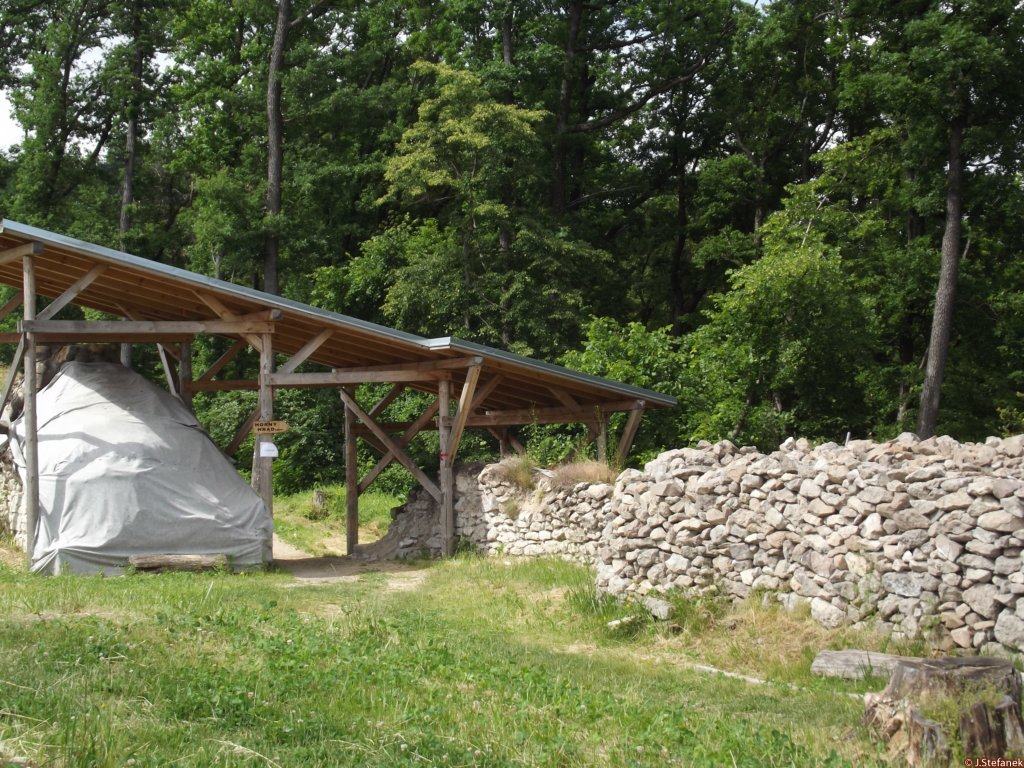
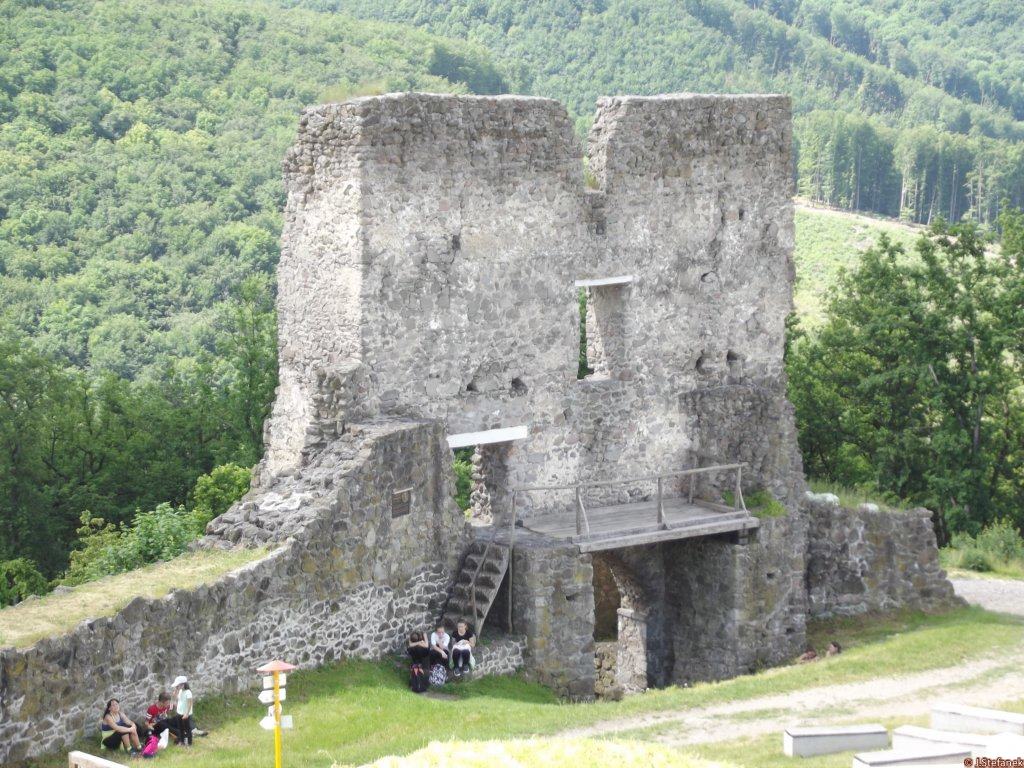
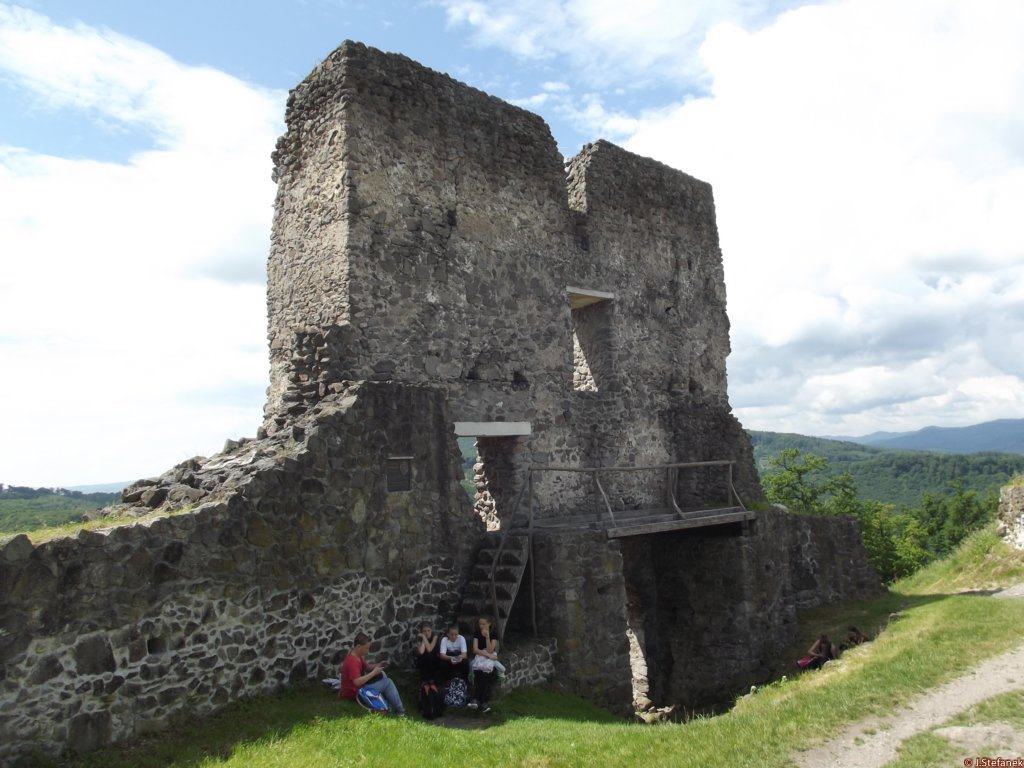
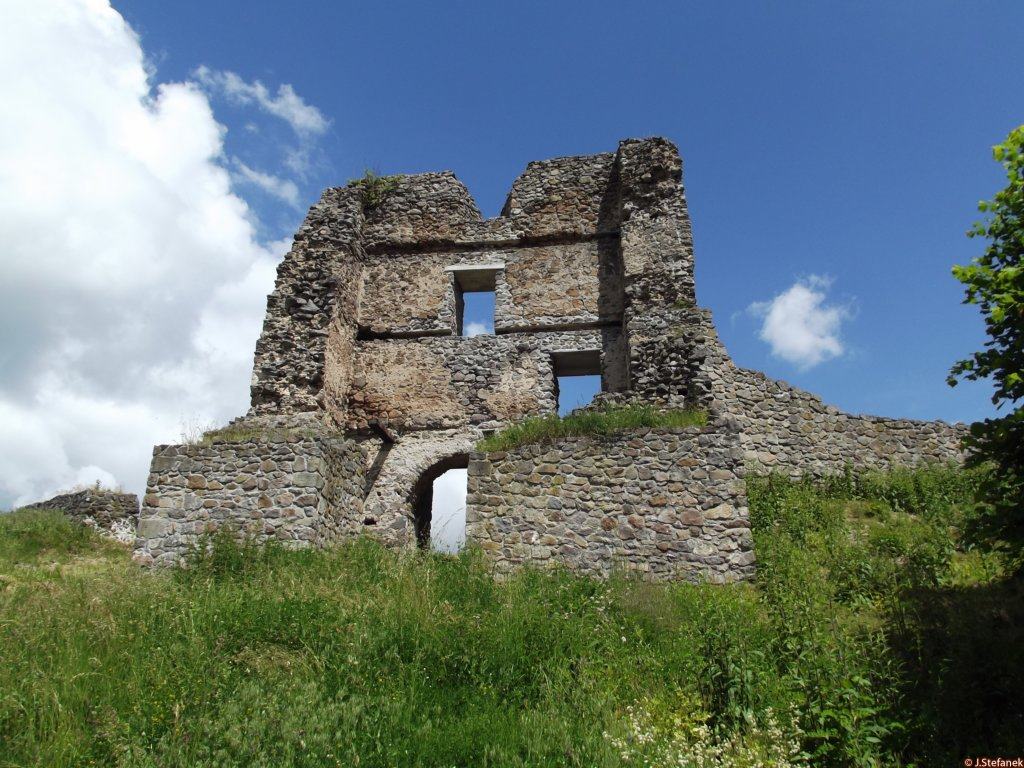
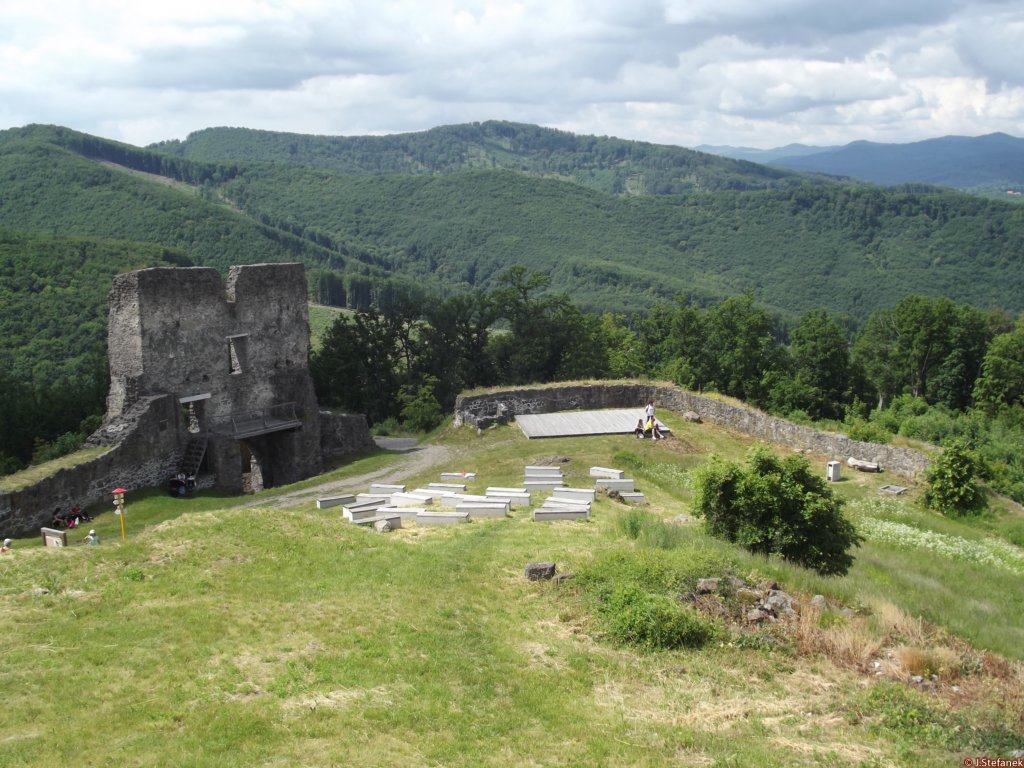
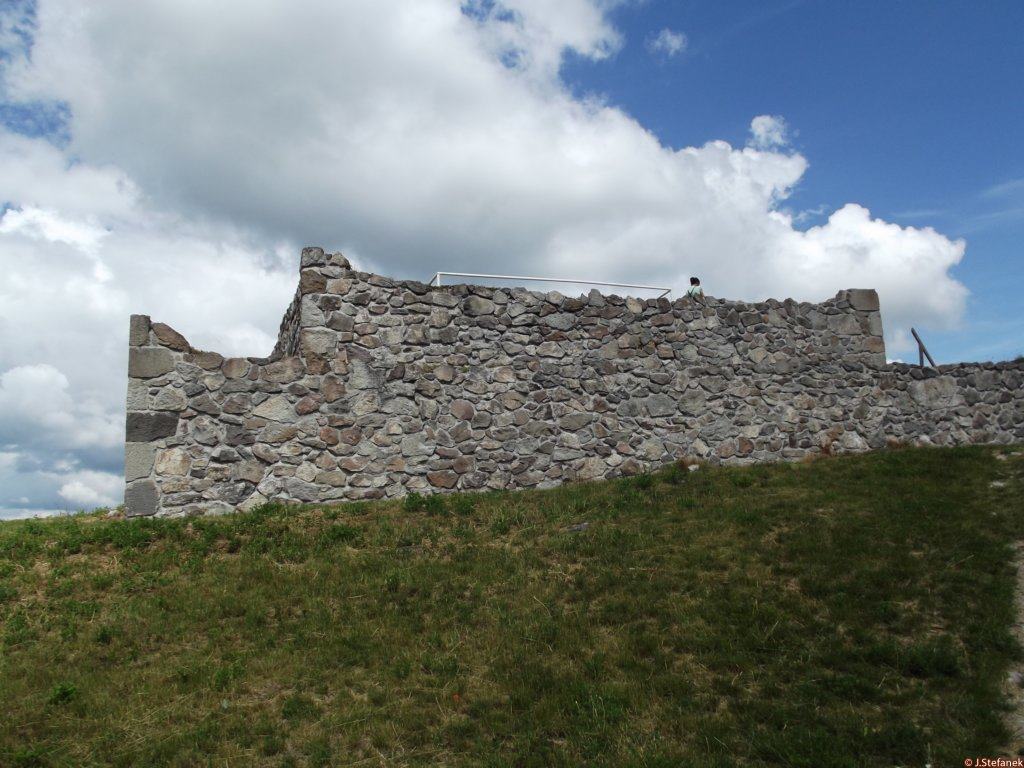
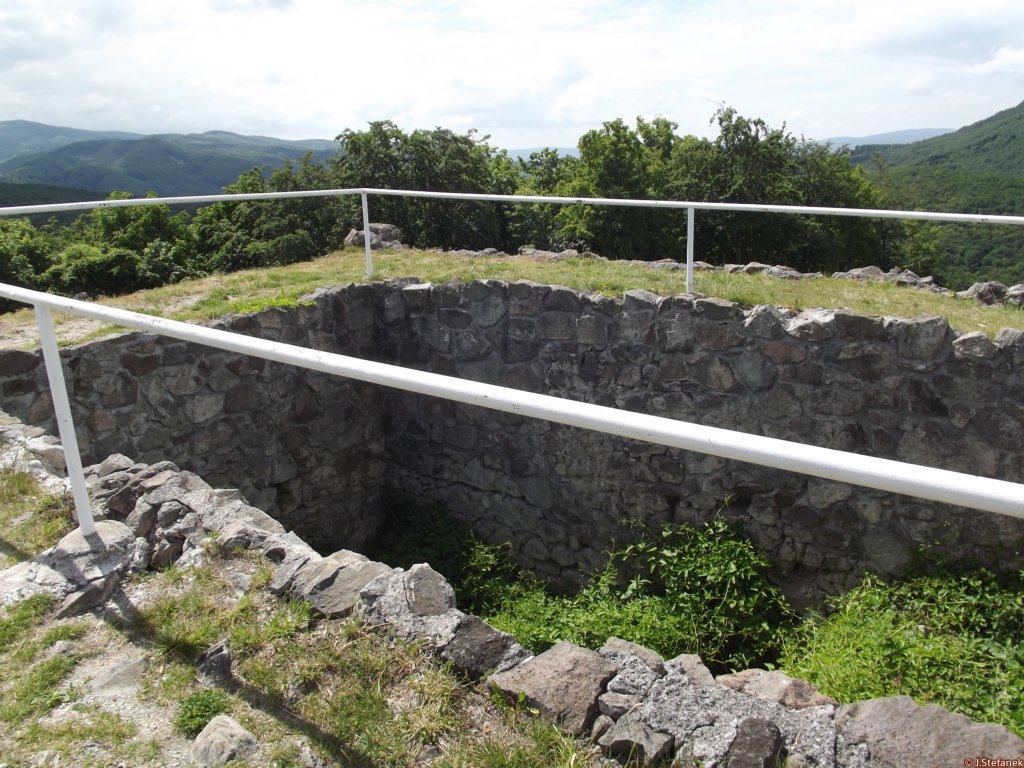
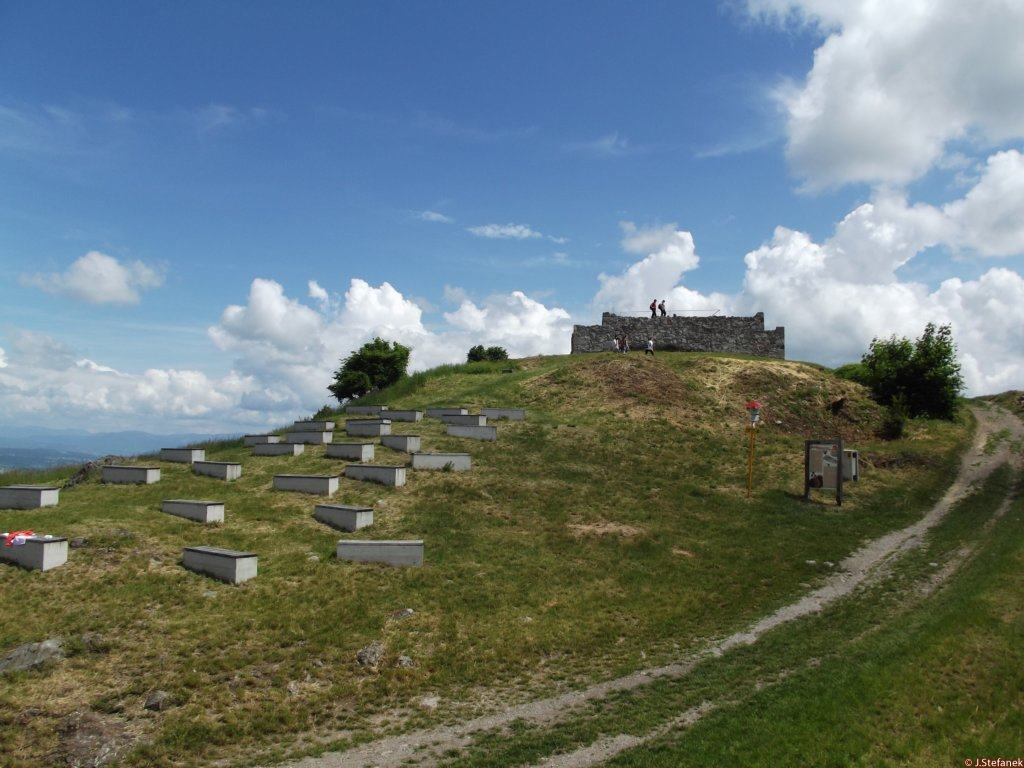
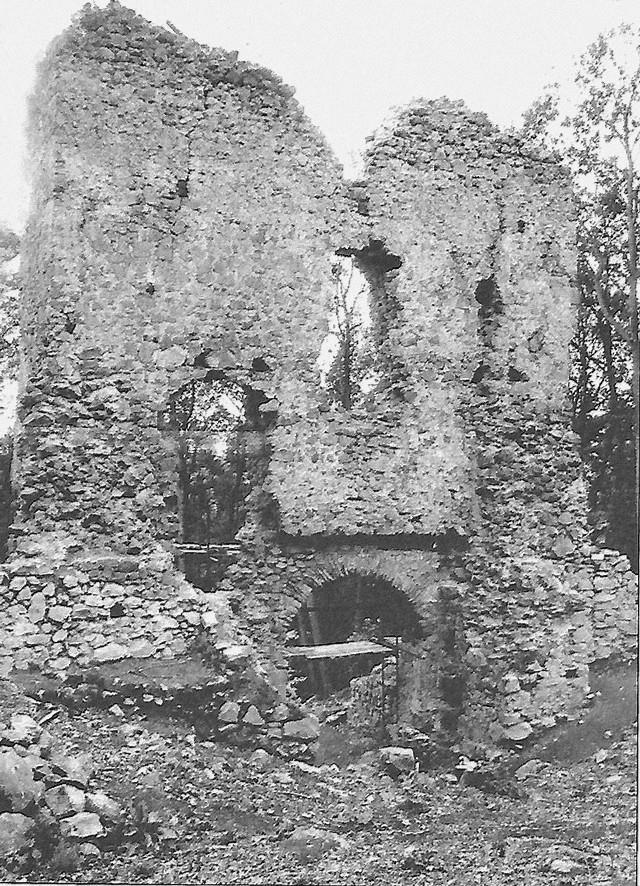
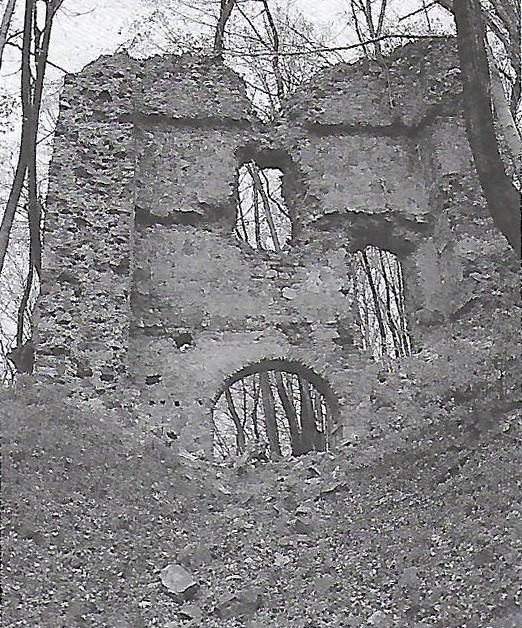
The castle consisted of two parts, Lower and Upper Castle, which we can visit today. In recent years, archaeologists have done a lot of work, making the walls of the Desert Castle one of the largest in Europe. Archaeological research at the Upper Castle has proven the existence of an older earthen mound on which the medieval wall was built. Research at the Lower Castle, on the other hand, proved the existence of an older, earthy prehistoric mound below the western line of the medieval fortifications.The oldest medieval building in the Pust Castle is the tower of a comitate castle from the end of the 12th century. Along with the related fortifications, it is located at the highest point of the castle hill - at an elevation of 571 m asl. A little younger is the royal residential tower at the Lower Castle 100 meters lower. After the Tatar invasion, a large fortification with a connecting wall of 206 meters was created in the Pustý Castle. In 13th century a second tower was built at the Upper Castle and at the end of the 13th century a four-storey tower was added to the entrance gate of the Upper Castle. To the northeast of the residential tower was built a defensive tower and its transverse wall. This was how the dam was built when another castle was built as a separate defensive and residential unit within the Upper Castle. County castle from the end of the 13th century. was built into its northern tip. It has a separate fortification, palace, pre-palace building, cistern and the entire courtyard has been modified using terraces.
Hrad pozostával z dvoch častí, Dolného a Horného hradu, ktoré môžeme navštíviť i dnes. Za posledné roky archeológovia vykonali množstvo práce a vďaka tomu sa hradby Pustého hradu stali jedným z najrozsiahlejších v Európe. Archeologický výskum na Hornom hrade dokázal existenciu staršieho kamenozemného valu na ktorom bola postavená stredoveká hradba. Výskum na Dolnom hrade zas preukázal existenciu staršieho kamenozemného pravekého valu pod západnou líniou stredovekého opevnenia.Najstaršou stredovekou stavbou na Pustom hrade je veža komitátneho hradu z konca 12. stor. Spolu s prislúchajúcim opevnením sa nachádza na najvyššom mieste hradného kopca – na kóte 571 m. n. m. O niečo mladšia je kráľovská obytná veža na o sto metrov nižšom Dolnom hrade. Po tatárskom vpáde vzniklo na Pustom hrade rozsiahle opevnenie so spojovacím múrom dlhým 206 metrov. V 13.st. vzniká druhá veža na Hornom hrade a koncom 13.storočia bola k vstupnej bráne Horného hradu pristavaná štvorpodlažná veža. Severovýchodne od obytnej veže bola vybudovaná obranná veža a k nej prislúchajúca priečna hradba. Takto vzniklo predhradie pri vybudovaní ďalšieho hradu ako samostatnej obrannej a obytnej jednotky v rámci Horného hradu. Župný hrad z konca 13.st. bol vstavaný do jeho severného cípu. Disponuje samostatným opevnením, palácom, predpalácovým objektom, cisternou a celé nádvorie bolo upravené pomocou terás.
Plan
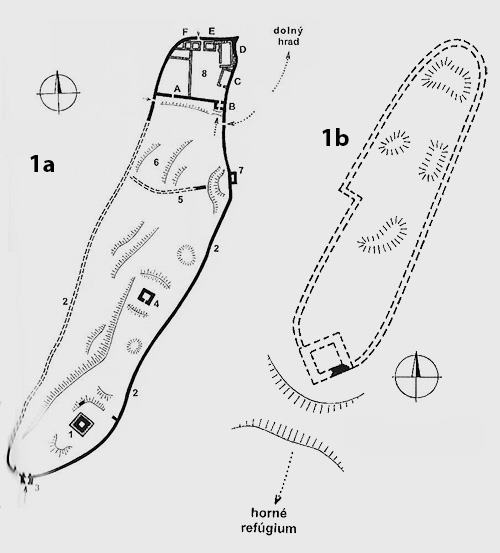
Legend to the ground plan
- 1a - upper castle
- 1b - lower castle
- 1 - prismatic stone residential tower
- 2 - stone wall
- 3 - gate in a square tower
- 4 - residential stone tower
- 5 - transverse wall
- 6 - metalworking workshops
- 7 - rectangular bastion
- 8 - Donč's part of the castle
- A - transverse wall in Dončov's castle
- B - entrance gate tower
- C - older building attached to the wall
- D - palace
- E - tank building
- F - other built-in buildings
Legenda k pôdorysu
- 1a - horný hrad
- 1b - dolný hrad
- 1 - hranolová kamenná obytná veža
- 2 - kamenná hradba
- 3 - brána v štvorhrannej veži
- 4 - obytná kamenná veža
- 5 - priečna hradba
- 6 - kovolejárske dielne
- 7 - obdlĺžniková bašta
- 8 - Dončova časť hradu
- A - priečna hradba v Dončovom hrade
- B - vstupná bránová veža
- C - staršia budova pristavaná k hradbe
- D - palác
- E - cisternový objekt
- F - ďalšie vstavané objekty
History
The castle was built on the king's orders and was the administrative center of the Zvolen Grand Chamber. The first robes to be documented in 1222 were Dietrich, Synek's son. The Tatar invasion in 1241 was probably the motivation for the construction of the stone wall, which created a refuge. Development later continued with the construction of a bastion and a transverse wall, which separated the northern part of the castle. The main transformation of the castle meant the creation of a separate part at the northern end of the castle layout. The construction activity falls within the term of office of the comet Demeter Balassa and his important nephew Magister Donč.
However, the castle was conquered by the army of Karol Róbert from the Naples branch of the Anjou family, and the castle was also ruled by Matúš Čák for some time. However, the conquest caused an even more intense continuation of the fortification work, as they also strengthened the older donjon. The lower castle was a bit more modest, but both castles were connected by an artificially elevated road on the crown of a brick terrace, possibly a wall. Probably the lower castle was part of the construction of a refuge from the middle of the 13th century.
The area covered by the castle was reduced in the 1930s by the division of the committee and the formation of the Zvolen capital. The new seat of the rulers during their stays in Zvolen became a castle (Gothic castle) built in the vicinity of the city. The old castle continued to serve officials, soldiers and craftsmen.
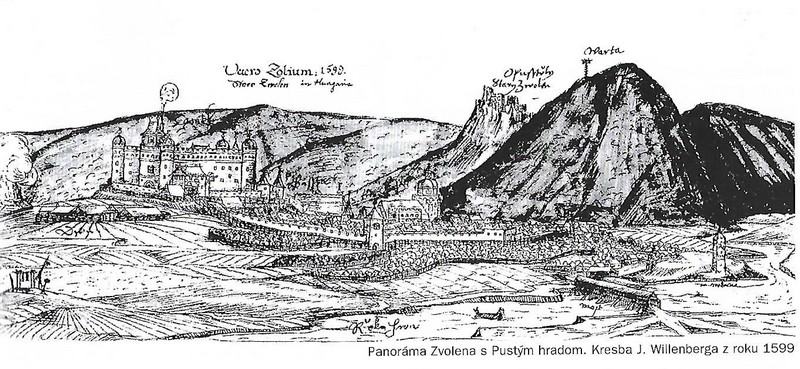
The importance of the castle increased again in the middle of the 15th century. Elected with the adjacent region at that time was controlled by the Czech commander Ján Jiskra, representing in Hungary the rights of the widowed Queen Elizabeth. During the fighting between the opposing parties, Jiskrov was attacked by the biggest rival Ján Hunyadi and Zvolen. He attacked the seat of Ján Jiskra in 1447 and 1451. However, we do not know whether he conquered a castle or a chateau. In 1450 the upper castle burned down. War events and demanding maintenance probably contributed to the launch of the old Zvolen Castle in the late Middle Ages. One of the functions of the castle was partially restored at the time of the Ottoman threat. The old castle was used to observe the surroundings and send warning signals in front of enemy troops. The presence of the patrol at the castle was supported by vartovka, a newly built watchtower. Its construction was decided in 1564. After the end of the Ottoman invasions in the 17th century, the castle lost its strategic importance.
Archaeological research has been carried out at the lower castle since 2009 and during the following years also at the upper castle. Extensive walls of the castle were uncovered, towers and other buildings were rehabilitated, and today the Desolate Castle is one of the largest castles in Europe with its walls.
Hrad bol postavený na kráľov príkaz a predstavoval správne stredisko zvolenského veľkokomitátu. Prvým, k r.1222 listinou doloženým županom bol Ditrich, Synkov syn. Tatársky vpád v r.1241 bol zrejme motiváciou pre výstavbu kamennej hradby, ktorá vytvorila refúgium. Vývoj neskôr pokračoval postavením bašty a priečnej hradby, ktorá oddeľovala severnú časť hradu. Hlavnú premenu hradu znamenalo vytvorenie samostatnej časti na severnom konci hradnej dispozície. Stavebná činnosť spadá do funkčného obdobia komesa Demetera Balassu a jeho významného synovca magistra Donča.
Hrad bol ale dobytý vojskom Karola Róberta z neapolskej vetvy rodu Anjouovcov, a hrad ovládal istý čas aj Matúš Čák. Dobytie však vyvolalo ešte intenzívnejšie pokračovanie opevňovacích prác, keď spevnili aj starší donjon. Dolný hrad bol o niečo skromnejší, no oba hrady spájala umelo vyvýšená komunikácia na korune murovanej terasy, možno i múru. Pravdepodobne i dolný hrad bol súčasťou výstavby refúgia z polovice 13.storočia.
Územie podliehajúce hradu sa v 30. rokoch 14. storočia zmenšilo rozčlenením komitátu a utvorením Zvolenskej stolice. Novým sídlom panovníkov pri ich pobytoch vo Zvolene sa stal zámok (gotický kastel) vybudovaný v susedstve mesta. Starý hrad naďalej slúžil úradníkom, vojakom i remeselníkom.
Význam hradu opätovne vzrástol v polovici 15. storočia. Zvolen s priľahlým regiónom vtedy kontroloval český veliteľ Ján Jiskra, zastupujúci v Uhorsku práva ovdovenej kráľovnej Alžbety. Počas bojov medzi znepriatelenými stranami napadol Jiskrov najväčší rival Ján Hunyadi aj Zvolen. Na sídlo Jána Jiskru zaútočil v rokoch 1447 a 1451. Nevieme však, či dobýjal hrad, alebo zámok. V r.1450 horný hrad vyhorel. Vojnové udalosti a náročná údržba zrejme prispeli k spustnutiu starého Zvolenského hradu v závere stredoveku. K čiastočnému obnoveniu jednej z funkcií hradu došlo v čase osmanského ohrozenia. Starý hrad slúžil na pozorovanie okolia a vysielanie varovných signálov pred nepriateľskými vojskami. Prítomnosť hliadky na hrade podporila vartovka, novovybudovaná strážna veža. O jej výstavbe sa rozhodlo v roku 1564. Po ukončení osmanských nájazdov v 17. storočí hrad stratil strategický význam.
Od r.2009 prebiehal archeologický výskum na dolnom hrade a v priebehu ďalších rokov i hornom hrade. Boli odkryté rozsiahle múry hradu, prebehla sanácia veží či iných objektov a dnes už Pustý hrad patrí svojimi múrmi k jedným z najrozsiahlejších hradov Európy.
Myths and legends
Reigning castellan
He once commanded a domineering, angry castellan at Desolate Castle. Everyone was afraid of him. Even the free fishermen from Hron and Slatina fled from his wrath. Only the elderly remained in the settlement in order to preserve the privileges of fishermen with its uncompromising presence. Not even a gossip could tear him tied across the belt to the rock. Kastelán at Besnel Castle. He jumped down the slope to punish anyone who dared to resist him. All it took was to slip on a steep rock, and with the tyrant he was amen. At that moment, a rumble sounded, as if a dozen thunderbolt had flashed. The walls of the cursed castle fell. Free fishing returned to the rivers and the settlers lived happily, with great respect for the white-haired peasant, the protector of their rights.
Cursed monk
In the ruins of the Desolate Castle, a single monk haunts. He raises valuables for travelers, lures them into cellars. He who can be seduced by the delusion of gold will never be abandoned by the desire for mammon and will never taste the moment of happiness.
Panovačný kastelán
Na Pustom hrade kedysi rozkazoval panovačný, zlostný kastelán. Všetci sa ho báli. Ešte aj slobodní rybári od Hrona a od Slatiny zutekali pred jeho hnevom. V osade zostal iba staršina, aby svojou neústupnou prítomnosťou zachoval rybárom výsady. Prikutého cez pás ku skale ho nevládali odtrhnúť ani drábi. Kastelán na hrade besnel. Skokom sa pustil dole strminou, aby potrestal toho, kto sa mu opovážil vzdorovať. Stačilo pokĺznutie na príkrej skale a s tyranom bol amen. V tej chvíli sa ozval hrmot, akoby šľahlo tucet hromobleskov. To padli hradby prekliateho hradu. Na rieky sa vrátil slobodný rybolov a osadníci žili šťastne, držiac vo veľkej úcte bielovlasého kmeťa, ochrancu svojich práv.
Zakliaty mních
V rozvalinách Pustého hradu straší samojediný mních. Pocestným núka cennosti, vábi ich do pivníc. Kto sa dá zlákať preludom zlata, toho už neopustí túžba po mamone a nikdy neokúsi okamih šťastia.
Useful information
The ruins are freely accessible
Zrúcanina je voľne prístupná
Nearby castles