Chtelnica
Chtelnica Trnava county Slovakia
manor, mansion
Chtelnica
Chtelnica Trnavský kraj Slovakia
kaštieľ
Originally a Renaissance manor house in the village of Chtelnica, in the northern part of the Trnava Uplands at the foot of the Little Carpathians, in the valley of the Chtelnický brook
Pôvodne renesančný kaštieľ v obci Chtelnica, v severnej časti Trnavskej pahorkatiny na úpätí Malých Karpát, v údolí Chtelnického potoka

Previous names
Wytelnize, Uitunche, Vitunche, Visencia, Vitencia, Wythenche, Wittence, Tynicze, Vtelnica, Wftelnicz, Wtelnicza, Vitencze, Vience, Wittencz, Vittencz, Chtelnitz, Wittenz, Chtelnicze, Telnitz, Vitténcz, Telnitz, Chtělnice
Roads
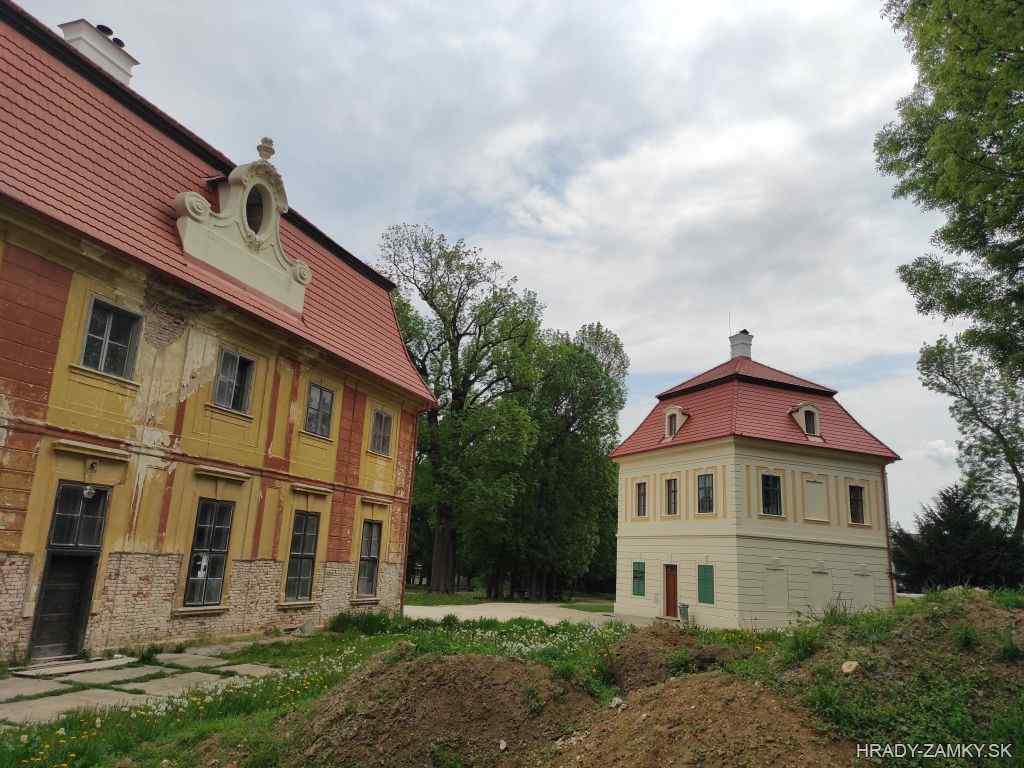
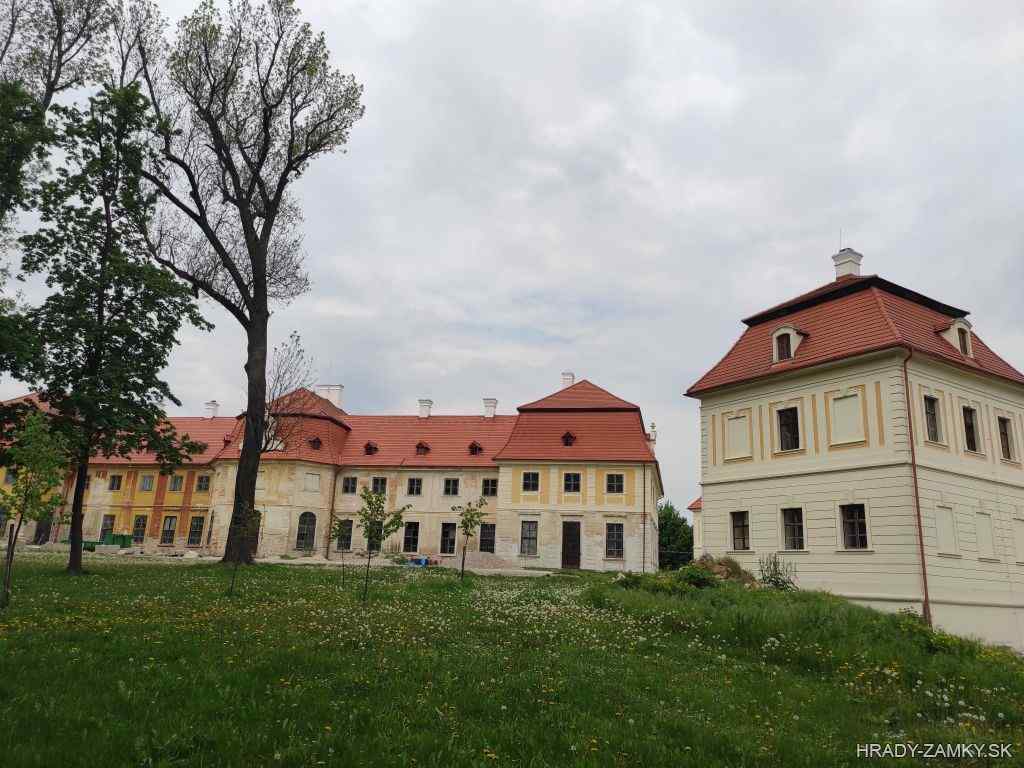
Trasa 1: Družstevná Street passes through the village of Chtelnica, after which we cross about half of the village and after a while we come to the manor house, visible from the road. We enter the area by car through the gate near one of the reconstructed pavilions, where we can park. There is also a museum here. From there we walk straight to the park and with a slight bend we get to the manor house itself, which is on a hill above the pavilions.
Trasa 1: Obcou Chtelnica prechádza Družstevná ulica, po ktorej prejdeme zhruba do polovice obce a po chvíli prídeme ku kaštieľu, viditeľného z cesty. Autom vojdeme cez bránu do areálu pri jednom z rekonštruovaných pavilónov, kde môžeme zaparkovať. Tu sa zároveň nachádza aj múzeum. Odtiaľ sa peši vyberieme rovno až do parku a miernou obkľukou sa dostaneme až k samotnému kaštieľu, ktorý je na vyvýšenine nad pavilónmi.
Trasa 2: We can also get directly to the manor house by walking along Družstevná Street from the aforementioned museum on route no.1 and turning to the second gate near Parková Street into the manor area.
Trasa 2: Priamo ku kaštieľu sa tiež dostaneme, ak od spomínaného múzea v trase č.1 pôjdeme peši po Družstevnej ulici a odbočíme hneď cez druhú bránu pri Parkovej ulici do areálu kaštieľa.
Description
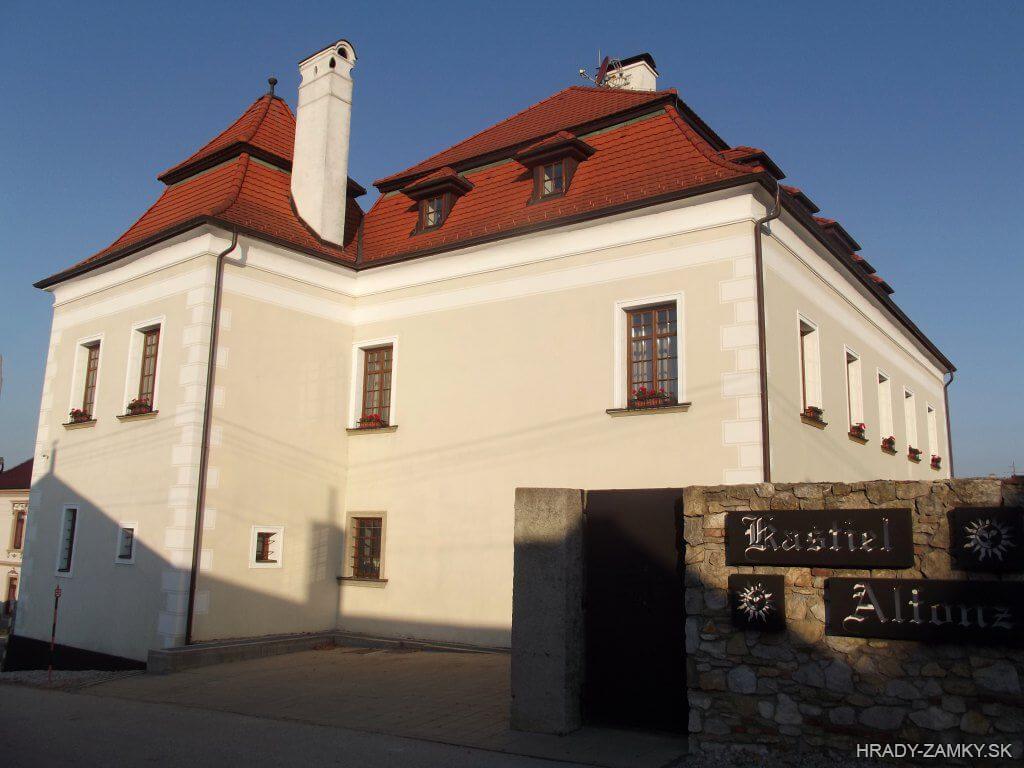
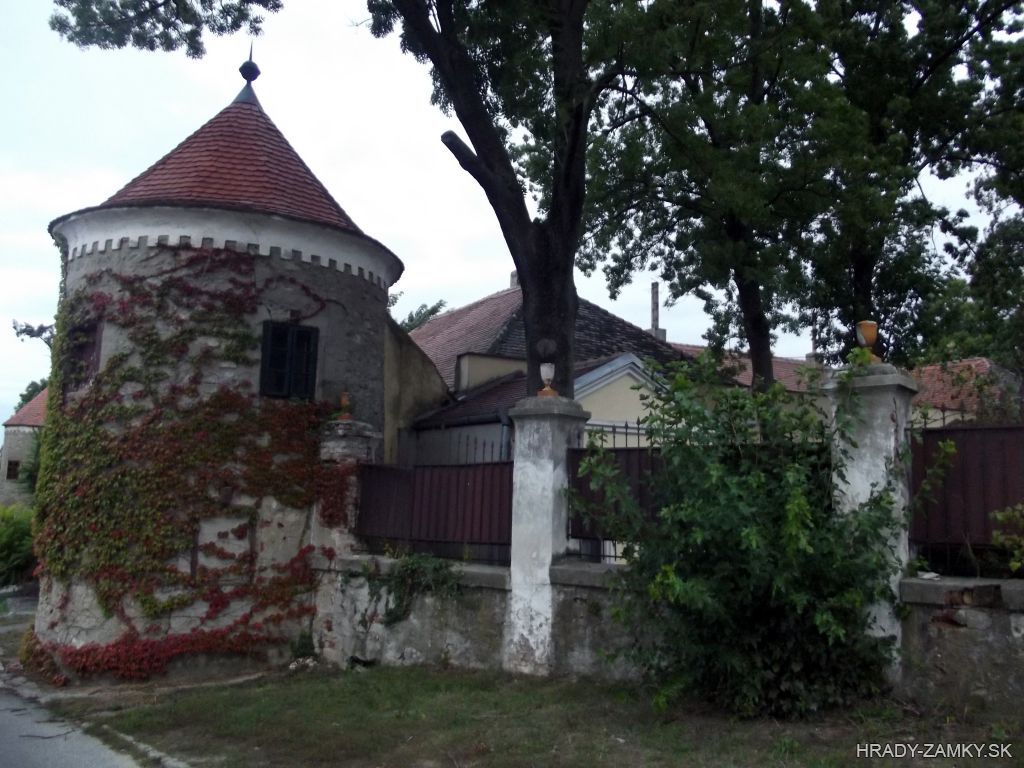
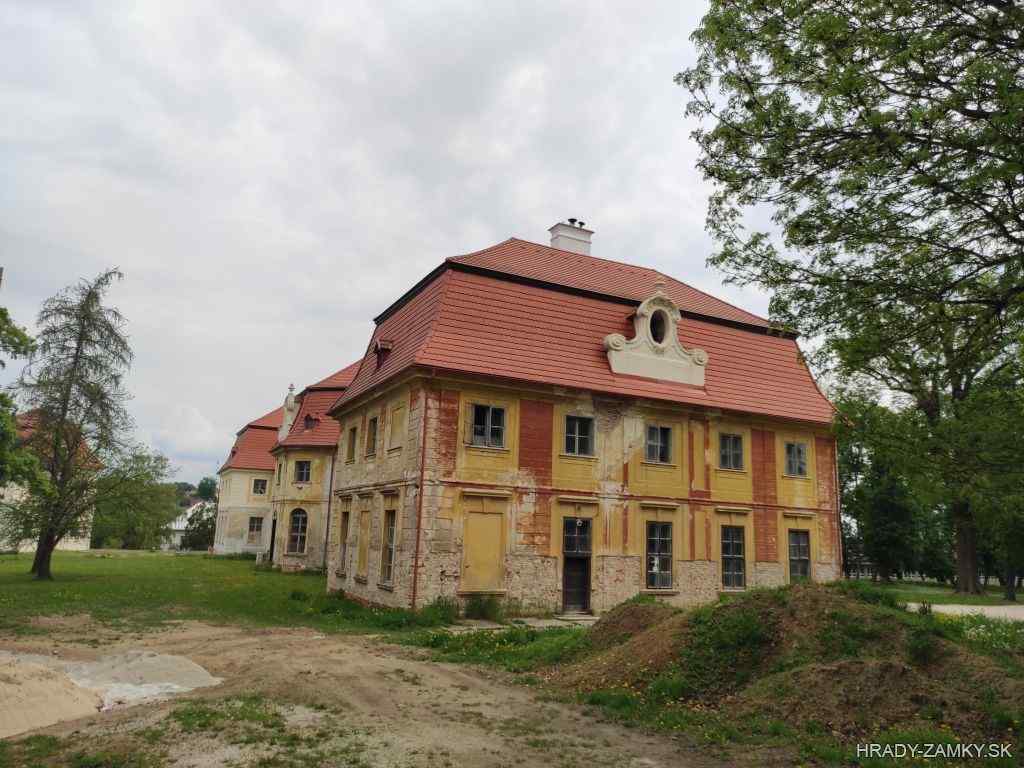
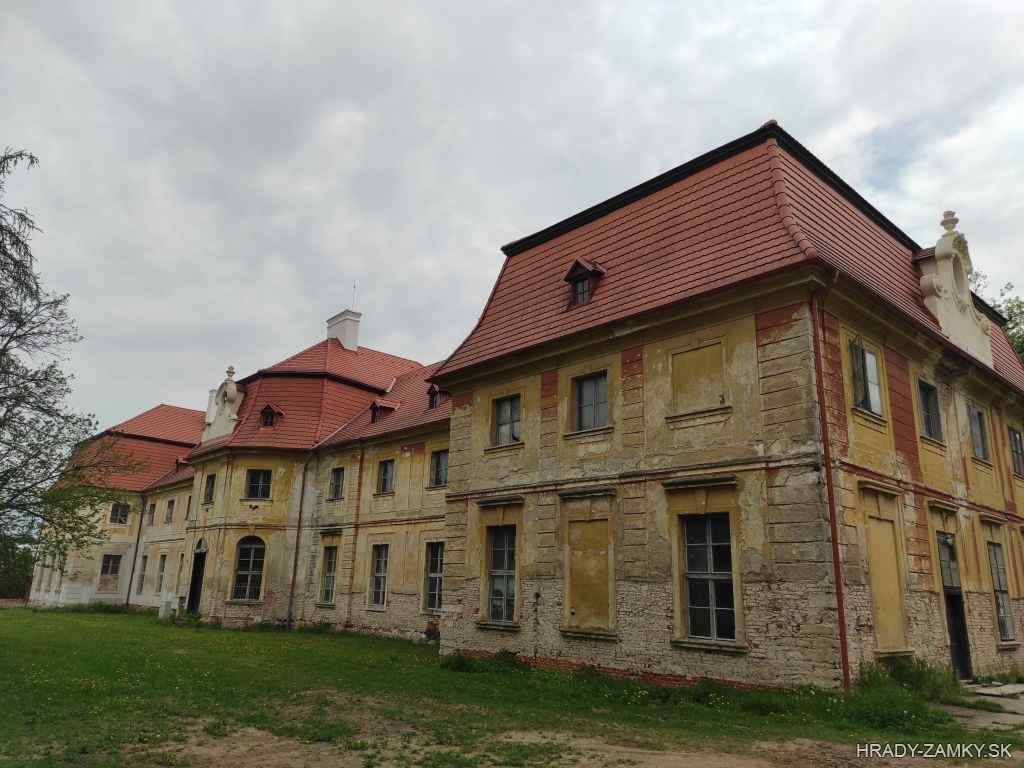
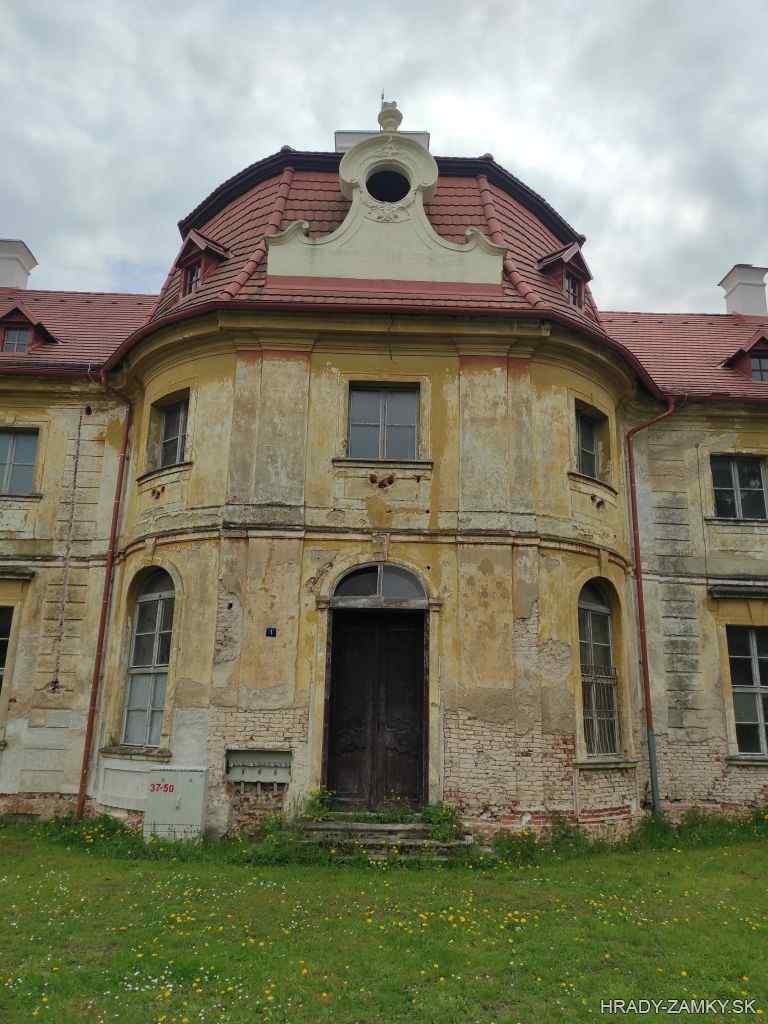
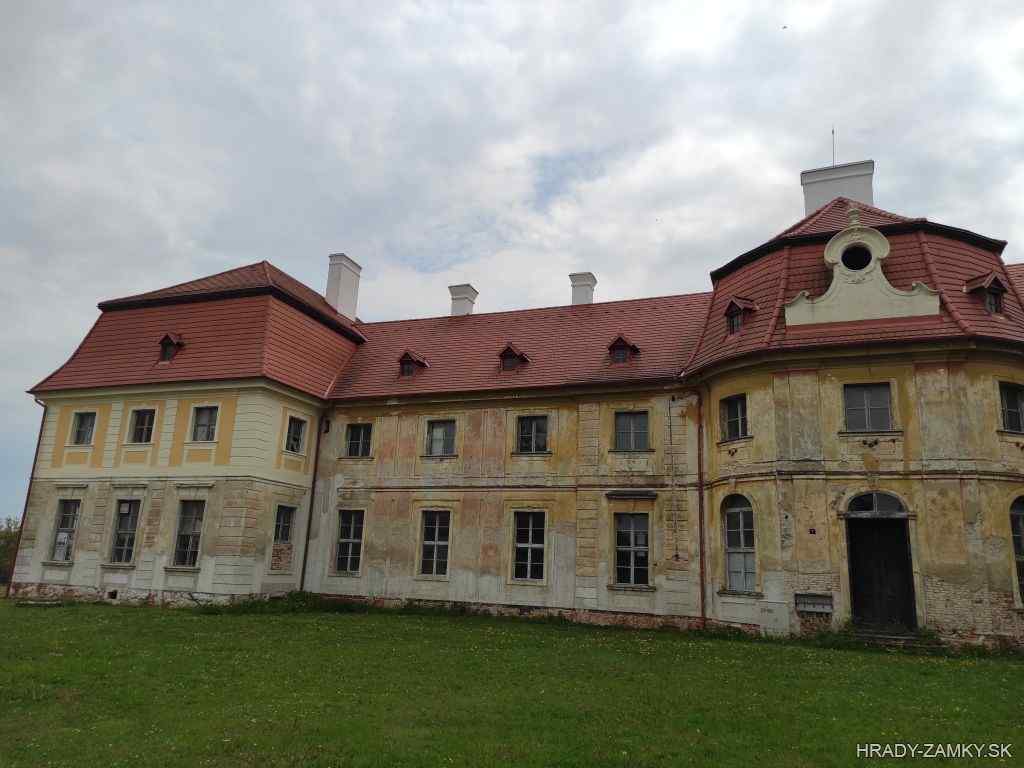
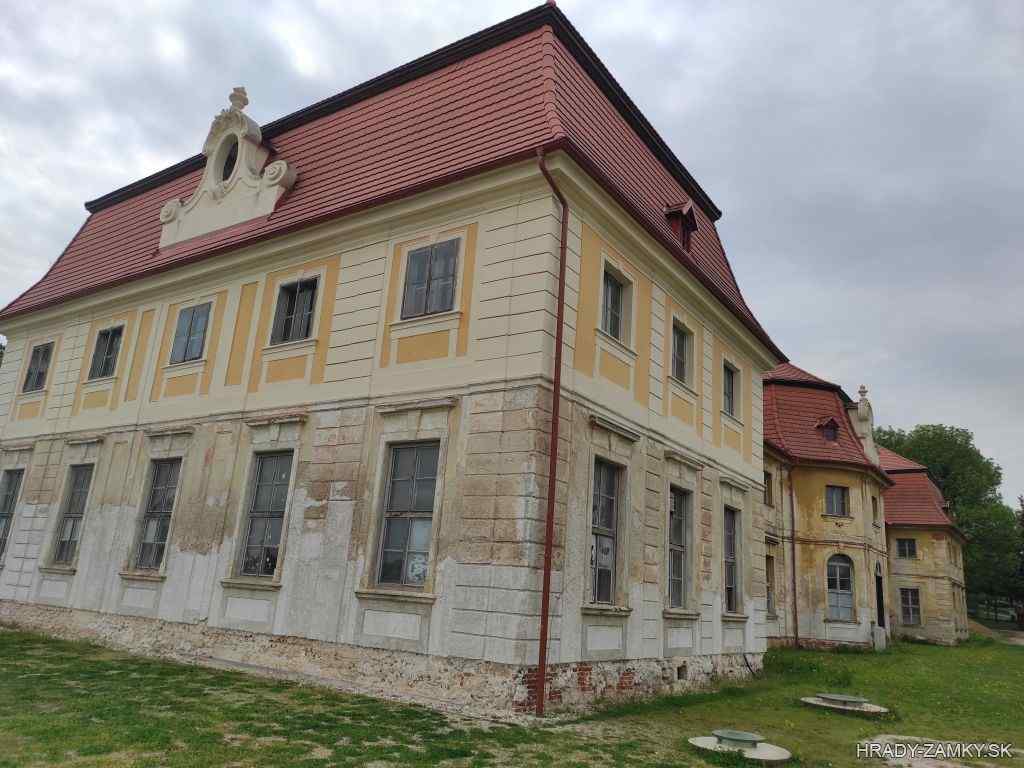
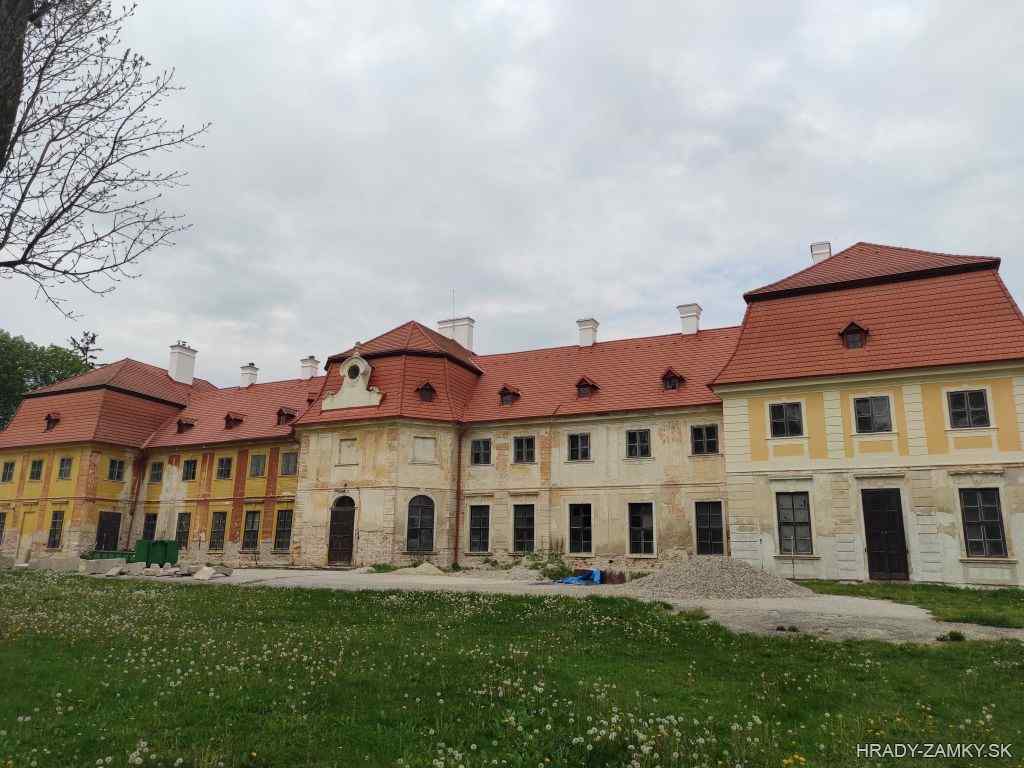
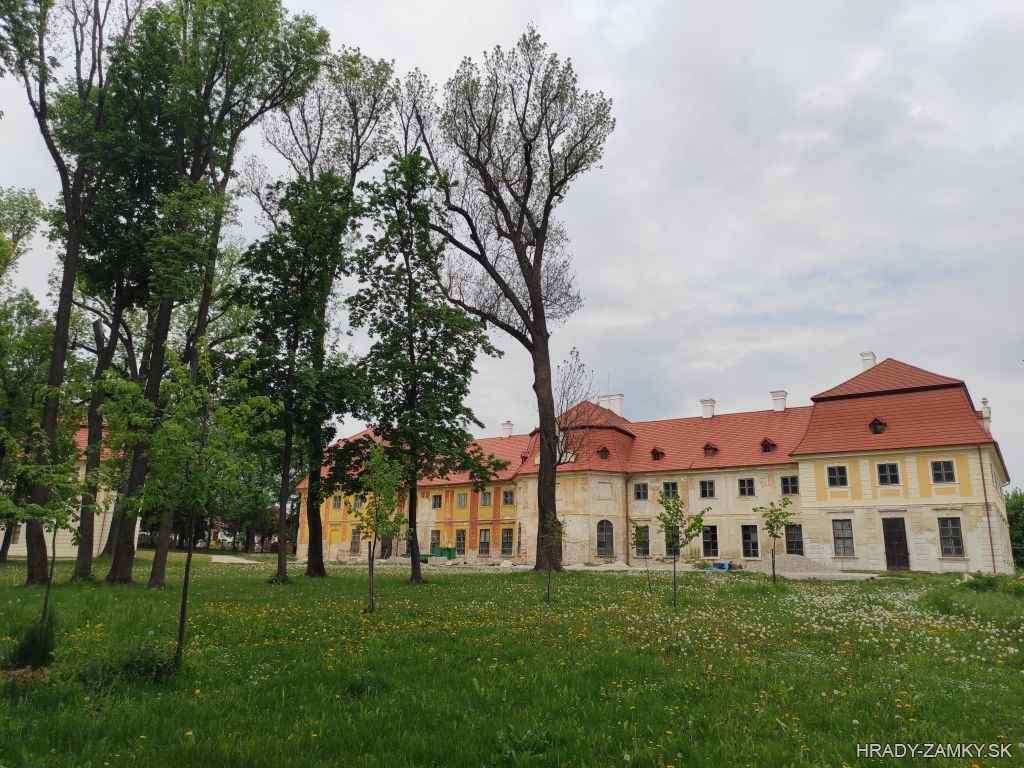
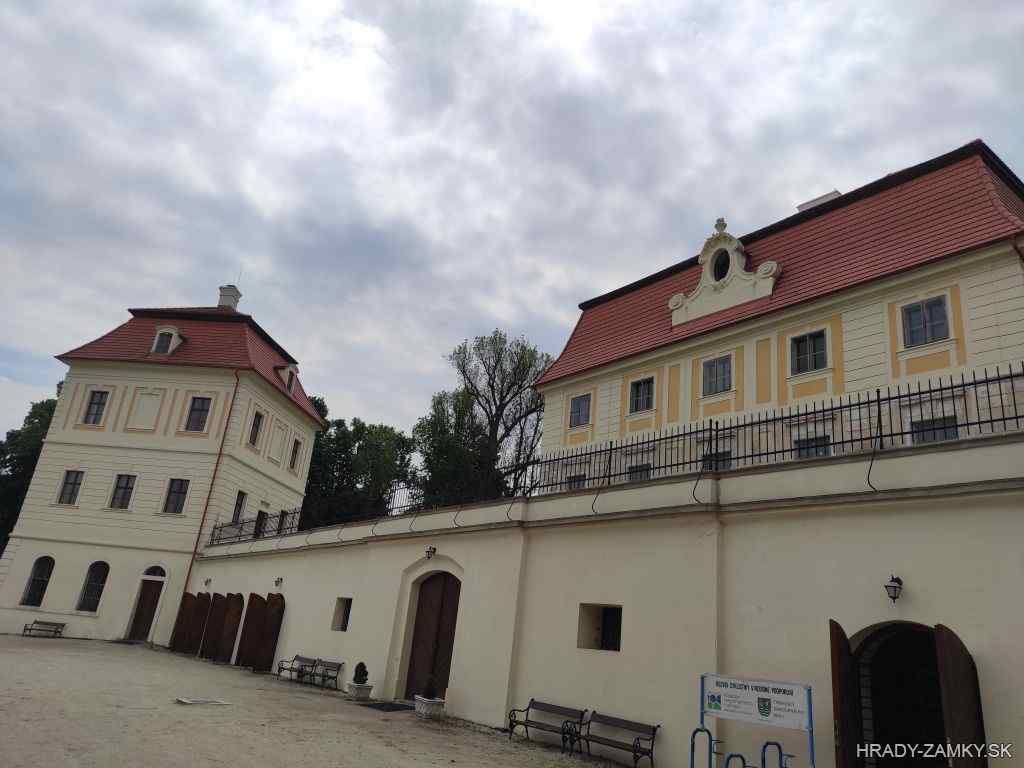
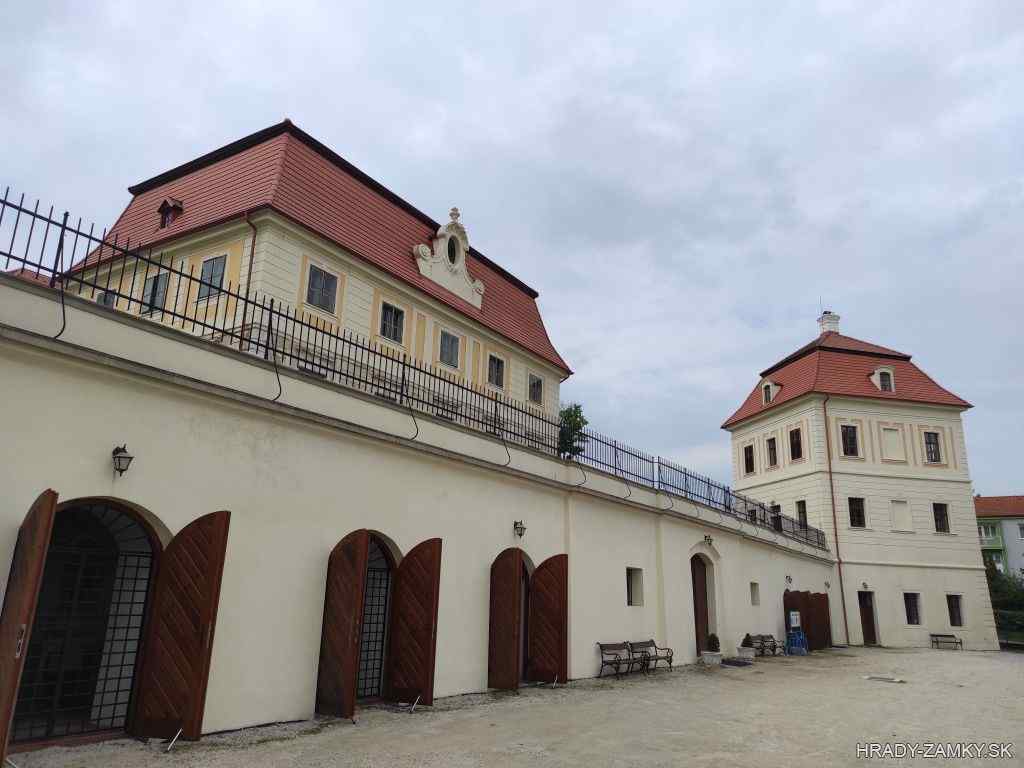
A two-storey and two-aisled building with a rectangular floor plan, emphasized by the elevated mass of the middle risalit and also by the side risalit. The manor is characterized by high mansard roofs and bears Renaissance and Baroque elements. The facade of the manor is divided by a high number of pilasters and rustic lysines.Pavilions are regularly located around the manor house, which is a unique phenomenon in Slovakia. The pavilions have been renovated and there is a regional museum with several collections in the cellars.
Dvojpodlažná a dvojtraktová budova s obdĺžnikovým pôdorysom, zdôraznená prevýšenou hmotou stredného rizalitu a tiež bočnými rizalitmi. Kaštieľ je charakteristický vysokými manzardovými strechami a nesie renesančné a barokové prvky. Priečelie kaštieľa je členené vysokým radom pilastrov a rustikovanými lizénmi.Okolo kaštieľa sú pravidelne situované pavilóny, čo je na Slovensku ojedinelým javom. Pavilóny sú zrekonštruované a v pivničných priestoroch sa nachádza regionálne múzeum s viacerými zbierkami.
History
In the years 1583 to 1584, a Renaissance fortified building (castrum or manor house) was built on the site of an older manor house. It was built by Krištof Ungnad. In 1603 it was rebuilt due to the higher demands of the manor.
At the beginning of the 17th century, the lordship moved from Dobrá Voda Castle to the new seat. The manor house was owned by Tomáš Erdödy at the time after his marriage to Anna Ungnad. The Erdődy family owned the manor for more than two and a half centuries. The manor house was rebuilt several times, largely in 1679, when the Renaissance building changed to Baroque and thus acquired its current appearance. They built four one-storey rococo pavilions in the manor park. The interior of the manor also changed significantly when it was magnificently furnished with furniture, paintings and other accessories. The manor also included gardens with alleys, orange orchards, a pheasant house and a menagerie. In 1775, Ján Erdődy organized celebrations, including a ball and hunting, when he greeted Queen Maria Theresa with an escort in the manor.
After the Erdődy family, the manor fell into the hands of the Pálffy family in the middle of the 19th century, who restored the interior and furniture in most of the rooms. Jozef Pálffy also had the surroundings of the manor house and the park restored. In 1912, however, the Pállfys had already taken most of the furniture and leased the manor to the owner of the Bratislava brewery, Viktor Stein. In 1918, the rest of the facility and archival records were destroyed by the local people and the Hungarian military unit.
In 1941, the Hlinka Youth Higher Leadership School was opened in the manor house with the participation of President Jozef Tiso. After 1945, it belonged to the state mansion. It served as a burgher's house, later a nine-year primary school, a doctor's office or as a living space. This state lasted until 1972, when a new school was built.
The manor then fell into the hands of the Ministry of the Interior, which initially set up its school here. The buildings and the surroundings with the park were partially renovated, but garages were built in the area. After the school, the archive of the Ministry of the Interior was established here. Since 2003, the manor house has been the property of the municipality, which began in 2006 with the cleaning of the area and in the following years the pavilions around the manor house were reconstructed.
V rokoch 1583 až 1584 bol na mieste staršieho kaštieľa postavený renesančný opevnený objekt (castrum či kúria). Postaviť ho dal chorvátsky bán Krištof Ungnad. V roku 1603 bol prestavaný kvôli vyšším nárokom panstva.
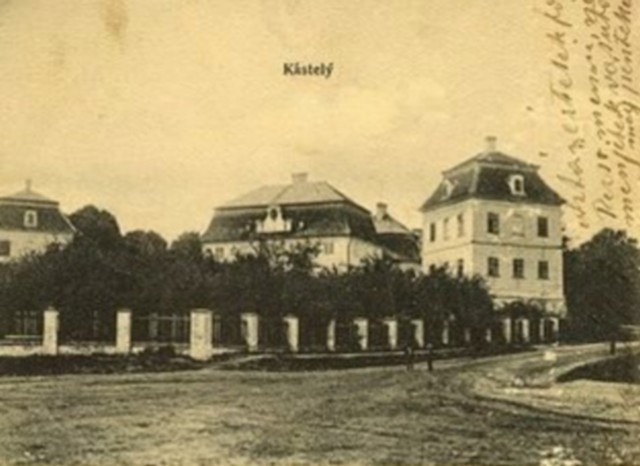
Do nového sídla sa začiatkom 17. storočia presunulo panstvo z hradu Dobrá Voda. Kaštieľ v tom období vlastnil Tomáš Erdödy po sobáši s Annou Ungnadovou. Erdődyovci mali kaštieľ vo vlastníctve viac ako dve a pol storočia. Kaštieľ bol viackrát prestavaný, pričom vo veľkej miere v roku 1679, keď sa renesančný objekt zmenil na barokový a získal tak súčasnú podobu. V kaštieľnom parku postavili štyri jednoposchodové rokokové pavilóny. Výrazne sa zmenil aj interiér kaštieľa, keď ho honosne zariadili nábytkom, obrazmi a iným príslušenstvom. Ku kaštieľu patrili aj záhrady s alejami, sady pomarančovníka, bažantnica a zverinec. V roku 1775 Ján Erdődy usporiadal oslavy vrátane plesu či poľovačiek, keď v kaštieli privítal panovníčku Máriu Teréziu so sprievodom.
Po Erdődyovcoch sa kaštieľ v polovici 19. storočia dostal do rúk Pálffyovcov, ktorí obnovili vnútorné zariadenie a nábytok vo väčšine miestností. Jozef Pálffy dal obnoviť aj okolie kaštieľa s parkom. V roku 1912 už však Pállfyovci väčšinu nábytku odviezli a kaštieľ prenajali majiteľovi bratislavského pivovaru Viktorovi Steinovi. V roku 1918 zvyšok zariadenia i archívne záznamy zničili pri rabovke miestni ľudia a maďarský vojenský oddiel.
V kaštieli otvorili v roku 1941 Vyššiu vodcovskú školu Hlinkovej mládeže za účasti prezidenta Jozefa Tisu. Po roku 1945 patril kaštieľ štátu. Slúžil ako meštianska, neskôr Základná deväťročná škola, lekárska ordinácia či ako priestor na bývanie. Tento stav trval do roku 1972, keď bola vybudovaná nová škola.
Kaštieľ sa potom dostal do rúk ministerstva vnútra, ktoré tu spočiatku zriadilo svoju školu. Čiastočne boli zrenovované objekty a upravené okolie s parkom, avšak v areáli boli vybudované garáže. Po zániku školy tu bol zriadený archív ministerstva vnútra. Od roku 2003 je kaštieľ majetkom obce, ktorá začala v roku 2006 s čistením areálu a odstraňovaním havarijného stavu, v ďalších rokoch prebehla rekonštrukcia pavilónov v okolí kaštieľa.
Myths and legends
There are no myths available.
K tomuto objektu nie sú dostupné žiadne povesti
Useful information
The area of the manor is accessible, there is a museum in the adjacent pavilions under the manor.Opening hours and admission
Areál kaštieľa je prístupný, v priľahlých pavilónoch pod kaštieľom je múzeum.Otváracia doba a vstupné
External links
Nearby castles