Koplotovce
Koplotovce Trnava county Slovakia
manor, mansion
Koplotovce
Koplotovce Trnavský kraj Slovakia
kaštieľ
The originally fortified manor house is located in the village of Koplotovce, about 5 km north of Hlohovec above the Váh floodplain, on the left-bank river terraces touching the southern slopes of the Považský Inovec mountain range
Pôvodne opevnený kaštieľ sa nachádza v obci Koplotovce, asi 5 km severne od Hlohovca nad údolnou nivou Váhu, na ľavobrežných riečnych terasách dotýkajúcich sa južných svahov pohoria Považský Inovec
Previous names
Locuplot, Locuploth, Coplat, Koploth, Koplotowetz, Koplotowce, Kaplath, Kaplat
Roads
The village of Koplotovce is located about 5 km north of Hlohovec. In the village we will follow the road No. 507, on the right side we will pass a church, a turn to the left, and at the second turn we will turn left into a narrow street. Kaplath mansion is right at the beginning of that street. We can park in front of the manor house, or a little lower along the road.
Obec Koplotovce sa nachádza asi 5km na sevr od Hlohovca. V obci pôjdeme po ceste č.507, na pravej strane minieme kostol, odbočku vľavo, a pri druhej odbočke odbočíme vľavo do úzkej uličky. Kaštieľ Kaplath je hneď na jej začiatku. Zaparkovať môžeme pred kaštieľom, alebo trochu nižšie popri ceste.
Description
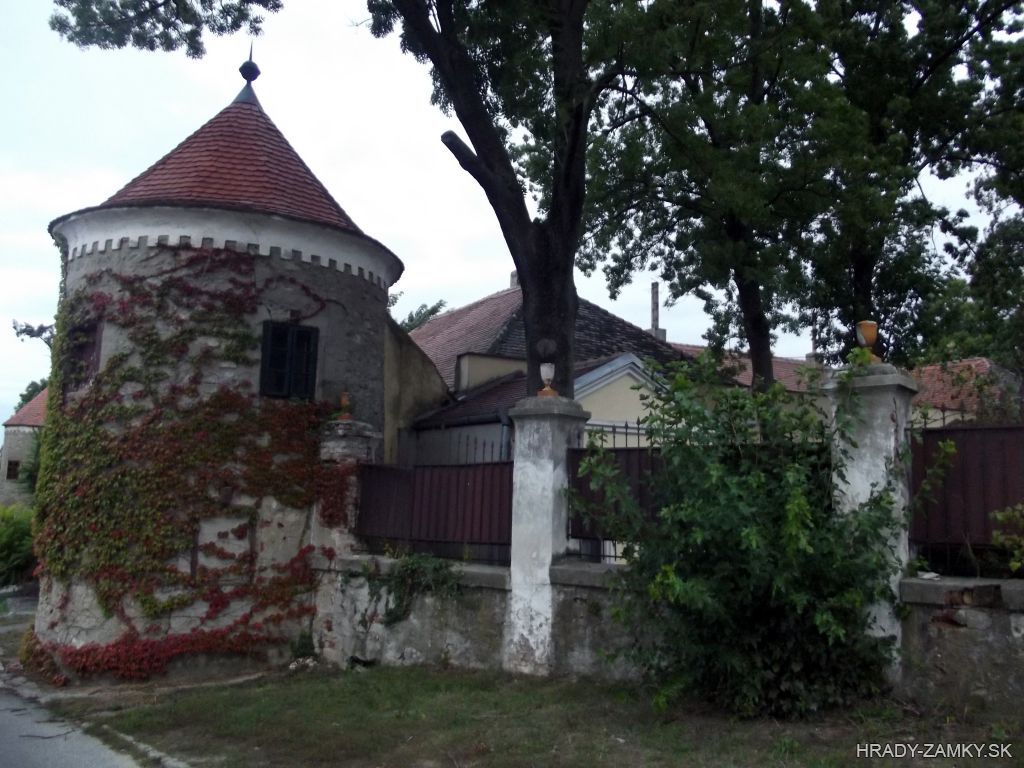
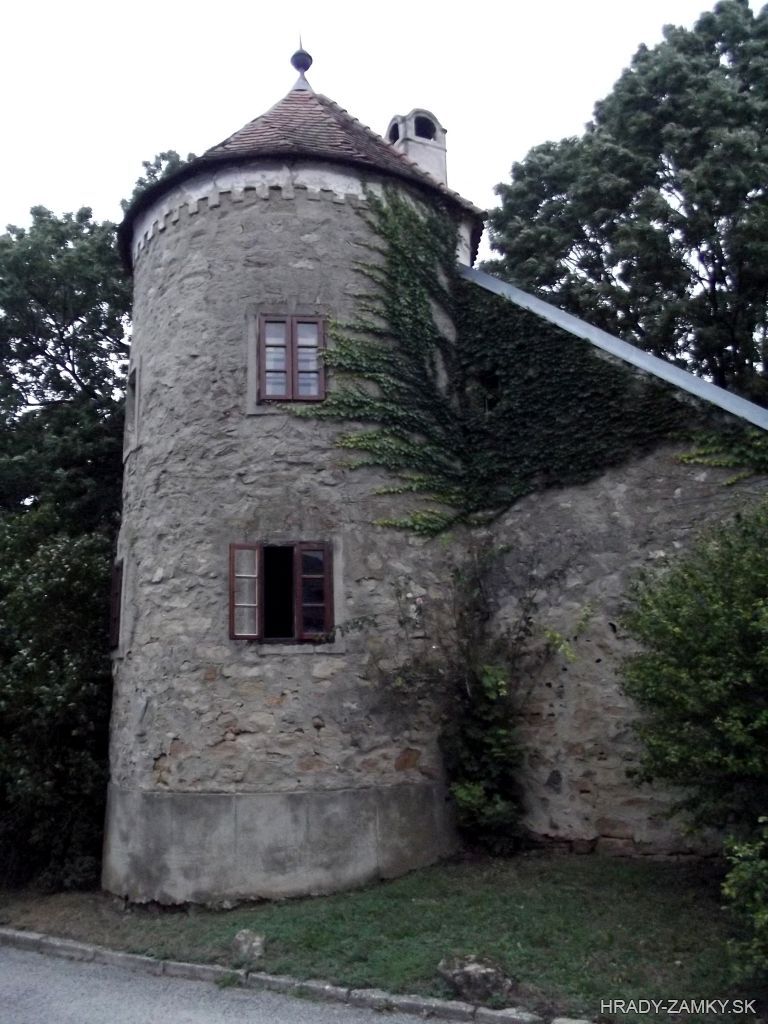
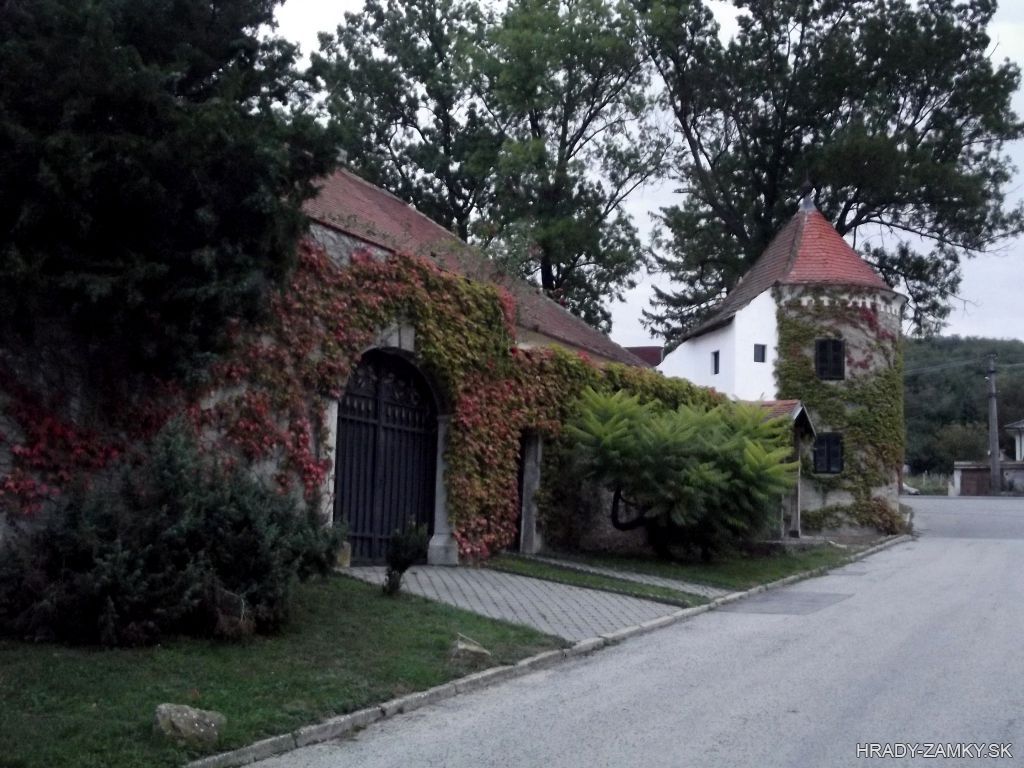
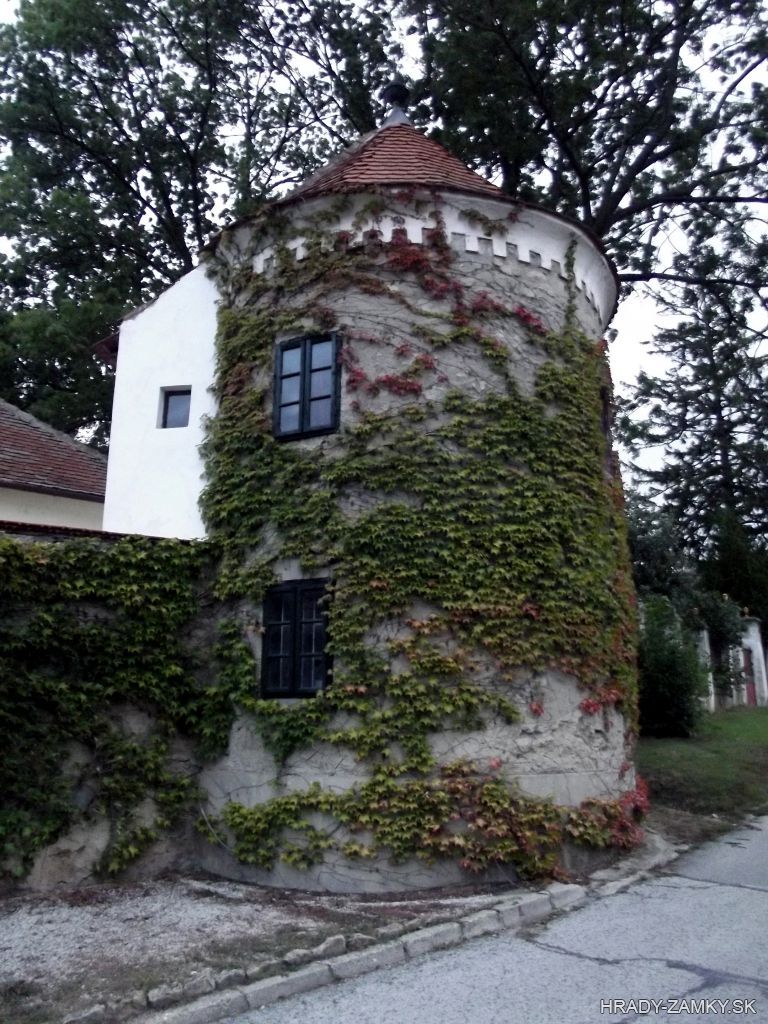
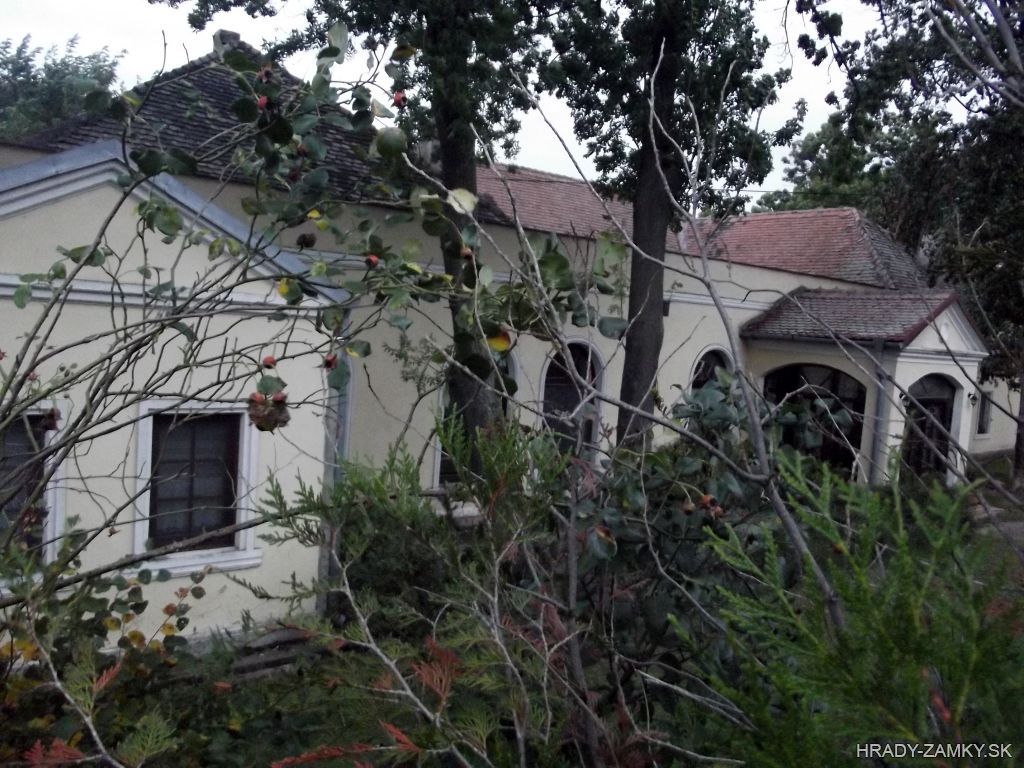
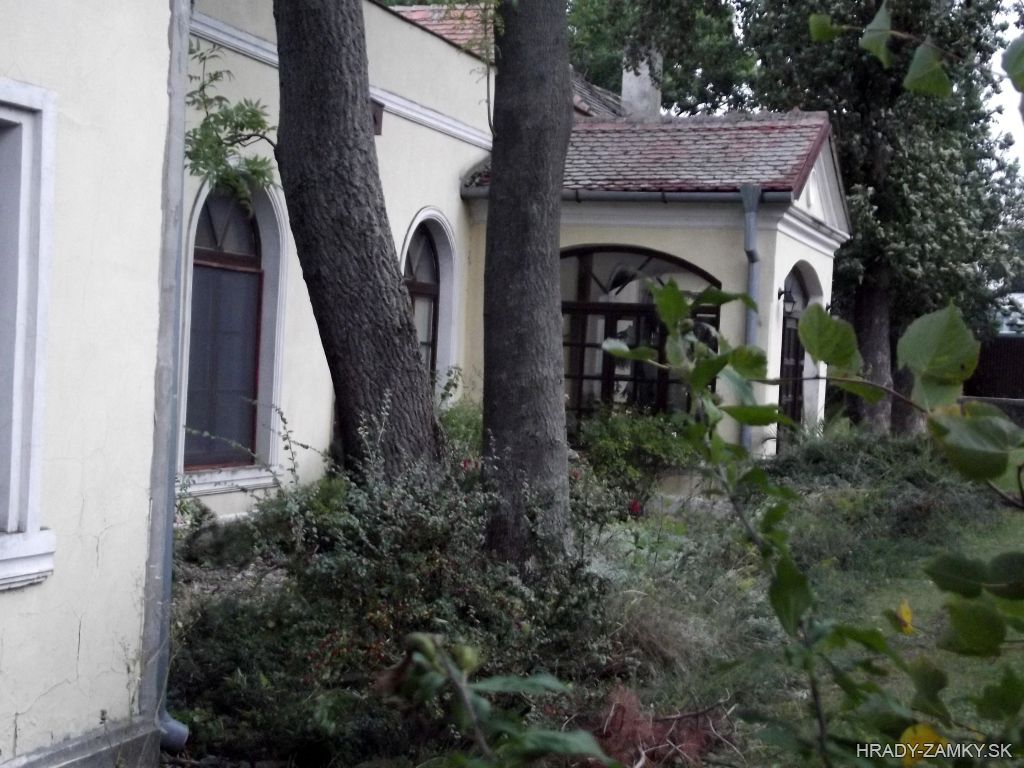
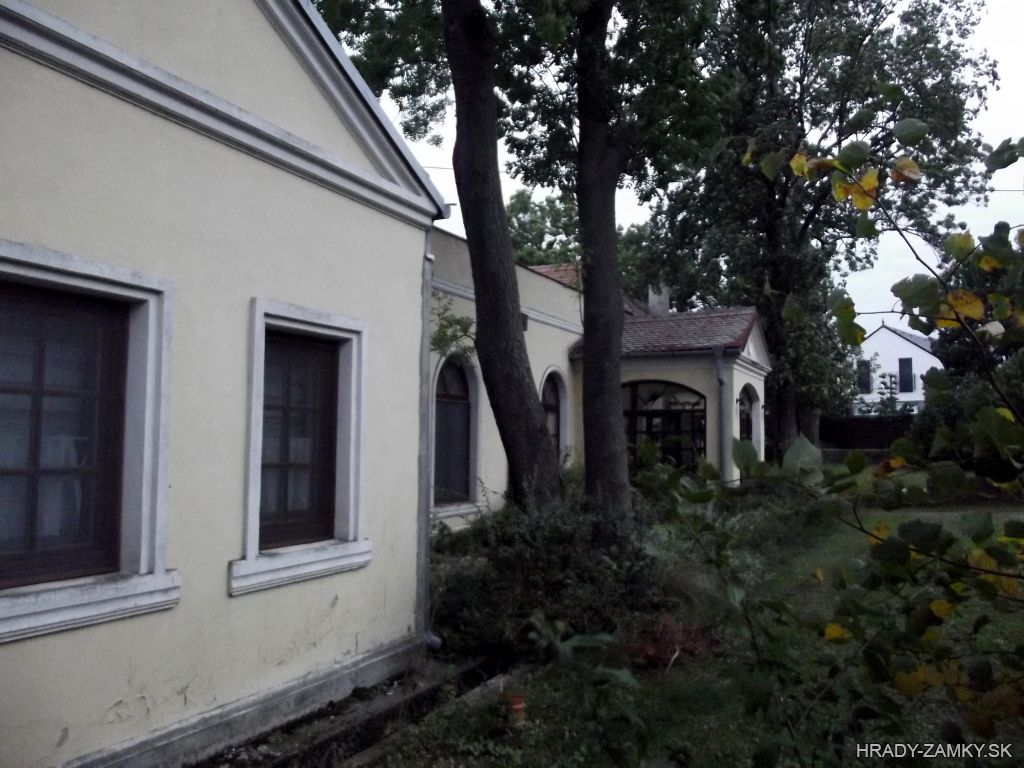
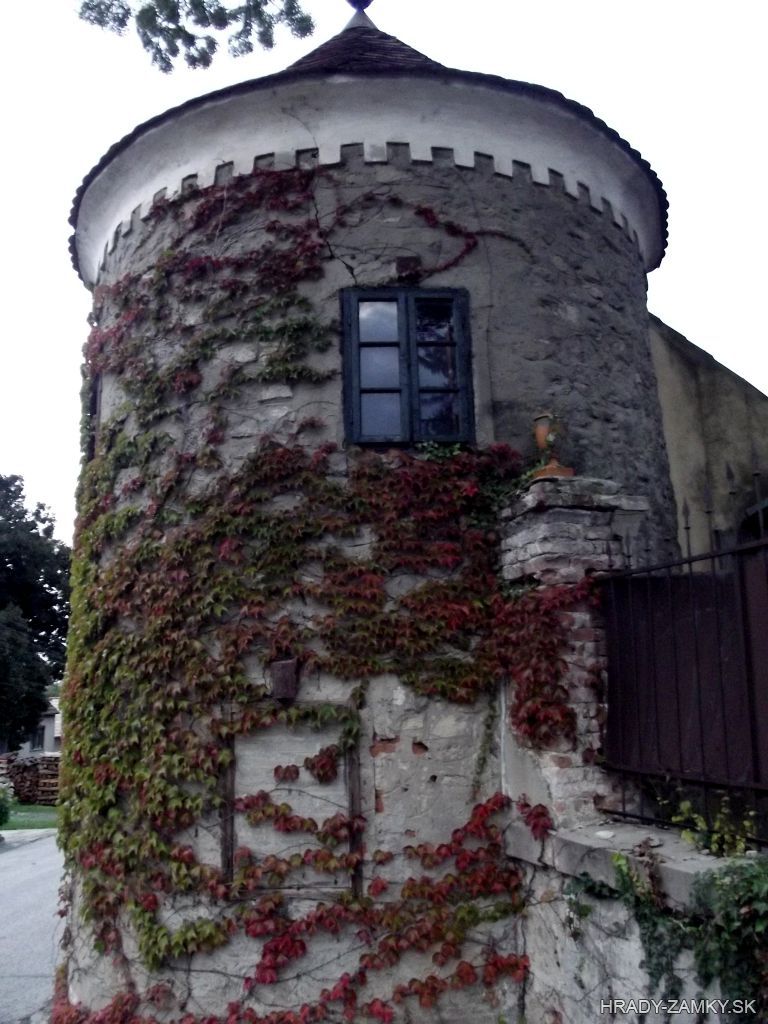
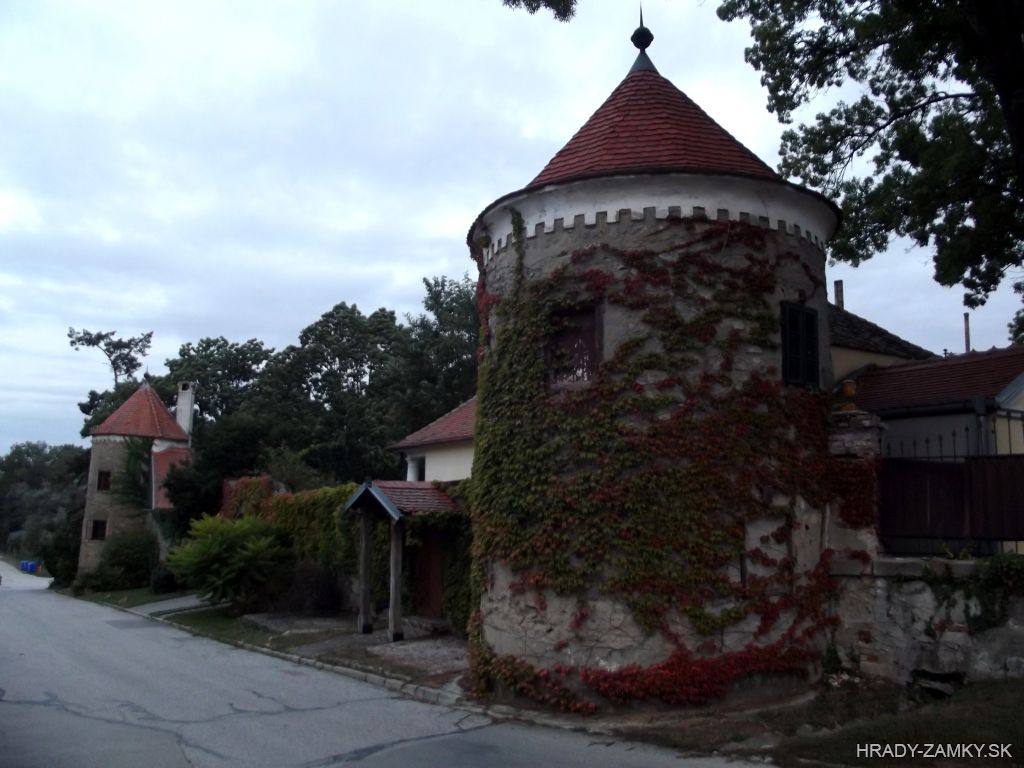
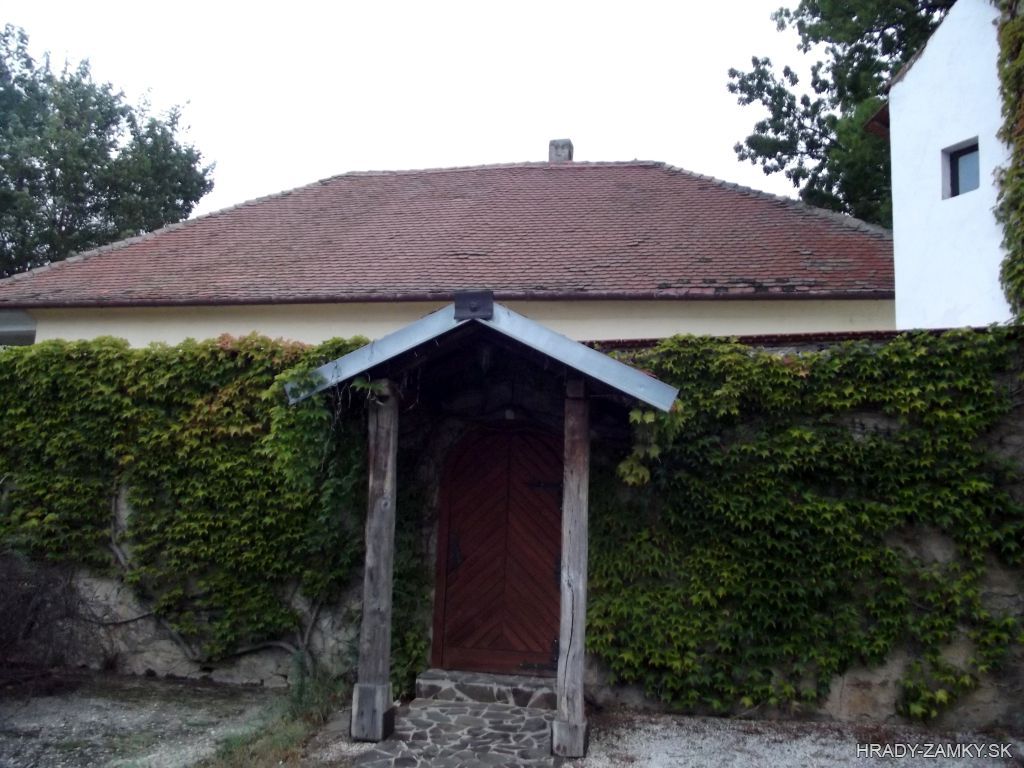
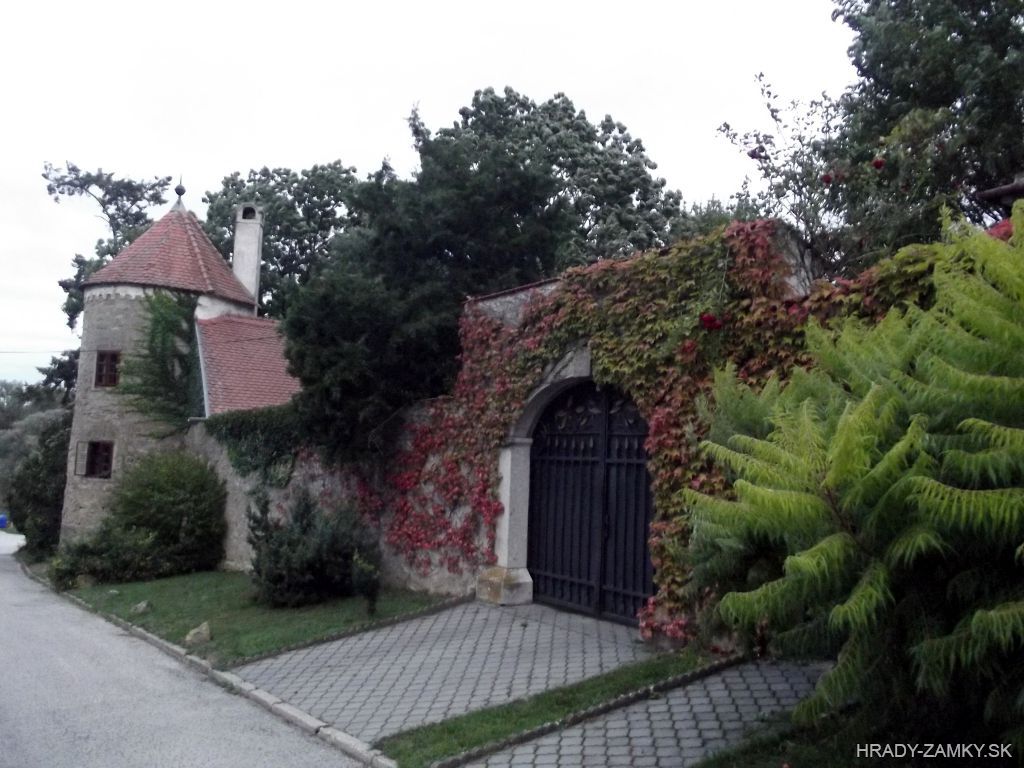
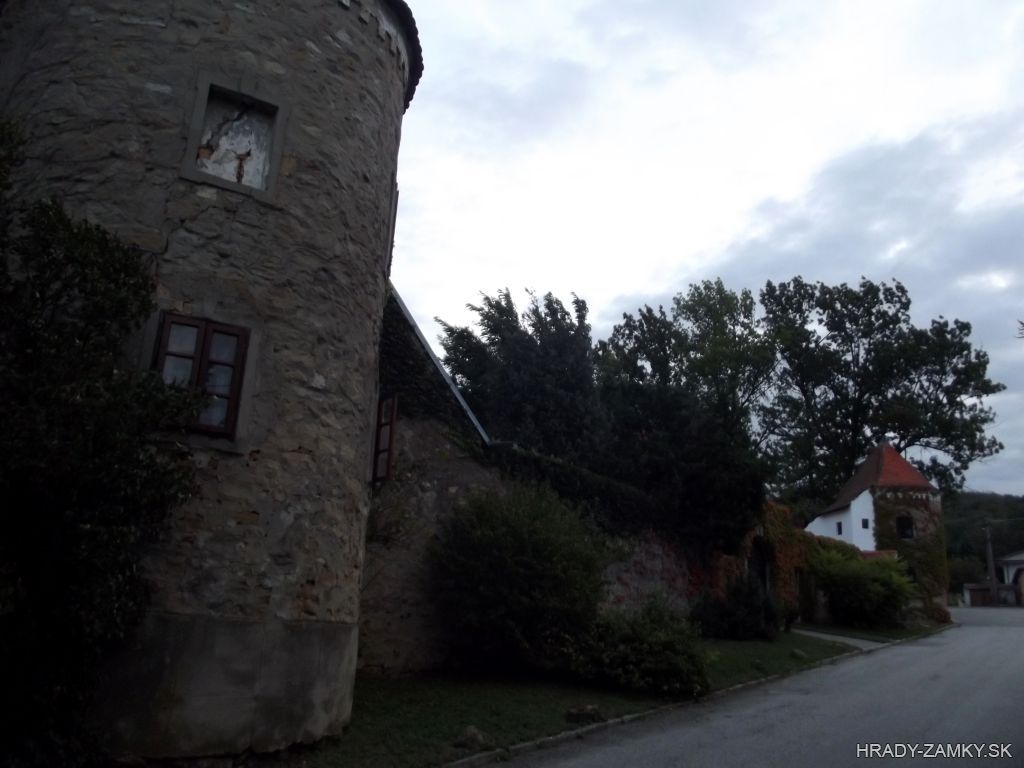
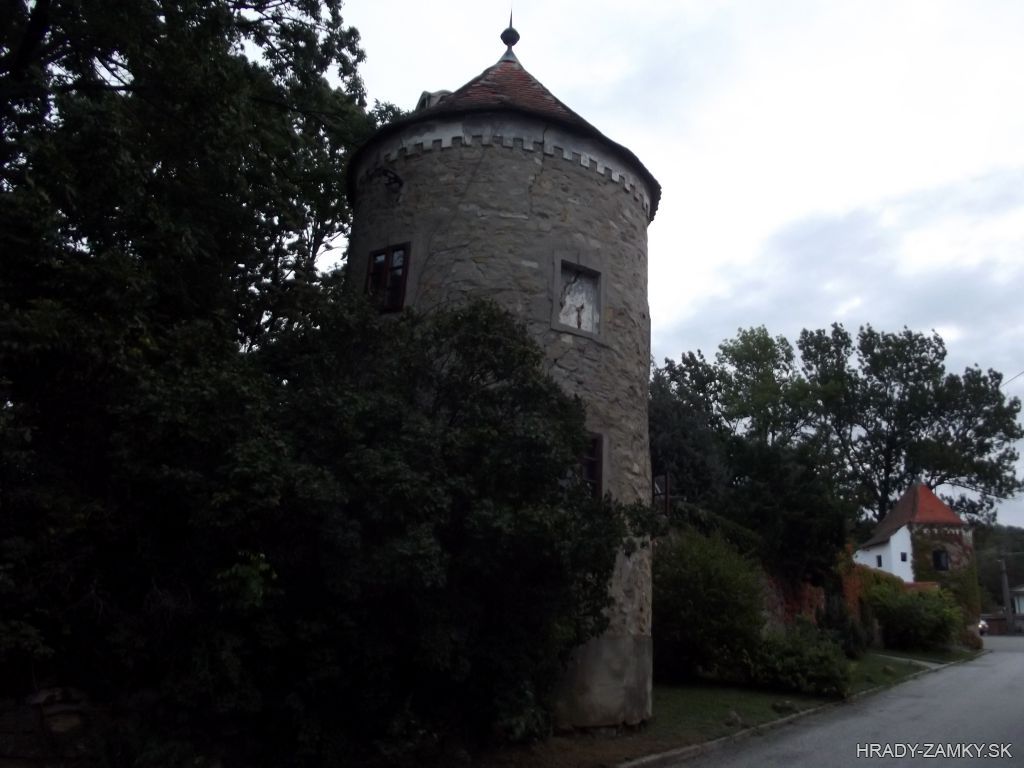
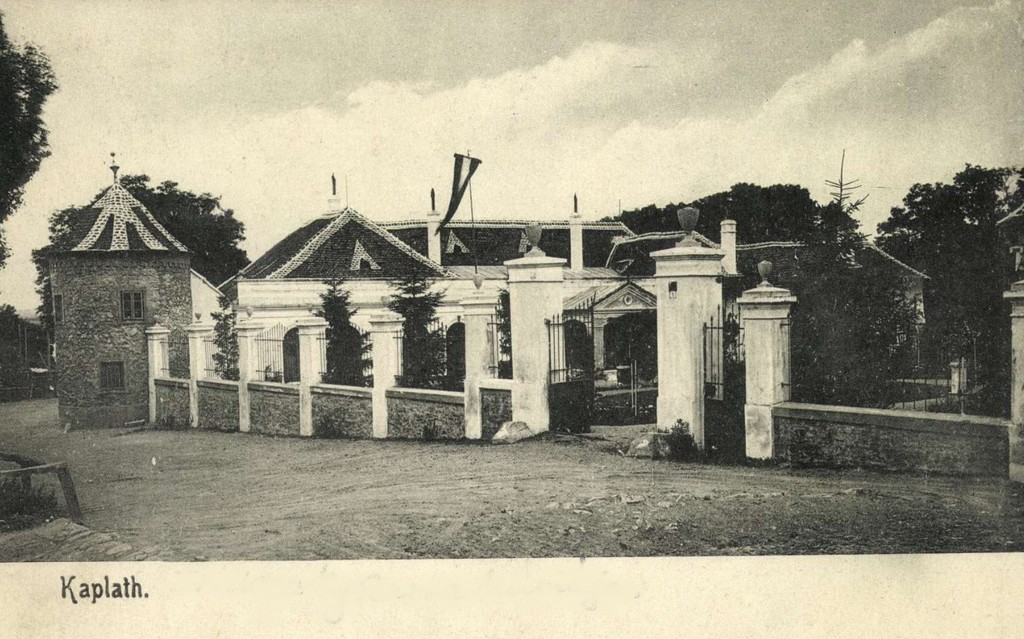
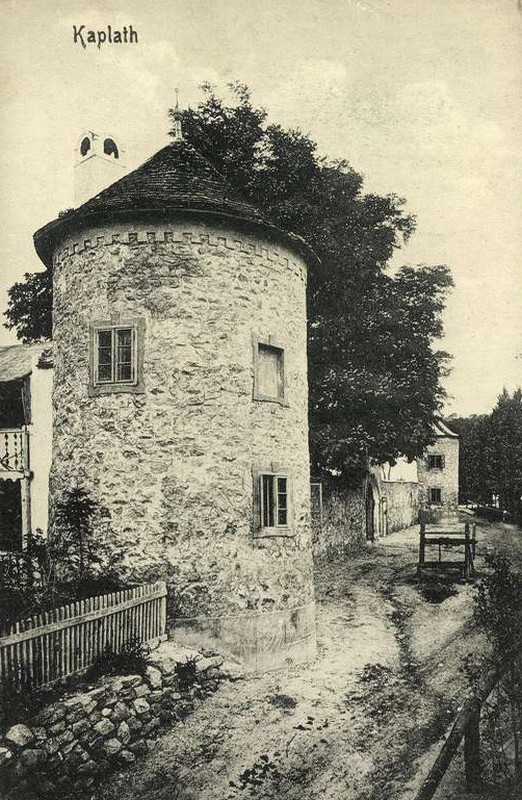
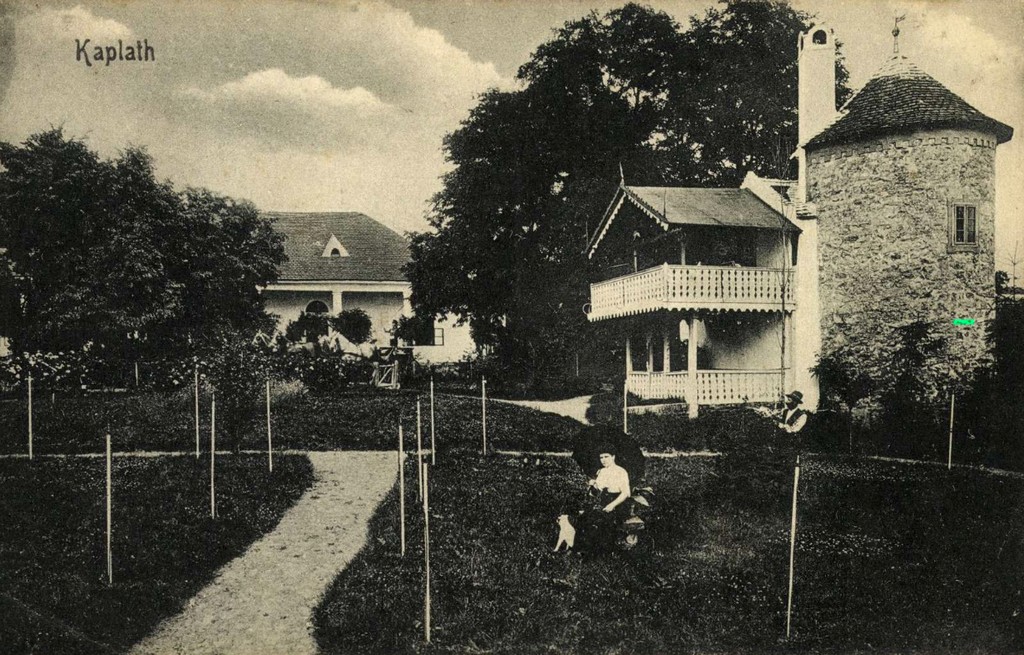
The manor house was originally a fortified Renaissance building. The front wall of the fortification and two circular bastions with a stone portal in the middle are preserved. In the courtyard of the manor there are two classicist mansions rebuilt in 1901. The mansion with an older core is a single-storey building with an L-shaped floor plan. The second building is also single-storey and has a rectangular shape. On one side, the building is decorated with a series of Tuscan columns.The wall and bastions date from 1613. The cellars of the manor have barrel vaults. It consists of rough stones and bricks.
Kaštieľ bol pôvodne opevnenou renesančnou stavbou. Zachovaný je priečelný múr opevnenia a dve kruhové bašty s kamenným portálom uprostred. Na nádvorí kaštieľa sa nachádzajú dve klasicistické kúrie prestavané v roku 1901. Kúria so starším jadrom je jednopodlažná budova s pôdorysom v tvare písmena L. Druhá budova je tiež jednopodlažná a má obdĺžnikový tvar. Z jednej strany je budova zdobená radom toskánskych stĺpov.Hradbový múr ako aj bašty pochádzajú z roku 1613. Pivnice kaštieľa majú valené klenby. Tvoria ju neopracované kamene a tehly.
History
The first written mention of the manor dates from the 15th century, but the building was certainly built earlier. The manor was originally owned by the Kaplathi family. In 1593, the seriously ill Czobor wrote a will and bequeathed all his property to his wife. Révayovej. In 1613, the fortified manor was acquired by Tomáš Gosztonyi. It was during this period that the manor house was structurally modified, as evidenced by the inscription above one of the portals. Later, the object passed into the hands of the Kochanovsky family.
In 1663 the manor house was the property of Count Nádasdy and in October of the same year the manor house was burned down by the Turks. This fact is captured in the map of Leopoldov's surroundings from 1668. The manor house is mentioned in it as Scheite, which is probably related to the original older building made of durable materials, which used to stand in this place.
The manor is also known for the visits of the poet Ján Hollé, who occasionally lived in the lower bastion, where he was also offered lifelong living. The second half of the 19th century brought more owners. The manor was acquired by the mayor Timoth Frideský, after whom the manor was also named Frideský. At the beginning of the 20th century, the manor house was rebuilt and Timothi's son Barnabas II took part in it. The manor acquired both Baroque and Classicist elements. After the death of his son Ivan, the era of landowners in Koplotovce came to an end.
The front wall of the fortification with two round bastions has been preserved from the original Renaissance building. There are also two classicist mansions rebuilt in 1901 in the courtyard.
A comprehensive reconstruction of the building began in 1997, when Martin Petrek and his family reconstructed a devastated manor house from the times of socialism to its current form. It served as a guest house until 2014.
There is a famine in the courtyard. There is also a cellar, which in the past served as a warehouse for gunpowder, later as an ice house and, according to some sources, as a torture chamber. At present, the manor is in private hands.
Prvá písomná zmienka o kaštieli pochádza z 15. storočia, avšak objekt bol určite postavený už skôr. Kaštieľ vlastnili spočiatku Kaplathiovci. V roku 1593 ťažko chorý Czobor spísal testament a celý svoj majetok odkázal manželke rod. Révayovej. V roku 1613 získal opevnený kaštieľ Tomáš Gosztonyi. Práve v tomto období bol kaštieľ stavebne upravovaný, o čom svedčí nápis nad jedným z portálov. Neskôr objekt prešiel do rúk rodiny Kochanovských.
V roku 1663 bol kaštieľ majetkom grófa Nádasdyho a v októbri toho istého roku kaštieľ vypálili Turci. Túto skutočnosť zachytáva mapa okolia Leopoldova z roku 1668. Kaštieľ v sa v nej spomína ako Scheite, čo zrejme súvisí s pôvodnou staršou stavbou z netrvanlivých materiálov, ktorá na tomto mieste stála skôr.
Kaštieľ je známy aj návštevami básnika Jána Hollého, ktorý príležitostne prebýval v dolnej bašte, kde mu bolo ponúknuté aj doživotné bývanie. Druhá polovica 19. storočia priniesla ďalších vlastníkov. Kaštieľ získal župan Timoth Frideský, podľa ktorého kaštieľ získal aj pomenovanie Frideský. Začiatkom 20. storočia došlo k prestavbe kaštieľa a podieľal sa na nej Timothiho syn Barnabáš II. Kaštieľ získal barokové aj klasicistické prvky. Po smrti jeho syna Ivana skončila éra zemepánov v Koplotovciach.
Z pôvodnej renesančnej stavby sa zachoval priečelný múr opevnenia s dvomi kruhovými baštami. Na nádvorí sú umiestnené aj dve klasicistické kúrie prestavané v roku 1901.
Komplexná rekonštrukcia objektu začala v roku 1997, keď Martin Petrek a jeho rodina zrekonštruovali zdevastovaný kaštieľ z čias socializmu do súčasnej podoby. Do roku 2014 slúžil ako penzión.
Na nádvorí sa nachádza hladomorňa. Je tu aj pivnica, ktorá v minulosti slúžila ako sklad pušného prachu, neskôr ako ľadovňa a podľa niektorých zdrojov aj ako mučiareň. V súčasnosti je kaštieľ v súkromných rukách.
Myths and legends
There are no myths available.
K tomuto objektu nie sú dostupné žiadne povesti
Useful information
The manor house is in private hands, inaccessible to the public
Kaštieľ je v súkromných rukách, neprístupný verejnosti
Nearby castles
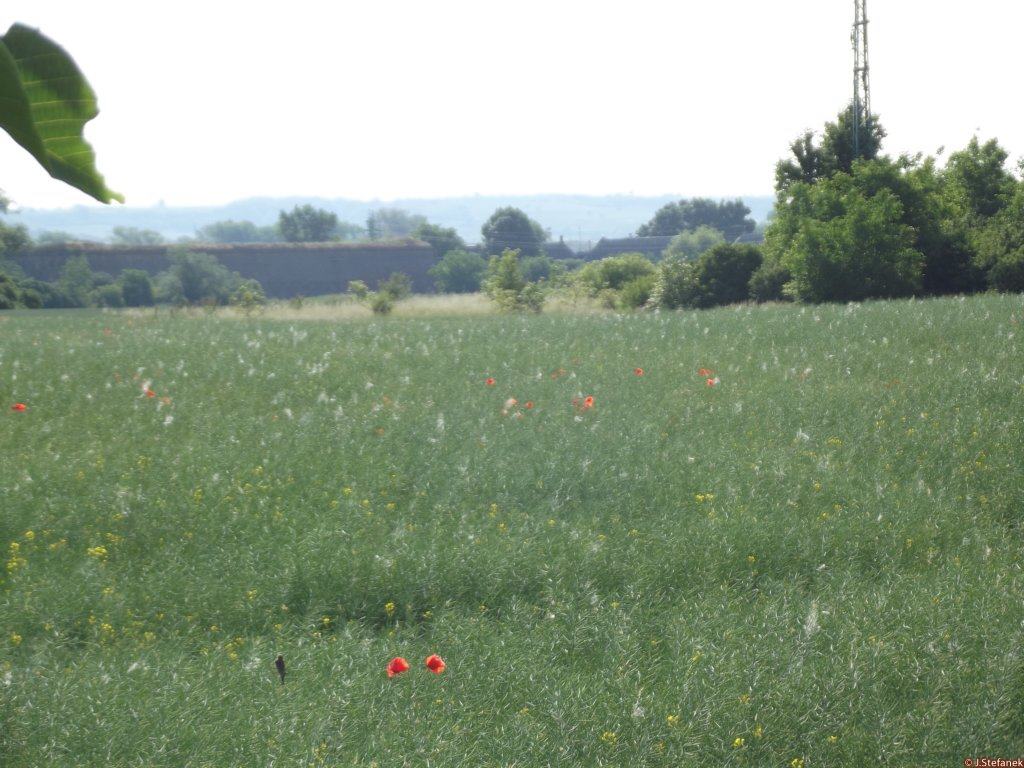
Leopoldov fort
Leopoldov
4.1km
fortress
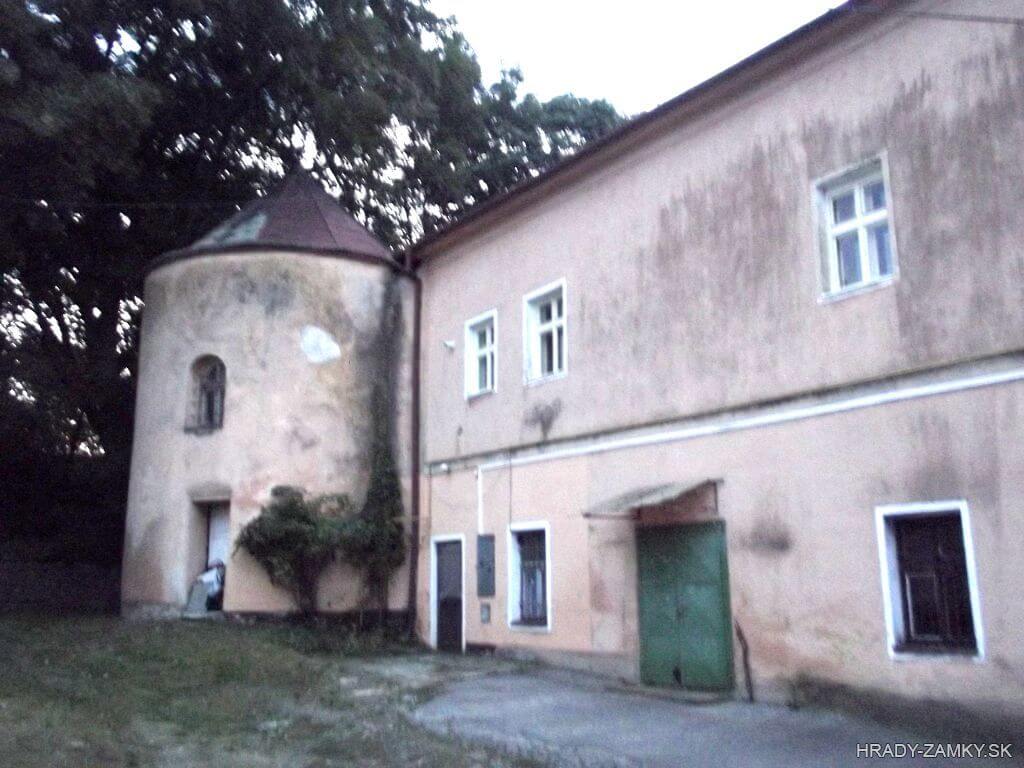
Horné Trhovište
Horné Trhovište
4.5km
manor, mansion
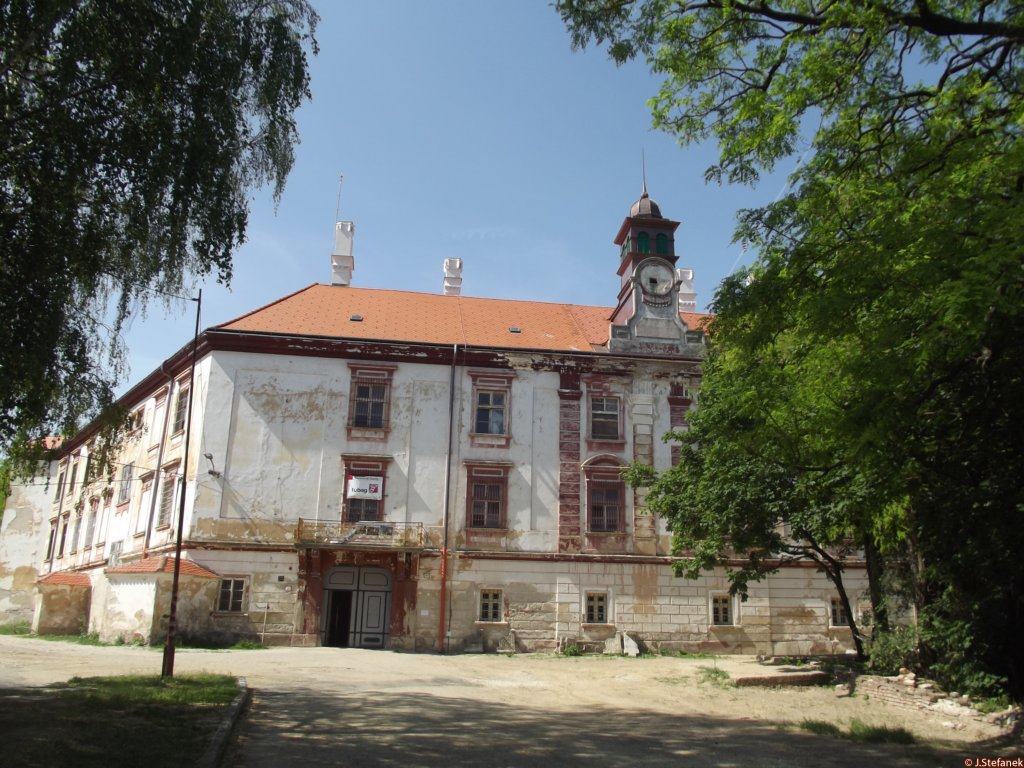
Hlohovec
Hlohovec
6.5km
castle, chateau
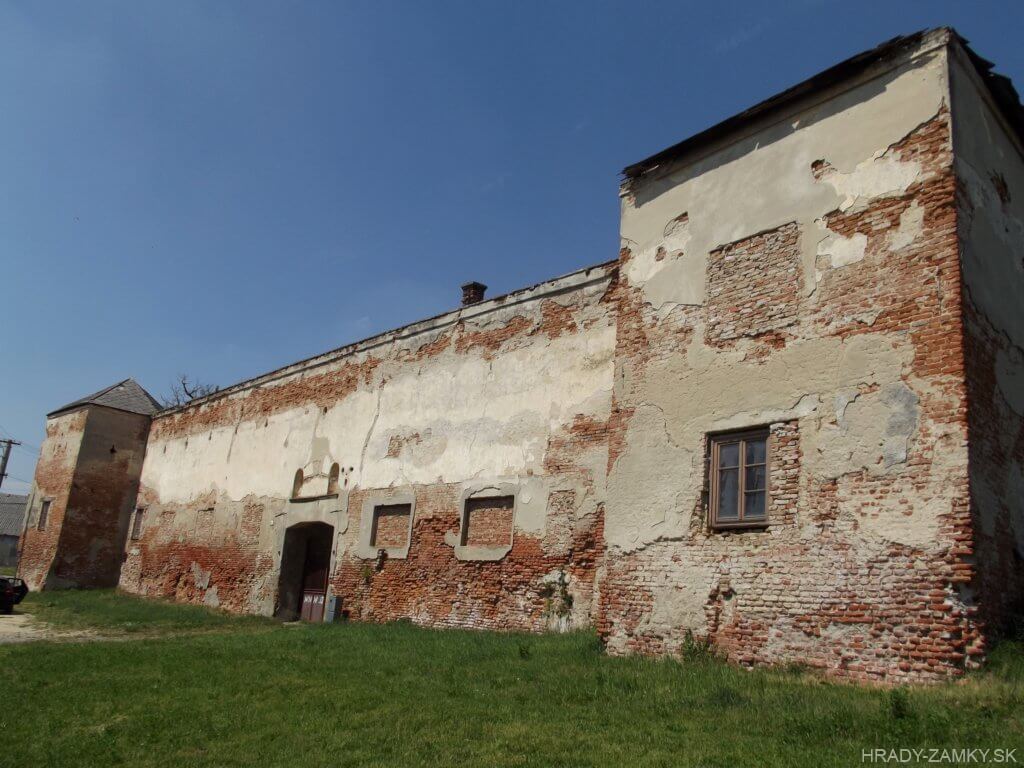
Lukáčovce mansion
Lukáčovce
12.7km
manor, mansion
Rišňovce
Rišňovce
13.7km
manor, mansion
Nové Sady
Nové Sady
14.4km
manor, mansion
Moravany nad Váhom
Moravany nad Váhom
14.8km
manor, mansion