Brukenthal Palace
Municipiul Sibiu Județul Sibiu Romania
manor, mansion
Palatul Brukenthal din Sibiu
Municipiul Sibiu Județul Sibiu Romania
manor, mansion
Brukenthal-palota
Municipiul Sibiu Județul Sibiu Romania
manor, mansion
Brukenthal Palace and the collections put together by Baron Samuel von Brukenthal represent the nucleus of the present Brukenthal National Museum
Palatul Brukenthal din Sibiu este un palat construit între anii 1778–1788 în orașul Sibiu de baronul Samuel von Brukenthal, guvernator al Marelui Principat al Transilvaniei (1777-1787)
A Brukenthal-palota Nagyszeben híres barokk stílusú műemlék épülete a Nagypiac (Grosser Ring, Piața Mare) nyugati oldalán (4
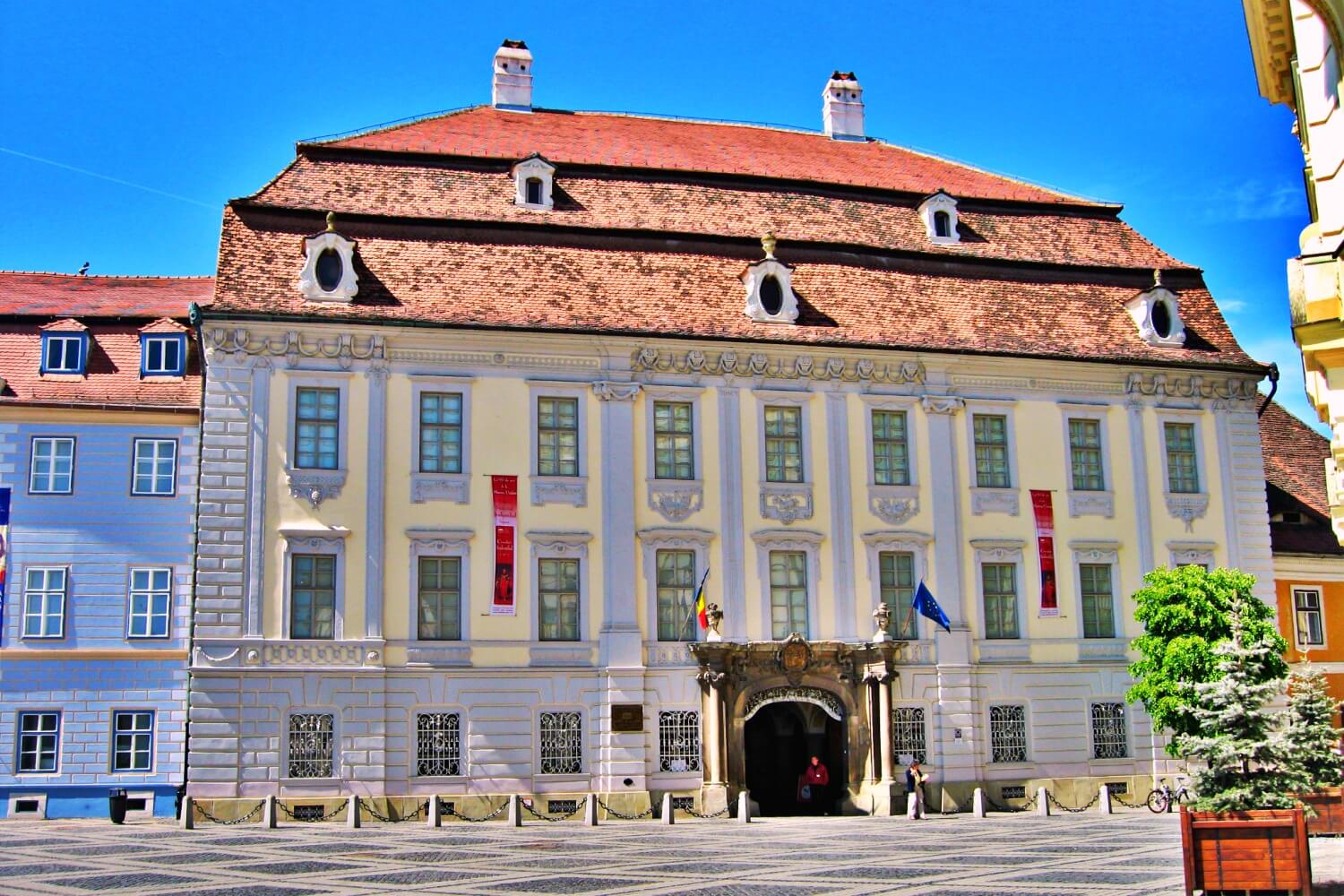
Previous names
Brukenthal Palace, Palatul Brukenthal din Sibiu, Brukenthal-palota
Description
Brukenthal Palace and the collections put together by Baron Samuel von Brukenthal represent the nucleus of the present Brukenthal National Museum.
Since the baron and his wife had a daughter as the only child (who died at the early age of four) his testamentary dispositions stipulated that, on the death of the last heir in the male line of succession, the entire inheritance was to be placed in the custody of the Evangelical Church of Sibiu while the palace presenting his collections to be open for the public, event that happened in the year 1817.
During the 19th century, the main concern of the Museum was to preserve the extant patrimony, to enlarge the main collections through the means of acquisitions and to establish new collections, especially in the range of the German-Saxon Culture.
In the year 1948, the Museum was nationalized, becoming the property of the communist Romanian state.
In 1948, the Transylvanian Society for the Natural Sciences in Sibiu ceased its activity, the museum under its patronage being included in the national patrimony. In 1957, the Museum of Natural Sciences became a part of the Brukenthal Museum.
The “August von Spiess” Museum of Hunting has its opening in 1966.
1972 is the opening year to the Museum of Pharmacy.
In 1988 was inaugurated the History Section of the Brukenthal National Museum, at present the Museum of History, in the Altemberger House.
The Contemporary Art Gallery of the Brukenthal National Museum is the most recently acquired location (2006), since 2014 functioning as a Museum of Contemporary Art.
http://www.brukenthalmuseum.ro/
Palatul Brukenthal din Sibiu este un palat construit între anii 1778–1788 în orașul Sibiu de baronul Samuel von Brukenthal, guvernator al Marelui Principat al Transilvaniei (1777-1787). El a fost înălțat în etape, cu scopul de a fi reședință oficială a baronului von Brukenthal și sediu al colecțiilor sale. Palatul se află situat în partea de vest a Pieței Mari, având adresa Piața Mare nr. 4.
Palatul Brukenthal din Sibiu, azi Muzeul Brukenthal, a fost inclus pe Lista monumentelor istorice din județul Sibiu din anul 2015, având codul de clasificare SB-II-m-A-12094.
Istoric
Construcția a început după ce Samuel von Brukenthal a fost numit Guvernator al Marelui Principat al Transilvaniei, funcție pe care a ocupat-o între anii 1777 și 1787. Ca model au servit palatele din Viena, construite stilul Barocului Târziu. Clădirea a fost ridicată pe latura vestică a Pieței Mari, pe locul a două case, din care una avea loggii. Baronul mai avea și o reședință de vară, Palatul Brukenthal din Avrig, a cărui construcție începuse în 1760.
Actuala fațadă principală, într-un stil Baroc auster, a fost realizată mai târziu, motiv pentru care palatul este ieșit mai în față în comparație cu frontul celorlalte clădiri din Piața Mare din Sibiu. Pe mijlocul fațadei, se află un ancadrament de piatră al portalului, susținut de coloane deasupra cărora se ridică antablamentul. Ancadramentul este decorat cu blazonul aurit al lui Samuel von Brukenthal și cu alte elemente decorative specifice stilului baroc: urne, rozete și festoane.
În continuarea portalului este un pasaj de trecere, prin care se pătrunde în curtea interioară a palatului, care are un plan dreptunghiular. În fundalul primei curți se află un al doilea portal, cu un concept similar cu cel al primului portal, dar susținut de atlanți iar nu de coloane. Prin acest portal se face trecerea în curtea a doua, unde inițial se aflau grajdul și alte anexe gospodărești.
Samuel von Brukenthal și-a organizat colecțiile de artă astfel ca să poată fi vizitate încă din 1790, cu trei ani înaintea deschiderii Muzeului Louvre. Deschiderea oficială a muzeului a avut loc în anul 1817, fiind astfel cel mai vechi muzeu din România.
În prezent Palatul Brukenthal adăpostește Galeria de Artă și Biblioteca Muzeului Național Brukenthal, unde se află cele mai valoroase colecții de picturi baroce din centrul și estul Europei.
A Brukenthal-palota Nagyszeben híres barokk stílusú műemlék épülete a Nagypiac (Grosser Ring, Piața Mare) nyugati oldalán (4. sz.). 2004 óta a Nagyszeben történelmi központja helyszín részeként a világörökség javaslati listáján szerepel.
Története
Samuel von Brukenthal építtette 1778–1788 között, miután Erdély kormányzójává választották, a középkori eredetű Klockner- és Offner-házak helyére. Építőmestere Franz Burger, épületszobrásza a kolozsvári Simon Hoffmeyer, kőfaragója Anton Hertzum volt. Főkapuzatát urnák, rozetták, füzérdíszek, a tölgyfából készült ajtószárnyakat a művészetek és a bőség jelképei (Minerva pajzsa és baglya, festőpaletta, bőségszaru) ékesítik, a kapu felett Brukenthal aranyozott címere látható. A kapubejáróba a bal oldalon beépítették a Petőfi/Rét utca (Wiesengasse, Strada Tipografilor) 4. számú házának (az ún. Hermann Wagner-ház) 1552-ből való kapukeretét, Thomas Lapicida munkáját. Samuel Brukenthal téli rezidenciáját az első emeleten alakították ki. Itt találhatóak a szalon, a fogadószoba, a vendégszobák és kabinetek. Utóbbiakat kínai festményeket utánzó tapéta, a zeneszobát faburkolat és keleti virágmintás tapéta borítja. Az ajtók fafaragványai közül nyolc Ovidius Metamorphosesének történeteit ábrázolja. A második emeleten helyezte el a báró fokozatosan gyarapodó műkincsgyűjteményét. (A képgyűjtemény alapjait 1759–1772 között Bécsben vetette meg.)
Végrendeletében Brukenthal az Evangélikus Egyházra hagyományozta az épületet és a gyűjteményt. 1817. február 25-én a gyűjtemény megnyílt a látogatók előtt. Képeit 1916 őszén, a román hadsereg támadása elől Budapestre menekítették, és csak 1919-ben kerültek vissza. 1946-ban államosították, a legértékesebb képeket a bukaresti Művészeti Múzeumba vitték – ezeket 2006-ban, Nagyszeben európai kulturális fővárosi éve alkalmából visszakapta. 2006-ban a múzeumot visszaítélték az evangélikus egyháznak.
A palota hátsó udvarából nyíló lakásban töltötte gyermekkorát Borsos Miklós.
Useful information
Charge
39.00 RON
Students: 9.75 RON
Seniors: 19.50 RON
10+ pers: 29.00 RON
info@brukenthalmuseum.ro
- Closed on Mondays and Tuesdays
- Guided tours: 150.00 RON
- Guided tours in foreign languages
- Photography: 180.00 RON
-
-
External links
Nearby castles
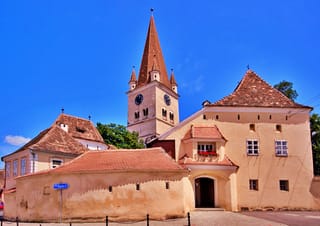
Evangelical church in Cisnadioara
Orașul Cisnădie
9.3km
castle, chateau
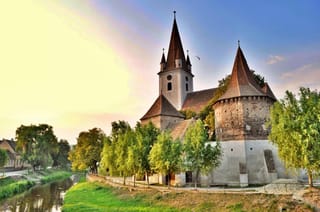
The fortified church from Cristian
Comuna Cristian
9.6km
fortress
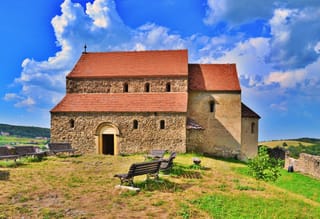
The fortified church from Cisnădioara
Orașul Cisnădie
10.8km
fortress
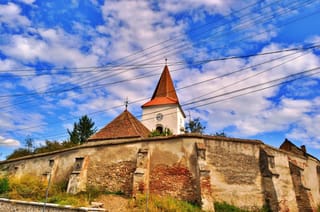
Ocna Sibiului fortified church
Orașul Ocna Sibiului
11.9km
fortress
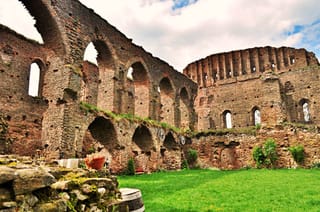
The peasant fortress from Slimnic
Comuna Slimnic
13.7km
fortress
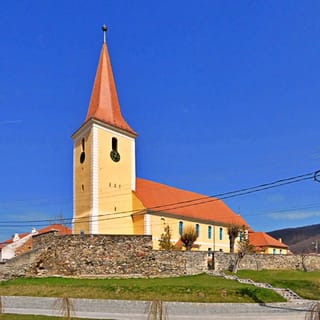
Evangelical Church from Tălmaciu
Orașul Tălmaciu
17.3km
castle, chateau
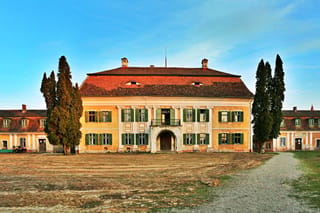
Brukenthal Palace
Orașul Avrig
19.0km
manor, mansion