Kornis-Rákóczi-Bethlen Castel in Iernut
Orașul Iernut Județul Mureș Romania
castle, chateau
Castelul Kornis-Rákoczi-Bethlen
Orașul Iernut Județul Mureș Romania
castle, chateau
Kornis-Rákóczi-Bethlen-kastély
Orașul Iernut Județul Mureș Romania
castle, chateau
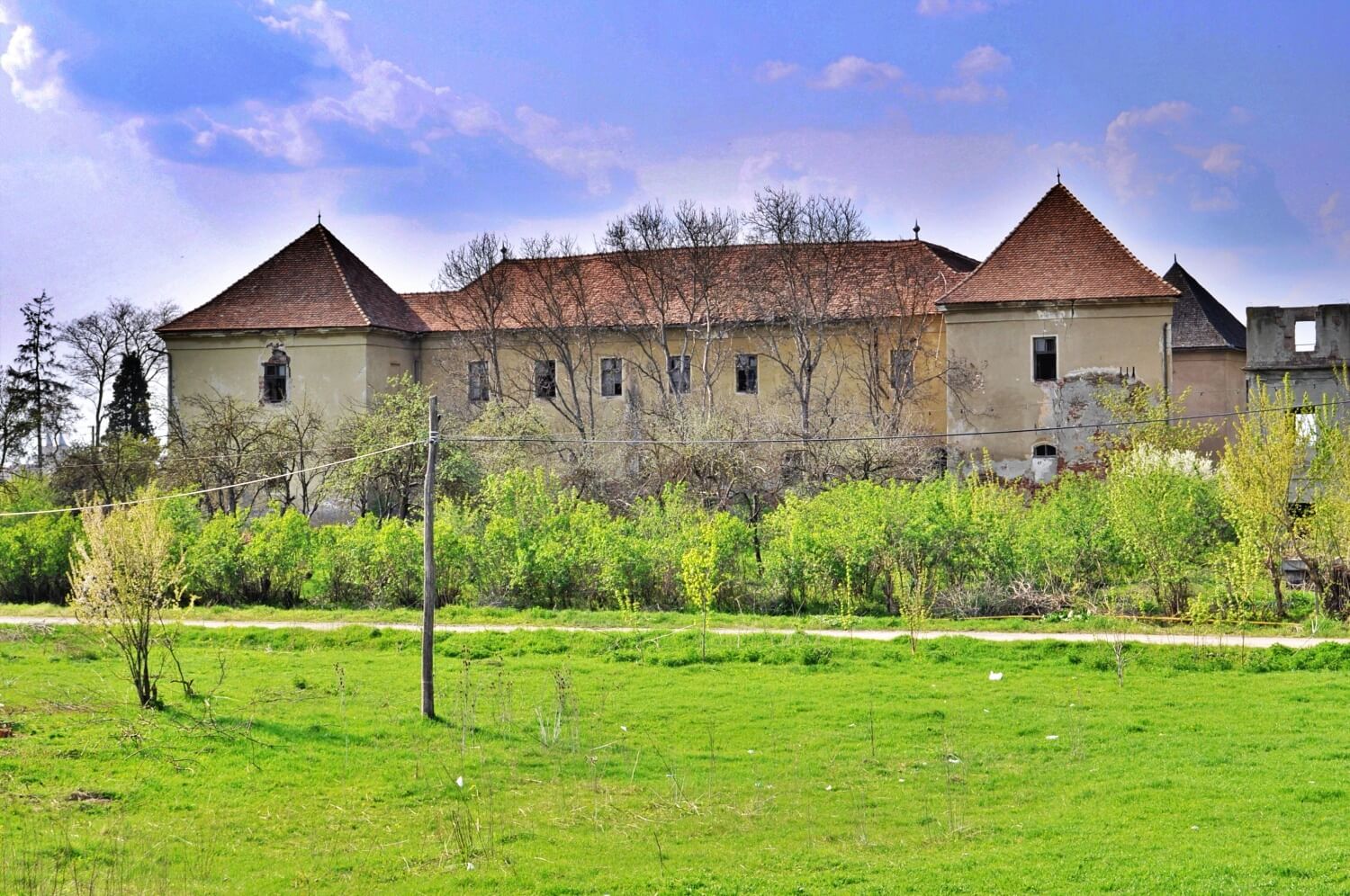
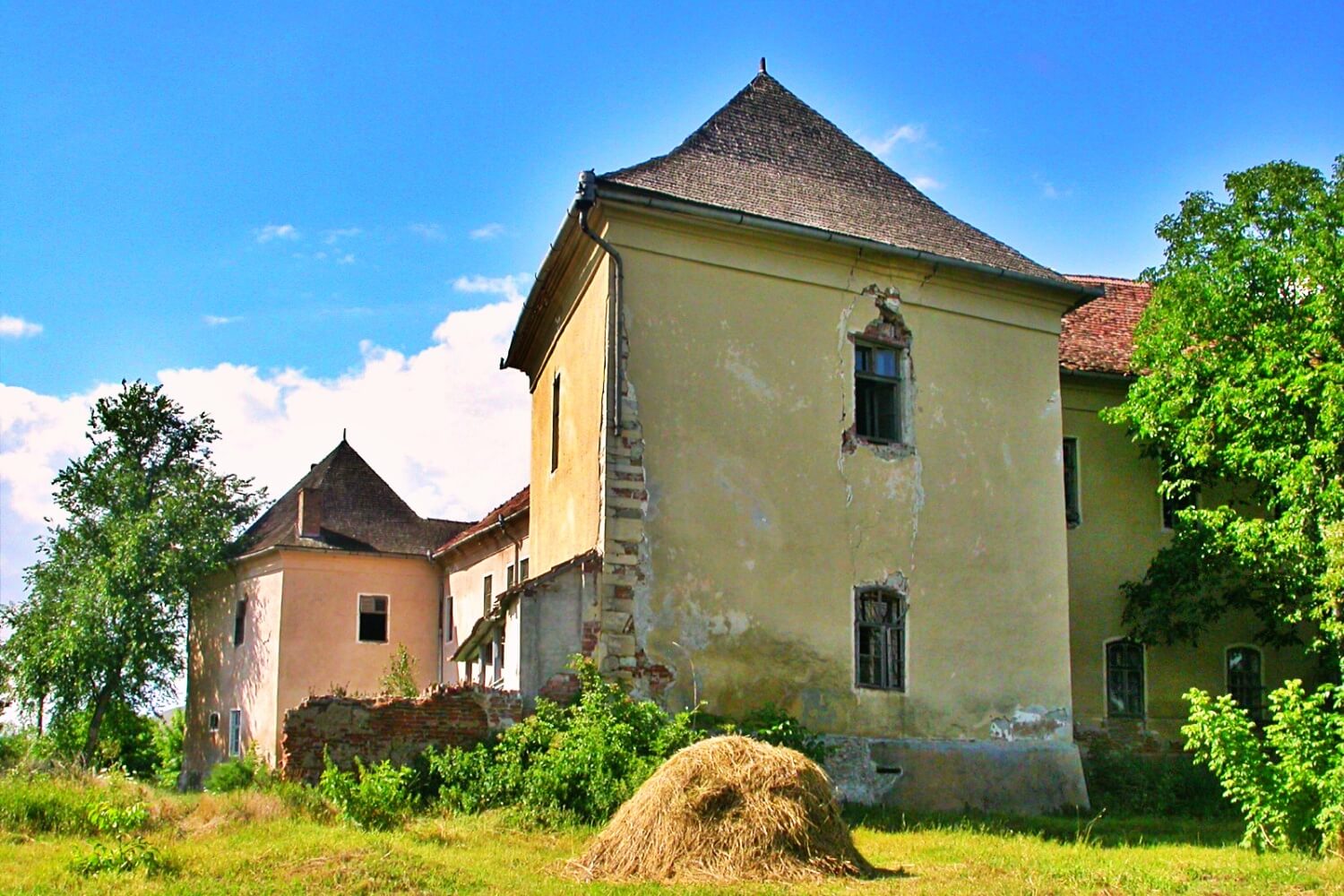
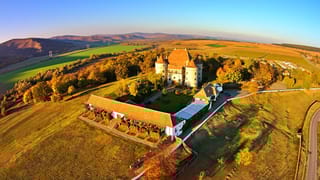
The castel built in 1545 by Gáspár Bogáti in Renaissance style is a rectangular structure with corner towers
Castelul Kornis-Rákóczi-Bethlen din Iernut (în maghiară Kornis-Rákóczi-Bethlen-kastély) este un monument istoric aflat pe teritoriul orașului Iernut, operă a arhitectului Agostino da Serena care îmbină elemente ale goticului târziu cu elemente renascentiste
A Kornis–Rákóczi–Bethlen-kastély az erdélyi Radnóton, Maros megyében található
Previous names
Kornis-Rákóczi-Bethlen Castel in Iernut, Castelul Kornis-Rákoczi-Bethlen, Kornis-Rákóczi-Bethlen-kastély
Description
The castel built in 1545 by Gáspár Bogáti in Renaissance style is a rectangular structure with corner towers. It was one of Transylvania's most comfortable castles, with fortress walls and a water-filled moat.
After the Battle of Sânpaul in 1575, István Báthory, prince of Transylvania defeated the nobles fighting along Gáspár Bekes, executed Gáspár Bogáthy and the town of Iernut was confiscated for the treasury of Transylvania. In 1587 the castle was donated by Zsigmond Báthory to Ferenc Kendi, but after two years he was executed too. The new owner of the castle, Boldizsár Kornis was also executed in 1610, but the building remained the property of the Kornis family. After another confiscation, Gábor Bethlen, prince of Transylvania also initiated a series of transformations on the building.
The castle was bought in 1649 by György Rákóczi II, prince of Transylvania, he rebuilt the castle after the plans of the Venetian architect, Agostino Serena. This building phase was commemorated by the inscription on the northern gate: “AUGUSTINUS SERENA ARCHITECTUS VENETUS OPERA FECIT”. After the lost battle of Florești against the Ottomans the castle became the property of the new princess, Anna Bornemissza. The castle was then inherited by his son Mihály Apafi II, then by his widow, Kata Bethlen. During the rule of the prince of Transylvania, Mihály Apafi II, 15 diets of the Transylvanian nobility took place here. The castle was taken from the Habsburgs by Rákóczi's Kuruc troops in 1703. Ferenc Rákóczi II stopped here in 1707, on his way to Târgu Mureş, where he was to be crowned Prince of Transylvania. After the death of the princess, in 1758, the castle became the property of the treasury. In 1764 the building was bought by chancellor Miklós Bethlen from the treasury. In 1802 the castle's shingled roof burned down due to an unintentional firearm shooting of a bailiff. The damaged roof was replaced with a smaller, more simple roof. The castle's new gate building, the Snake House was built in the second half of the 18th century, with snake decorations - motif taken from the escutcheon of the Bethlen family. Until 1885 the castle belonged to the Bethlen family, when Márk Bethlen lost the castle to Count Jenő Haller during a card game. The winner donated the estate to the Roman-Catholic Church of Transylvania. The Roman-Catholic Status of Transylvania bought the estate in 1887 and renovated it partly. They demolished the corrals and (they also) filled the moat with soil. At that time the castle was the property of the Roman-Catholic Church of Alba-Iulia. The estate was nationalized in 1948, and was transformed it into a model farm and an agricultural school during the 1990’s. The separate gate building, the Snake House, was restored in the first half of the 1960’s and became a memorial house.
Today the castle is in a ruinous condition: its walls and roof are falling down. On 18th March 2012 the roof of the bastion burned down.
https://castleintransylvania.ro/
Castelul Kornis-Rákóczi-Bethlen din Iernut (în maghiară Kornis-Rákóczi-Bethlen-kastély) este un monument istoric aflat pe teritoriul orașului Iernut, operă a arhitectului Agostino da Serena care îmbină elemente ale goticului târziu cu elemente renascentiste.
Istoric
Clădirea castelului din Iernut a fost construit de Gáspár Bogáti în stil renascentist (1545). Ancadramentul portalului datează din 1574, fiind realizat tot în stilul Renașterii. Clădirea a fost modificată între 1650-1660 de principele Transilvaniei Gheorghe Rákóczi al II-lea, după planurile arhitectului venețian Agostino Serena. Sub domnia lui locuitorii împreună cu biserica au trecut la religia reformată.
În castelul din Iernut a trăit principele Mihai Apafi al II-lea. Sub domnia lui Dieta Transilvaniei a întrunit de cincisprezece ori la Iernut. Întrunirea din 1690 a fost ultima din istoria Principatului Transilvaniei.
În 1703 curuții principelul Francisc Rákóczi al II-lea au cucerit castelul de la Habsburgi. În anul 1707 Francisc Rákóczi al II-lea s-a cazat aici în drum spre Târgu Mureș, unde a fost proclamat principe al Transilvaniei.
De-a lungul anilor castelul a aparținut pe rând mai multor descendenți ai familiei Bethlen. În 1885, Márk Bethlen l-a pierdut castelul în favoarea contelui Jenő Haller. Contele de religie romano-catolică a tercut domeniul în proprietatea bisericii romano-catolice, fiind cumpărat și restaurat parțial în anul 1887 de Statusul Romano-Catolic.
Imobilul a adăpostit o bună perioadă de timp Liceul Agricol din localitate. Castelul din Iernut, monument înscris în patrimoniul cultural național, nu are niciun stăpân din cauza tărăgănării procedurii de retrocedării, riscând astfel să ajungă o ruină din cauza birocrației.
A Kornis–Rákóczi–Bethlen-kastély az erdélyi Radnóton, Maros megyében található.
Története
A kastélyt 1545-ben Bogáti Gáspár építtette reneszánsz stílusban, zárt négyszögű, olaszbástyás alaprajzzal. Akkoriban Erdély egyik legkényelmesebb várkastélya volt, külső erődfalakkal és vizes árokkal. 1575-ben Báthory István fejedelem a kerelőszentpáli csata után leszámolt az ellene lázadó, Bekes Gáspárhoz csatlakozó főurakkal, kivégeztette Bogáthy Gáspárt is, s Radnótot elkobozta az erdélyi kincstár számára. 1587-ben Báthory Zsigmond Kendi Ferenc küküllői főispánnak ajándékozta, majd két évvel később őt is kivégezték. Az új tulajdonost, Kornis Boldizsárt is kivégezték 1610-ben, de az épület a Kornis-család kezében maradt. Egy ismételt elkobzás után Bethlen Gábor fejedelem is végeztetett rajta átalakításokat. 1649-ben II. Rákóczi György erdélyi fejedelem vásárolta meg, aki 1650 és 1660 között Agostino Serena velencei építész tervei alapján teljesen átépíttette. Ezt a mozzanatot egy felirat őrzi az északi kapu felett: „AUGUSTINUS SERENA ARCHITECTUS VENETUS OPERA FECIT”. A török elleni vesztes szászfenesi csata után előbb az új fejedelemasszony, Bornemissza Anna tulajdonába kerül. Tőle fia, II. Apafi Mihály, majd annak özvegye, Bethlen Kata örökölte. Az új fejedelem II. Apafi Mihály fejedelem 15 alkalommal tartott itt országgyűlést. 1703-ban II. Rákóczi Ferenc fejedelem kurucai foglalták el a Habsburgoktól. 1707-ben II. Rákóczi Ferenc itt szállt meg Marosvásárhely felé menet, ahol Erdély fejedelmévé koronázták. 1758-ban, az özvegy fejedelemasszony halála után a kincstár tulajdonába került. 1764-ben a kincstártól a gróf Bethlen Miklós kancellár vásárolta meg. 1802-ben egy tiszttartó rossz puskalövése felgyújtotta a zsindelytetőt, melyet egy alacsonyabb egyszerű tetővel állítottak helyre. A 18. század második felében épült a kastély új kapuépülete, a bethleni Bethlen család kígyós címerével díszített „Kígyúsház”. Egészen 1885-ig a Bethlenek, amikor is Bethlen Márk, egy kártyajáték tétjeként elveszítette. A nyertes, Haller Jenő gróf pedig az Erdélyi római katolikus egyháznak adományozta. 1887-ben az erdélyi katolikus státus vette meg s valamennyire helyreállíttatta. A védműveket fokozatosan elbontották, a vizesárkot feltöltötték. Ekkor a gyulafehérvári római katolikus egyház tulajdonában volt. 1948-ban államosították azután az 1990-es években mezőgazdasági iskola, továbbképző majd kutatóállomás lett. A különálló kapuépület, a Kígyós ház, amit a 60-as évek elején restauráltak, emlékmúzeum lett.
Jelenleg romos állapotban van: a falai omladoznak, tetőzete beszakadt. 2012. március 18-án a kastély sarokbástyájának tetőszerkezete leégett.
Useful information
Free
Private property, closed for visitors
-
-
Nearby castles
Castle Haller
Comuna Ogra
5.9km
castle, chateau
Haller Sastle in Sânpaul
Sanpaul
7.8km
castle, chateau
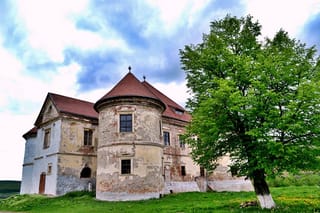
Ozd Pekri-Radak castle
Bichis
14.6km
castle, chateau
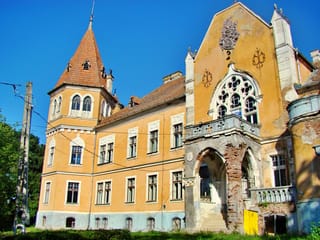
Ugron Castle in Zau de Câmpie
Zau de Campie
19.5km
castle, chateau
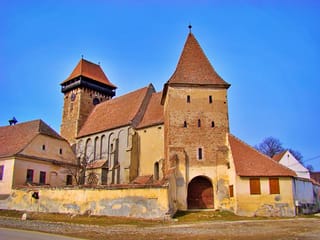
Băgaciu fortified church
Bagaciu
22.2km
fortress
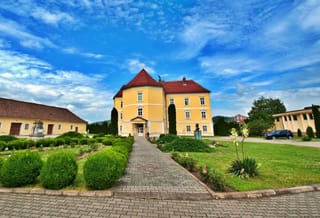
Bagdi Castle (Blaj)
Comuna Cetatea de Baltă
22.3km
castle, chateau
Bethlen-Haller Castle
Comuna Cetatea de Baltă
22.3km
castle, chateau