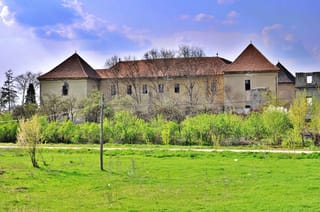
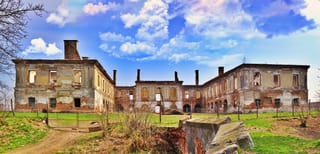
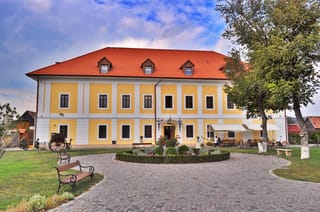
Ugron Castle in Zau de Câmpie
Zau de Campie Mureş Romania
castle, chateau
Castelul Ugron din Zau de Câmpie
Zau de Campie Mureş Romania
castle, chateau
Ugron-kastély (Mezőzáh)
Zau de Campie Mureş Romania
castle, chateau
In the second half of the 18th century Ugron István and his wife, baroness Anna Bánffy founded the Ugron family branch of Zau de Câmpie, moving to the estate which the baroness inherited
Castelul Ugron sau „castelul-calendar” se află în localitatea Zau de Câmpie, în județul Mureș
A mezőzáhi kastély építése 1908-ban indult el, Ugron István távollétében
Previous names
Ugron Castle in Zau de Câmpie, Castelul Ugron din Zau de Câmpie, Ugron-kastély (Mezőzáh)
Description
In the second half of the 18th century Ugron István and his wife, baroness Anna Bánffy founded the Ugron family branch of Zau de Câmpie, moving to the estate which the baroness inherited. The estate passed from father to son and in 1860 Ugron Sándor (1826-1901) and his wife Rozália Kendeffy of Râu de Mori (1836-1898) became the owners of the estate.
Of their four children, Miklós Ugron (1858-1899) was the first heir of the estate, but after his untimely death the estate passed on to his brother, István, who at that time was the consul of Tbilisi. At the time, the estate of Zau de Câmpie had an old mansion and a guest house made of stone, a park, a family crypt and outbuildings. Nine years after he inherited the property, in 1908 István Ugron initiated the construction of a new castle from Warsaw. István Ugron never married and his reason to build a new castle at such a mature age (46 years) could have been his desire to have a new castle, which would satisfy his needs of comfort and representation of a successful man.
The commemorative plaque located on the front wall of the castle bears an inscription which says that the designer of the castle was himself, Ugron István "éPíTETTE / áBRáNFALVI Ugron Istvan / AUSTRIA Magyarország / ES KöVETE M. R. K. H. MINISZTERE / CS. ES KIR. Kamaras / SóGORáNAK / Baro Losoncz BÁNFFY Janos NAK / Rajz utan / MDCDXI. "(Built by István Ugron of Obrăneşti, Ambassador and Minister of Austria and Hungary, imperial and royal chamberlain, after the drawings of his brother, Baron János Bánffy, 1909). In 1894, Baron János Bánffy (1870-1946) married Rozália Ugron (1874-1953), sister of István Ugron. They moved in Gheja (Mures County) and they perhaps built the castle in the village. Despite the fact that there is no information about the architectural studies of Baron Bánffy, in his letters written in 1908 by " his father-in-low'a castle" it appears that István Ugron had an important role in designing the castle: "I am very glad that the castle project went well, I will visit the boy at the 'midwife' Pákei ". This letter and the plans shows that János Bánffy was the one who developed the concept of the castle, with the approval of István Ugron, and their design has been transposed into a feasible form by architect Lajos Pákei from Cluj (1853-1921). The architect had to work on the design and budget that were fixed in advance, which limited the freedom of his architectural invention.
The first projects of the castle from Zau were several drafts drawn with pencil by the amateur architect (János Bánffy), upon which István Ugron made notes and corrections. In these drawings, architect Pákei made some necessary corrections, especially in terms of achieving terraces and a central hall, then early in 1908 he drafted the final construction plan. Since the partners had a firm design in terms of the planimetry of the castle, it is assumed that the architecture of the castle from Zau, its gothic style is thanks to them, because other castles designed by Pákei had a neo-Renaissance (castle Beldi from Budila, the Bornemissza Castle from Chinari) and eclectic (the Teleki Castle from Satulung and the Bánffy Castle from Sâncrai) styles.
The construction of the castle began in 1908 in the absence of István Ugron. Engineer György Koncz from Cluj supervised the executions who, accoding to a magazine of the time ('The Entrepreneurs' Magazine') was wrongly named the one who drafted the construction projects. Dániel Handler, an entrepreneur was given the execution of the work: he received the amount for the construction (more than 160,000 crowns) and he subcontracted some of the work to professionals. Among the most important craftsmen who participated in the construction were István Németh, Imre Kapcza and sculptor Lajos Brósz. According to some notes, the construction of the castle was going slow, the construction was completed only in 1912 and it was furnished only in 1918 after the owner retired. In 1925 István Ugron gave the castle to his nephew, Baron István Bánffy (1898-1944) and his wife, Countess Emma Mikes of Zabala (1899-1929), reserving for himself only a few rooms. István Ugron lived more in Cluj, where in 1948 he died in a nursing home.
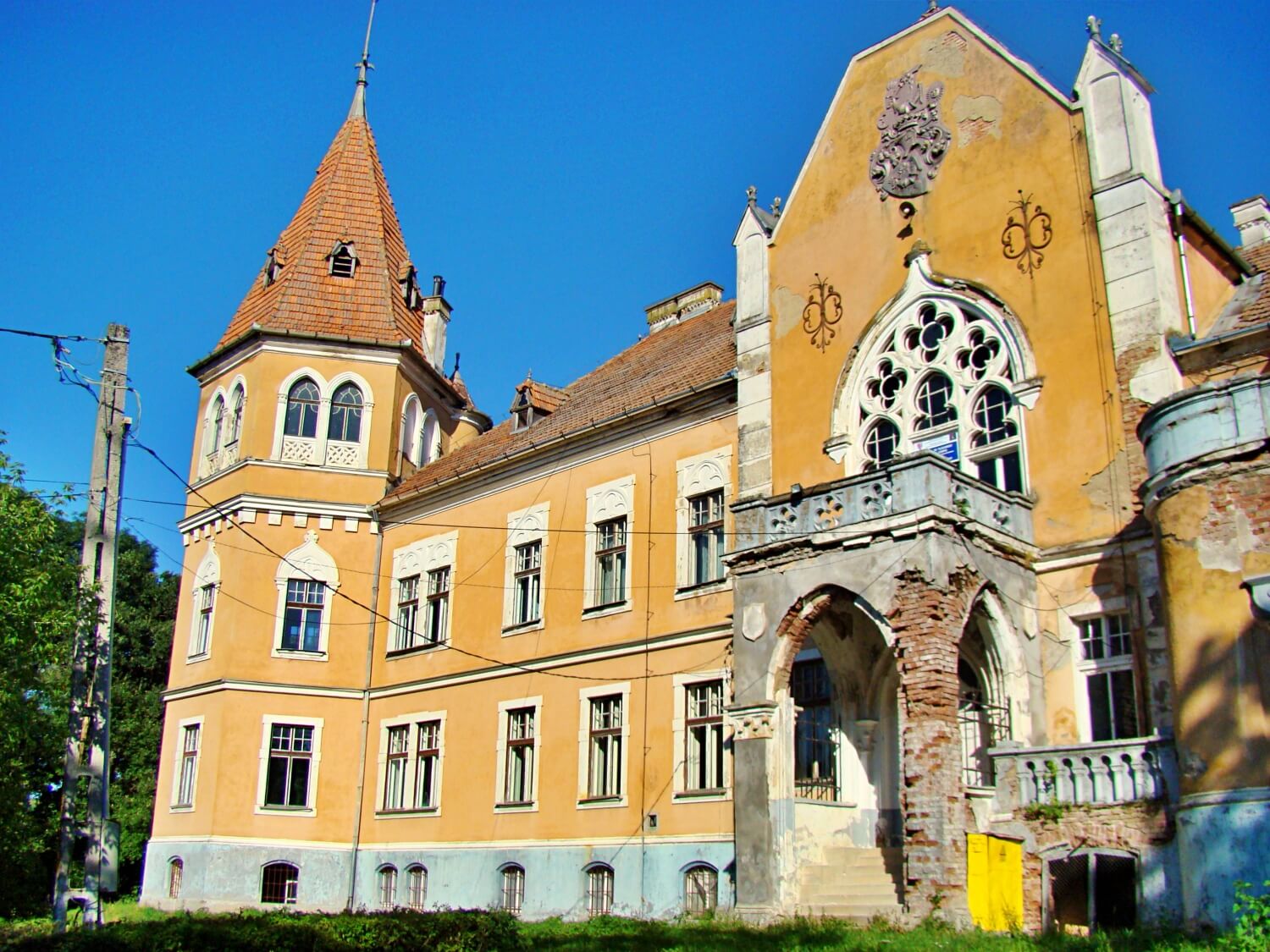
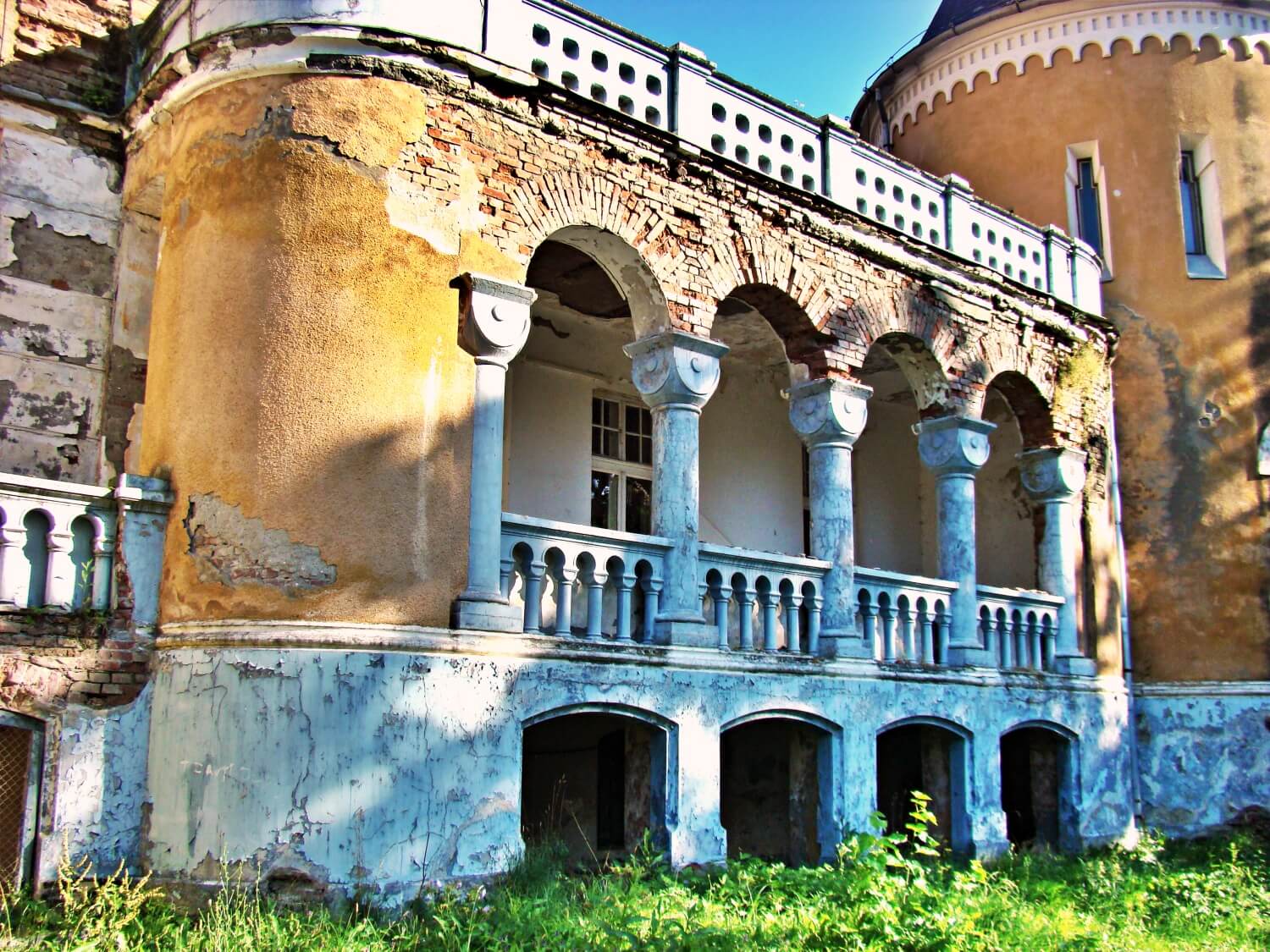
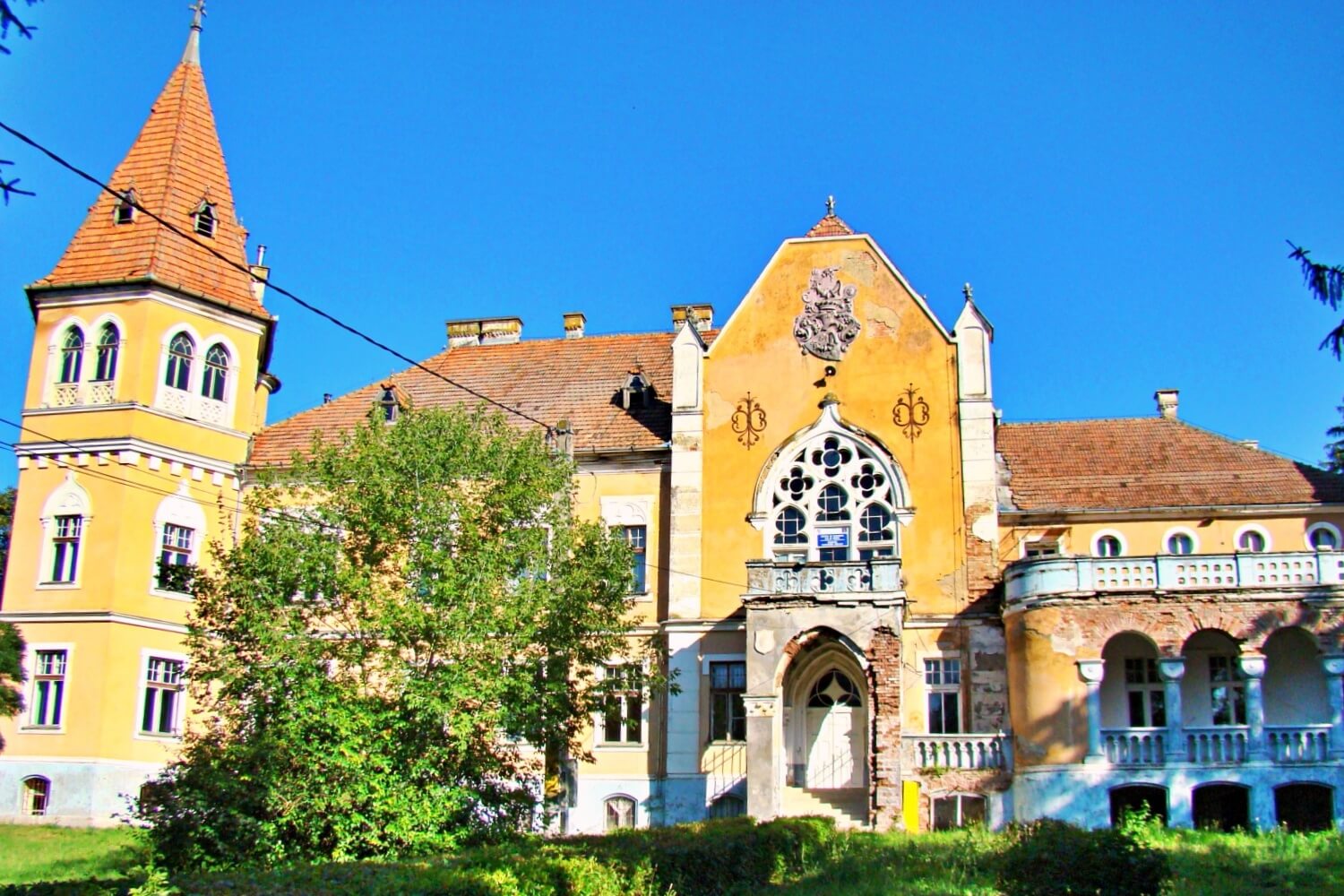
The castle has an L shape and a 50 meters long wing with two rows of rooms and only one perpendicular wing with a row of rooms. The basement is planimetry-like. At three quarters of the castle towers we can observe various shapes and sizes, and the facade terraces containing various forms as well. Compared to the original conception of János Bánffy, the architect Pakei Lajos tried to design a more elegant appearance for the terraces and porches. The result was a mainly asymmetrical facade. The main entrance, located on the ground floor is preceded by a broken-arched portico, and above the porch there is a terrace, which is accessed through a large arc accolade. Above the arch we can observe a carved Ugron family coats of arm. On the left wing of the portico there is a four-axis wing with Gothic windows, on the corner there is a two-story hexagonal tower. The right wing has only one floor preceded by an arcaded porch. At this corner there is a circular tower. The terrace with a simple parapet and small windows above the porch are less in Gothic in appearance as the facade. Initially, in front of the south facade with one level and articulated with seven axes, there was planned to be a winter garden, but instead Pakei realized a terrace with crenelated parapet. At the intersection of the two wings there are two short symmetrical porches. At the end of the porch there is an entrance. In the center of the facade there is a body with three axes and a gable-like façade.
Downstairs, the central representative element is a large hall including the main staircase. Around the hall there are the former representative rooms of the castle, to the left, there is an oriental lounge, another salon, a dining room with similar dimensions as the oriental, and another lounge. Behind the central hall a buffet and the lobby lounge were designed, after which a series of rooms including the round tower room. The octagonal hall of the shorter wing had a breakfast room and sleeping quarters. The floor was only partially built, the plans included guestrooms, guest lounge and a teacher's room.
István Ugron was one of the most important collectors of that era in Transylvania, with an impressive collection of works of contemporary painters from Poland, Serbia and the Orient, but also precious art objects (Persian, Anatolian, Chinese). These works and collection of weapons and furniture were lost over time. The Castle from Zau de Campie, built between 1908 and 1912 is one of the late historicist castles, in our case combining the Gothic and Neo-Roman styles. Regarding the planimetry and its organization, the castle fully meets the rules of the Hungarian Association of Engineers and Architects from 1907, which attempted to formulate the rules of the ideal castle at that time.
After the nationalization, the valuables were taken by officials. Until 1954, the castle functioned as a grain collection center, between 1954-1959 it functioned as a school and between 1959-1962 as an economic high school. Since 1963 the castle housed a children's home, which was liquidated in 2012. The future of the castle now owned by the County Council is uncertain, its future function is still not known.
https://castleintransylvania.ro/
Castelul Ugron sau „castelul-calendar” se află în localitatea Zau de Câmpie, în județul Mureș. Ansamblul castelului Ugron este prezent pe lista monumentelor istorice, cu codul MS-II-a-A-16073.
Istoric
István Ugron(hu), proprietarul castelului, a fost ambasadorul Austro-Ungariei în Imperiul Rus. Așa a cunoscut-o pe una din fiicele țarului Nicolae al II-lea al Rusiei și s-a îndrăgostit de ea. Povestea celor doi a fost păstrată până astăzi prin viu grai, spusă pe la ulițele din sat așa că sunt mai multe variante. Cei mai mulți săteni însă povestesc că și fata era îndrăgostită de baron, doar că acesta nu s-a ridicat la nivelul așteptărilor și pretenților unei prințese. Aceasta i-ar fi cerut baronului Ugron să paveze aleea care duce înspre castel cu bani de aur. Zis și făcut. Ambasadorul îndrăgostit a dat poruncă muncitorilor pentru a-i îndeplini hatârul iubitei. Doar că pe la jumătatea drumului prințesa a cerut ca banii de aur să fie puși în cant, pentru ca nimeni să nu pășească pe coroana împăratului, potrivit acesteia reprezenta o lipsă de respect și loialitate față de împărat. Ugron a dat din nou poruncă pentru refacerea drumului, doar că de data aceasta nu i-au ajuns banii pentru întreaga porțiune de drum. Văzându-se neputincios și incapabil să îi îndeplinească cerințele femeii iubite, baronul István Ugron a încetat o vreme să îi mai facă curte prințesei. Între timp au ajuns la putere bolșevicii, iar în timpul Revoluției Ruse din 1917 întreaga familie a țarului a fost ucisă. Îndoliat, baronul s-a retras din viața publică cu inima plină de durere după dragostea sa neîmplinită.
Trăsături
Castelul din Zau de Câmpie a fost construit după principiile unui calendar. Are 365 de ferestre, câte zile sunt într-un an, 4 turnuri, la fel ca numărul de anotimpuri, 52 de camere, câte sunt săptămânile, 7 terase câte zile sunt într-o săptămână și 12 holuri, câte sunt lunile anului. Castelul stă sub semnul unei povești de dragoste neîmplinite între proprietar și o prințesă rusă. În anul 1911 a început construcția reședinței de vacanță a baronului István Ugron(hu) o arhitectură fidelă castelelor medievale franceze. Timp de trei ani, oamenii locului au fost obligați să muncească acolo, gratuit, cu uneltele și cu animalele lor. Castelul de la Zau de Câmpie nu a fost vizitat foarte des de baron. Cu toate acestea a fost ridicat din ambiția lui de a construi o reședință de vară cu totul și cu totul deosebită, diferită de orice altă reședință. În perioada comunismului a fost preluat de stat și a primit în timp mai multe destinații. Mobilierul a fost confiscat de conducerea comunistă și transferat la Turda, unde era pe atunci centrul de județ. Castelul a fost, pe rând, sanatoriu pentru bolnavii de TBC, școală și depozit de cereale, iar în ultimii ani casă de copii.
Situația actuală
Castelul face parte din patrimoniul Consiliului Județean Mureș care a câștigat procesul cu prezumtivii moștenitori ai contelui Ugron. Casa de copii a fost desființată în 2012, prin hotărâre de consiliu județean, iar ultimii copii au fost mutați de acolo în case de tip familial. În prezent se află în administrarea Direcției generale de asistență socială și protecția copilului Mureș. În 2017 s-a transmis dreptul de administrare asupra imobilului către Muzeului Județean Mureș, pentru desfășurarea unor activități muzeale.
A mezőzáhi kastély építése 1908-ban indult el, Ugron István távollétében. A kivitelezés felügyeletét Koncz György kolozsvári építőmérnök végezte, akit a korabeli Vállalkozók Lapja tévesen a kastély tervezőjeként említ. A kivitelezéssel Handler Dániel építkezési vállalkozót bízták meg: ő kapta meg Ugron Istvántól a kastély építésére szánt több mint 160.000 koronát, valamint ő adta ki a részfeladatok elvégzését különböző mestereknek.
A székely nemesi Ugron család mezőzáhi ágát Ugron István és neje, br. Bánffy Anna alapították meg a 18. század második felében, a feleség hozományát képező mezőzáhi birtokrészre telepedve. A birtok apáról fiúra szállt, az 1860-as években Ugron Sándor (1826–1901) és felesége, malomvízi Kendeffy Rozália (1836–1898) lettek a birtok urai. A házaspár négy gyereke közül Ugron Miklós (1858–1899) volt a záhi uradalom várományosa, korai halála után azonban testvére, István örökölte, aki ekkor épp Tbilisziben teljesített konzuli szolgálatot. A birtokon ekkor egy kőből épült udvarház, kő vendégház, díszkert, családi kripta és gazdasági épületek álltak. 1908-ban, kilenc évvel a birtok megöröklése után Ugron István a távoli Varsóból indította el az új kastély építését. Ugron István sosem alapított családot és az érett férfikorban (46 évesen) elkezdett építkezés oka az lehetett, hogy a sikeres, világot járt diplomata olyan új kastélyt szeretett volna, amely kielégíti korszerű lakó- és reprezentációs igényeit.
A kastély hátsó homlokzatán álló emléktábla br. Bánffy Jánost jelöli meg az épület tervezőjeként: „ÉPÍTETTE / ÁBRÁNFALVI UGRON ISTVÁN / AUSTRIA MAGYARORSZÁG / R. K. KÖVETE ÉS M. H. MINISZTERE / CS. ÉS KIR. KAMARÁS / SÓGORÁNAK / LOSONCZI BÁRÓ BÁNFFY JÁNOS NAK / RAJZAI UTÁN / MDCDXI.” Br. Bánffy János (1870–1946) Ugron István húgát, Rozáliát (1874–1953) vette feleségül 1894-ben, ezután Marosgezsén telepedtek le és ők építhették az ottani kastélyt is, bár nem ismerjük Bánffy építészi képzettségét. „Kastély apatársának”, Ugron Istvánnak 1908-ban írt levelében Bánffy János utalt a tervezés menetére: „Nagyon örvendek, hogy a kastélyterv, melynek te vagy a törvényes, én meg természetes apja, jól sikerült, mostan meg is fogom látogatni a fiút Pákei bábánál”. A levelezések és a tervrajzok arról tanúskodnak, hogy Bánffy János dolgozta ki a mezőzáhi kastély koncepcióját Ugron István jóváhagyásával, elképzelésüket pedig Pákei Lajos (1853–1921) kolozsvári építész „rajzolta át” megvalósítható formába. Az építész előre megkötött alaprajz és építési költségvetés alapján dolgozott, ami jelentősen korlátozta alkotói szabadságát.
A kastély tervezése során először az amatőr tervező (Bánffy János) szabadkezű ceruzavázlatai készültek el az alaprajzról, amelyeket Ugron István jegyzetekkel és javításokkal látott el. E rajzokon Pákei több helyen korrigált, főleg a teraszok és a központi csarnok kialakításait, majd 1908 elejére megrajzolta a kastély végleges tervrajzait (alaprajzok, metszetrajzok, homlokzatrajzok). Ismerve a megrendelőtől kapott határozott alaprajzi elképzelést, joggal feltételezhetjük, hogy Pákeinek a záhi kastély középkorias-neogótikus stílusát is a megrendelők határozták meg, ugyanis a többi, általa tervezett kastély neoreneszánsz (bodolai Béldi-kastély, várhegyi Bornemissza-kastély) és eklektikus (kővárhosszúfalusi Teleki-kastély, enyedszentkirályi Bánffy-kastély) stílusban készült.
A mezőzáhi kastély építése 1908-ban indult el, Ugron István távollétében. A kivitelezés felügyeletét Koncz György kolozsvári építőmérnök végezte, akit a korabeli Vállalkozók Lapja tévesen a kastély tervezőjeként említ. A kivitelezéssel Handler Dániel építkezési vállalkozót bízták meg: ő kapta meg Ugron Istvántól a kastély építésére szánt több mint 160.000 koronát, valamint ő adta ki a részfeladatok elvégzését különböző mestereknek. A kastély építésénél foglalkoztatott mesterek között szerepel Németh István (elkészítette a kastély főhomlokzatát díszítő családi címert), Kapcza Imre (csigalépcső) és Brósz Lajos szobrász. A források alapján az építkezés lassan haladt, 1912-re épült fel a kastély, a teljes berendezés pedig csak a tulajdonos 1918-ban történt nyugdíjba vonulására készült el. 1925-ben Ugron István átengedte a kastélyt unokaöccsének, br. Bánffy Istvánnak (1898–1944) és újdonsült nejének, zabolai gr. Mikes Emmának (1899–1929), önmaga számára csak néhány szobát tartott fenn. Ugron leginkább Kolozsváron tartózkodott, ott is hunyt el 1948-ban egy aggmenhelyen.
A kastély L alaprajzú, 50 méter hosszú épület, melynek hosszanti szárnya két traktusos, a merőleges szárny egy traktusos. Az épület alatti pinceszint követi ezt a beosztást. Az épület három sarkán különböző méretű és formájú tornyok helyezkednek el, a homlokzatok előtt teraszok húzódnak, változatos, de széteső homlokzati kialakítást eredményezve. Bánffy János elsődleges elképzeléseihez képest Pákei Lajos igyekezett elegánsabbra tervezni a teraszok és tornácok kiképzését. Így jelenleg az aszimmetrikus főhomlokzat központi eleme egy rizalit, amelyet trapéz alakú oromzat zár le. Az alsó szintjén található a főbejárat előtt egy pillérekre emelt csúcsíves portikusz, fölötte kis terasz amelyre hatalmas mérműves, szamárhátíves nyílás vezet ki. A rizalit lezárása alatt az Ugron család kőből faragott hatalmas címere található. A portikusz bal oldalán neogótikus ablakokkal áttört négy tengelyes, emeletes épületszárny áll, a sarkon egy kétemeletes, hatszögletű díszes toronnyal. A portikusztól jobbra található alacsonyabb, manzárdos épületszárny szintén négy tengelyes, előtte árkádos veranda húzódik, a sarkon egy kerek torony zárja. A veranda fölötti egyszerű mellvédes terasz és a manzárdemelet apró körablakai kevésbé illeszkednek a homlokzat túlnyomóan neogótikus képébe. A déli oldalhomlokzat hét tengelyes, földszintes épületrésze elé eredetileg hosszúkás télikert került volna, de Pákei helyette kiöblösödő, pártázatos mellvédes teraszt tervezett, amelyre oldalról lépcső vezet. Ahátsó, keleti homlokzat kompozíciója nagyon széteső. A két épületszárny találkozásánál két rövid fedett folyosó helyezkedik el, metszéspontjukra egy 45 fokos szögben ráállított lépcsős portikusszal. A két fedett folyosó végén pincelejárók vannak. A homlokzat középtengelyében a főhomlokzathoz hasonlóan egy oromzatos, háromtengelyes épületrész áll, felső szintjén csúcsíves, mérműves ikerablak és egy-egy körbe foglalt négylevelű motívum található. A homlokzat jobb oldalán háromtengelyes, emeletes épületrész, majd a melléklépcsőházat magába rejtő tengely és a kis kerek torony sorakoznak. Az északi homlokzat a legmegkapóbb, „legközépkoriasabb”. Központi része háromtengelyes, emeletes, az emeleten csúcsíves, mérműves ablakok sorával, melyek felett négy díszpajzs kapott helyet. A homlokzatot keletről a karcsú kerek torony, nyugatról a hatszögletű torony zárják le, utóbbi neogótikus jellegét erősíti a hozzá kapcsolt kis kétszintes lépcsőtorony. A homlokzat előtt mellvédes nyitott terasz húzódik.
Az épület földszintjén a központi elem a nagyméretű csarnok („Halle”), amely magába foglalja a főlépcsőházat is. A csarnok köré szerveződnek az egykori reprezentatív helyiségek, a bal oldalon a keleti terem, a szalon, a hatszögletű toronyszalon, a keleti teremmel megegyező nagyságú ebédlő, és egy másik szalon. A Halle mögött a szervírozó helyiség kapott helyet. A csarnoktól jobbra került a nagyméretű dohányzó, mögötte a kerek toronnyal egybenyitott dolgozószoba-sor. A merőleges, rövid szárnyban a reggelizőszoba és hálószobák voltak. Az emeletet csak félig építették be, a terv alapján itt a vendégszobák, a vendégszalon, a tanító szobája, a kis északkeleti toronyba a vendégek illemhelyisége helyezkedtek el. A helyiségek egykori belső kialakítására csupán Pákei Lajos két részletterve világít rá: a földszinti reprezentatív tereket historizáló stílusú mennyezetek és falburkolatok ékesítették, mint például a gótizáló párkányfrízes síkmennyezettel fedett szalon, vagy a keleti terem esetében. Utóbbit az övpárkány felett kettős oszlopokra támaszkodó árkádok sorozatából álló, keleties falburkolat díszítette. Napjainkra csupán néhány földszinti, neogótikus ajtókeret és a főbejárat mögötti központi csarnok kialakítása őrizték meg az egykori állapotokat. A jelenleg arany-kék-fehér színekben „pompázó” Halle eklektikus, túlnyomóan neoromán és neogótikus elemeket ötvöz. A főlépcsőházat is magába foglaló díszes csarnokot négy vaskos pillér tagolja, fejezetük növényi frízekkel és bimbós oszlopfőkkel díszített. A lépcső és a galéria korlátja félköríves árkádos, neoromán jellegű, a galéria mellvédjének sarkain lévő kővázák is ebben a stílusban készültek. A csarnok magas tükörboltozatát neogótikus boltfiókok sora díszíti. Ugron István korának egyik jelentős erdélyi műgyűjtője volt, külföldi utazásai során gyarapított gyűjteménye leginkább szerb és keleti festők műveit és számos keleti eredetű (perzsa, anatóliai, kínai) iparművészeti tárgyat tartalmazott. A gazdag mű- és fegyvergyűjtemény, valamint a kastély egykori berendezése mára szétszóródott.
Az 1908 és 1912 között épült kastély egyike az utolsó historizáló erdélyi kastélyoknak. Külalakjában kevésbé stílustiszta, hiszen a historizmus alkonyán az építészek már szabadabban keverték a történeti formákat, jelen esetben a neogótikus és neoromán elemeket. Alaprajzi és térszervezési tekintetben az épület szinte pontosan követi a korszak kastélyépítészeti előírásait, amelyeket a Magyar Mérnök- és Építész-Egylet 1907-ben meghirdetett nagypályázatának programja foglalt össze. A kastély művészettörténeti értékét a tervezés (egy műkedvelő arisztokrata és a hivatásos építész erőviszonyainak alakulása) érdekes menete is növeli.
Az államosítás után a berendezési tárgyak legjavát hivatalos személyek hordták szét. A kastélyban 1954-ig gabonagyűjtő központ, 1954–1959 között iskola, 1959–1962 közt gazdasági líceum működött. Az épületben 1963 óta gyerekotthon működött, amelyet 2012 júliusában számoltak fel. Egyelőre nem lehet tudni, hogy a Maros Megyei Tanács tulajdonában lévő, roskadozó külsejű épületet milyen funkcióval fogják betölteni.
https://kastelyerdelyben.ro/
Useful information
Free
Closed for restoration
-
-
Nearby castles