Bagdi Castle (Blaj)
Comuna Cetatea de Baltă Județul Alba Romania
castle, chateau
Castelul din Blaj
Comuna Cetatea de Baltă Județul Alba Romania
castle, chateau
Bagdi-kastély (Balázsfalva)
Comuna Cetatea de Baltă Județul Alba Romania
castle, chateau
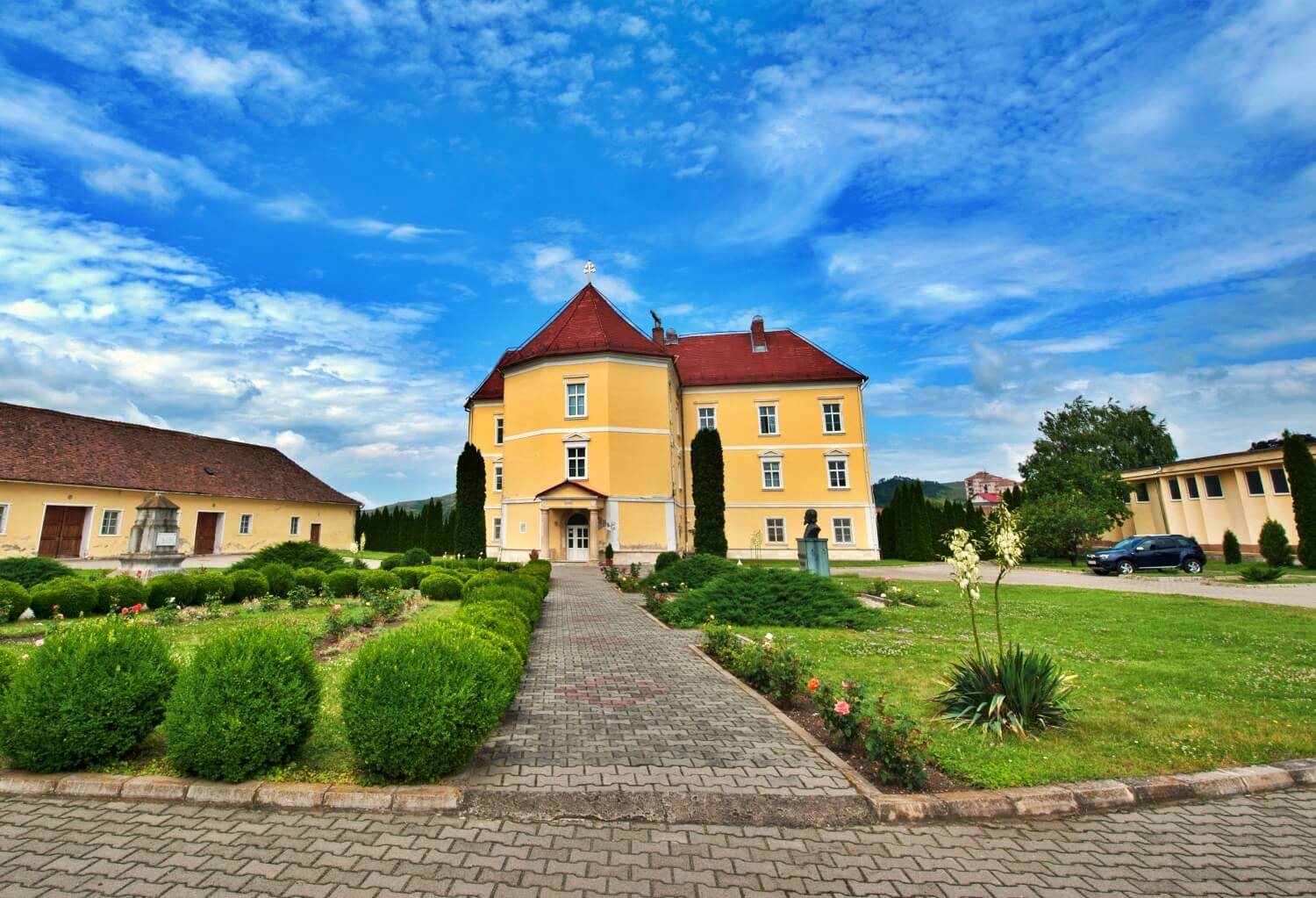
On the main square of Blaj stands the former Bagdi Castle, which since 1738 (with a small interruption in the 20th century) functions as the Greek Catholic Archbishop's Palace
Castelul din Blaj este un monument istoric din secolul al XVI-lea, clasificat sub cod LMI AB-II-a-A-00189
Balázsfalva főterén áll az egykori Bagdi-kastély, mely egy kisebb XX
Previous names
Bagdi Castle (Blaj), Castelul din Blaj, Bagdi-kastély (Balázsfalva)
Description
On the main square of Blaj stands the former Bagdi Castle, which since 1738 (with a small interruption in the 20th century) functions as the Greek Catholic Archbishop's Palace. The castle was built in 1534-1535 by György Bagdi, who designed a T-shaped residential tower with three floors. The entrance was reinforced with a fire-line.
In 1617 the building was known as the hunting seat of Gábor Bethlen. The Prince of Transylvania reconditioned the castle and the church standing in the garden as well and in 1619 donated it to Simon Pécsi, Chancellor of Transylvania. The new owner started renovating the castle and repaired the nearly one hundred years old Protestant Church too. The inscription of a marble plaque right above the church doors is an excellent evidence for this: „Hic iter est, veniant sitientes bibere, lymhos, post quas non ultra concutit atra sitis. A.D. 1629” On December 14th, 1664 Anna Bornemissza, the wife of Mihály Apafi (Prince of Transylvania) moved into the castle. On October 27th 1687 a very important agreement had been signed in this building between the Habsburg Empire and the Transylvanian Parliament, pursuant to which Transylvania was officially attached to the Habsburg Empire. On this occasion Charles, Duke of Lorraine represented the emperor and Mihály Teleki, Chancellor represented the Transylvanian Assembly.
In 1737 Charles III donated the estate to the Greek Catholic Church and in the next year Inocentiu Micu Klein used the building as the bishop’s residence. Since then the castle had undergone various construction projects, in 1842 it was expanded with a north wing as well.
https://castleintransylvania.ro/
Castelul din Blaj este un monument istoric din secolul al XVI-lea, clasificat sub cod LMI AB-II-a-A-00189. Din anul 1737 este sediul întâistătătorului Bisericii Române Unite cu Roma (cu întrerupere în perioada comunistă).
Istoric
Castelul a fost construit în anul 1535 de Georgius Bagdi, un oficial al Episcopiei Romano-Catolice de Alba Iulia. La începutul secolului al XVII-lea edificiul a ajuns în posesia principelui Gabriel Bethlen, din ordinul căruia a fost împrejmuit „cu ziduri mărețe”. În anul 1629 lucrau la castel dulgheri, tâmplari, geamgii, cât și starostele breslei pietrarilor din Cluj, împreună cu alți cinci pietrari.
În anul 1648, prin stingerea liniei masculine a familiei Bethlen, edificiul a ajuns în proprietatea fiscului.
În data de 15 noiembrie 1663 castelul și domeniul Blajului a fost cumpărat de Ana Bornemissza, soția principelui Mihai Apafi I. În anul 1695 principele Mihai Apafi al II-lea și-a serbat aici nunta cu Katalin Bethlen. În anul 1713, la moartea lui Mihai Apafi al II-lea, domeniul și castelul Blajului au devenit proprietate erarială, aidcă posesiune a fiscului împărătesc.
În anul 1737 episcopul Inocențiu Micu-Klein a efectuat un schimb de proprietăți cu fiscul imperial, cedând în schimbul domeniului și castelului din Blaj domeniile Gherlei și Sâmbetei de Jos. Astfel a reușit mutarea sediului episcopal de la Făgăraș la Blaj, păstrând pentru sine și pentru succesorii săi titlul de „episcop de Făgăraș”.
Balázsfalva főterén áll az egykori Bagdi-kastély, mely egy kisebb XX. századi megszakítással 1738 óta görög-katolikus érseki palotaként funkcionál. Az épületet eredendően Bagdi György építtette 1534-35-ben háromemeletes T alaprajzú lakótoronyként.
Bejáratát védőárokkal erősítették meg. 1617-ben már Bethlen Gábor vadászkastélyaként találkozhatunk vele. A kastély udvarán álló templommal együtt a fejedelem renováltatta, majd 1619-ben Erdély kancellárjának, Pécsi Simonnak, adományozta. (A településnek ugyanekkor városi jogot is adományozott) A kastély új tulajdonosa ismételten építkezett, s a már közel száz éves, akkor már református templom javítását is ő fejezte be. Erről tanúskodik a templomajtó fölötti márványtábla felirata is: „Hic iter est, veniant sitientes bibere, lymhos, post quas non ultra concutit atra sitis. A.D. 1629”. A balázsfalvi kastélyba Apafi Mihály fejedelem felesége, Bornemissza Anna, 1664. december 14-én költözött be. 1687. október 27-én az épületben került sor a Habsburg birodalom és az Erdélyi Országgyűlés között megkötött szerződés aláírására, melynek értelmében Erdély Habsburg fennhatóság alá került. A császárt Lotharingiai Károly herceg, míg az Erdélyi Országgyűlést Teleki Mihály kancellár képviselte.
III. Károly a balázsfalvi uradalmat a görög-katolikus egyháznak adományozta 1737-ben, s már a következő évben Inocentiu Micu Klein püspöki rezidenciát rendezett be az épületben. A kastélyon azután is kisebb-nagyobb építkezések történtek; 1842-ben északi szárnnyal is bővítették.
https://kastelyerdelyben.ro/
Useful information
Free
25.00 RON
0 - 12 years: free
WC
castel@jidvei.ro
- Wine tasting
- Closed on Mondays
- Vineyards and winery: 25.00 RON
- Guided tours are offered
-
-
Nearby castles
Bethlen-Haller Castle
Comuna Cetatea de Baltă
0.0km
castle, chateau
Boian fortified church
Bazna
7.2km
fortress
Sânmiclăuș Bethlen castle
Sona
8.6km
castle, chateau
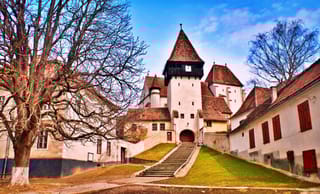
The fortified church from Bazna
Comuna Bazna
10.3km
fortress
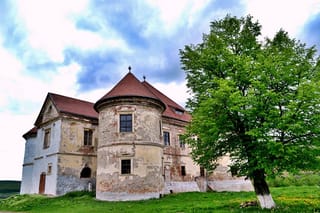
Ozd Pekri-Radak castle
Bichis
12.1km
castle, chateau
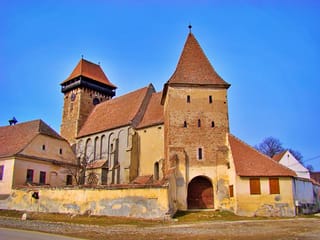
Băgaciu fortified church
Bagaciu
15.4km
fortress
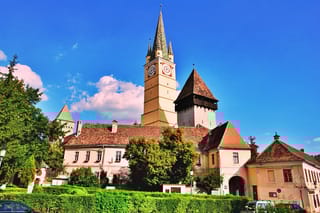
St. Margaret's Church (Mediaș)
Municipiul Mediaș
17.0km
castle, chateau