Bethlen-Haller Castle
Comuna Cetatea de Baltă Județul Alba Romania
castle, chateau
Castelul Bethlen-Haller
Comuna Cetatea de Baltă Județul Alba Romania
castle, chateau
Bethlen–Haller-kastély
Comuna Cetatea de Baltă Județul Alba Romania
castle, chateau
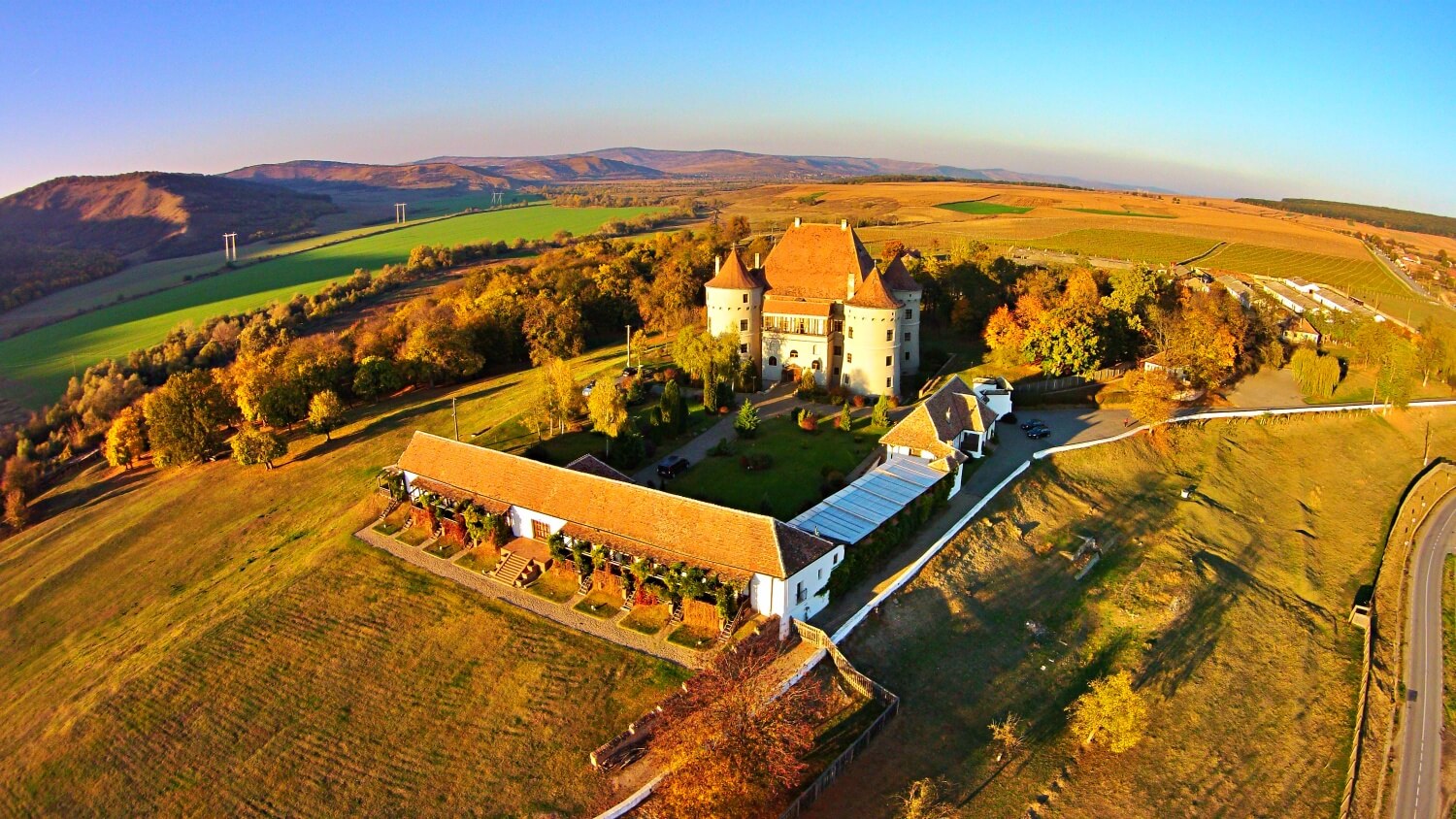
Once in Cetatea de Baltă, Alba County, on the banks of Târnava Mică and discovering Bethlen-Haller Castle that seems to guard the entire horizon, we cannot fail to notice the new life that it has
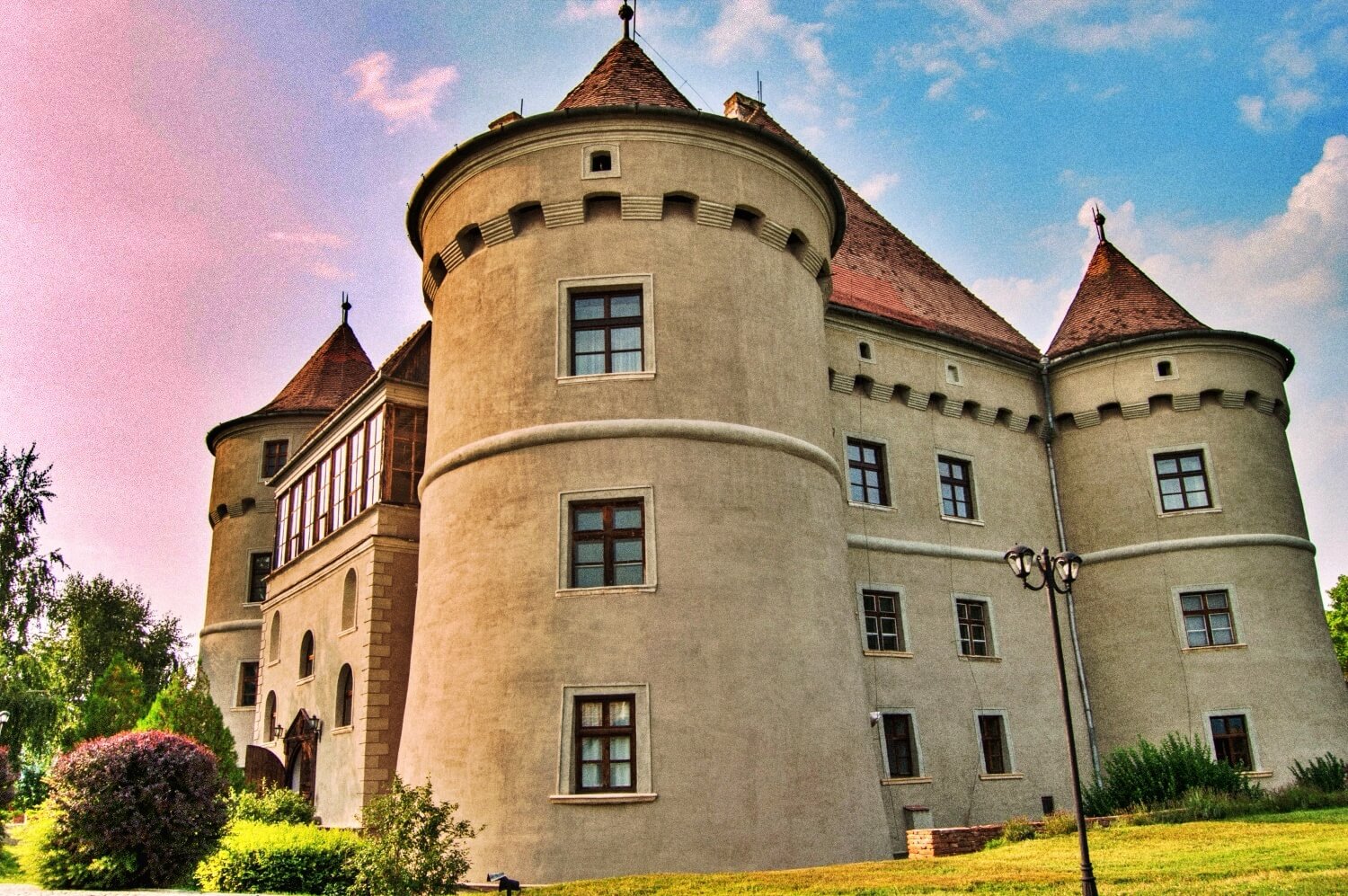
Castelul Bethlen-Haller a fost construit în stil renascentist de tatăl cancelarului Transilvaniei, Miklos Bethlen, între anii 1560 – 1624
Küküllővár régi vára a falun túl, a Küküllő mocsaras árterületén emelkedett, emiatt románul Cetatea de Baltă, azaz Mocsárvárnak nevezték
Previous names
Bethlen-Haller Castle, Castelul Bethlen-Haller, Bethlen–Haller-kastély
Description
Once in Cetatea de Baltă, Alba County, on the banks of Târnava Mică and discovering Bethlen-Haller Castle that seems to guard the entire horizon, we cannot fail to notice the new life that it has. Our hearts are filled with gratitude, noticing that we can easily get lost in a landscape similar to France or Italy. The beautiful reborn Bethlen-Haller Castle, its details, the order and the surrounding air.
We are guided with good energy, smiles and a lot of passion by Bogdana. As we love the places that breathe through their people, we understand from the beginning that we will be very happy to return.
The journey at Bethlen-Haller Castle begins with a tour. It has a troubled history, unknown sometimes. Similar to the styles in which it was built (Renaissance, Baroque, avant-garde and extravagant) so are its days, owners, stories. Typically Renaissance built, the four-tower Bethlen-Haller Castle was built between 1615-1624 by Miklos Bethlen, Chancellor of Transylvania. However, it has undergone numerous transformations over time. Between 1769-1773 it was renovated in Baroque style. It was bought from the Tax Office, sold, bet and lost at card game, passing from the possession of Bethlen family to Haller family. It was like this starting with the second half of the 19th century, until the year of expropriation, 1948.
During the communist period, Bethlen-Haller Castle became vinification section, while the original furniture, decorations and collectibles disappeared or were destroyed. After 1989, it was claimed and returned to Haller family, then bought by Necşulescu family, who restored it. It became after a symbol of Jidvei and in 2020 the family opened it completely for the public.
We are grateful for the generous tour, for the small imperfections we observe, which make Bethlen-Haller Castle more beautiful. In one of the towers there is an old wooden staircase. Hanging on the walls surrounding the staircase we see old clocks, one for each birthday celebration of the owner. Also it is said that at the base of the stairs, the old door would have been the passage to a secret tunnel that connected the two castles of the Bethlen family. It is this one and the one in Sânmiclăuș.
We also find out that the current objects and paintings inside Bethlen-Haller Castle have been collected over time from various collections. Some of the rooms have been painted by students from the University of Arts. However, one of the painted walls has only an outline, without a completed model, a symbol of the beauty of imperfection, the specificity of this place. We stop next to an old piano, the only object left in the castle from the period when it became a warehouse. Made in Vienna, today it looks tired, completely out of tune, but with a symbolic beauty, that only a trial can offer as gift. We can feel the emotion while touching it.
Bethlen-Haller Castle is, therefore, a story. It needs to be discovered in peace, understood, valued. It has many corners, windows, details that are worth sniffing in a personal rhythm. We arrive to our room, one of the four currently available and renovated. Time travel, tall windows under which a beautiful field and sunset appear, perfect furniture, white bedding, painted walls and an elegant bathtub, romantically surrounded by a transparent curtain. For a moment you are there, back in time.
On the first day we better understood the history and current story of Jidvei wineries. We were glad to find out so many new things. Jidvei has 2500 ha of vineyard, the largest single-owner area in Europe, processing over 25 million kg of grapes annually. At the same time, it inaugurated the first gravitational winery in Europe and today it produces 54 different labels. Jidvei has four wineries, in Jidvei, Tăuni, Blaj and Bălcaciu. The storage capacity is over 35 million liters. Jidvei winery, built in 1974, has the largest storage capacity, with a modern fermentation technology, fully automated. Blaj, founded in 1989, hosts the oldest wines. Bălcaciu (1958) has the sparkling wines and wine distillates. Established in 2014, Tăuni is unique, thanks to fermentation and storage tanks, equipment and facilities, modern technologies. It uses gravitational energy, for minimal intervention in the winemaking process.
https://romanian-romance.com/
Castelul Bethlen-Haller a fost construit în stil renascentist de tatăl cancelarului Transilvaniei, Miklos Bethlen, între anii 1560 – 1624. Având patru turnuri amplasate în cele patru colțuri, castelul a fost construit după modelul celor de pe valea Loirei. Acesta a fost gândit ca un castel de vânătoare și agrement, nicidecum ca o reședință cu scop de apărare, de aceea atestarea în documentele vremii este destul de săracă. De-a lungul timpului, castelul a trecut prin numeroase transformări: construcția actualei clădiri a fost finalizată în anul 1624, iar între anii 1769-1773, castelul a fost reamenajat în stil baroc.
Mai multe castele din Transilvania sunt denumite după familia Bethlen. Miklos Bethlen a fost cancelar al Transilvaniei, iar Gabor Bethlen, provenit dintr-o altă ramură a aceleiași familii de nobili maghiari, a fost principe al Transilvaniei.
https://www.jidvei.ro/
Küküllővár régi vára a falun túl, a Küküllő mocsaras árterületén emelkedett, emiatt románul Cetatea de Baltă, azaz Mocsárvárnak nevezték. A tatárjáráskor elpusztult vár utódját 1321-ben említik először.
Mátyás király 1462-ben Pongrácz János erdélyi vajdának adományozta, az ő halála után, 1476-ban, hűbérbe adta Ștefan cel Mare, Moldva fejedelmének. 1507-ben Ștefan fiának, Bogdan vajdának kezén volt a vár, de a soron következő vajda Petru Rareș, I Ferdinand támogatójaként 1538-ban elvesztette azt, és az erdélyi országgyűlés határozata alapján 1565-ben lerombolták. 1622-ben Bethlen Gábor fejedelem öccse, iktári Bethlen István építtete a ma álló, négyszögletes, sarkain hengeres saroktornyos kastélyt, egy régi udvarház helyére. Több tulajdonos után 1758-ban Bethlen Gábor udvari kancellár vásárolta meg a birtokot a Kincstártól. Tőle 1764-ben csere útján testvéréhez, Miklóshoz jutott, aki lépcsőházat emelt, a külső várfalat lebontotta, kápolnát, lóistálót és egy kaputornyot is építtetett (1972-ben leomlott). Ezekre a munkálatokra emlékeztet az épület mögötti emléktábla az 1773-as évszámmal, hátán egy görbelábú huszárral. 1884-ben a birtok gróf Haller Jenő birtokába került, aki kártyán nyerte el Bethlen Márktól.
Az 1944-es harcokban a kastély falai megsérültek. Használták magtárként, irodaházként, majd a 70-es évektől a Jidvei pezsgőgyár használta a várkastély tágas pincéit.
Tulajdonviszony: A Jidvei tulajdonosa vásárolta meg a kastélyt azzal a feltétellel, hogy felújítja.
https://kastelyerdelyben.ro/
Useful information
Free
25.00 RON
0 - 12 years: free
WC
castel@jidvei.ro
- Wine tasting
- Closed on Mondays
- Vineyards and winery: 25.00 RON
- Guided tours are offered
-
-
External links
Nearby castles
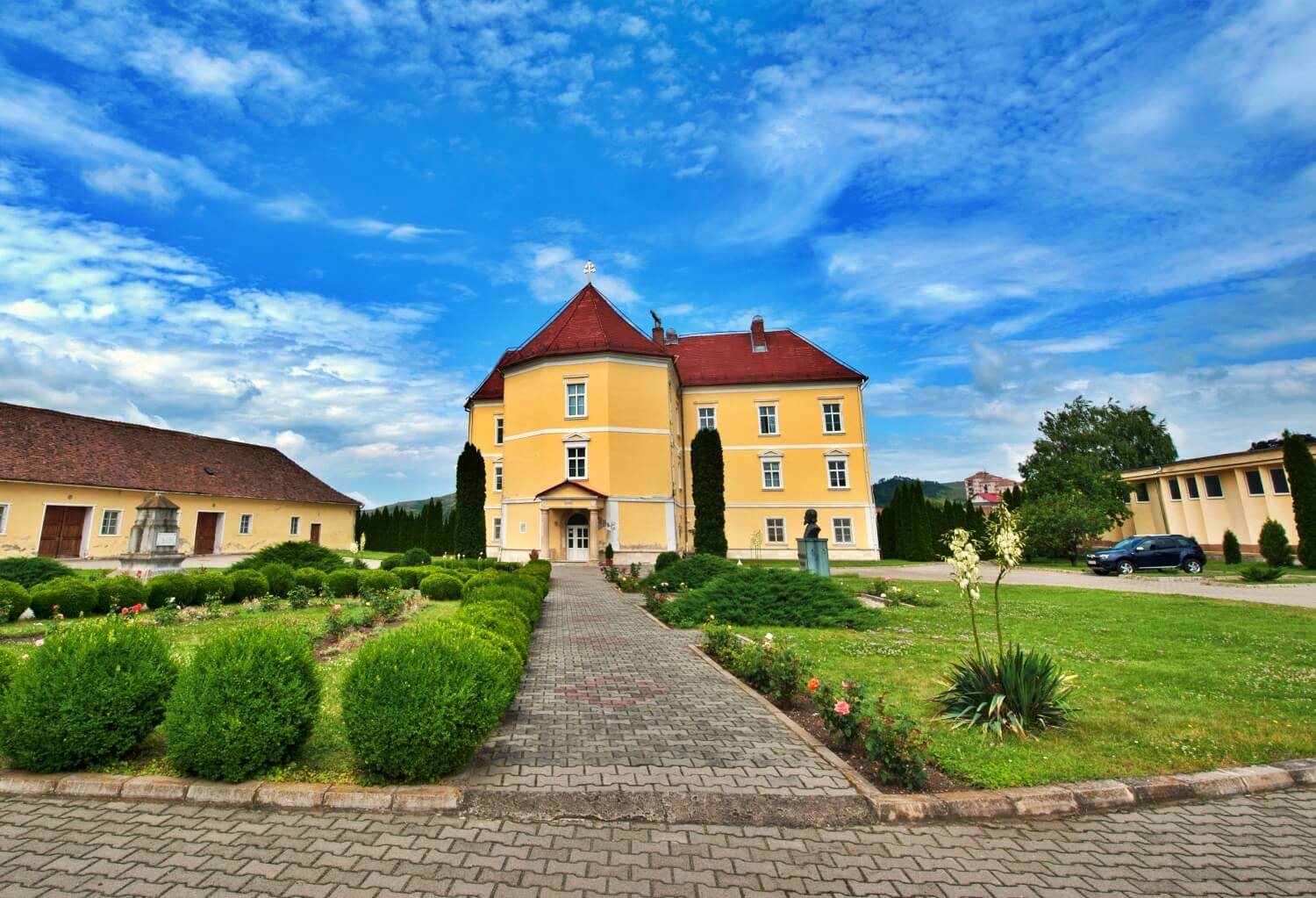
Bagdi Castle (Blaj)
Comuna Cetatea de Baltă
0.0km
castle, chateau
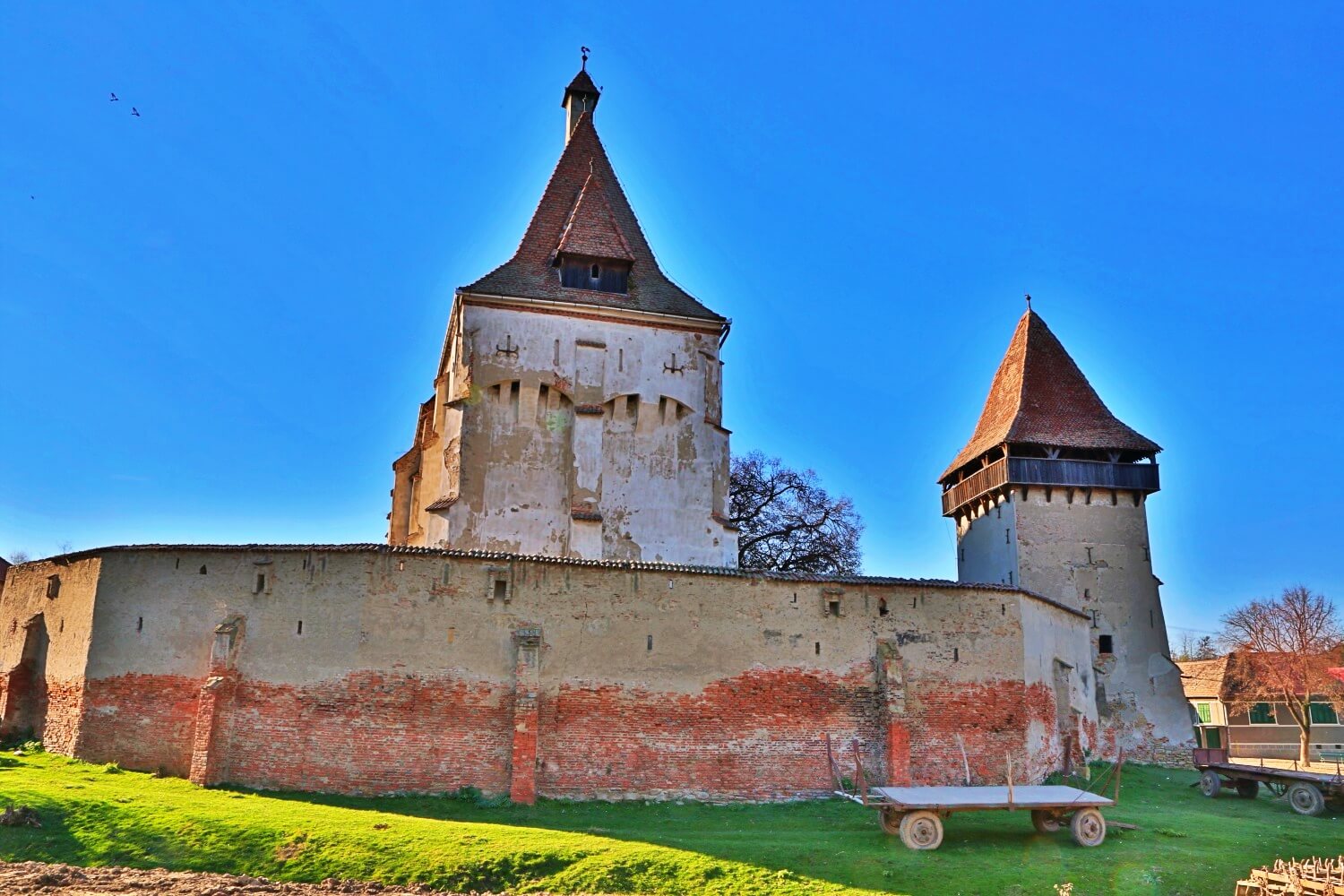
Boian fortified church
Bazna
7.2km
fortress
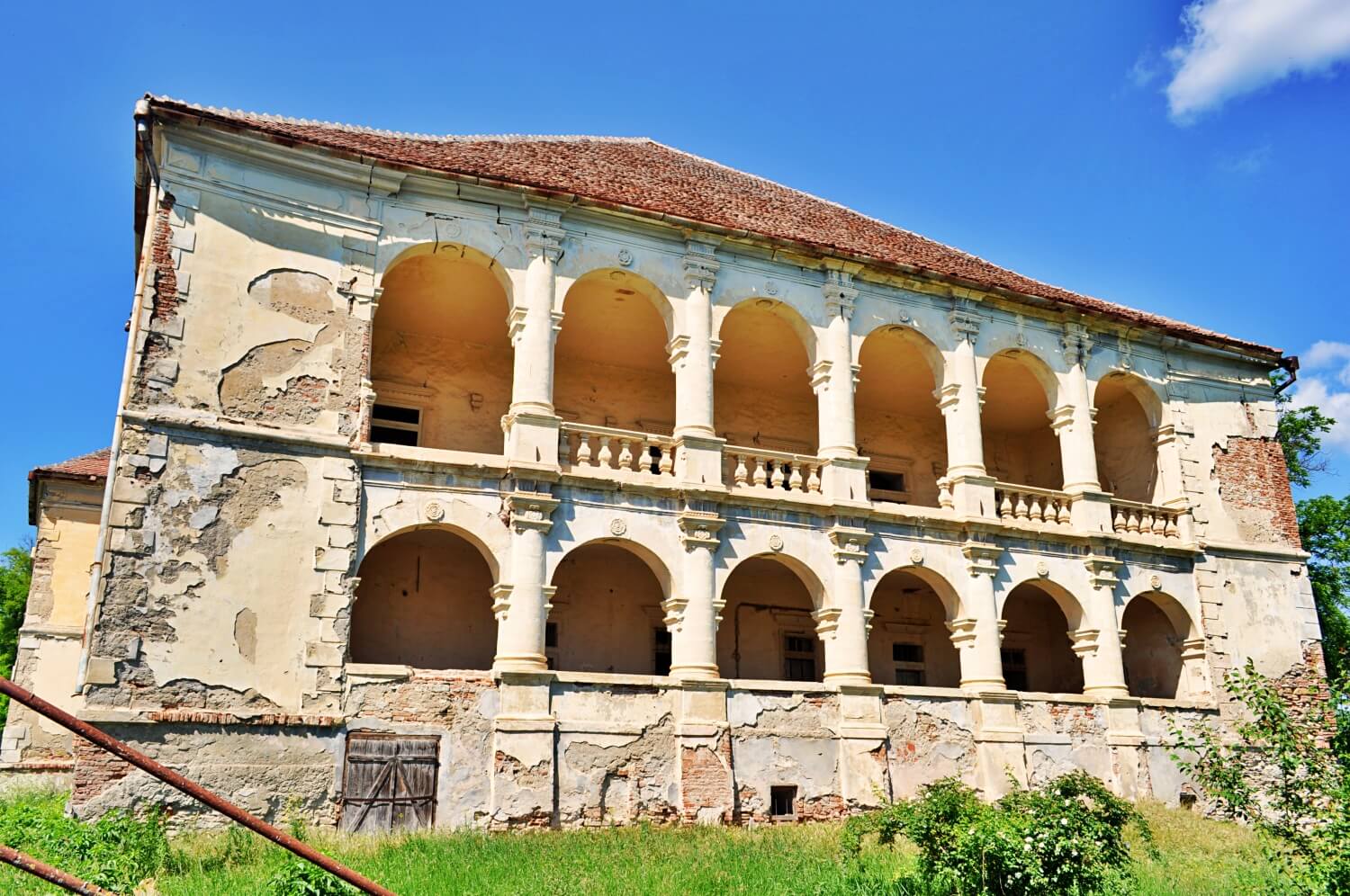
Sânmiclăuș Bethlen castle
Sona
8.6km
castle, chateau
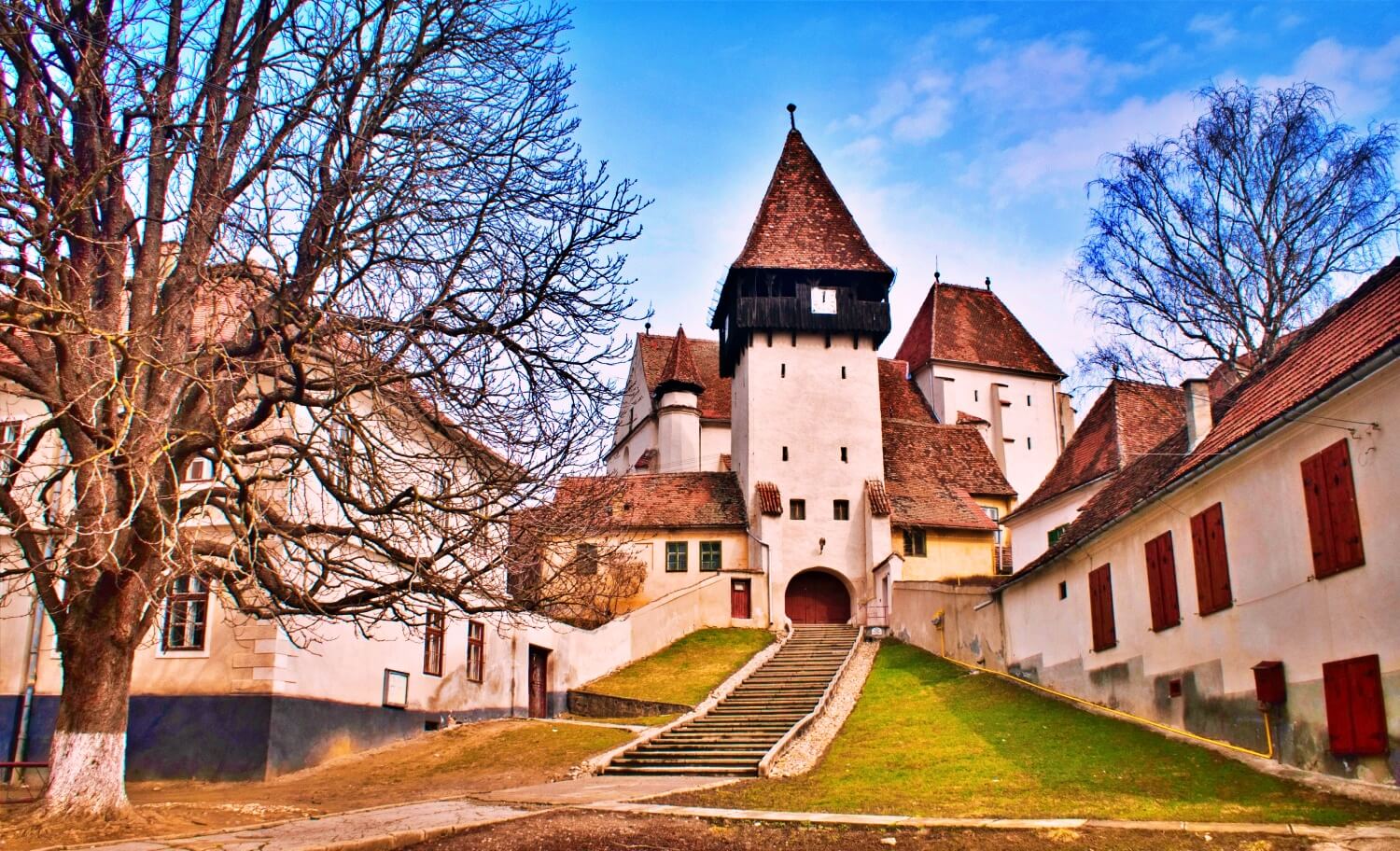
The fortified church from Bazna
Comuna Bazna
10.3km
fortress
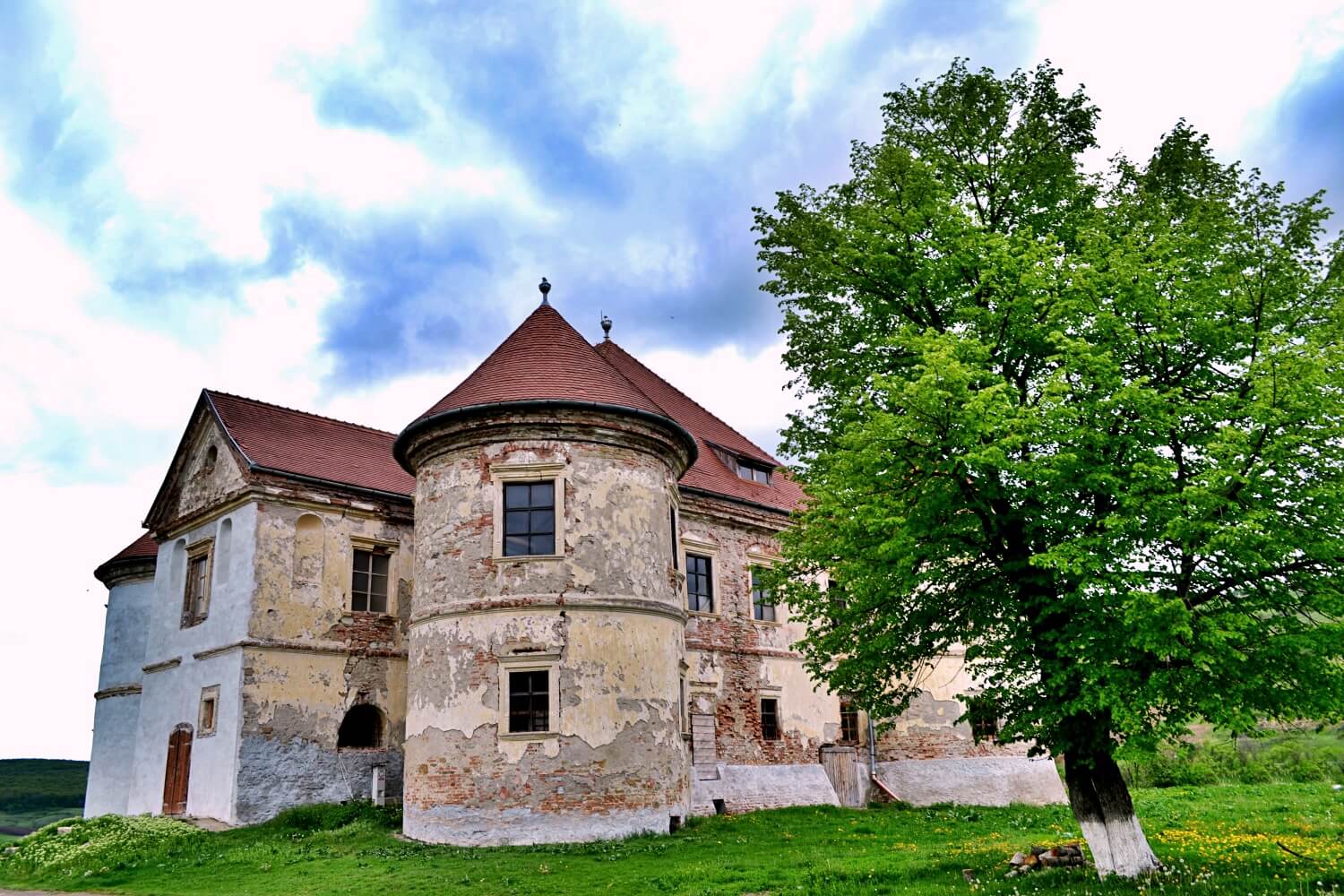
Ozd Pekri-Radak castle
Bichis
12.1km
castle, chateau
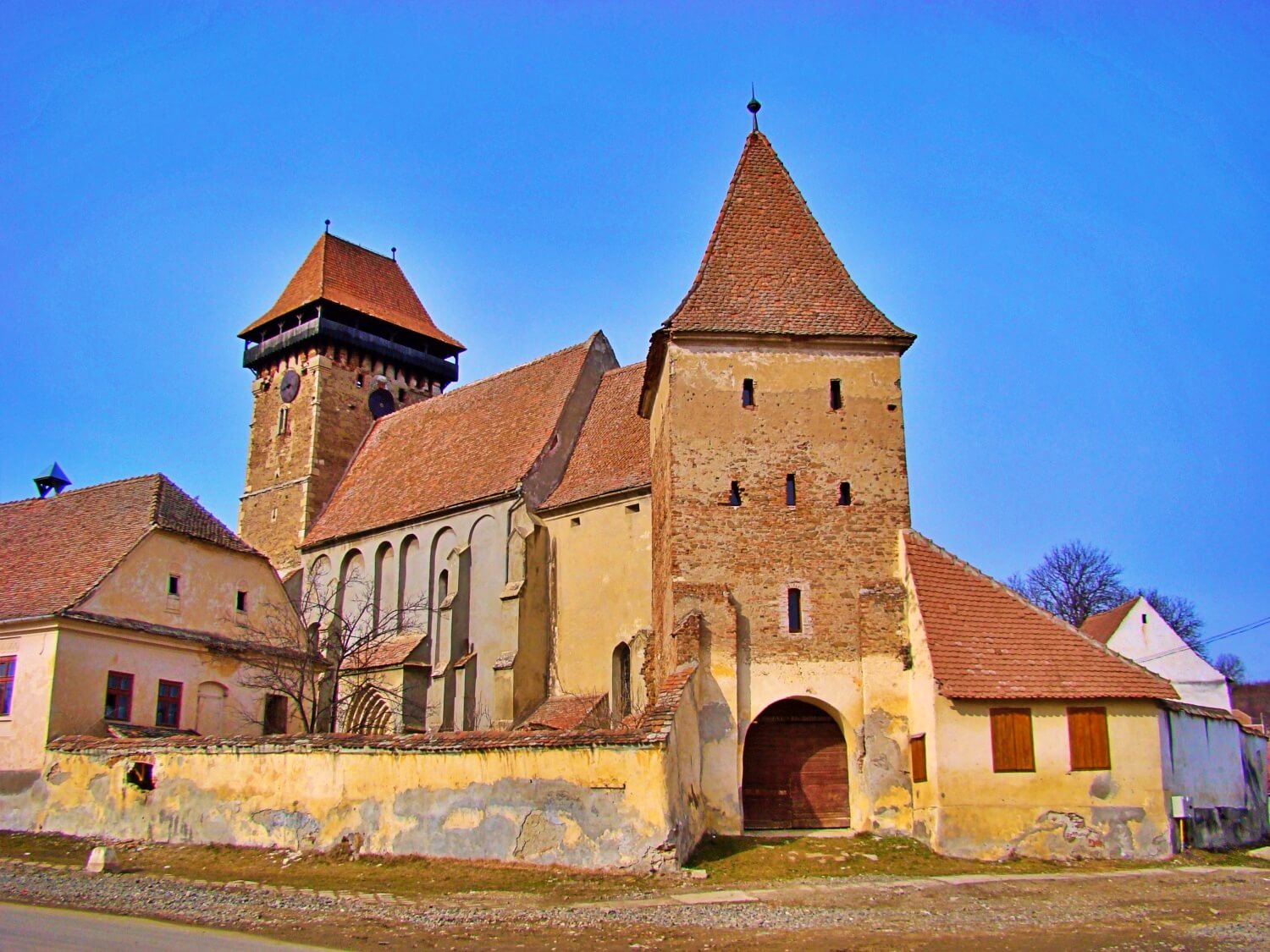
Băgaciu fortified church
Bagaciu
15.4km
fortress
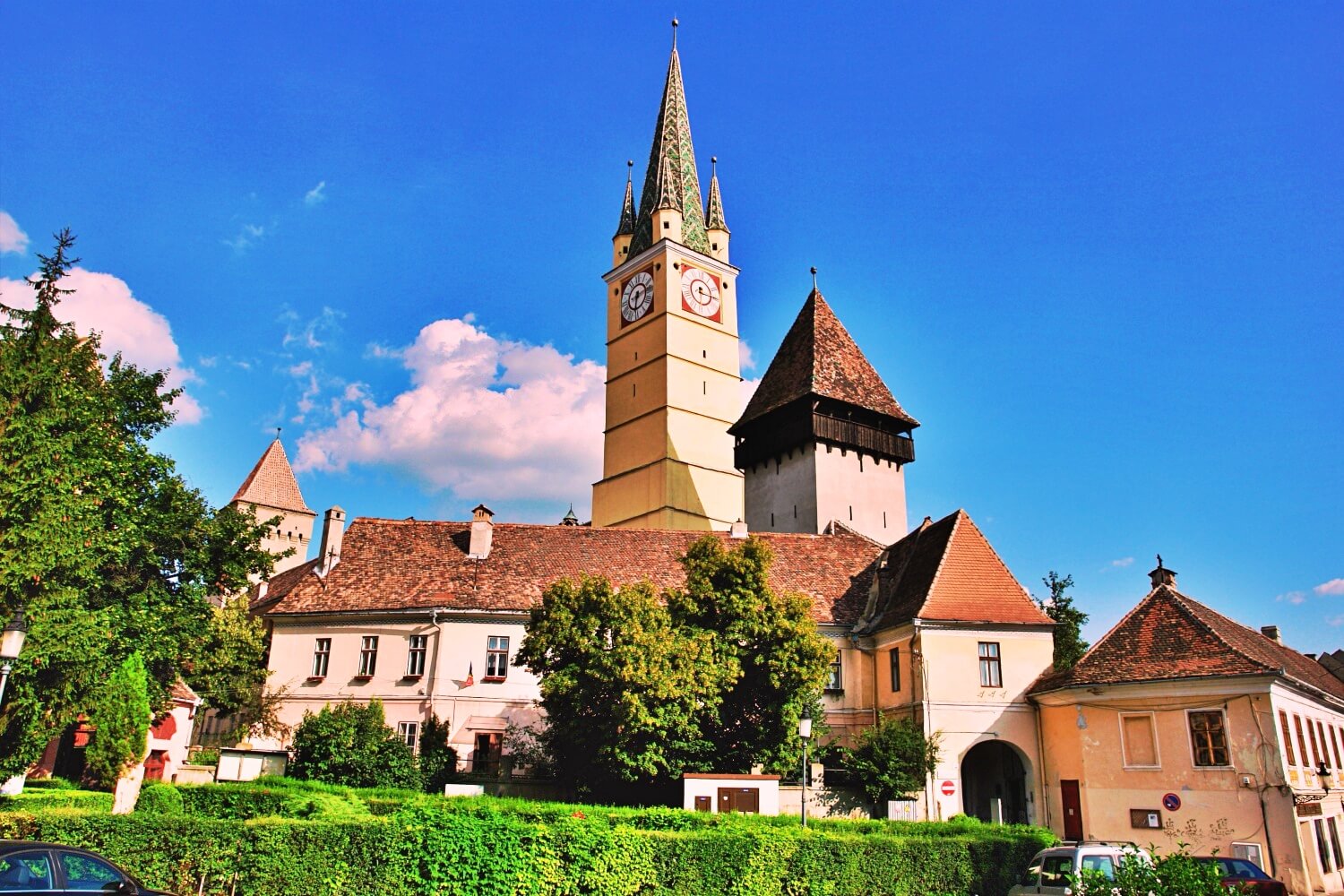
St. Margaret's Church (Mediaș)
Municipiul Mediaș
17.0km
castle, chateau